Private Full-Day Birdwatching Tour from Lisbon to the Alentejo (Castro Verde and the Guadiana Valley)









Our day tours to the Alentejo encompass two remarkable areas – the Castro Verde plains and the Guadiana Valley, and include habitats of stunning natural beauty. From Lisbon, a 90-minute drive brings us into these zones of special protection, including the bluffs and hills of the Guadiana Valley Natural Park.
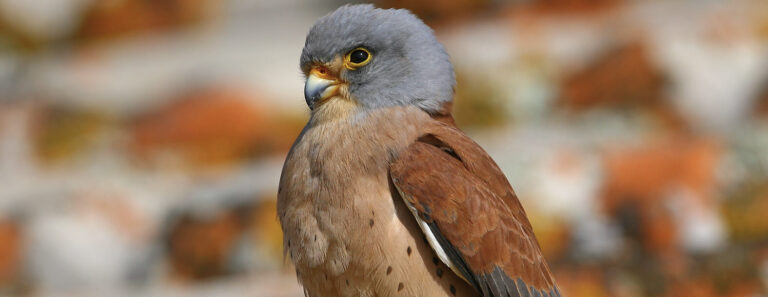
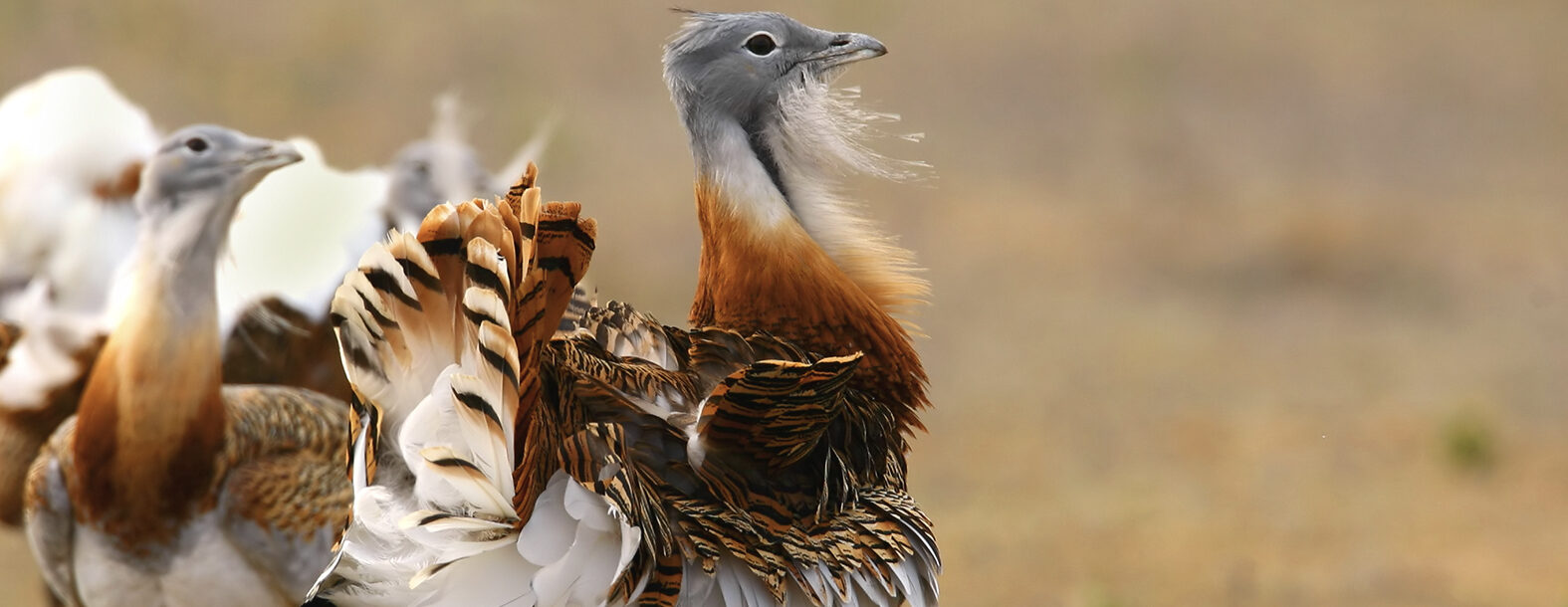
The unique rolling plains of Castro Verde are the most important zone in Portugal for steppe bird conservation and the whole area was recently (2017) declared a UNESCO Biosphere Reserve. The region includes a major special protection area, specifically created to protect species like Montagu’s Harrier, Great and Little Bustards, Common Crane, Eurasian Stone-curlew, Black-bellied Sandgrouse, European Roller, Lesser Kestrel and Calandra Lark; all these species can be confidently expected here in the appropriate seasons.
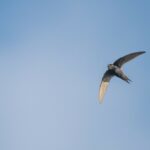
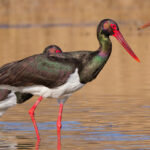
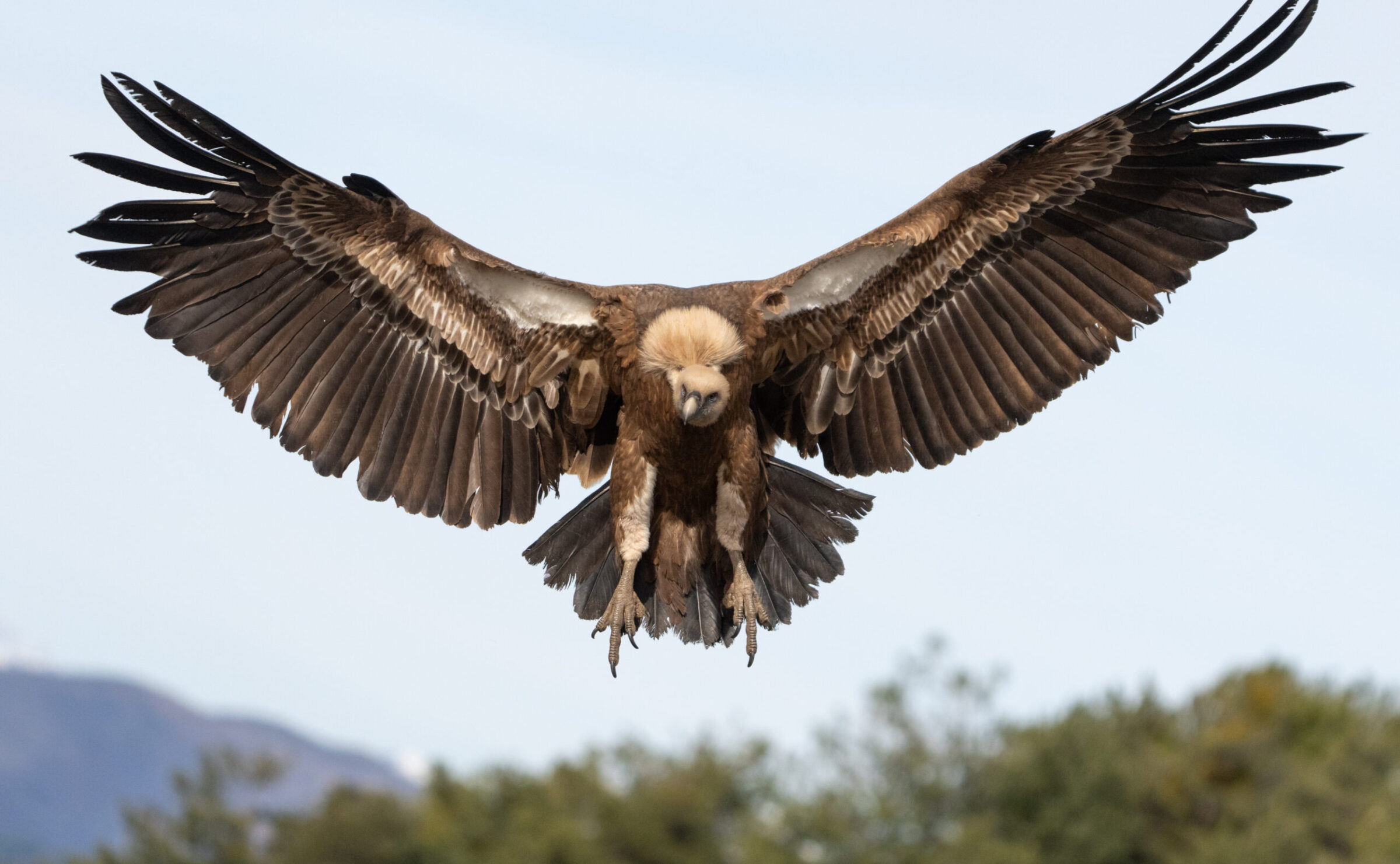
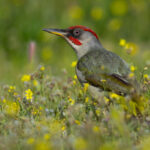
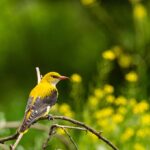
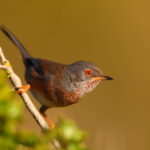
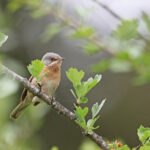
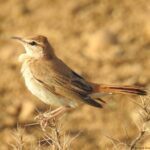
The Guadiana Valley is the very best region in the country for several species, including Iberian Imperial Eagle and White-rumped Swift; other charismatic birds which can be seen here include Black Stork, Griffon Vulture, Cinereous Vulture, Golden Eagle, Bonelli’s Eagle, Collared Pratincole, Great Spotted Cuckoo, Eurasian Eagle-Owl, Red-necked Nightjar, Iberian Green Woodpecker, Eurasian Golden Oriole, Dartford Warbler, Subalpine Warbler and Rufous-tailed Scrub Robin.
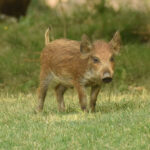
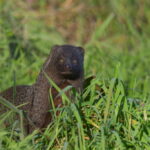
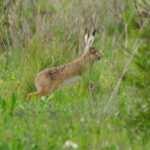
Mammals in the region which are regularly seen during our tours include Red and Fallow Deer, Mouflon, Wild Boar, Egyptian Mongoose and Iberian Hare; a successful reintroduction programme (organized together with Spanish conservation agencies), is re-establishing the Iberian Lynx in the region and sightings of the species start to be regular, although unpredictable.
The town of Mértola, in the centre of the Guadiana Valley Natural Park, is a delight from an historical and archaeological perspective and is also the only town in Portugal with a colony of Lesser Kestrels.
Itineraries are designed to cover as many as possible of the special habitats that give the Alentejo its unparalleled character. Its steppe-like grassland, corn fields and fallow land, form an environment that has become rare in Europe, yet it also offers open Holm Oak woodlands, Stone Pine woodlands, Olive tree groves, eucalyptus groves, escarpments, bluffs and hills, Mediterranean scrub, rivers, stream valleys, reservoirs, dams and urban areas, all of which are of considerable interest to the birdwatcher.
In view of the distances involved and the variety of sites to be visited, we only operate full day tours to the Alentejo.
(+ 60 € per additional person)
Photos by Pedro Marques