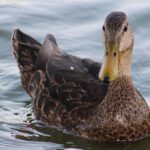
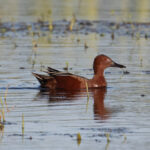
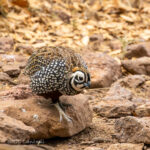
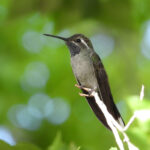
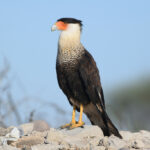
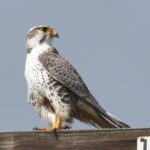
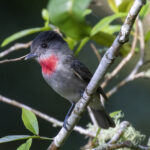
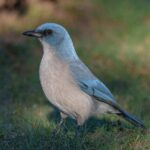
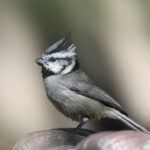
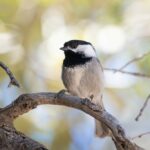
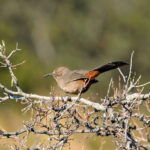
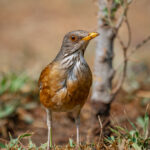
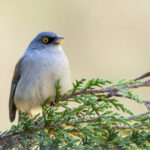
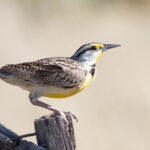
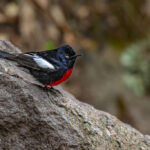
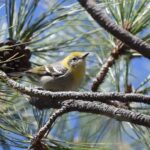
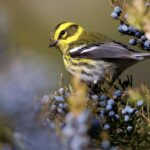
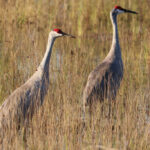
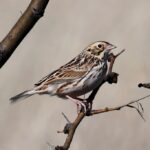
Winter is a wonderful time to explore southeastern Arizona, when comfortable temperatures and an extraordinary variety of habitats combine to produce excellent birding. From the saguaro-studded Sonoran Desert and rolling grasslands to oak-filled mountain canyons and high-elevation pine forests, we’ll search for a distinctive mix of southwestern specialties and winter visitors.
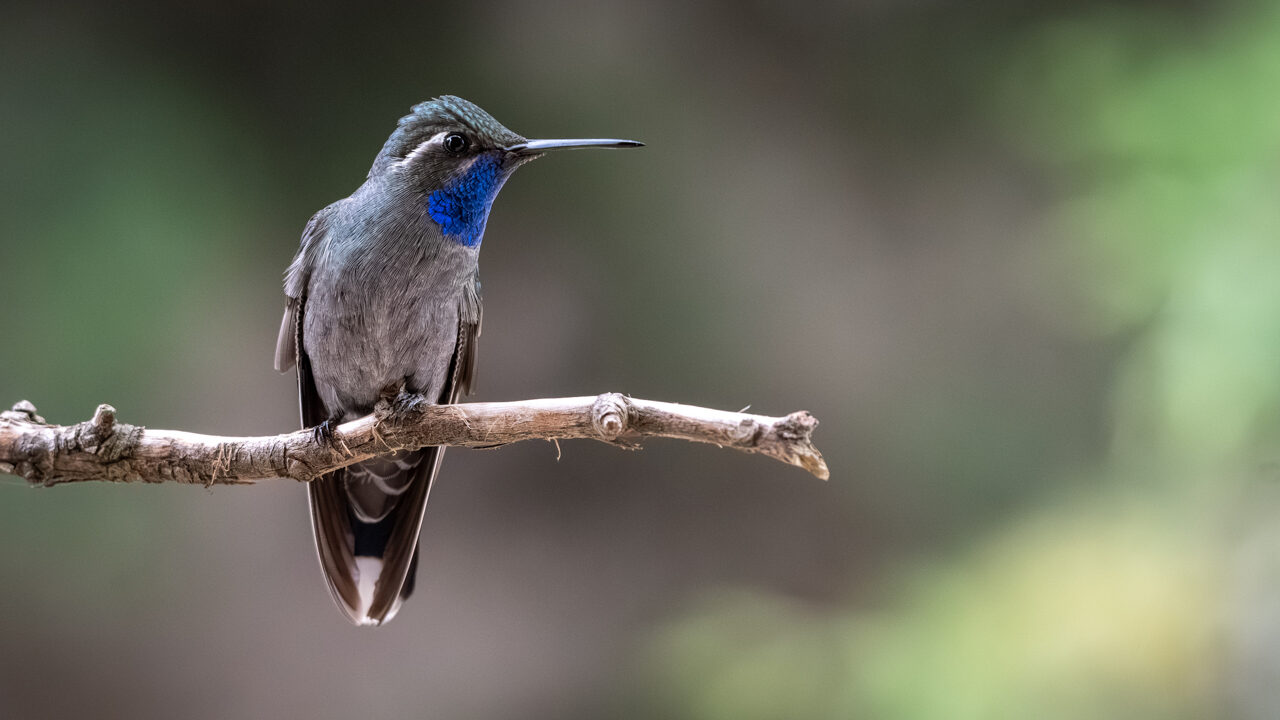
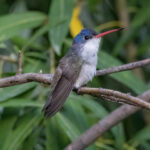
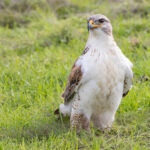
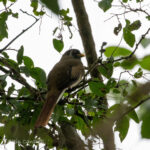
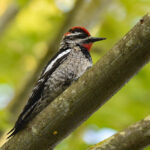
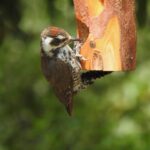
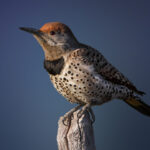
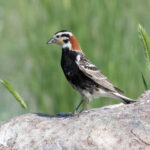
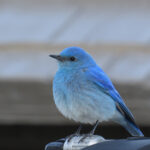
Highlights may include Gilded Flicker, Arizona Woodpecker, Mexican Jay, Yellow-eyed Junco, Painted Redstart, Chihuahuan Meadowlark, Chestnut-collared Longspur and an impressive variety of hummingbirds, including Violet-crowned, Broad-billed, Rivoli’s and Blue-throated Mountain-gem. Wetlands and open country add Sandhill Cranes, wintering waterfowl and raptors such as Ferruginous Hawk, while the grasslands offer opportunities for Baird’s Sparrow and Mountain Bluebird.
Winter is also an exciting season for unexpected visitors from Mexico, and depending on current sightings we may have opportunities to search for rarities such as Rufous-backed Robin or even a wintering Coppery-tailed Trogon.
With spectacular scenery, diverse habitats and a relaxed pace, this tour offers a superb introduction to the birds and landscapes that make southeastern Arizona one of North America’s most celebrated birding destinations.
Highlights
✓Explore southeastern Arizona’s incredible habitat diversity, from saguaro desert and open grasslands to oak canyons and high-elevation pine forests.
✓Search for southwestern specialties like Gilded Flicker, Arizona Woodpecker, Mexican Jay, Yellow-eyed Junco and Painted Redstart.
✓See thousands of wintering Sandhill Cranes, plus waterfowl and raptors.
✓Enjoy excellent hummingbird diversity, including Violet-crowned and Blue-throated Mountain-gem.
WHAT TO EXPECT:
Overview
Our Arizona in Winter Birding tour focuses on finding a diversity of birds, with an emphasis on southwestern specialties and wintering species. The tour is moderately paced, accounting for some early mornings and full birding days. Birding is mainly a mix of short walks, roadside stops and time spent watching feeders. Daily plans may vary depending on weather, road conditions and current bird sightings.
Food
Breakfast will usually be at the hotel or a local café. Lunch will typically be picnic-style in the field, although we may occasionally stop at a restaurant. Dinner will be at the hotel or a local restaurant. Each evening, we usually compile the day’s checklist, review our sightings and discuss plans for the following day.
Accommodation
Accommodation ranges from comfortable hotels to smaller, more rustic birding lodges and inns close to areas where we want to go birding.
Walking
Walking on this tour is generally easy to moderate, mostly on relatively level trails and paths. One or two walks are moderately steep or uneven, but most walking is easy and at a leisurely birding pace. Our longest planned walk is approximately 1.3 miles (2.2 km) in Madera Canyon and may take around 2¼ hours. Parts of this trail are moderately steep, rocky or uneven. There is an option to opt out of this walk.
Weather and road conditions permitting, we may reach elevations of approximately 8,000 feet (2,400 m) in the Chiricahua Mountains. Most birding takes place at considerably lower elevations.
Driving
We change locations every couple days as we travel through southeastern Arizona. Most transfer drives are approximately 2 hours, with stops along the way for birding, rest breaks and meals.
Climate
Winter weather in southeastern Arizona is generally dry and pleasant, but temperatures can vary considerably with elevation and throughout the day. Early mornings may be around freezing, particularly in the mountains, and temperatures can occasionally fall below freezing. Lower elevations often warm to around 15–20°C (60–68°F) during the day, while higher elevations can remain considerably cooler.
Layers are essential, including a warm jacket, hat and gloves for cold mornings. On sunny afternoons at lower elevations, considerably lighter clothing may be comfortable. Snow is possible in the higher mountains and can occasionally affect access to some birding areas.
✓ What's included
Good quality accommodation
Includes all meals and soft drinks
Ground transportation (15-passenger vans)
One EET guide with 4 - 8 participants, 2 guides with 9 - 12 participants
All park, conservation and entrance fees
✕ Not included
Flights to and from start of tour
Travel Insurance
Alcoholic beverages
Items of a personal nature