Average annual temperature
15.4 °C
Average of the twelve monthly means
Birding TourEasy
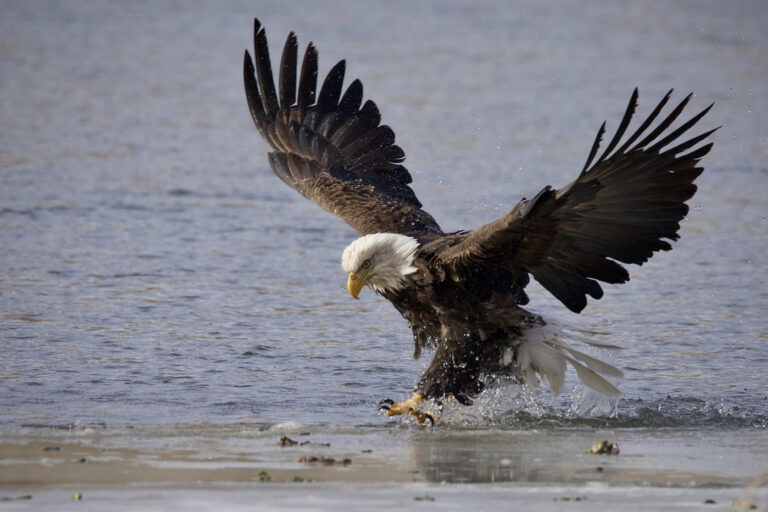
Haliaeetus leucocephalus
♥
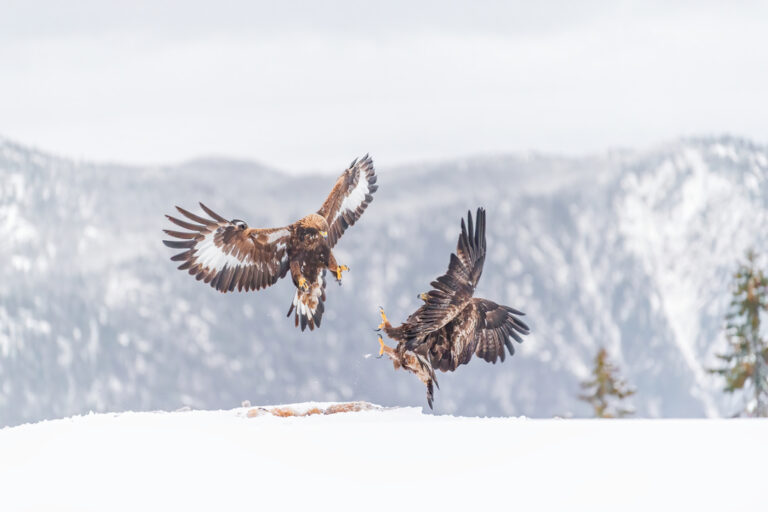
Aquila chrysaetos
♥
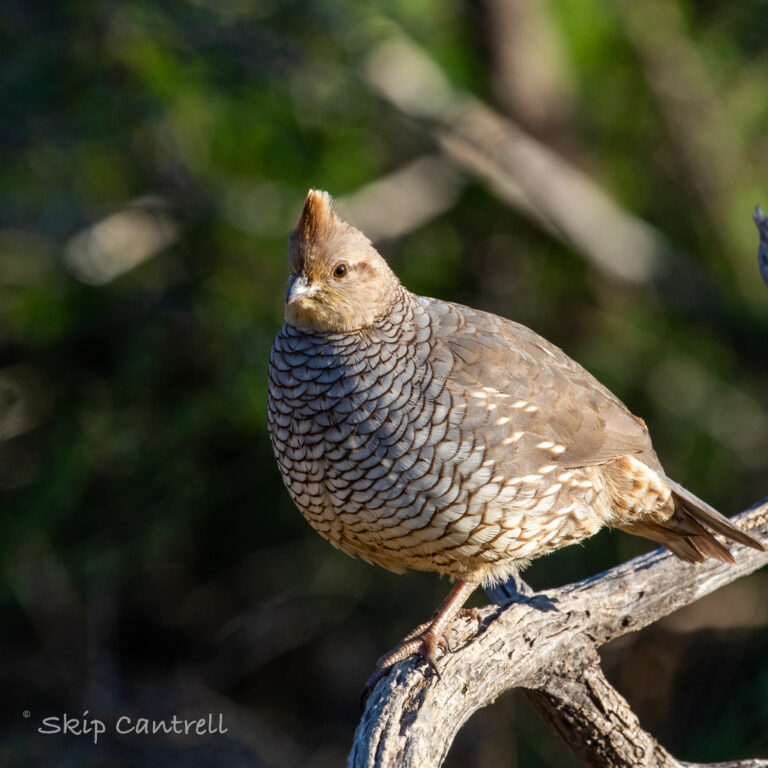
Callipepla squamata
♥
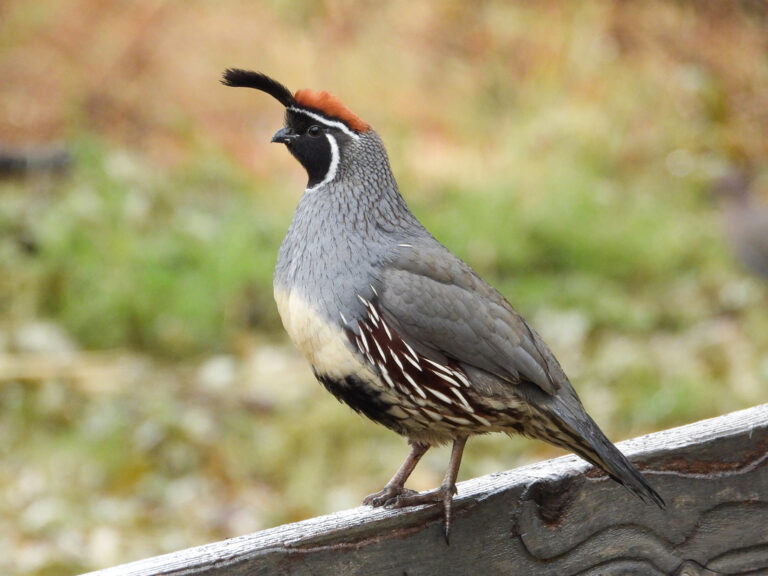
Callipepla gambelii
♥
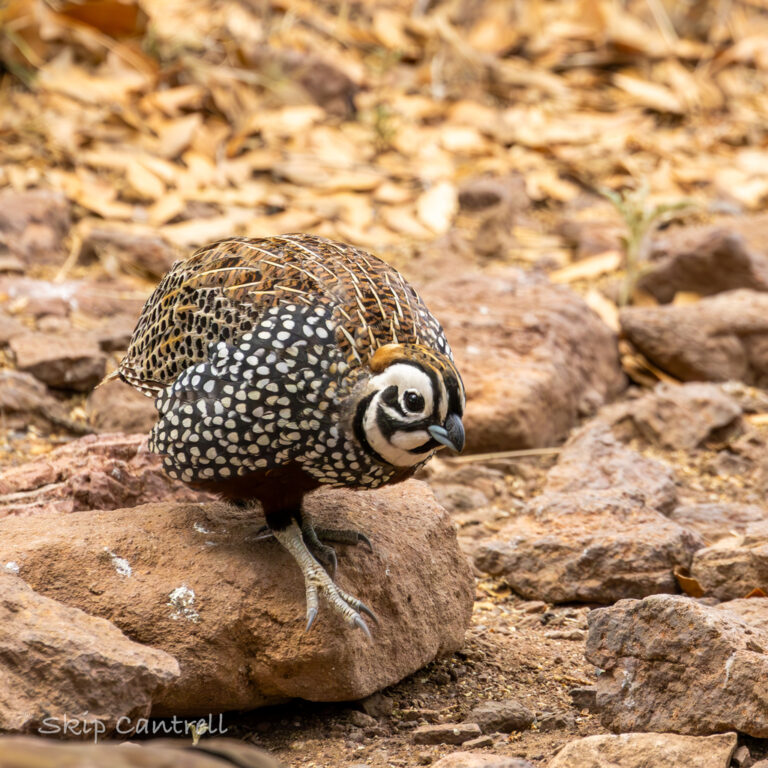
Cyrtonyx montezumae
♥
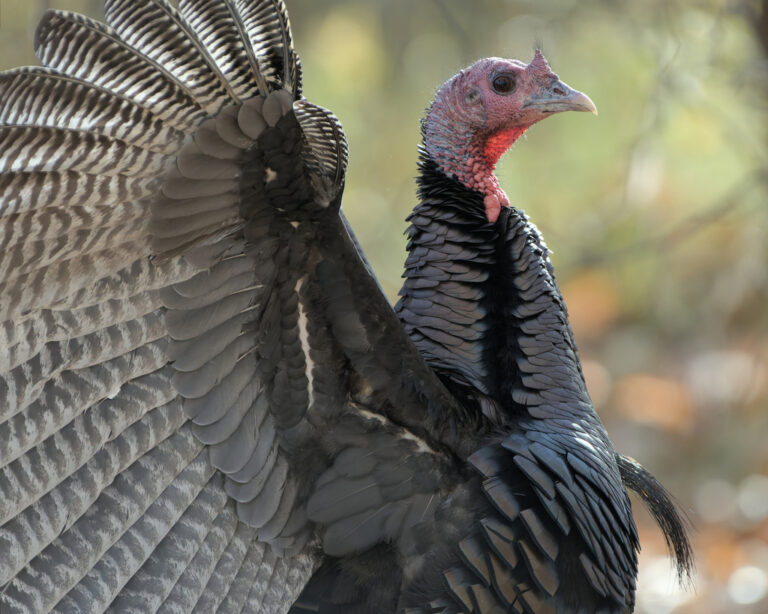
Meleagris gallopavo
♥
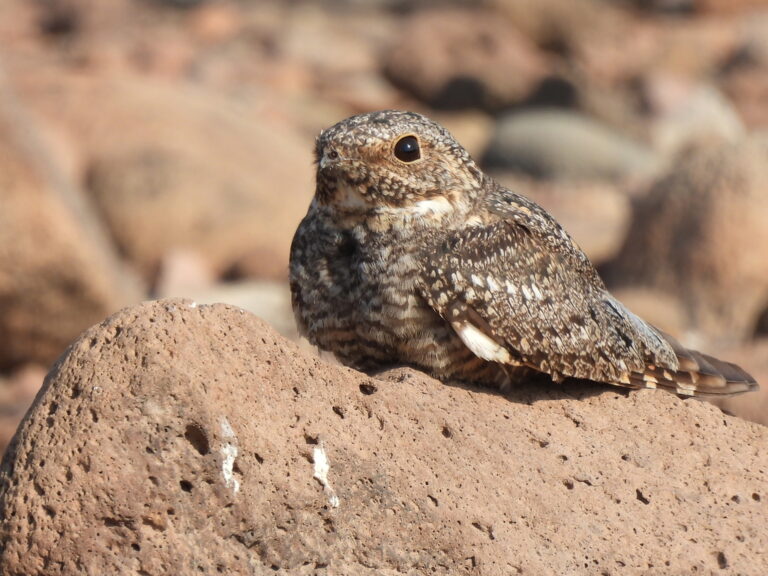
Chordeiles acutipennis
♥
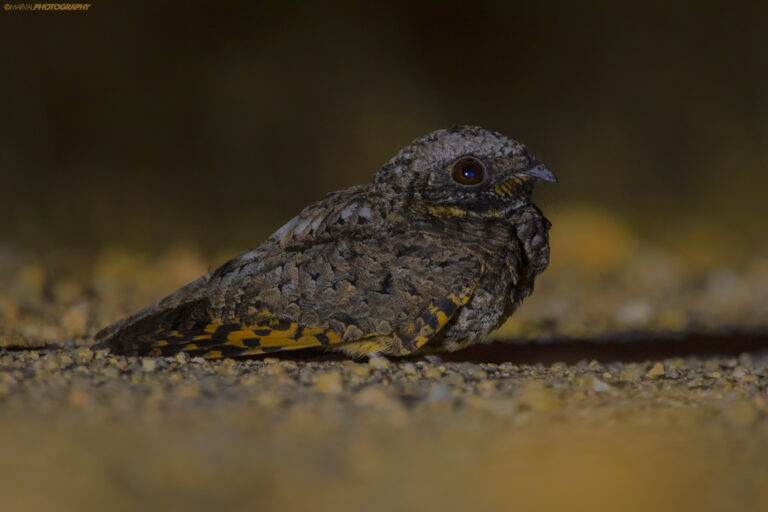
Phalaenoptilus nuttallii
♥
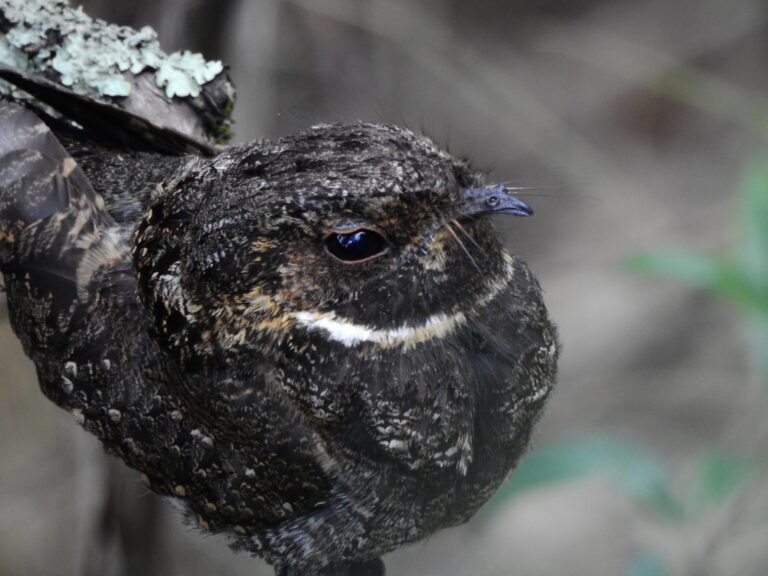
Antrostomus arizonae
♥
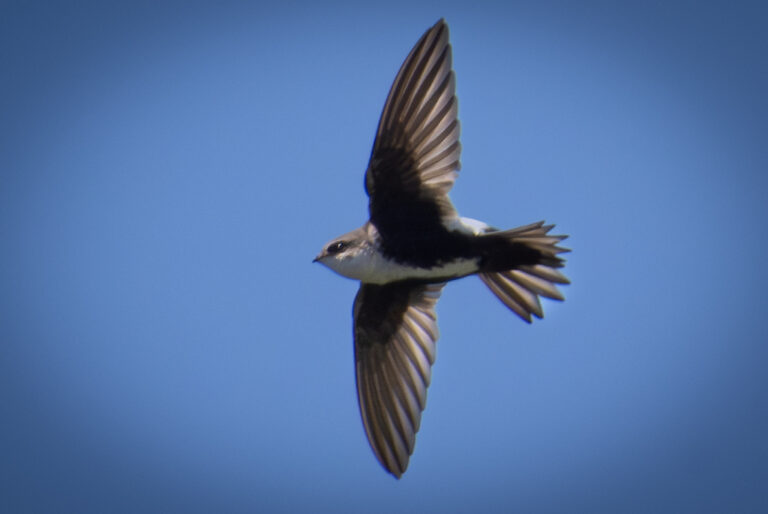
Aeronautes saxatalis
♥
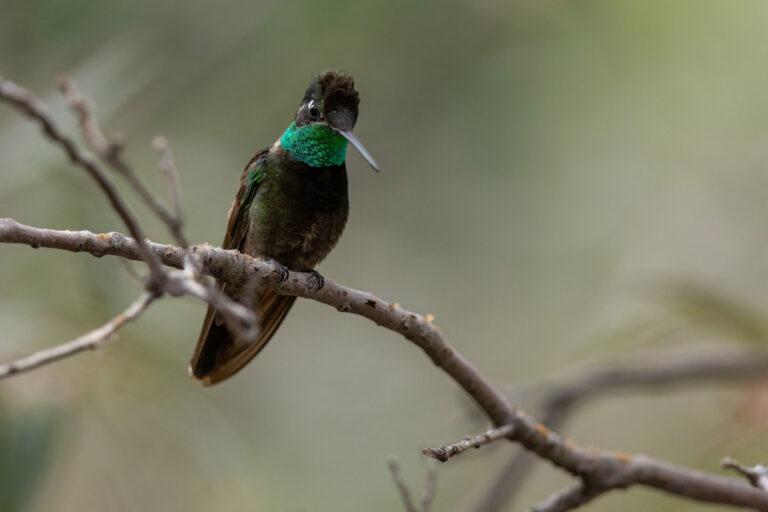
Eugenes fulgens
♥
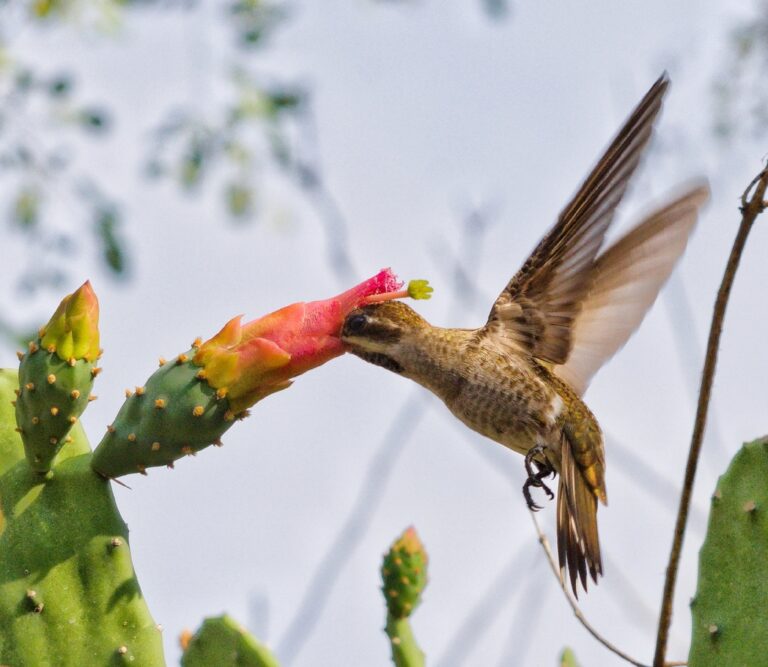
Heliomaster constantii
♥
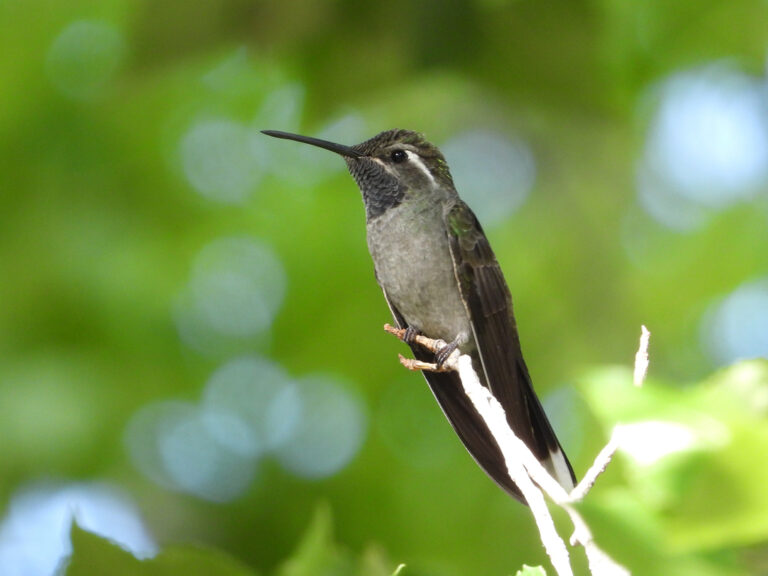
Lampornis clemenciae
♥
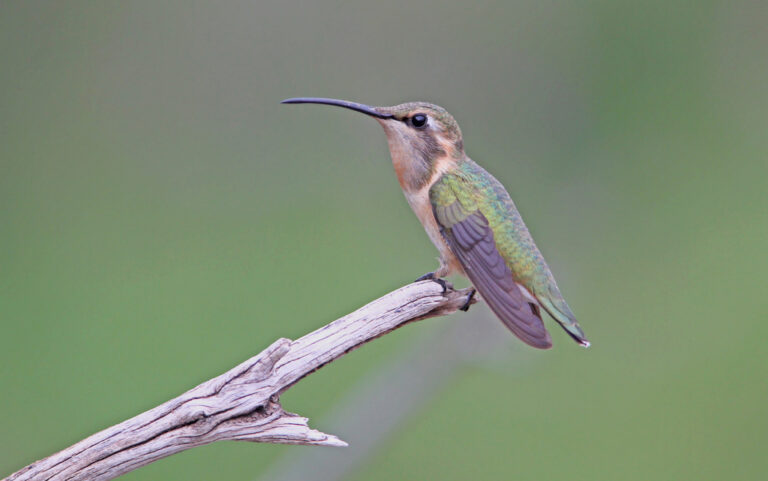
Calothorax lucifer
♥
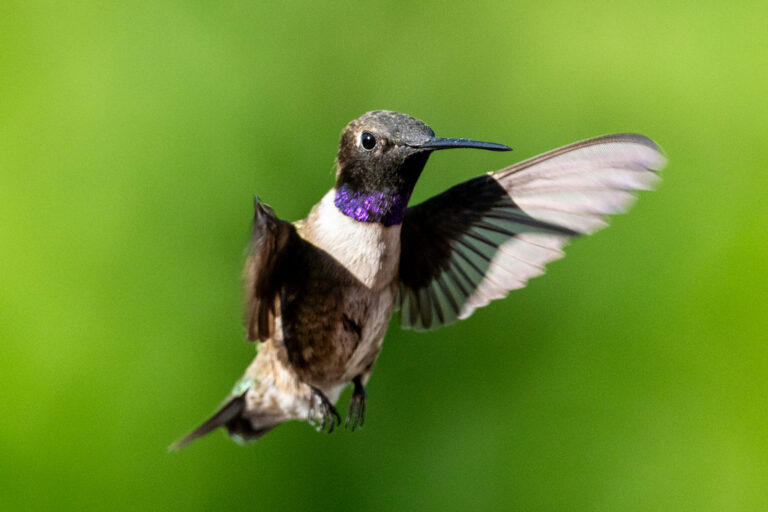
Archilochus alexandri
♥
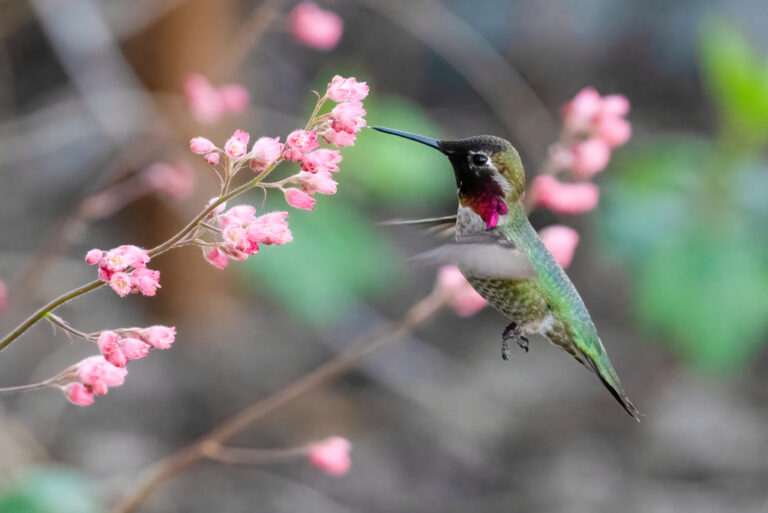
Calypte anna
♥
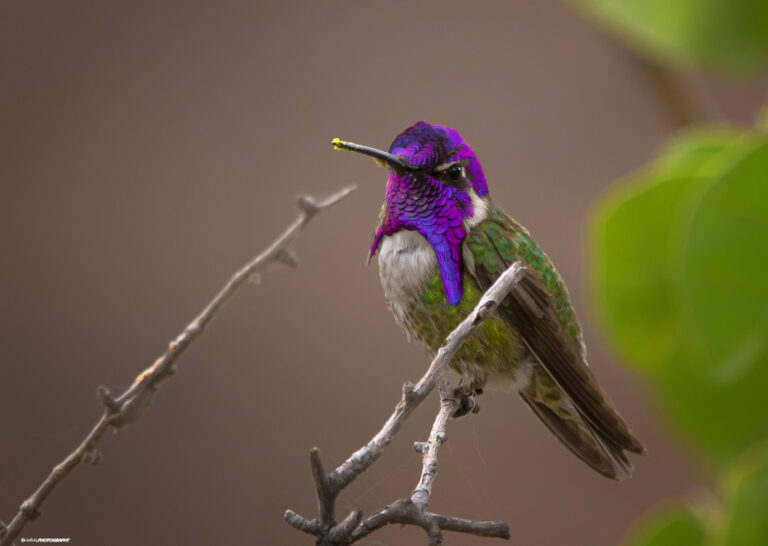
Calypte costae
♥
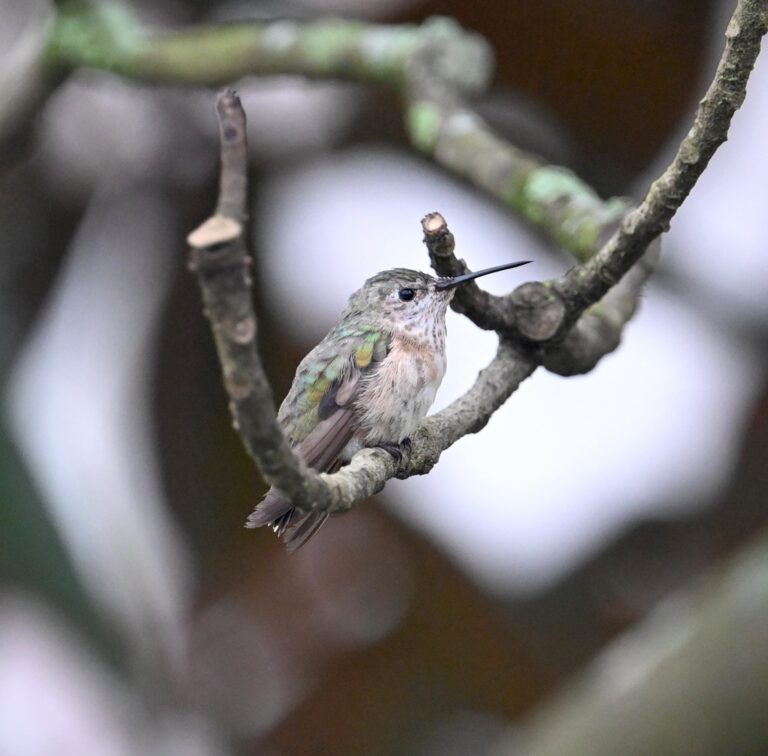
Selasphorus calliope
♥
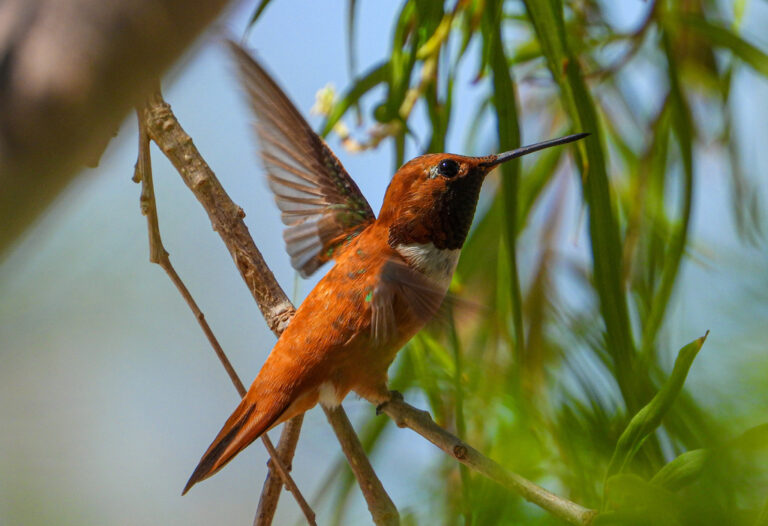
Selasphorus rufus
♥
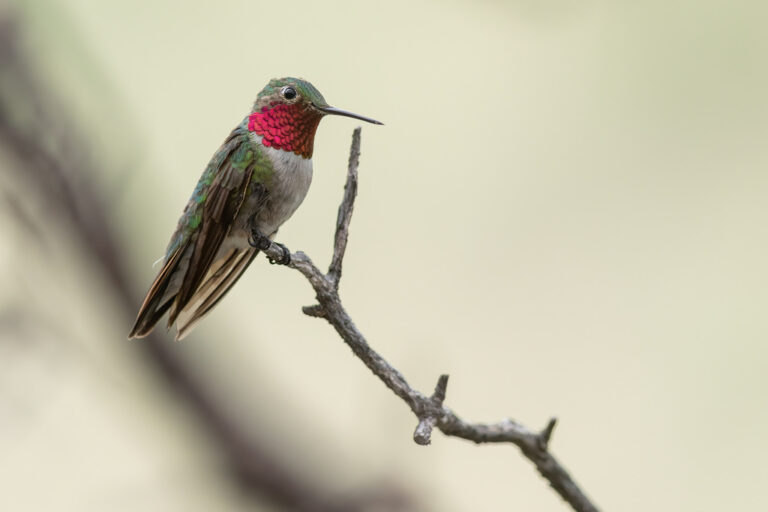
Selasphorus platycercus
♥
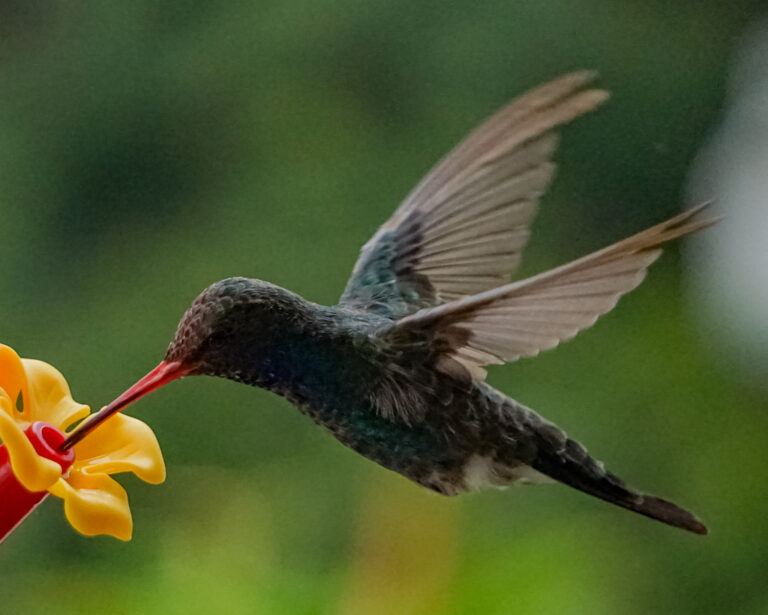
Cynanthus latirostris
♥
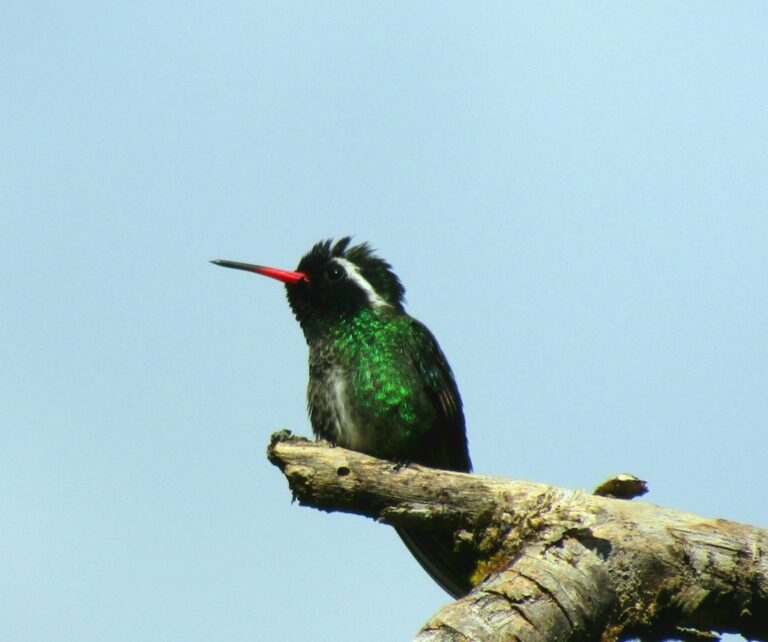
Basilinna leucotis
♥
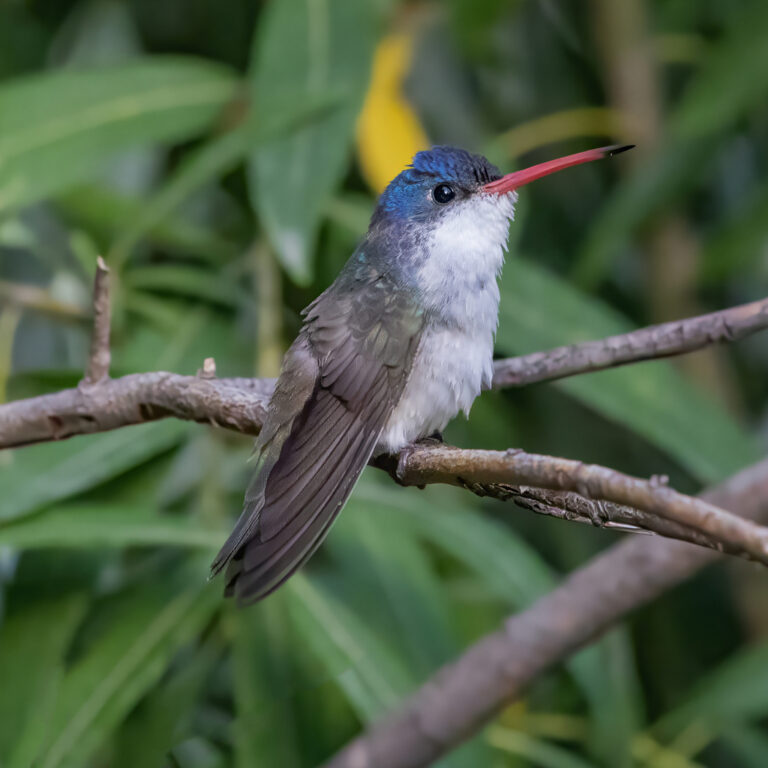
Ramosomyia violiceps
♥
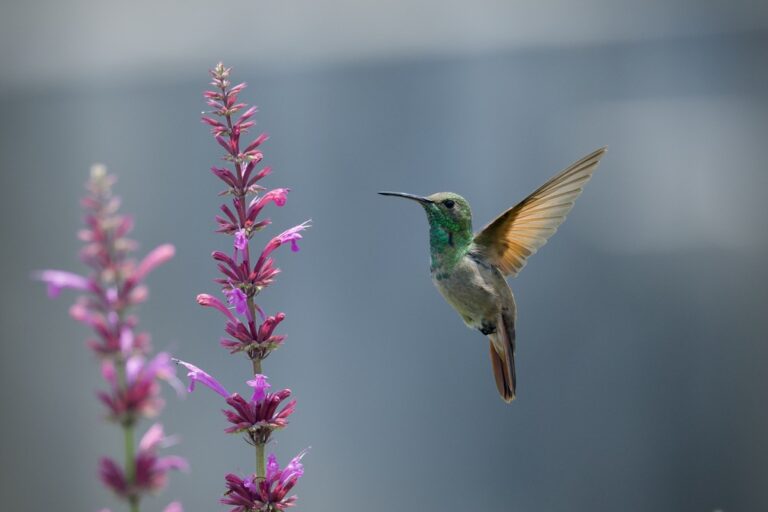
Saucerottia beryllina
♥
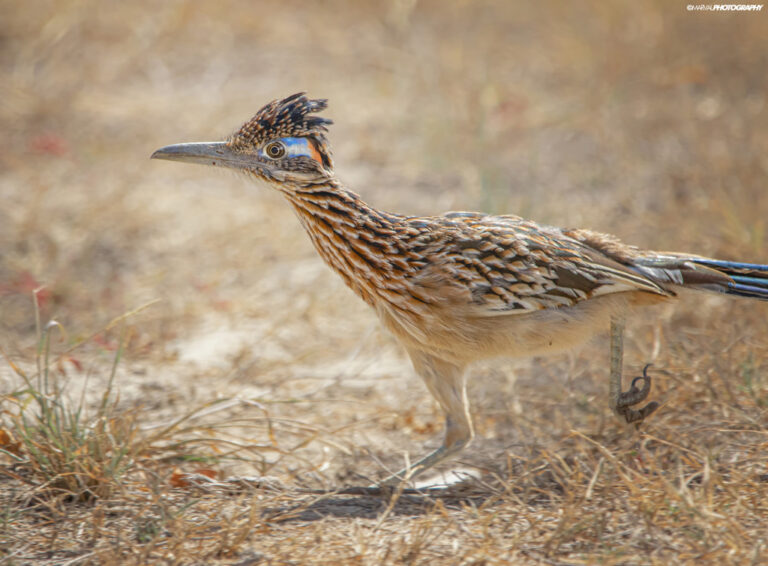
Geococcyx californianus
♥
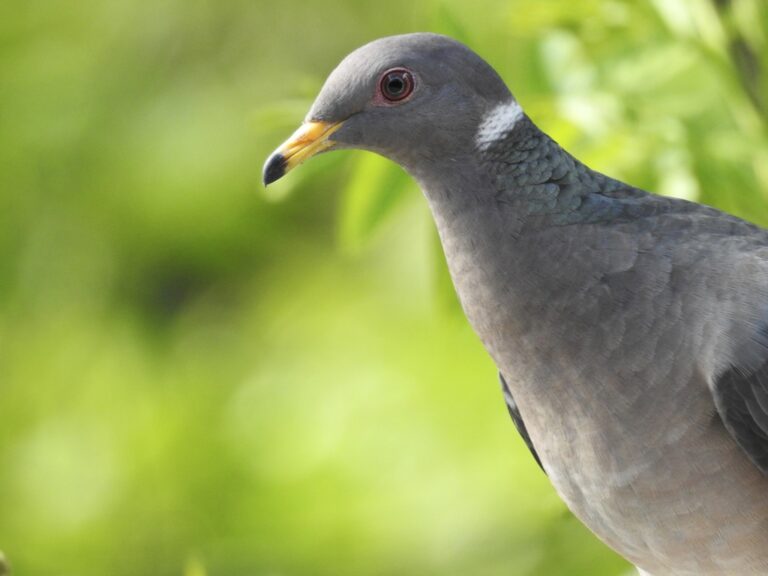
Patagioenas fasciata
♥
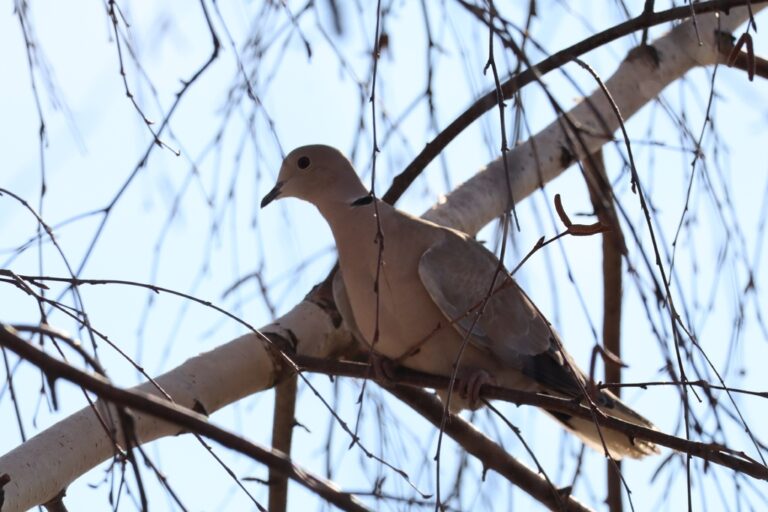
Streptopelia decaocto
♥
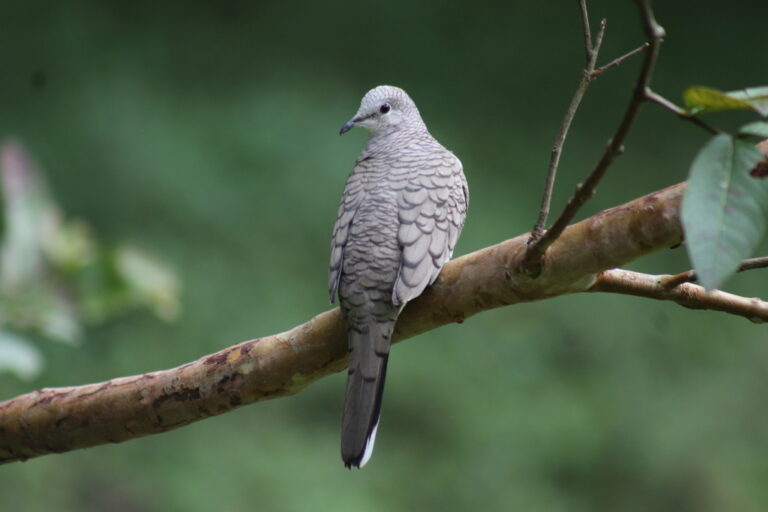
Columbina inca
♥
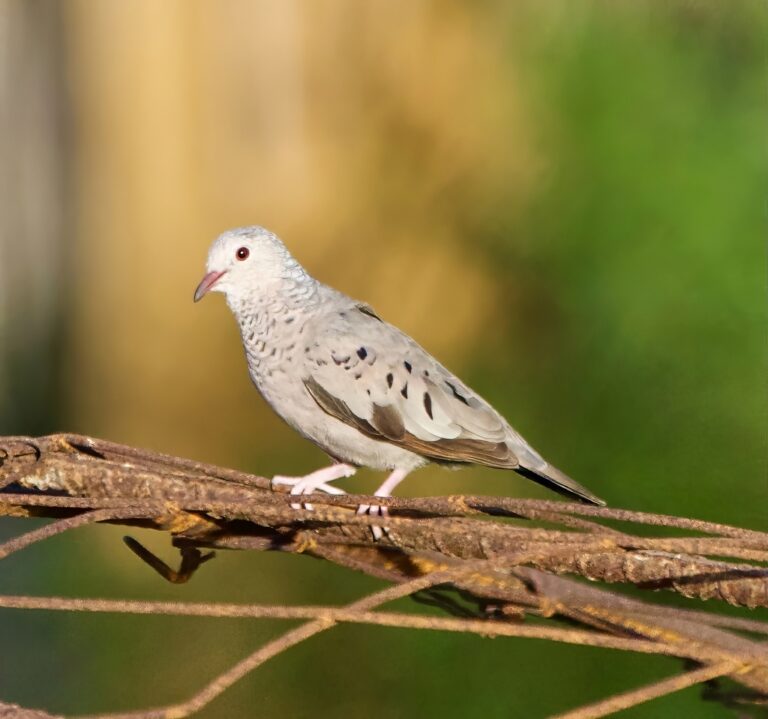
Columbina passerina
♥
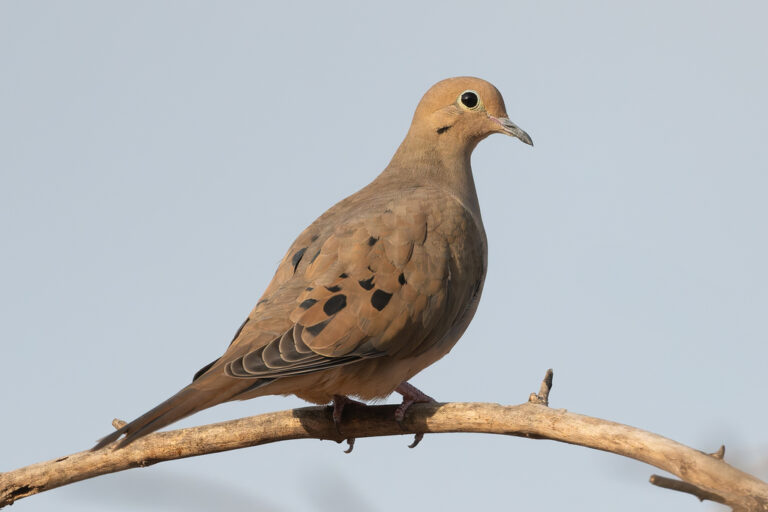
Zenaida macroura
♥
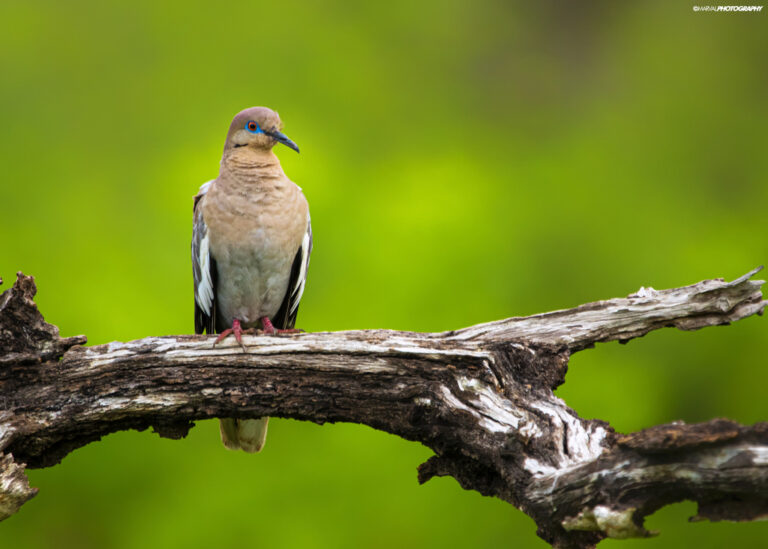
Zenaida asiatica
♥
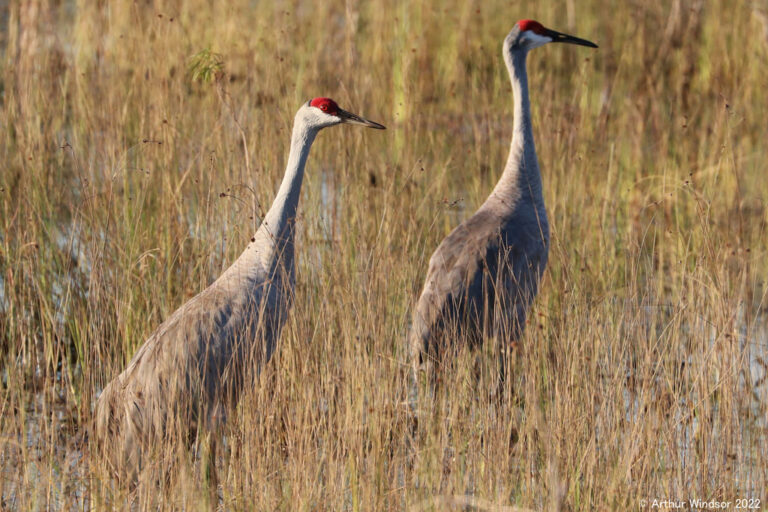
Antigone canadensis
♥
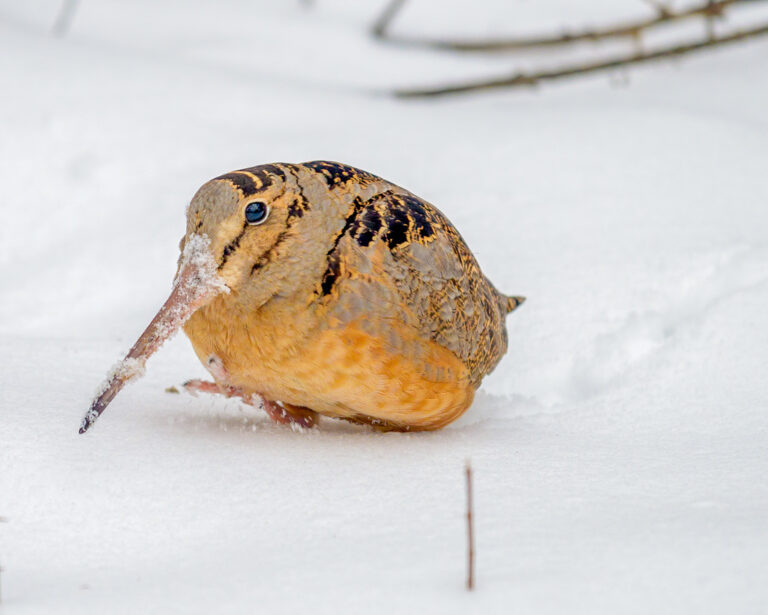
Scolopax minor
♥
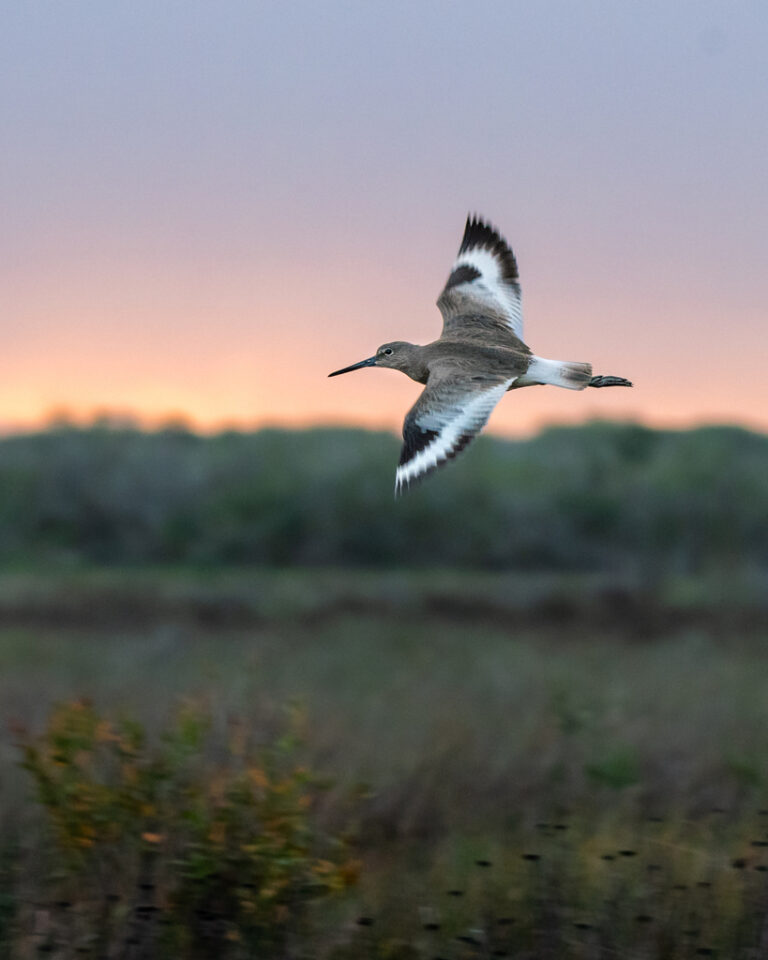
Tringa semipalmata
♥
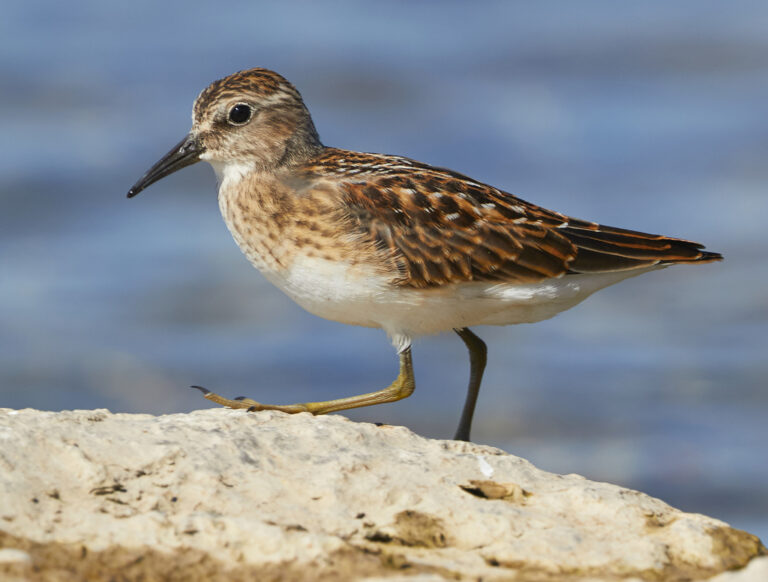
Calidris minutilla
♥
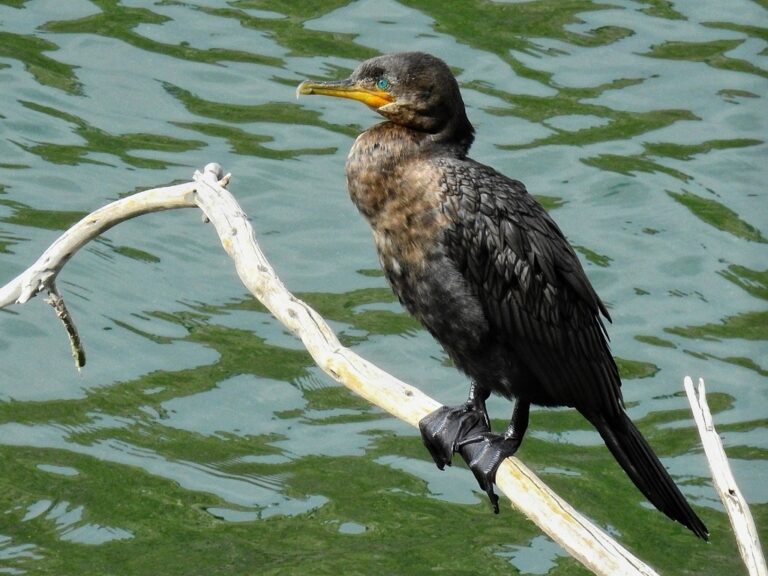
Nannopterum brasilianum
♥
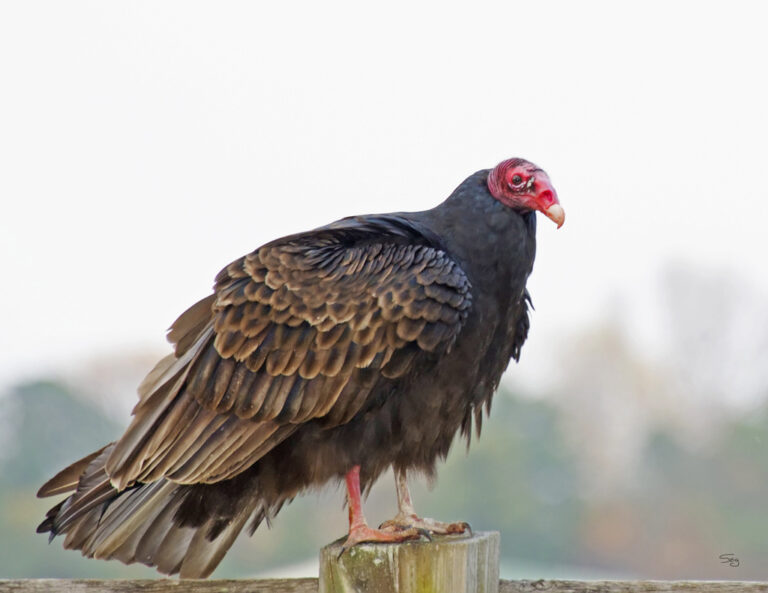
Cathartes aura
♥
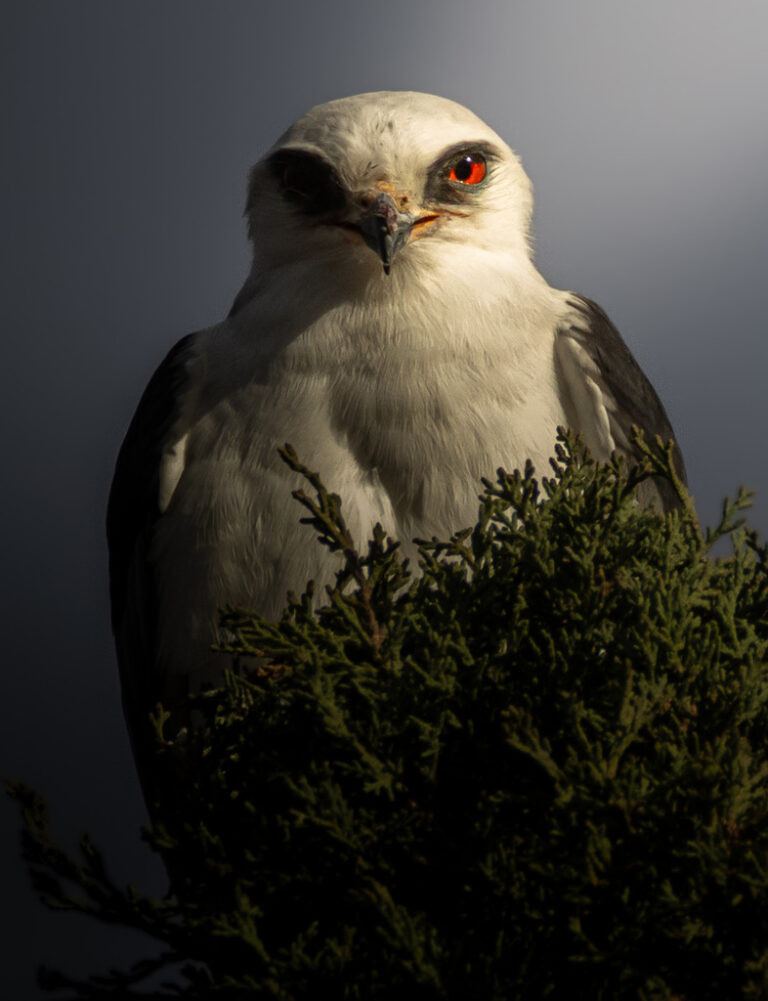
Elanus leucurus
♥
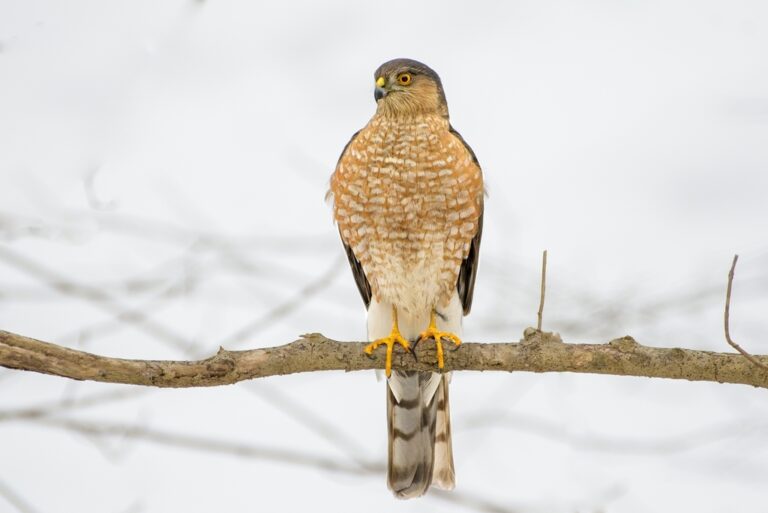
Accipiter striatus
♥
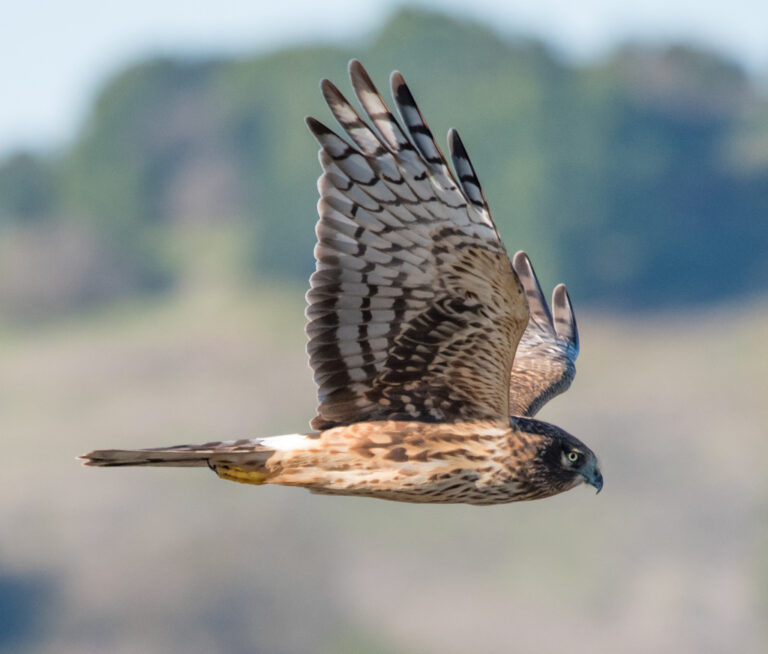
Circus hudsonius
♥
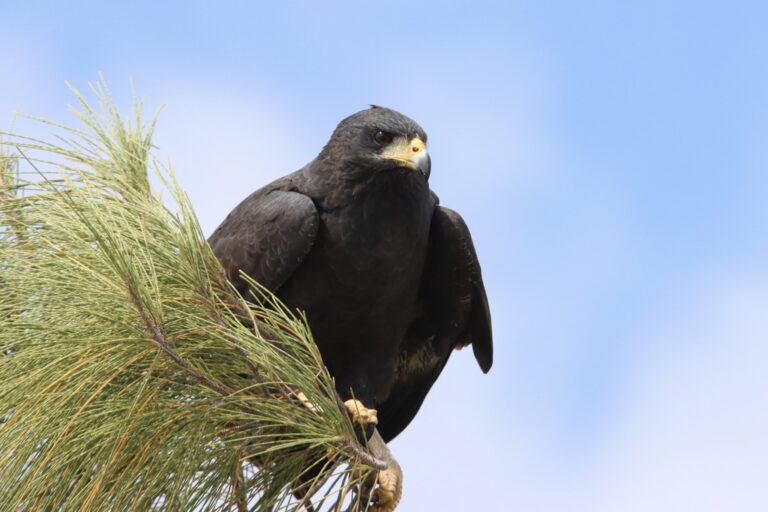
Buteogallus anthracinus
♥
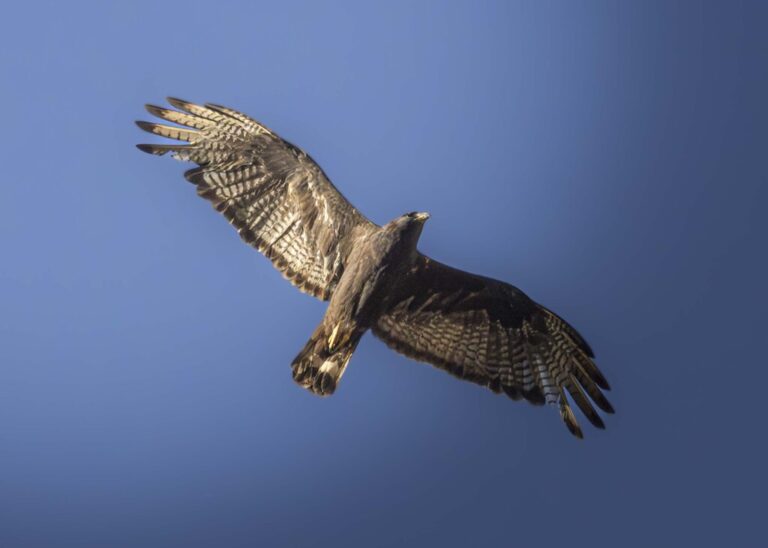
Buteo albonotatus
♥
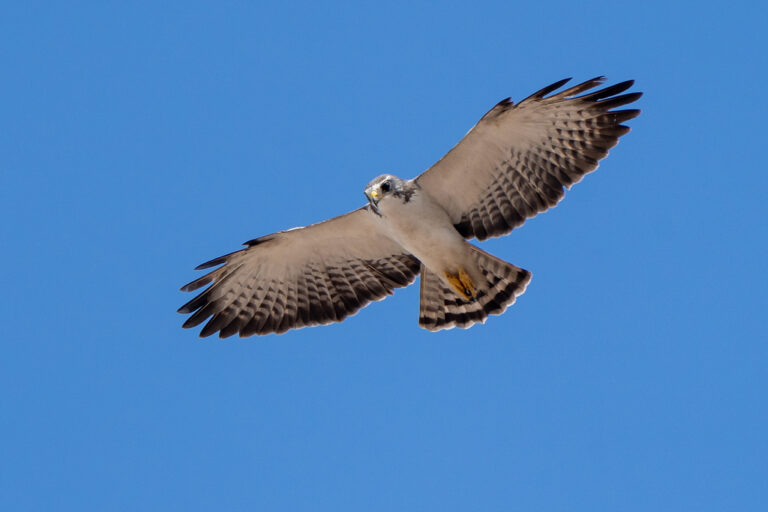
Buteo brachyurus
♥
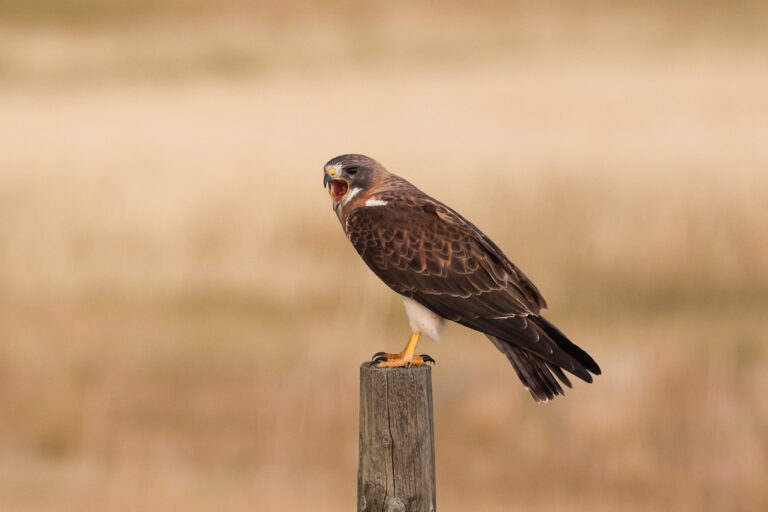
Buteo swainsoni
♥
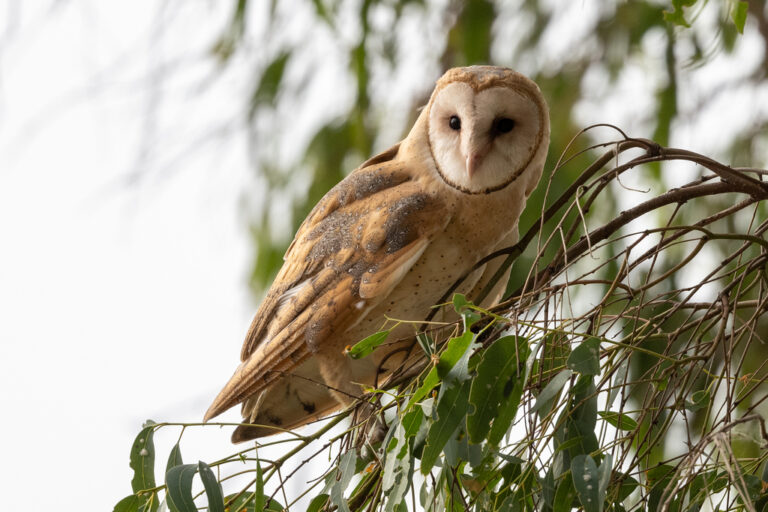
Tyto furcata
♥
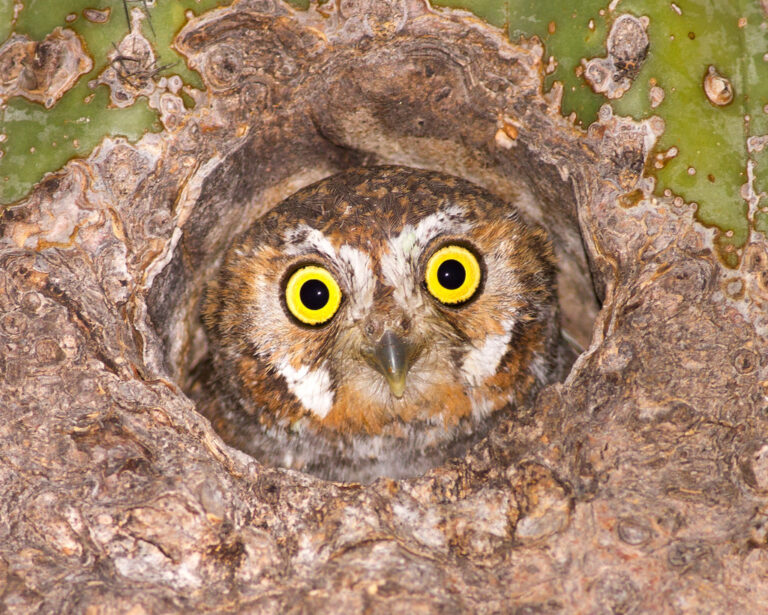
Micrathene whitneyi
♥
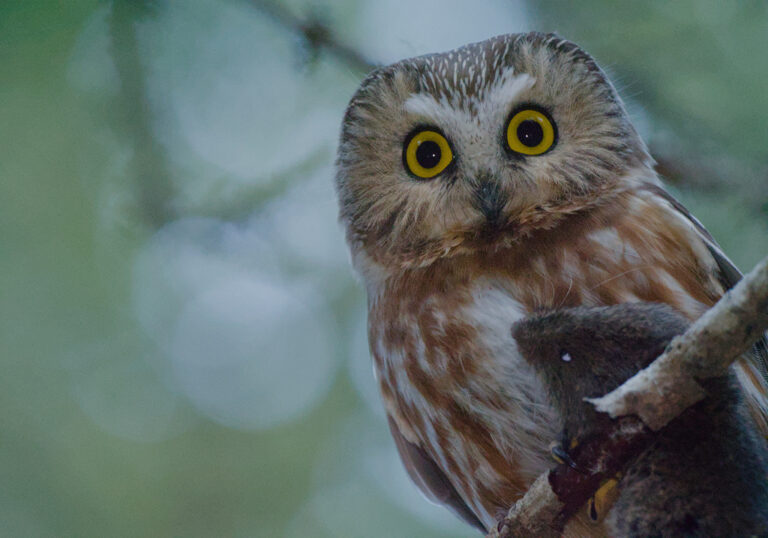
Aegolius acadicus
♥
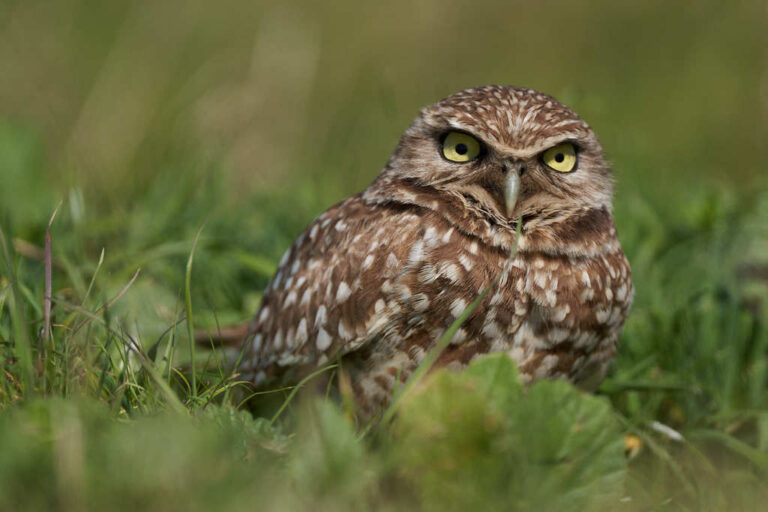
Athene cunicularia
♥
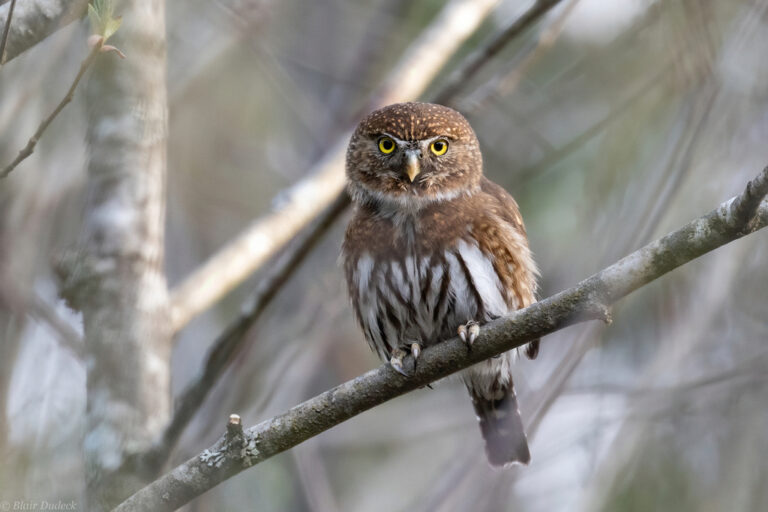
Glaucidium gnoma
♥
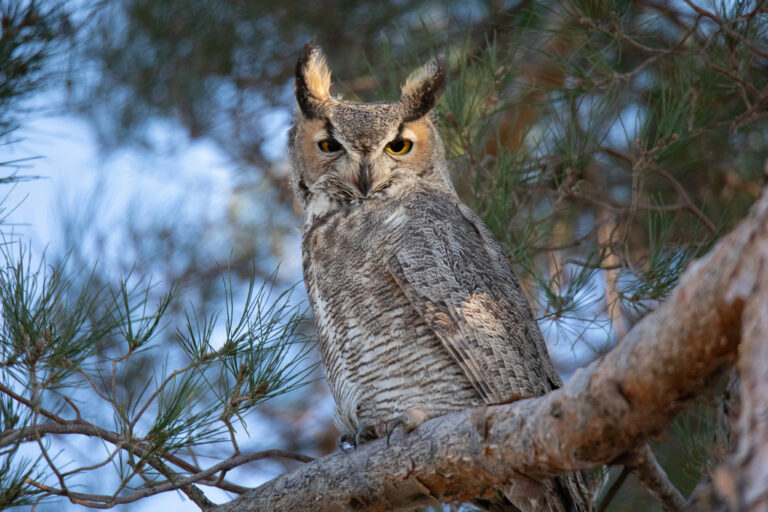
Bubo virginianus
♥
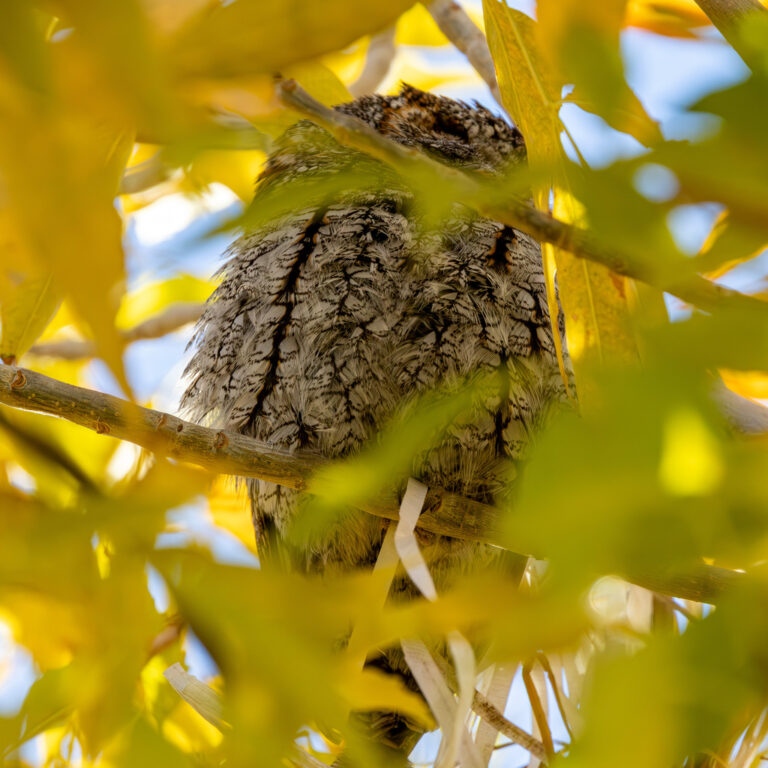
Psiloscops flammeolus
♥
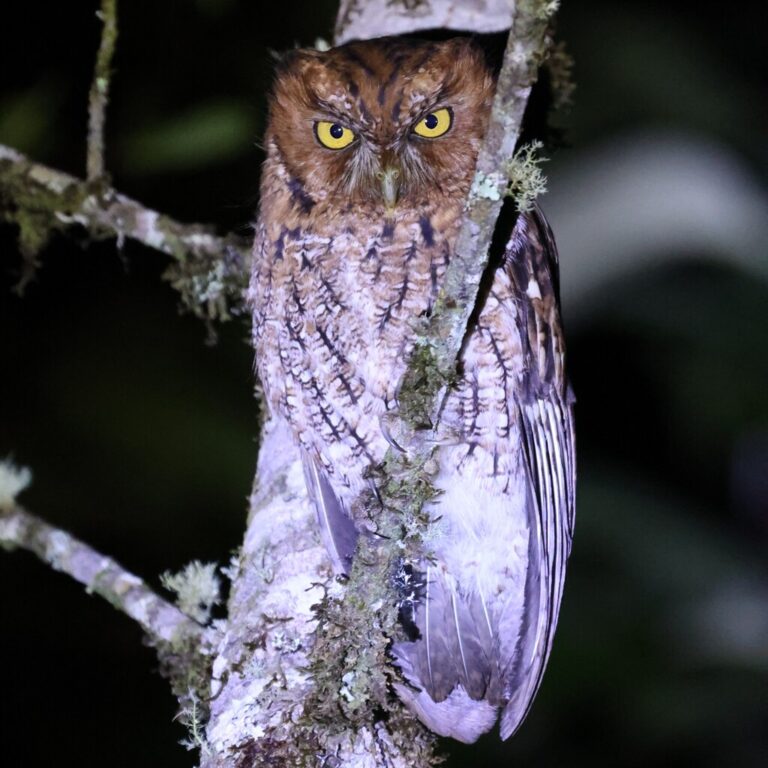
Megascops trichopsis
♥
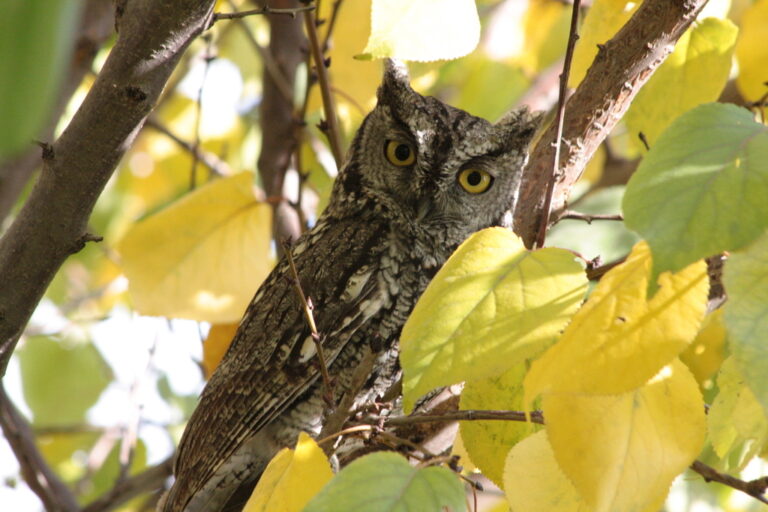
Megascops kennicottii
♥
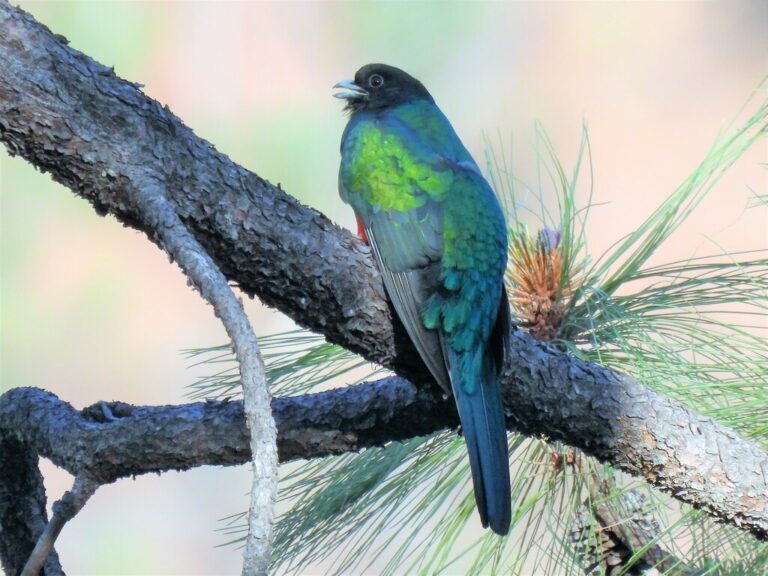
Euptilotis neoxenus
♥
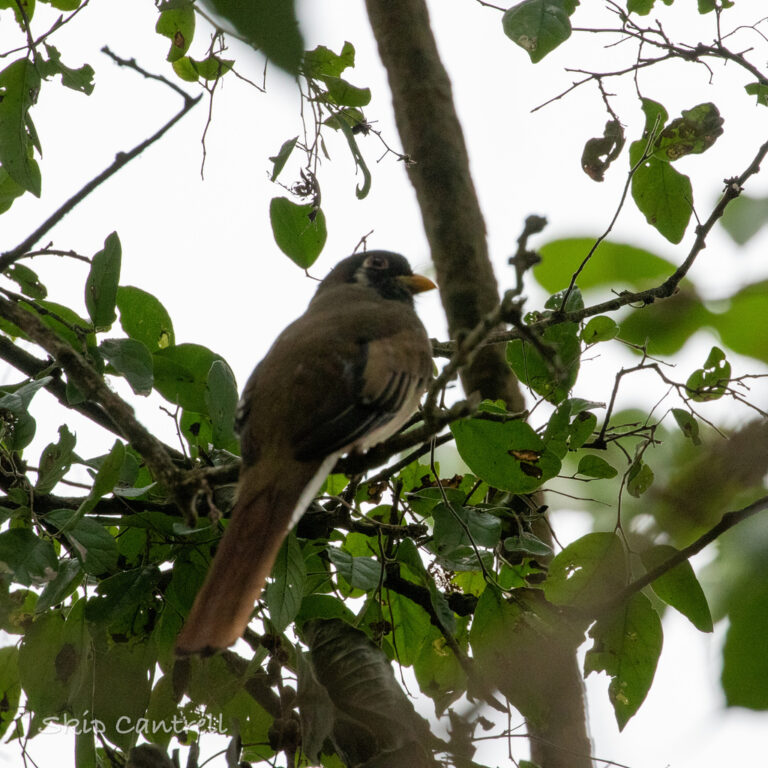
Trogon ambiguus
♥
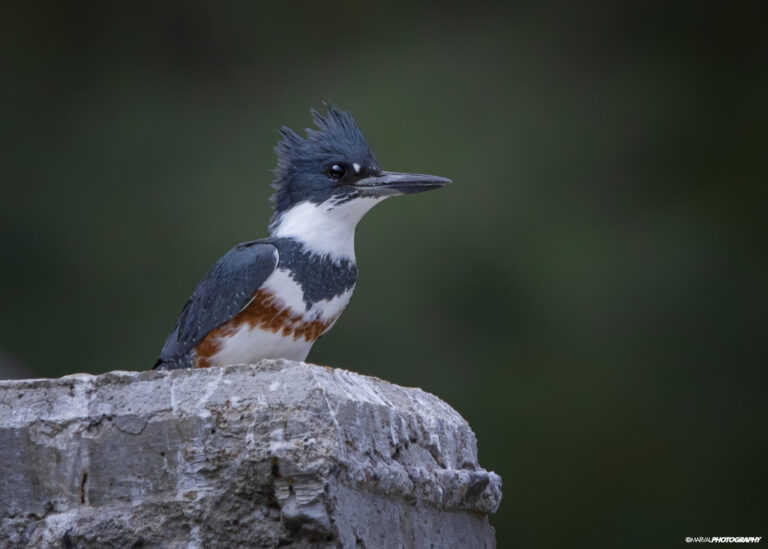
Megaceryle alcyon
♥
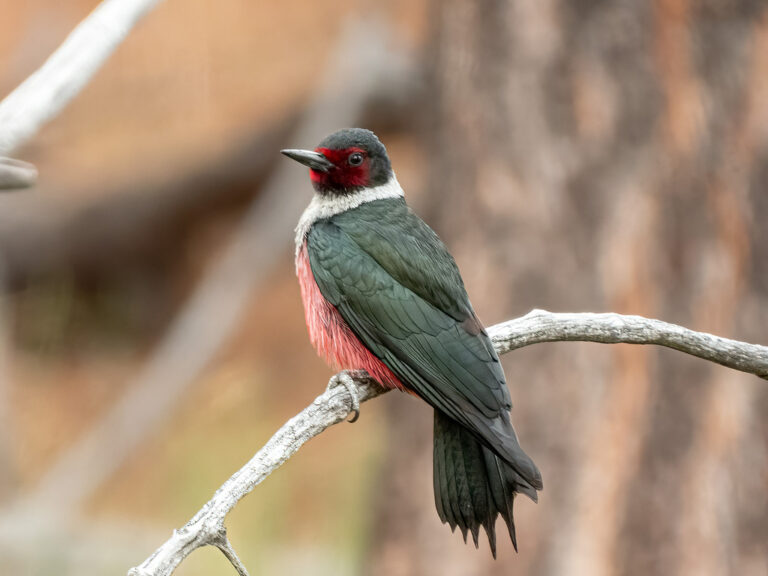
Melanerpes lewis
♥
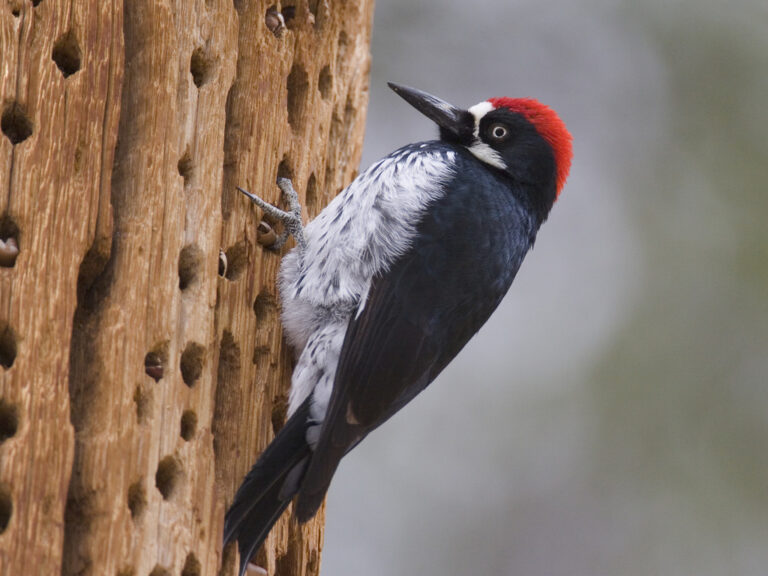
Melanerpes formicivorus
♥
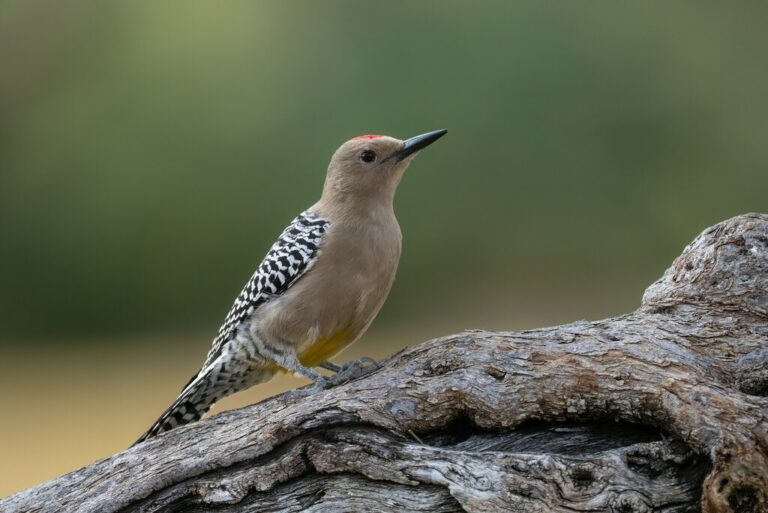
Melanerpes uropygialis
♥
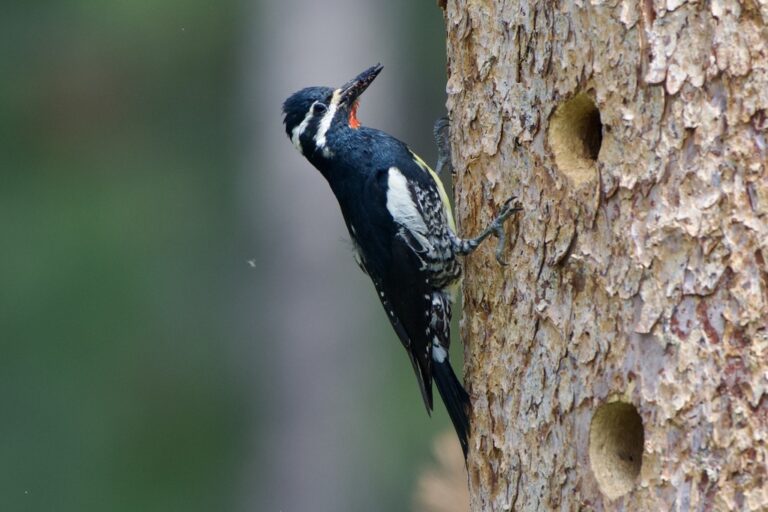
Sphyrapicus thyroideus
♥
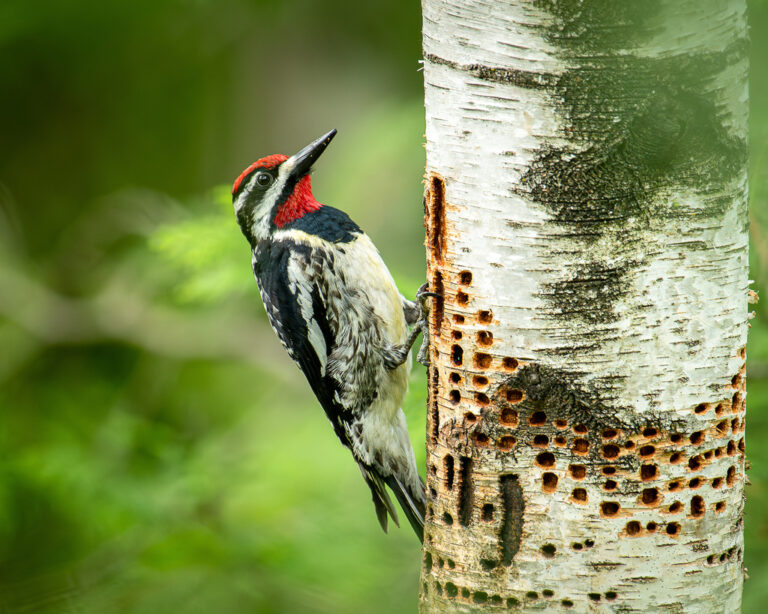
Sphyrapicus varius
♥
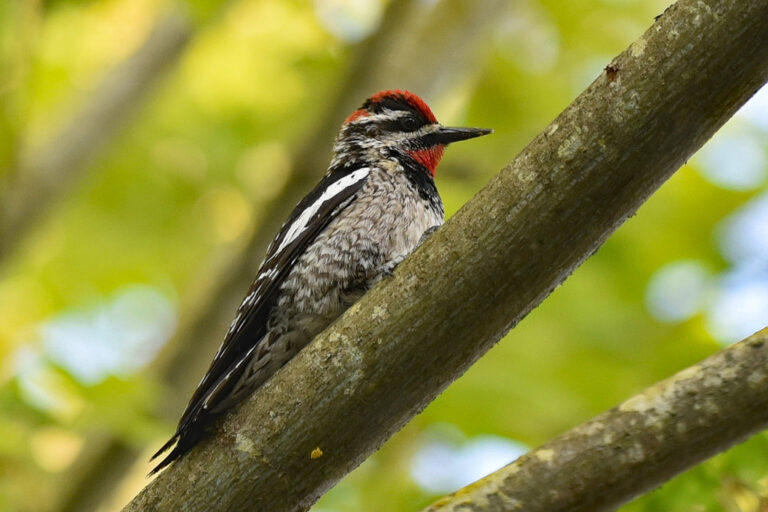
Sphyrapicus nuchalis
♥
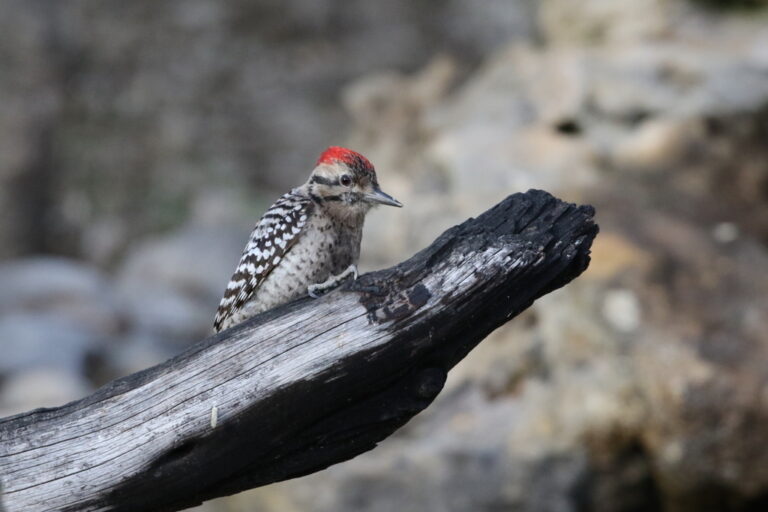
Dryobates scalaris
♥
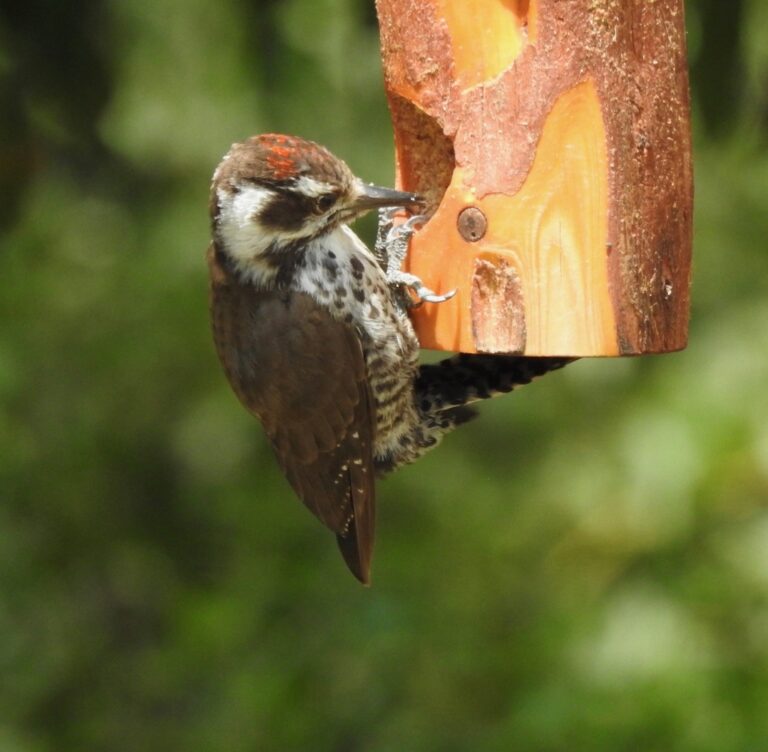
Leuconotopicus arizonae
♥
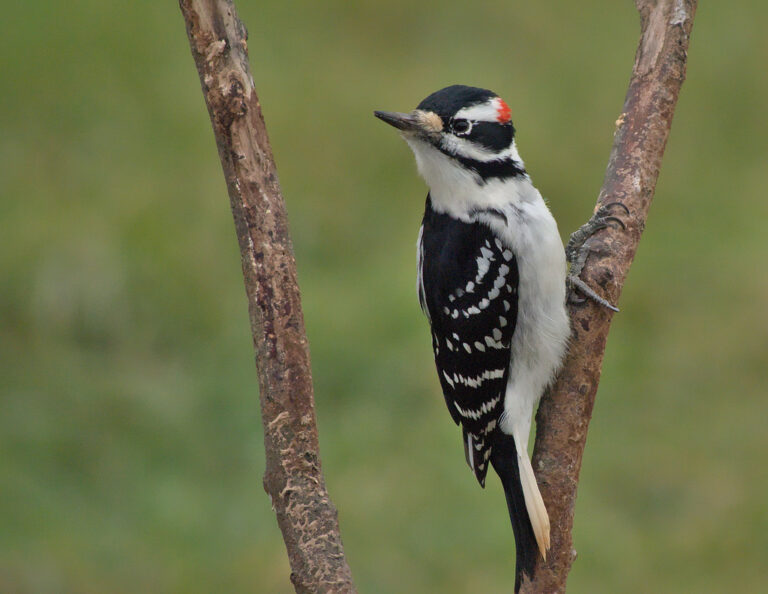
Leuconotopicus villosus
♥
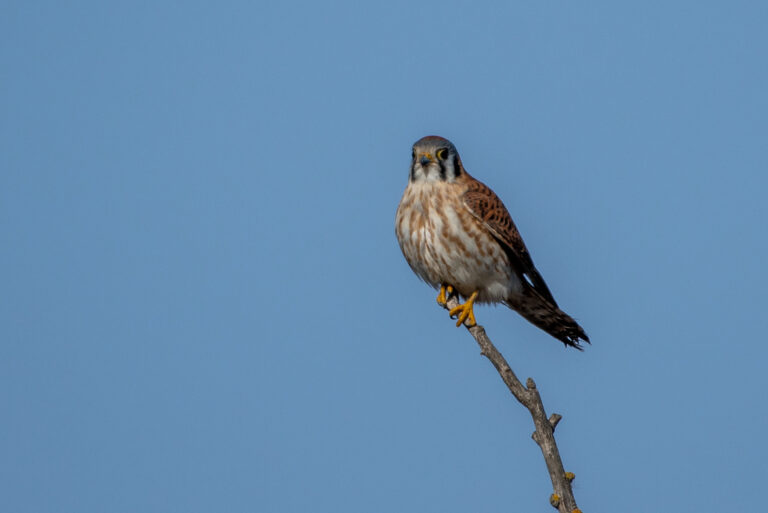
Falco sparverius
♥
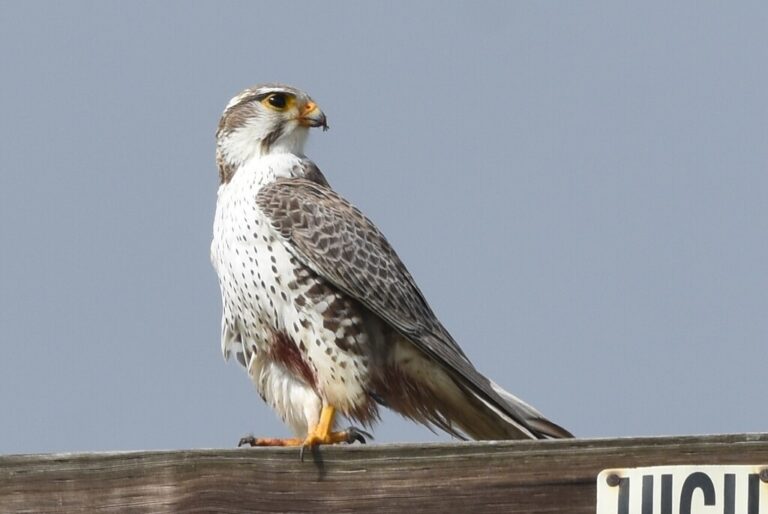
Falco mexicanus
♥
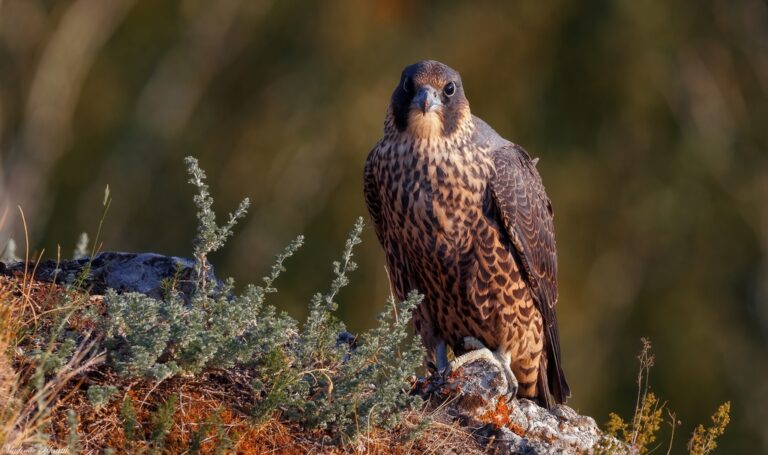
Falco peregrinus
♥
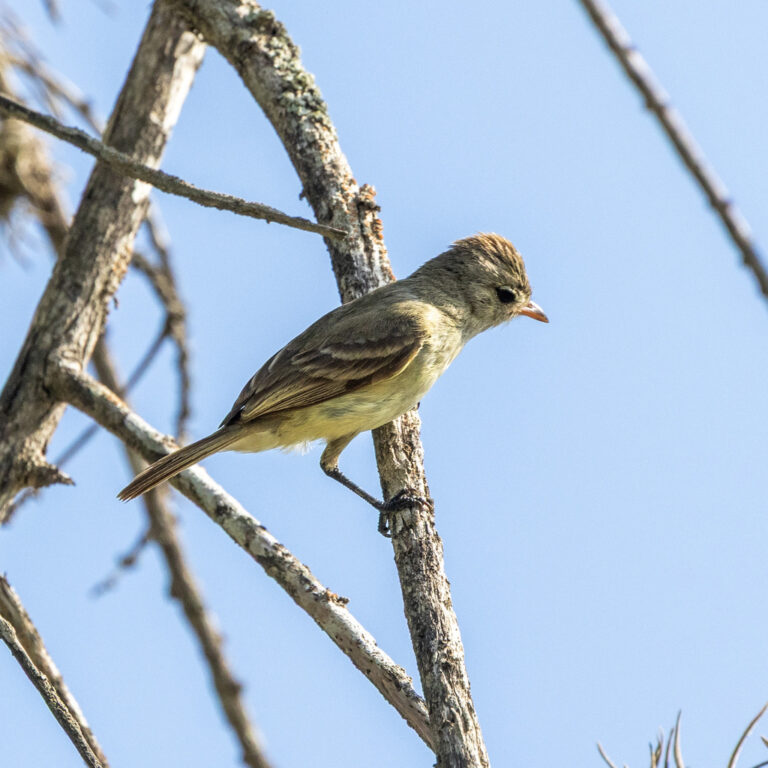
Camptostoma imberbe
♥
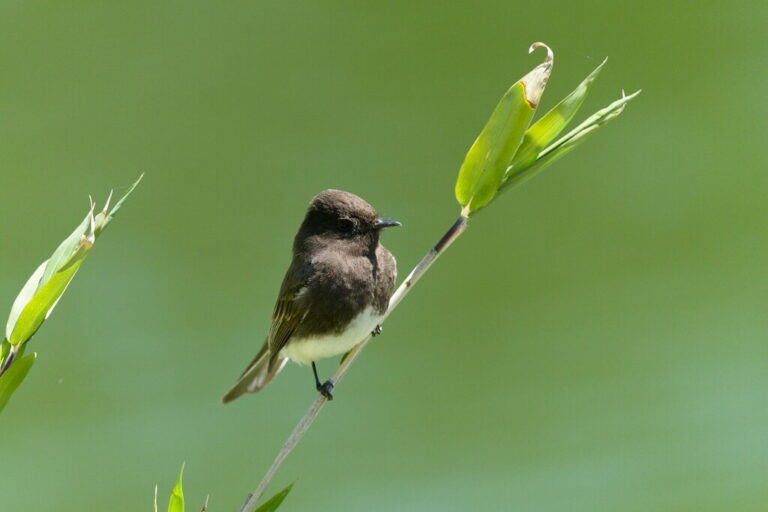
Sayornis nigricans
♥
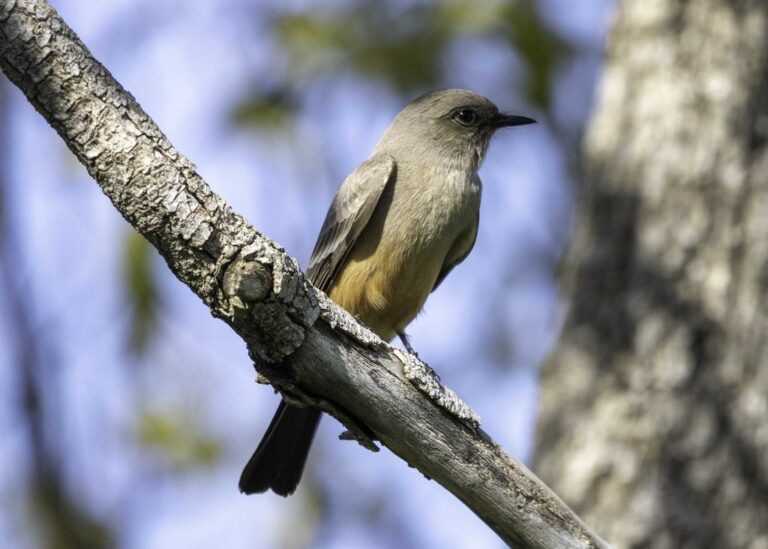
Sayornis saya
♥
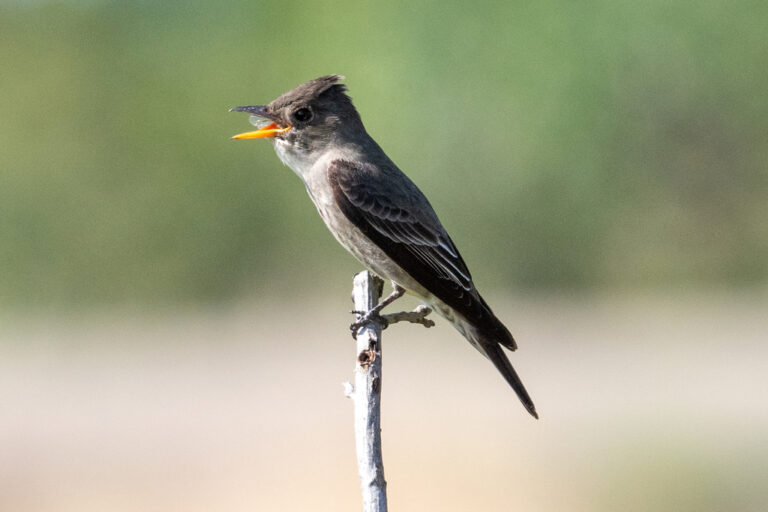
Contopus cooperi
♥
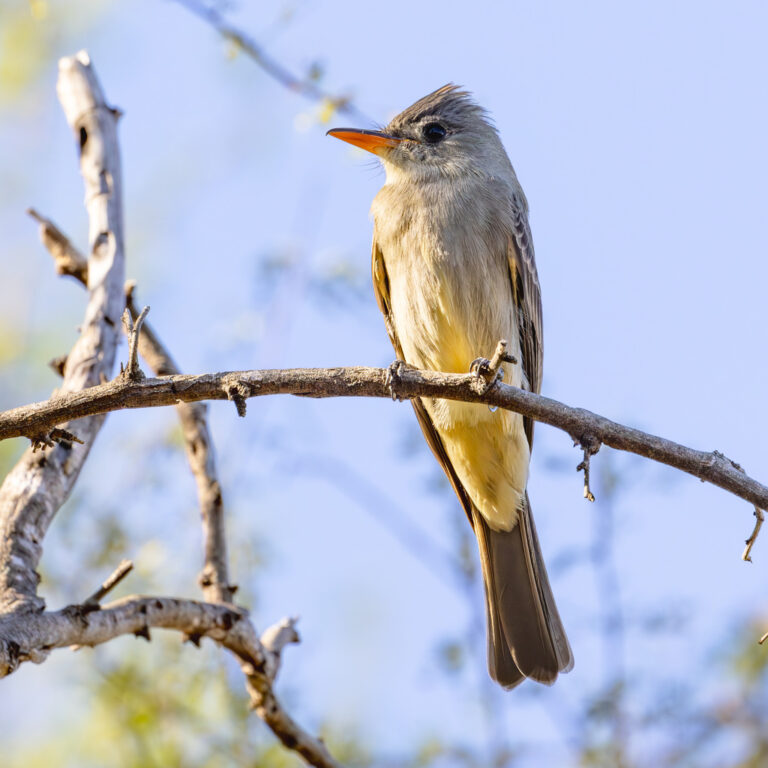
Contopus pertinax
♥
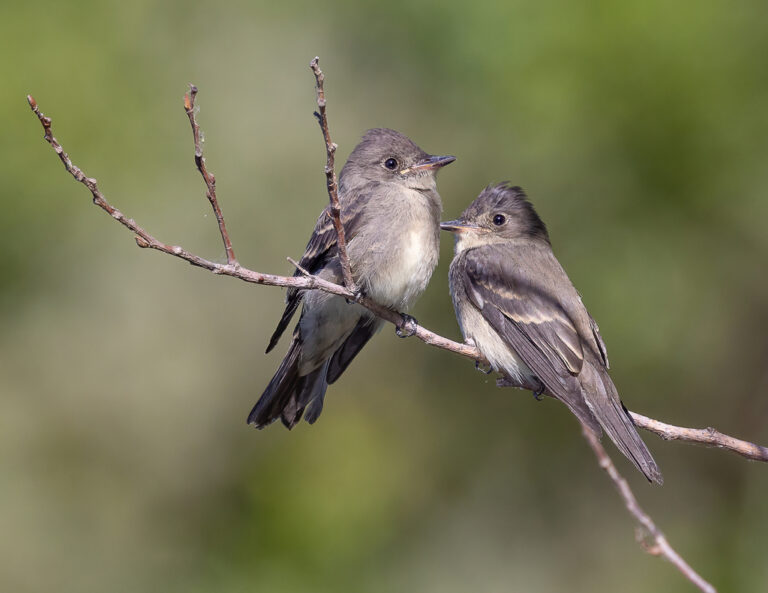
Contopus sordidulus
♥
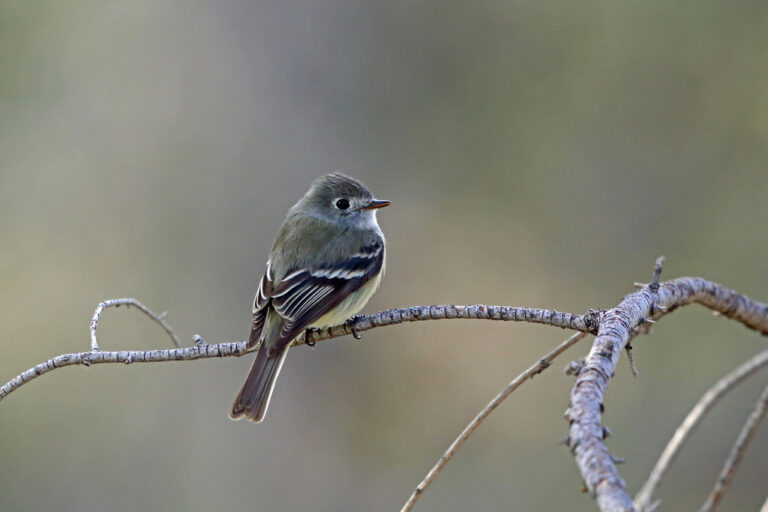
Empidonax hammondii
♥
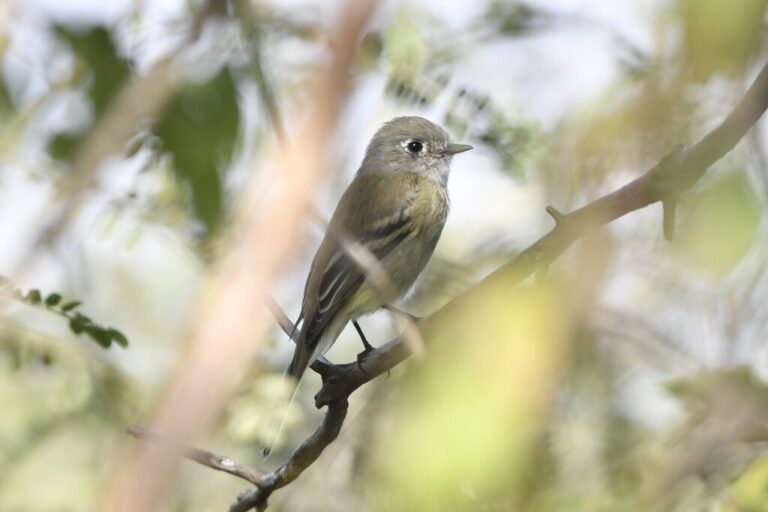
Empidonax oberholseri
♥
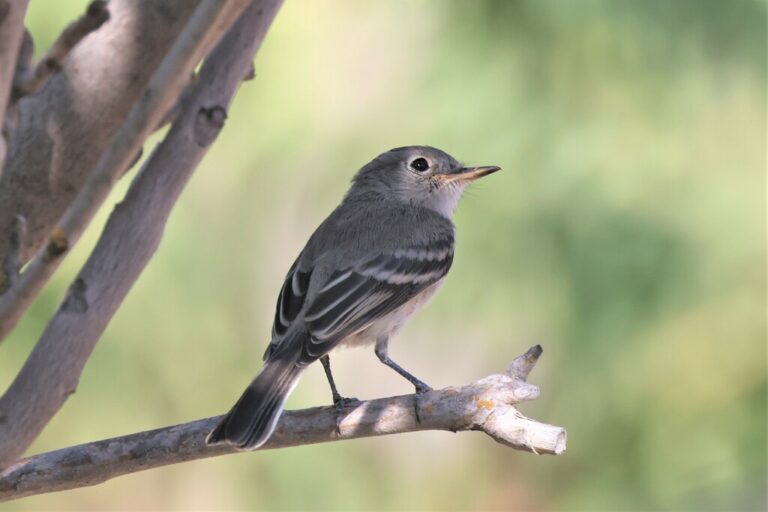
Empidonax wrightii
♥
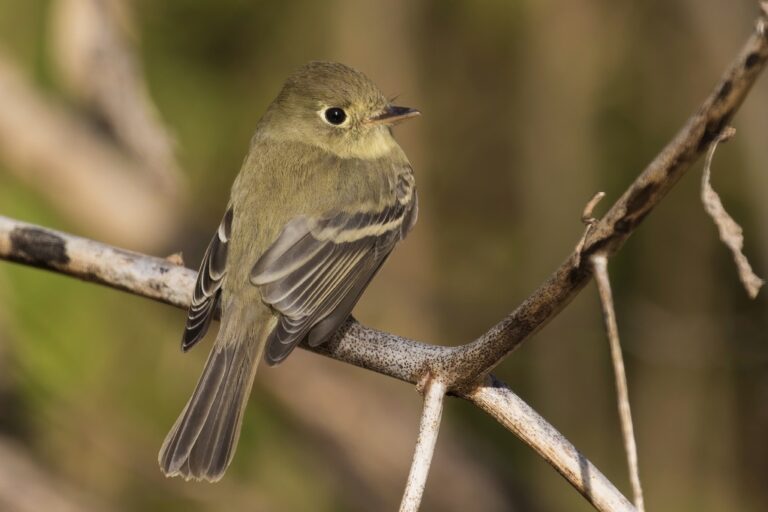
Empidonax difficilis
♥
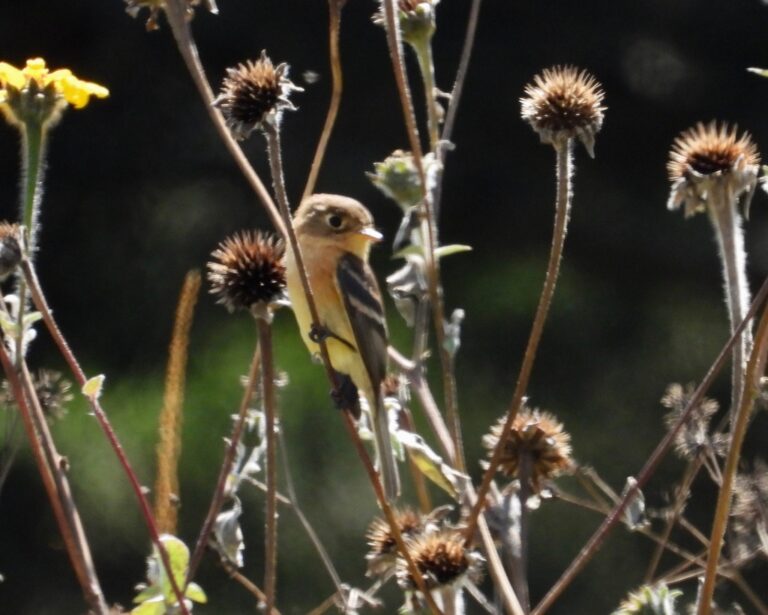
Empidonax fulvifrons
♥
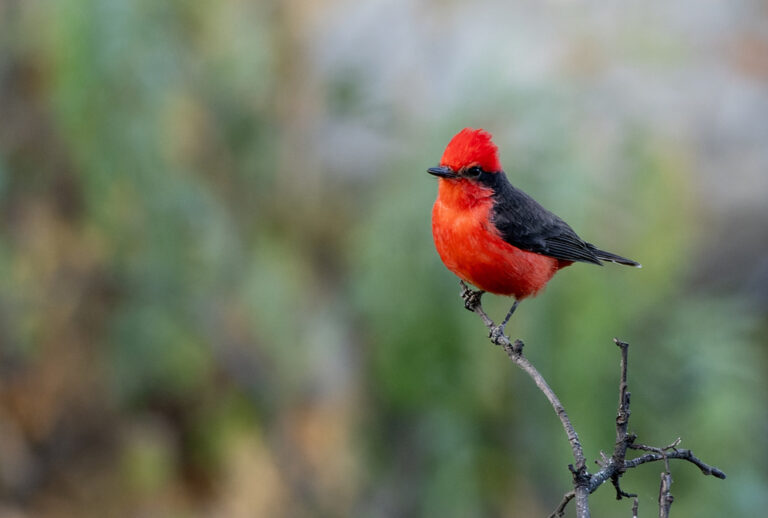
Pyrocephalus rubinus
♥
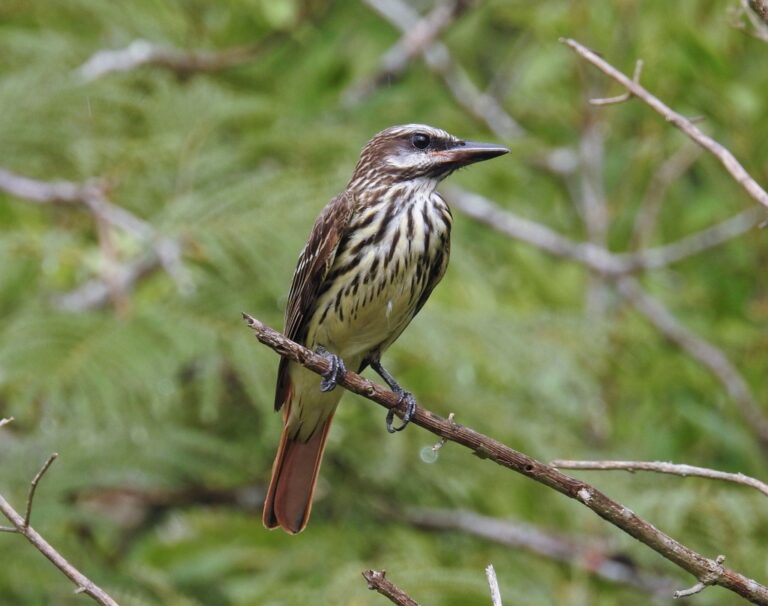
Myiodynastes luteiventris
♥
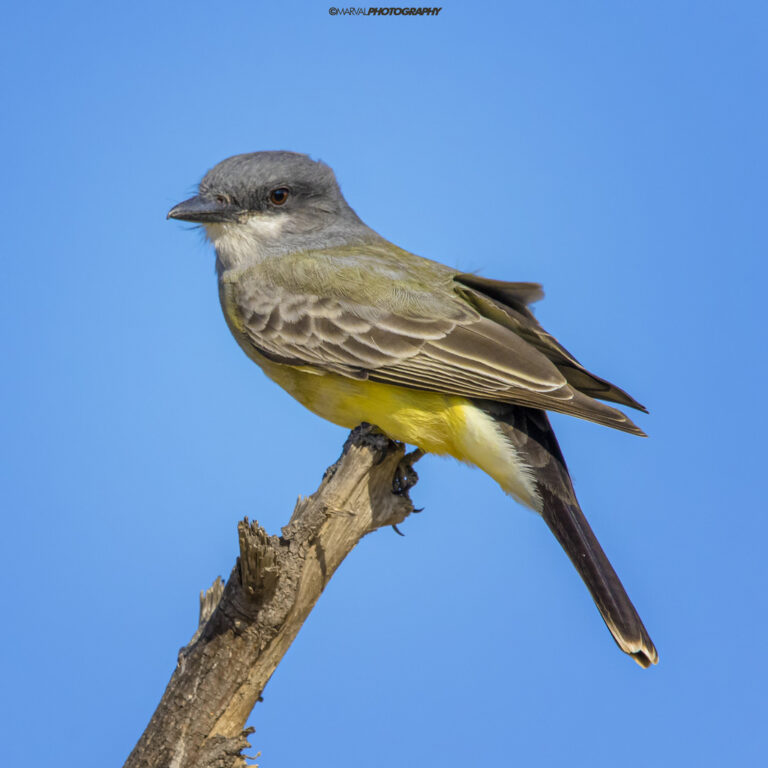
Tyrannus vociferans
♥
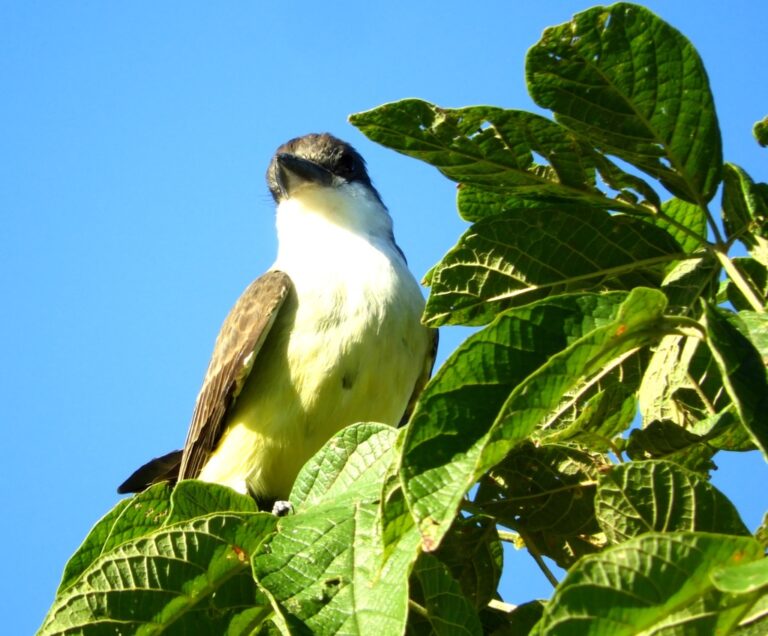
Tyrannus crassirostris
♥
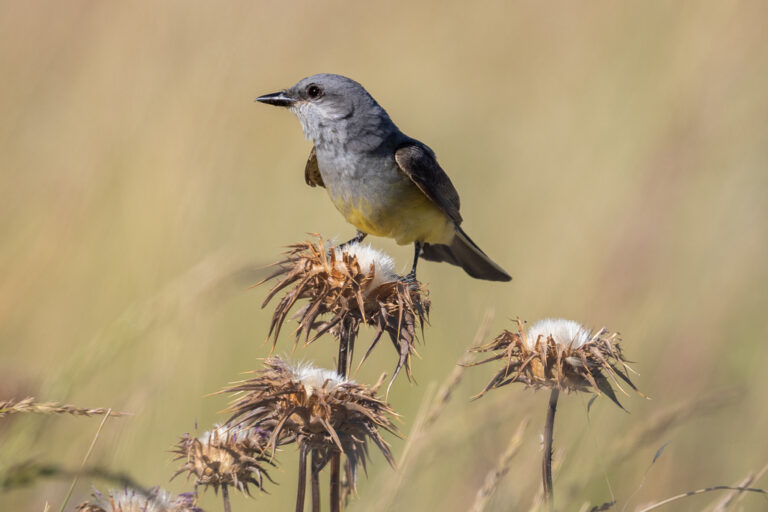
Tyrannus verticalis
♥
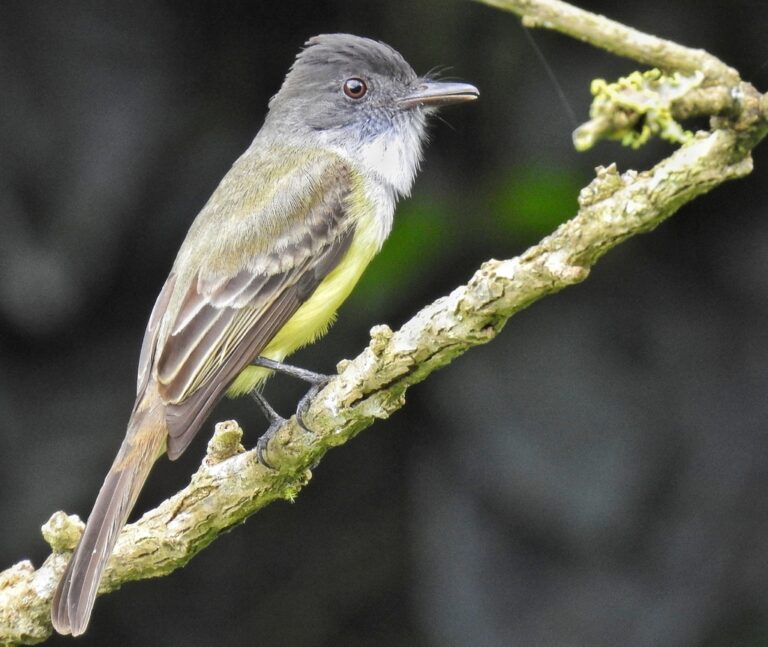
Myiarchus tuberculifer
♥
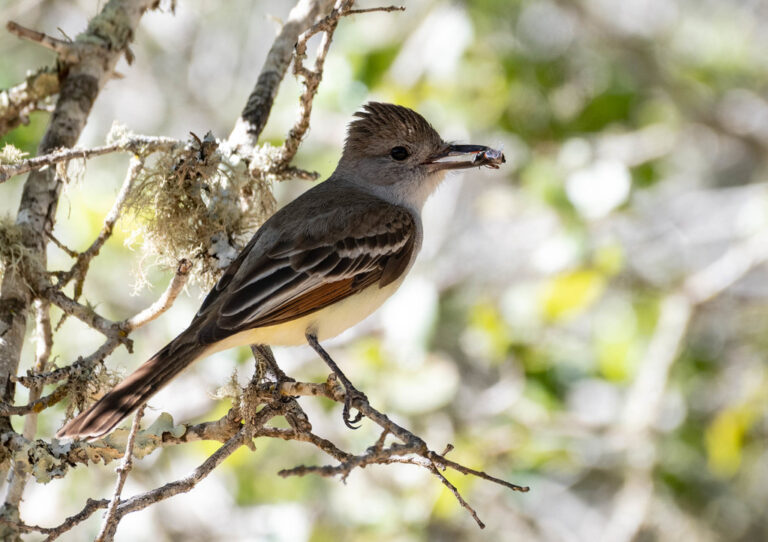
Myiarchus cinerascens
♥
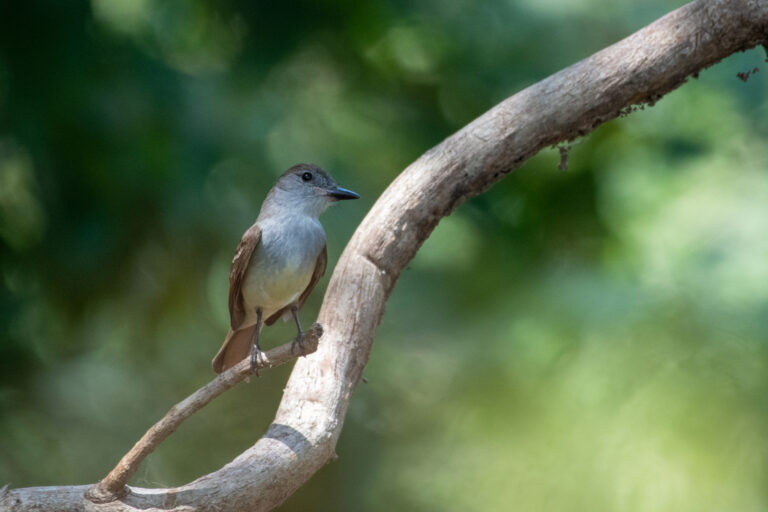
Myiarchus tyrannulus
♥
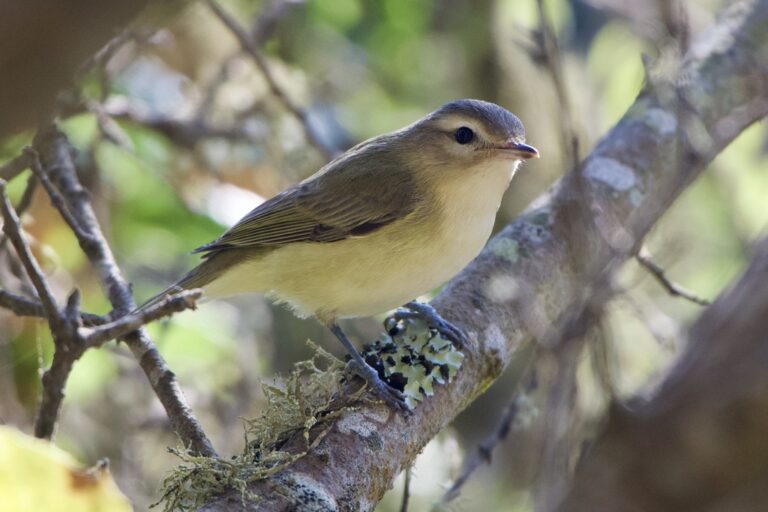
Vireo swainsoni
♥
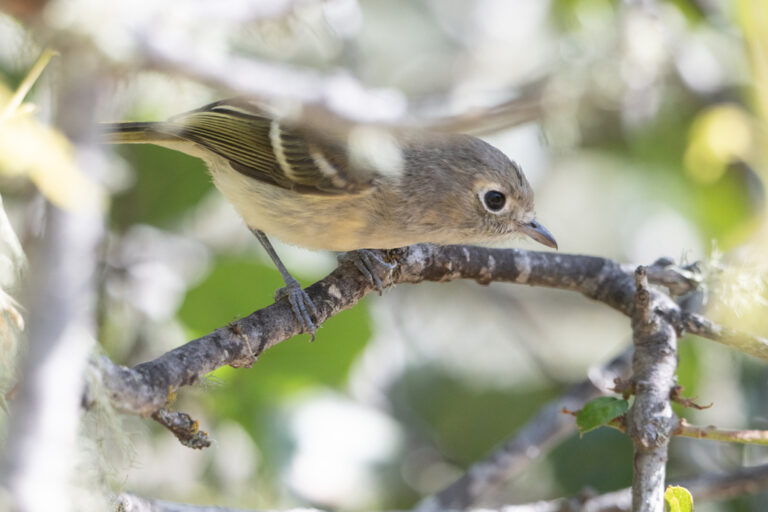
Vireo huttoni
♥
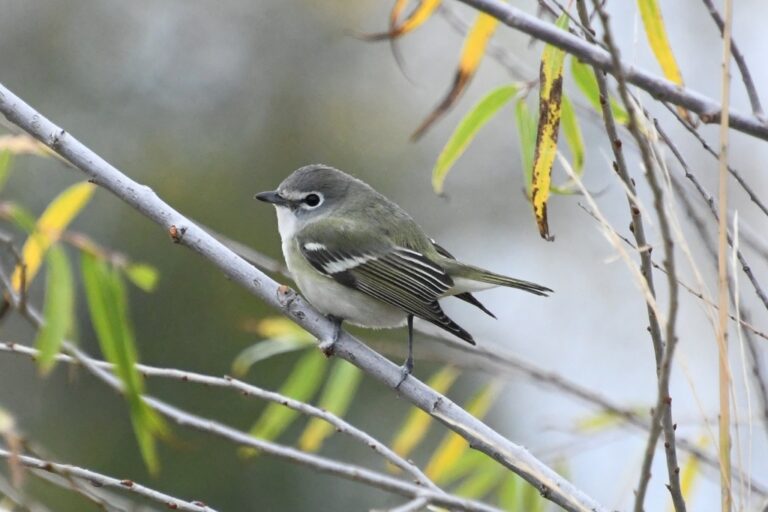
Vireo cassinii
♥
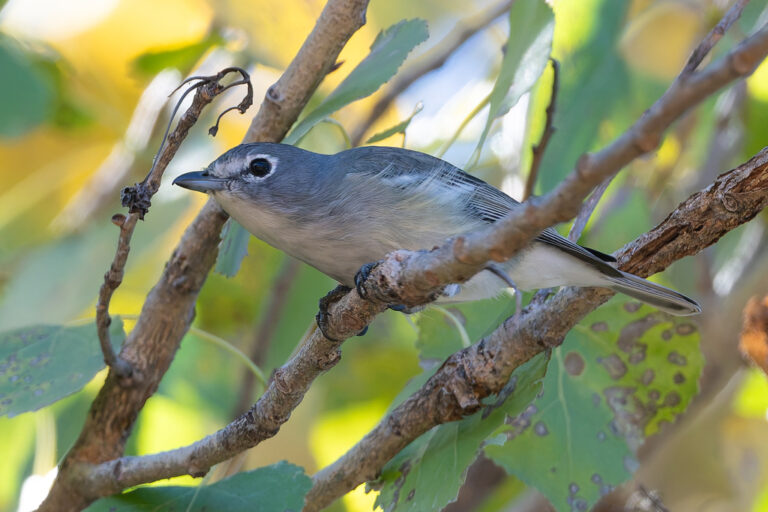
Vireo plumbeus
♥
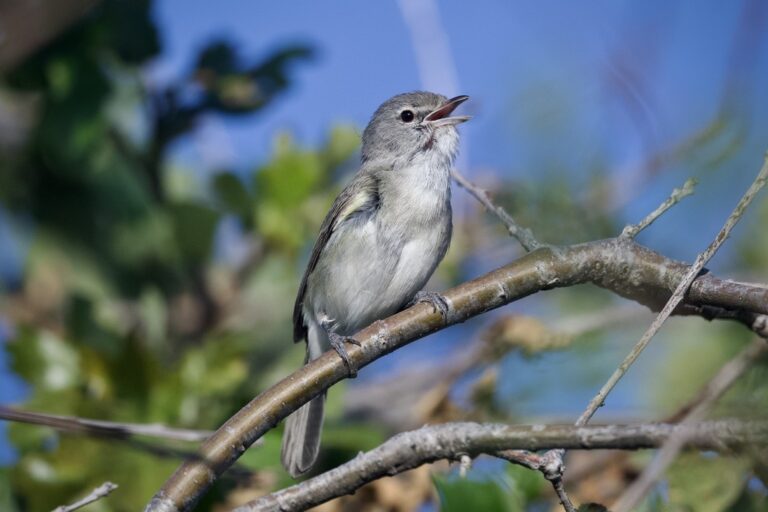
Vireo bellii
♥
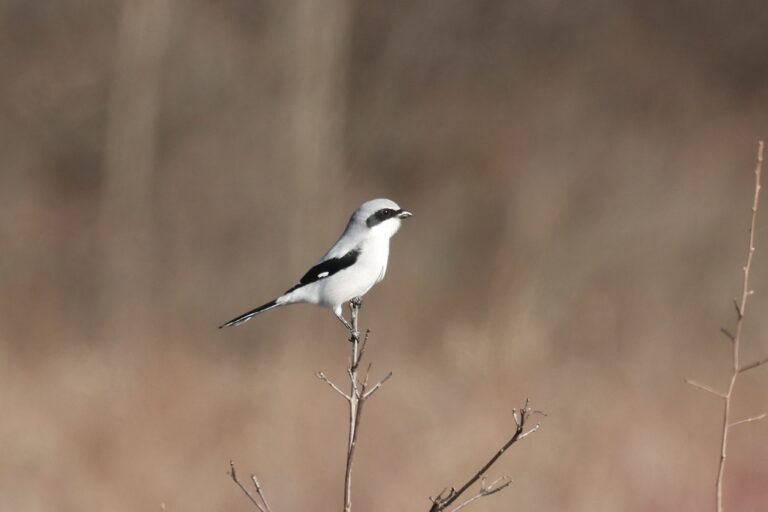
Lanius ludovicianus
♥
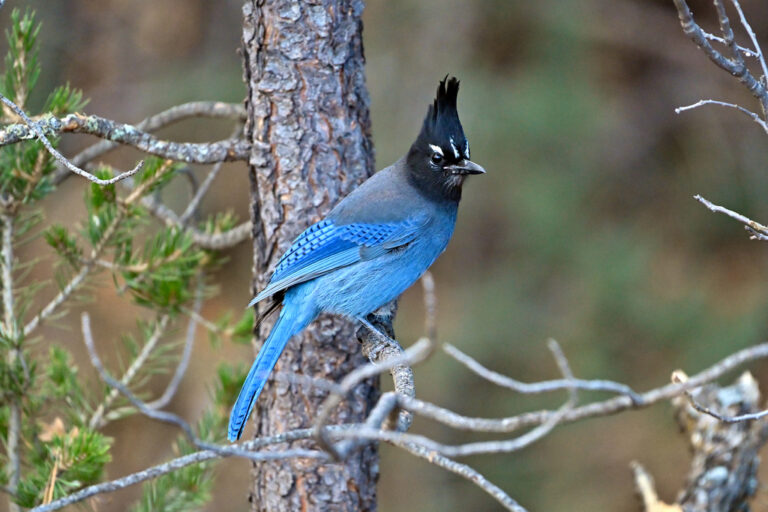
Cyanocitta stelleri
♥
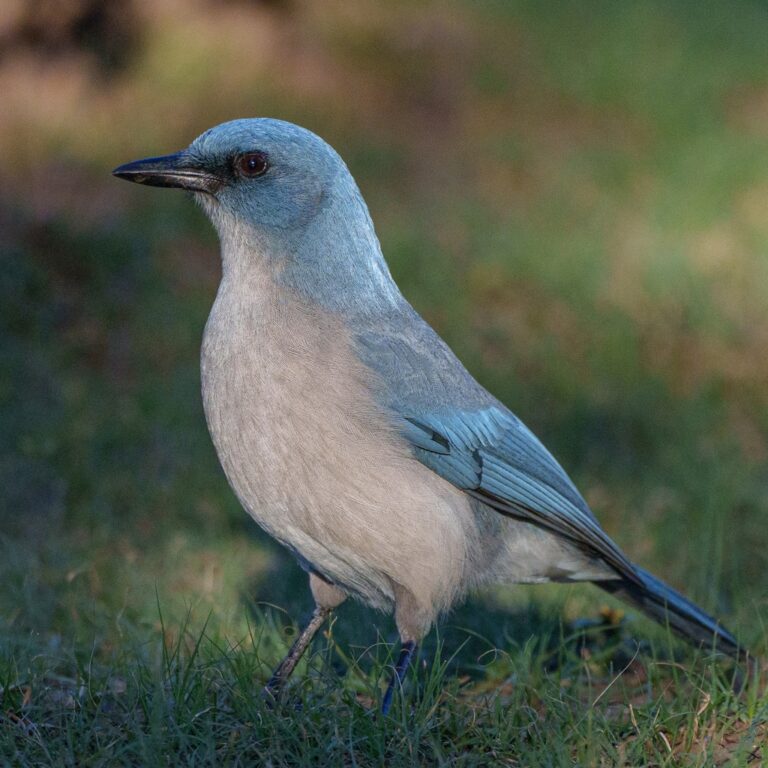
Aphelocoma wollweberi
♥
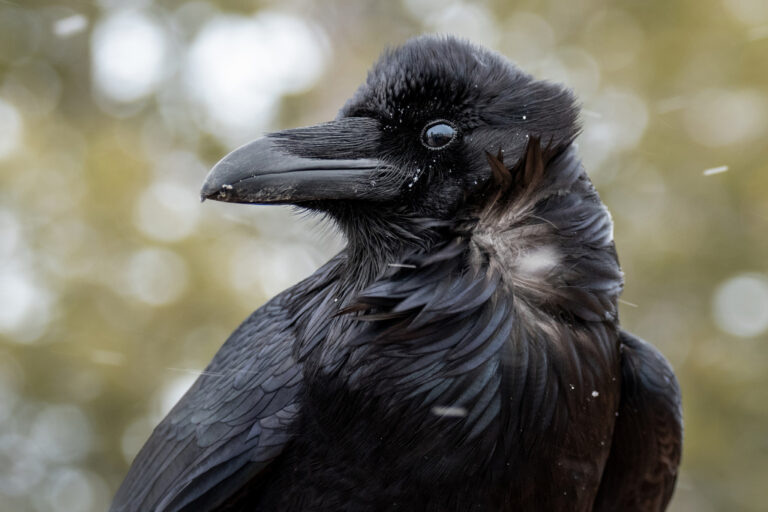
Corvus corax
♥
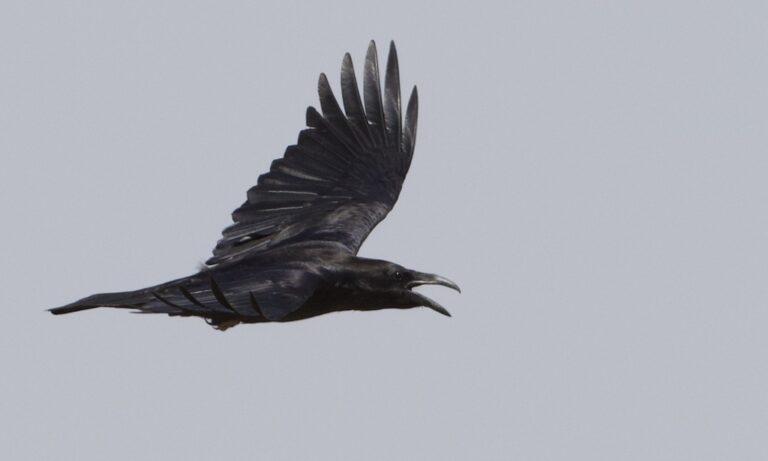
Corvus cryptoleucus
♥
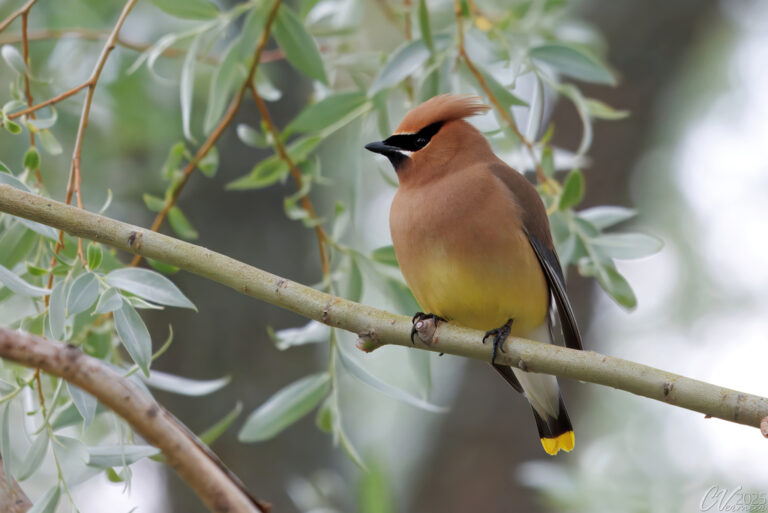
Bombycilla cedrorum
♥
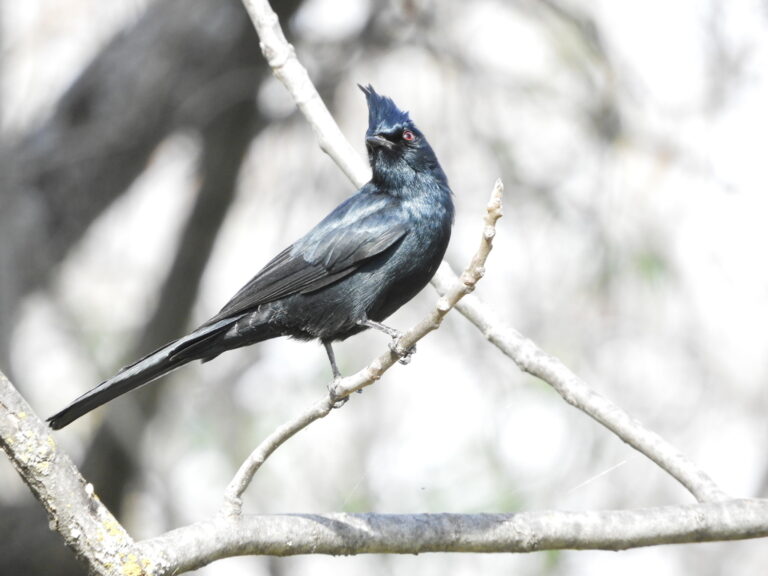
Phainopepla nitens
♥
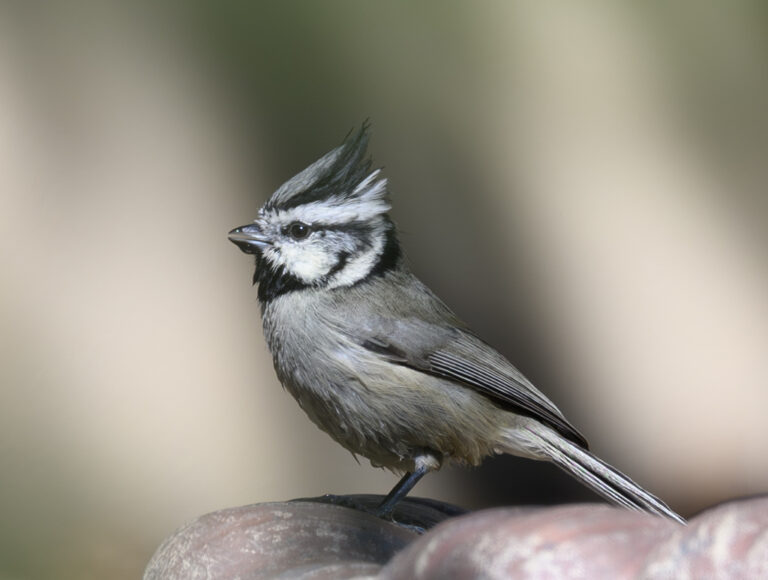
Baeolophus wollweberi
♥
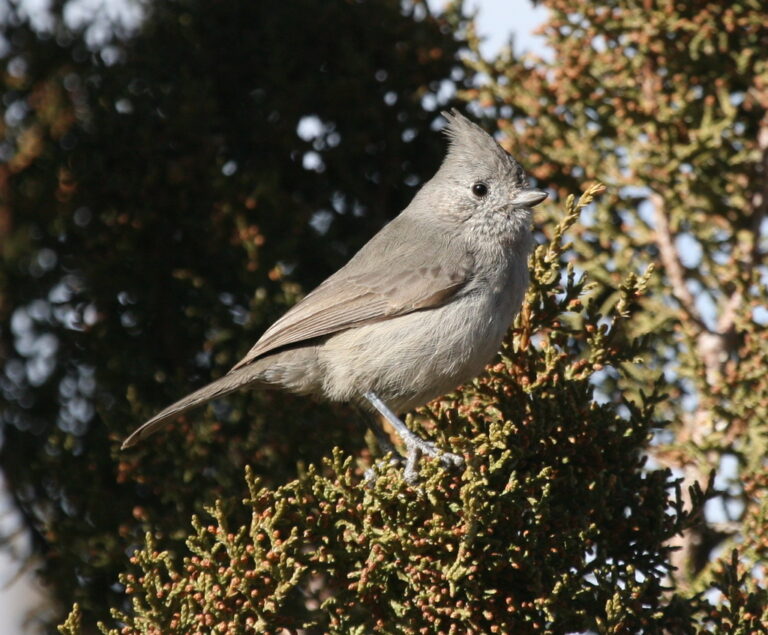
Baeolophus ridgwayi
♥
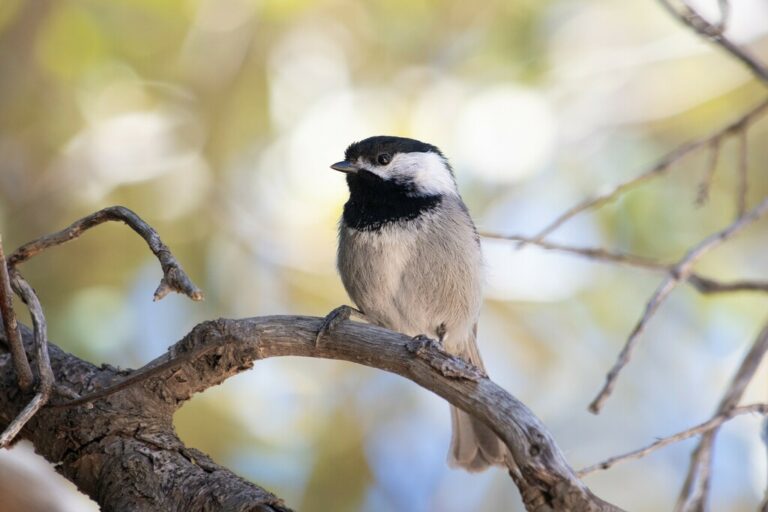
Poecile sclateri
♥
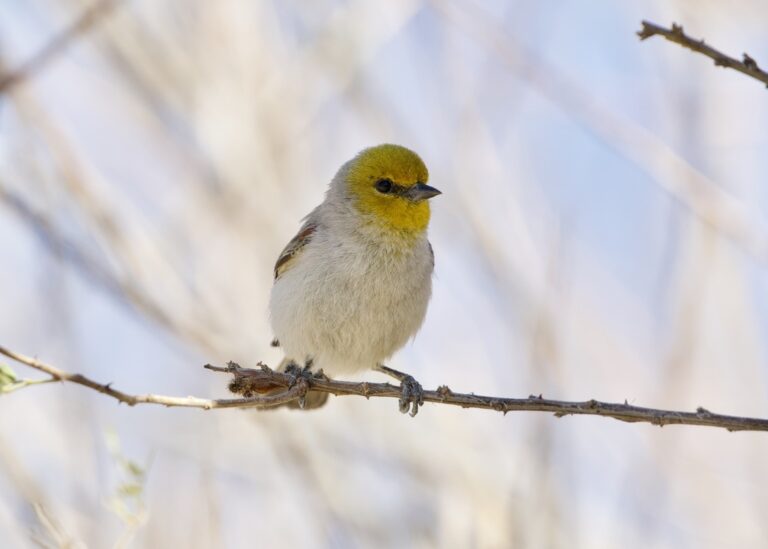
Auriparus flaviceps
♥
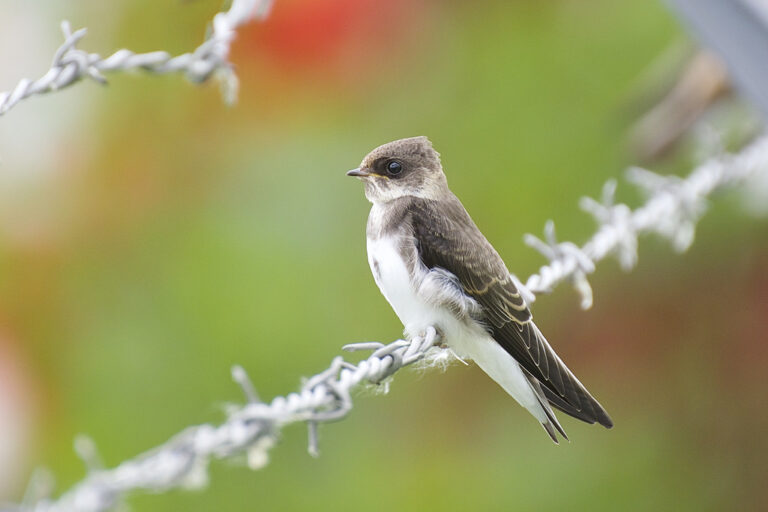
Riparia riparia
♥
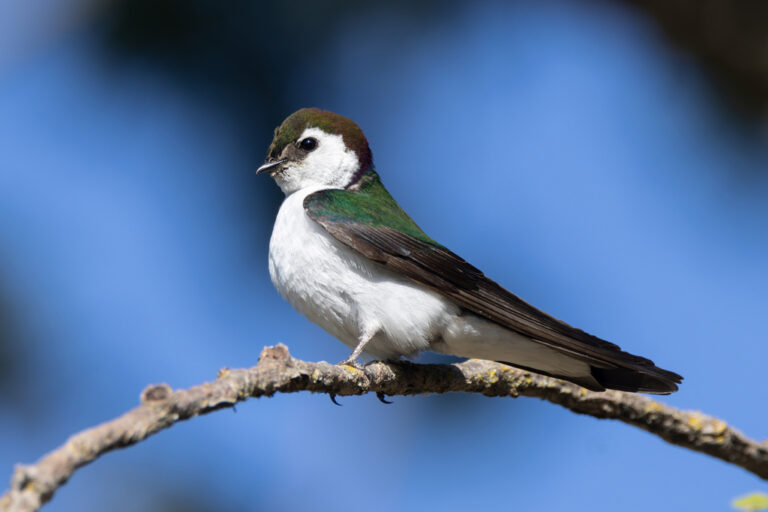
Tachycineta thalassina
♥
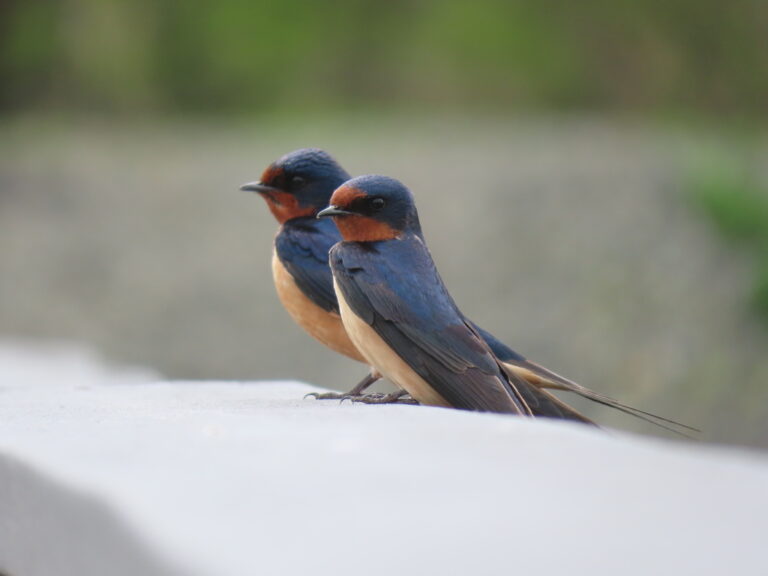
Hirundo rustica
♥
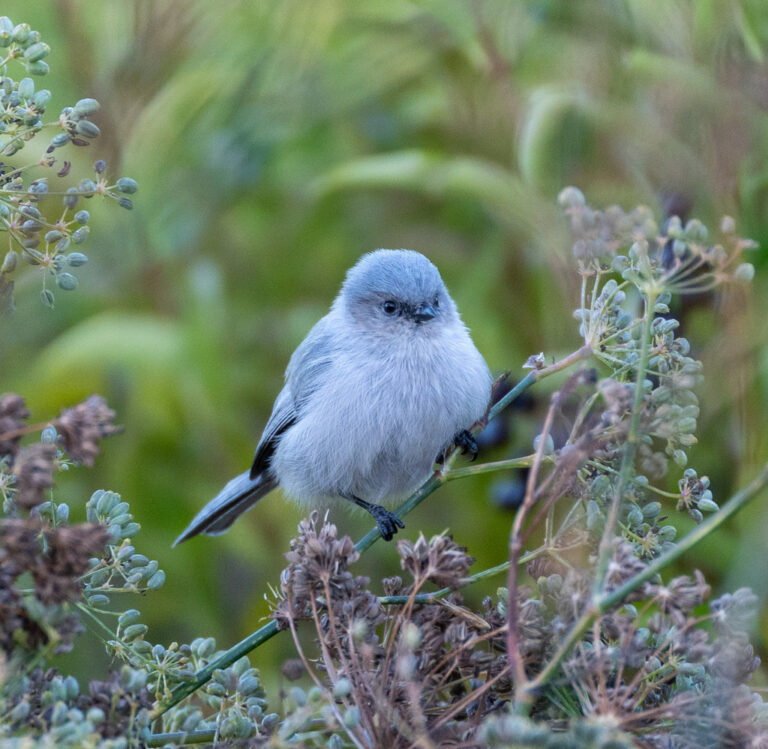
Psaltriparus minimus
♥
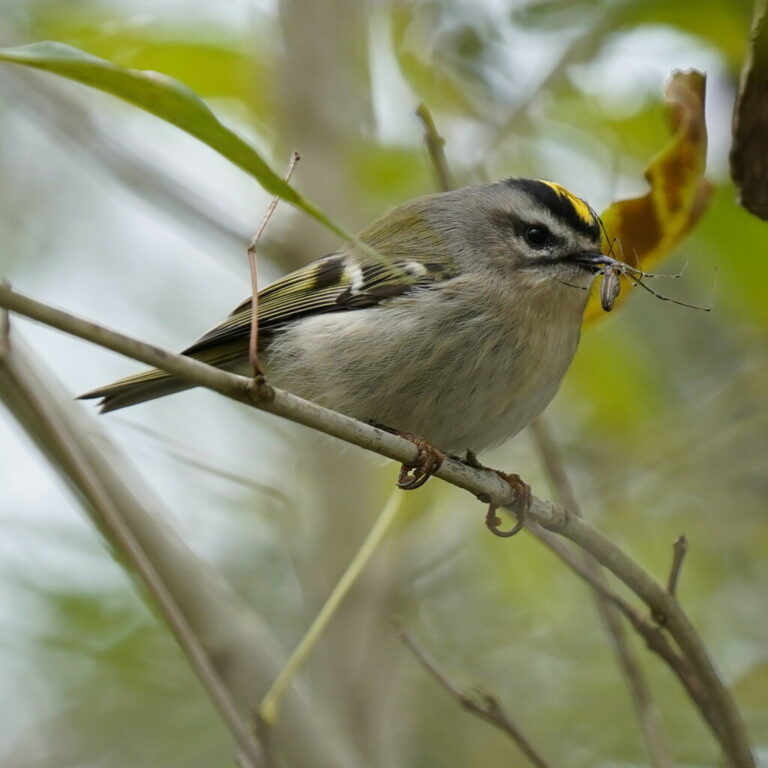
Regulus satrapa
♥
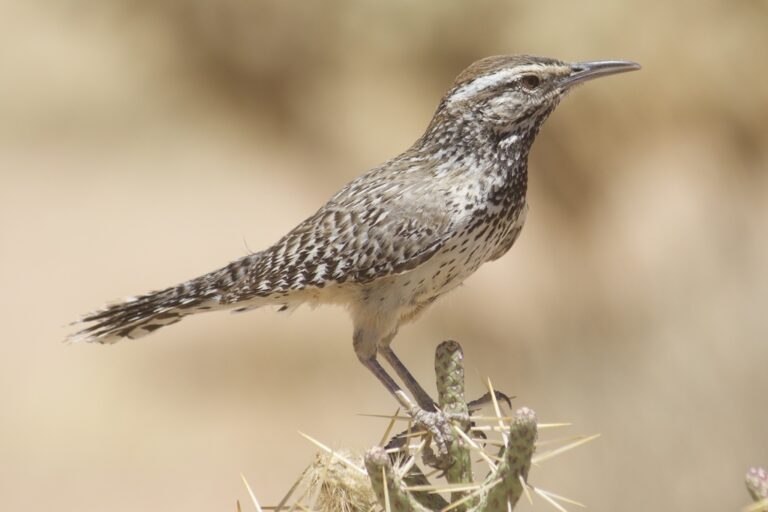
Campylorhynchus brunneicapillus
♥
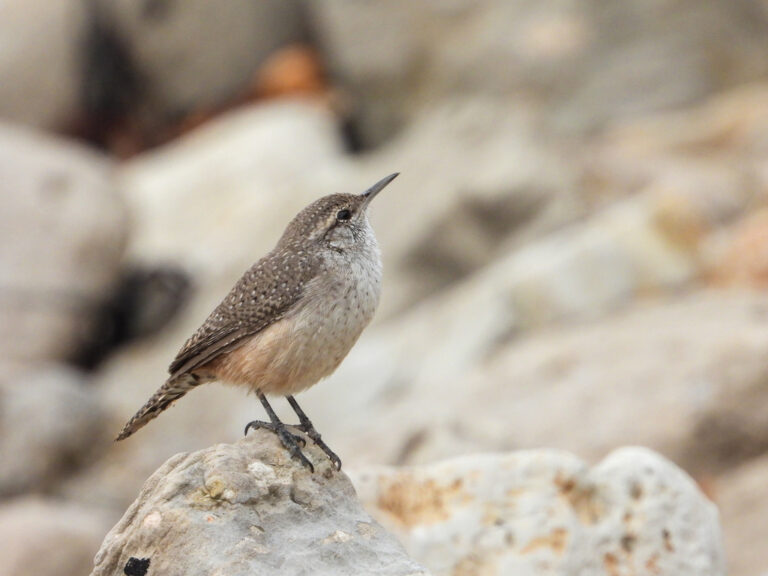
Salpinctes obsoletus
♥
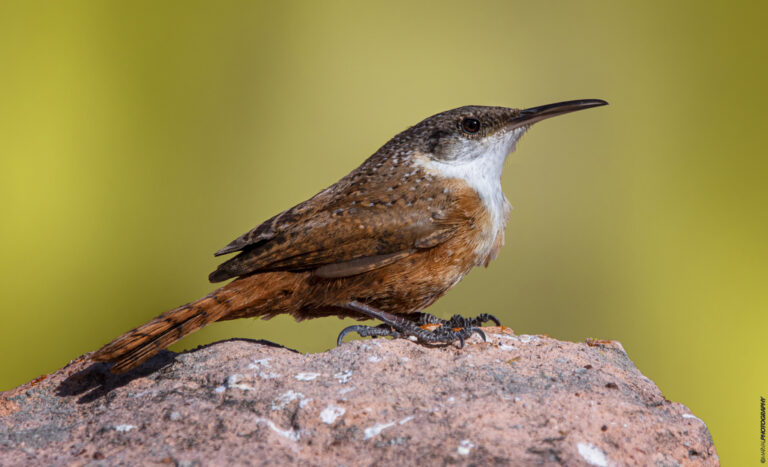
Catherpes mexicanus
♥
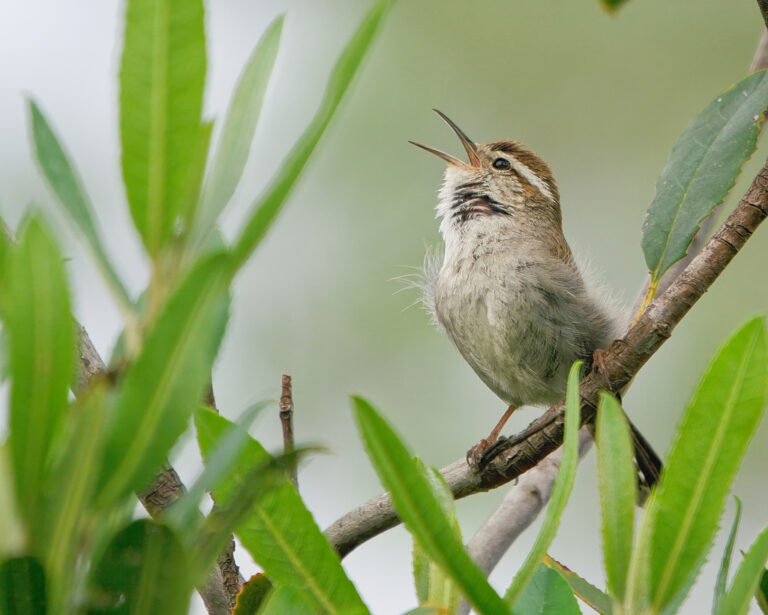
Thryomanes bewickii
♥
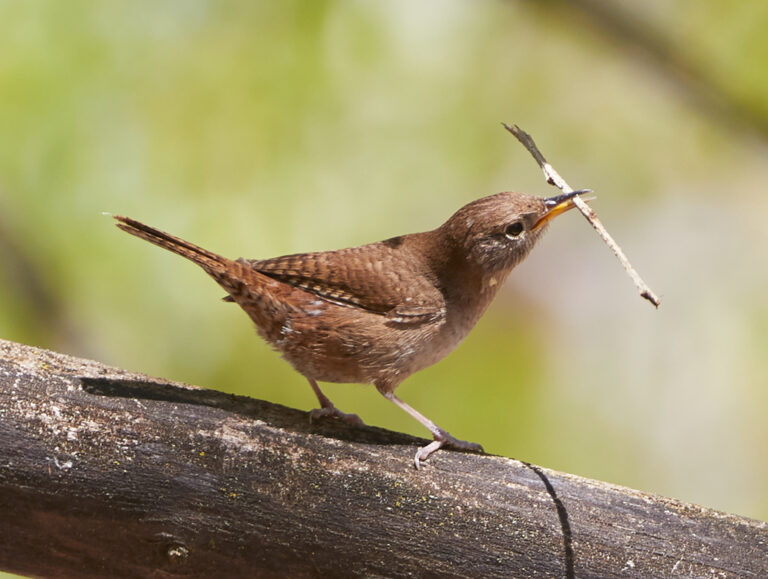
Troglodytes aedon
♥
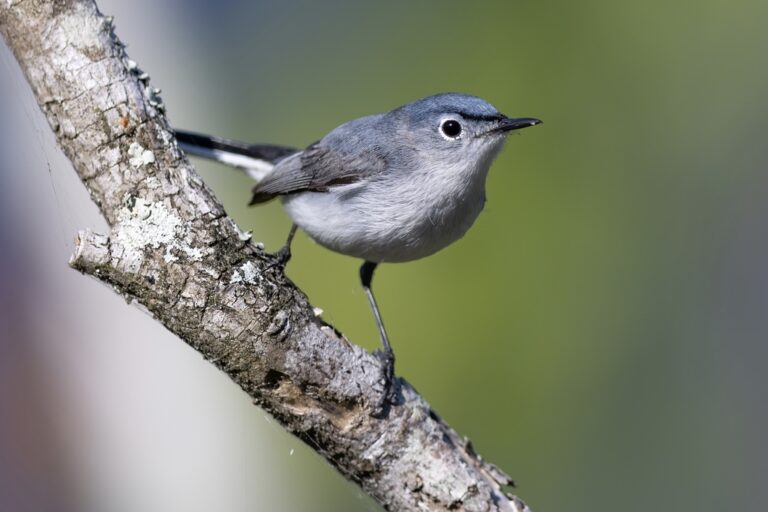
Polioptila caerulea
♥
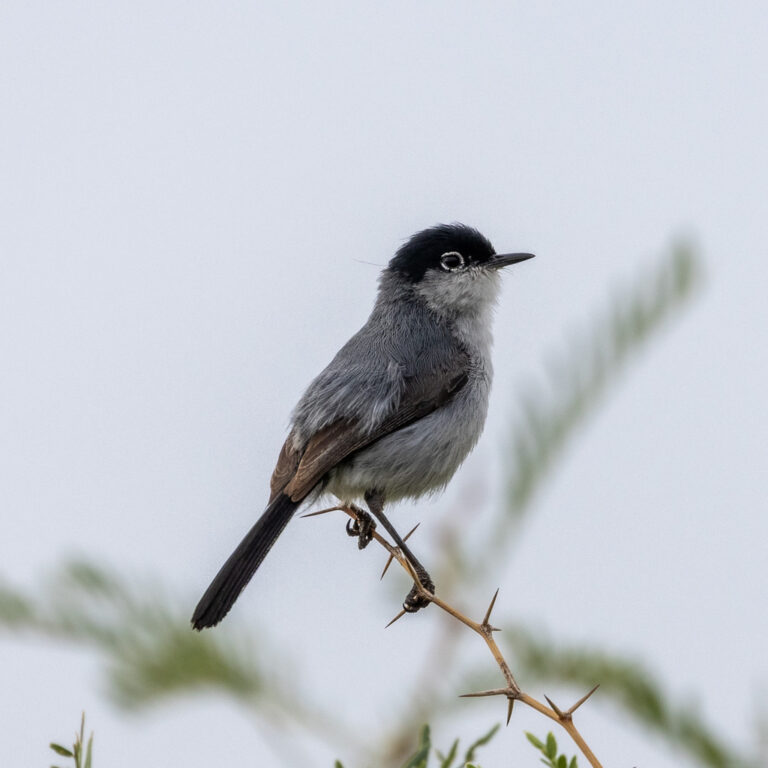
Polioptila melanura
♥
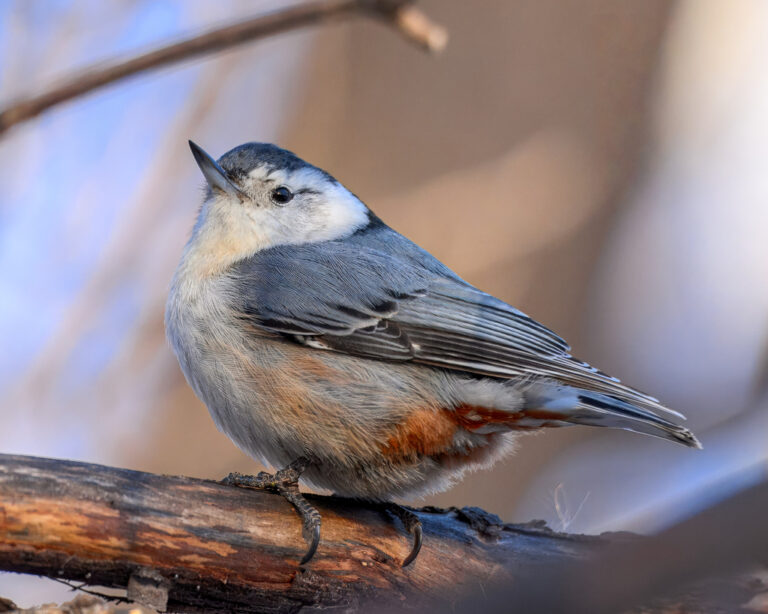
Sitta carolinensis
♥
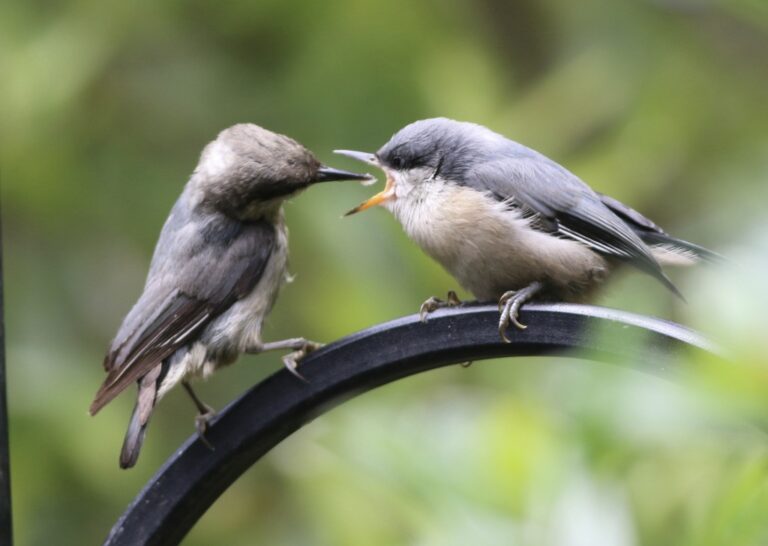
Sitta pygmaea
♥
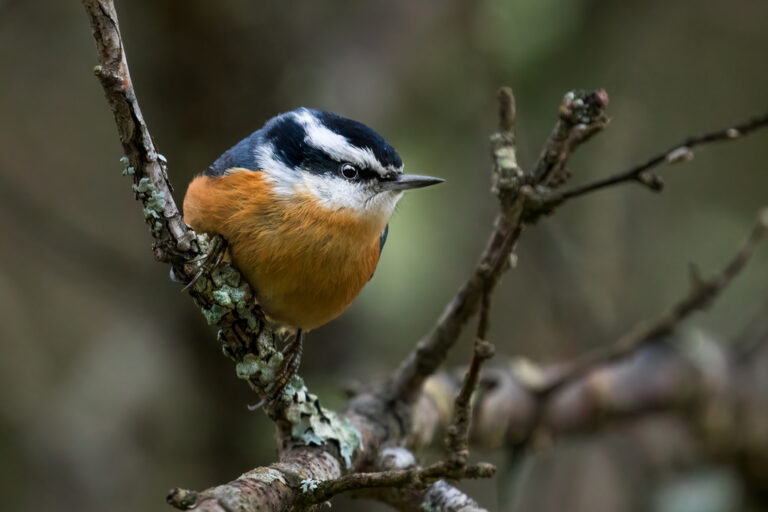
Sitta canadensis
♥
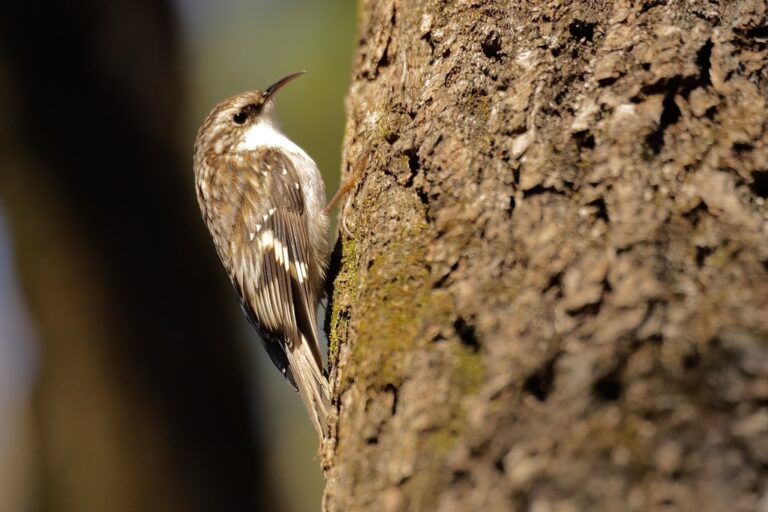
Certhia americana
♥
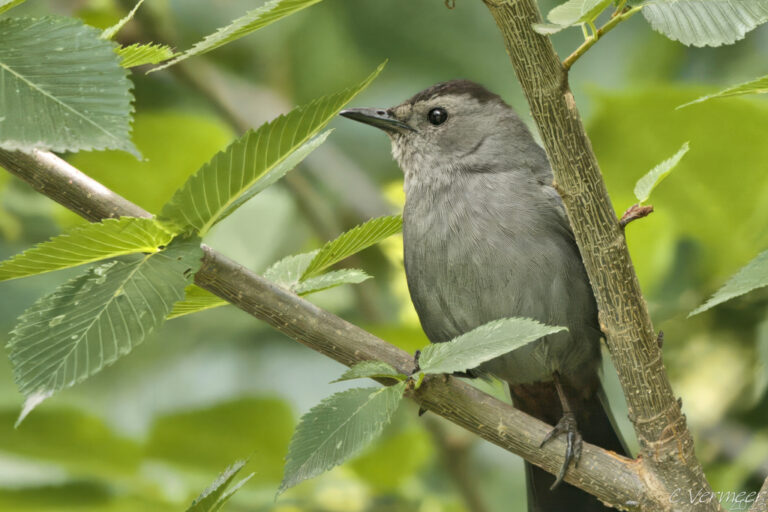
Dumetella carolinensis
♥
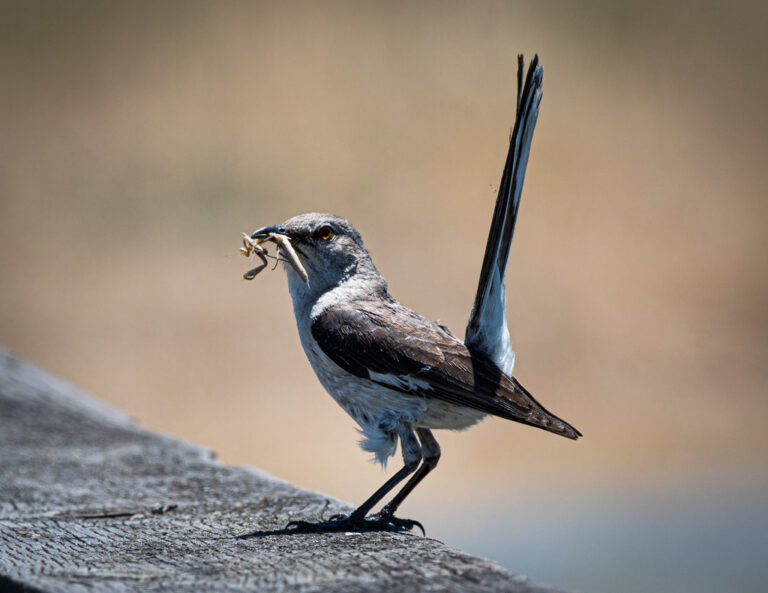
Mimus polyglottos
♥
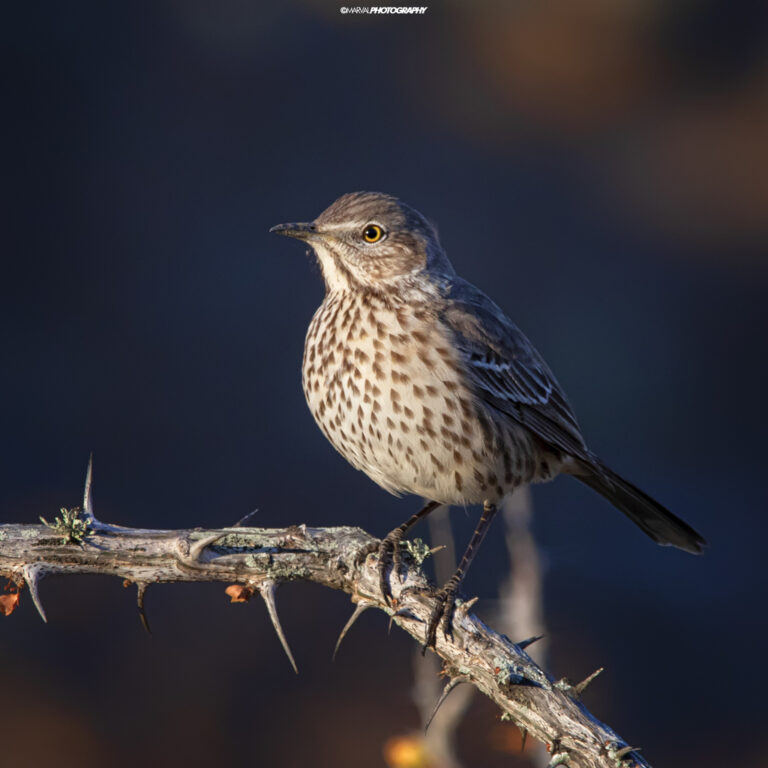
Oreoscoptes montanus
♥
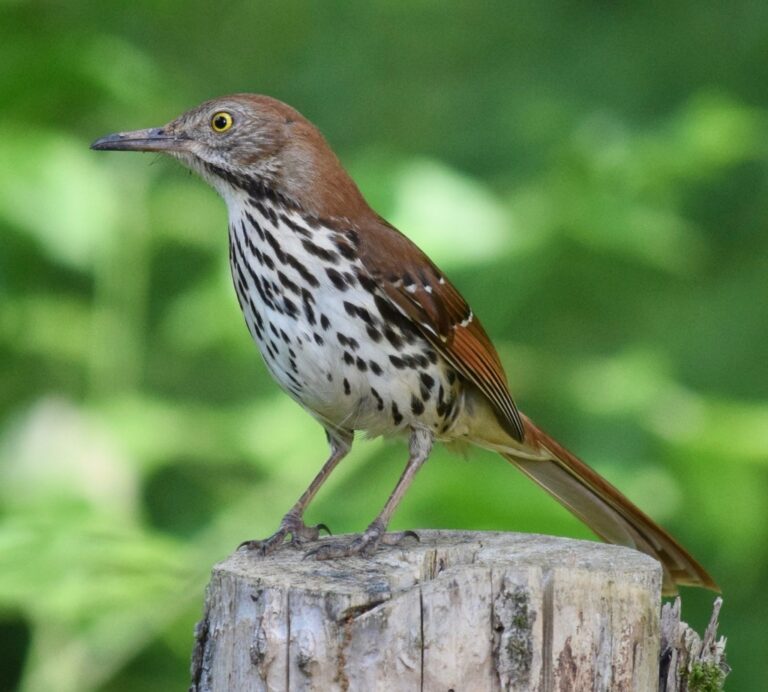
Toxostoma rufum
♥
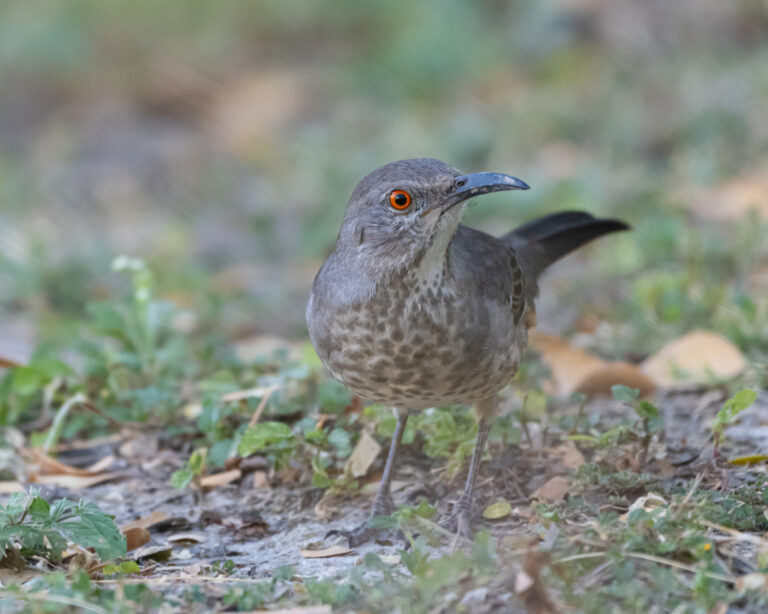
Toxostoma curvirostre
♥
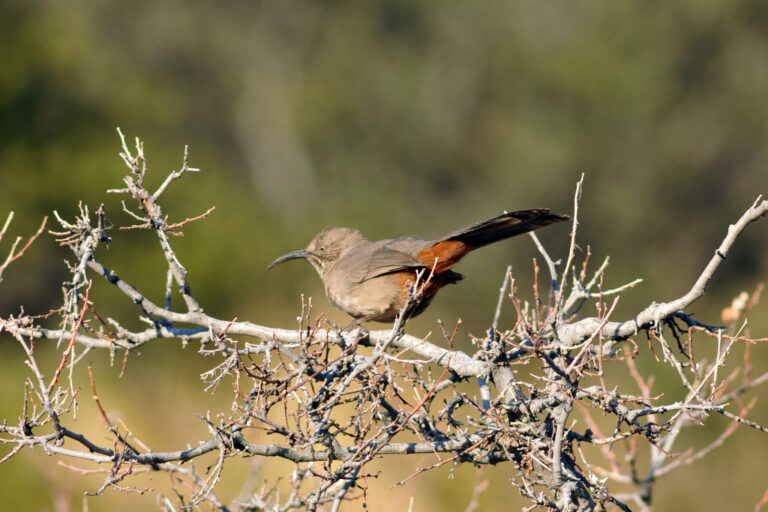
Toxostoma crissale
♥
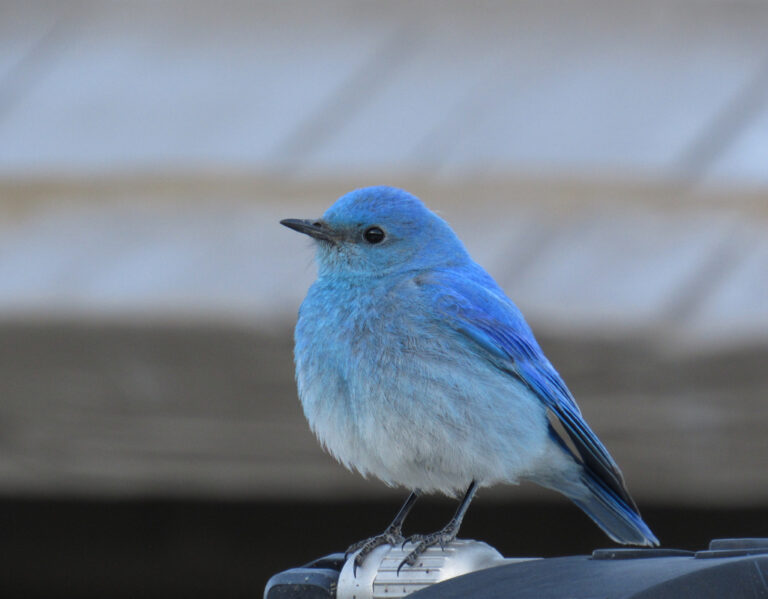
Sialia currucoides
♥
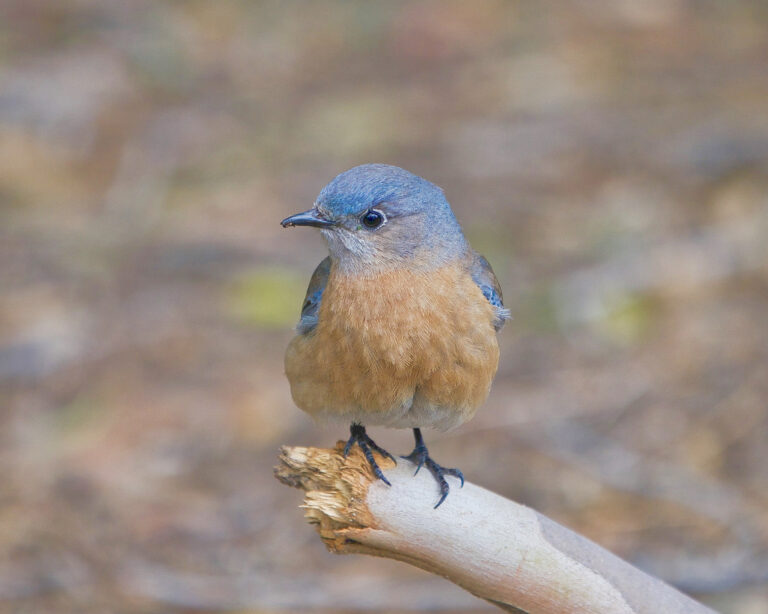
Sialia mexicana
♥
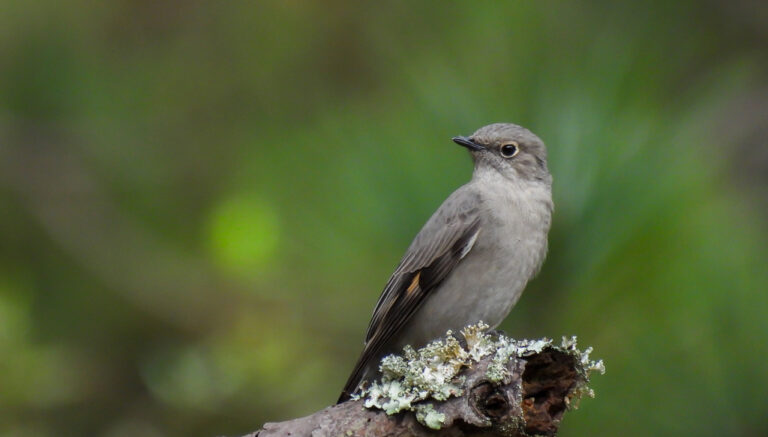
Myadestes townsendi
♥
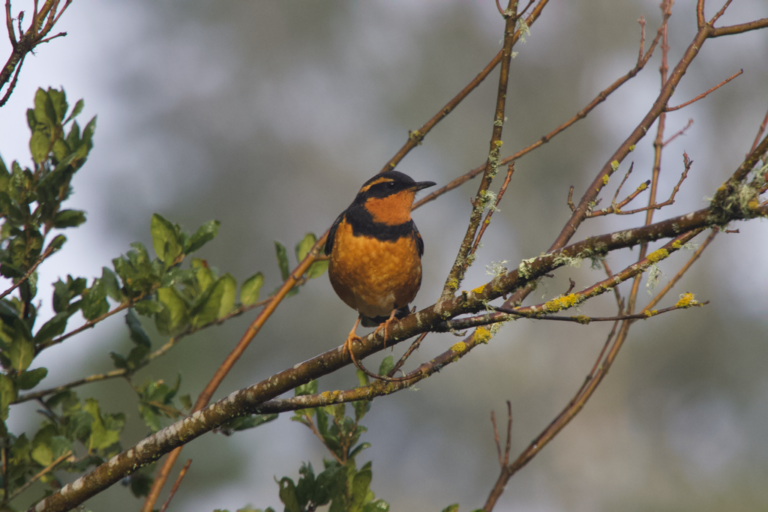
Ixoreus naevius
♥
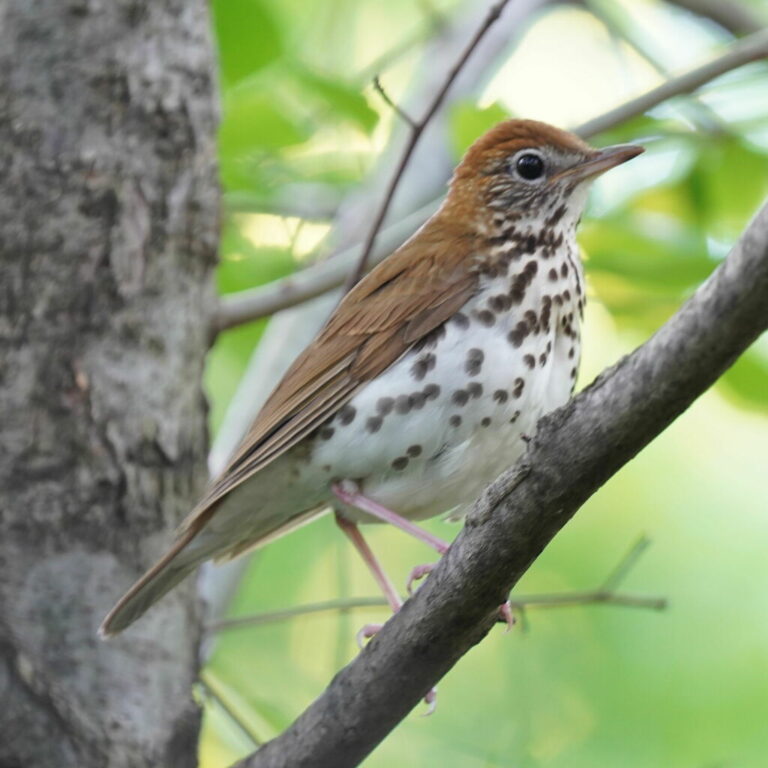
Hylocichla mustelina
♥
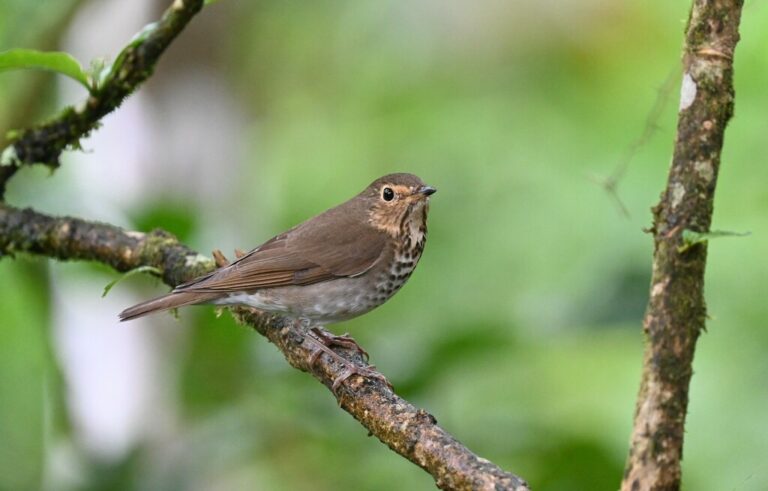
Catharus ustulatus
♥
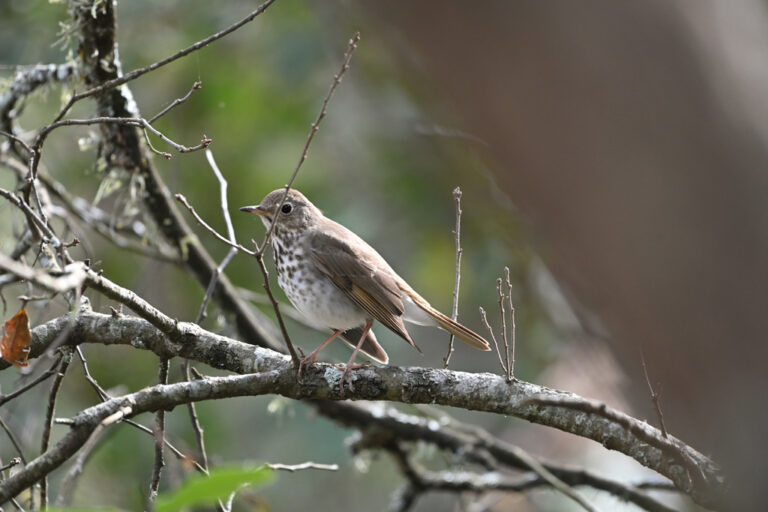
Catharus guttatus
♥
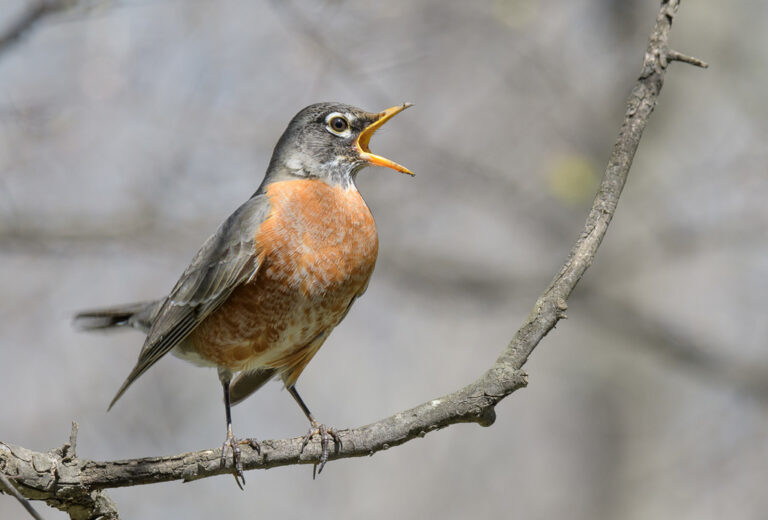
Turdus migratorius
♥
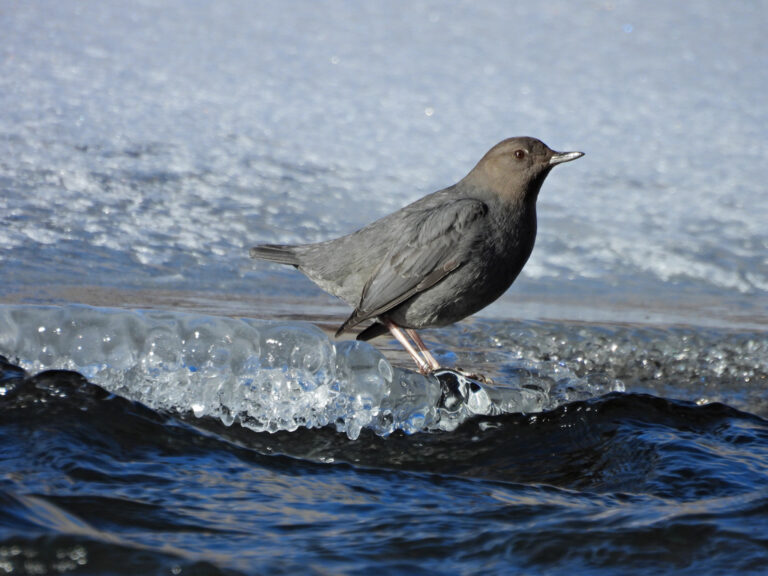
Cinclus mexicanus
♥
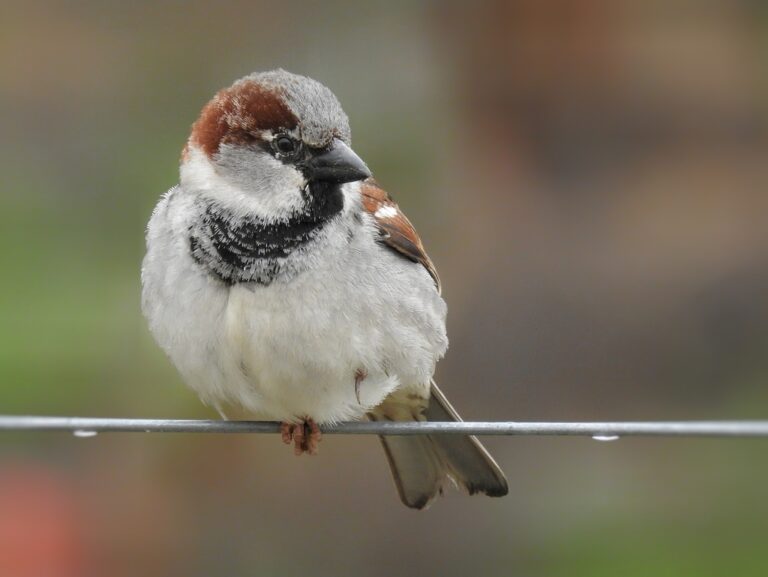
Passer domesticus
♥
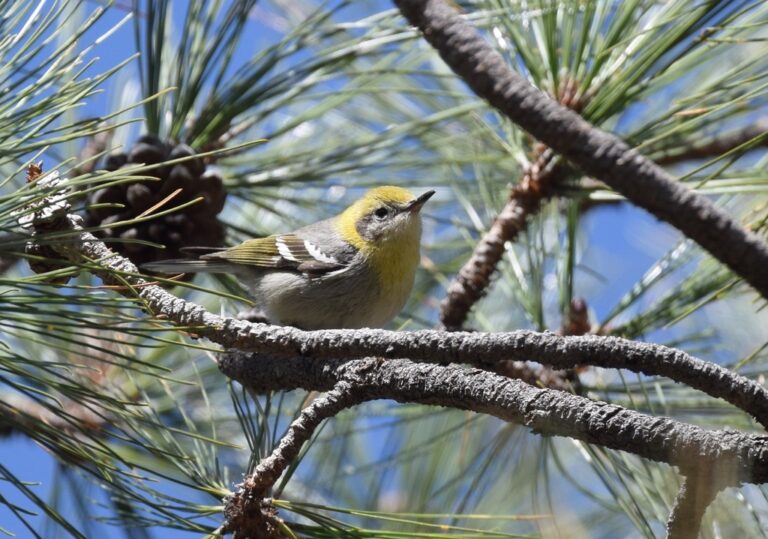
Peucedramus taeniatus
♥
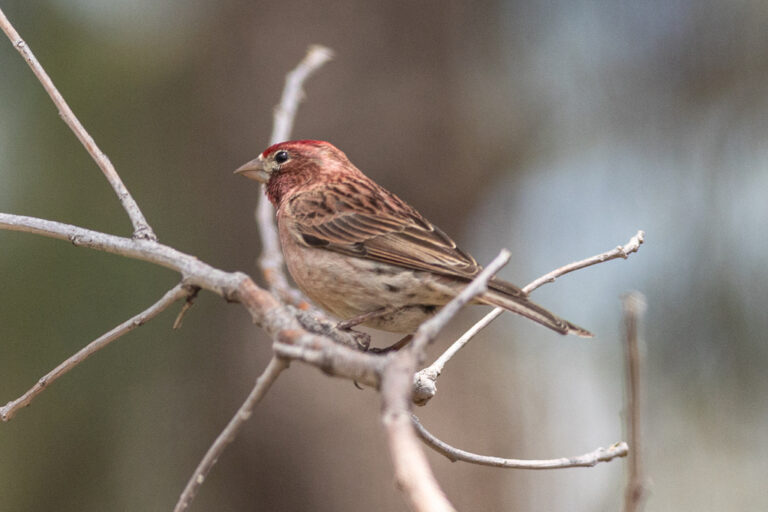
Haemorhous cassinii
♥
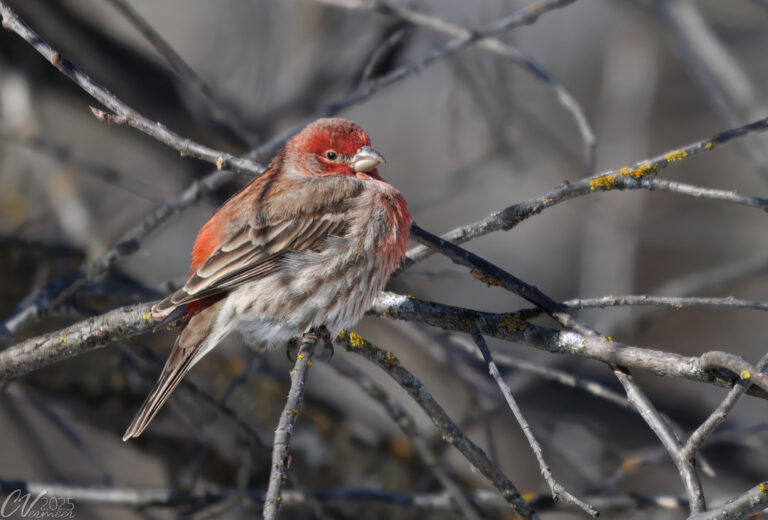
Haemorhous mexicanus
♥
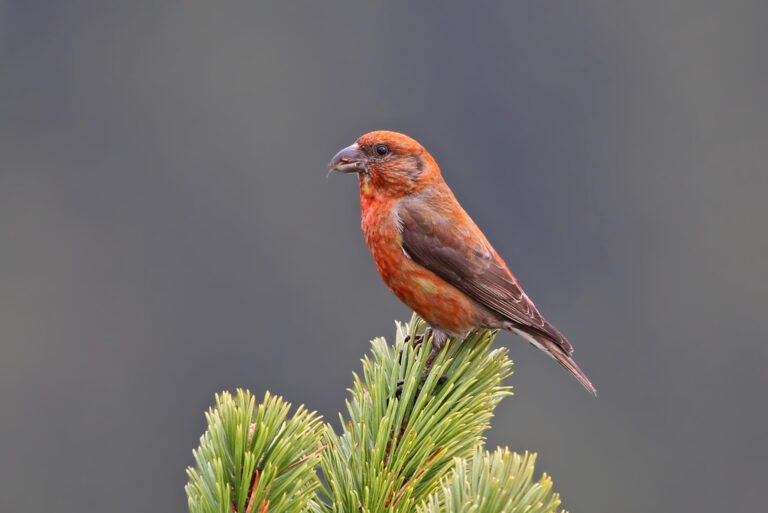
Loxia curvirostra
♥
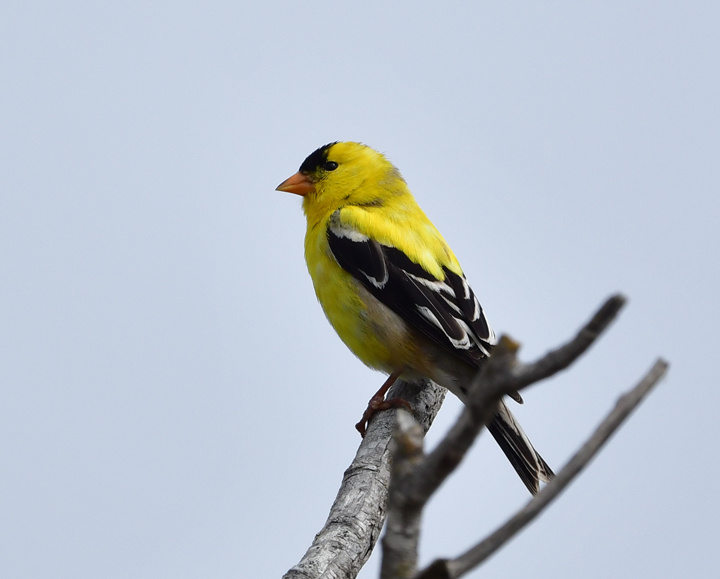
Spinus tristis
♥
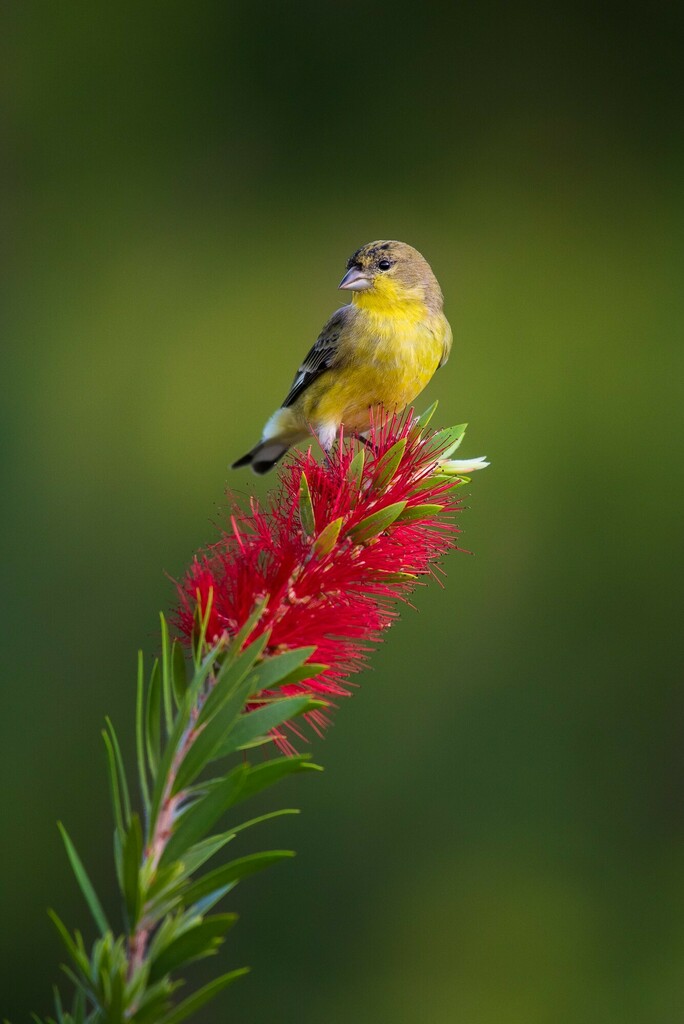
Spinus psaltria
♥
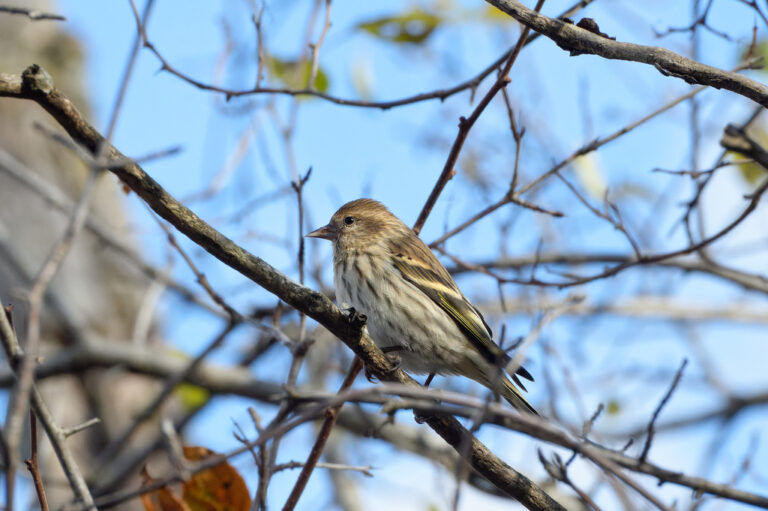
Spinus pinus
♥
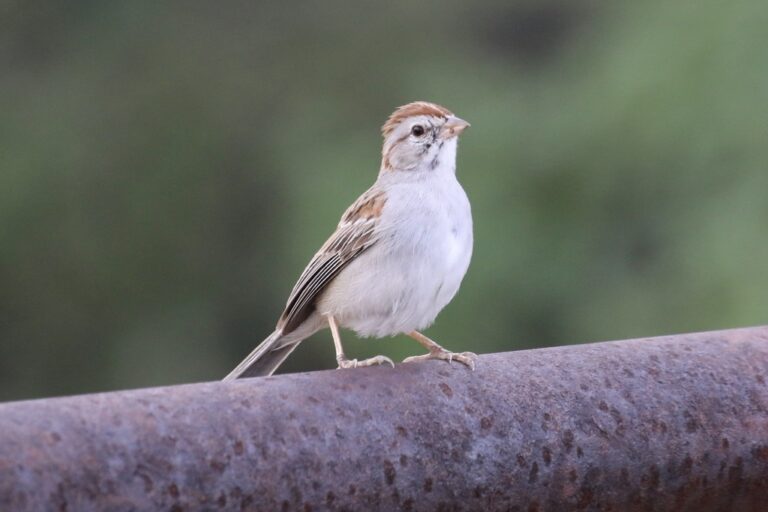
Peucaea carpalis
♥
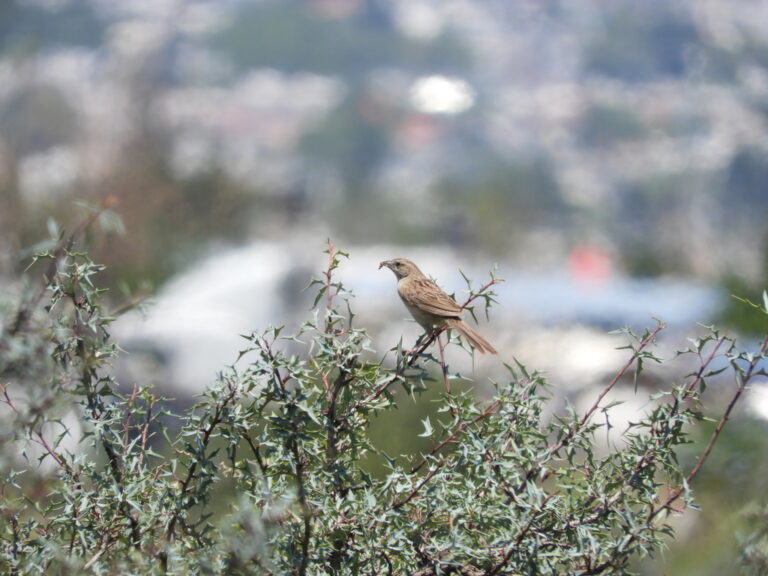
Peucaea botterii
♥
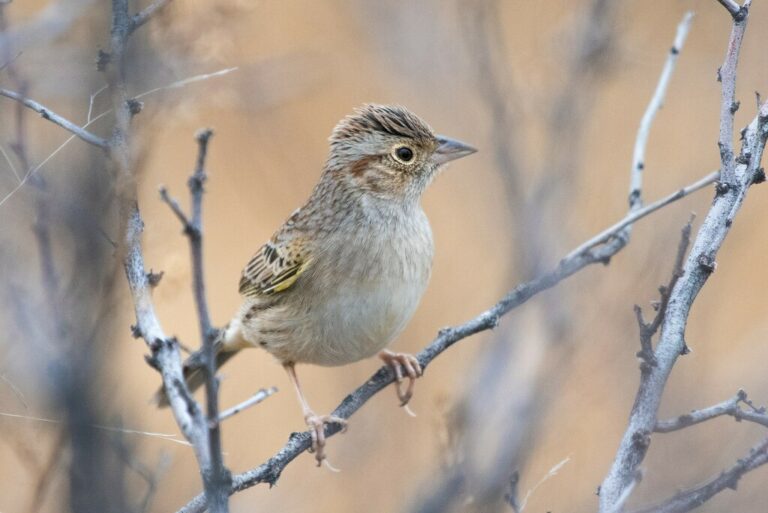
Peucaea cassinii
♥
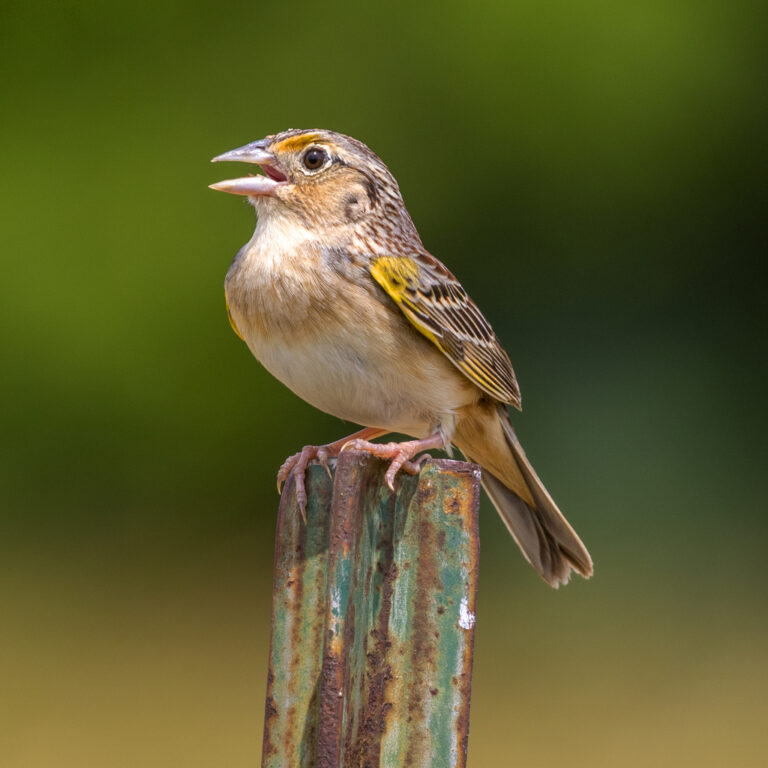
Ammodramus savannarum
♥
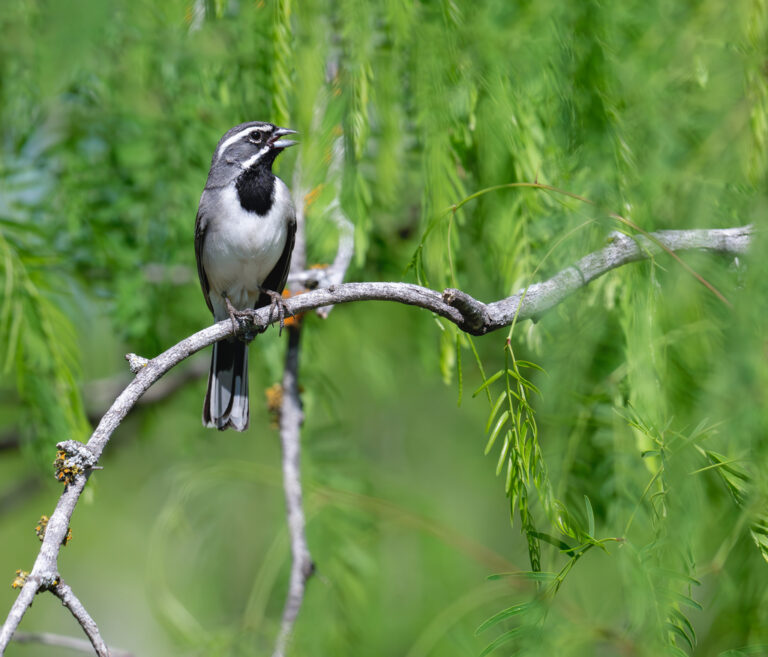
Amphispiza bilineata
♥
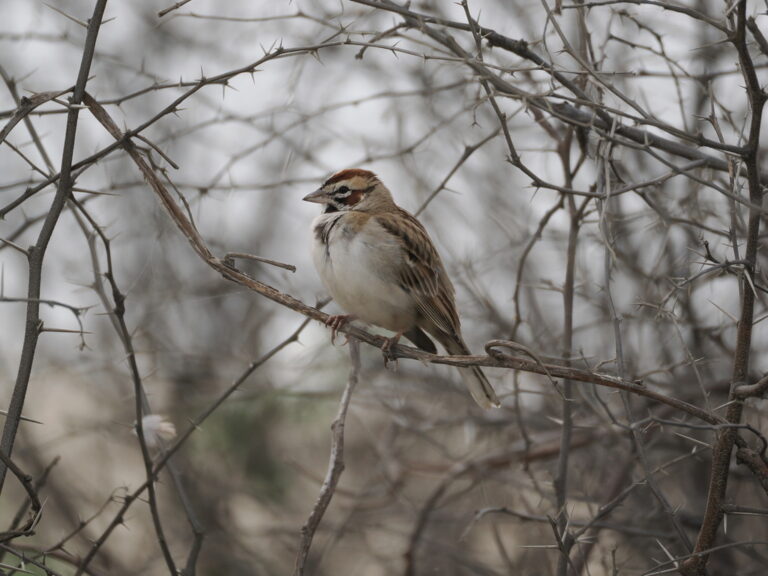
Chondestes grammacus
♥
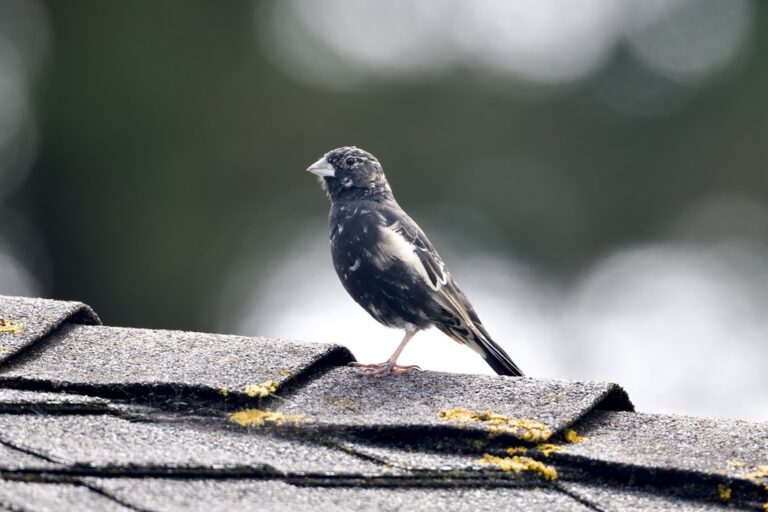
Calamospiza melanocorys
♥
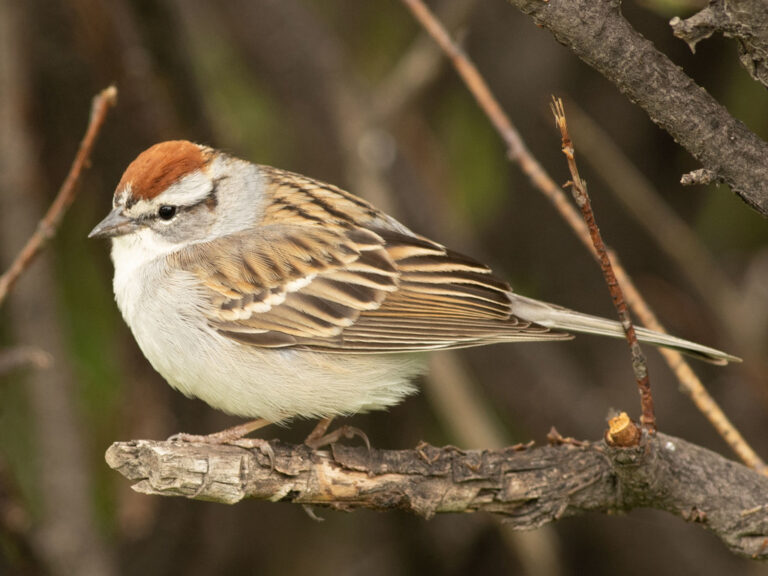
Spizella passerina
♥
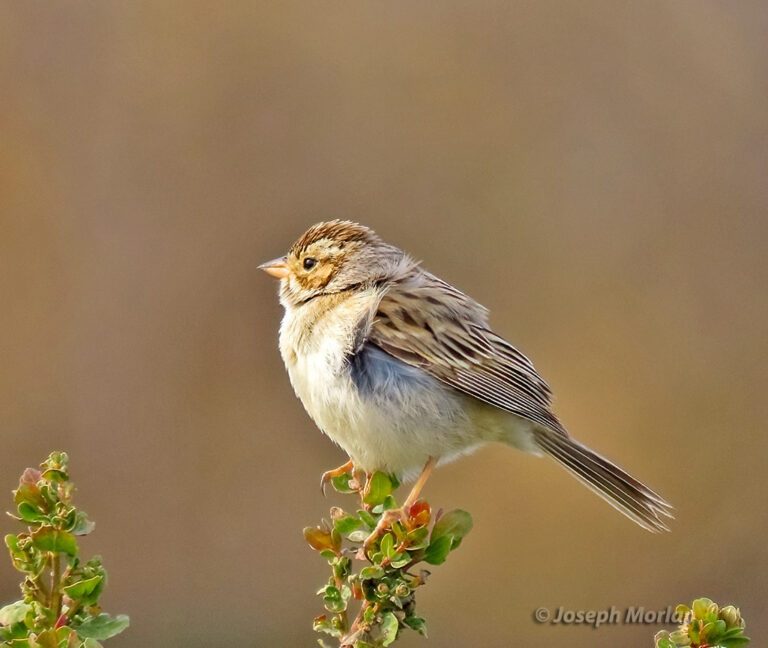
Spizella pallida
♥
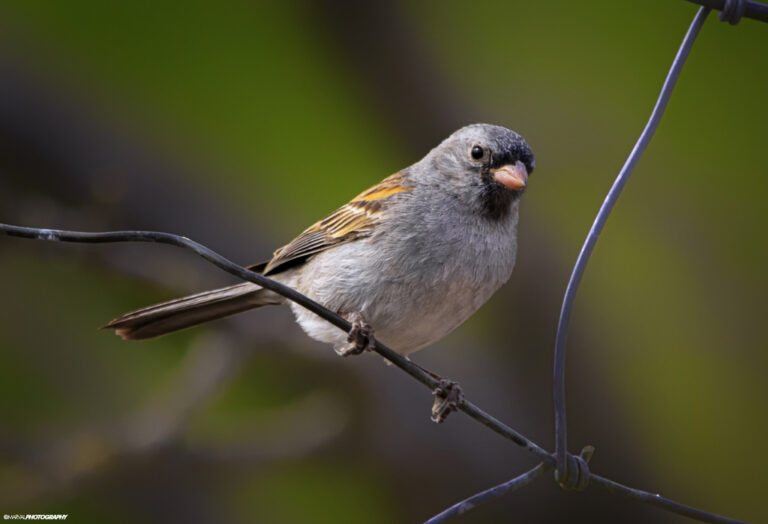
Spizella atrogularis
♥
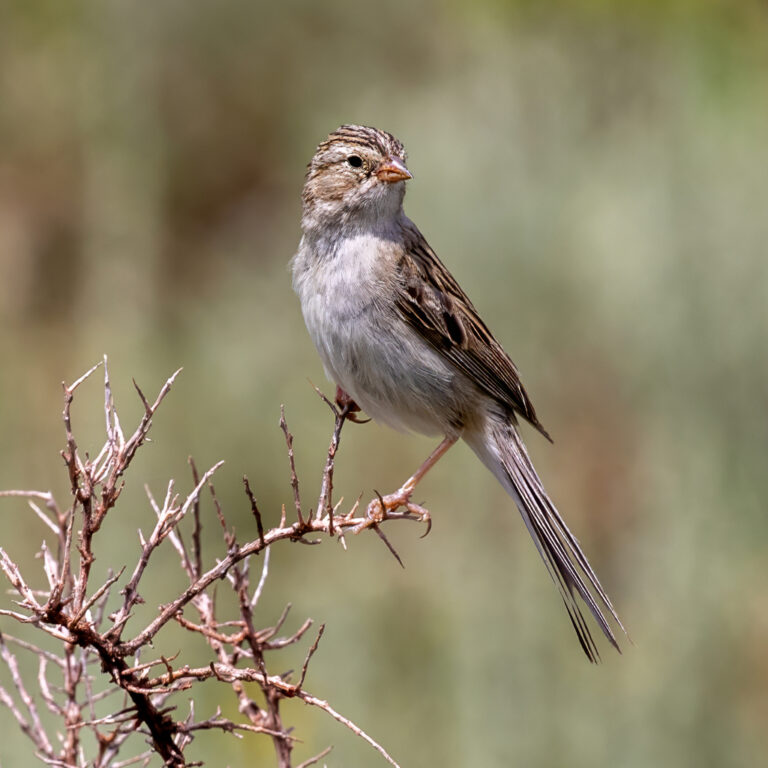
Spizella breweri
♥
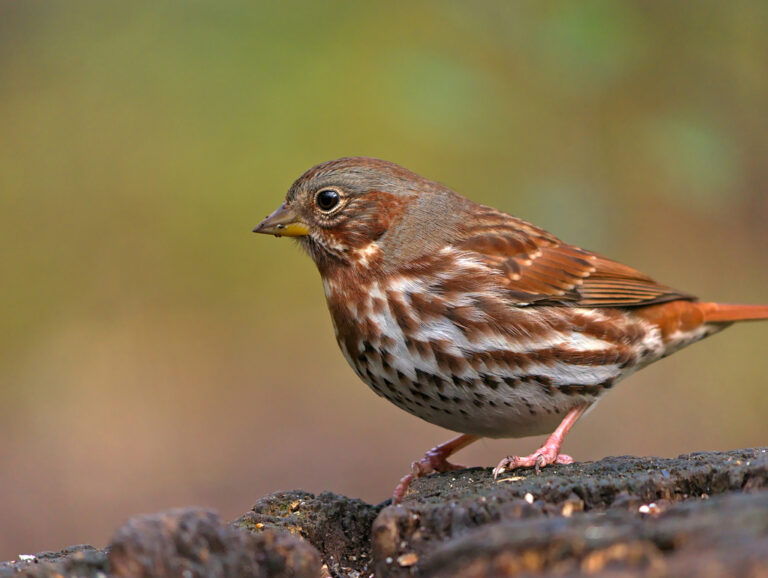
Passerella iliaca
♥
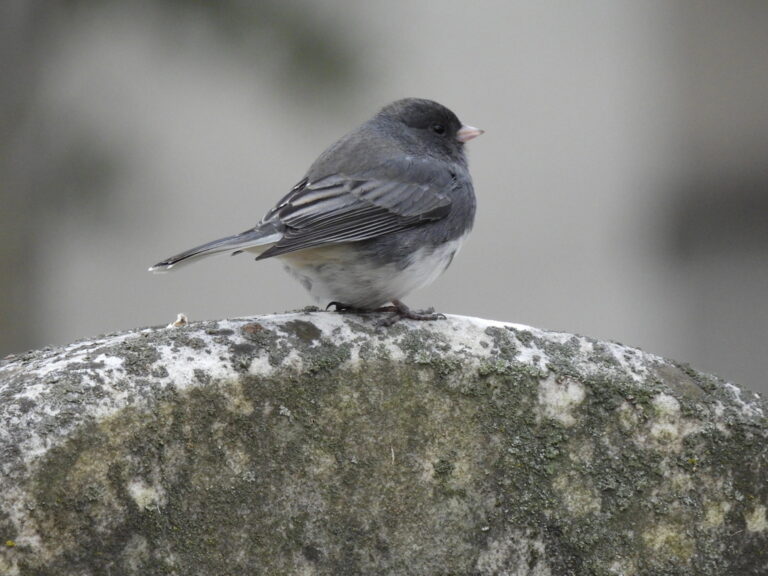
Junco hyemalis
♥
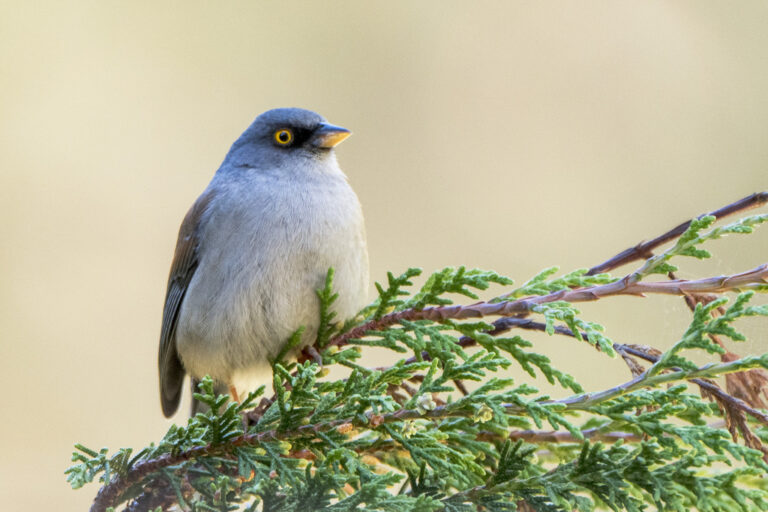
Junco phaeonotus
♥
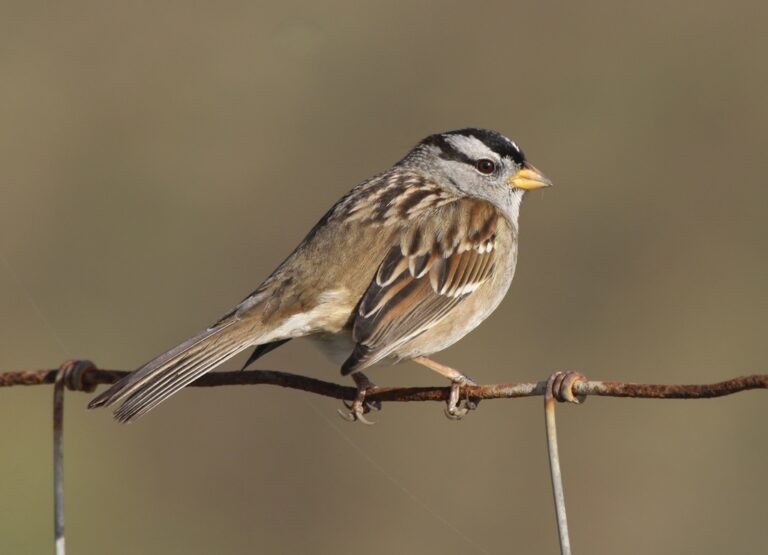
Zonotrichia leucophrys
♥
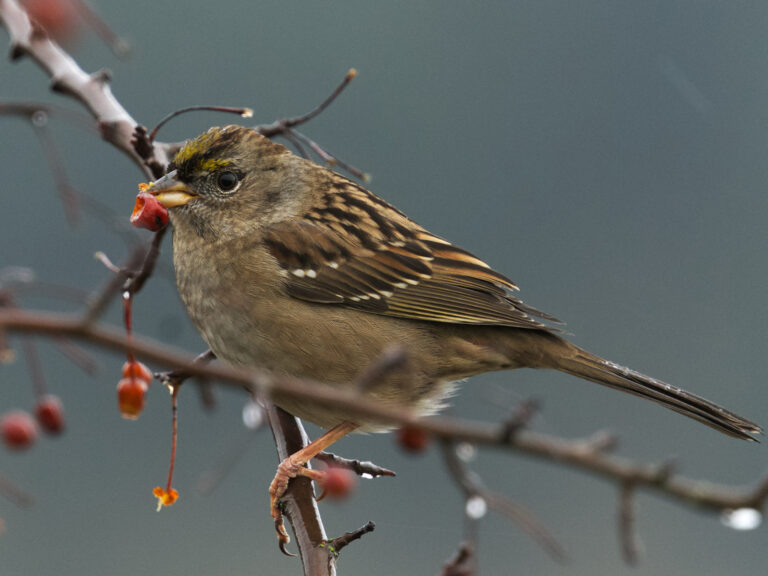
Zonotrichia atricapilla
♥
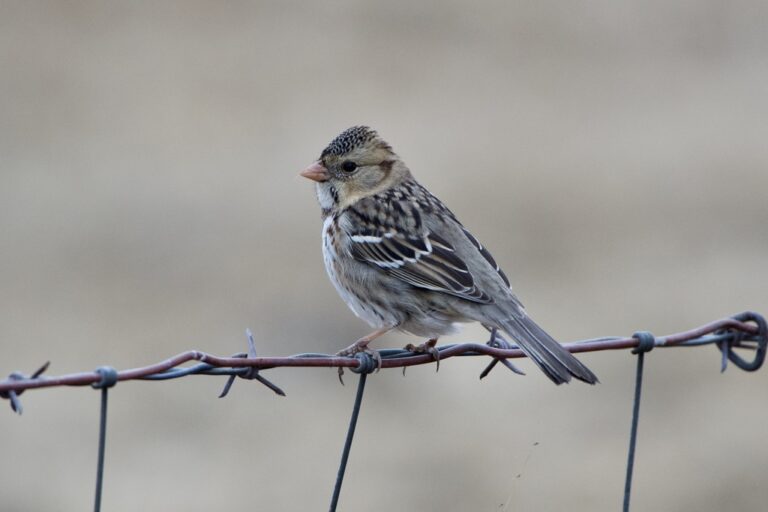
Zonotrichia querula
♥
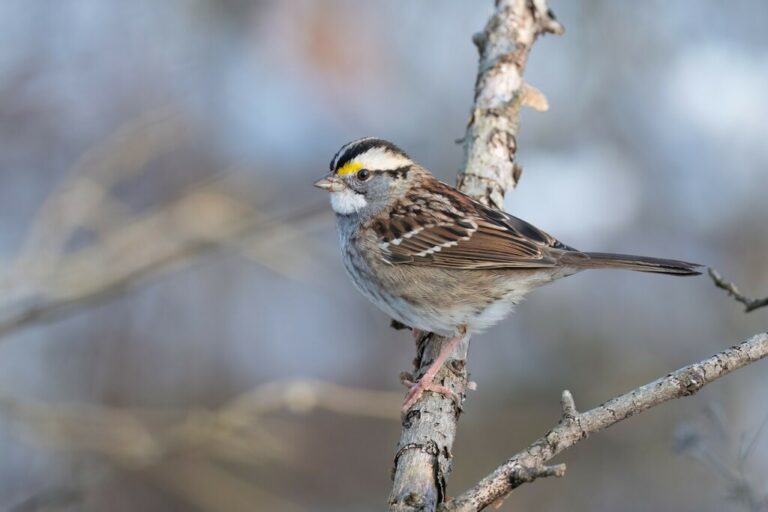
Zonotrichia albicollis
♥
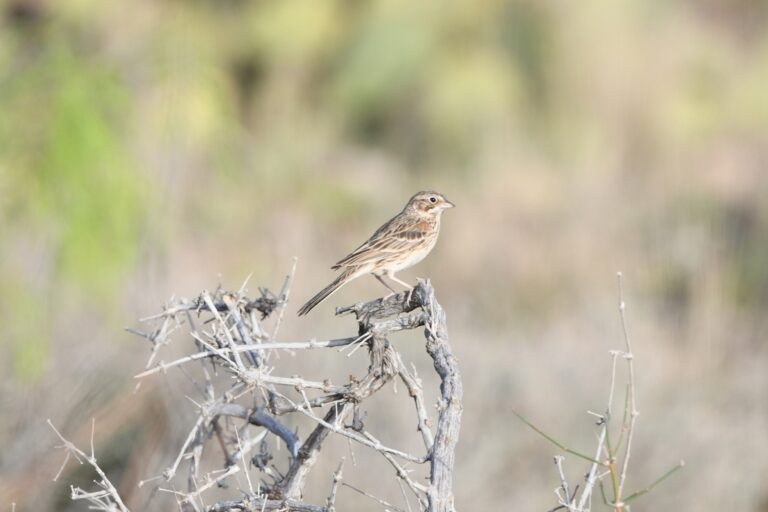
Pooecetes gramineus
♥
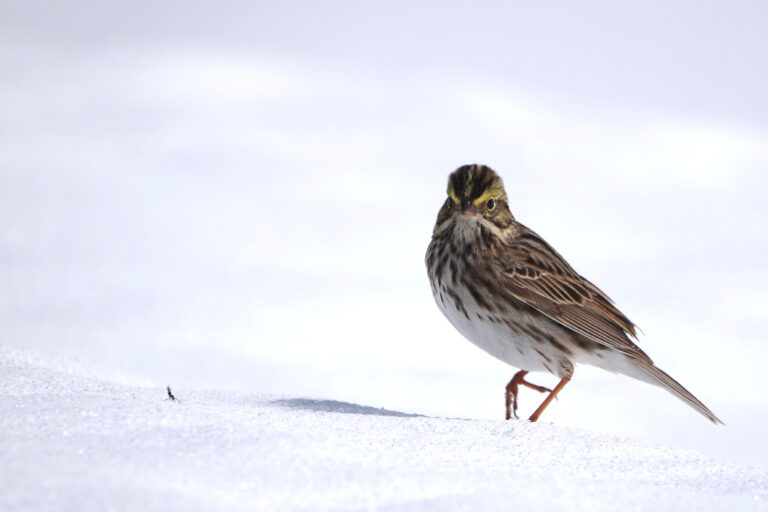
Passerculus sandwichensis
♥
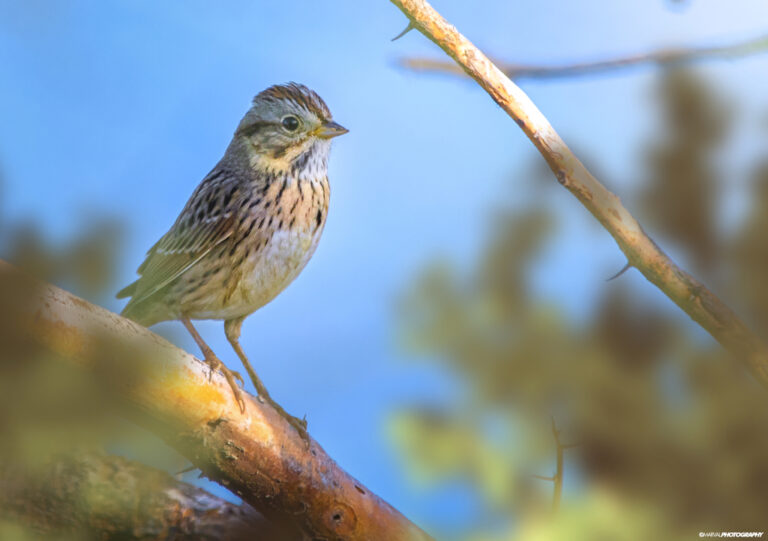
Melospiza lincolnii
♥
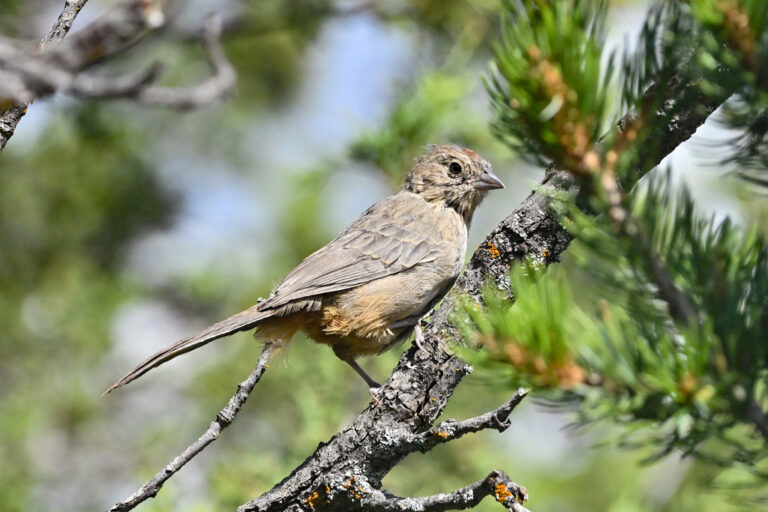
Melozone fusca
♥
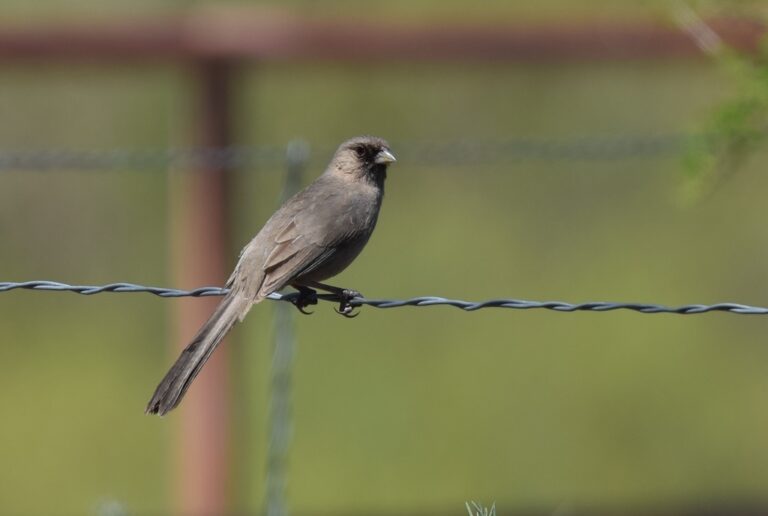
Melozone aberti
♥
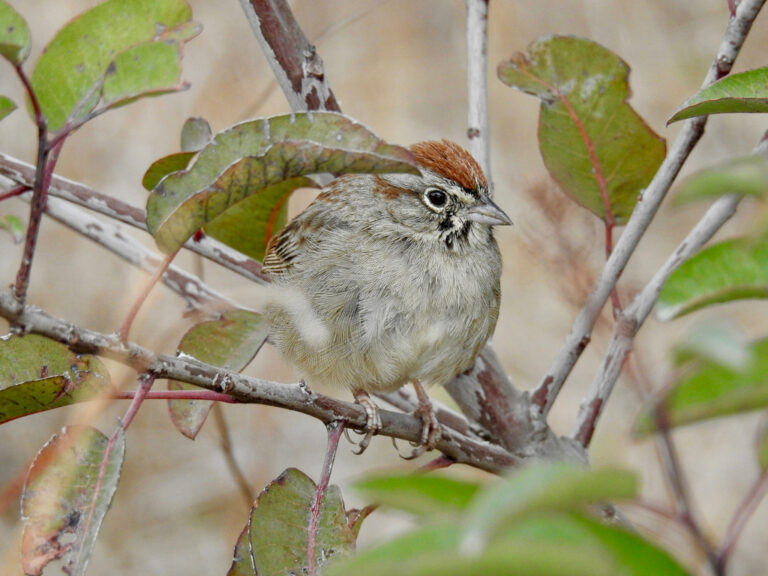
Aimophila ruficeps
♥
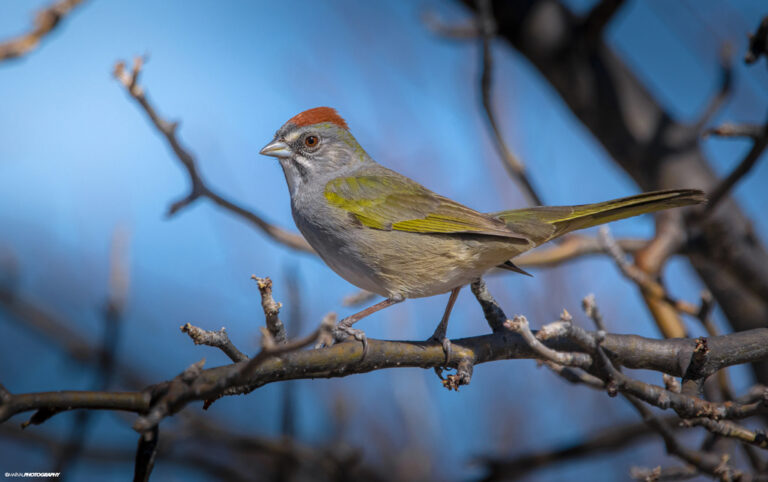
Pipilo chlorurus
♥
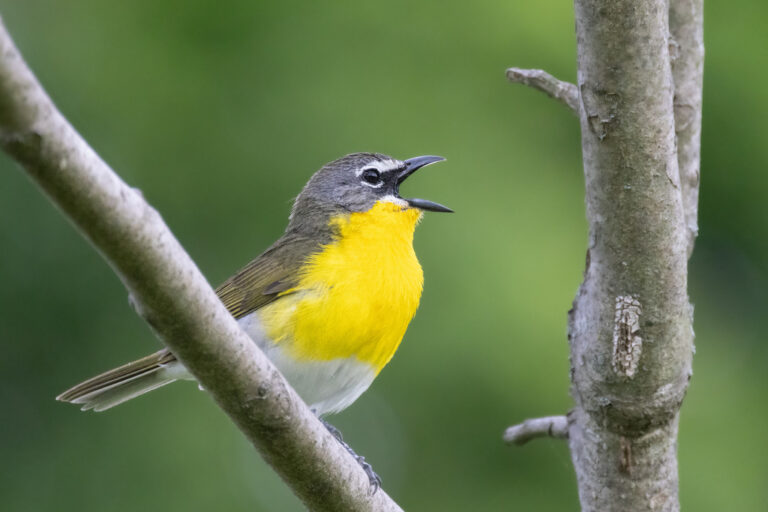
Icteria virens
♥
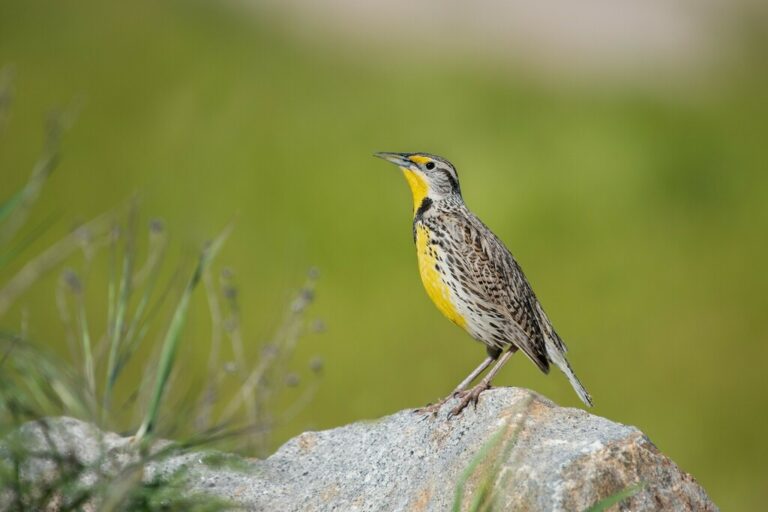
Sturnella neglecta
♥
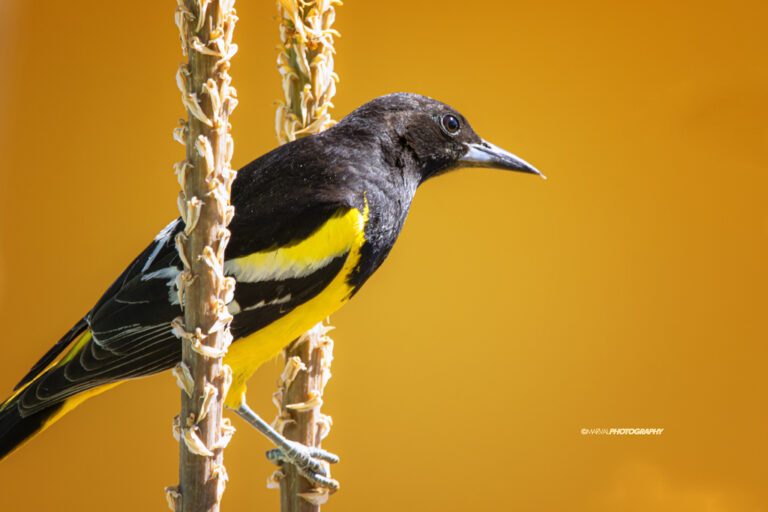
Icterus parisorum
♥
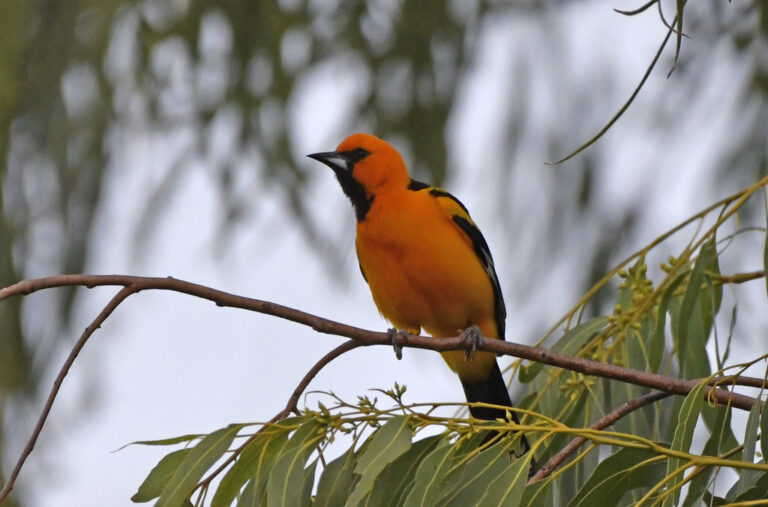
Icterus pustulatus
♥
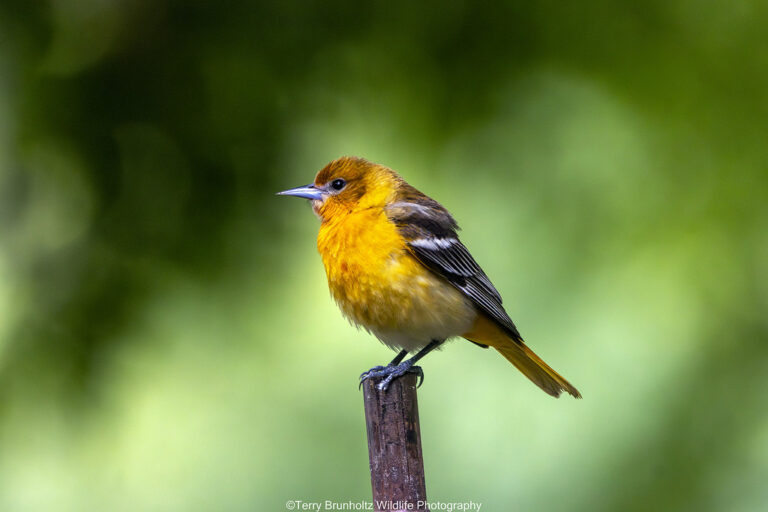
Icterus galbula
♥
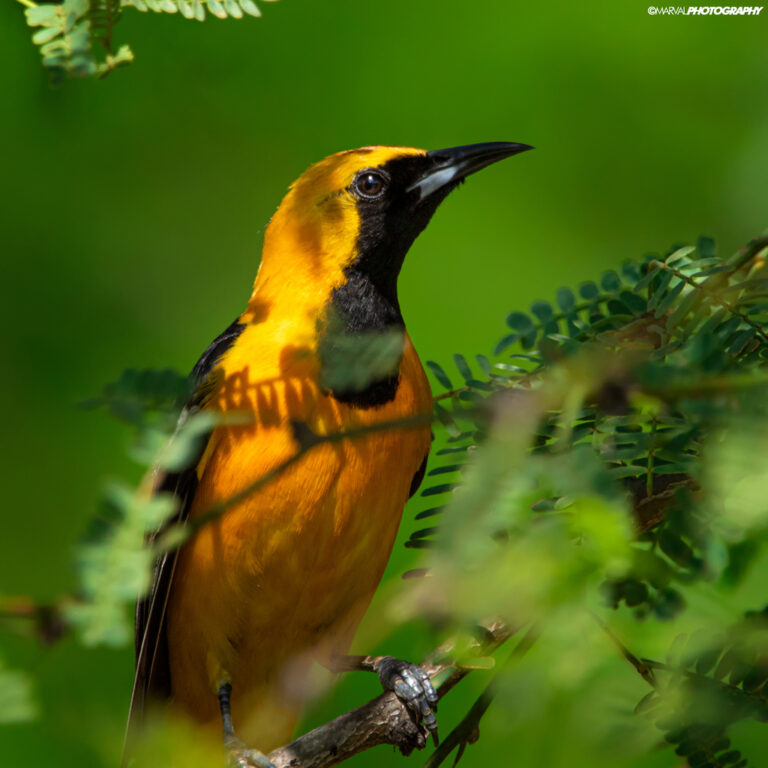
Icterus cucullatus
♥
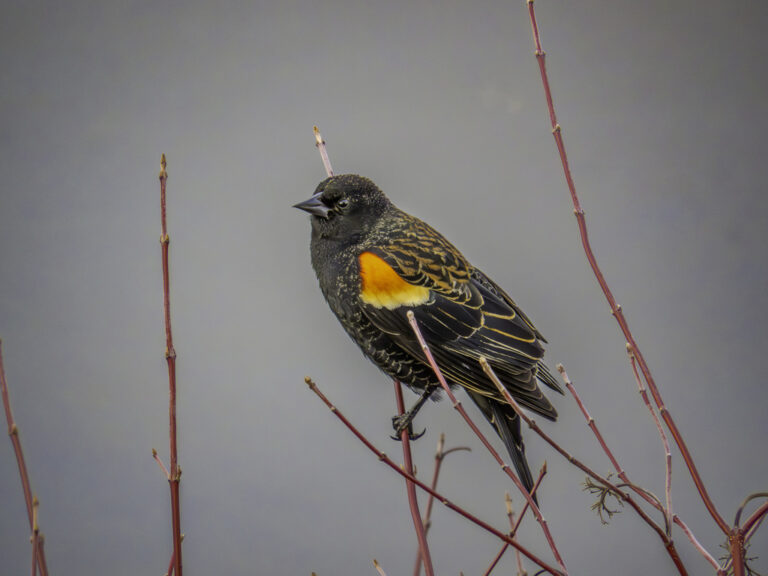
Agelaius phoeniceus
♥
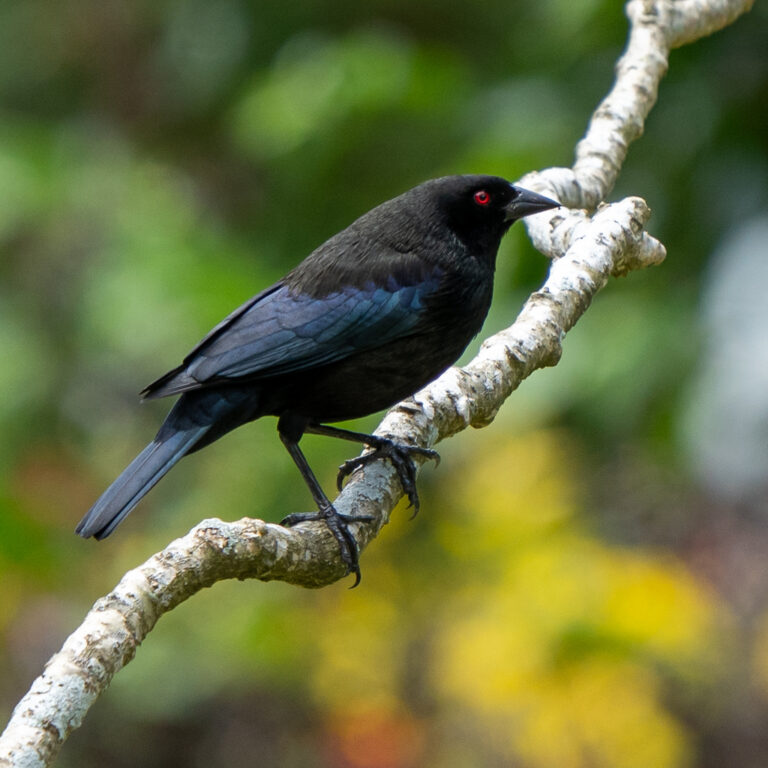
Molothrus aeneus
♥
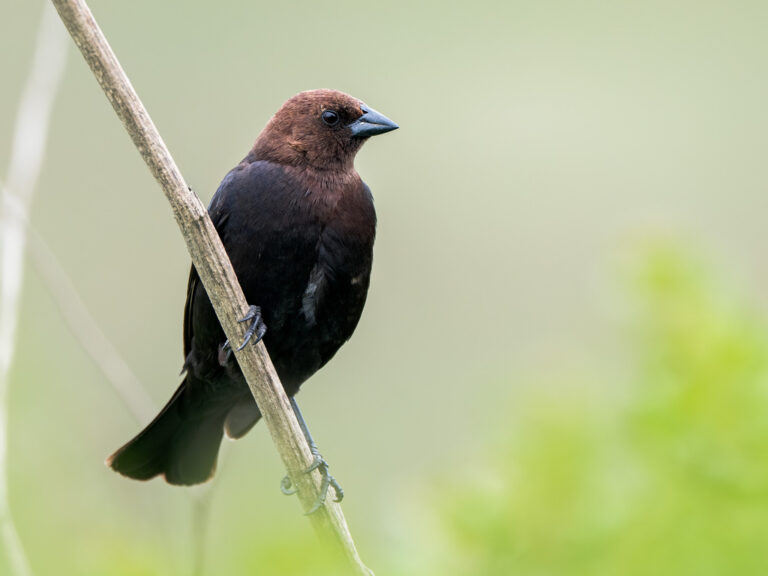
Molothrus ater
♥
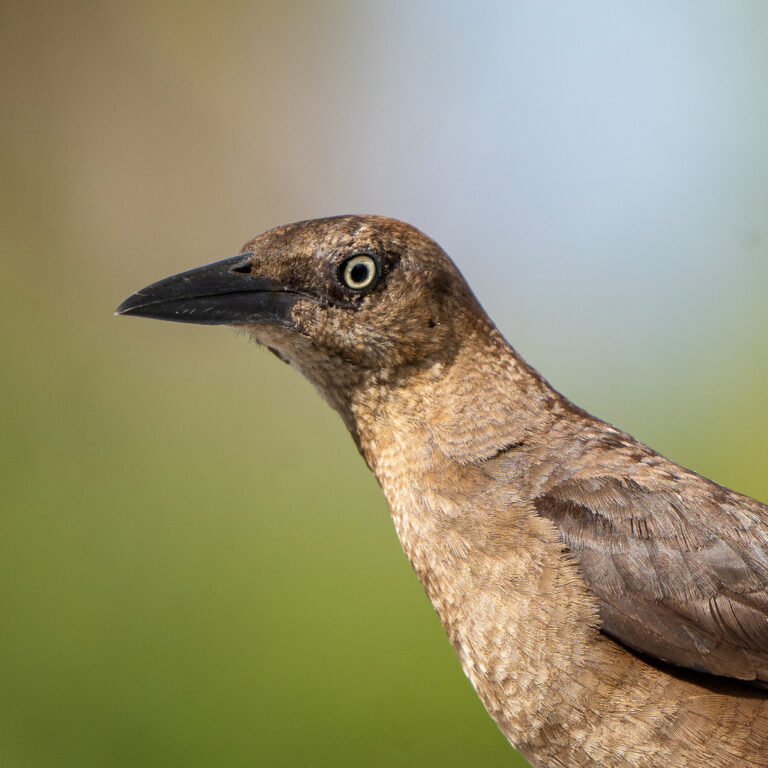
Quiscalus mexicanus
♥
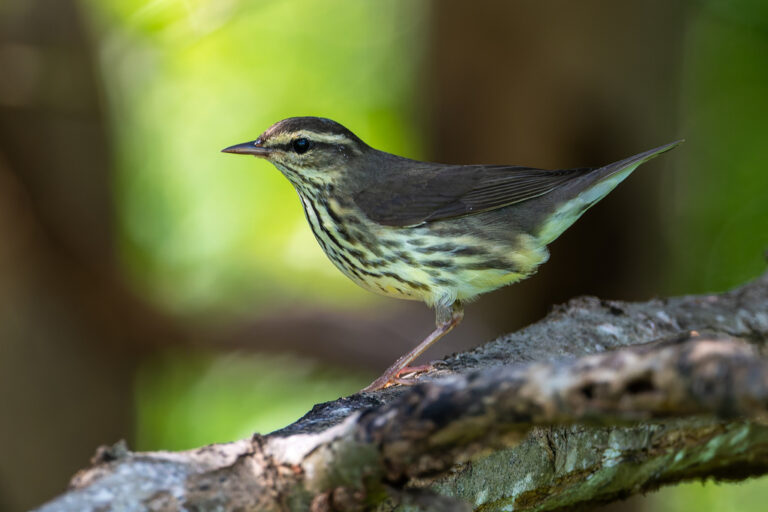
Parkesia noveboracensis
♥
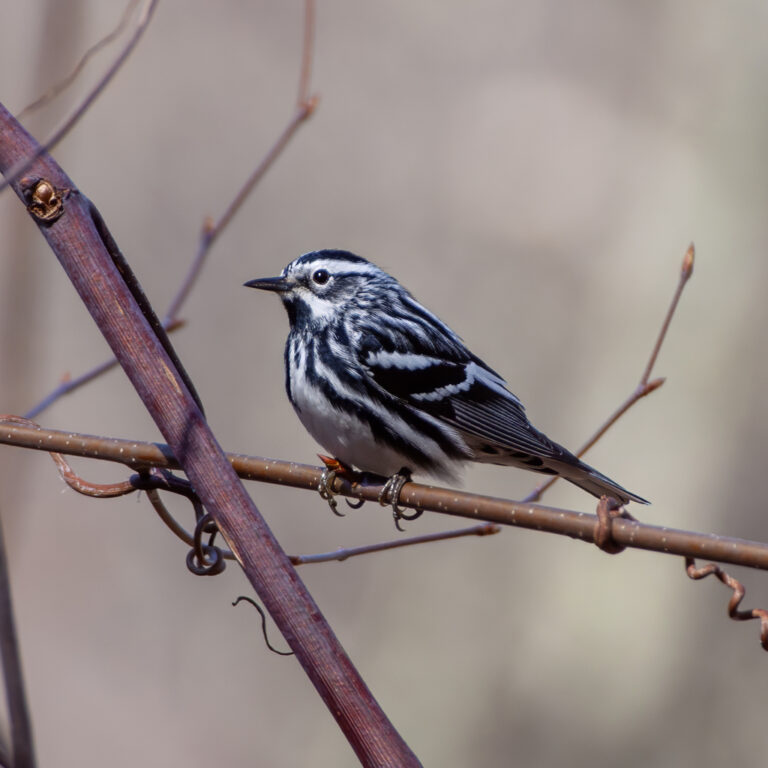
Mniotilta varia
♥
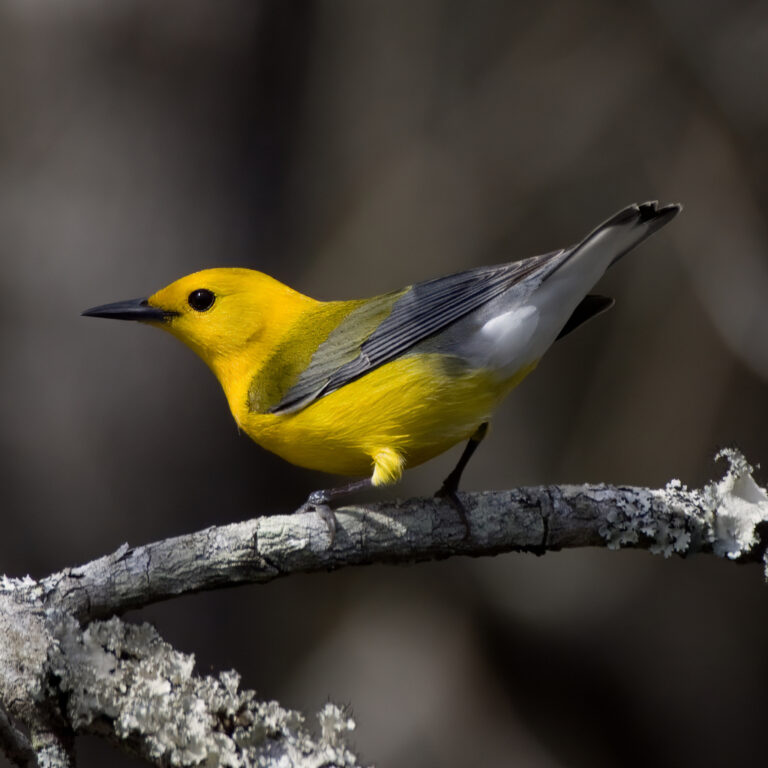
Protonotaria citrea
♥
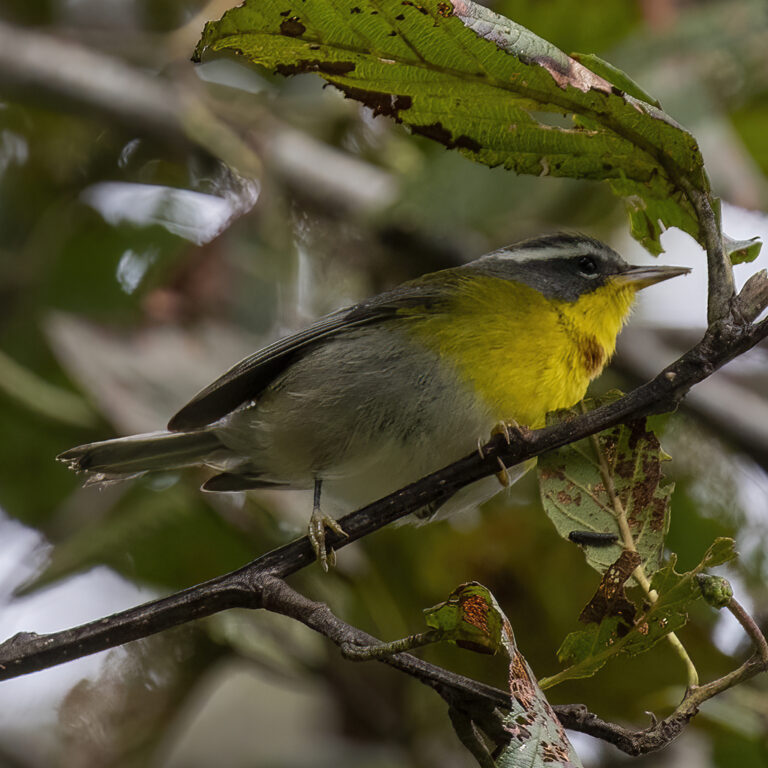
Oreothlypis superciliosa
♥
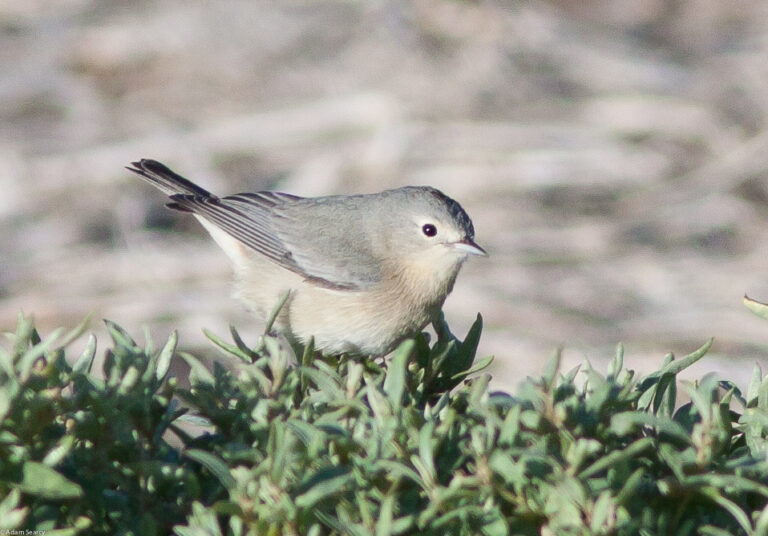
Leiothlypis luciae
♥
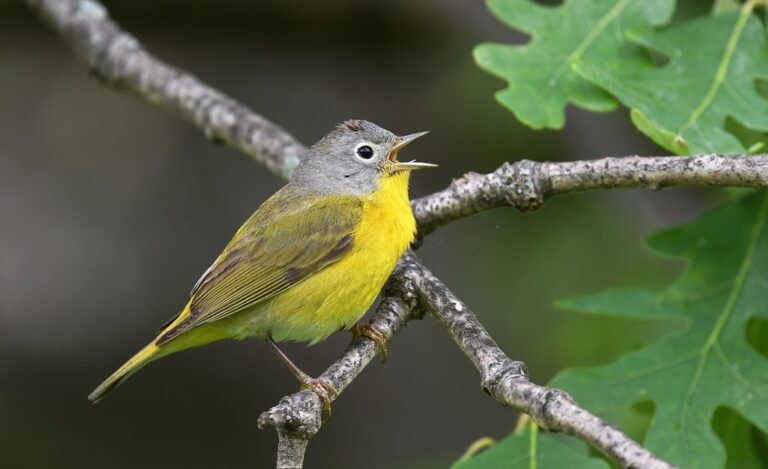
Leiothlypis ruficapilla
♥
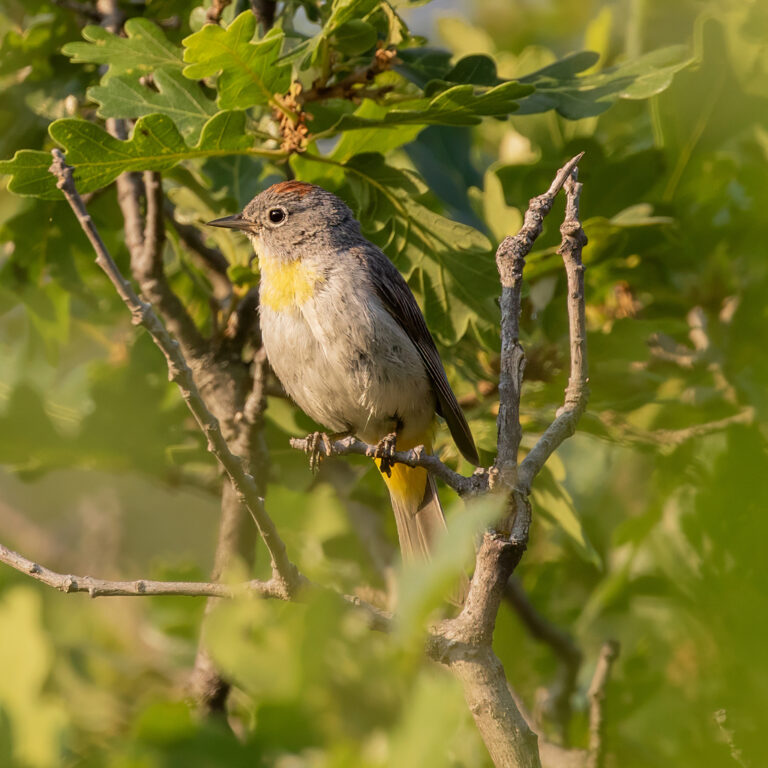
Leiothlypis virginiae
♥
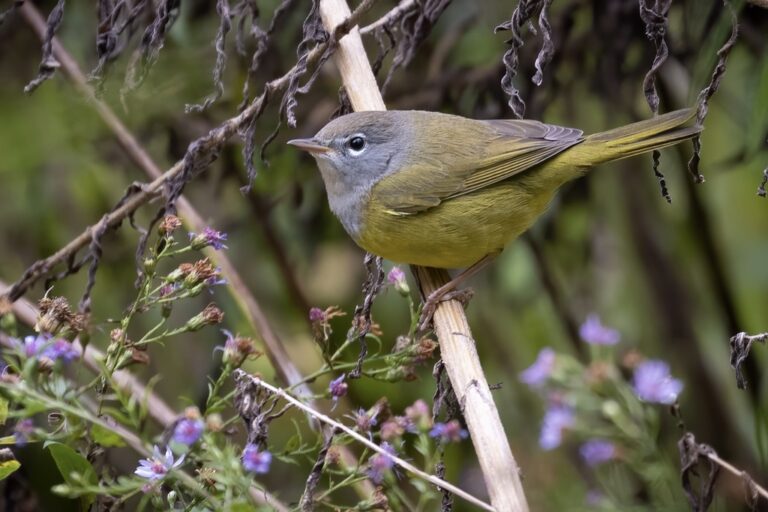
Geothlypis tolmiei
♥
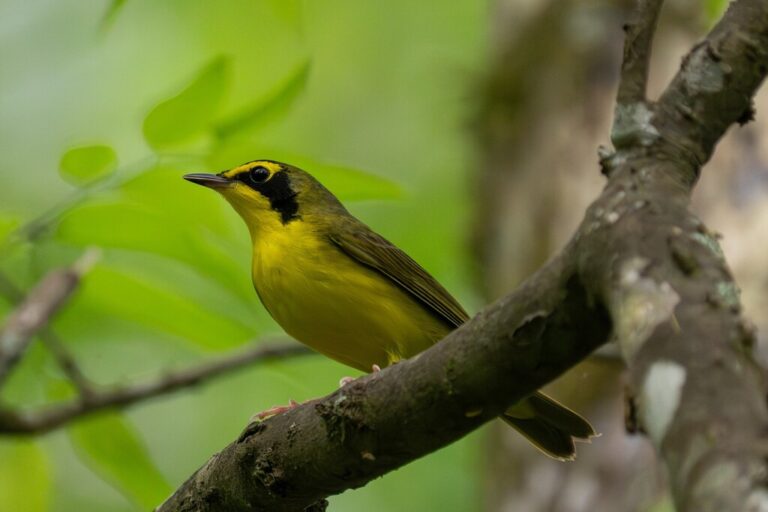
Geothlypis formosa
♥
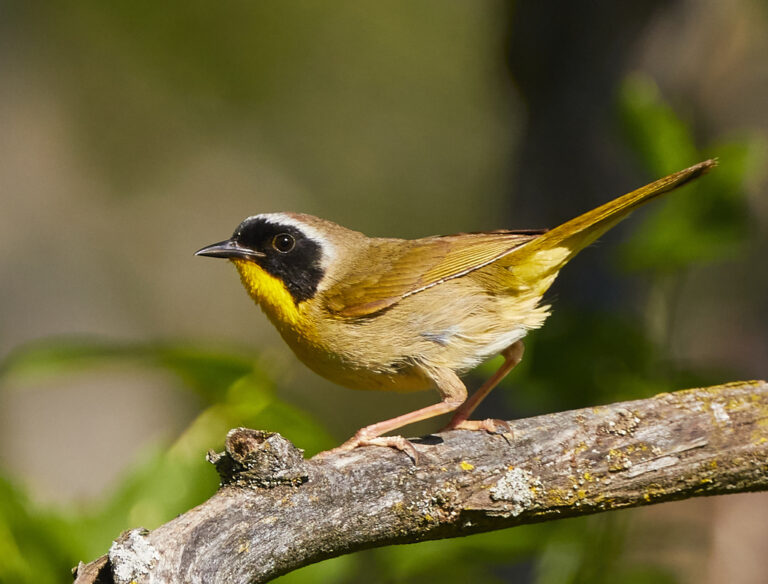
Geothlypis trichas
♥
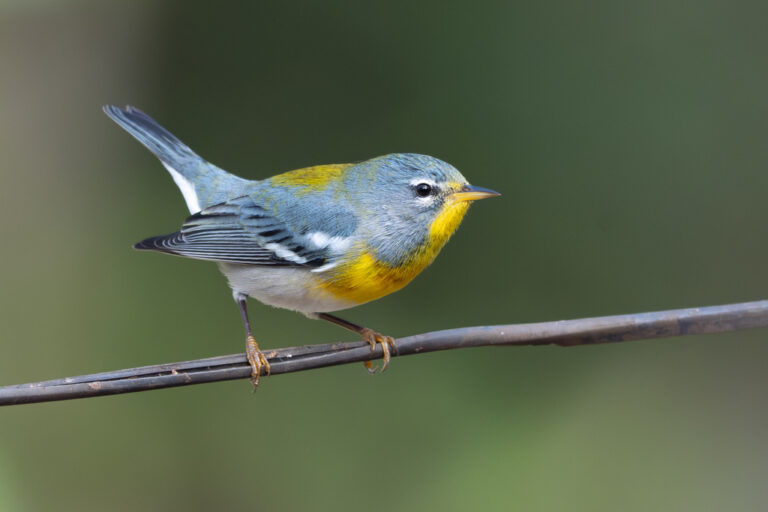
Setophaga americana
♥
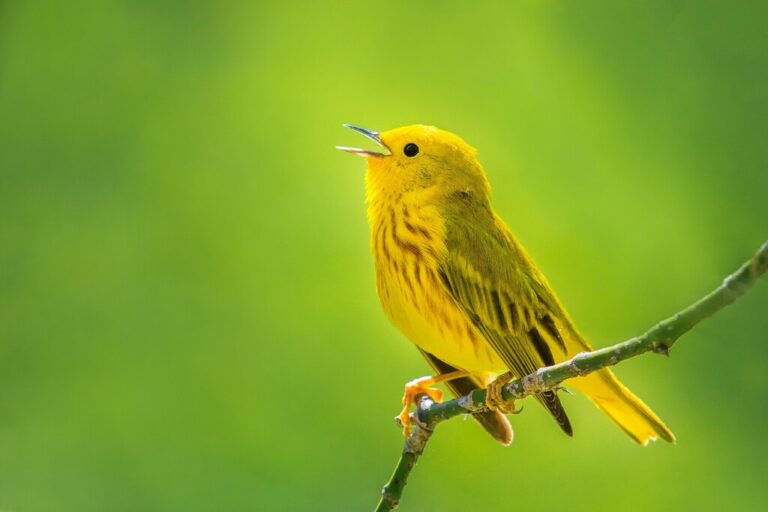
Setophaga aestiva
♥
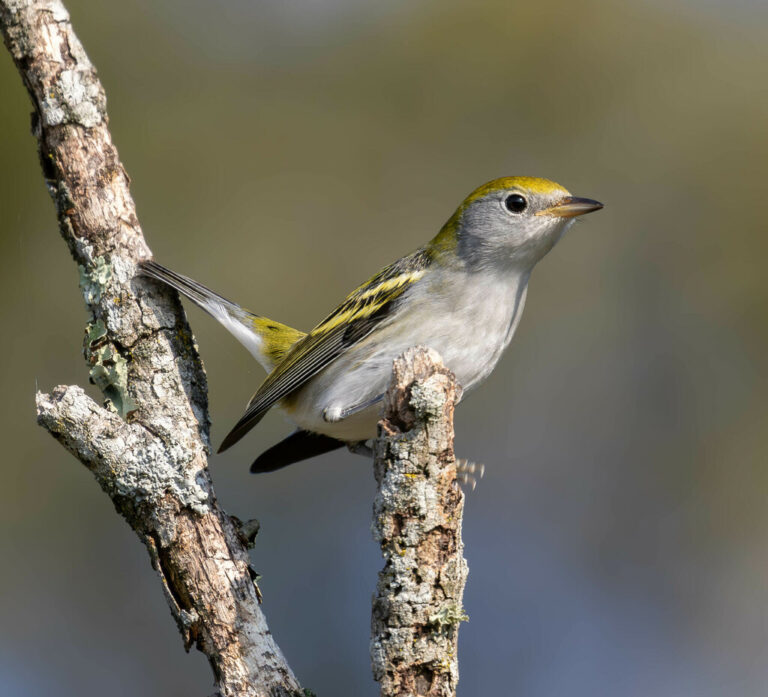
Setophaga pensylvanica
♥
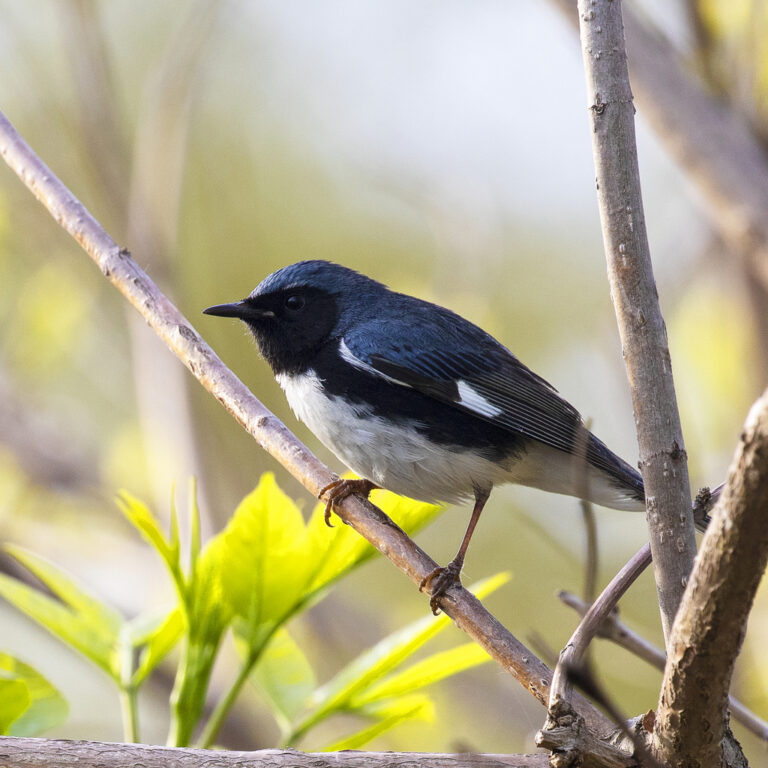
Setophaga caerulescens
♥
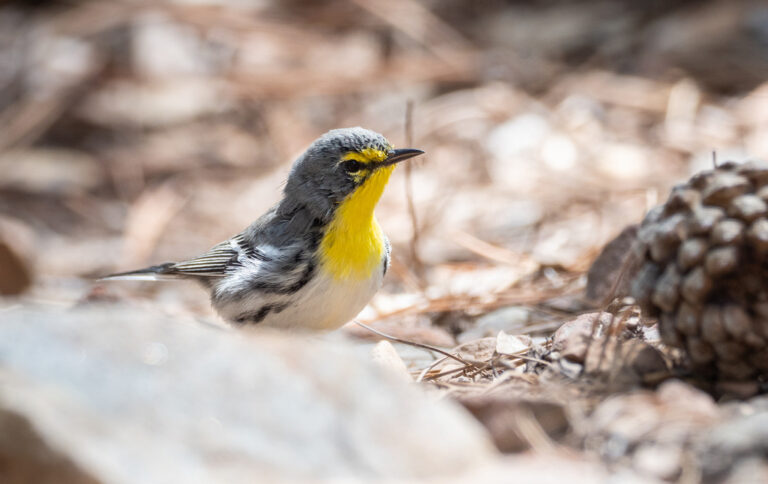
Setophaga graciae
♥
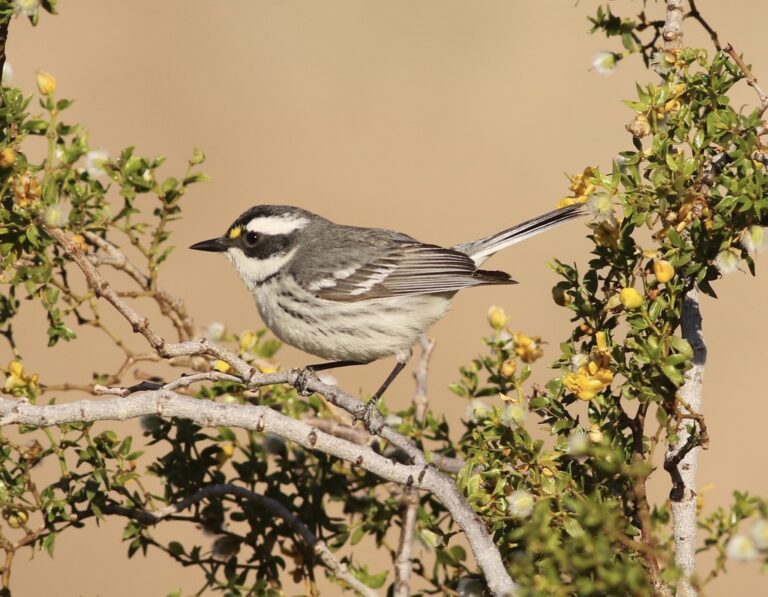
Setophaga nigrescens
♥
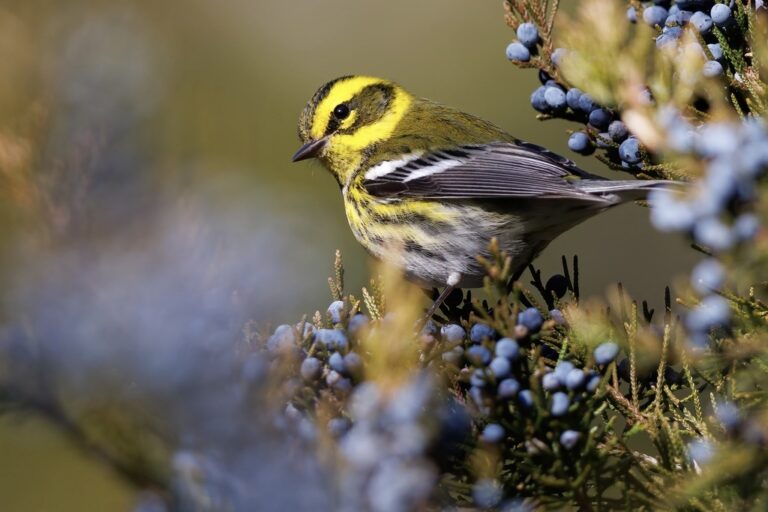
Setophaga townsendi
♥
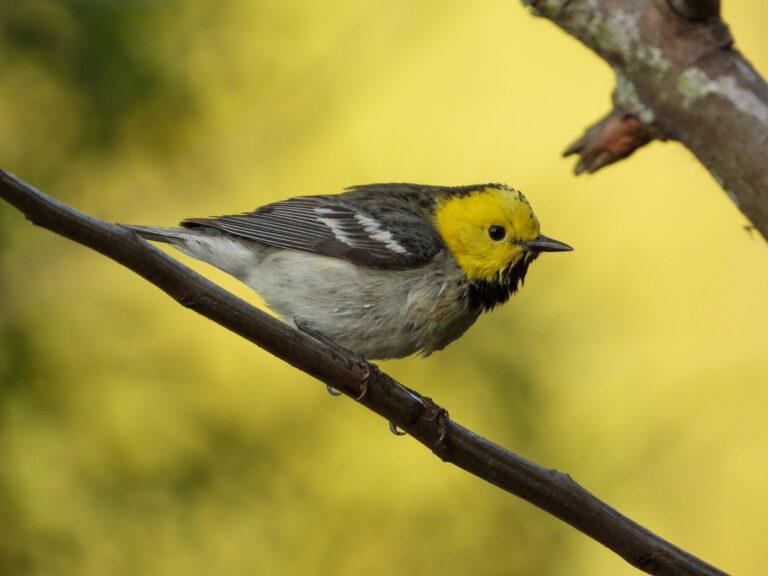
Setophaga occidentalis
♥
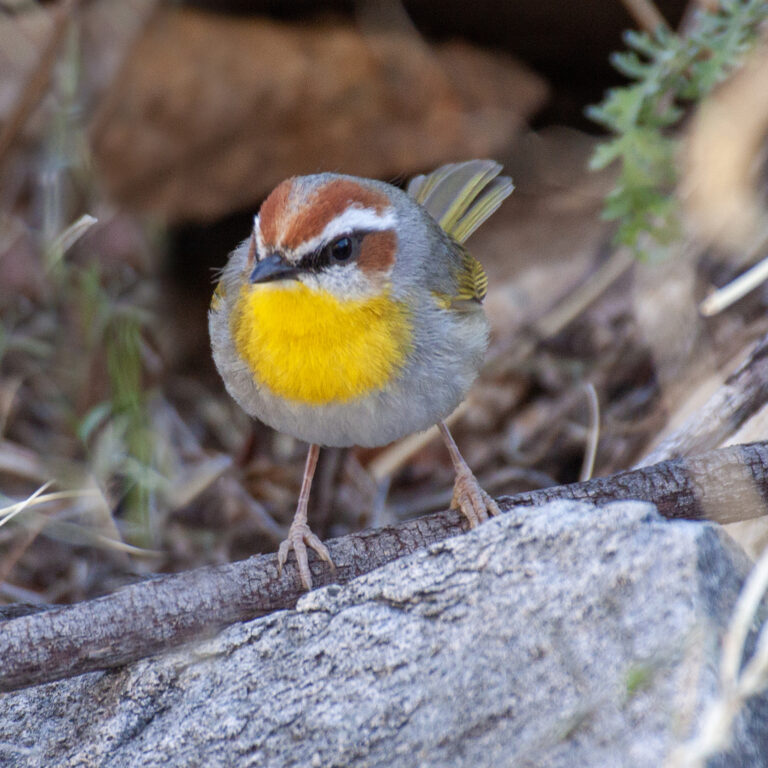
Basileuterus rufifrons
♥
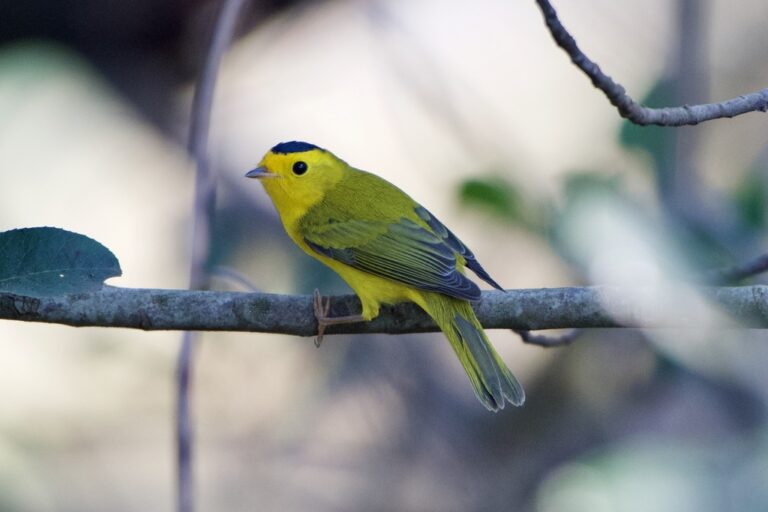
Cardellina pusilla
♥
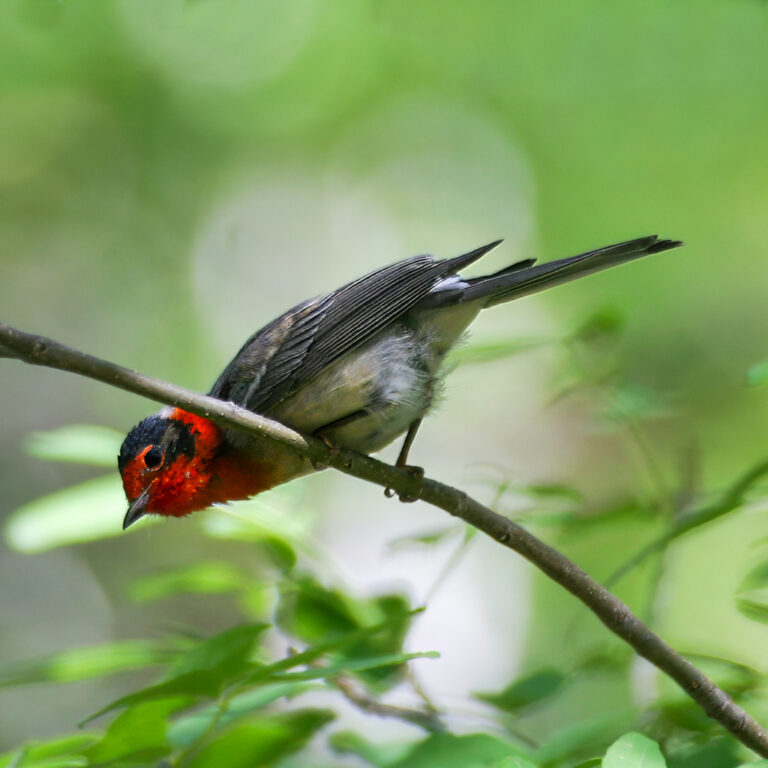
Cardellina rubrifrons
♥
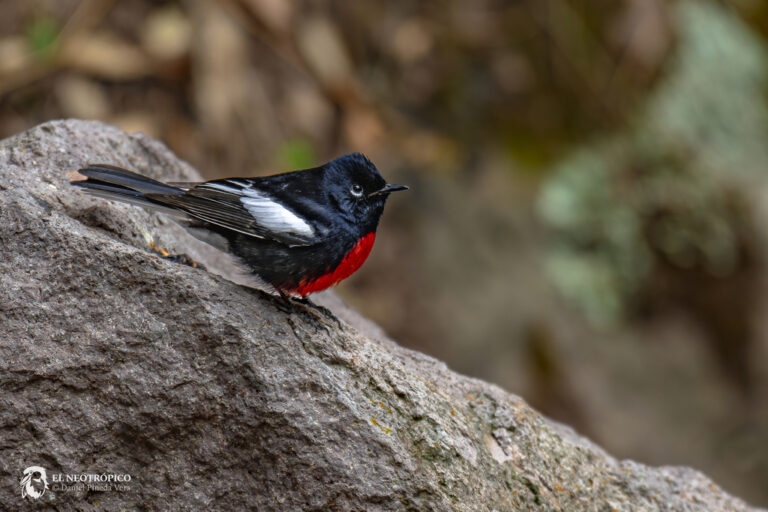
Myioborus pictus
♥
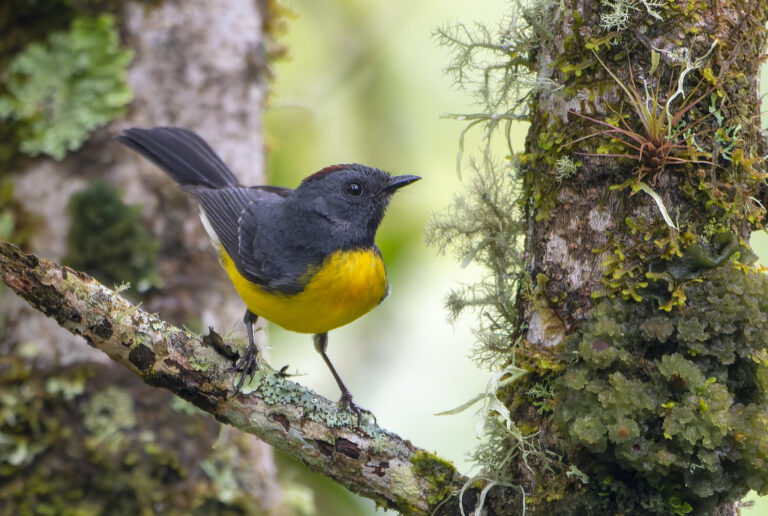
Myioborus miniatus
♥
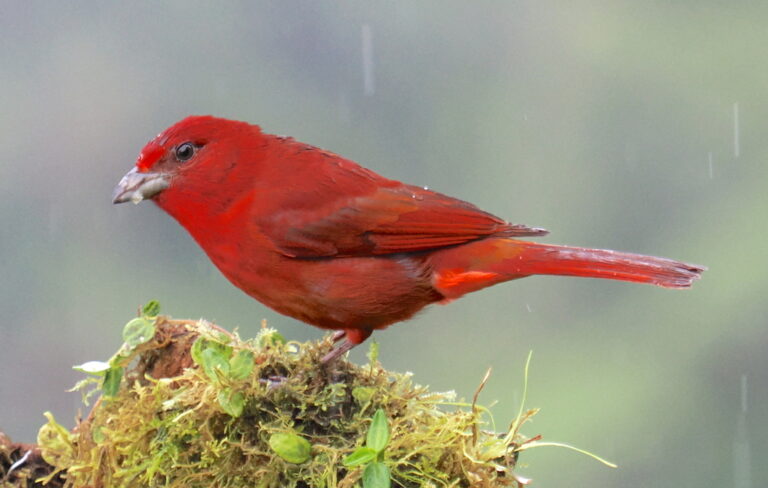
Piranga flava
♥
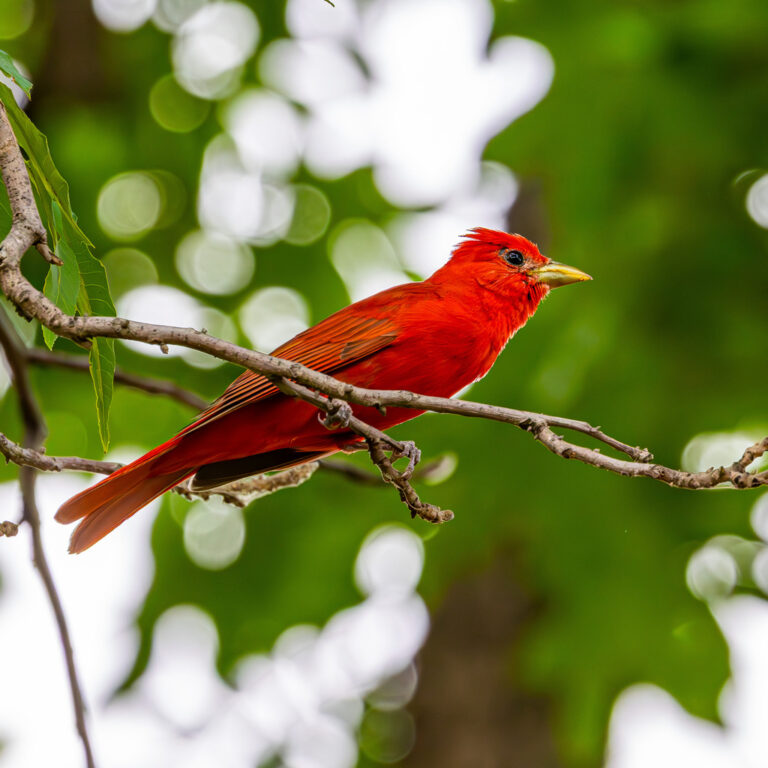
Piranga rubra
♥
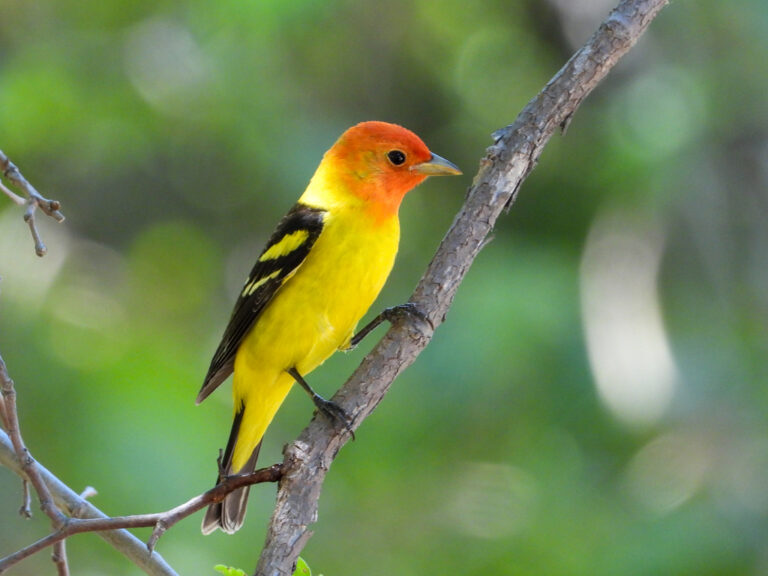
Piranga ludoviciana
♥
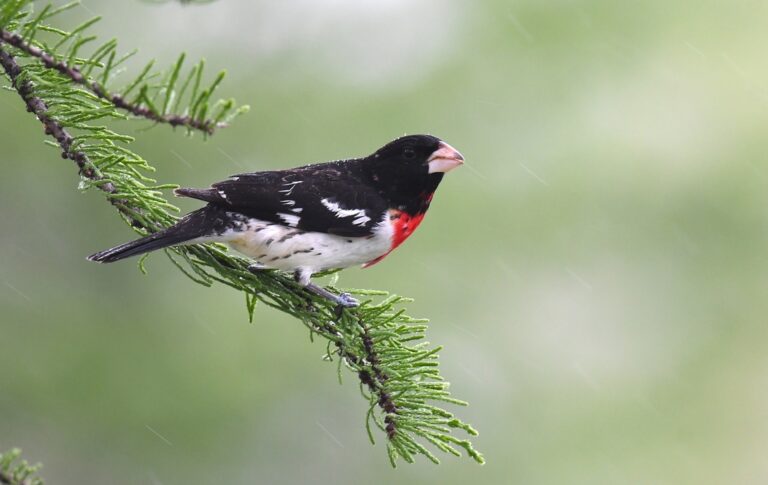
Pheucticus ludovicianus
♥
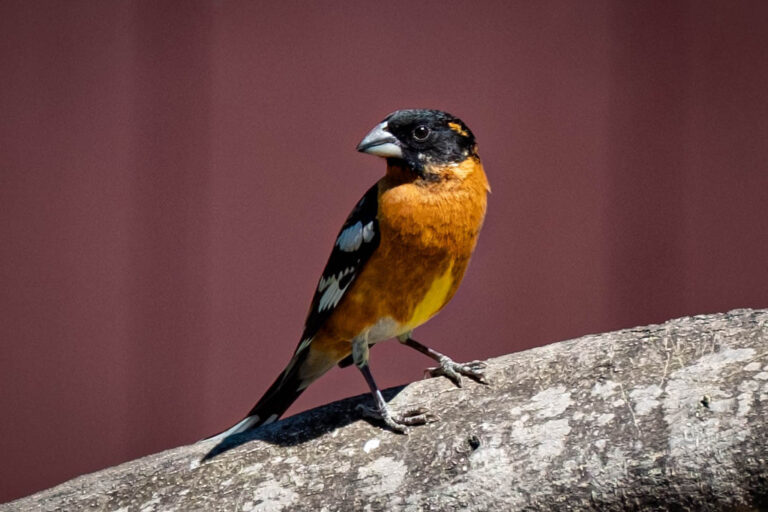
Pheucticus melanocephalus
♥
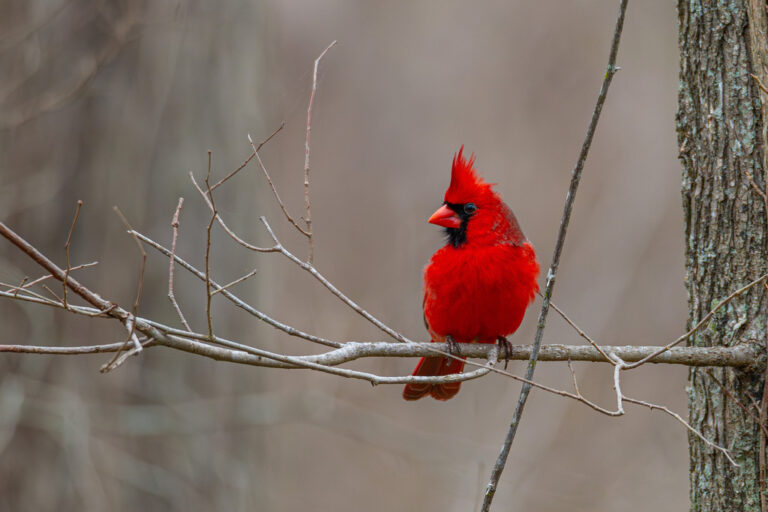
Cardinalis cardinalis
♥
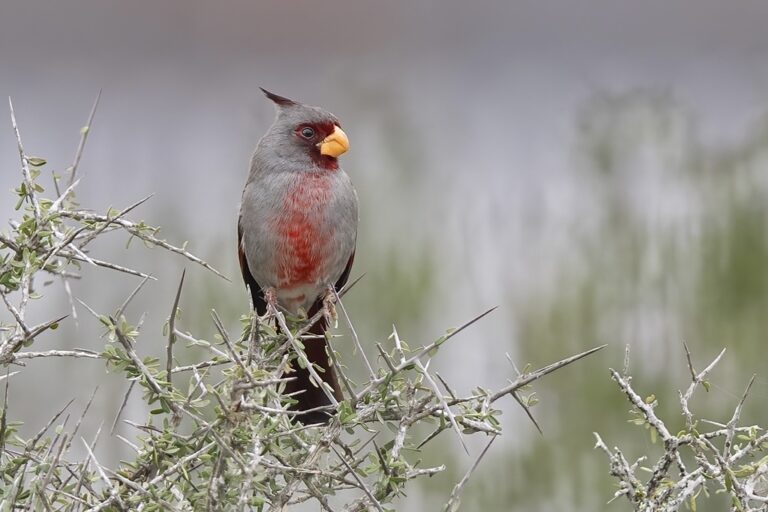
Cardinalis sinuatus
♥
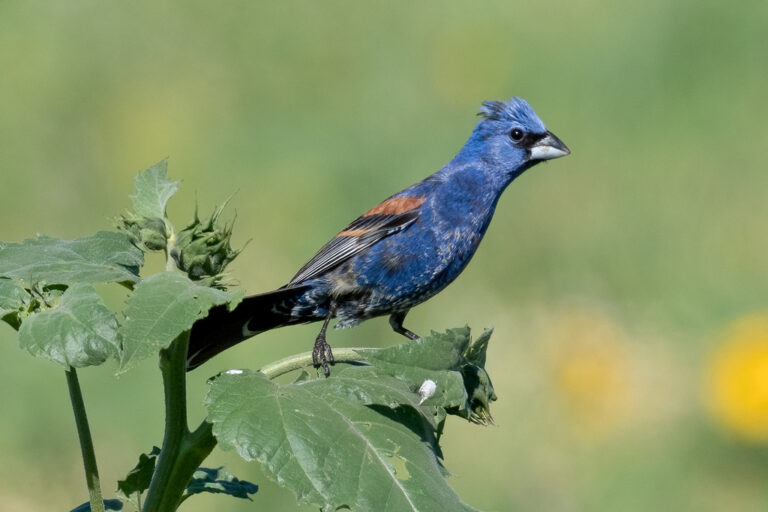
Passerina caerulea
♥
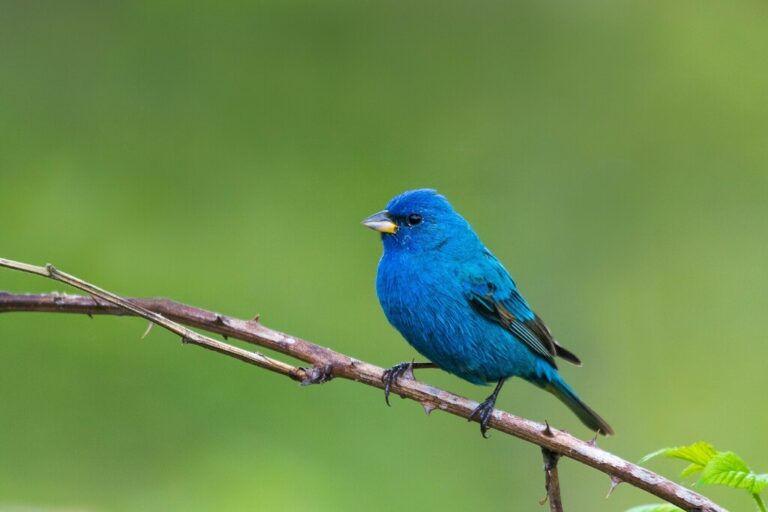
Passerina cyanea
♥
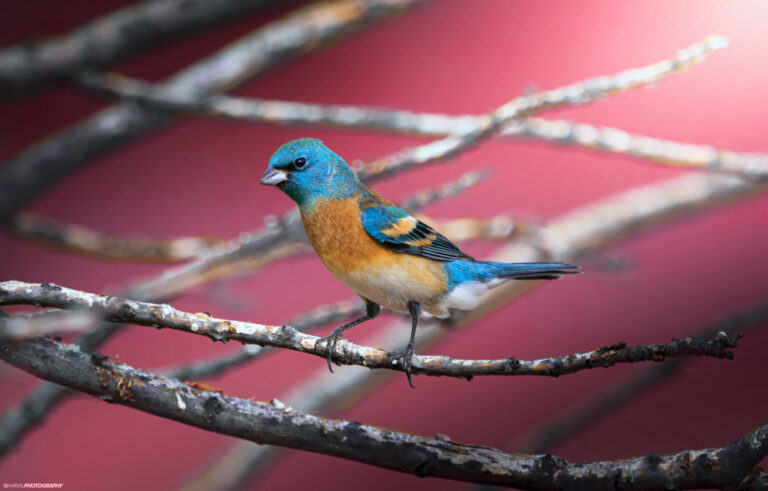
Passerina amoena
♥
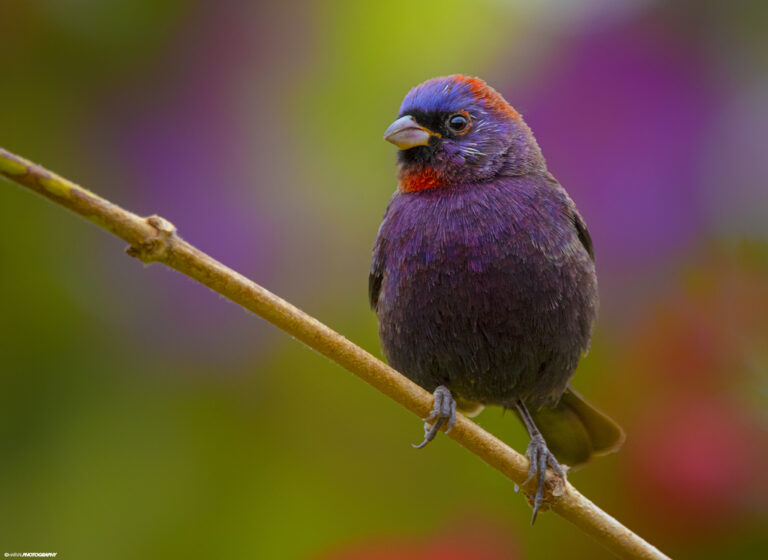
Passerina versicolor
♥
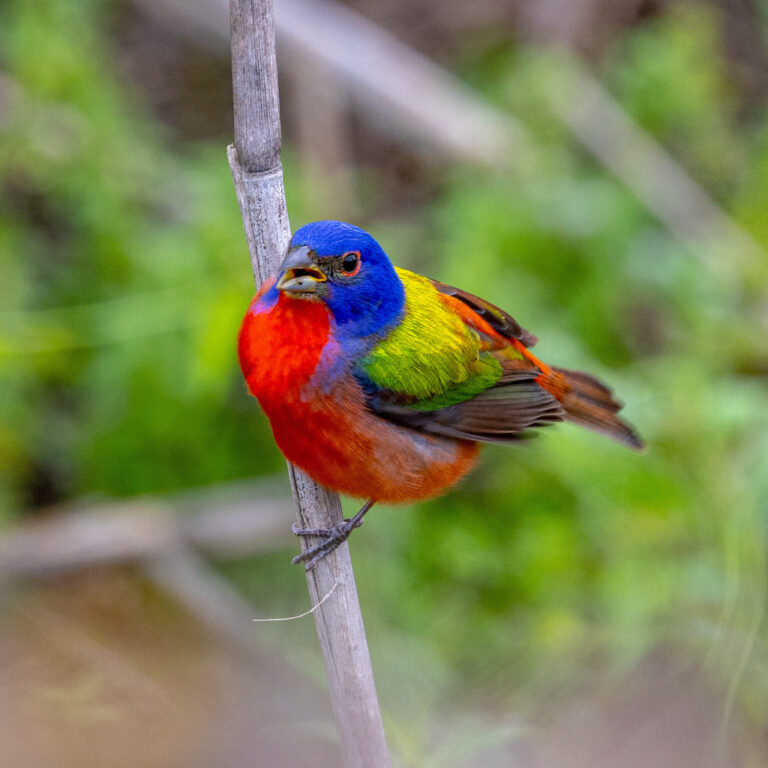
Passerina ciris
♥
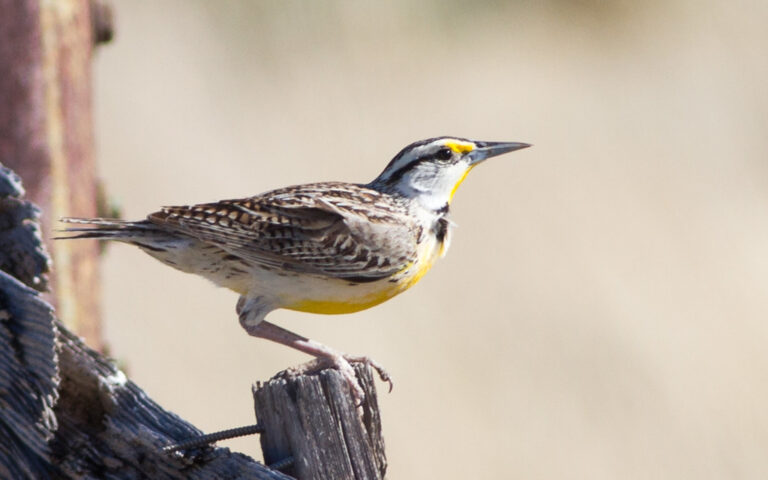
Sturnella lilianae
♥
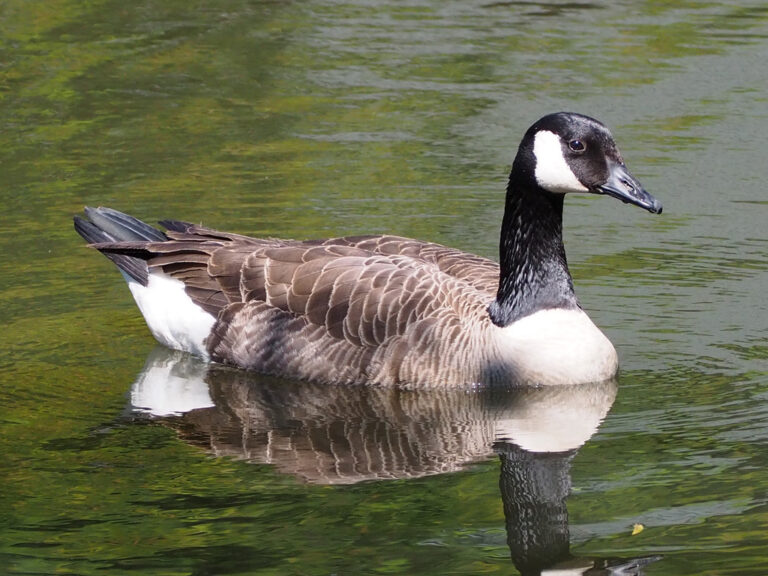
Branta canadensis
♥
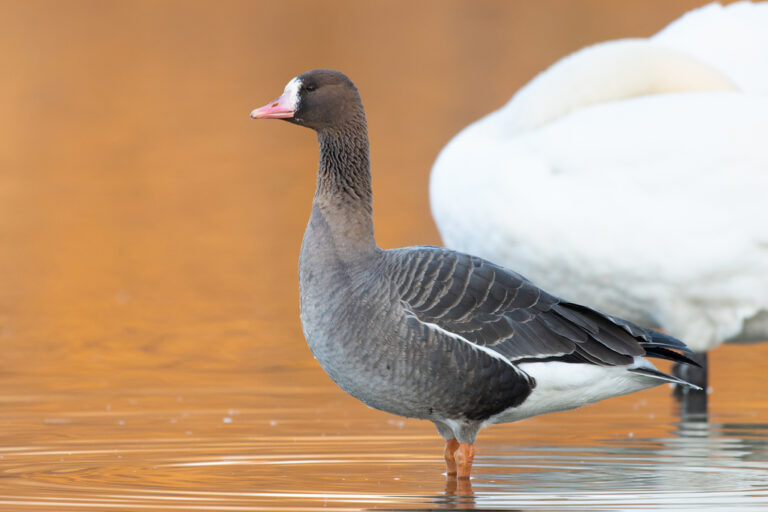
Anser albifrons
♥
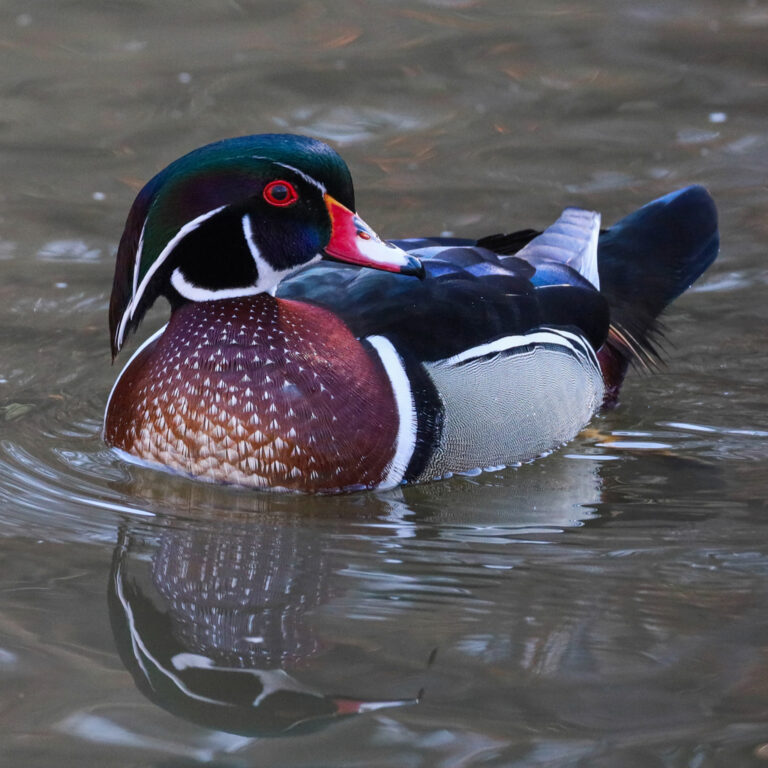
Aix sponsa
♥
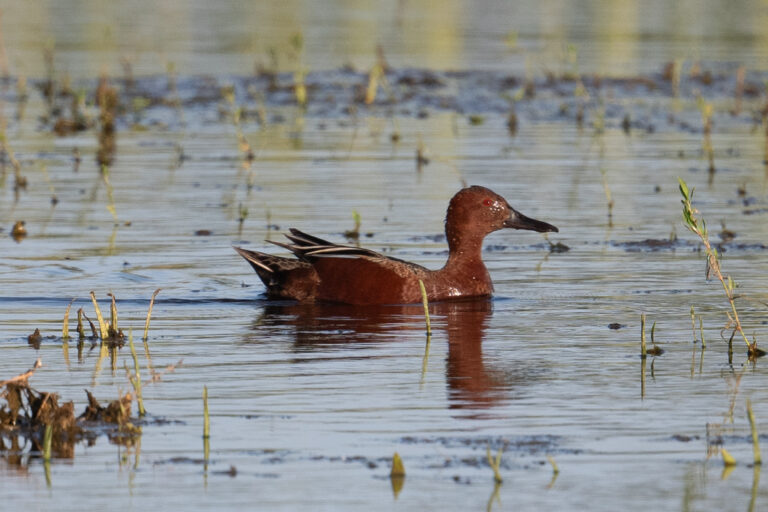
Spatula cyanoptera
♥
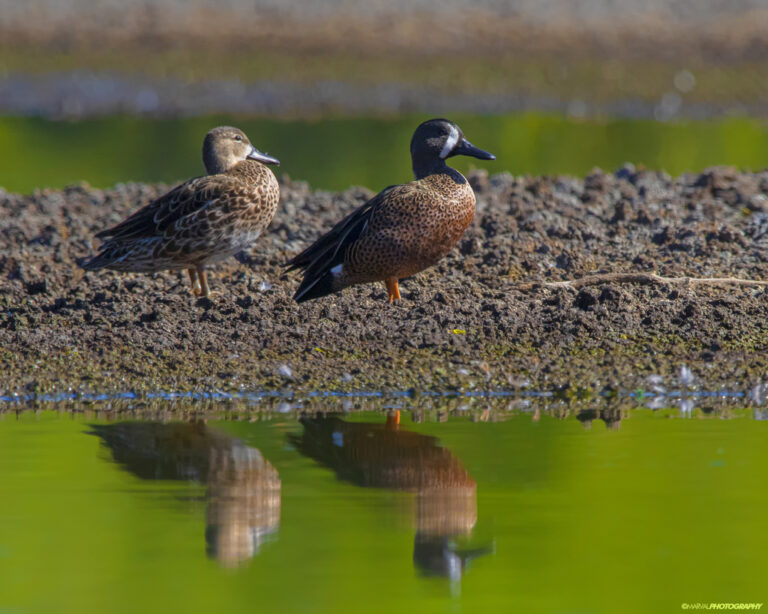
Spatula discors
♥
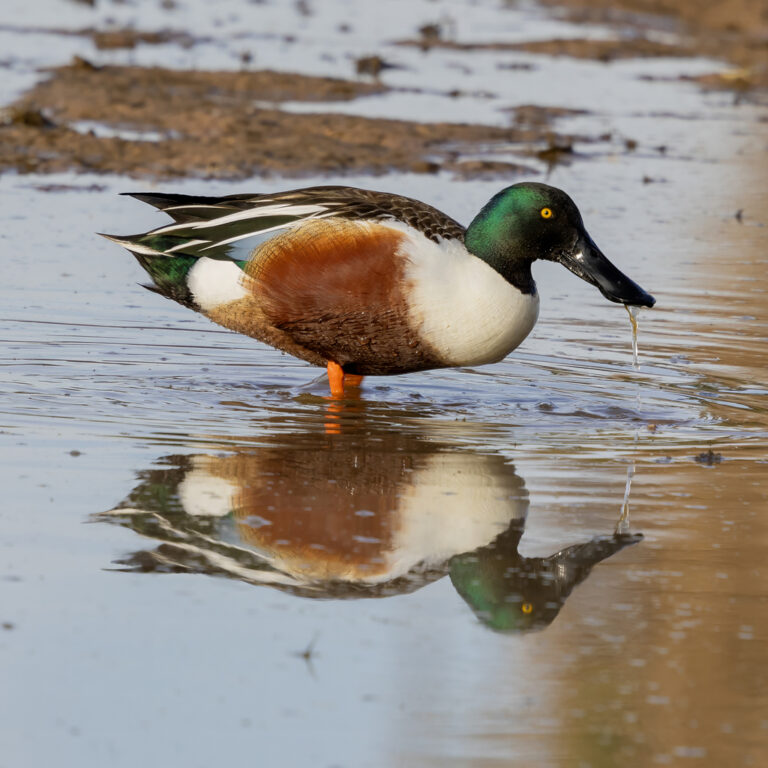
Spatula clypeata
♥
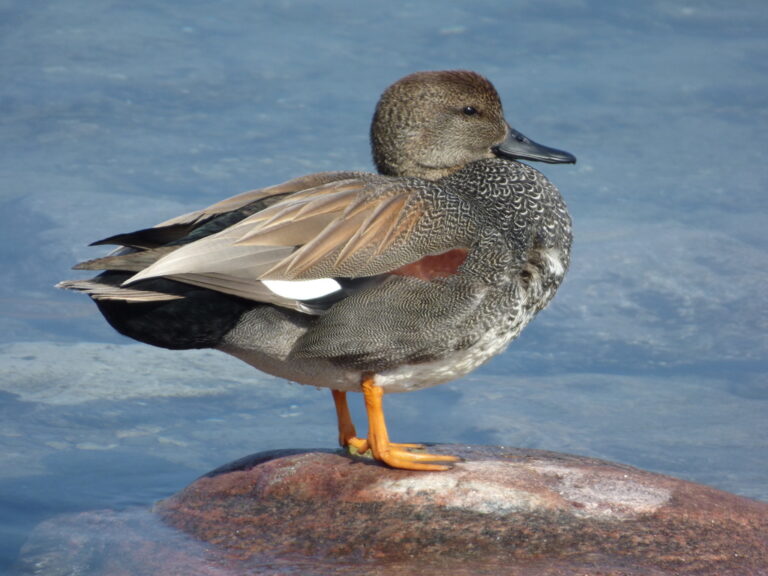
Mareca strepera
♥
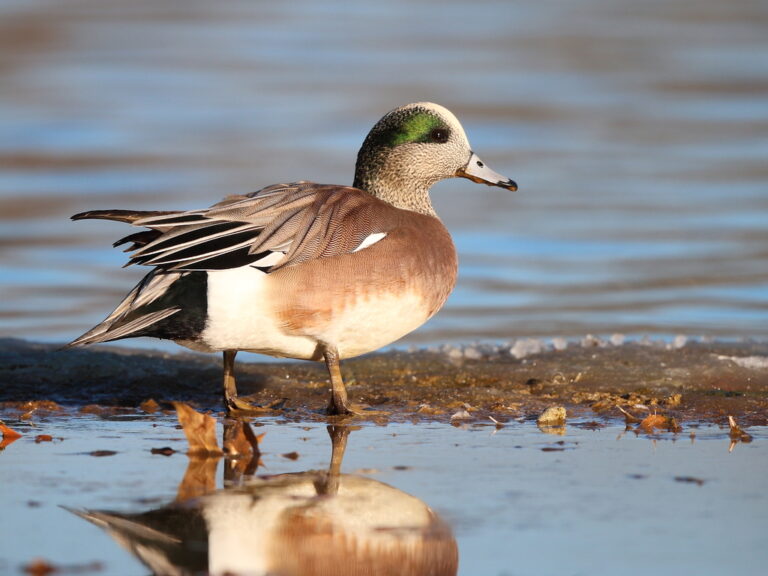
Mareca americana
♥
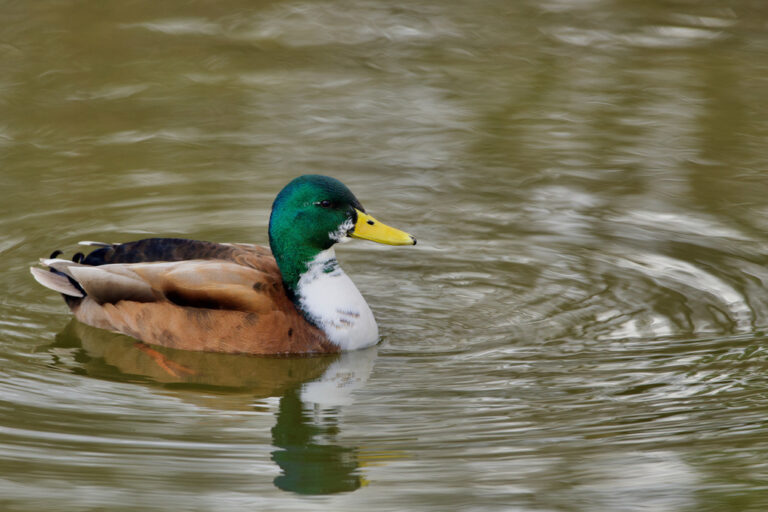
Anas platyrhynchos
♥
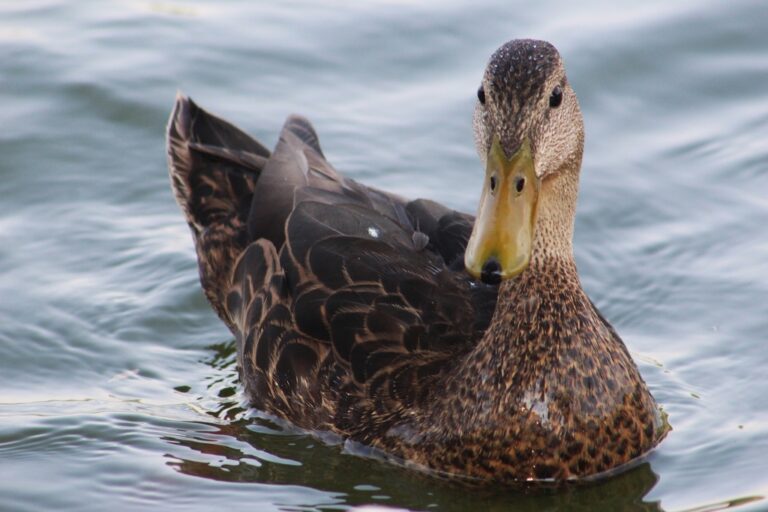
Anas diazi
♥
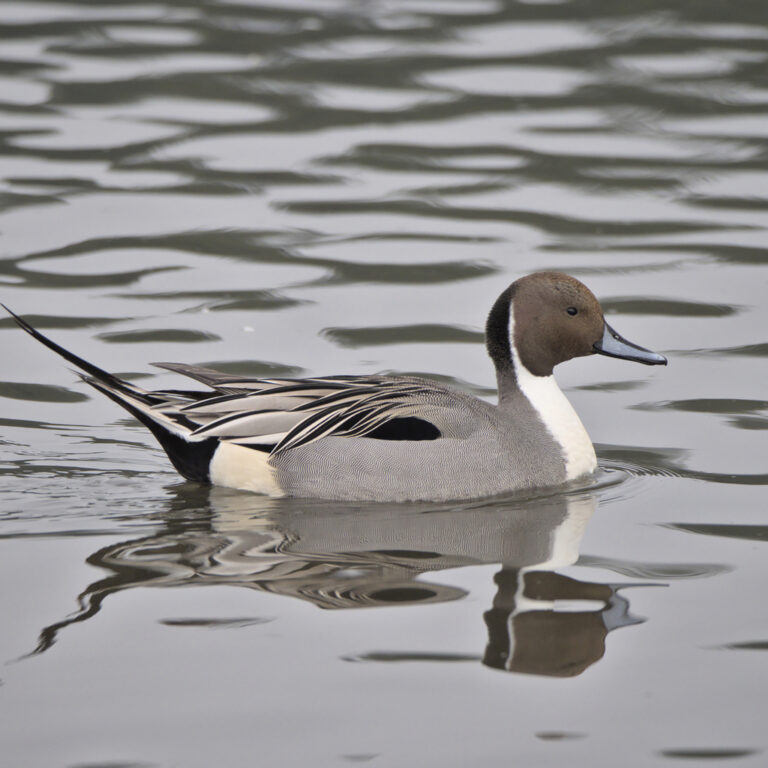
Anas acuta
♥
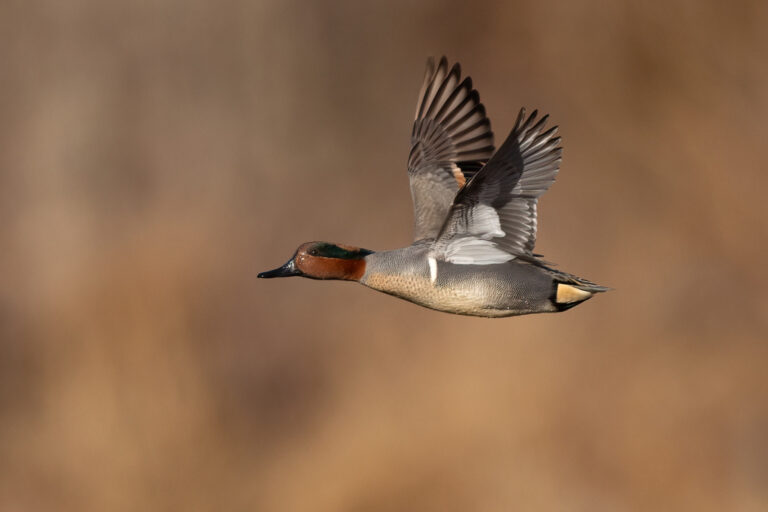
Anas crecca
♥
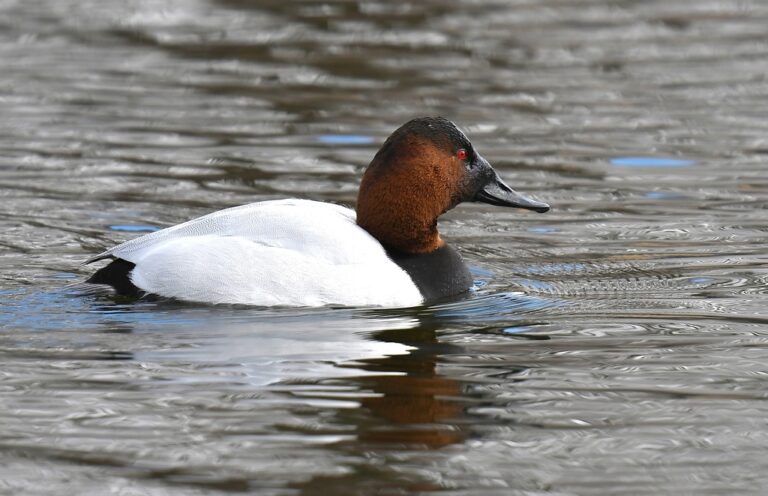
Aythya valisineria
♥
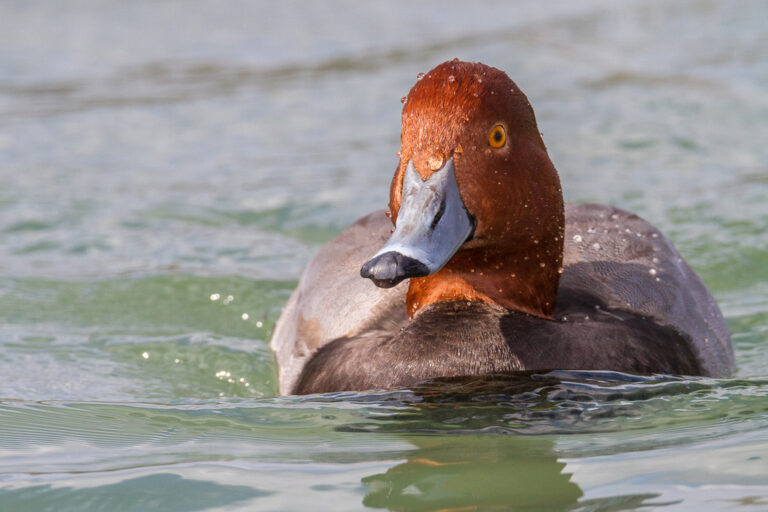
Aythya americana
♥
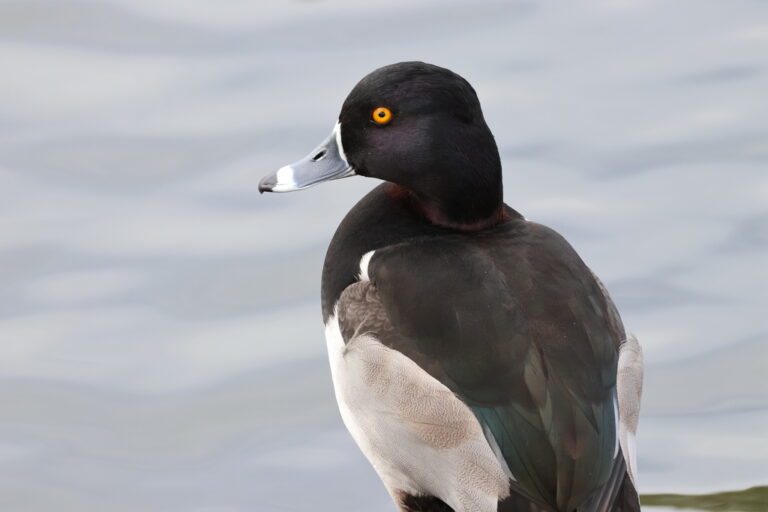
Aythya collaris
♥
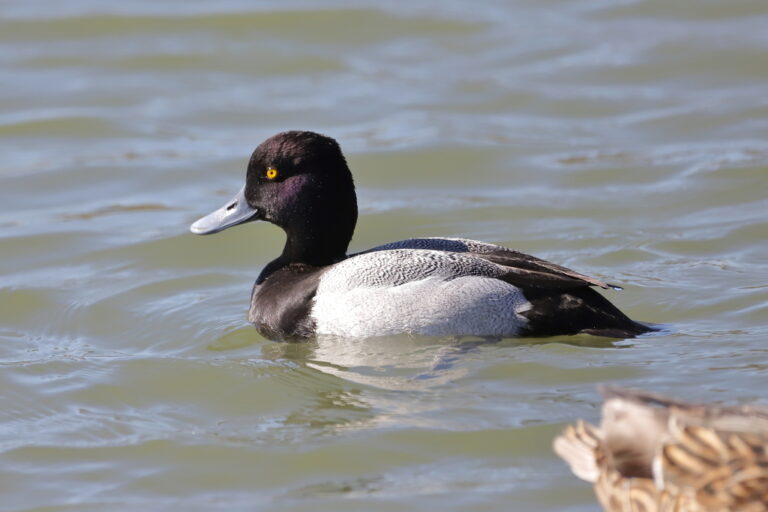
Aythya affinis
♥
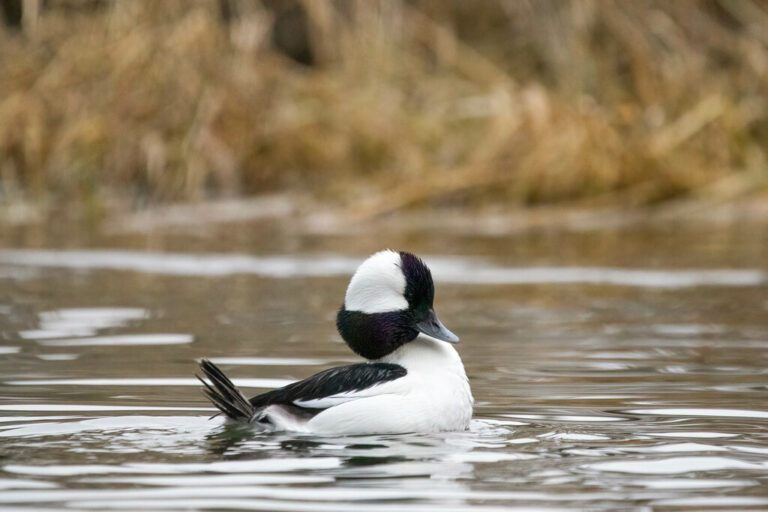
Bucephala albeola
♥
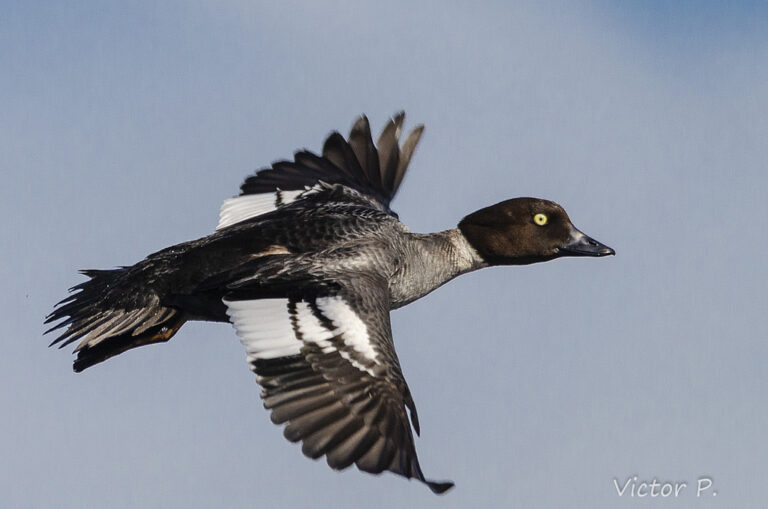
Bucephala clangula
♥
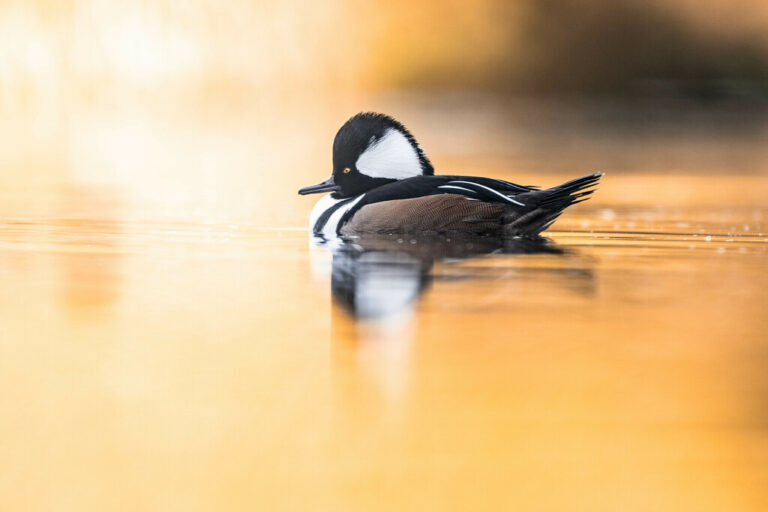
Lophodytes cucullatus
♥
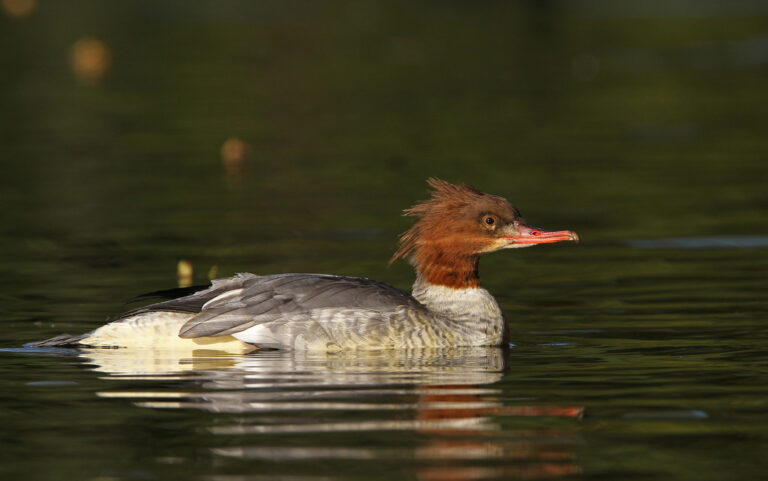
Mergus merganser
♥
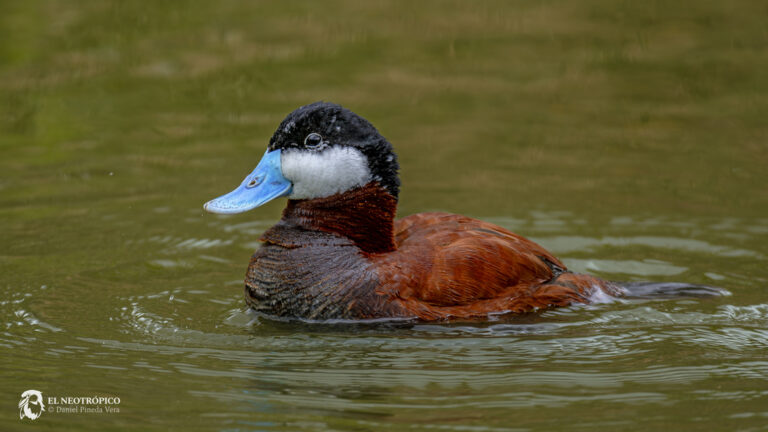
Oxyura jamaicensis
♥
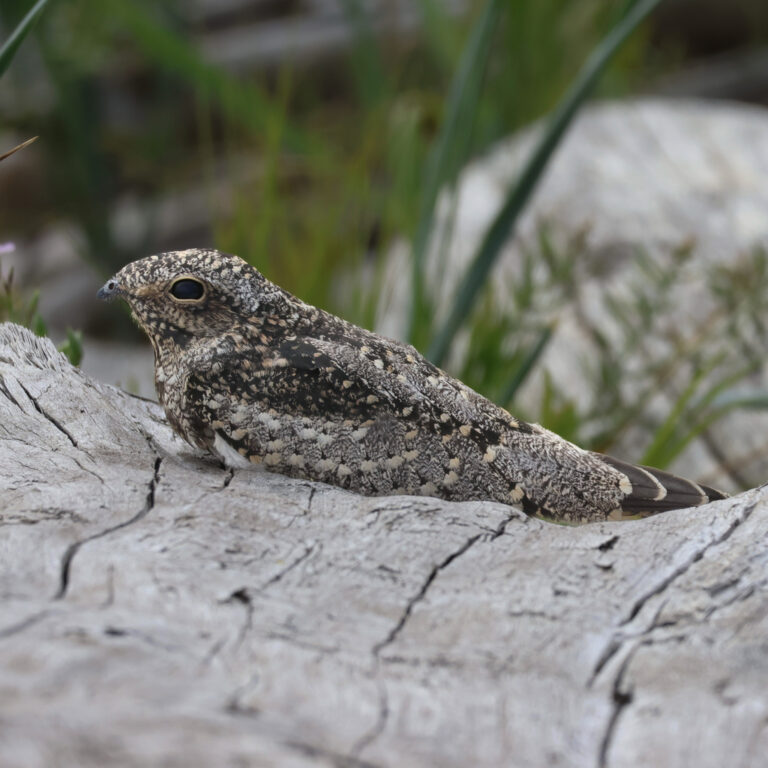
Chordeiles minor
♥
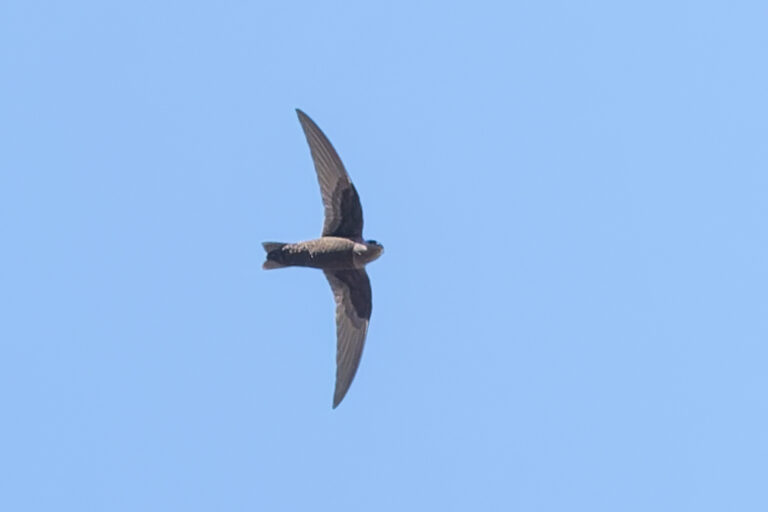
Cypseloides niger
♥
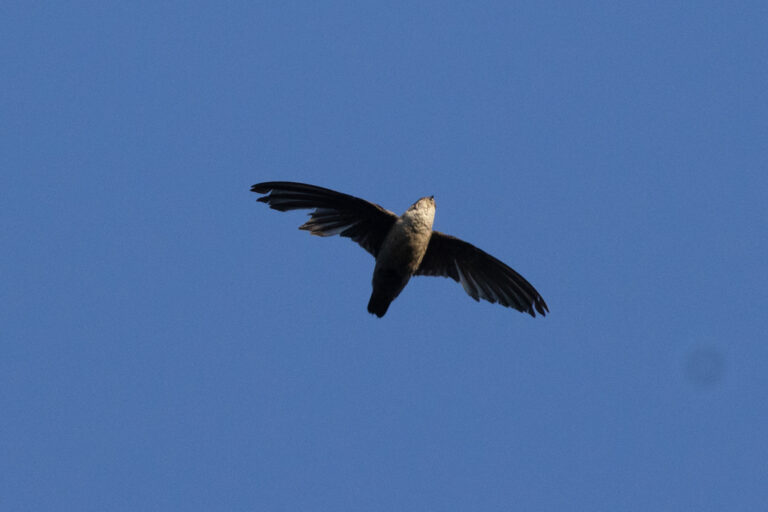
Chaetura vauxi
♥
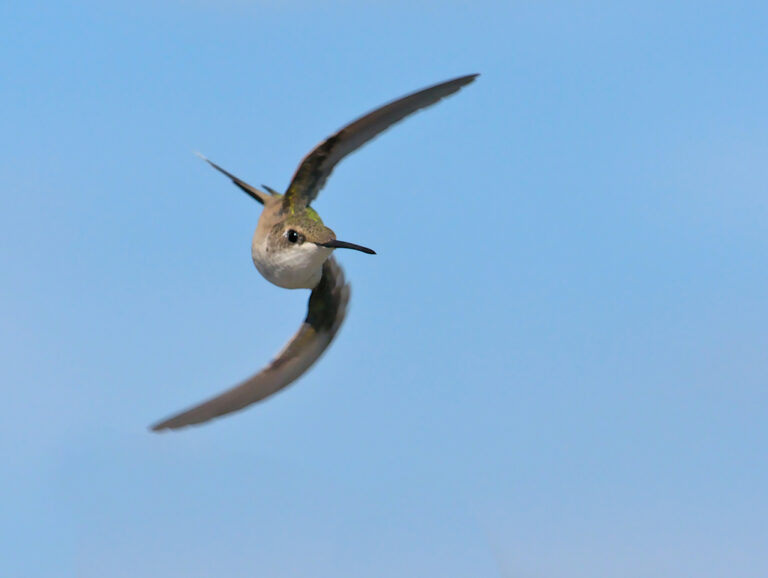
Archilochus colubris
♥
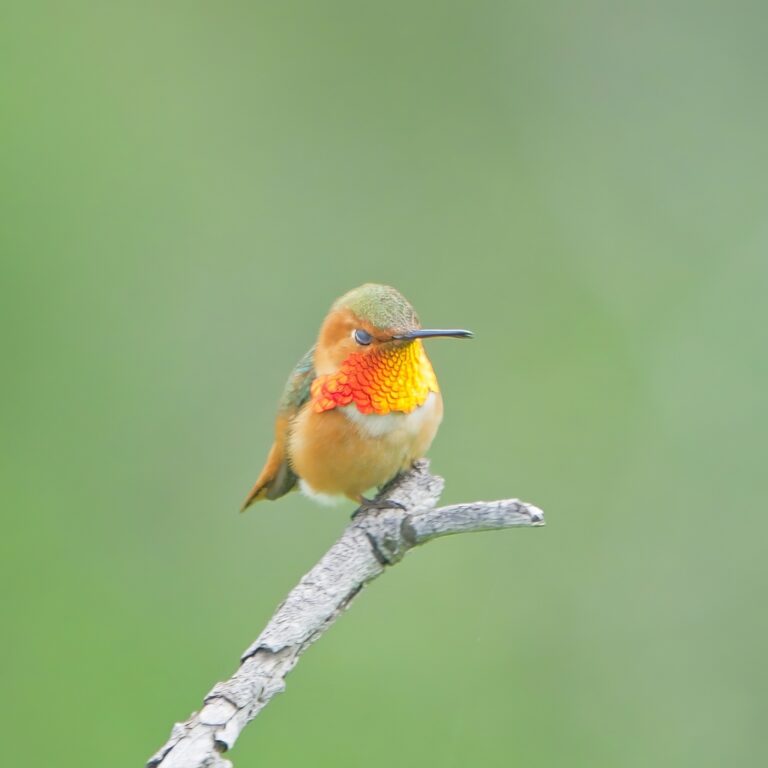
Selasphorus sasin
♥
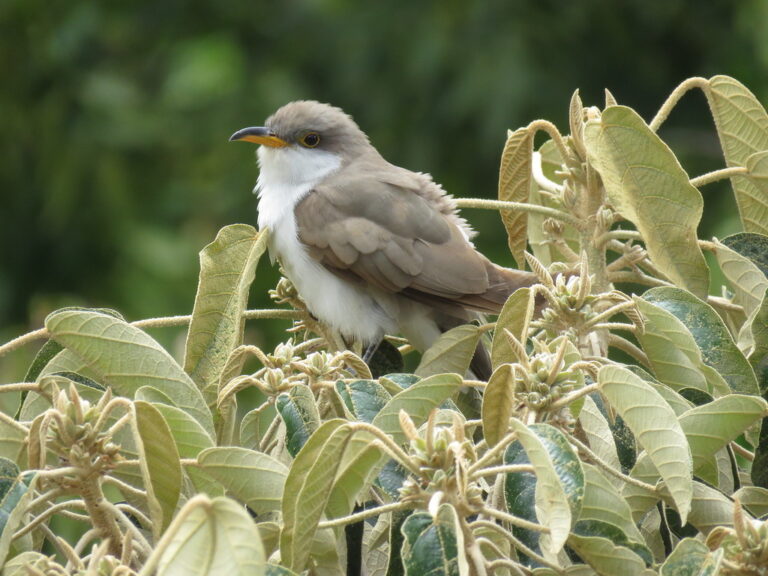
Coccyzus americanus
♥
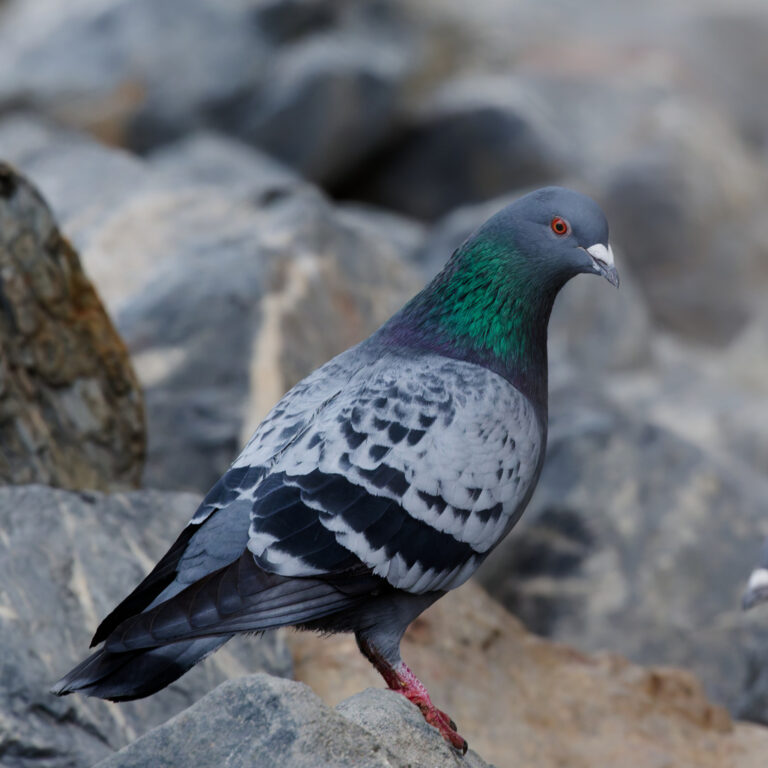
Columba livia
♥
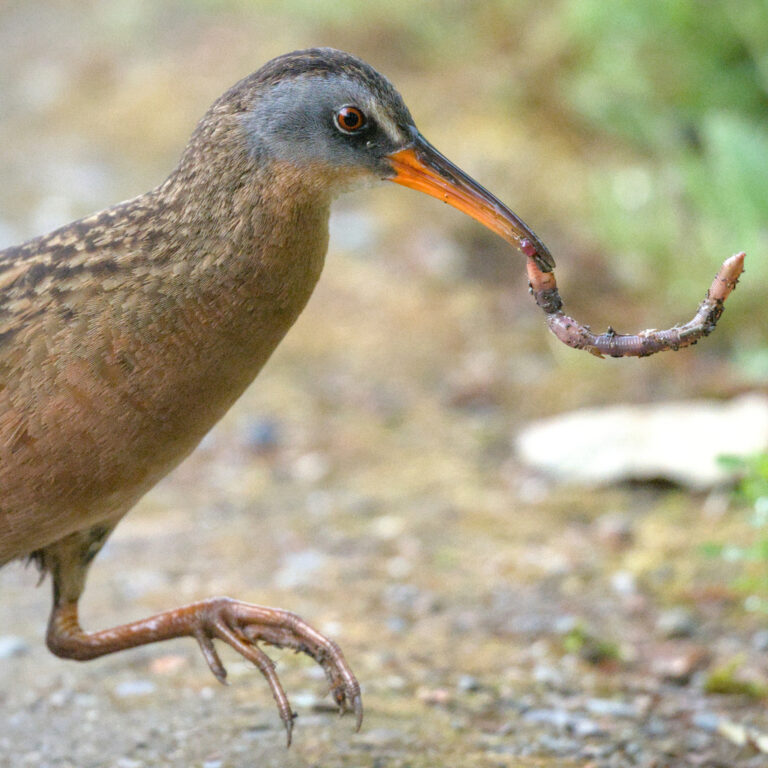
Rallus limicola
♥
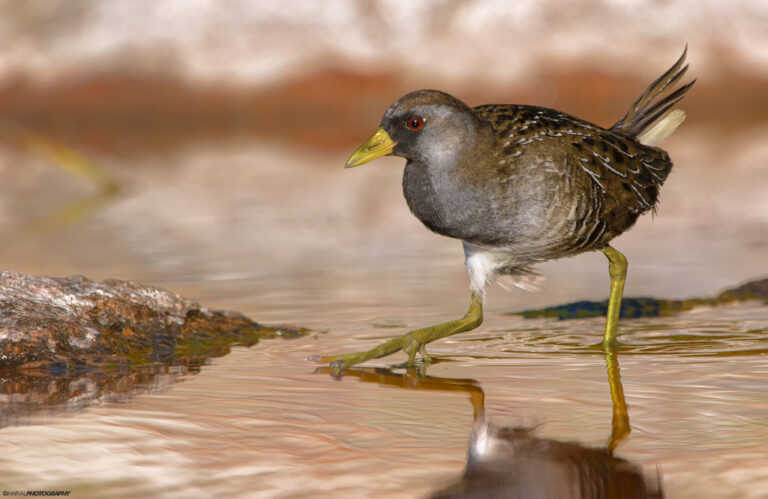
Porzana carolina
♥
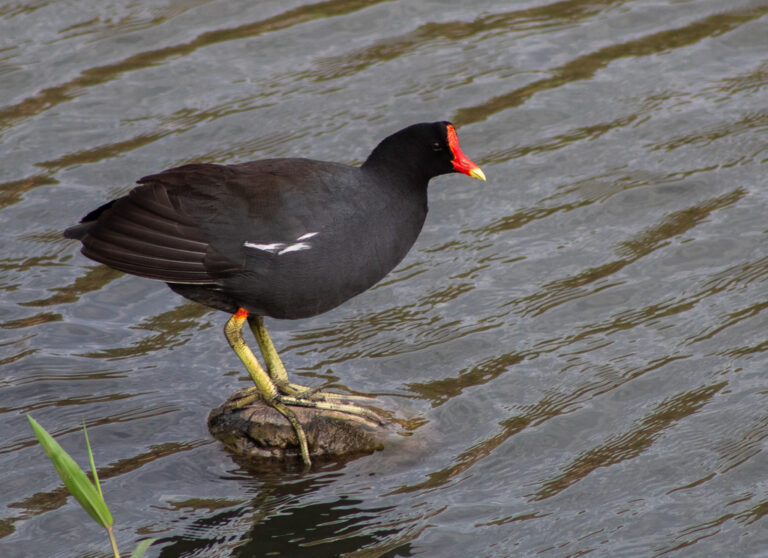
Gallinula galeata
♥
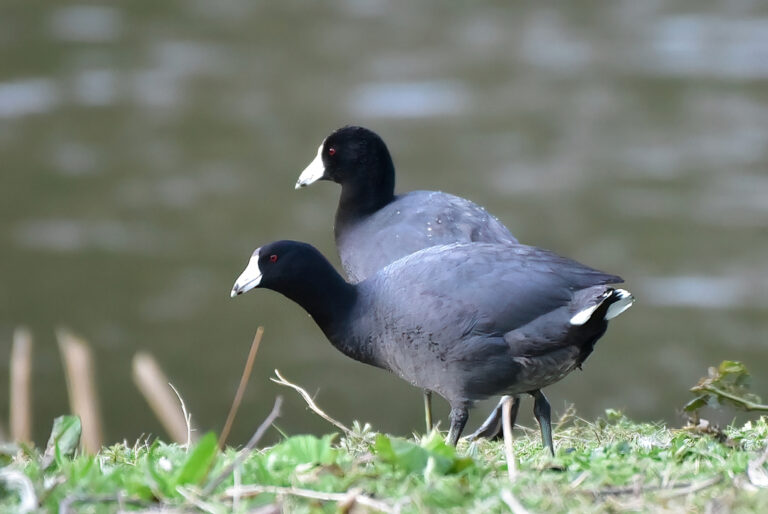
Fulica americana
♥
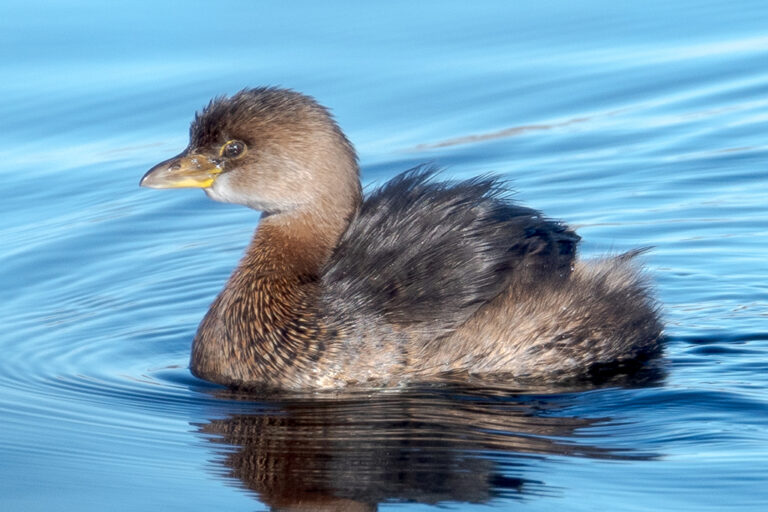
Podilymbus podiceps
♥
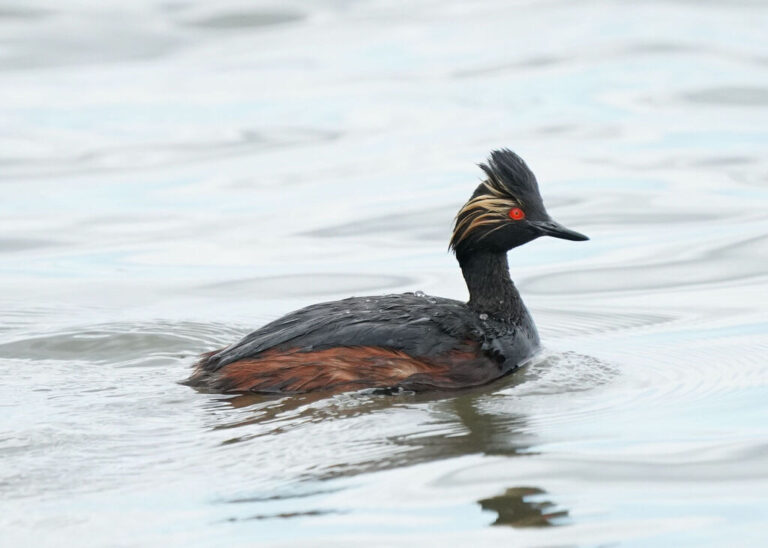
Podiceps nigricollis
♥
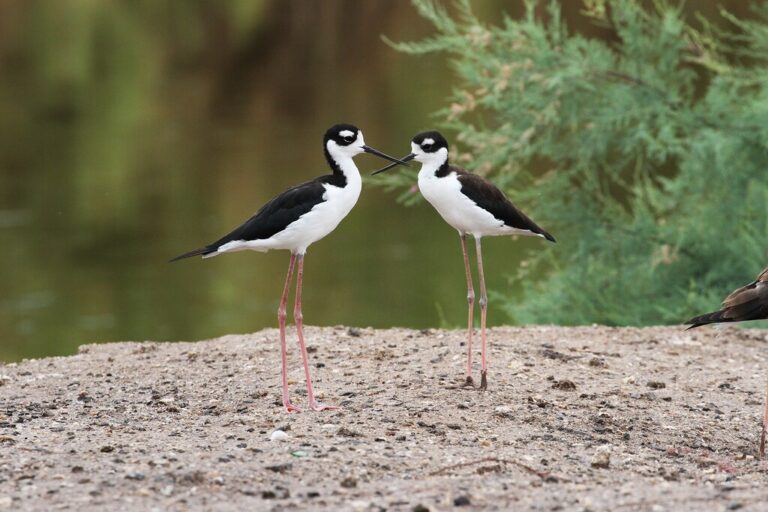
Himantopus mexicanus
♥
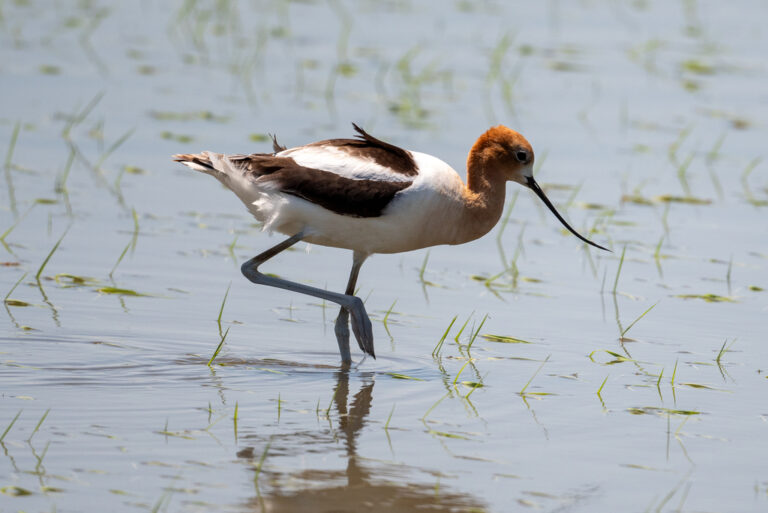
Recurvirostra americana
♥
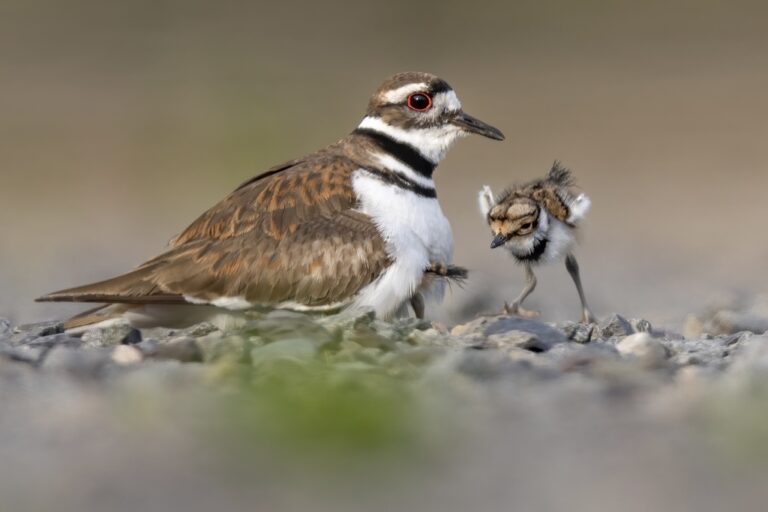
Charadrius vociferus
♥
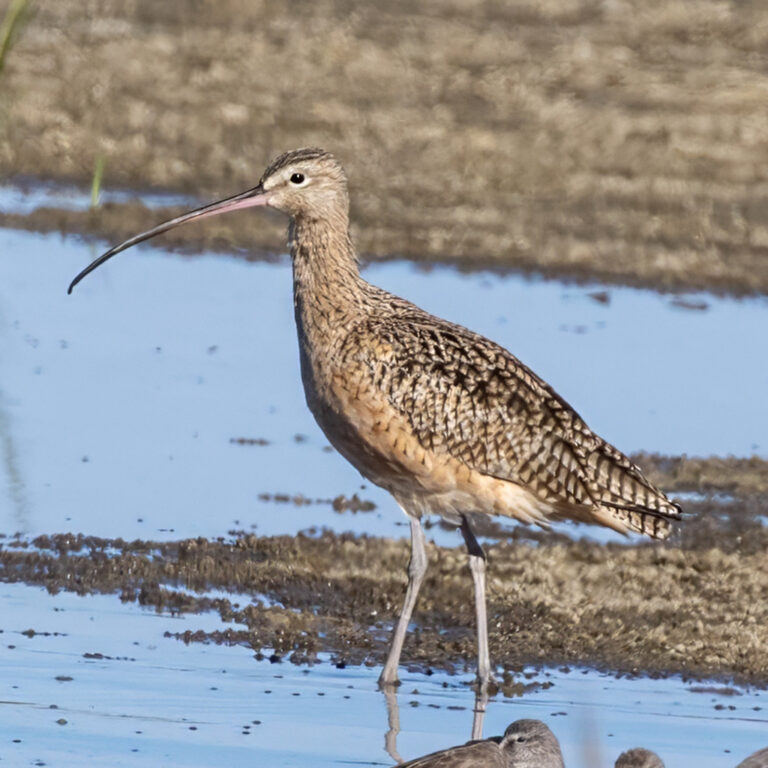
Numenius americanus
♥
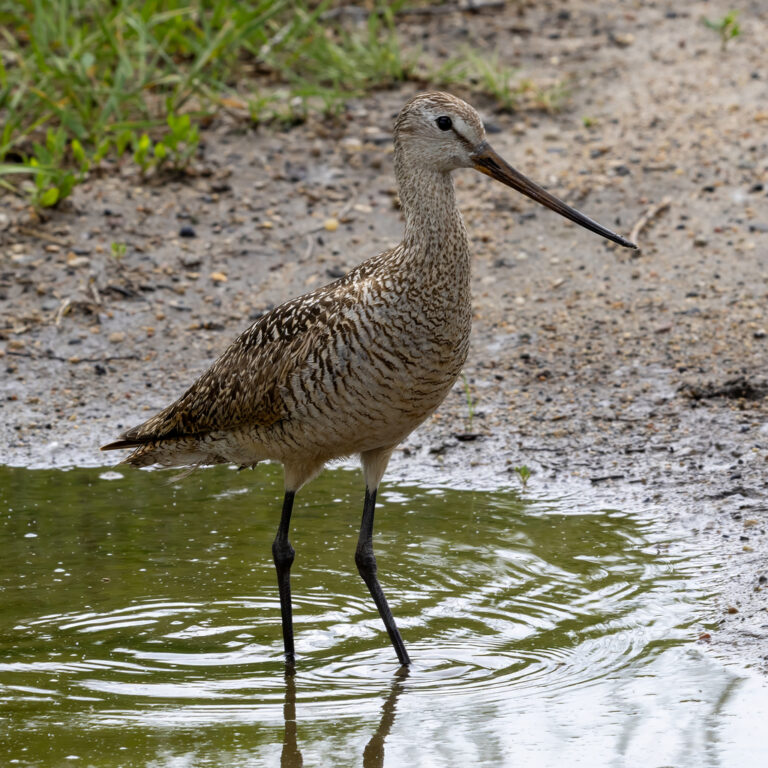
Limosa fedoa
♥
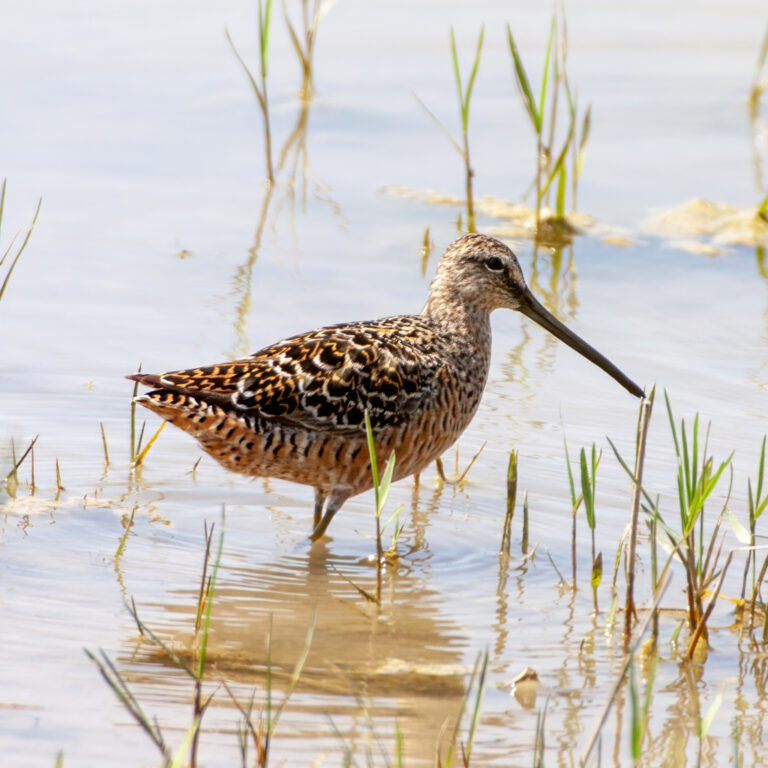
Limnodromus scolopaceus
♥
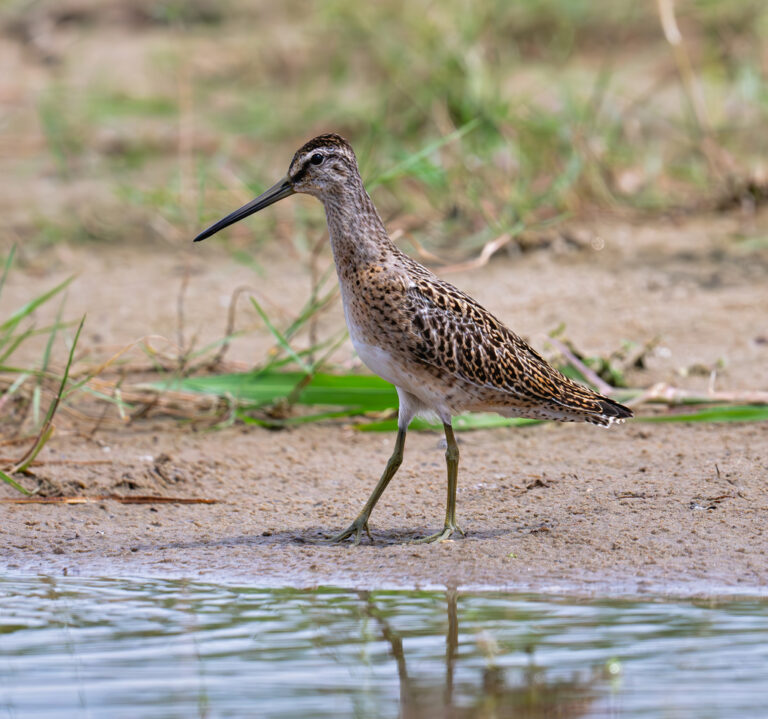
Limnodromus griseus
♥
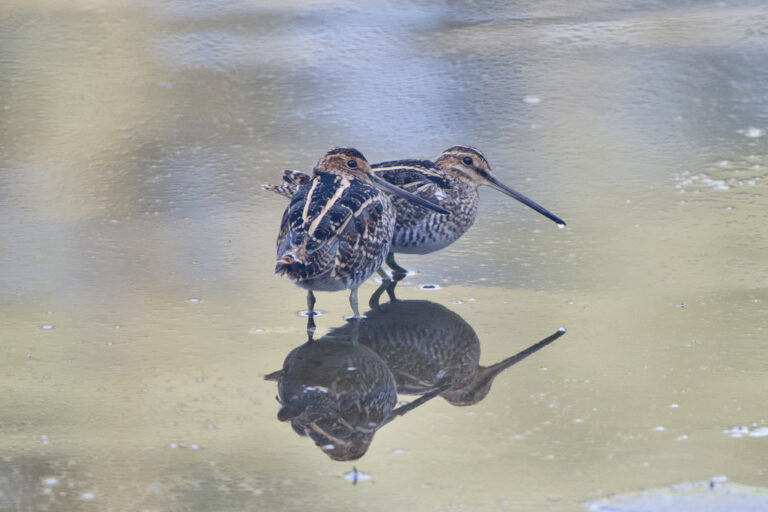
Gallinago delicata
♥
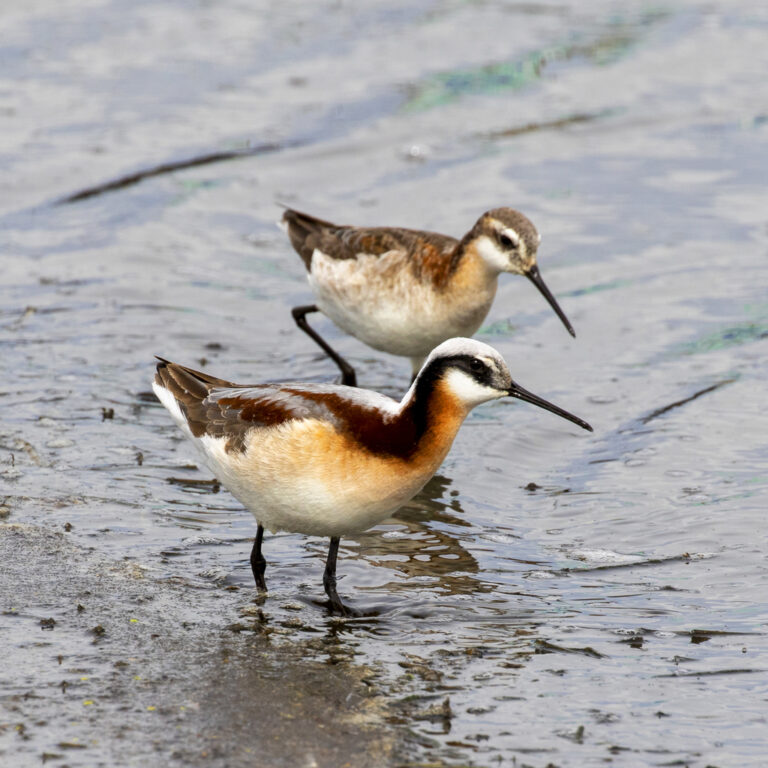
Phalaropus tricolor
♥
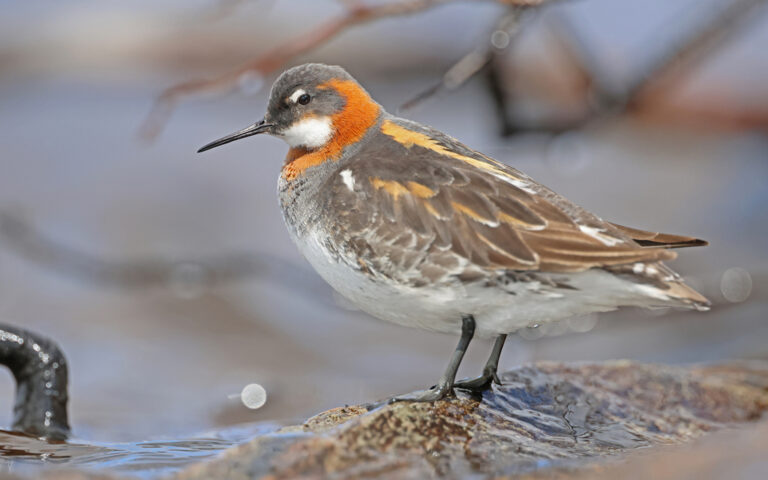
Phalaropus lobatus
♥
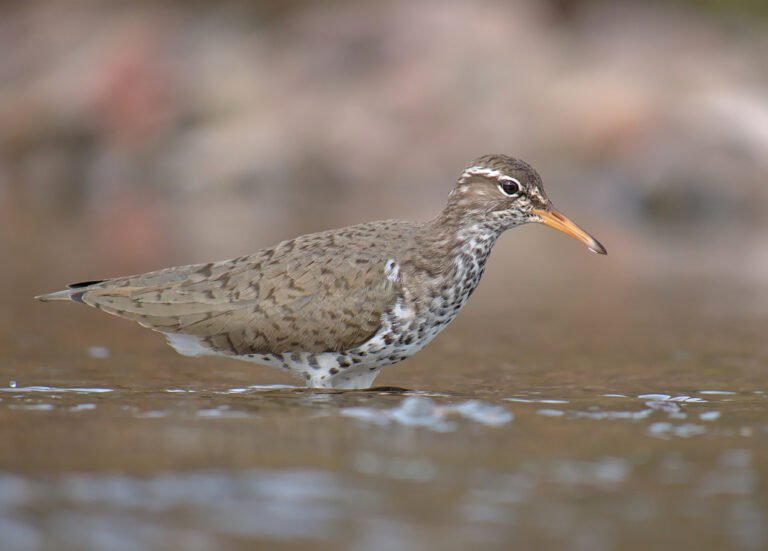
Actitis macularius
♥
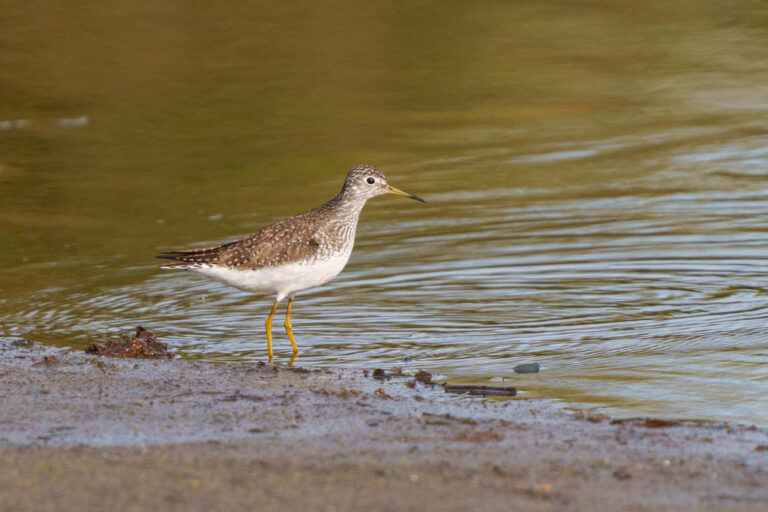
Tringa solitaria
♥
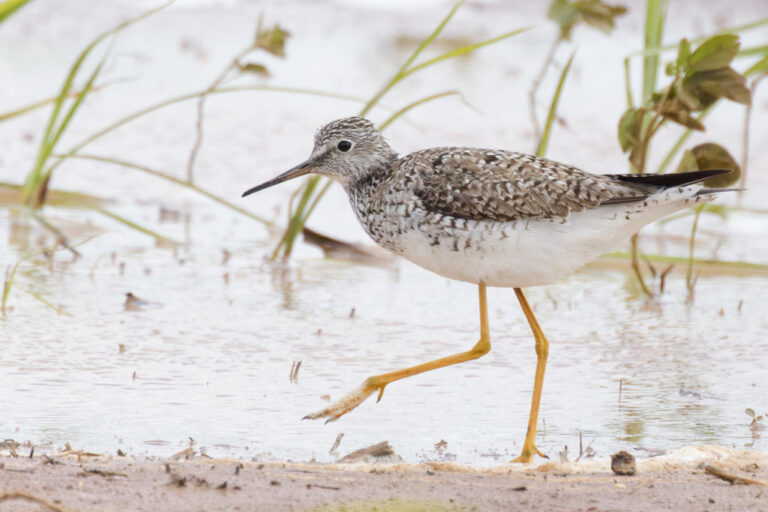
Tringa flavipes
♥
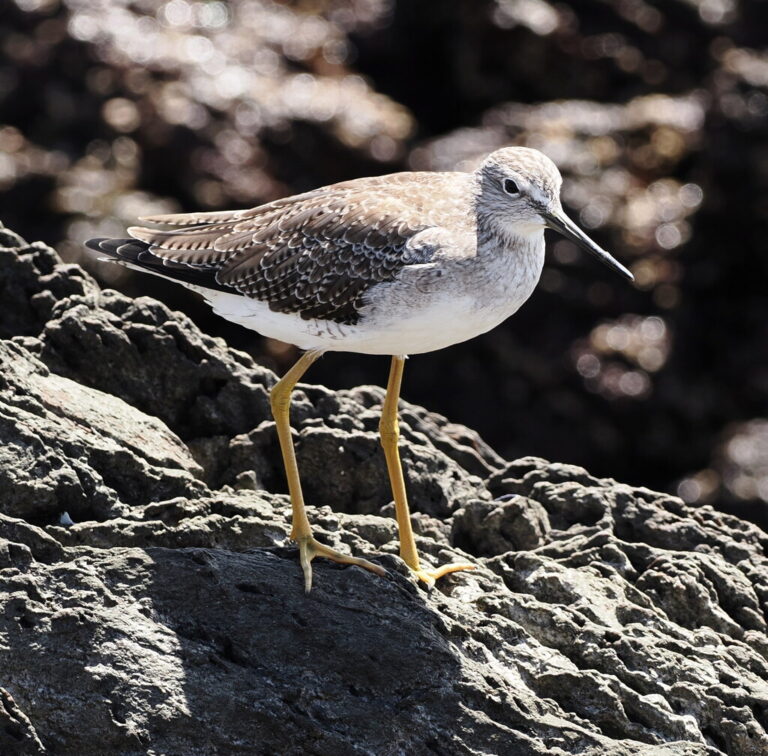
Tringa melanoleuca
♥
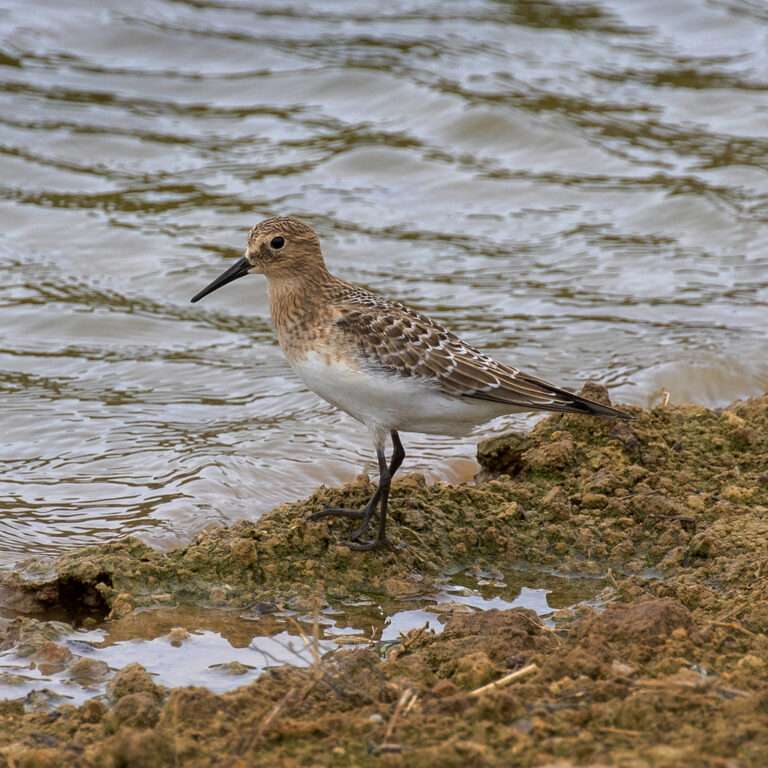
Calidris bairdii
♥
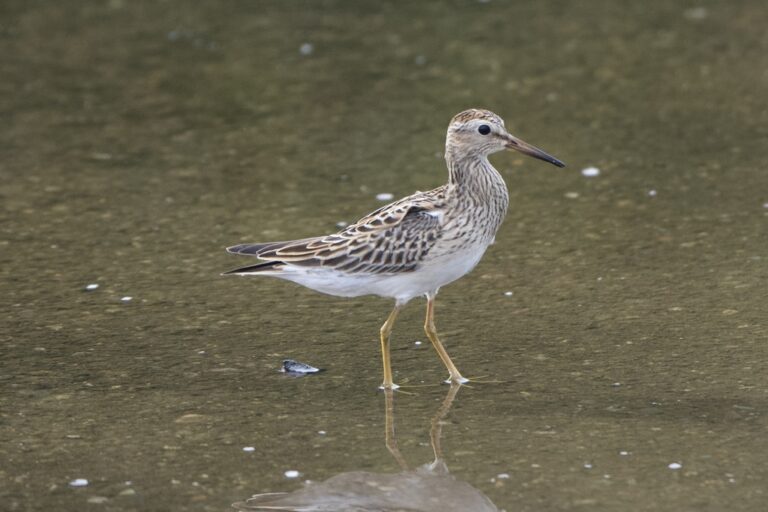
Calidris melanotos
♥
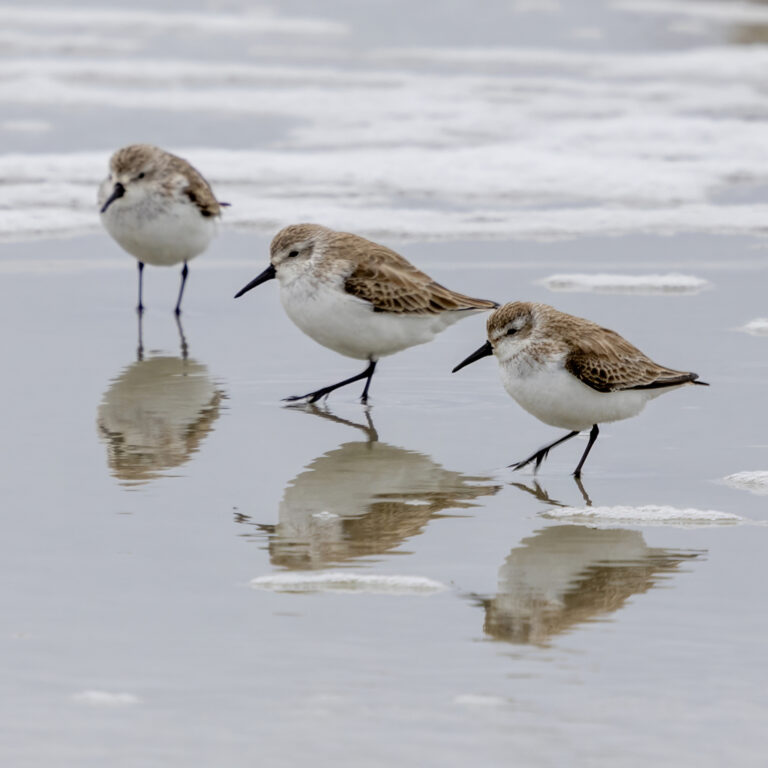
Calidris mauri
♥
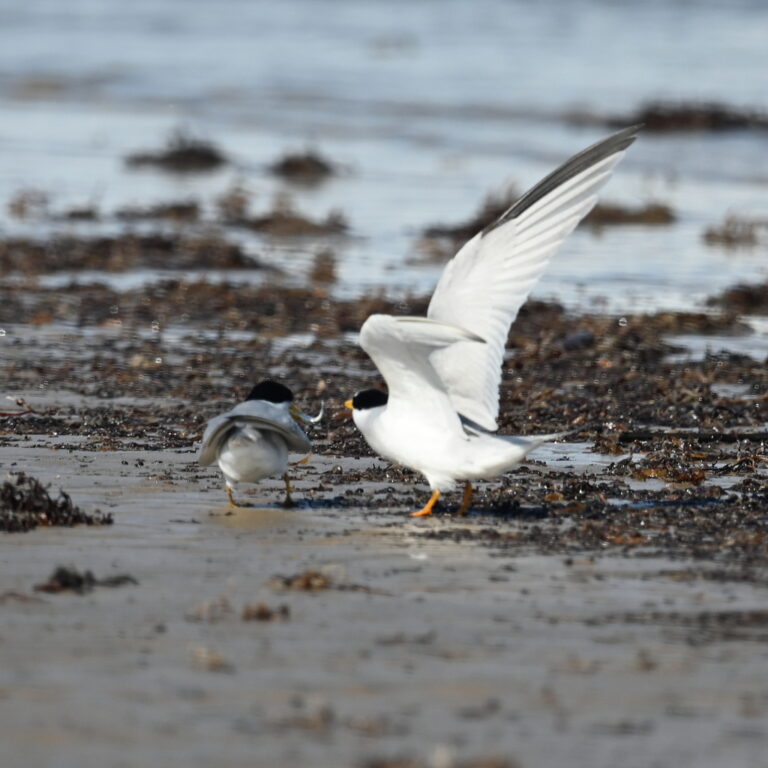
Sternula antillarum
♥
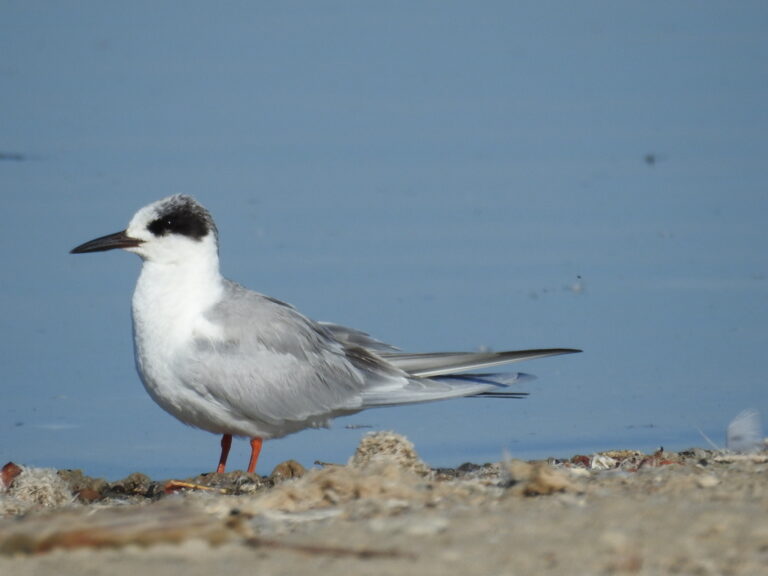
Sterna forsteri
♥
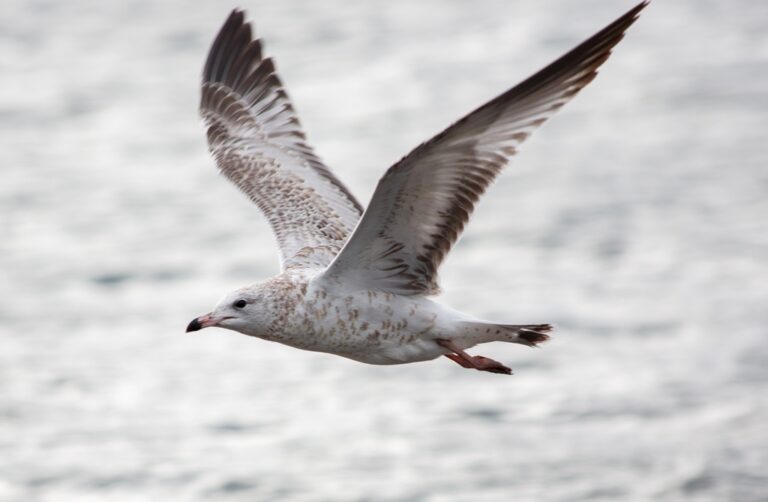
Larus delawarensis
♥
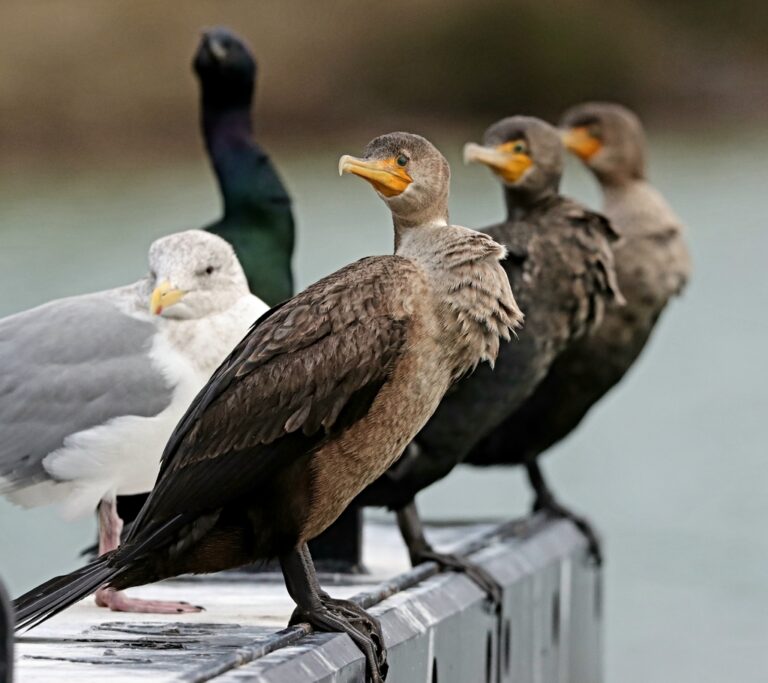
Nannopterum auritum
♥
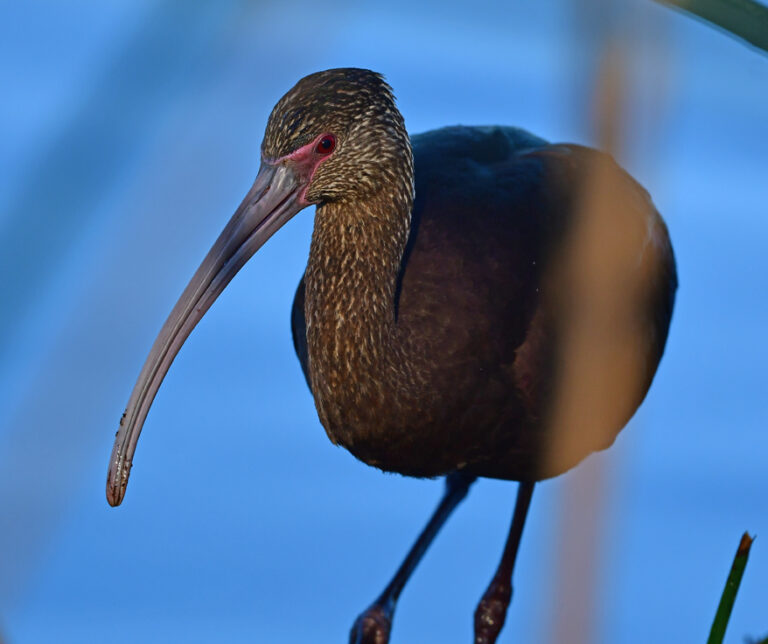
Plegadis chihi
♥
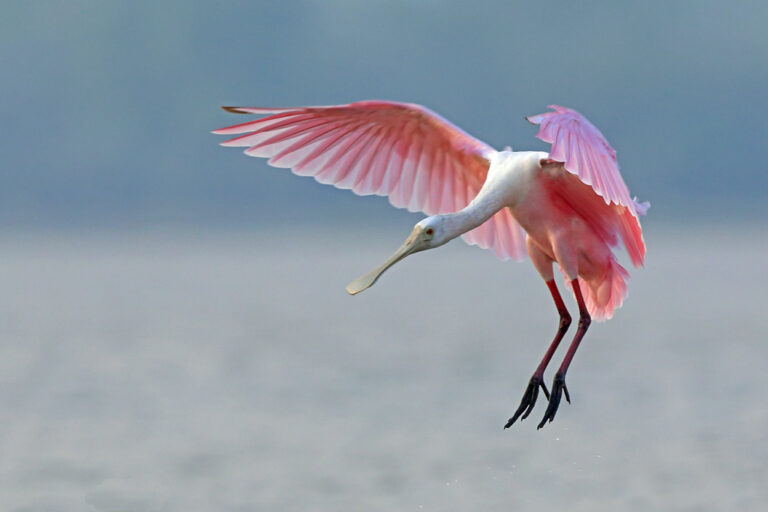
Platalea ajaja
♥
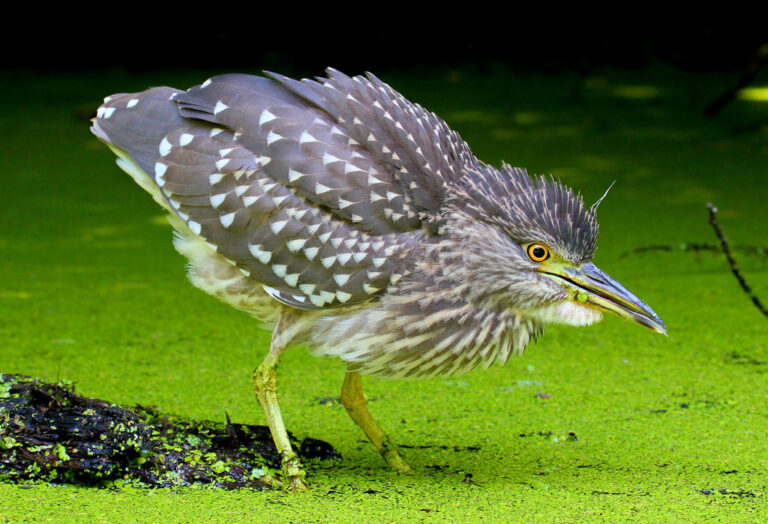
Nycticorax nycticorax
♥
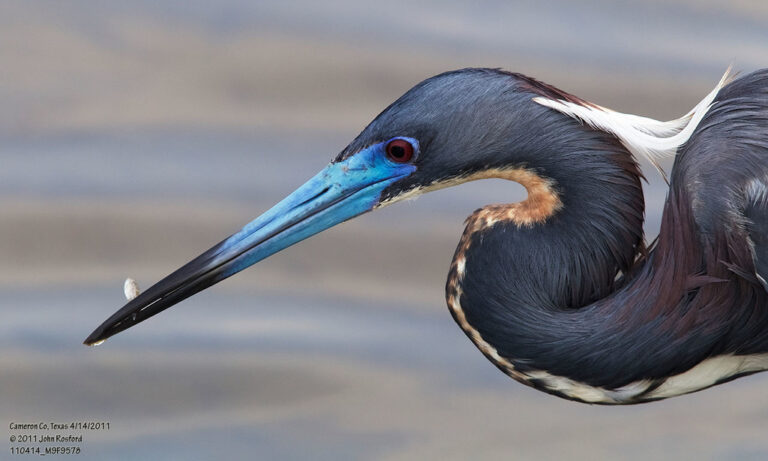
Egretta tricolor
♥
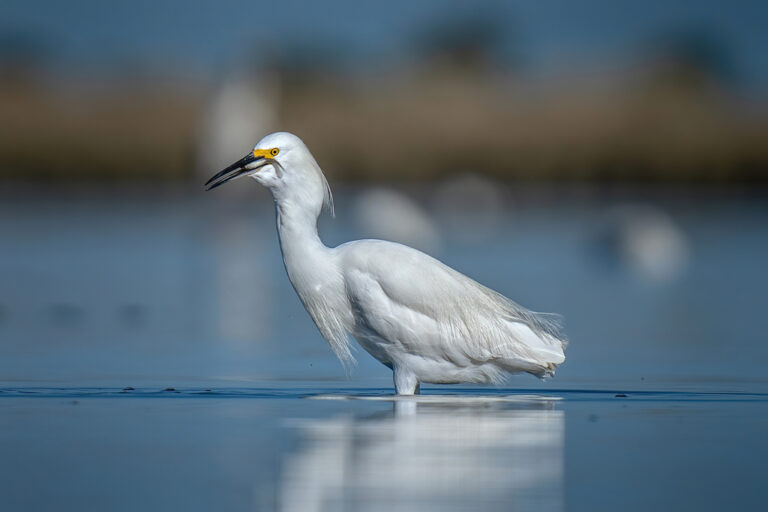
Egretta thula
♥
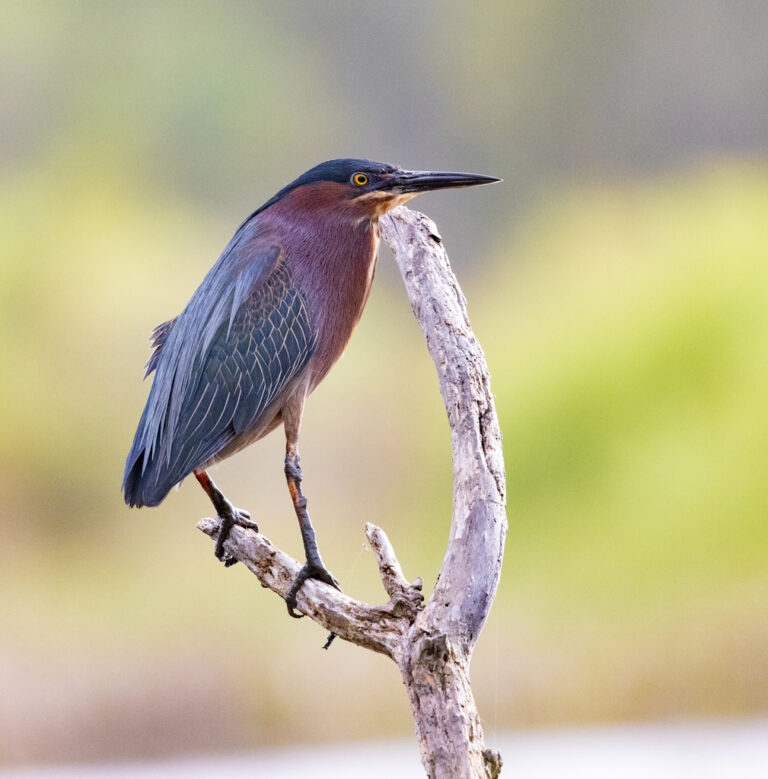
Butorides virescens
♥
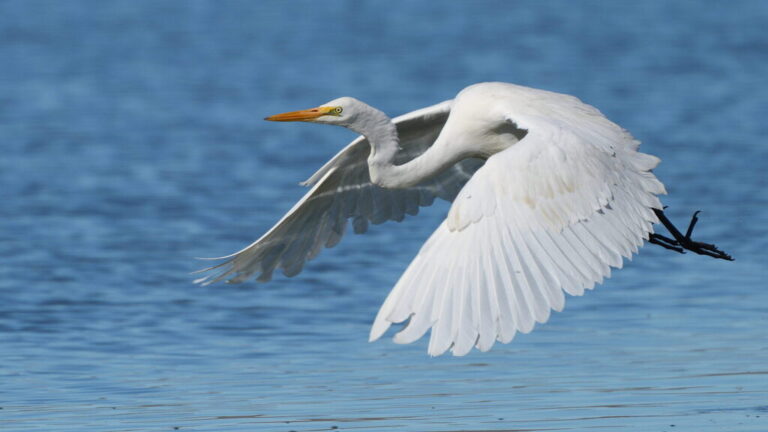
Ardea alba
♥
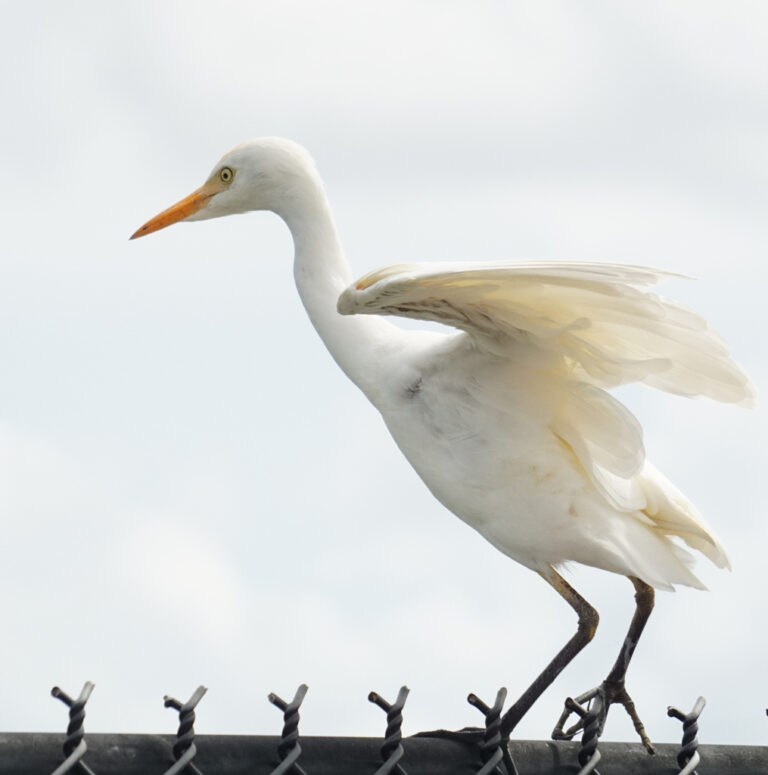
Ardea ibis
♥
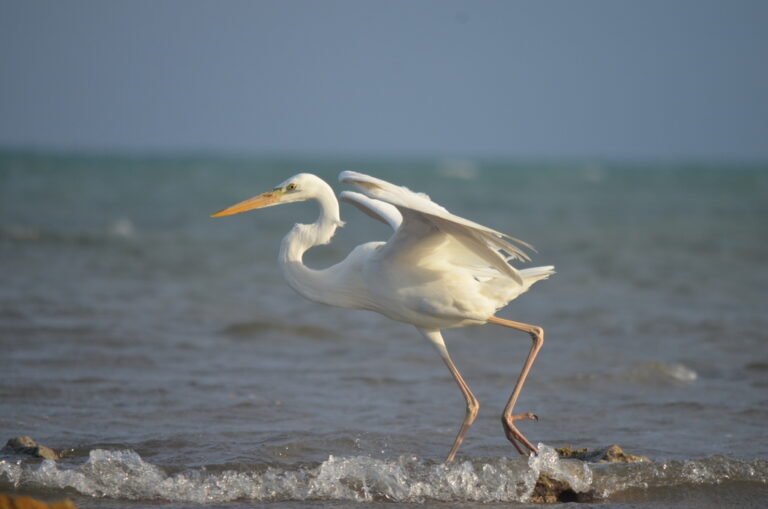
Ardea herodias
♥
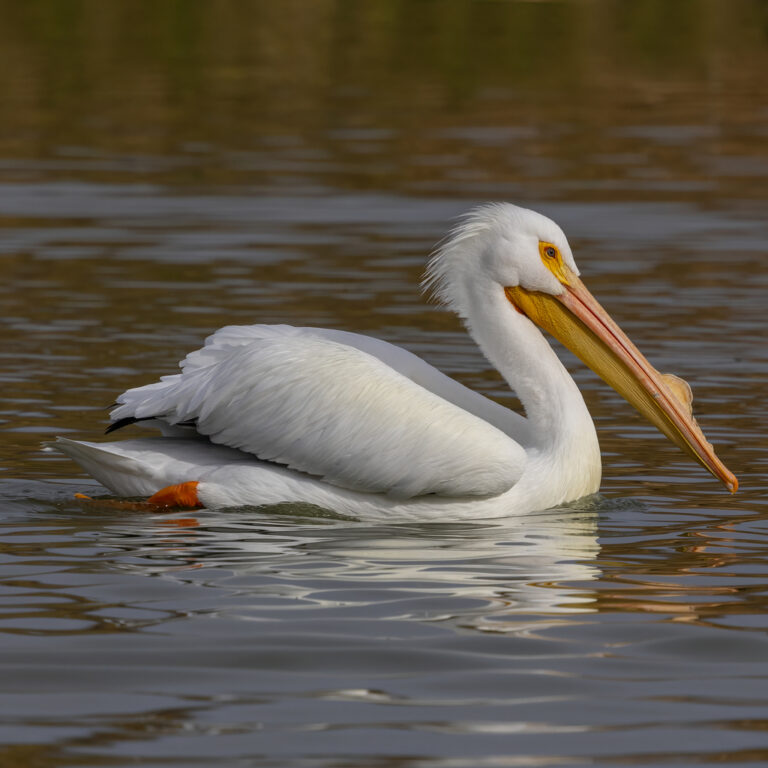
Pelecanus erythrorhynchos
♥
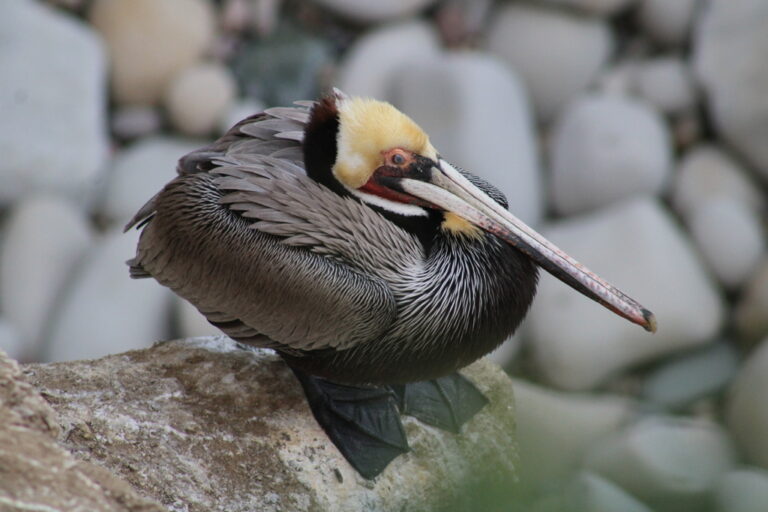
Pelecanus occidentalis
♥
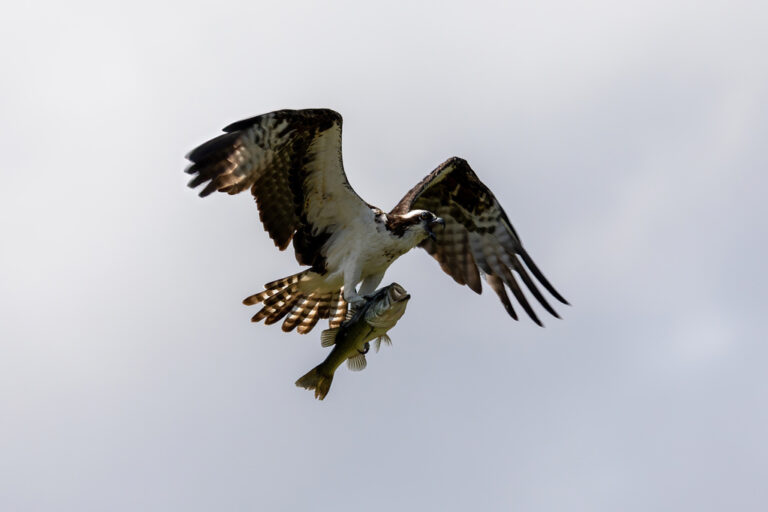
Pandion haliaetus
♥
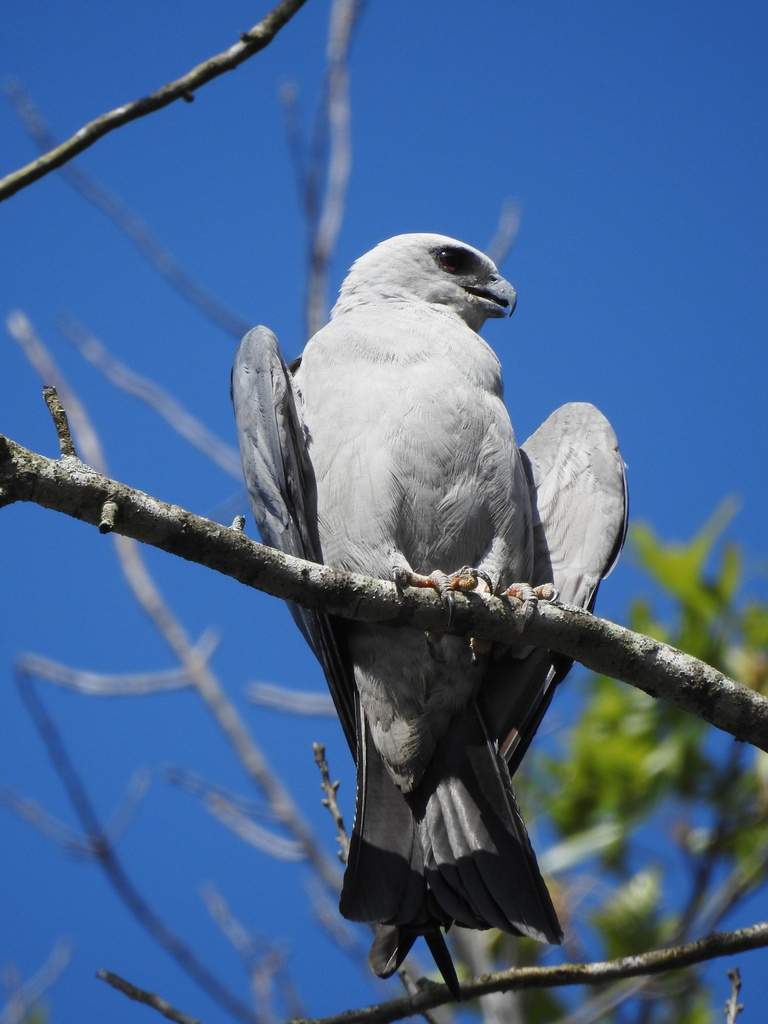
Ictinia mississippiensis
♥
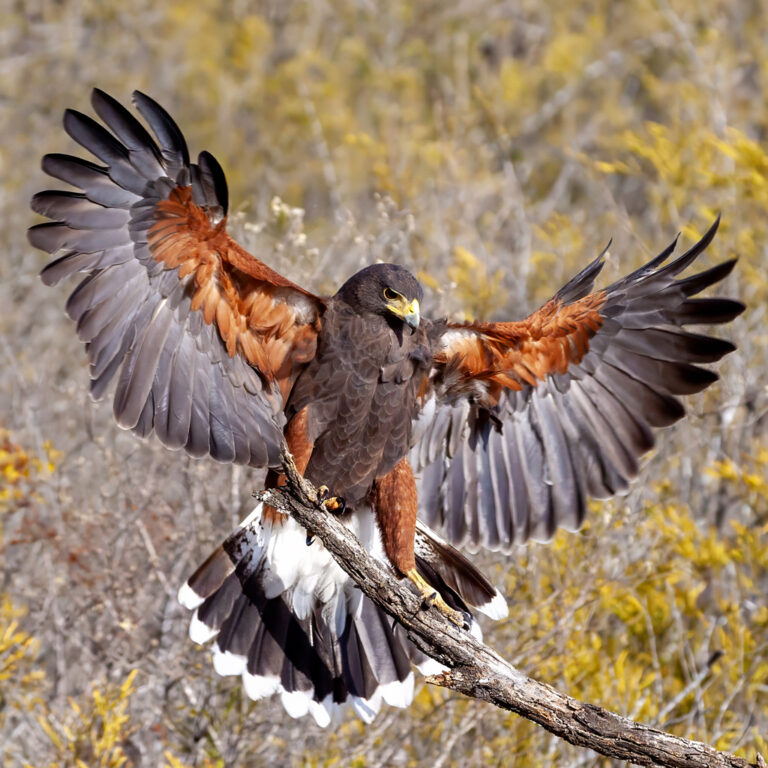
Parabuteo unicinctus
♥
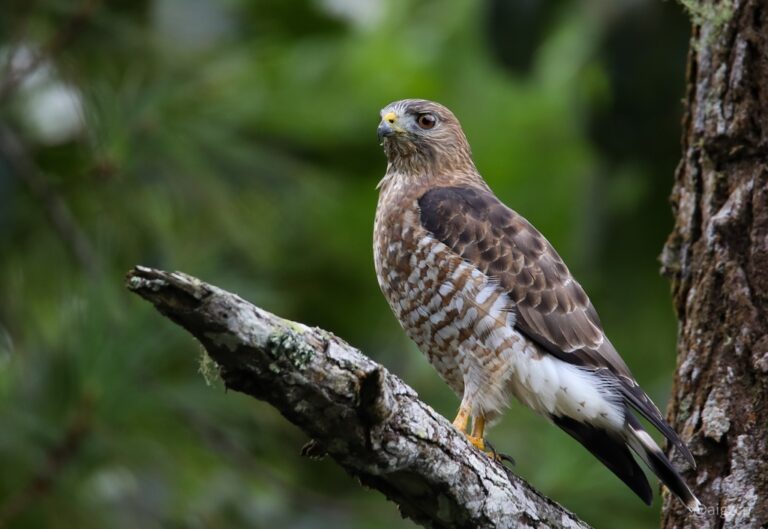
Buteo platypterus
♥
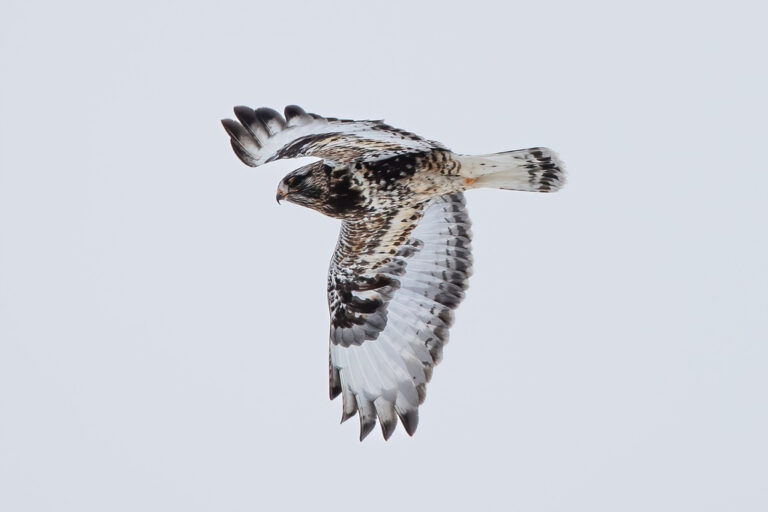
Buteo lagopus
♥
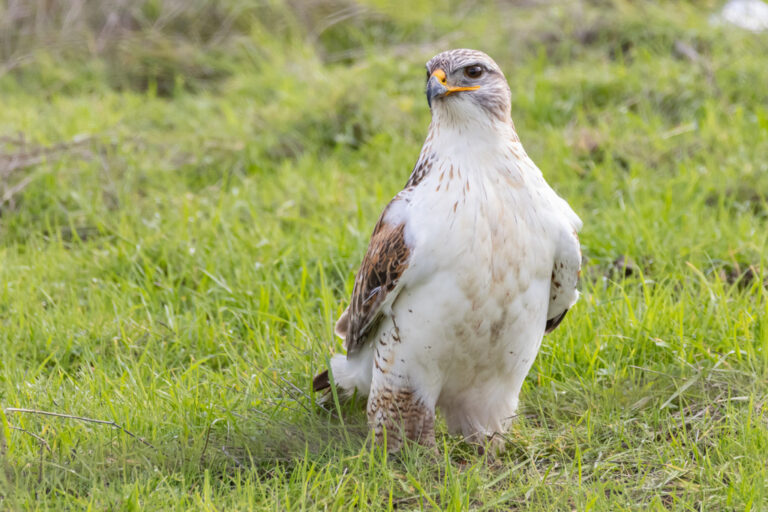
Buteo regalis
♥
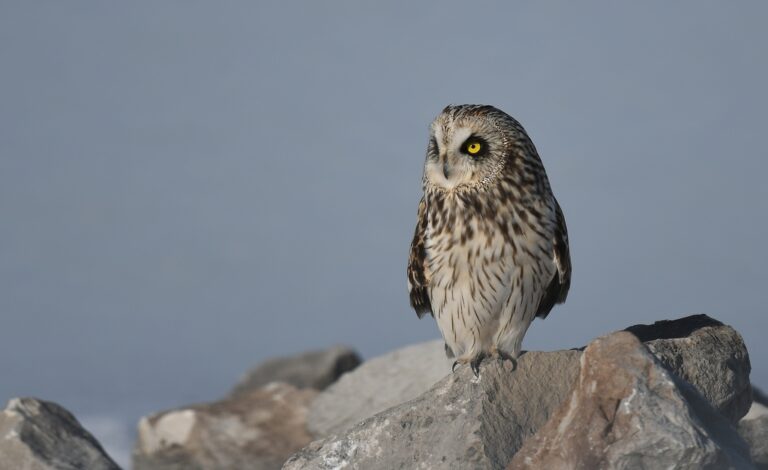
Asio flammeus
♥
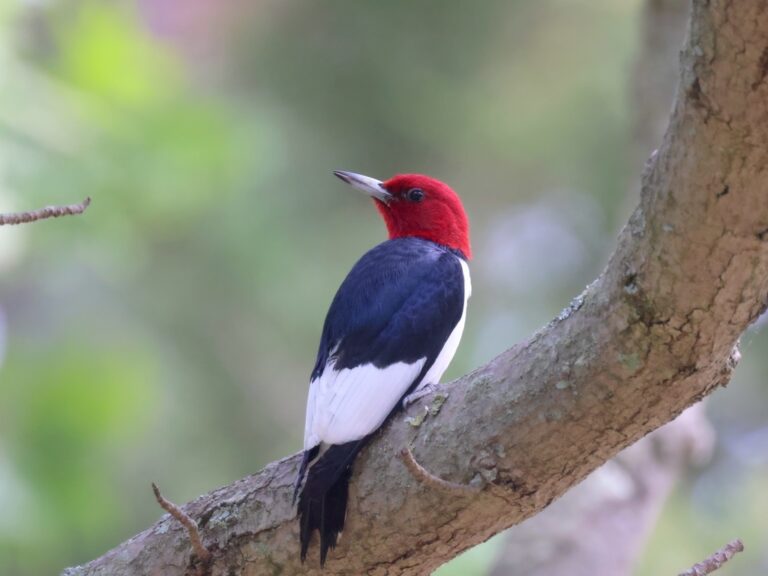
Melanerpes erythrocephalus
♥
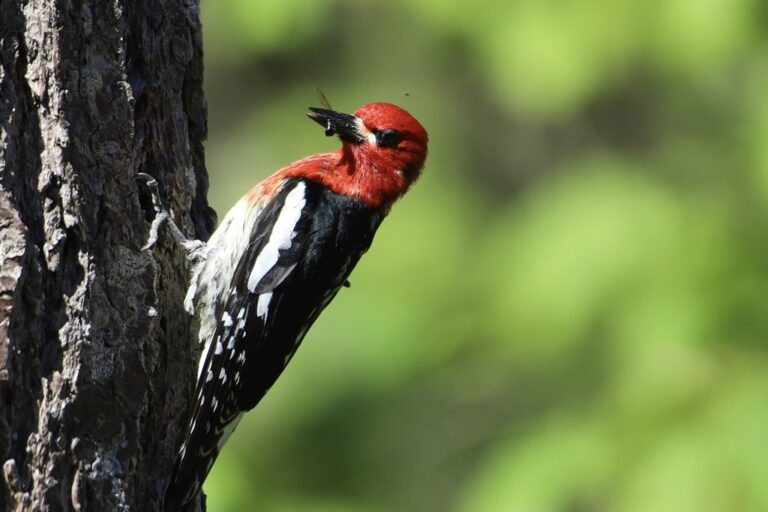
Sphyrapicus ruber
♥
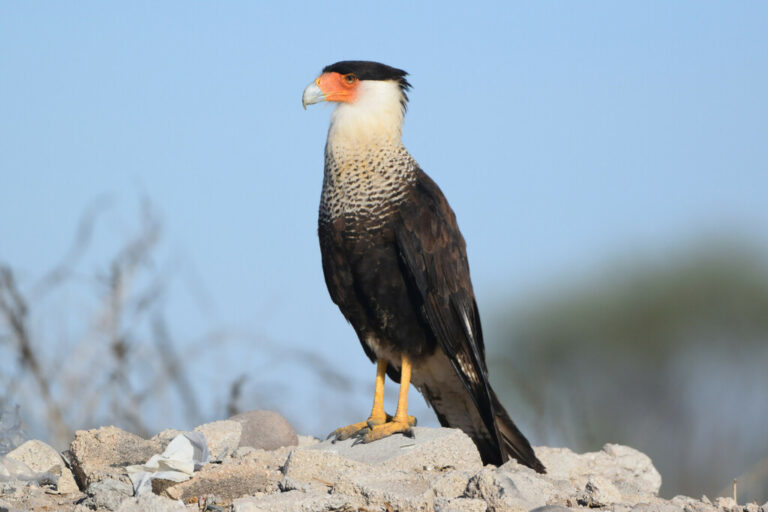
Caracara plancus
♥
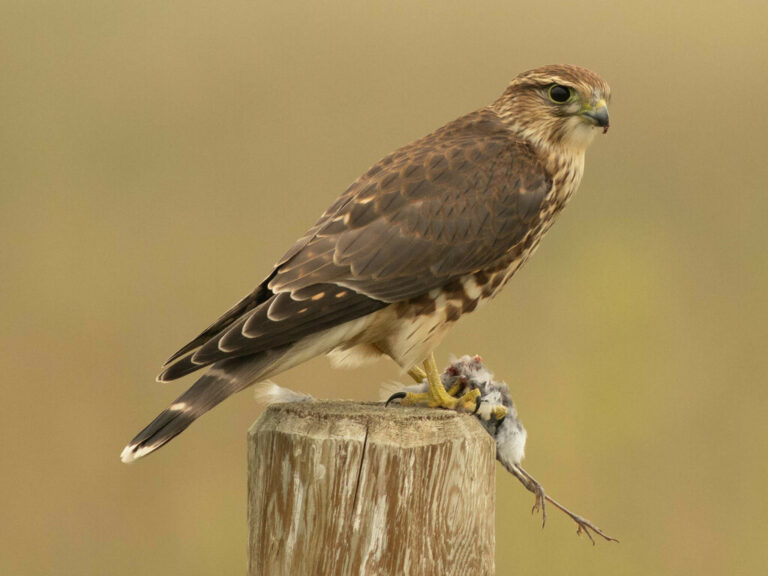
Falco columbarius
♥
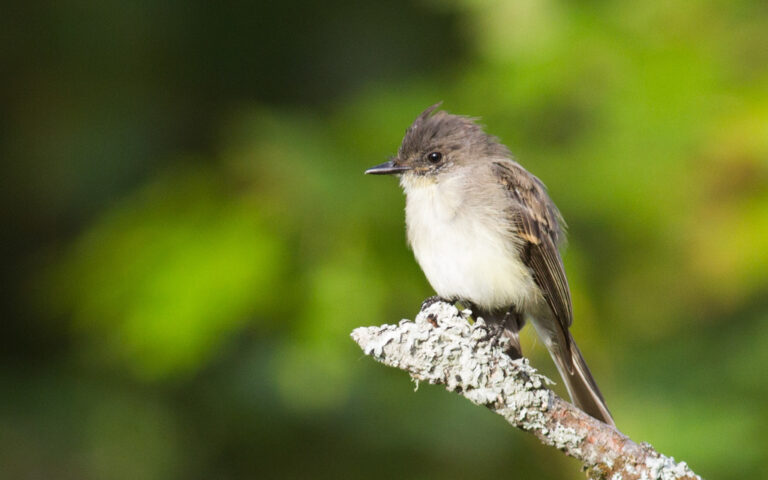
Sayornis phoebe
♥
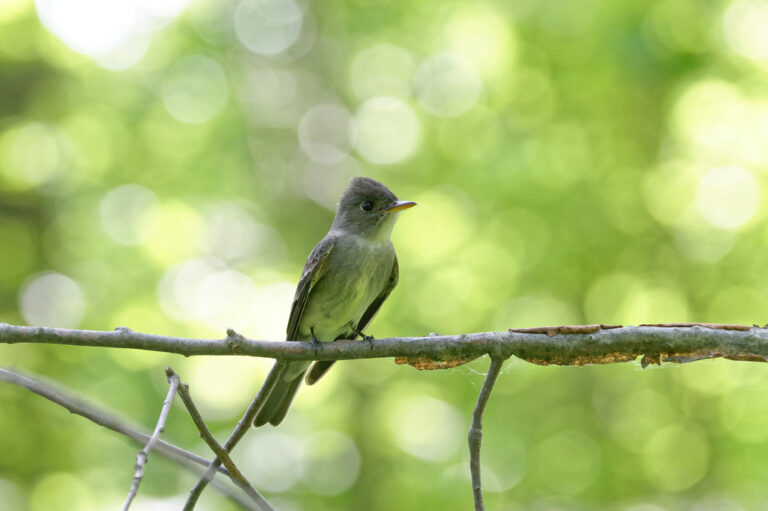
Contopus virens
♥
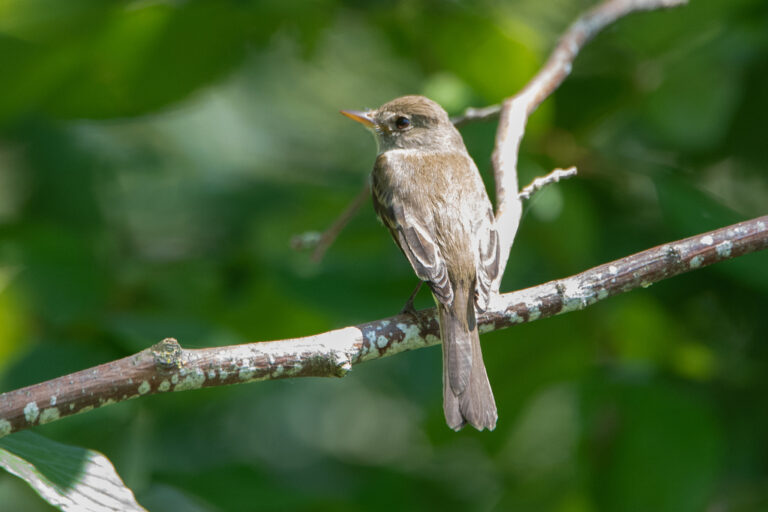
Empidonax traillii
♥
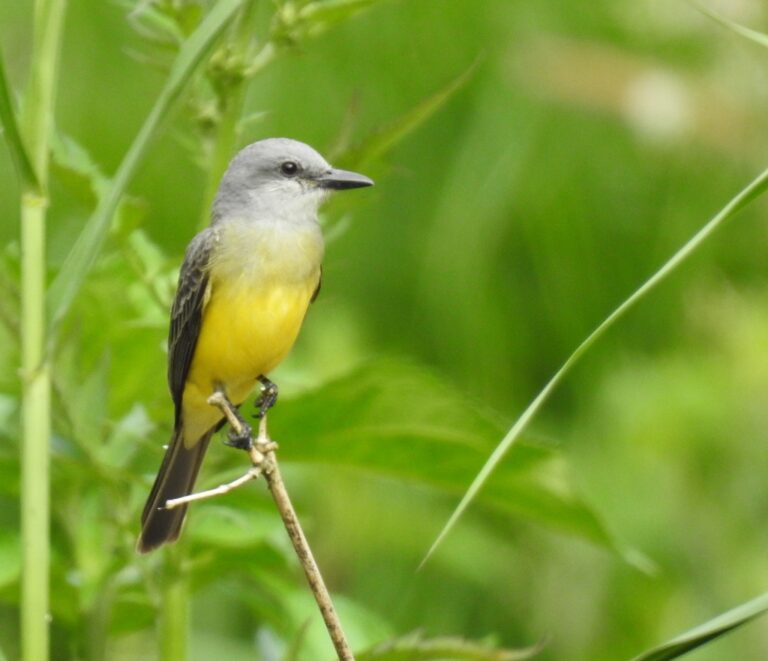
Tyrannus melancholicus
♥
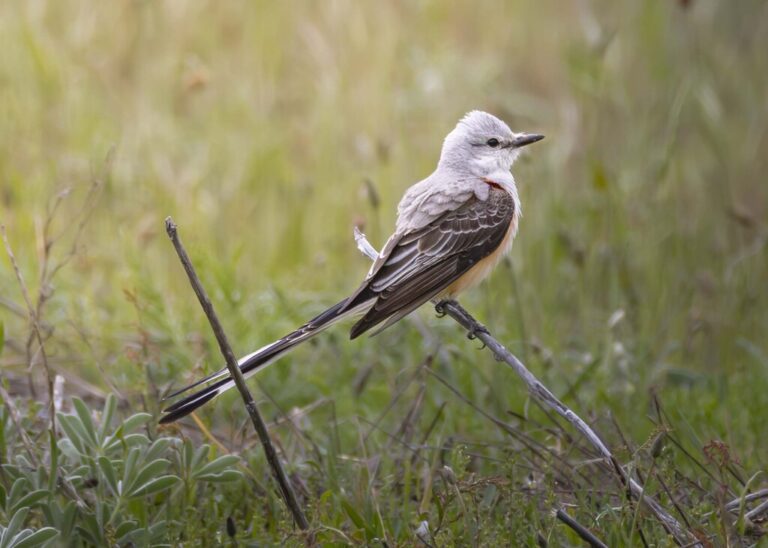
Tyrannus forficatus
♥
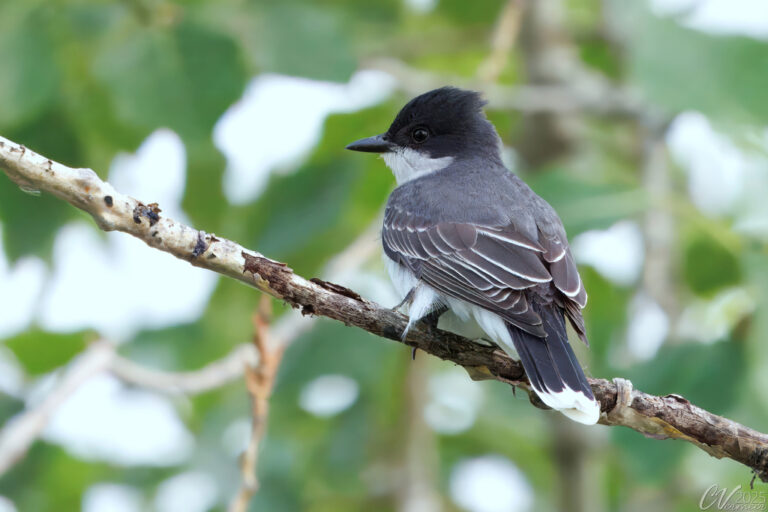
Tyrannus tyrannus
♥
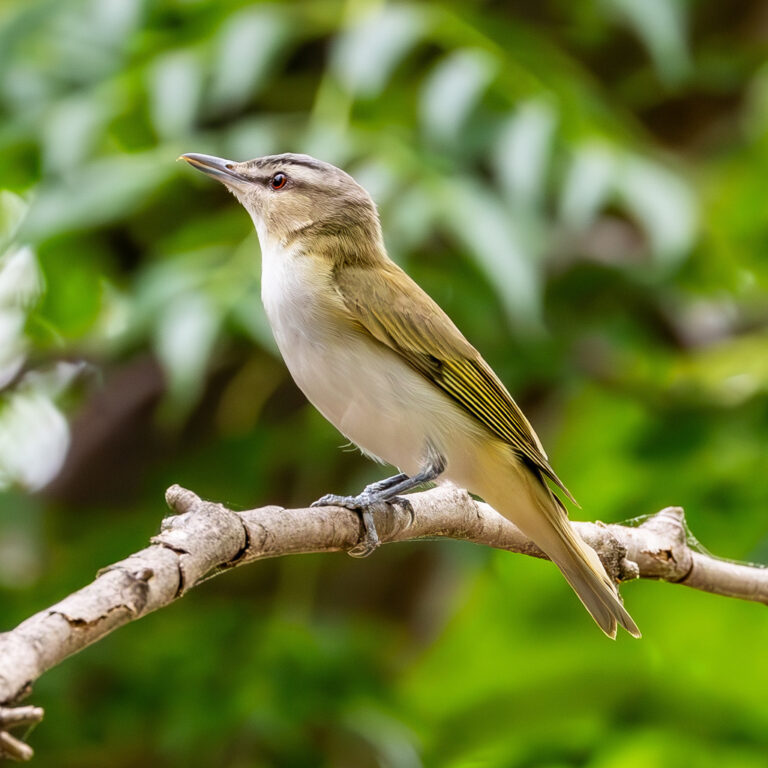
Vireo olivaceus
♥
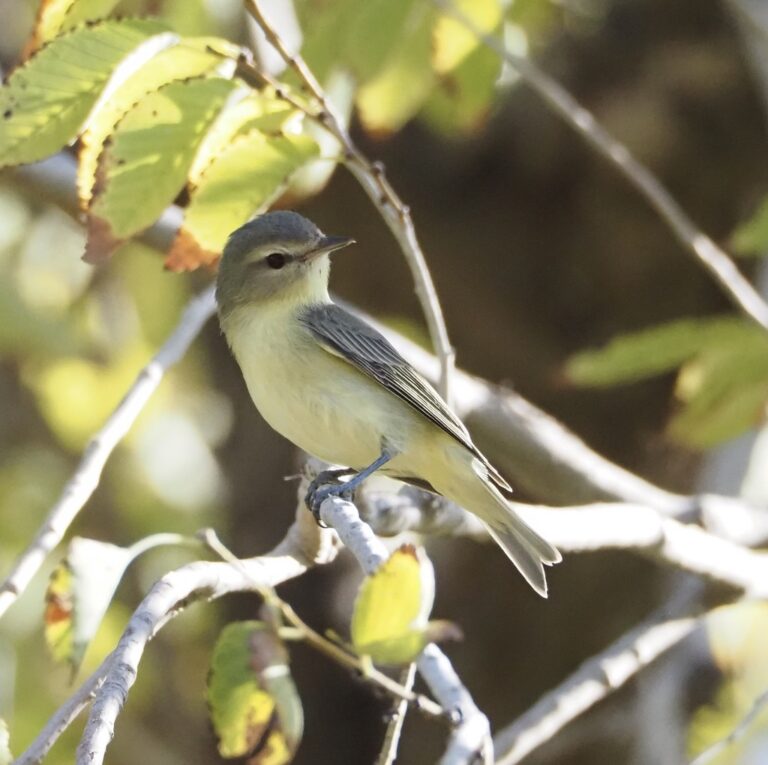
Vireo philadelphicus
♥
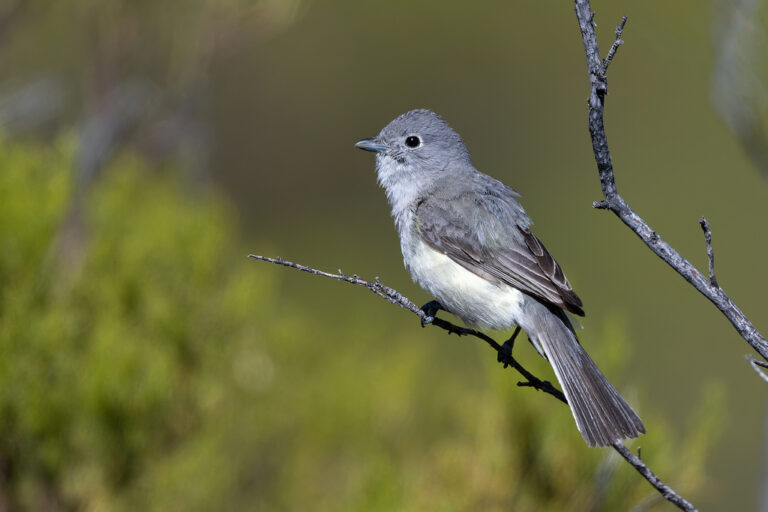
Vireo vicinior
♥
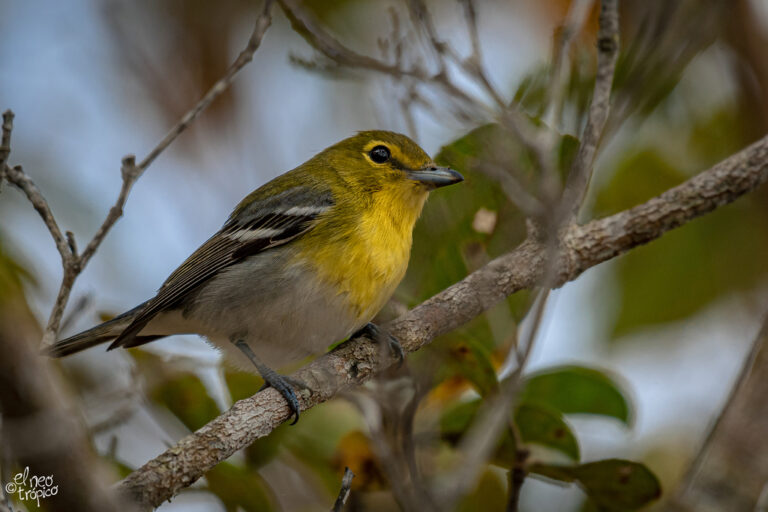
Vireo flavifrons
♥
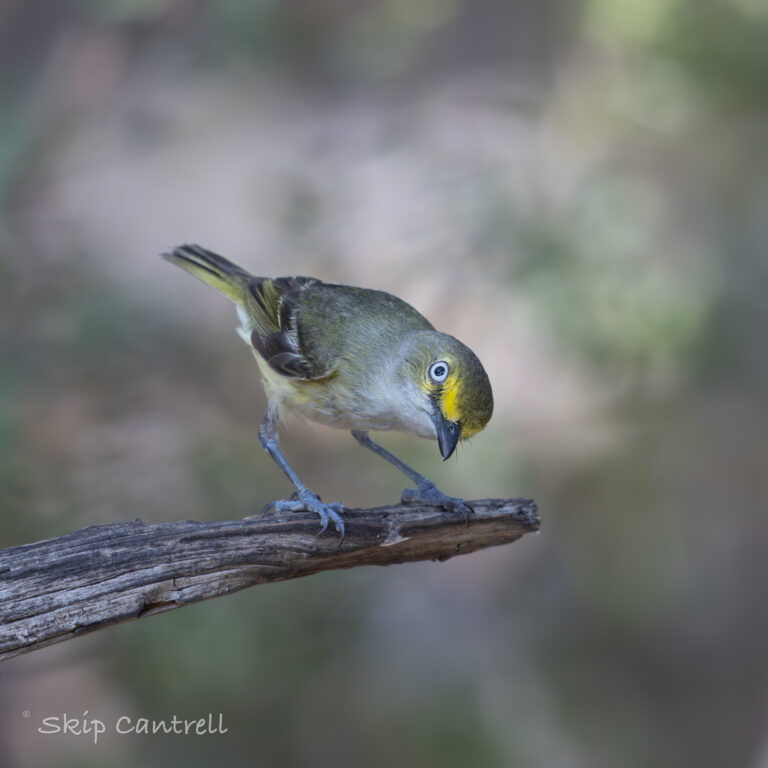
Vireo griseus
♥
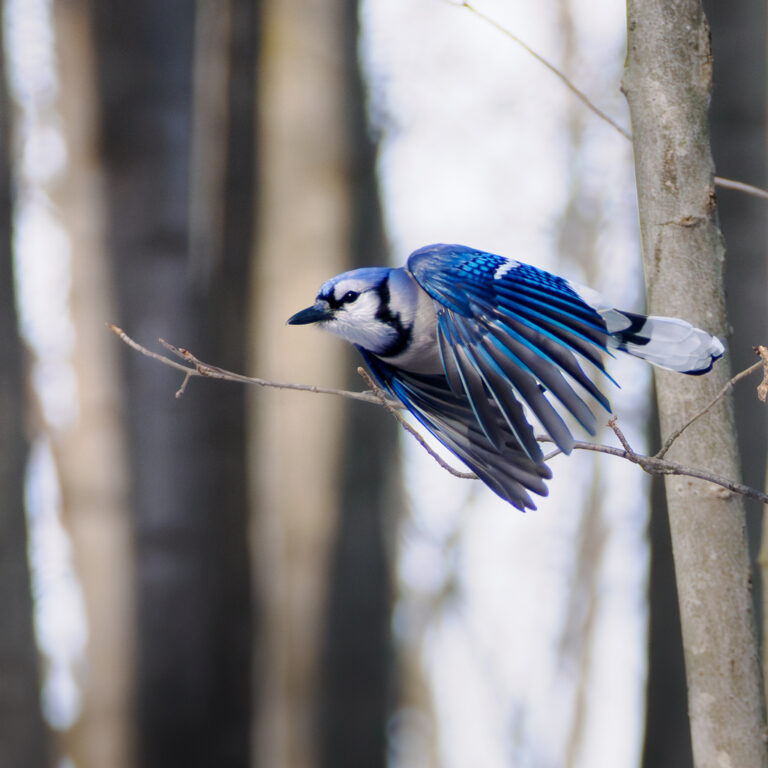
Cyanocitta cristata
♥
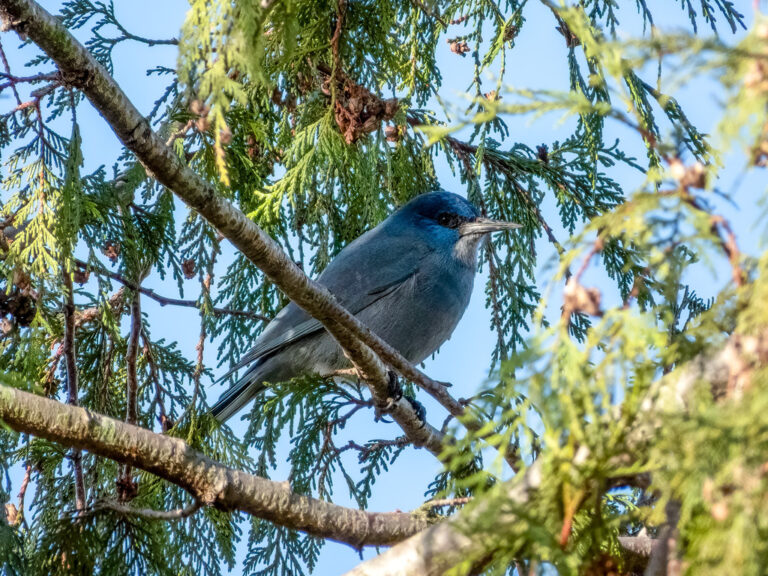
Gymnorhinus cyanocephalus
♥
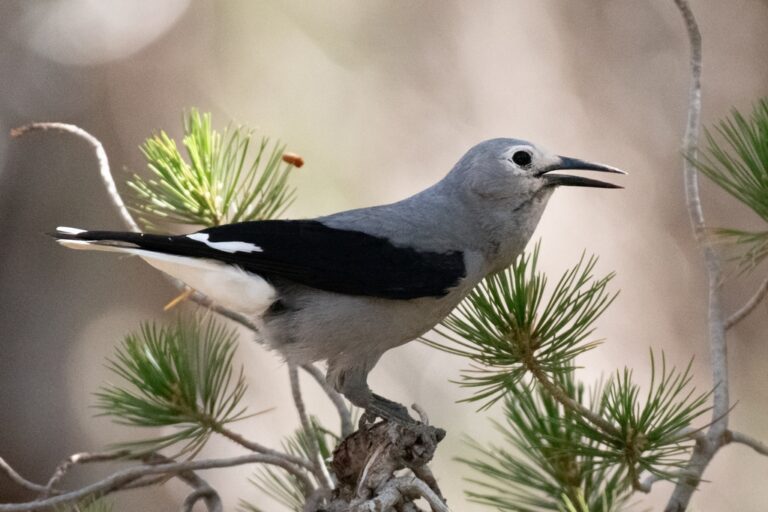
Nucifraga columbiana
♥
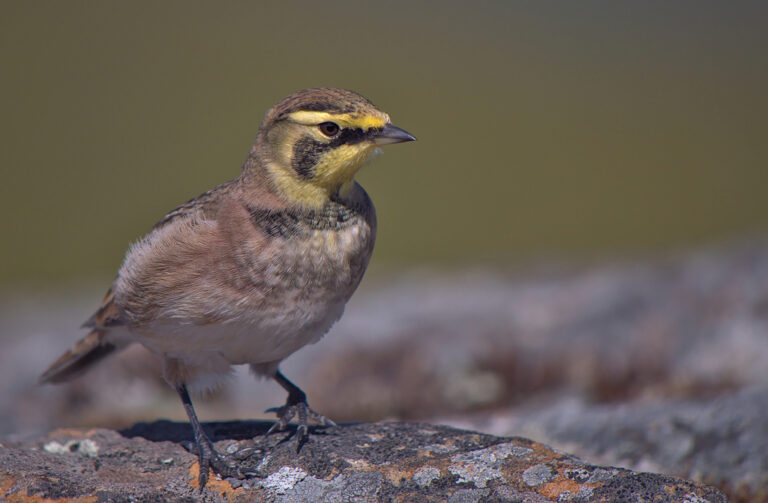
Eremophila alpestris
♥
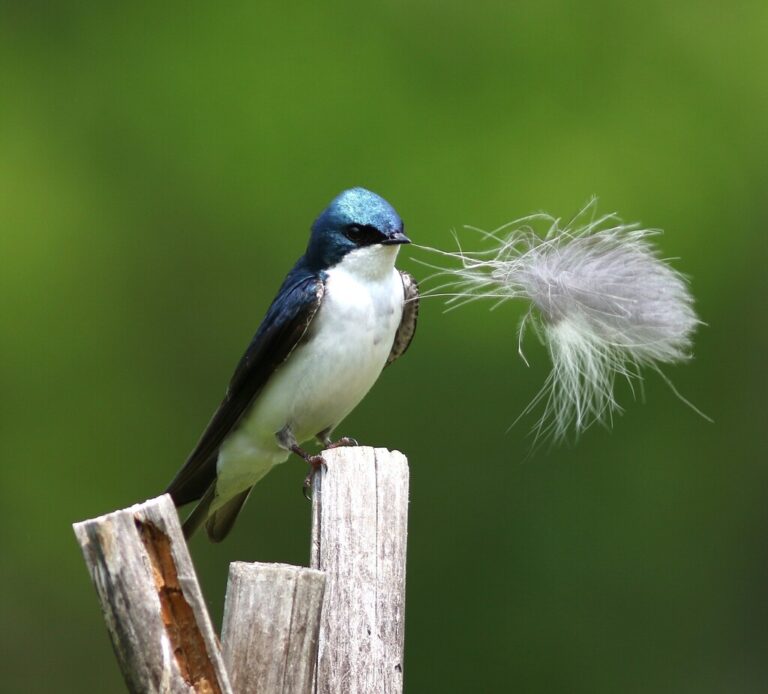
Tachycineta bicolor
♥
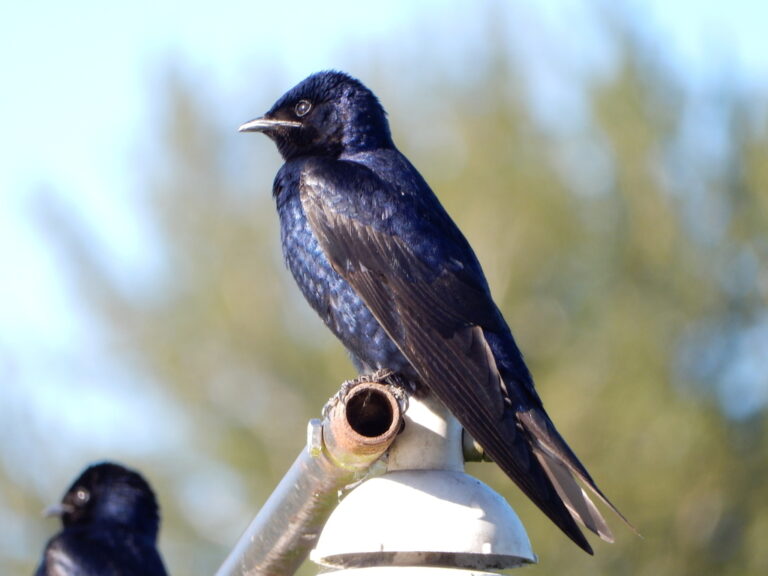
Progne subis
♥
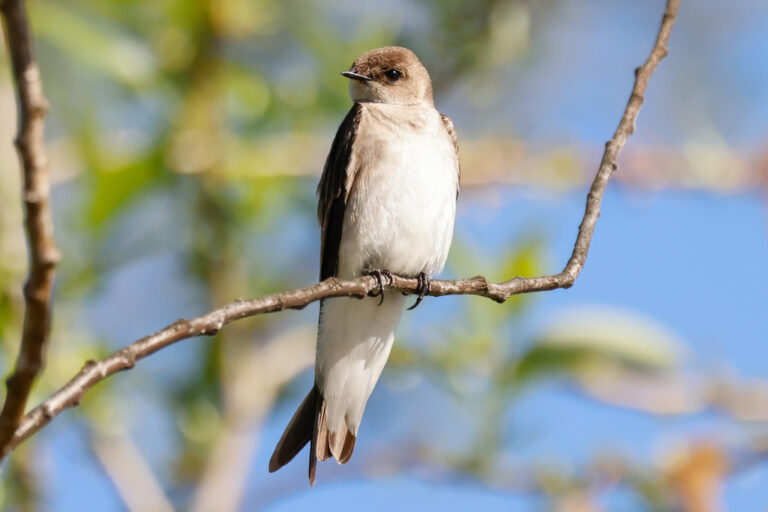
Stelgidopteryx serripennis
♥
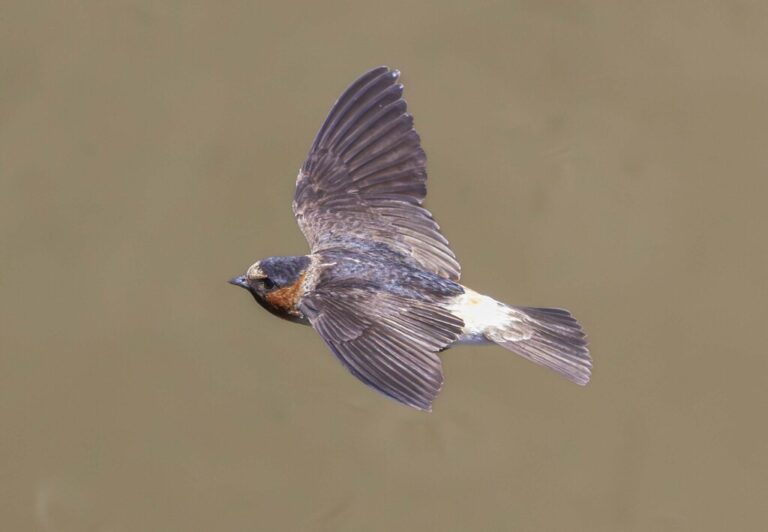
Petrochelidon pyrrhonota
♥
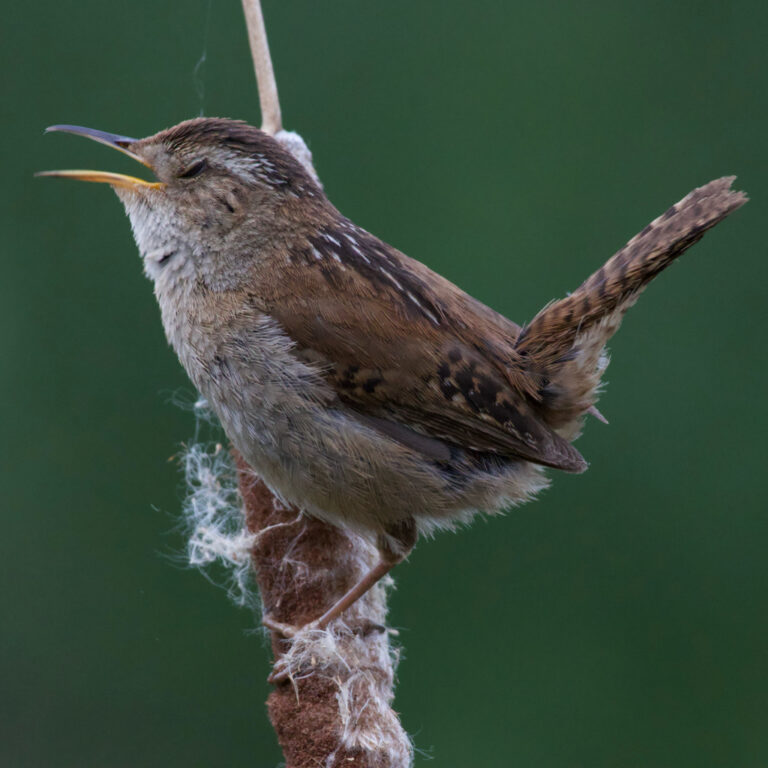
Cistothorus palustris
♥
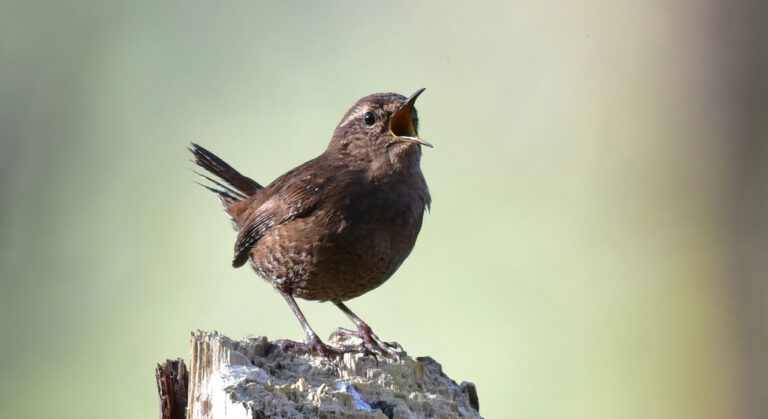
Troglodytes pacificus
♥
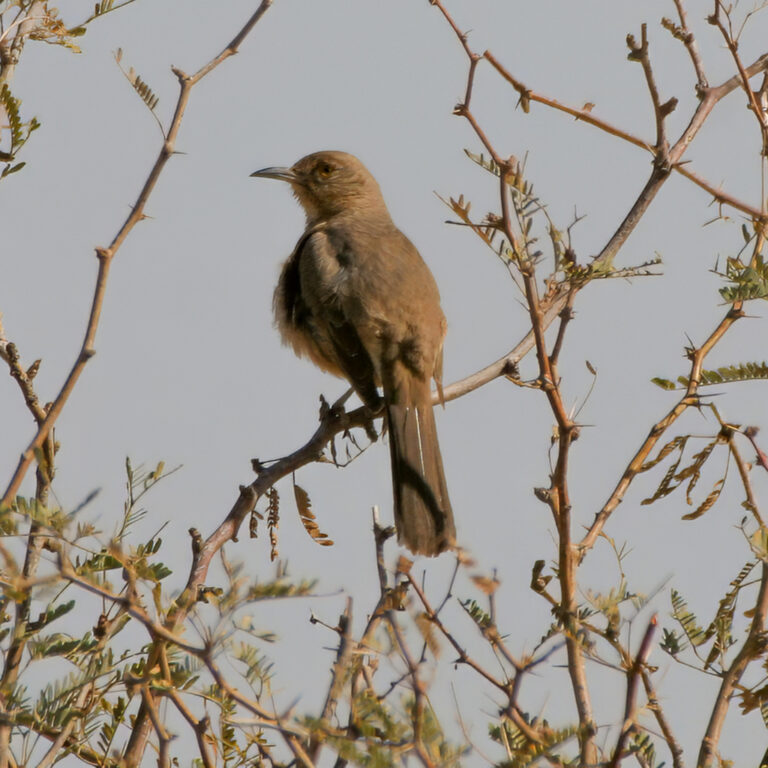
Toxostoma bendirei
♥
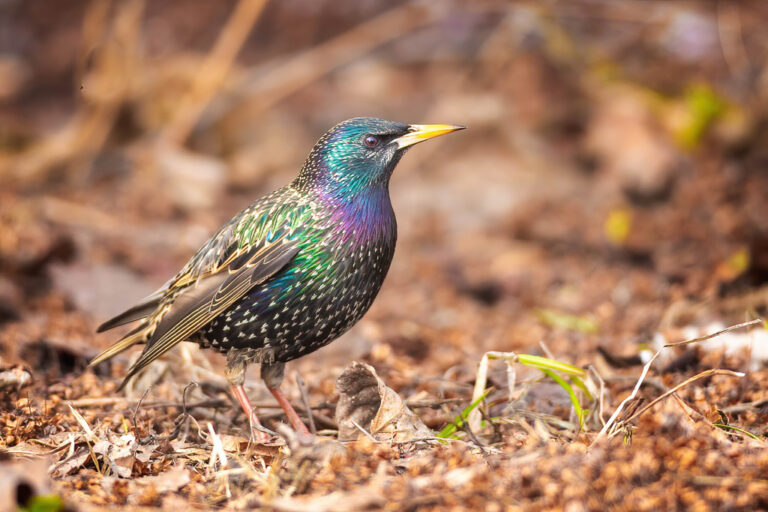
Sturnus vulgaris
♥
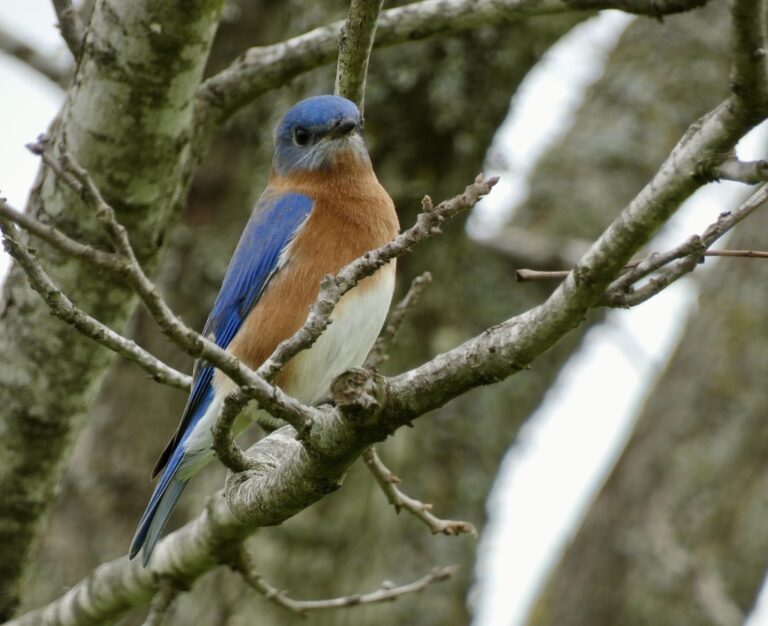
Sialia sialis
♥
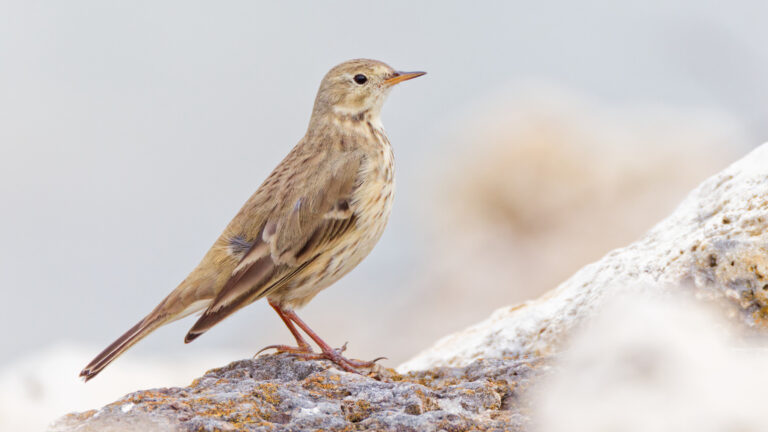
Anthus rubescens
♥
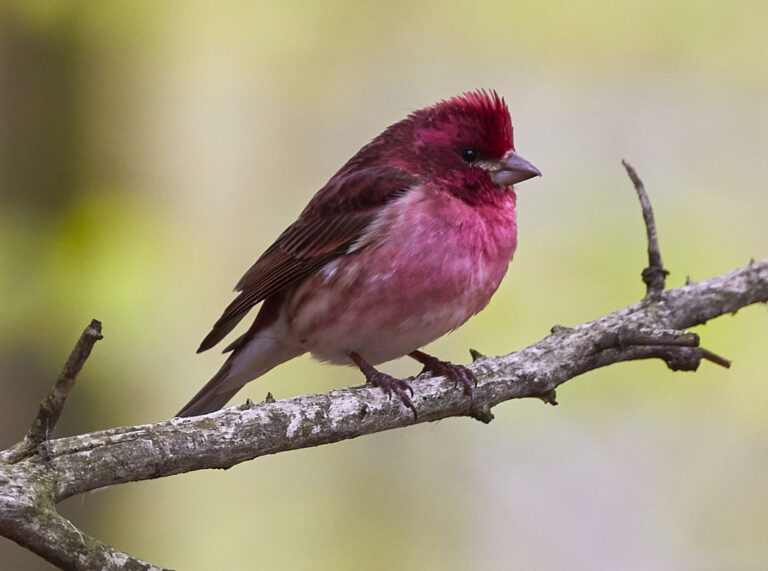
Haemorhous purpureus
♥
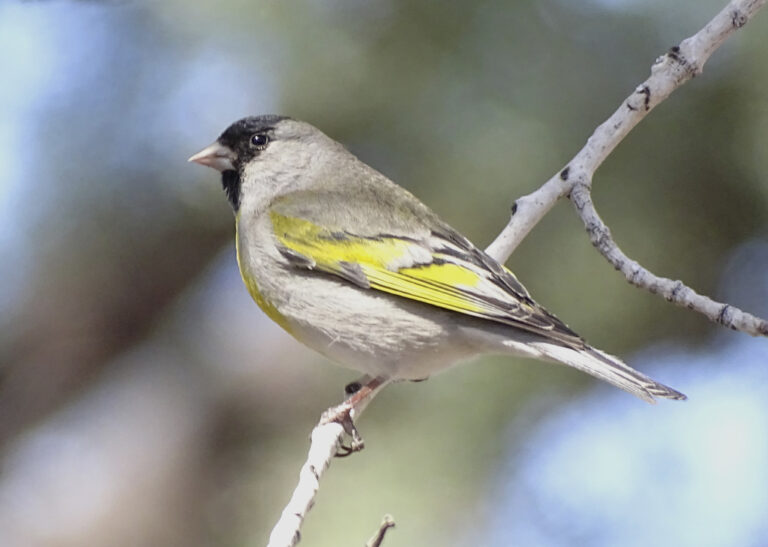
Spinus lawrencei
♥
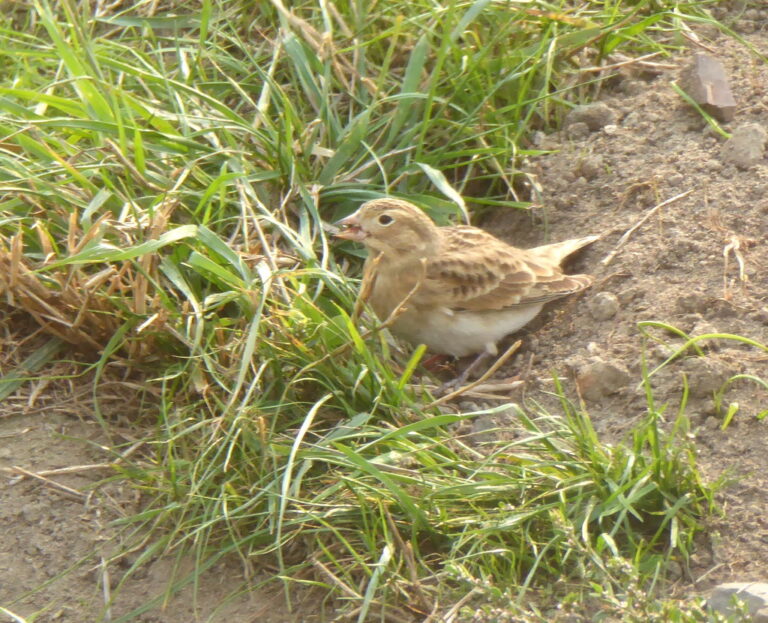
Rhynchophanes mccownii
♥
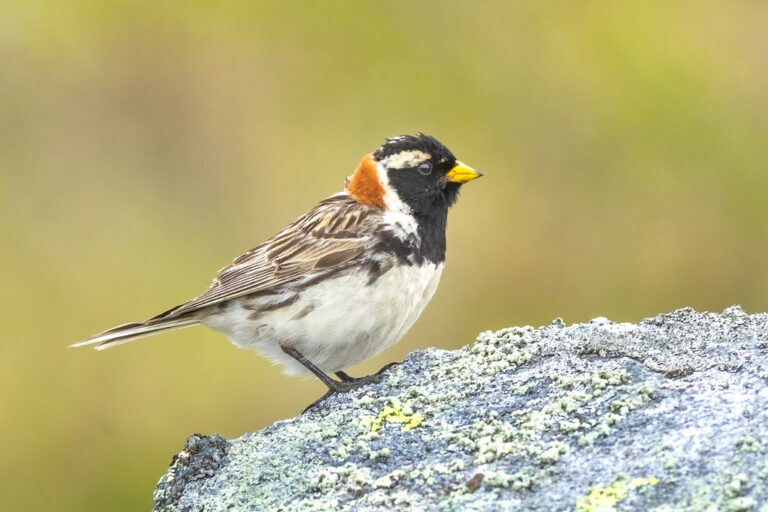
Calcarius lapponicus
♥
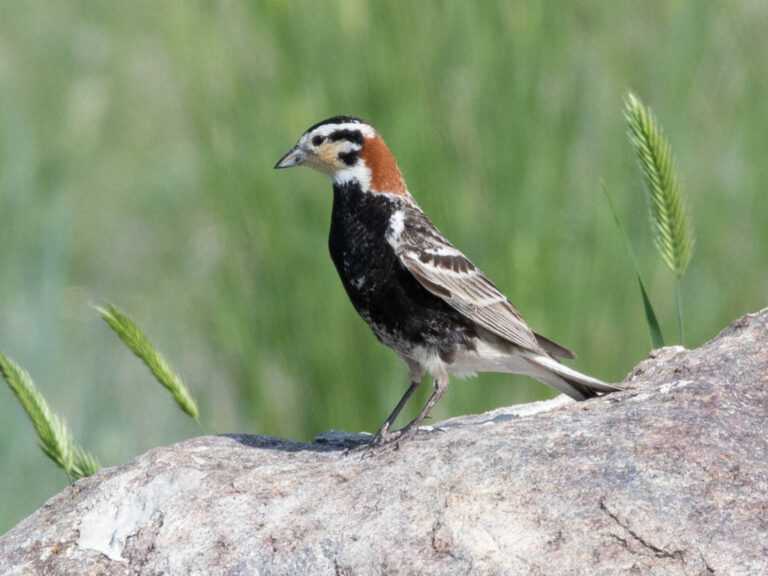
Calcarius ornatus
♥
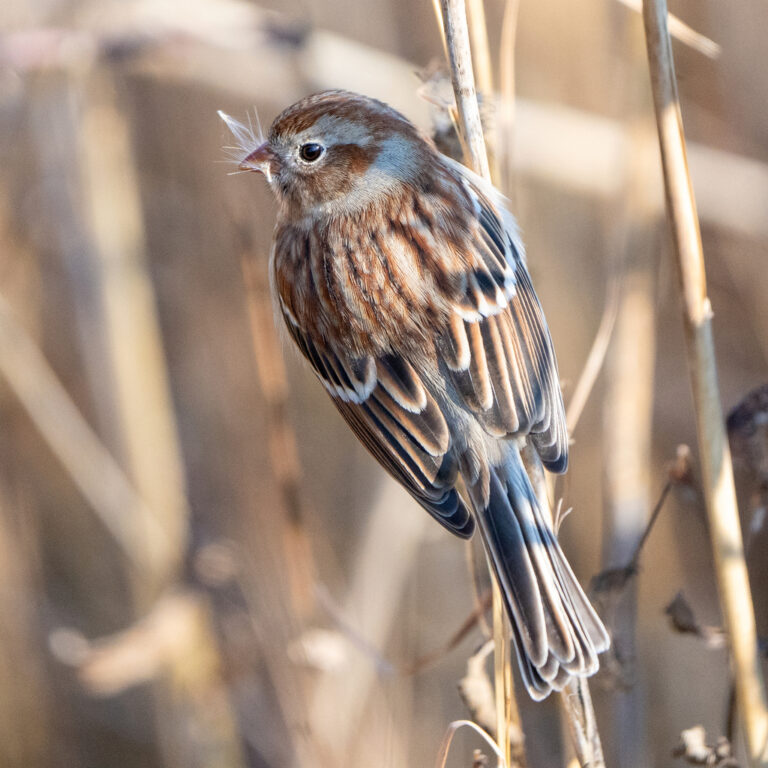
Spizella pusilla
♥
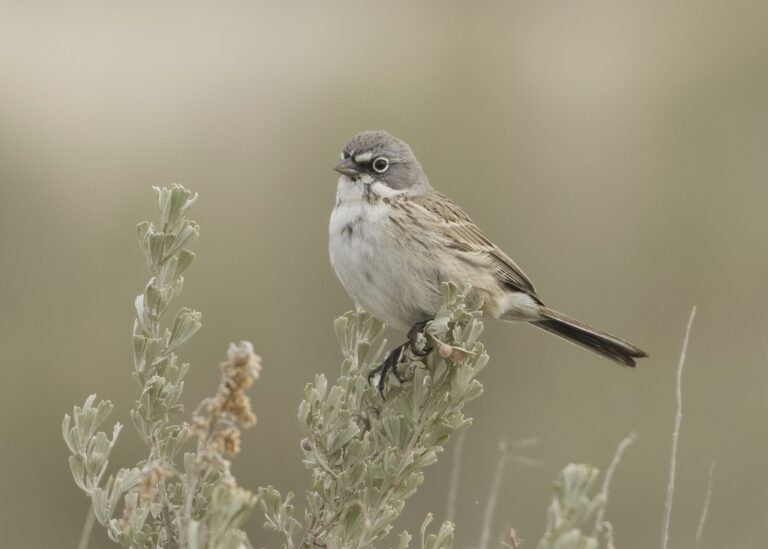
Artemisiospiza nevadensis
♥
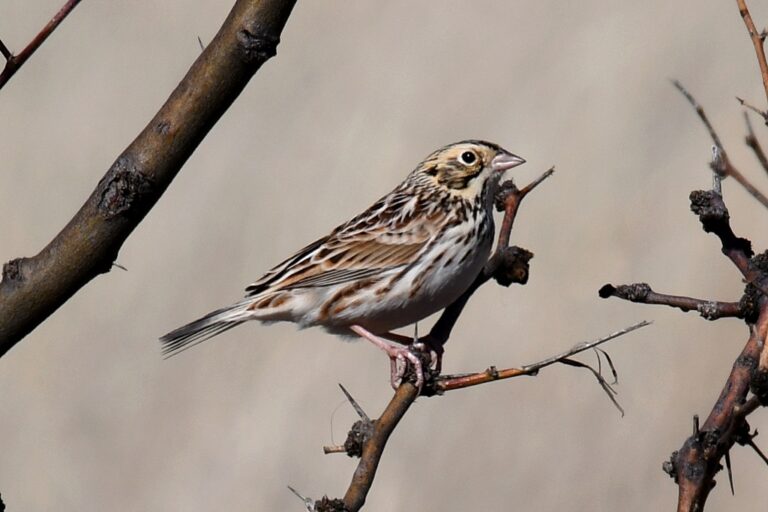
Centronyx bairdii
♥
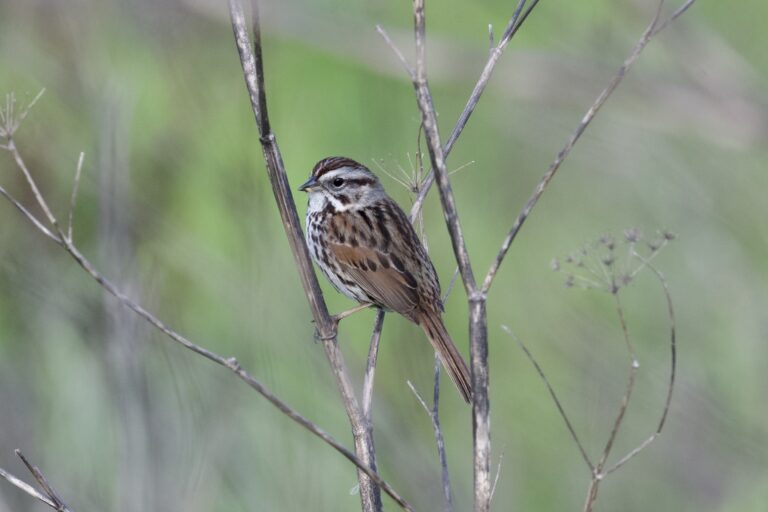
Melospiza melodia
♥
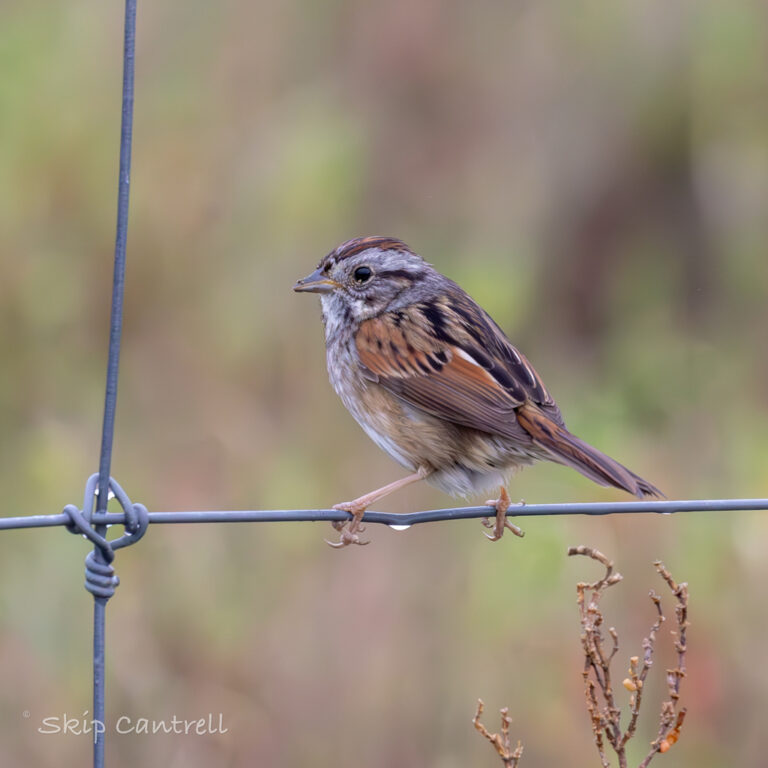
Melospiza georgiana
♥
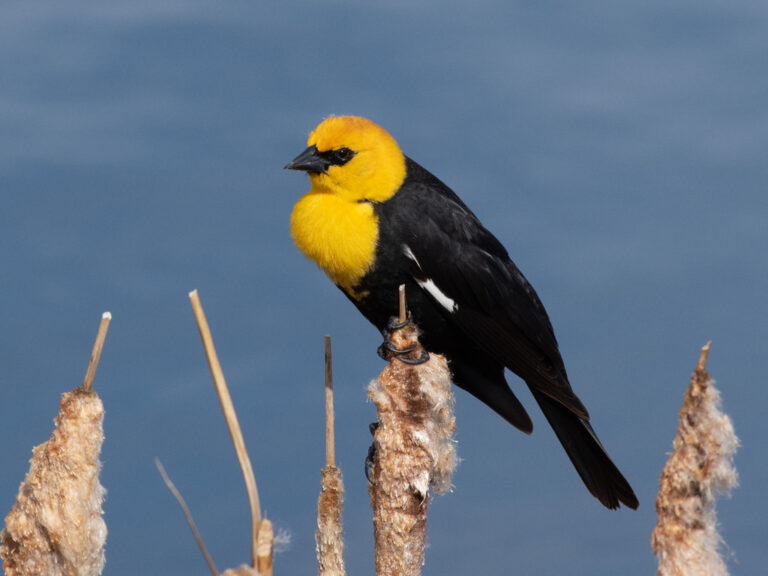
Xanthocephalus xanthocephalus
♥
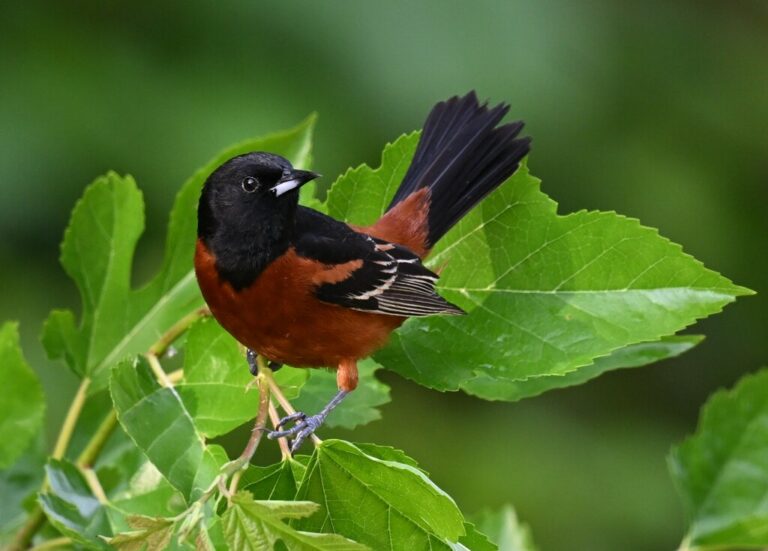
Icterus spurius
♥
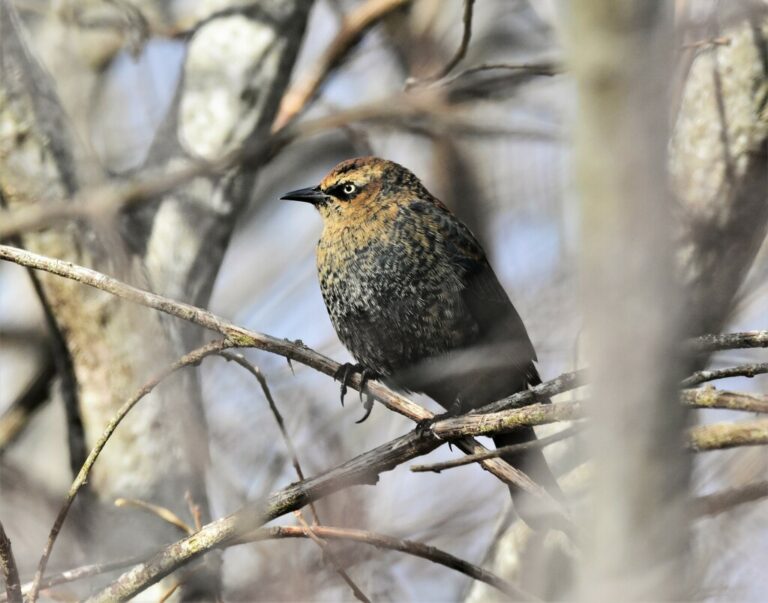
Euphagus carolinus
♥
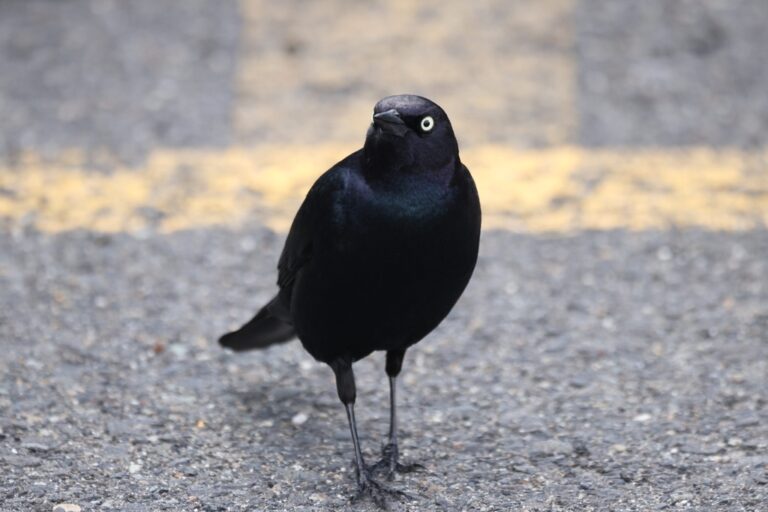
Euphagus cyanocephalus
♥
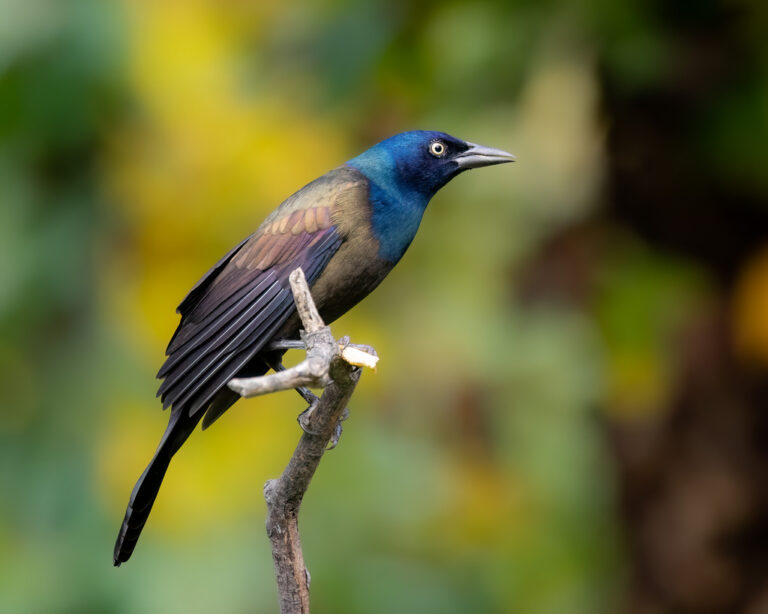
Quiscalus quiscula
♥
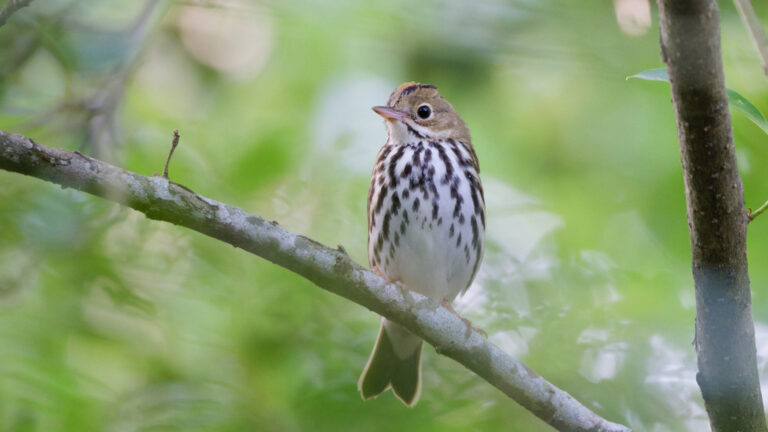
Seiurus aurocapilla
♥
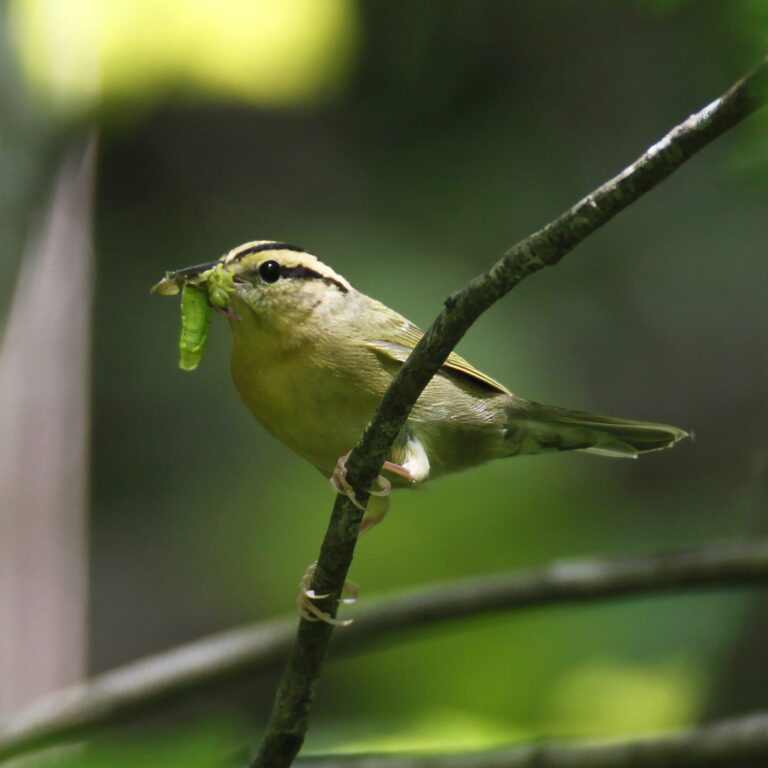
Helmitheros vermivorum
♥
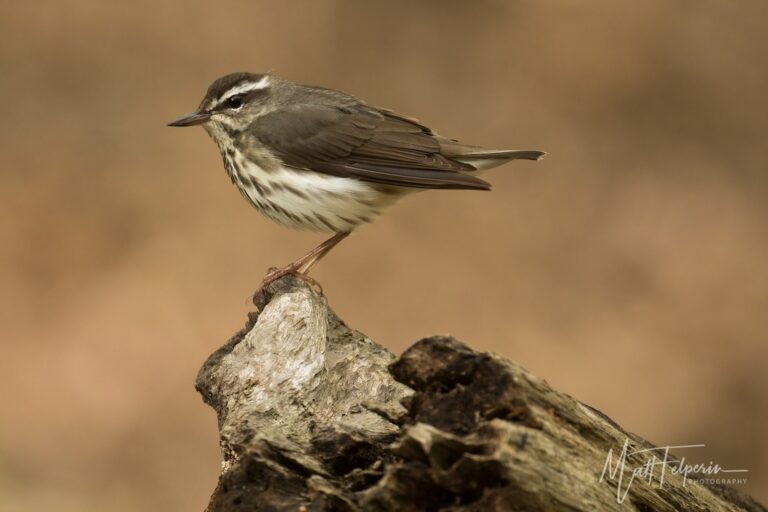
Parkesia motacilla
♥
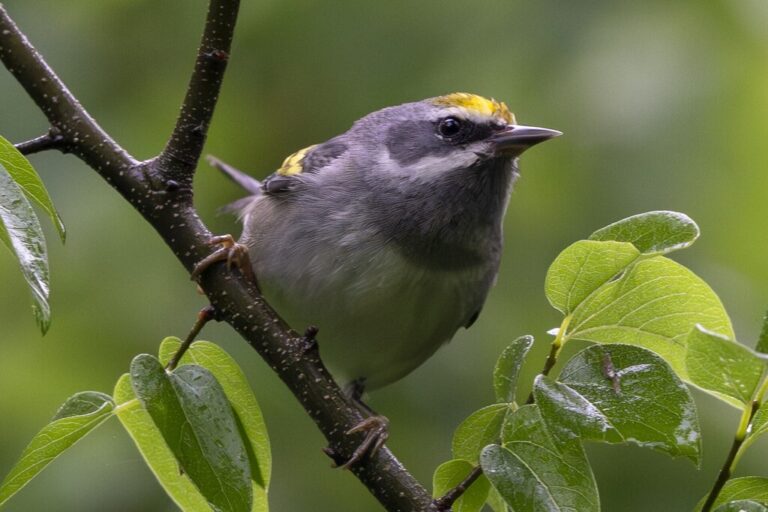
Vermivora chrysoptera
♥
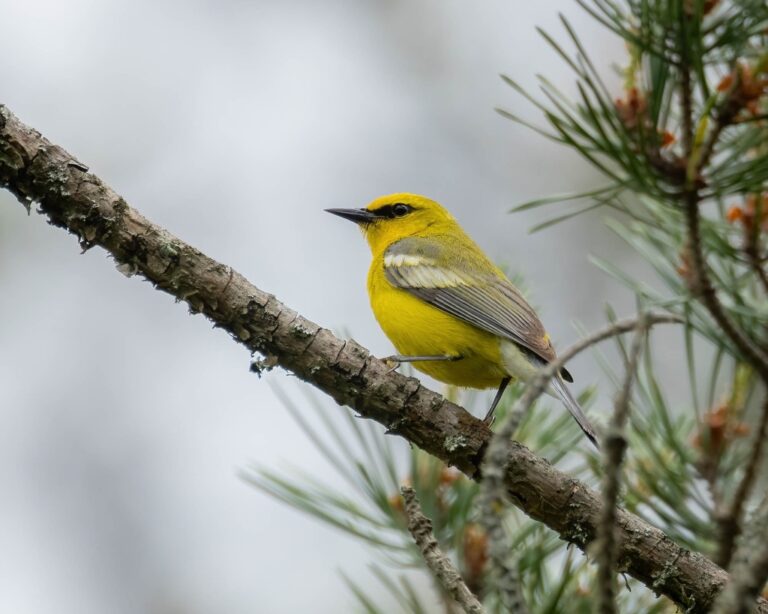
Vermivora cyanoptera
♥
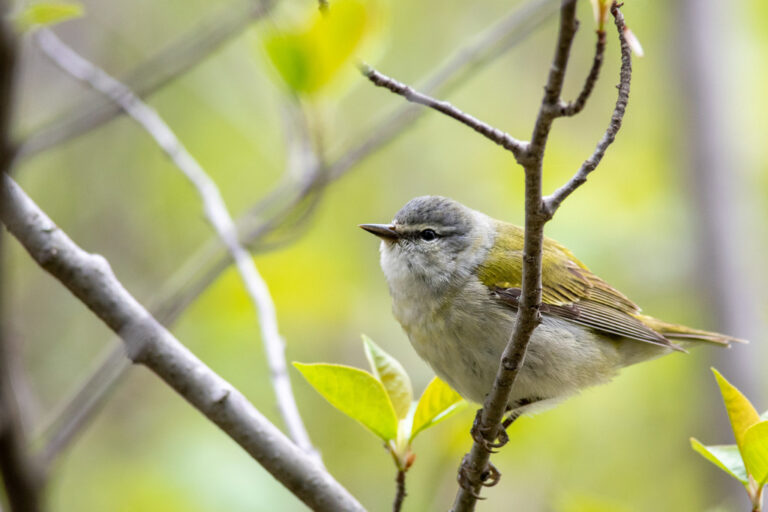
Leiothlypis peregrina
♥
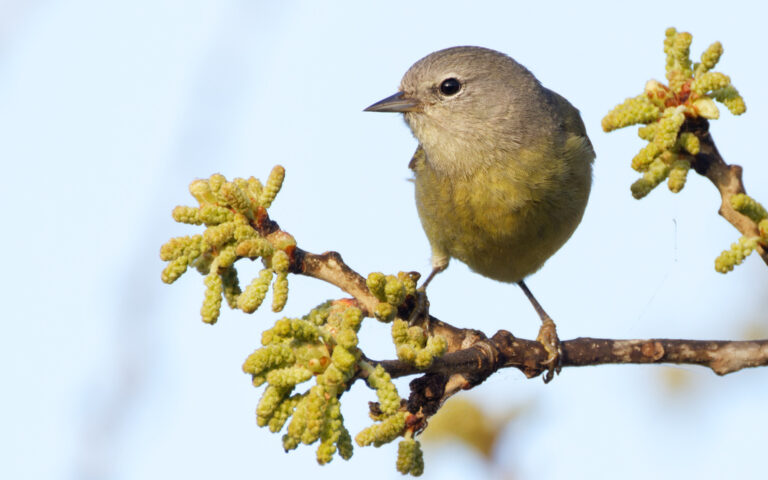
Leiothlypis celata
♥
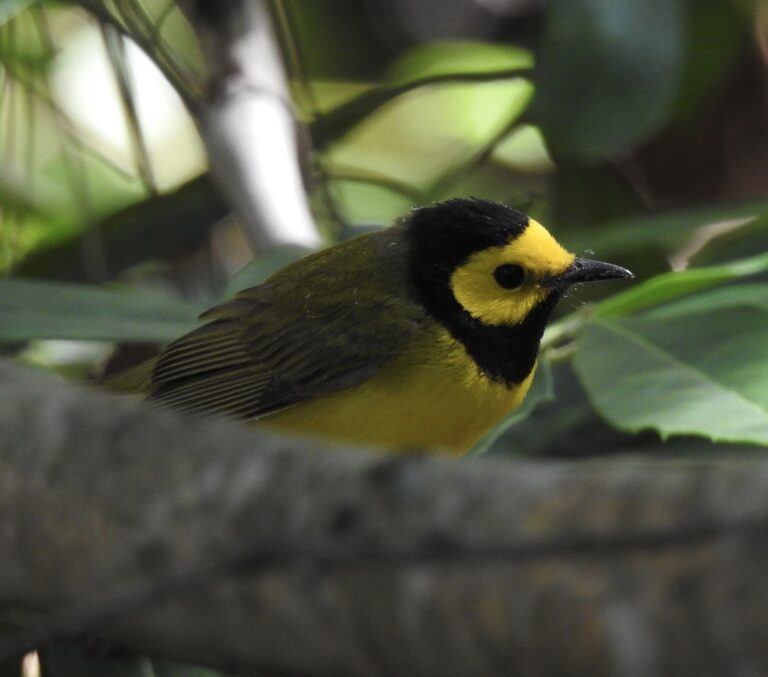
Setophaga citrina
♥
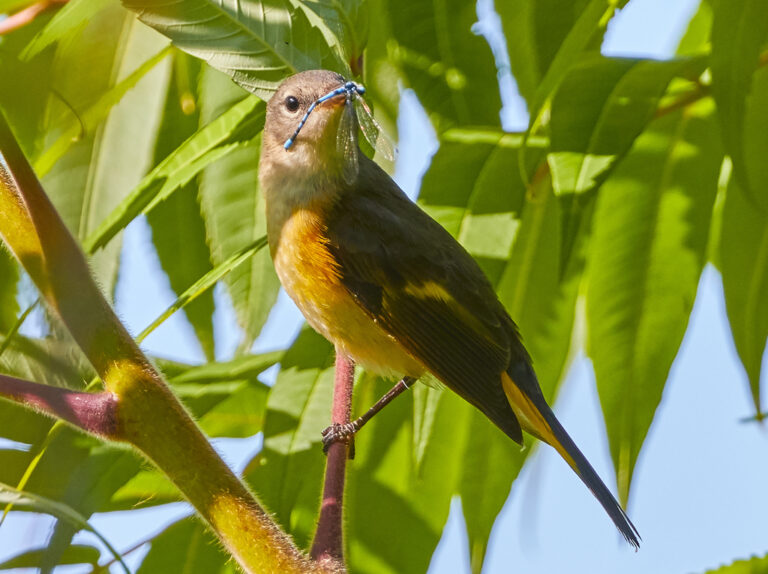
Setophaga ruticilla
♥
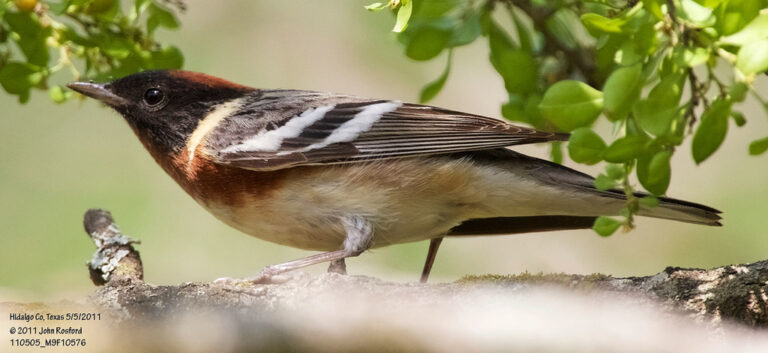
Setophaga castanea
♥
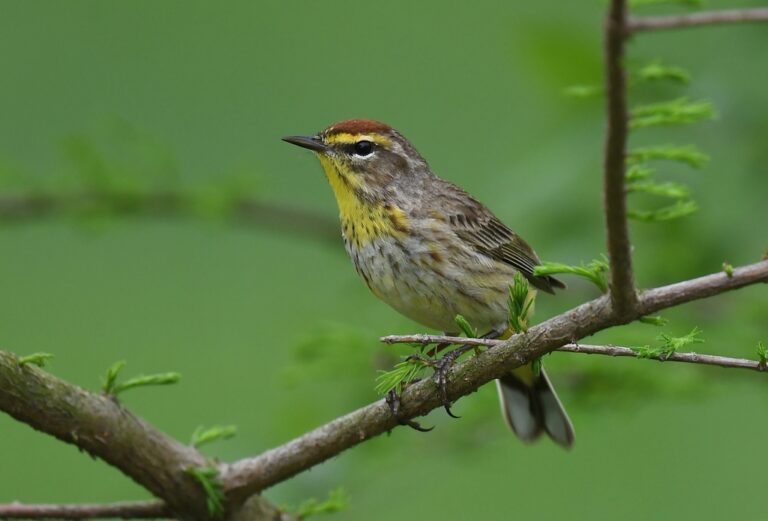
Setophaga palmarum
♥
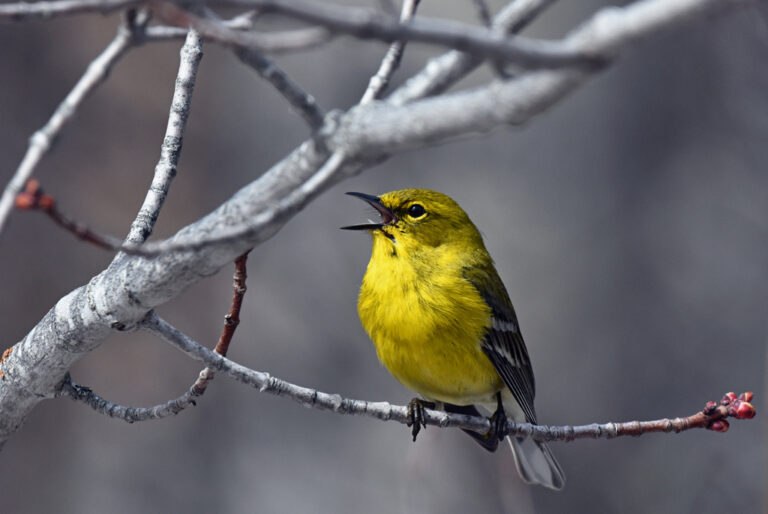
Setophaga pinus
♥
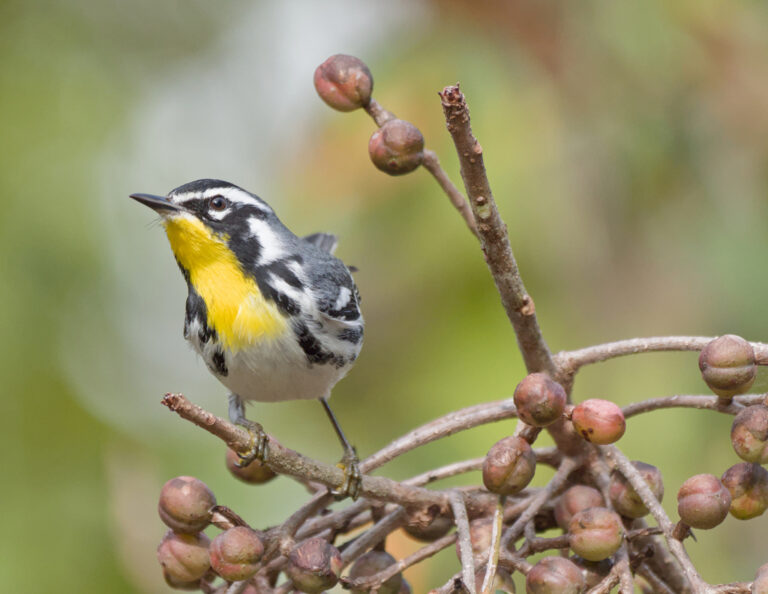
Setophaga dominica
♥
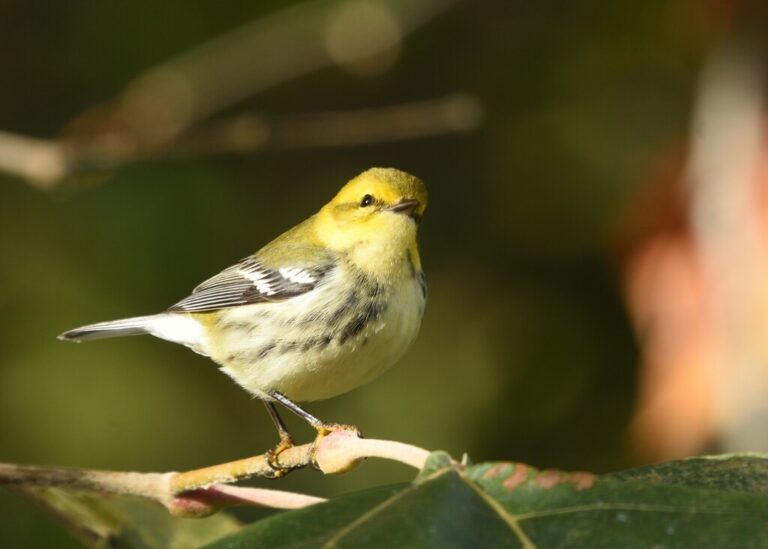
Setophaga virens
♥
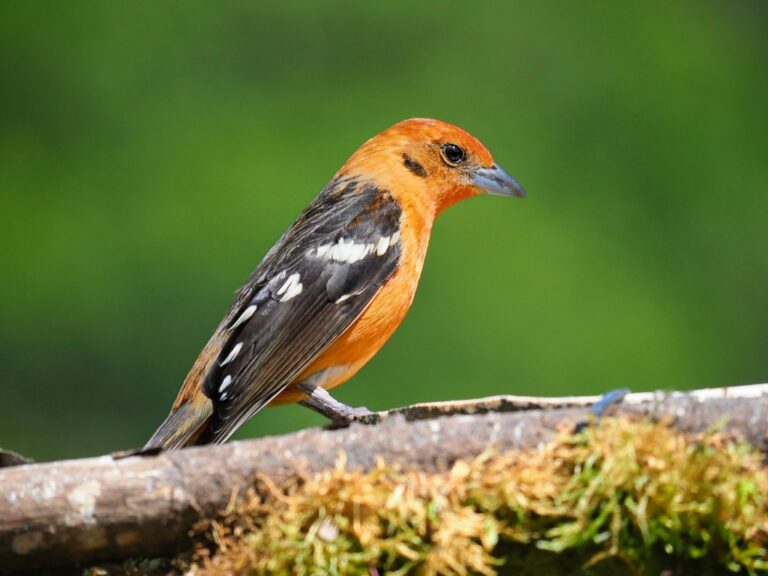
Piranga bidentata
♥
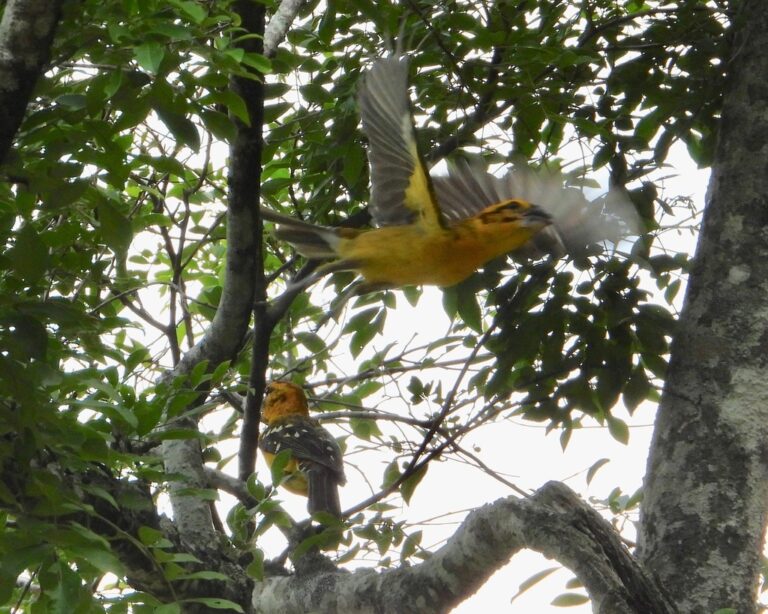
Pheucticus chrysopeplus
♥
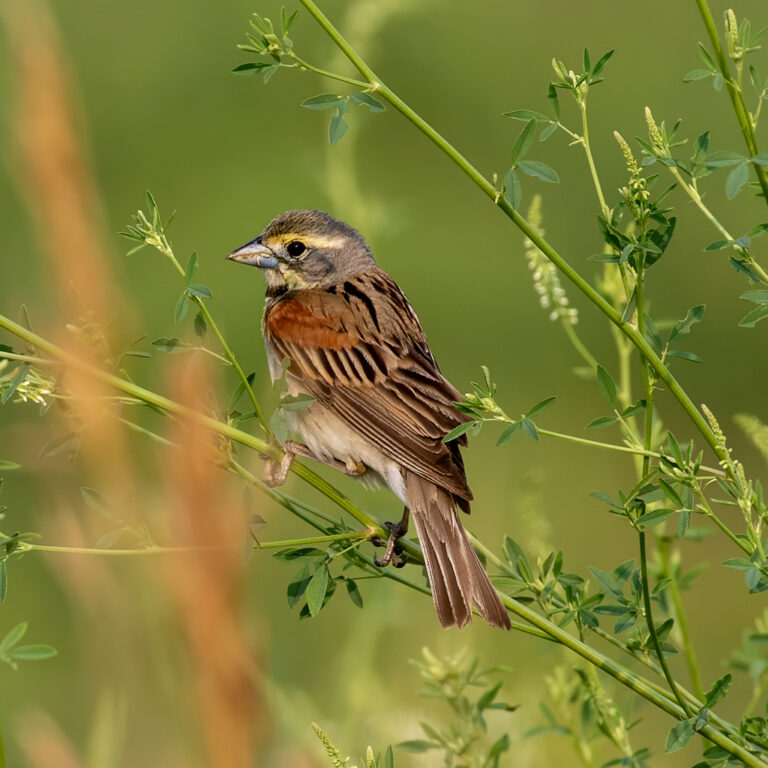
Spiza americana
♥
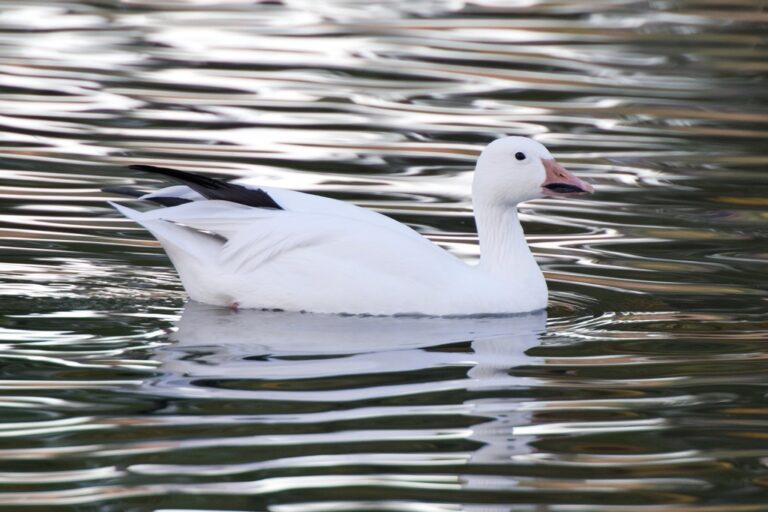
Anser caerulescens
♥
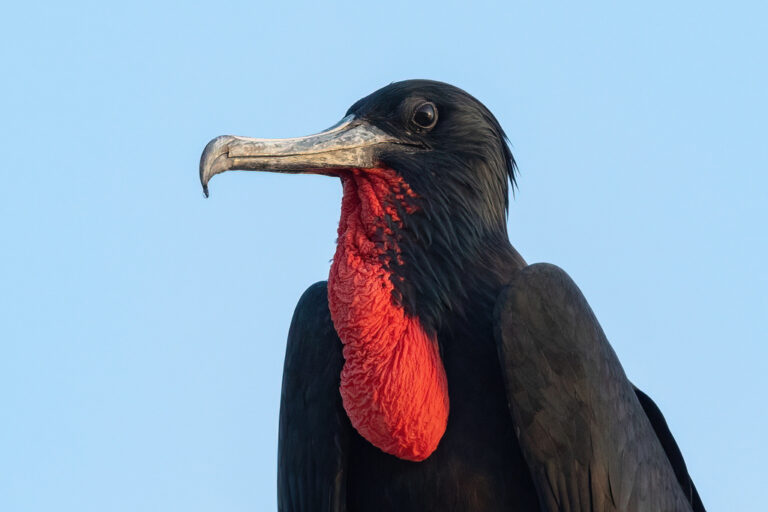
Fregata magnificens
♥
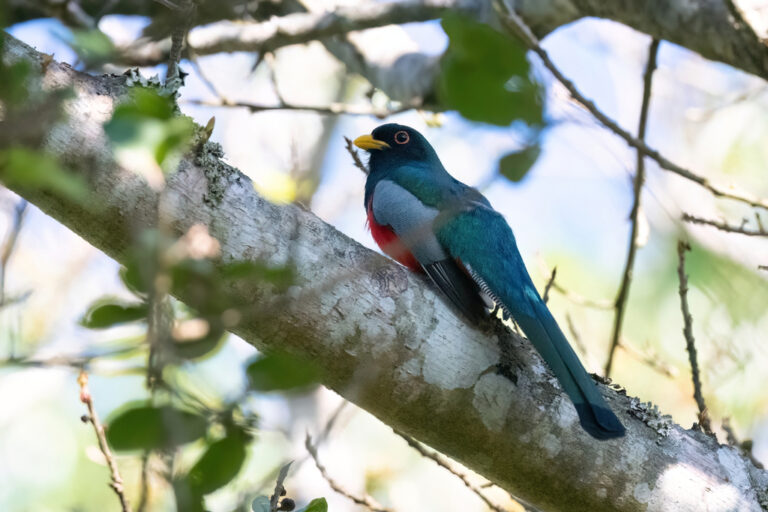
Trogon elegans
♥
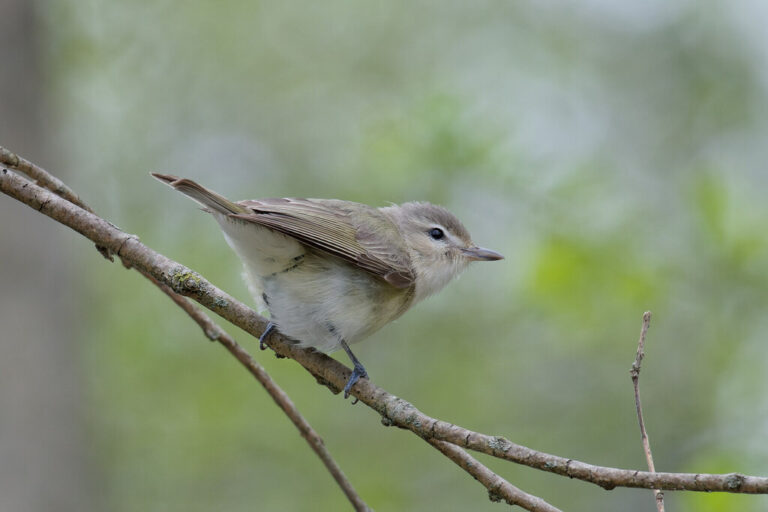
Vireo gilvus
♥
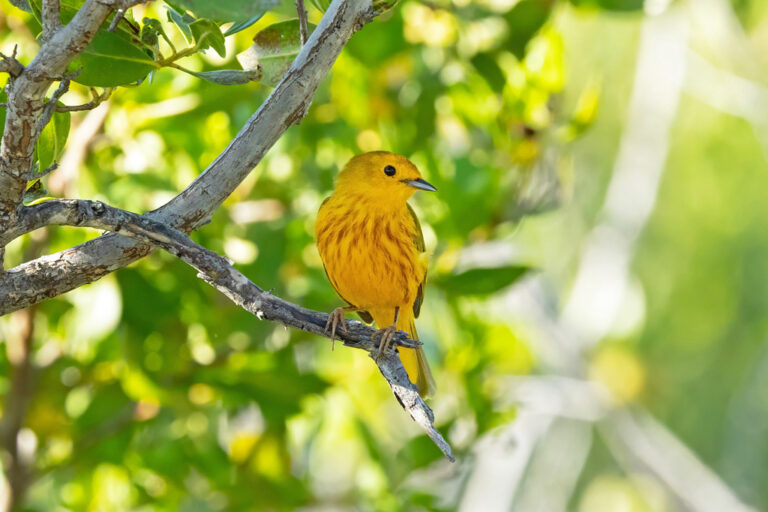
Setophaga petechia
♥
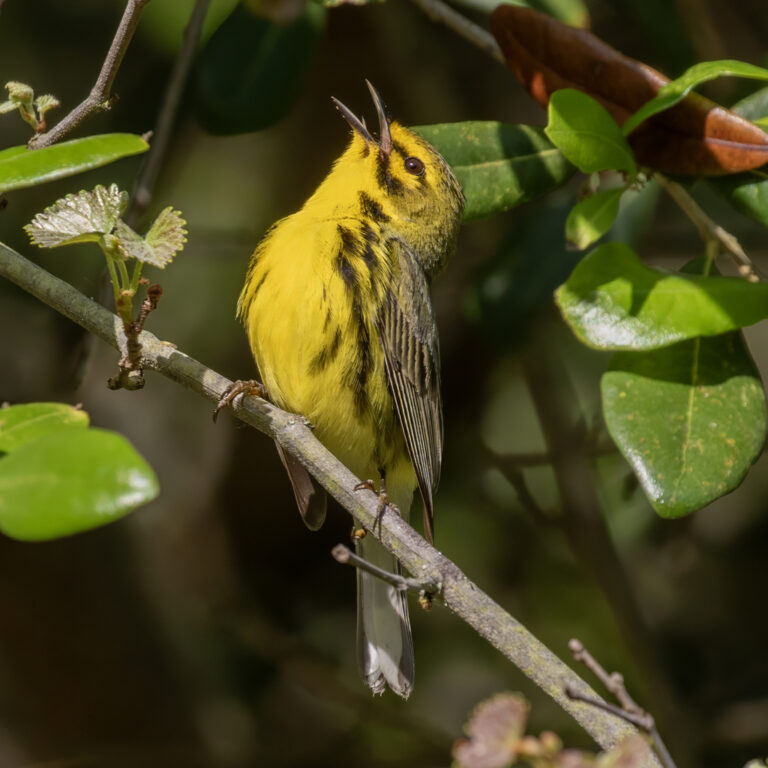
Setophaga discolor
♥
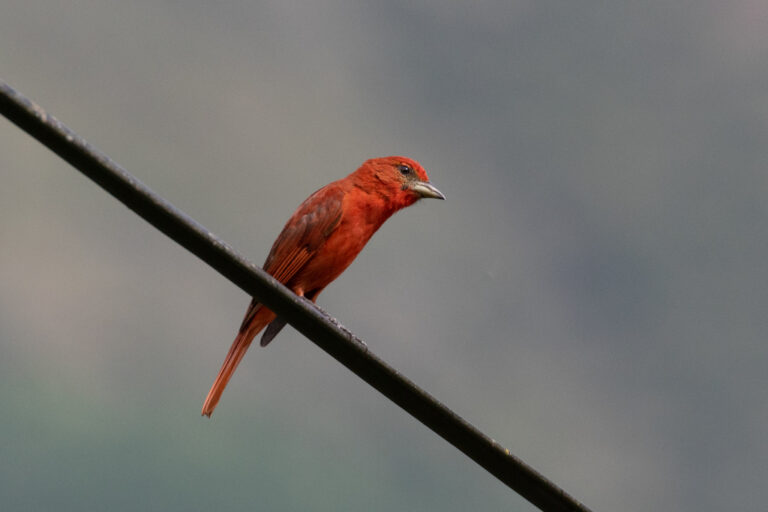
Piranga hepatica
♥
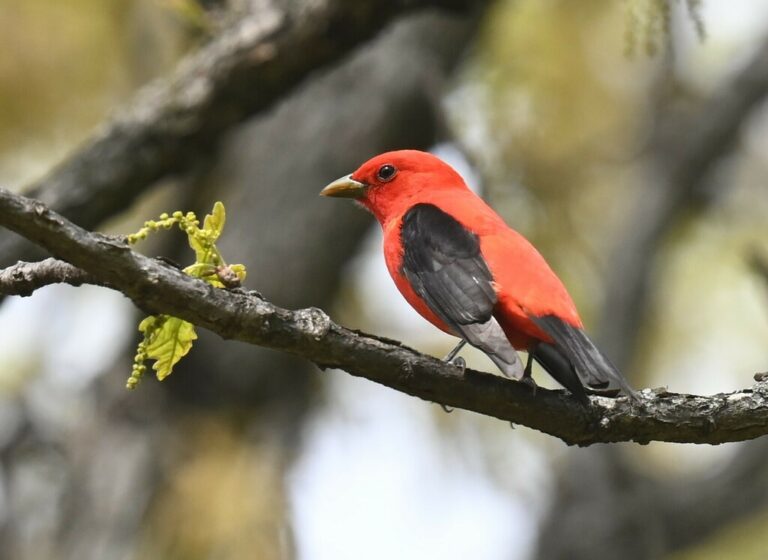
Piranga olivacea
♥
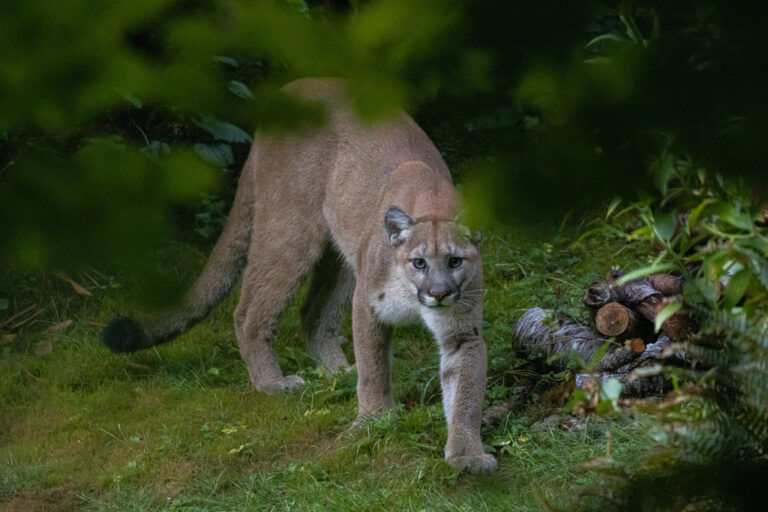
Puma concolor
♥
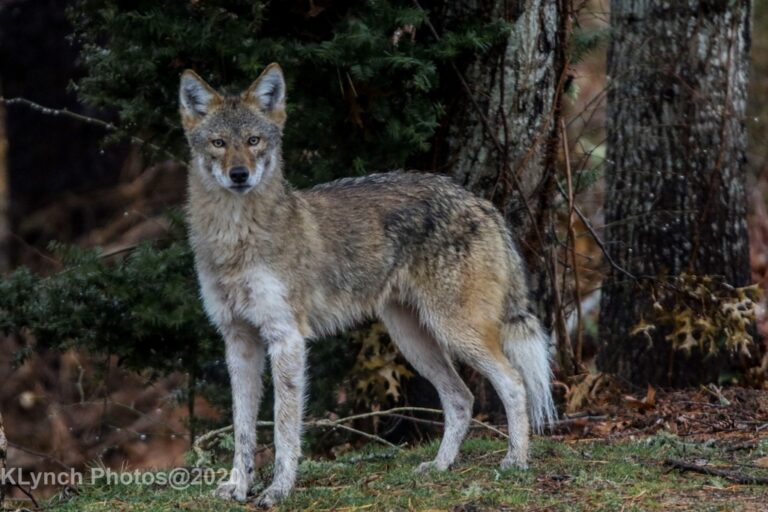
Canis latrans
♥
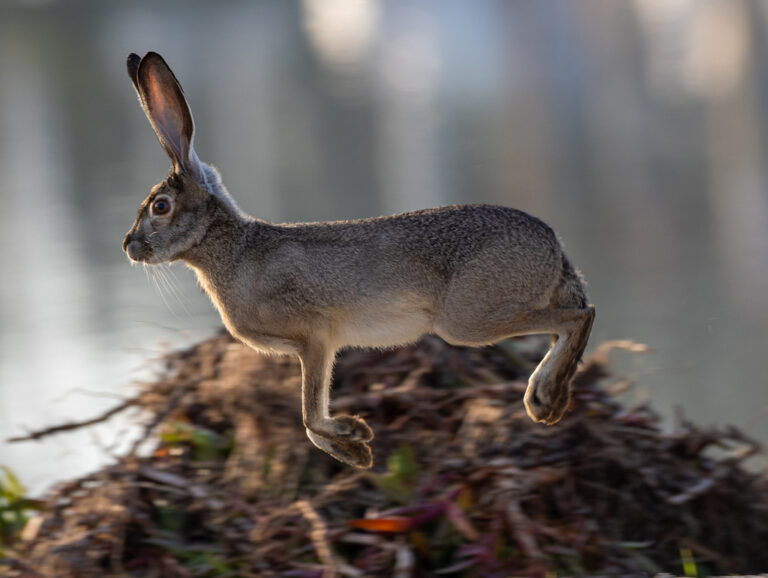
Lepus californicus
♥
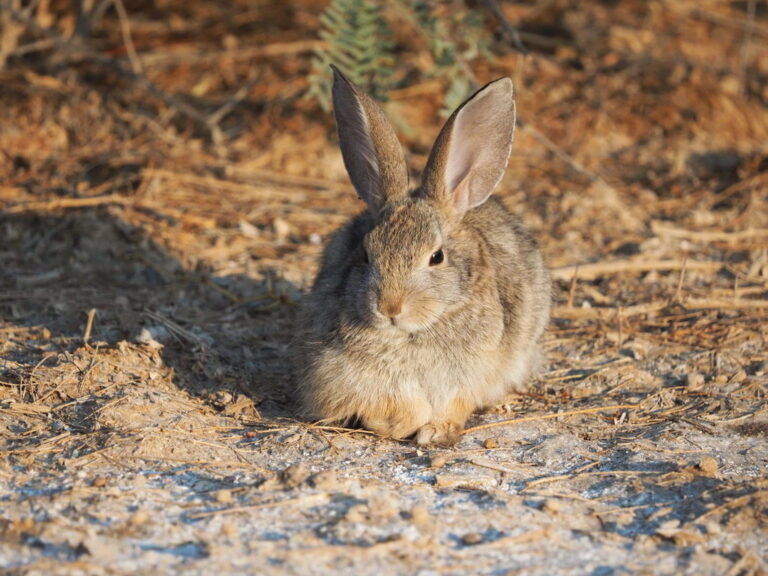
Sylvilagus audubonii
♥
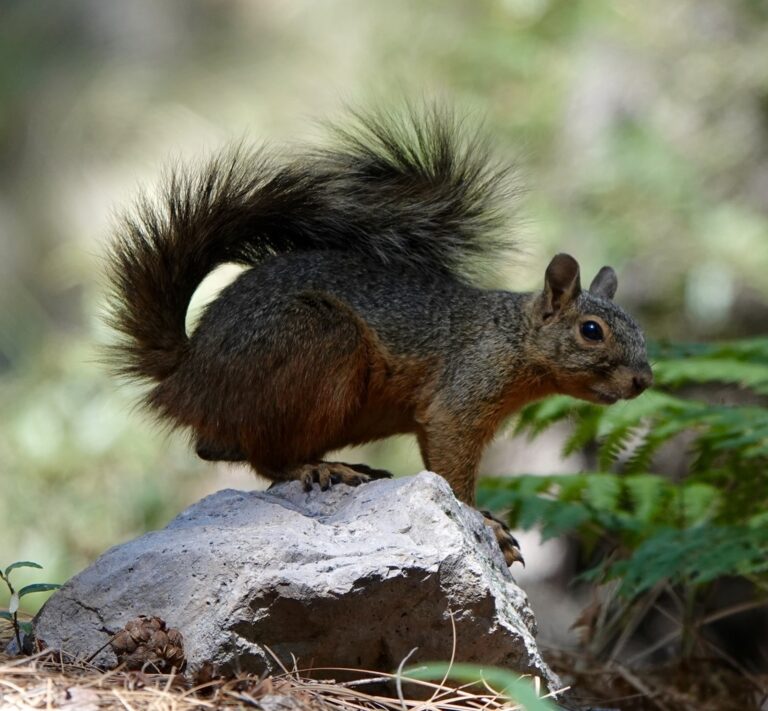
Sciurus nayaritensis
♥
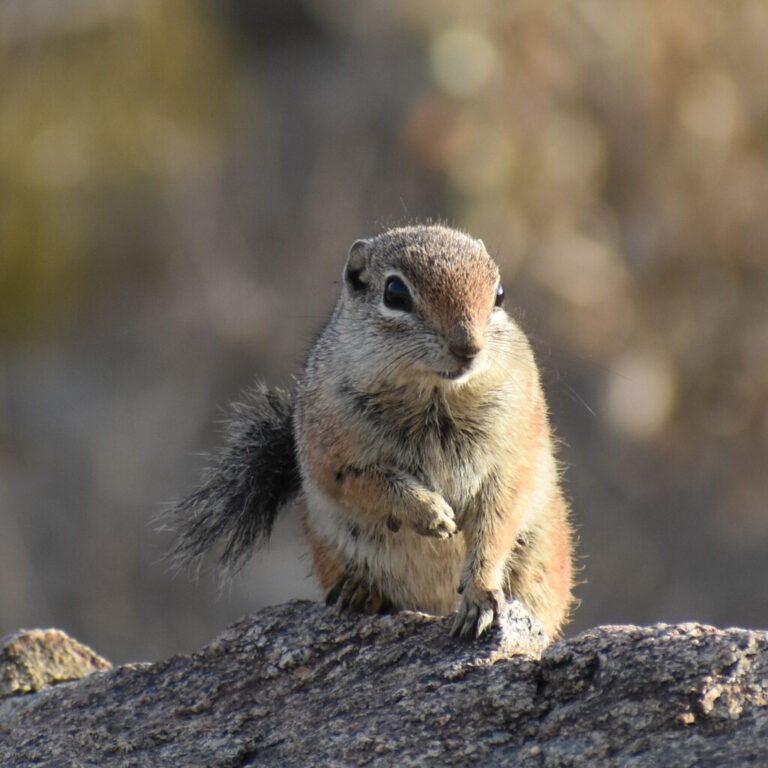
Ammospermophilus harrisii
♥
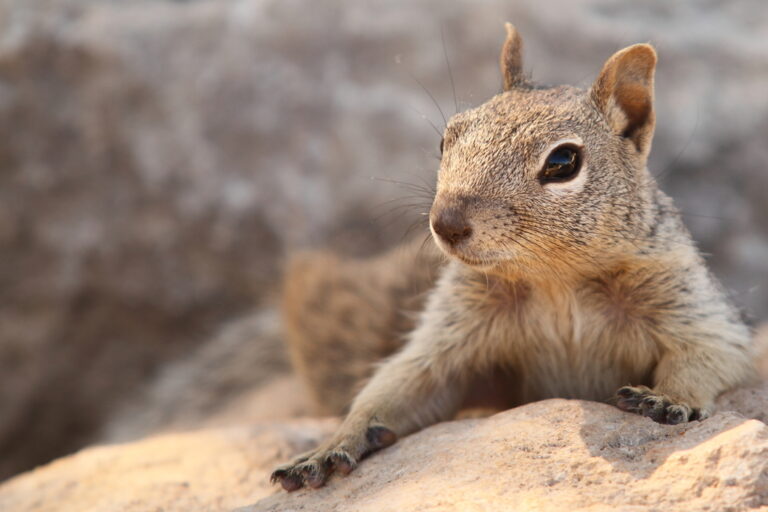
Otospermophilus variegatus
♥
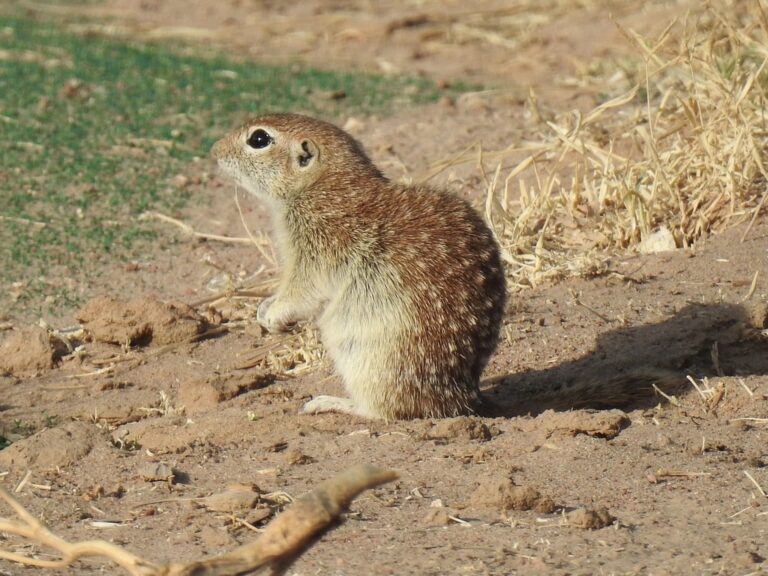
Xerospermophilus spilosoma
♥
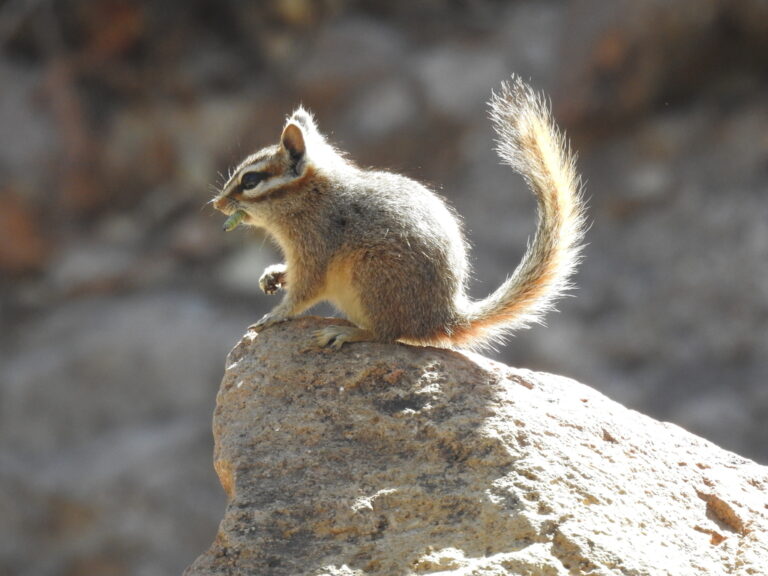
Neotamias dorsalis
♥
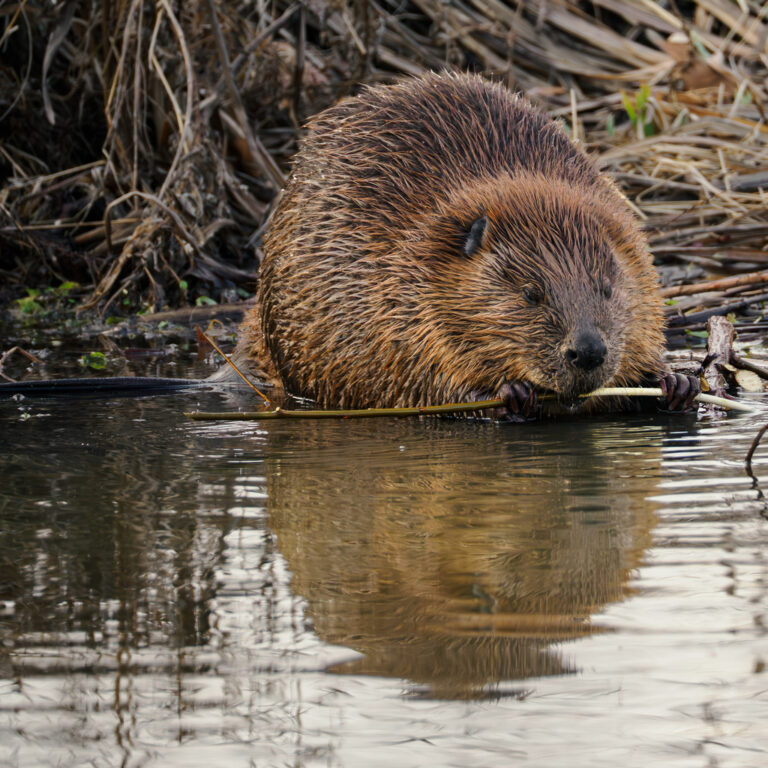
Castor canadensis
♥
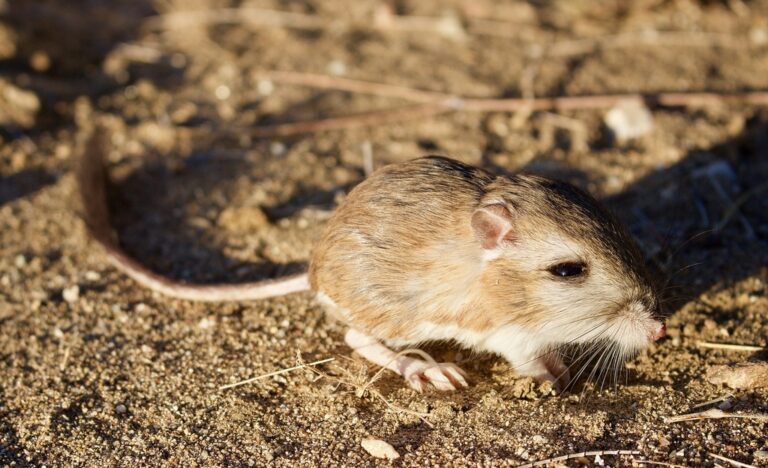
Dipodomys merriami
♥
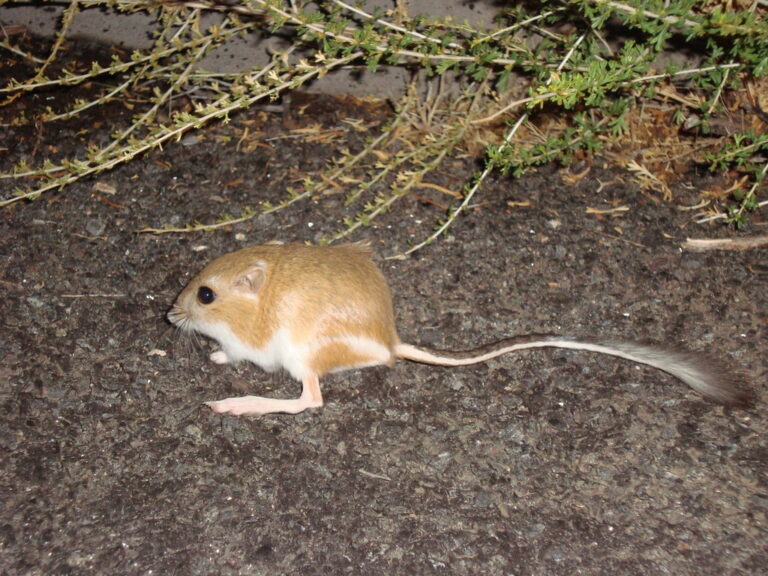
Dipodomys ordii
♥
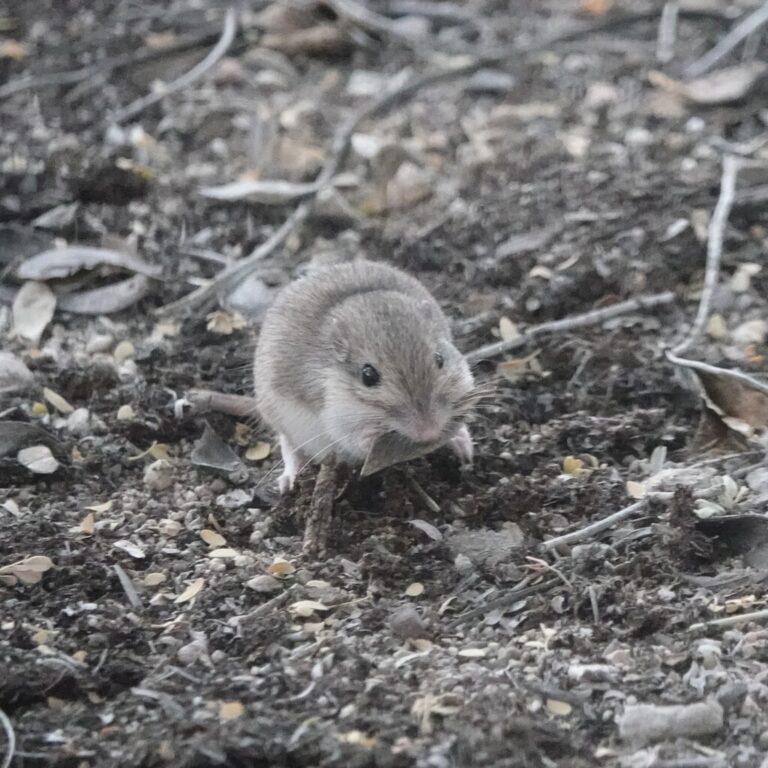
Chaetodipus penicillatus
♥
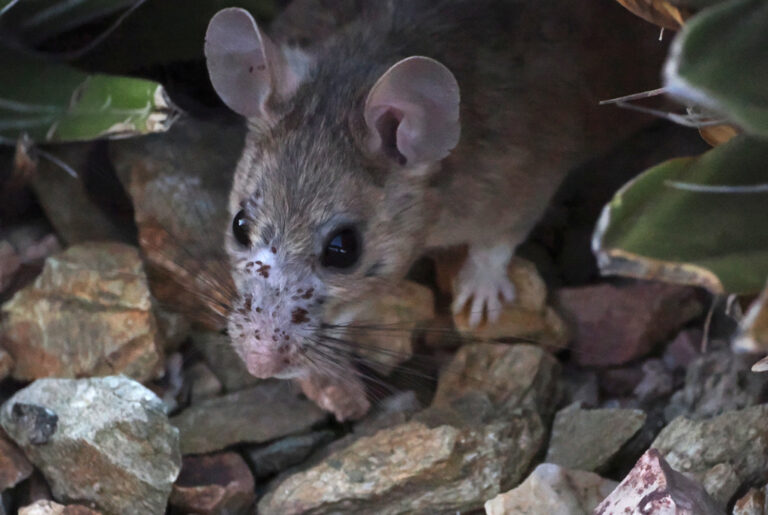
Neotoma albigula
♥
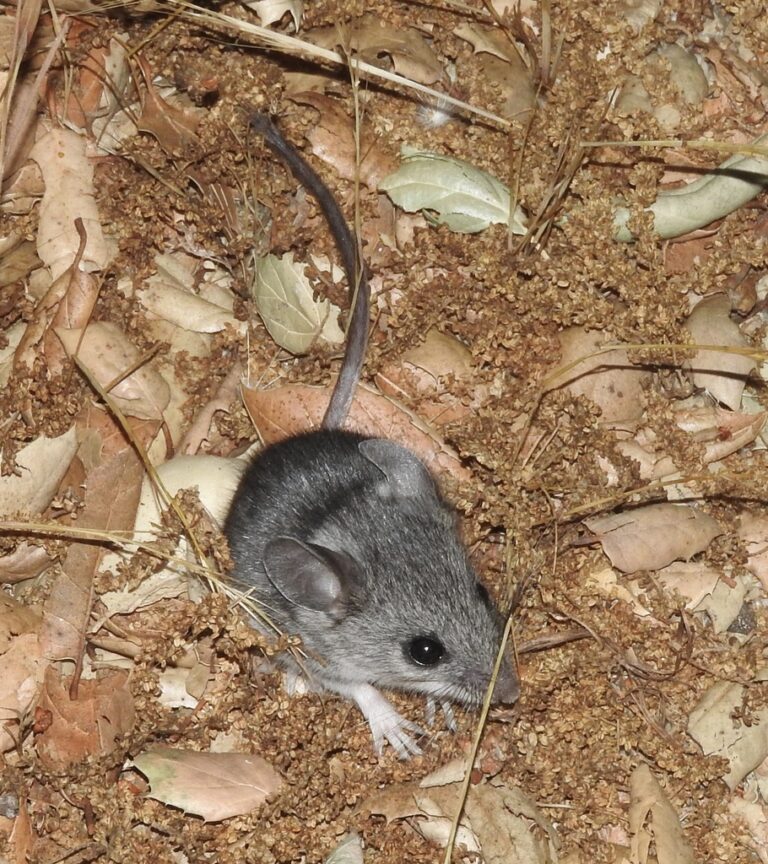
Peromyscus boylii
♥
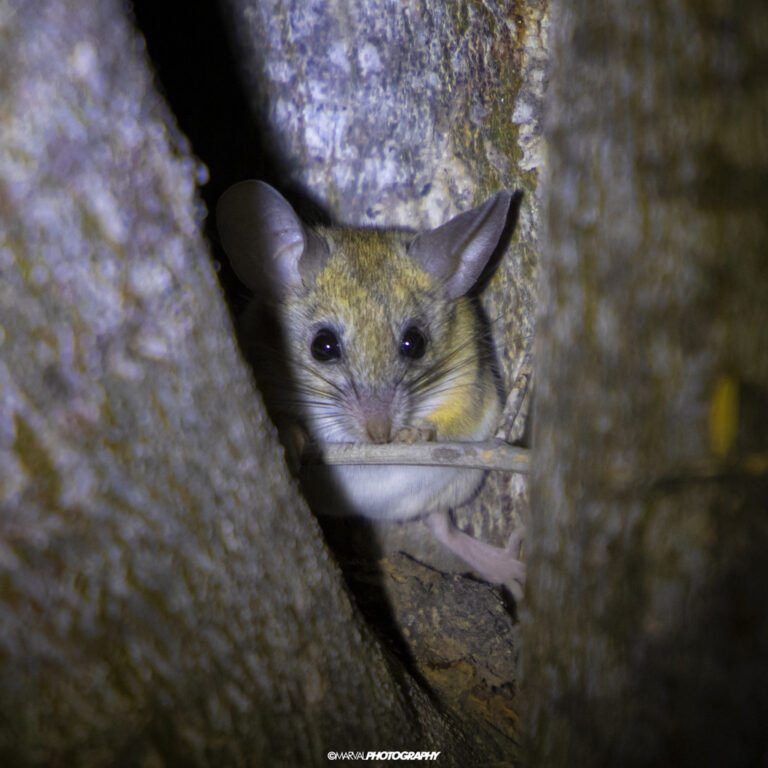
Peromyscus eremicus
♥
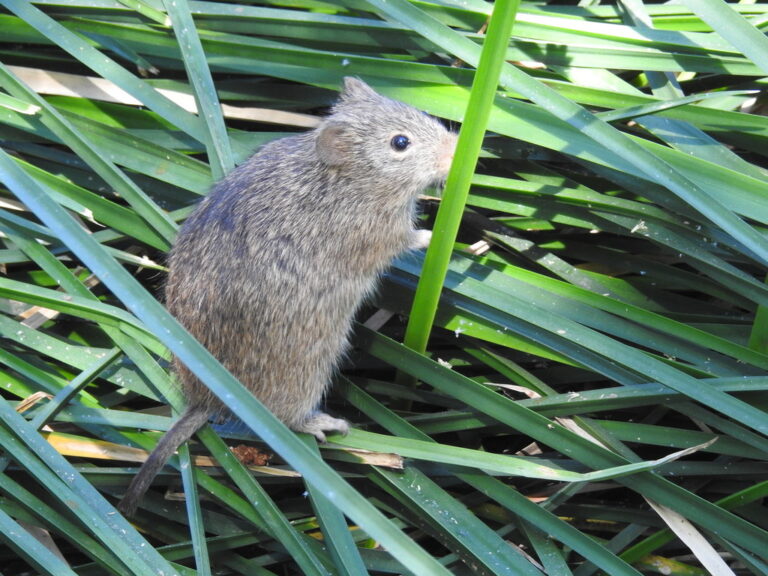
Sigmodon arizonae
♥
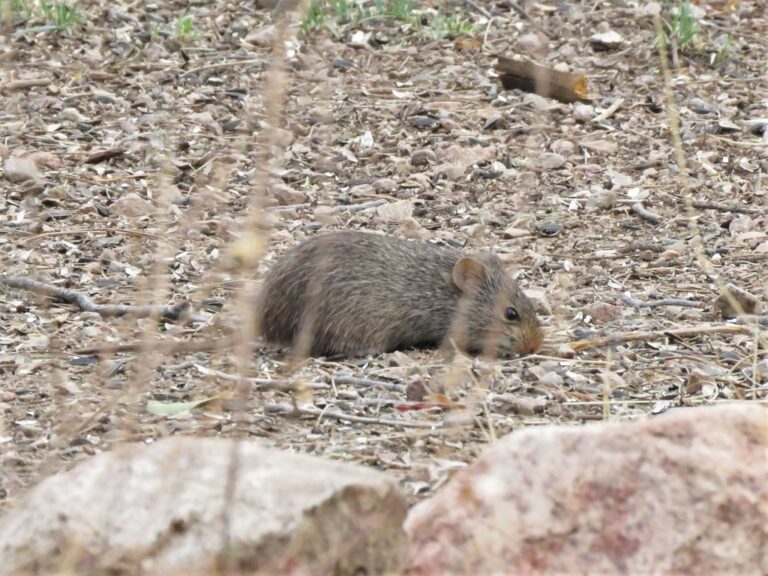
Sigmodon ochrognathus
♥
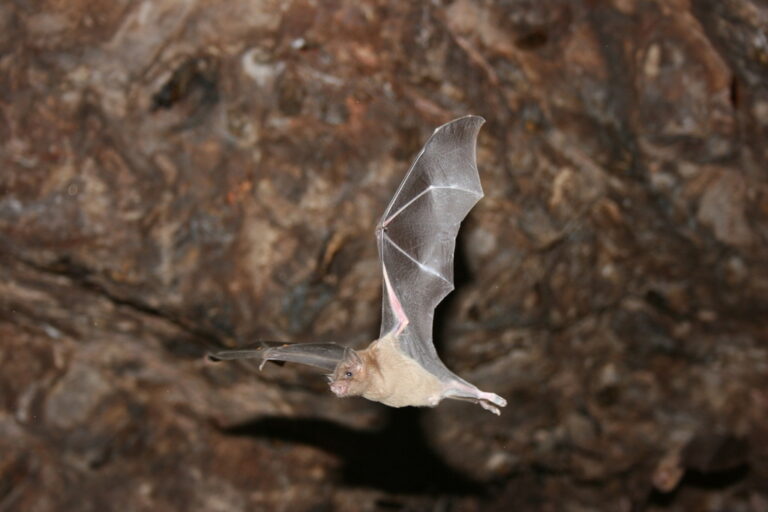
Leptonycteris yerbabuenae
♥
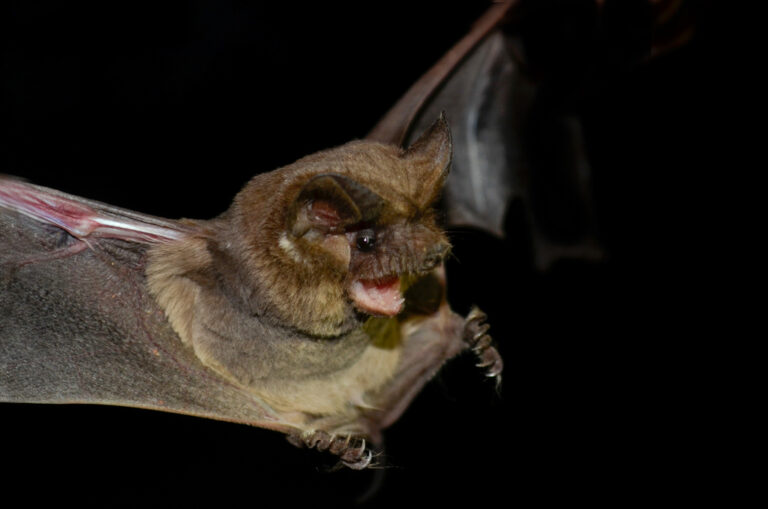
Tadarida brasiliensis
♥
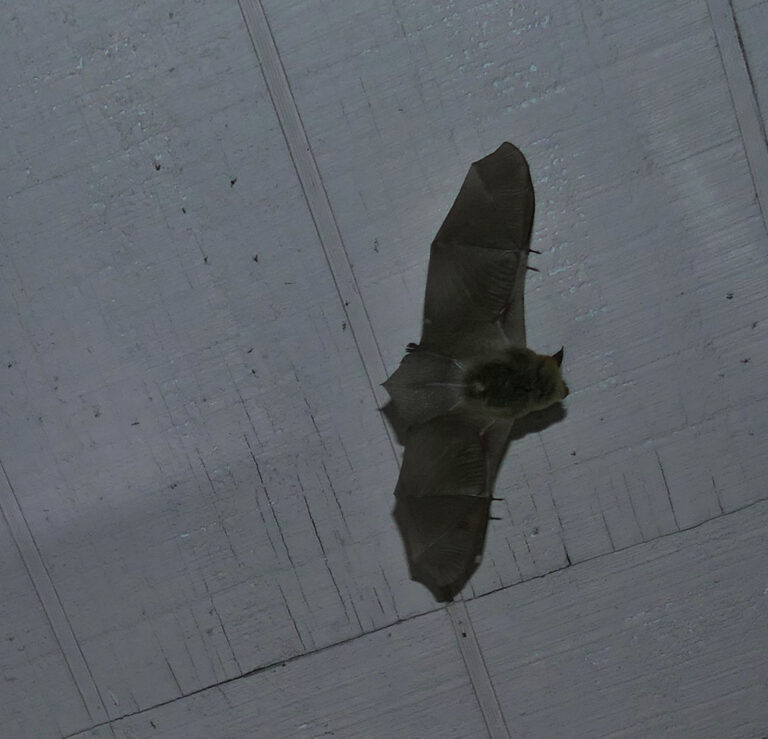
Myotis auriculus
♥
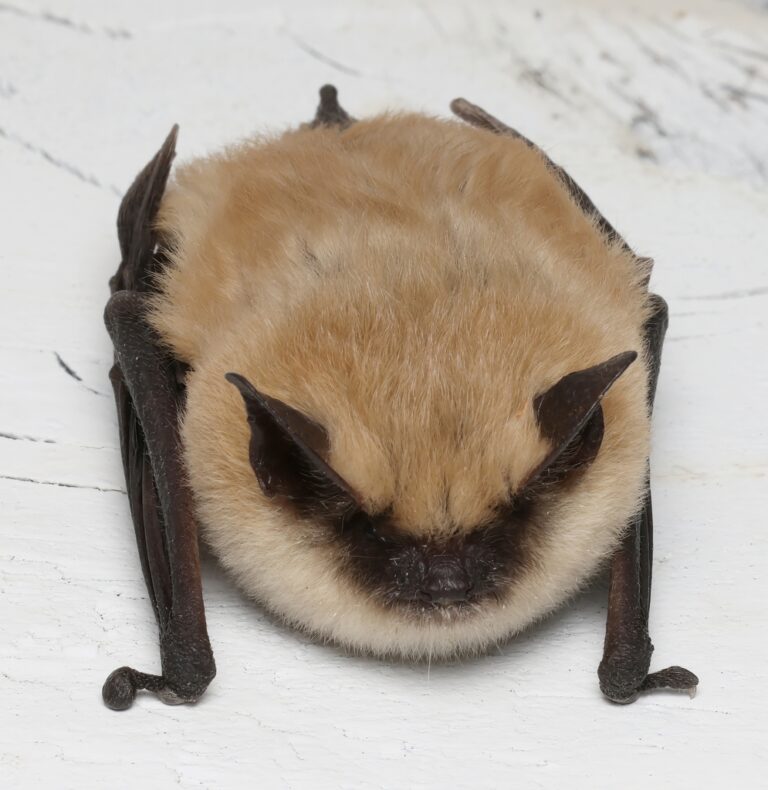
Myotis ciliolabrum
♥
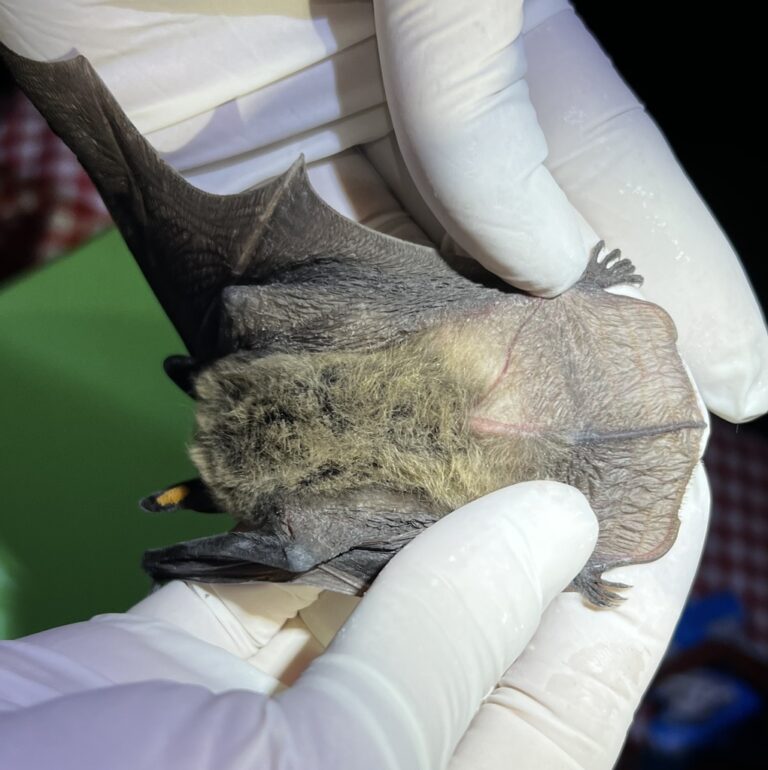
Myotis thysanodes
♥
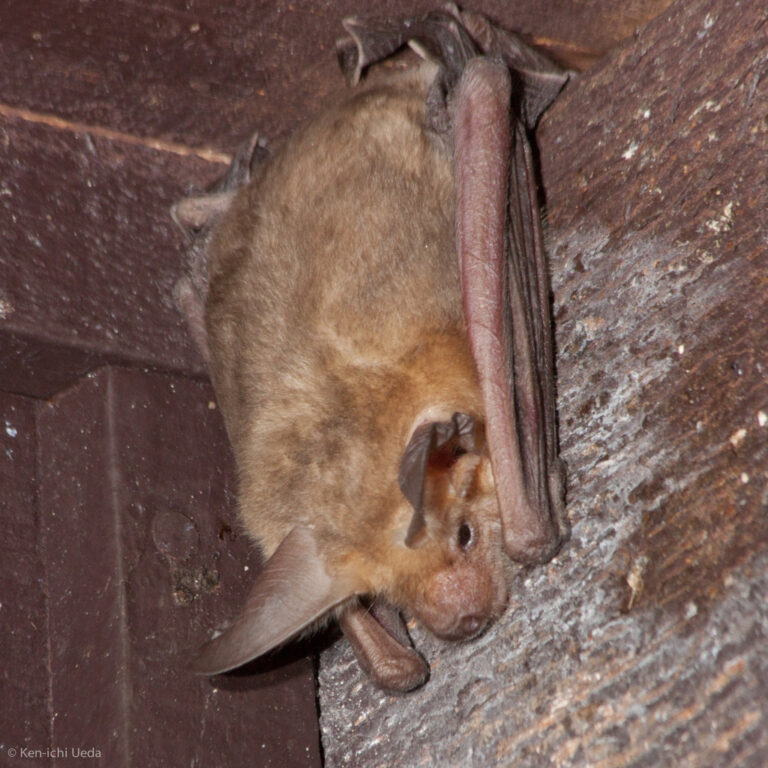
Antrozous pallidus
♥
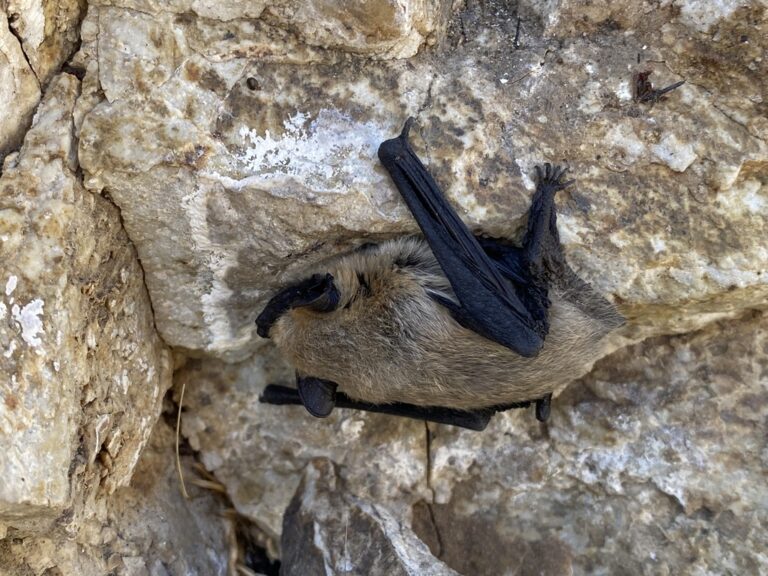
Parastrellus hesperus
♥
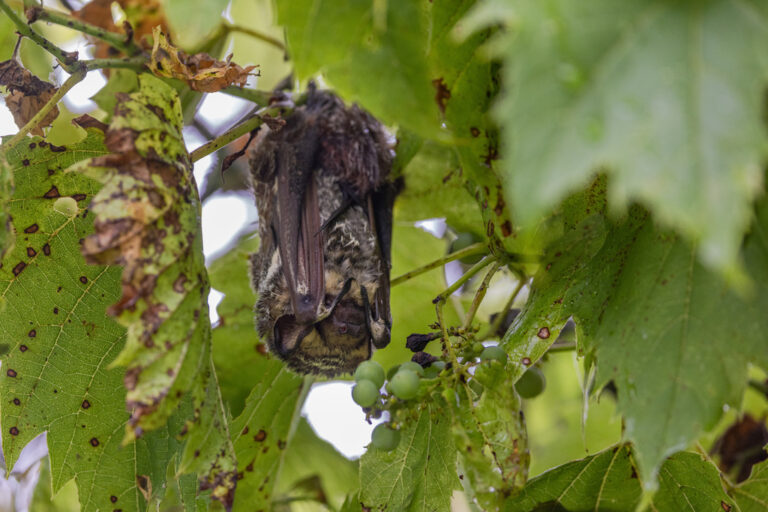
Lasiurus cinereus
♥
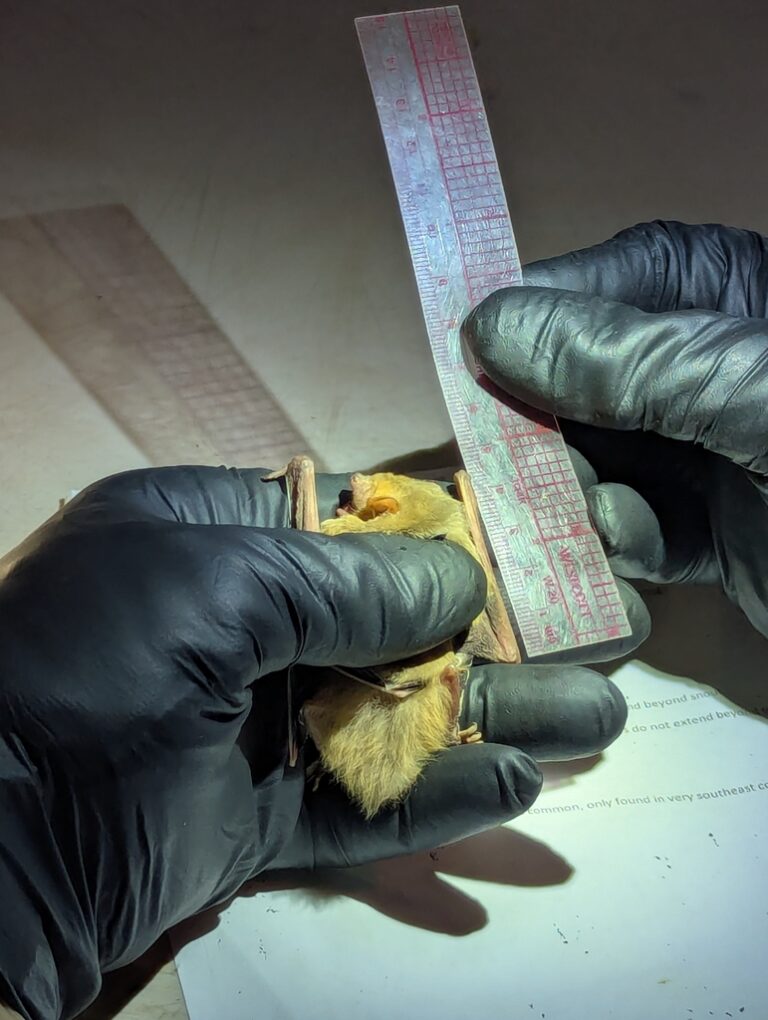
Lasiurus xanthinus
♥
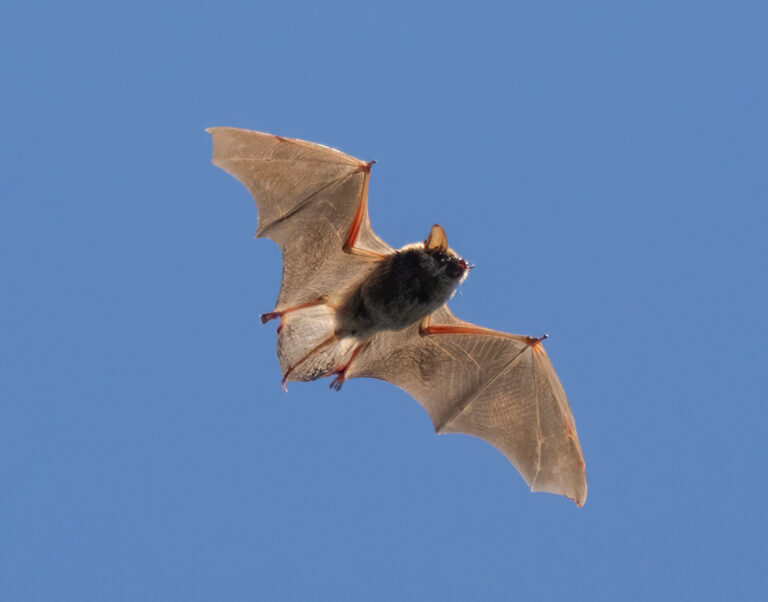
Eptesicus fuscus
♥
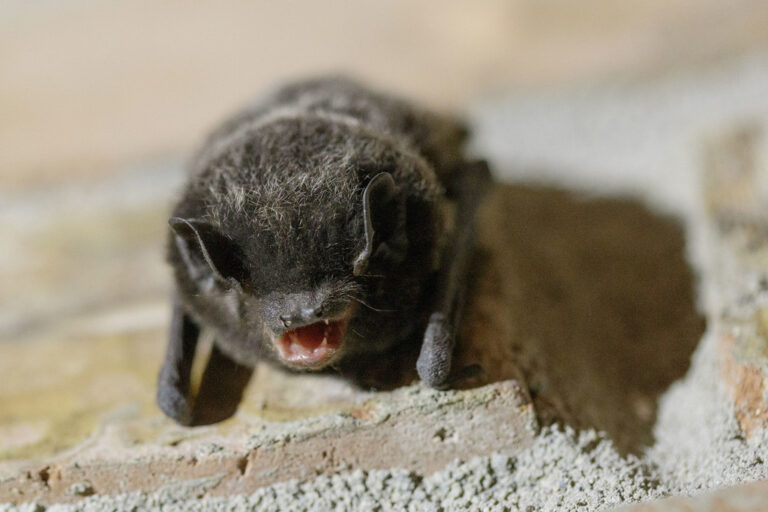
Lasionycteris noctivagans
♥
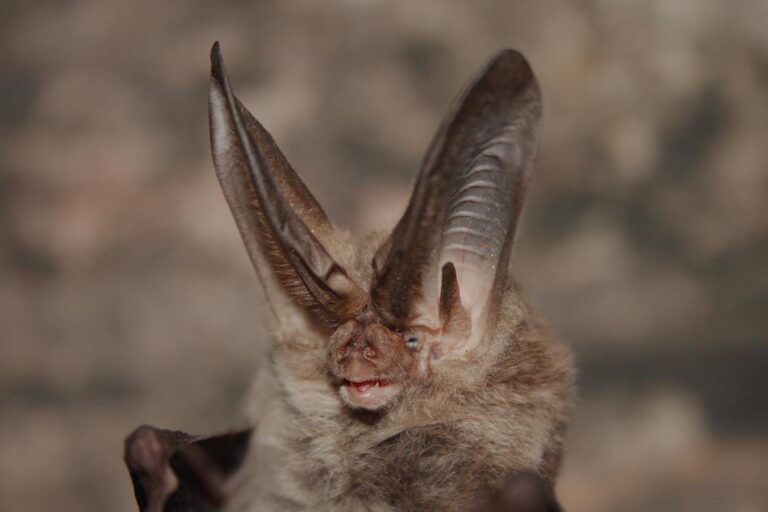
Corynorhinus townsendii
♥
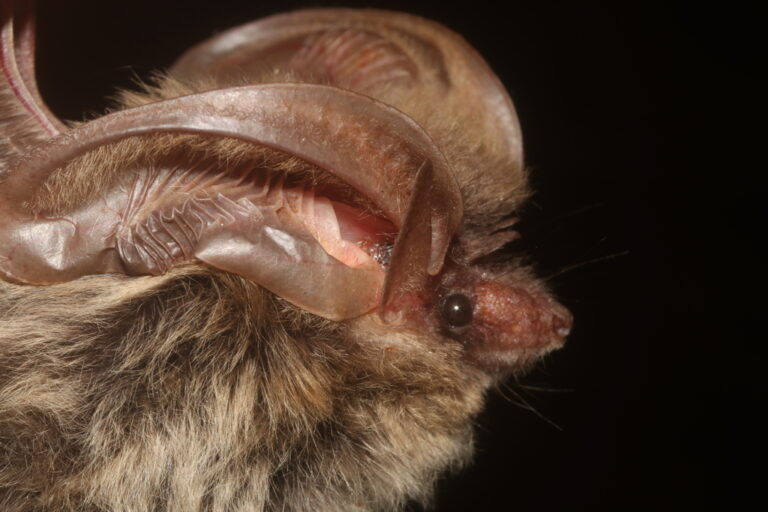
Idionycteris phyllotis
♥
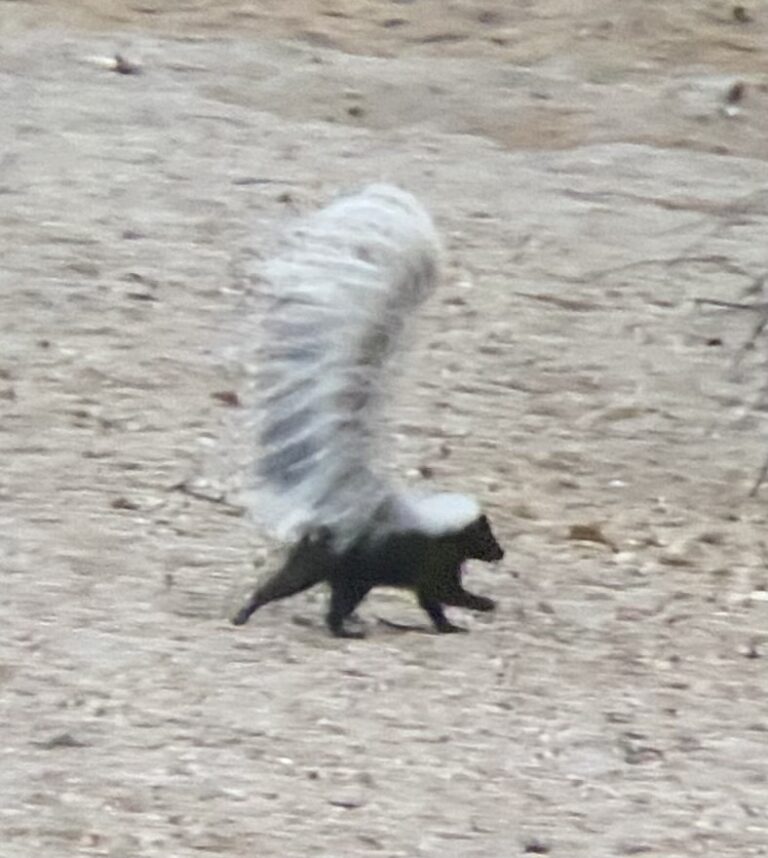
Mephitis macroura
♥
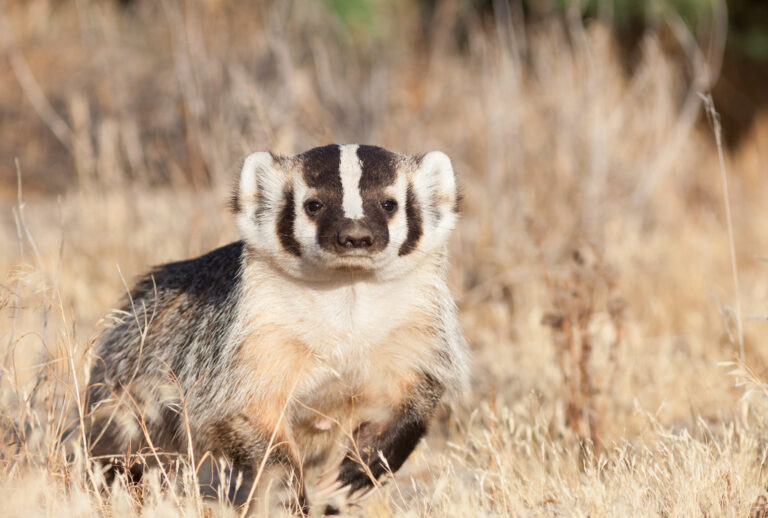
Taxidea taxus
♥
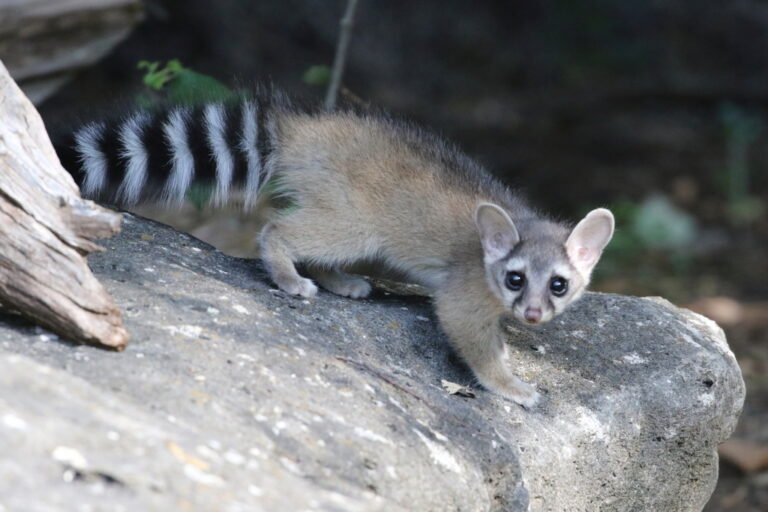
Bassariscus astutus
♥
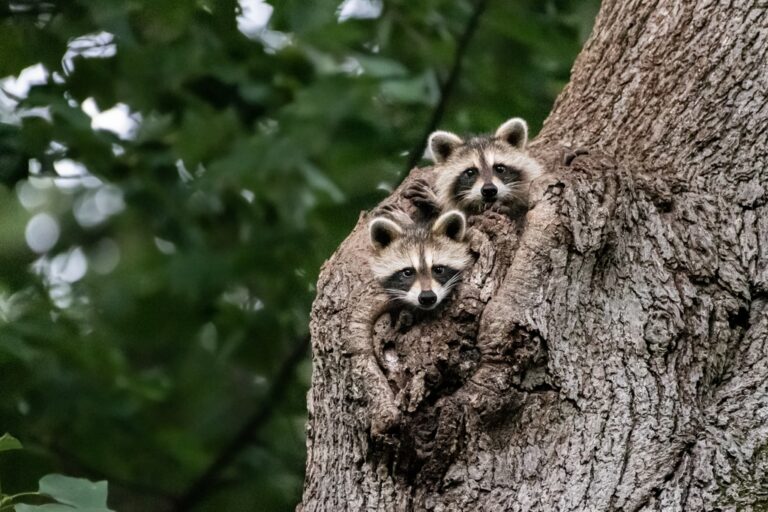
Procyon lotor
♥
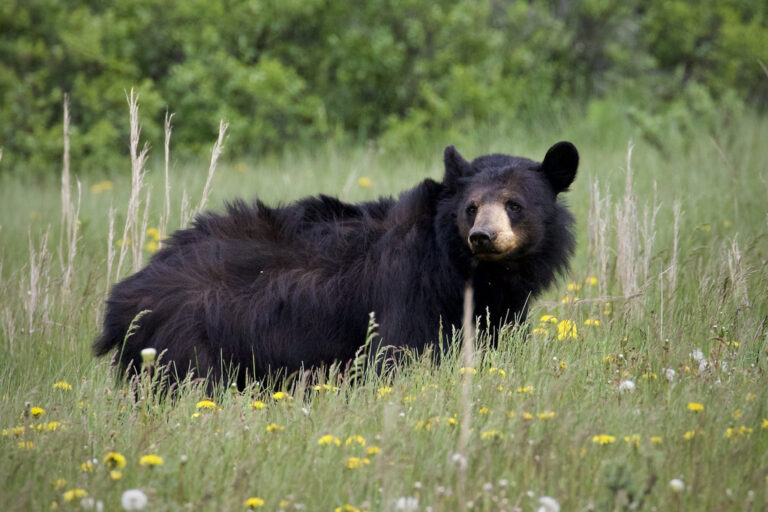
Ursus americanus
♥
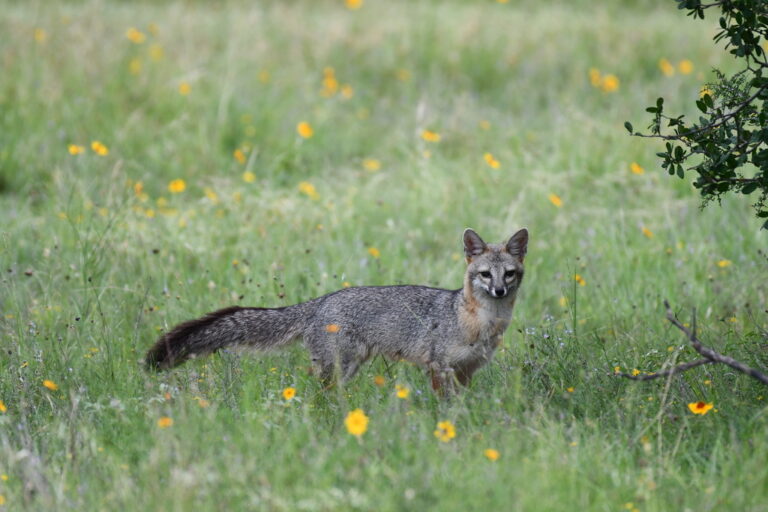
Urocyon cinereoargenteus
♥
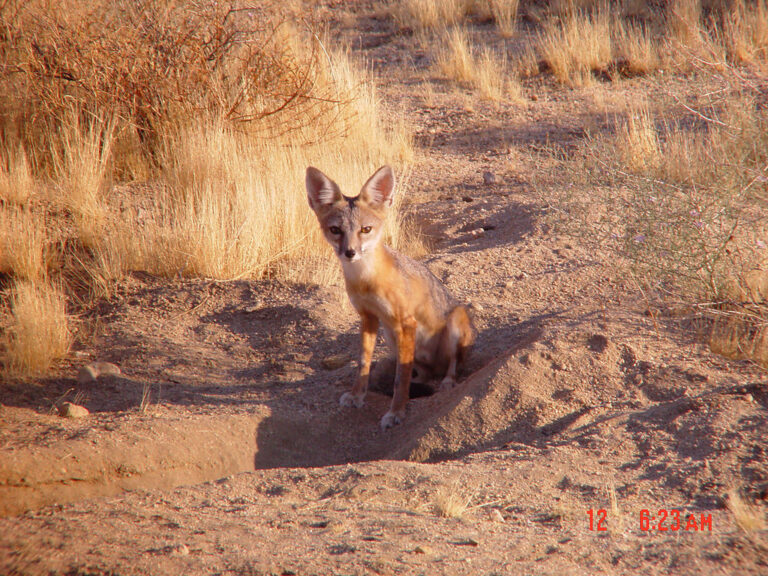
Vulpes macrotis
♥
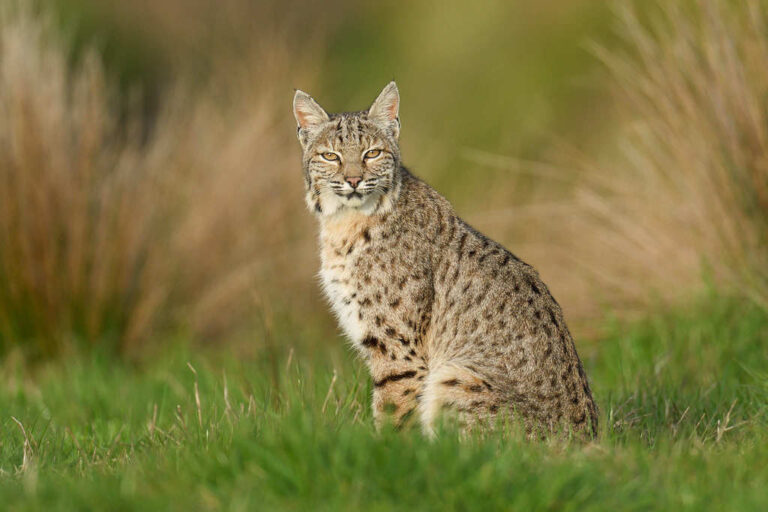
Lynx rufus
♥
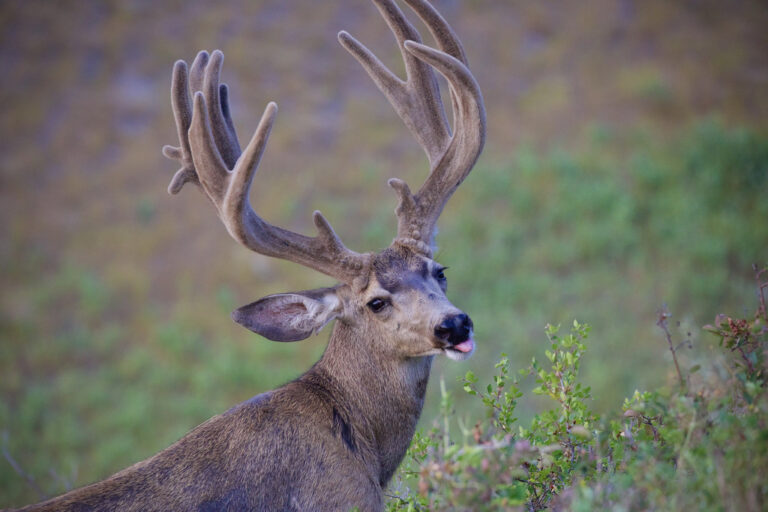
Odocoileus hemionus
♥
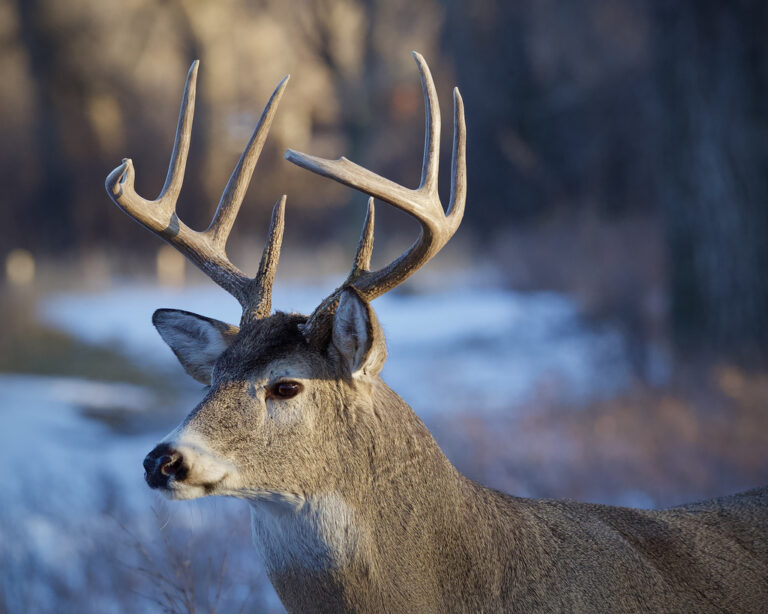
Odocoileus virginianus
♥
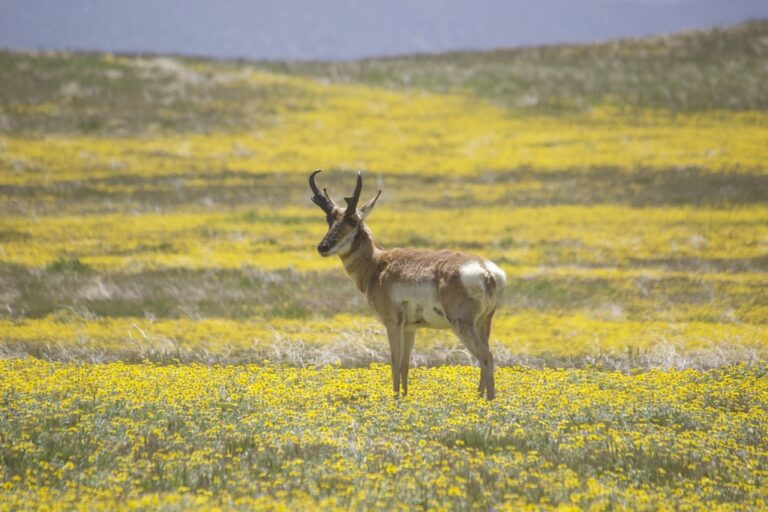
Antilocapra americana
♥
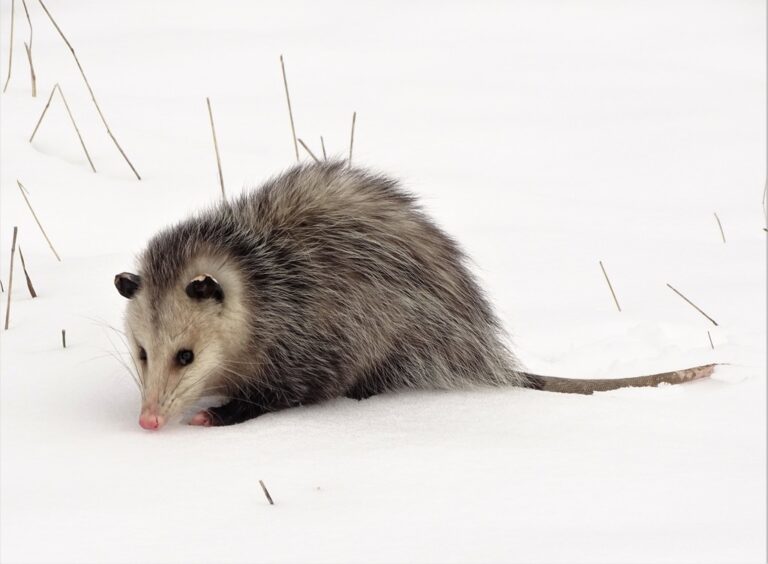
Didelphis virginiana
♥
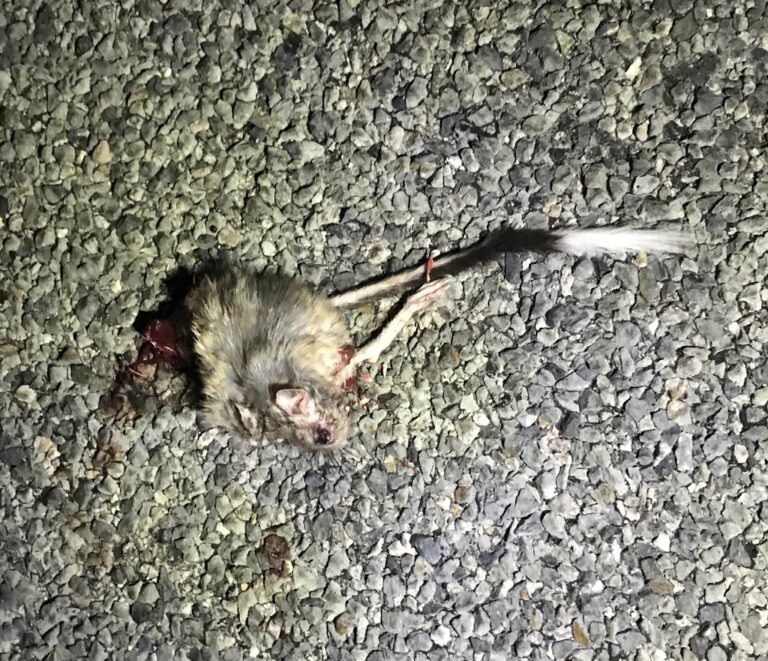
Dipodomys spectabilis
♥
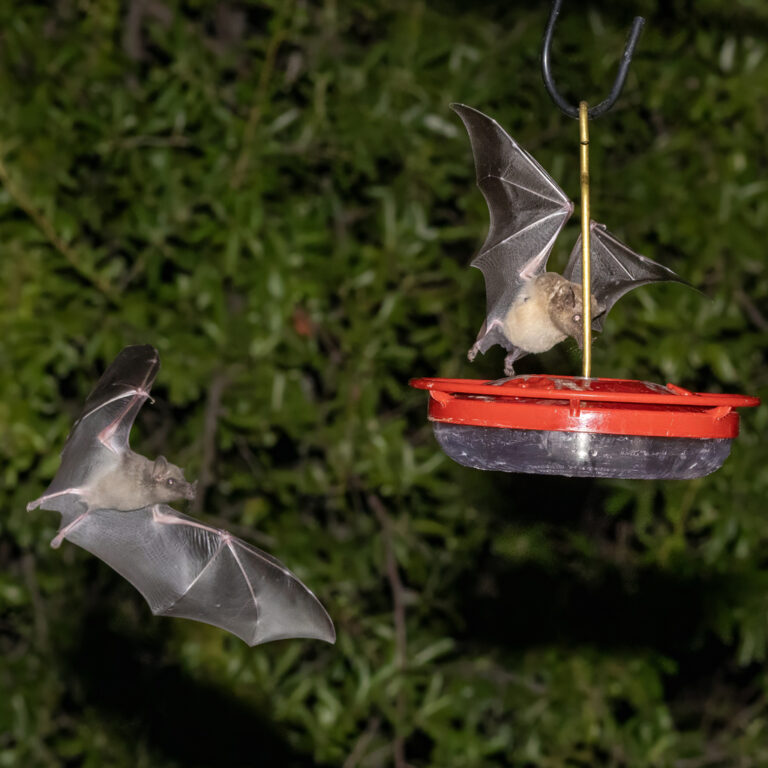
Choeronycteris mexicana
♥
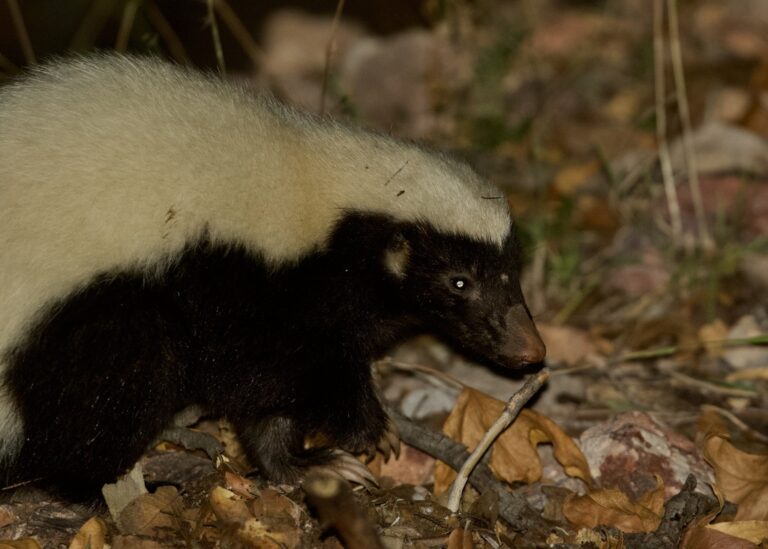
Conepatus leuconotus
♥