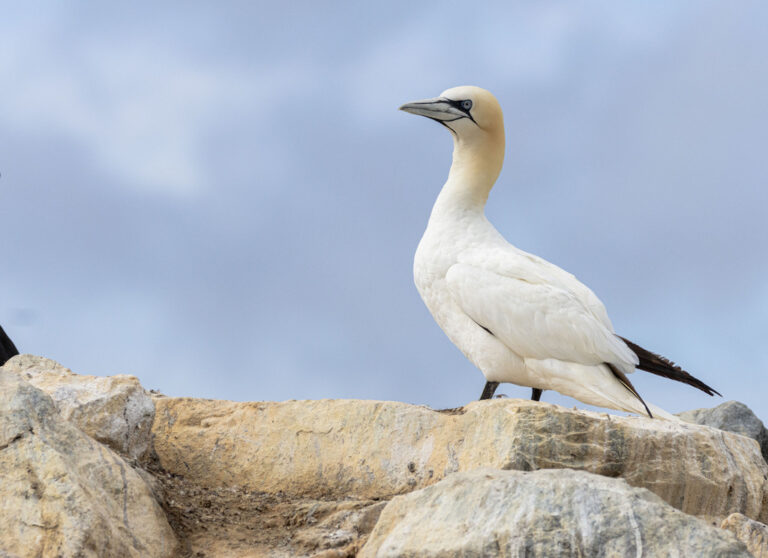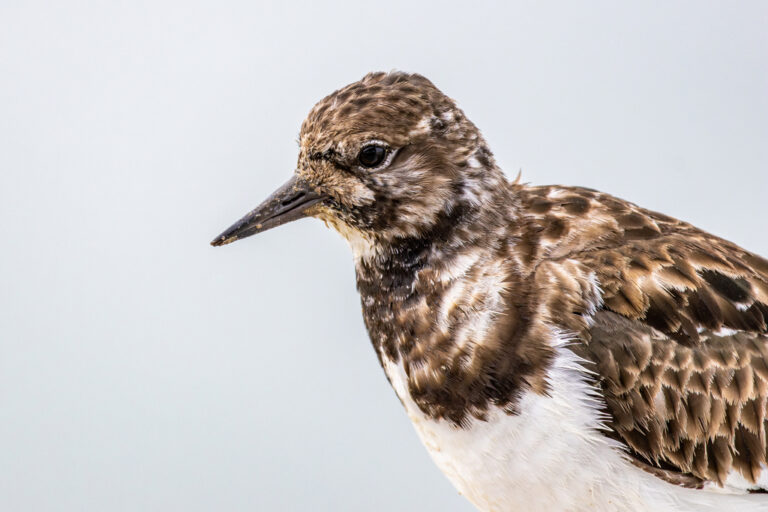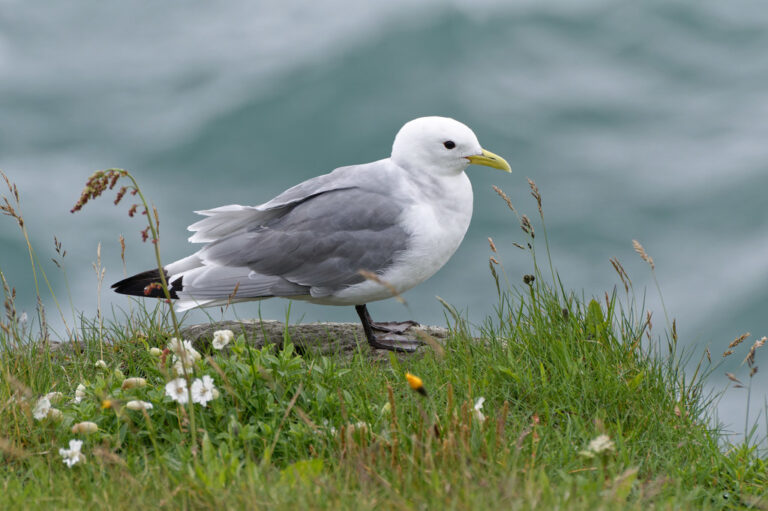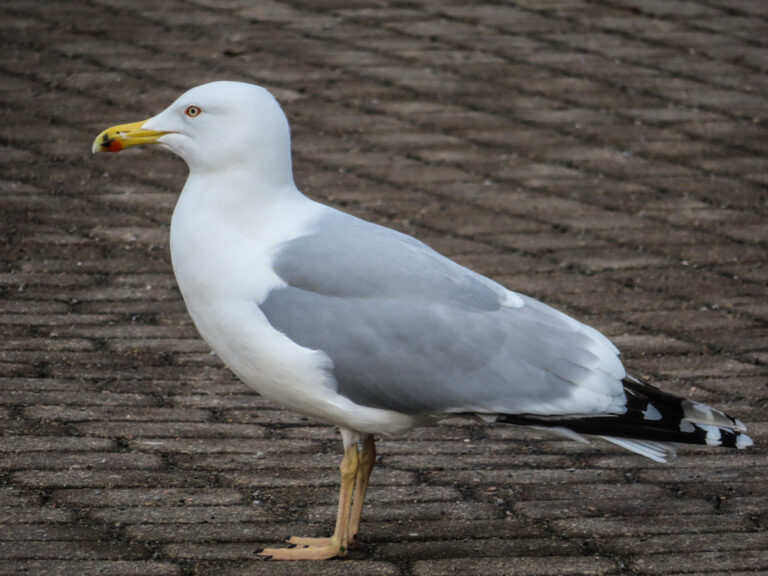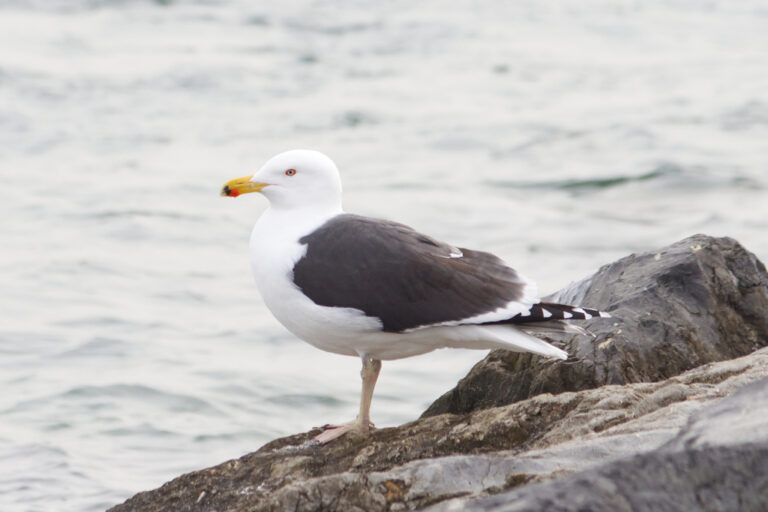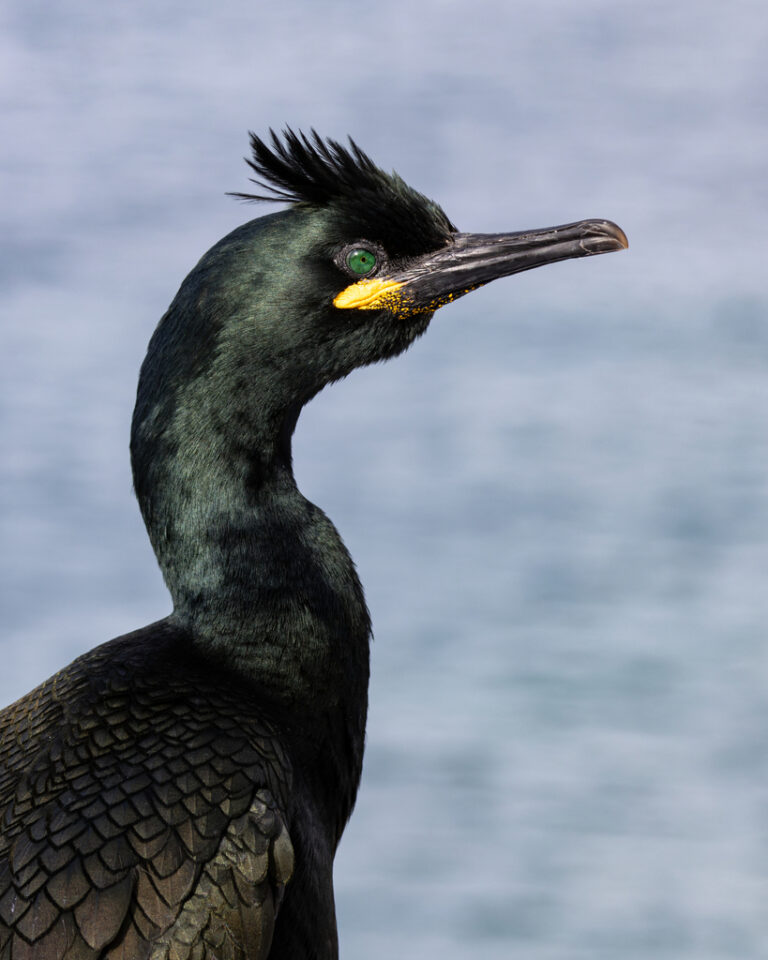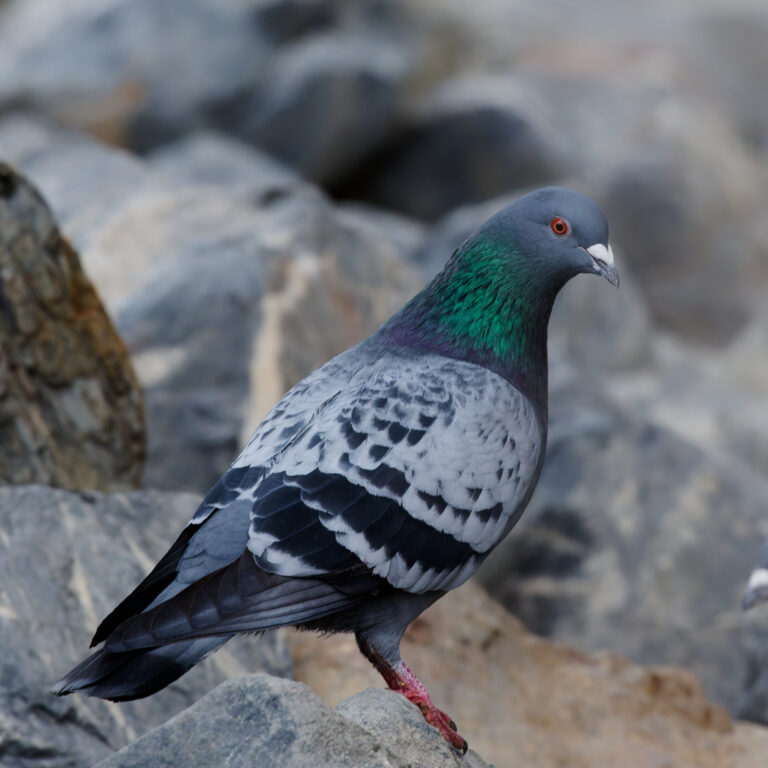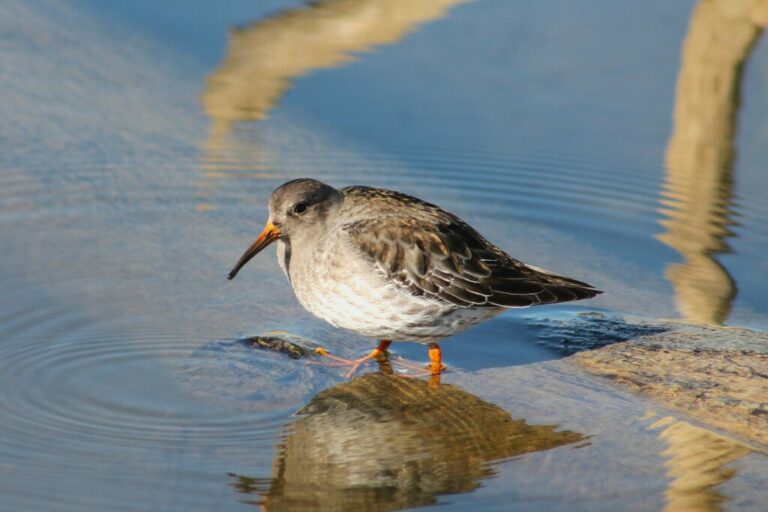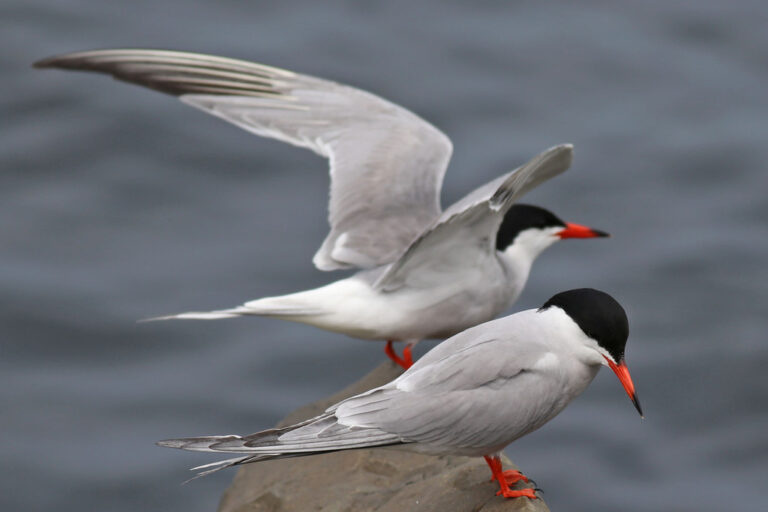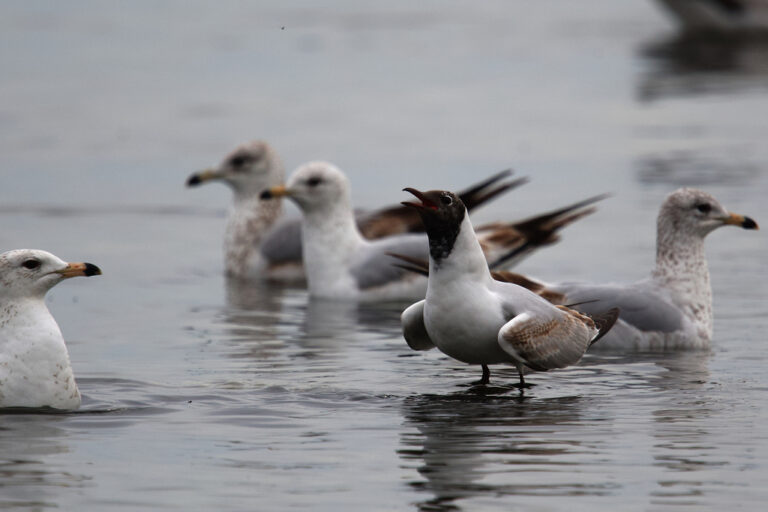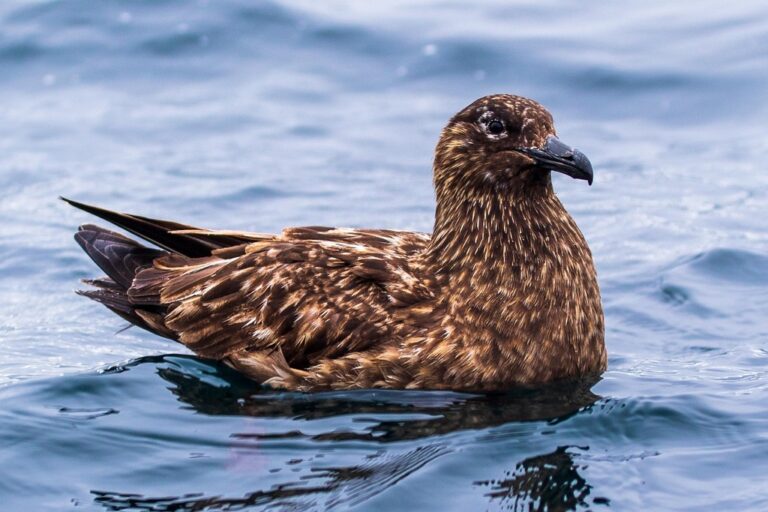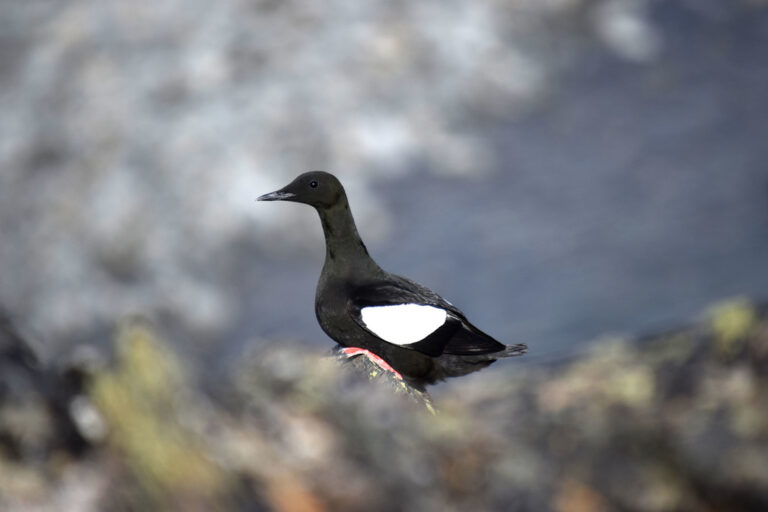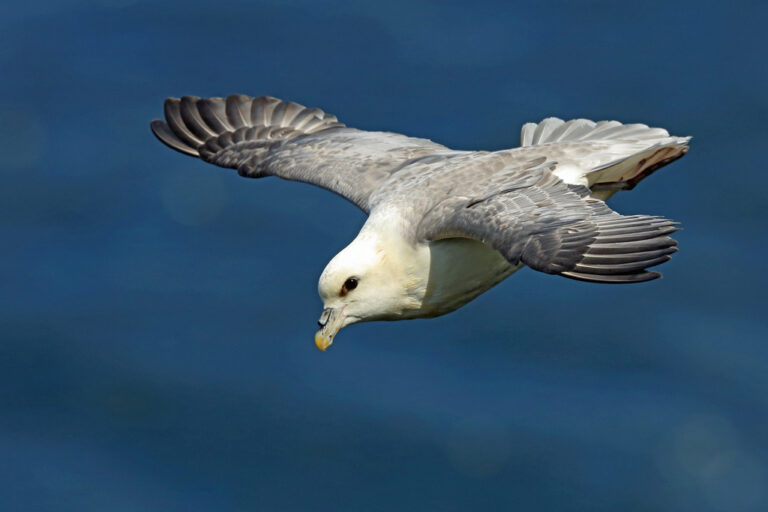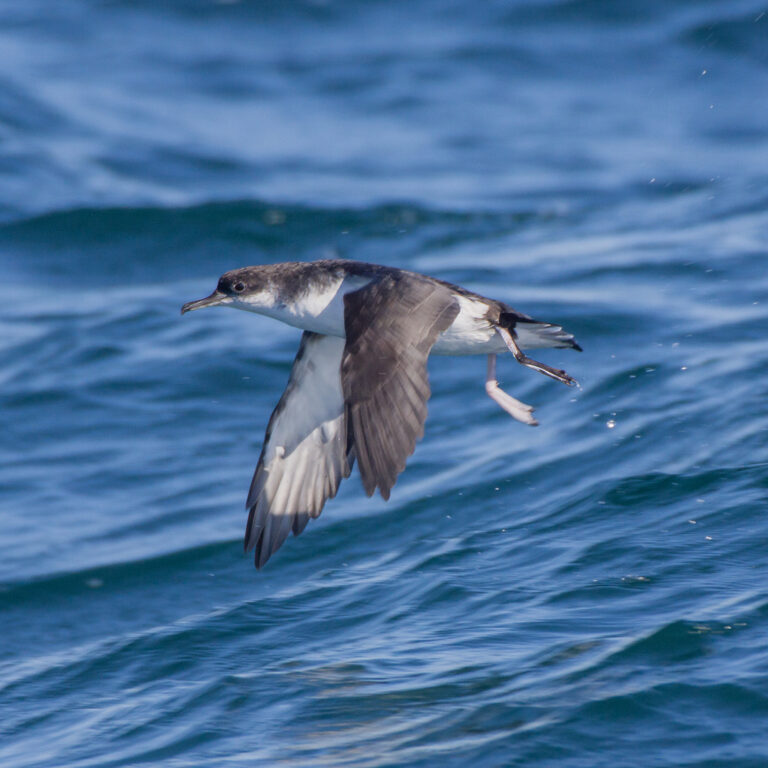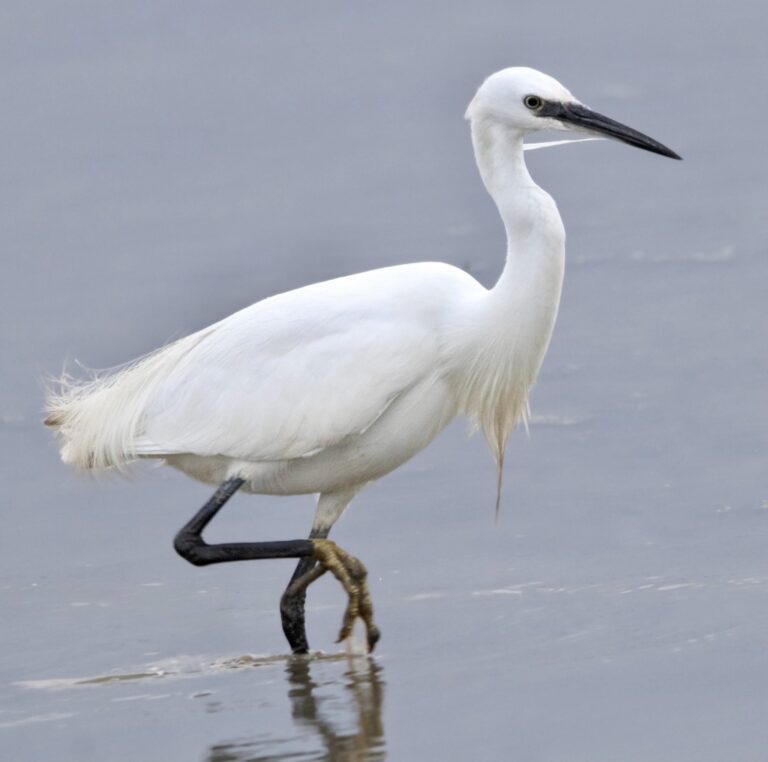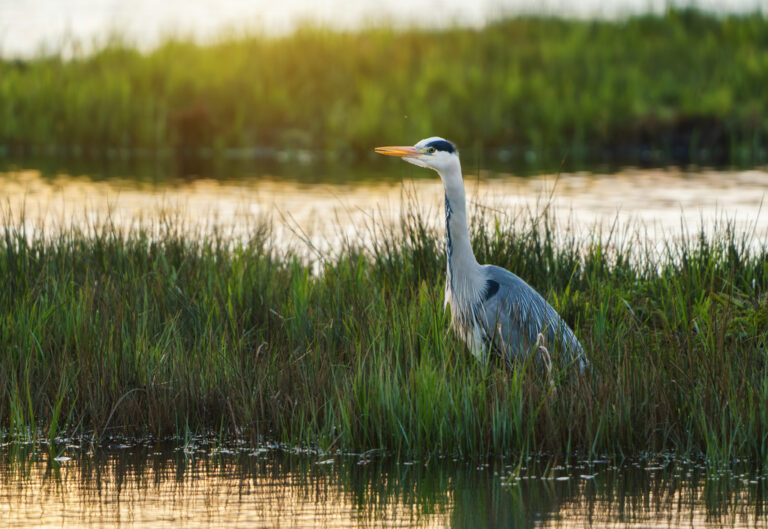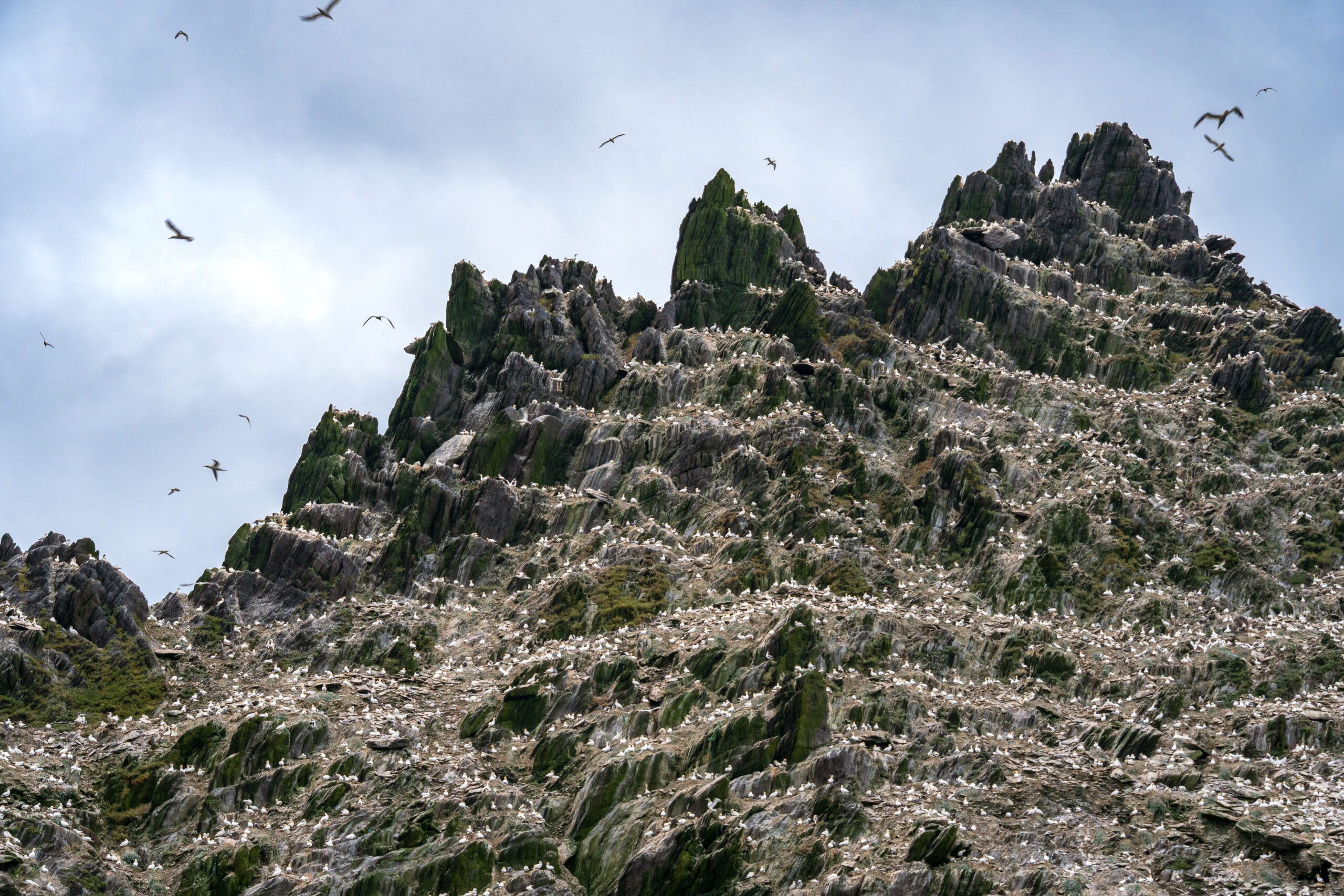
A jagged spine of rock rises abruptly from the Atlantic swell off the Kerry coast, where Little Skellig stands as one of Ireland's most dramatic seabird sanctuaries. The island, barely more than a half-kilometre across, consists almost entirely of near-vertical cliffs and loose scree, utterly barren of soil or freshwater—a harsh, windswept realm shaped entirely by the ocean's mood and the Atlantic climate's temperate oceanic rhythm. Yet this austere landscape pulses with life during the breeding season. The cliff faces and rocky crevices host enormous colonies of seabirds that have adapted to thrive in the absence of vegetation, nesting in cracks and on narrow ledges where predators cannot easily reach them. Guano-enriched soil in scattered pockets and the sheer abundance of fish in surrounding waters sustain populations of diving seabirds and smaller pelagic species that return each spring to rear their young before departing in autumn. The absence of trees, shrubs and terrestrial mammals has shaped an ecosystem defined entirely by access to the sea and the resilience required to endure Atlantic gales and salt spray.
Photographers and ornithologists converge on the waters around Little Skellig during the breeding months, when the colonies reach peak activity and visibility is most reliable—typically May through July, when the northern latitude grants extended daylight for capturing behaviour and plumage detail. The island itself remains largely inaccessible to visitors, preserved to minimise disturbance; viewing is conducted from boat excursions that circle the cliffs at a respectful distance, offering unparalleled perspectives of nesting seabirds and their dramatic aerial displays. The temperate oceanic climate ensures year-round moisture and consistent conditions, though calm seas are essential for boat access—early summer offers the best combination of stable weather, active colonies and extended viewing hours. Few locations in Europe deliver such raw, unmediated encounters with truly wild seabird populations in their natural state, making Little Skellig an essential pilgrimage for anyone seeking to witness the Atlantic's most resilient avian inhabitants.
No community observations yet — be the first to log a sighting here.
Little Skellig
A marine setting shaped by the ocean rather than land elevation.
A year of temperatures
Monthly means, with the coldest and warmest highlighted
Ocean setting
This hotspot is predominantly marine. Land elevation is deliberately omitted.