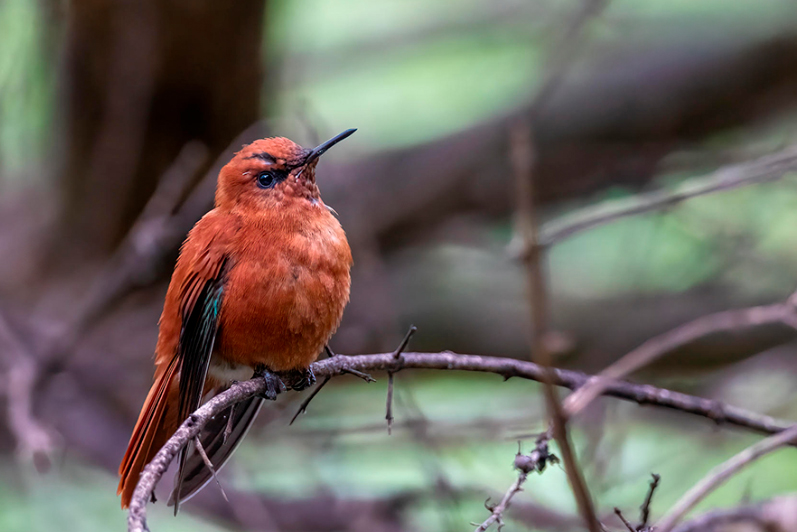
Target Species
 Kelp Goose
Cauquén caranca Chloephaga hybrida
Kelp Goose
Cauquén caranca Chloephaga hybrida
 Magellanic Oystercatcher
Ostrero magallánico Haematopus leucopodus
Magellanic Oystercatcher
Ostrero magallánico Haematopus leucopodus
 Magellanic Woodpecker
Picamaderos de Magallanes Campephilus magellanicus
Magellanic Woodpecker
Picamaderos de Magallanes Campephilus magellanicus
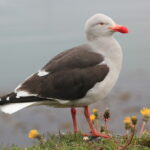 Dolphin Gull
Gaviota Patagona Leucophaeus scoresbii
Dolphin Gull
Gaviota Patagona Leucophaeus scoresbii
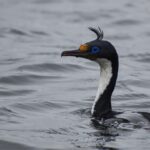 Imperial Shag
Cormorán imperial Leucocarbo atriceps
Imperial Shag
Cormorán imperial Leucocarbo atriceps
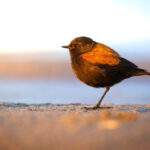 Austral Negrito
Negrito Austral Lessonia rufa
Austral Negrito
Negrito Austral Lessonia rufa
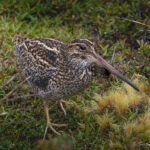 Fuegian Snipe
Agachadiza Fueguina Gallinago stricklandii
Fuegian Snipe
Agachadiza Fueguina Gallinago stricklandii
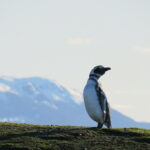 Magellanic Penguin
Pingüino magallánico Spheniscus magellanicus
Magellanic Penguin
Pingüino magallánico Spheniscus magellanicus
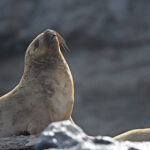 South American Sea Lion
Lobo marino de un pelo Otaria flavescens
South American Sea Lion
Lobo marino de un pelo Otaria flavescens
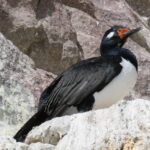 Rock Shag
Cormorán magallánico Leucocarbo magellanicus
Rock Shag
Cormorán magallánico Leucocarbo magellanicus
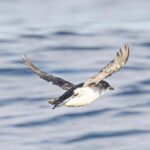 Common Diving Petrel
Potoyunco común Pelecanoides urinatrix
Common Diving Petrel
Potoyunco común Pelecanoides urinatrix
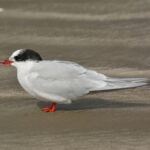 South American Tern
Charrán suramericano Sterna hirundinacea
South American Tern
Charrán suramericano Sterna hirundinacea
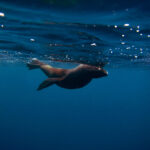 Juan Fernandez Fur Seal
Lobo Fino de Juan Fernández Arctocephalus philippii
Juan Fernandez Fur Seal
Lobo Fino de Juan Fernández Arctocephalus philippii
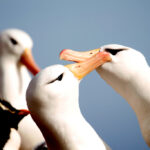 Black-browed Albatross
Albatros de ceja negra Thalassarche melanophris
Black-browed Albatross
Albatros de ceja negra Thalassarche melanophris
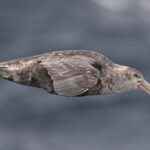 Southern Giant Petrel
Abanto marino antártico Macronectes giganteus
Southern Giant Petrel
Abanto marino antártico Macronectes giganteus
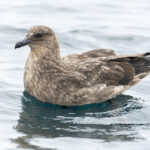 Chilean Skua
Págalo chileno Stercorarius chilensis
Chilean Skua
Págalo chileno Stercorarius chilensis
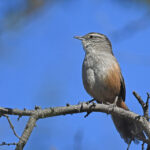 Dusky-tailed Canastero
Canastero Colinegro Pseudasthenes humicola
Dusky-tailed Canastero
Canastero Colinegro Pseudasthenes humicola
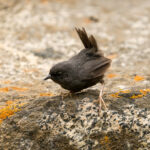 Dusky Tapaculo
Churrín sombrío Scytalopus fuscus
Dusky Tapaculo
Churrín sombrío Scytalopus fuscus
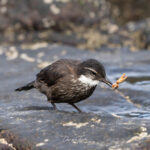 Chilean Seaside Cinclodes
Remolinera costera chilena Cinclodes nigrofumosus
Chilean Seaside Cinclodes
Remolinera costera chilena Cinclodes nigrofumosus
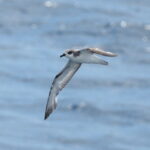 Masatierra Petrel
Petrel Chileno Pterodroma defilippiana
Masatierra Petrel
Petrel Chileno Pterodroma defilippiana
 Stejneger’s Petrel
Petrel de Más Afuera Pterodroma longirostris
Stejneger’s Petrel
Petrel de Más Afuera Pterodroma longirostris
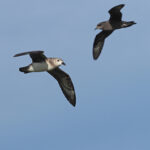 Kermadec Petrel
Petrel de las Kermadec Pterodroma neglecta
Kermadec Petrel
Petrel de las Kermadec Pterodroma neglecta
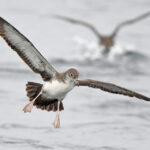 Pink-footed Shearwater
Pardela Patirrosa Ardenna creatopus
Pink-footed Shearwater
Pardela Patirrosa Ardenna creatopus
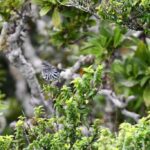 Juan Fernandez Tit-Tyrant
Cachudito de Juan Fernández Anairetes fernandezianus
Juan Fernandez Tit-Tyrant
Cachudito de Juan Fernández Anairetes fernandezianus
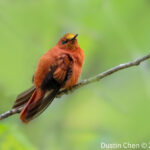 Juan Fernandez Firecrown
Colibrí de Juan Fernández Sephanoides fernandensis
Juan Fernandez Firecrown
Colibrí de Juan Fernández Sephanoides fernandensis
Trip Itinerary
Arrivals into Punta Arenas International Airport (PUQ)
- We’ll spend the afternoon looking for Flying and Flightless Steamer Ducks, Magellanic Oystercatcher, Imperial Cormorant, Upland Goose, Chilean Skua, and the splendid Dolphin Gull. The tiny Austral Negrito is sure to be found as well, and hopefully Magellanic Woodpecker. If time permits, we’ll drive to the Estancia San Juan, where the endangered Ruddy-headed Goose breeds. Along the coast, we’ll also be looking for Kelp Goose, to complete the collection of all five Chilean geese! Night in Punta Arenas.
Early morning departure to drive to Punta Carrera
- The journey from our point of embarkation to our accommodation at the beautiful WhaleSound ecocamp will take approximately eight hours. We will arrive during the afternoon, being the first international birding group privileged to land here. There will be time for some initial exploration into the habitat of our main target - the elusive Fuegian Snipe. One of the rarest and least-known birds in the world, it has been seen by very very few people, mostly researchers spending long periods in this far-flung region. Our local guide is one of these researchers, and as such, knows exactly where we need to go.
Finding Fuegian Snipe
- We will dedicate three full days (if necessary!) to finding Fuegian Snipe. Leaving at first light each morning, we will hike towards the wetlands and spend the entire morning searching for this mythical species. We will have lunch back at the camp and then head out for another excursion in the afternoon as required. However, if the weather is fair, we shouldn't need too much time to succeed, given the bird is quite common on Carlos III.
Finding Fuegian Snipe
- We will dedicate three full days (if necessary!) to finding Fuegian Snipe. Leaving at first light each morning, we will hike towards the wetlands and spend the entire morning searching for this mythical species. We will have lunch back at the camp and then head out for another excursion in the afternoon as required. However, if the weather is fair, we shouldn't need too much time to succeed, given the bird is quite common on Carlos III.
Finding Fuegian Snipe
- We will dedicate three full days (if necessary!) to finding Fuegian Snipe. Leaving at first light each morning, we will hike towards the wetlands and spend the entire morning searching for this mythical species. We will have lunch back at the camp and then head out for another excursion in the afternoon as required. However, if the weather is fair, we shouldn't need too much time to succeed, given the bird is quite common on Carlos III.
Ferry back to Punta Arenas
- After breakfast and some final birding on the island, we will take the ferry back to Punta Arenas, arriving in the late afternoon. Night in Punta Arenas.
We will catch a morning flight back to Santiago
- Given current flight times, we estimate to land in Santiago by lunchtime, and afterwards, time permitting, we will visit a couple of coastal locations where endemics such as Dusky-tailed Canastero, Chilean Seaside Cinclodes, and Dusky Tapaculo occur, among other species. Night in Santiago.
Juan Fernandez Islands
- Today, we take a two-hour charter flight over the Pacific Ocean to the Juan Fernandez Islands. Unlike the somewhat irregular commercial flights, it is very rare for charter flights to be delayed or cancelled. Landing on Robinson Crusoe, a 45-minute boat ride transports us to the town of Juan Bautista, located on the other side of the island. We’ll pass a Juan Fernandez Fur Seal colony and be able to watch schools of fish in the crystal-clear water. We can expect an excel
First pelagic cruise
- Early this morning, we will board our first pelagic. Particular effort will be focused on the two rare specialties here: Masatierra Petrel and Stejneger’s Petrel. More common is the breeding endemic Juan Fernandez Petrel, plus Kermadec Petrel and Pink-footed Shearwater. We may also see White-faced and Black-bellied Storm Petrels. After returning to shore, we’ll spend the afternoon walking the foothills of El Yunque in Juan Fernandez National Park, where the dazzling Juan Fernandez Firecrown and fantastic Juan Fernandez Tit-tyrant are quite common. We should have plenty of time to enjoy observing and photographing these two special endemics.
Second pelagic cruise
- We intend to spend the majority of the day on another pelagic in search of the same species as yesterday. The evening will be for relaxing and enjoying a nice dinner to celebrate our off-the-beaten-track adventure.
Departure
- Morning birding on our way back to Robinson Crusoe Airstrip before catching a midday flight back to Santiago, where the tour ends this afternoon. Those continuing on the extension will stay overnight near the airport. Instead of the extension, some may wish to join the main Chile 2026 tour, which also begins the next day.
First sailing to the remote island designated as Carlos III, we will have several days to explore the windswept grassland in search of the mythical Fuegian Snipe. Based in a comfortable ecocamp, once we succeed with our main target, there will be plenty of time to enjoy this truly wild island. Next, we fly to Robinson Crusoe in the Juan Fernandez Islands. Another rarely-visited place, the dazzling Juan Fernandez Firecrown and fantastic Juan Fernandez Tit-tyrant are quite common here. On our pelagics, we have excellent chances to see the three special tubenoses here: Masatierra Petrel, Stejneger’s Petrel, and the breeding endemic Juan Fernandez Petrel.
This tour uses a charter flight to take us to Juan Fernandez, which we believe is much more efficient and comfortable than going the whole way there on a boat. If you are interested in joining just the first week of the tour (ie: only Carlos III), please send us an email.
Where the journey begins
✓ What's included
All accommodation, main meals, drinking water, internal flights, overland transport, tips to local drivers and guides, travel permits, entrance fees, and guide fees.
✕ Not included
Flights before and after the tour start/end, visa, travel insurance, tips to tour leaders, laundry, drinks, and other items of a personal nature.