Gunung Palung National Park
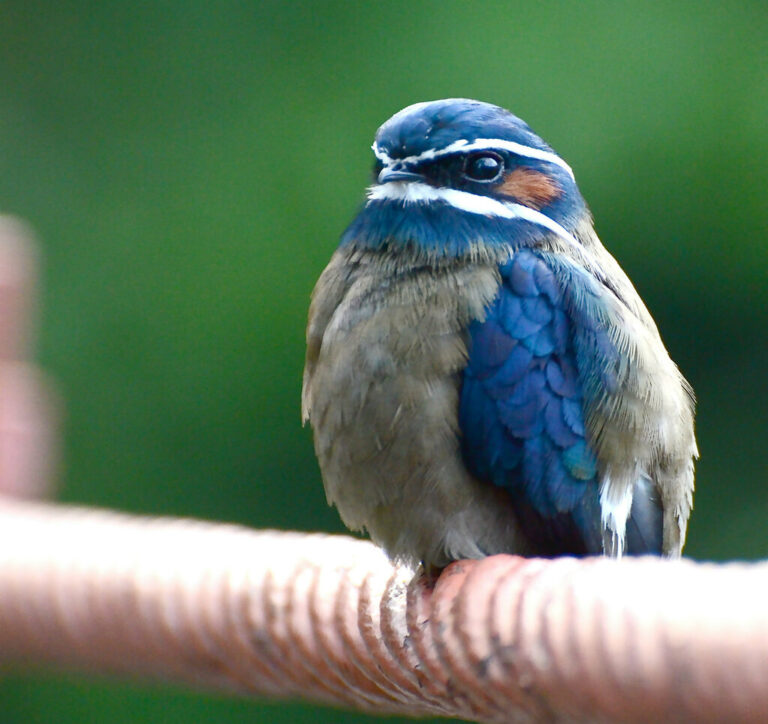
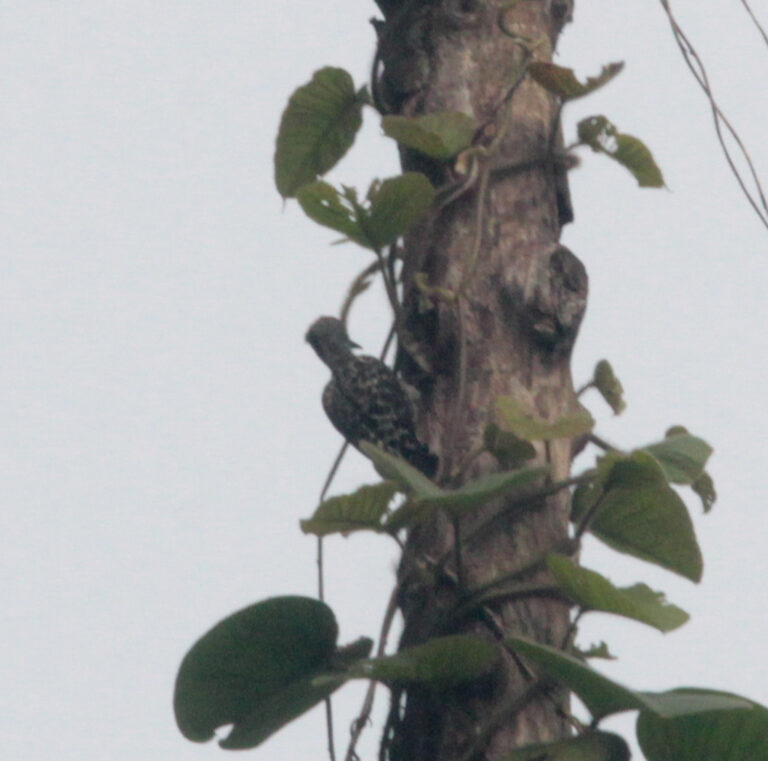
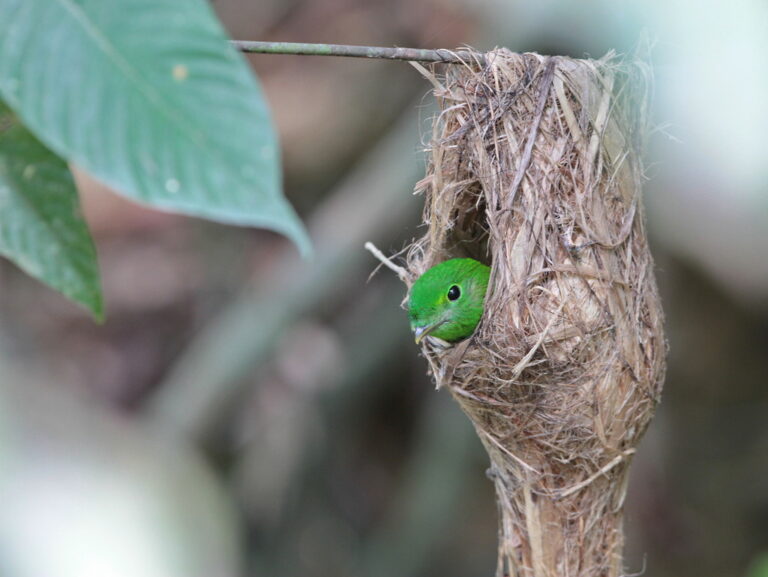
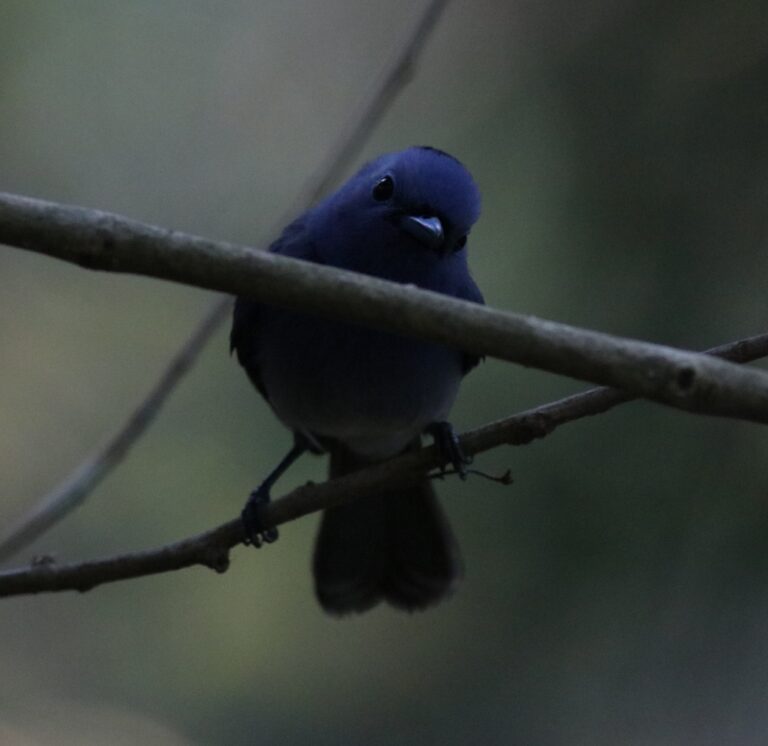
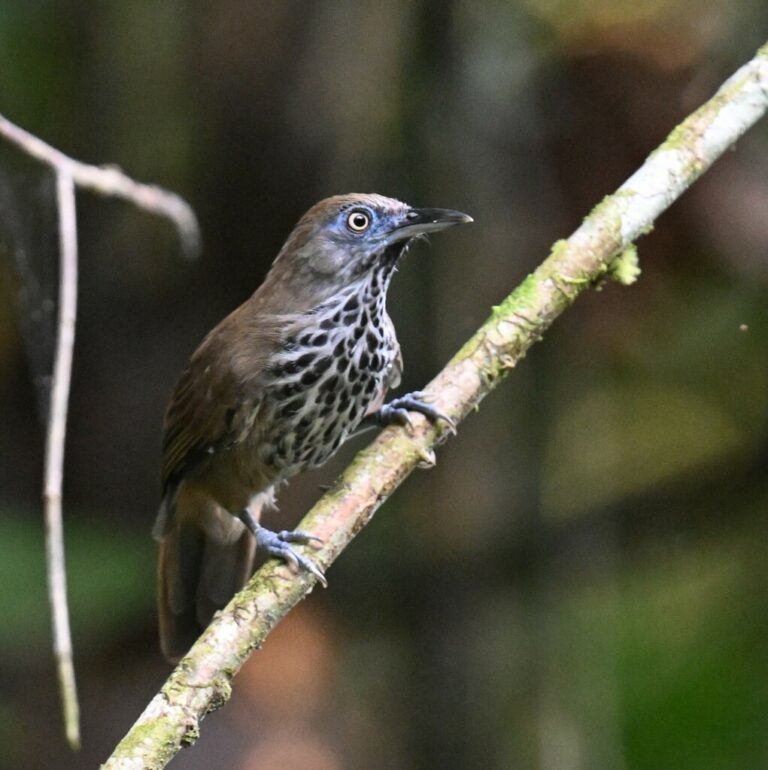
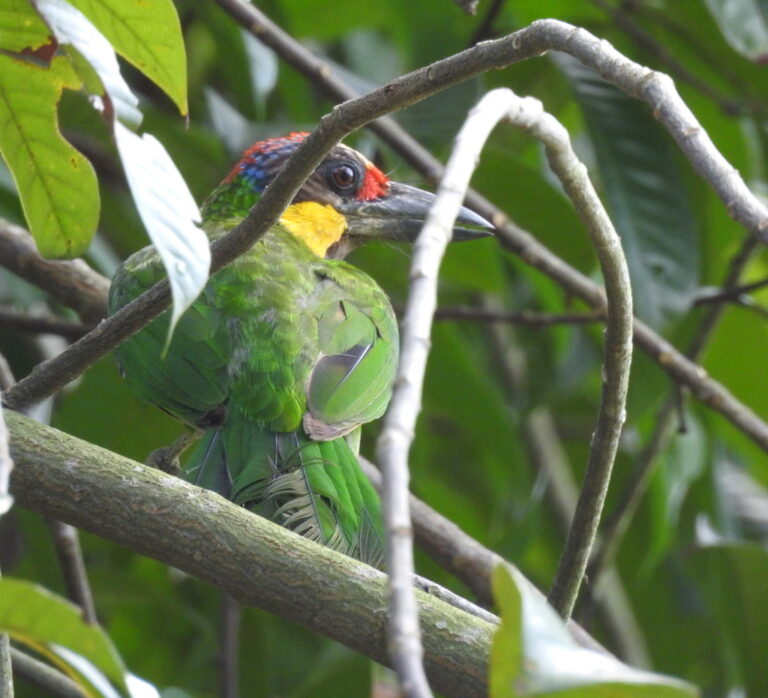
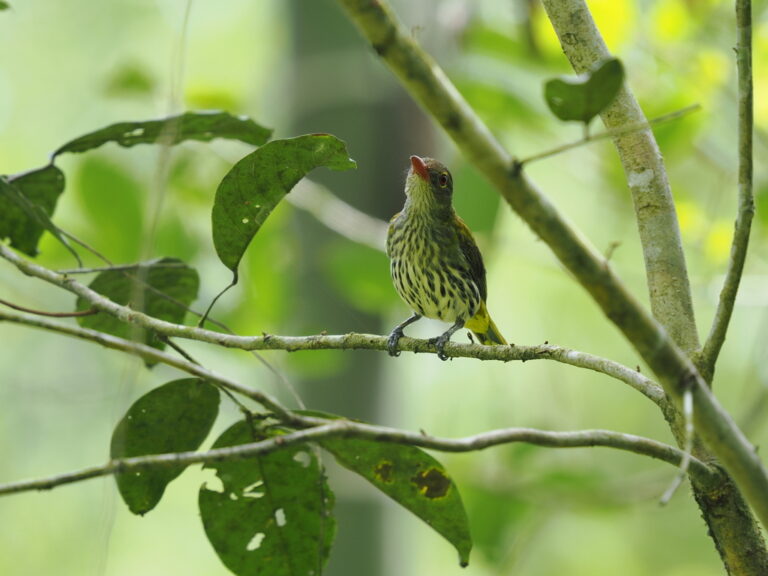
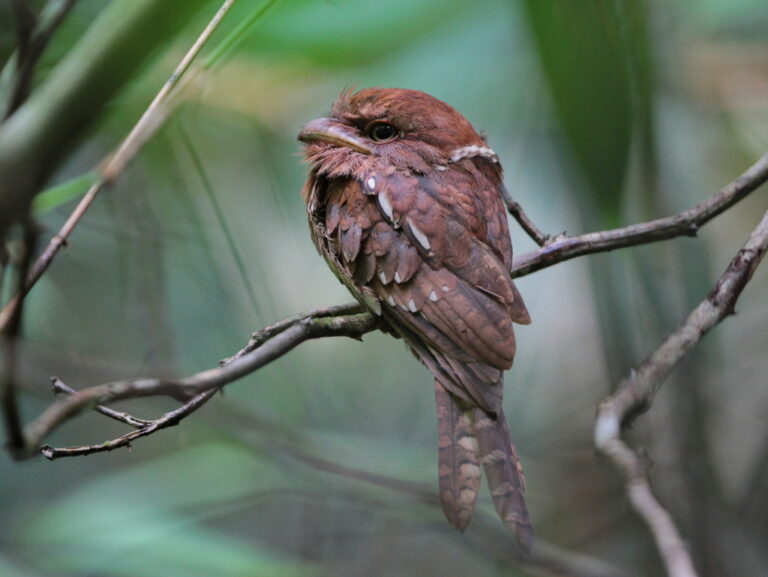
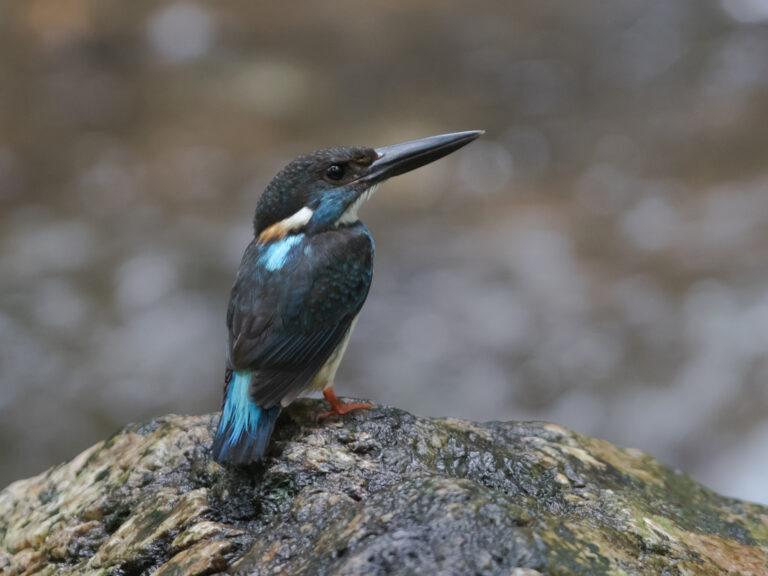
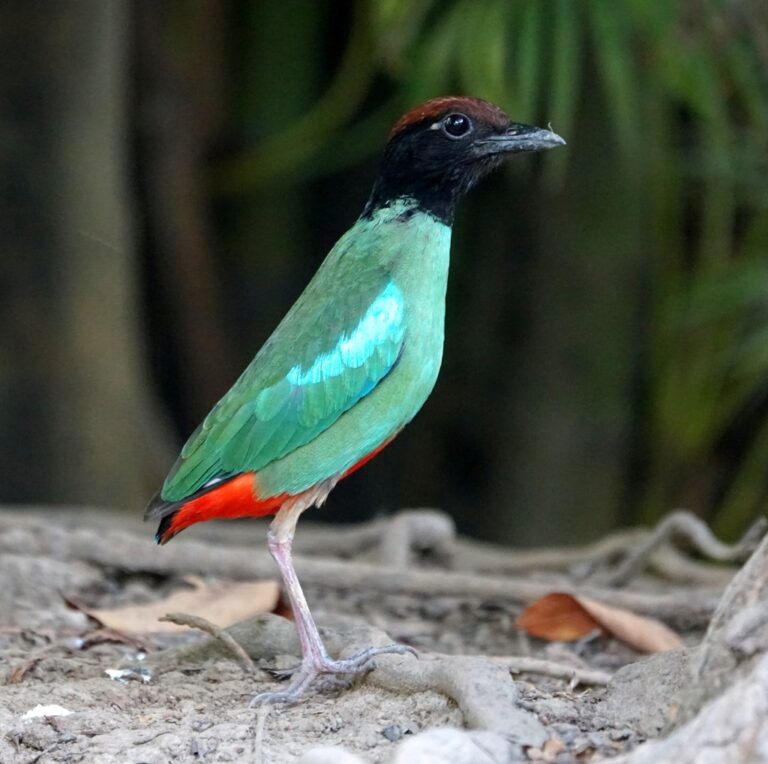
Photo © Tom from the Netherlands
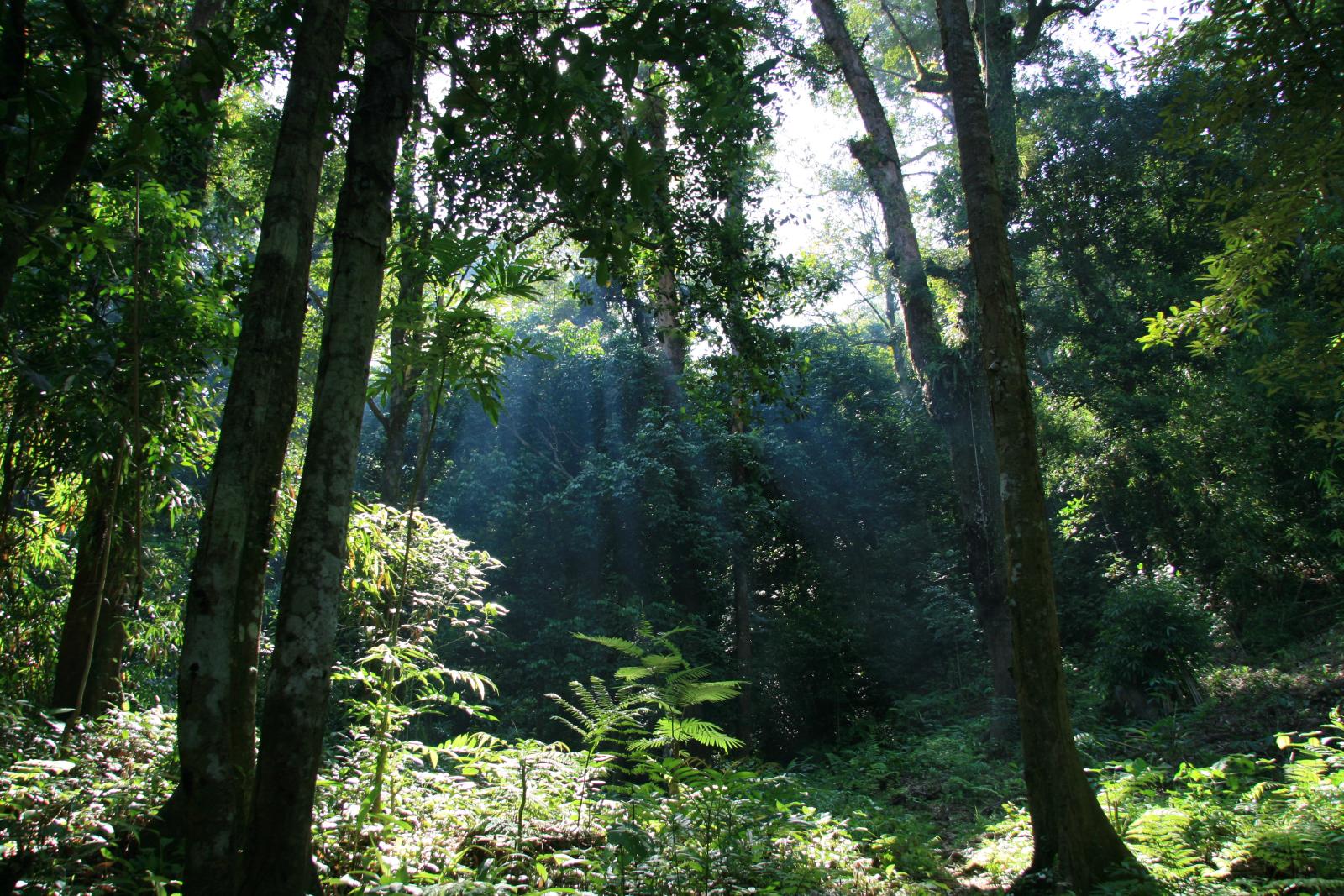
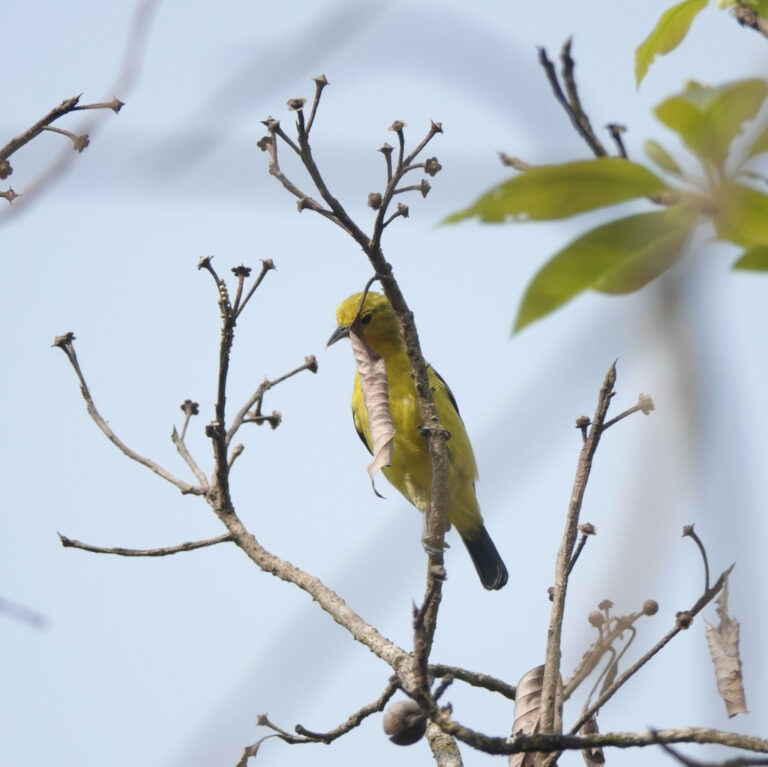
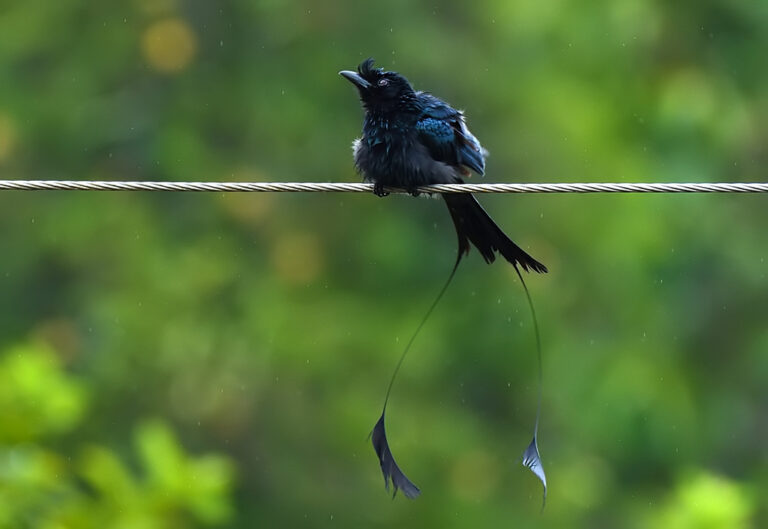
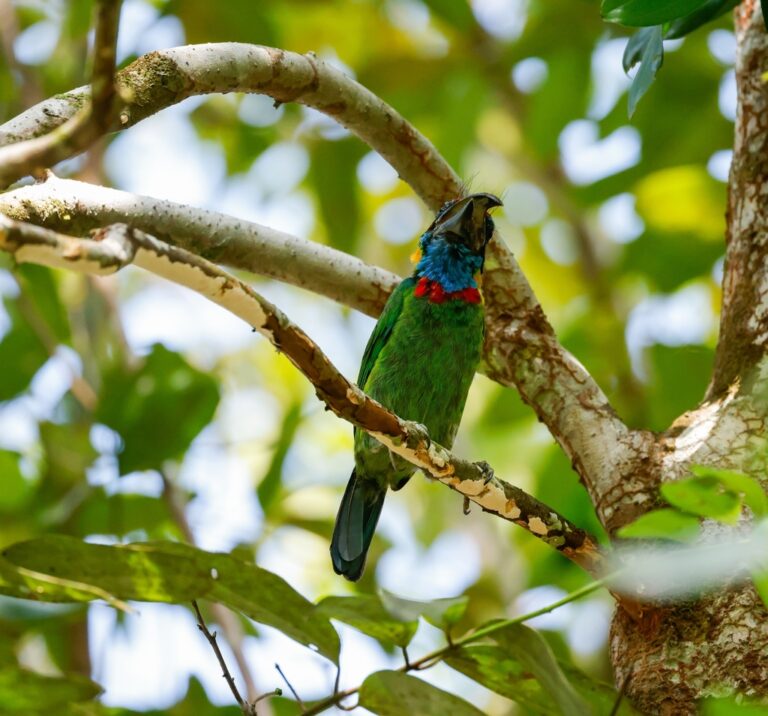
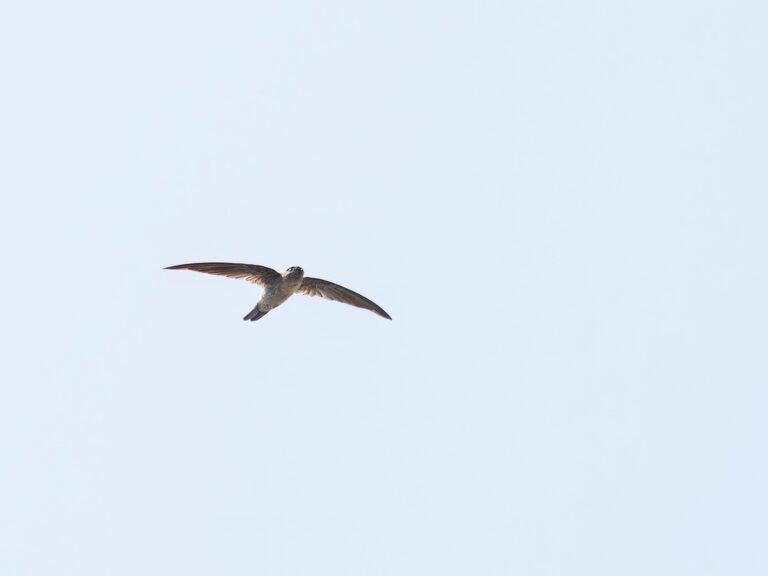
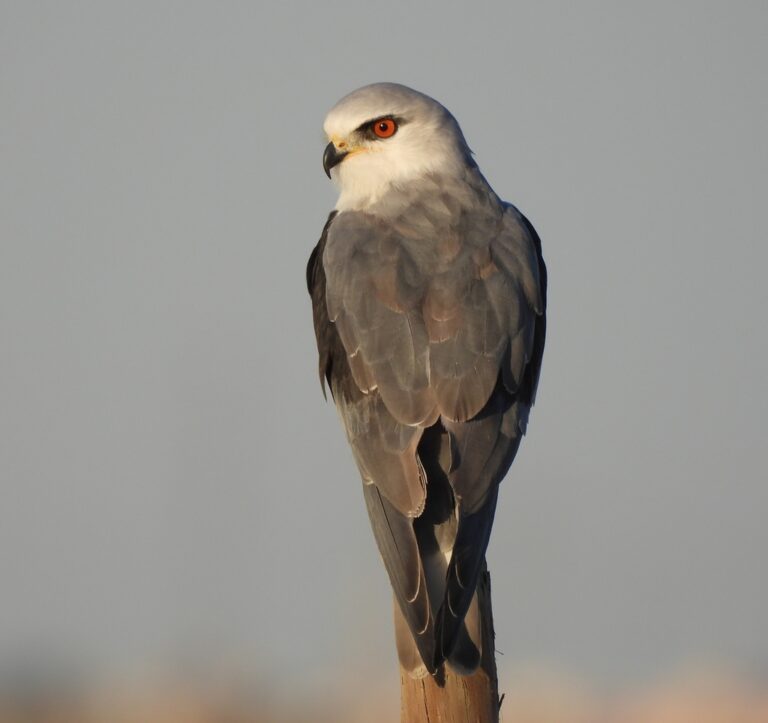
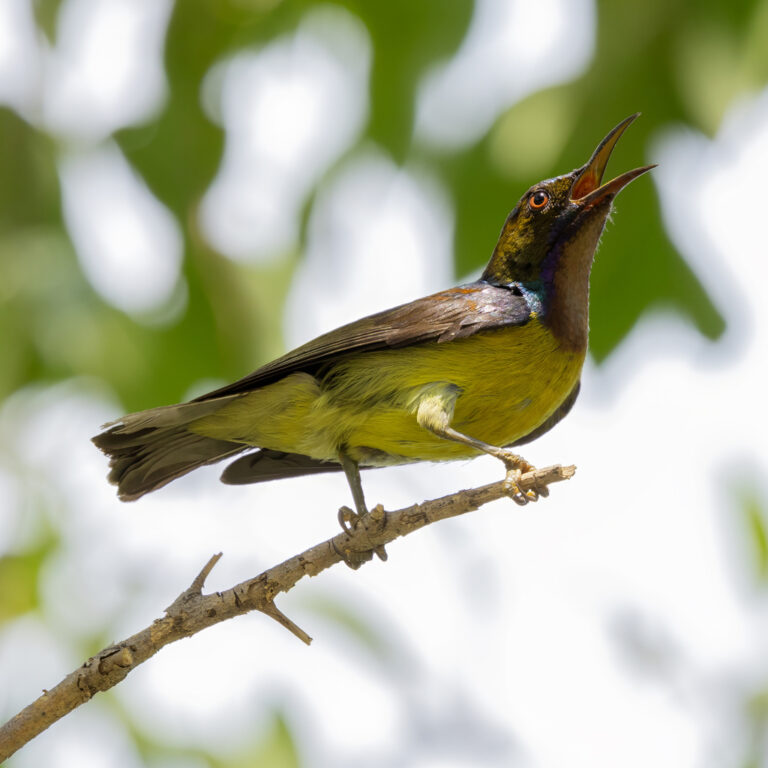
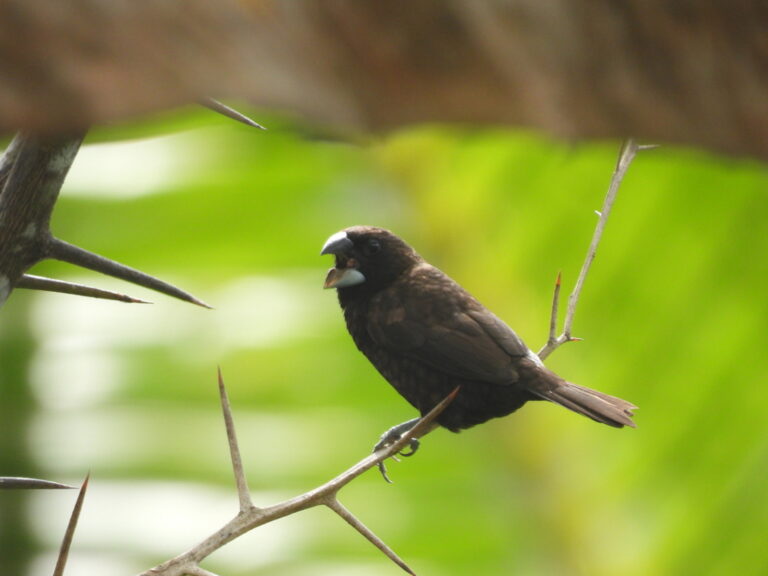
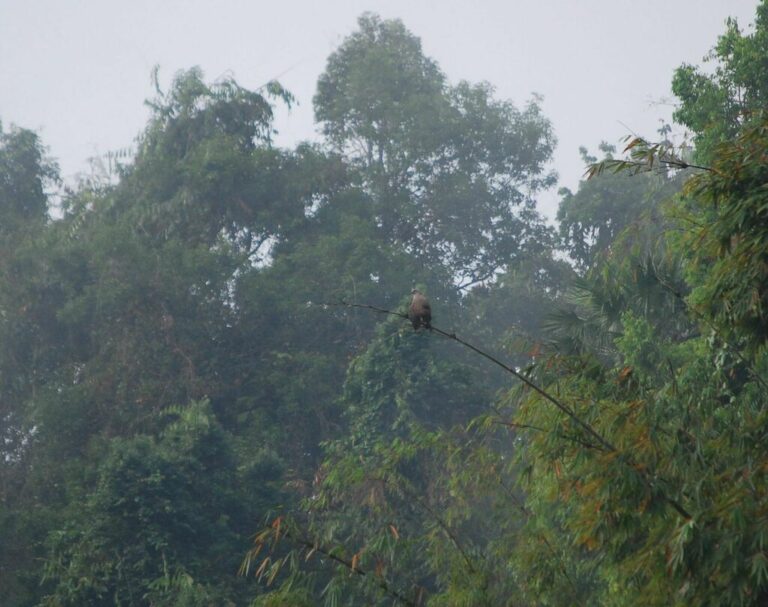
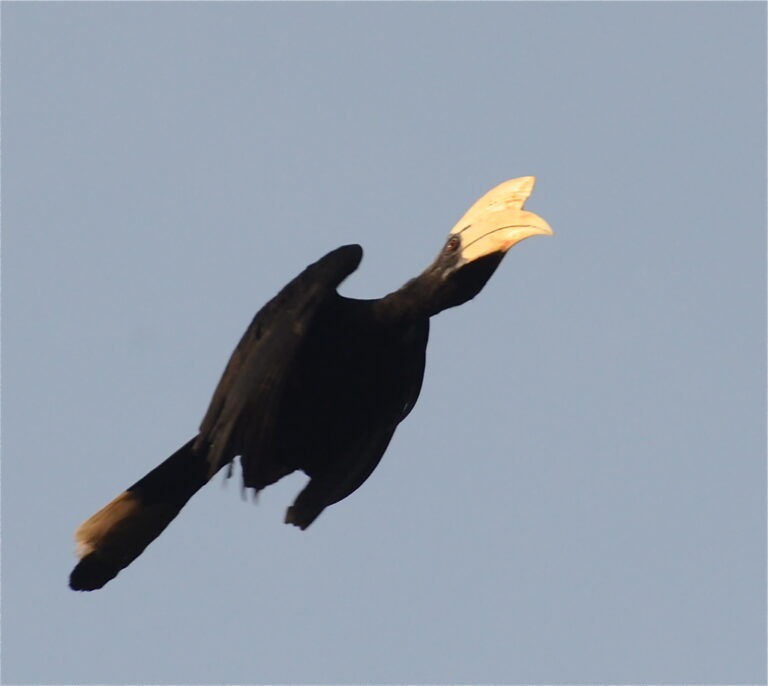
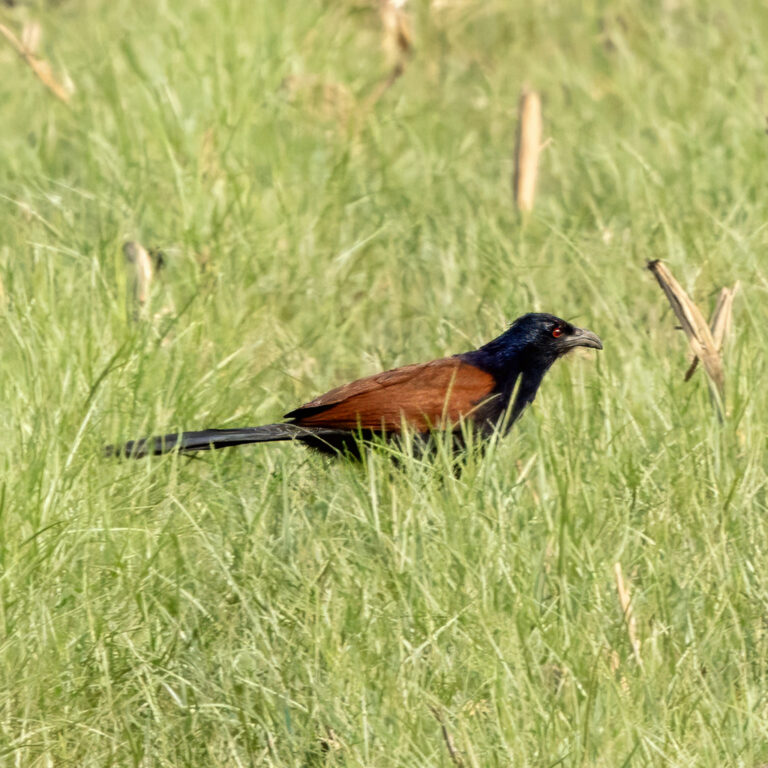
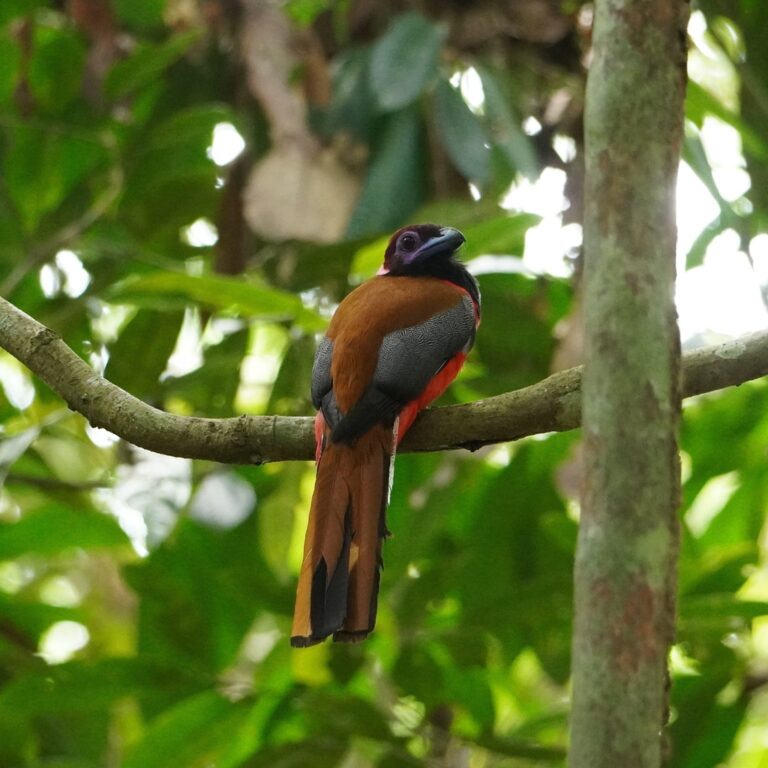
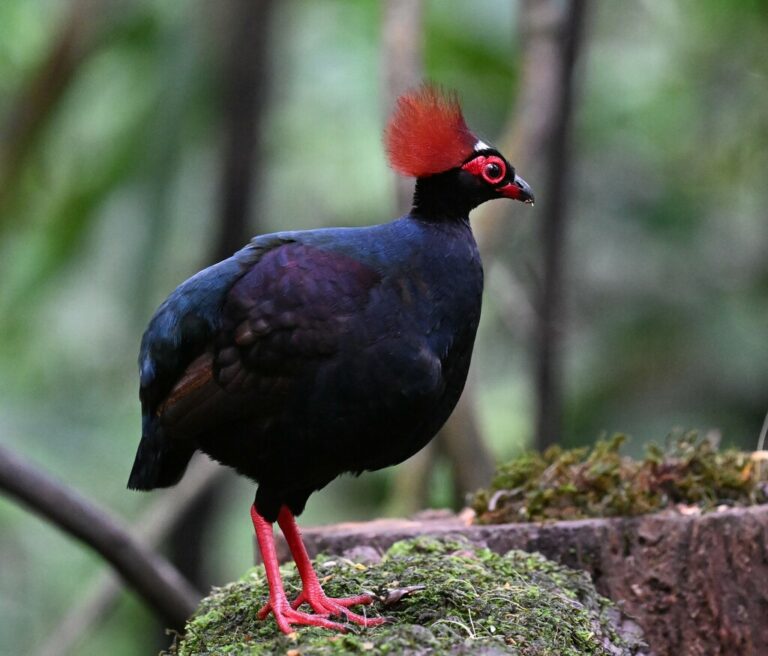
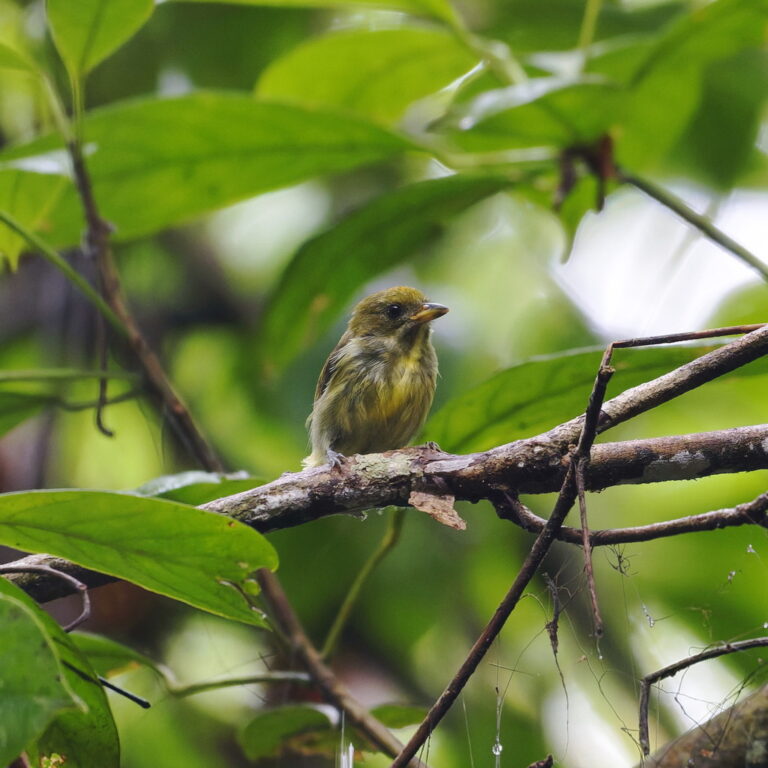
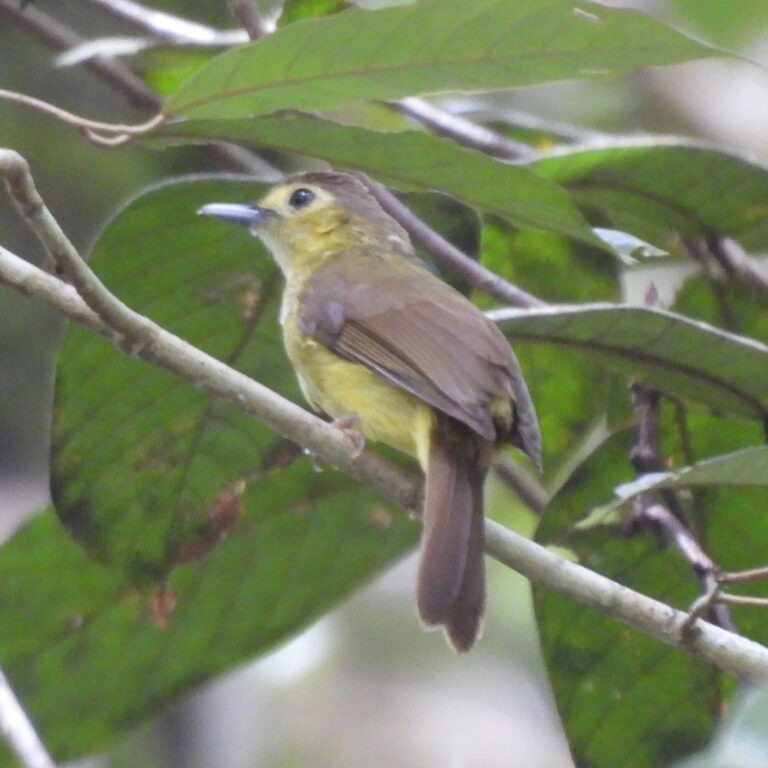
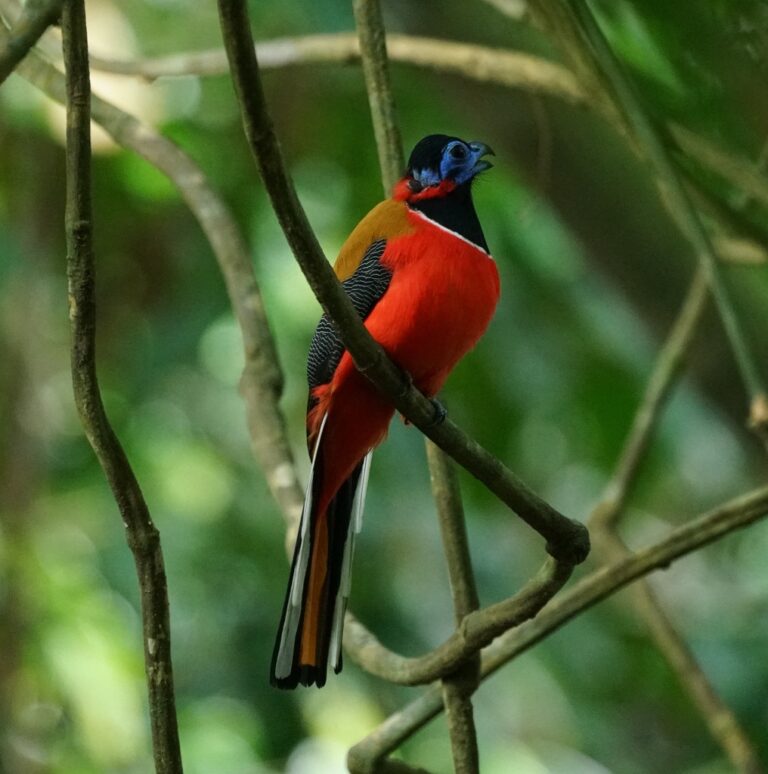
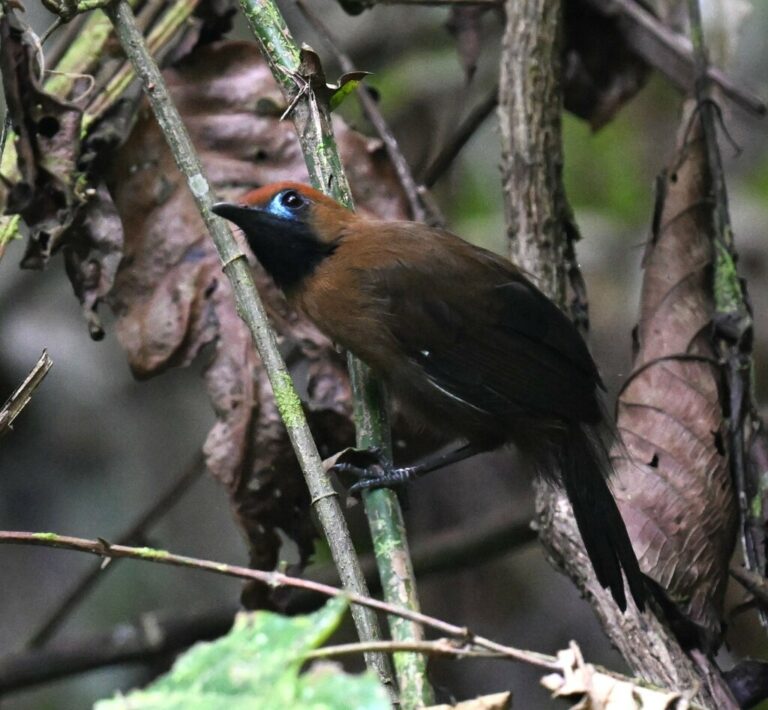
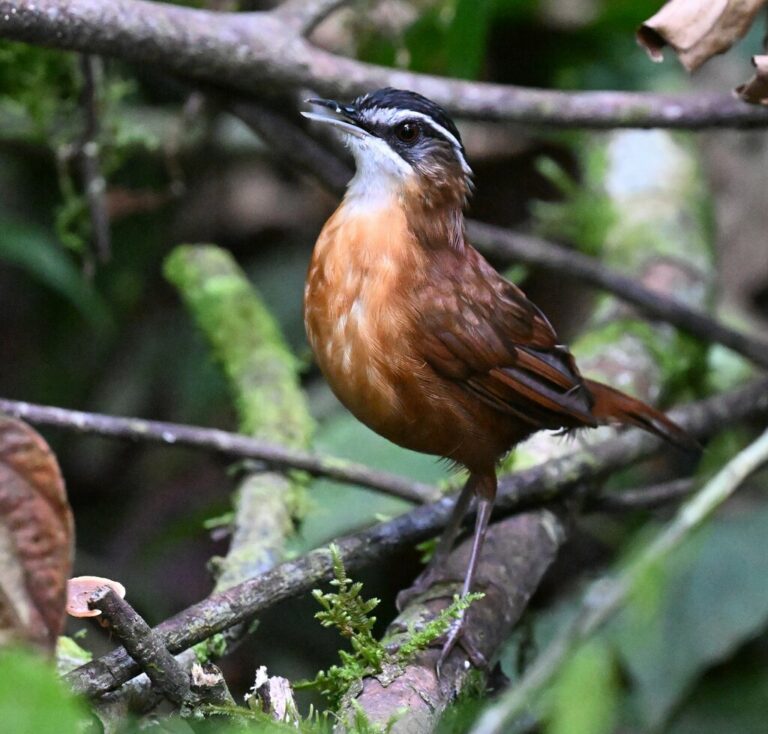
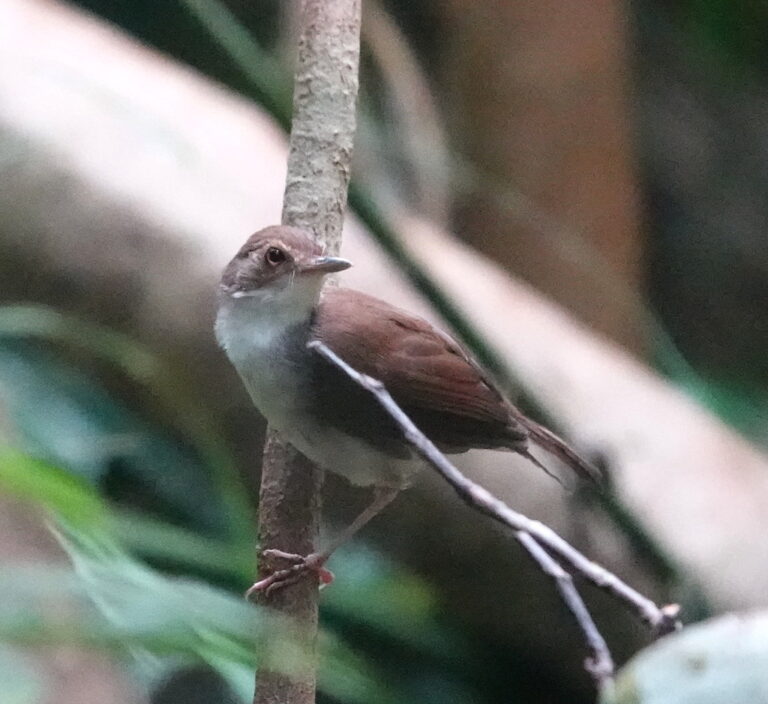
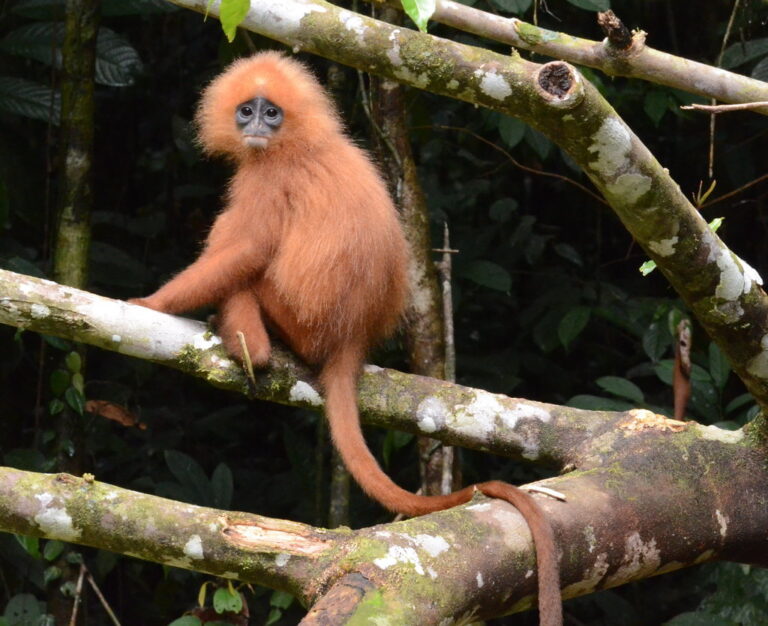
Photo © Tom from the Netherlands — CC BY-SA 4.0 — Source: Wikimedia CommonsRainforest swells across the steep terrain of West Kalimantan, where ancient volcanic ridges rise abruptly from lowland swamps and weathered plateaus. Gunung Palung National Park encompasses some 2,272 square kilometers of this sprawling landscape, creating a patchwork of habitat zones that shift with elevation and moisture: montane forests thick with epiphytes cling to the higher slopes, while dipterocarp-dominated lowland forest stretches across the gentler ground below, punctuated by freshwater wetlands and peat deposits that pulse with seasonal rains. This vertical zonation supports a rich cross-section of tropical wildlife adapted to distinct microclimates—aerial insectivores quarter the canopy, ground-foraging mammals navigate the leaf litter, arboreal primates navigate the mid-story, and flocks of nectar-feeders move through flowering trees. The park's remoteness and minimal human footprint have preserved populations of large forest mammals, small nocturnal carnivores, and ungulates that elsewhere in Borneo have dwindled to fragments.
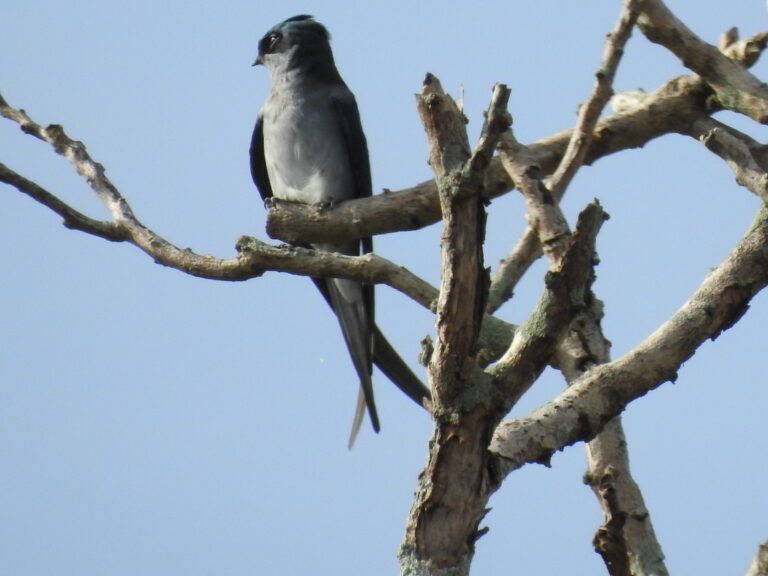
For wildlife observers and photographers, Gunung Palung offers both technical challenge and genuine reward. The park's interior, accessed via river routes and jungle trails, demands patience and fitness—light is often soft and diffused beneath the closed canopy, favoring slow film speeds and tripod work—but the payoff is encounters with forest birds and mammals in their least-disturbed state. The wet season (October to April) swells waterways and triggers breeding cycles across multiple guilds; the drier months (May to September) concentrate wildlife around remaining water sources and fruiting trees, sharpening odds for observation. Few international visitors reach here, which means minimal habituation to humans and raw, unfiltered behavior. The combination of elevation range, intact forest structure, and isolation makes this one of Borneo's most intact natural laboratories for understanding how tropical wildlife persists across gradients of altitude, moisture, and forest age.
No community observations yet — be the first to log a sighting here.
Gunung Palung National Park
Warm throughout the year, with rainfall patterns shaping the seasons.
A year of temperatures
Monthly means, with the coldest and warmest highlighted
Terrain and elevation
27 m · LowlandAverage terrain elevation estimate across the hotspot; the figure does not represent its highest summits.
Lowland