Salisbury Plain
Photo © Se Mo
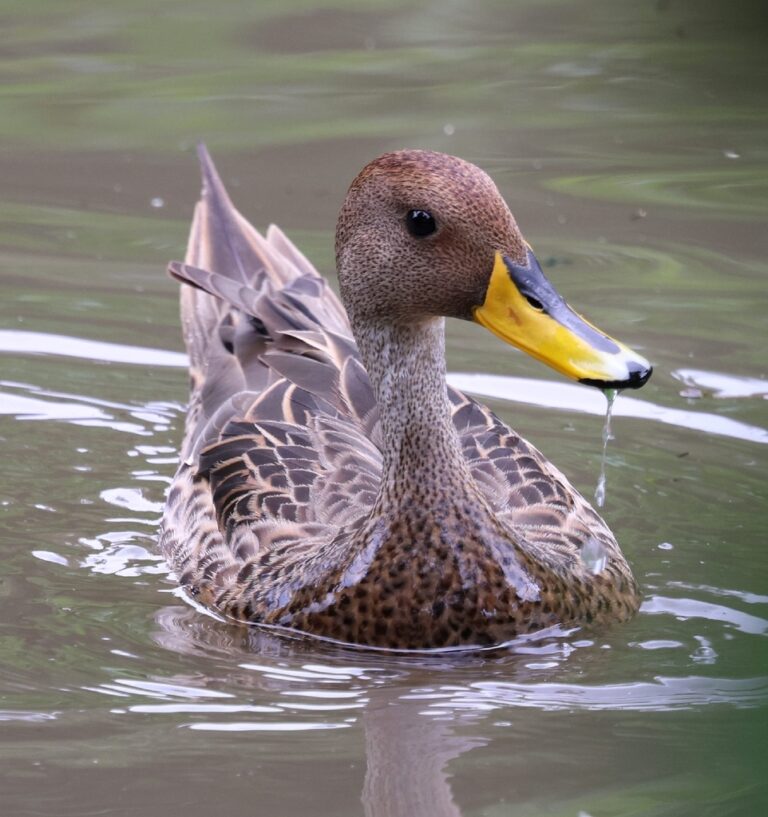
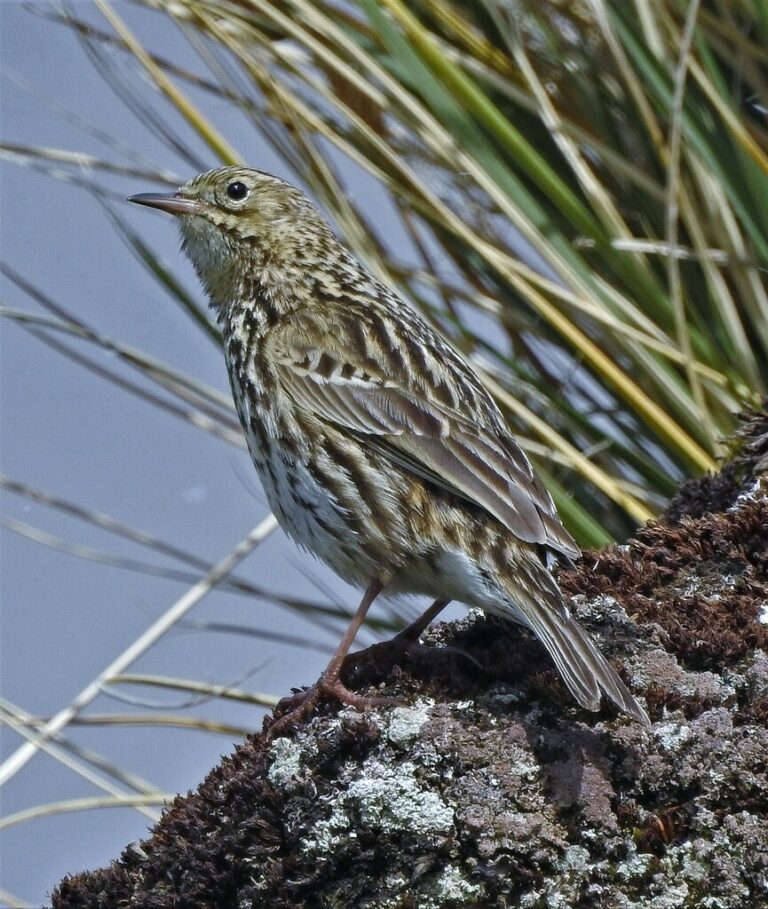
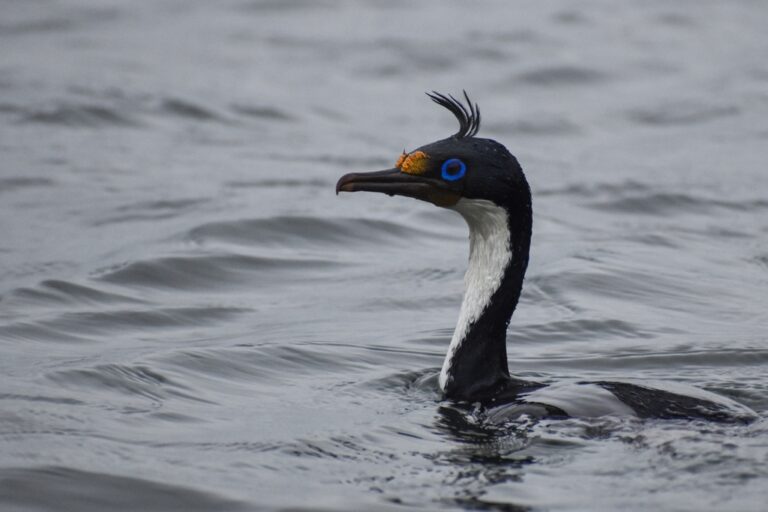
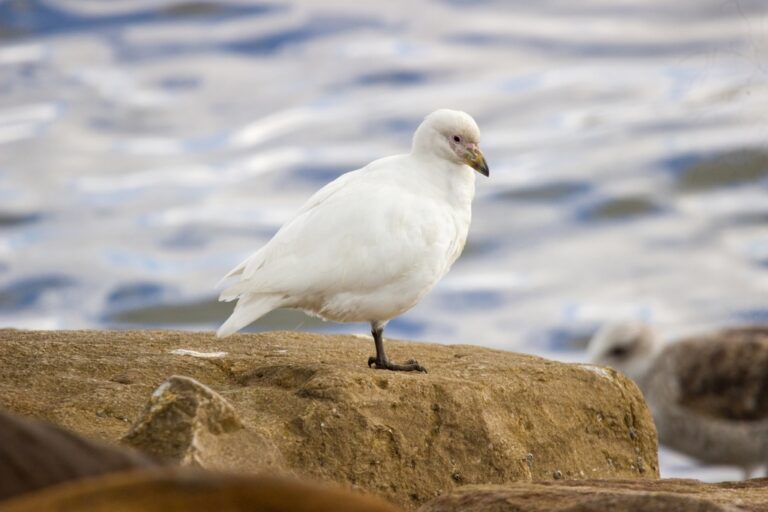
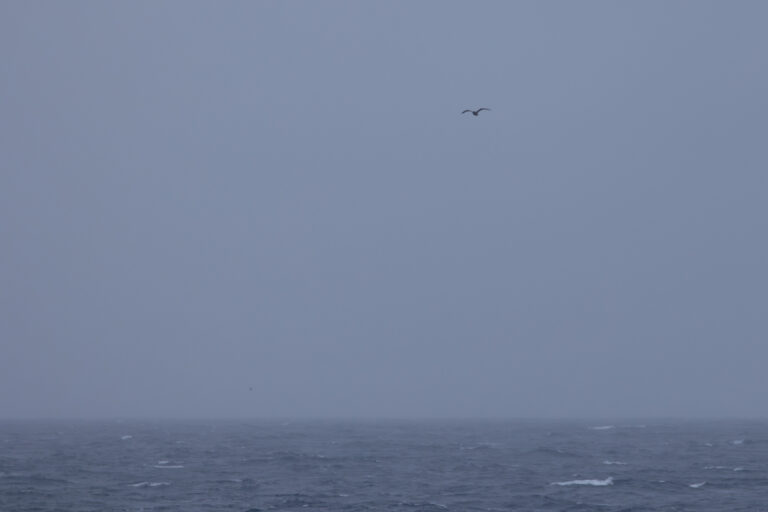
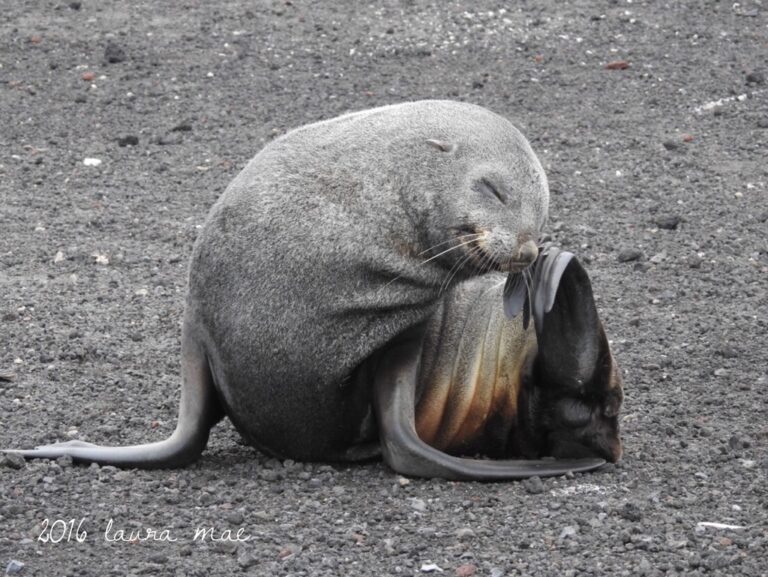
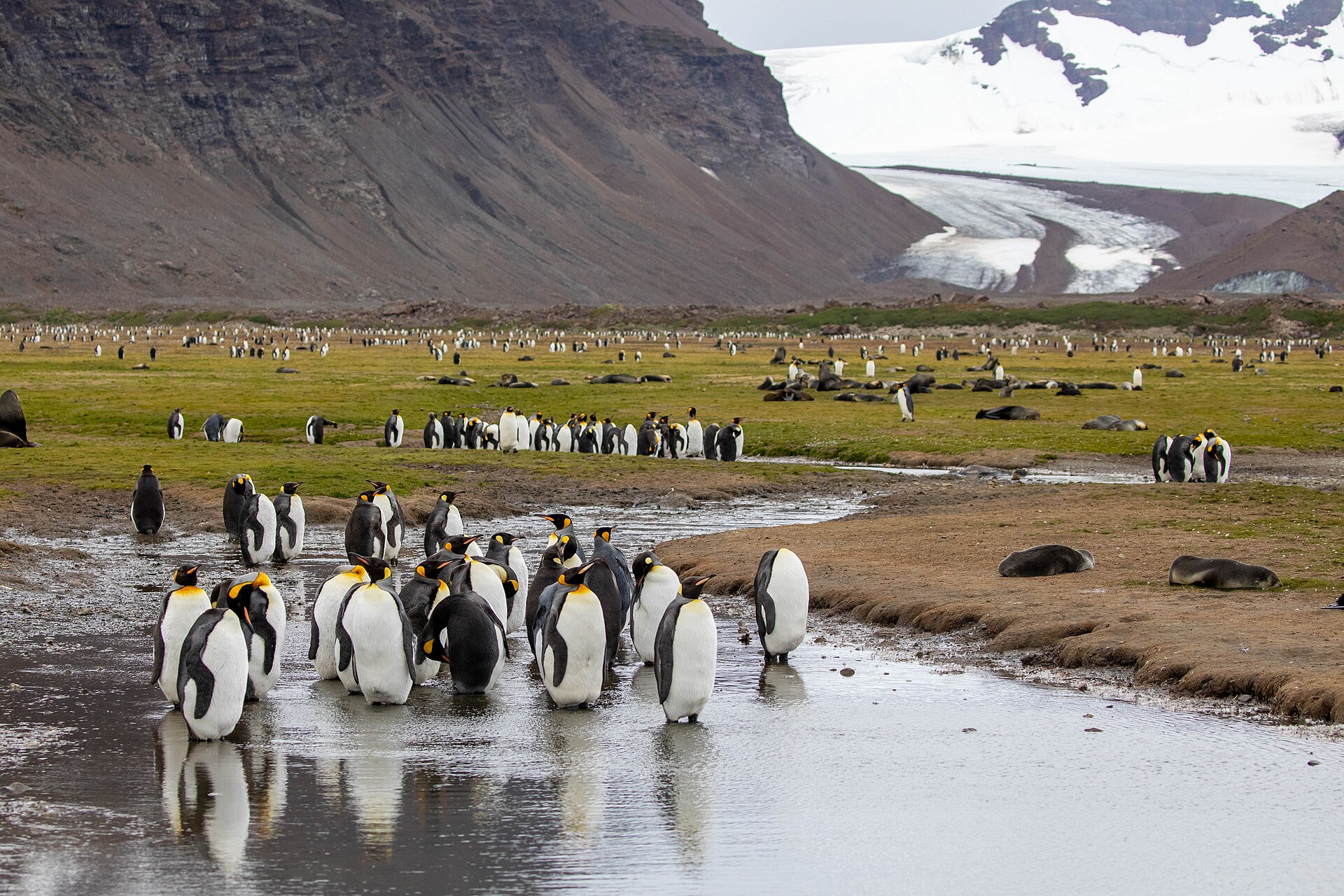
Photo © Se Mo — CC BY-SA 4.0 — Source: Wikimedia CommonsWhere tussock grasses bow to relentless Antarctic winds and glacial meltwater carves braided channels through obsidian volcanic soil, one of Earth's most remote wildlife sanctuaries reveals itself. Salisbury Plain sprawls across South Georgia's northeastern reach, a landscape sculptured by ice age and oceanic fury into rolling moorland where hardy vegetation clings to existence. The terrain transitions dramatically from windswept grasslands to boulder-strewn beaches where the Southern Ocean crashes with primal force. This ecological crucible, shaped by millennia of glaciation and volcanic activity, creates microclimates that sustain extraordinary concentrations of Antarctic fauna rarely witnessed elsewhere on the planet.
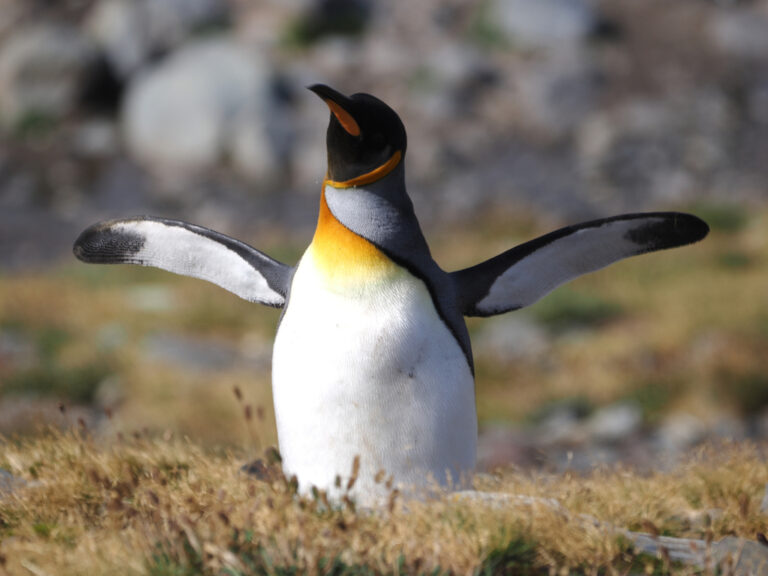
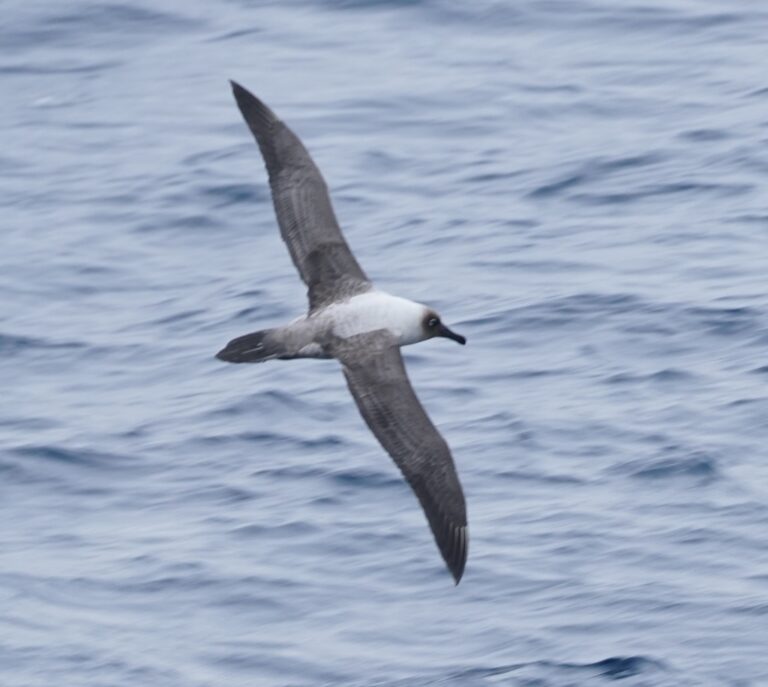
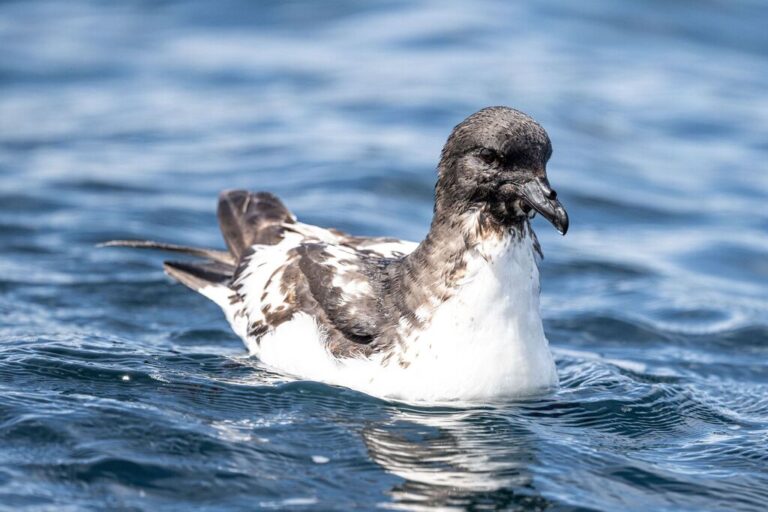
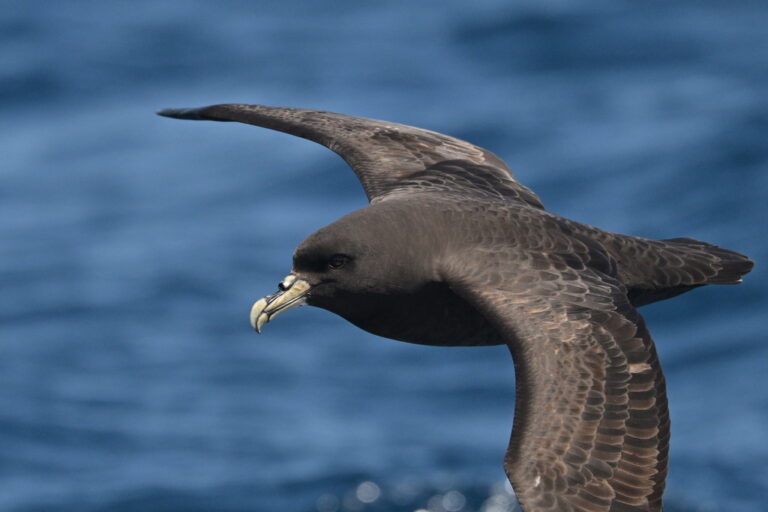
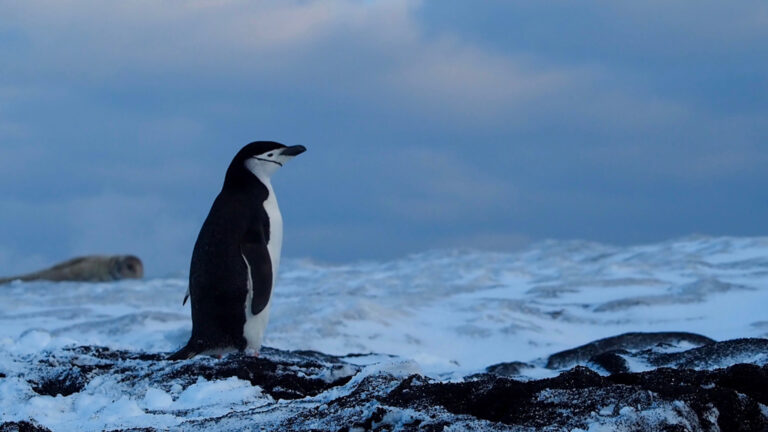
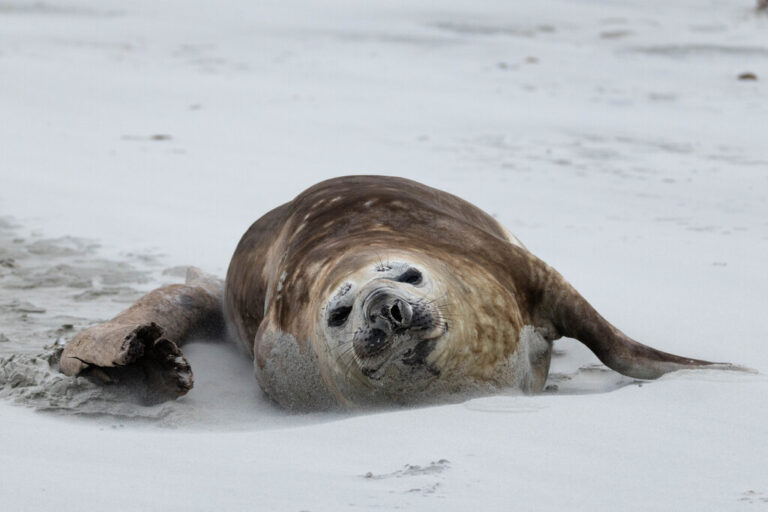
The plain stands as pilgrimage ground for serious wildlife photographers and ornithologists seeking unmediated encounters with king penguins and elephant seals in their natal landscape. During the austral summer, November through February, hundreds of thousands of kings congregate here in colonies of staggering density, their russet and gold plumage striking against pewter skies. The low angle of polar light during these months bathes the plain in luminosity ideal for capturing behavioral sequences. Though access demands expedition-class logistics and considerable expense, the reward is unfiltered immersion in a sanctuary where human presence remains refreshingly incidental to the landscape's ancient rhythms.
No community observations yet — be the first to log a sighting here.
Salisbury Plain
Very cold conditions shape most of the year.
A year of temperatures
Monthly means, with the coldest and warmest highlighted
Terrain and elevation
123 m · LowlandAverage terrain elevation estimate across the hotspot; the figure does not represent its highest summits.
Lowland