Tuktut Nogait National Park
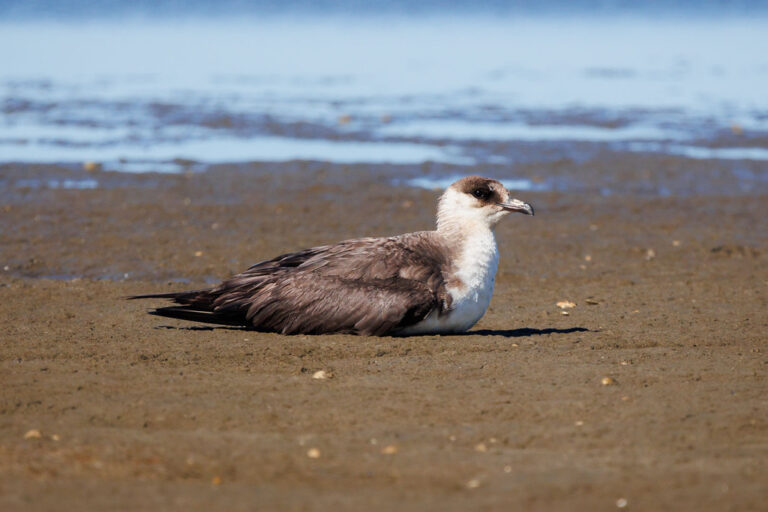
Photo © Jason Birch
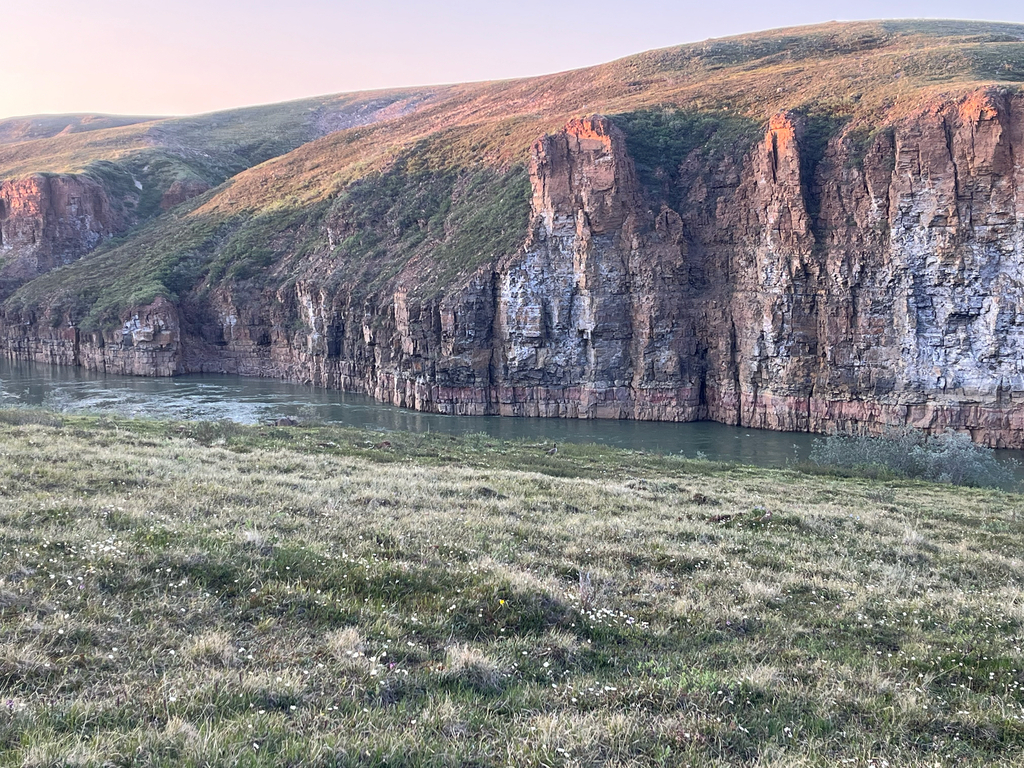
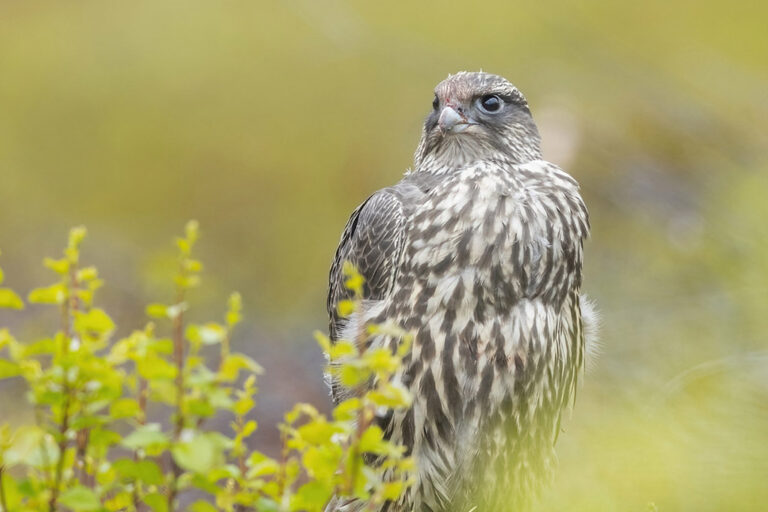
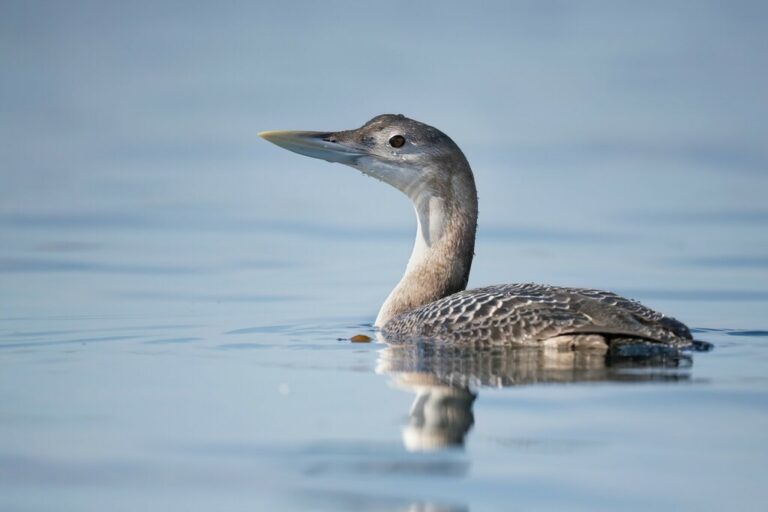
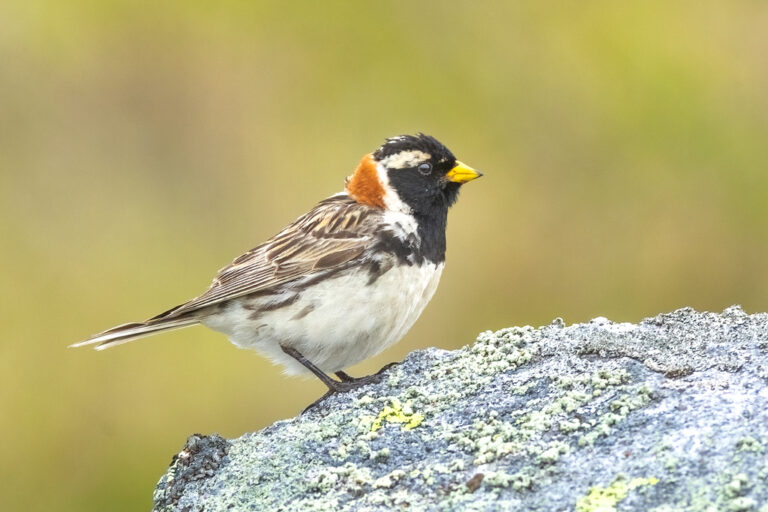
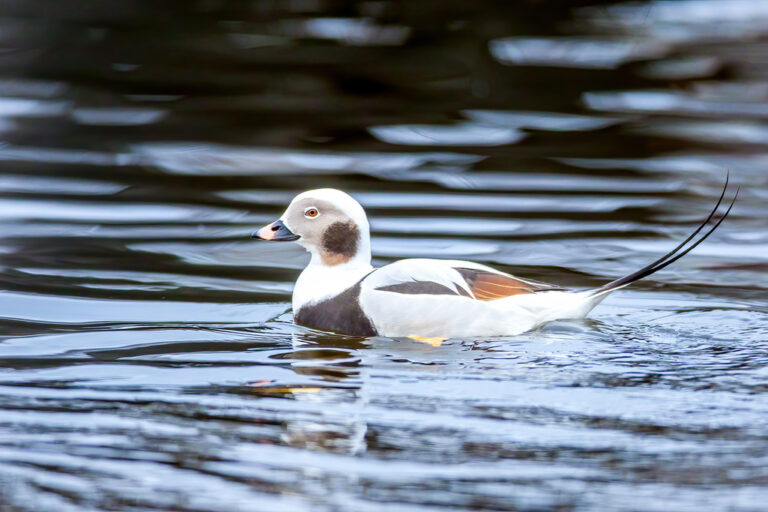
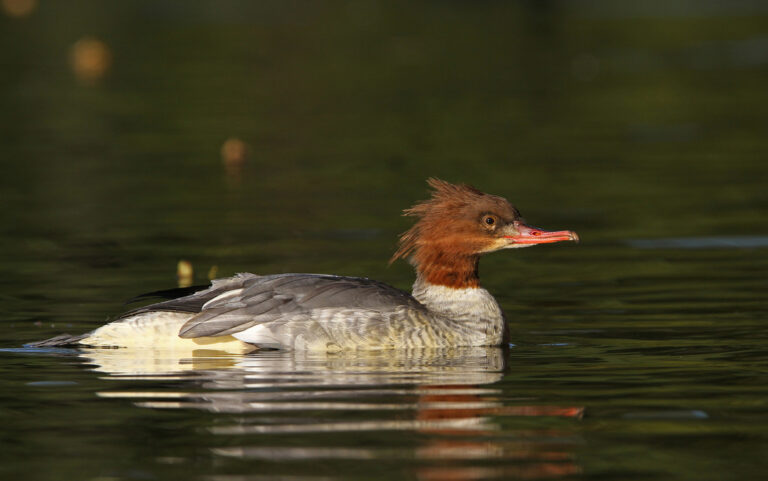
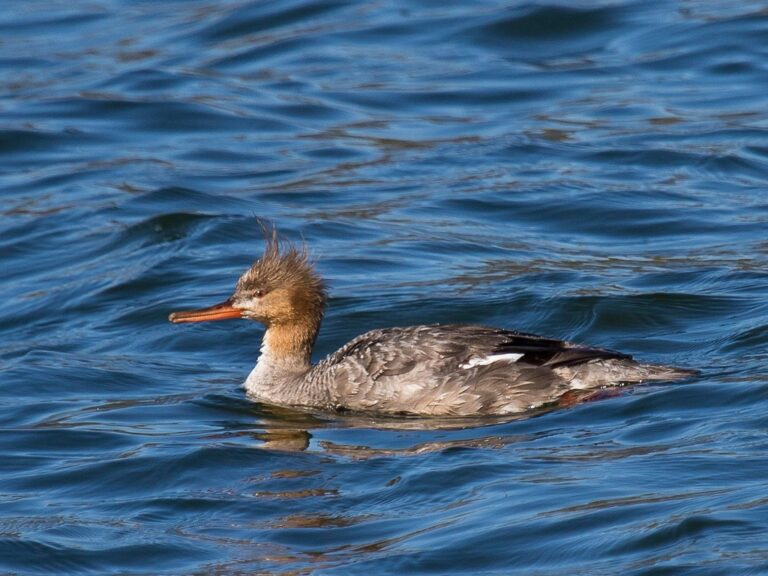
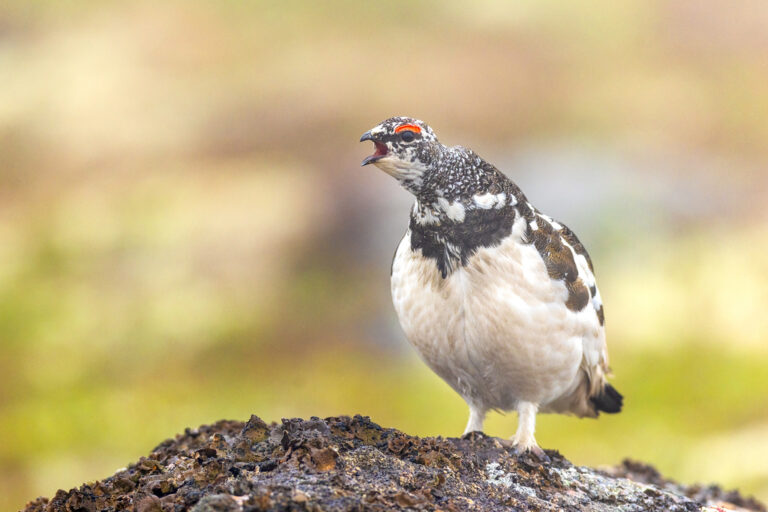
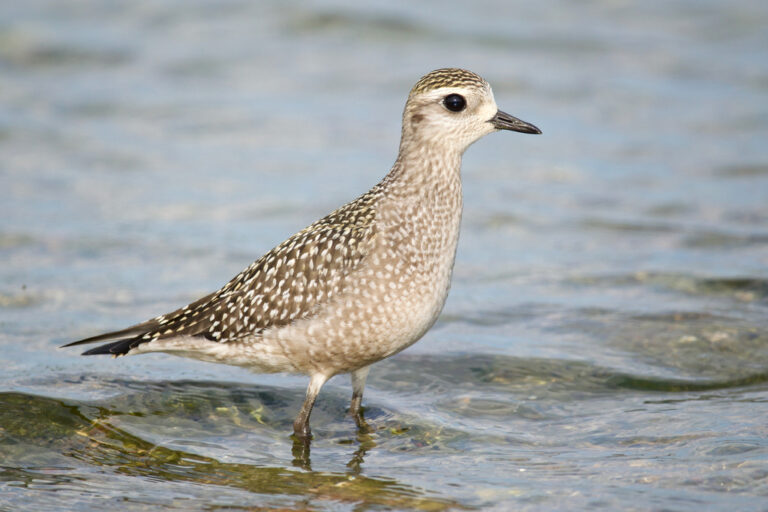
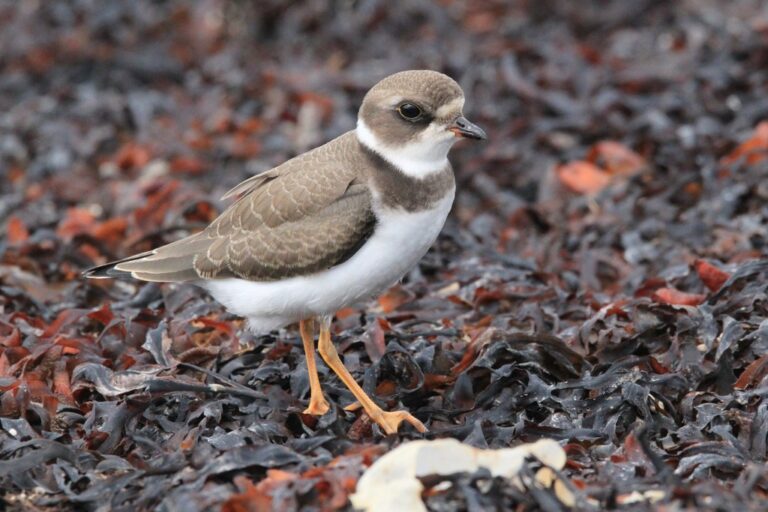
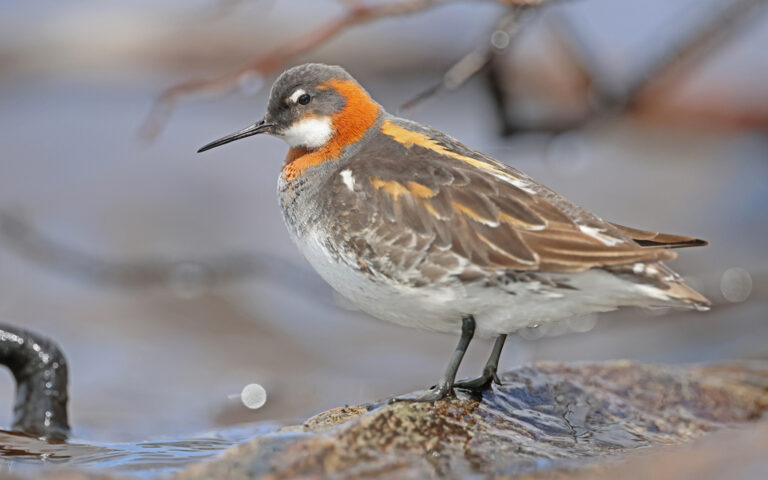
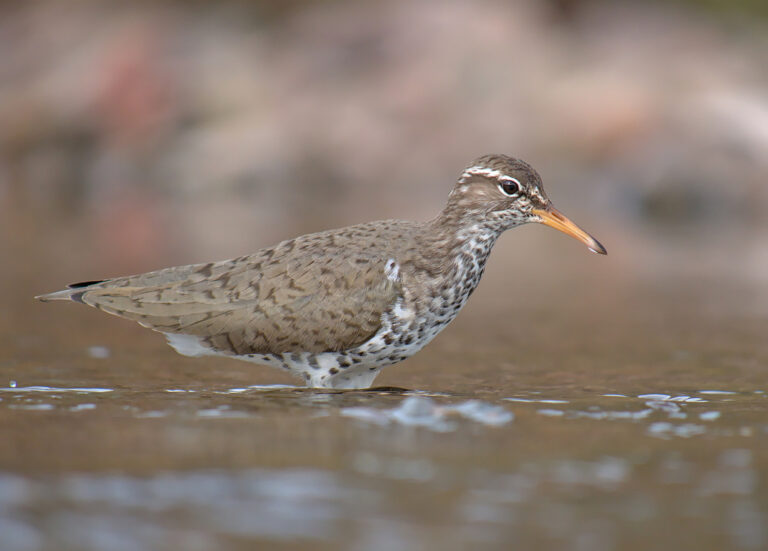
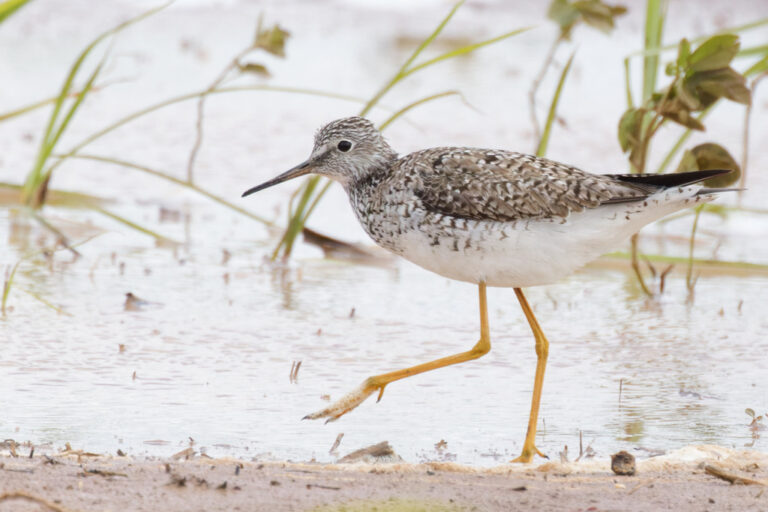
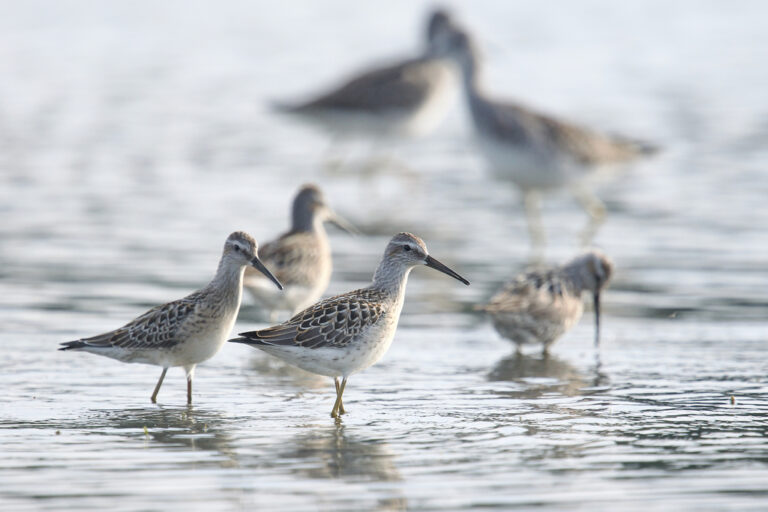
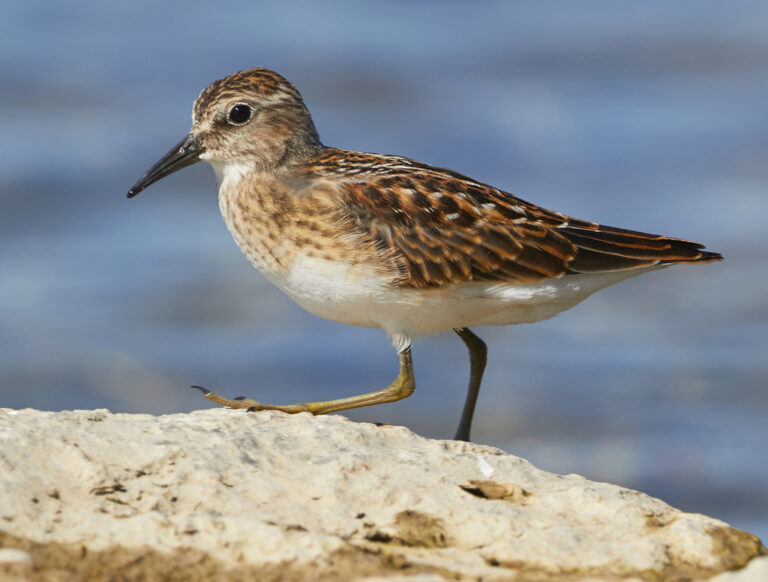
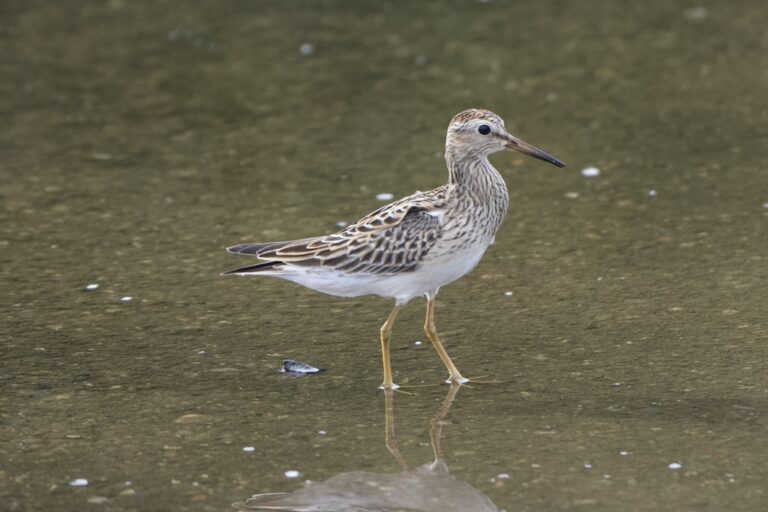
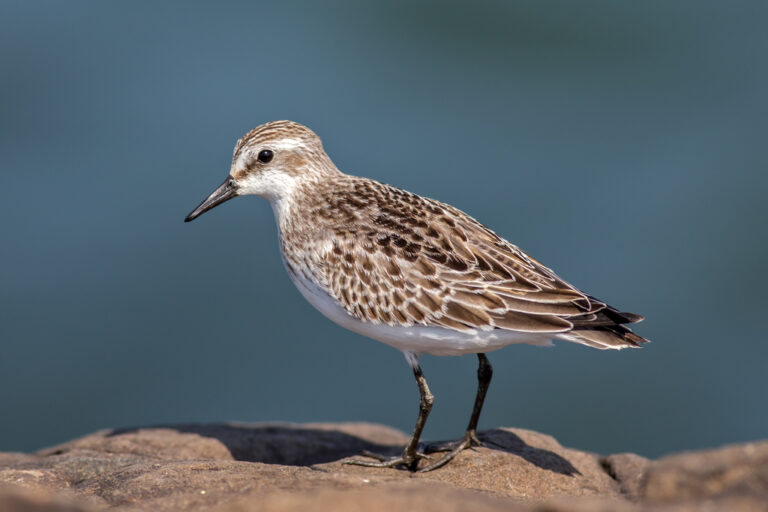
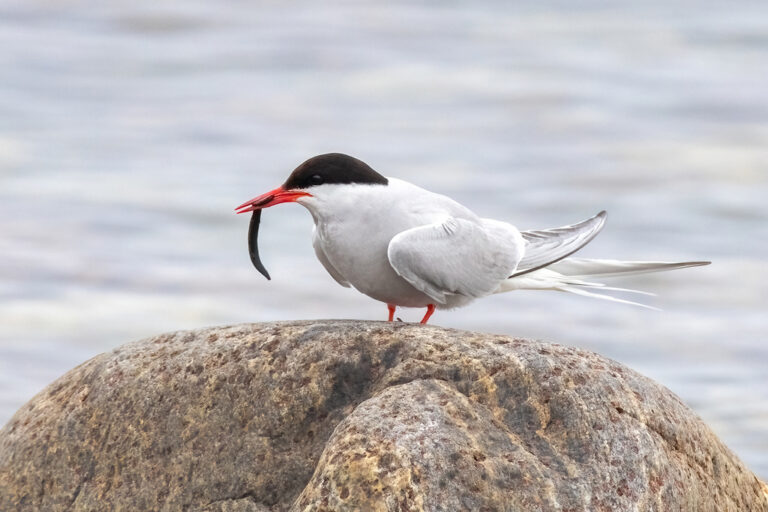
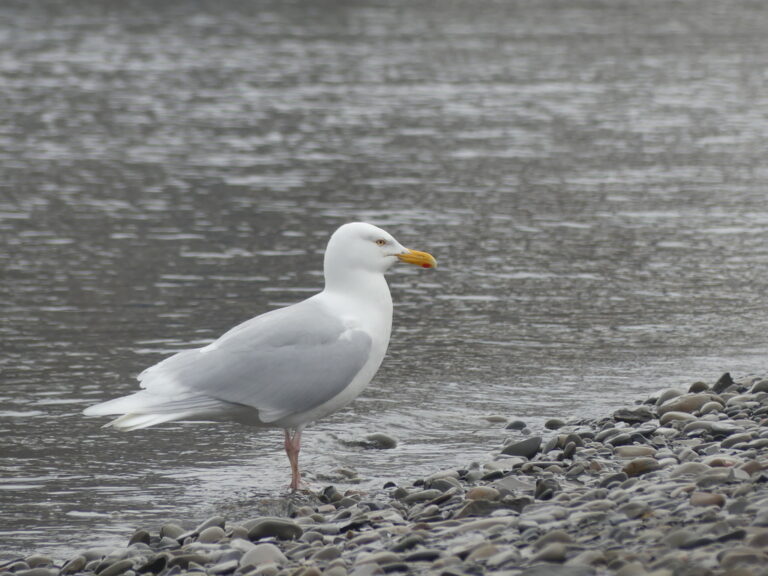
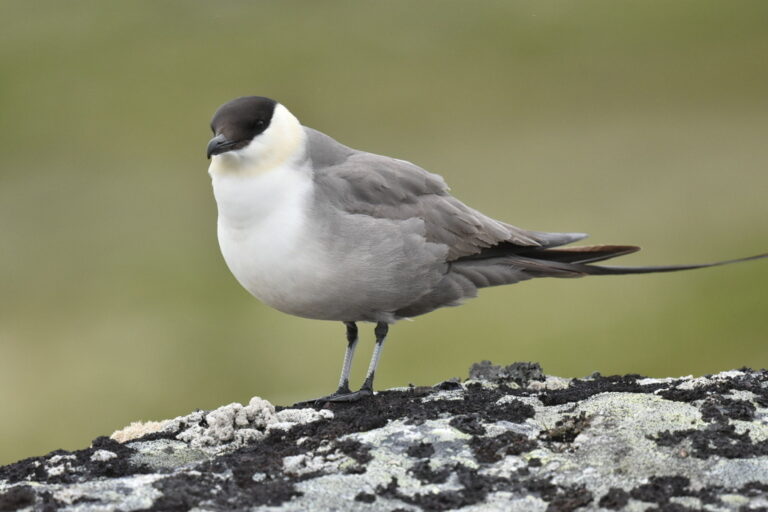
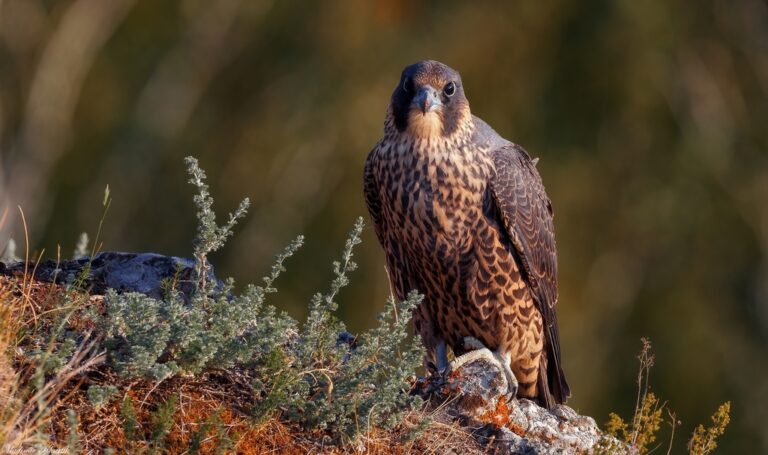
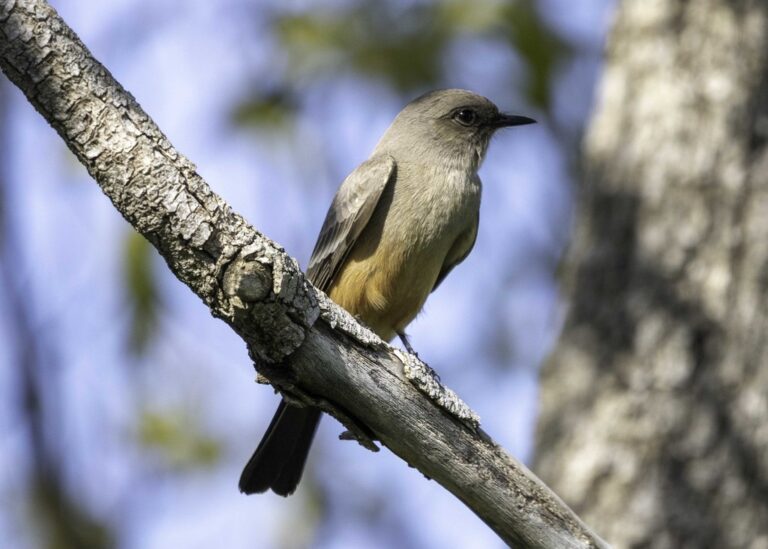
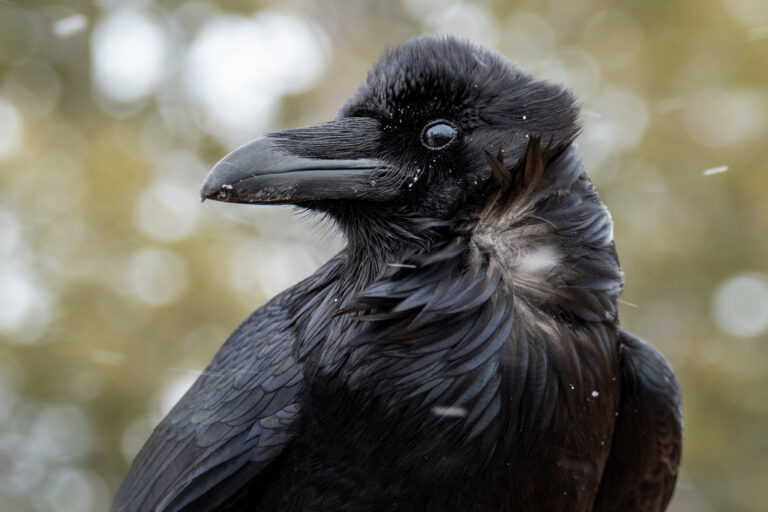
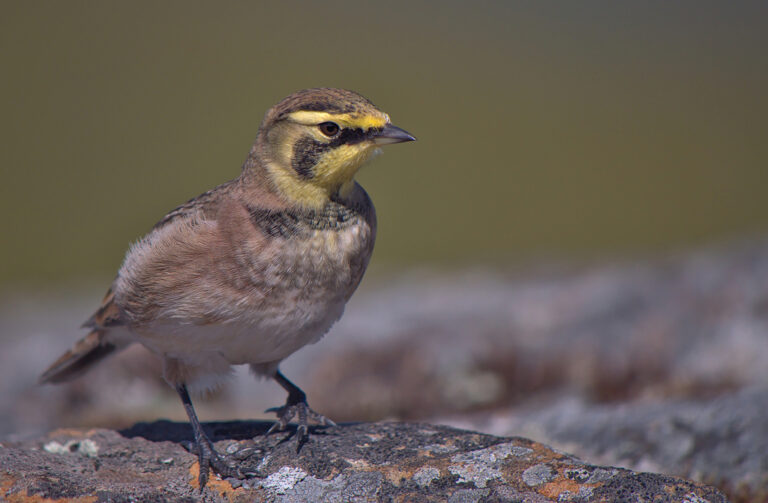
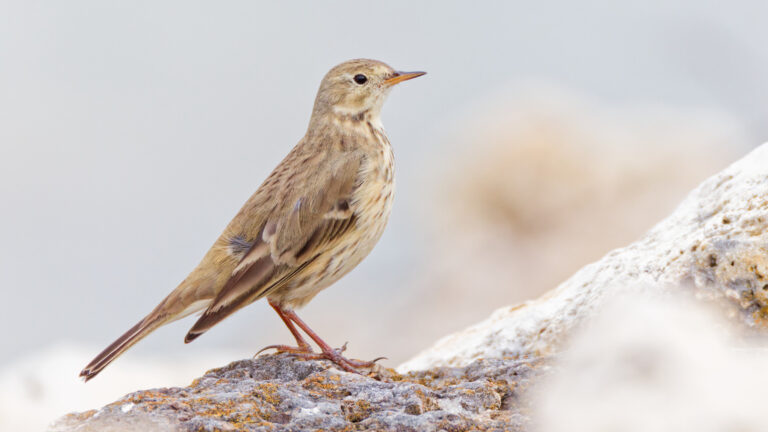
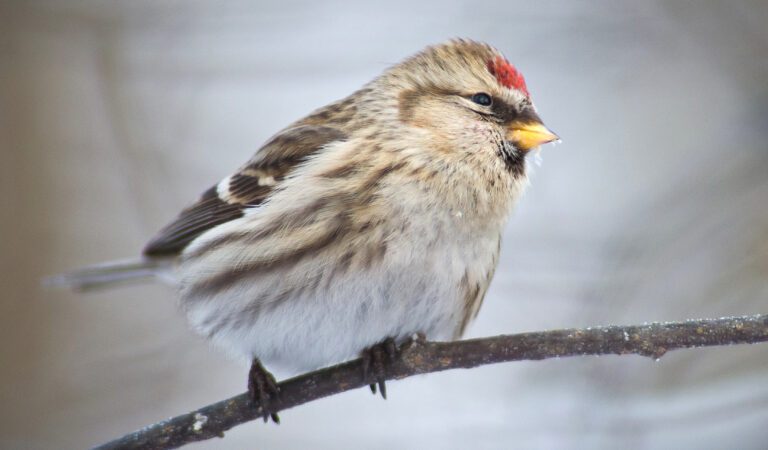
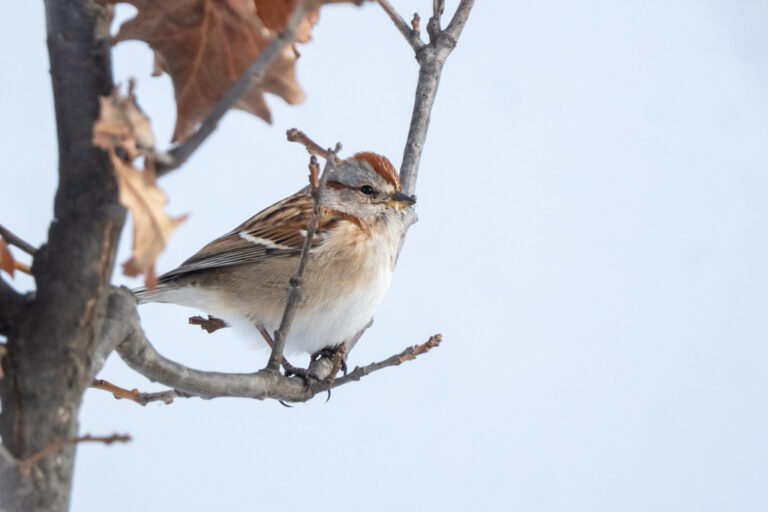
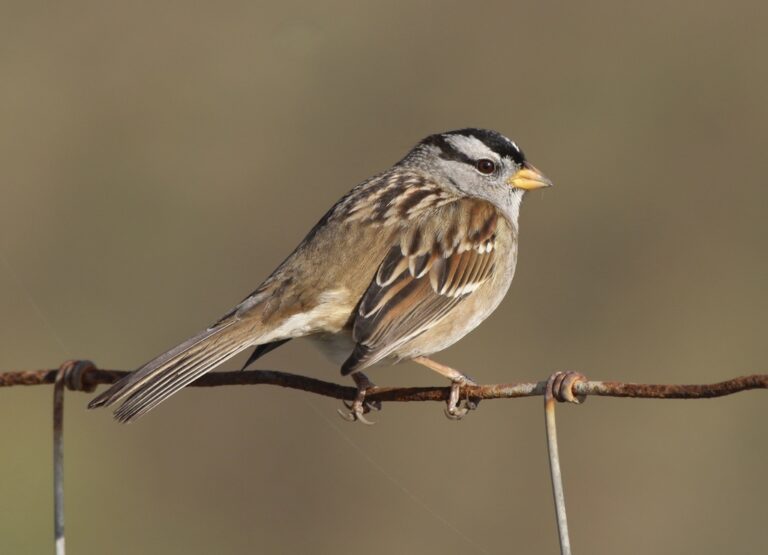
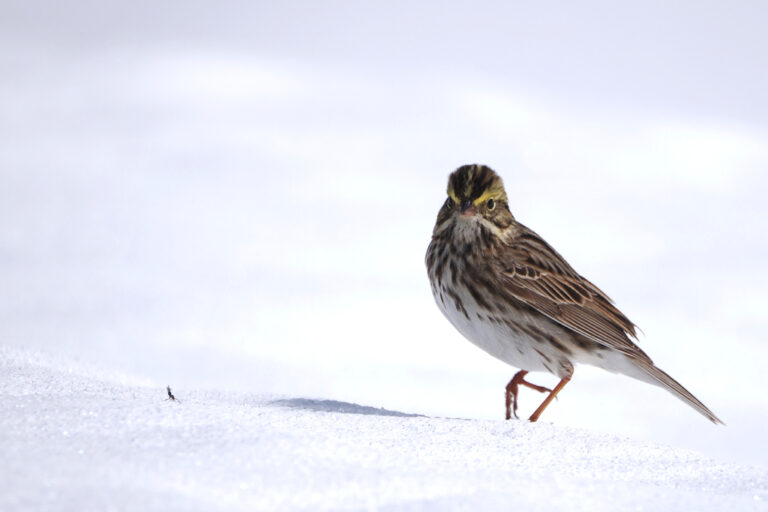
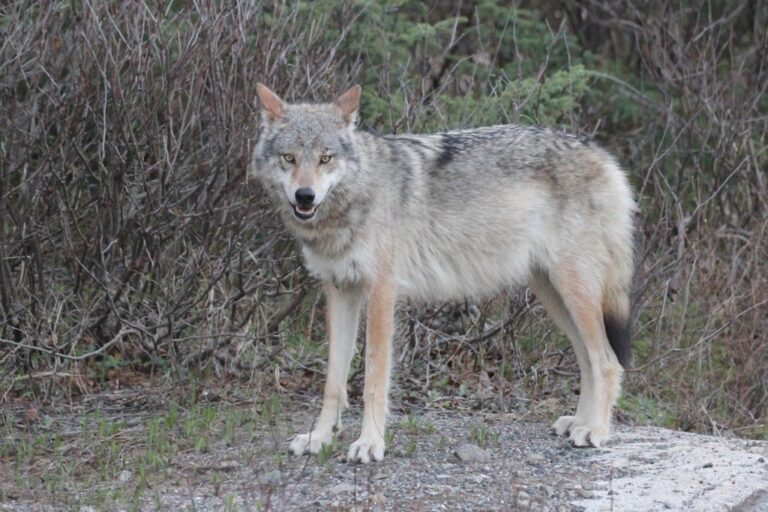
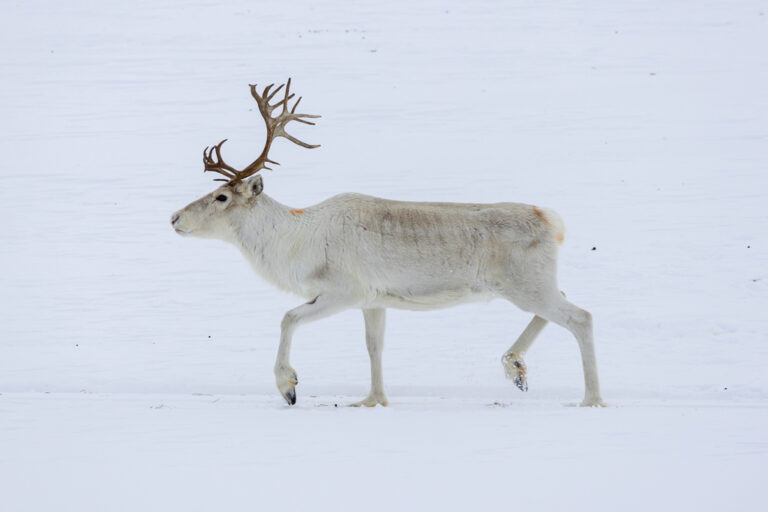
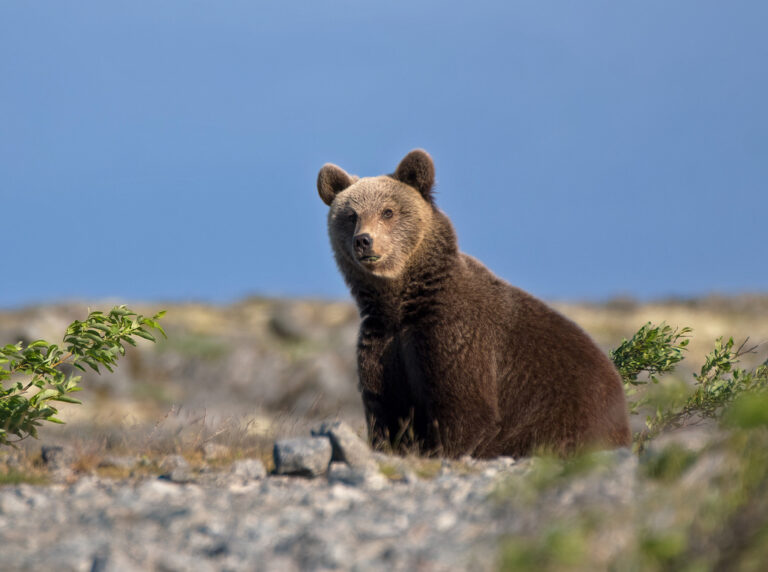
Photo © Jason Birch — CC BY 4.0 — Source: iNaturalistArctic tundra stretches across the Inuvik Region of the Northwest Territories in an endless tapestry of low-lying vegetation, exposed permafrost, and wind-carved terrain where the boreal forest surrenders to the treeless north. Tuktut Nogait National Park encompasses approximately 31,576 square kilometres of this subarctic landscape, a place where summer's brief warmth awakens sedges, dwarf shrubs, and hardy grasses that clothe rolling plateaus and river valleys carved deep into the bedrock. The park's ecology is defined by its northern latitude and continental climate: winters of prolonged darkness and extreme cold yield to summers of nearly continuous daylight when migratory birds arrive en masse. Waterfowl, shorebirds, and raptors converge on the park's wetlands, tundra pools, and river corridors, while ground-nesting birds exploit the brief growing season. Larger mammals—including caribou herds whose movements follow ancestral routes through the park—share this unforgiving terrain with smaller tundra-dwelling mammals adapted to permafrost and sparse vegetation. The landscape itself, with its eskers, river valleys, and exposed geological formations, tells a story of glaciation and post-glacial renewal, offering visitors a glimpse of ecosystem processes that operate far from the reach of industrial civilization.

For wildlife observers drawn to extreme latitudes, the park delivers an experience impossible to replicate elsewhere: the chance to witness predator-prey dynamics, migration patterns, and animal behaviour largely unmediated by human presence. Summer is the season when the park comes alive—photographers and birdwatchers converge to document the arrival of migratory species, the breeding season's intense activity, and the phenomenon of midnight sun that extends observation windows into the small hours. The sheer remoteness of Tuktut Nogait demands serious commitment—access is by air charter or foot—yet that isolation is precisely what makes it invaluable. Here, in one of Canada's least visited national parks, the tundra remains wild and the wildlife movements follow patterns established long before the first human set foot in the region. Those who undertake the journey discover not just animals, but an entire Arctic ecosystem functioning with the rhythm and scale that shaped the north for millennia.
No community observations yet — be the first to log a sighting here.
Tuktut Nogait National Park
Very cold conditions shape most of the year.
A year of temperatures
Monthly means, with the coldest and warmest highlighted
Terrain and elevation
645 m · UplandAverage terrain elevation estimate across the hotspot; the figure does not represent its highest summits.
Upland