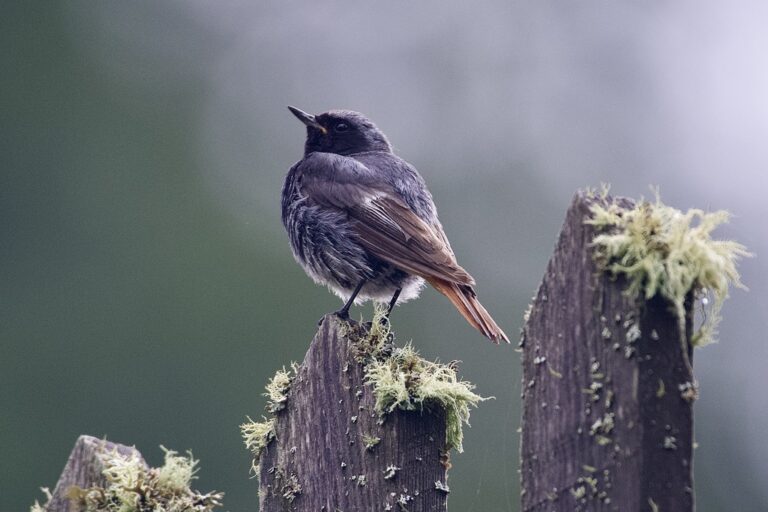
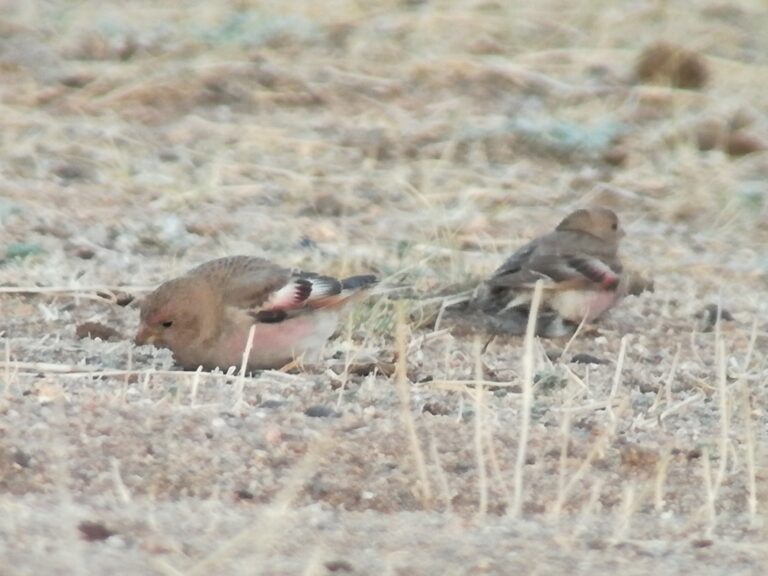
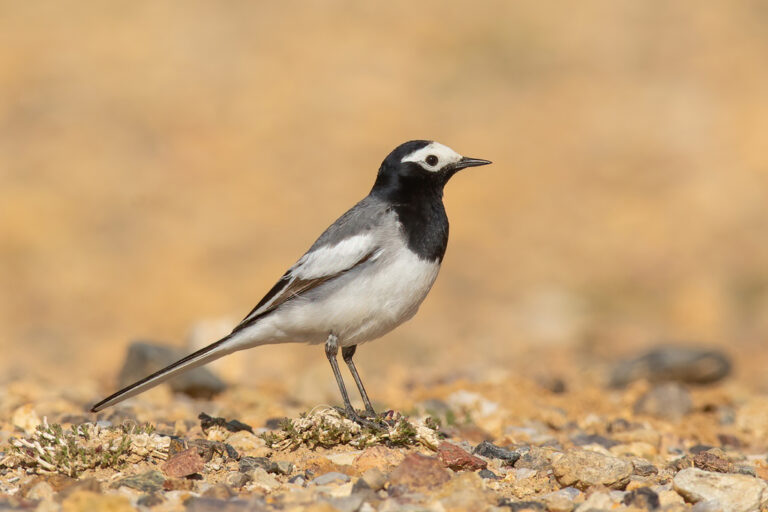
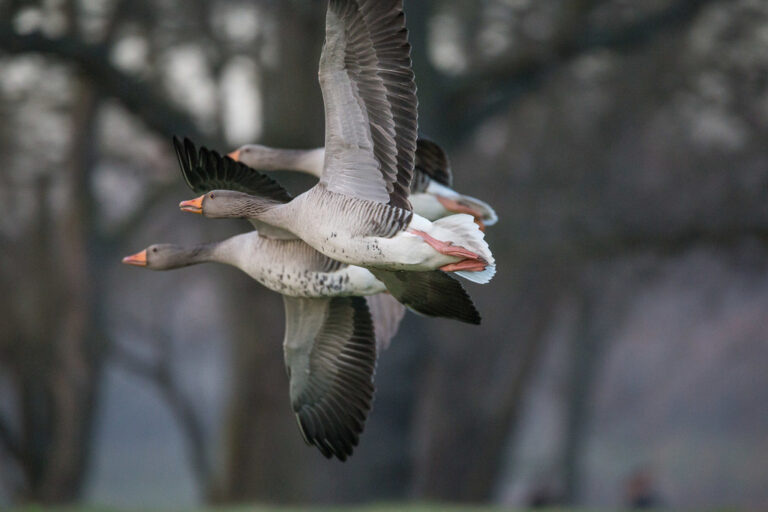
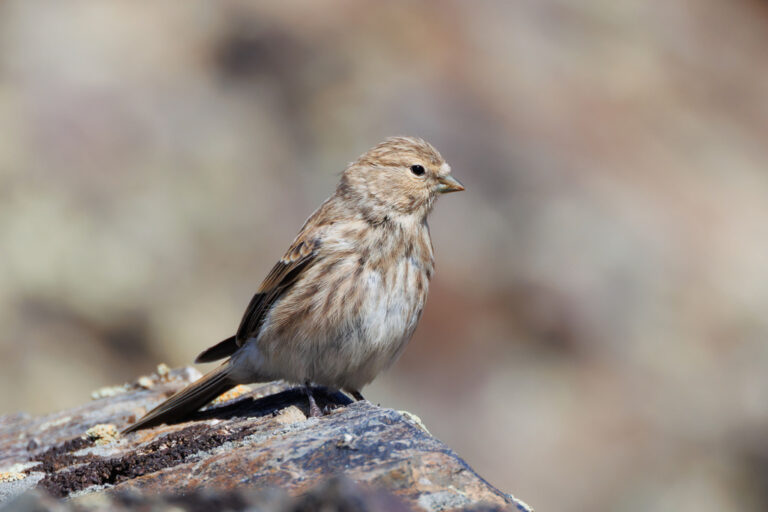
Altun Mountain National Nature Reserve
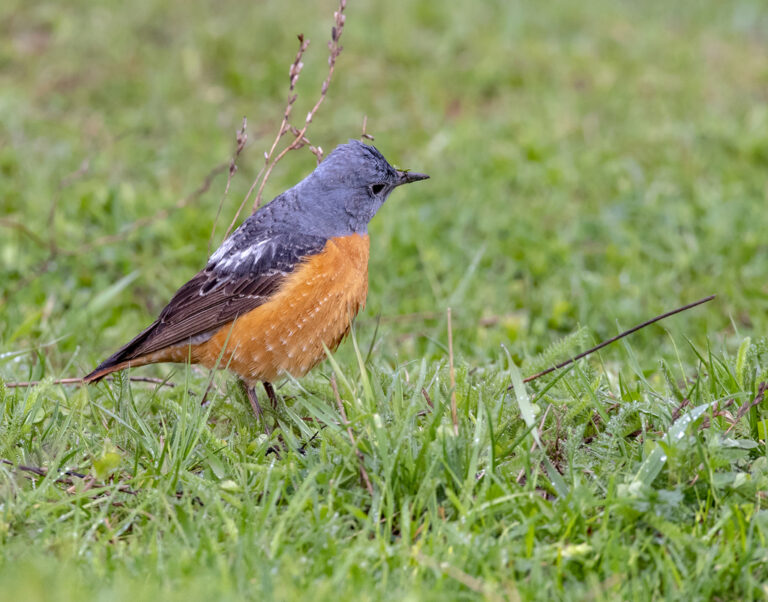
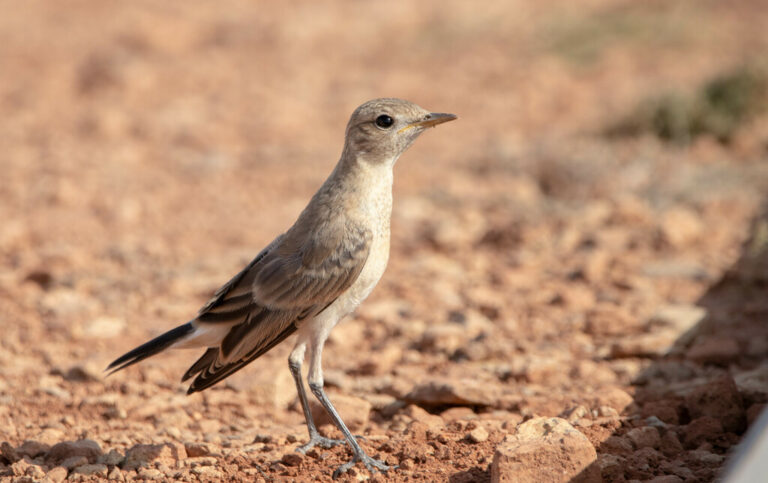
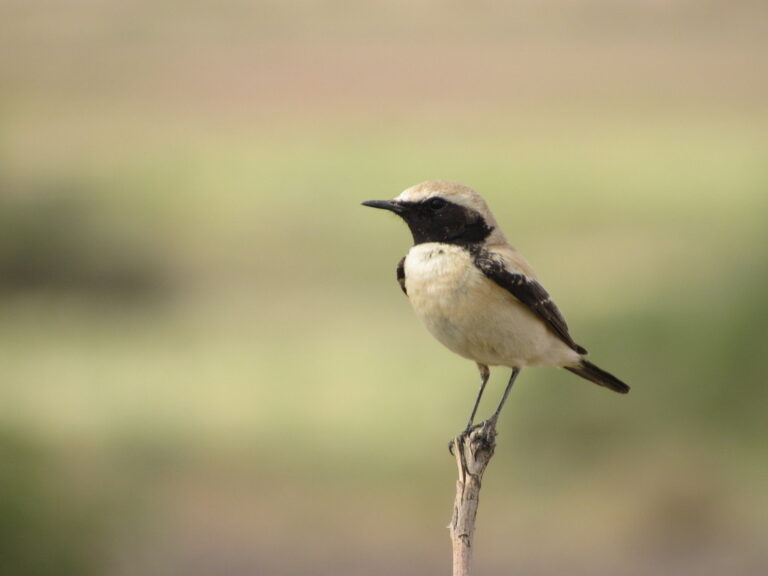
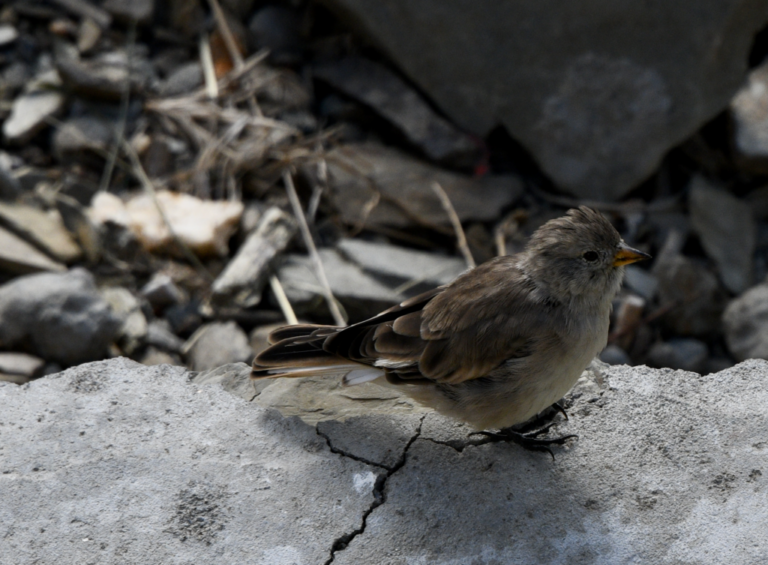
Photo © Windmemories
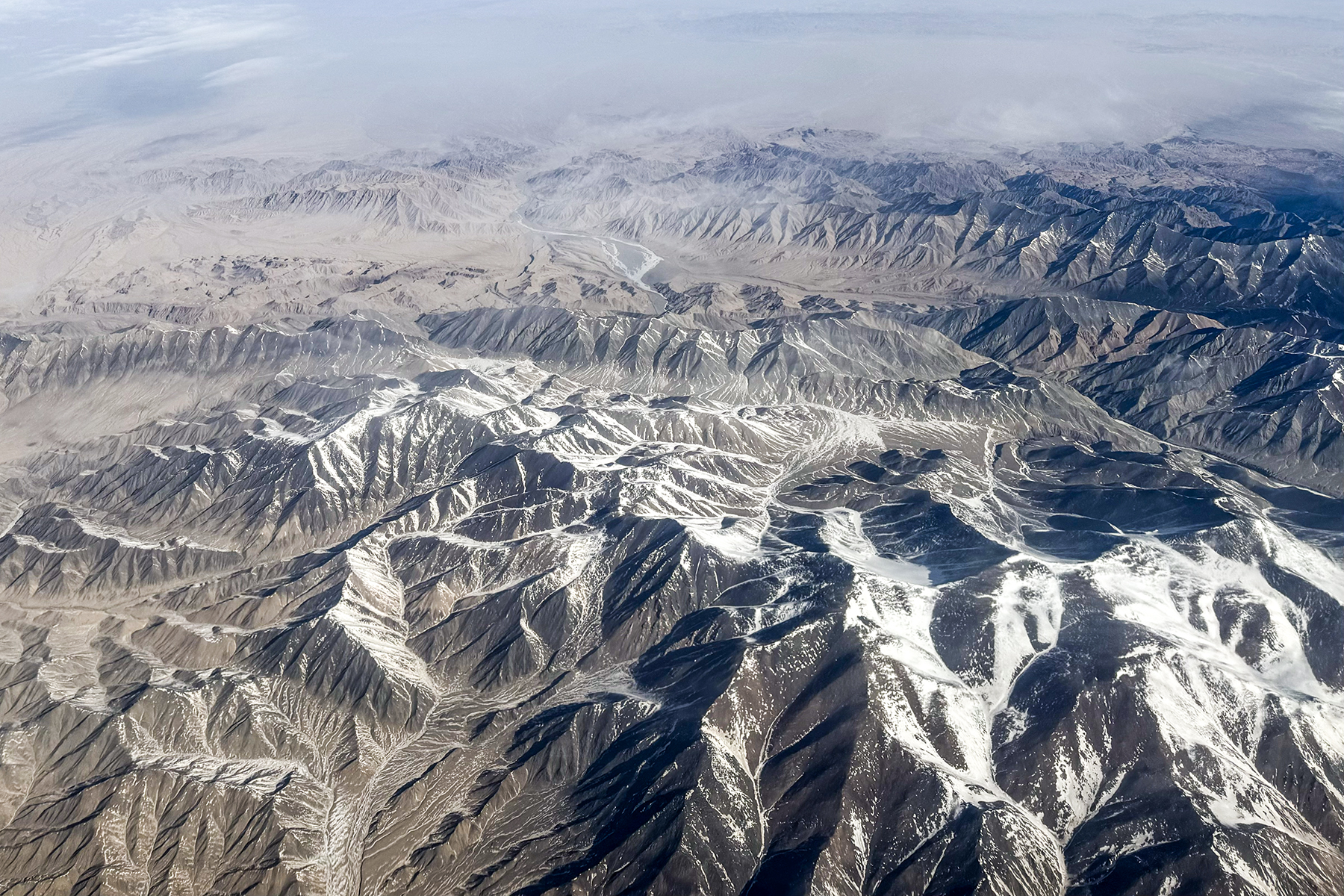
Photo © Windmemories — CC BY-SA 4.0 — Source: Wikimedia CommonsWhere the Altun Mountains rise across the high desert basin of northwestern China, one encounters a landscape shaped by extremes—cold, aridity, and relentless altitude. Spanning over 45,000 square kilometers across Gansu Province, this nature reserve protects a terrain of stark mountain ridges, windswept plateaus, and sparse desert steppe vegetation characteristic of a cold desert climate. Winters are severe and prolonged; summers brief and cool. Precipitation is minimal and irregular, arriving mostly as snow in higher elevations. The reserve encompasses multiple ecological zones as elevation shifts, from lower desert margins where hardy shrubs and grasses persist in rocky soil, to higher alpine terrain where vegetation thins to mosses and specialized alpine plants adapted to freeze-thaw cycles. Despite the harshness, this reserve supports populations of large mammals that have evolved to thrive in these conditions—ungulates and predators that navigate the sparse grasslands and rocky slopes—as well as birds of prey and high-altitude specialists that exploit the thermal currents rising from sun-baked stone. The cold desert ecosystem, though austere, pulses with life adapted to survive where most cannot.
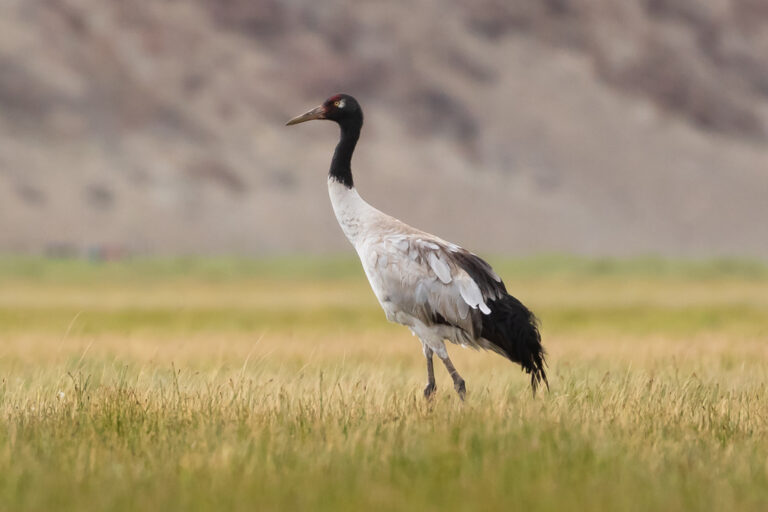
For wildlife photographers and naturalists drawn to extremes, Altun Mountain offers an austere and unforgiving canvas. The reserve's remoteness and minimal tourism infrastructure mean that visitors here experience genuine wilderness, where encounters with large mammals and raptors feel earned rather than staged. Spring and autumn provide the most favorable conditions for travel and wildlife observation, when temperatures moderate and the reserve's sparse vegetation greens sufficiently to concentrate wildlife around water sources. The interplay of morning light across barren ridges and pale stone creates a photographer's palette of cool grays and golds, while the thin atmosphere at altitude delivers exceptional clarity for observing distant wildlife. Access requires careful planning and logistical coordination, and permits are necessary—practical considerations that preserve the reserve's ecological integrity and ensure that those who venture here are committed naturalists rather than casual visitors.
No community observations yet — be the first to log a sighting here.
Altun Mountain National Nature Reserve
Dry conditions dominate, with strong contrasts between day and night.
A year of temperatures
Monthly means, with the coldest and warmest highlighted
Terrain and elevation
3,107 m · High mountainAverage terrain elevation estimate. This hotspot also includes high-mountain areas; the figure does not represent its highest summits.
High mountain