Charles M. Russell National Wildlife Refuge
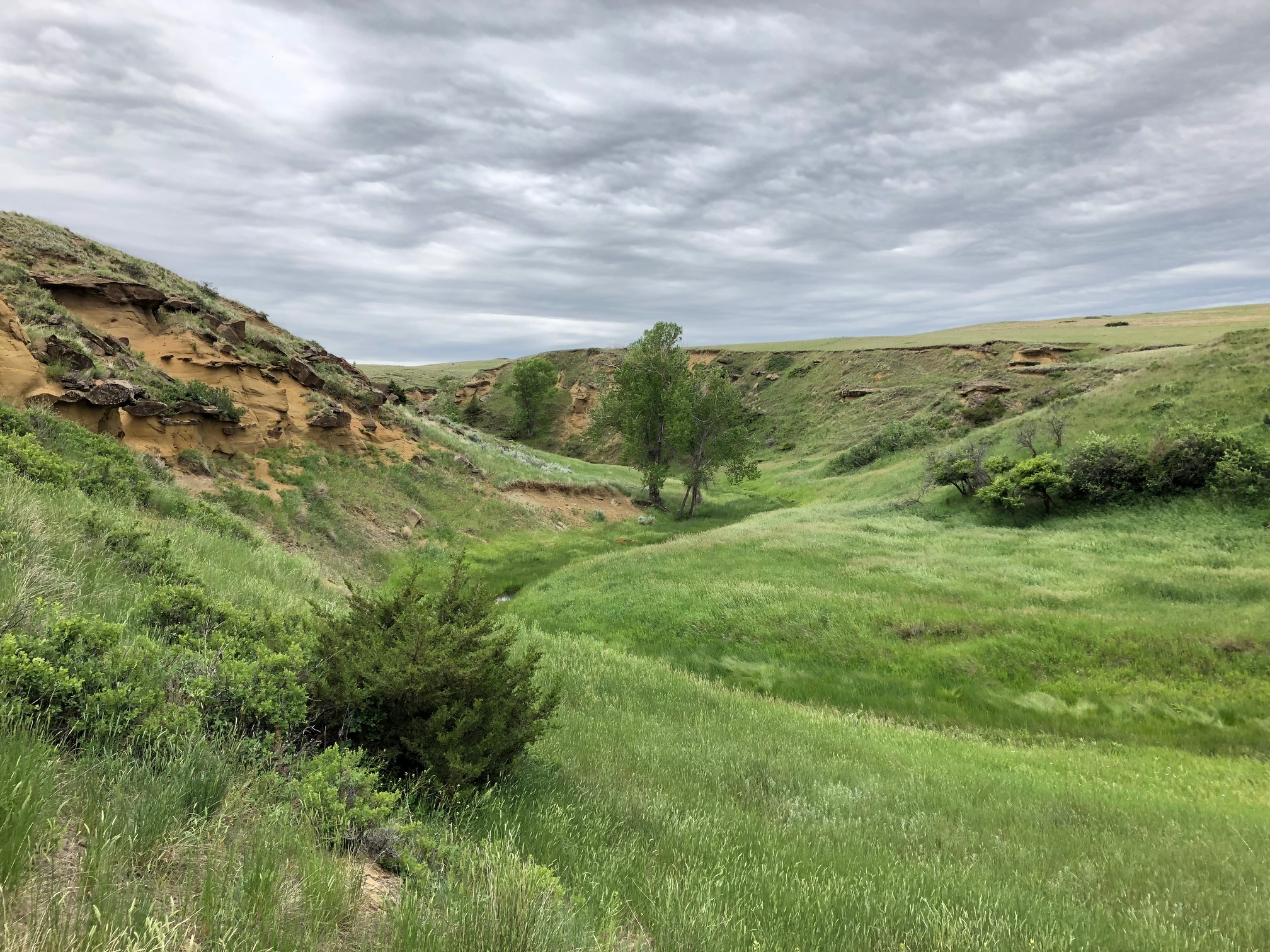
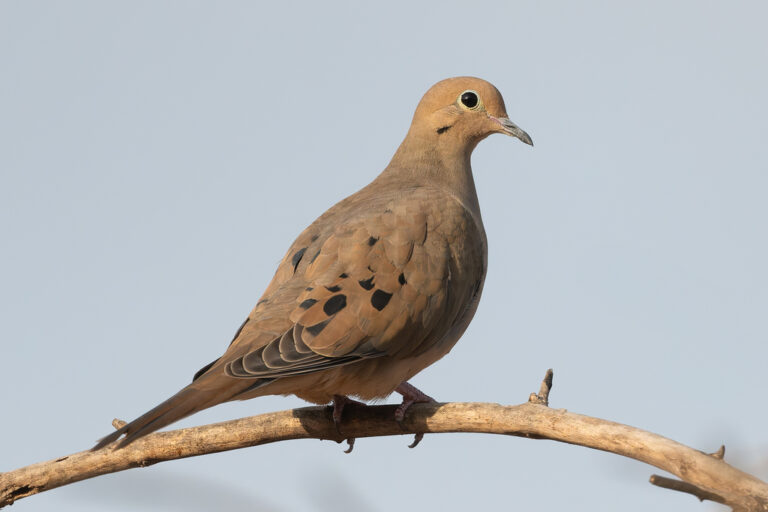
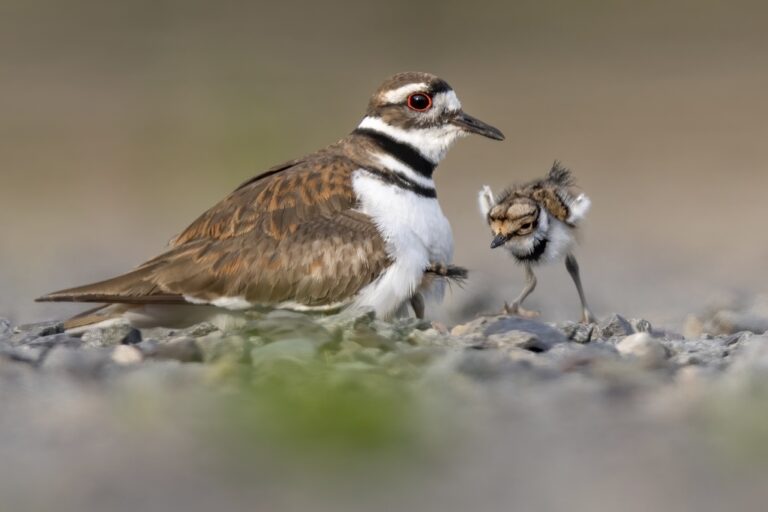
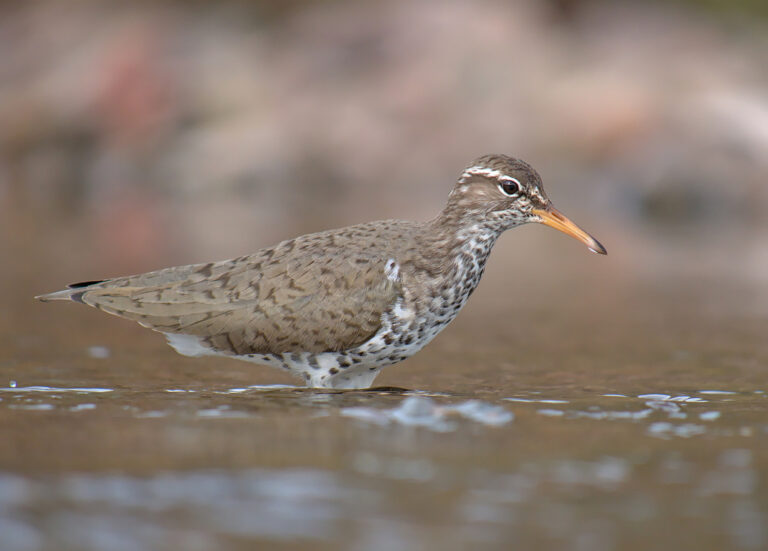
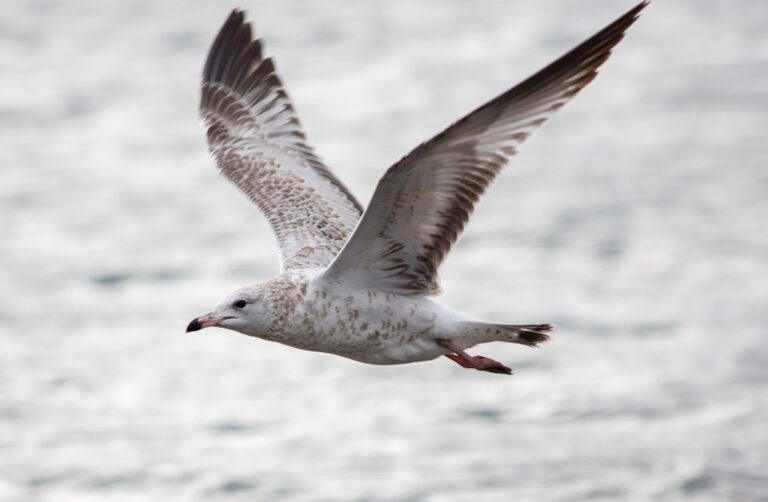
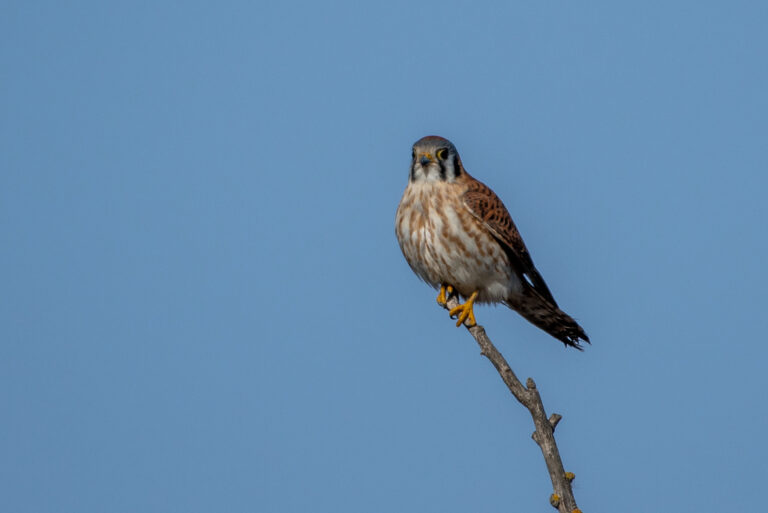
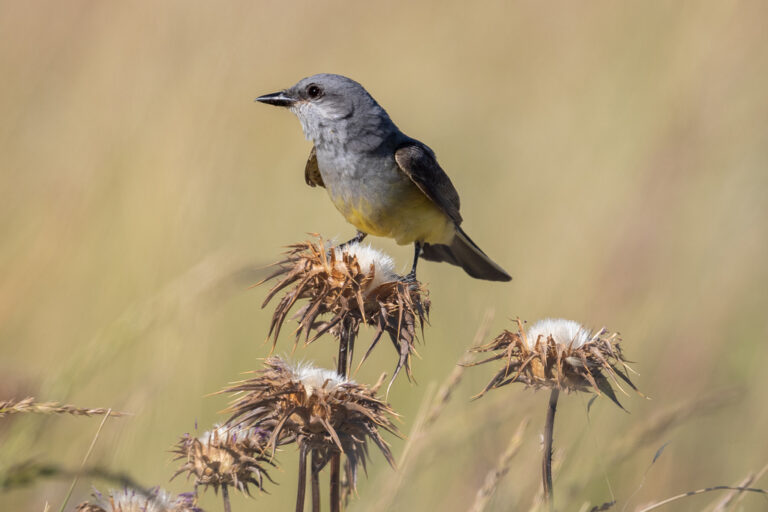
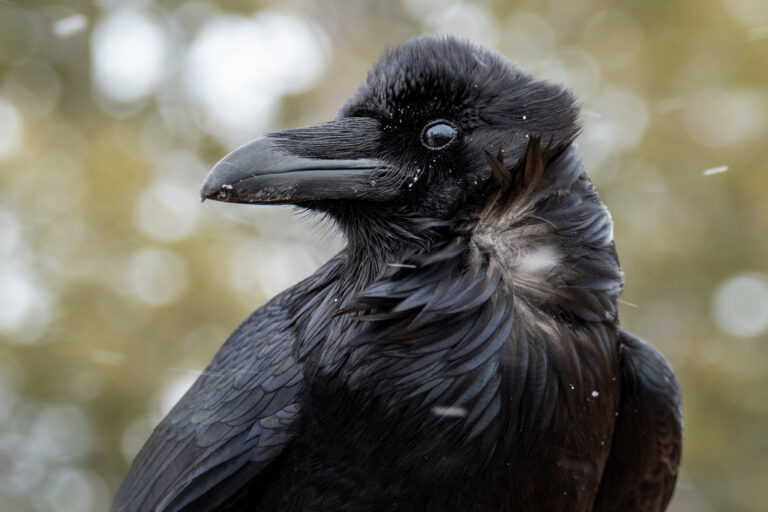
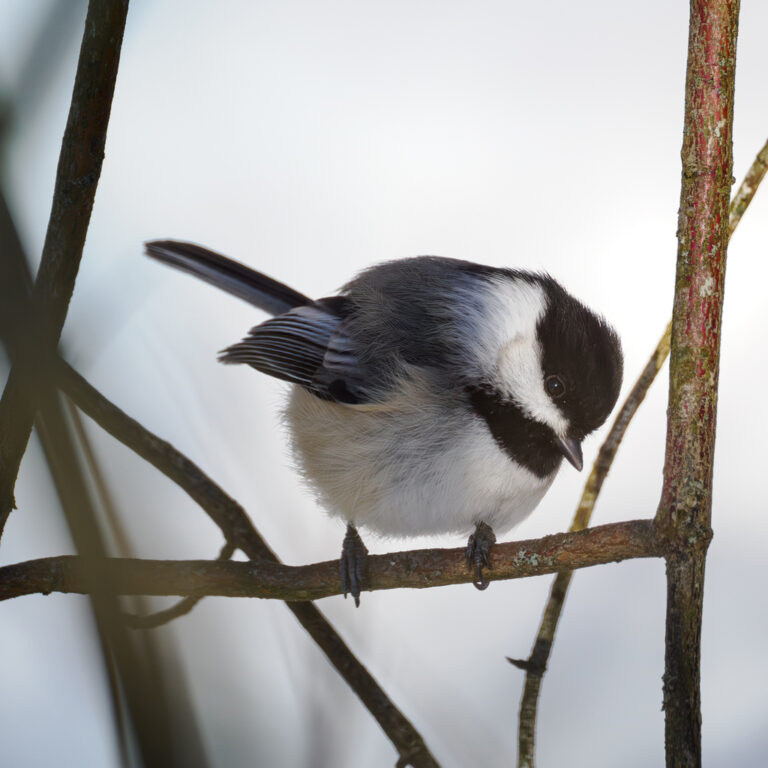
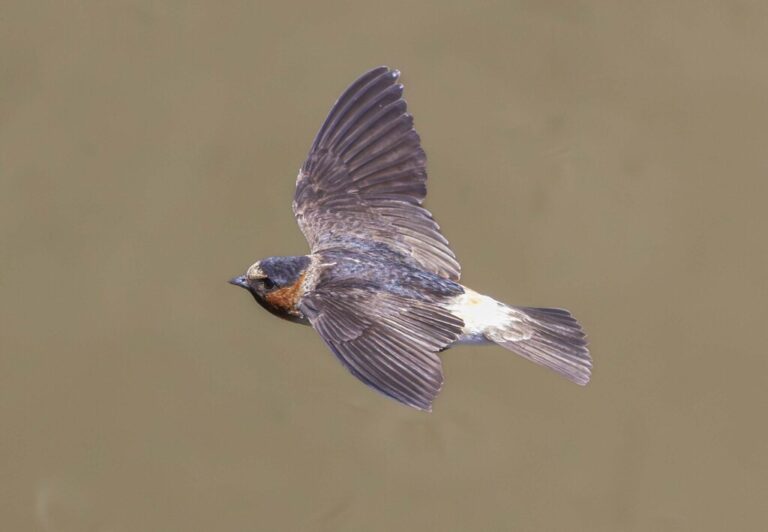
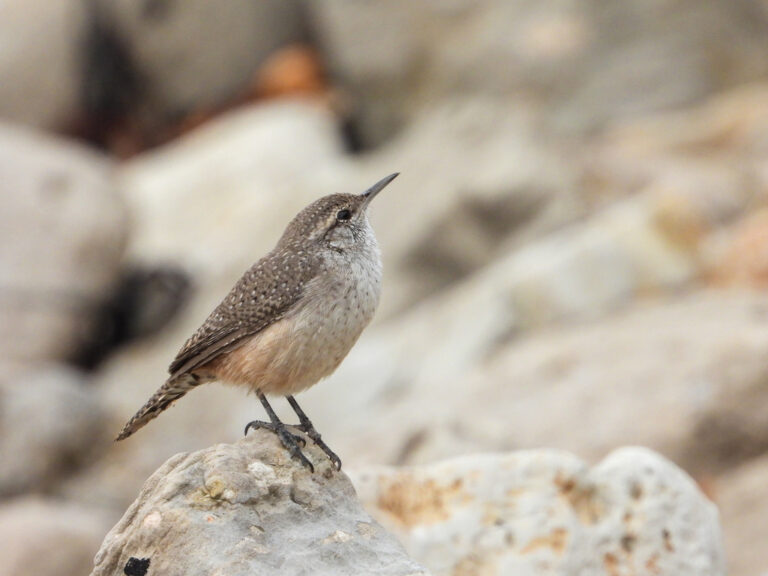
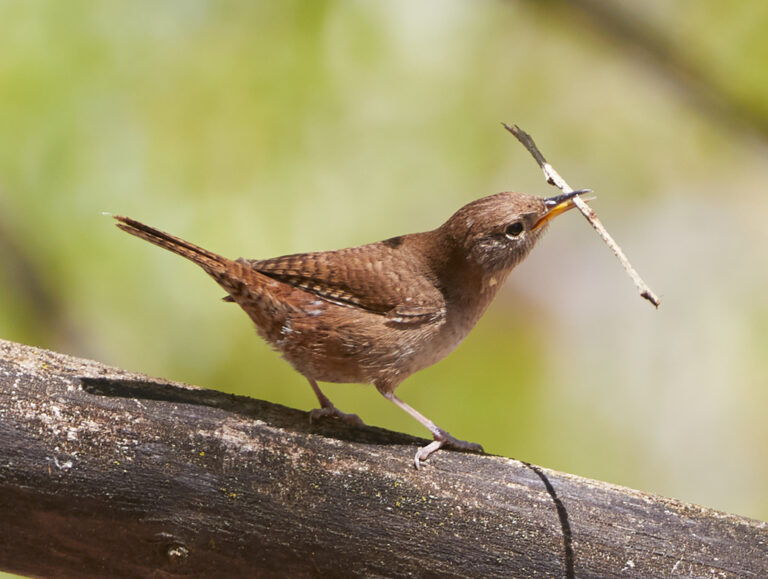
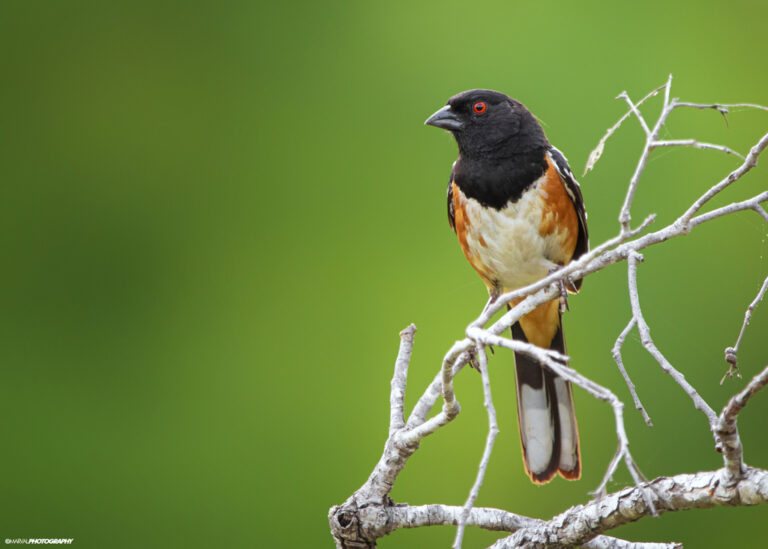
Photo © Paula Gouse, U.S. Fish and Wildlife Service
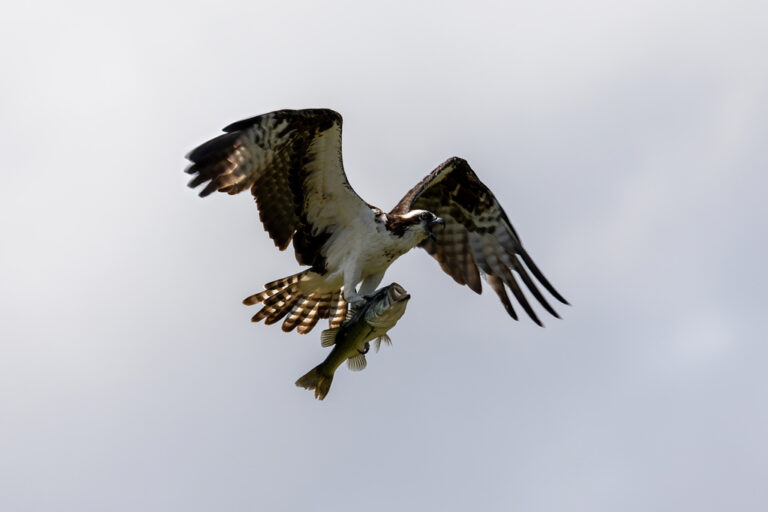
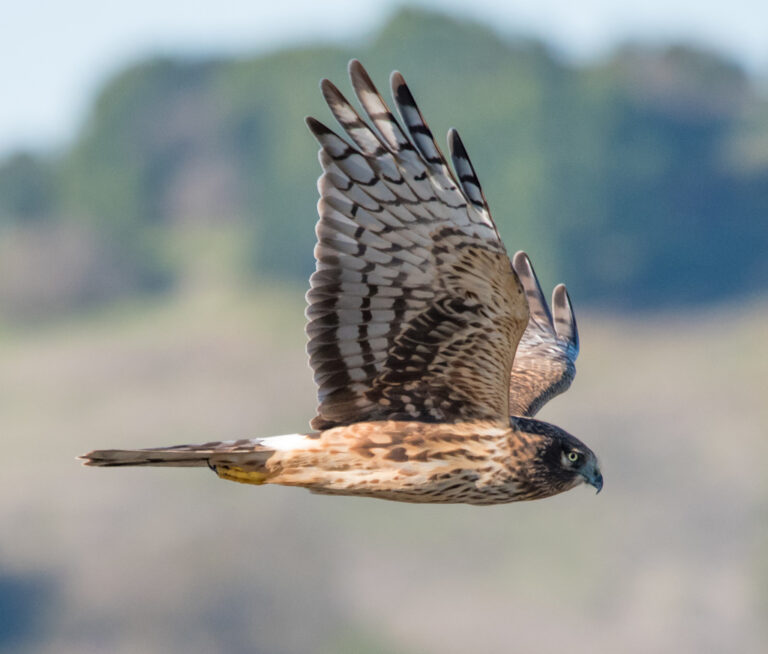
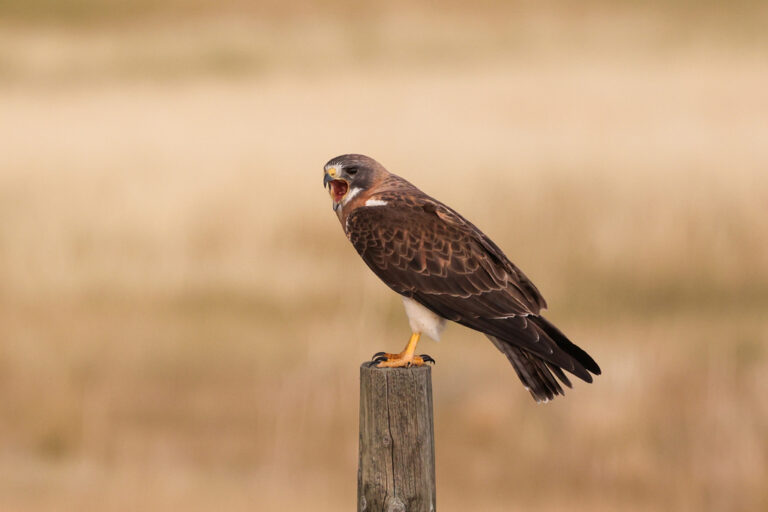
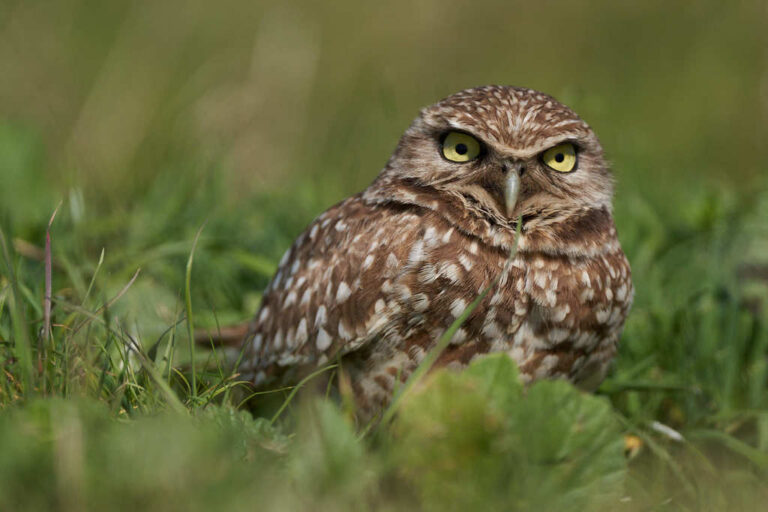
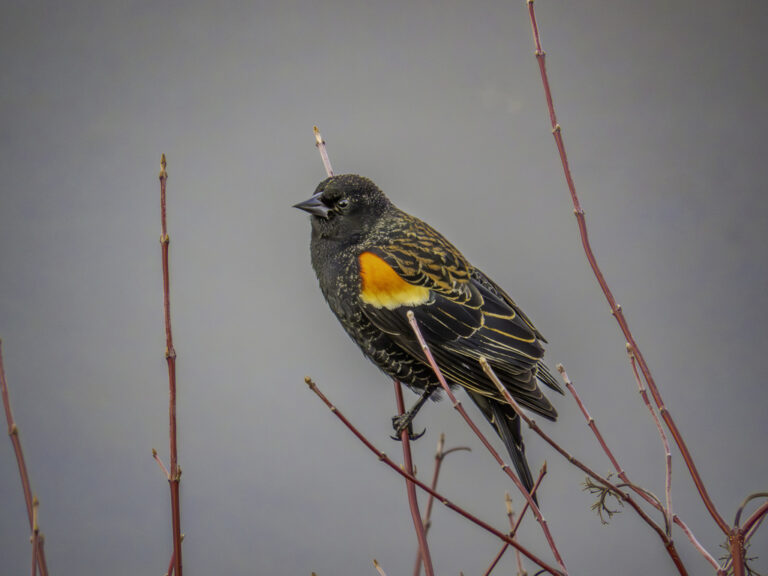
Photo © Paula Gouse, U.S. Fish and Wildlife Service — CC0 1.0 — Source: Wikimedia CommonsAcross the high plains of north-central Montana, where grasslands roll toward the Missouri River breaks, sprawls a semi-arid sanctuary shaped by millennia of wind, water, and fire. The Charles M. Russell National Wildlife Refuge encompasses nearly a million acres of shortgrass prairie, sagebrush steppe, and cottonwood bottomlands carved by one of North America's great river systems. Here the landscape shifts between open grassland and rugged badlands, with coulees and draws cutting through soft sedimentary formations, creating pockets of diverse habitat within an otherwise spare and windswept terrain. The climate is distinctly continental and semi-arid, with warm summers and cold winters that drive sharp seasonal shifts in water availability and vegetation patterns. This ecological variety—from riparian corridors that green the river valley to sage-studded uplands that stretch toward the horizon—supports populations of grassland birds, raptors, waterfowl, and large mammals adapted to open country and shortgrass environments. The refuge functions as a critical stronghold for species dependent on prairie, sage, and riverine habitats across a region where such landscapes have been fragmented elsewhere.
For wildlife photographers and field birders, the refuge offers uncompromising authenticity and genuine isolation. Light here is extraordinary during the golden hours of dawn and dusk, illuminating the stark beauty of badland formations and grassland vistas without the filtering haze of developed areas. Spring and autumn bring migratory surges, when birds of prey and waterfowl stage along the Missouri River corridor, while summer visitors can expect encounters with grassland breeding species and the mammals of open country. Access is straightforward—the refuge welcomes visitors year-round along scenic drives and established trails—though the semi-arid climate demands preparation: water sources are scattered, weather can turn rapidly, and distances are vast. This is not a refuge of instant, concentrated spectacle but rather a place that rewards patience, binoculars, and a genuine appetite for wild prairie and river country in its least compromised form.
No community observations yet — be the first to log a sighting here.
Charles M. Russell National Wildlife Refuge
Dry conditions dominate, with strong contrasts between day and night.
A year of temperatures
Monthly means, with the coldest and warmest highlighted
Terrain and elevation
767 m · UplandAverage terrain elevation estimate across the hotspot; the figure does not represent its highest summits.
Upland