Central Island National Park
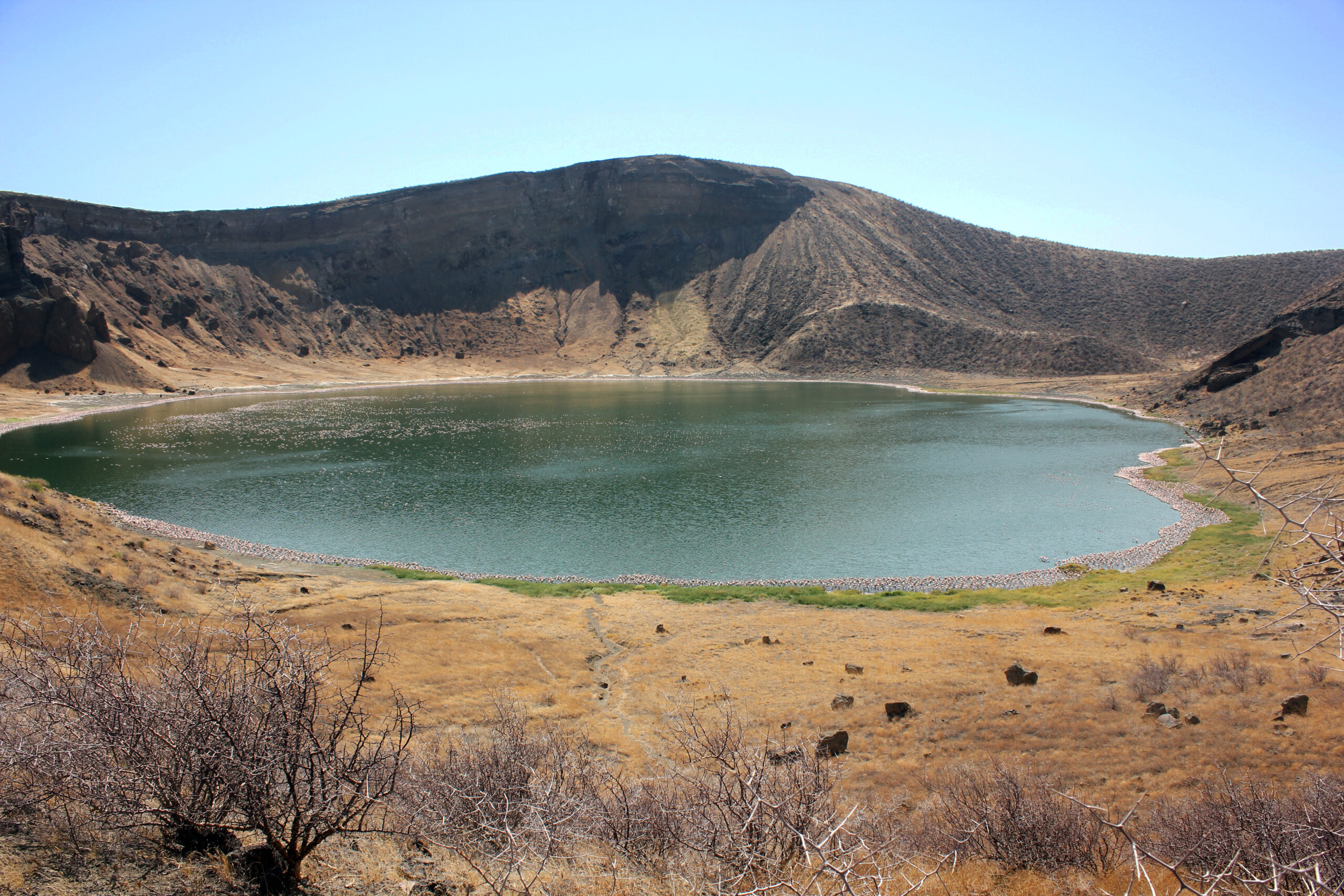
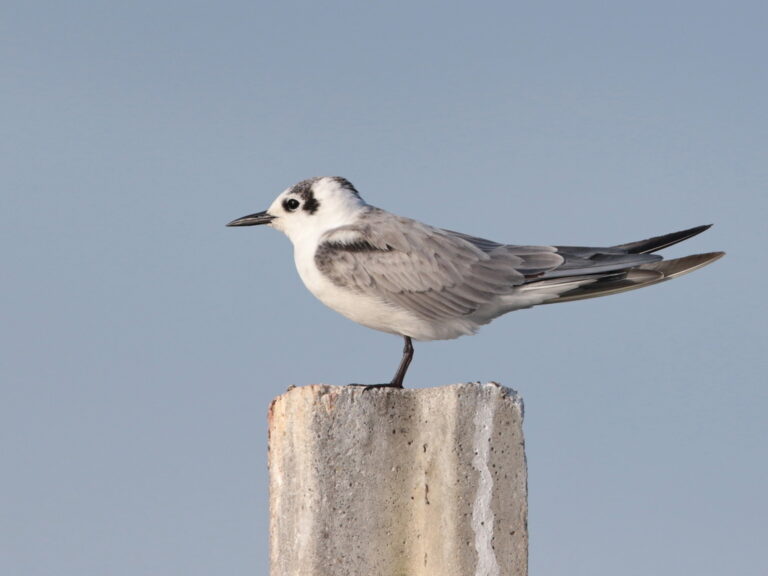
Photo © Phil H.
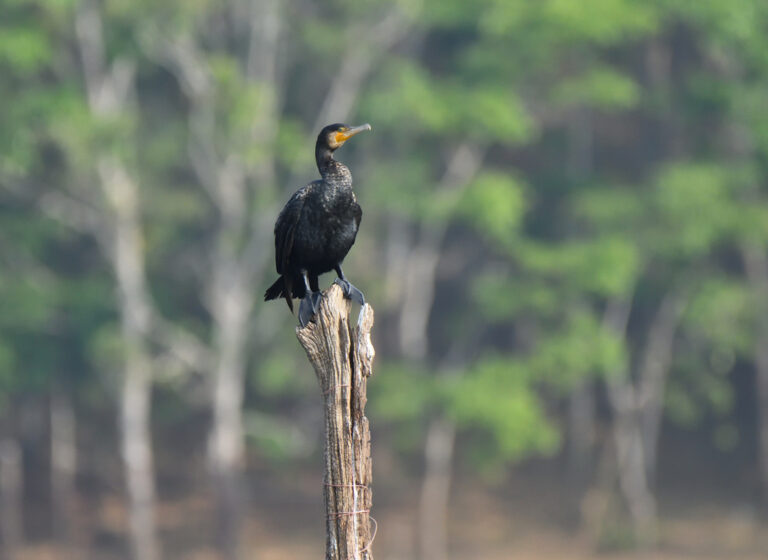
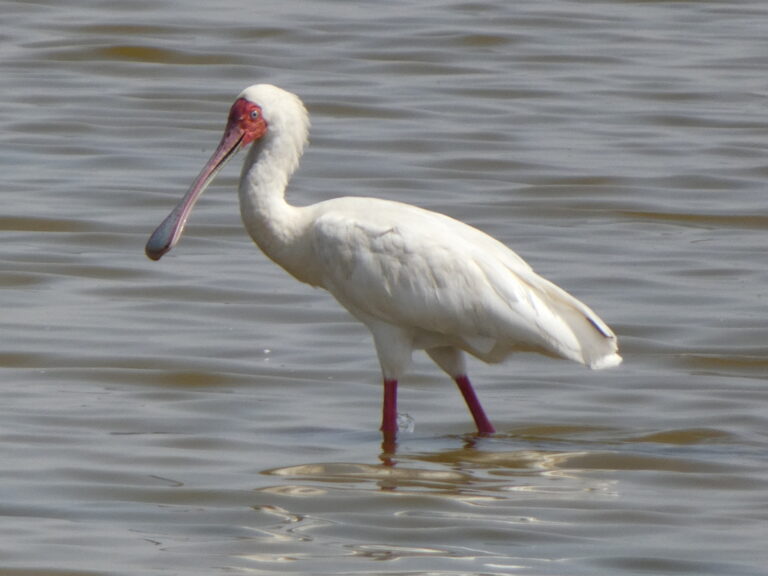
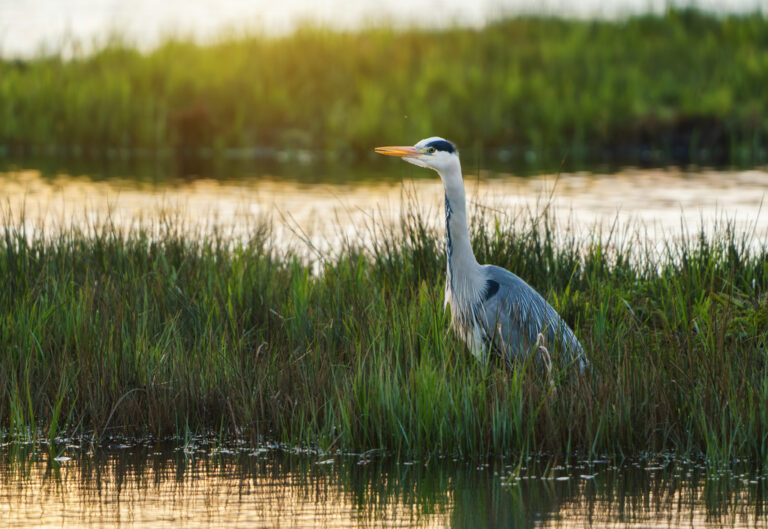
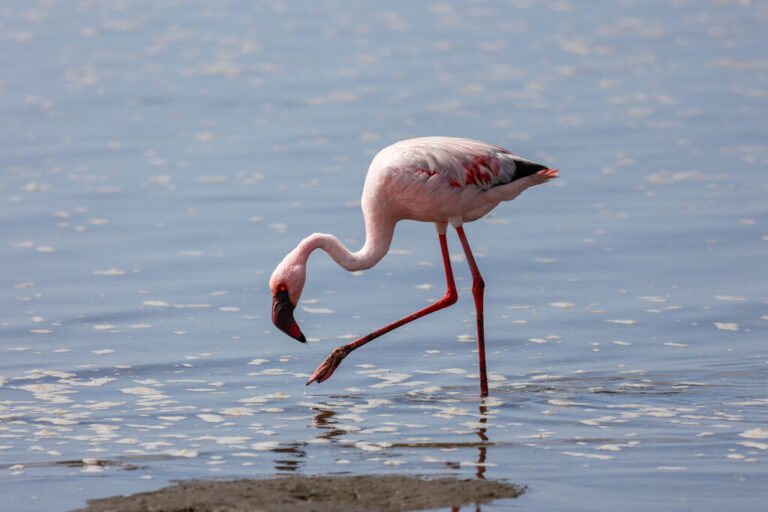
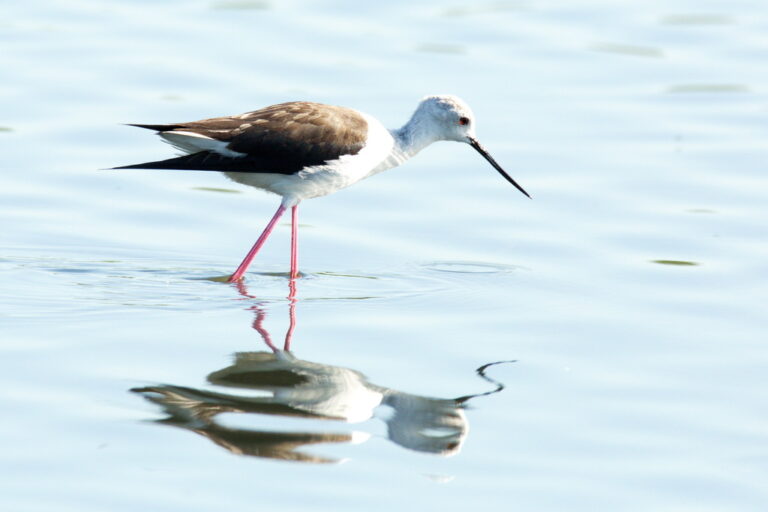
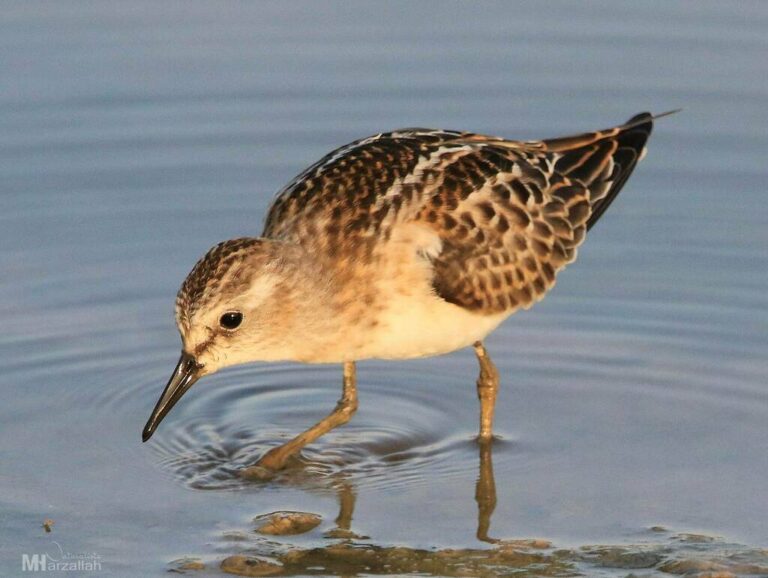
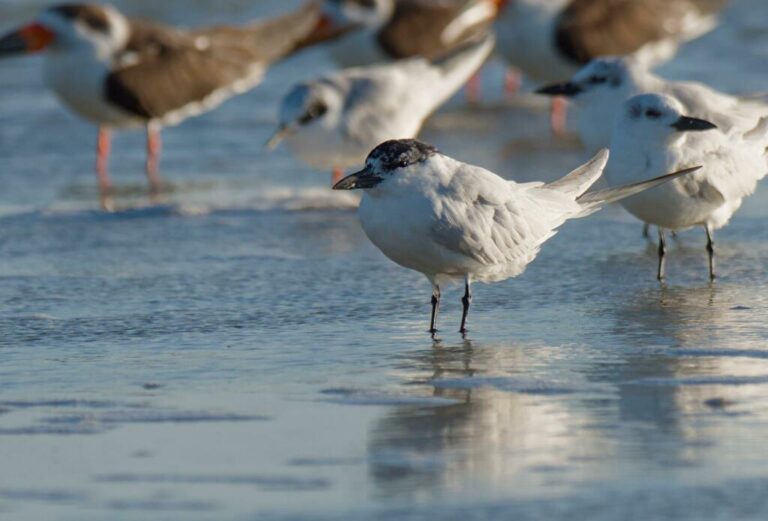
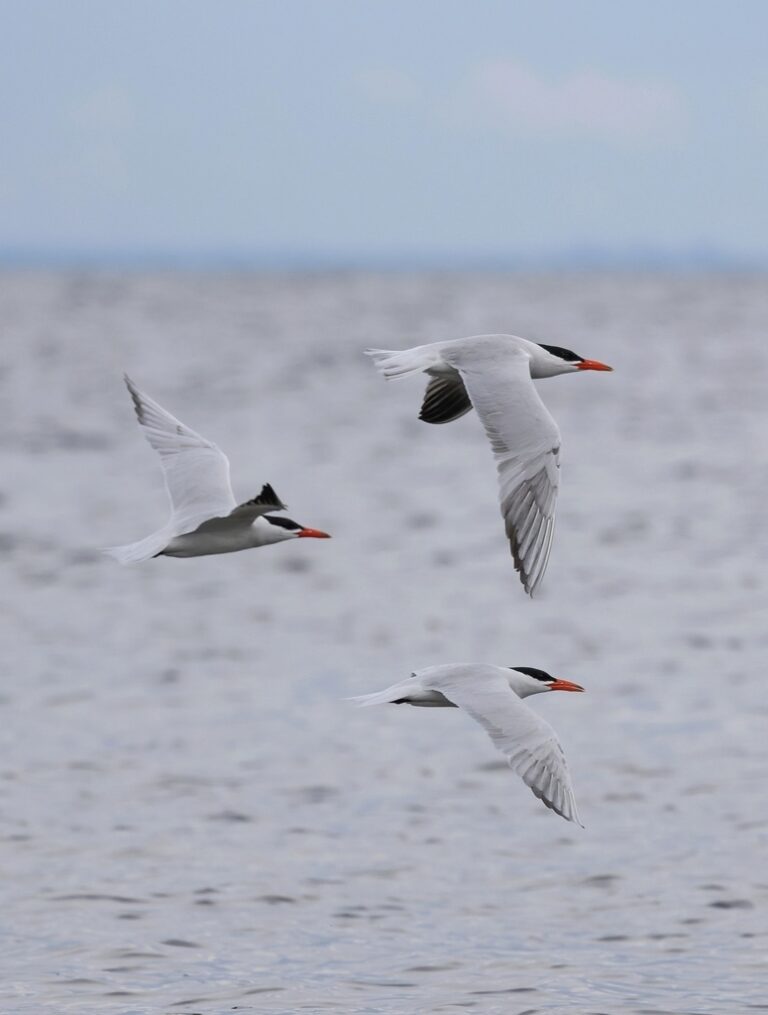
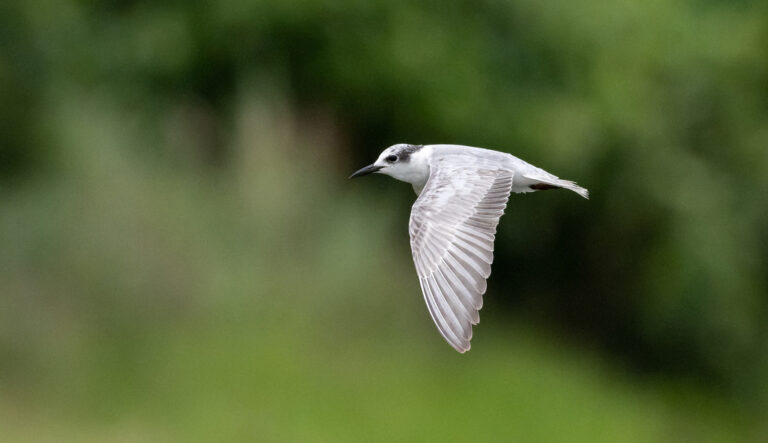
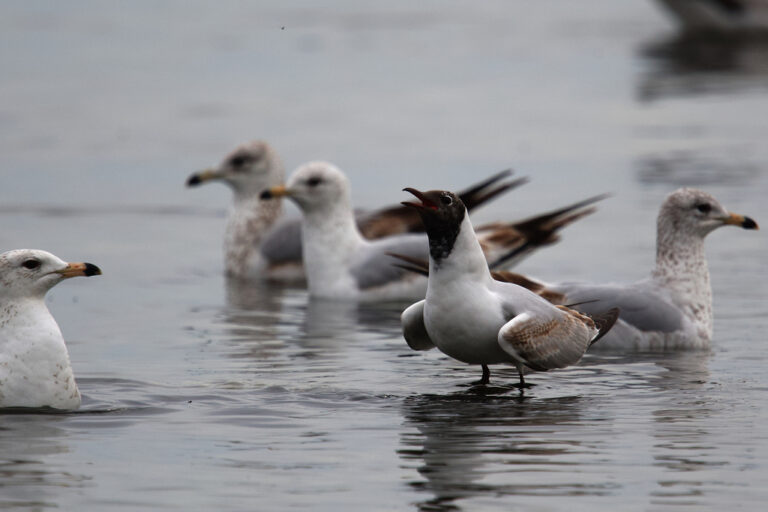
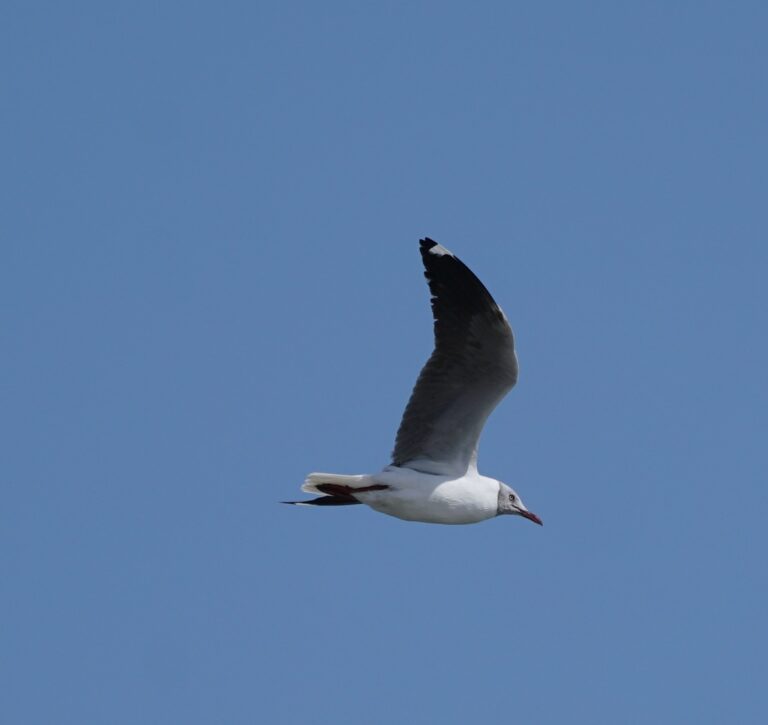
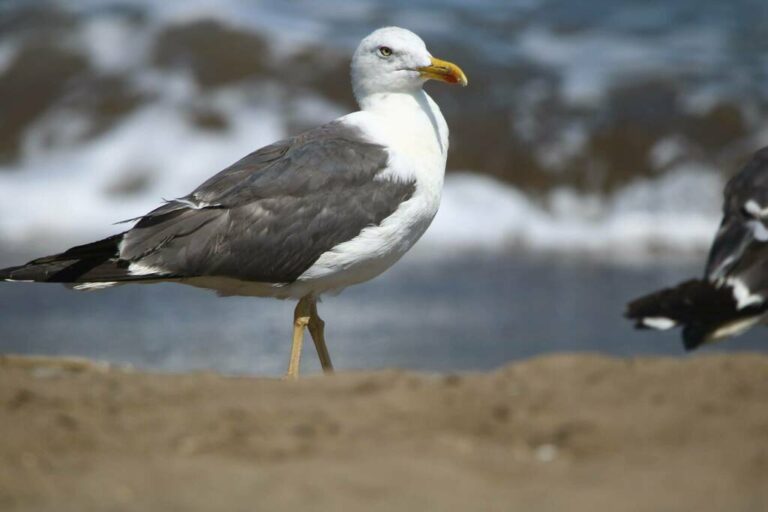
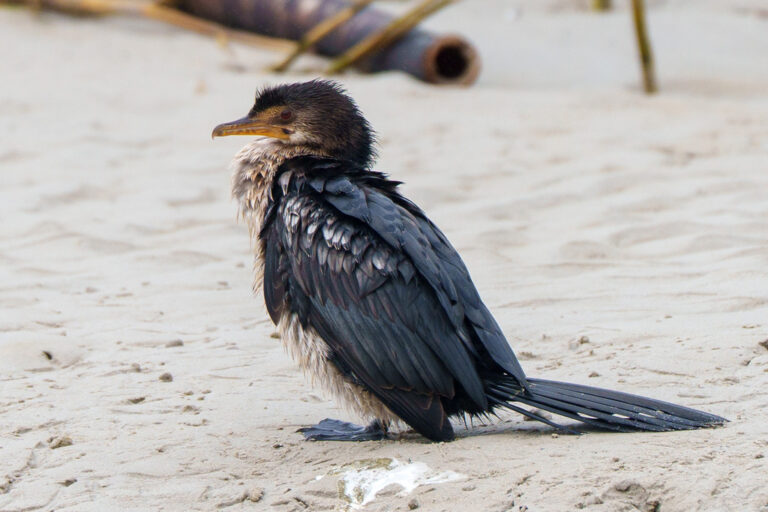
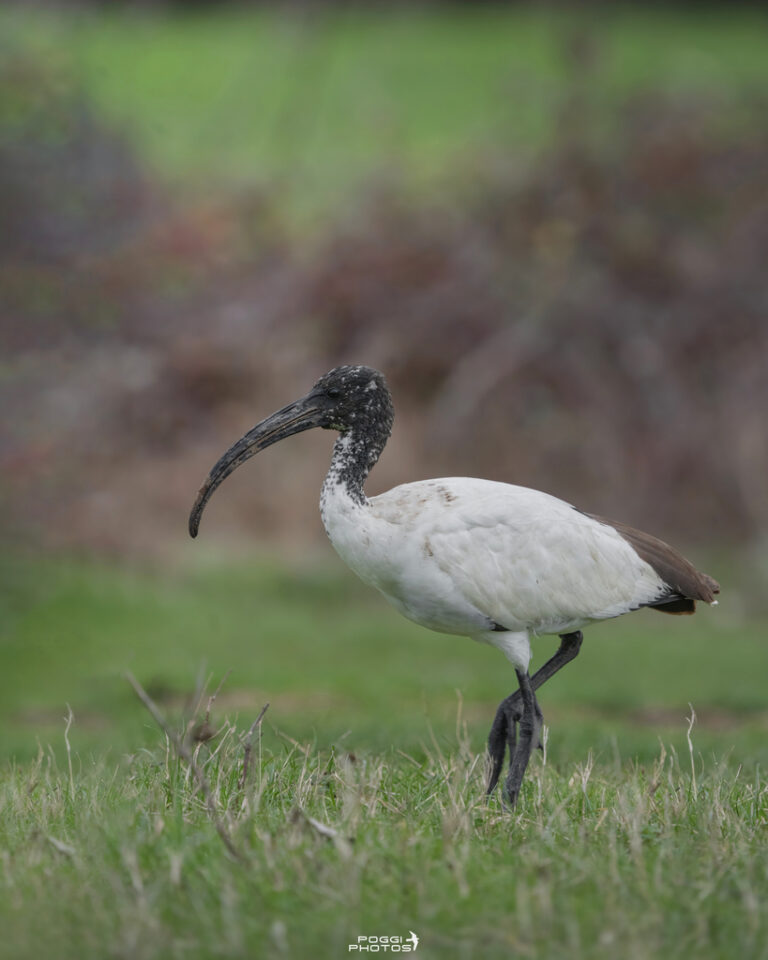
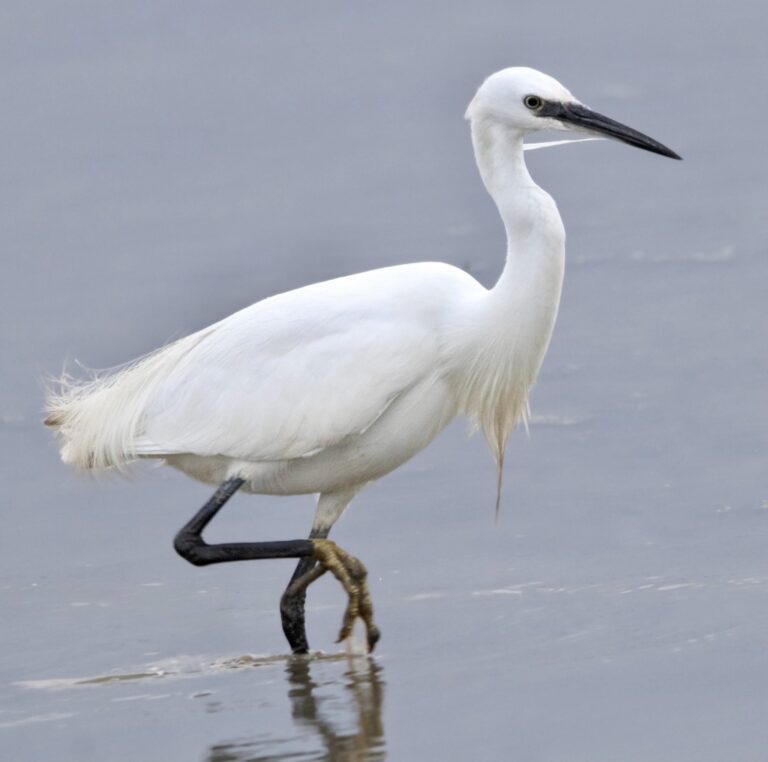
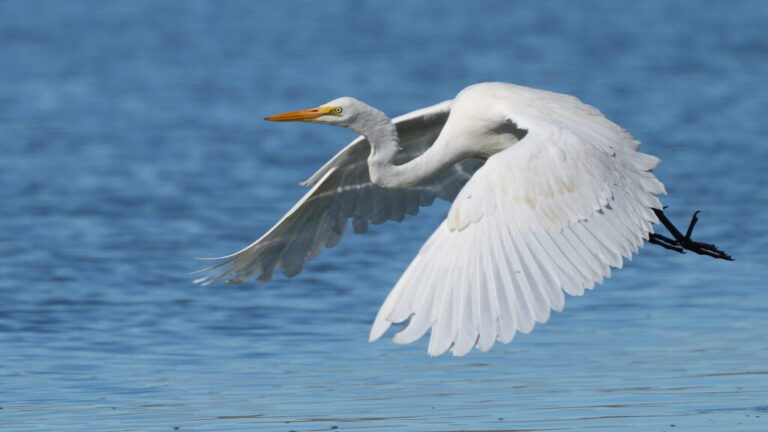
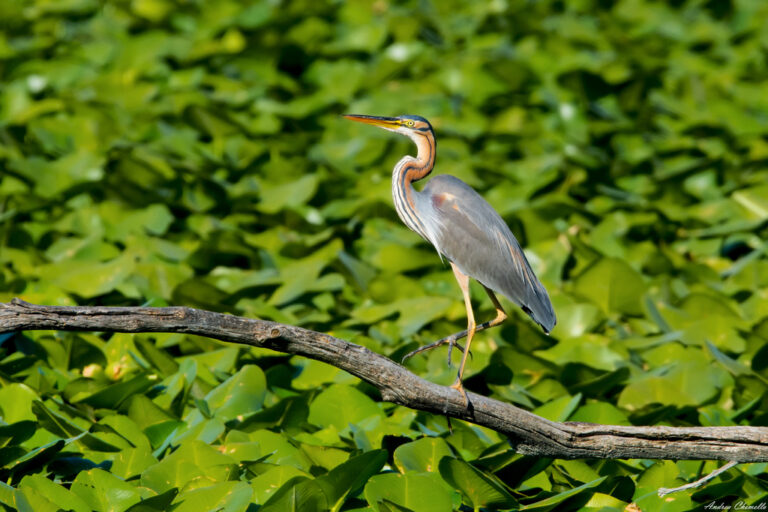
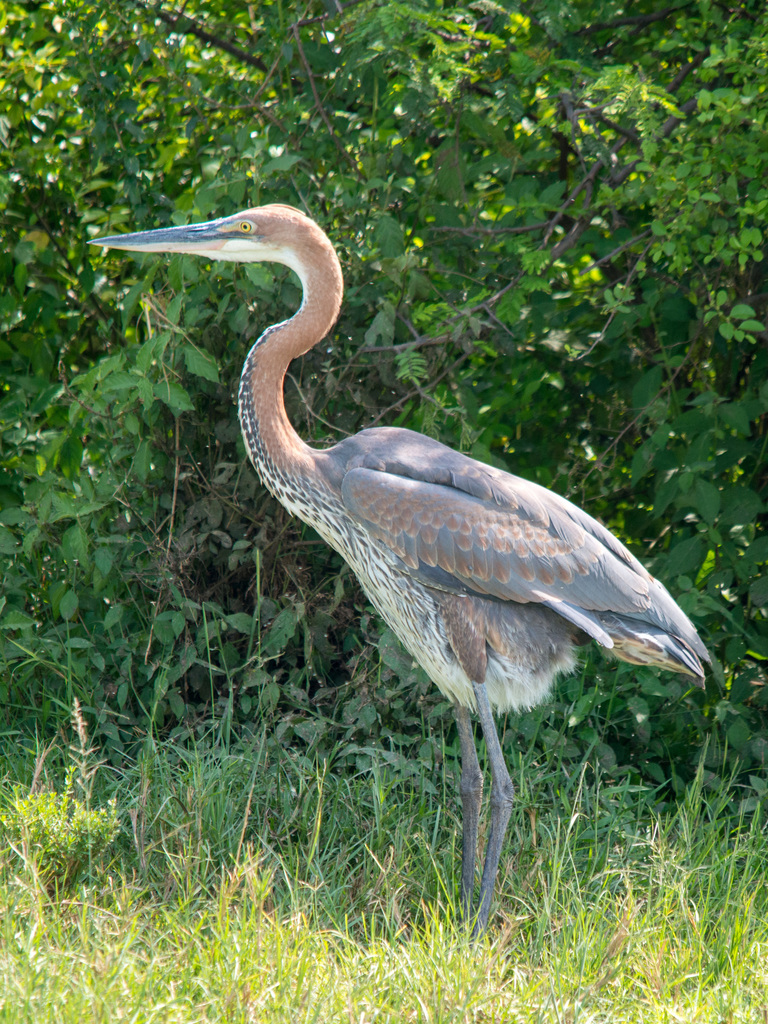
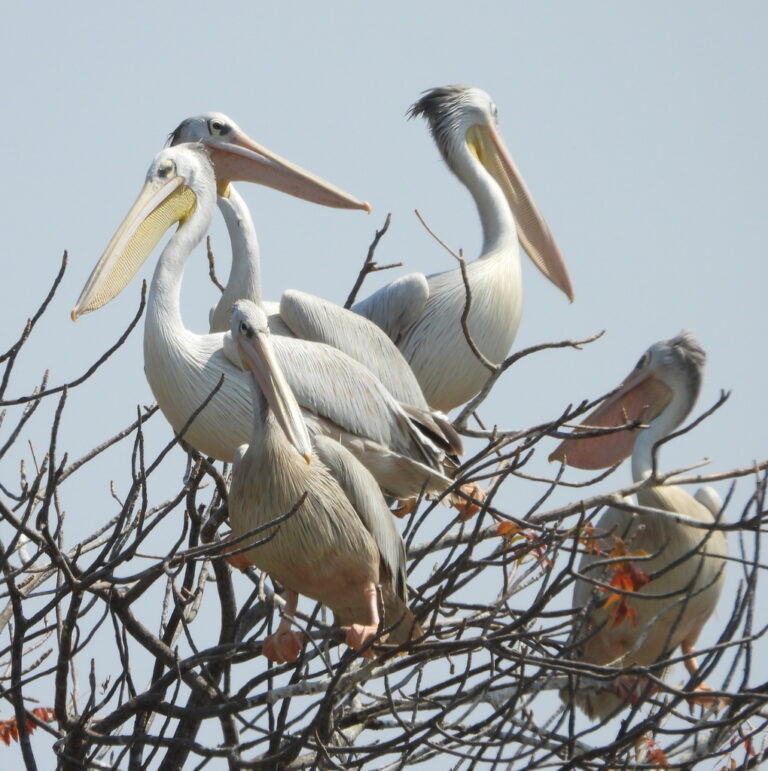
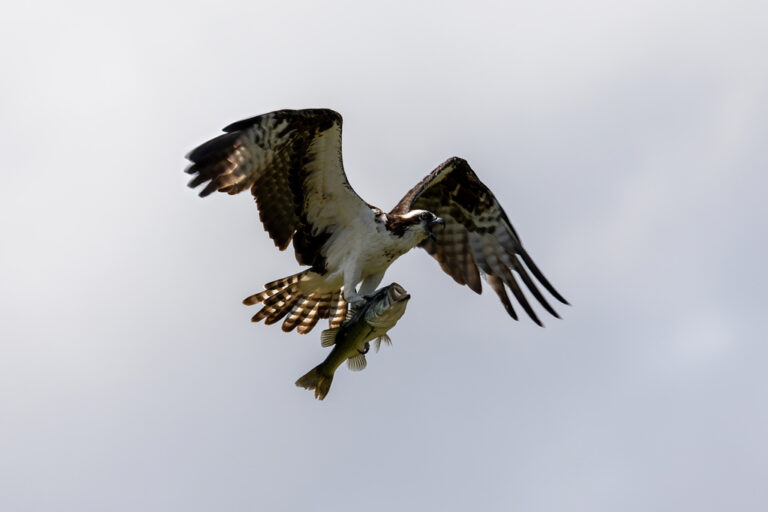
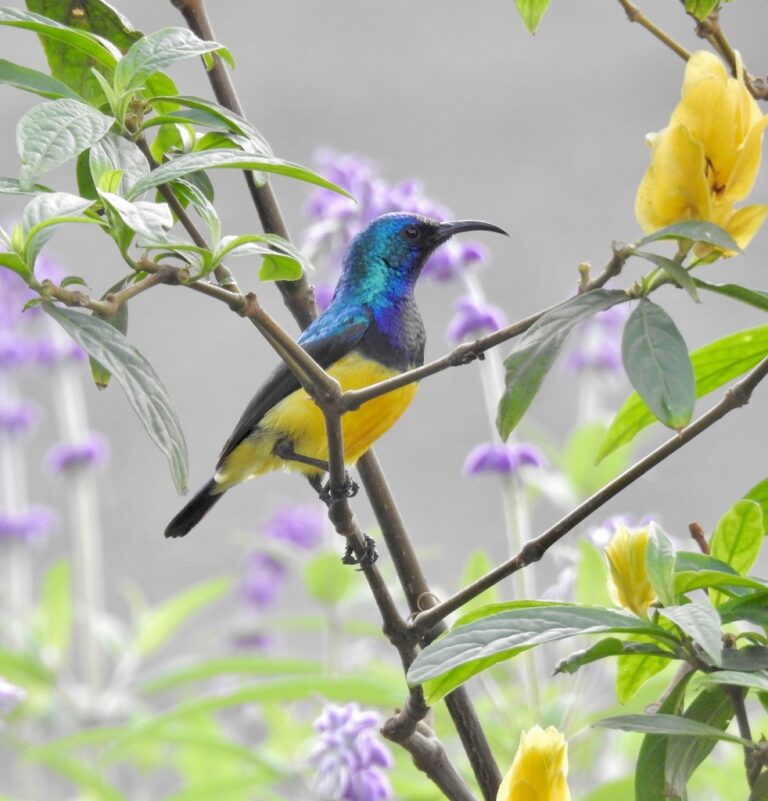
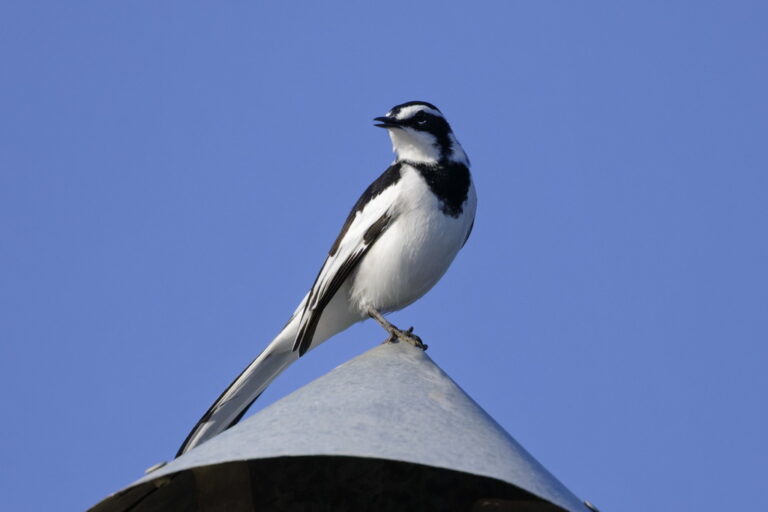
Photo © Phil H. — CC BY-SA 4.0 — Source: Wikimedia CommonsVolcanic islands rising starkly from the turquoise waters of Lake Turkana, Central Island National Park presents one of East Africa's most geologically dramatic and climatically austere landscapes. The park's terrain is defined by three main volcanic cones and their surrounding calderas, sculpted by ancient lava flows and shaped by the semi-arid climate that defines this remote corner of northern Kenya. The BSh climate brings minimal, erratic rainfall concentrated in brief seasonal pulses, creating a landscape of sparse, drought-adapted vegetation where acacia scrub and hardy shrubs cling to volcanic soil. Despite the apparent harshness, the lake itself sustains a surprising abundance of life: crocodiles basking on black-sand shores, hippos wallowing in deeper waters, and fish-eating birds—cormorants, herons, and waders—that exploit the protein-rich waters. The islands themselves host endemic reptiles and small mammals adapted to this extreme environment, while the surrounding lake and shoreline support populations of aquatic predators that have drawn scientific interest for decades.
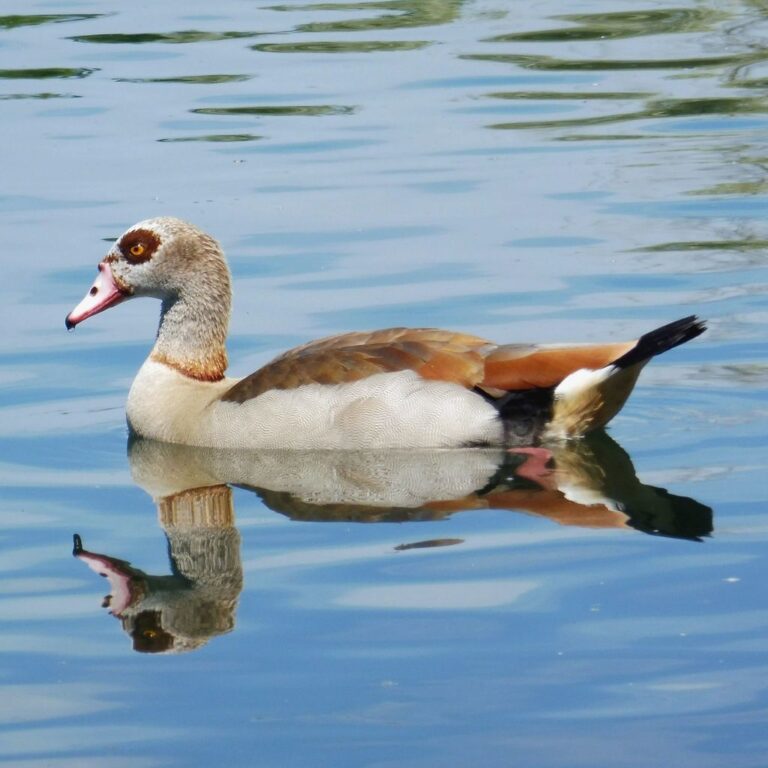
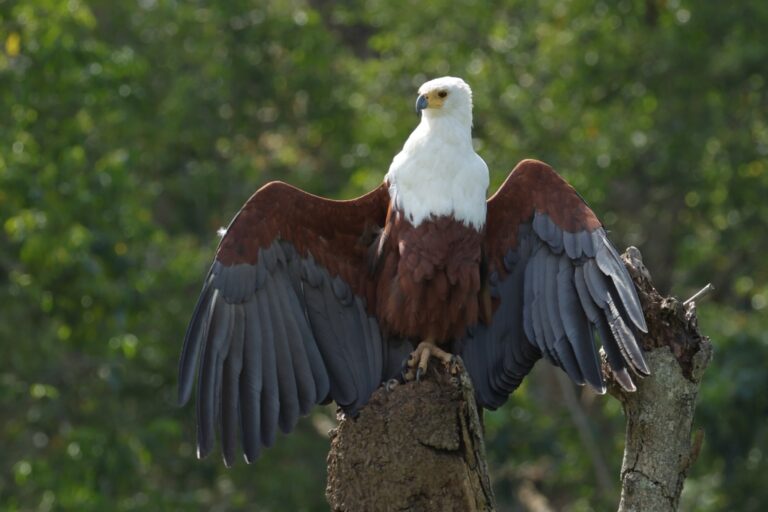
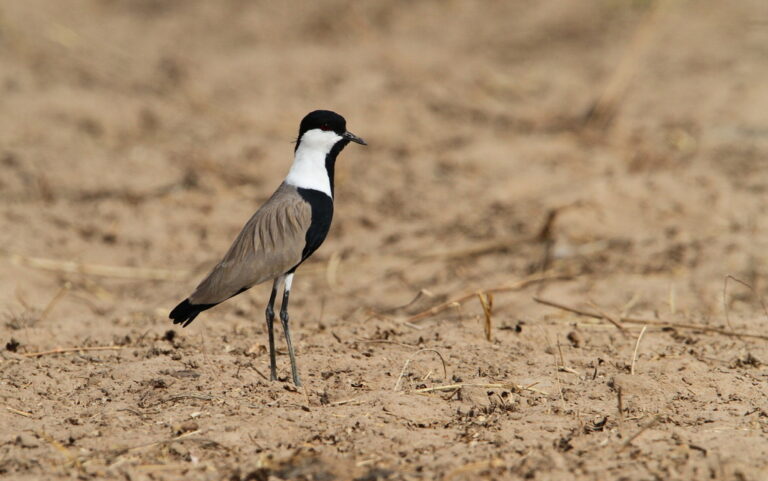
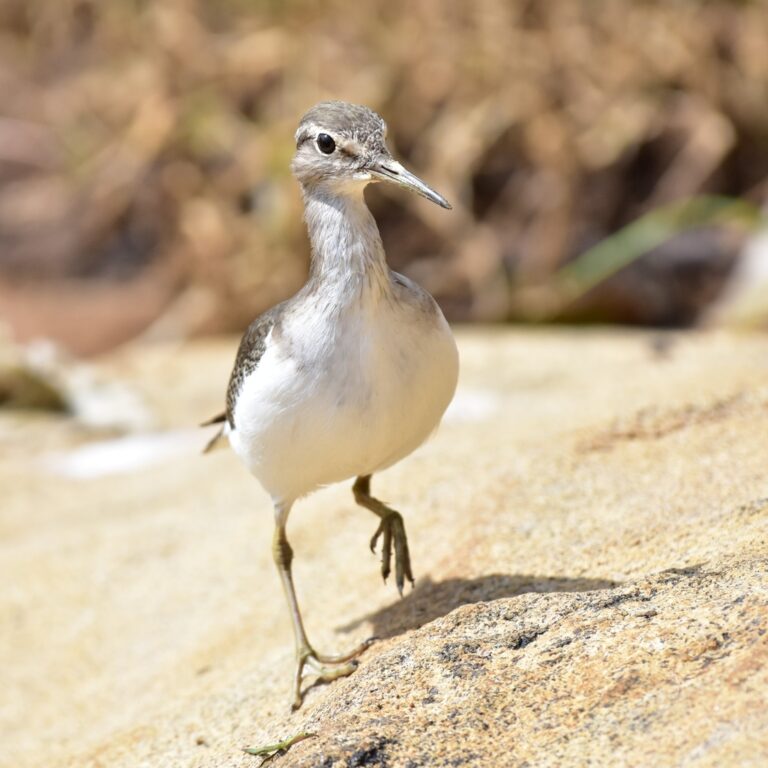
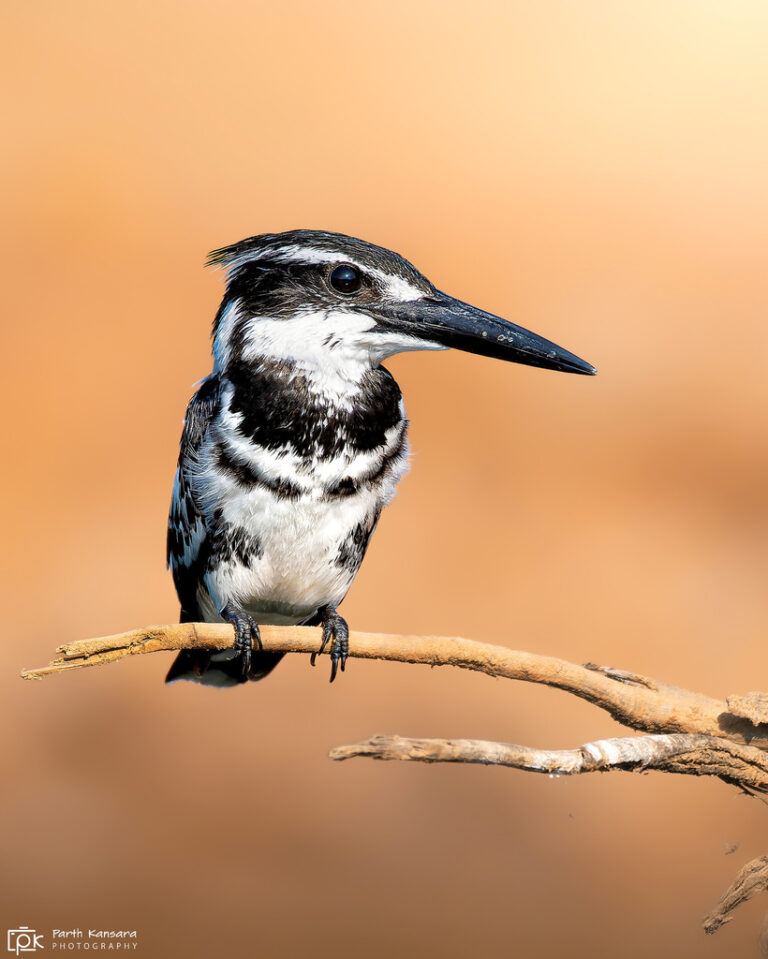
For wildlife photographers and birders willing to venture into one of Kenya's least-crowded protected areas, Central Island rewards patience and planning with genuine remoteness and visual drama. The volcanic landscape creates a stark, almost lunar aesthetic—particularly striking during the golden hour when low-angle light transforms the dark rock formations into a palette of rust and shadow. Access requires coordination with park authorities and usually boat transport across Lake Turkana, a journey that itself becomes part of the expedition experience. The dry season, roughly June through February, offers the most reliable conditions for island visits, though the lake's waters remain accessible year-round to those prepared for its moods. Serious naturalists will find populations of fish eagles, waders, and other water-dependent bird families concentrated along the shorelines, while the chance encounters with endemic reptile species and the raw geological spectacle make this park essential for travelers seeking an off-the-beaten-path African wilderness experience.
No community observations yet — be the first to log a sighting here.
Central Island National Park
Dry conditions dominate, with strong contrasts between day and night.
A year of temperatures
Monthly means, with the coldest and warmest highlighted
Terrain and elevation
367 m · LowlandAverage terrain elevation estimate across the hotspot; the figure does not represent its highest summits.
Lowland