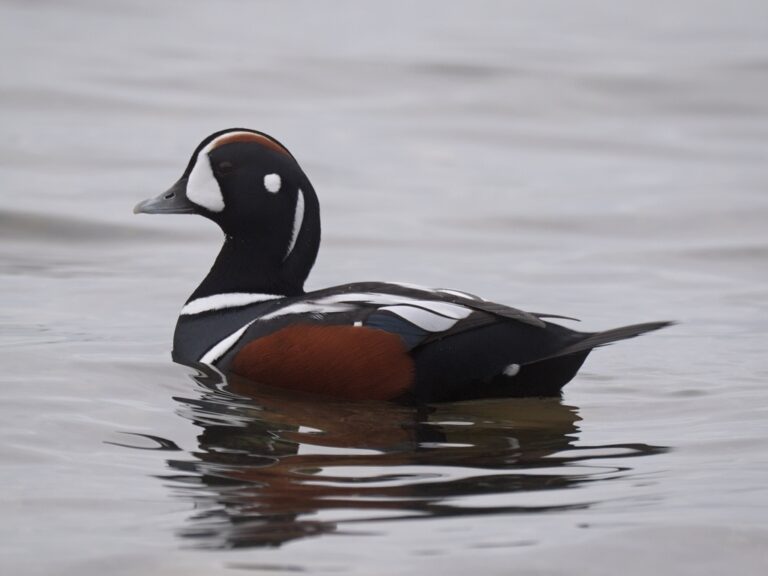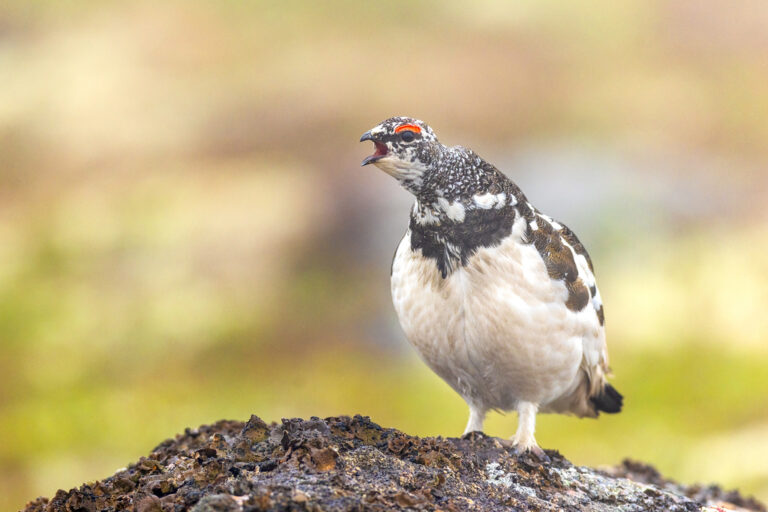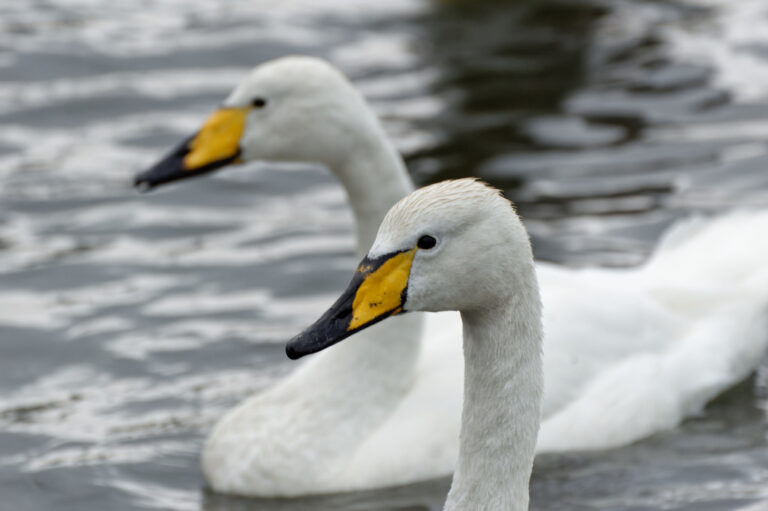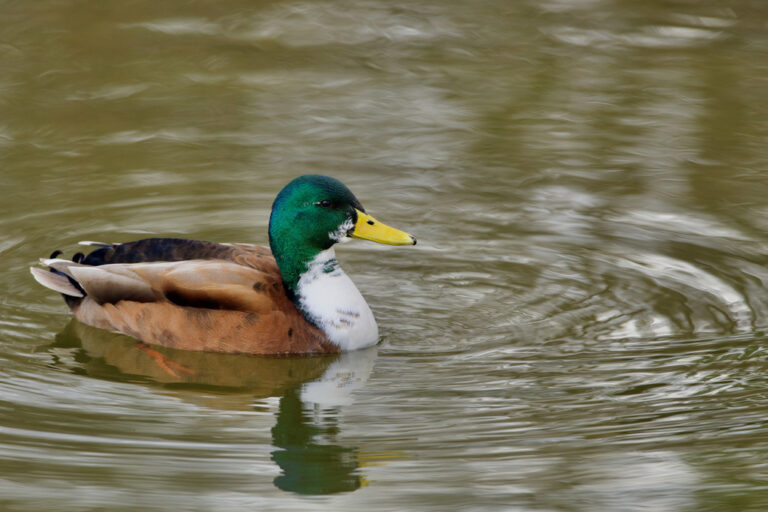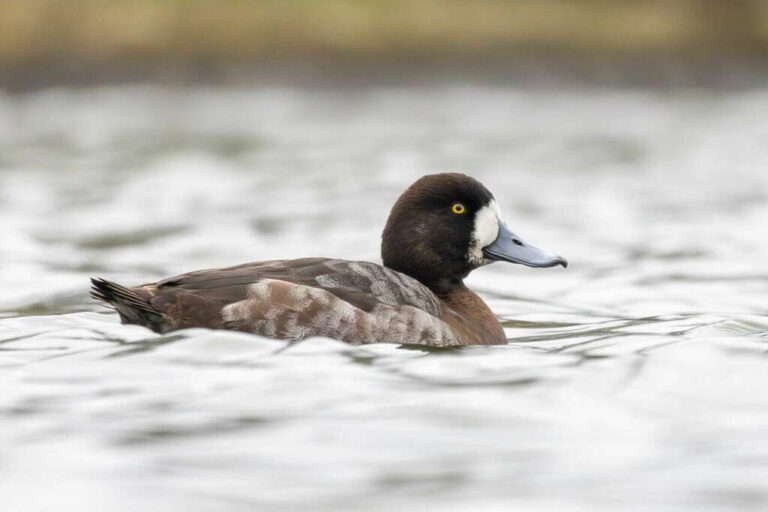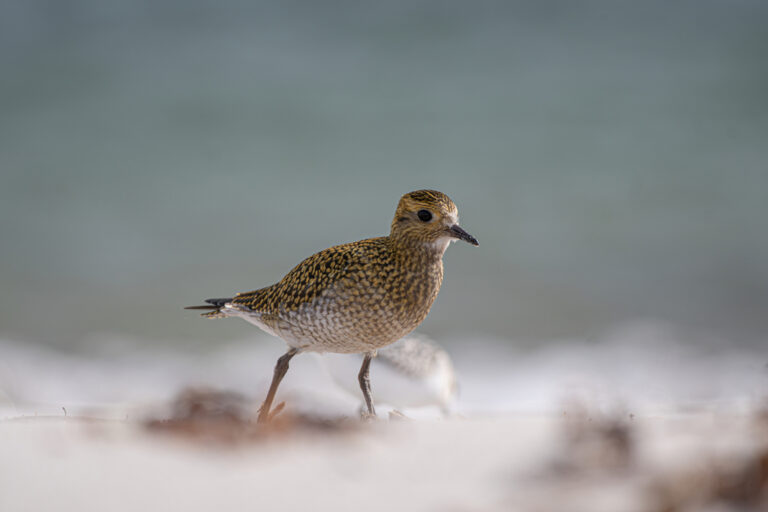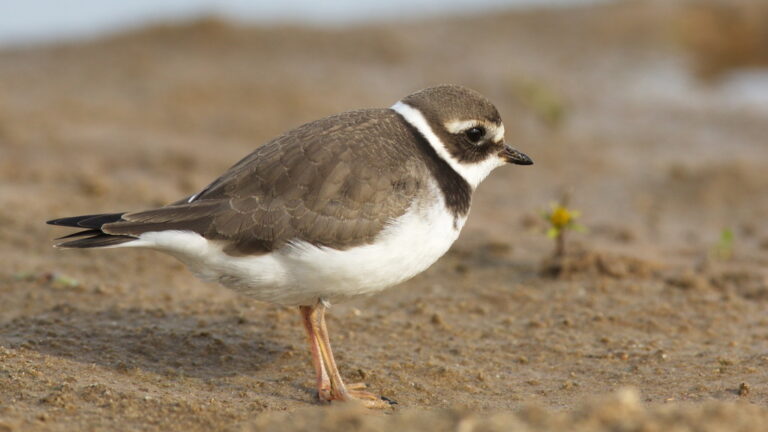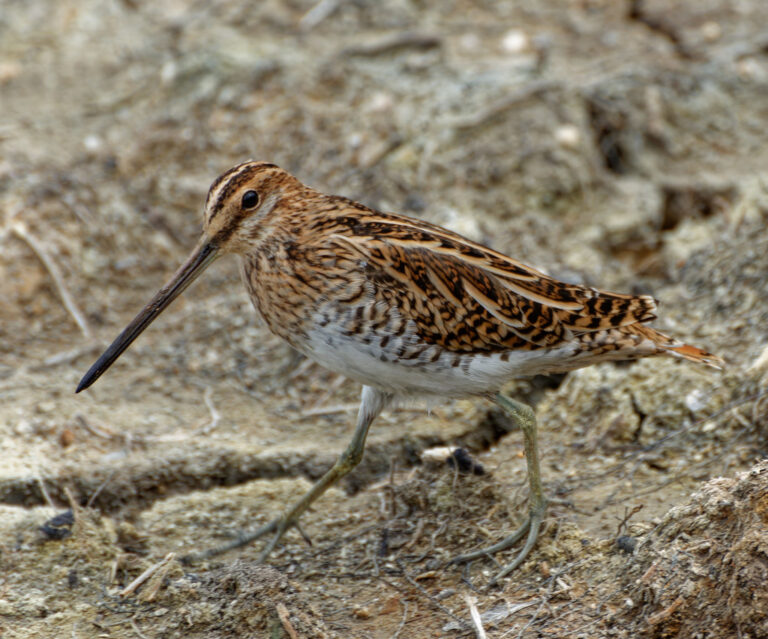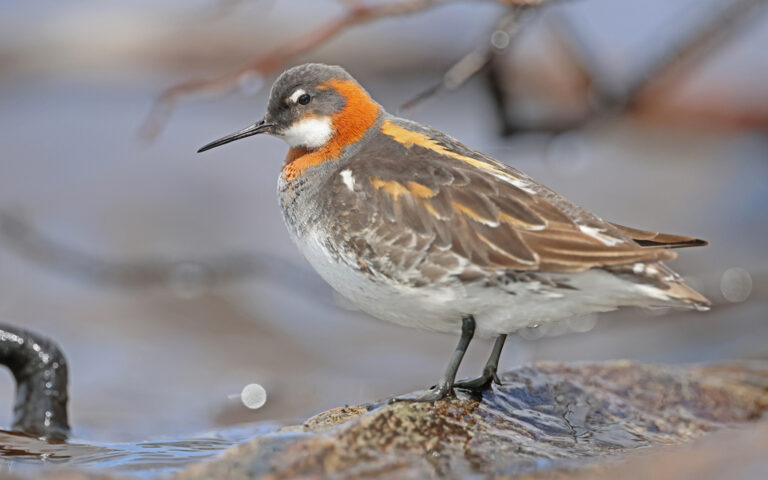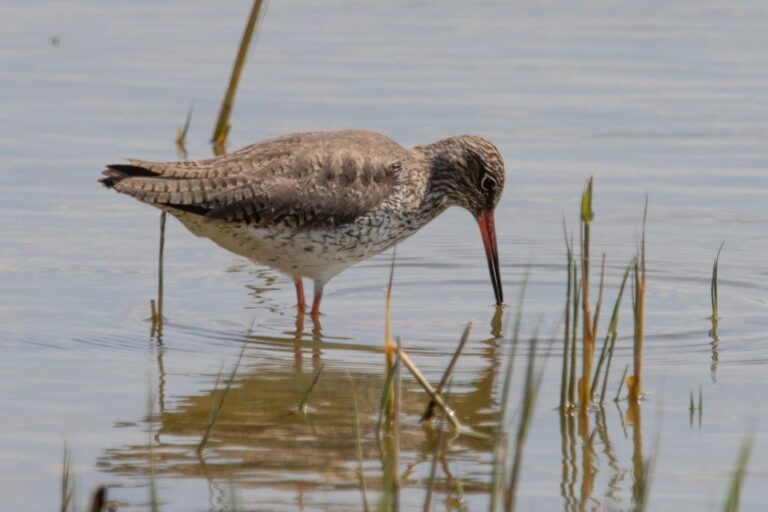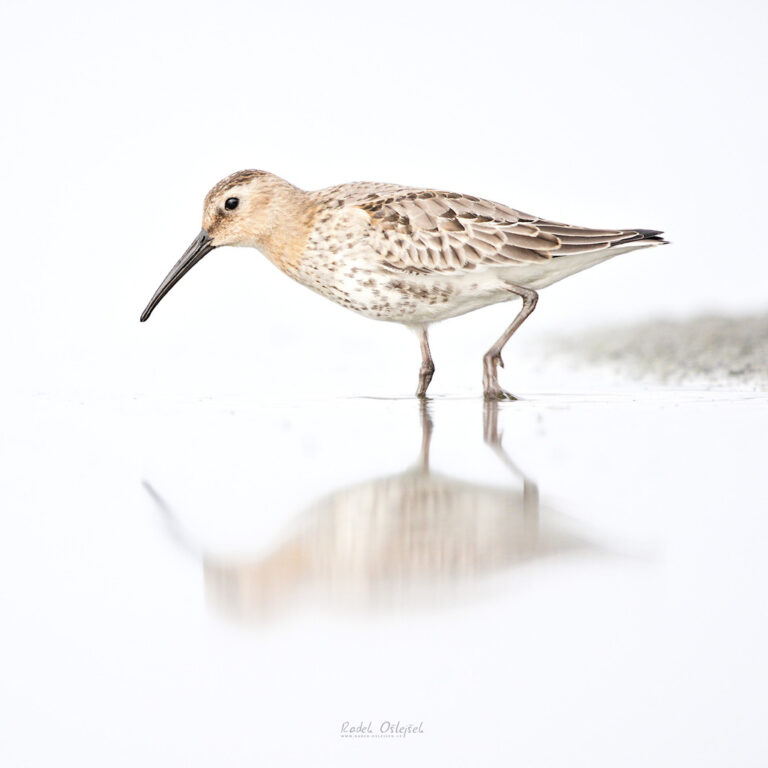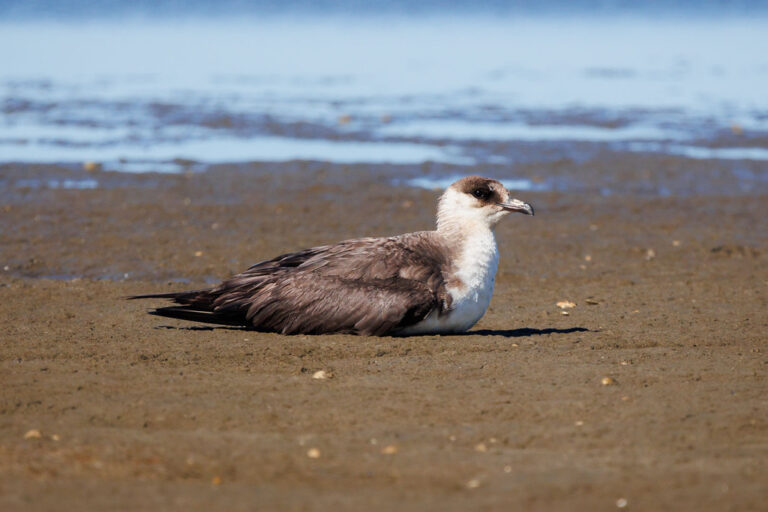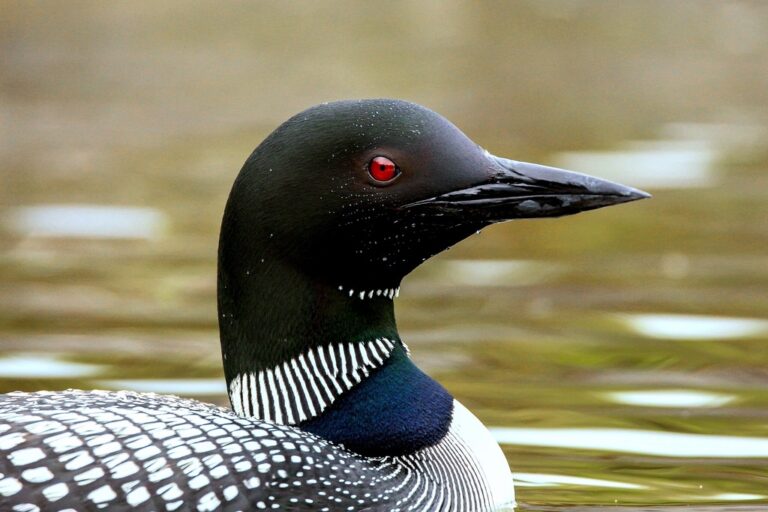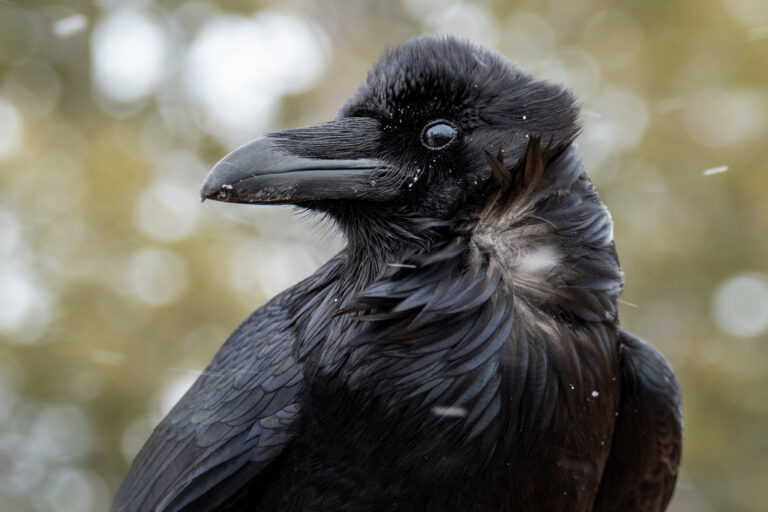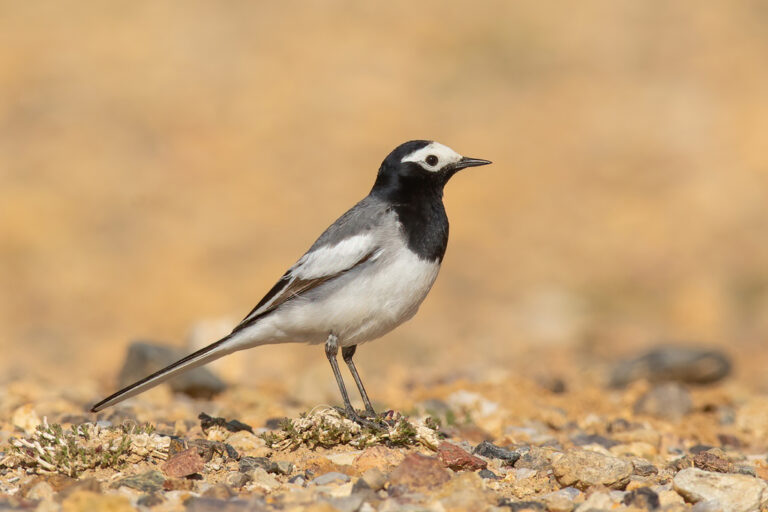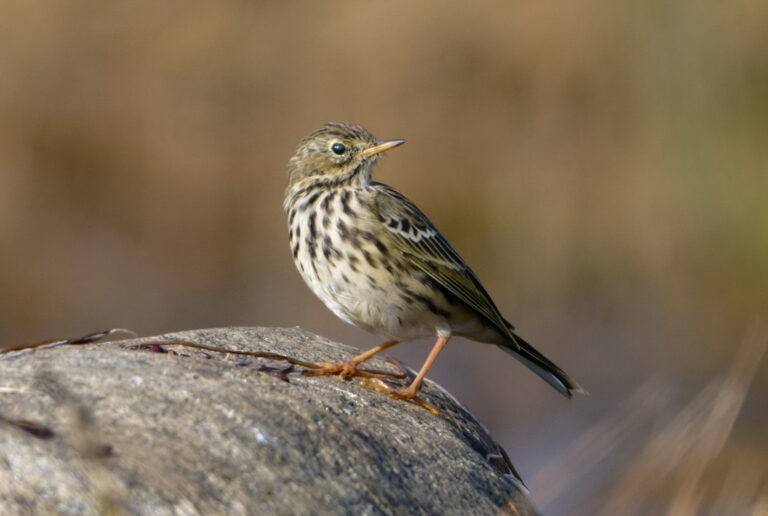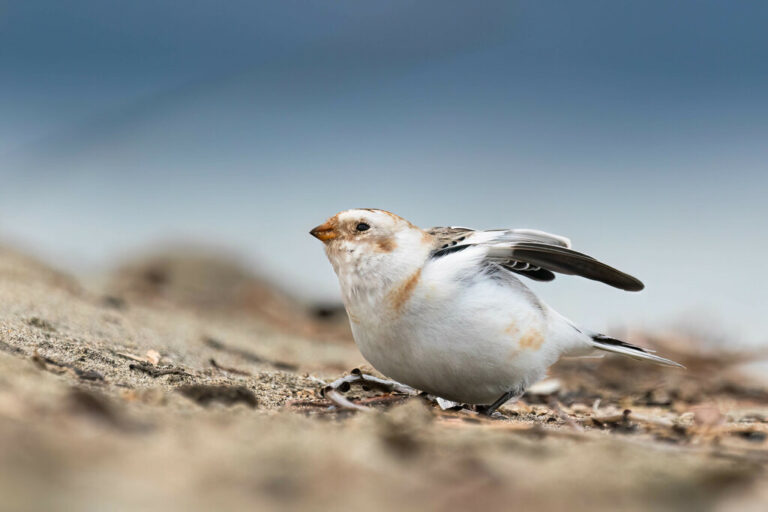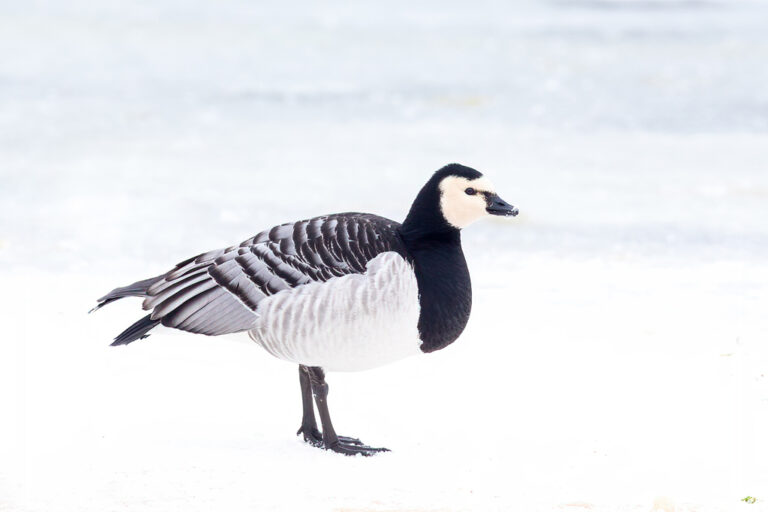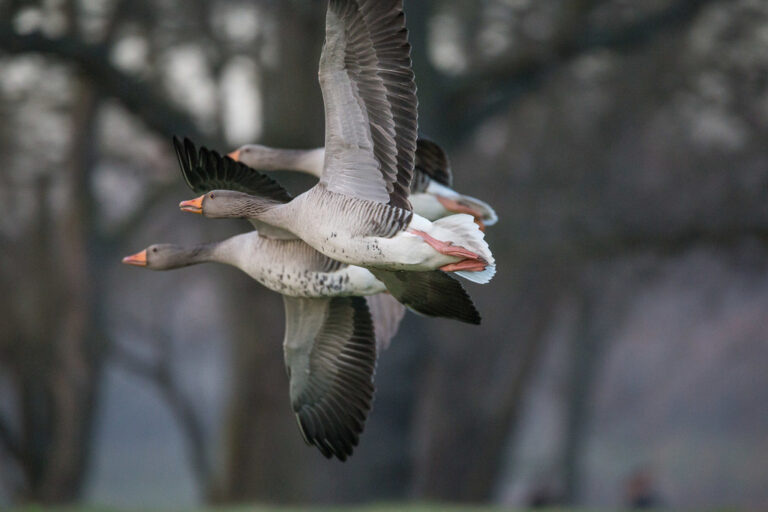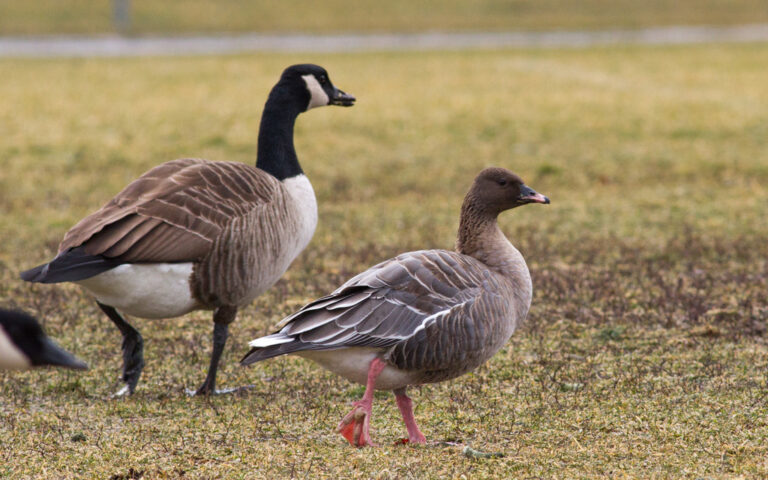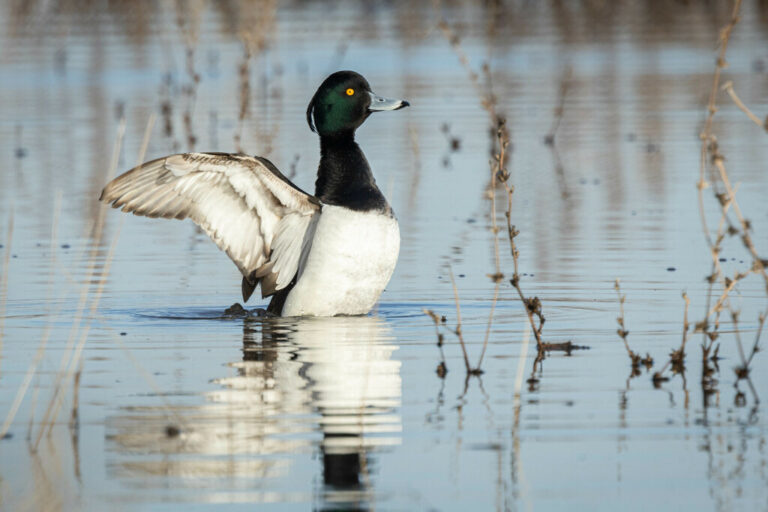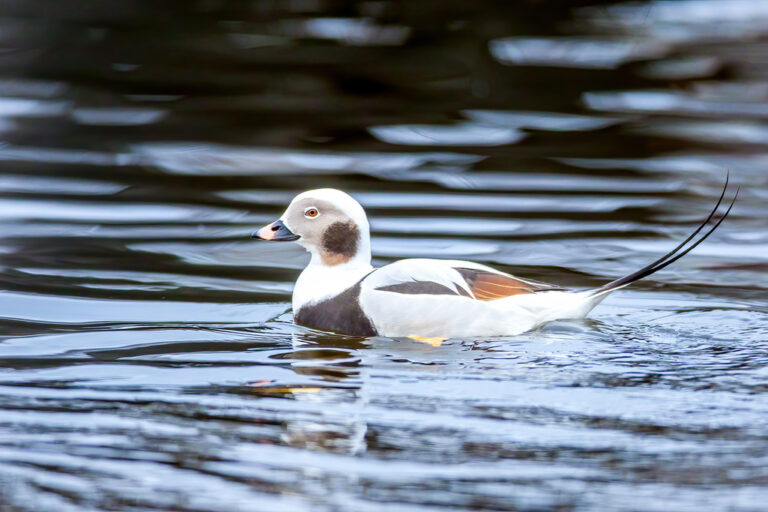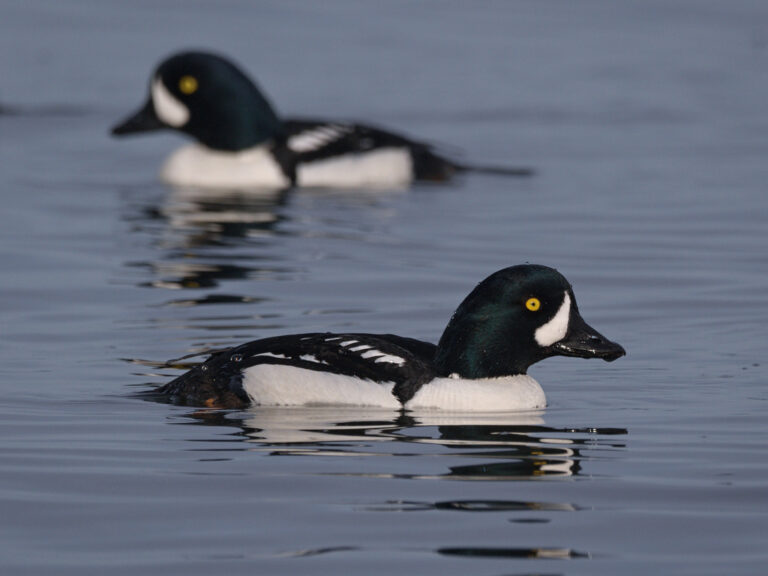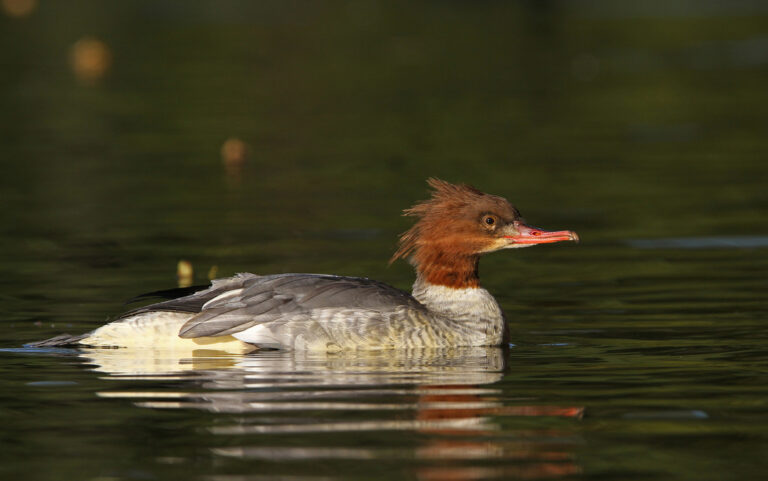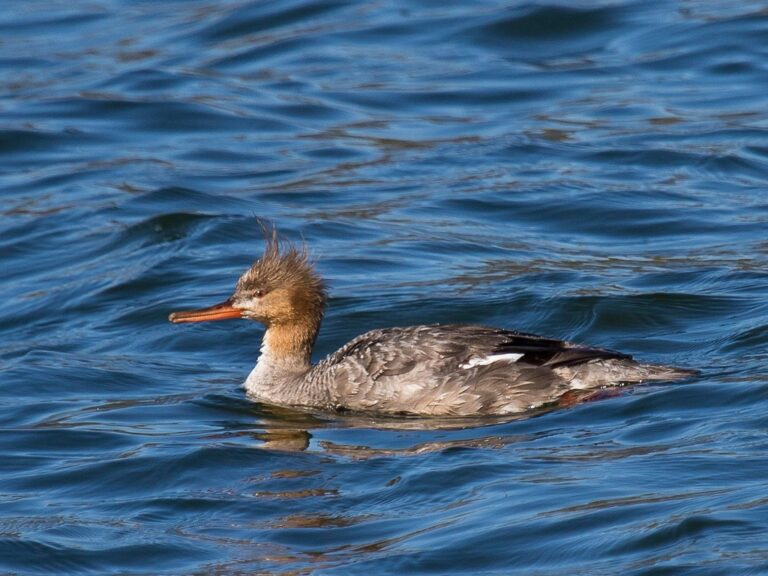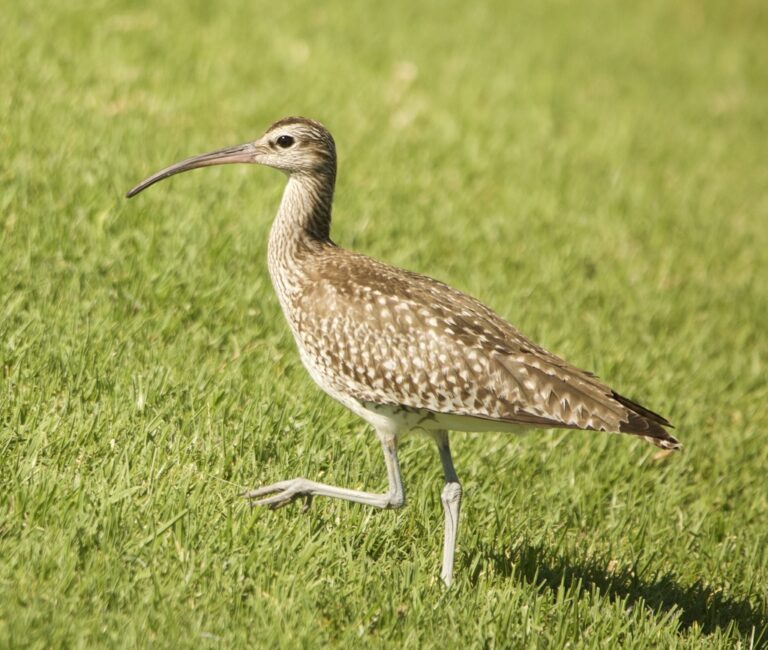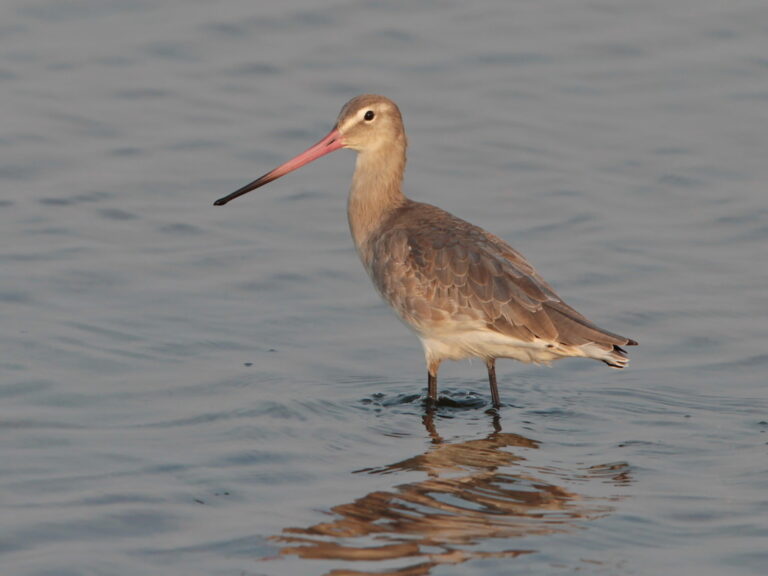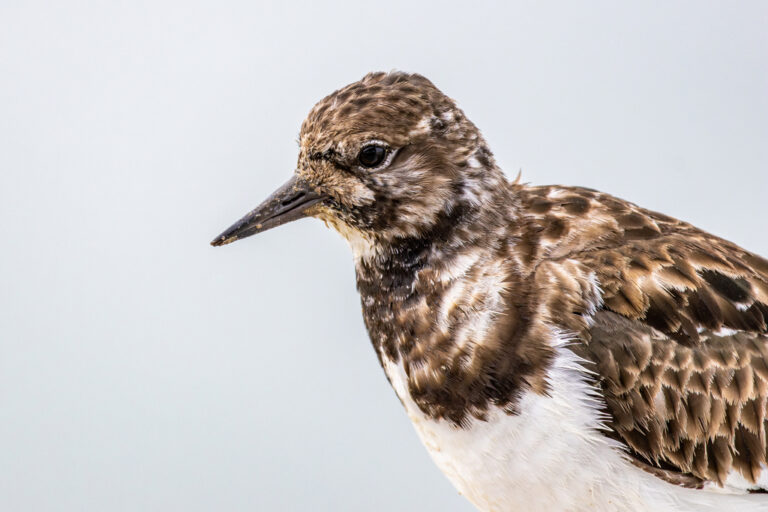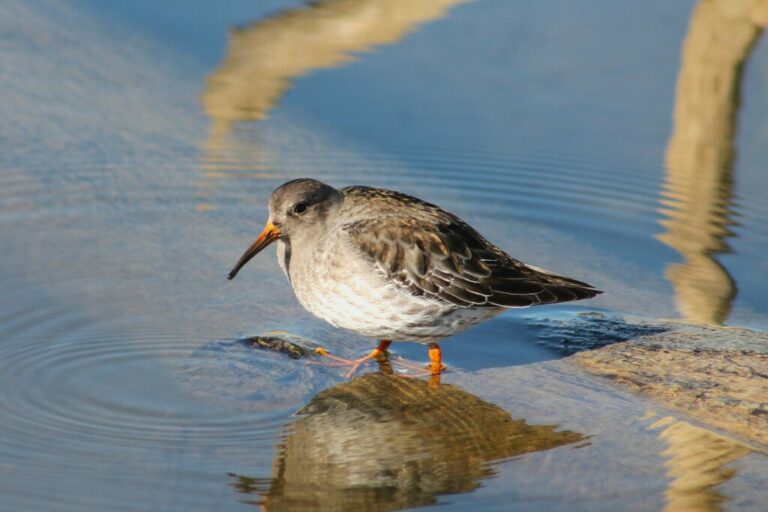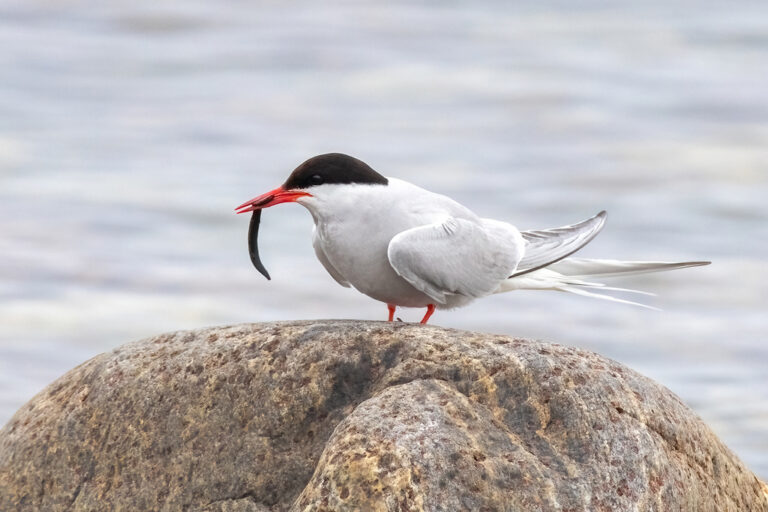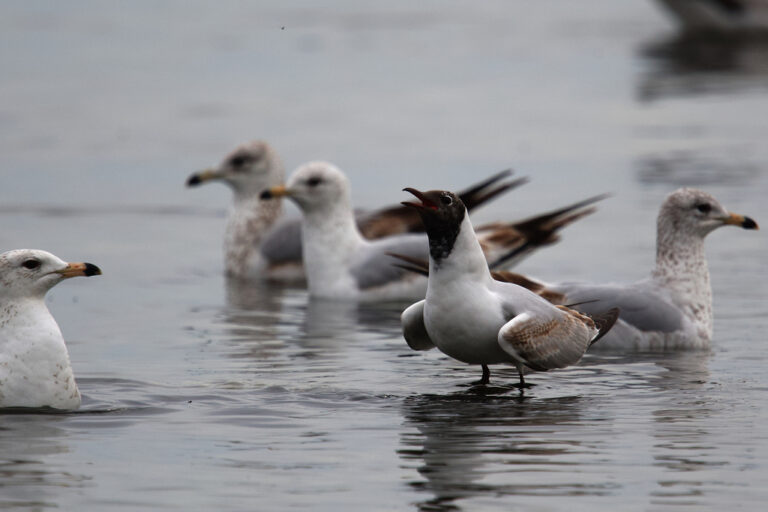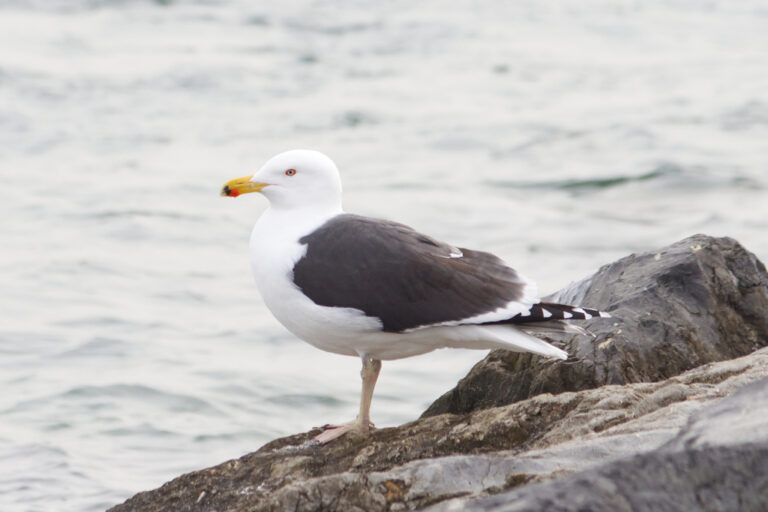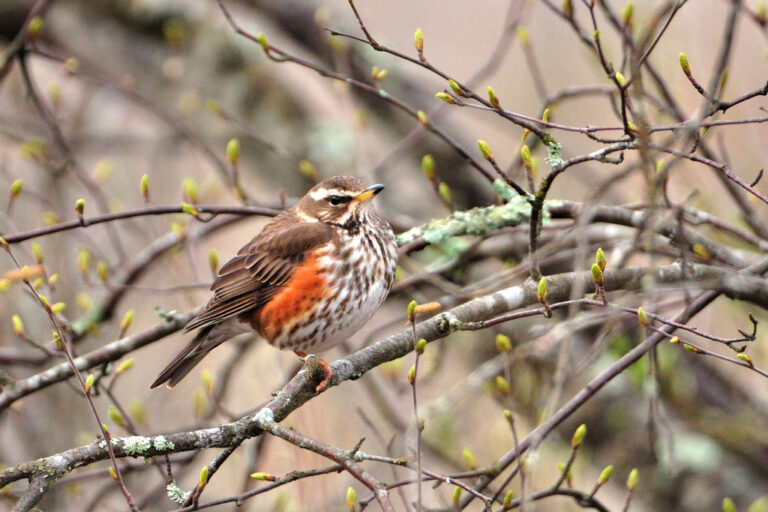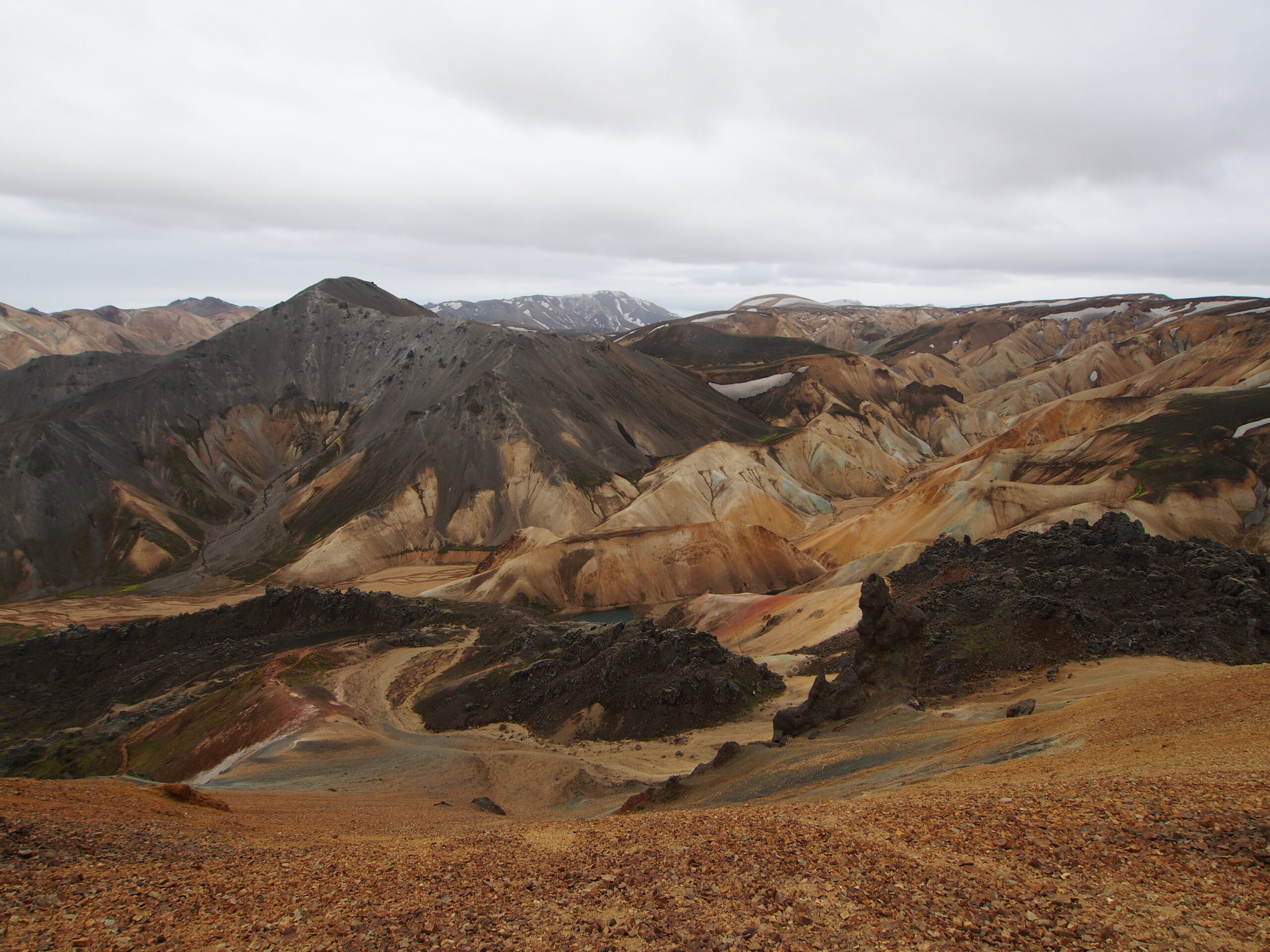
Where Iceland's central highlands rise in tundra-clad plateaus and volcanic terrain, Fjallabak Nature Reserve encompasses a landscape sculpted by ancient ice and fire. This subarctic realm, with its ET climate of brief summers and long, severe winters, hosts sparse but resilient vegetation—hardy dwarf shrubs, mosses, and lichens that cling to the exposed ground between lava fields and glacial valleys. The reserve's ecology hinges on extreme seasonal contrast: waterways run clear and cold with snowmelt during the brief growing season, while winter transforms the landscape into a realm of ice and dormancy. Despite the harsh conditions, tundra-adapted herbivores and their predators maintain delicate populations here, while arctic and subarctic birds exploit the midnight sun to breed and raise young in the short window of abundance. Ground-nesting species and those that migrate across vast distances find refuge in this remote wilderness, their survival tied to the reserve's protection from development and disturbance.
Photographers and naturalists drawn to extreme landscapes will find Fjallabak a destination of raw, uncompromising beauty—a place where the interplay of volcanic rock, glacial remnants, and sparse tundra vegetation creates compositions impossible to find elsewhere. The reserve's remoteness and rugged terrain demand serious preparation, but the reward is access to wildlife in one of Europe's last true wildernesses. Summer brings clarity to these high plateaus, with extended daylight and brief windows of activity as birds and mammals make the most of the season's resources. Those patient enough to observe the reserve's fauna will witness the strategies that evolution has honed over millennia—creatures perfectly adapted to survive where few others can. The reserve remains one of Iceland's most pristine natural laboratories, where the processes of subarctic ecology unfold far from human interference.
No community observations yet — be the first to log a sighting here.
Fjallabak Nature Reserve
Very cold conditions shape most of the year.
A year of temperatures
Monthly means, with the coldest and warmest highlighted
Terrain and elevation
621 m · UplandAverage terrain elevation estimate across the hotspot; the figure does not represent its highest summits.
Upland