Northern Isfjorden National Park
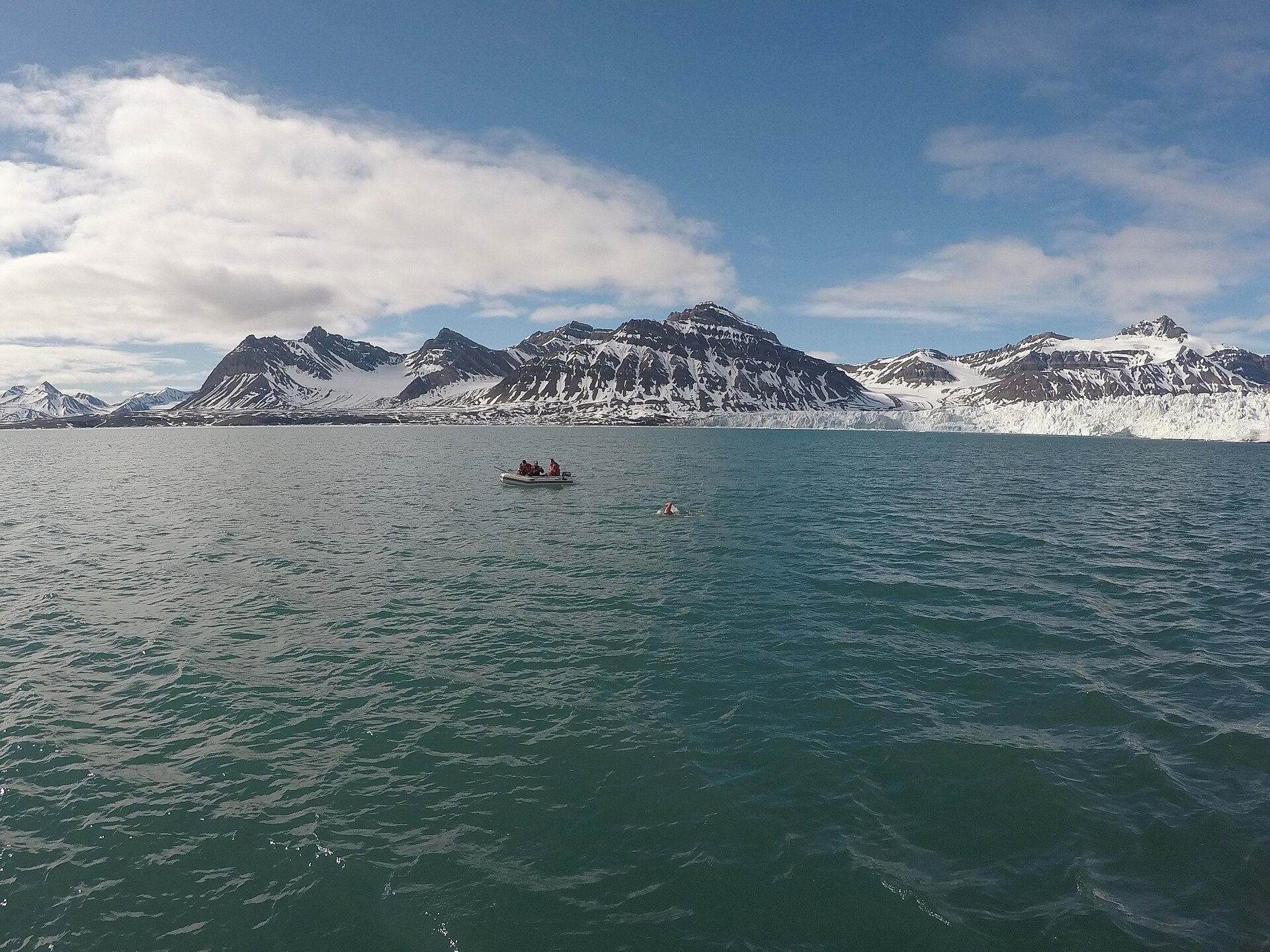
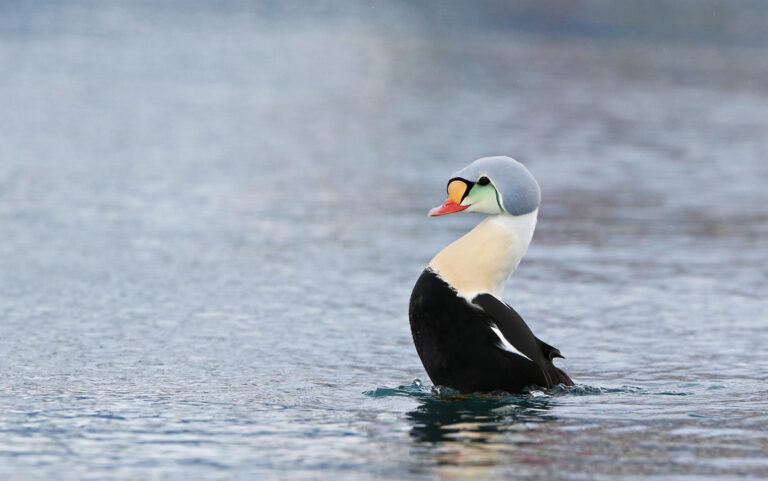
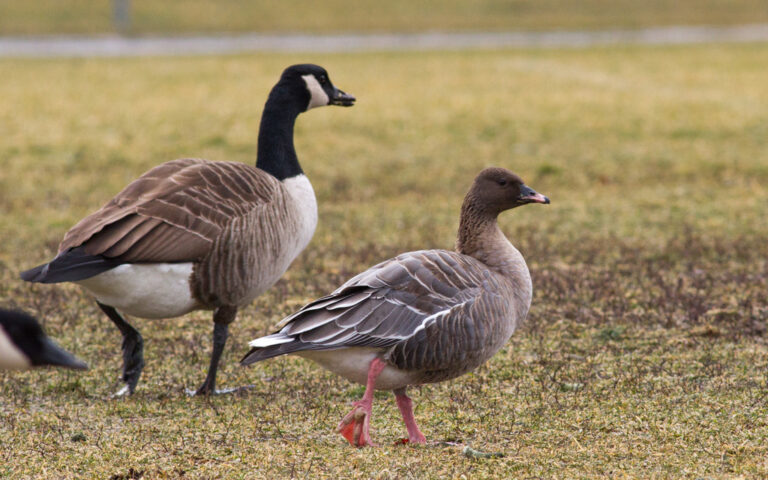
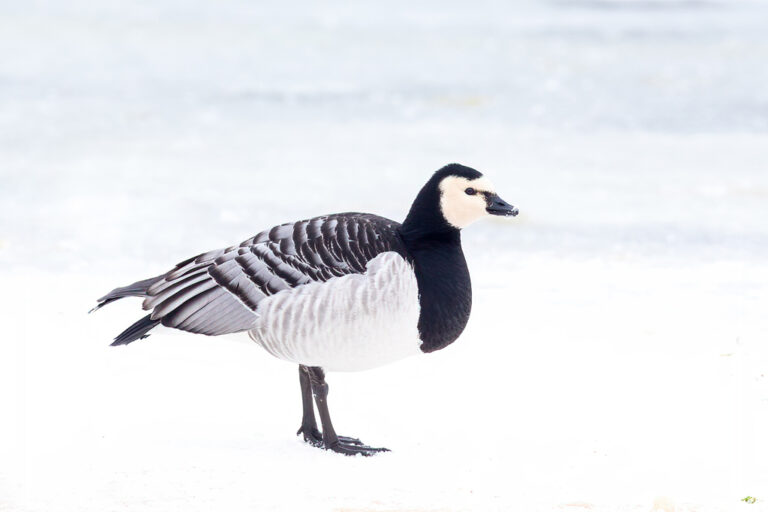
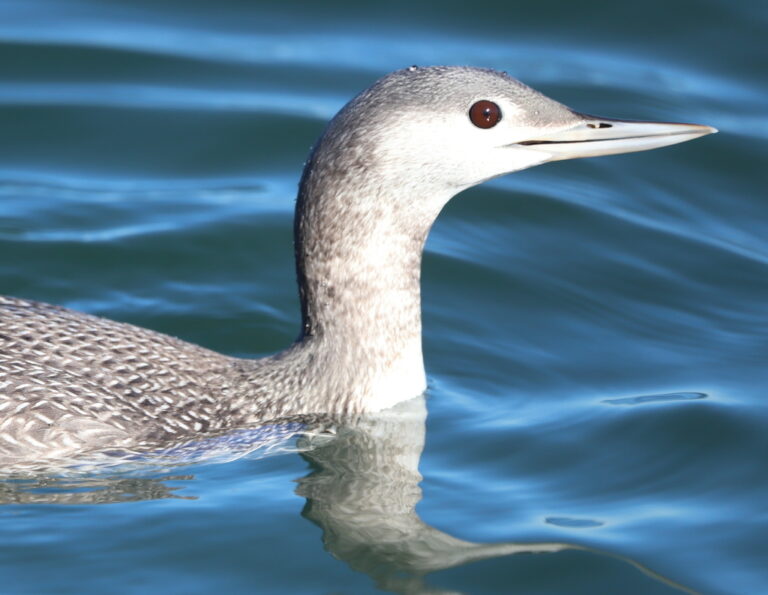
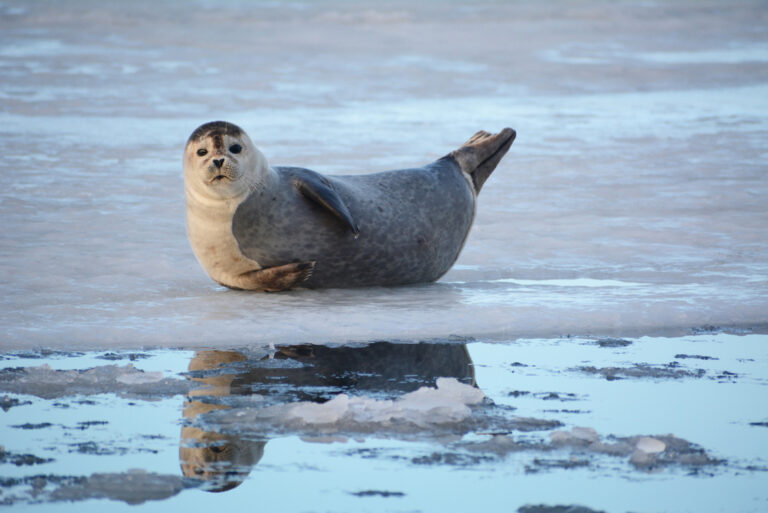
Photo © Rbarkai
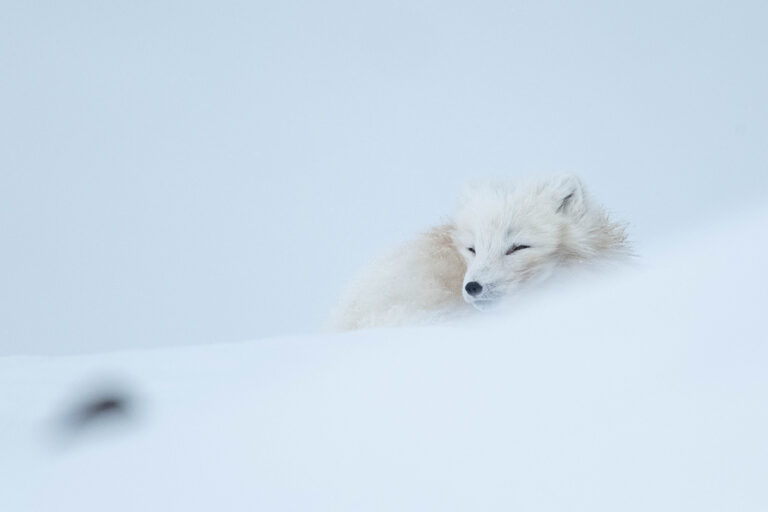
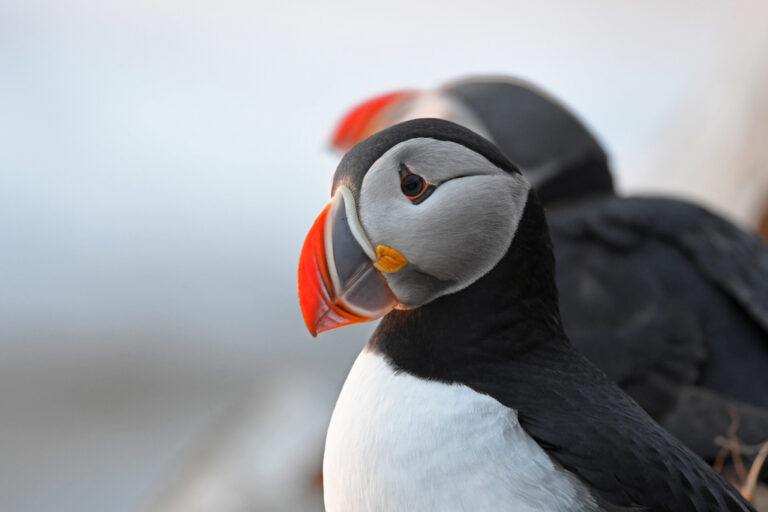
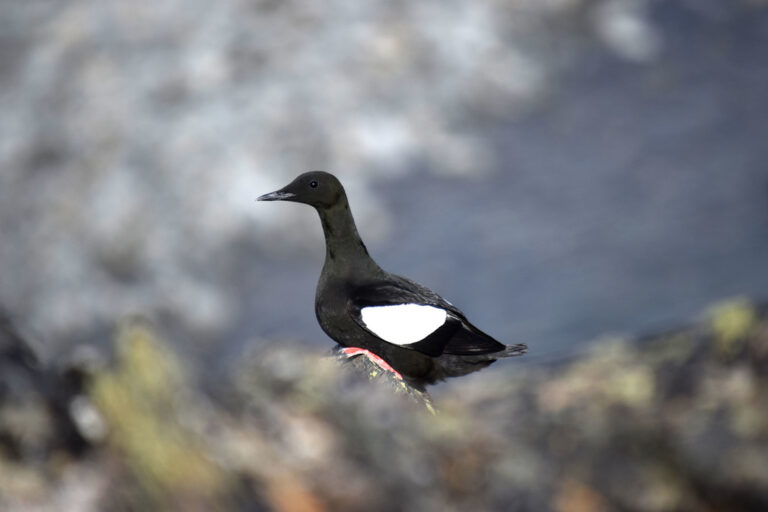
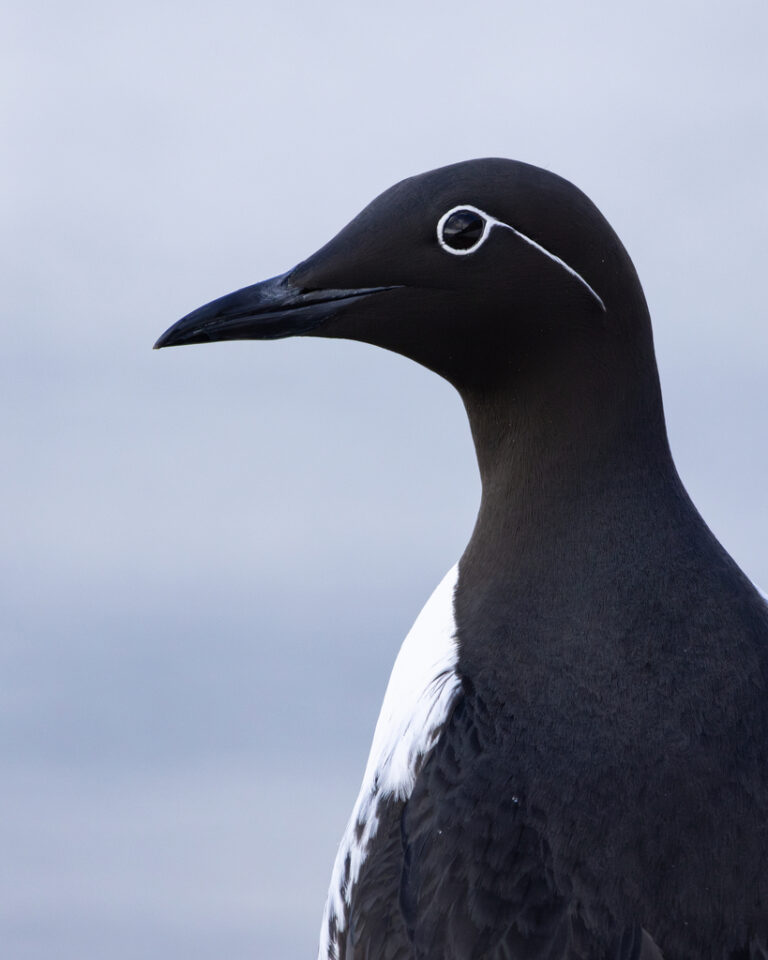
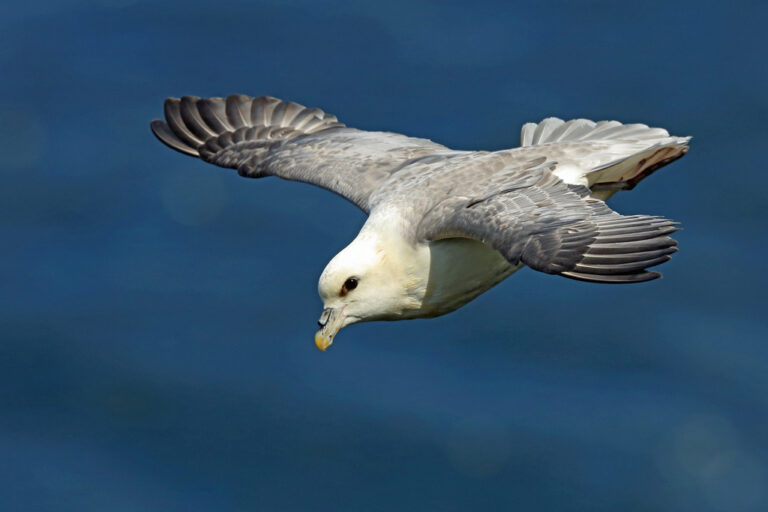
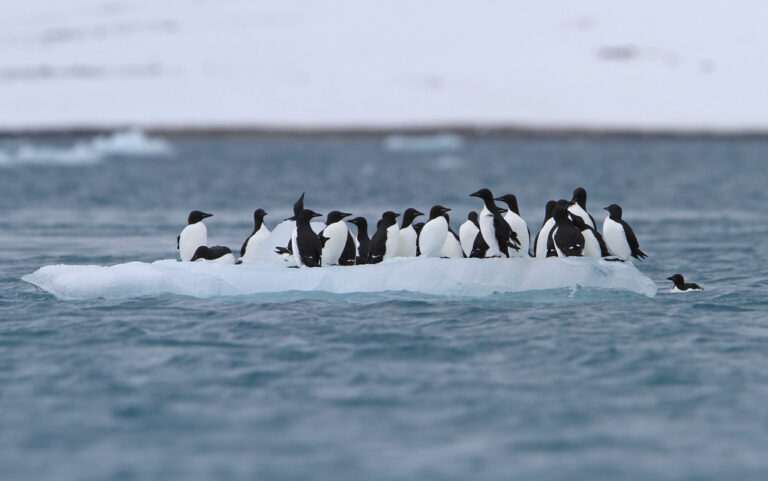
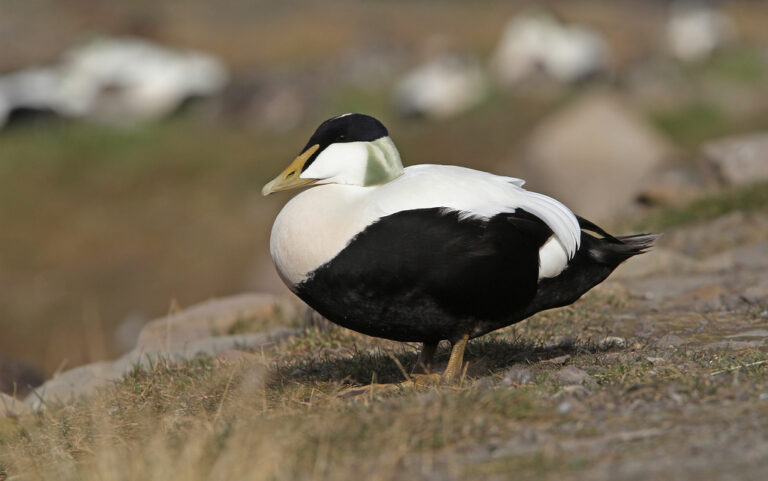
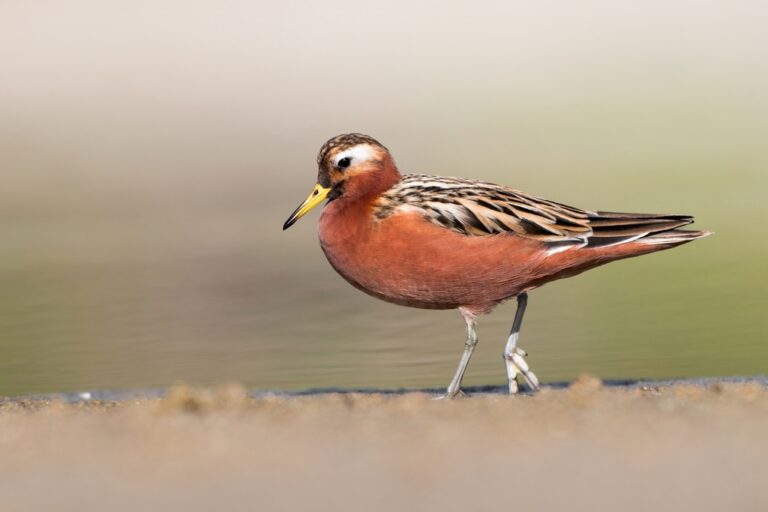
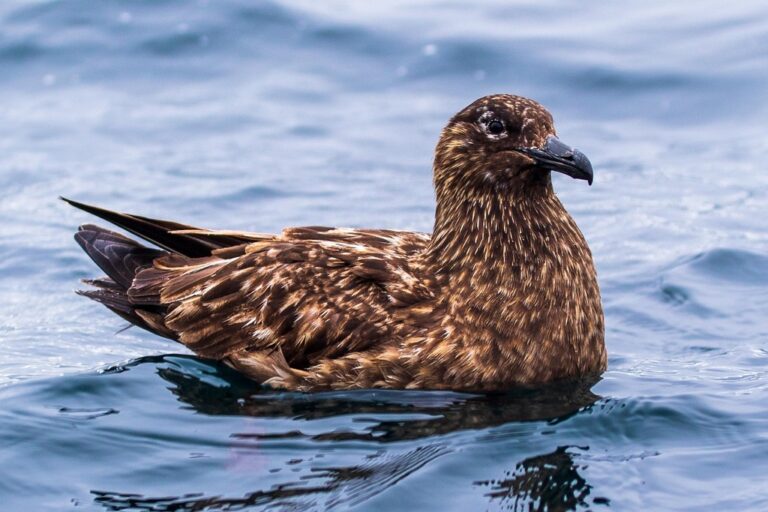
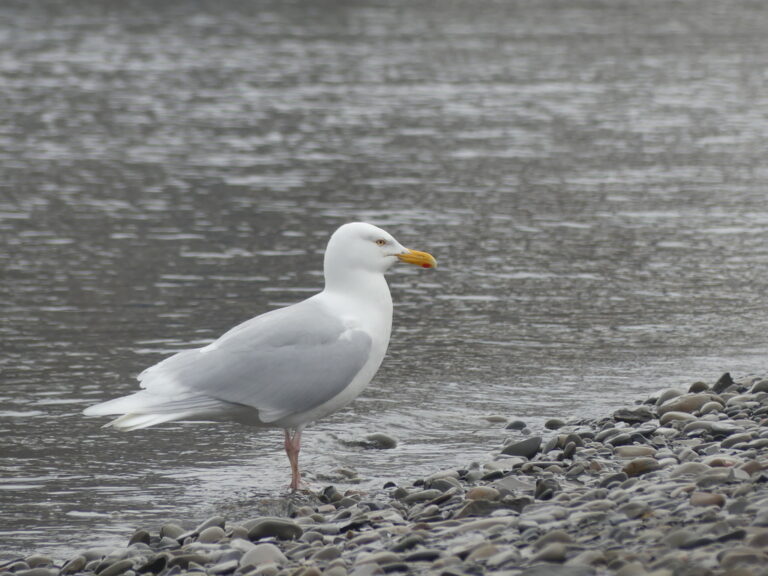
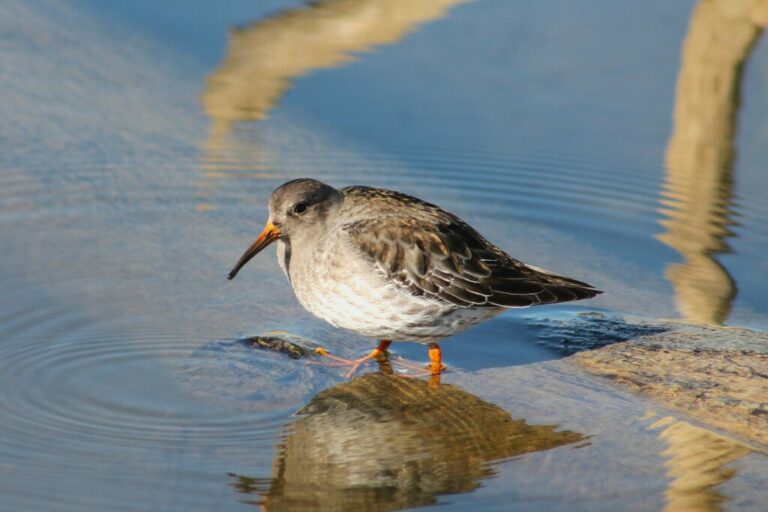
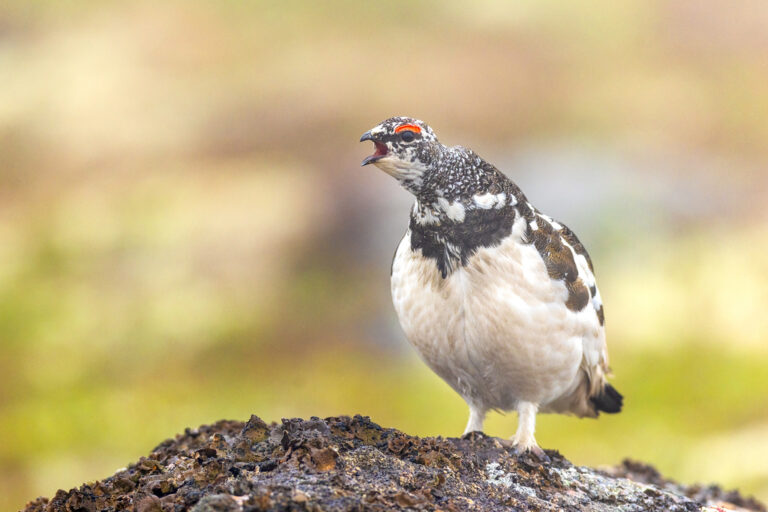
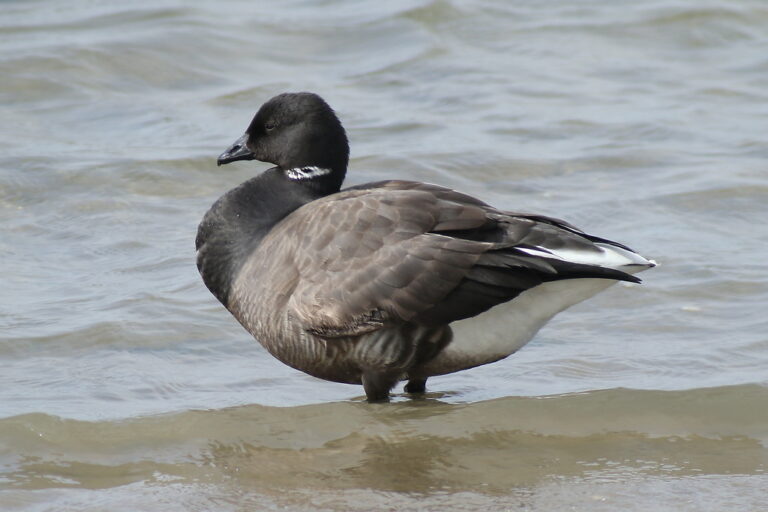
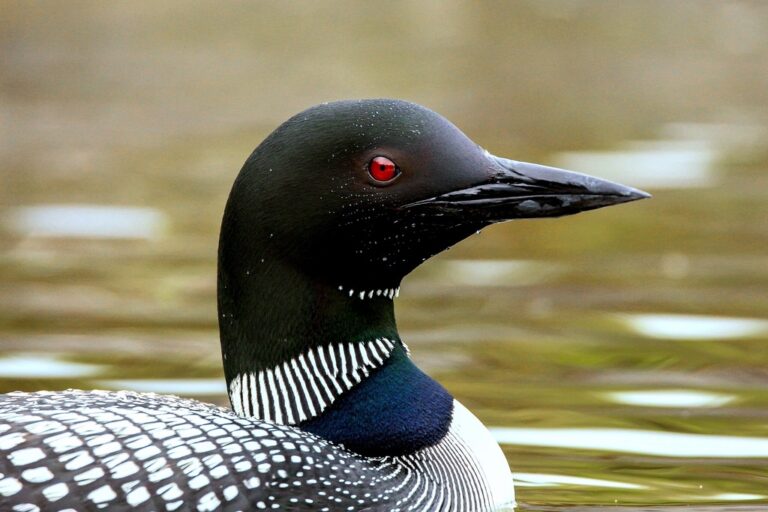
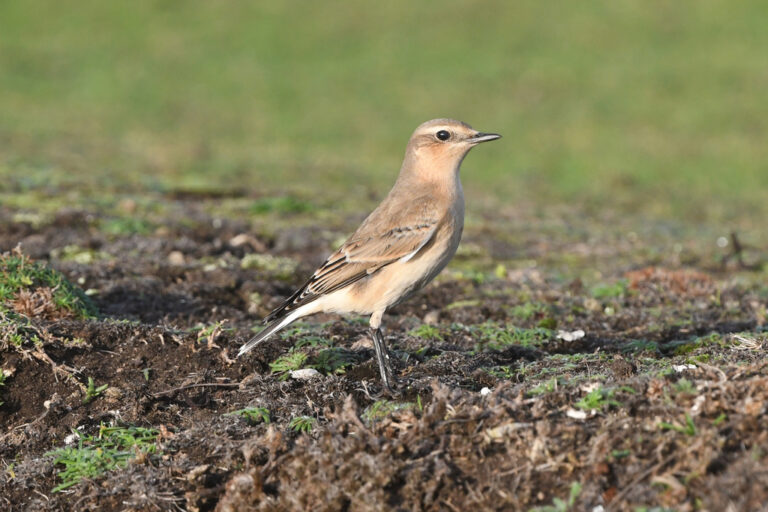
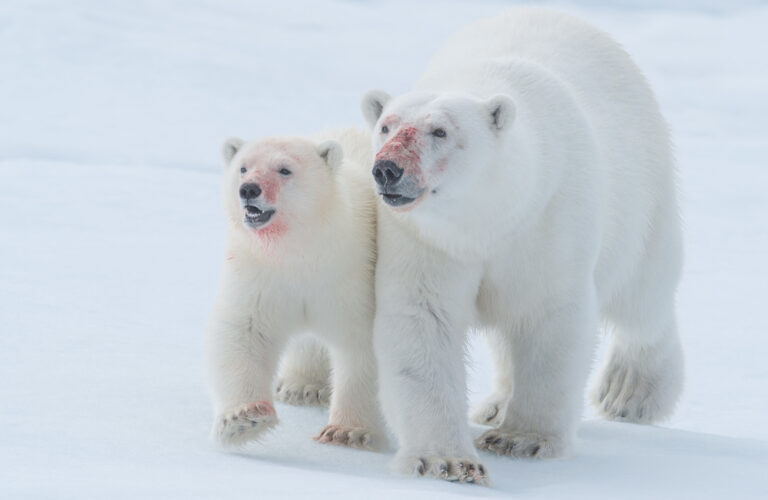
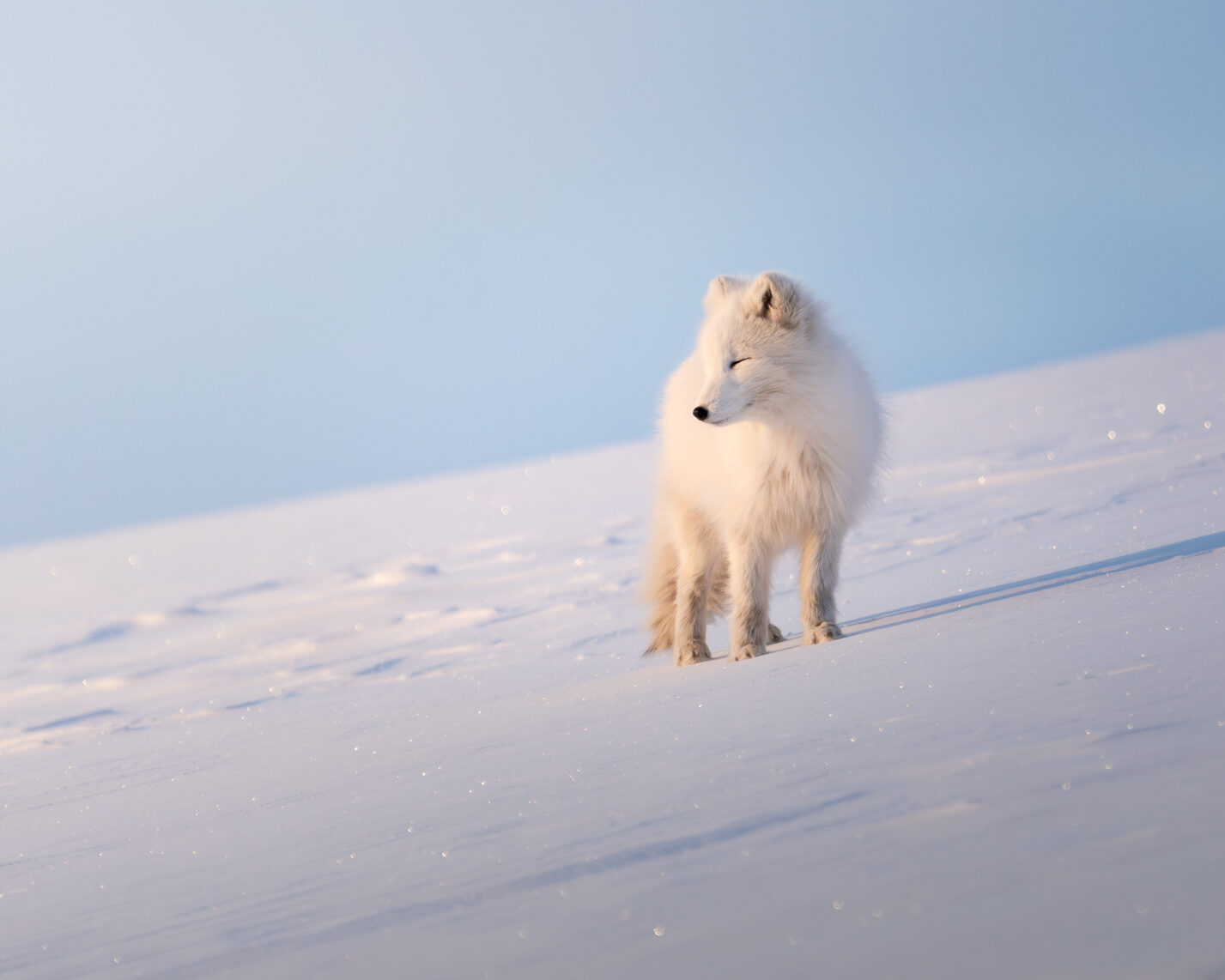
Photo © Rbarkai — CC BY-SA 4.0 — Source: Wikimedia CommonsWhere the Arctic fjord system cuts deep into Svalbard's northwestern coast, Northern Isfjorden National Park protects a landscape of stark geological drama—towering cliff faces, tidewater glaciers, and a fjord system carved by millennia of ice. The park's terrain ranges from sea-level shores to high plateaus, creating a mosaic of habitats that support the wildlife characteristic of High Arctic environments. Seabirds congregate in vast colonies on the cliff ledges, while marine mammals patrol the ice-edge and open water. The fjord itself, fed by glacial meltwater, sustains productive food chains that attract both transient visitors and year-round residents. In the terrestrial zone, Arctic shrubland and sparse vegetation support smaller mammals and ground-nesting birds, their survival honed to the rhythms of permafrost and polar extremes. The park's IUCN Category II designation reflects its role as both a wilderness reserve and a living laboratory of Arctic ecology, where geology, ice dynamics, and biodiversity remain locked in constant flux.
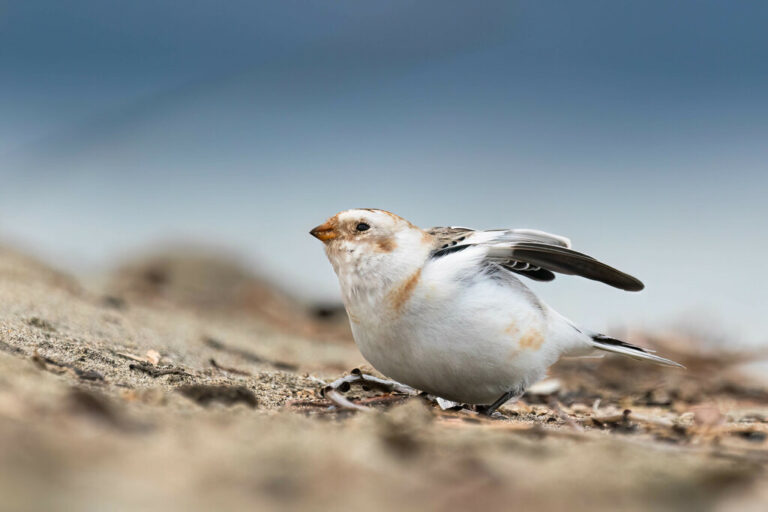
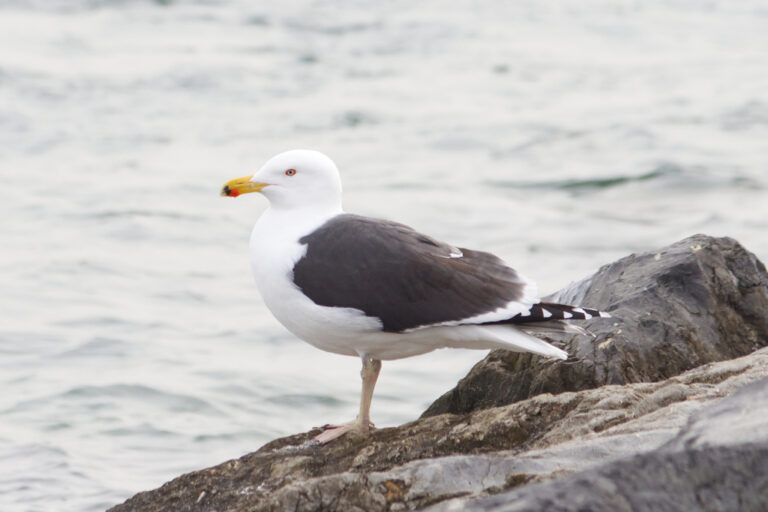
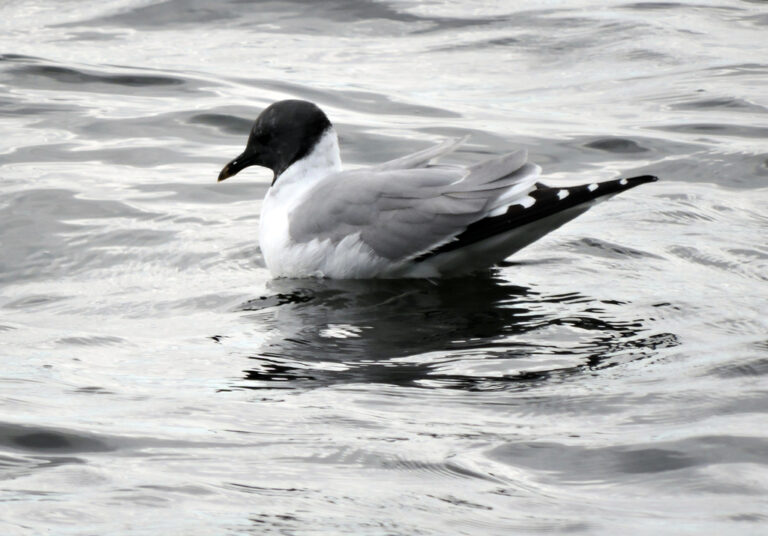
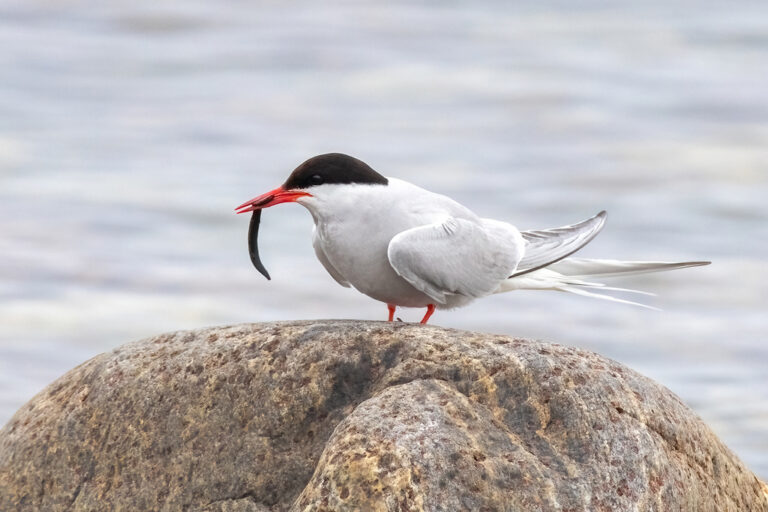
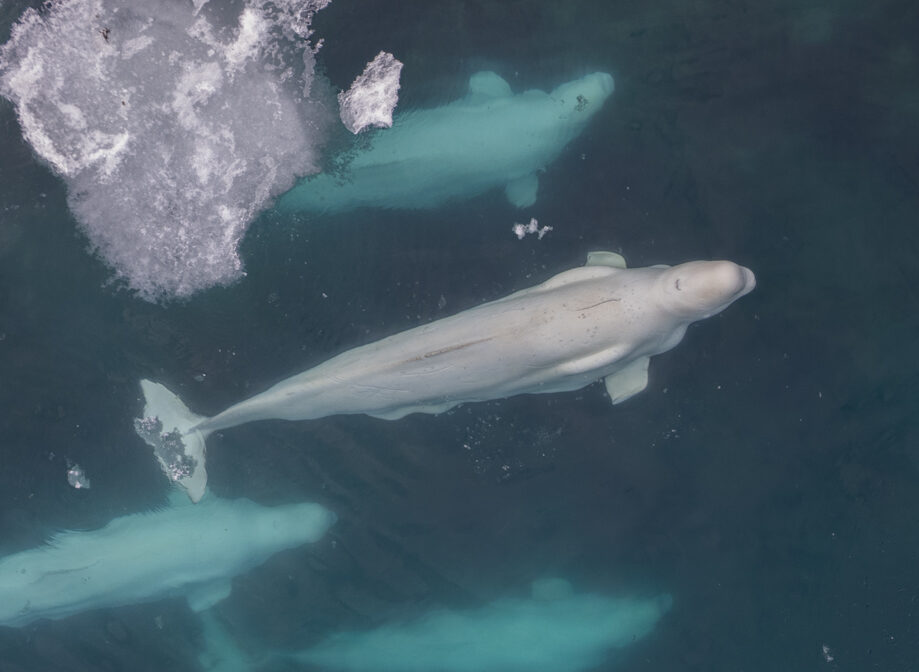
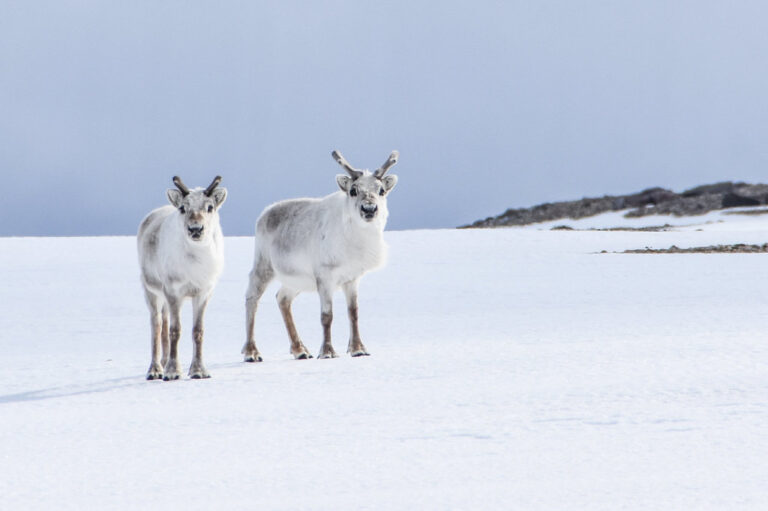
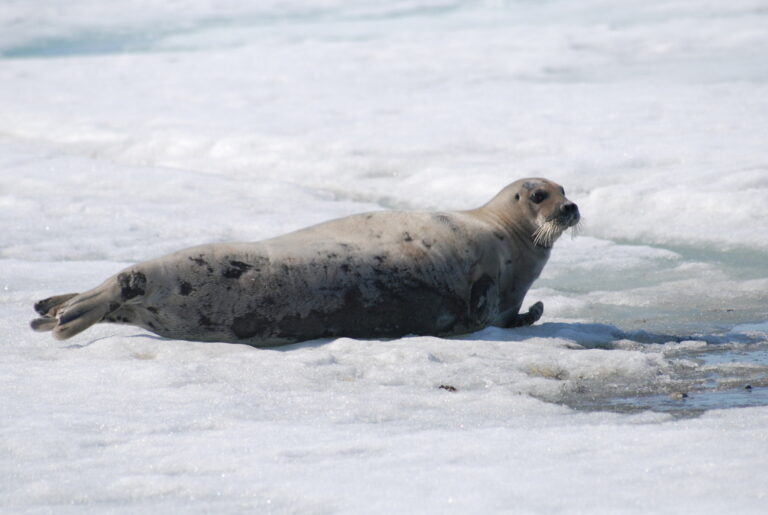
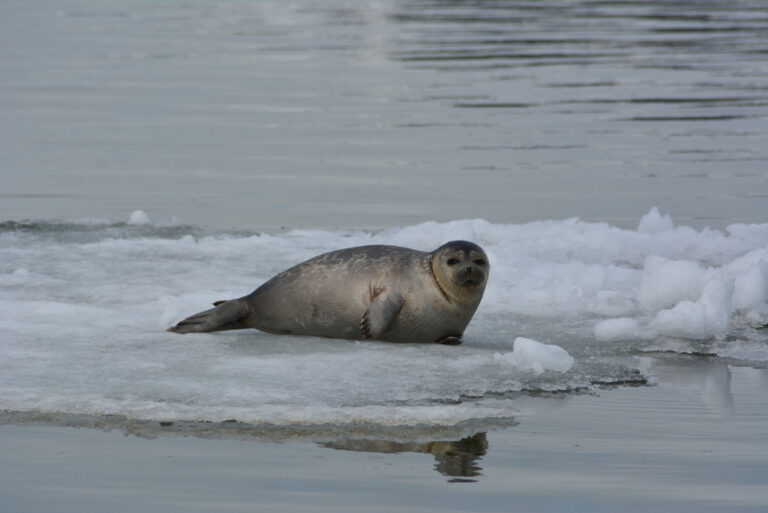
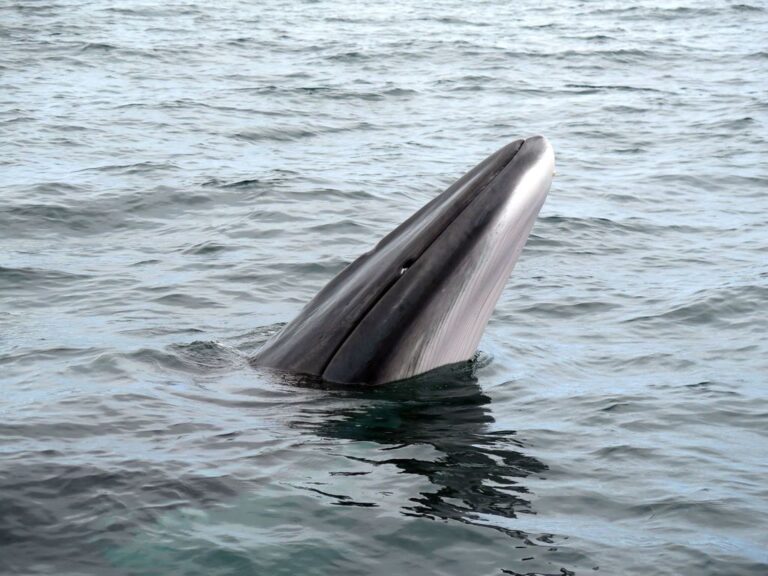
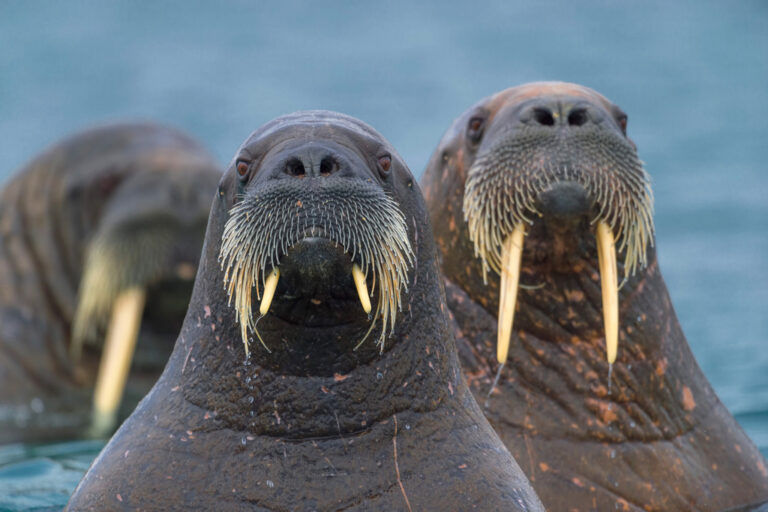
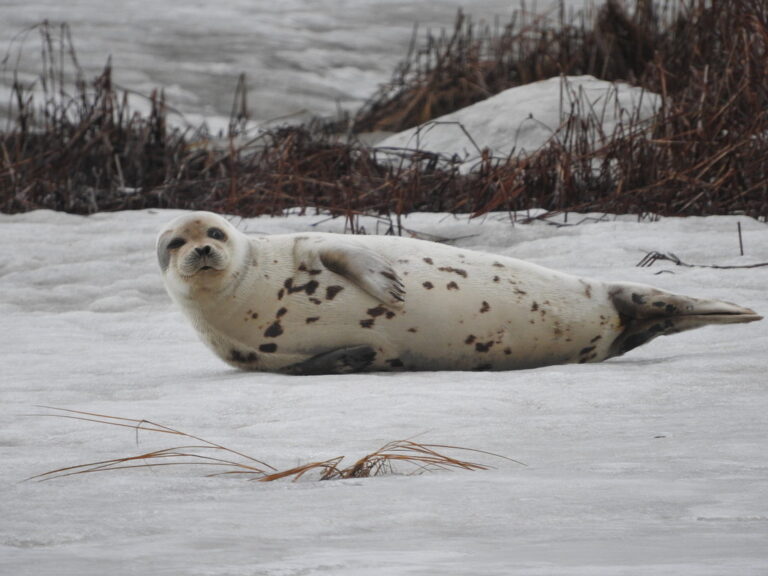
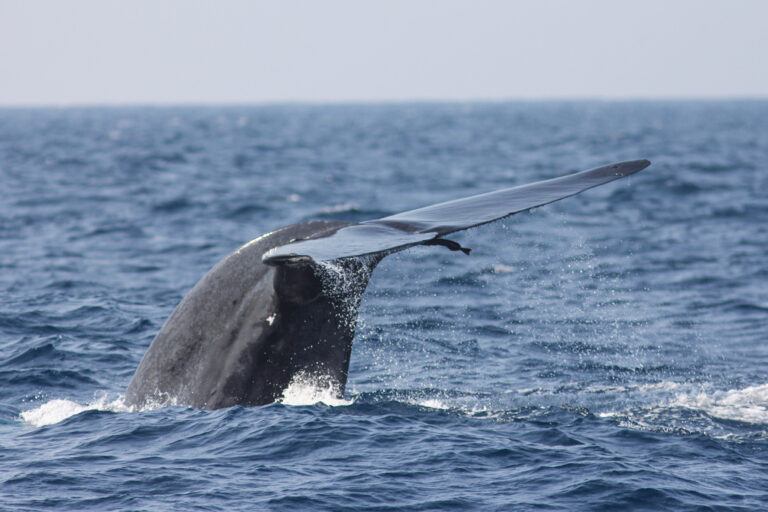
For wildlife photographers and serious birdwatchers, Northern Isfjorden delivers an uncompromising Arctic experience during the brief summer season, when midnight sun and accessible water routes allow deep fjord penetration. The cliff colonies present unrivaled opportunities to observe seabirds at close range, their breeding assemblies a testament to the fjord's rich food sources. Marine observers may encounter cetaceans and pinnipeds in their natural habitat, while the terrestrial margins reward patience with sightings of adapted Arctic fauna. Light conditions during the midnight sun window—low-angle illumination across glaciers and water—create the kind of photographic conditions that demand no artificial supplement. Access remains deliberately limited; the park's remoteness and stringent environmental protocols ensure that visitor impact remains minimal and sightings retain their authenticity. This is not a destination for casual tourists, but for travelers who understand that true Arctic wilderness demands respect, preparation, and a willingness to venture into one of Earth's last great untamed regions.
Arctic Ecology and Ecosystem Conservation Tour
No community observations yet — be the first to log a sighting here.
Northern Isfjorden National Park
Very cold conditions shape most of the year.
A year of temperatures
Monthly means, with the coldest and warmest highlighted
Terrain and elevation
154 m · LowlandAverage terrain elevation estimate across the hotspot; the figure does not represent its highest summits.
Lowland