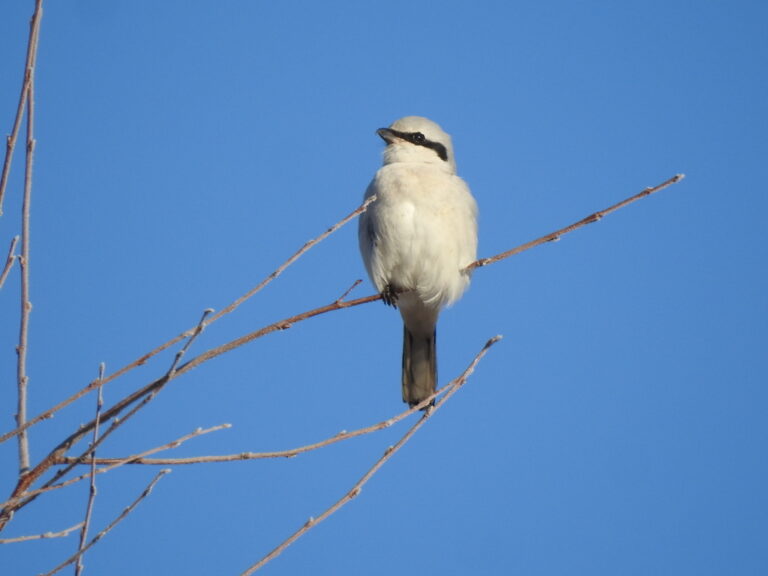
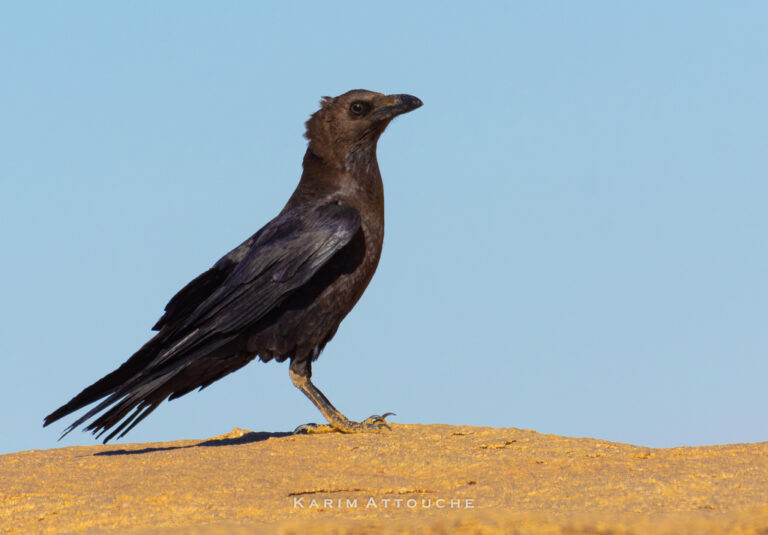
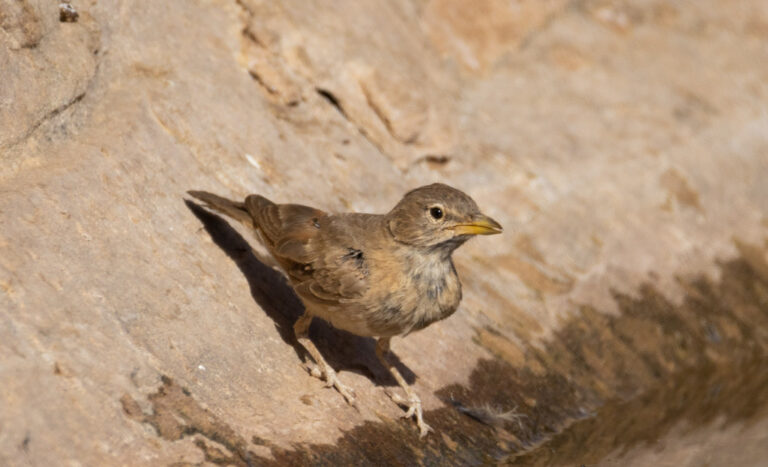
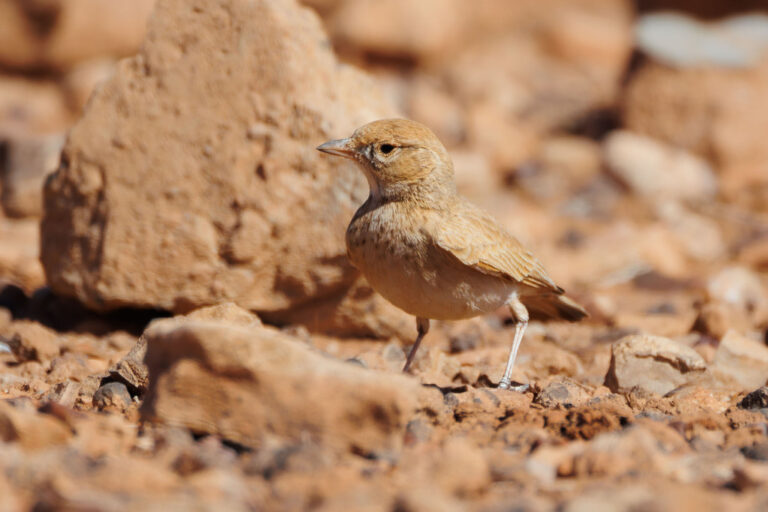
Iriqui National Park
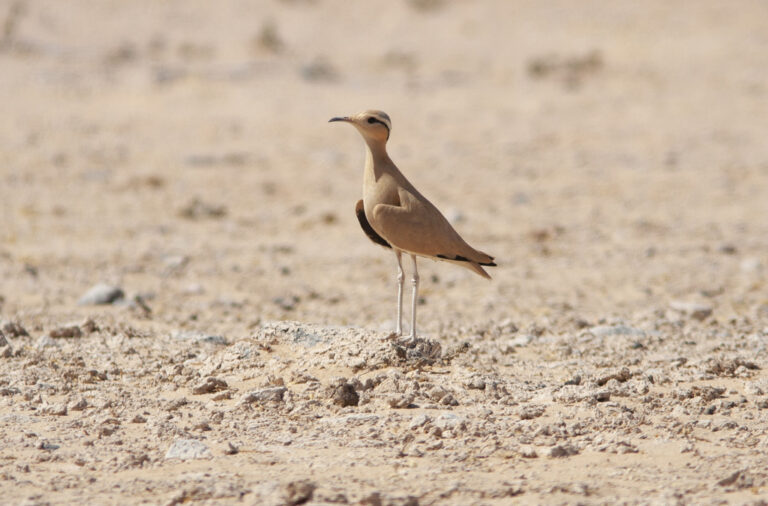
Photo © Thomas Woodtli from Zürich, Switzerland
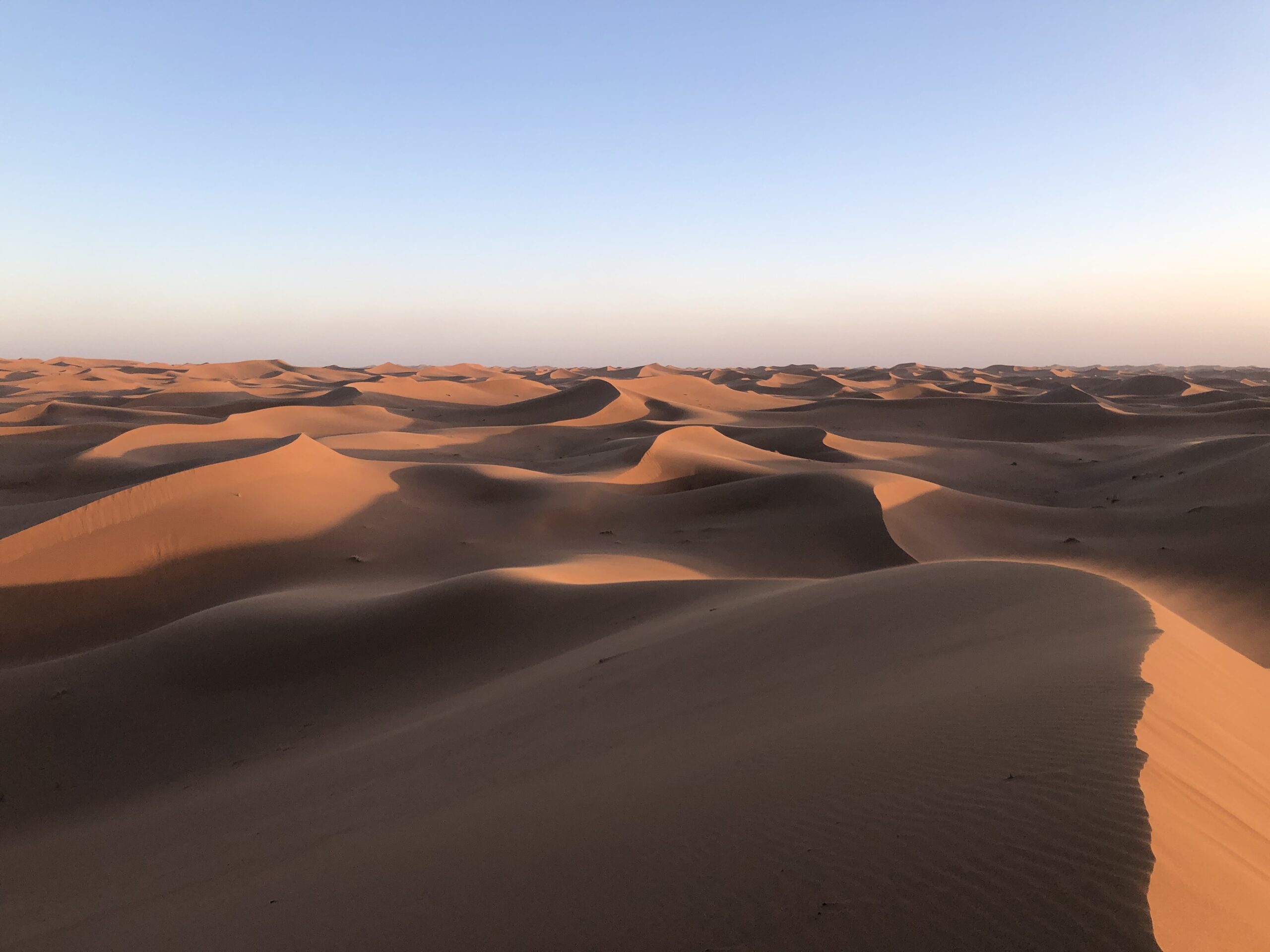
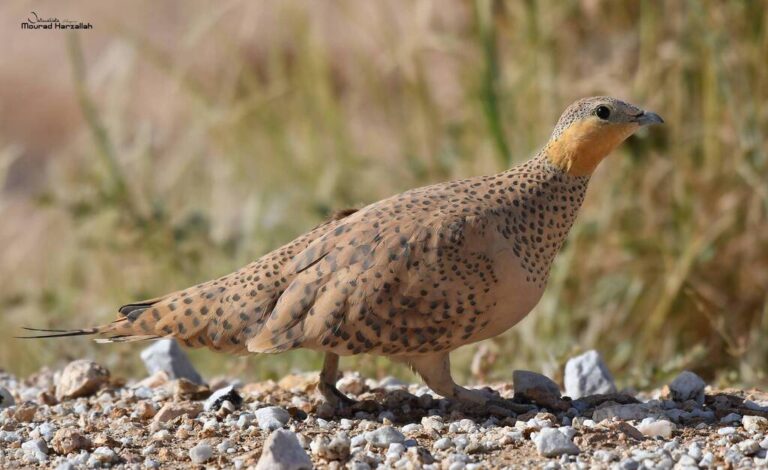
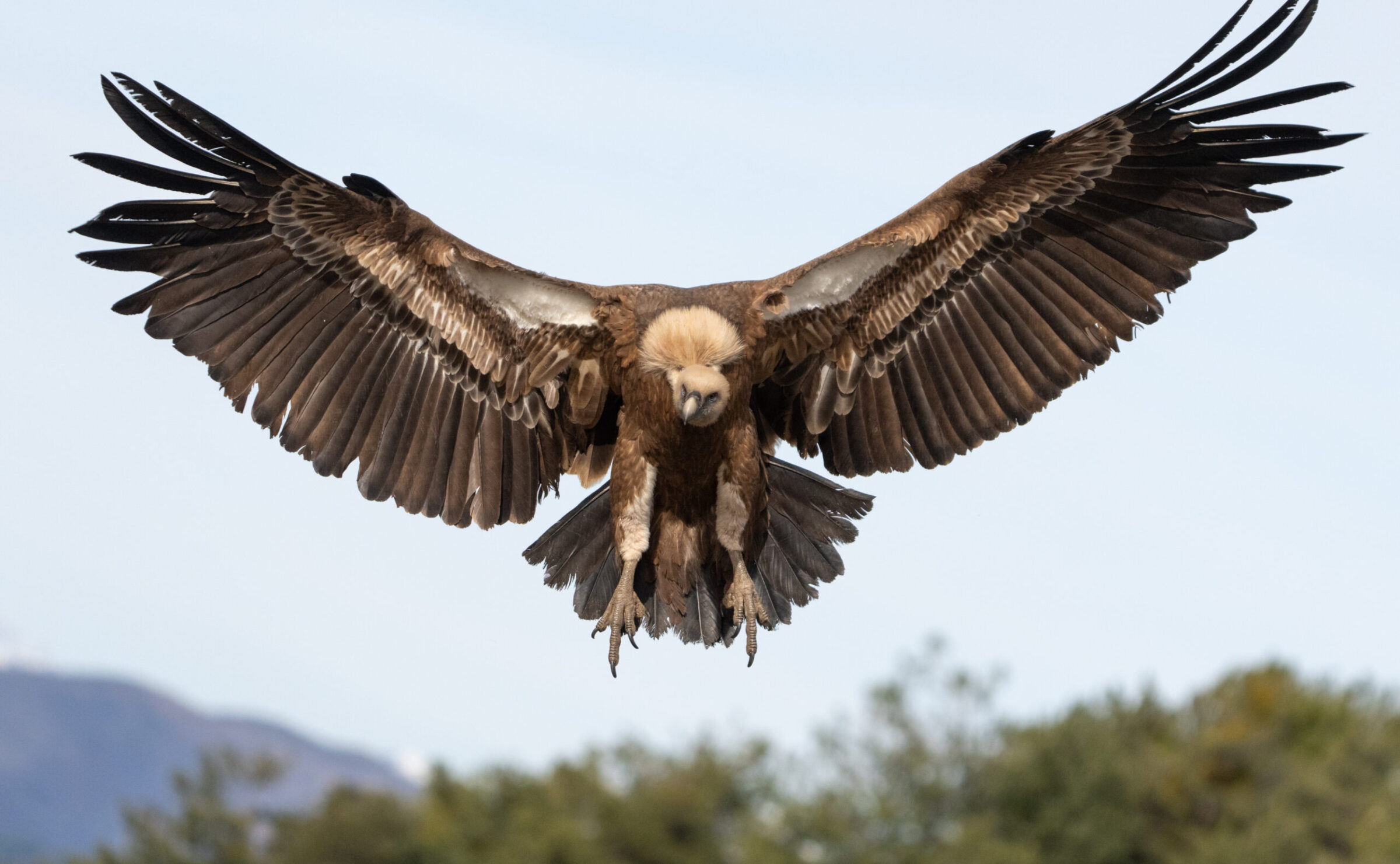
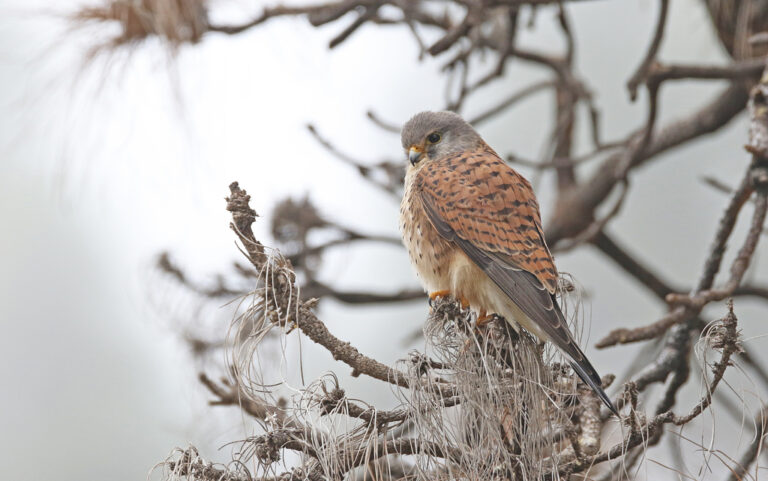
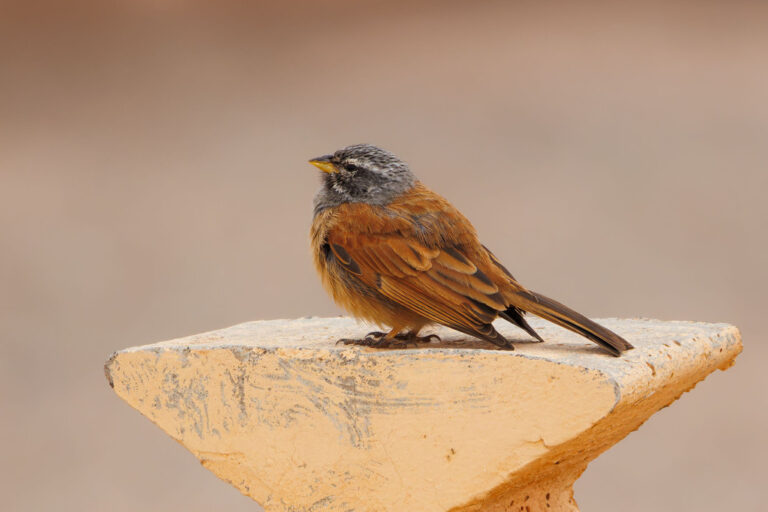
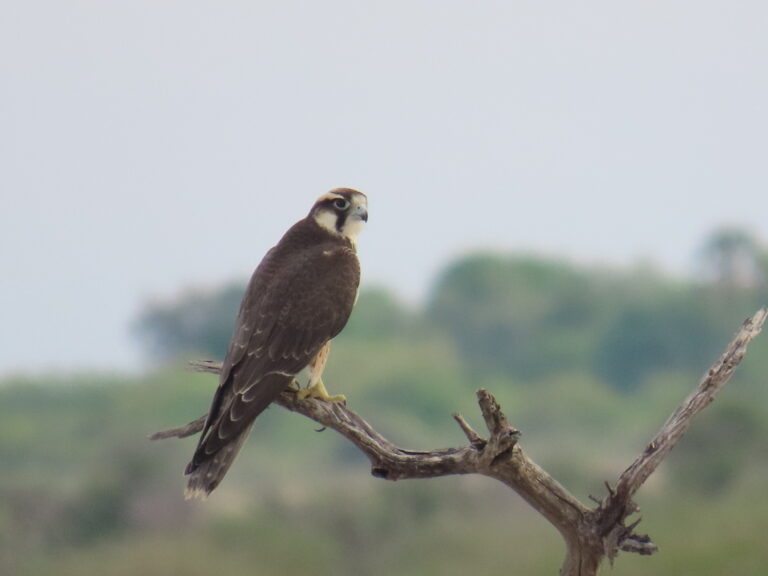
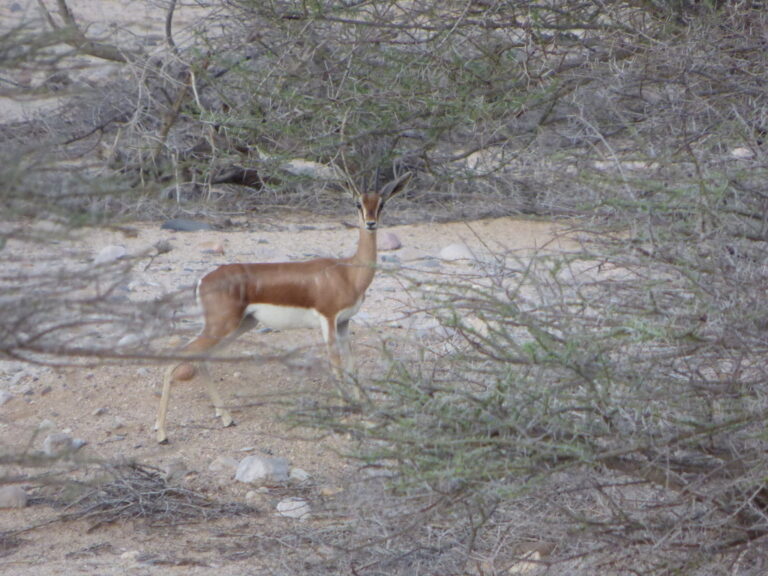
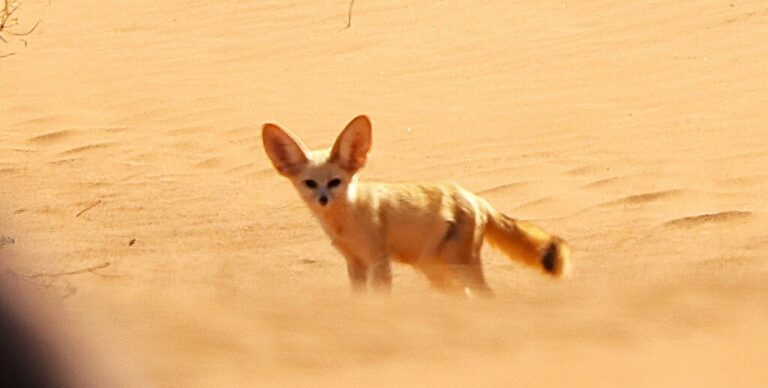
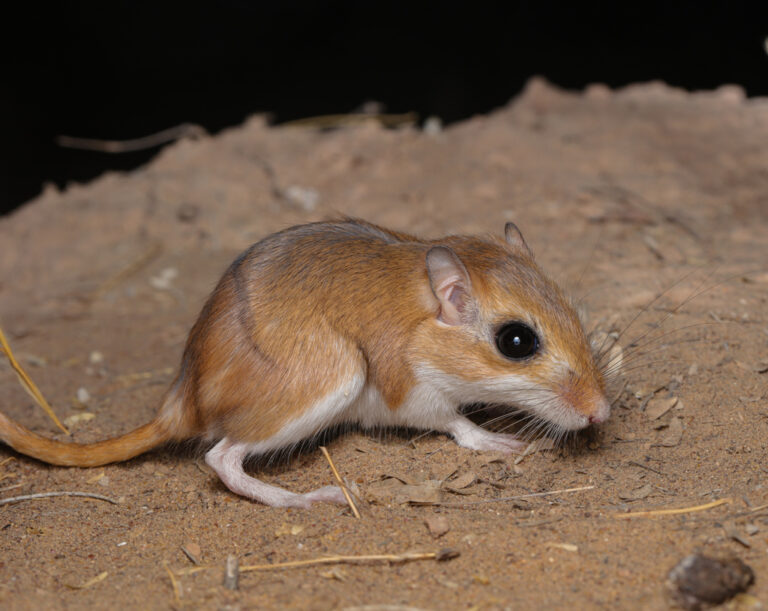
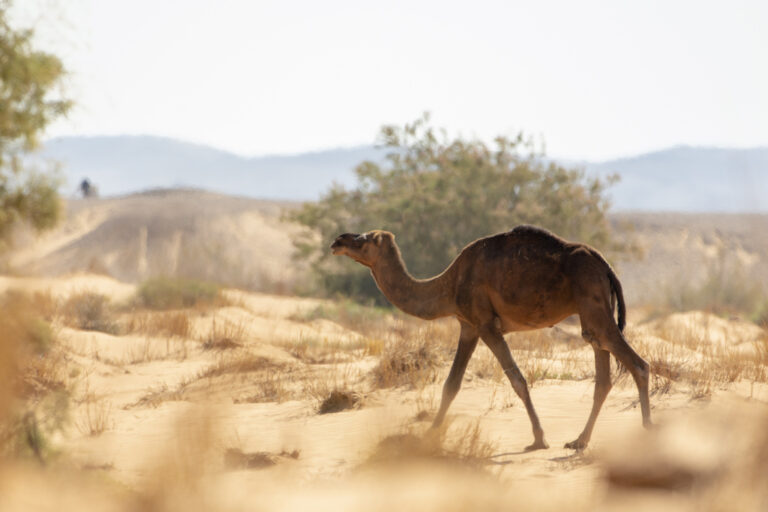
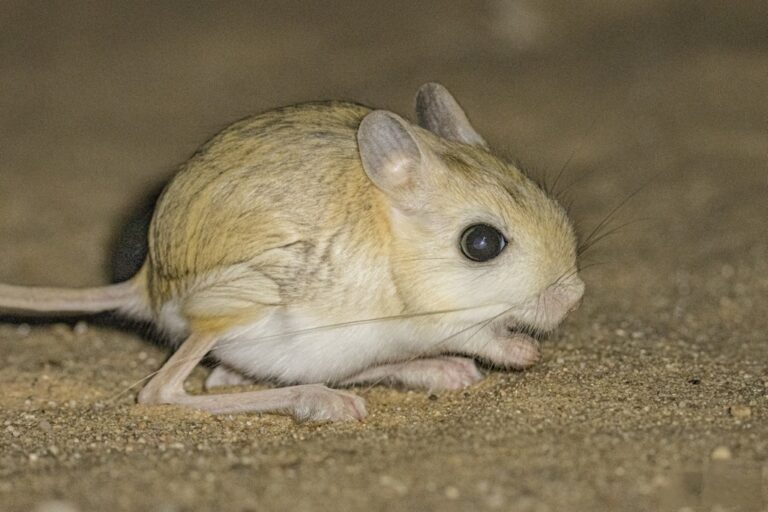
Photo © Thomas Woodtli from Zürich, Switzerland — CC BY-SA 4.0 — Source: Wikimedia CommonsAcross the Cercle de Zagora in the Drâa-Tafilalet region, where the High Atlas descends toward the Sahara's edge, Iriqui National Park preserves a landscape defined by extremes. This is genuine hot desert—Köppen-Geiger class BWh—where rainfall measures in single digits annually and temperatures soar well above 40°C in summer months. The park's terrain comprises rocky plateaus, sandy basins, and scattered wadis that flow only after rare precipitation events, creating an ecosystem stripped to its essentials. Vegetation here is sparse and adapted to drought: low shrublands dominated by hardy xerophytes that have evolved to extract moisture from the parched soil and air. Despite the aridity, life persists with remarkable resilience. Reptiles and small mammals shelter in rocky crevices and burrows, emerging in cooler hours to forage. Birds of prey hunt across the open terrain, taking advantage of thermals that lift them high above the sand. Nocturnal predators and insectivores take advantage of temperature drops after sunset, when the park's true activity accelerates beneath a star-filled sky.
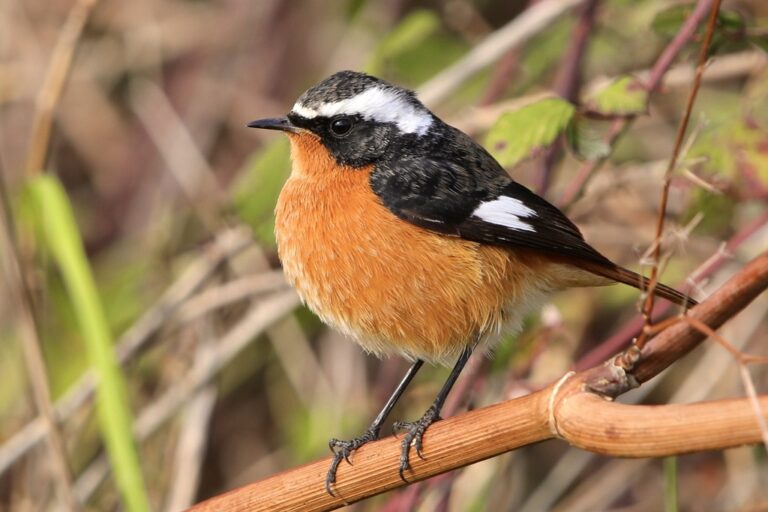
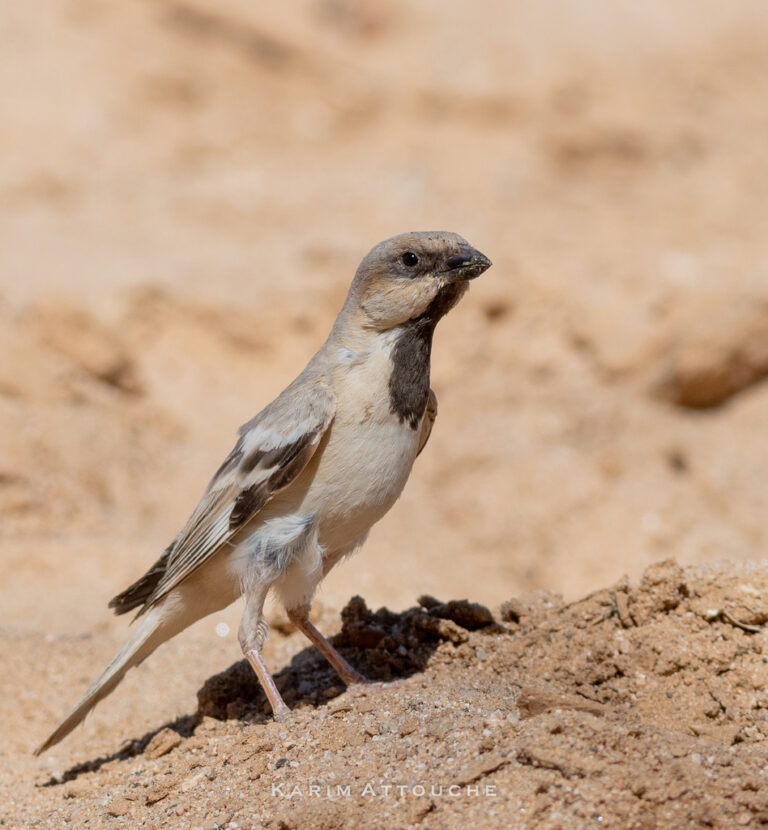
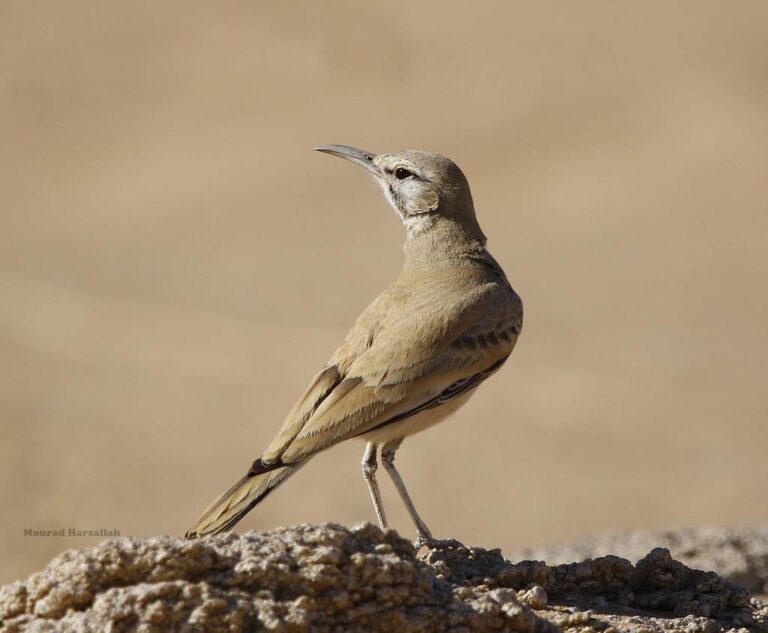
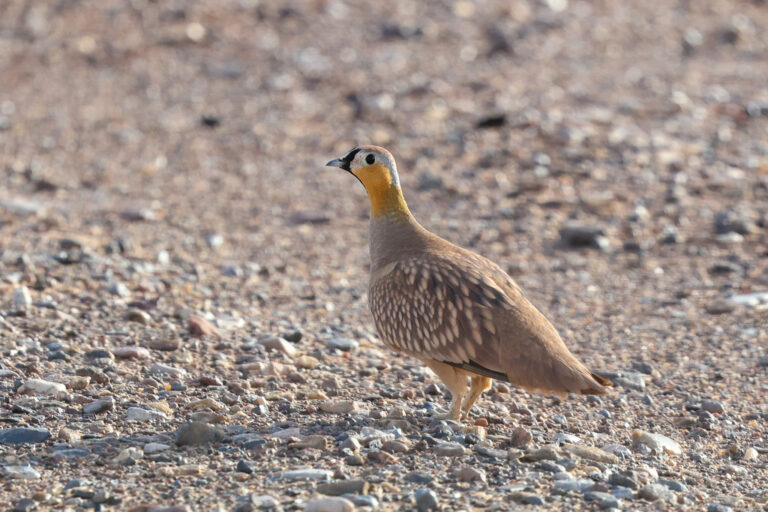
For wildlife photographers and naturalists, Iriqui offers an unforgiving but rewarding window into Saharan ecology at the threshold where human settlement meets true desert wilderness. The park's extreme light—intense and shadowless at midday, golden and geometric in early morning and late afternoon—rewards those patient enough to work with the landscape's rhythms rather than against them. Visitors seeking to observe desert-adapted fauna must time their visits carefully: winter months bring the most favorable conditions for activity, as summer heat confines most animals to shelter for the hottest hours. Small mammals, reptiles, and specialized birds of the arid zone become most visible during these cooler periods, particularly in the transitional hours of dawn and dusk. Access to the park, while remote, rewards the commitment required to reach it—Zagora itself provides the nearest facilities and services, and local guides are essential for navigating both terrain and the park's conservation zones. Those willing to embrace the hardship discover an ecosystem that few tourists witness: a place where survival itself is the dominant theme, and every organism represents an evolutionary masterclass in adaptation to extremes.
No community observations yet — be the first to log a sighting here.
Iriqui National Park
Dry conditions dominate, with strong contrasts between day and night.
A year of temperatures
Monthly means, with the coldest and warmest highlighted
Terrain and elevation
467 m · LowlandAverage terrain elevation estimate across the hotspot; the figure does not represent its highest summits.
Lowland