Average annual temperature
7.8 °C
Average of the twelve monthly means
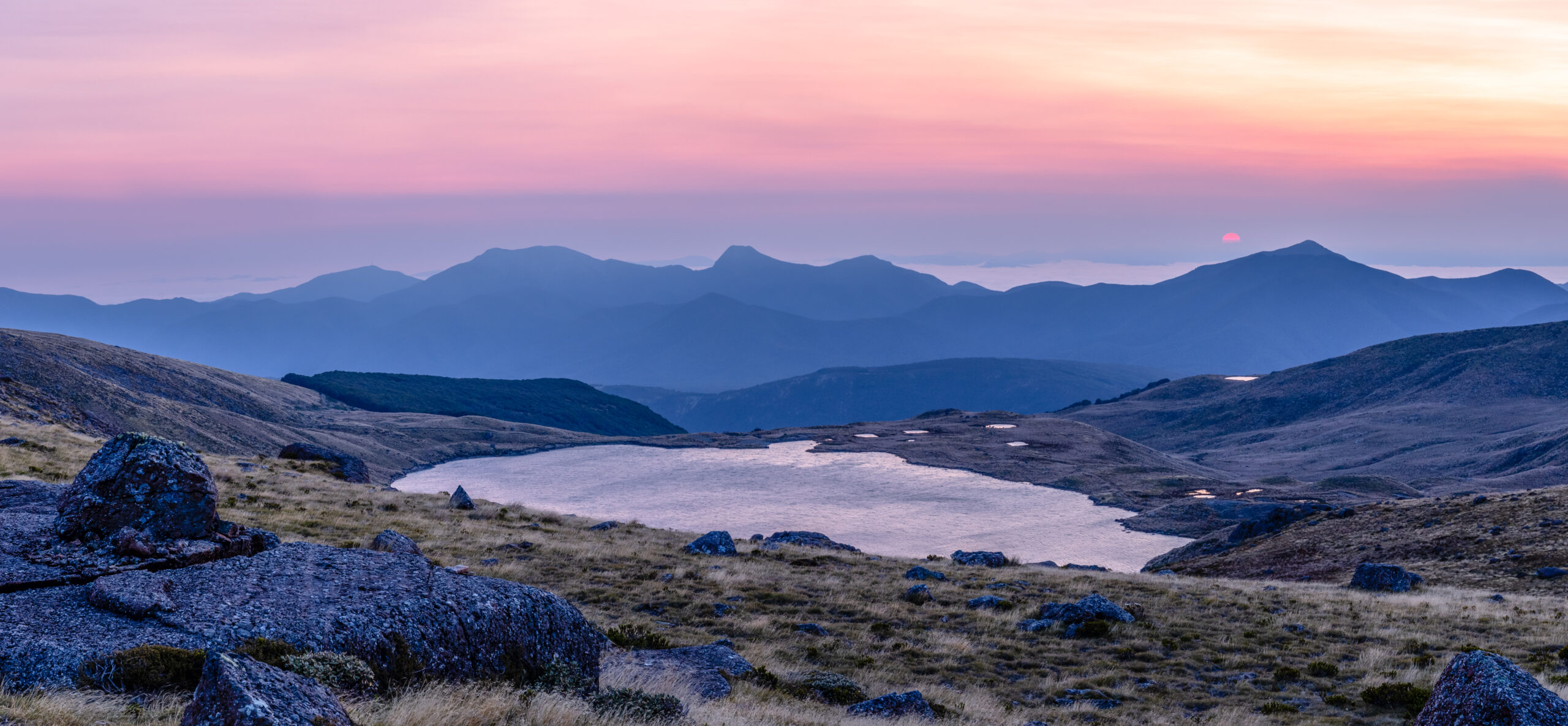
Kahurangi National Park
Photo © Michal Klajban
Photo © Michal Klajban — CC BY-SA 4.0 — Source: Wikidata / Wikimedia Commons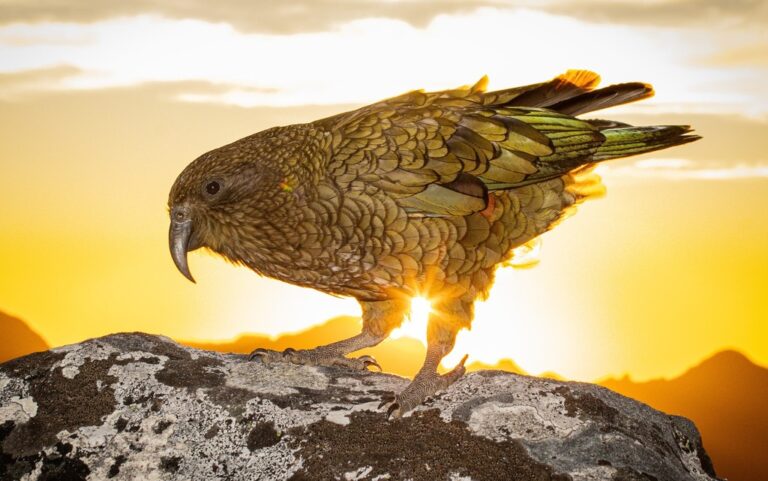
Nestor notabilis
♥
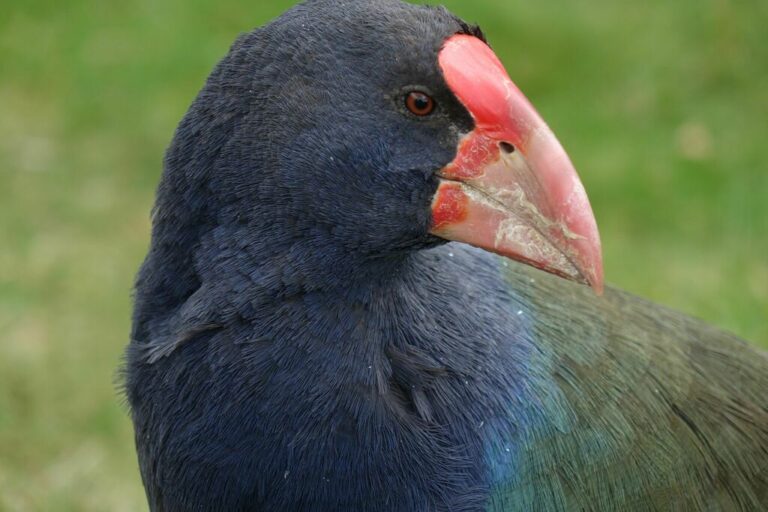
Porphyrio hochstetteri
♥
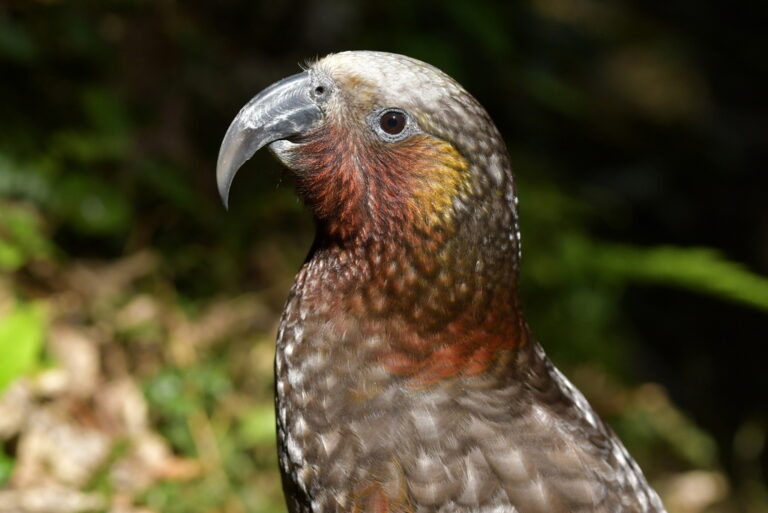
Nestor meridionalis
♥
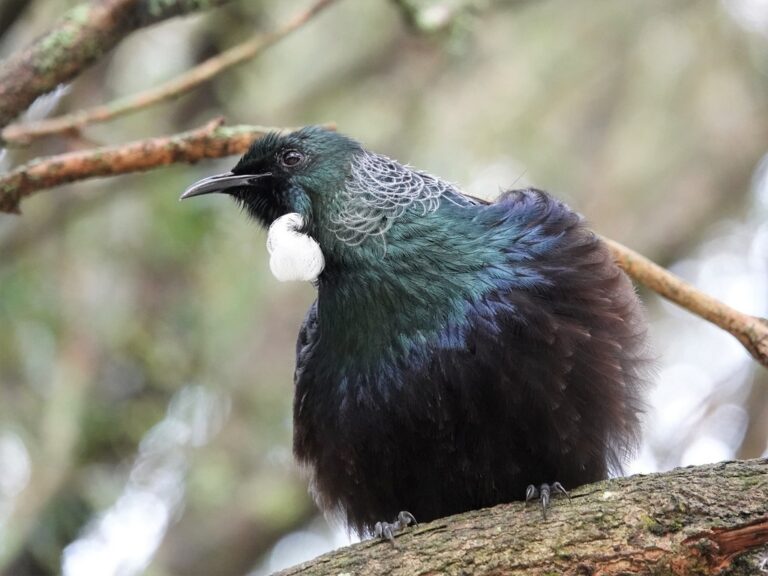
Prosthemadera novaeseelandiae
♥
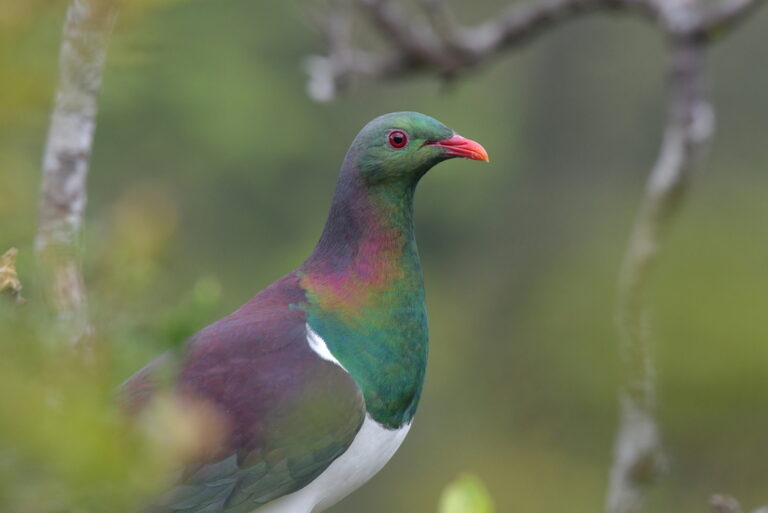
Hemiphaga novaeseelandiae
♥
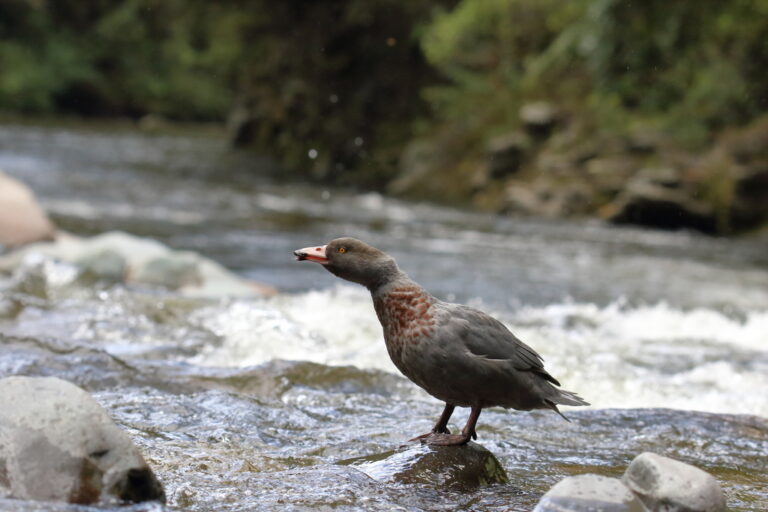
Hymenolaimus malacorhynchos
♥
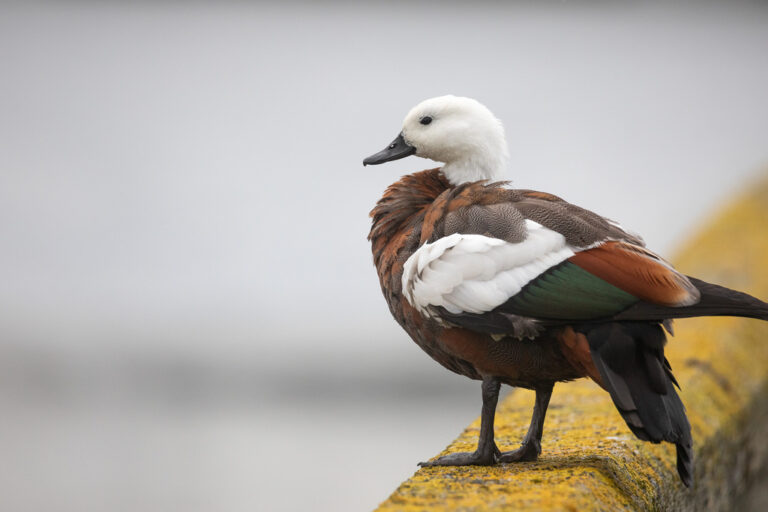
Tadorna variegata
♥
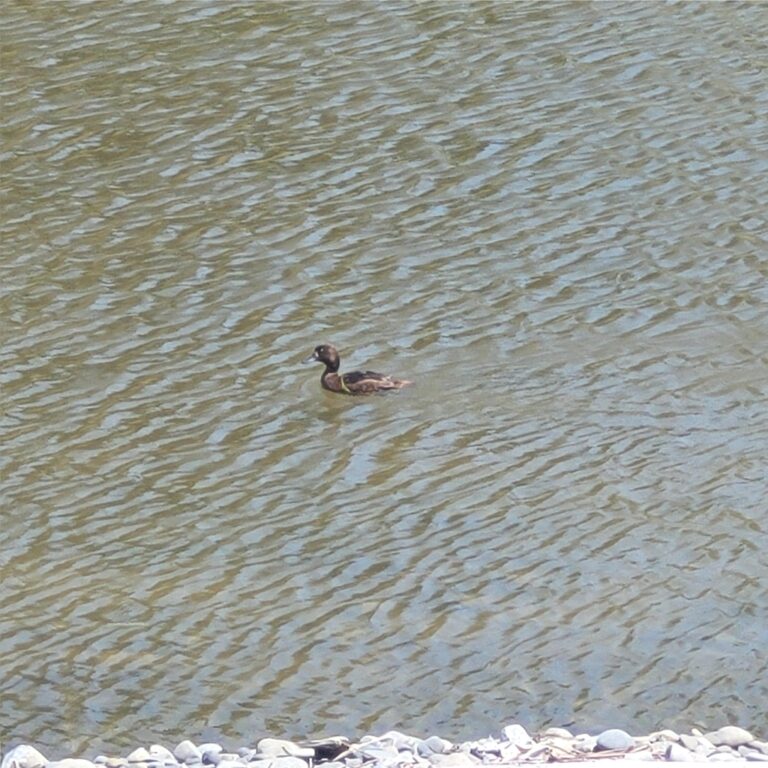
Aythya novaeseelandiae
♥
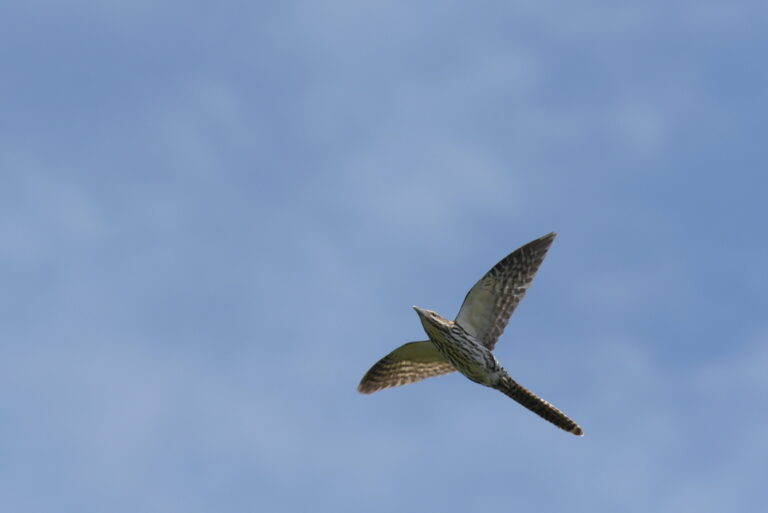
Urodynamis taitensis
♥
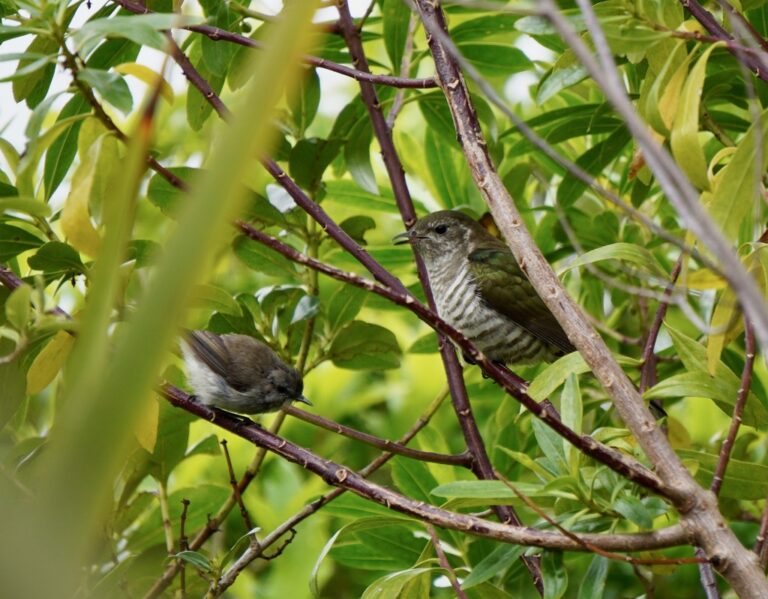
Chalcites lucidus
♥
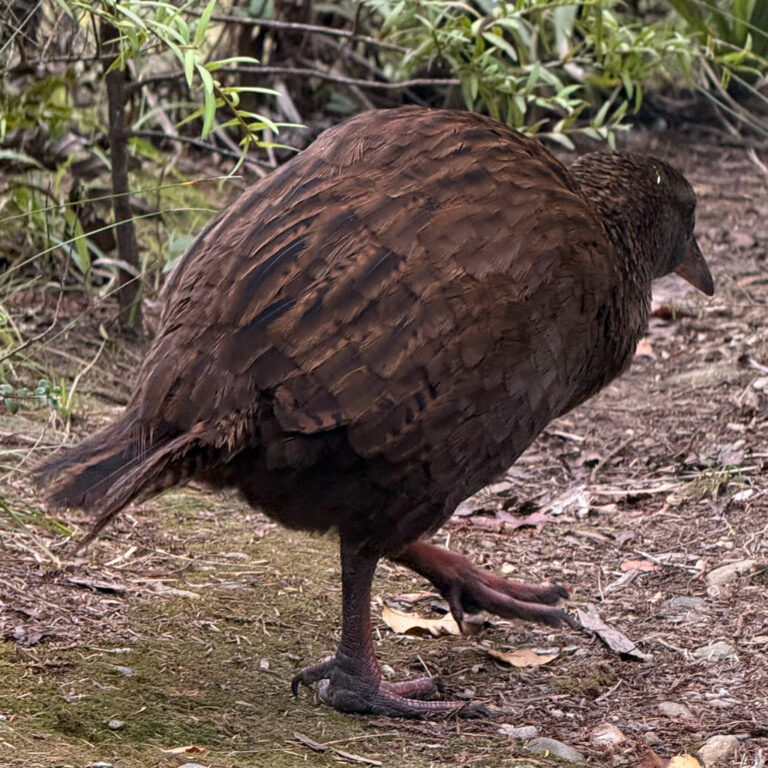
Gallirallus australis
♥
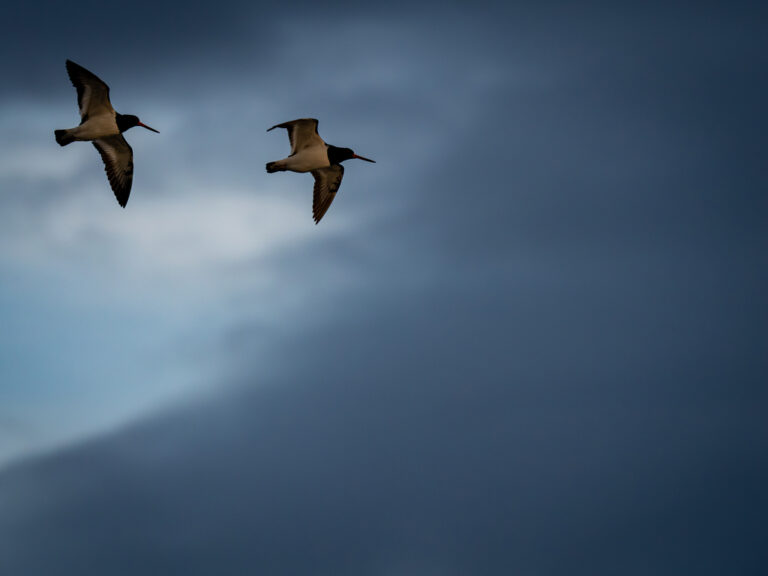
Haematopus finschi
♥
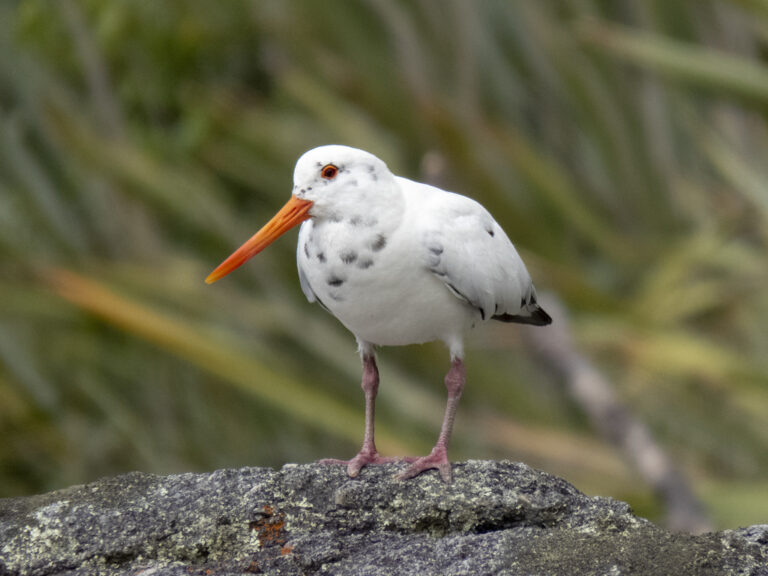
Haematopus unicolor
♥
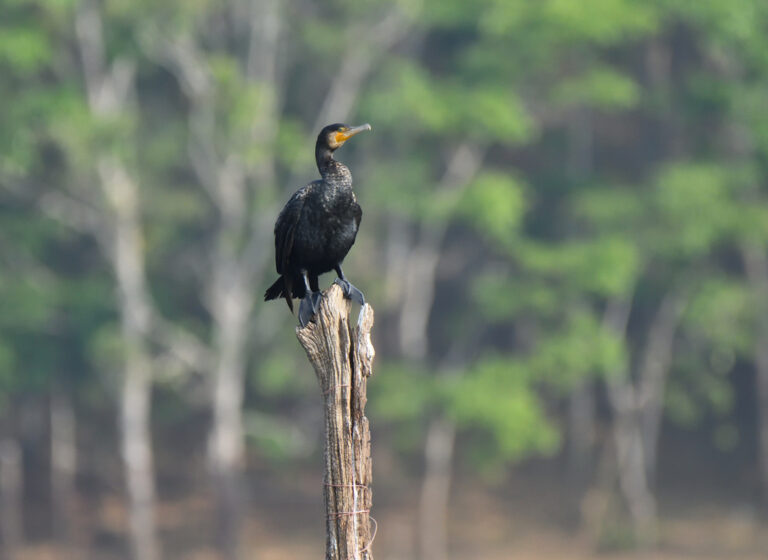
Phalacrocorax carbo
♥
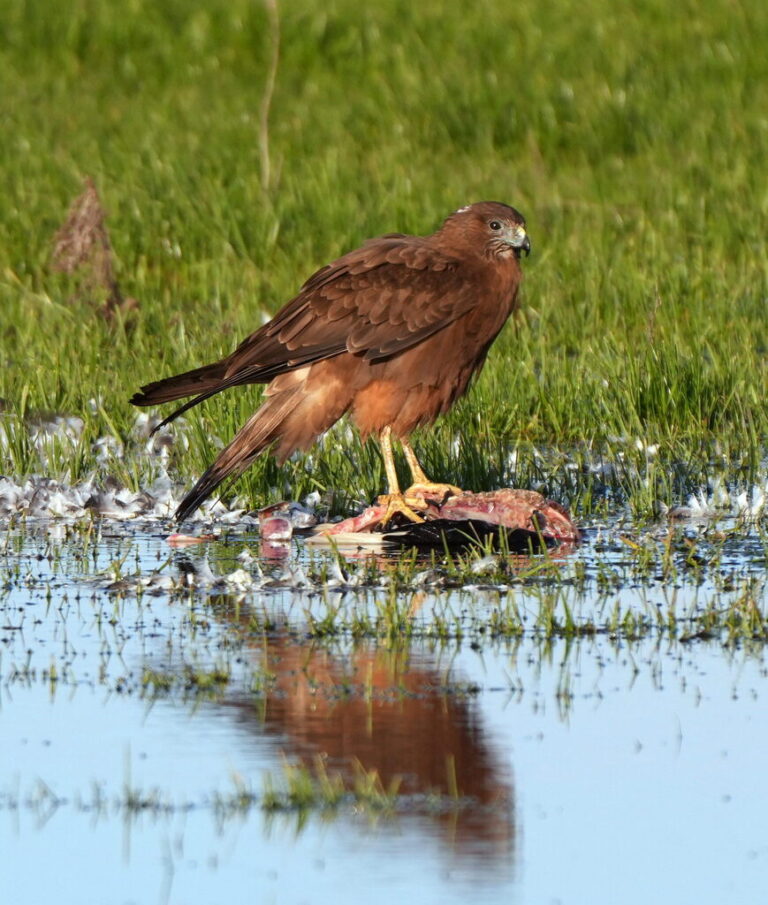
Circus approximans
♥
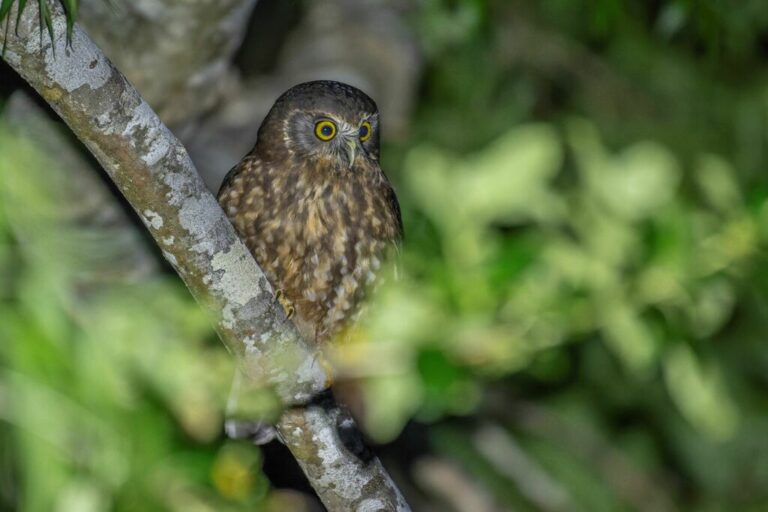
Ninox novaeseelandiae
♥
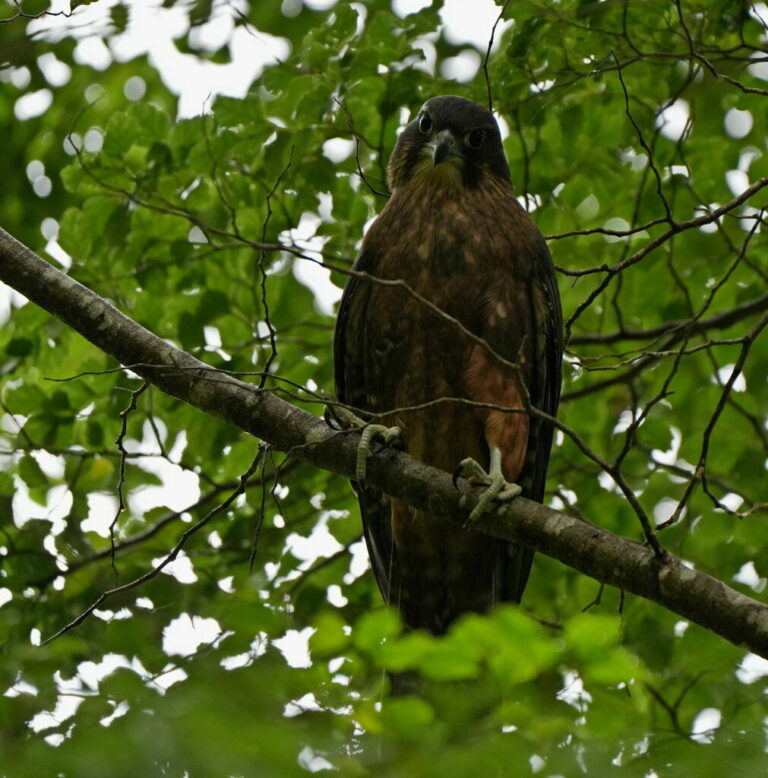
Falco novaeseelandiae
♥
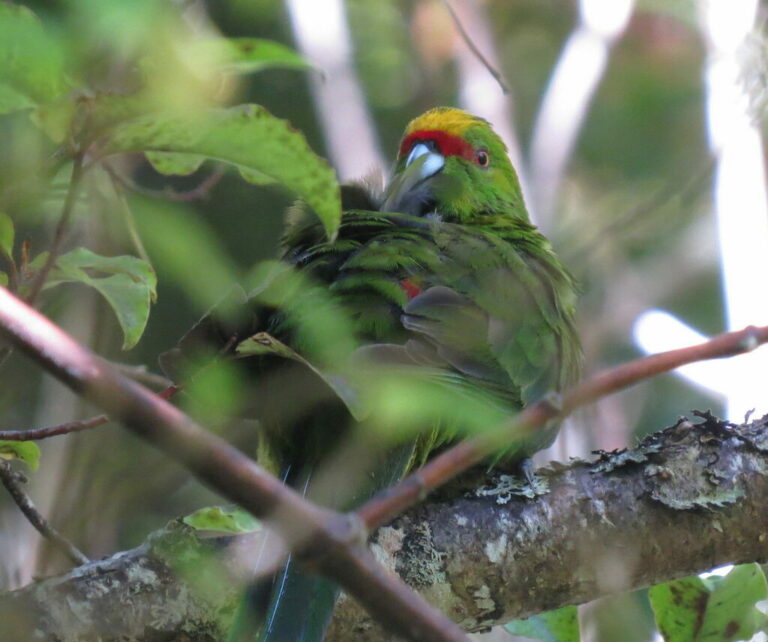
Cyanoramphus auriceps
♥
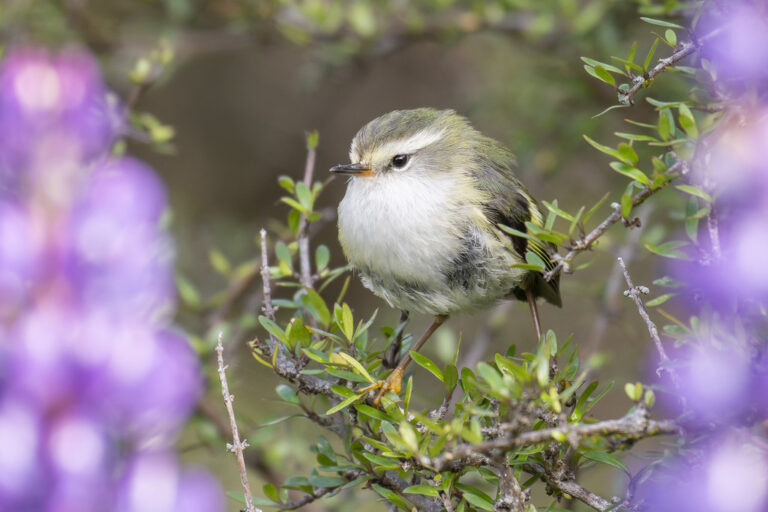
Acanthisitta chloris
♥
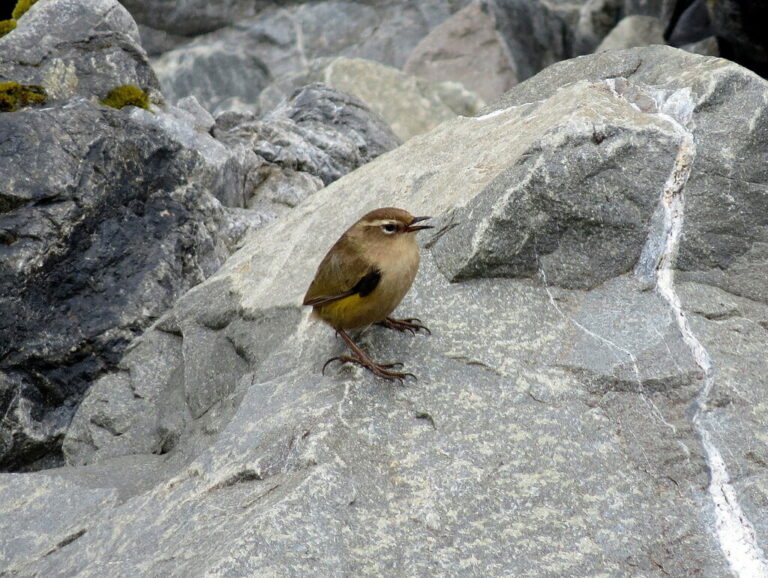
Xenicus gilviventris
♥
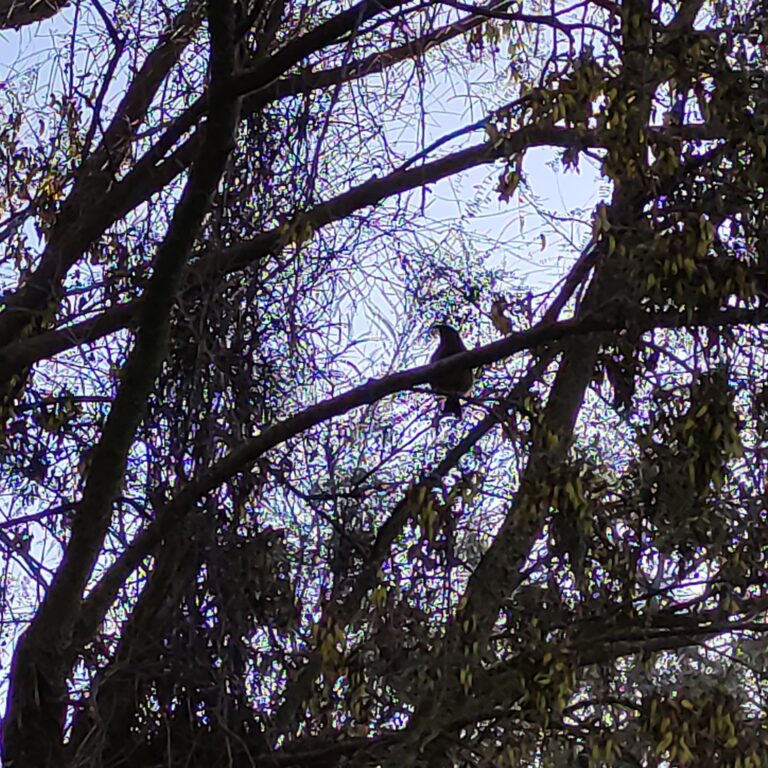
Anthornis melanura
♥
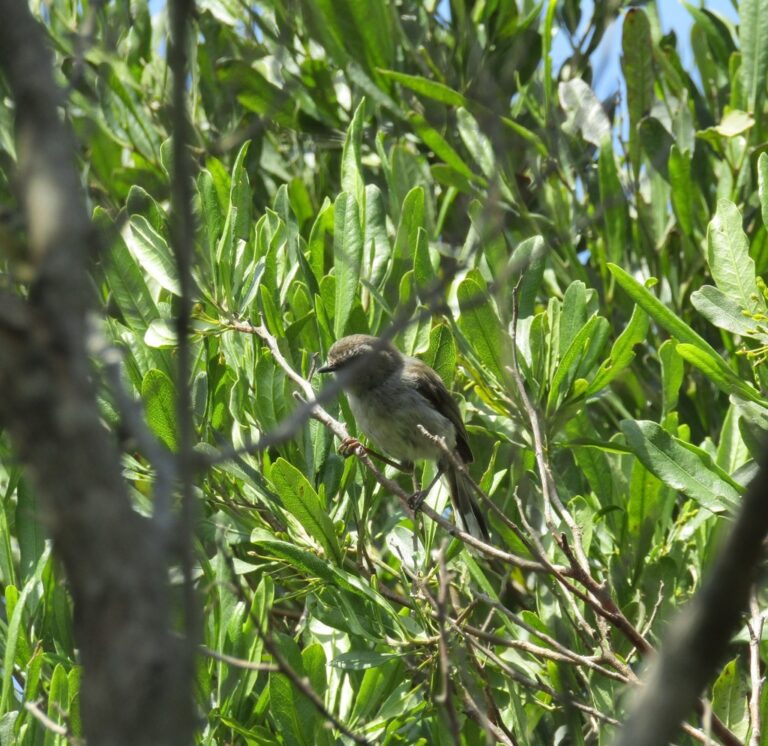
Gerygone igata
♥
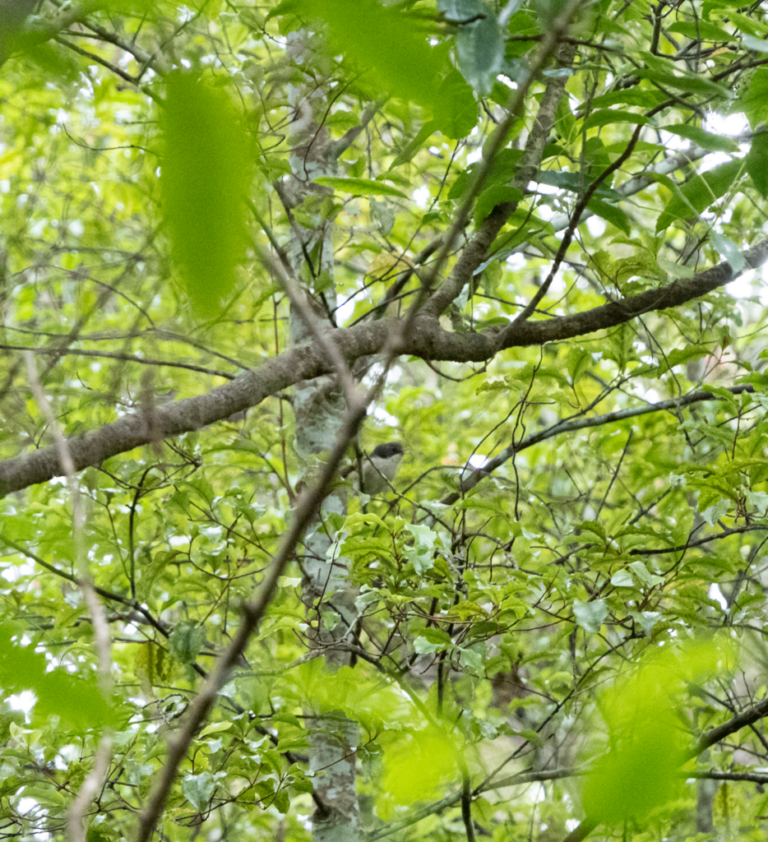
Mohoua novaeseelandiae
♥
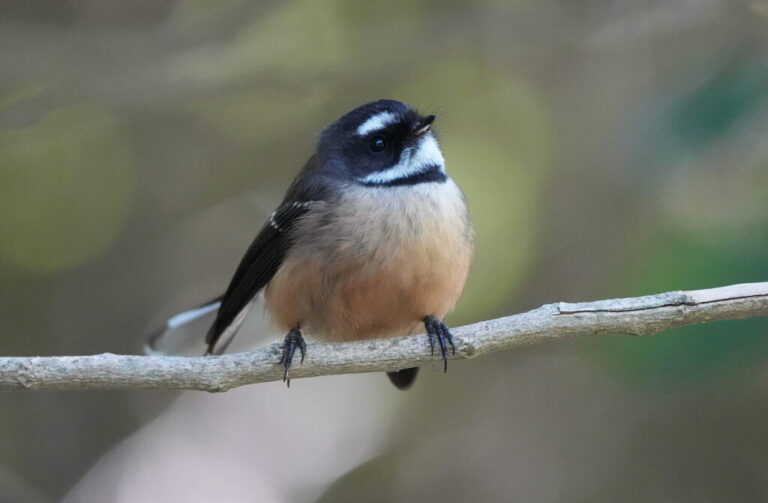
Rhipidura fuliginosa
♥
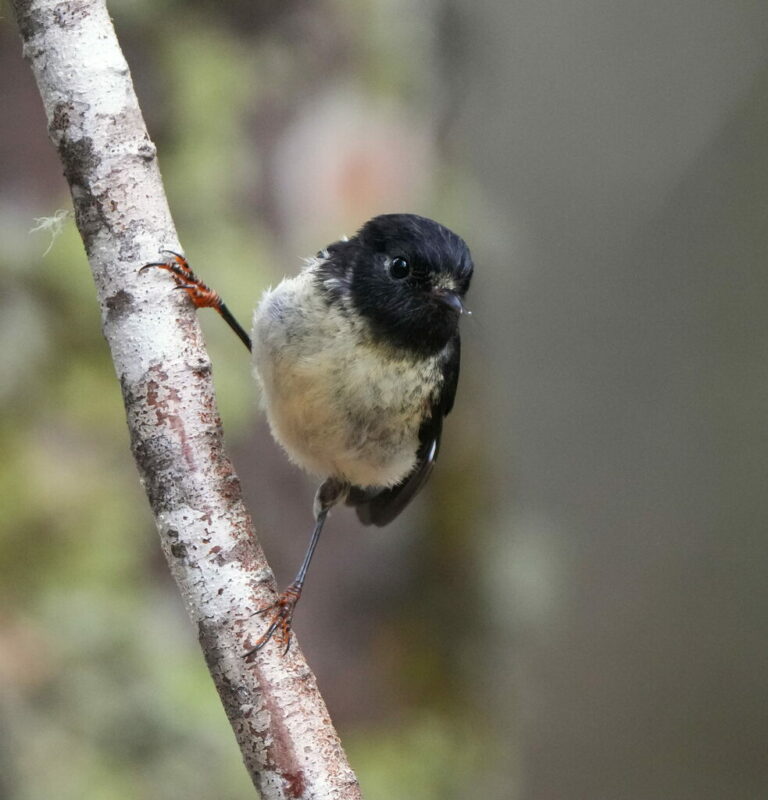
Petroica macrocephala
♥
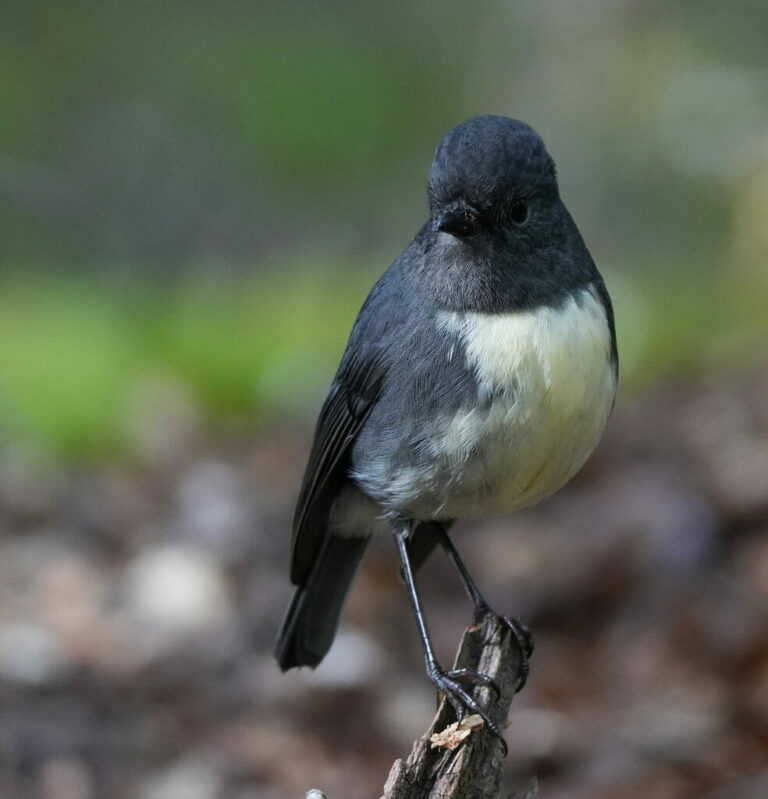
Petroica australis
♥
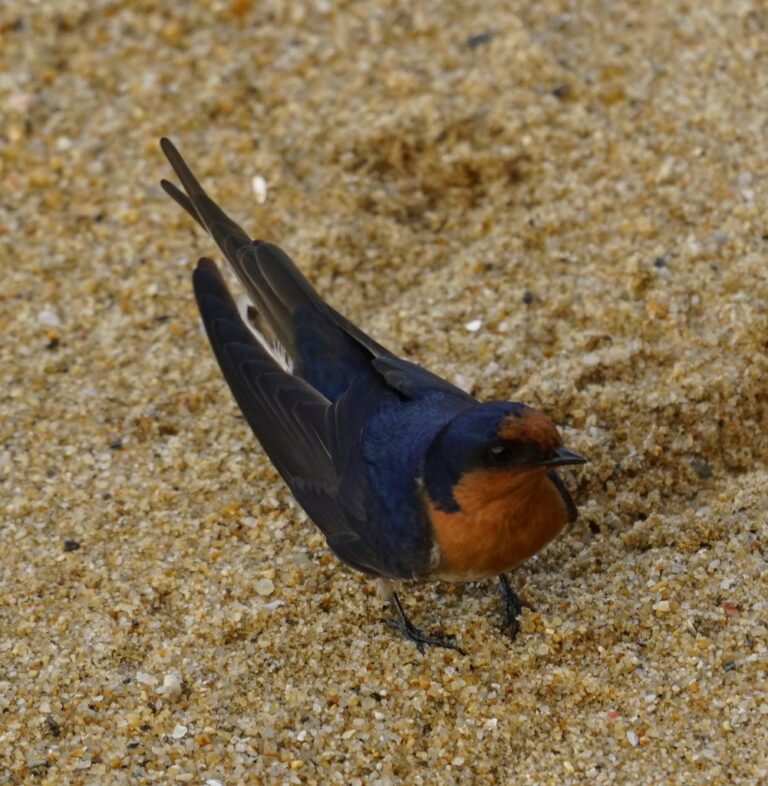
Hirundo neoxena
♥
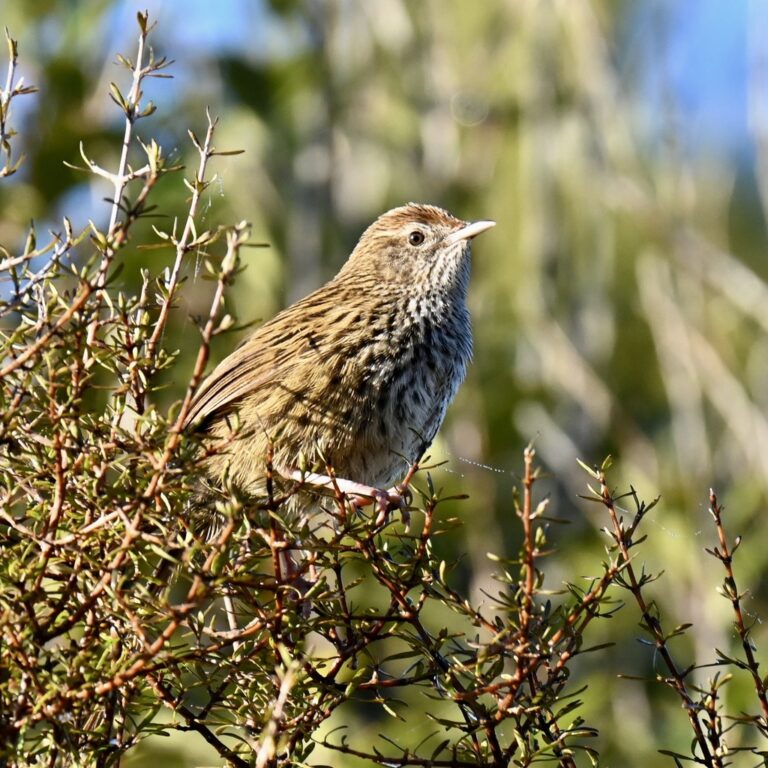
Poodytes punctatus
♥
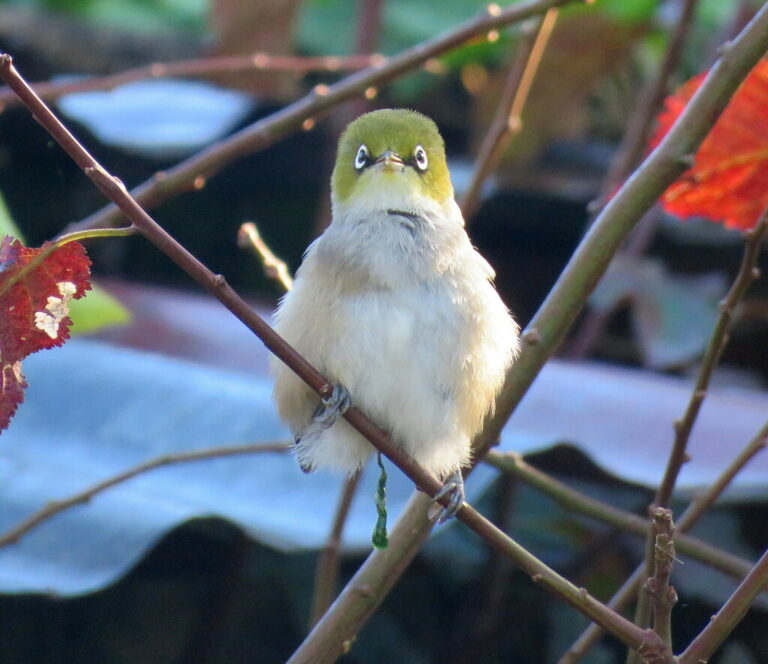
Zosterops lateralis
♥
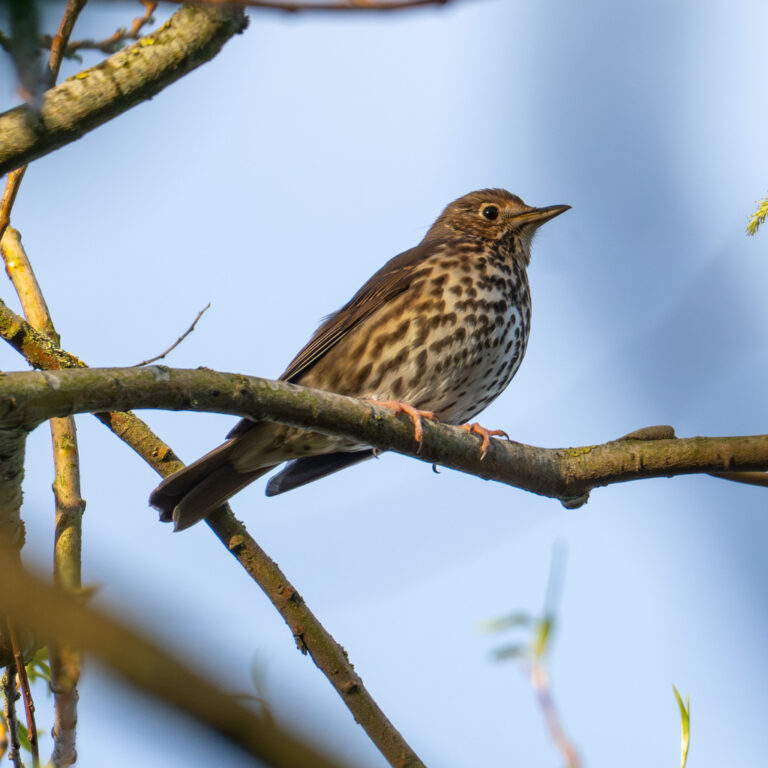
Turdus philomelos
♥
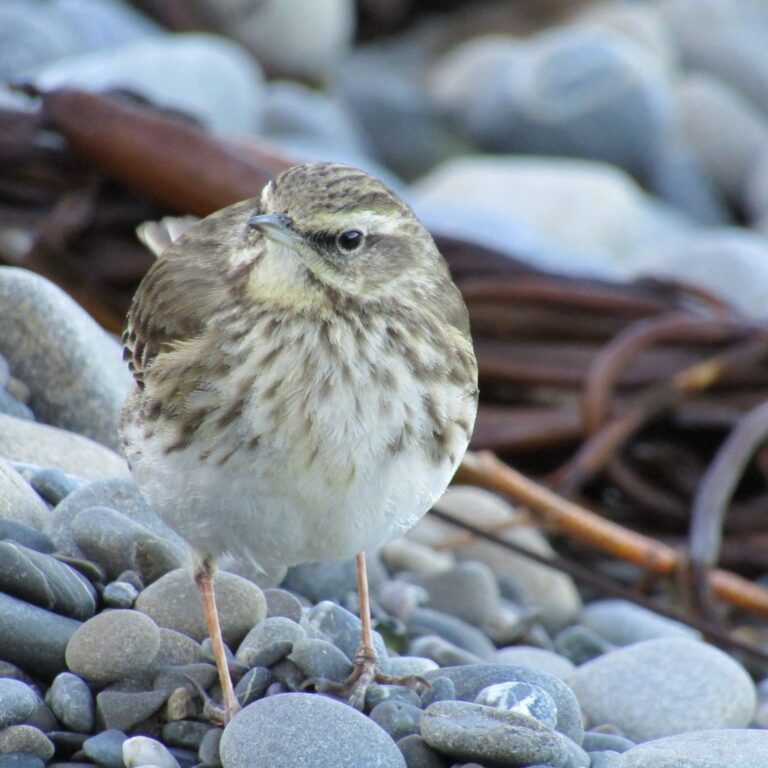
Anthus novaeseelandiae
♥
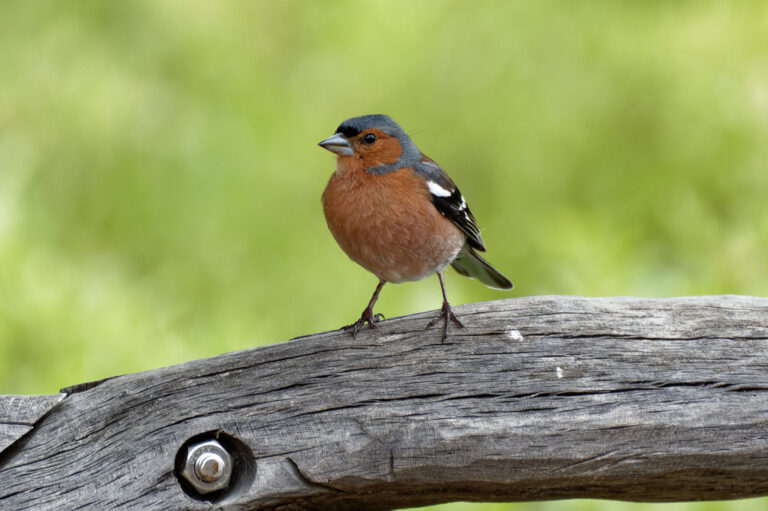
Fringilla coelebs
♥
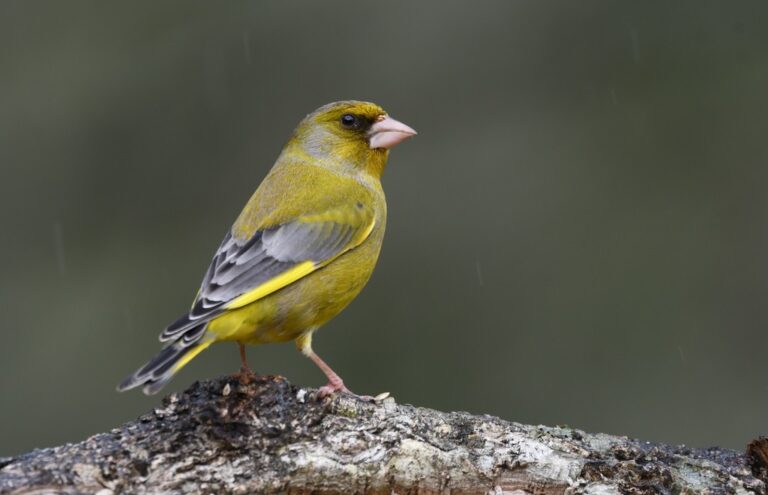
Chloris chloris
♥
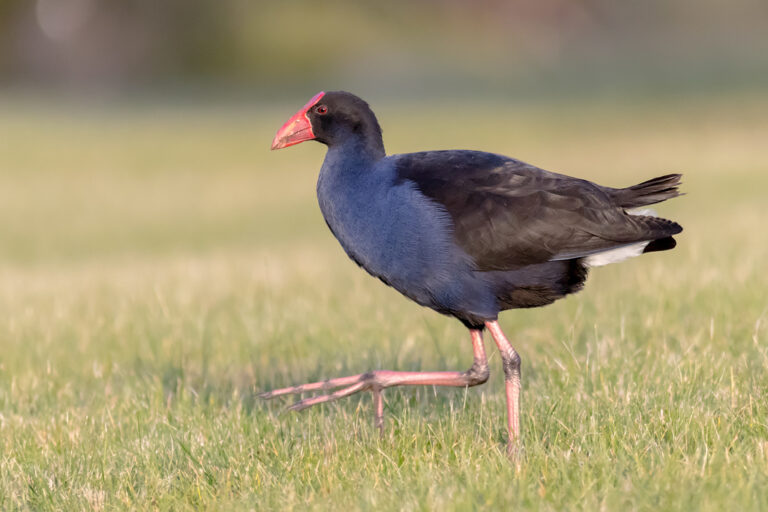
Porphyrio melanotus
♥
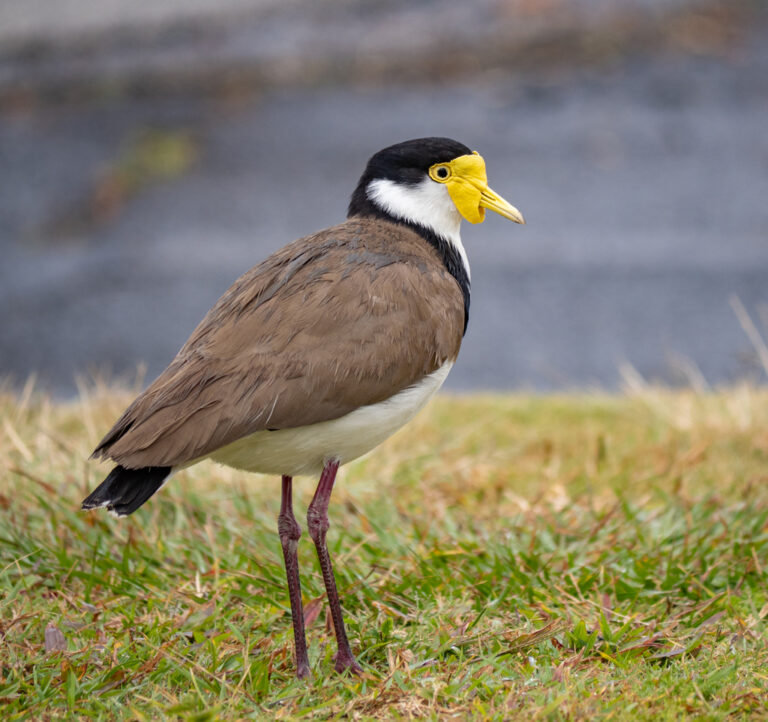
Vanellus miles
♥
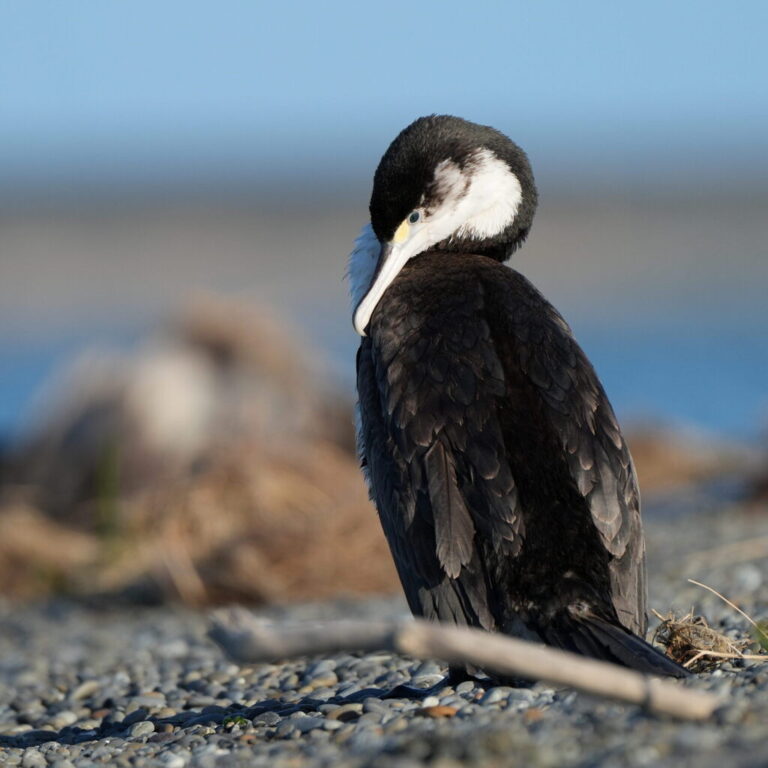
Phalacrocorax varius
♥
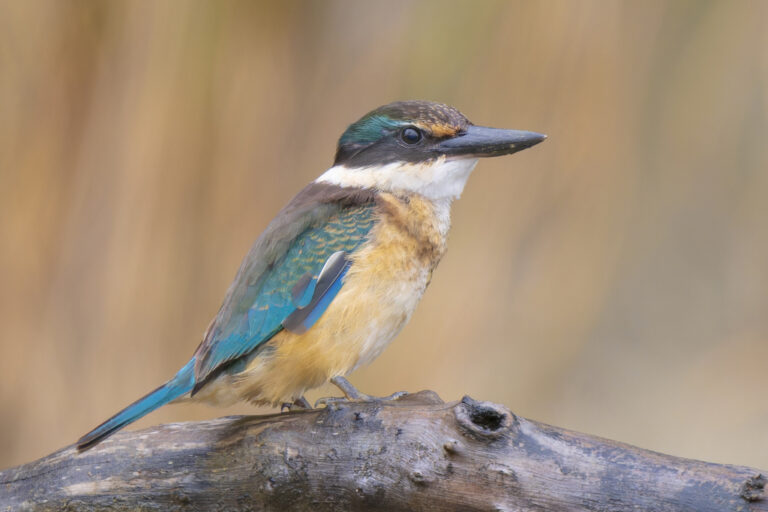
Todiramphus sanctus
♥
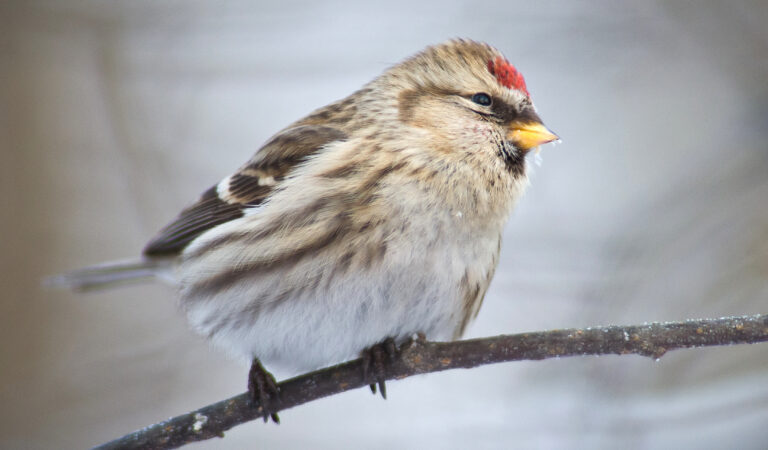
Acanthis flammea
♥
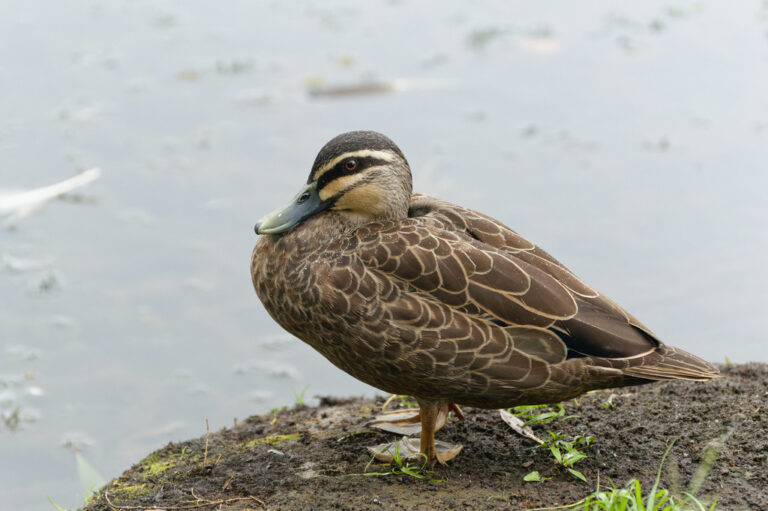
Anas superciliosa
♥
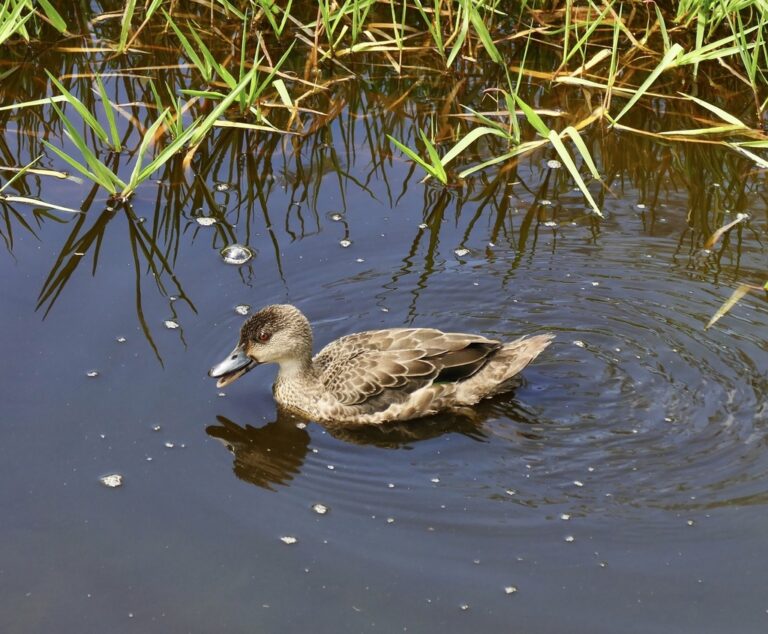
Anas gracilis
♥
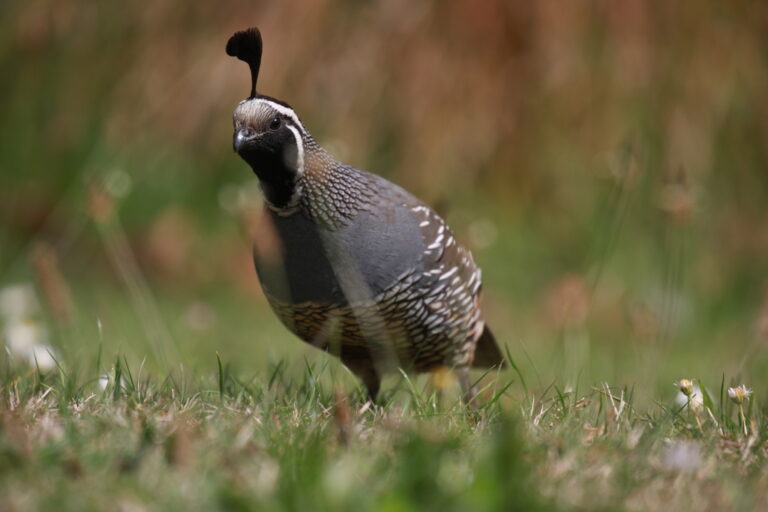
Callipepla californica
♥
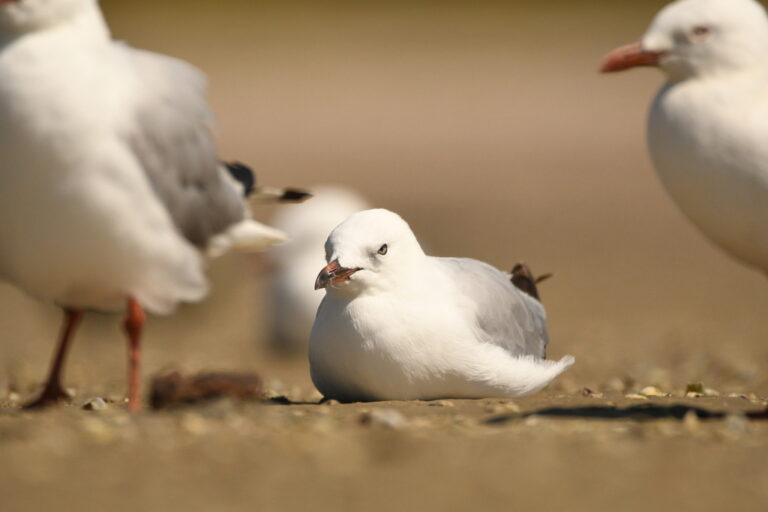
Chroicocephalus novaehollandiae
♥
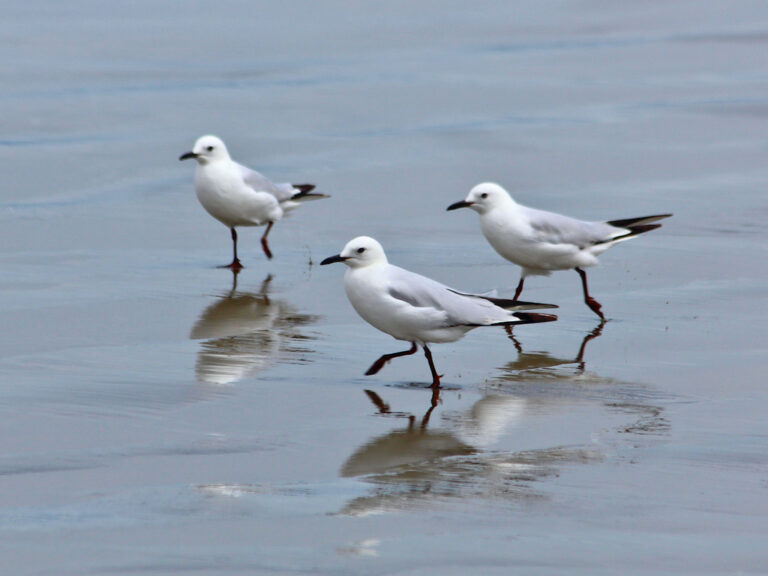
Chroicocephalus bulleri
♥
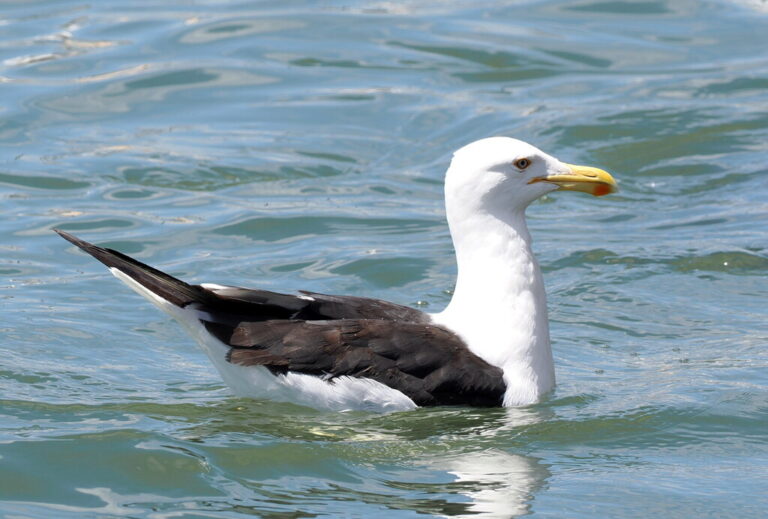
Larus dominicanus
♥
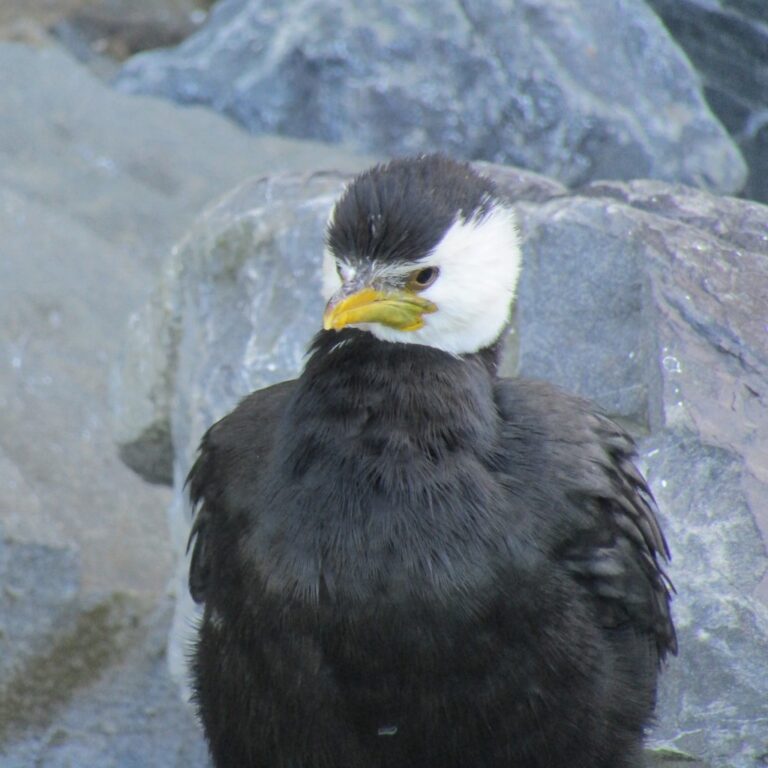
Microcarbo melanoleucos
♥
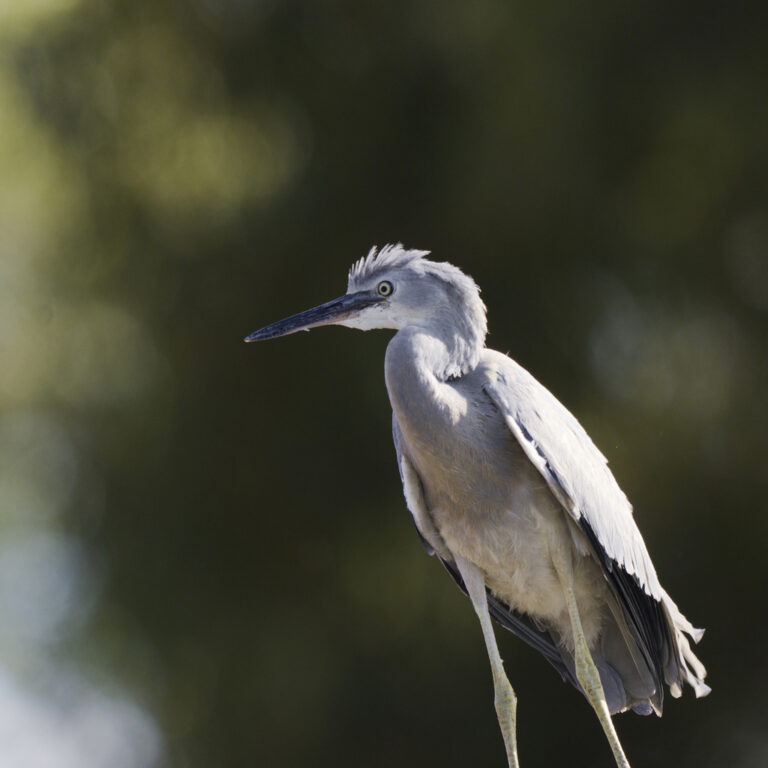
Egretta novaehollandiae
♥
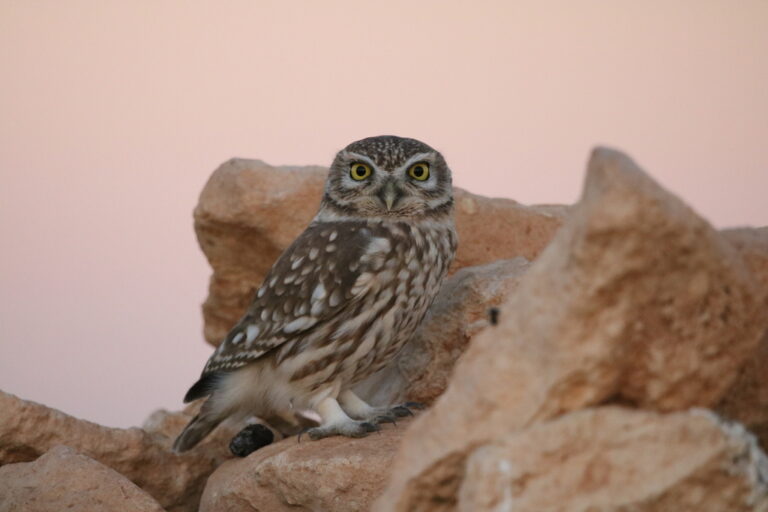
Athene noctua
♥
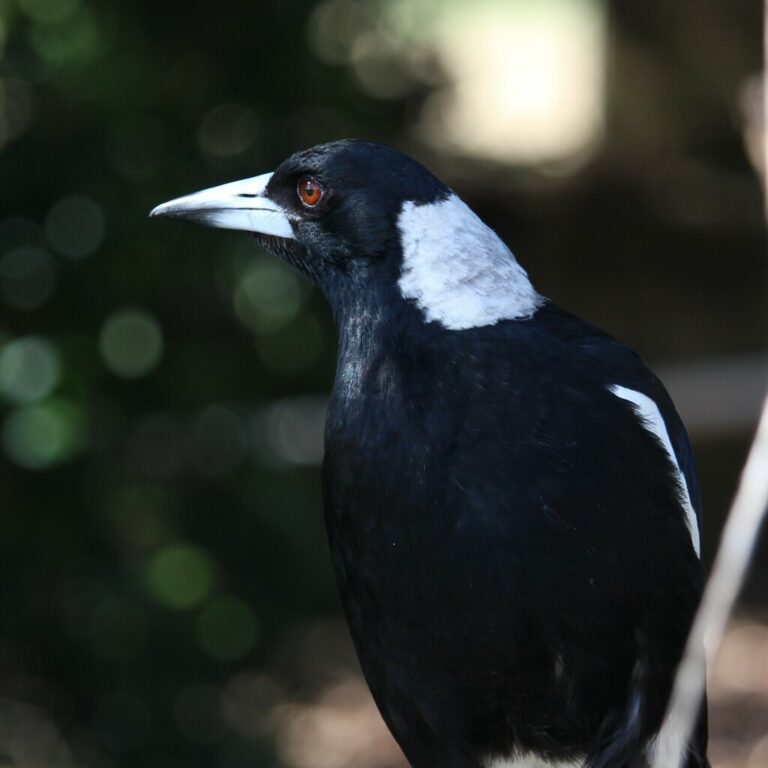
Gymnorhina tibicen
♥
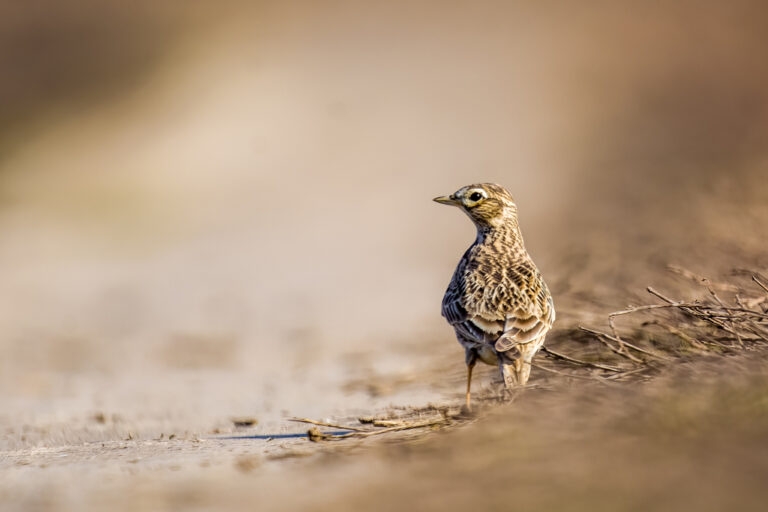
Alauda arvensis
♥
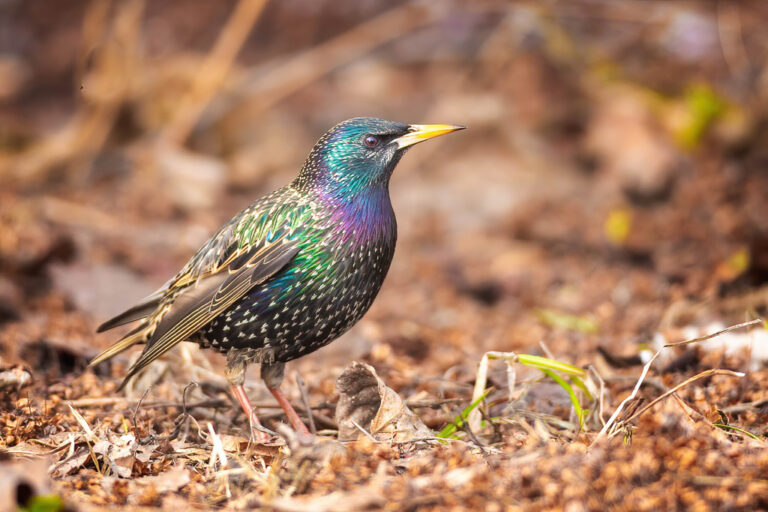
Sturnus vulgaris
♥
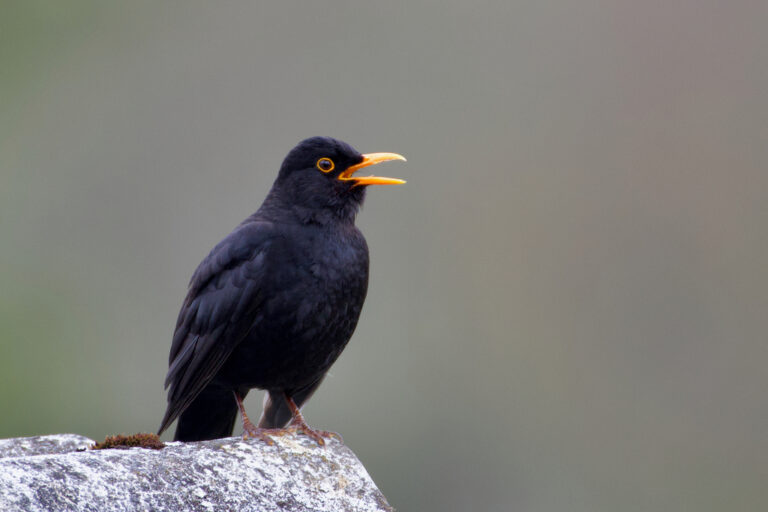
Turdus merula
♥
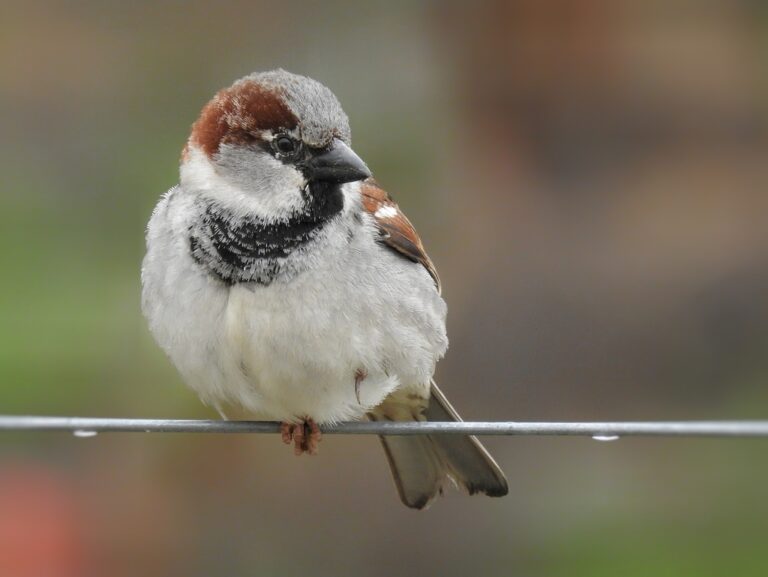
Passer domesticus
♥
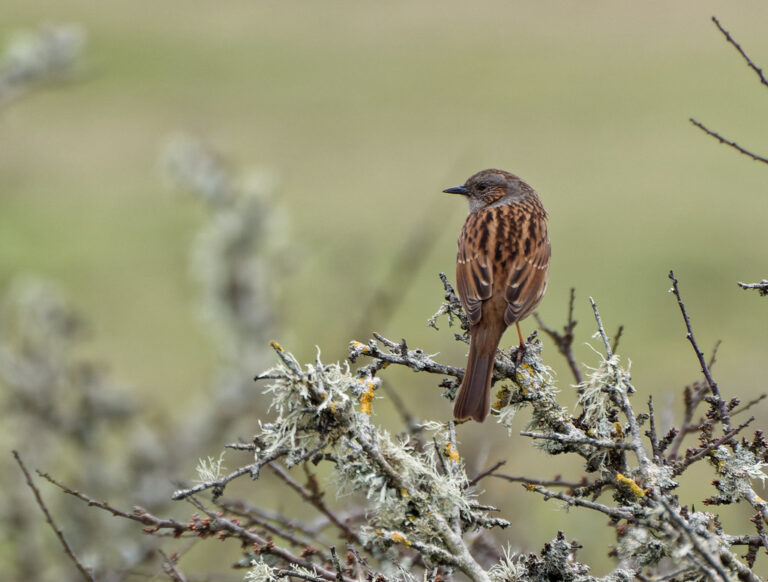
Prunella modularis
♥
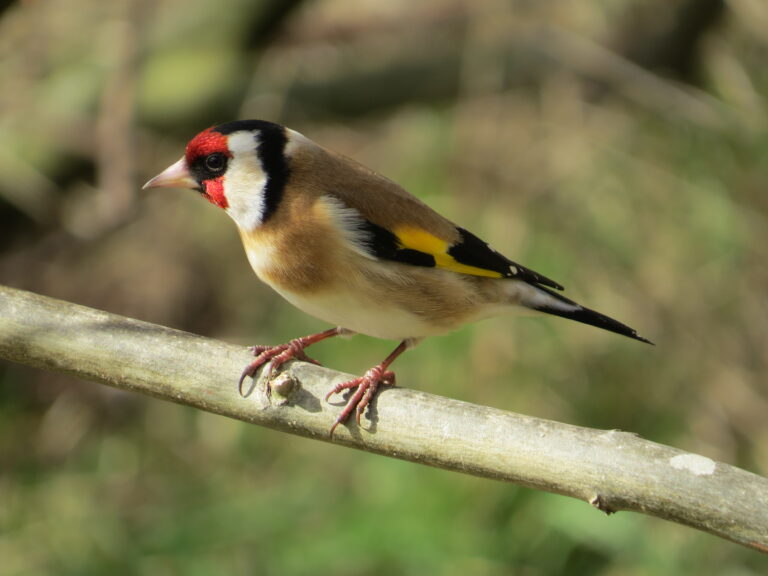
Carduelis carduelis
♥
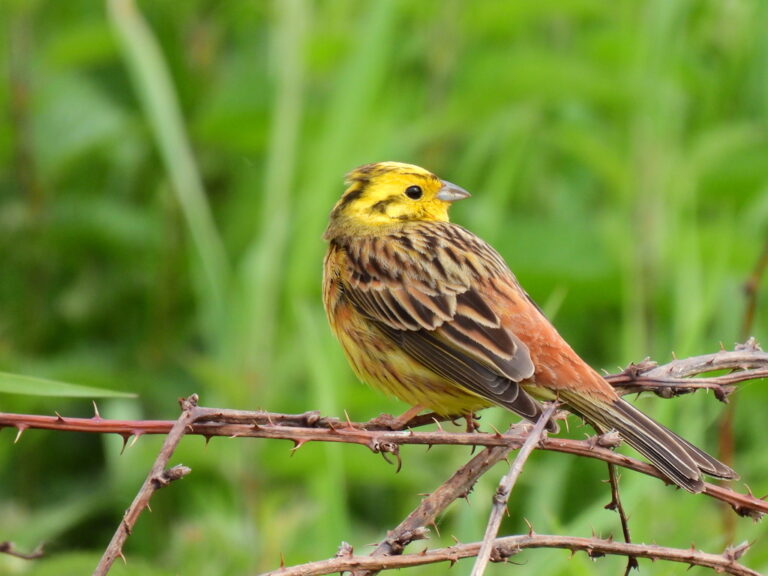
Emberiza citrinella
♥
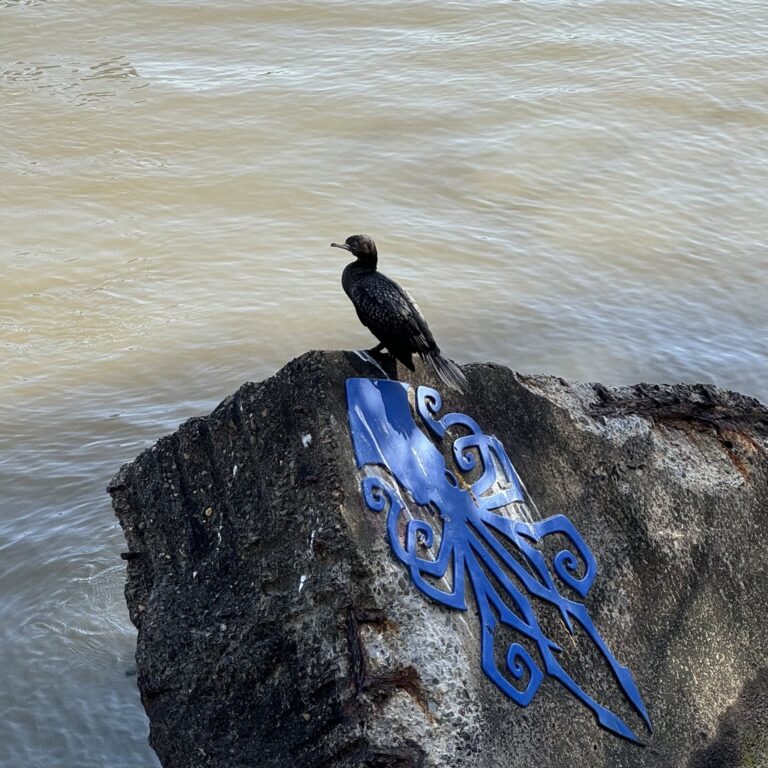
Phalacrocorax sulcirostris
♥
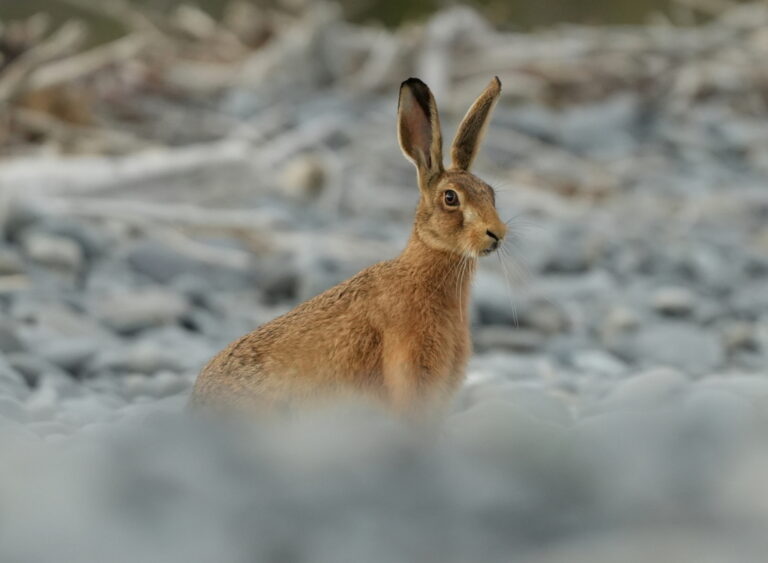
Lepus europaeus
♥
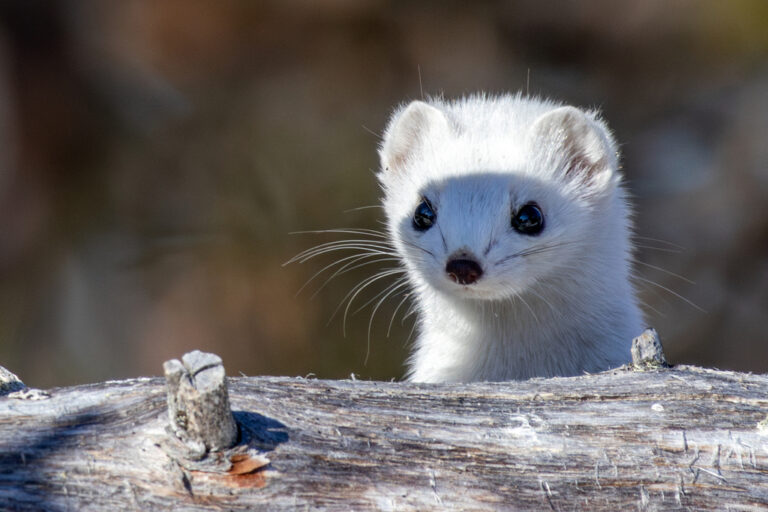
Mustela erminea
♥