Qiangtang National Nature Reserve
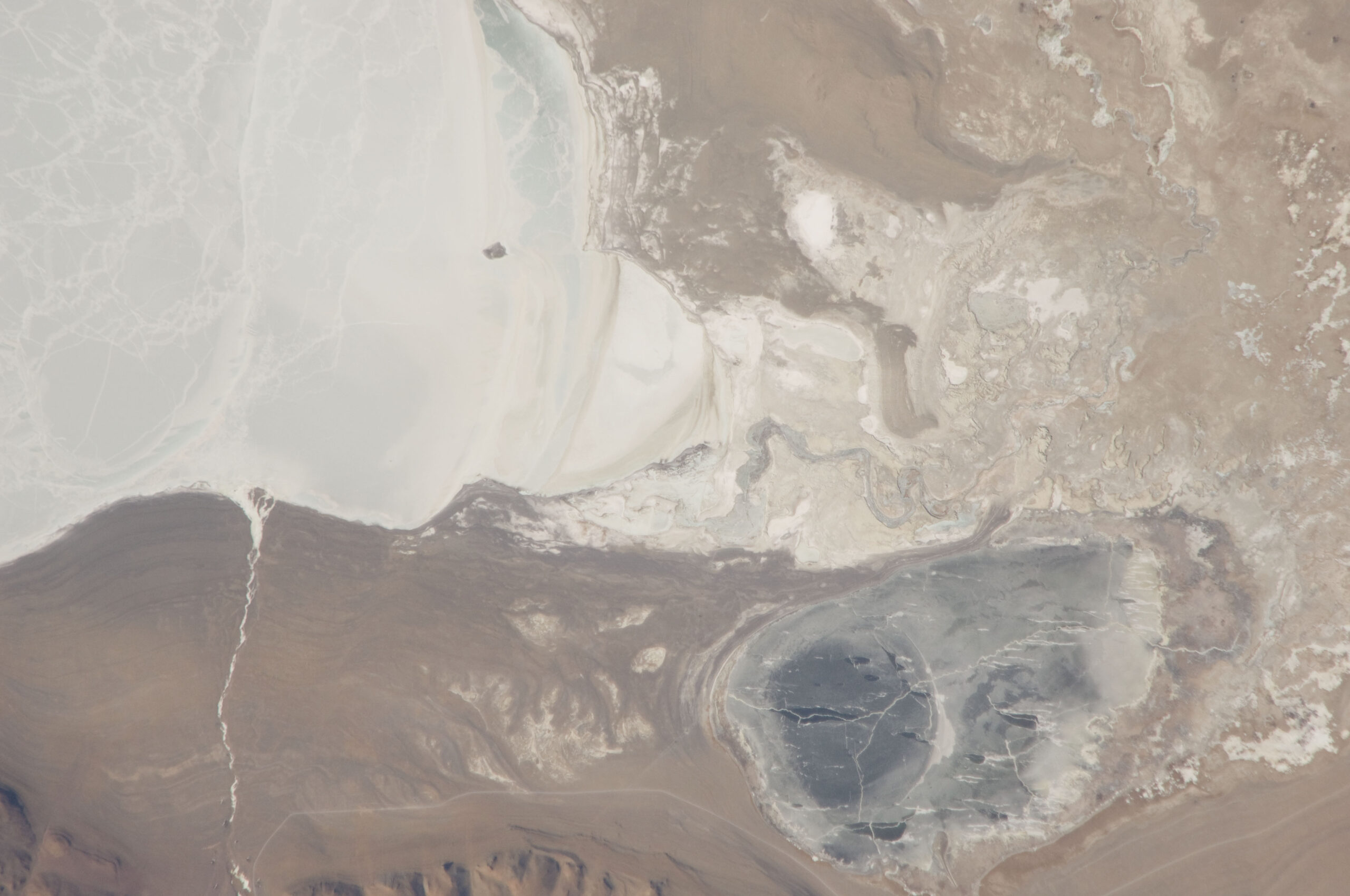
Photo © Earth Science and Remote Sensing Unit, Lyndon B. Johnson Space Center
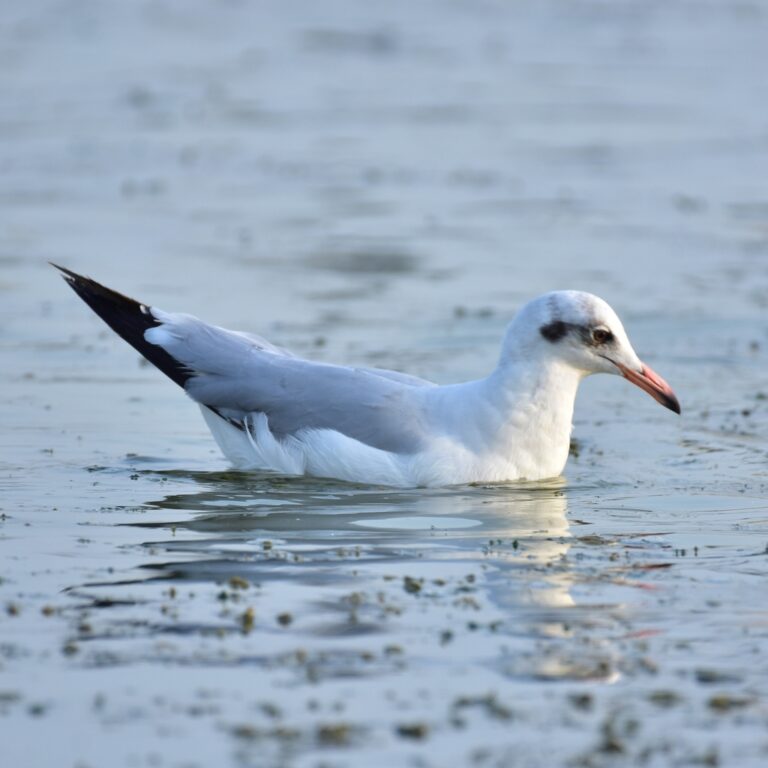
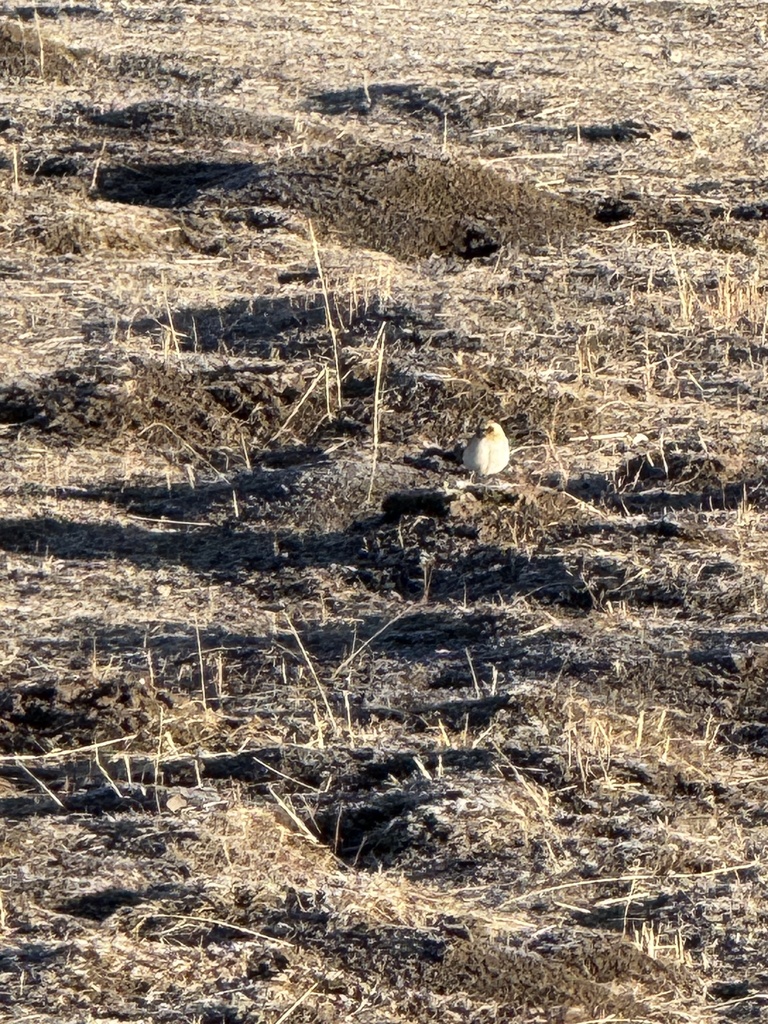
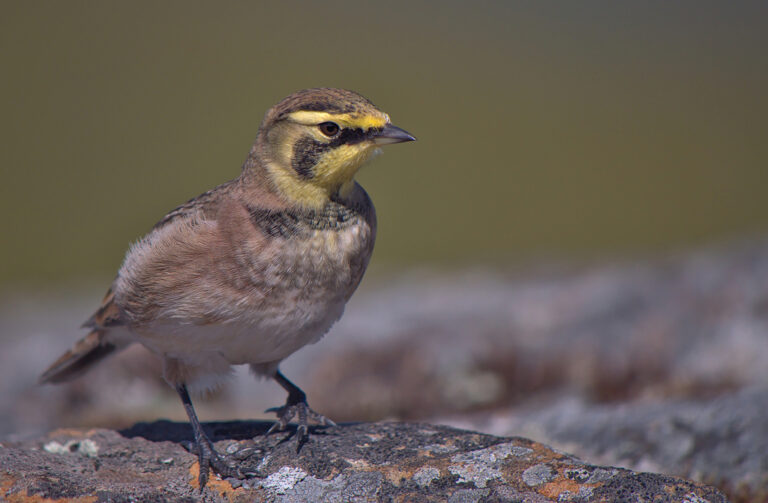
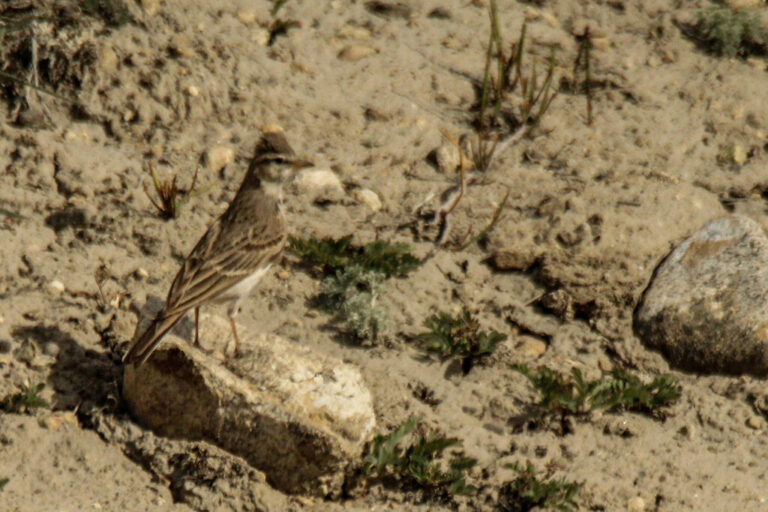
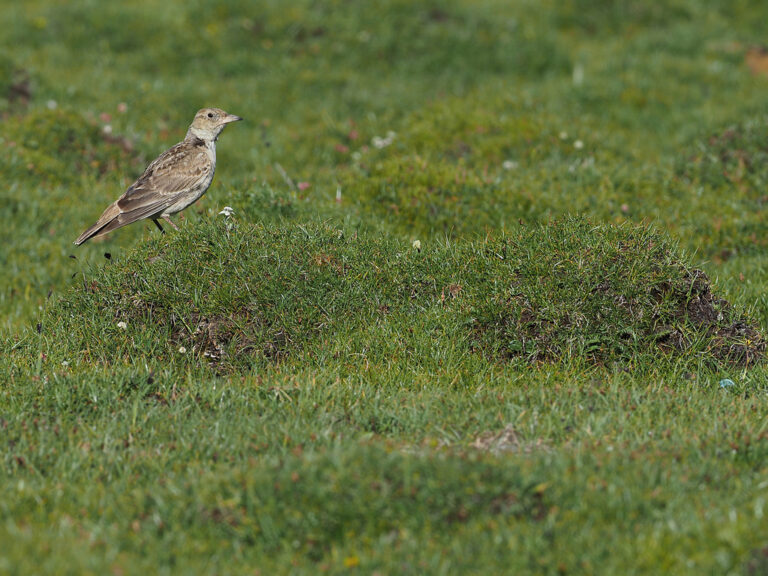
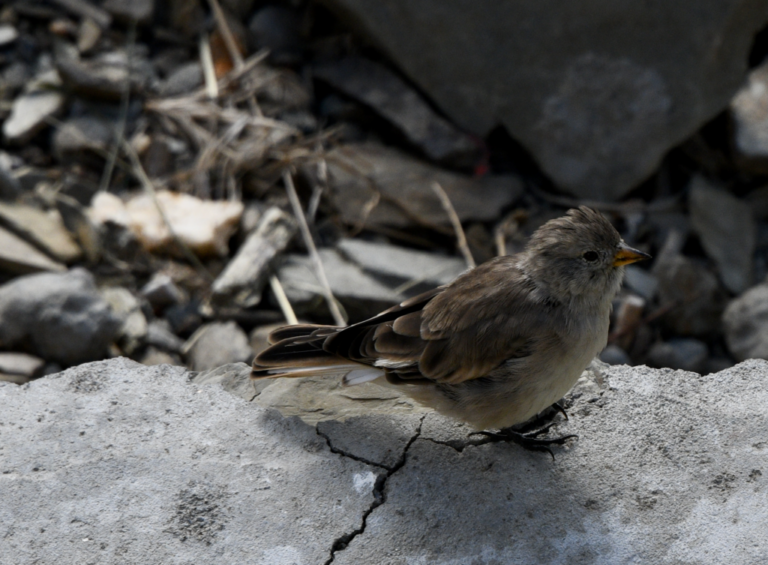
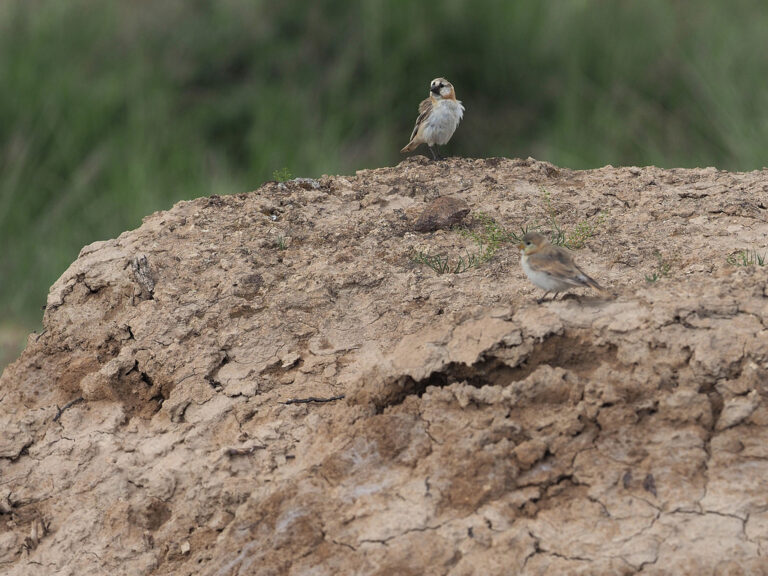
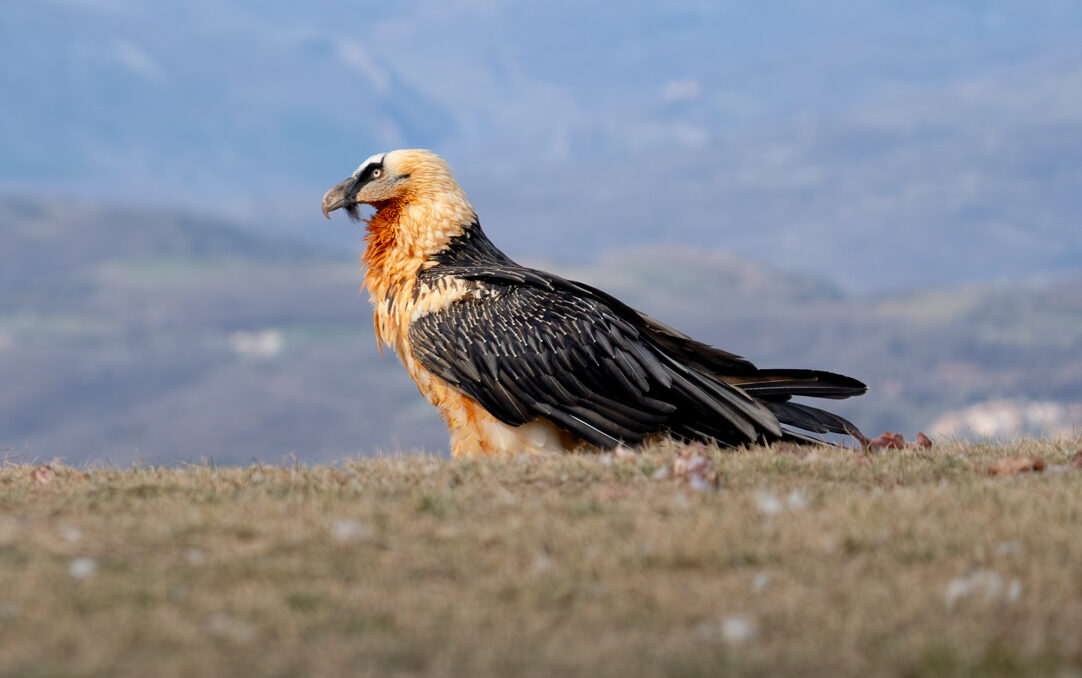
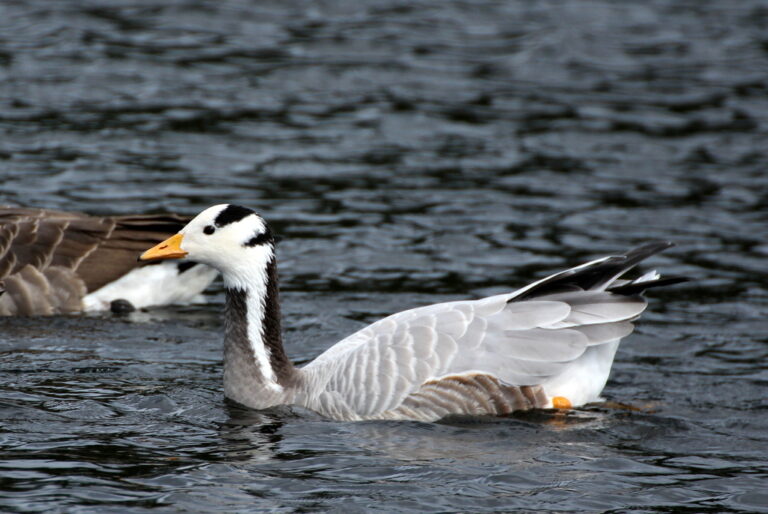
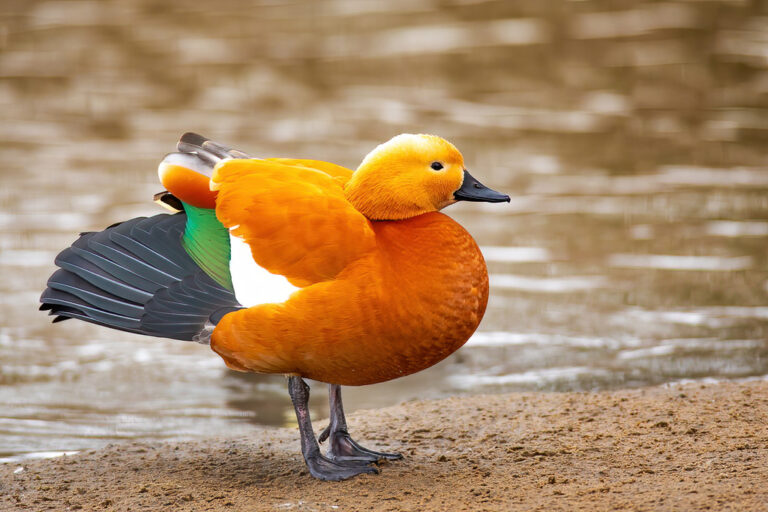
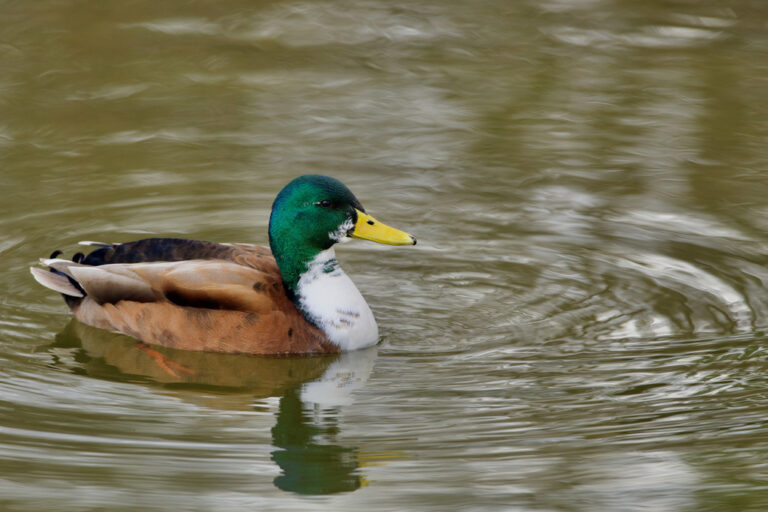
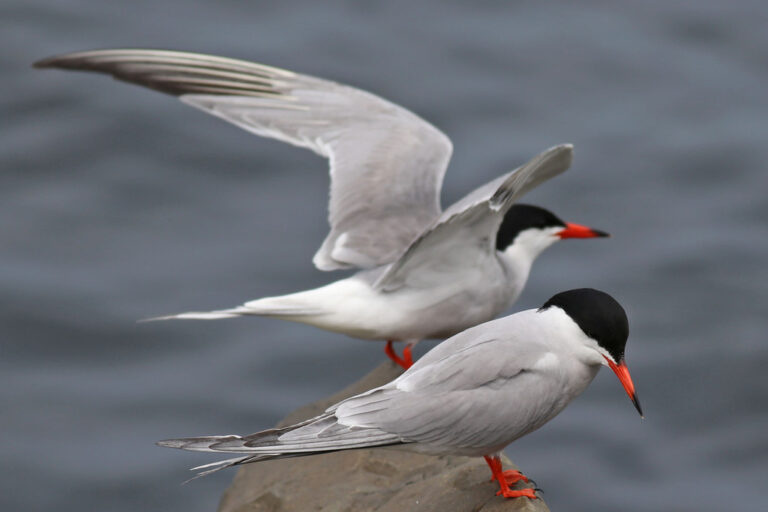
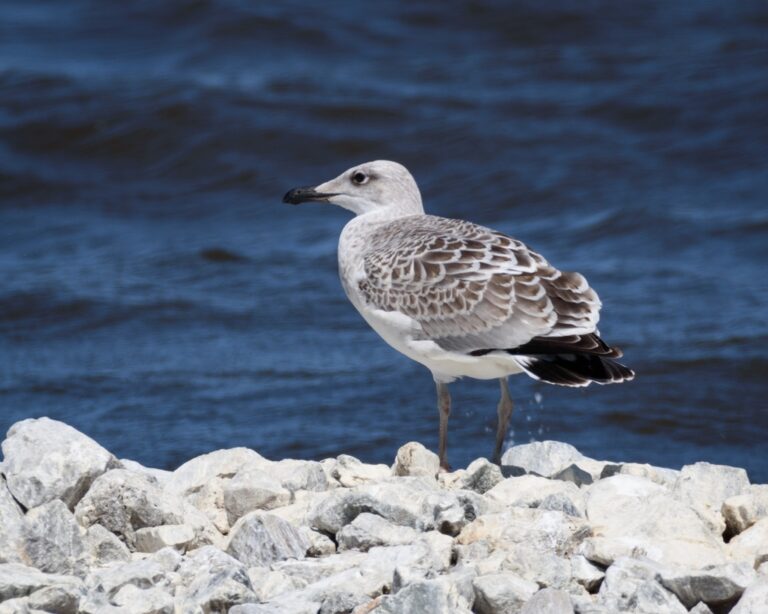
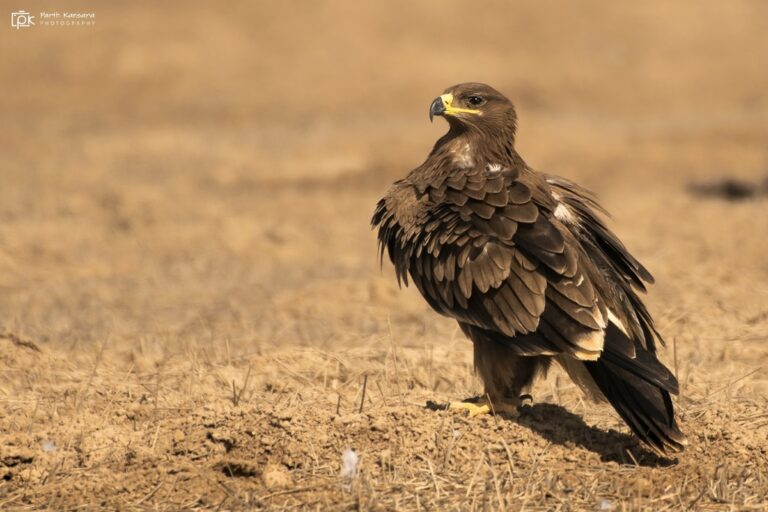
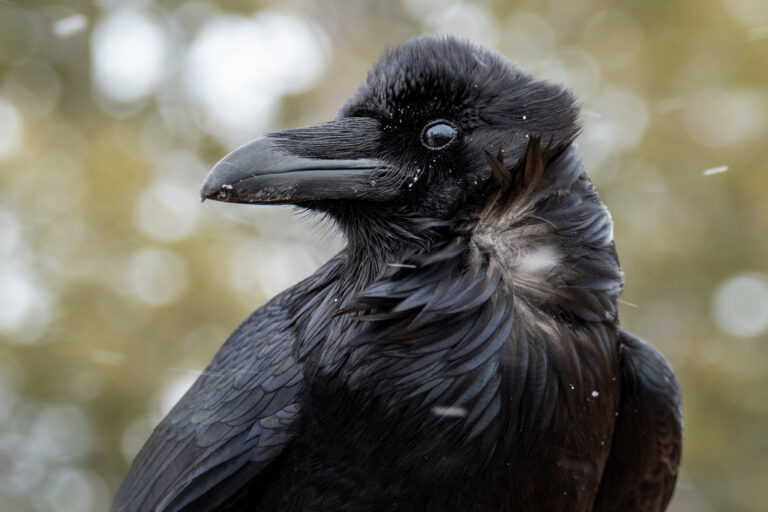
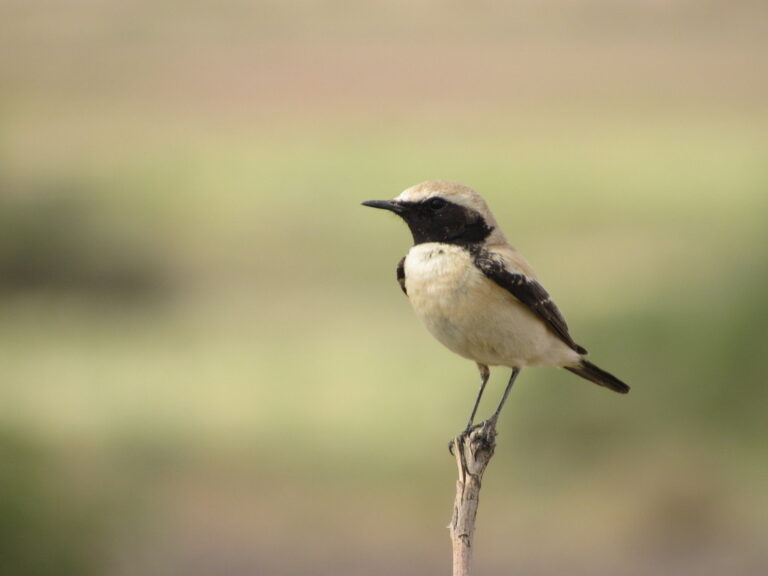
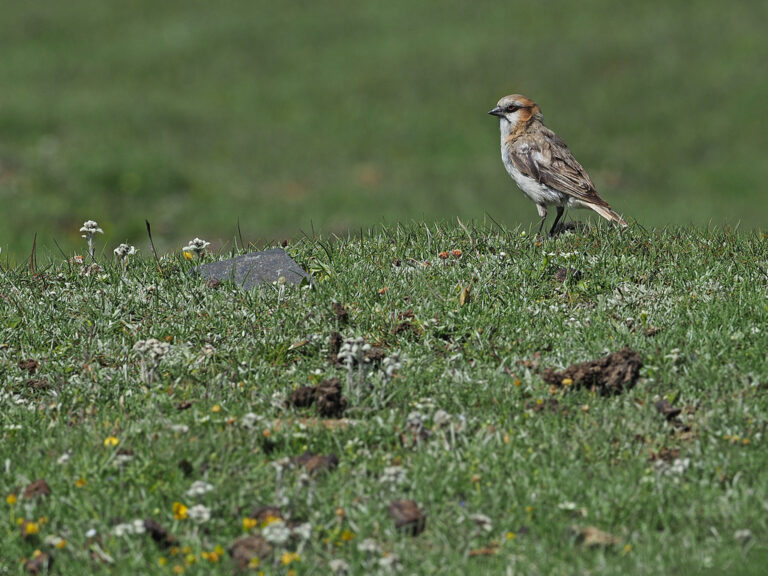
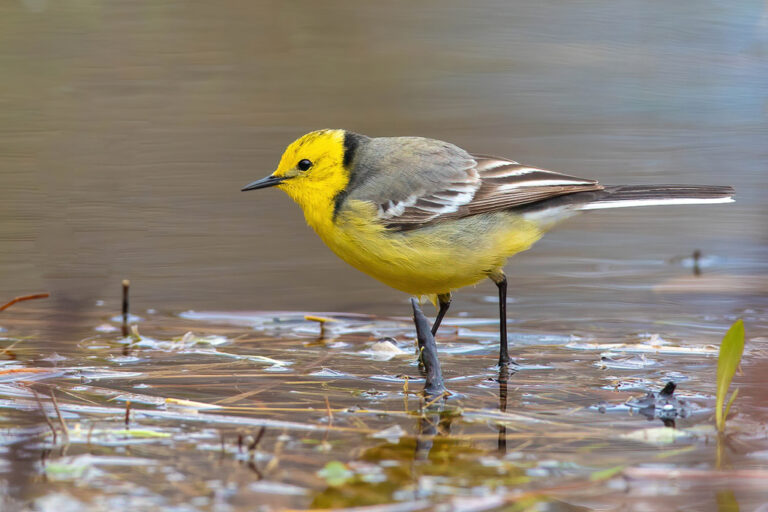
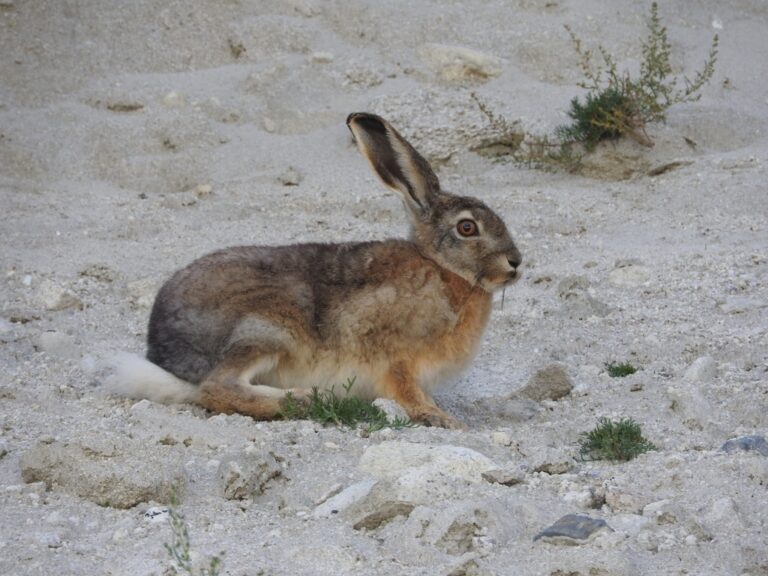
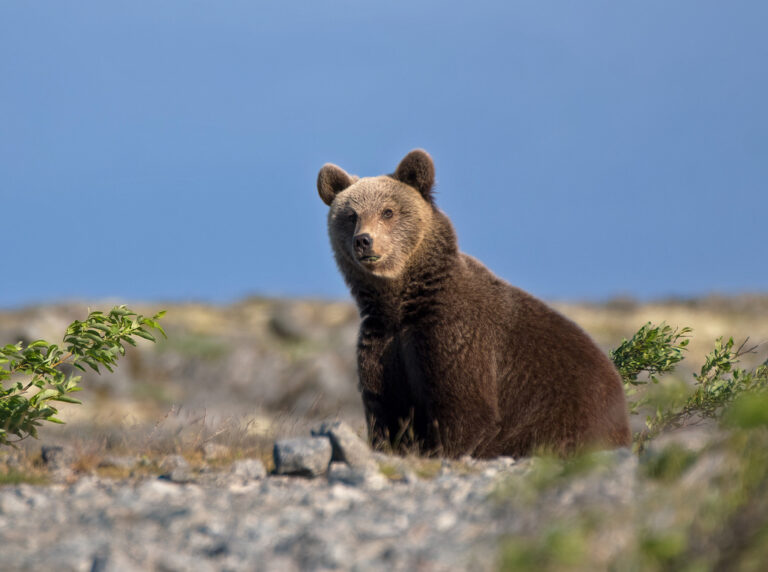
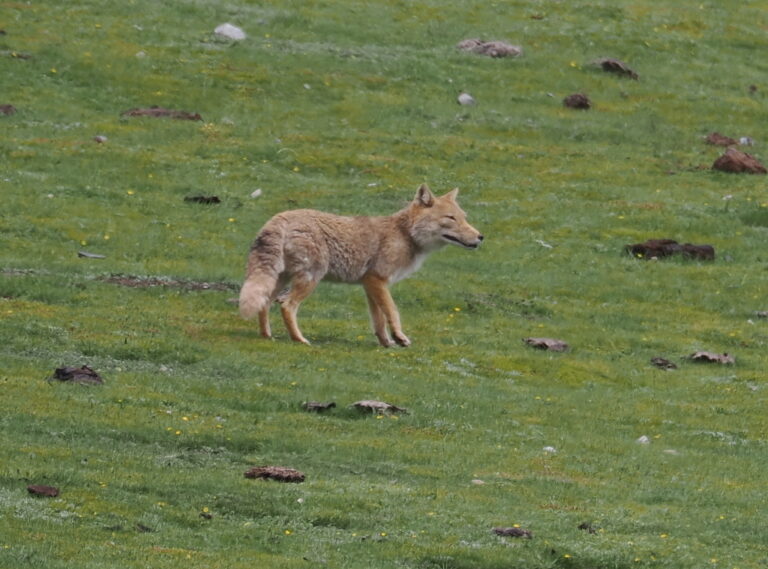
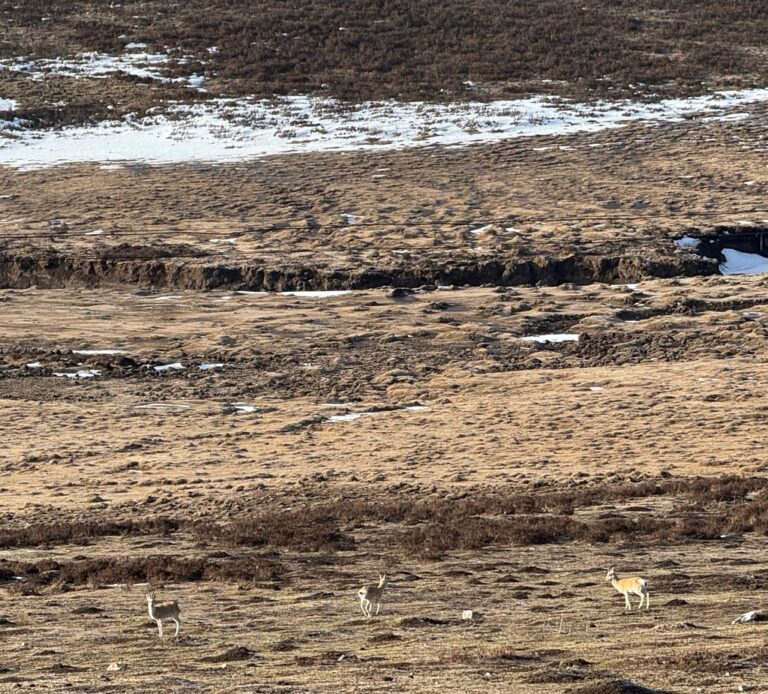
Photo © Earth Science and Remote Sensing Unit, Lyndon B. Johnson Space Center — CC0 1.0 — Source: Wikimedia CommonsAcross the high Tibetan plateau north of Nagqu sprawls one of Earth's most extreme alpine tundra ecosystems, where vast expanses of sparse grassland and barren terrain dominate a landscape sculpted by relentless wind, intense solar radiation, and brutal cold. The Qiangtang National Nature Reserve encompasses over 30,000 square kilometers of this unforgiving terrain, where ET climate conditions—perpetually frigid, with minimal precipitation and vegetation confined to hardy grasses, mosses, and low-growing alpine shrubs—have shaped an environment that few terrestrial habitats can match in severity. Despite the apparent bleakness, this tundra supports specialized populations of large mammals adapted to extreme cold and sparse forage, including high-altitude ungulates and carnivores that have evolved remarkable physiological tolerance for the hostile conditions. Birds of prey and other avian predators hunt across the windswept plateaus, while migratory bird species utilize the reserve's limited water sources during their seasonal passages. The reserve's ecological role extends far beyond its borders, as a critical watershed region feeding major river systems and a genetic reservoir for alpine fauna uniquely suited to one of the planet's most demanding environments.
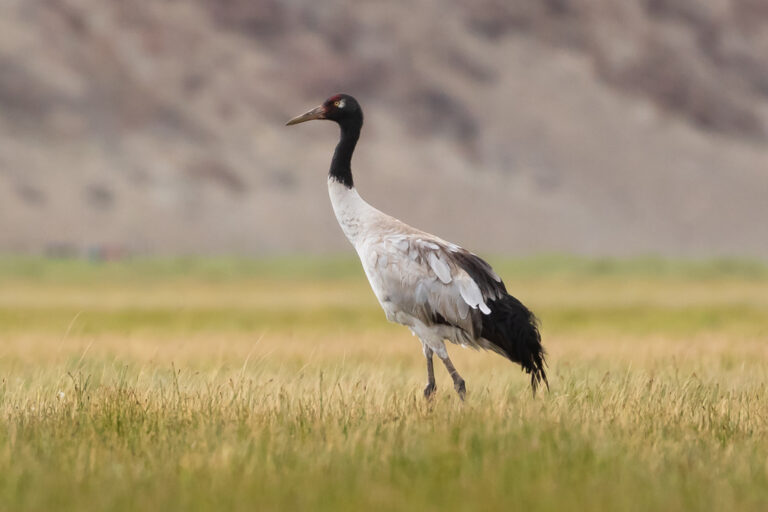
For wildlife photographers and travelers committed to witnessing Earth's true wildernesses, Qiangtang demands serious preparation and respect. The plateau's crystalline air and extreme transparency create unparalleled photographic light, especially during the brief summer months when access is most feasible and when migratory populations swell the reserve's fauna. The sheer isolation and minimal human presence mean that encounters with large mammals and birds of prey retain an authenticity increasingly rare in protected areas worldwide. Visiting requires expedition-level logistics—high-altitude acclimatization is essential, self-sufficiency mandatory, and permits from Chinese authorities necessary—but the reward is direct exposure to one of the Anthropocene's last truly pristine alpine wilderness zones. Those who venture here abandon the comfort of conventional wildlife tourism entirely, trading familiar comforts for the profound privilege of witnessing how life persists at the absolute margins of habitability.
No community observations yet — be the first to log a sighting here.
Qiangtang National Nature Reserve
Dry conditions dominate, with strong contrasts between day and night.
A year of temperatures
Monthly means, with the coldest and warmest highlighted
Terrain and elevation
4,956 m · High mountainAverage terrain elevation estimate. This hotspot also includes high-mountain areas; the figure does not represent its highest summits.
High mountain