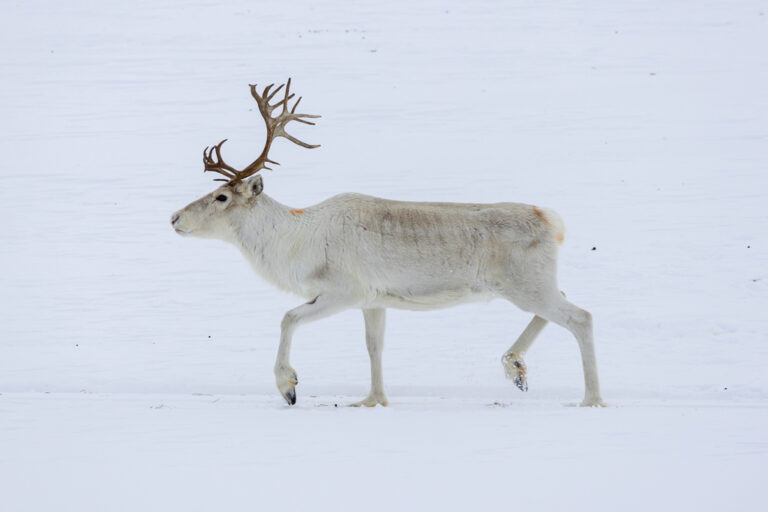
Selawik National Wildlife Refuge
Photo © USFWSAlaska
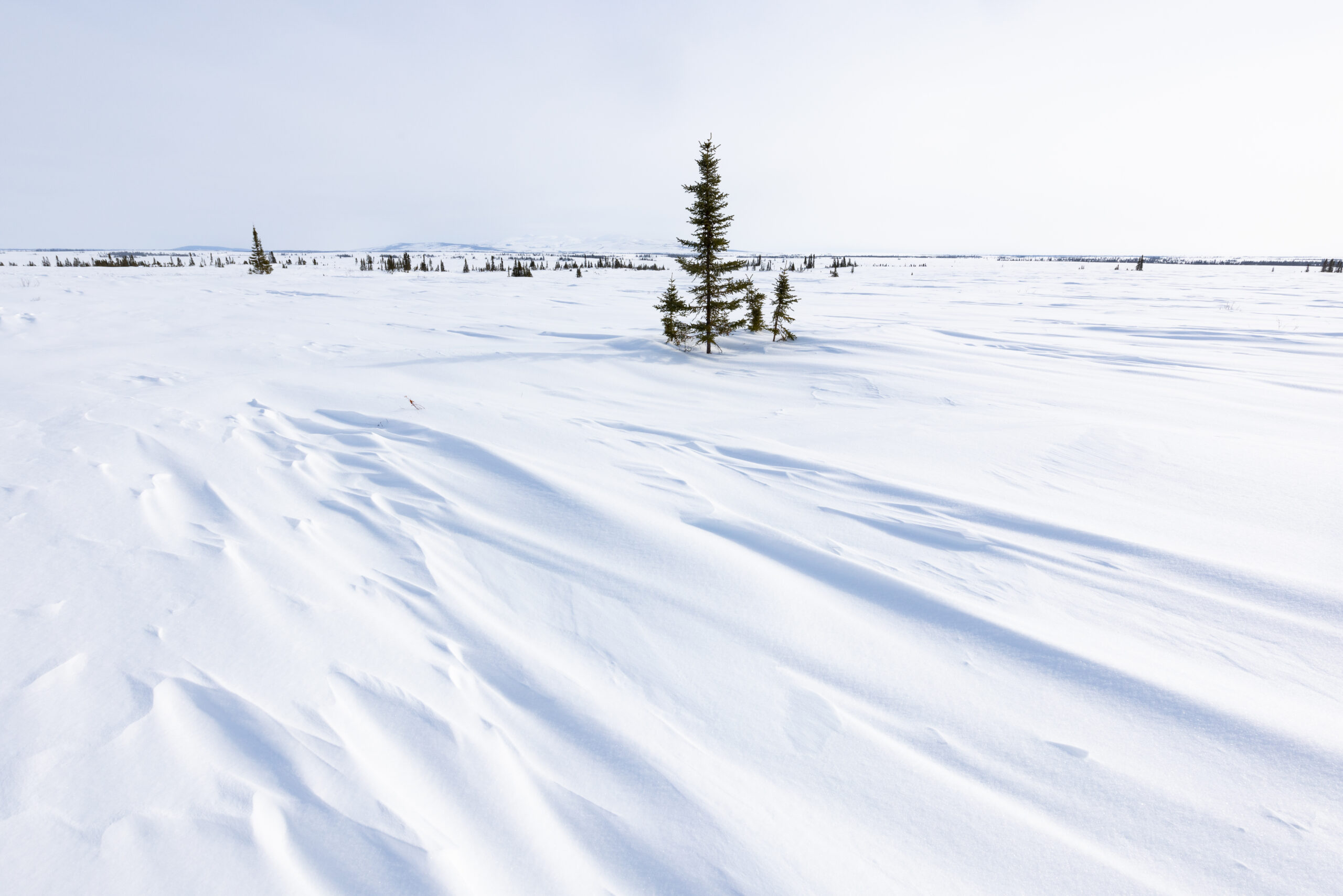
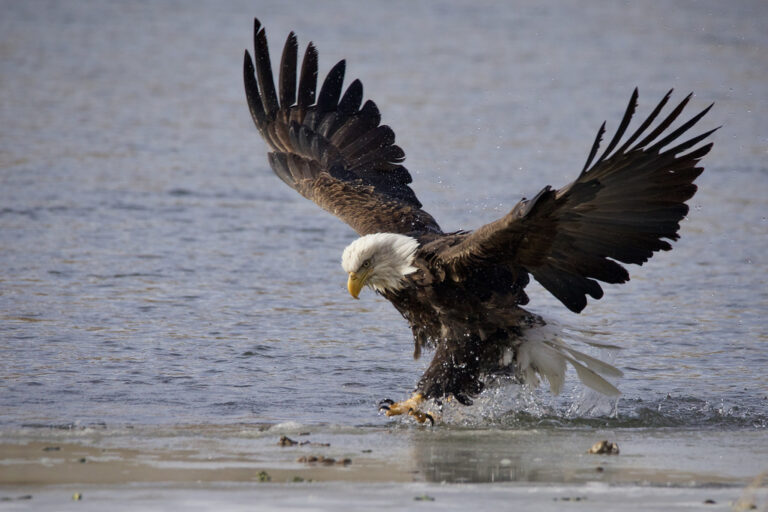
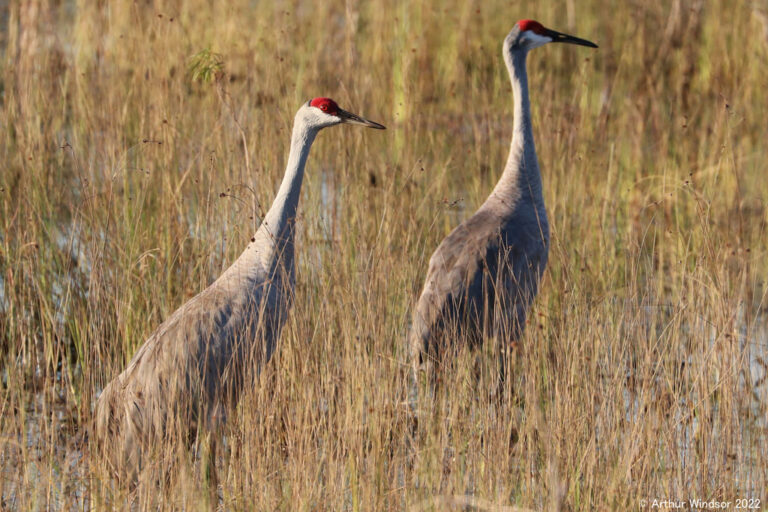
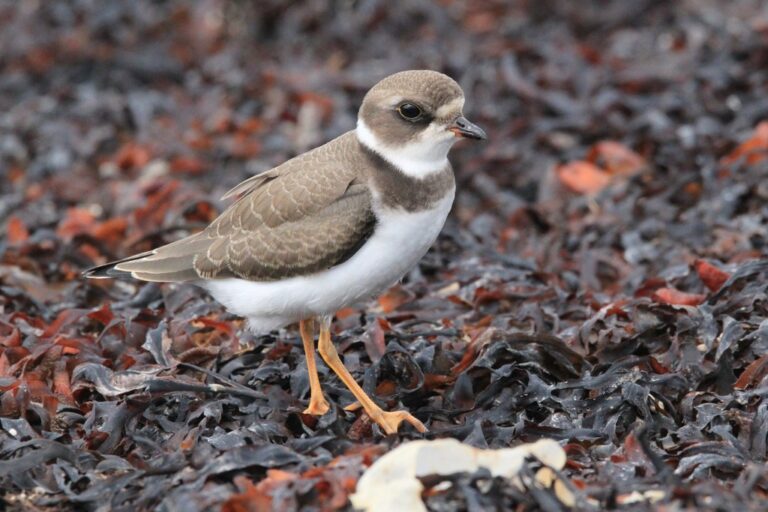
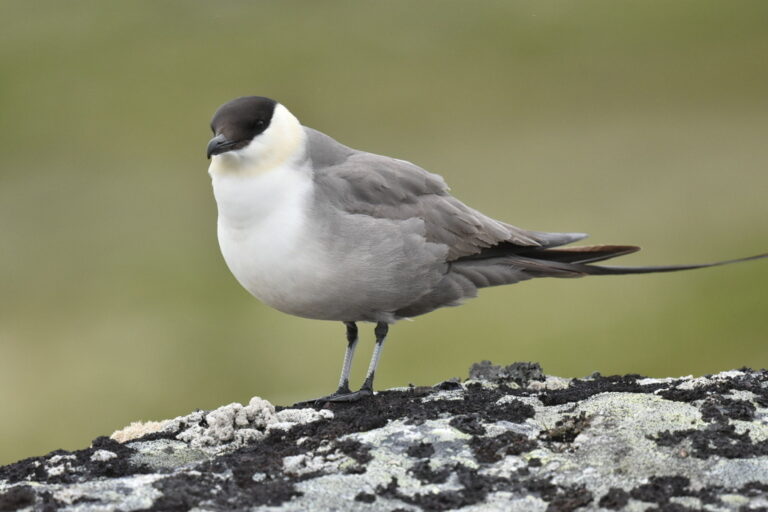
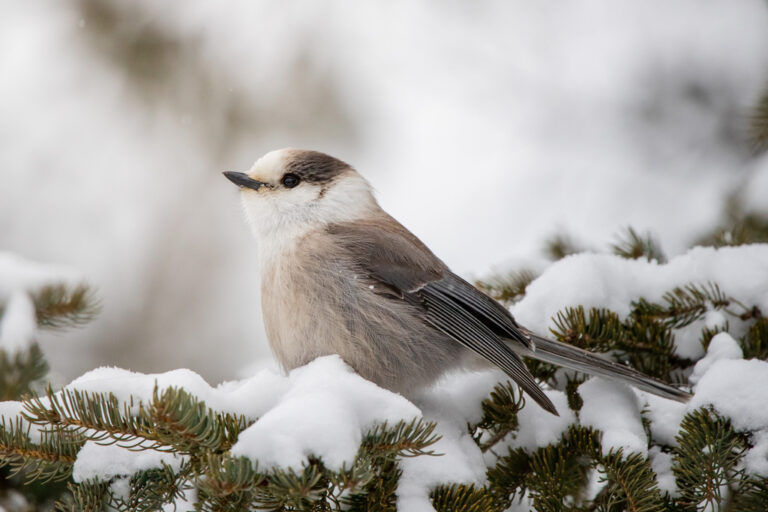
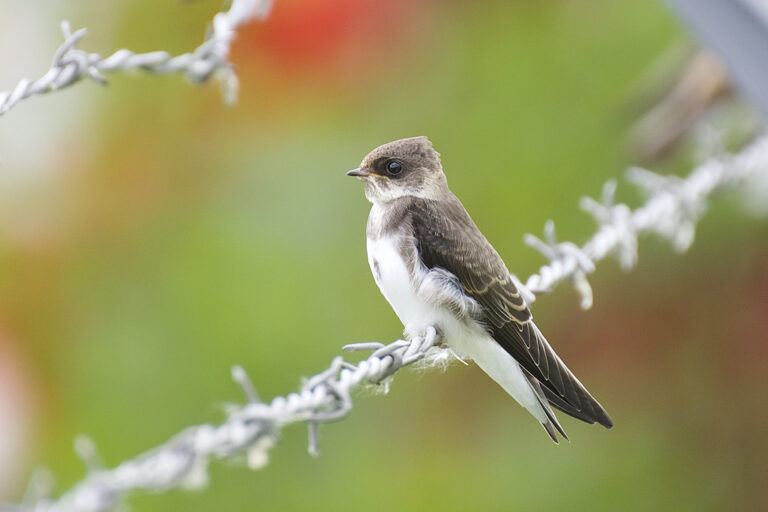
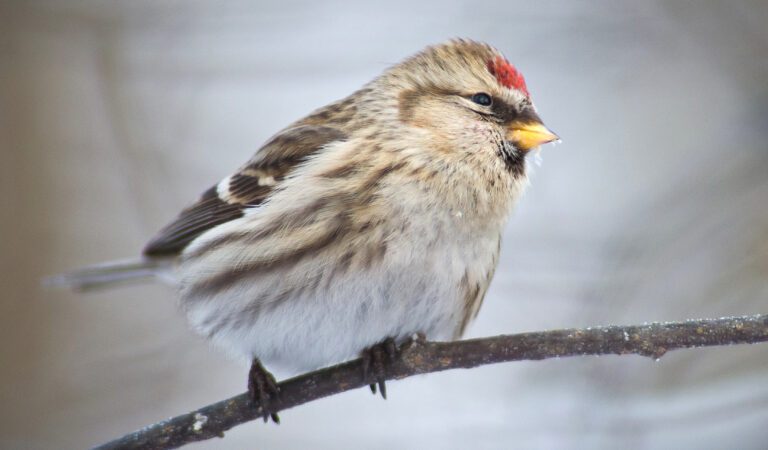
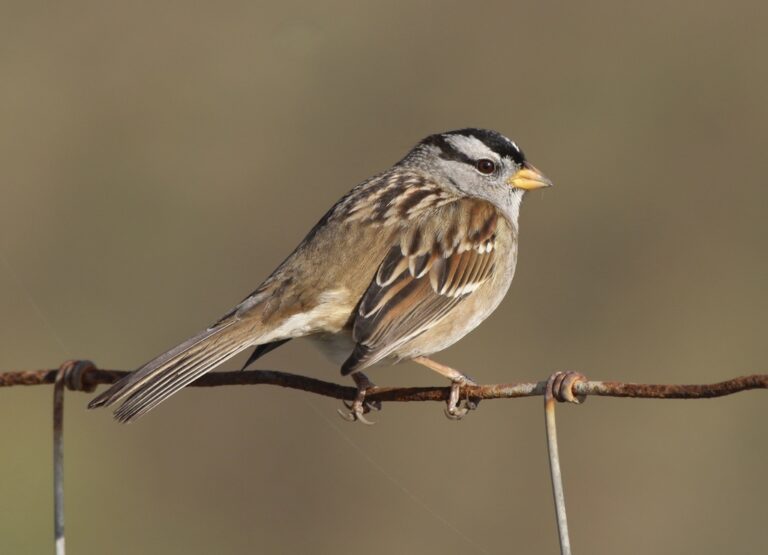
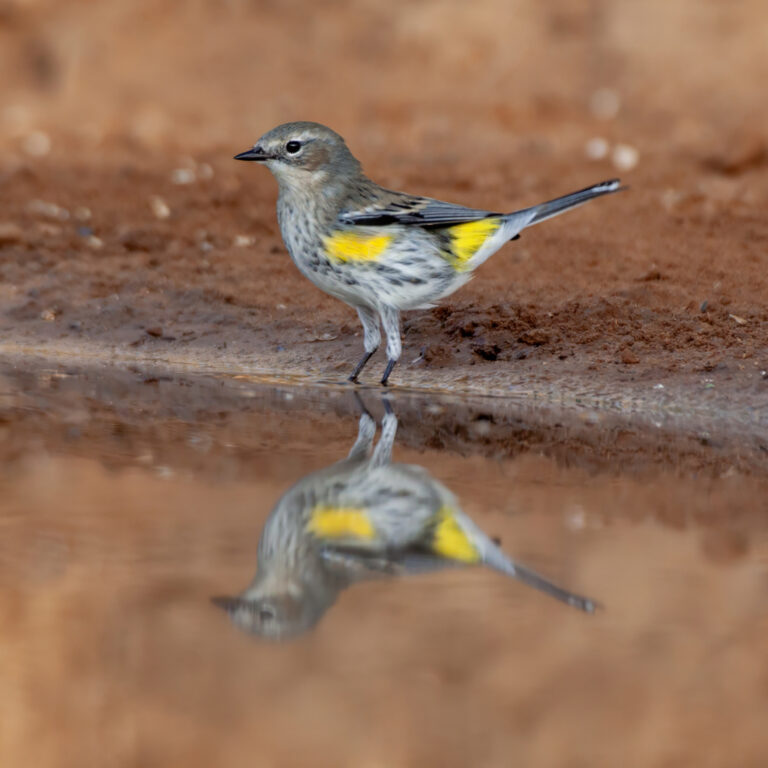
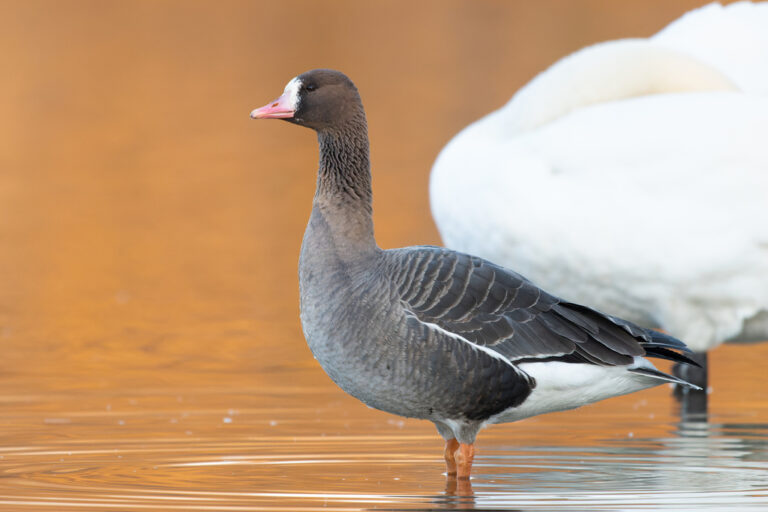
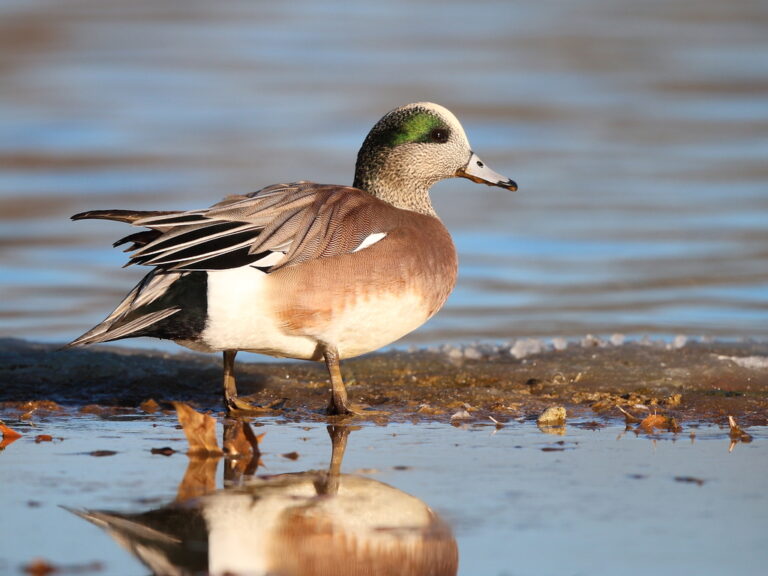
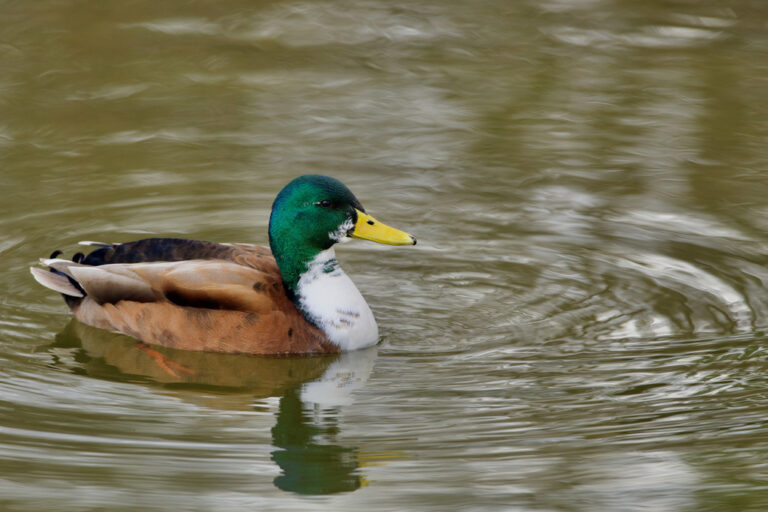
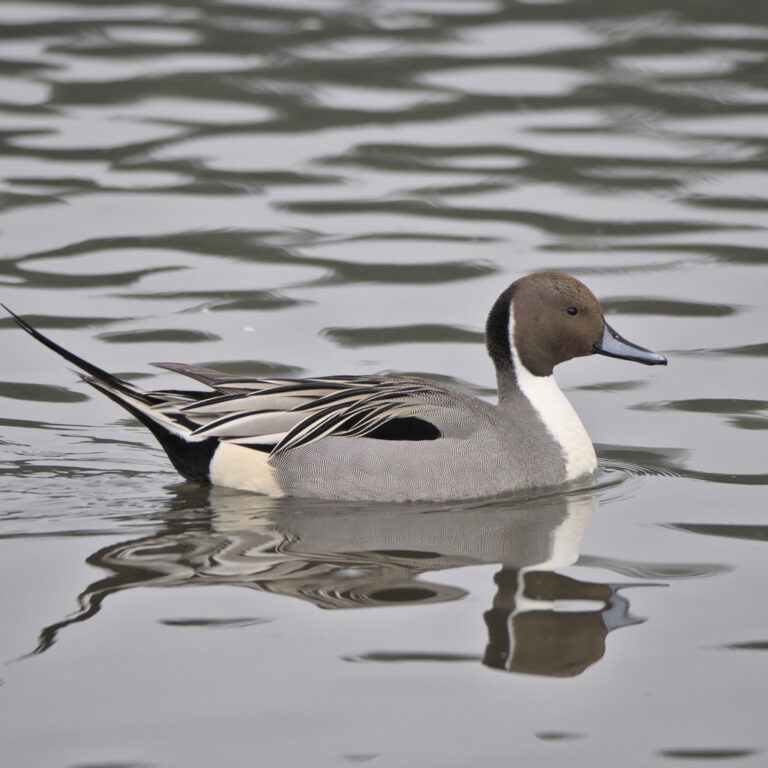
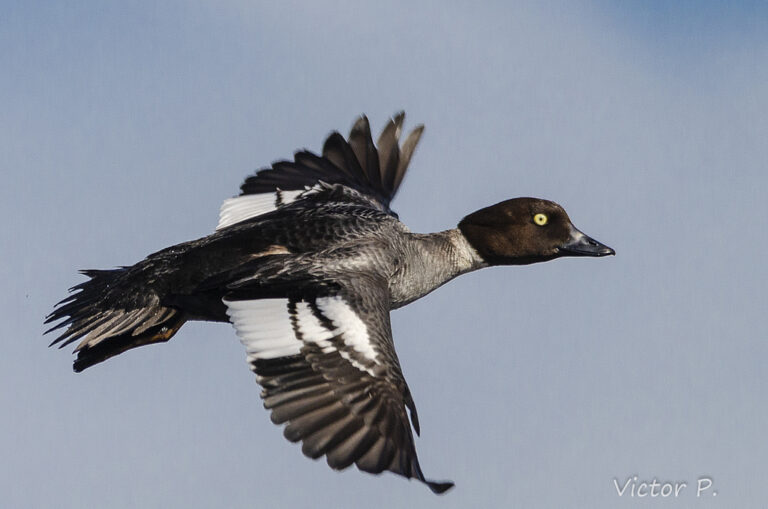
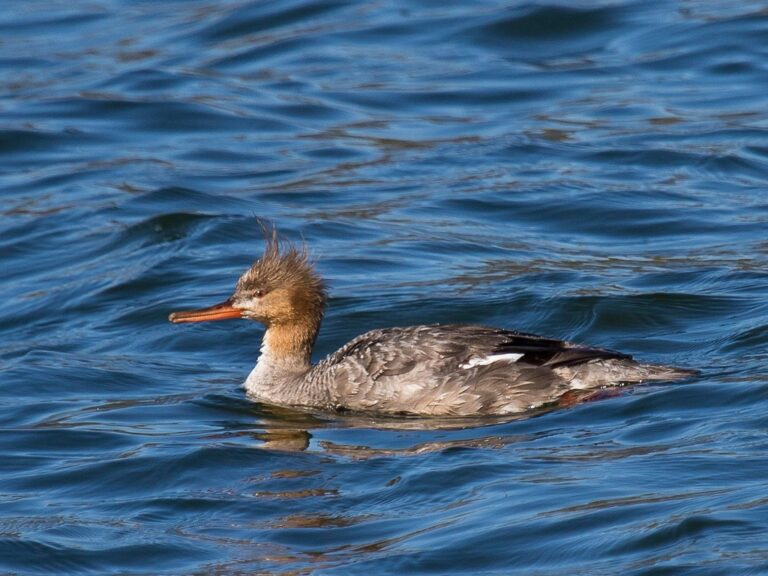
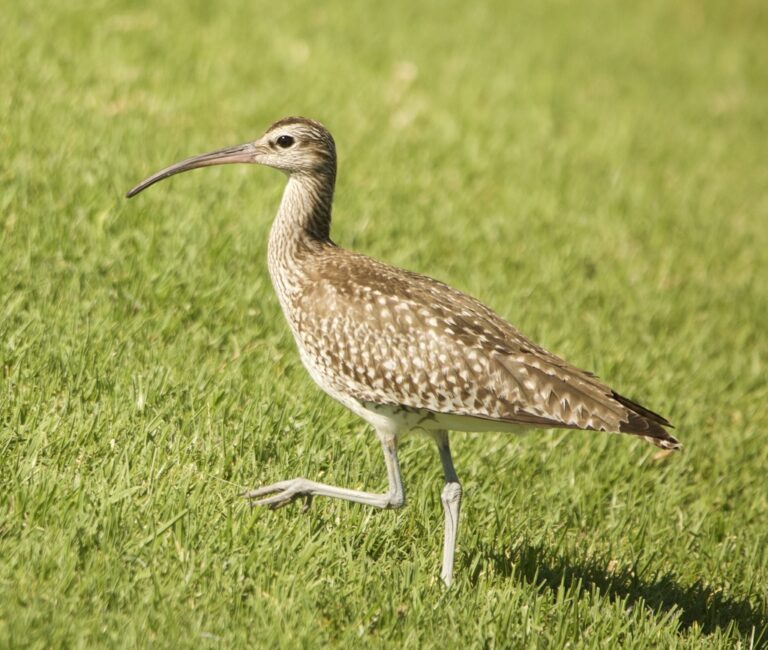
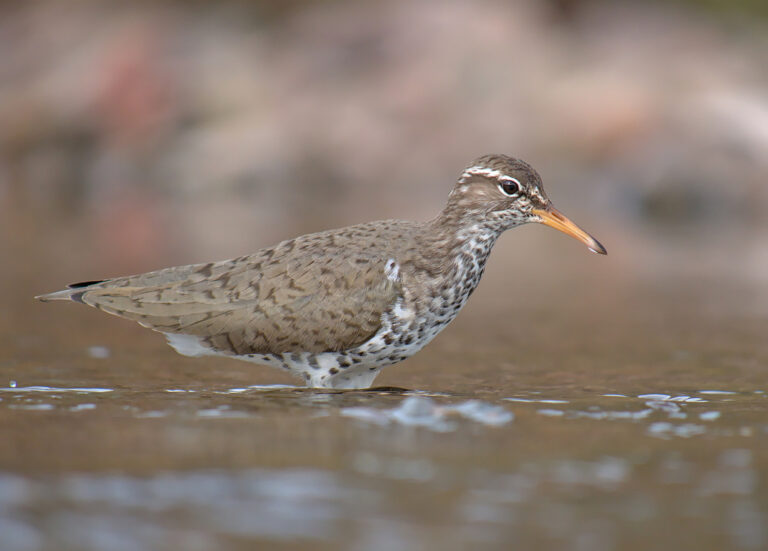
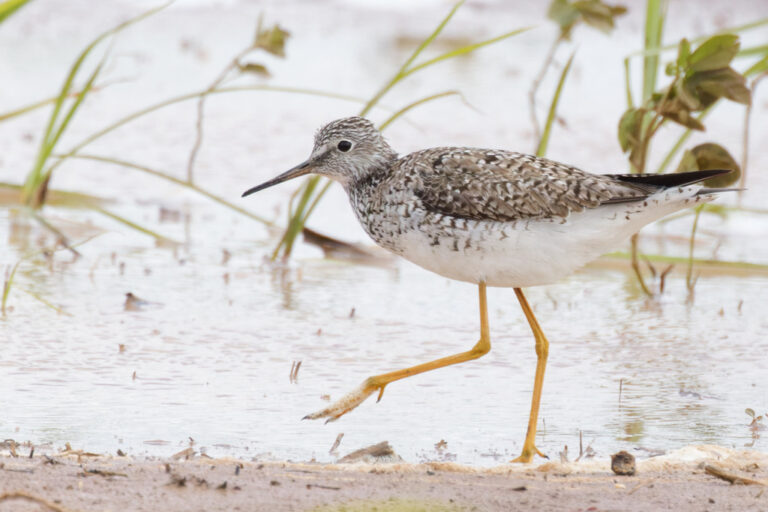
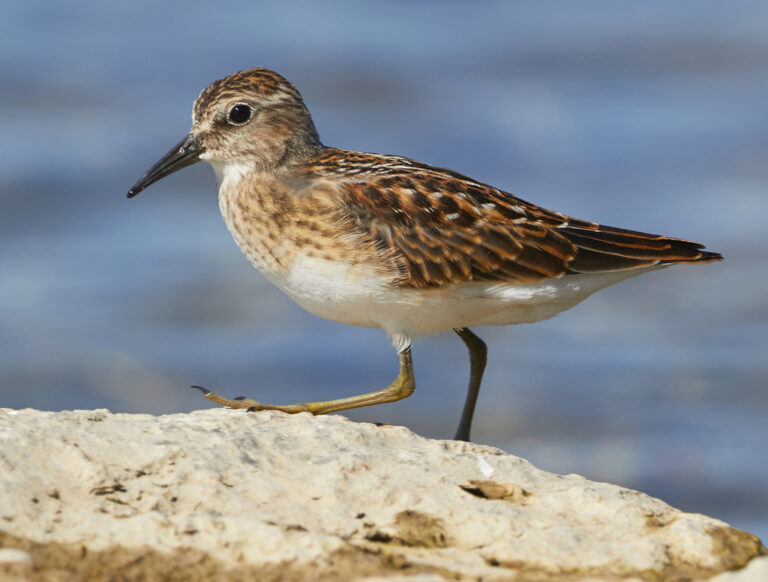
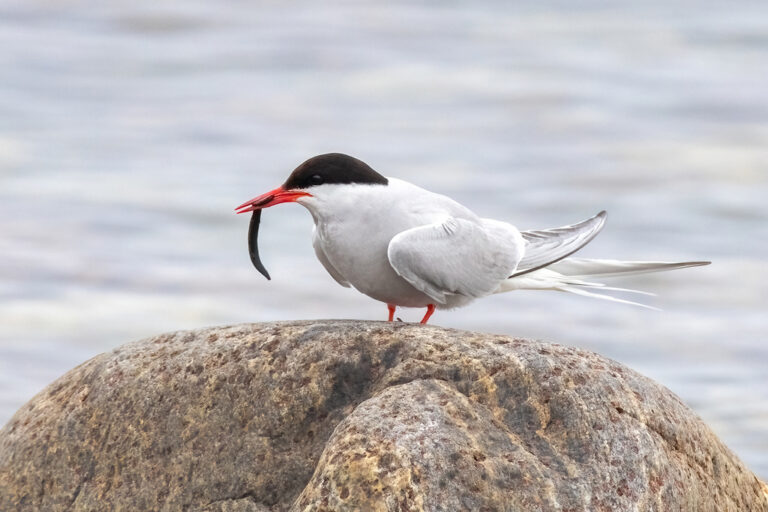
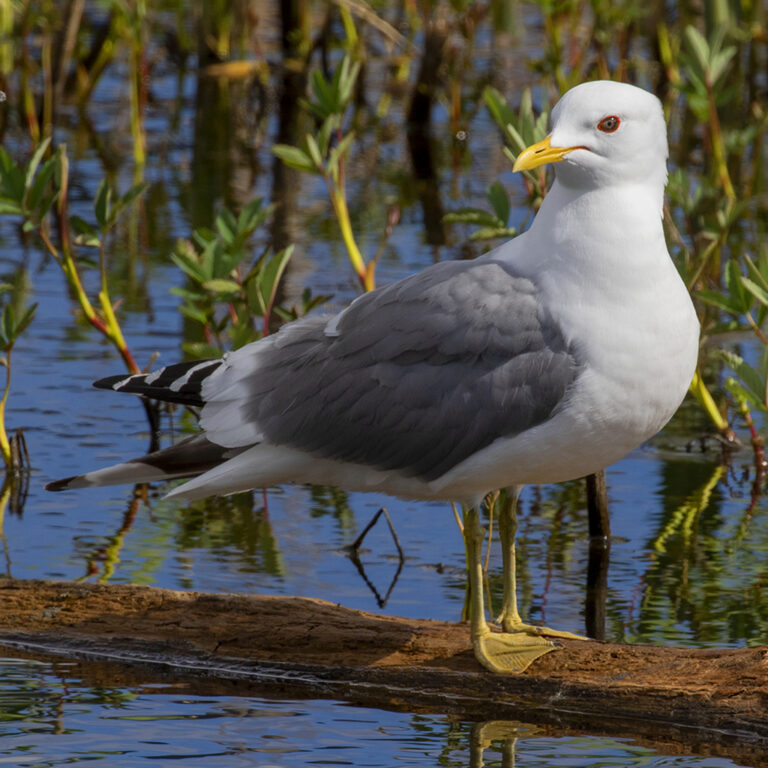
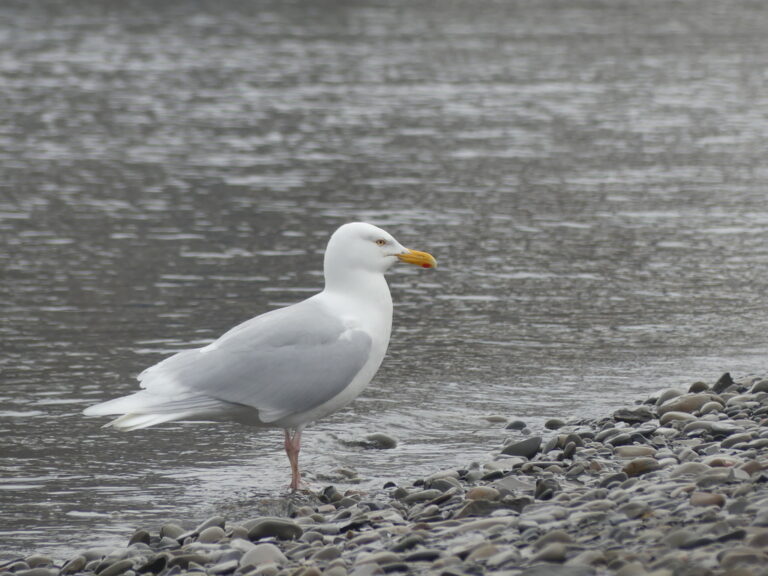
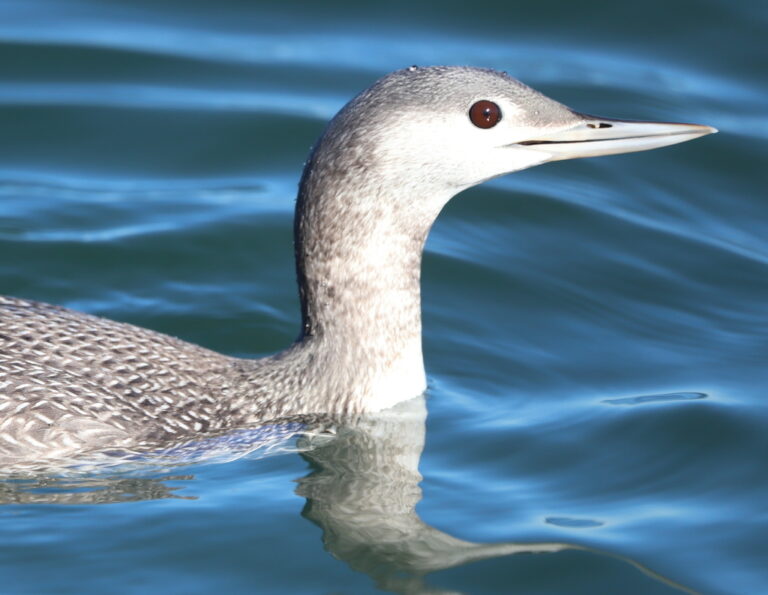
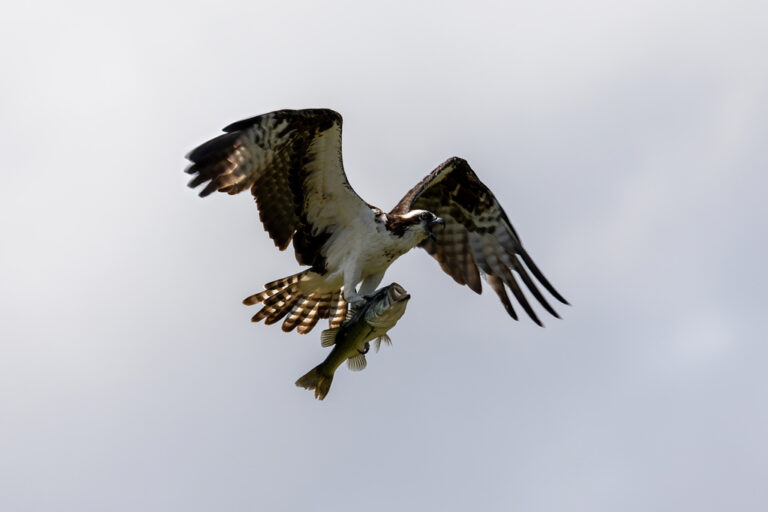
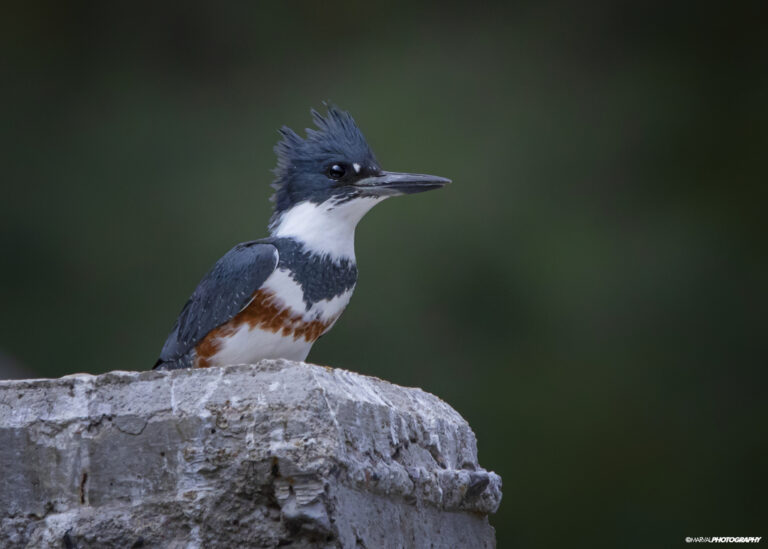
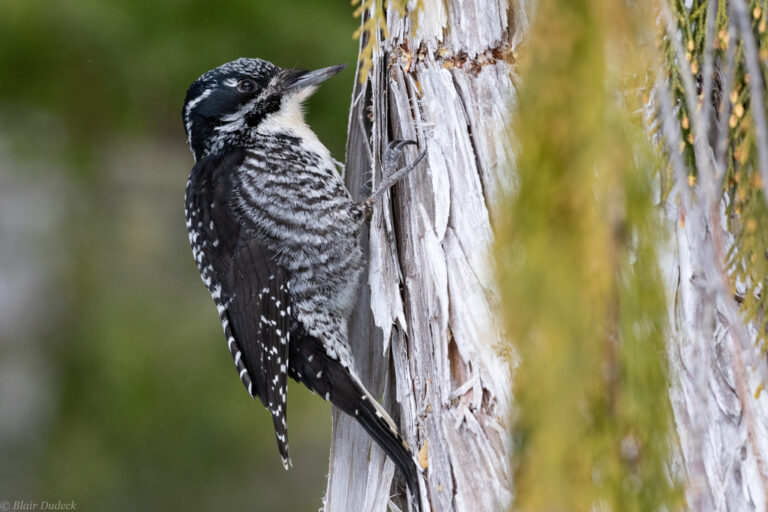
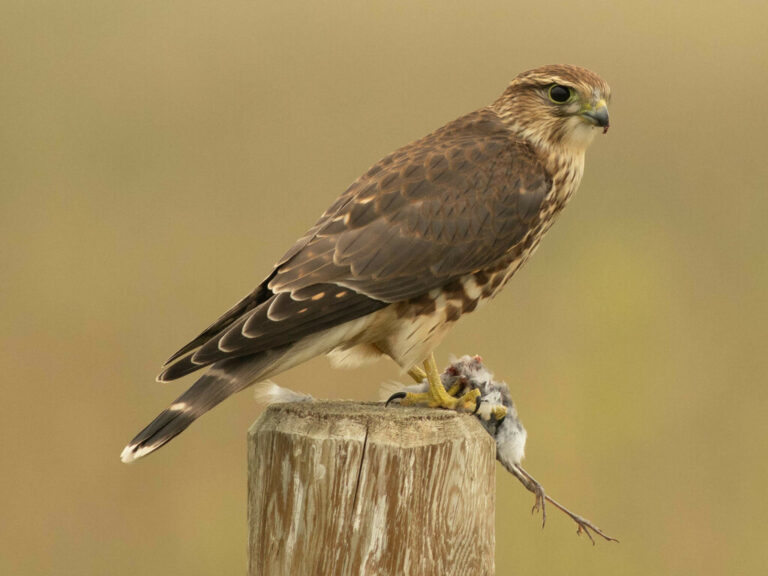
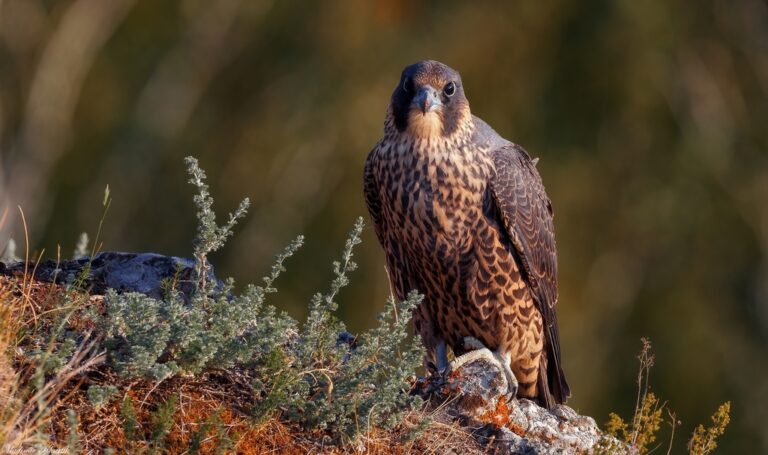
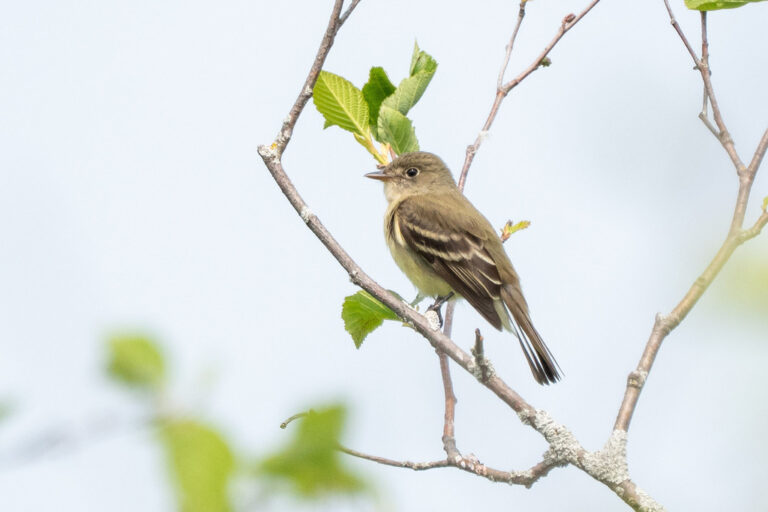
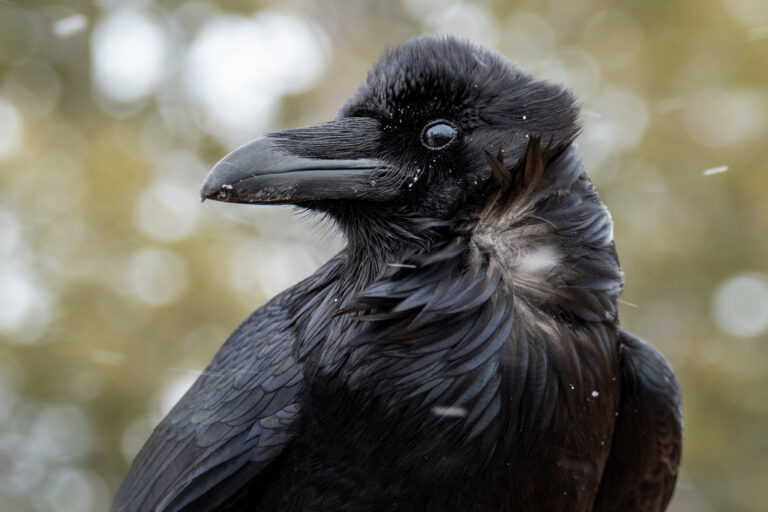
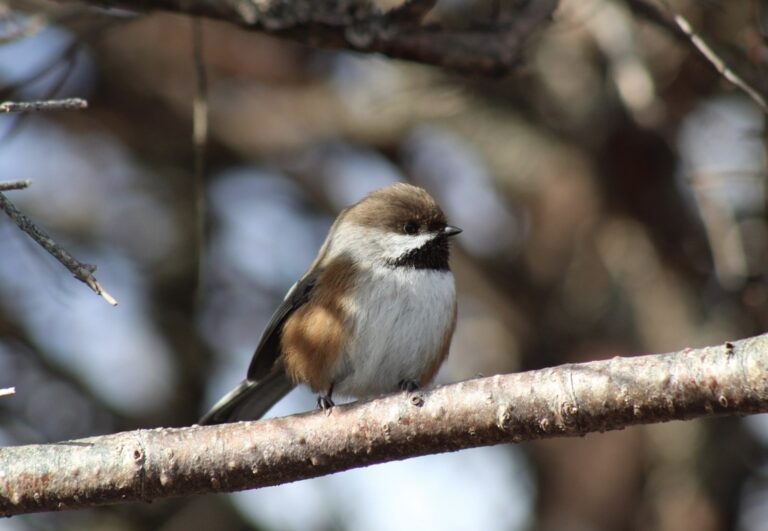
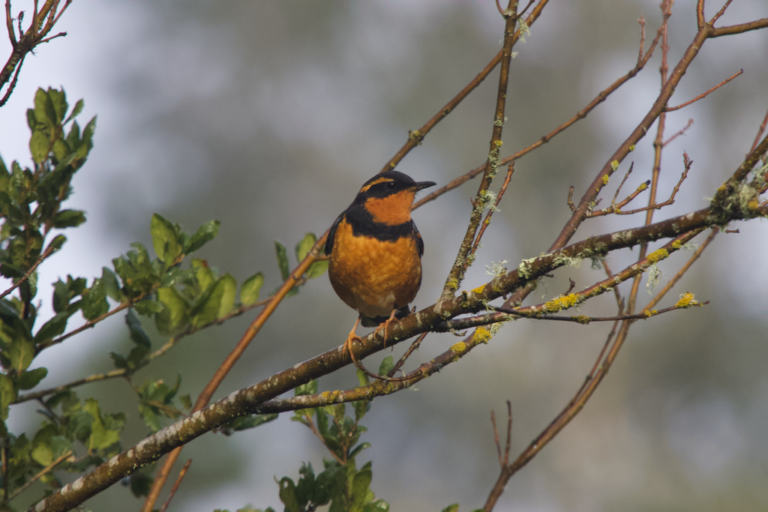
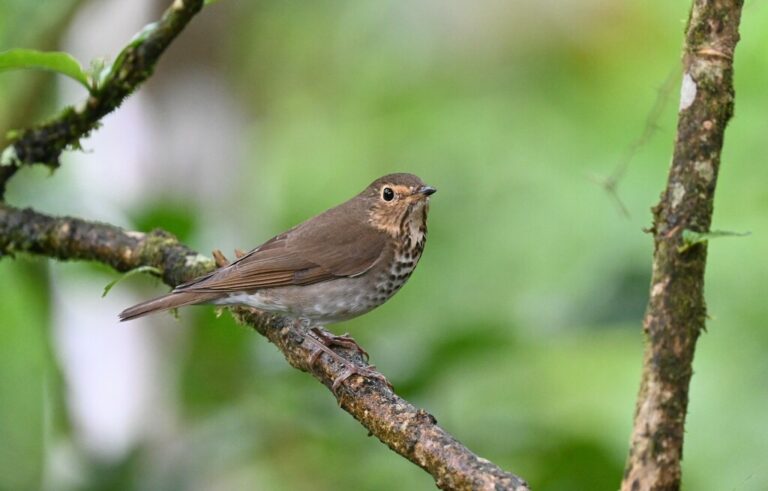
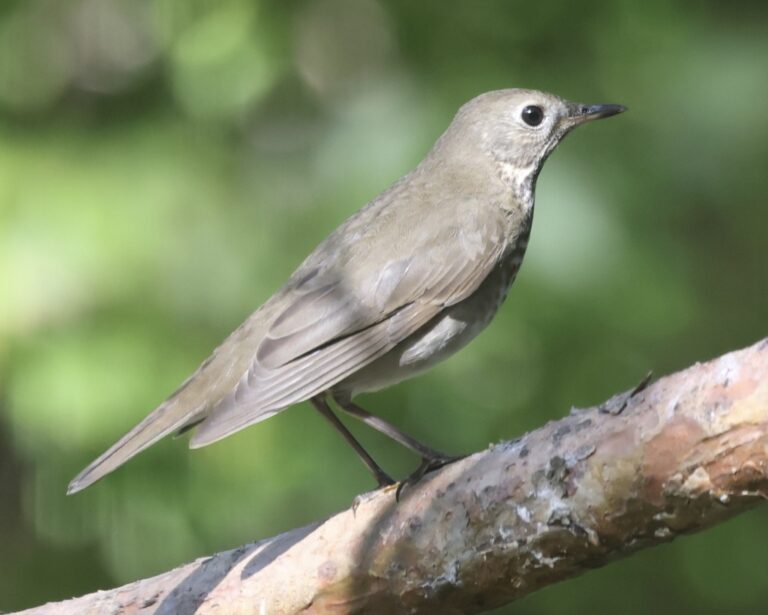
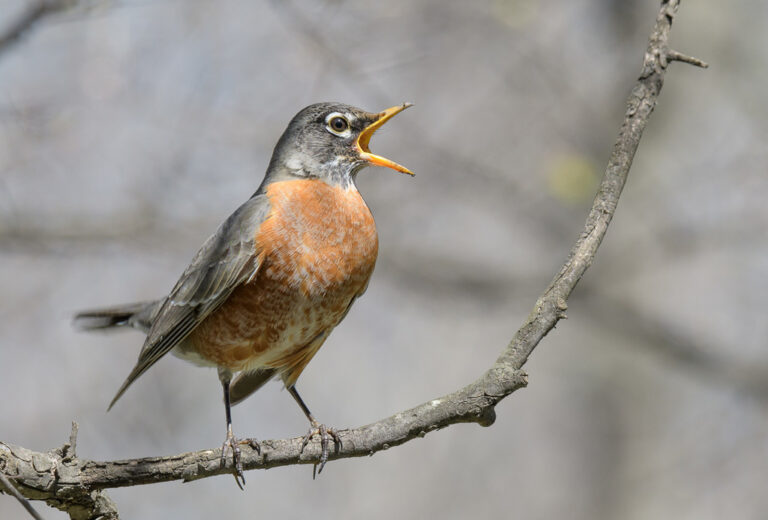
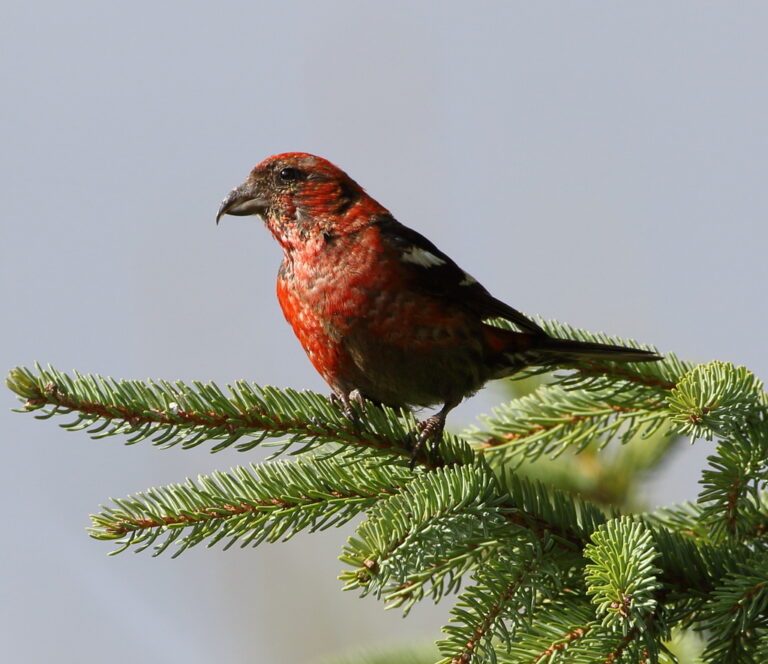
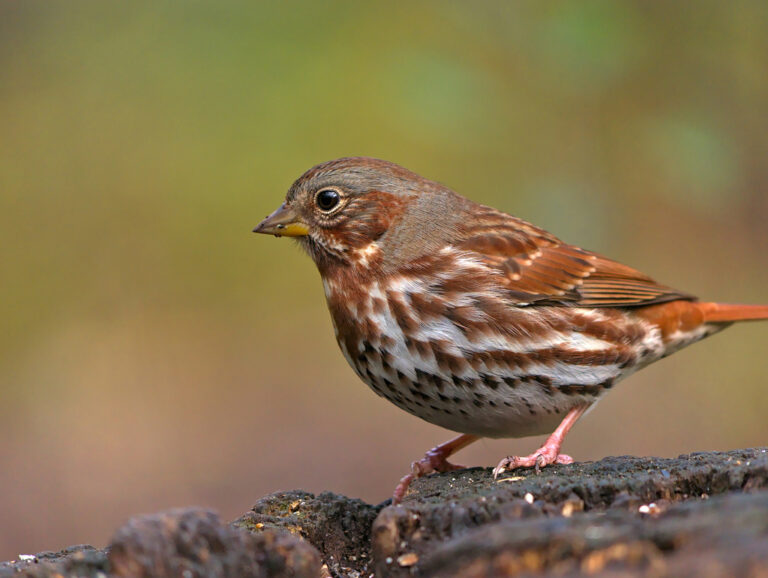
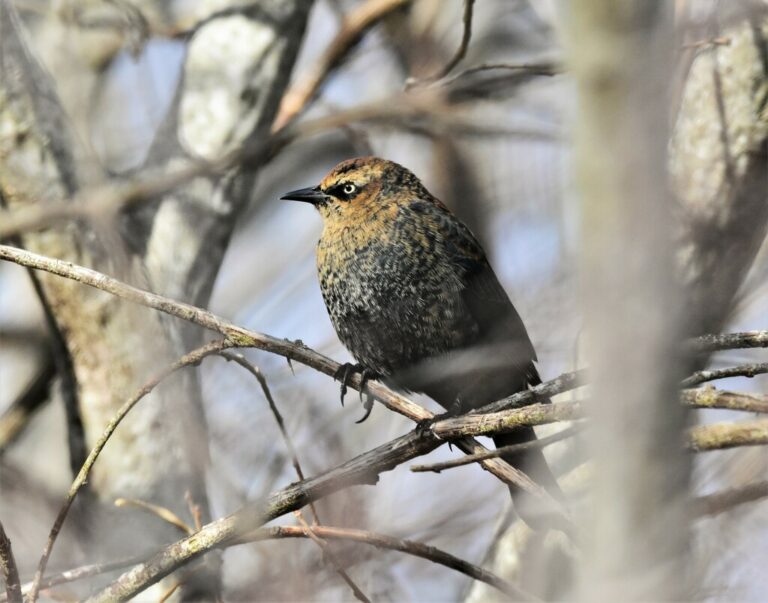
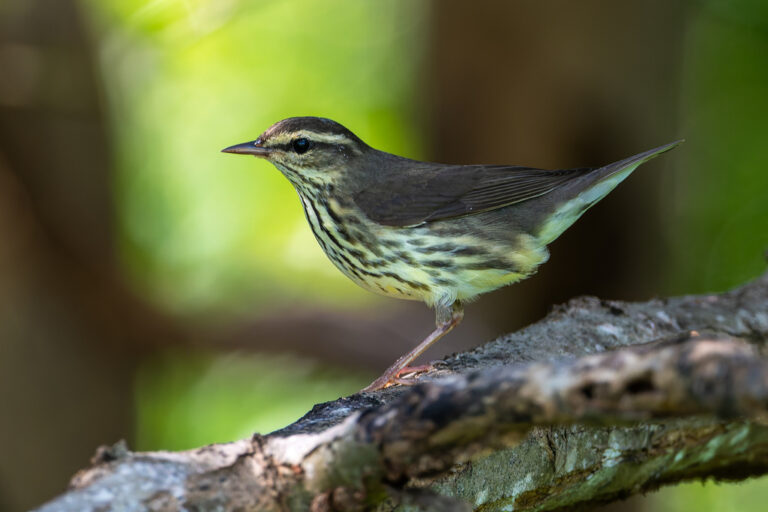
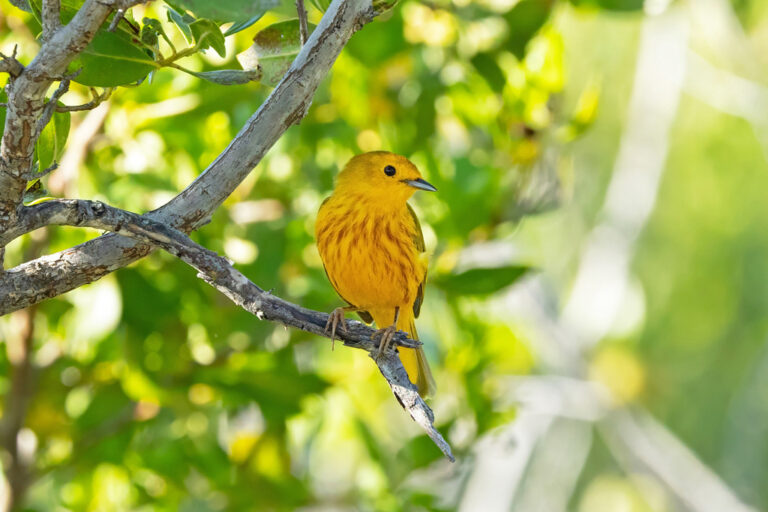
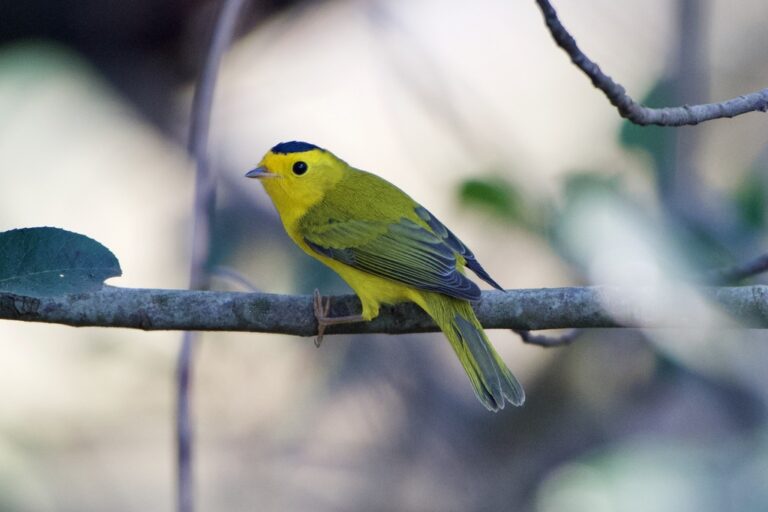
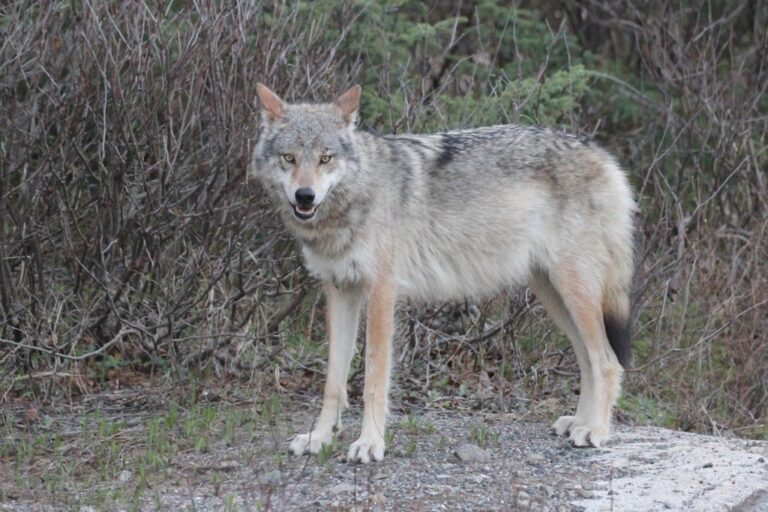
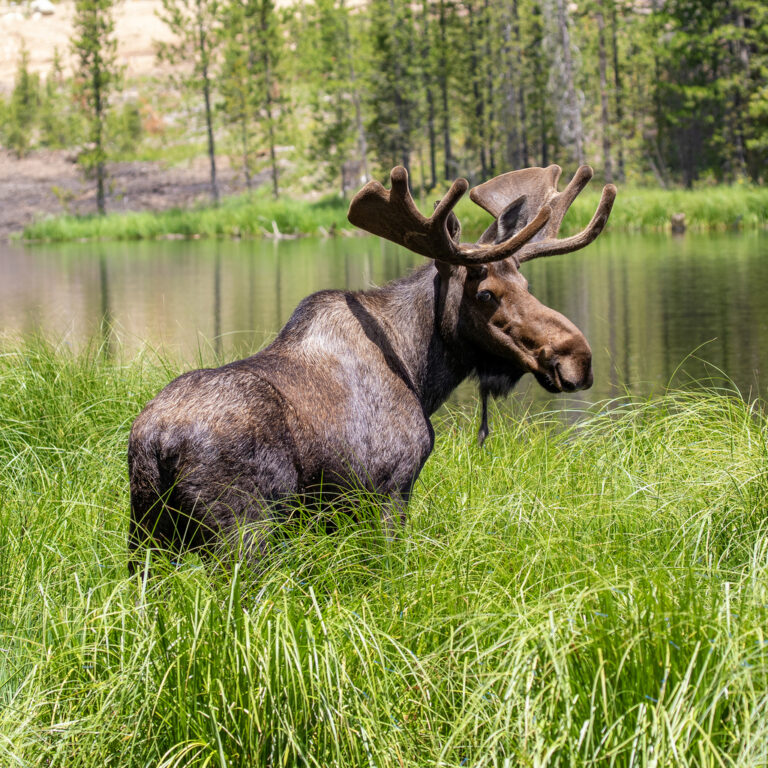
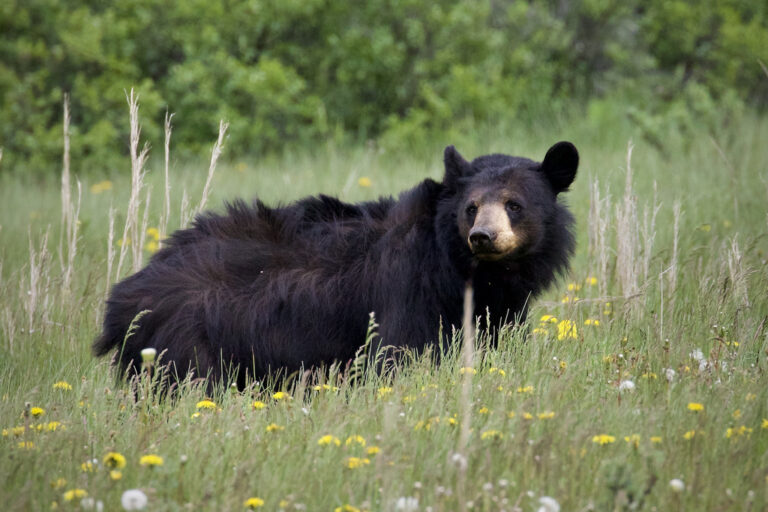
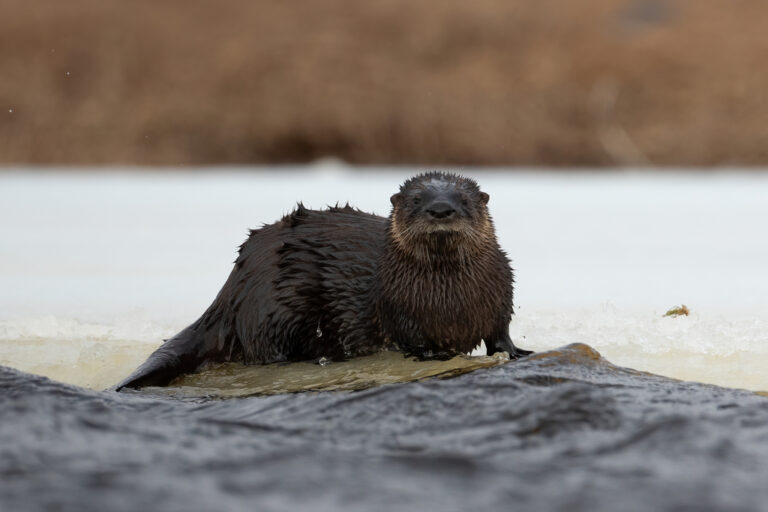
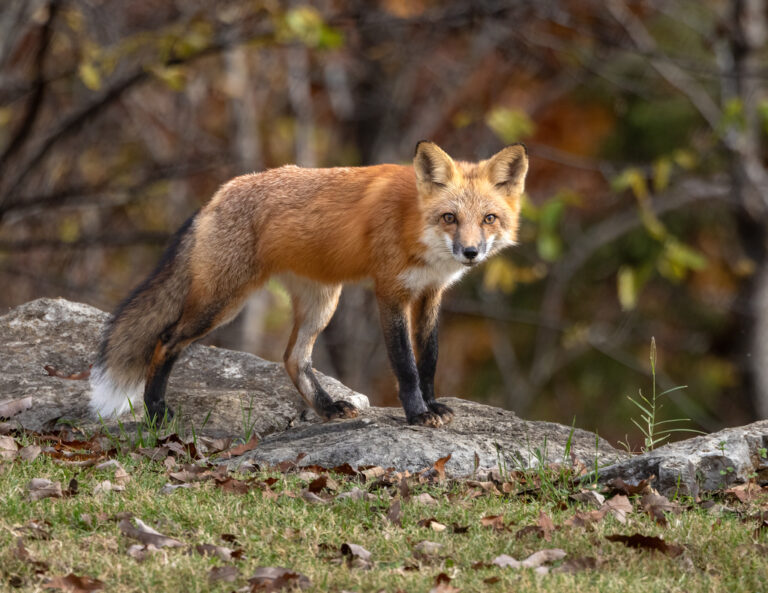
Photo © USFWSAlaska — CC0 1.0 — Source: Wikimedia CommonsAcross northwestern Alaska, where the Arctic tundra transitions into boreal wetland mosaics, lies a vast sanctuary where water dominates the landscape as thoroughly as land. Selawik National Wildlife Refuge sprawls across nearly two million acres of this subarctic realm, a labyrinth of lakes, meandering rivers, and low-lying terrain shaped by permafrost and endless daylight in summer. The vegetation here matches the Dfc climate—sparse, low-growing tundra plants interspersed with stunted willows and birches along watercourses, all locked in a cycle of extreme cold and minimal precipitation that falls year-round. This is a landscape of migratory abundance: waterfowl arrive in their thousands during spring and summer, exploiting the refuge's shallow lakes and marshes for breeding grounds, while raptors hunt across the open tundra. Small mammals thrive in the tundra's low shrublands and along riverbanks, and larger mammals traverse the refuge's expansive territories, drawn by the seasonal bounty of fish and vegetation. The refuge remains one of Alaska's most remote and least disturbed wildlife sanctuaries, a place where ecological processes unfold with minimal human interference.
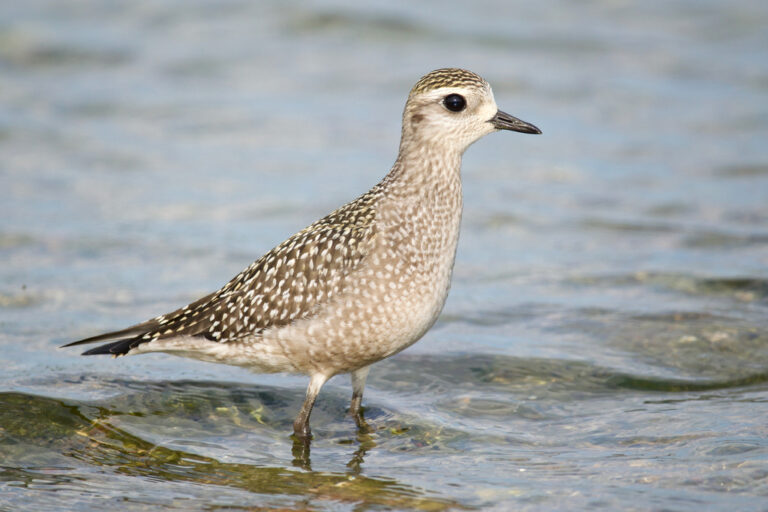
For serious wildlife travelers, this refuge demands commitment—access is challenging, requiring chartered flights or boat transport, and the season is brutally short, compressed into the months when waters thaw and the Arctic sun barely sets. Yet that remoteness is precisely the reward. Birdwatchers arrive to witness the spectacle of migratory waterbirds and shorebirds during their frantic breeding season, when the long daylight hours allow extended observation. The refuge's vast, open tundra landscape offers unobstructed sight lines across horizons that seem to dissolve into sky, while the intricate system of waterways creates intimate viewing opportunities from boat or on foot. The midnight sun transforms the experience entirely—photography here operates under a quality of light utterly foreign to temperate zones, with soft, angled illumination persisting through the night. Those prepared for harsh weather, biting insects, and genuine isolation will find themselves in one of Earth's last great wilderness sanctuaries, where wildlife moves according to rhythms unchanged for millennia.
No community observations yet — be the first to log a sighting here.
Selawik National Wildlife Refuge
Strong seasonal contrast, with cold winters and warmer summers.
A year of temperatures
Monthly means, with the coldest and warmest highlighted
Terrain and elevation
106 m · LowlandAverage terrain elevation estimate across the hotspot; the figure does not represent its highest summits.
Lowland