Timanfaya National Park
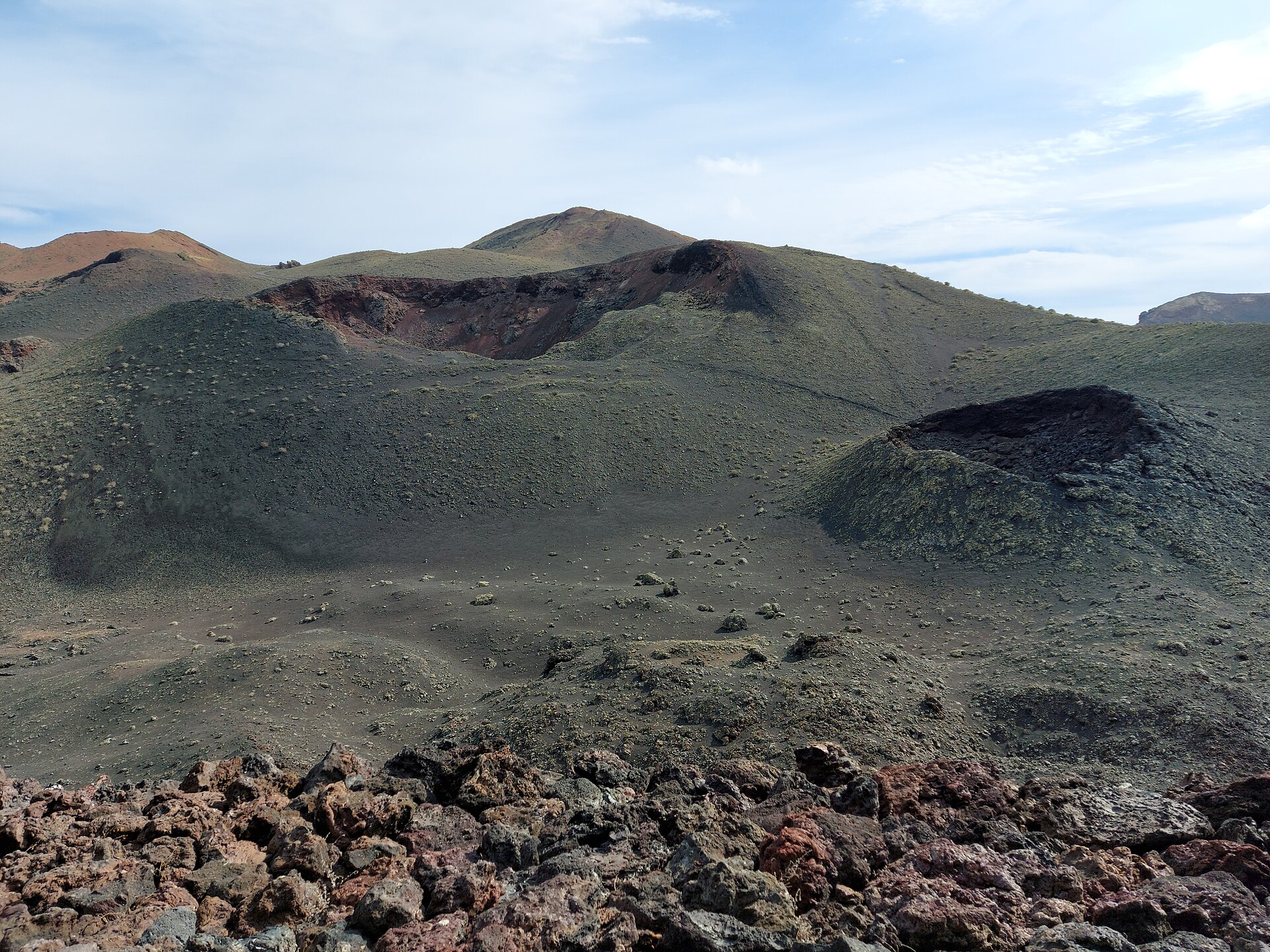
Photo © Bybbisch94, Christian Gebhardt
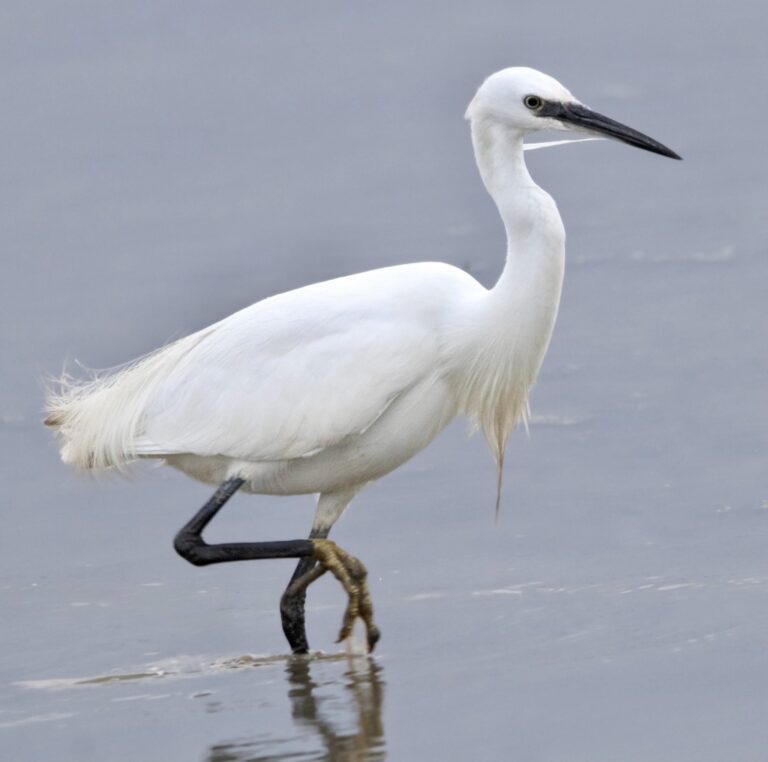
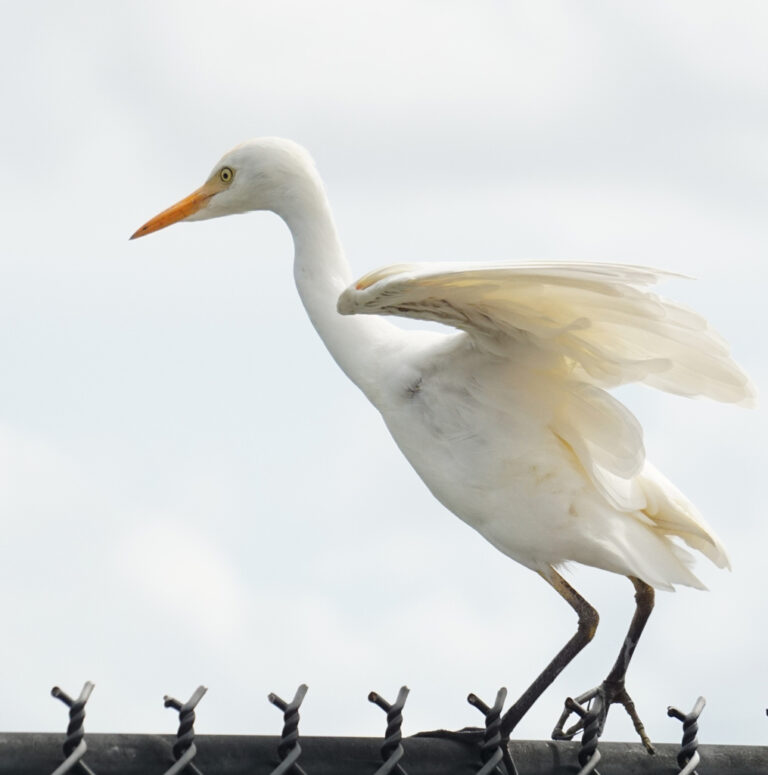
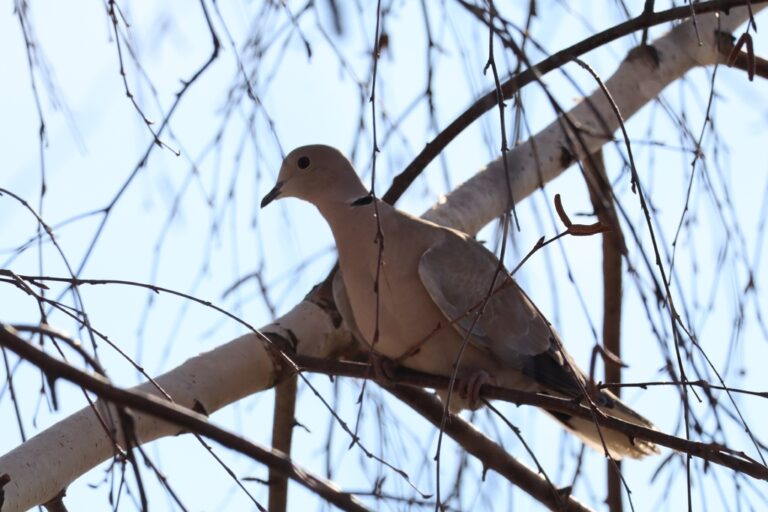
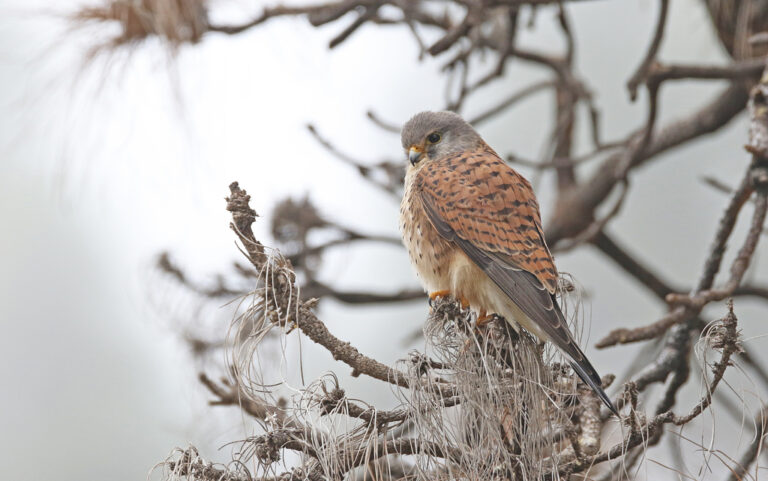
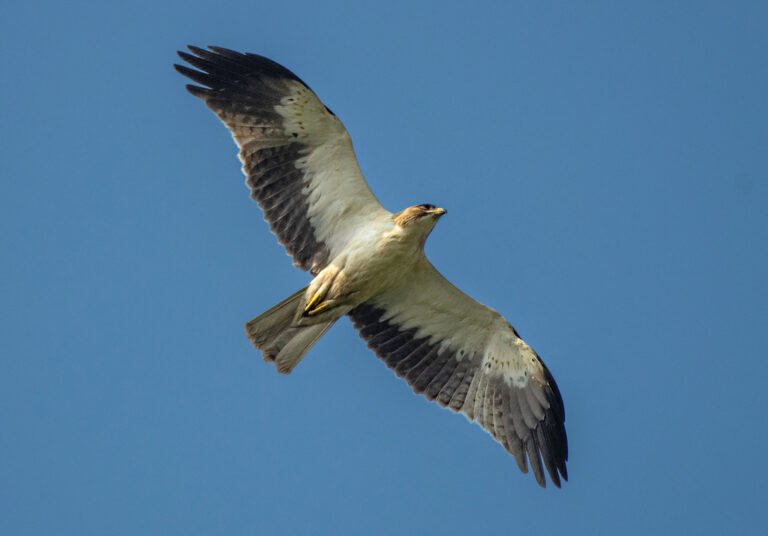
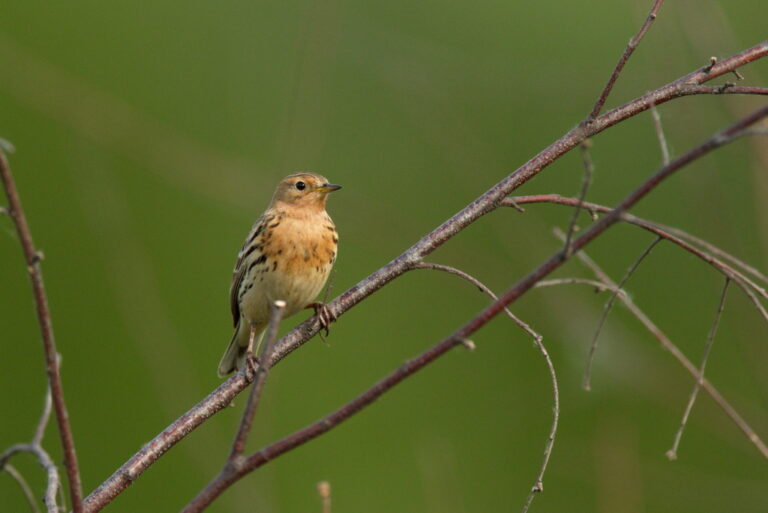
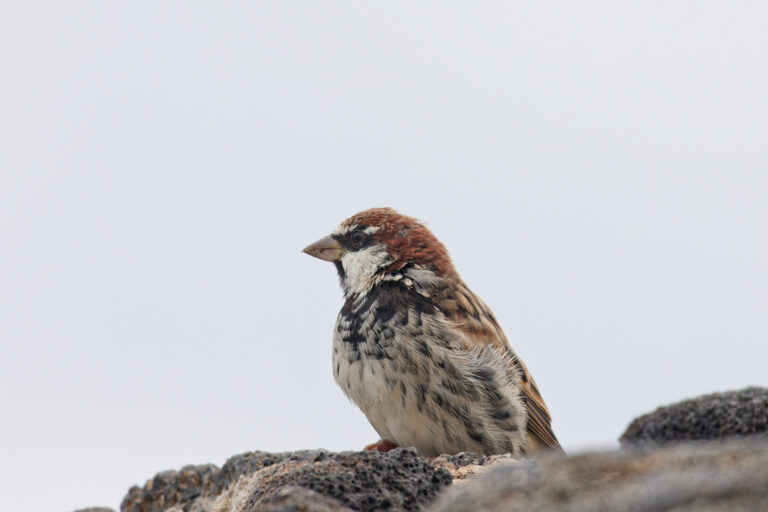
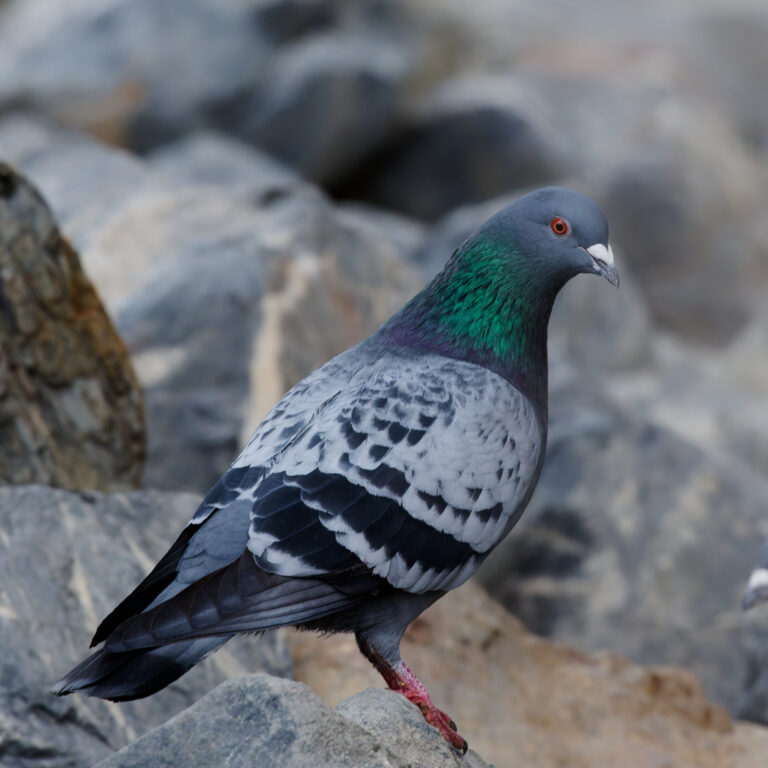
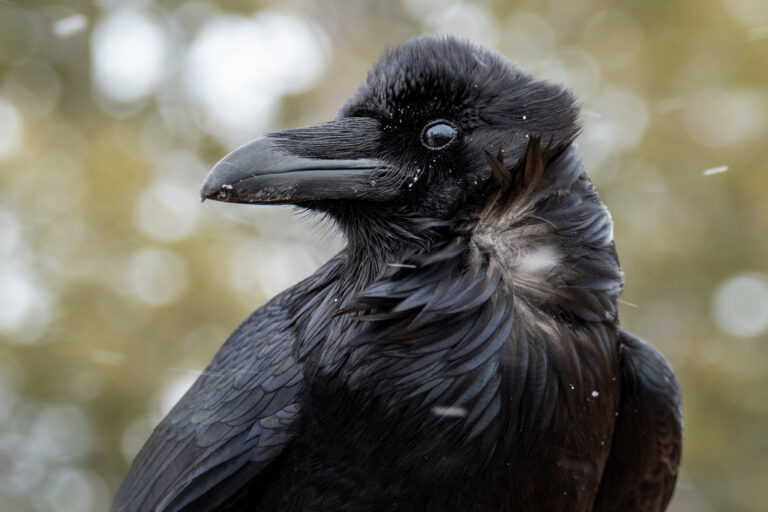
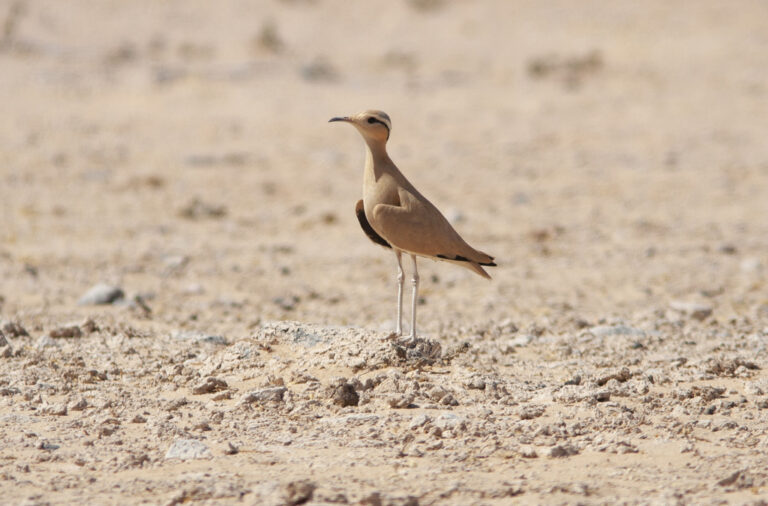
Photo © Bybbisch94, Christian Gebhardt — CC BY-SA 4.0 — Source: Wikimedia CommonsAcross Lanzarote's northwestern plains, where the Atlantic wind sculpts black lava fields into a landscape of geological drama, lies one of Europe's most visually arresting volcanic parks. The terrain here tells a story written in basalt and ash—a patchwork of crater cones, solidified lava flows, and sparse volcanic soils where life has learned to persist against austere odds. This is a realm of extremes: fierce solar radiation, minimal water retention, and substrate so barren that only specialized plants have evolved the physiology to colonize it. Yet within this apparent desolation thrives a distinct ecology. Low shrubland vegetation clings to the volcanic slopes, providing forage and shelter for small mammals adapted to arid conditions, while raptors—hunting birds that exploit the open, unobstructed skies—ride thermals above the crater landscape. Insects, particularly those species specialized for heat tolerance, form the foundation of food webs here, supporting insectivorous birds that nest among the rocks and crevices. The volcanic substrate itself becomes habitat: hollow lava tubes offer refugia for nocturnal creatures seeking respite from daytime heat.
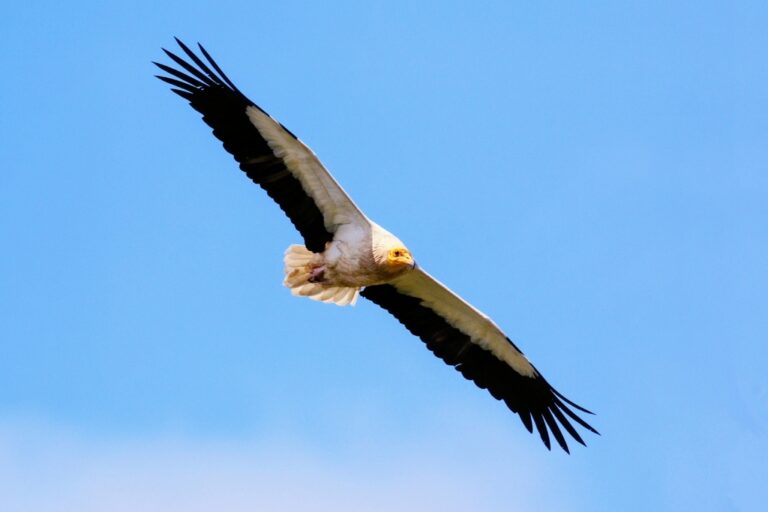
For wildlife photographers and naturalists, this park presents an unparalleled opportunity to witness how life organizes itself in one of the planet's harshest terrestrial environments. The austere beauty demands patience and respect—this is not a place of abundance or spectacle in the conventional sense, but rather of subtle adaptation and ecological honesty. The light here is phenomenal, especially during early morning and late afternoon hours when the volcanic rock takes on molten hues and shadows deepen the crater contours. Visiting during spring migration periods can reward observers with migratory birds passing through this landscape en route to breeding grounds farther north, while year-round residents offer consistent opportunities for studying arid-zone specialists. Access is straightforward and well-managed, with designated viewing areas and interpretive routes that allow visitors to experience the volcanic wilderness without compromising its integrity. Those who venture here seeking dramatic vistas and the privilege of observing how wildlife persists in extreme conditions will find few places on Earth more genuinely rewarding.
No community observations yet — be the first to log a sighting here.
Timanfaya National Park
Dry conditions dominate, with strong contrasts between day and night.
A year of temperatures
Monthly means, with the coldest and warmest highlighted
Terrain and elevation
152 m · LowlandAverage terrain elevation estimate across the hotspot; the figure does not represent its highest summits.
Lowland