Ströndin við Stapa og Hellna Nature Reserve
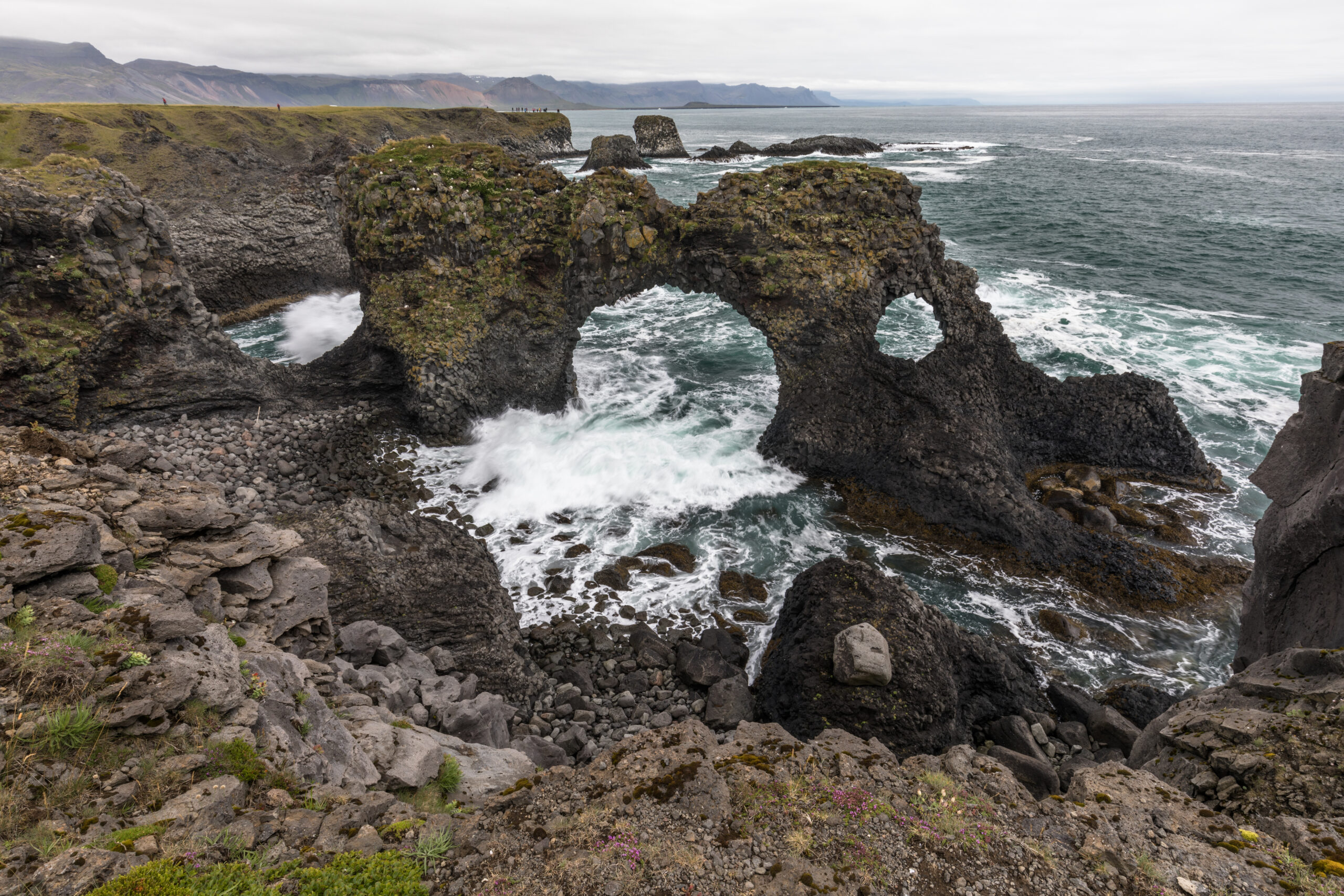
Photo © Markus Trienke
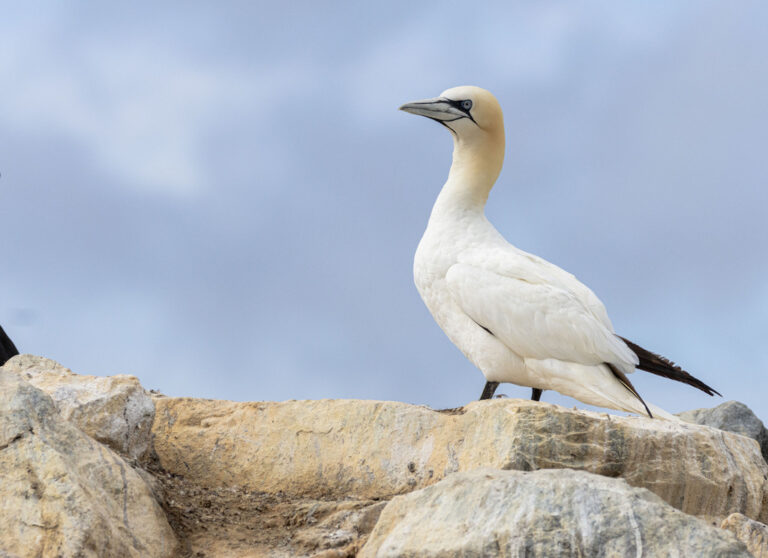
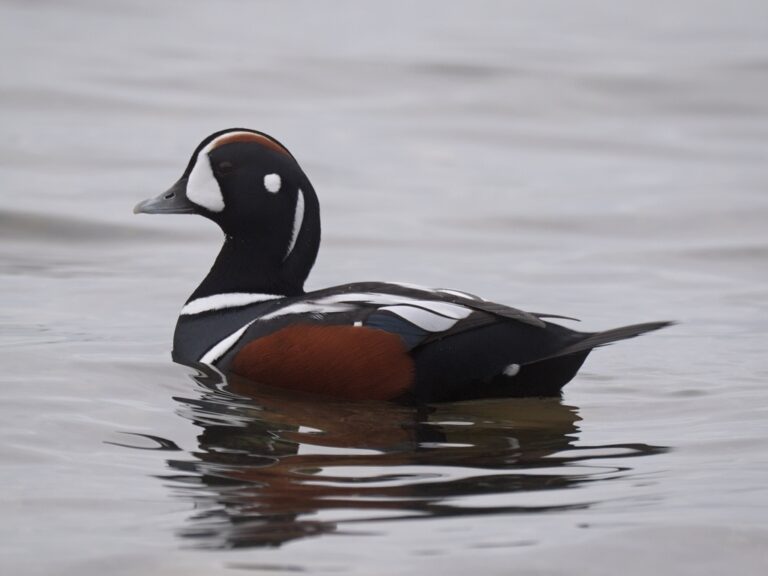
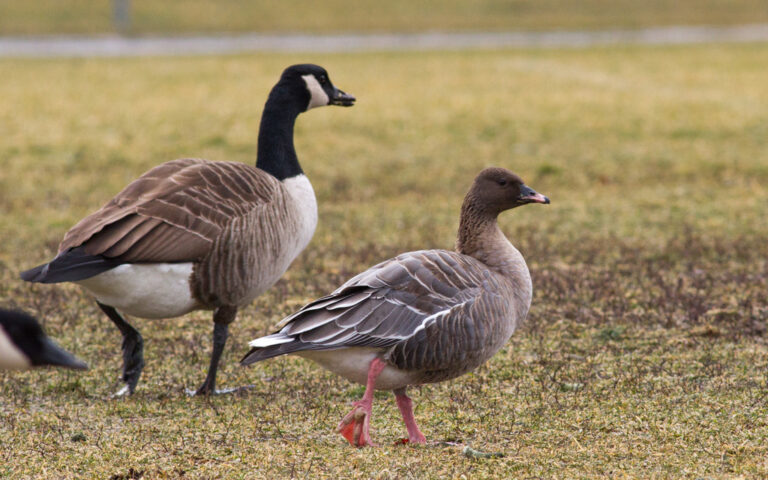
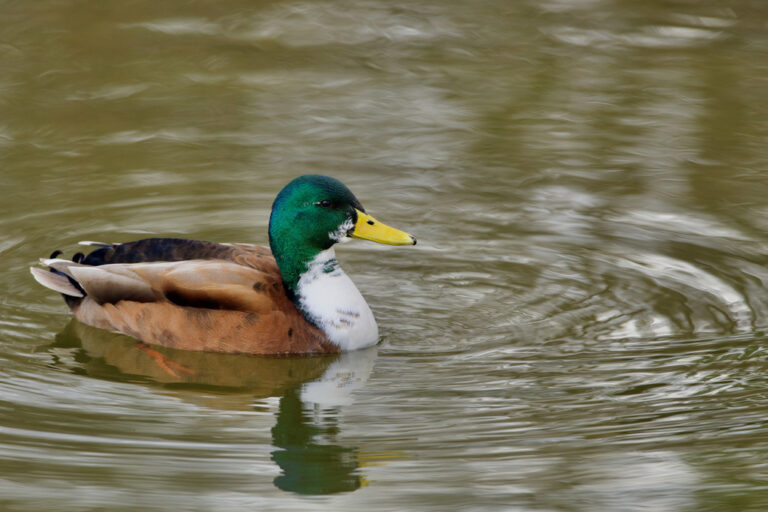
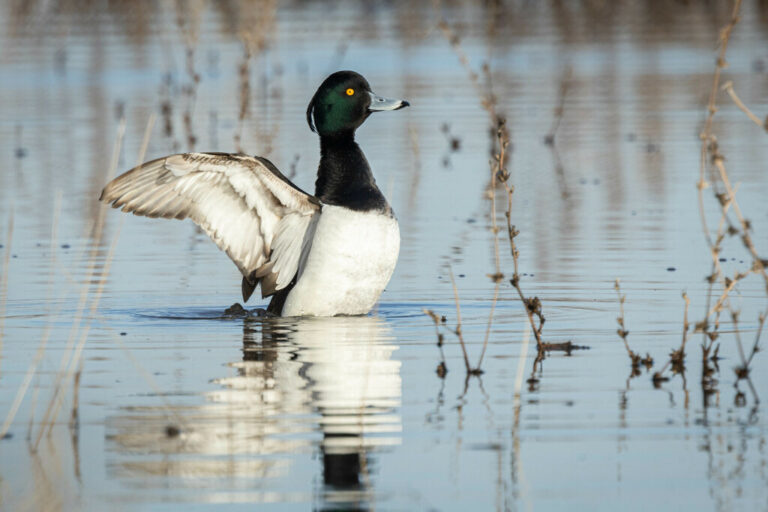
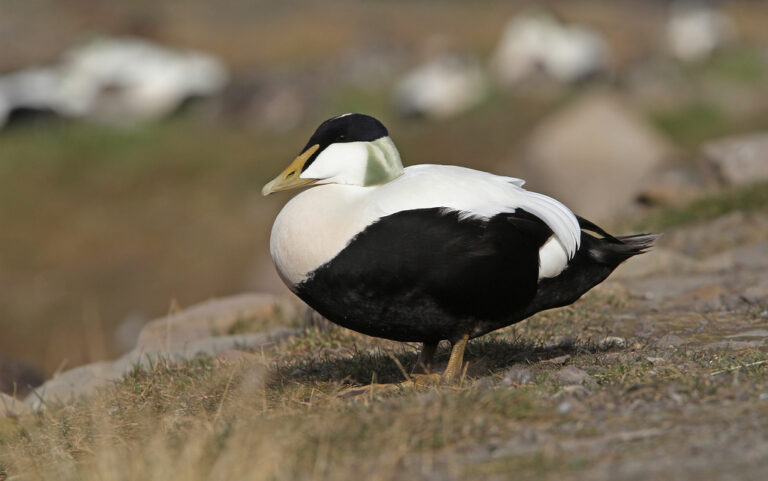
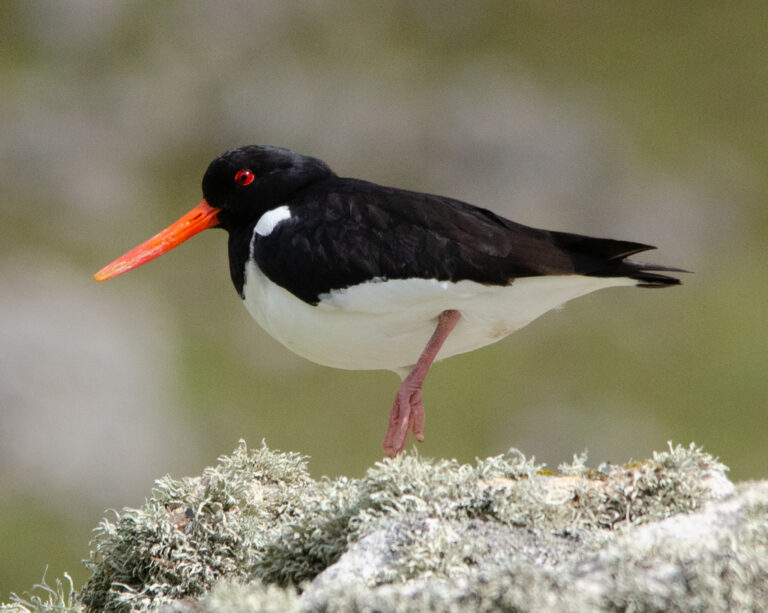
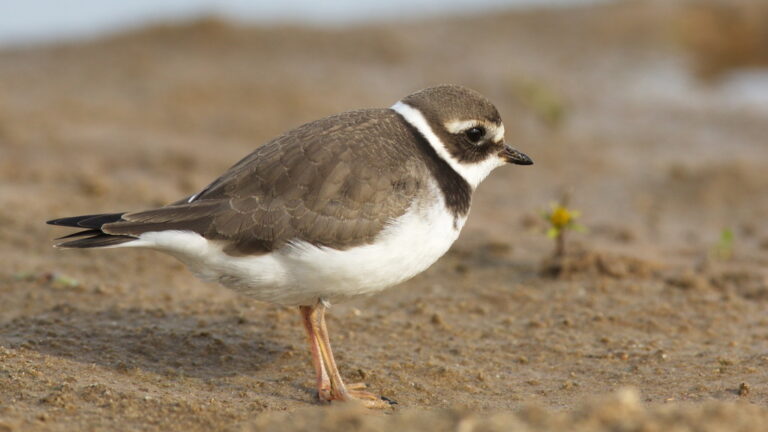
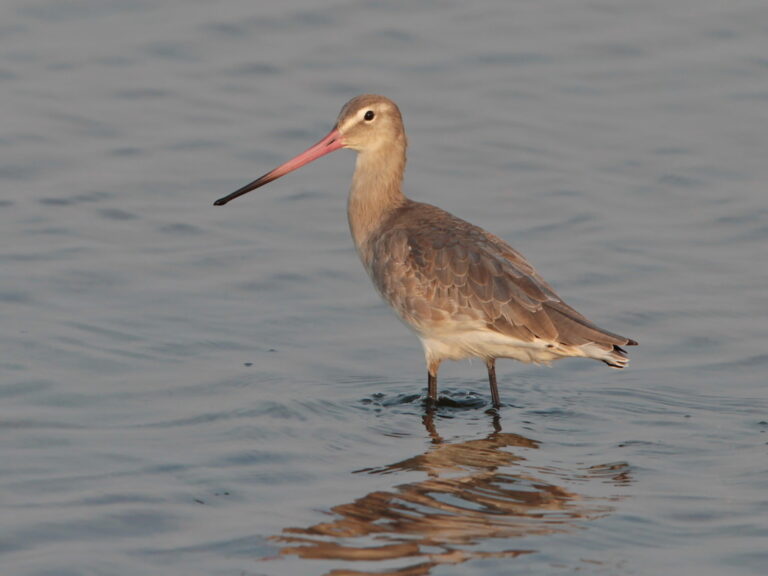
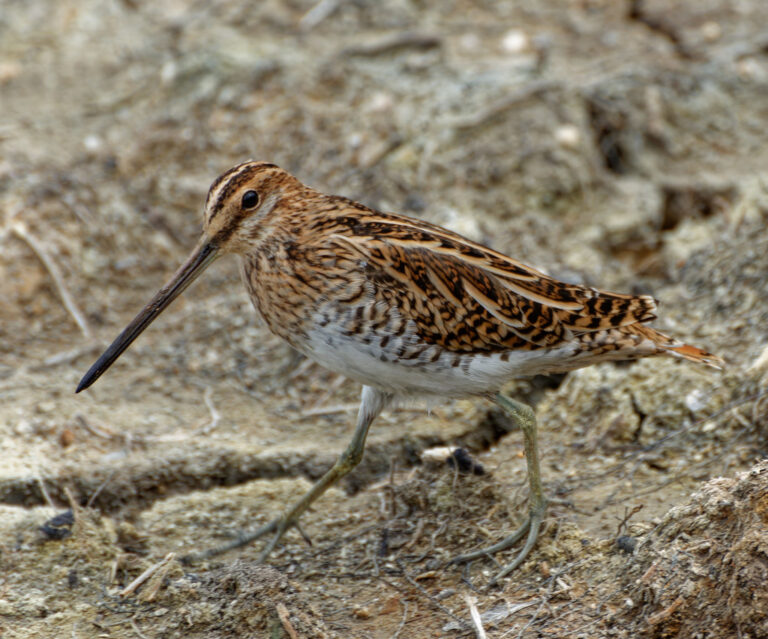
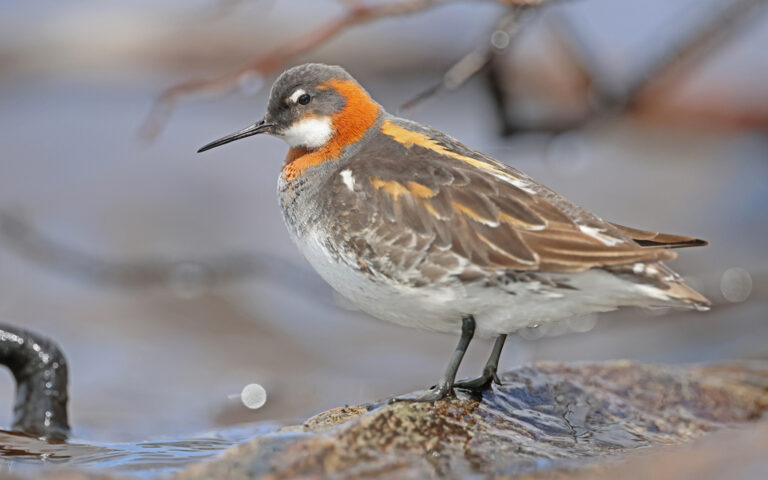
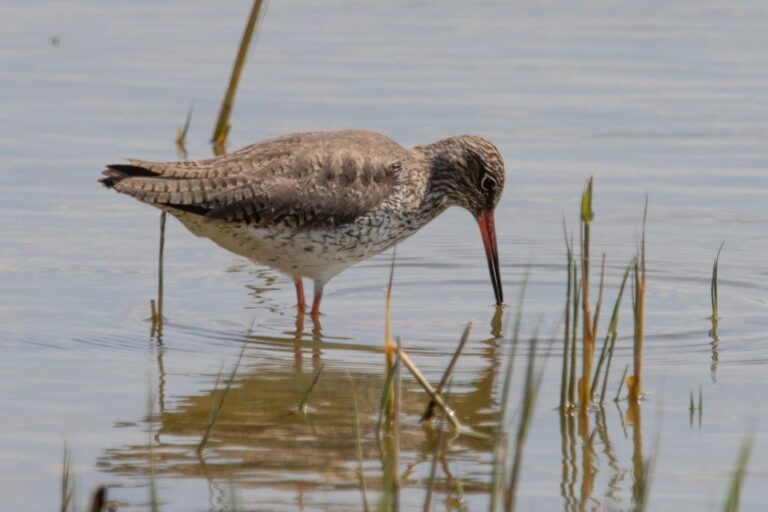
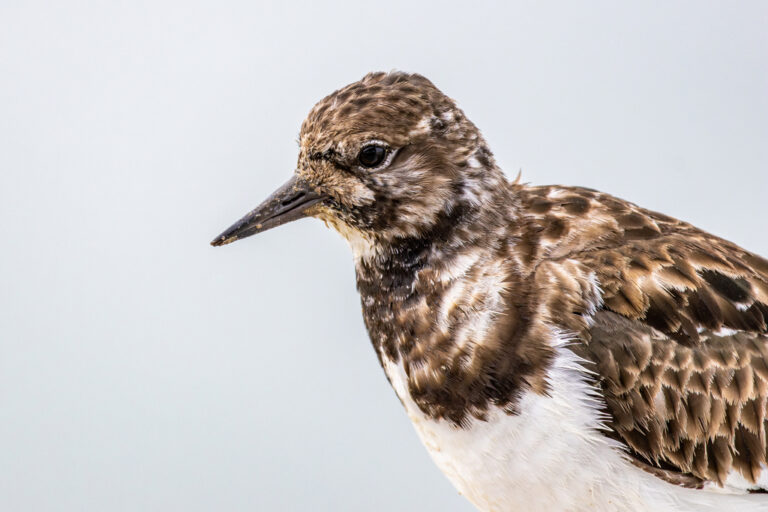
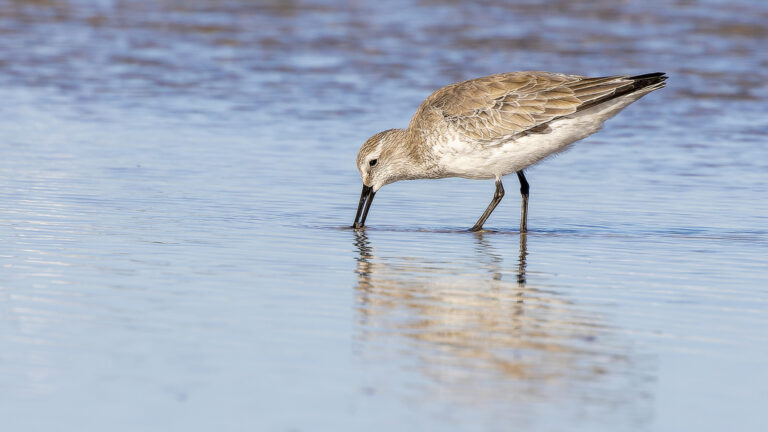
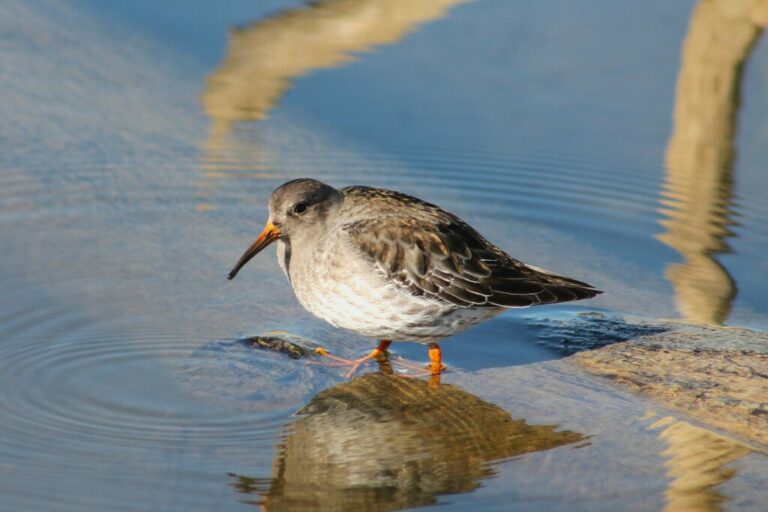
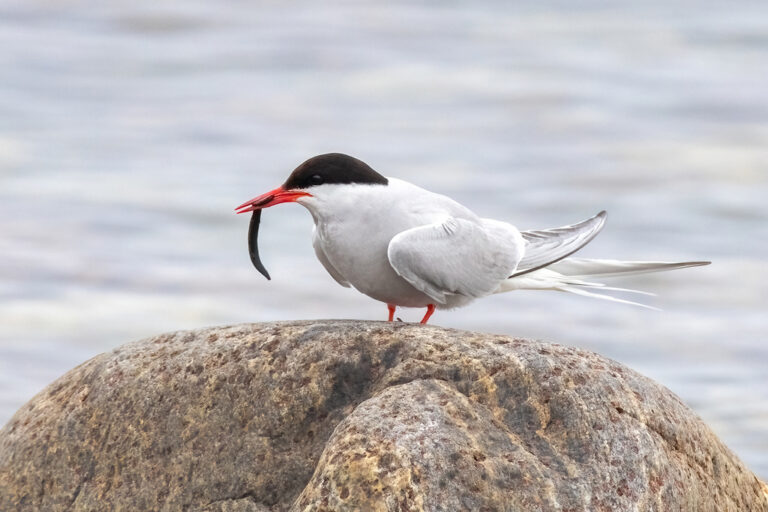
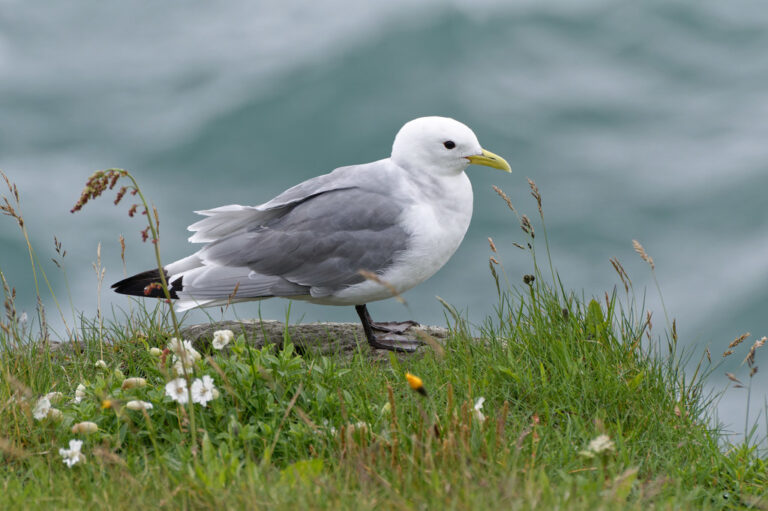
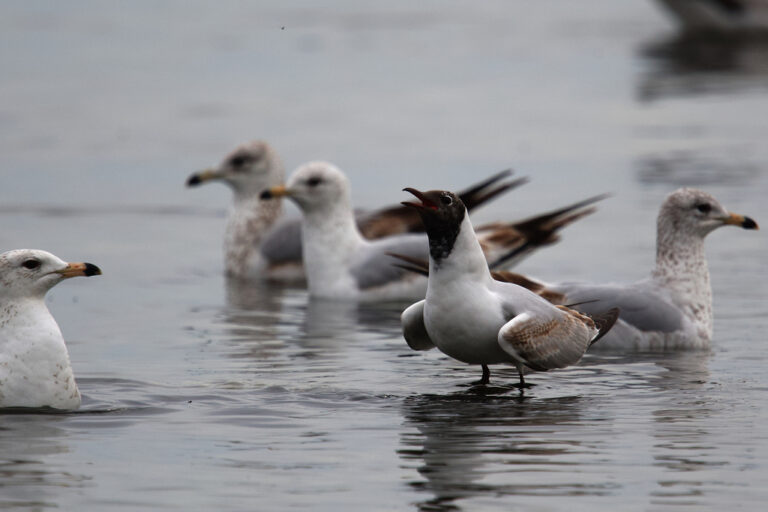
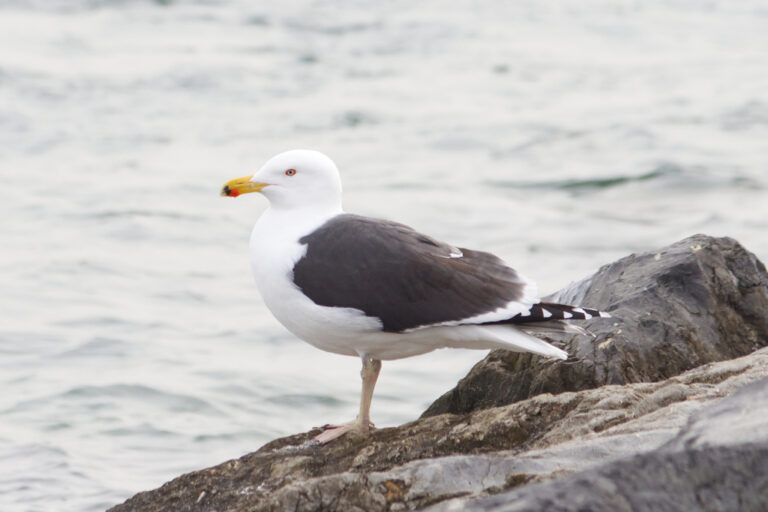
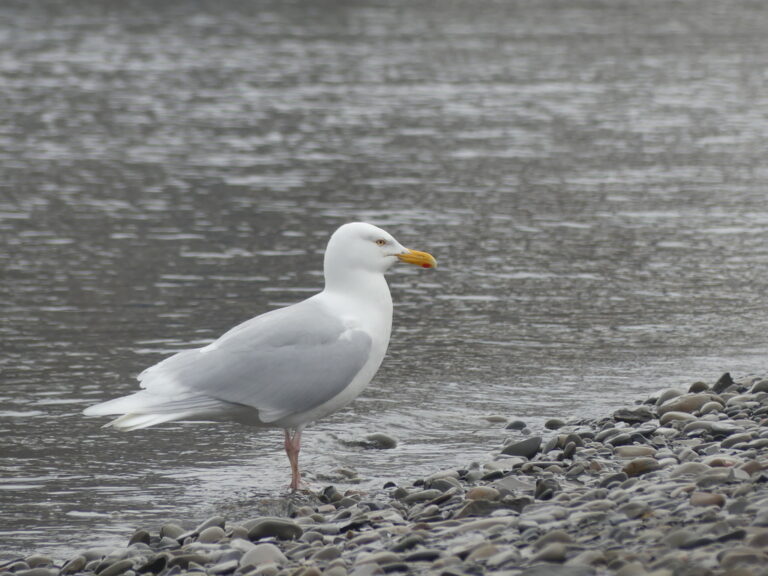
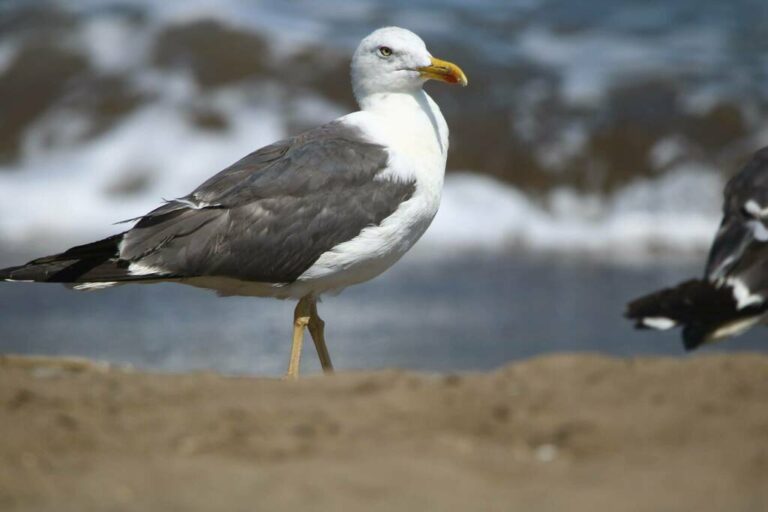
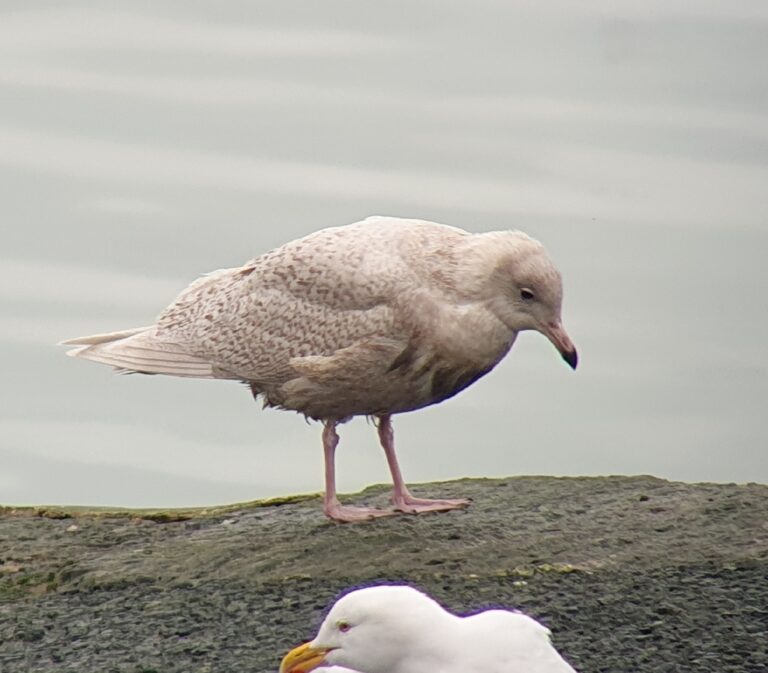
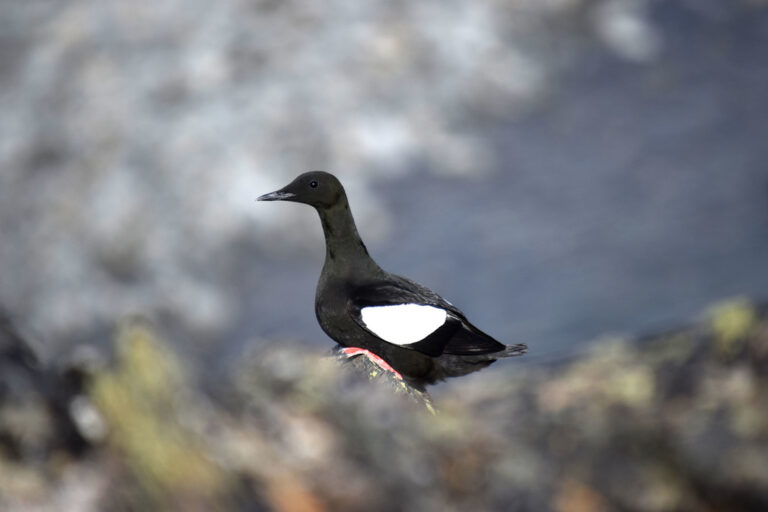
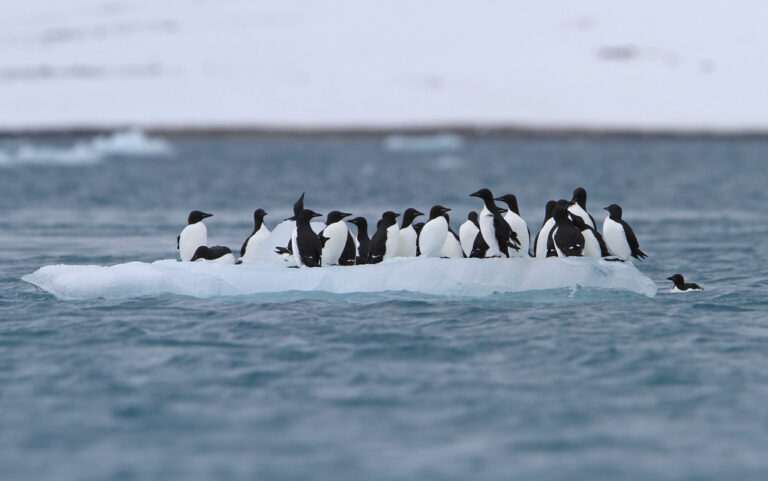
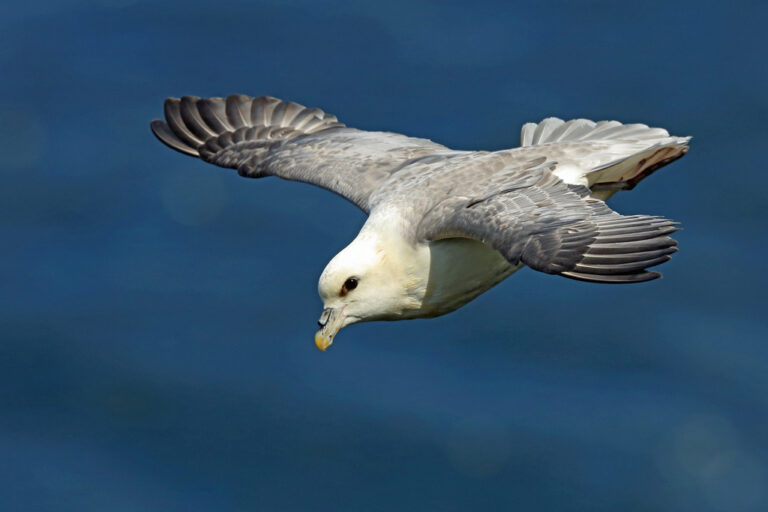
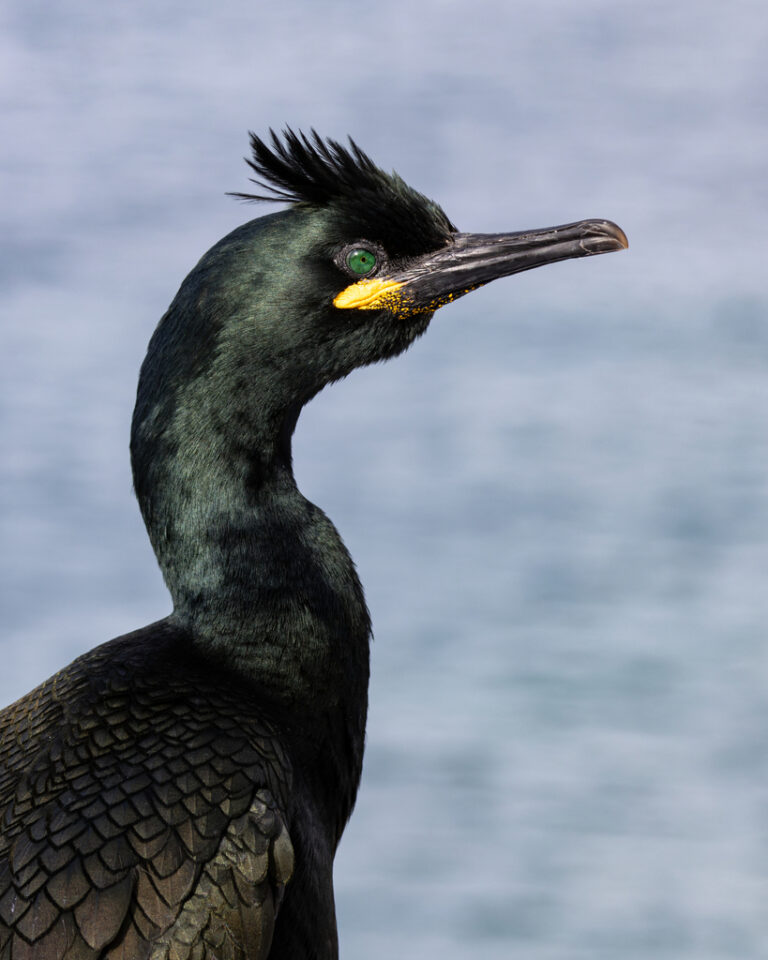
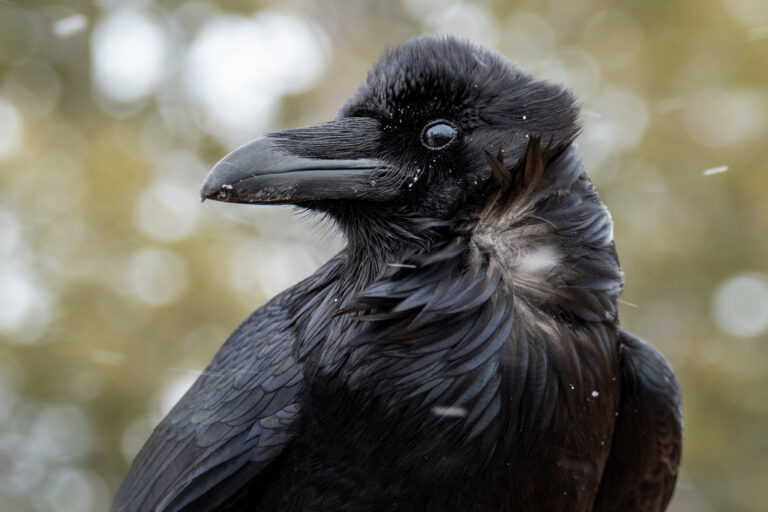
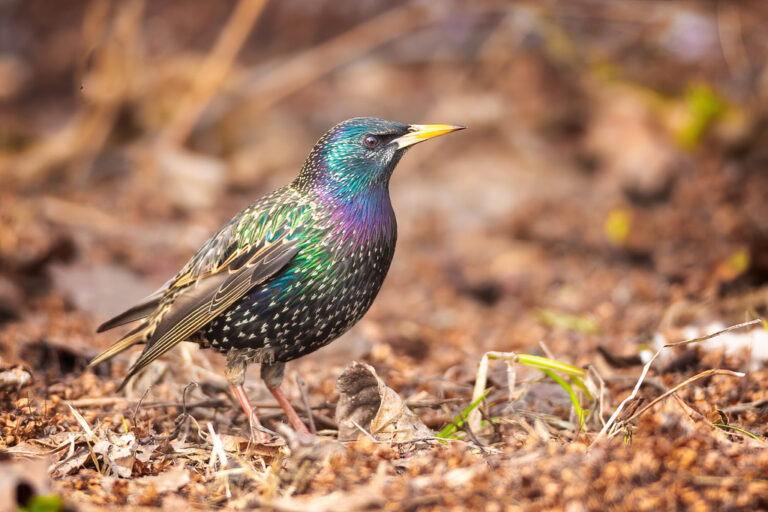
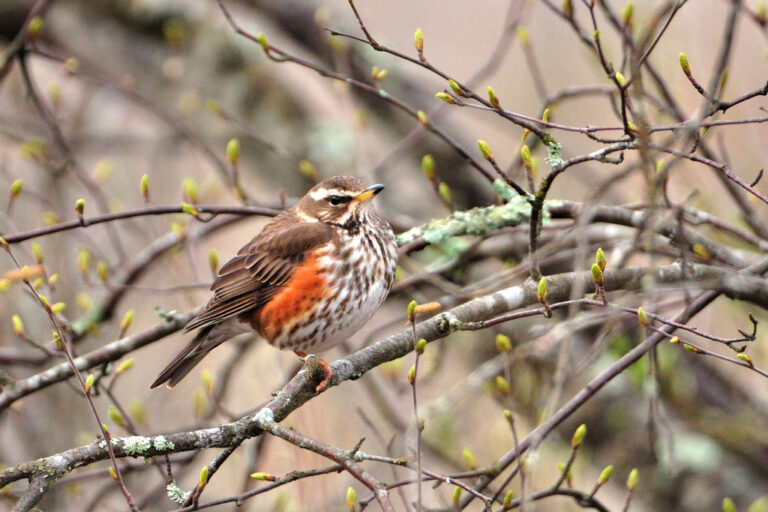
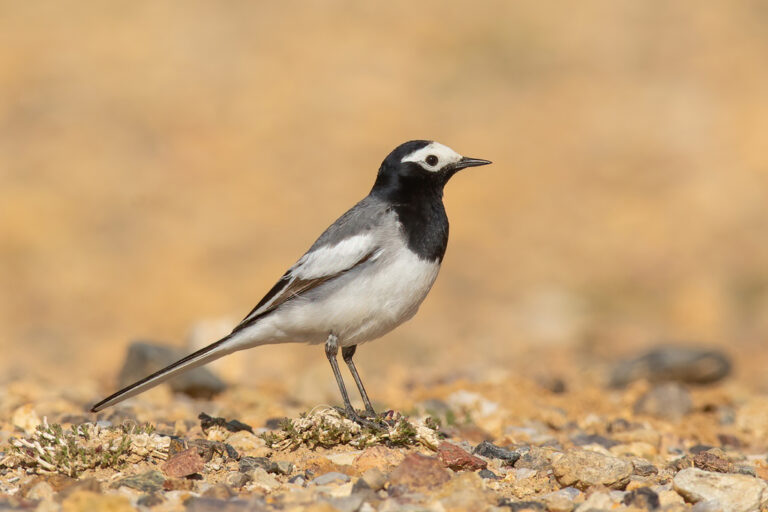
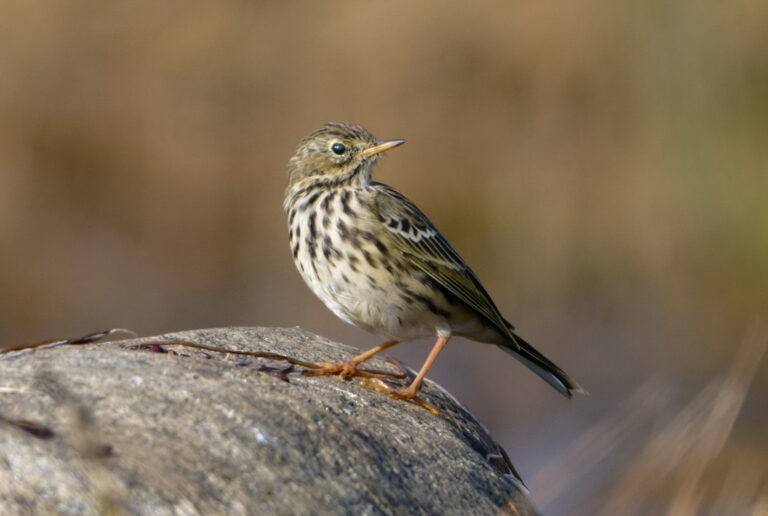
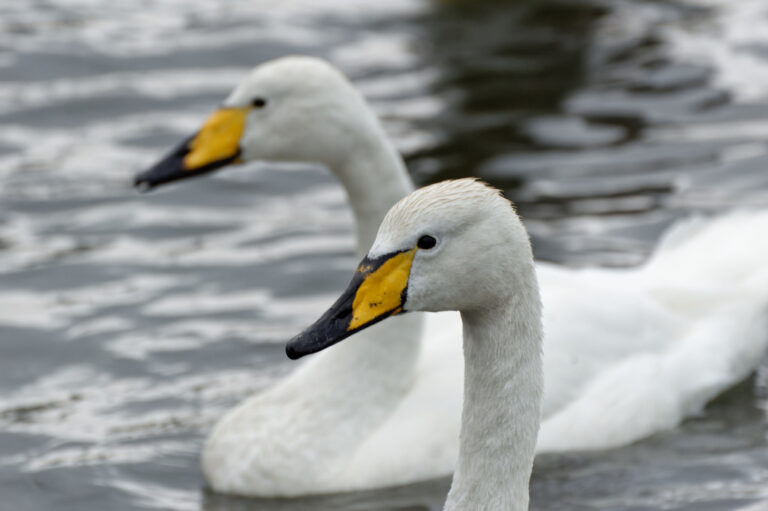
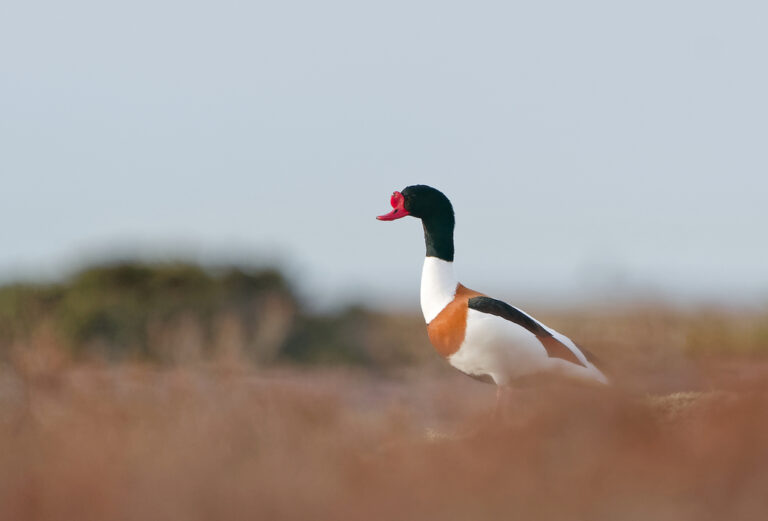
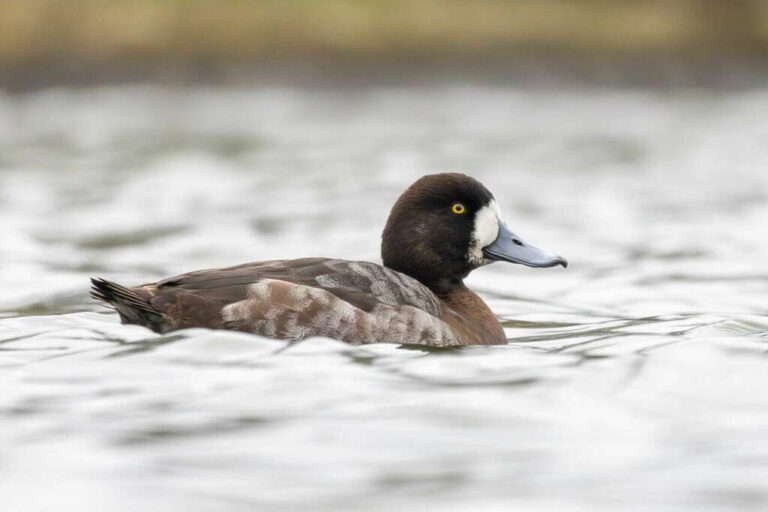
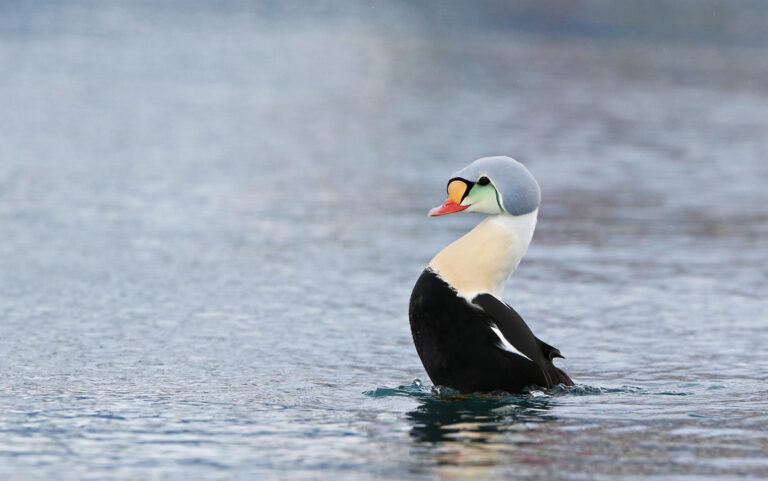
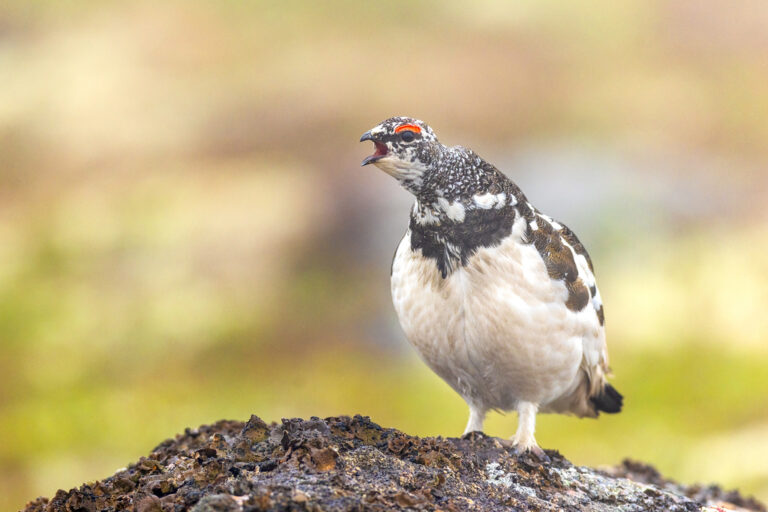
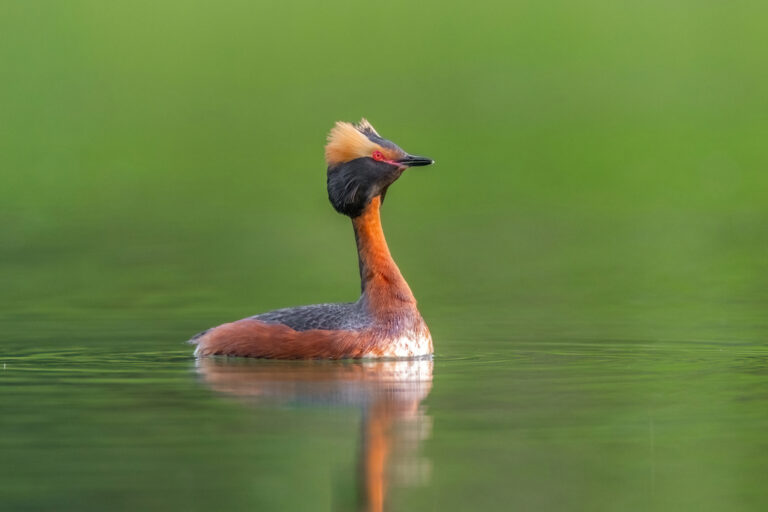
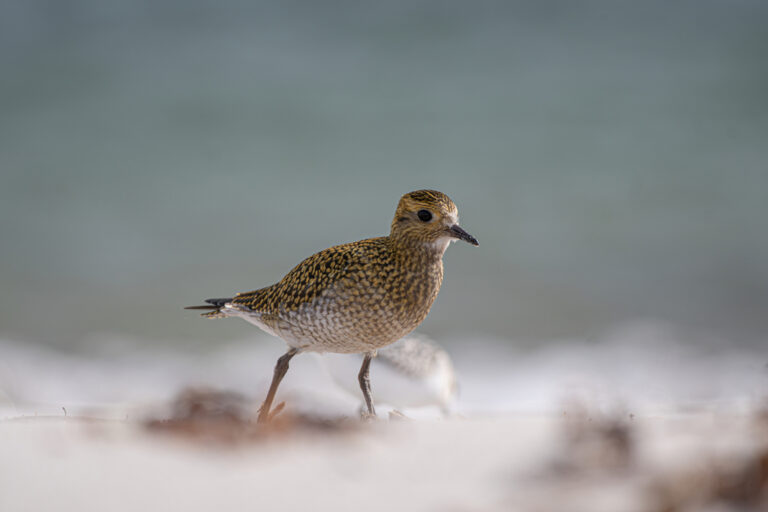
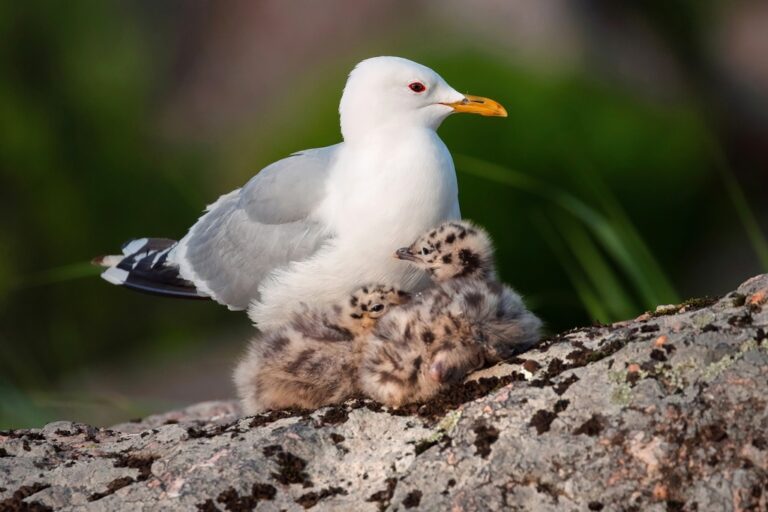
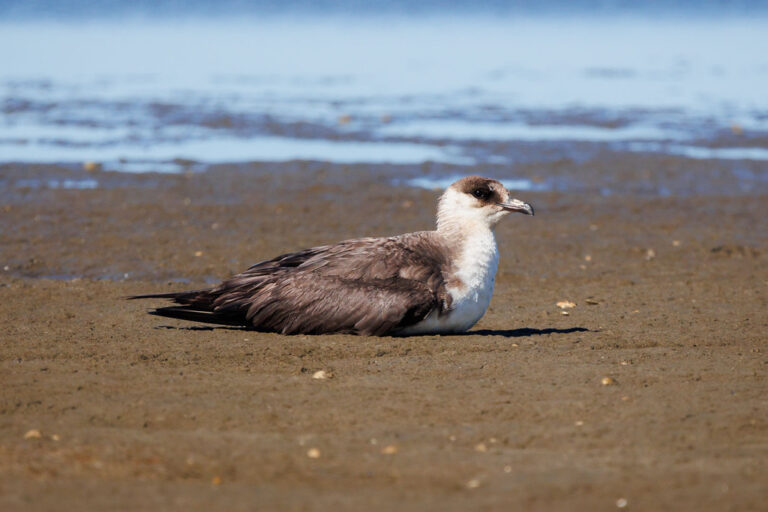
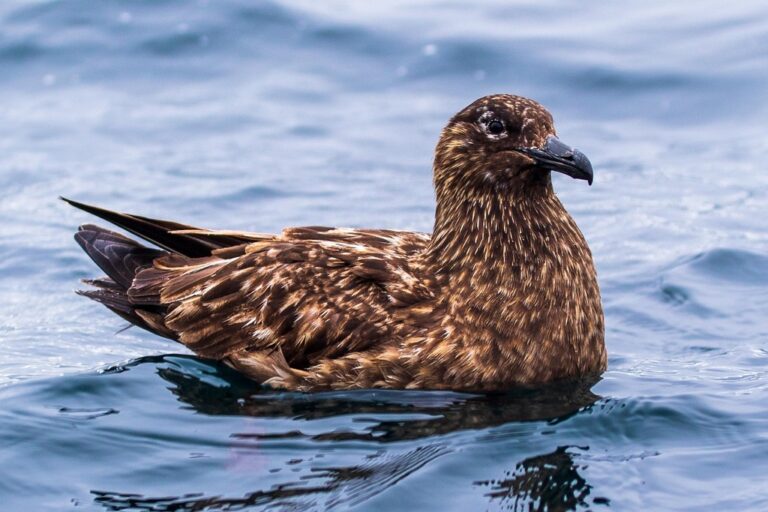
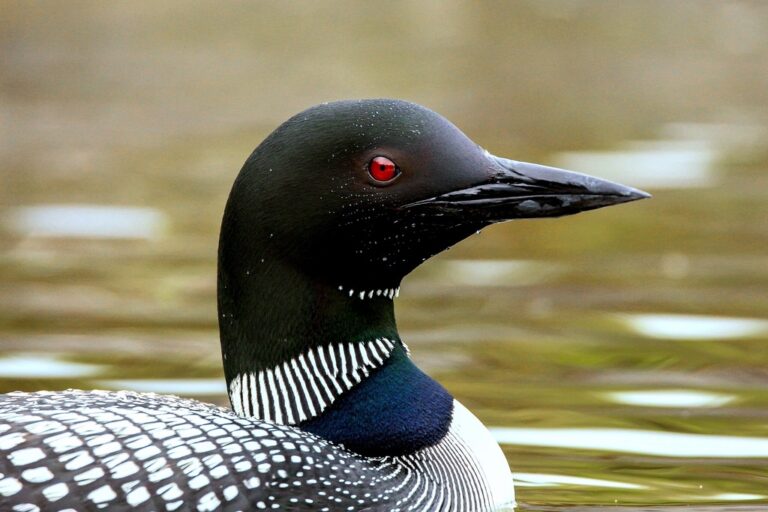
Photo © Markus Trienke — CC BY-SA 4.0 — Source: Wikimedia CommonsWhere the North Atlantic's volcanic legacy meets the Arctic tundra, a narrow strip of coastline and low moorland defines one of Iceland's most ecologically significant nature reserves. Ströndin við Stapa og Hellna unfolds along Snæfellsbær's rugged shore, a landscape carved by ancient lava flows and sculpted by relentless wind and sparse precipitation that characterizes the subarctic ET climate zone. Here, dwarf shrubs, hardy grasses, and moss-covered ground form a fragile tapestry across terrain that offers little shelter from the elements. The reserve's ecological value lies not in dense forest or lush meadow, but in the specialized communities adapted to extreme conditions: ground-nesting birds that exploit the open moorland, seabirds that exploit the productive coastal waters, and small mammals navigating this windswept realm. Coastal cliffs and rocky outcrops provide nesting ledges and roosting sites, while the interface between land and sea creates a dynamic zone of particular importance for migratory species. In spring and autumn, the reserve becomes a critical waypoint for waders and other migrants following ancient routes between Arctic breeding grounds and distant wintering territories.
For wildlife observers seeking authentic subarctic experience beyond the reach of Iceland's more crowded reserves, this coastal outpost offers unfiltered access to the raw interactions between breeding seabirds, ground-dwelling bird communities, and the sparse predators that hunt them across open moorland. The extended daylight of the midnight sun season and the dramatic interplay of light across bare rock and water create landscape photography conditions of rare quality. Summer brings the greatest concentration of breeding activity, when nesting birds defend territories and feed young amid near-constant daylight. The reserve's accessibility, combined with its relative lack of development, allows visitors to witness these ecological dramas without the crowds that descend on more famous Icelandic hotspots. Photographers and patient observers will find genuine opportunities to document predator-prey interactions, breeding behavior, and the texture of subarctic life—not as curated spectacle, but as the reserve itself presents it.
No community observations yet — be the first to log a sighting here.
Ströndin við Stapa og Hellna Nature Reserve
Very cold conditions shape most of the year.
A year of temperatures
Monthly means, with the coldest and warmest highlighted
Terrain and elevation
29 m · LowlandAverage terrain elevation estimate across the hotspot; the figure does not represent its highest summits.
Lowland