Long Point
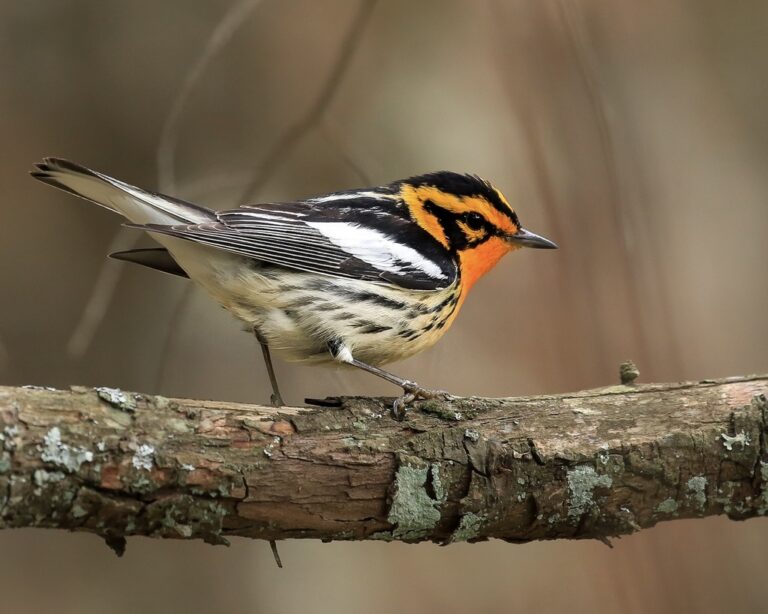
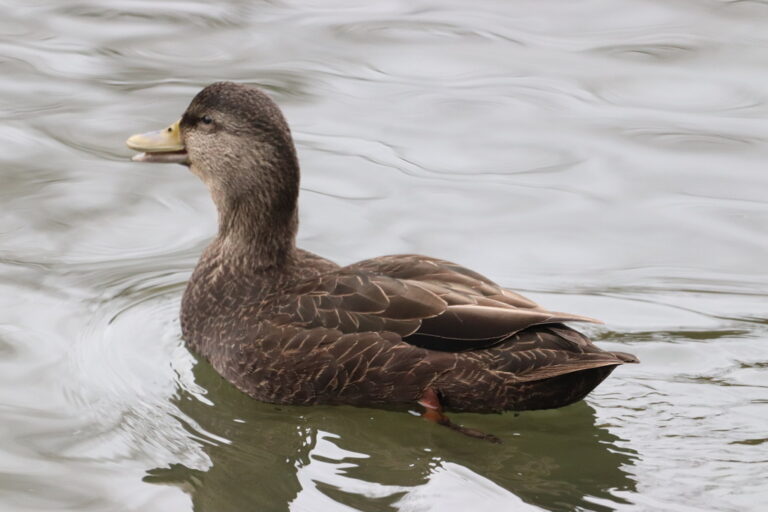
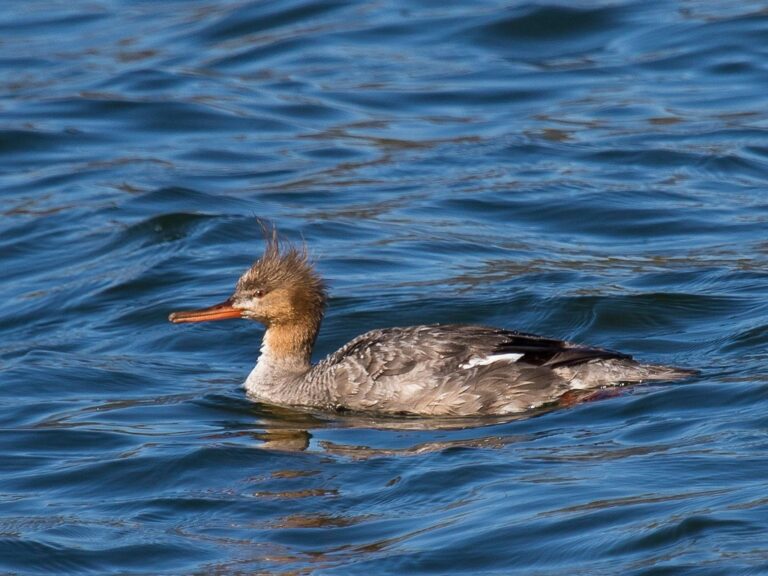
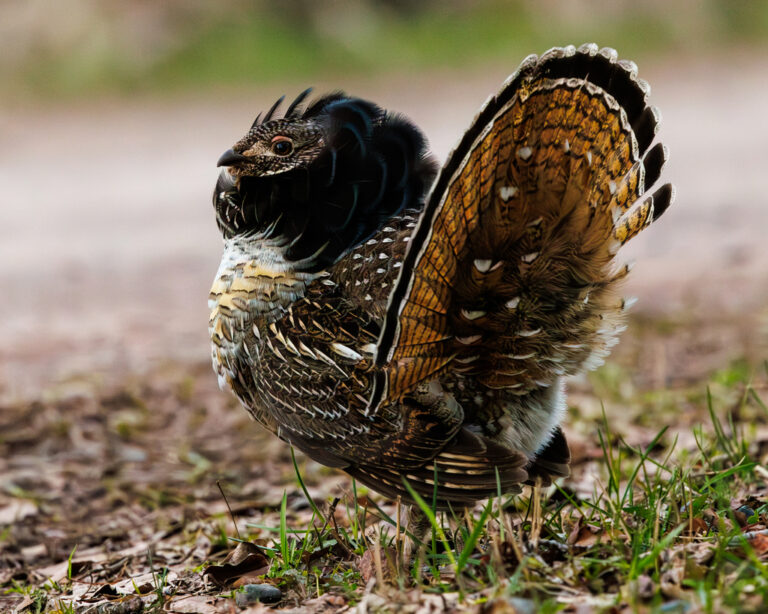
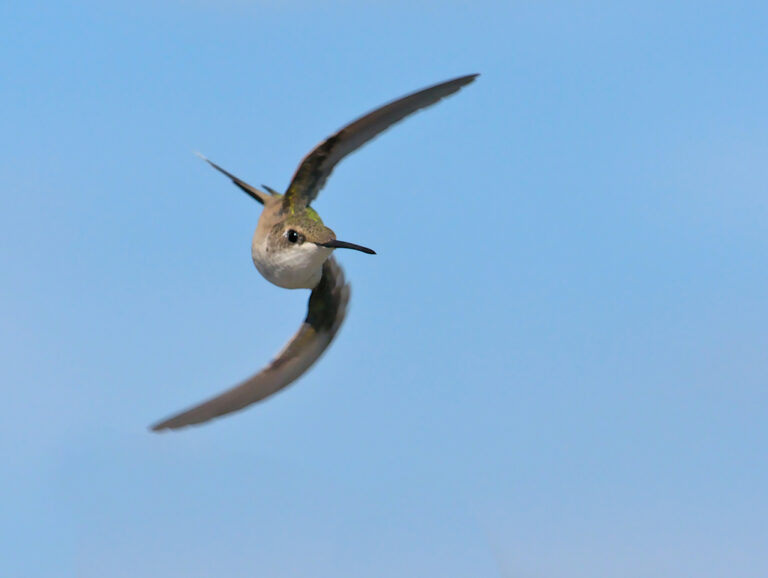
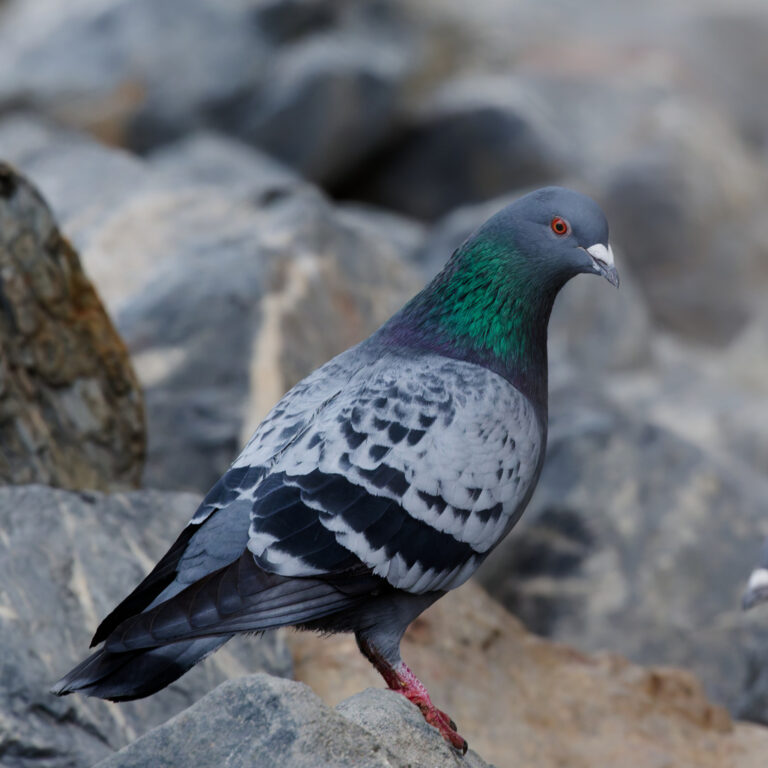
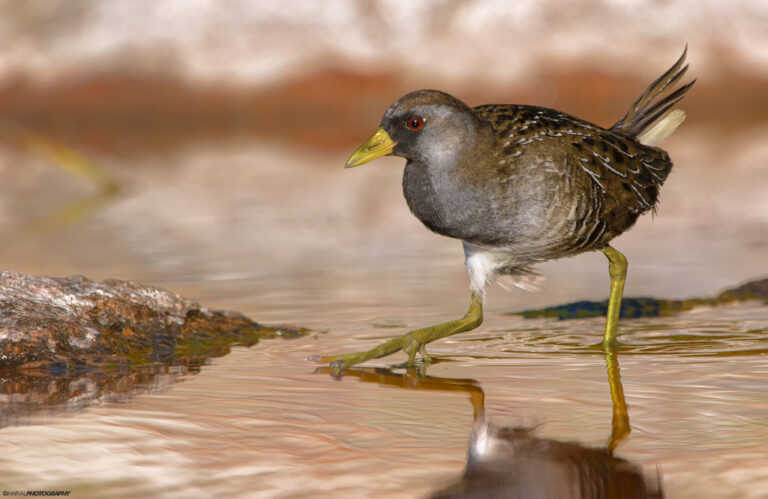
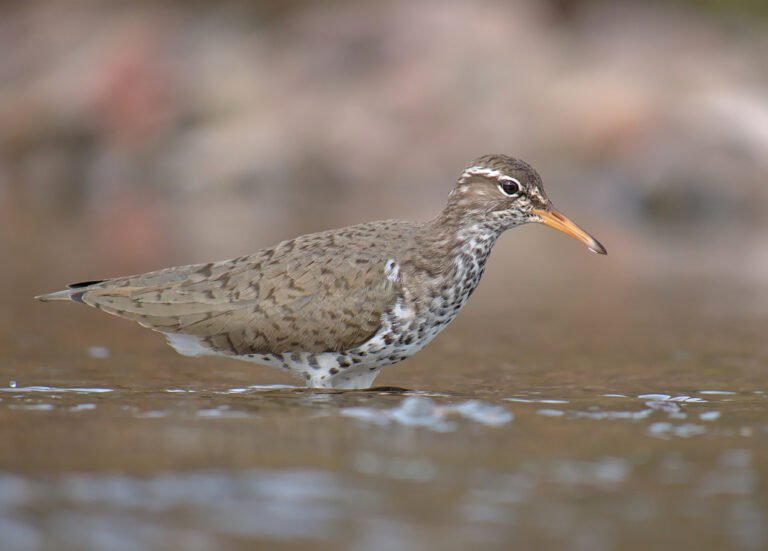
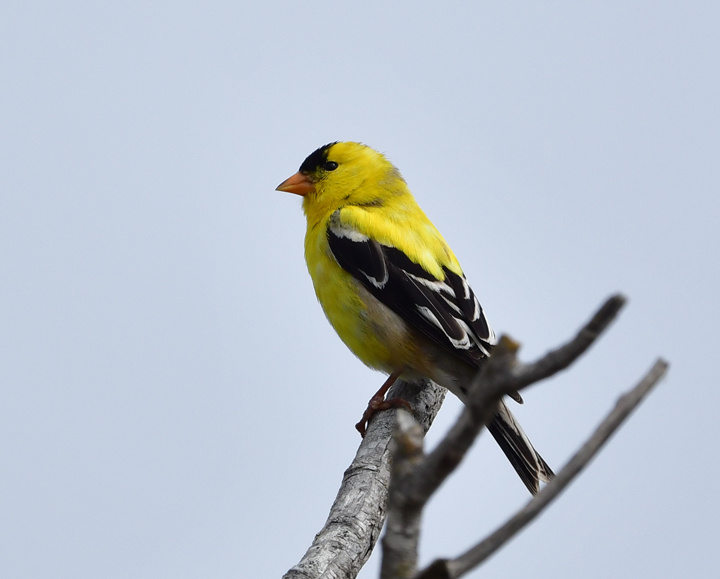
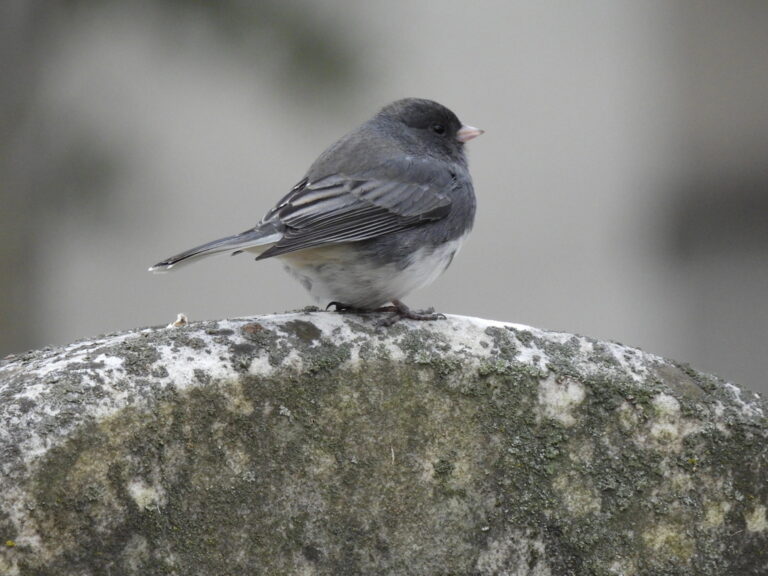
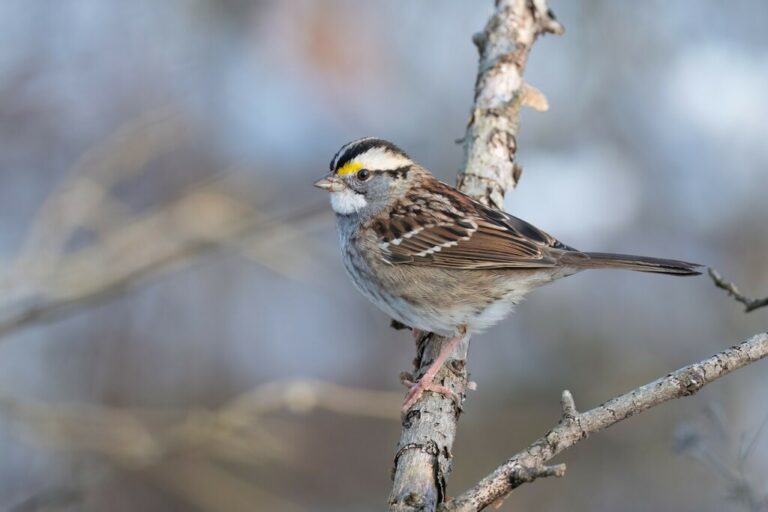
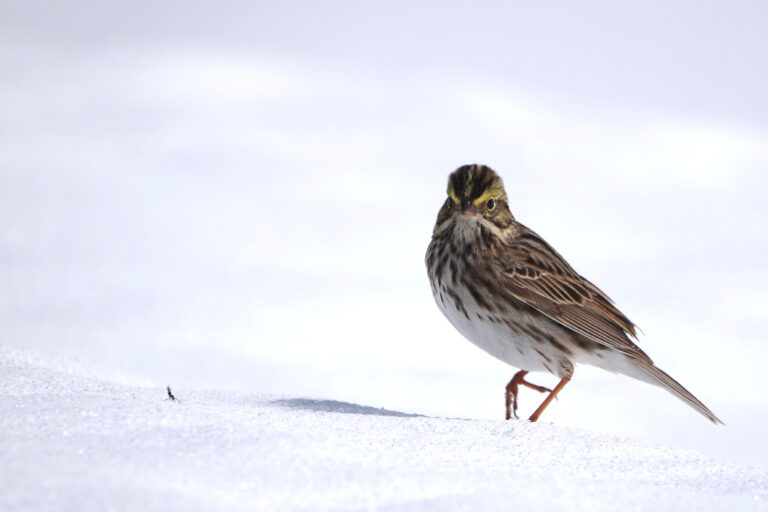
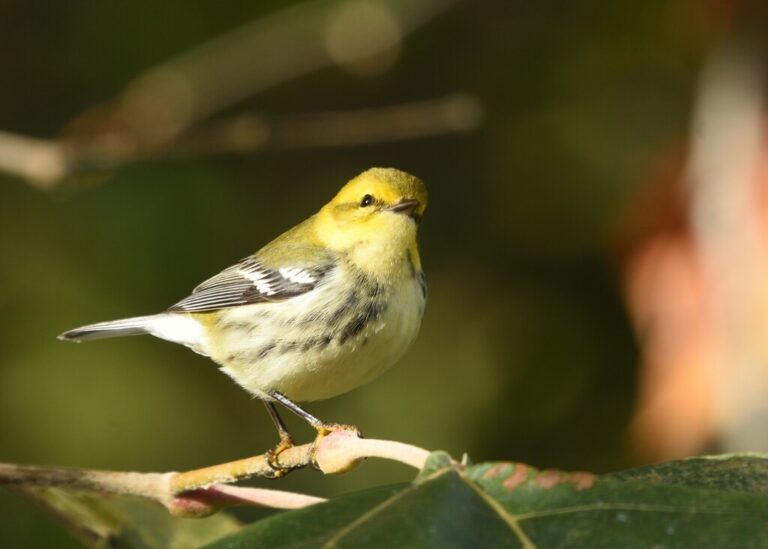
Photo © Larry from Charlottetown, PEI, Canada
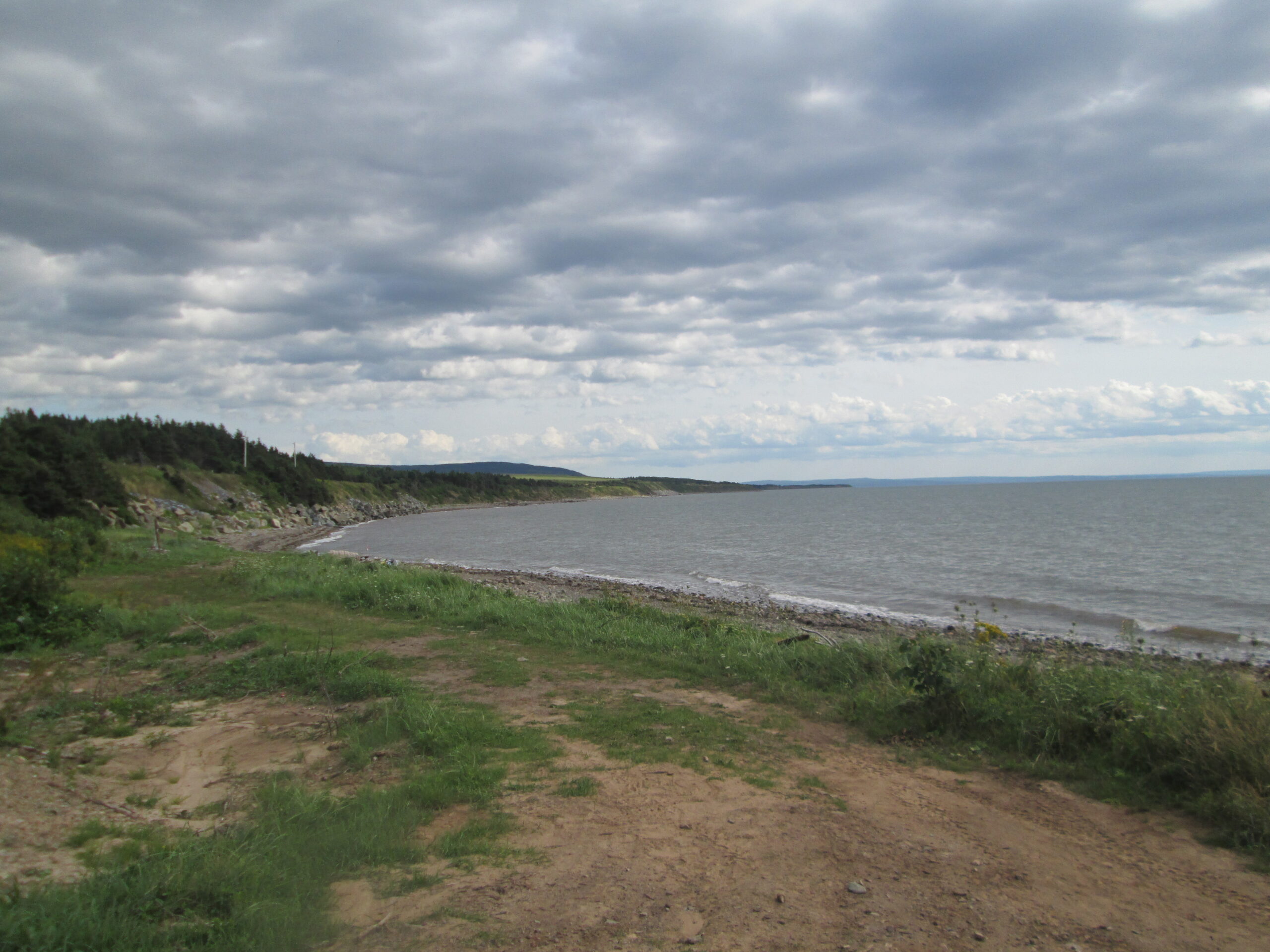
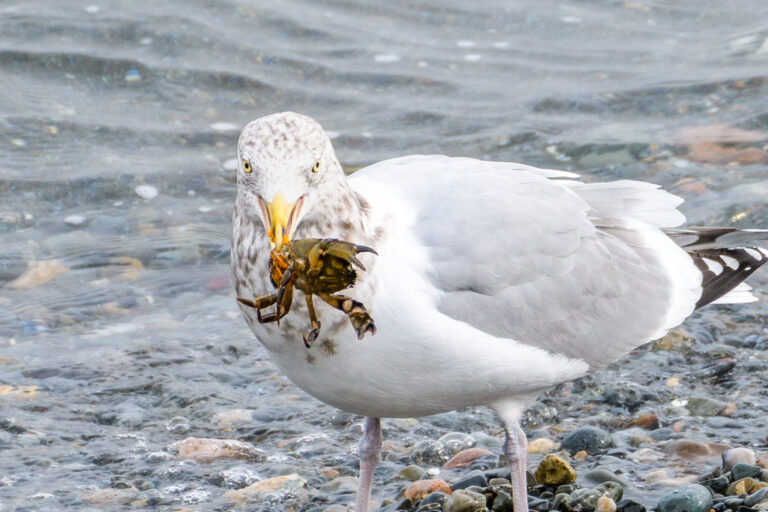
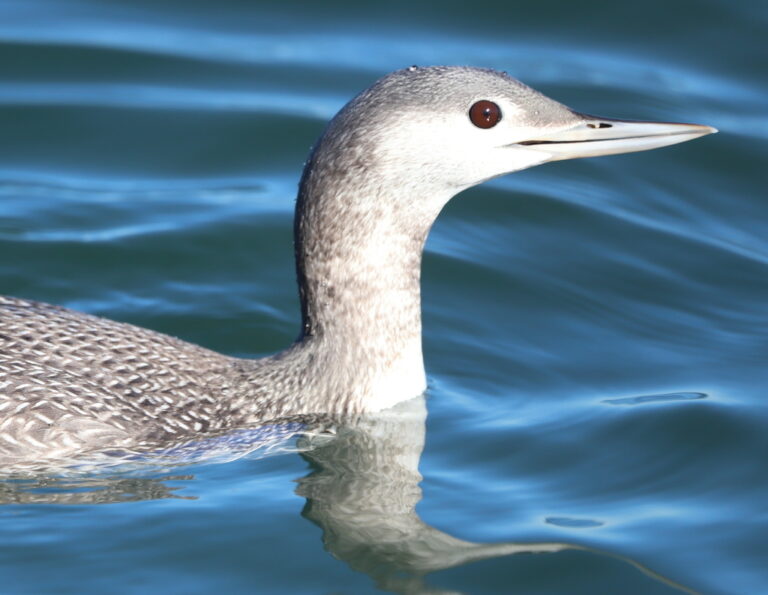
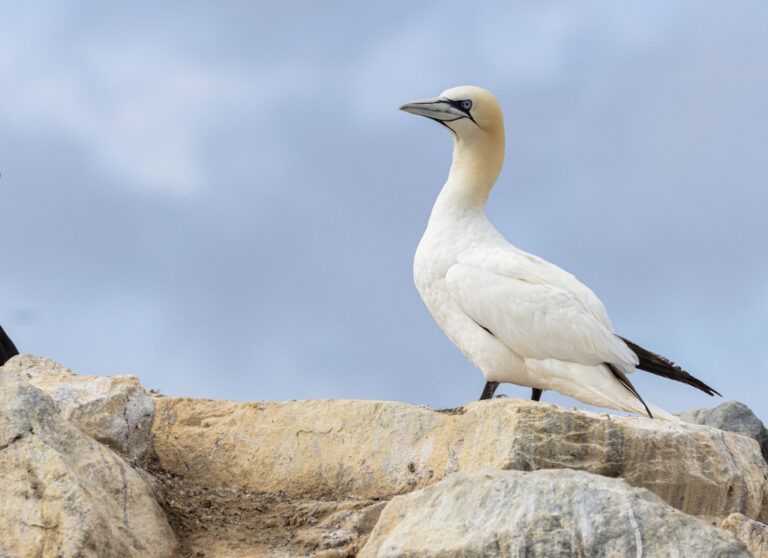
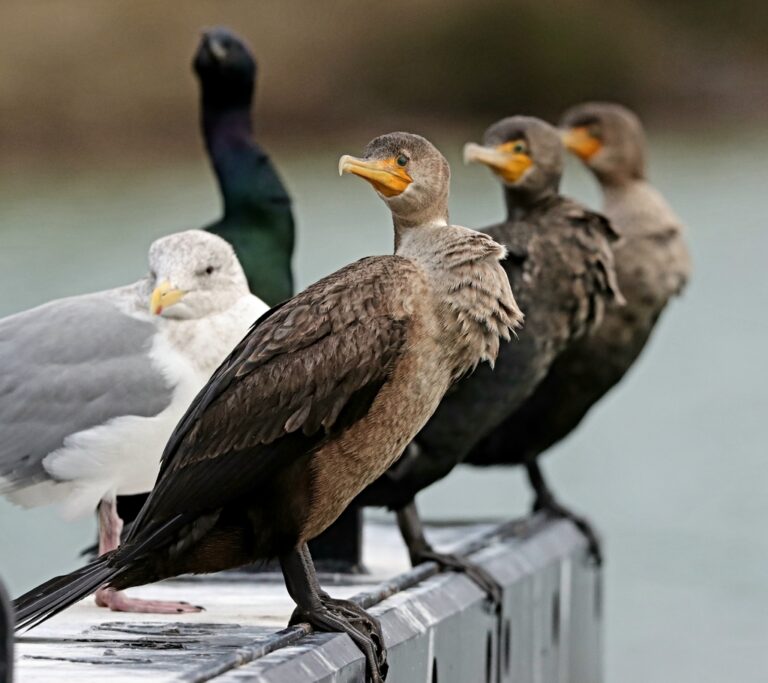
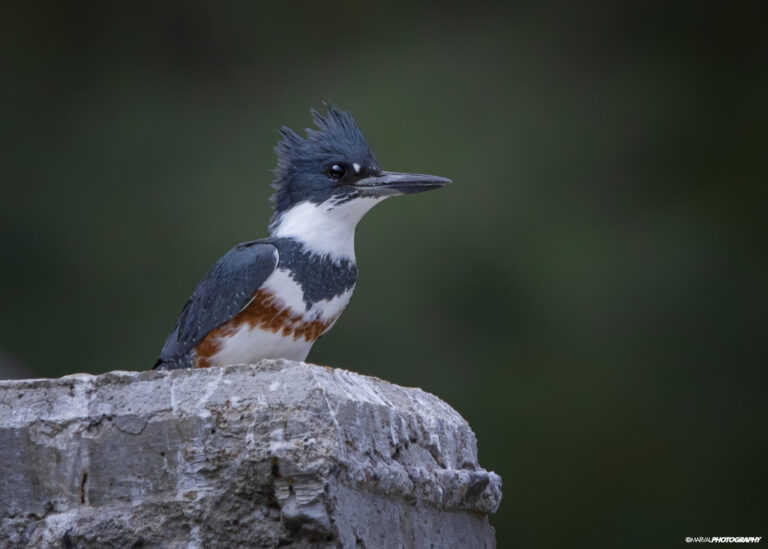
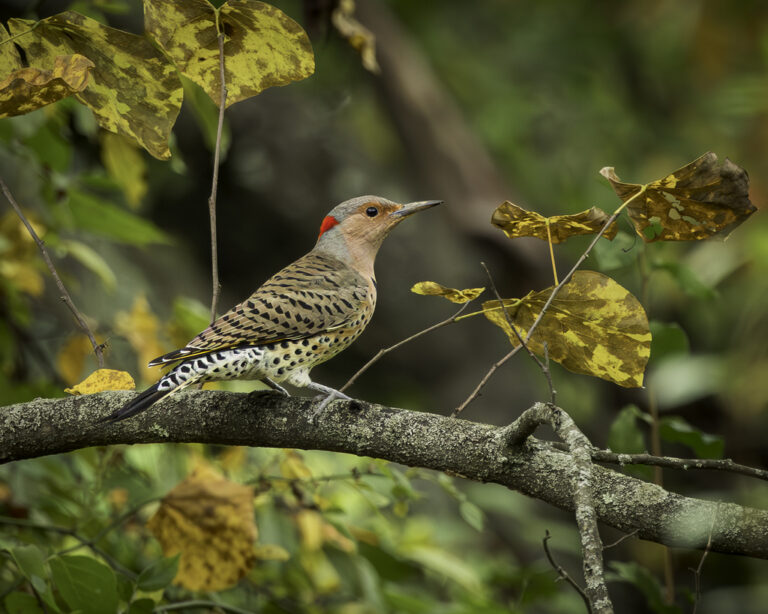
Photo © Larry from Charlottetown, PEI, Canada — CC BY 4.0 — Source: Wikimedia CommonsWhere the Atlantic shoreline meets a mosaic of salt marshes, sand spits and shallow estuaries, Long Point Biosphere Reserve unfolds across southwestern Nova Scotia as one of North America's most dynamic coastal ecosystems. The reserve's defining feature is a long, curved barrier of sand and gravel that extends into the Bay of Fundy, creating sheltered lagoons and tidal flats where freshwater streams blend with marine waters. This complex patchwork of habitats—from salt-marsh grasses and coastal thickets to open water and mudflats—supports an extraordinary convergence of life adapted to the rhythm of one of the world's most extreme tidal ranges. The cool, temperate maritime climate with no pronounced dry season keeps the landscape perpetually productive, allowing dense vegetation to thrive year-round and supporting dense populations of wading birds, waterfowl, raptors and small mammals that exploit the reserve's rich invertebrate and fish resources. The reserve functions as a vital stopover and wintering ground, where seasonal migrations and resident populations interact within habitats shaped by tidal dynamics that reshape the landscape with every cycle.
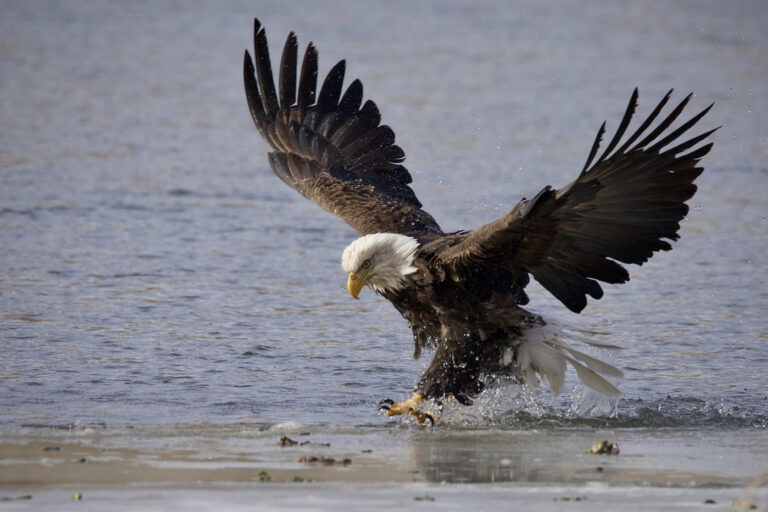
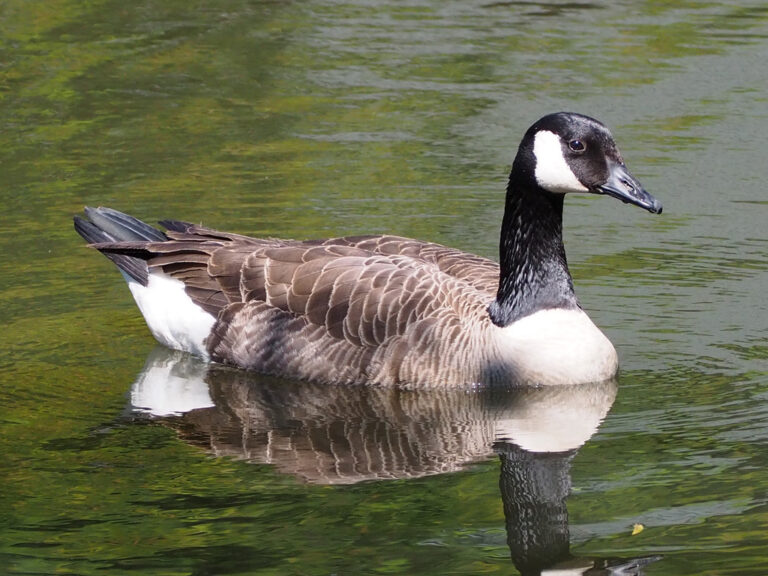
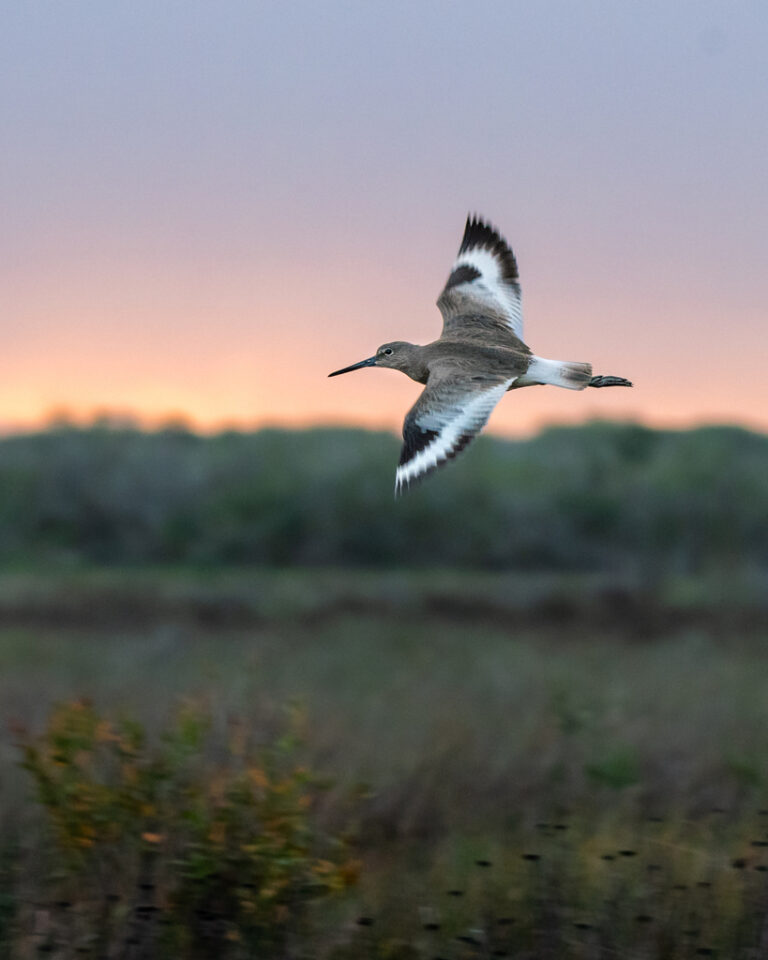
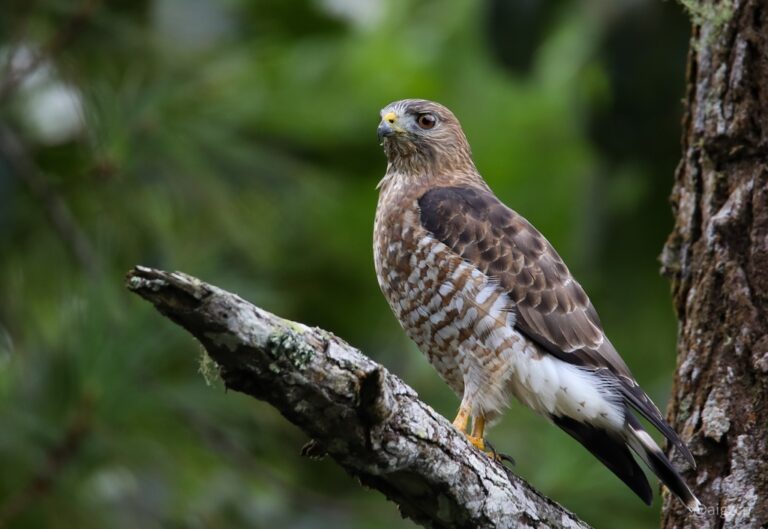
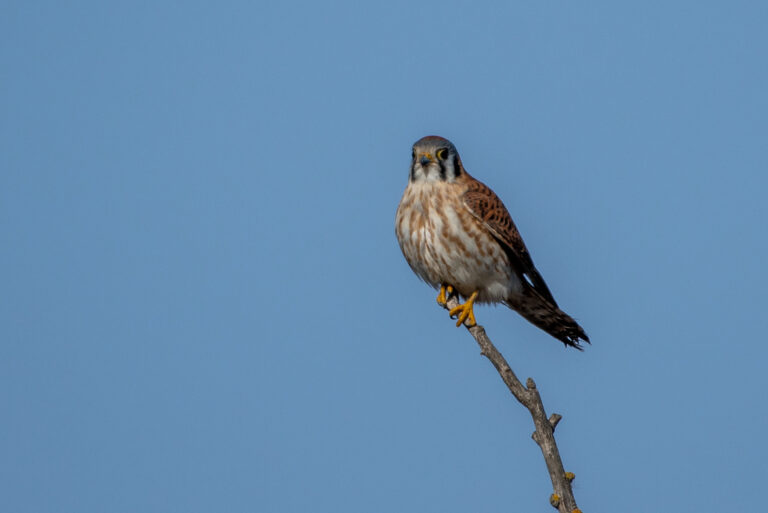
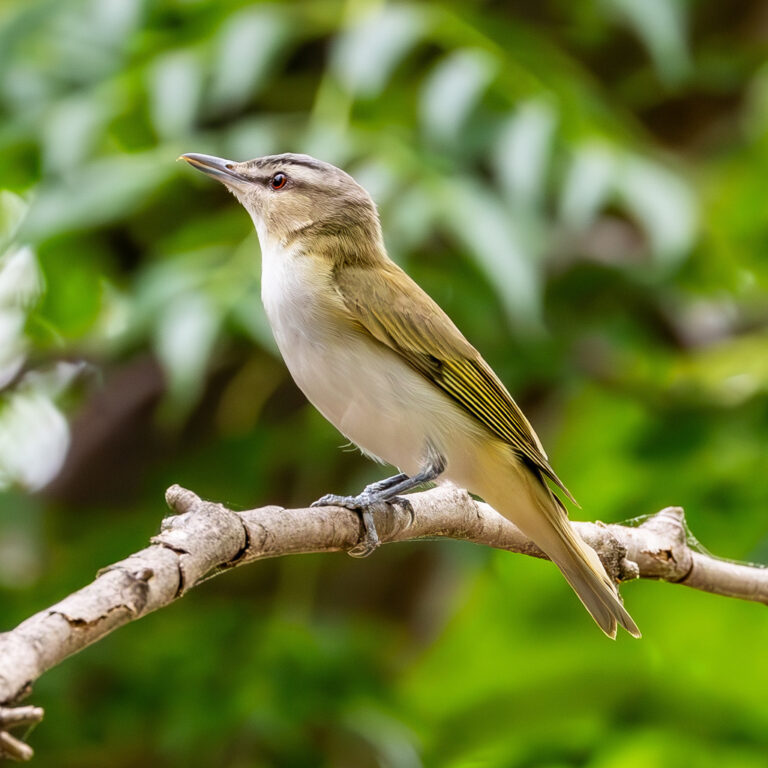
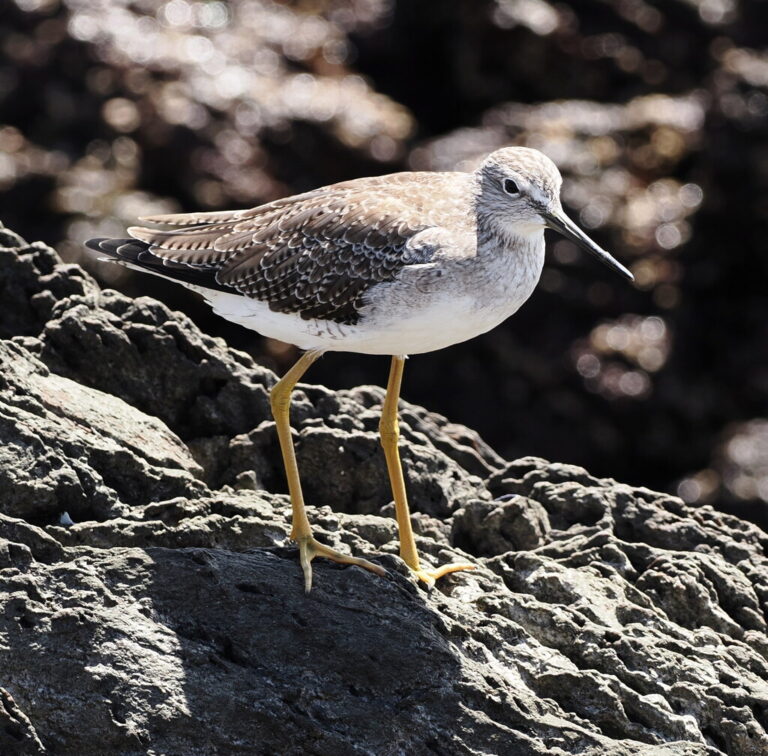
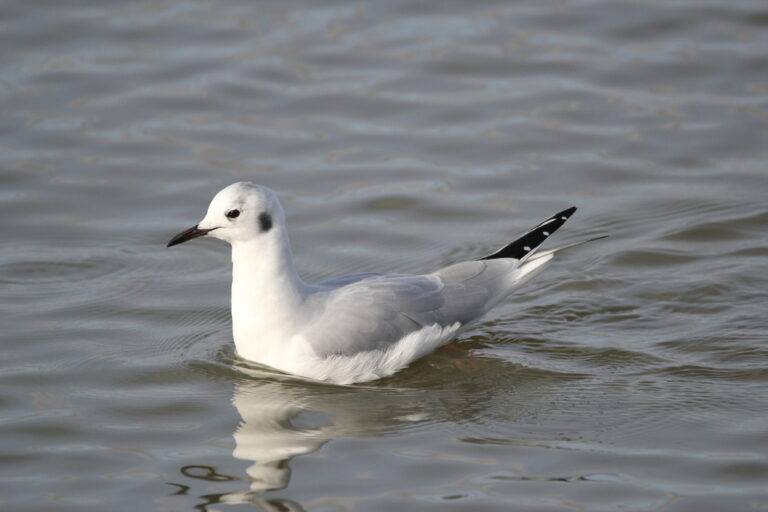
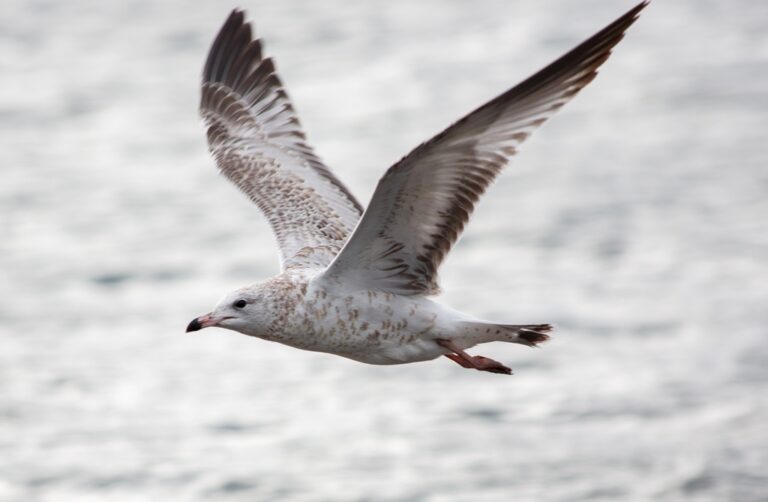
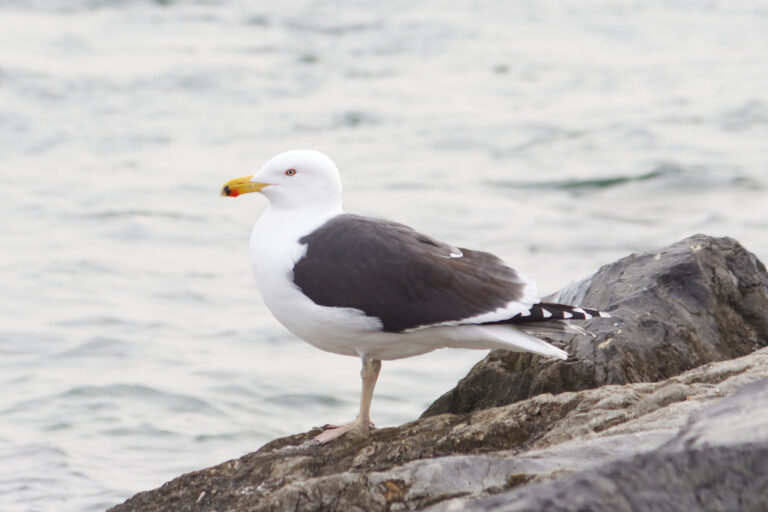
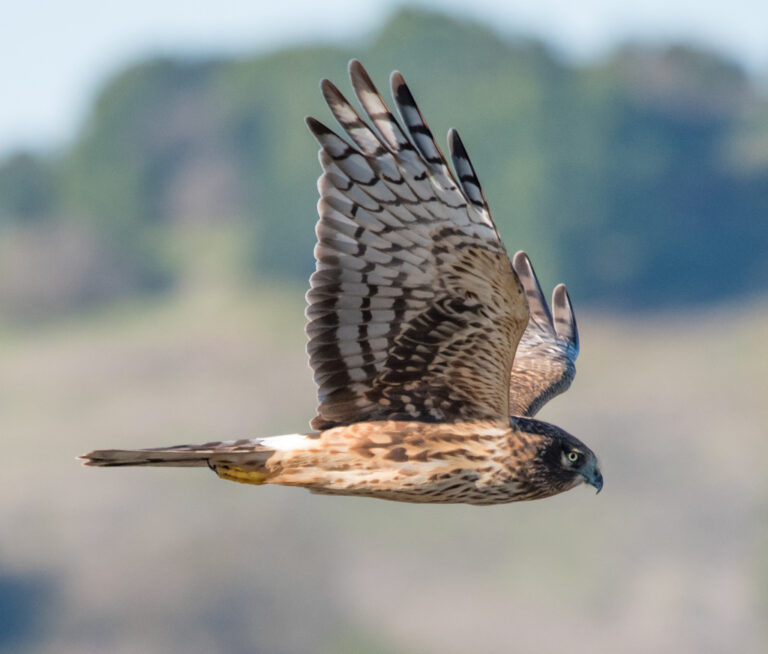
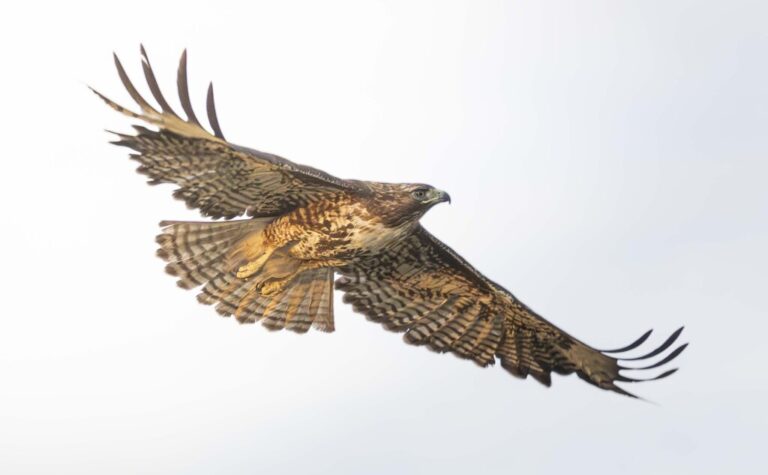
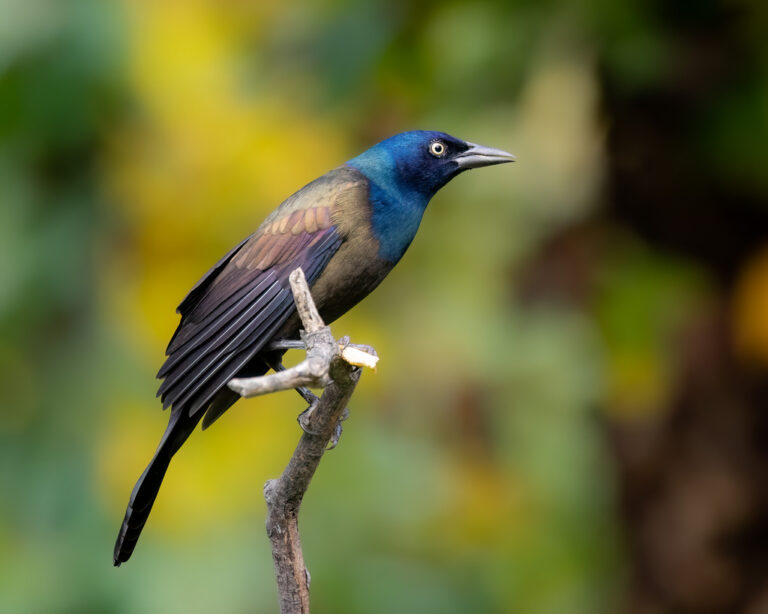
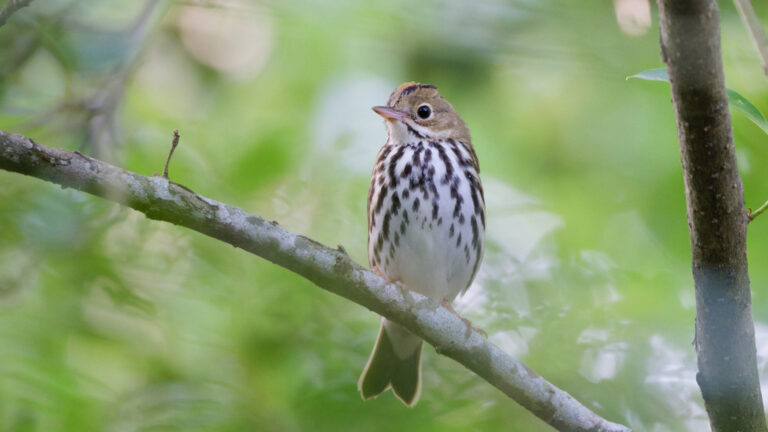
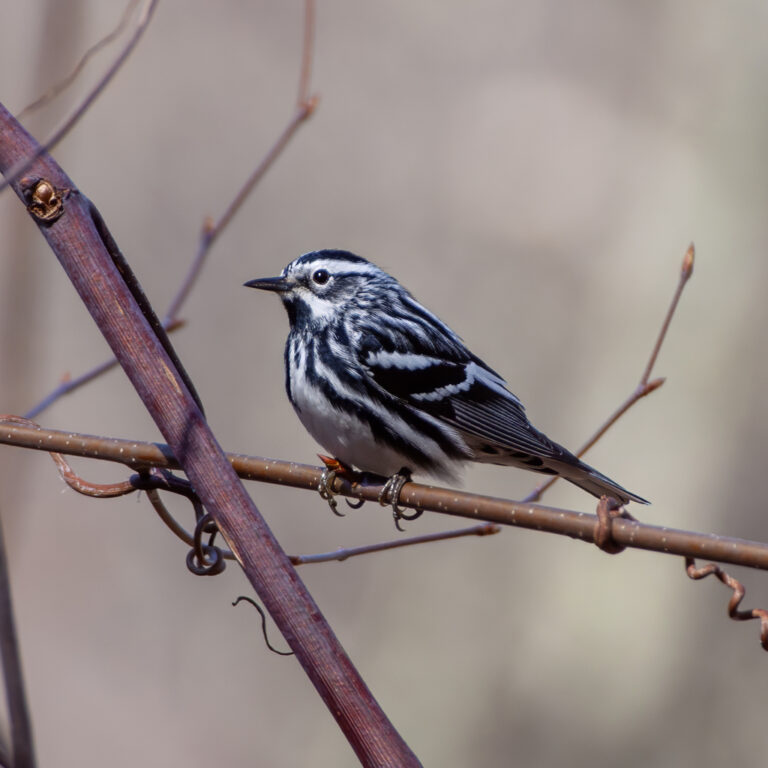
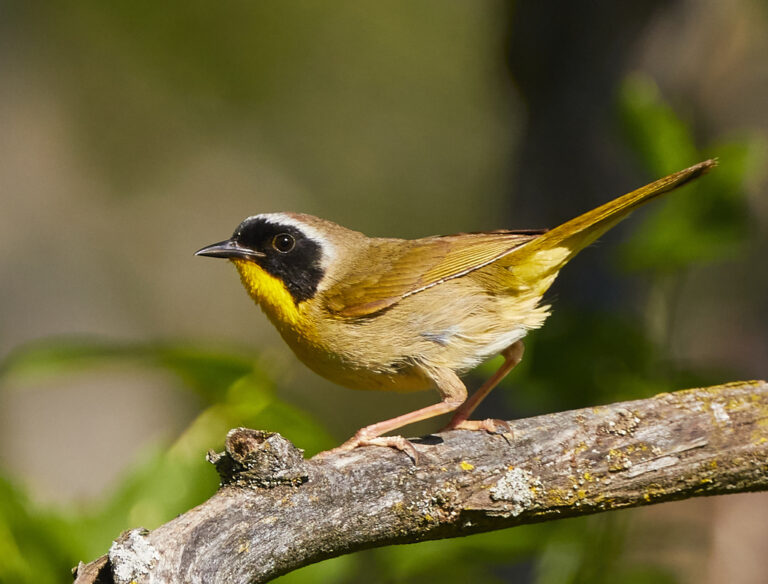
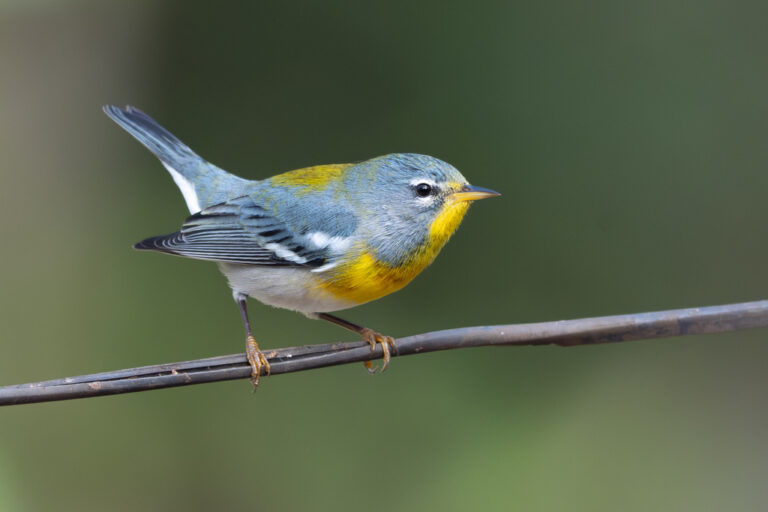
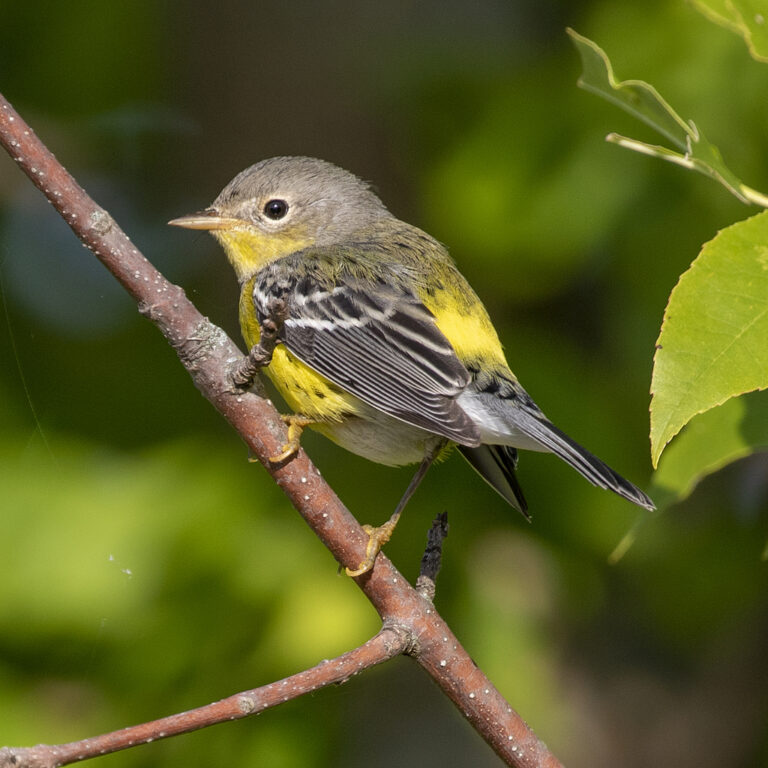
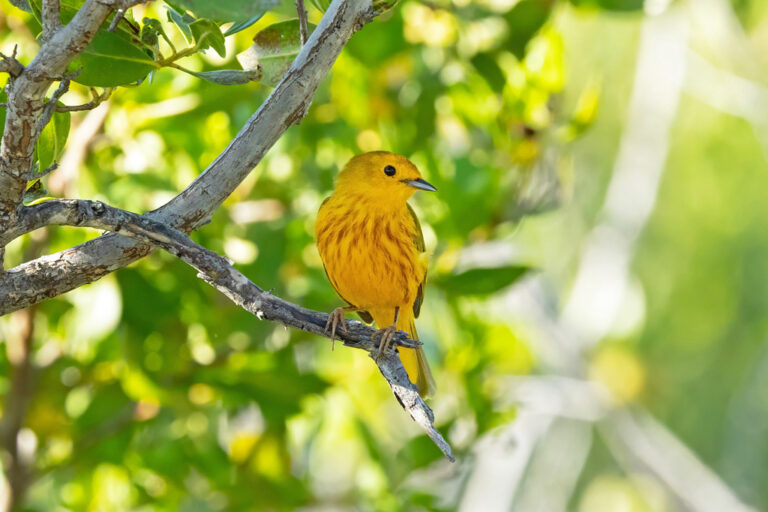
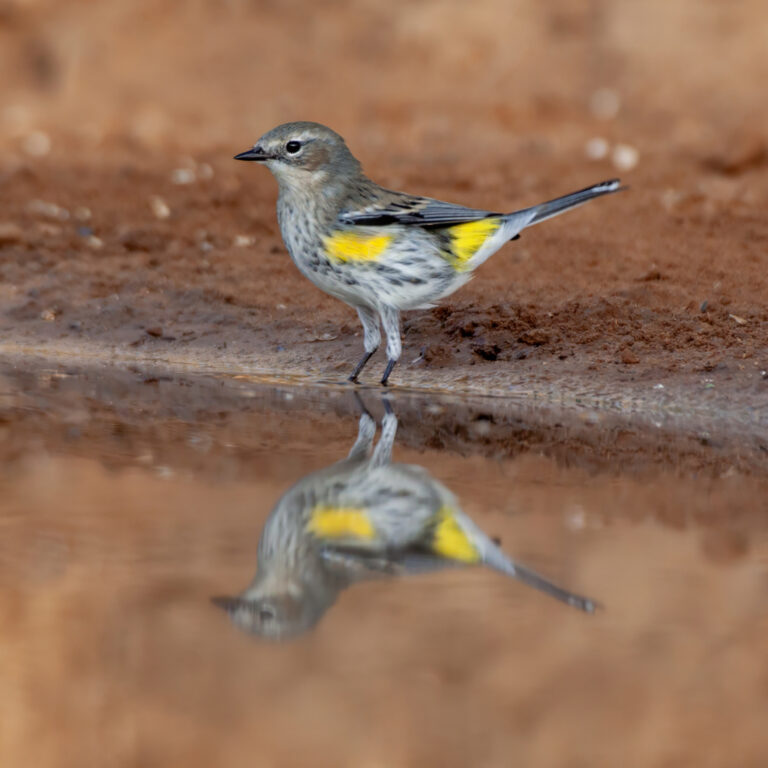
For wildlife photographers and birders, Long Point offers unparalleled access to coastal ecosystems during their peak seasons of activity. The reserve's open terrain and water vantage points provide exceptional sightlines for observing migratory waders, dabbling ducks and diving waterfowl as they move through the Atlantic flyway, while birds of prey hunt over the marshes and open shorelines with striking regularity. Spring and autumn migrations bring waves of activity, though the long growing season and maritime climate support rich wildlife interest throughout the year. The interplay of golden light across exposed mudflats at low tide, combined with the drama of incoming tidal bores and the seasonal layering of bird activity, creates visual and ecological richness that rewards both the patient observer and the photographer seeking dynamic natural drama. The reserve's designation as a Biosphere Reserve reflects its scientific importance, and well-managed access points allow visitors to experience the full sweep of coastal wilderness without compromising the delicate balance that sustains this extraordinary threshold between land and sea.
Point Pelee & Algonquin Park
No community observations yet — be the first to log a sighting here.
Long Point
Strong seasonal contrast, with cold winters and warmer summers.
A year of temperatures
Monthly means, with the coldest and warmest highlighted
Terrain and elevation
47 m · LowlandAverage terrain elevation estimate across the hotspot; the figure does not represent its highest summits.
Lowland