Nááts'Įhch'Oh National Park Reserve
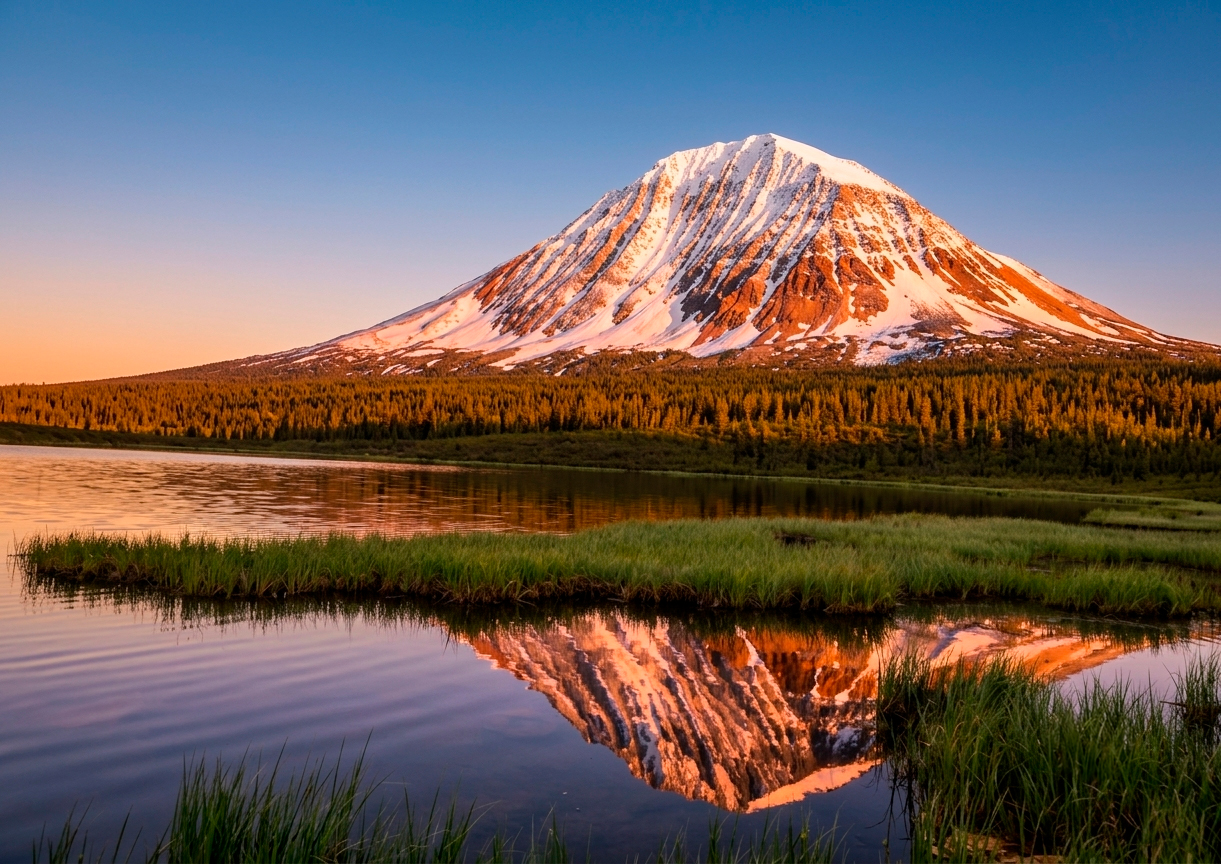
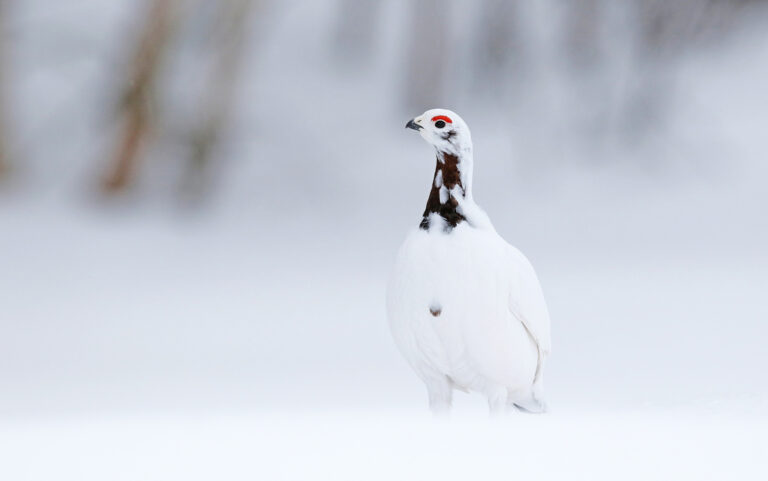
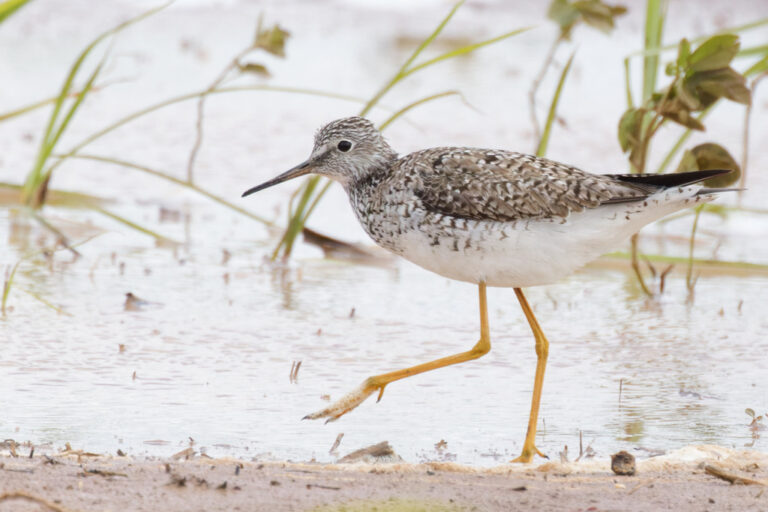
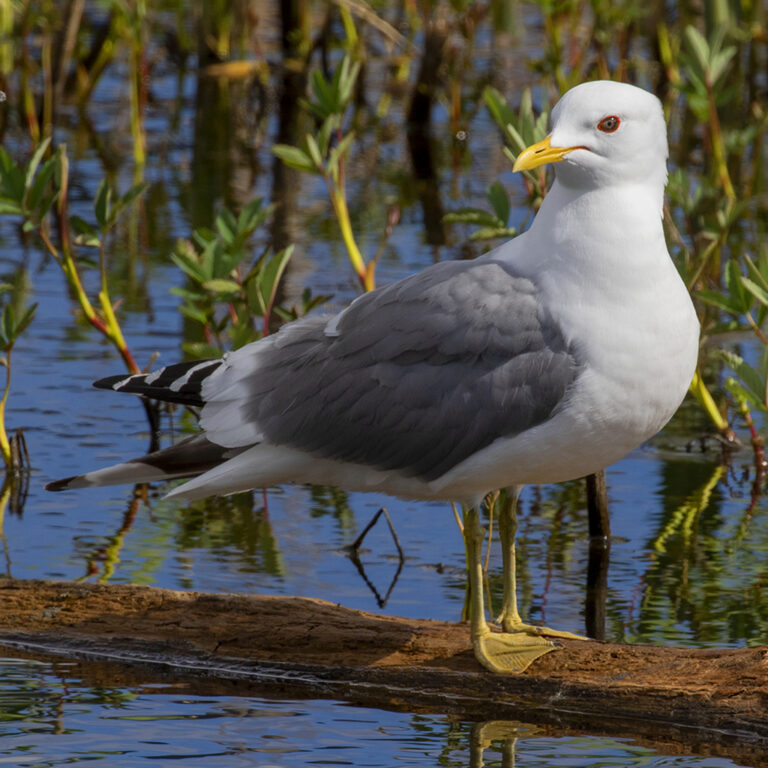
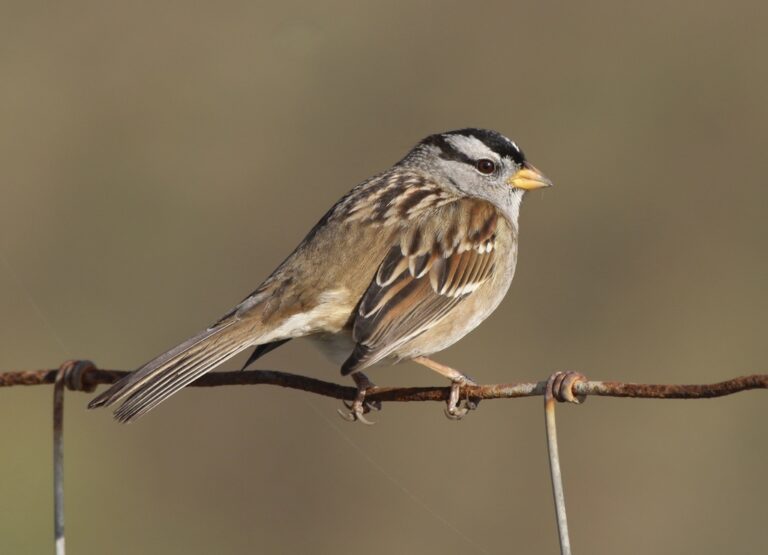
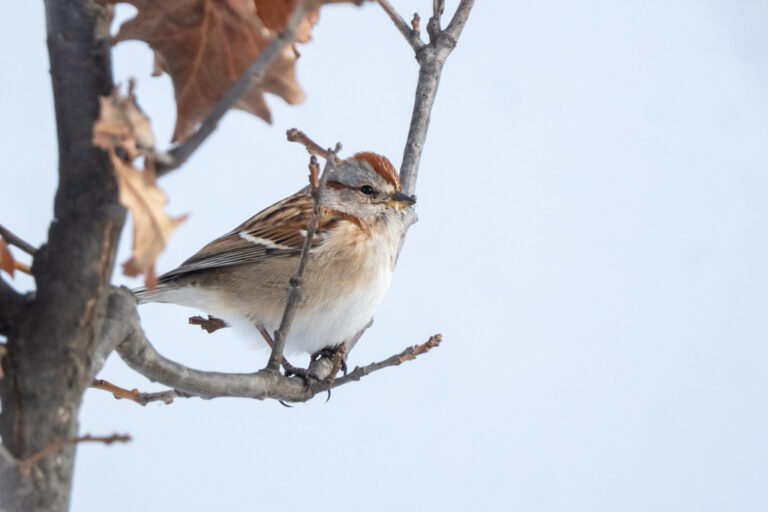
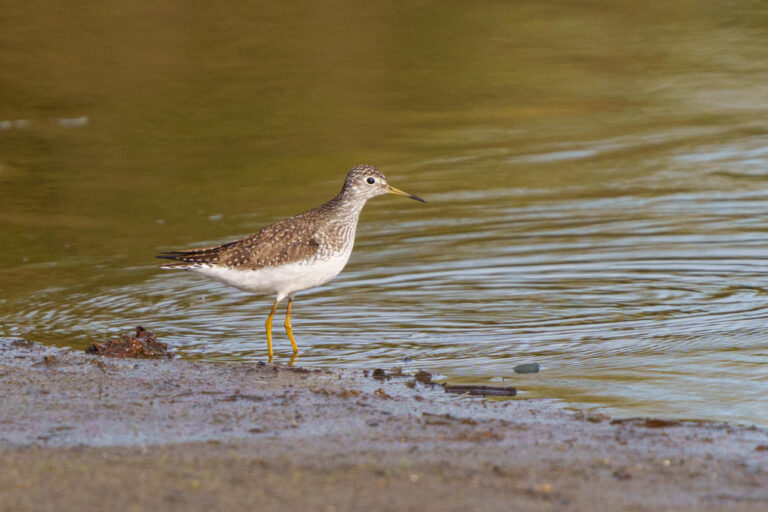
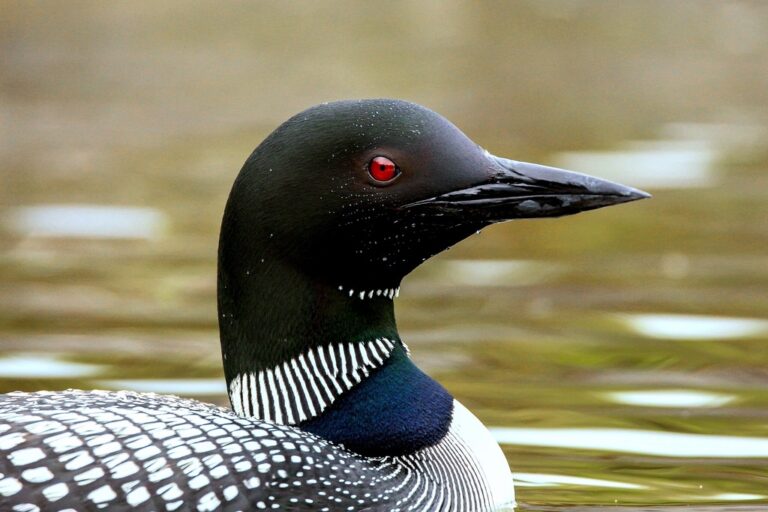
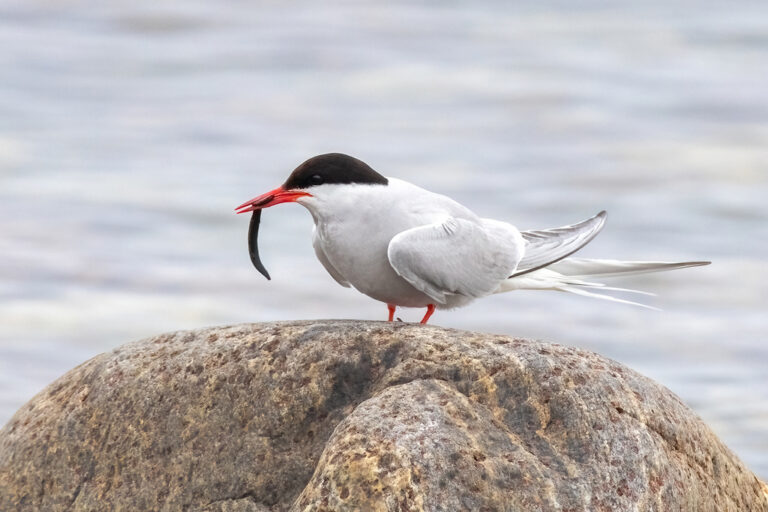
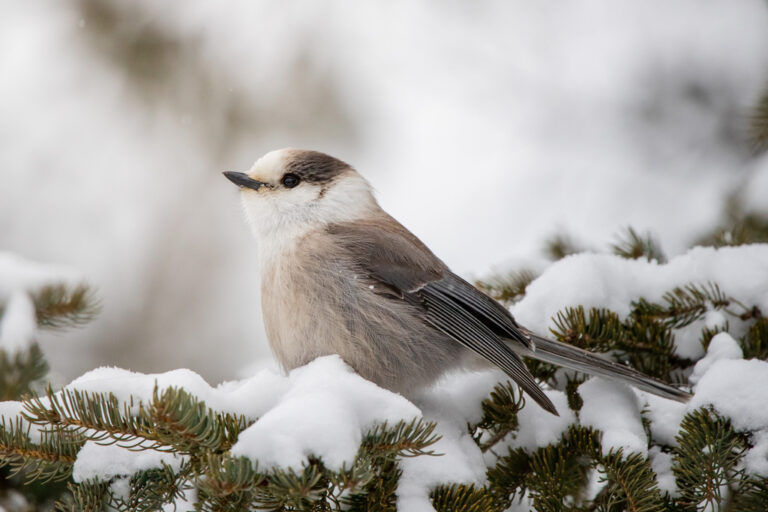
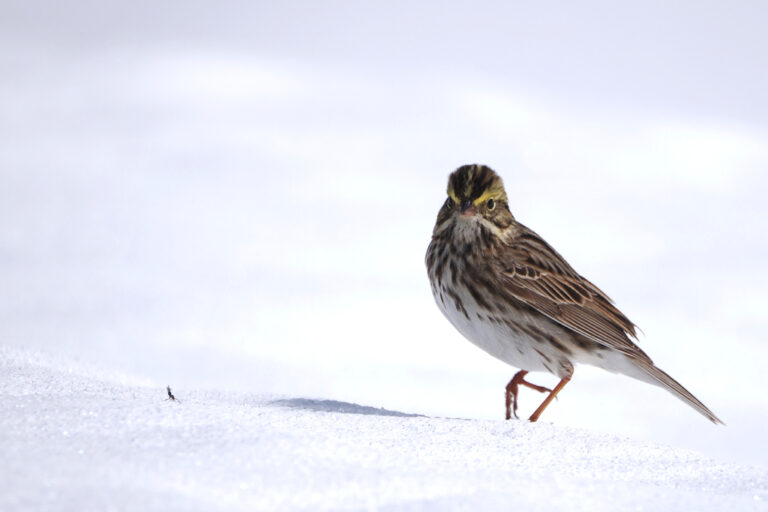
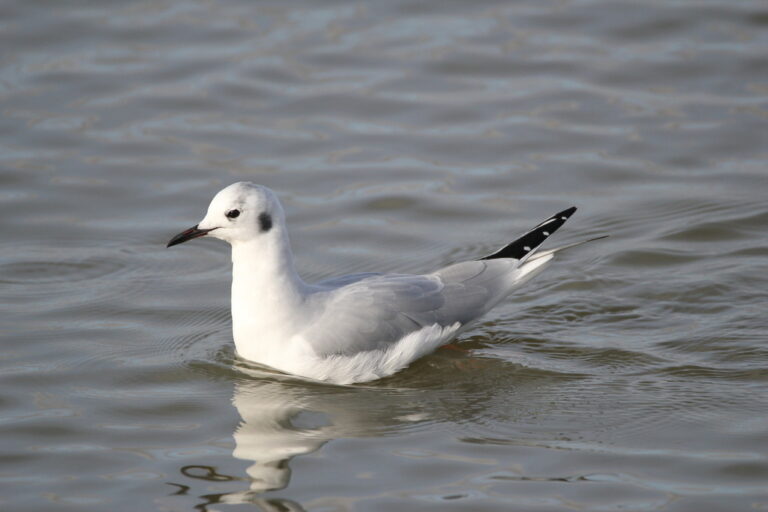
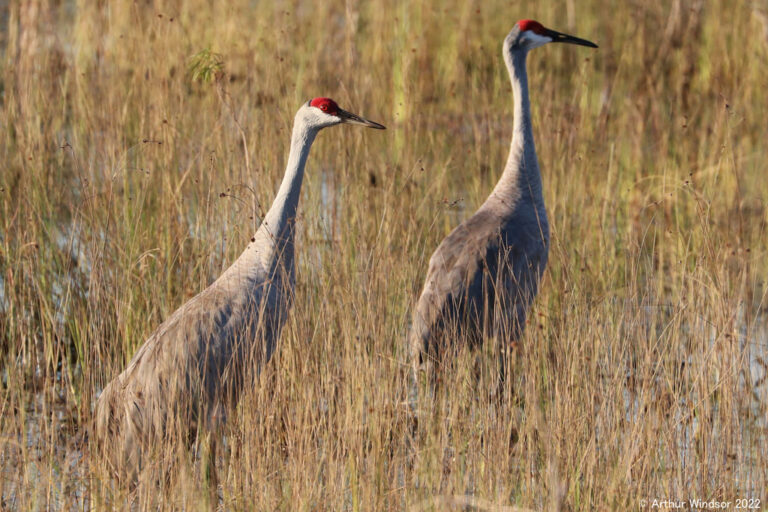
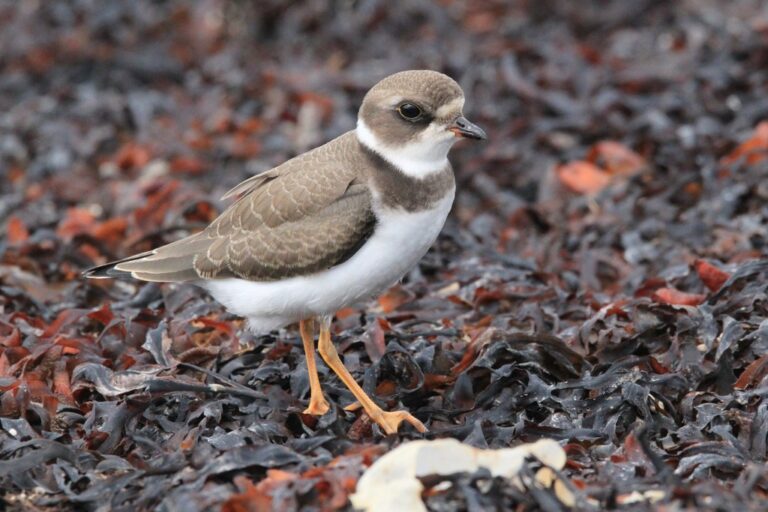
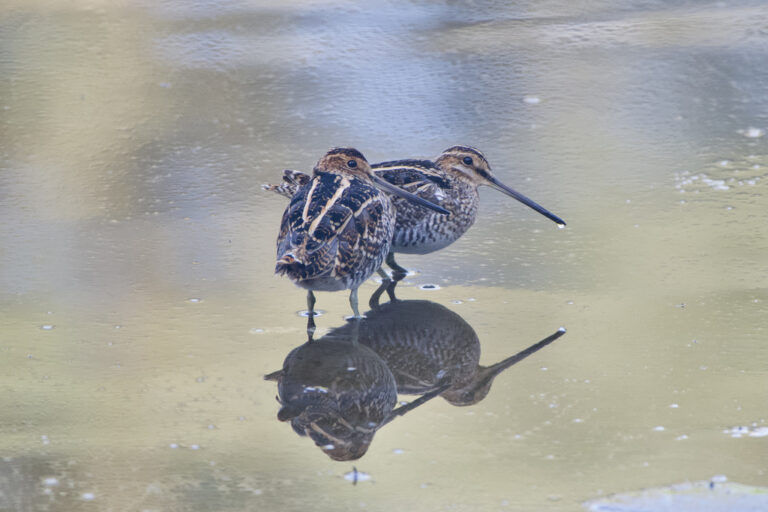
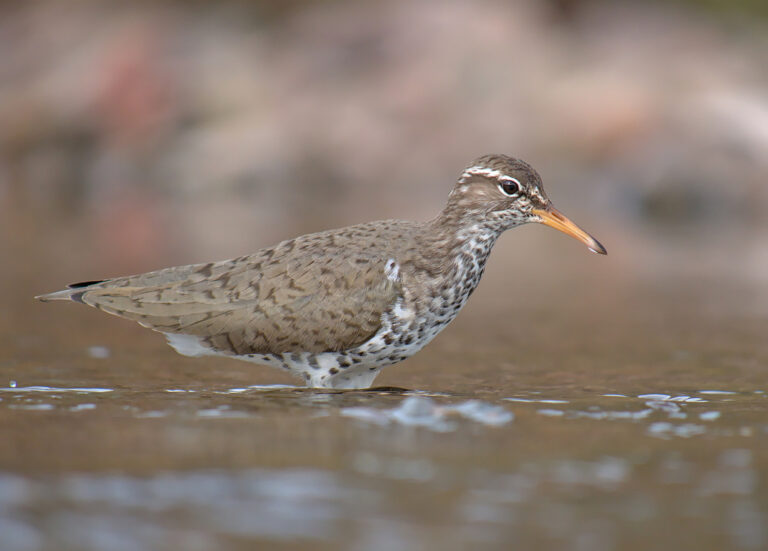
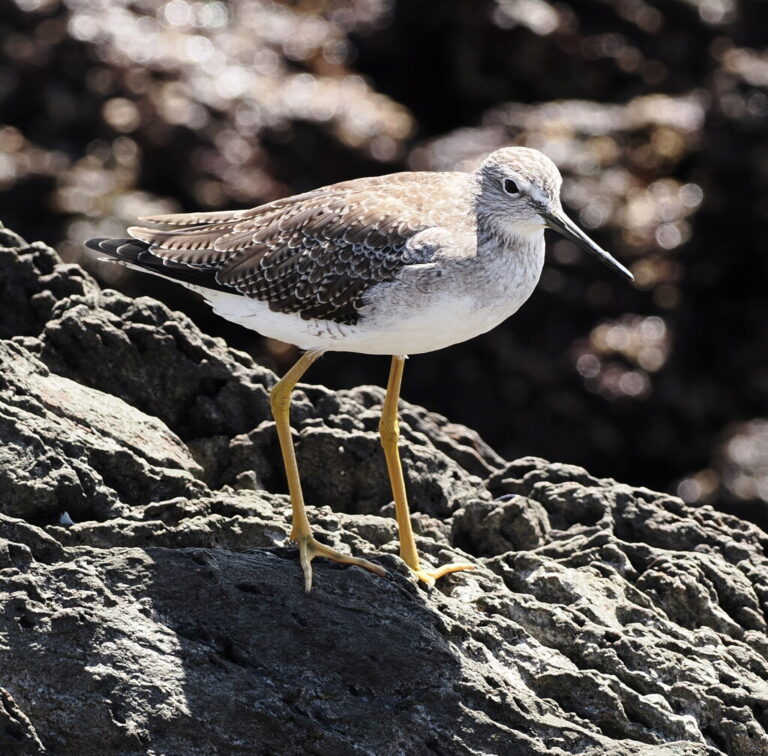
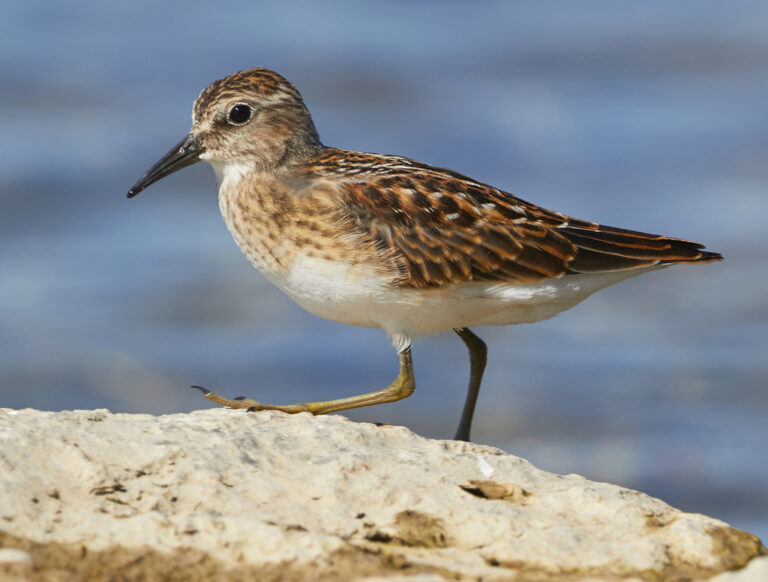
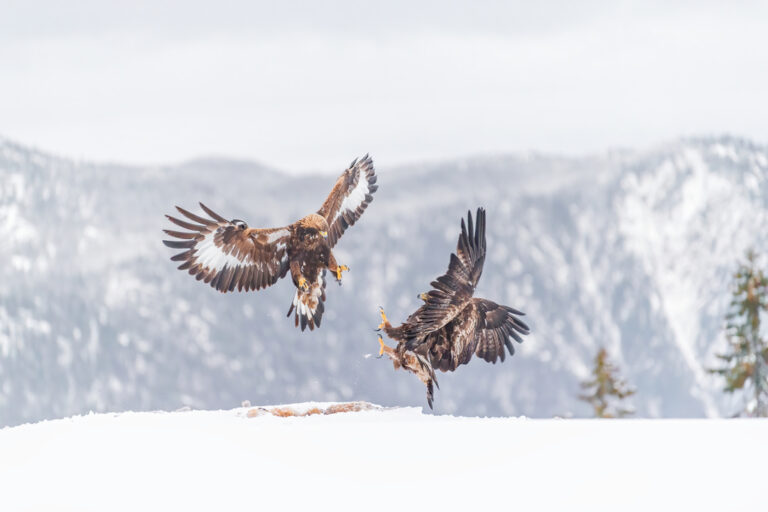
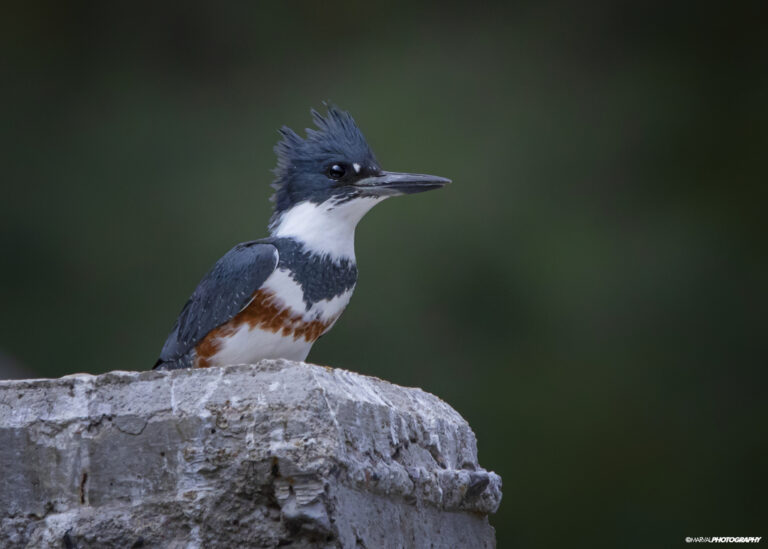
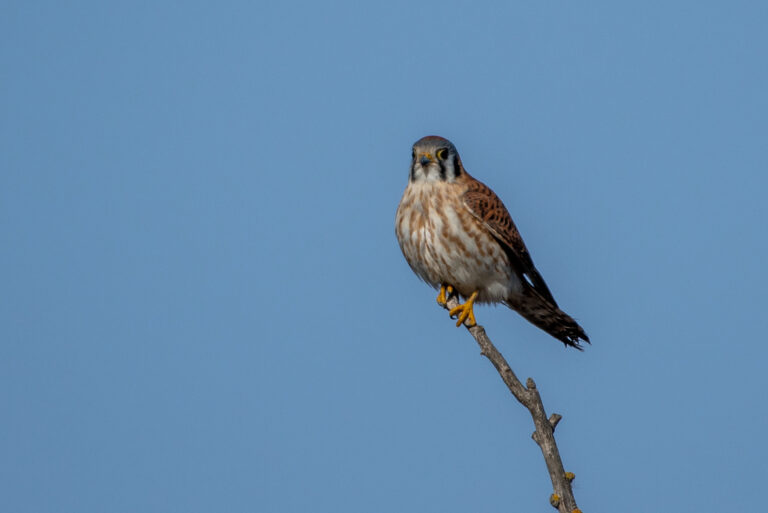
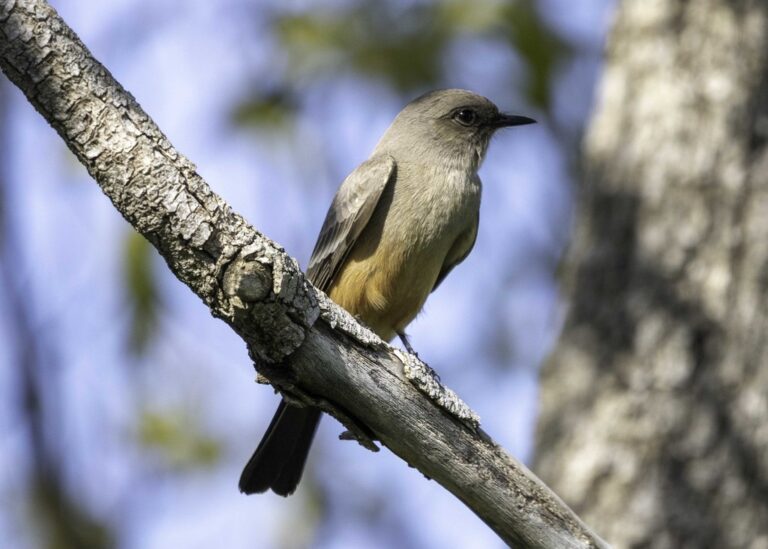
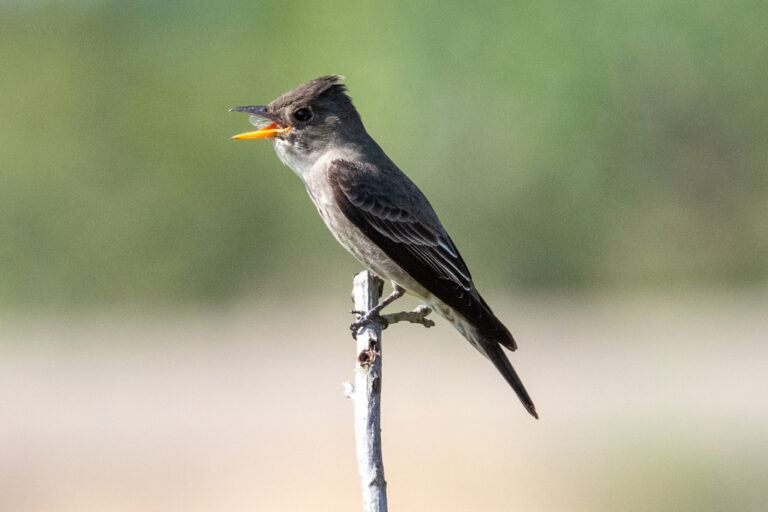
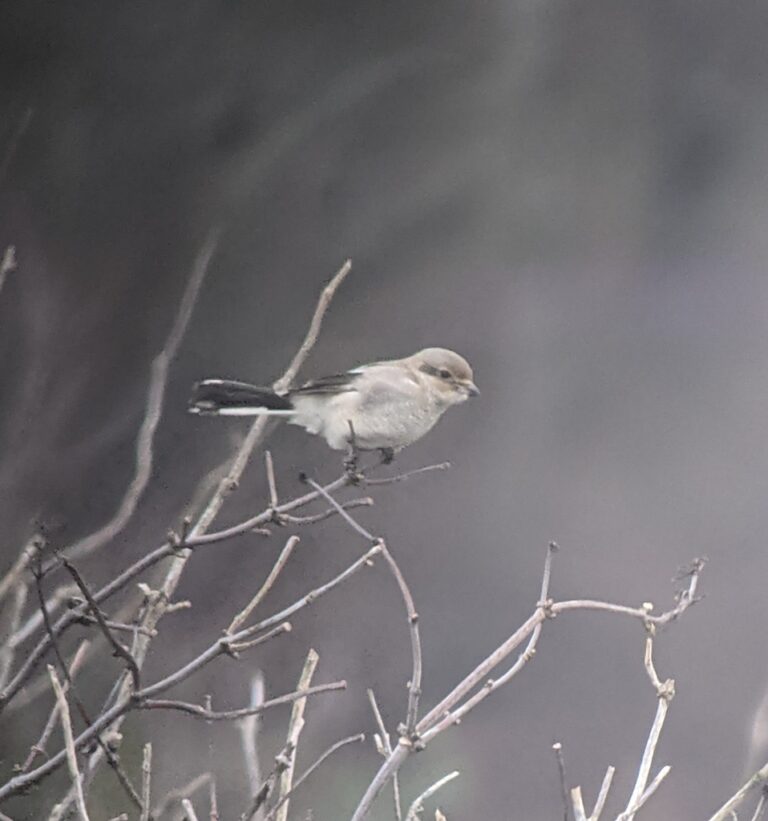
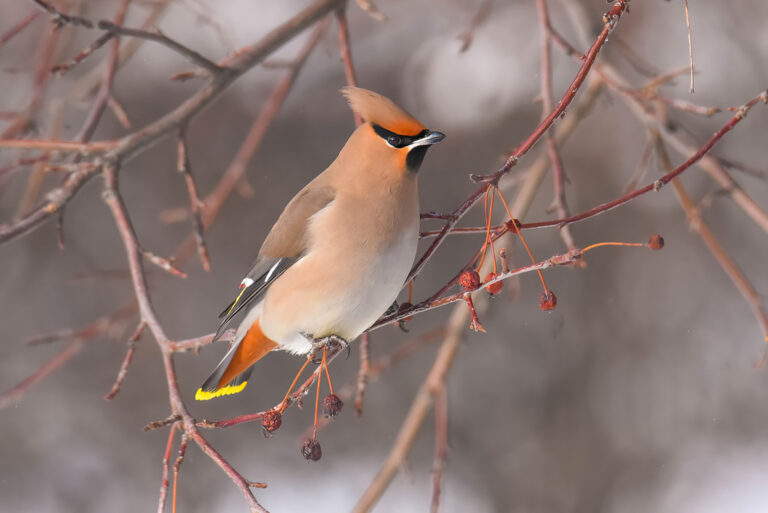
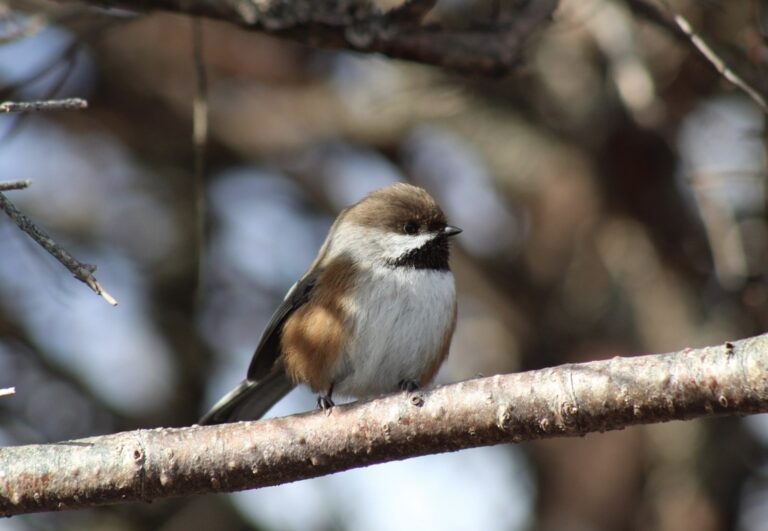
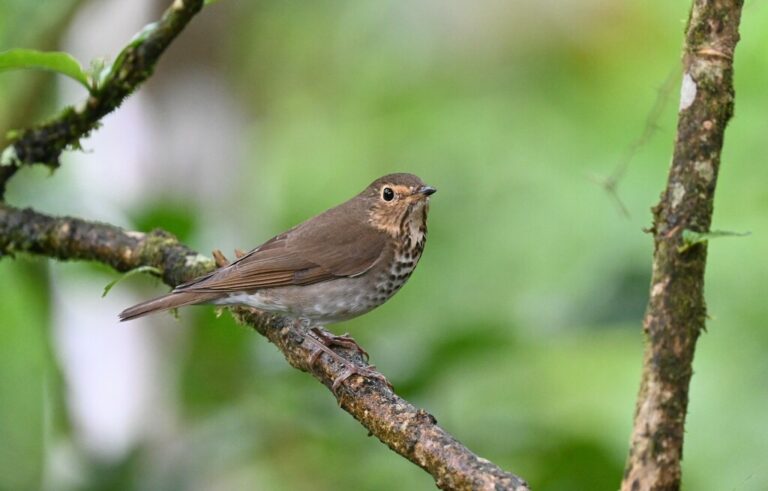
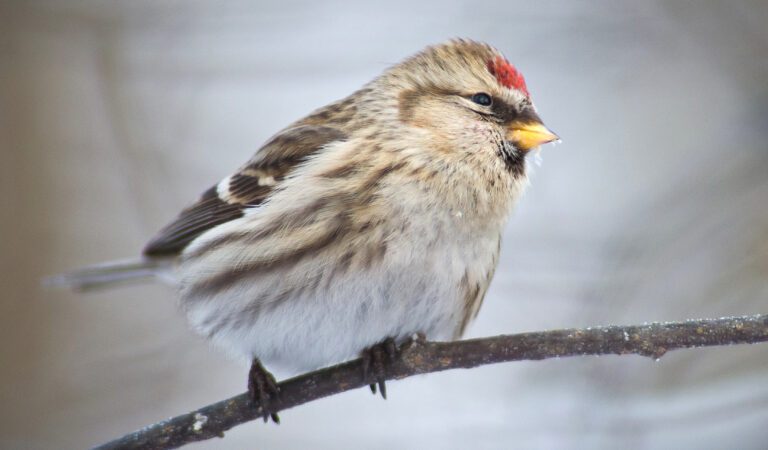
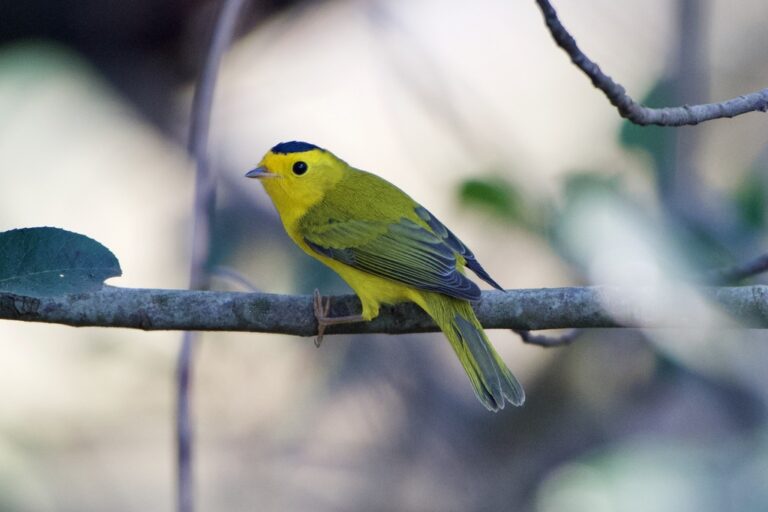
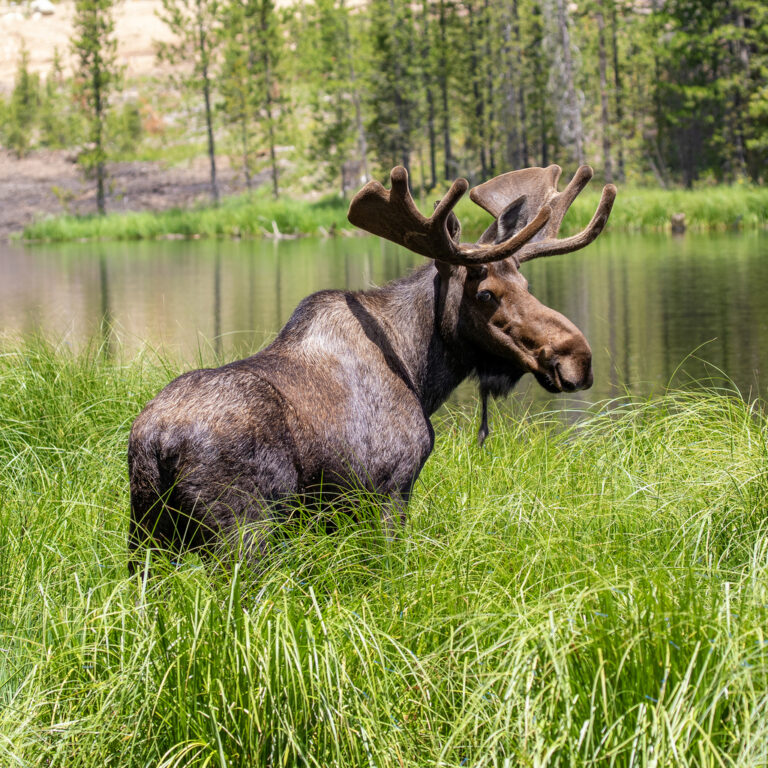
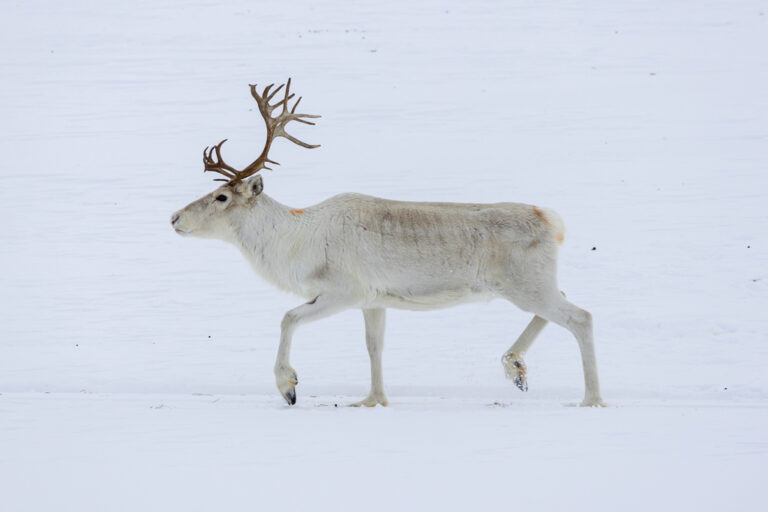
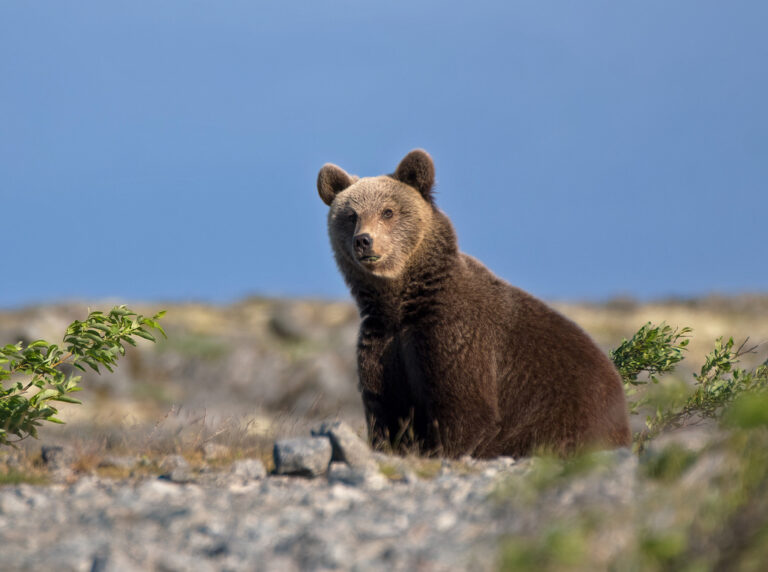
Across the boreal forests and tundra margins of the Sahtu Region, where the Mackenzie River drainage shapes the northern landscape, lies a wilderness of profound ecological significance. Nááts'Įhch'Oh National Park Reserve spans over 12,500 square kilometres of subarctic terrain—a mosaic of spruce and pine forest interspersed with open tundra, wetlands, and glacially carved valleys. The park's northwestern position places it at the threshold where taiga transitions to Arctic tundra, creating conditions that support a distinct assembly of wildlife adapted to extreme seasons and permafrost soils. Large herbivores move across these ranges following ancient migration corridors, while birds of prey hunt from forest edges and open ridges. Smaller mammals—rodents, hares, and mustelids—navigate both forest understory and tundra margins, their populations tied to the boom-and-bust cycles of subarctic ecology. In summer, wetlands and riverine corridors pulse with breeding waterfowl, waders, and songbirds drawn northward to exploit the midnight sun and abundant insects. Winter transforms the landscape into a realm of deep snow and extreme cold, when only the hardiest residents remain.
For wildlife photographers and northern naturalists, the reserve offers uncompromising access to subarctic ecosystems at a scale few places on Earth can match. The extended daylight of the brief boreal summer—when migratory birds are most active and large mammals move visibly across open terrain—creates exceptional opportunities for observation and documentation. The autumn shoulder season brings dramatic light and the concentration of wildlife preparing for winter. Access remains logistically demanding and necessarily limited, preserving the park's wilderness character and ensuring that those who venture here experience genuine remoteness. The Sahtu Region's northern latitude, combined with the park's vast interior, rewards patient observers with intimate encounters with species and ecological processes that define the Canadian North—a landscape where wildlife adapts not merely to seasonal change but to the fundamental rhythms of high latitude life.
No community observations yet — be the first to log a sighting here.
Nááts'Įhch'Oh National Park Reserve
Very cold conditions shape most of the year.
A year of temperatures
Monthly means, with the coldest and warmest highlighted
Terrain and elevation
1,639 m · MountainAverage terrain elevation estimate across the hotspot; the figure does not represent its highest summits.
Mountain