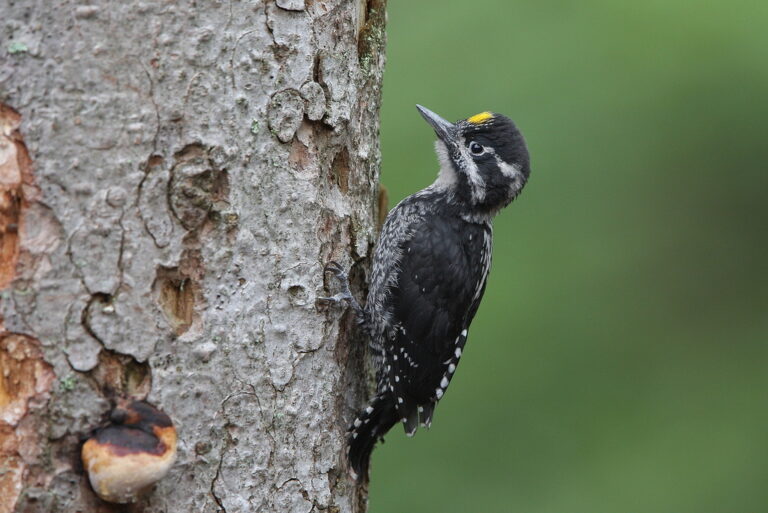
Rokua National Park
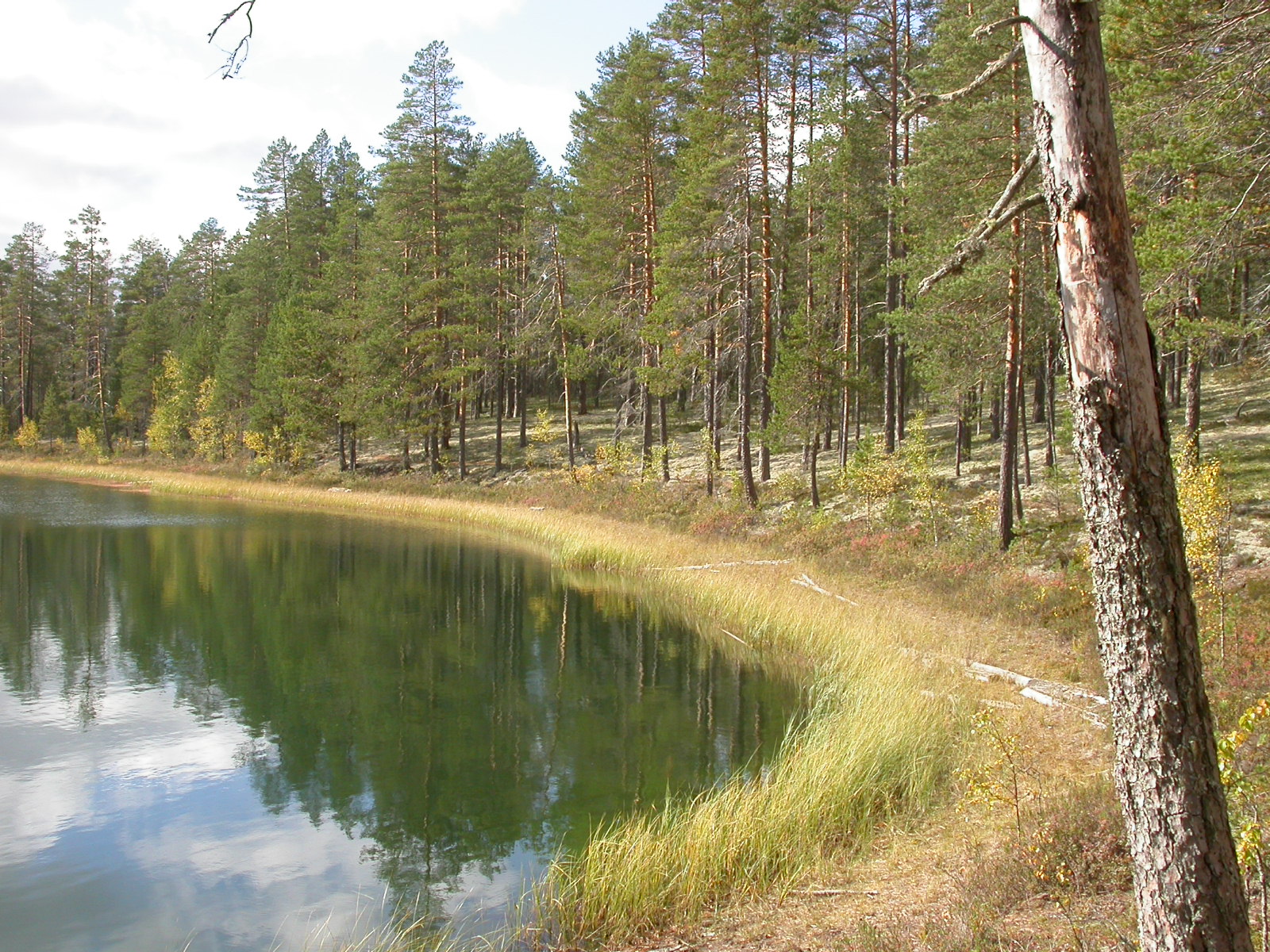
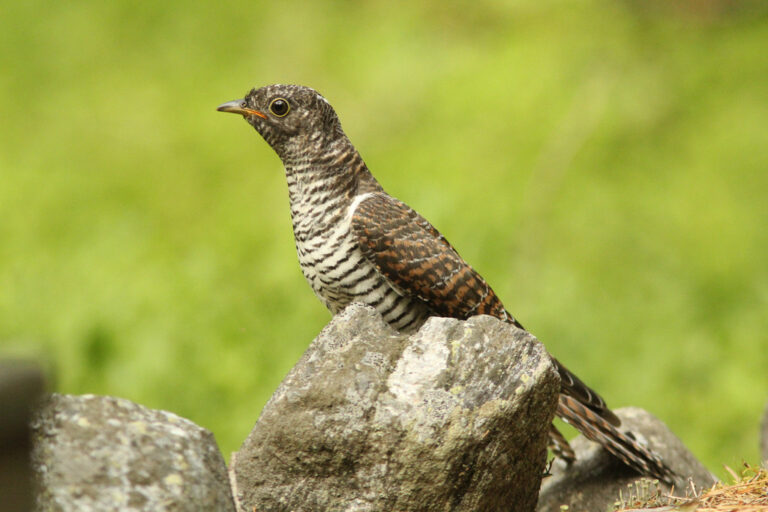
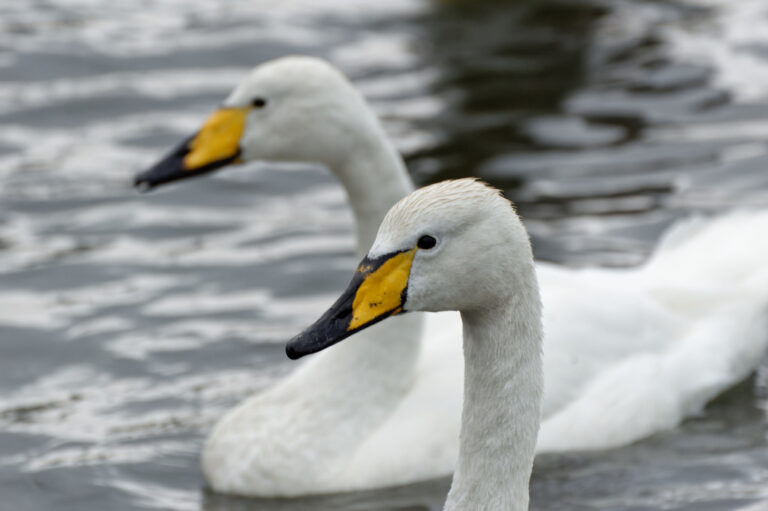
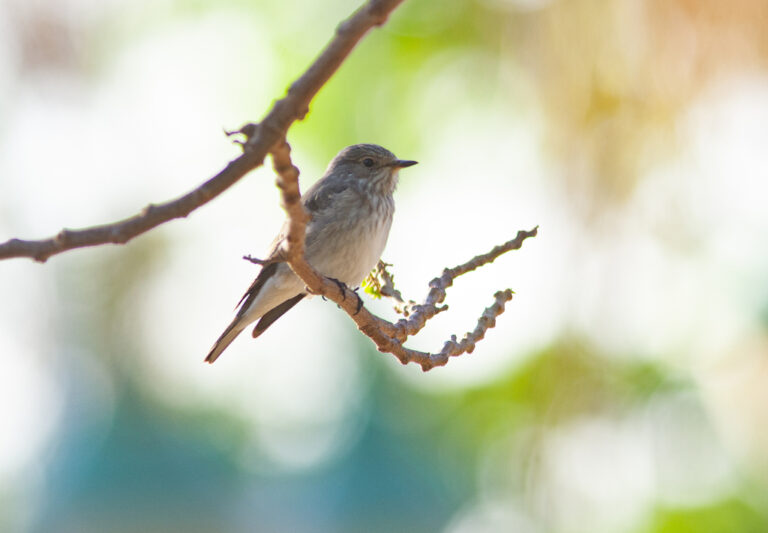
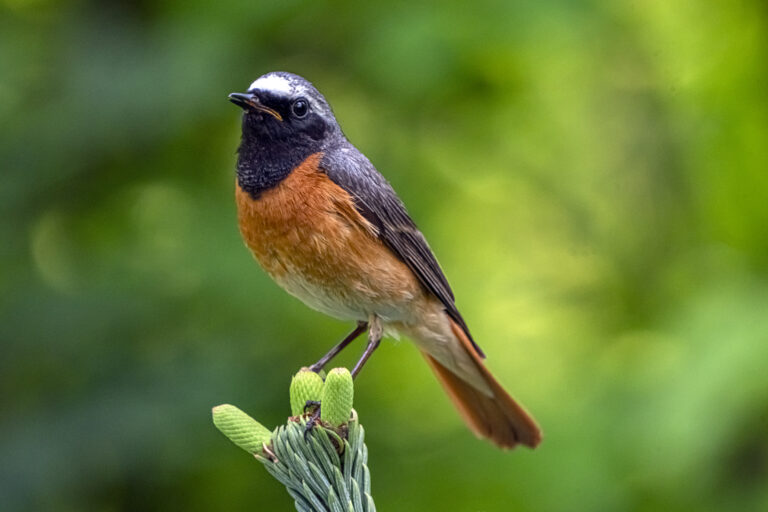
Photo © Vesa Krökki (Vekrokki at fi.wikipedia)
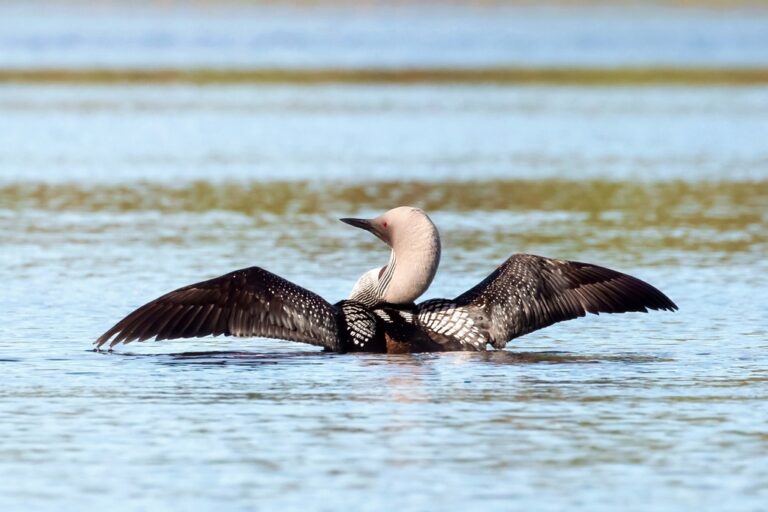
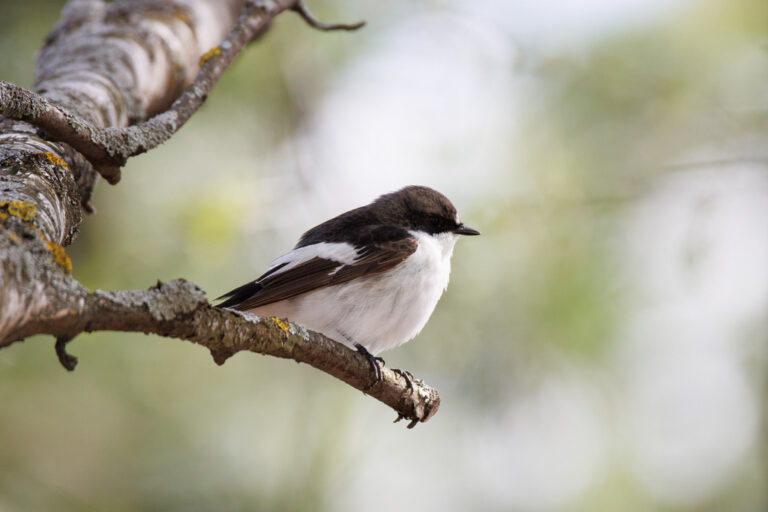
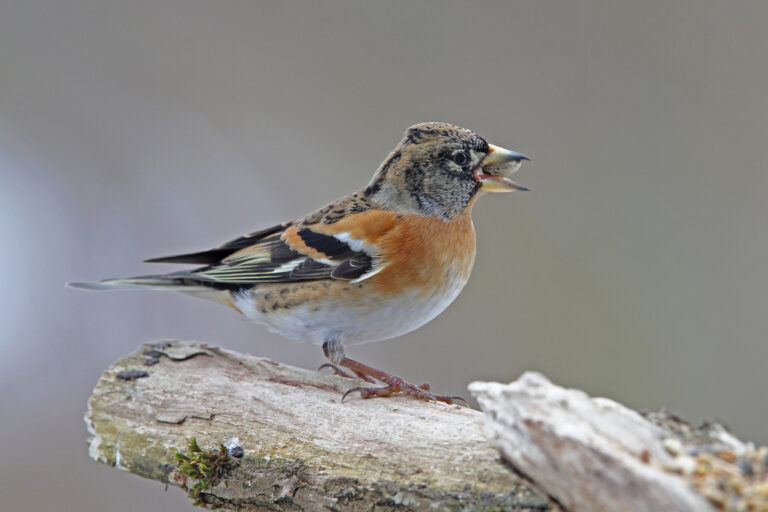
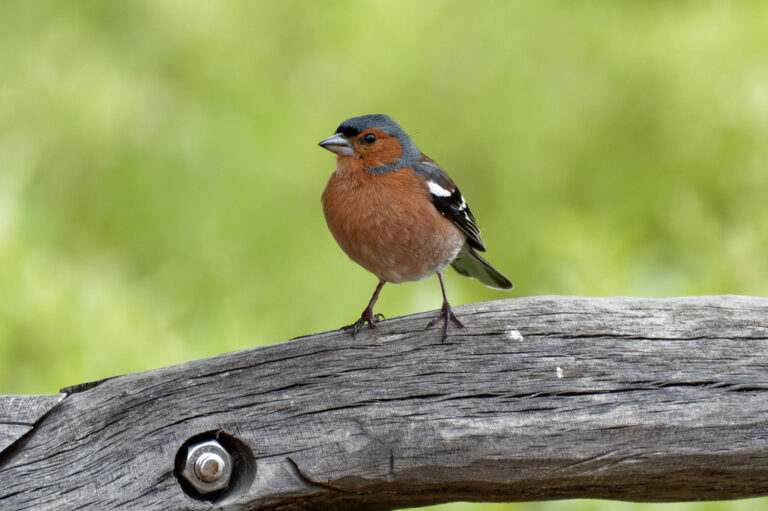
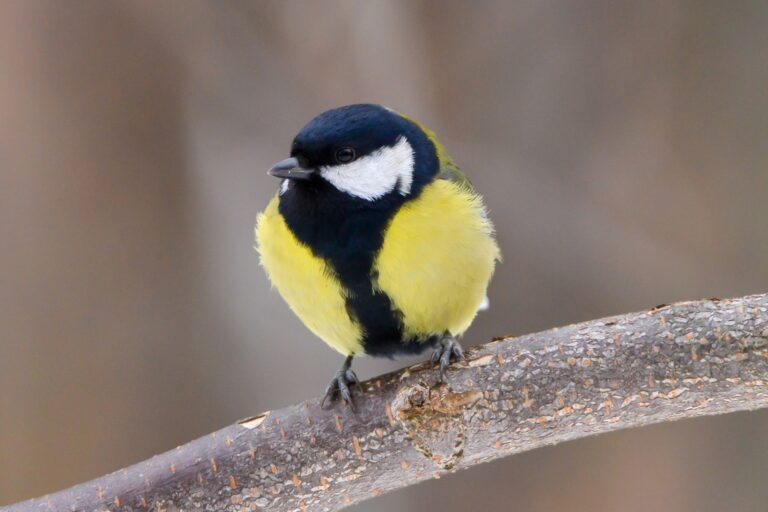
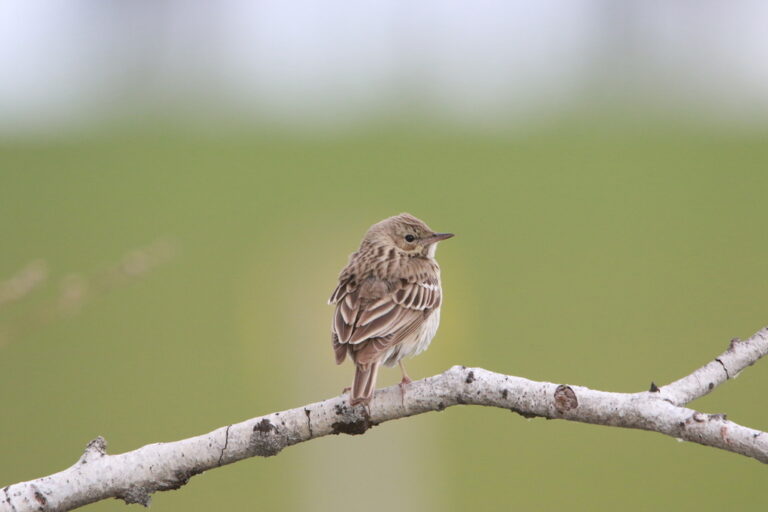
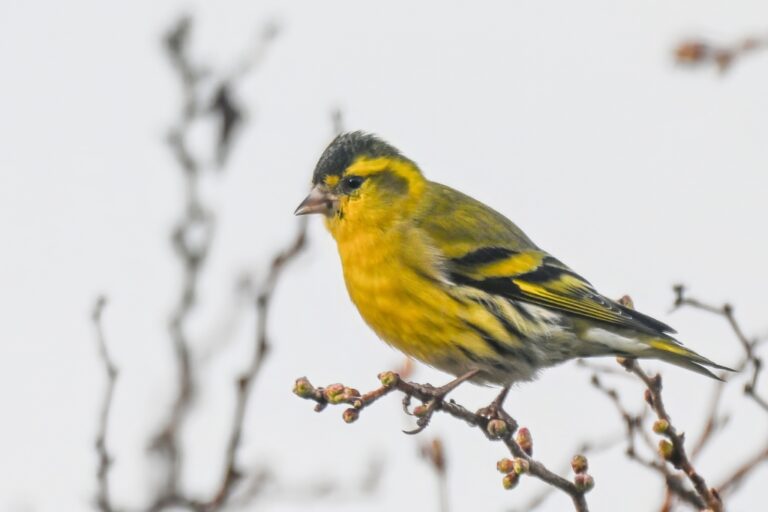
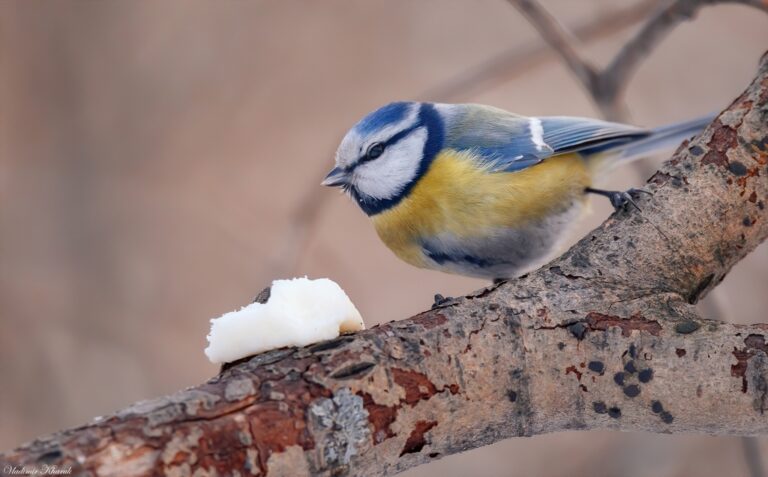
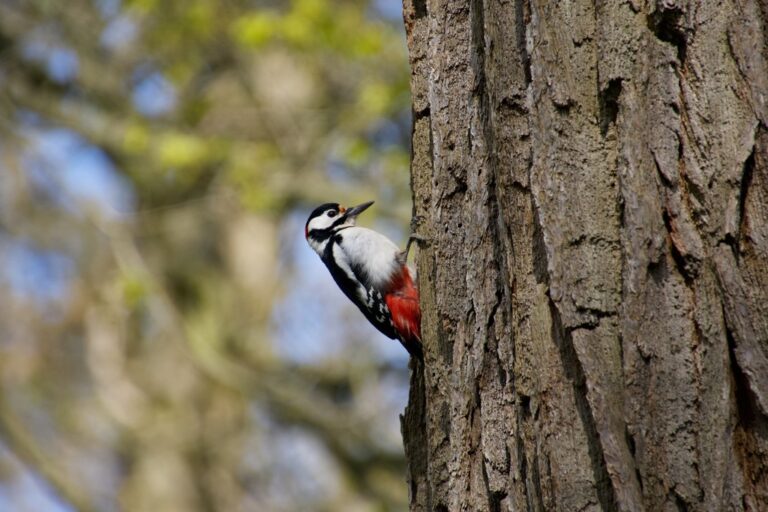
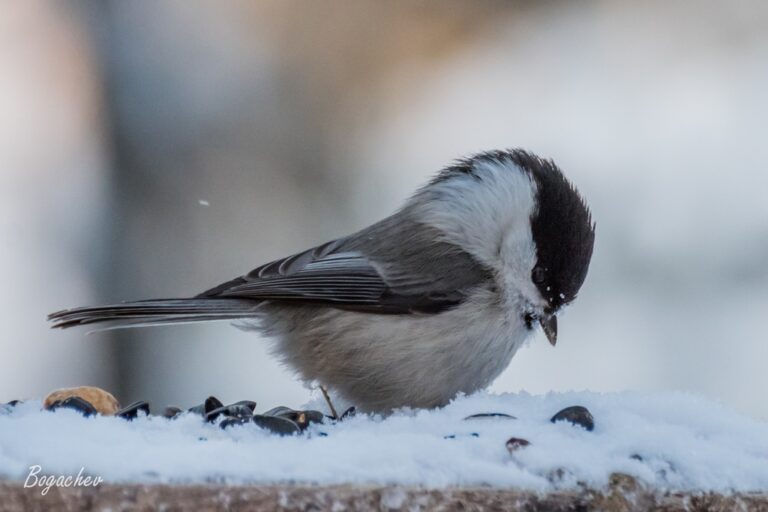
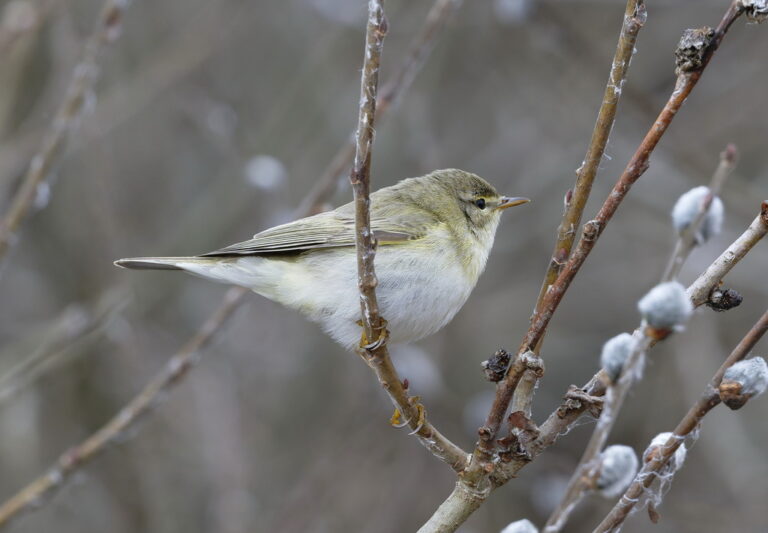
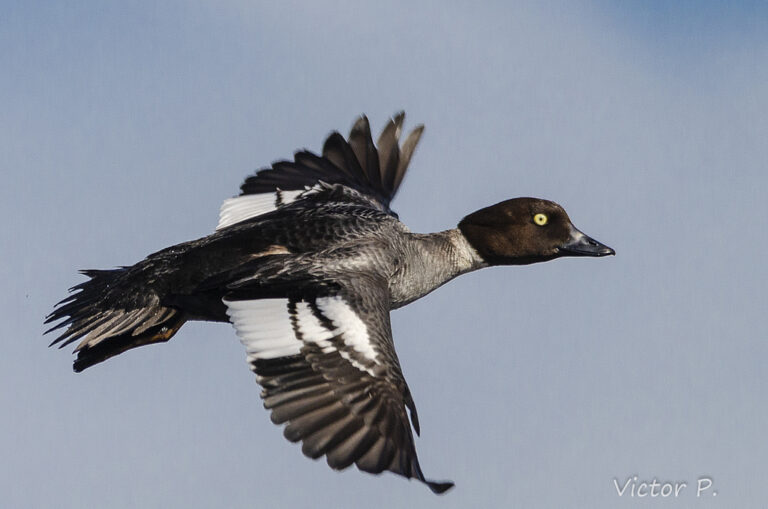
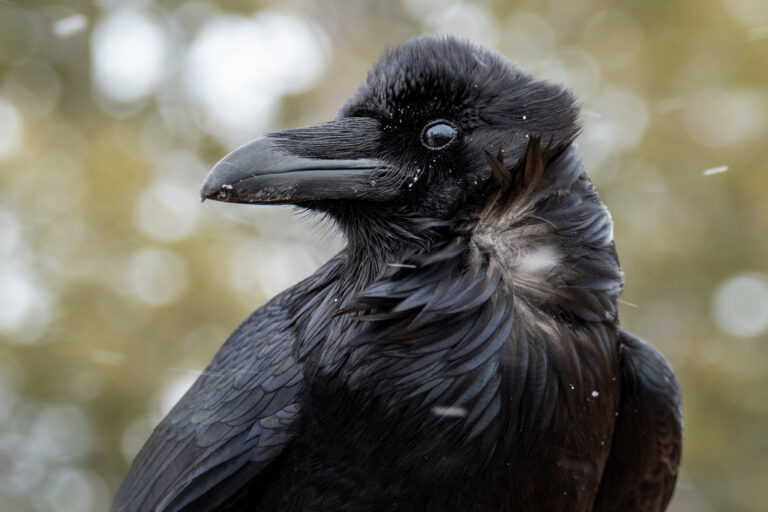
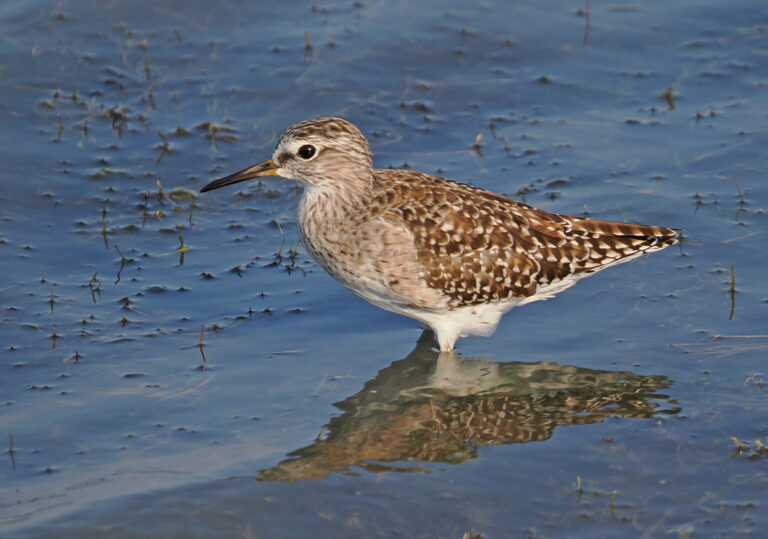
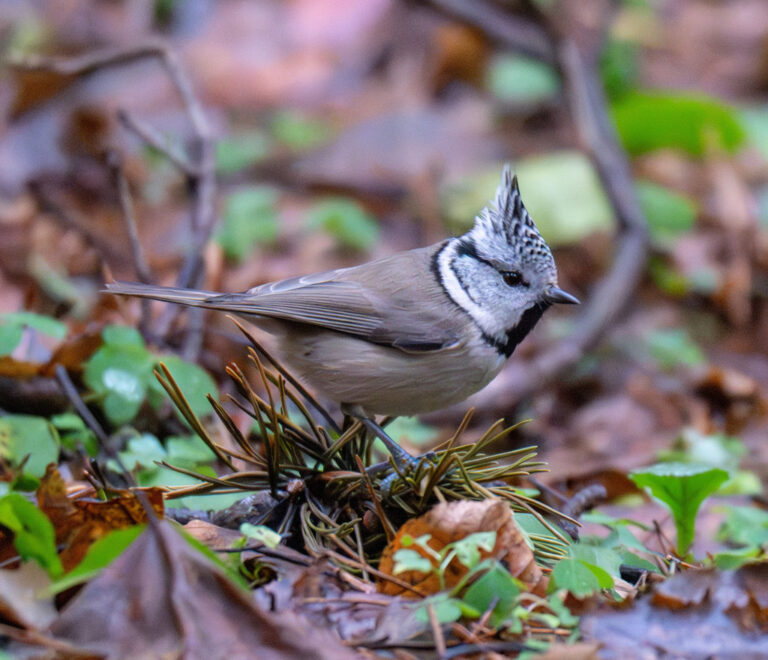
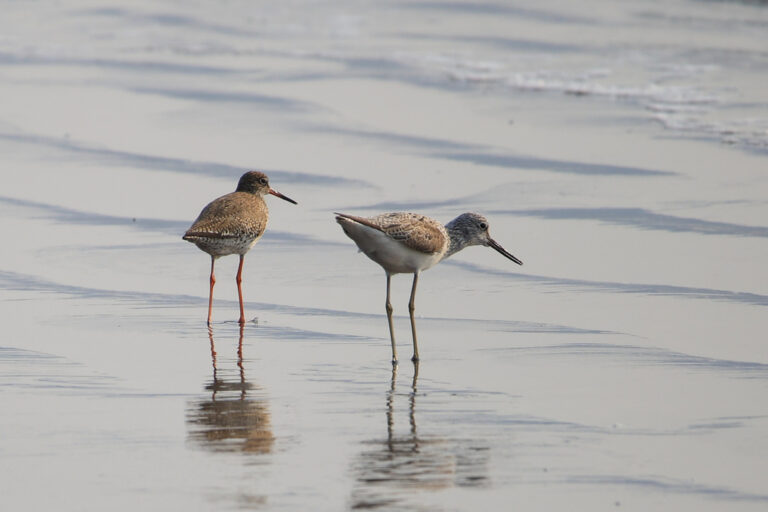
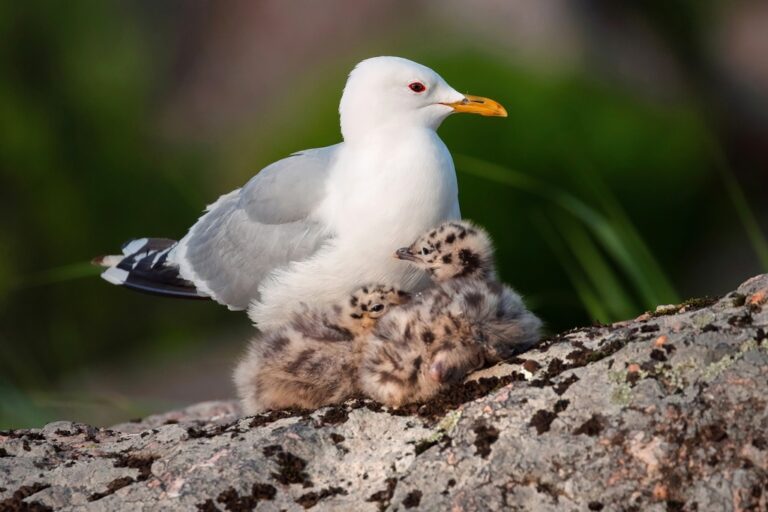
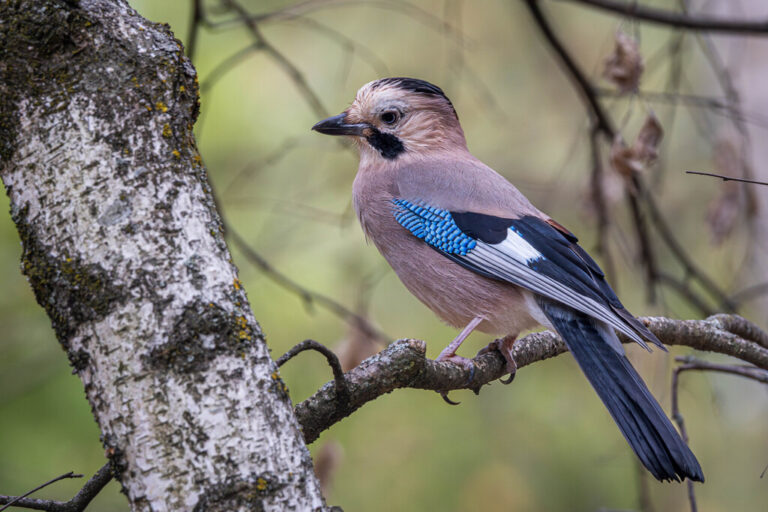
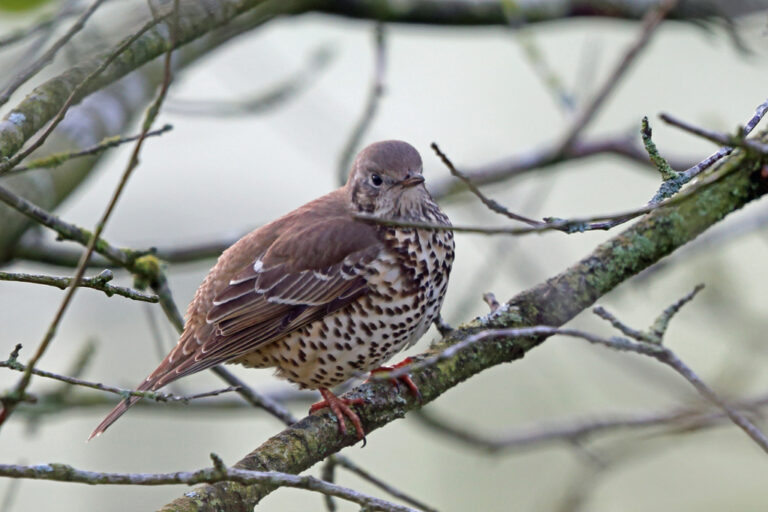
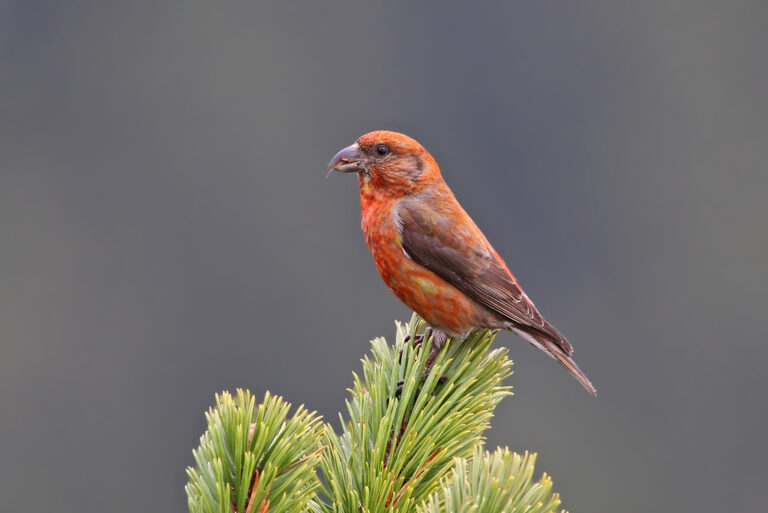
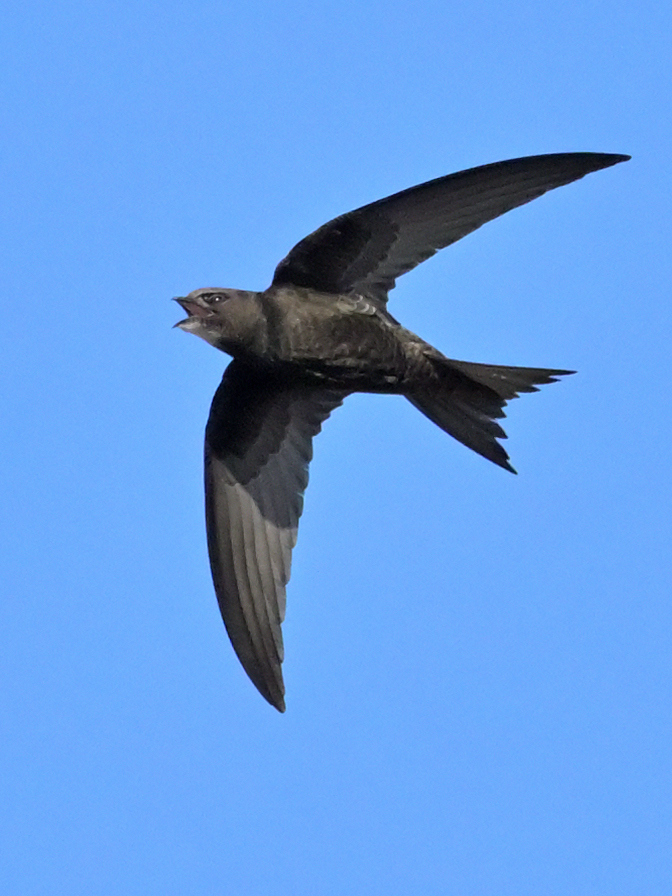
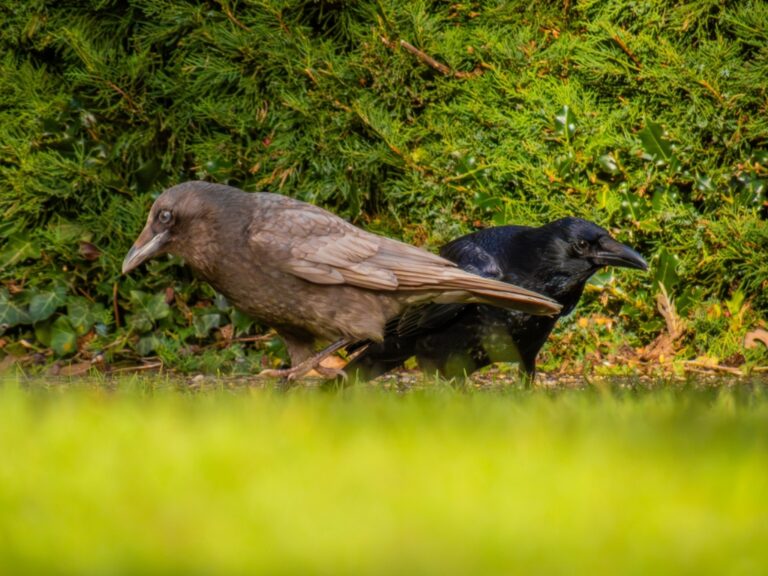
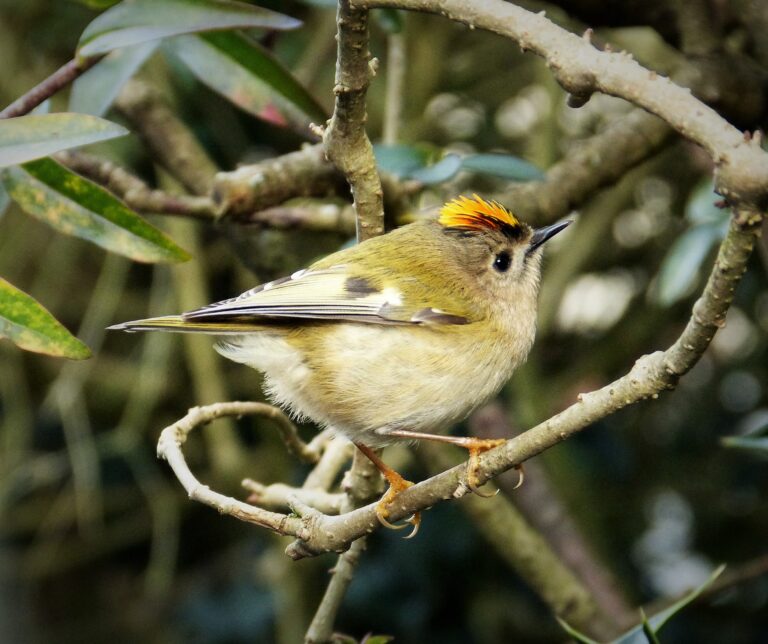
Photo © Vesa Krökki (Vekrokki at fi.wikipedia) — CC0 1.0 — Source: Wikimedia CommonsAcross the boreal landscape of North Ostrobothnia, where glacial forces sculpted the terrain during the last ice age, Rokua National Park emerges as a 60-square-kilometre mosaic of pine forest, esker ridges, and open wetlands. The park's defining character lies in its dramatic sandy ridges—ancient glacial formations that rise abruptly from surrounding terrain, creating a landscape of unexpected topography within the northern forest. These mineral-rich soils support a distinctive flora adapted to well-drained conditions, while the lower-lying areas harbour boggy expanses dotted with dwarf birch, cranberry, and sphagnum moss. The interplay between upland and wetland habitats creates a rich ecological tapestry: coniferous forest canopies shelter woodland songbirds and small forest mammals, while the open boglands attract migratory waders and waterfowl during spring and autumn passage. Birds of prey quarter the airspace above the ridges, scanning for movement among the heather and lichen-covered slopes. The sheer diversity of microhabitats compressed within the park's boundaries makes it a compact but remarkably productive corner of the boreal zone.
For naturalists and wildlife photographers, Rokua's draw lies precisely in this habitat compression and the quality of light that filters through the northern forest across changing seasons. The boreal spring triggers extraordinary waves of migratory songbirds and wetland species, while autumn sees another surge as birds move south. Summer offers near-continuous daylight for photography, and the park's open ridges provide vantage points that reward early-morning visits with clear sightlines across the landscape. The established trail network ensures access to the full spectrum of habitats without excessive bushwhacking, allowing visitors to move efficiently between forest, bog, and ridge-top in a single day. The park's scale—intimate enough to walk thoroughly yet large enough to feel genuinely wild—makes it ideal for photographers seeking both diversity and depth, where a day spent moving between habitats yields encounters with multiple ecological communities and the distinct faunas they support.
No community observations yet — be the first to log a sighting here.
Rokua National Park
Strong seasonal contrast, with cold winters and warmer summers.
A year of temperatures
Monthly means, with the coldest and warmest highlighted
Terrain and elevation
114 m · LowlandAverage terrain elevation estimate across the hotspot; the figure does not represent its highest summits.
Lowland