Average annual temperature
11.1 °C
Average of the twelve monthly means
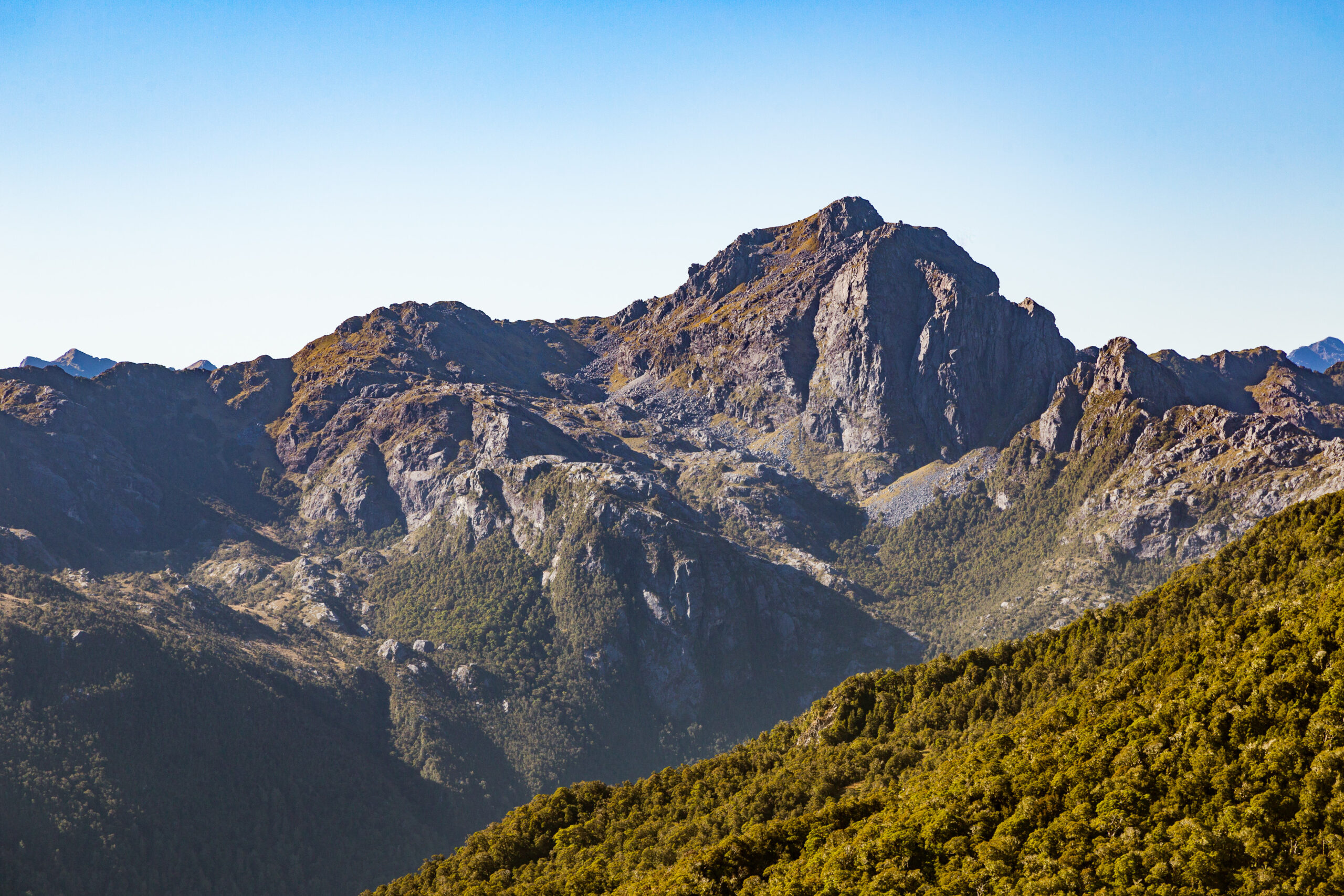
Paparoa National Park
Photo © Jase Blair
Photo © Jase Blair — CC BY-SA 4.0 — Source: Wikimedia Commons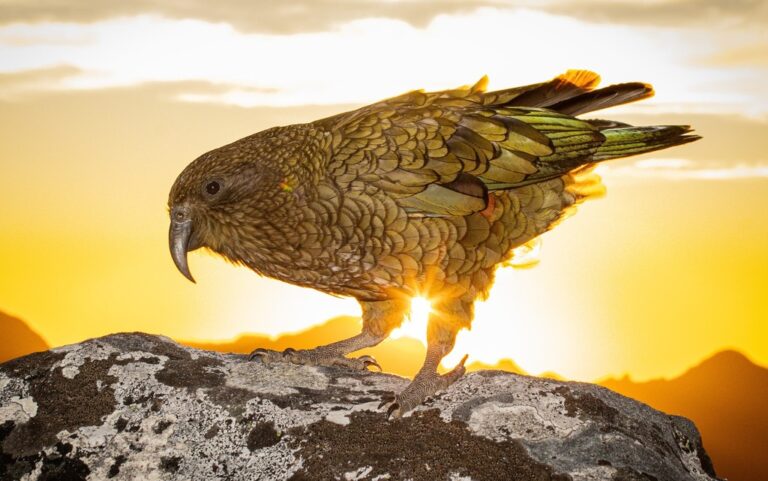
Nestor notabilis
♥
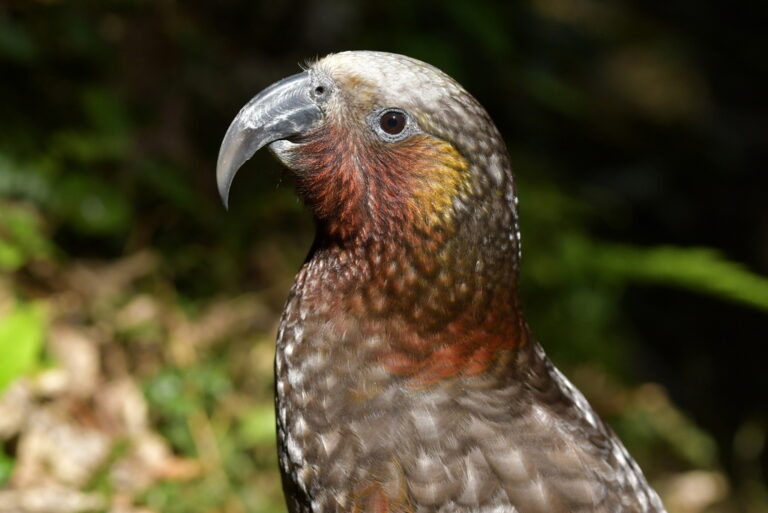
Nestor meridionalis
♥
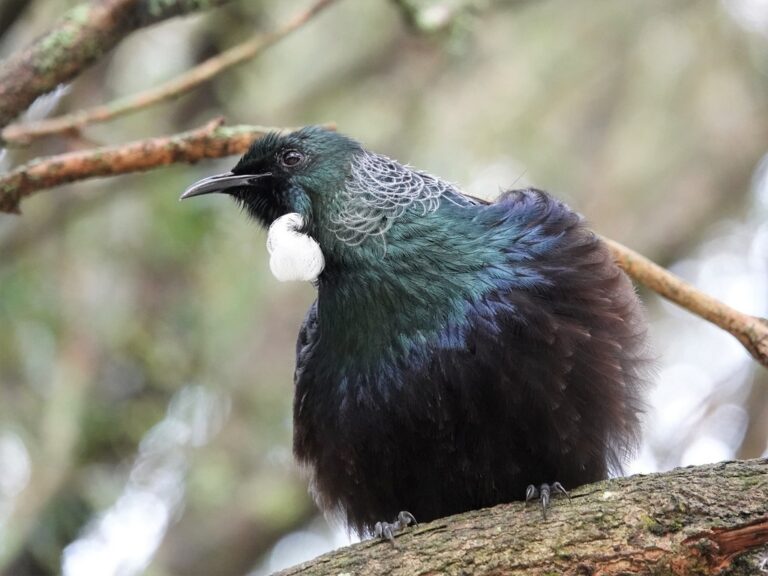
Prosthemadera novaeseelandiae
♥
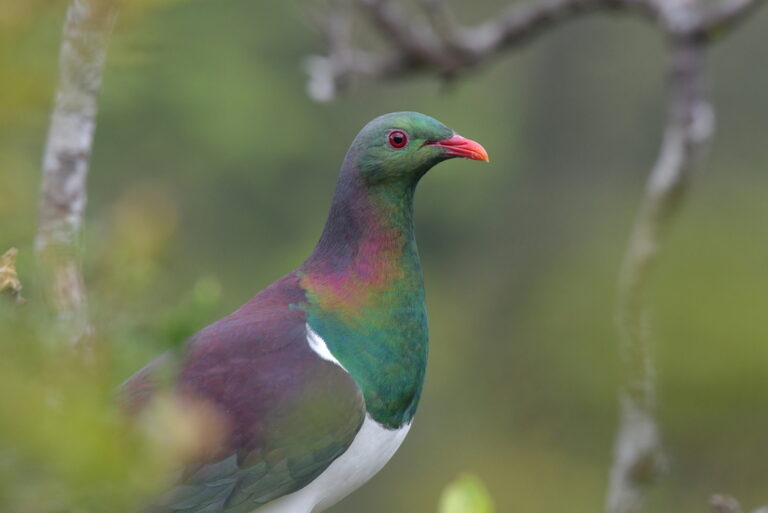
Hemiphaga novaeseelandiae
♥
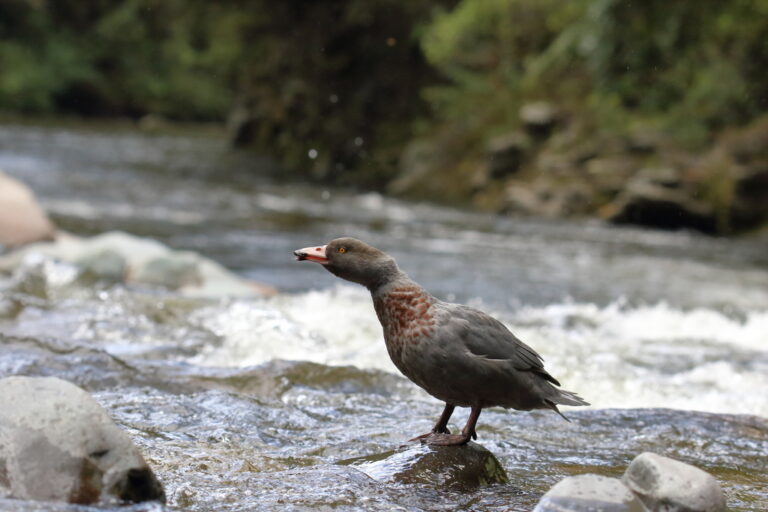
Hymenolaimus malacorhynchos
♥
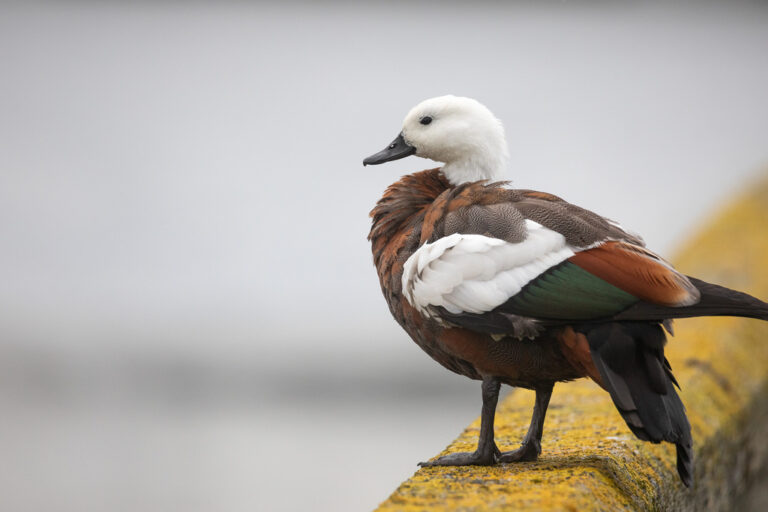
Tadorna variegata
♥
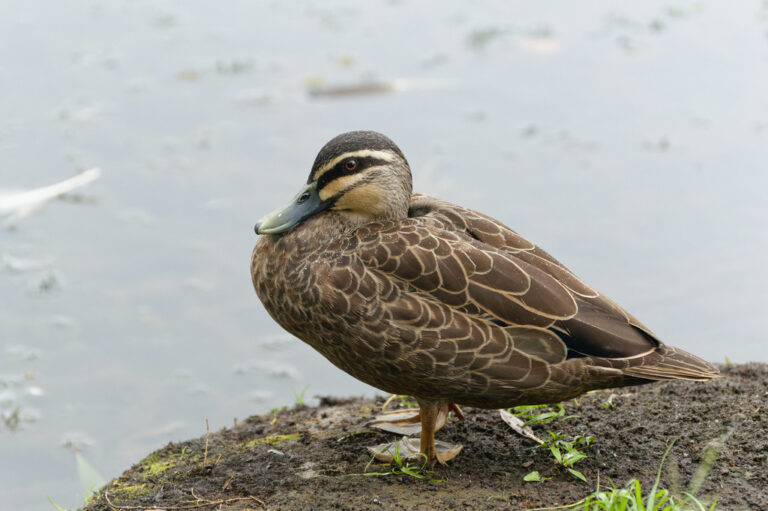
Anas superciliosa
♥
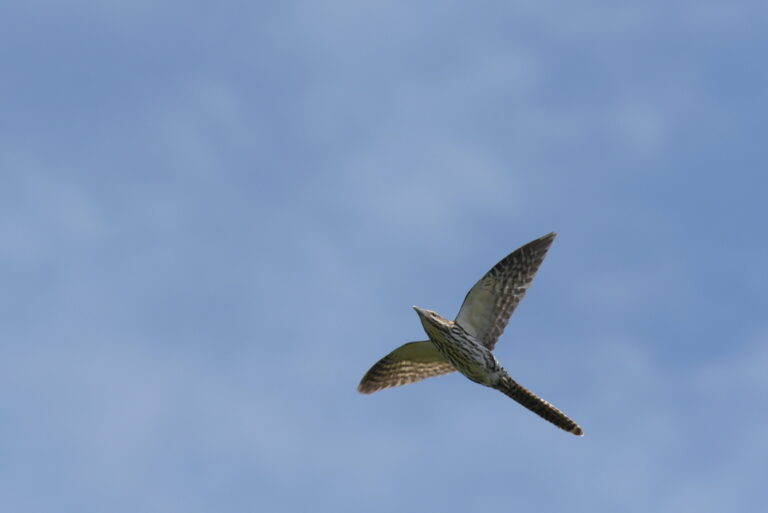
Urodynamis taitensis
♥
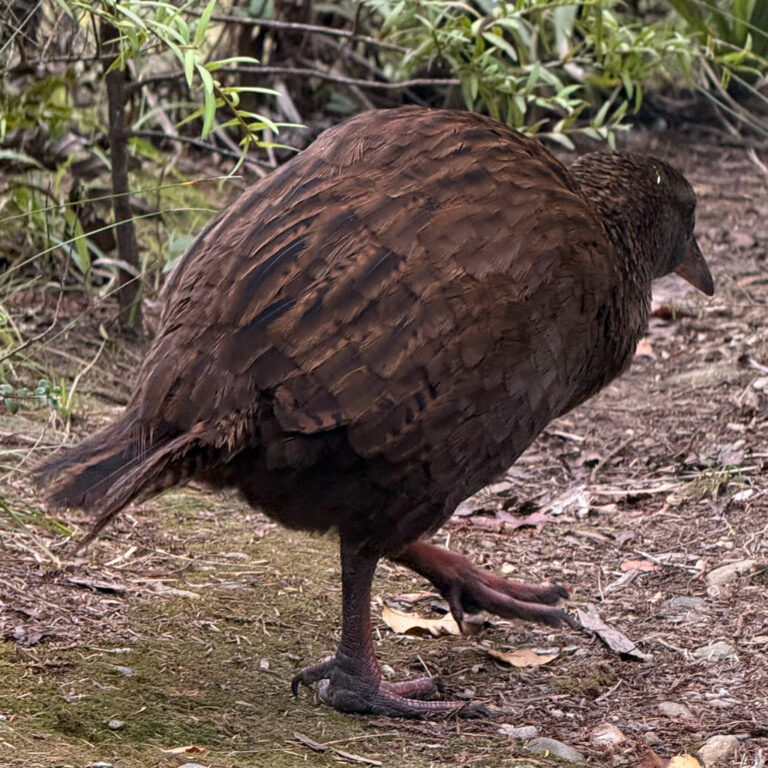
Gallirallus australis
♥
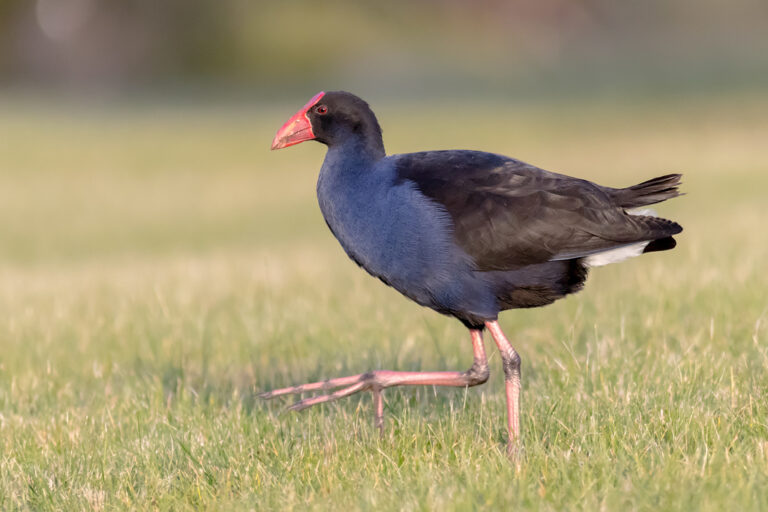
Porphyrio melanotus
♥
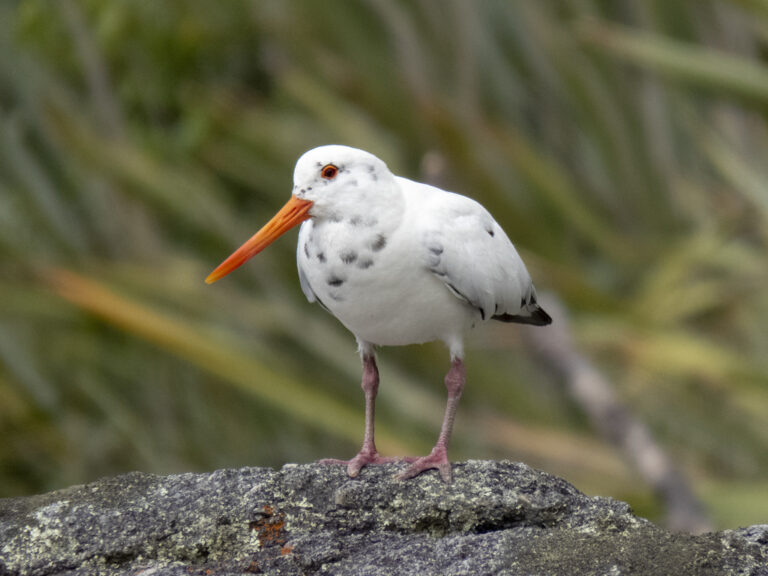
Haematopus unicolor
♥
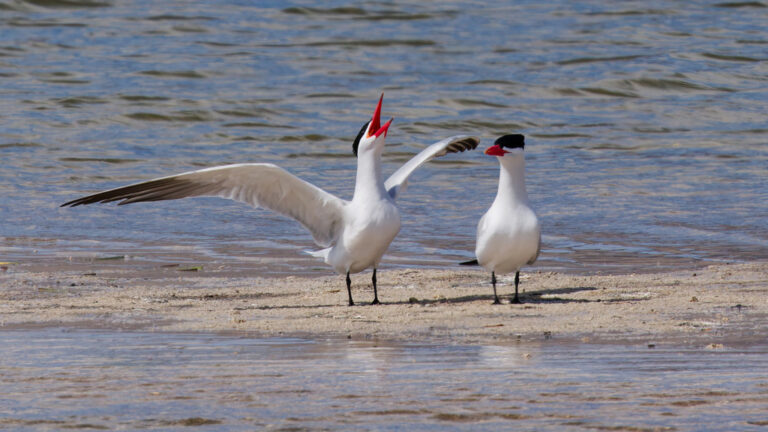
Hydroprogne caspia
♥
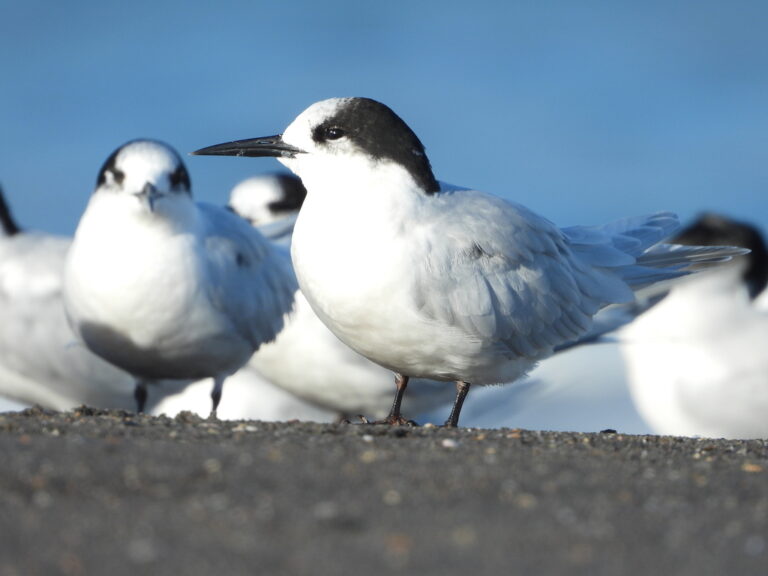
Sterna striata
♥
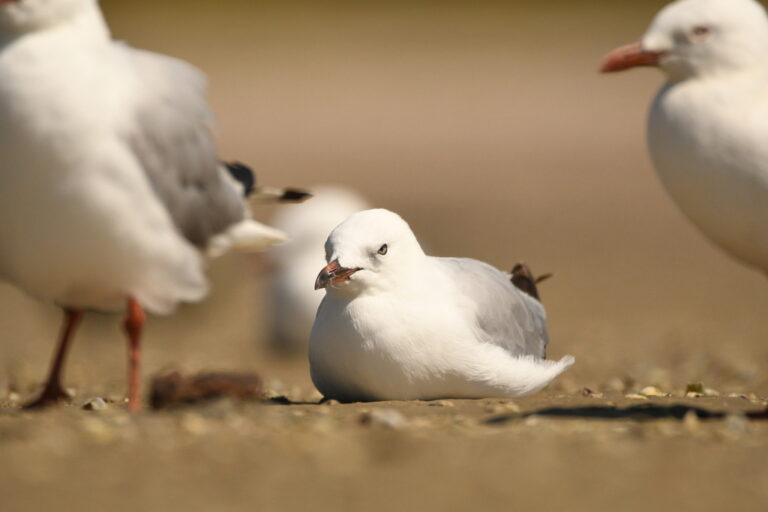
Chroicocephalus novaehollandiae
♥
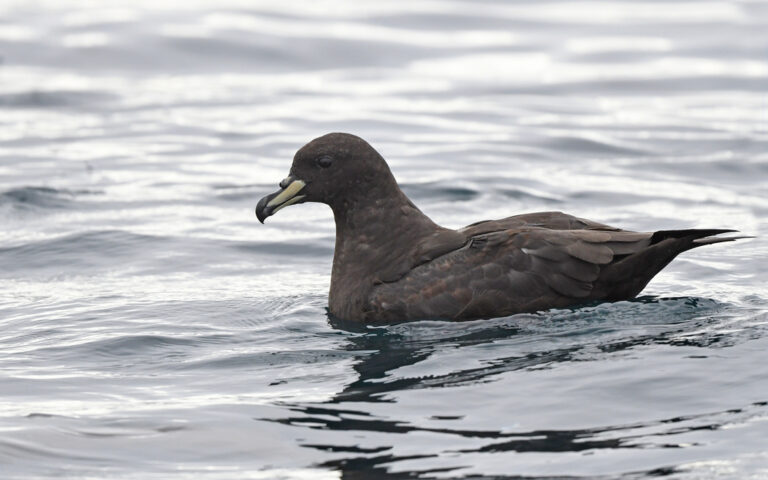
Procellaria westlandica
♥
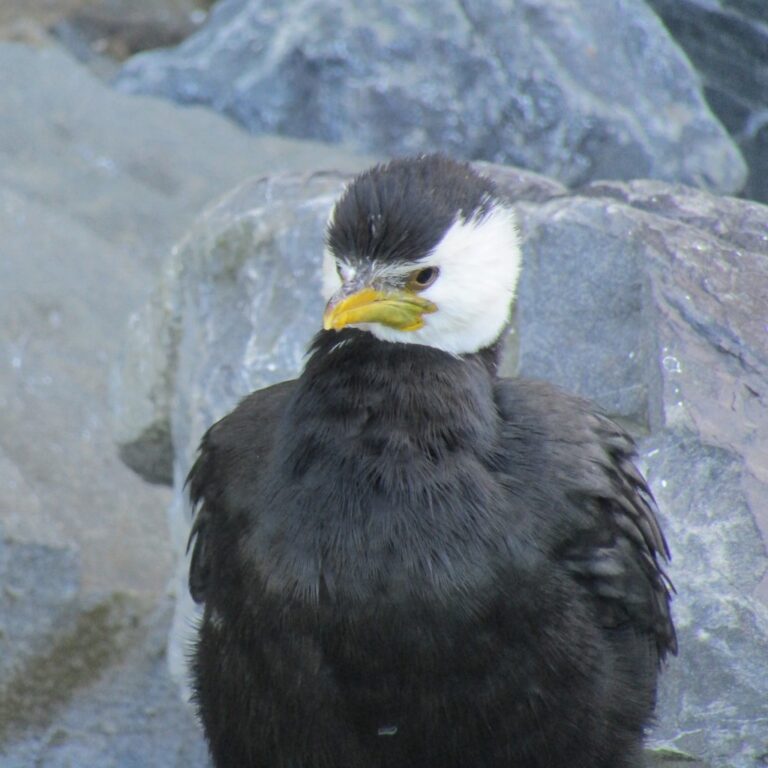
Microcarbo melanoleucos
♥
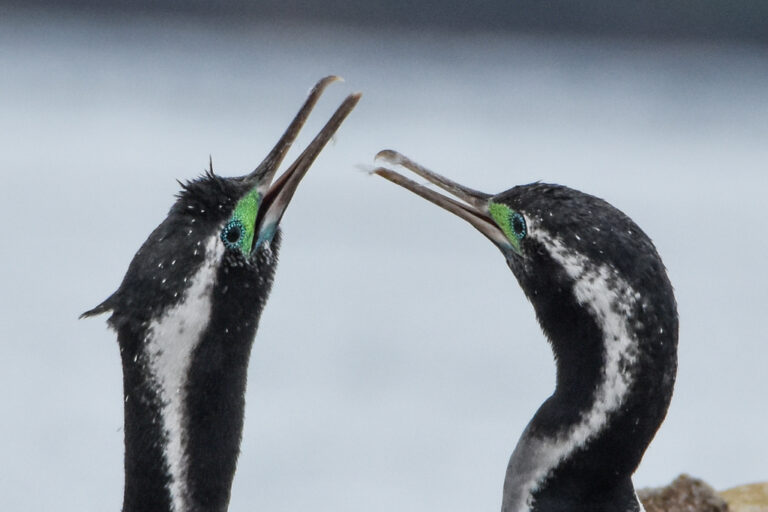
Phalacrocorax punctatus
♥
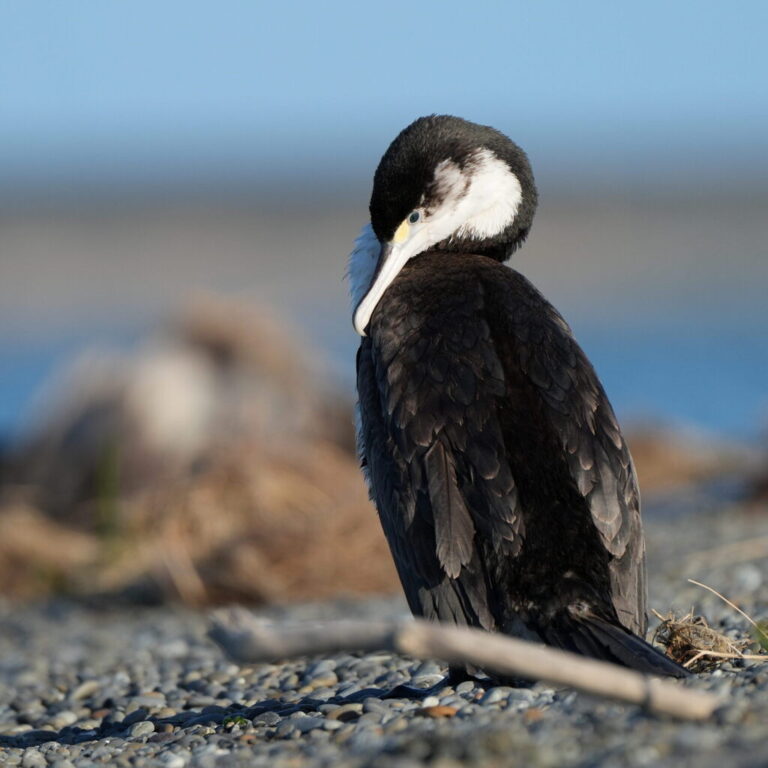
Phalacrocorax varius
♥
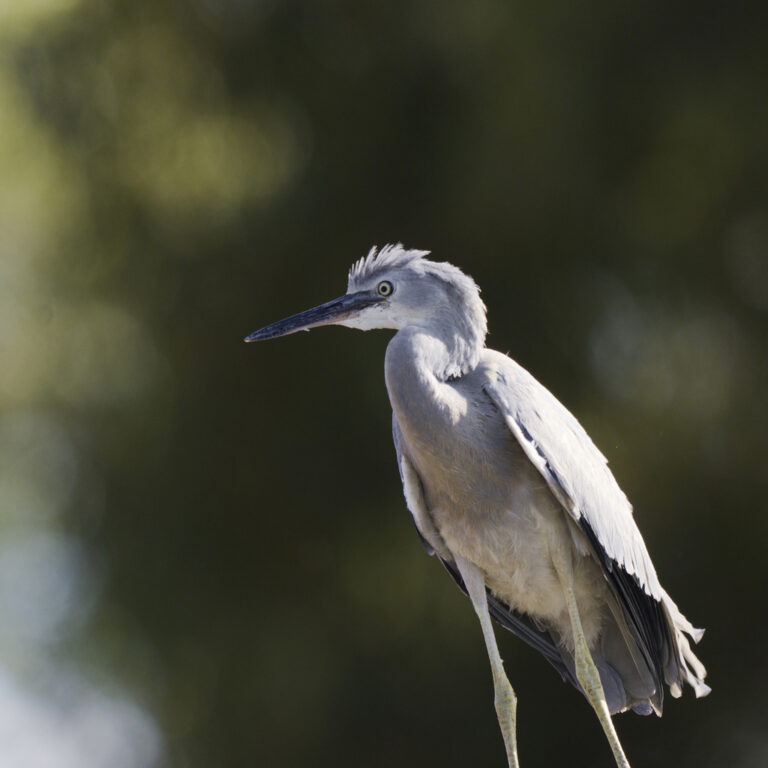
Egretta novaehollandiae
♥
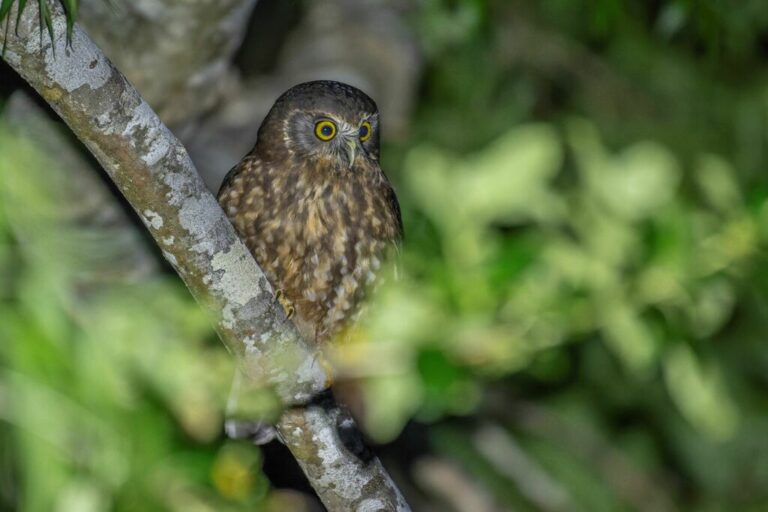
Ninox novaeseelandiae
♥
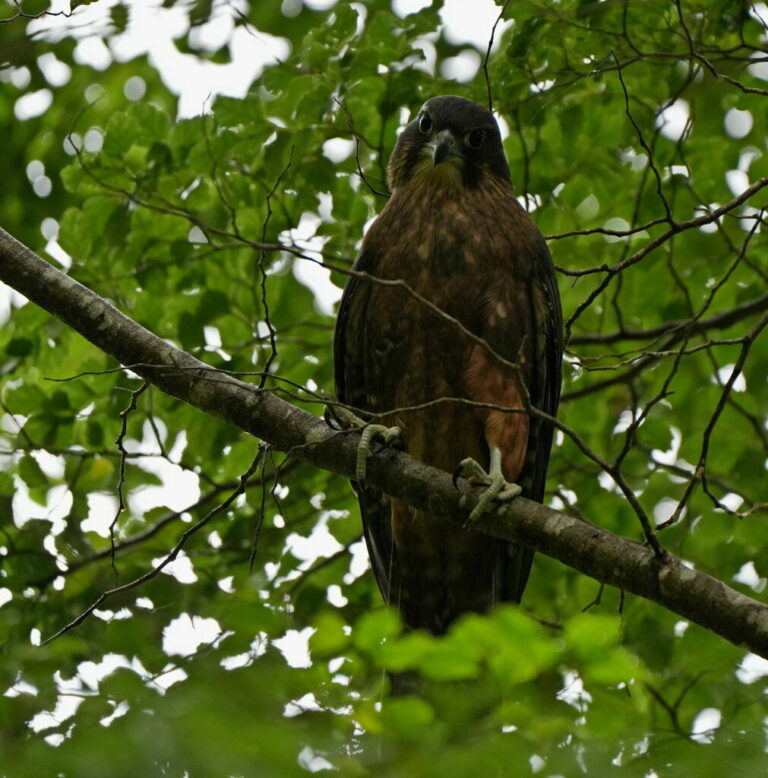
Falco novaeseelandiae
♥
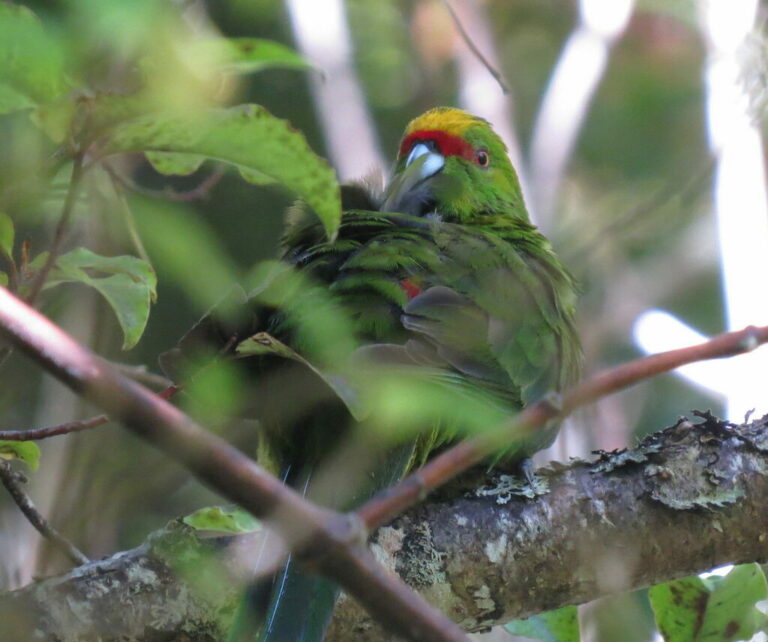
Cyanoramphus auriceps
♥
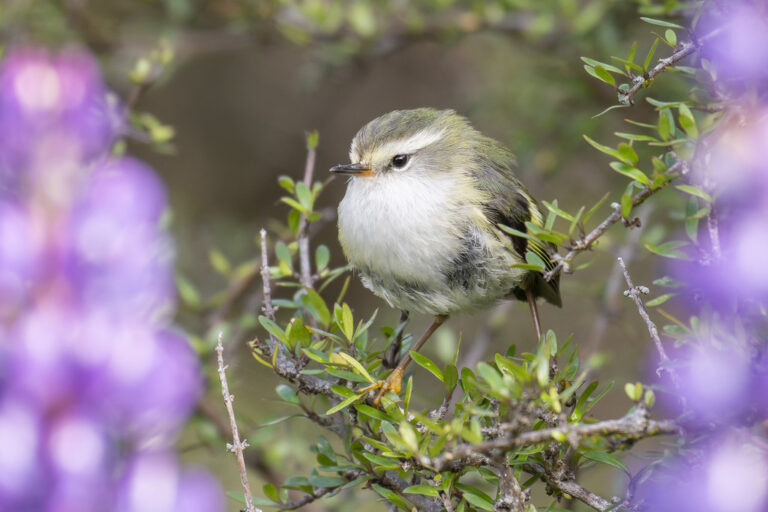
Acanthisitta chloris
♥
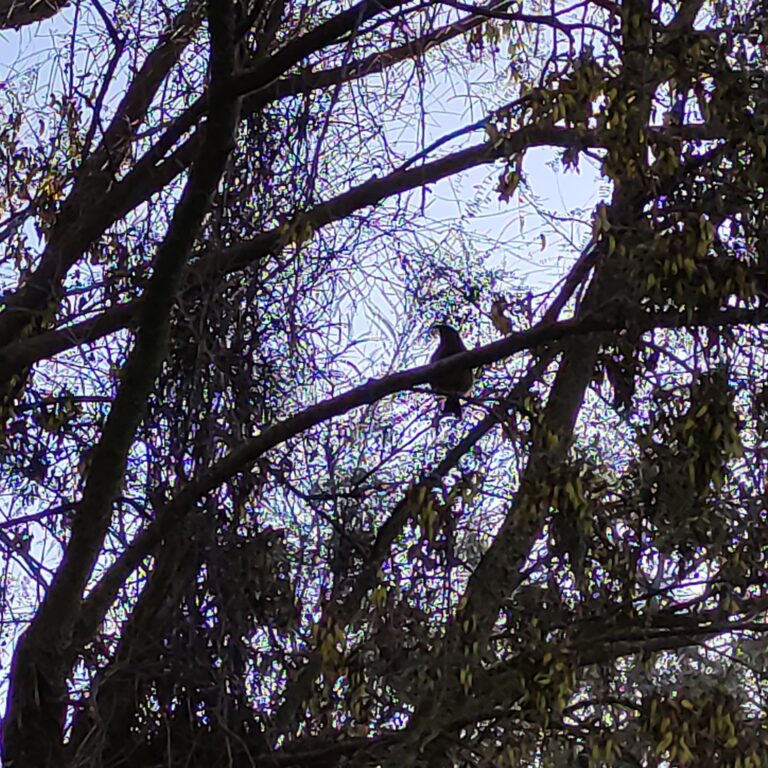
Anthornis melanura
♥
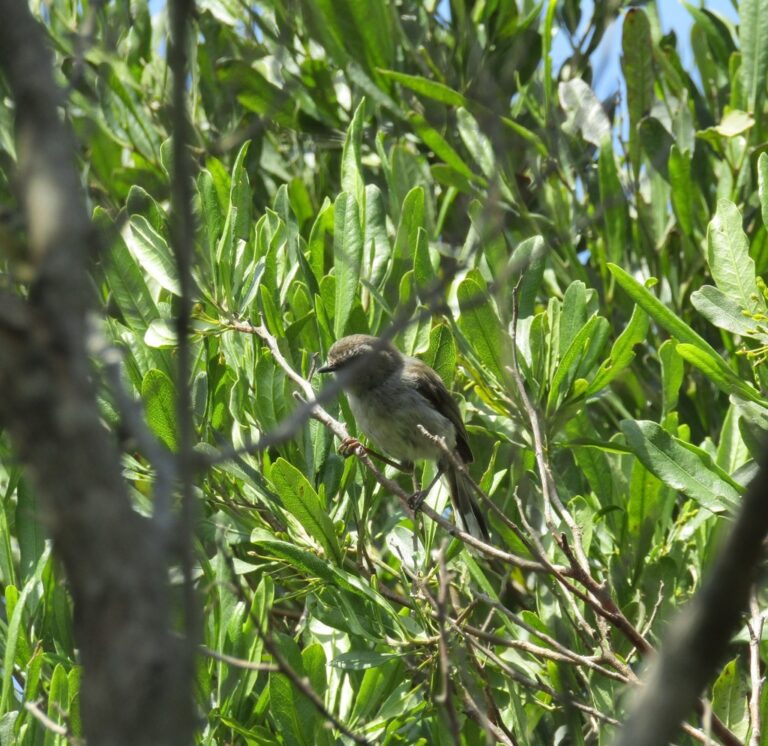
Gerygone igata
♥
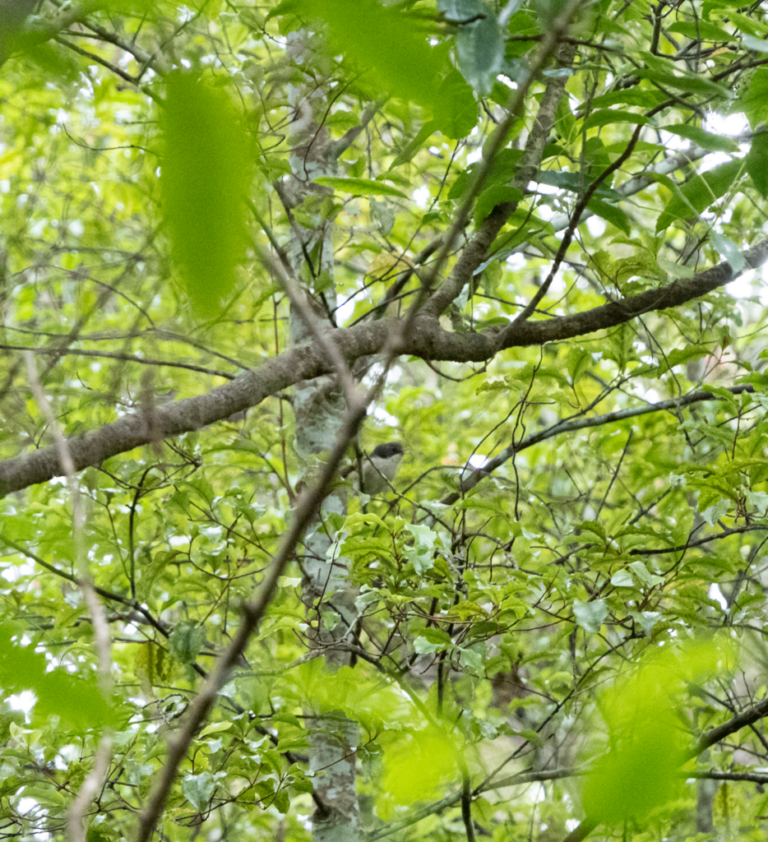
Mohoua novaeseelandiae
♥
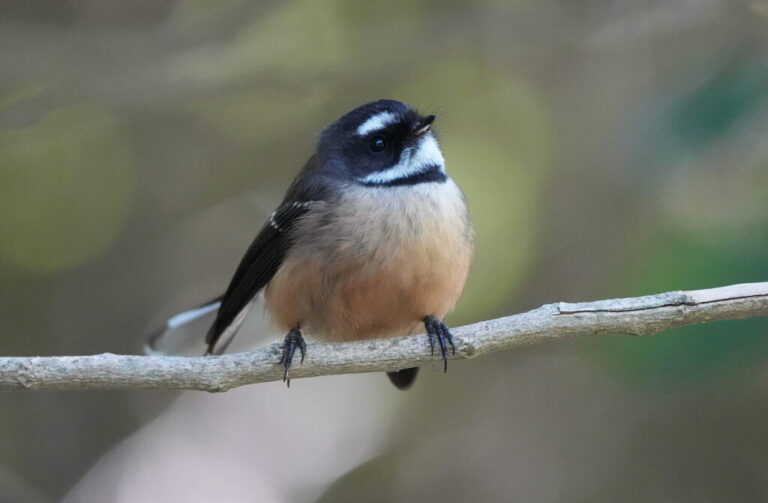
Rhipidura fuliginosa
♥
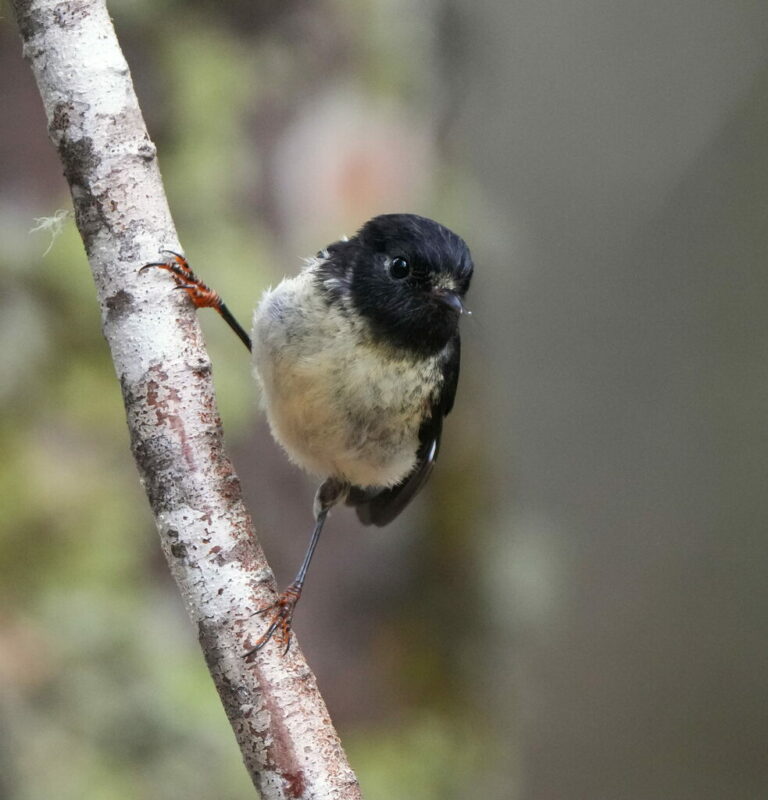
Petroica macrocephala
♥
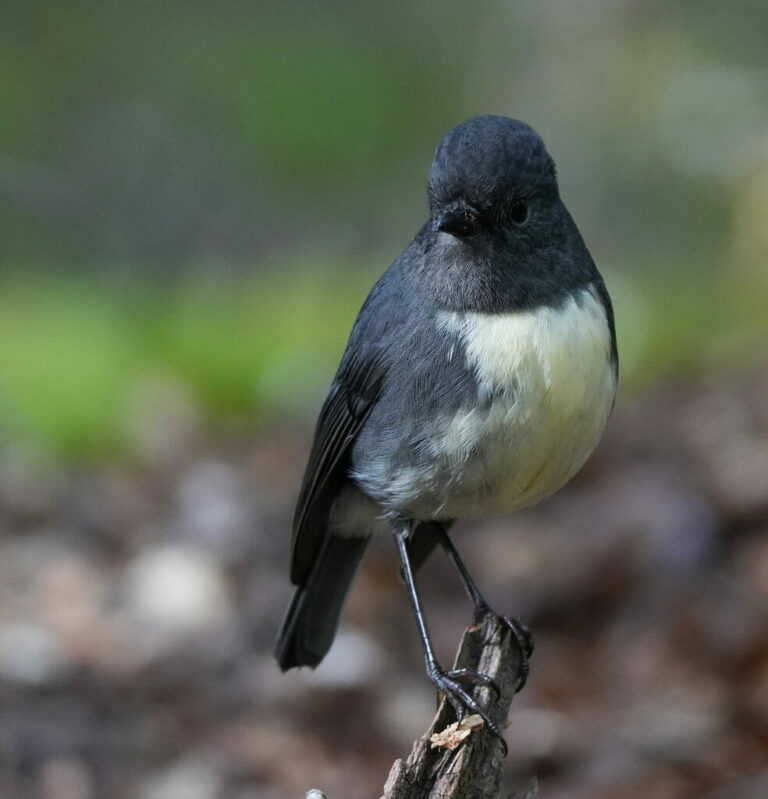
Petroica australis
♥
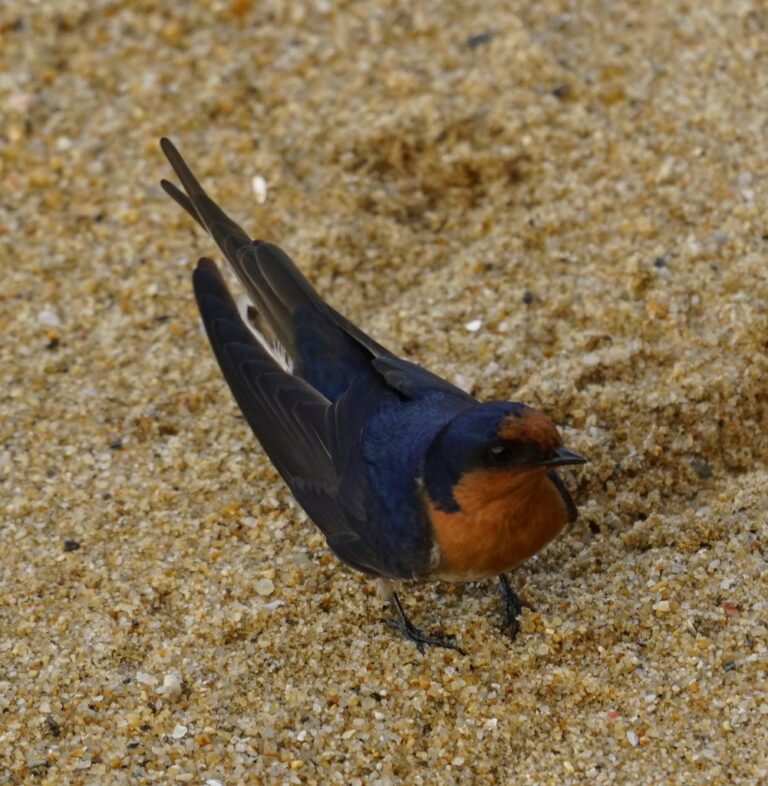
Hirundo neoxena
♥
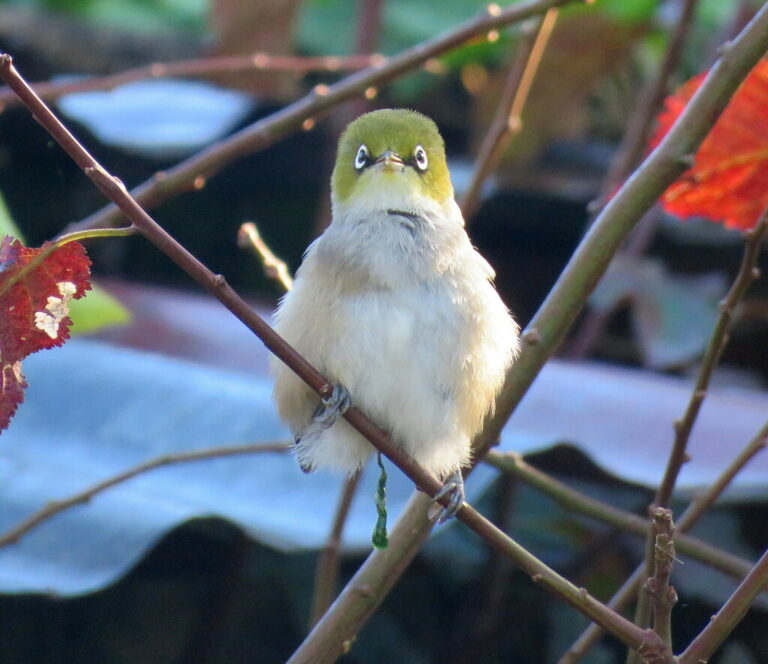
Zosterops lateralis
♥
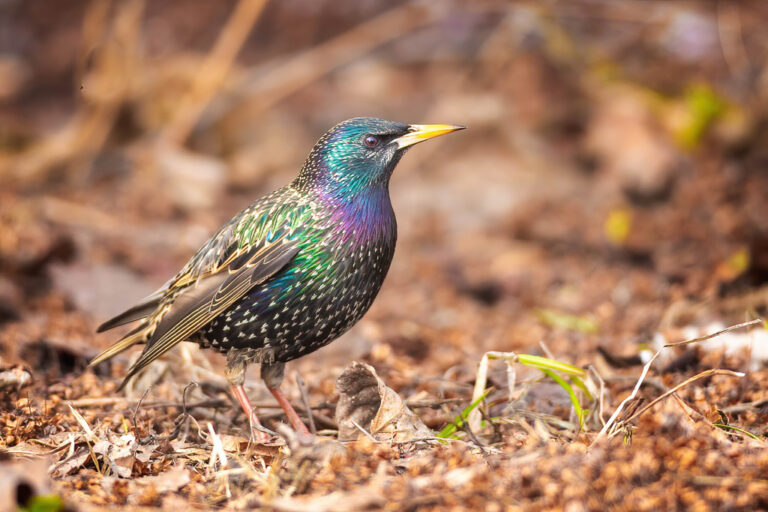
Sturnus vulgaris
♥
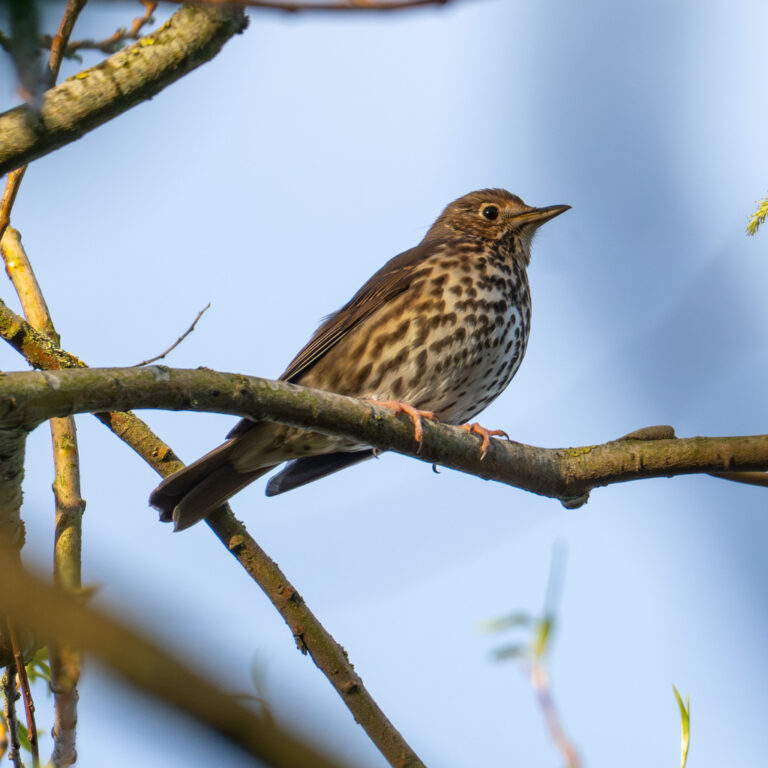
Turdus philomelos
♥
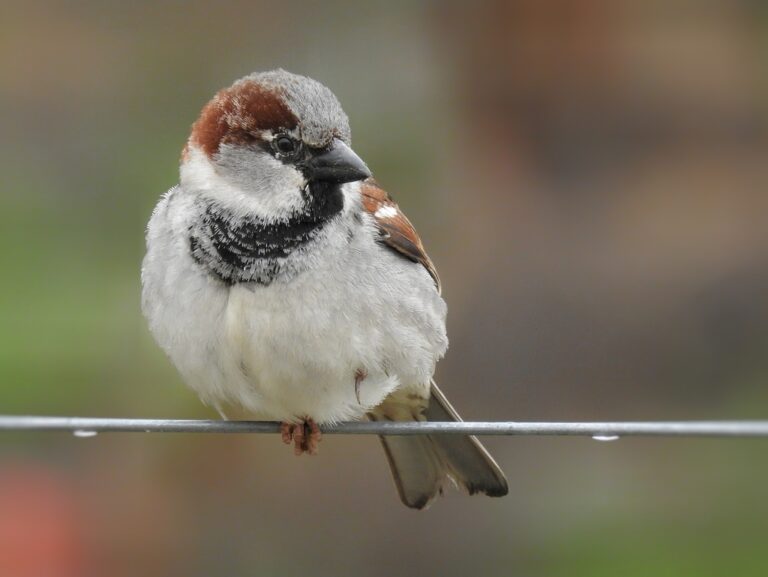
Passer domesticus
♥
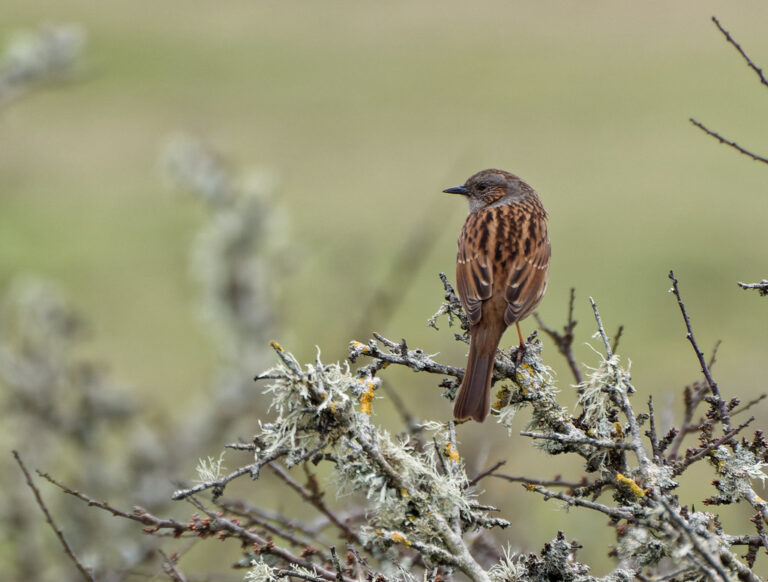
Prunella modularis
♥
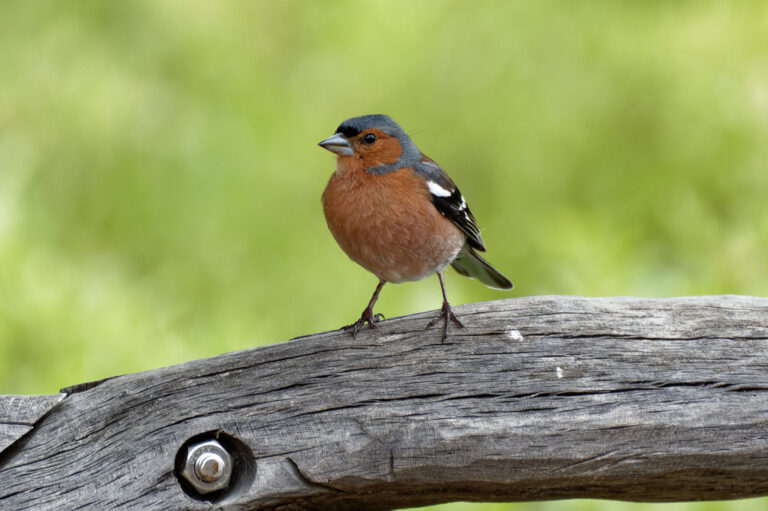
Fringilla coelebs
♥
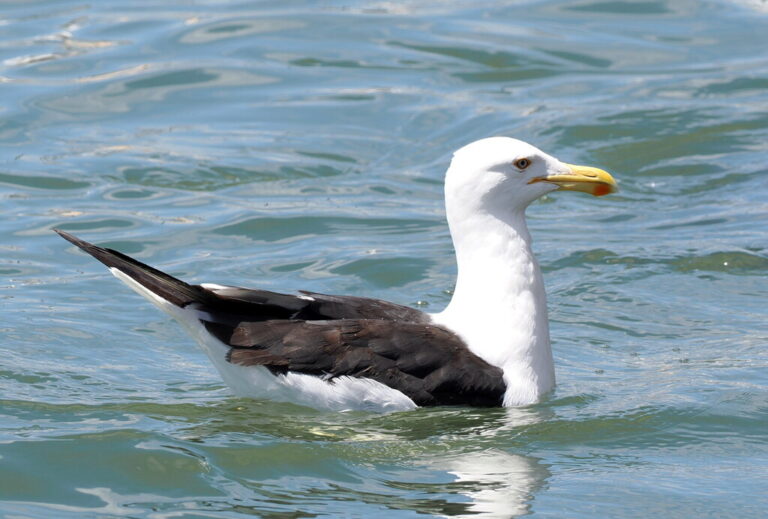
Larus dominicanus
♥
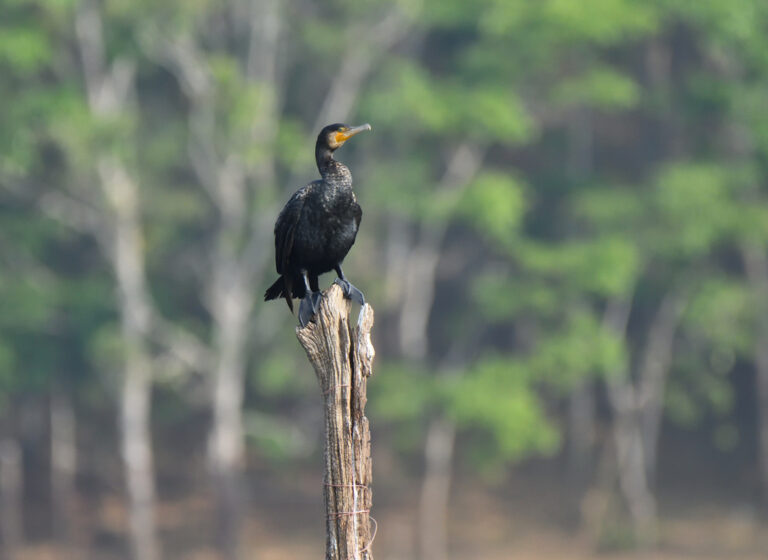
Phalacrocorax carbo
♥
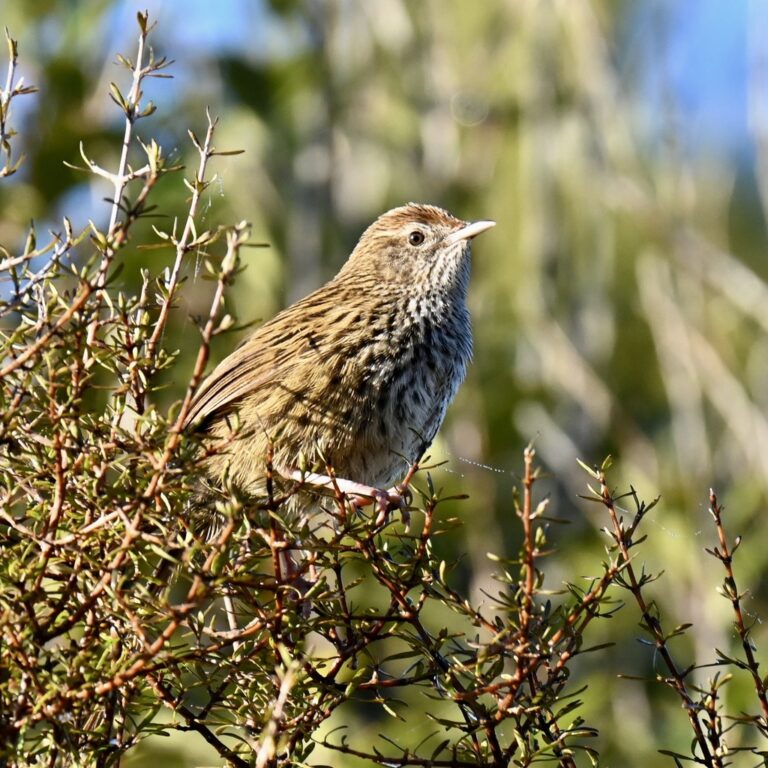
Poodytes punctatus
♥
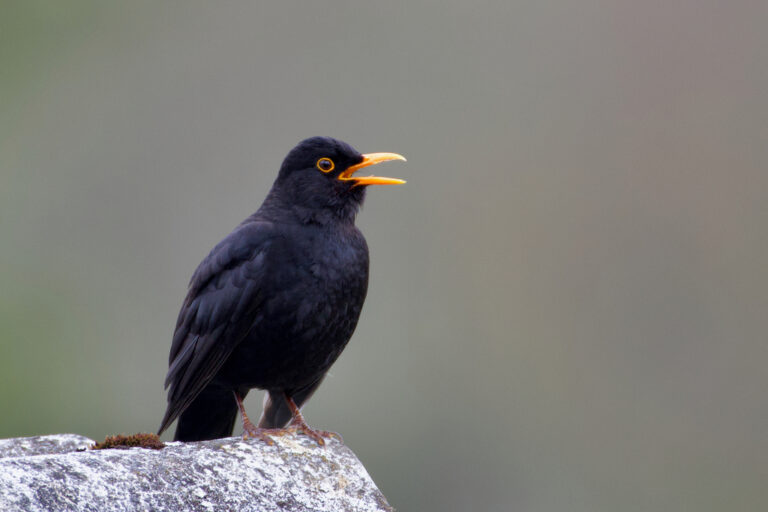
Turdus merula
♥
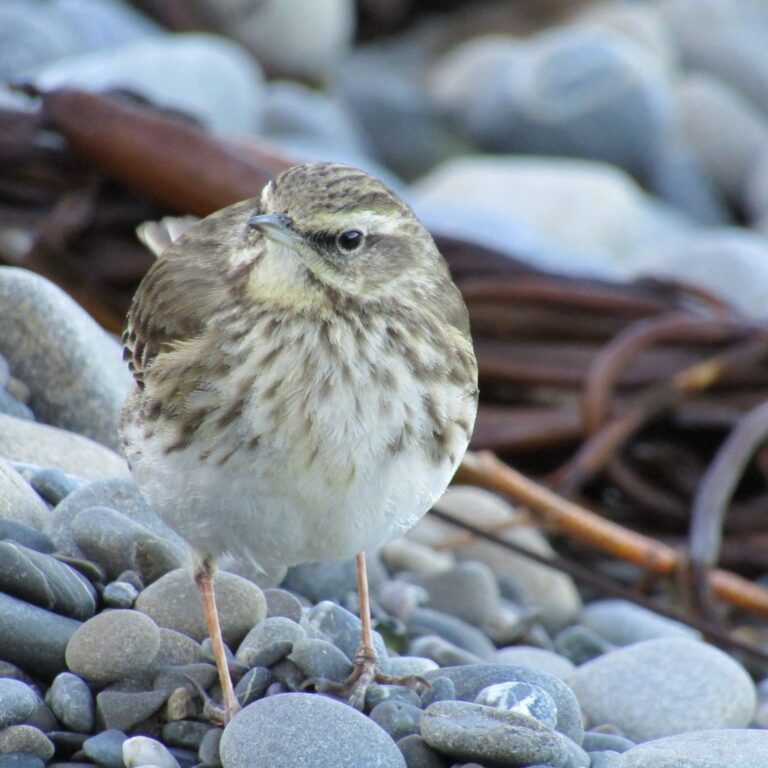
Anthus novaeseelandiae
♥
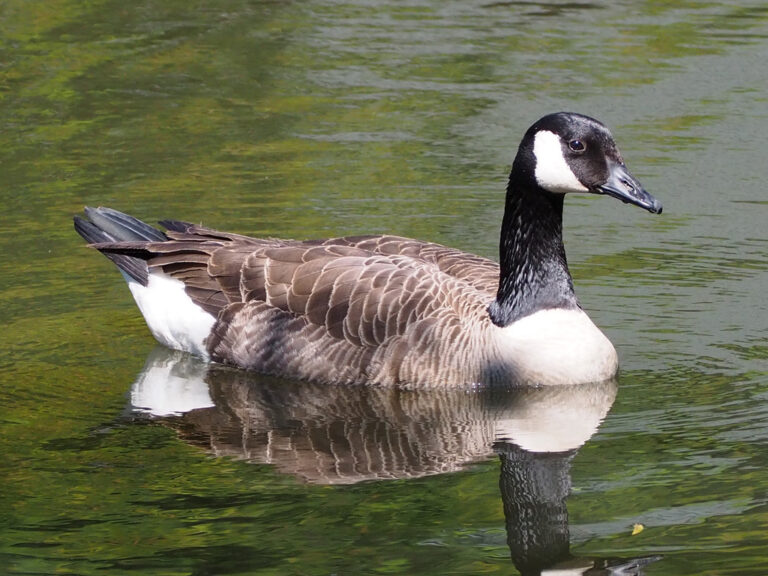
Branta canadensis
♥
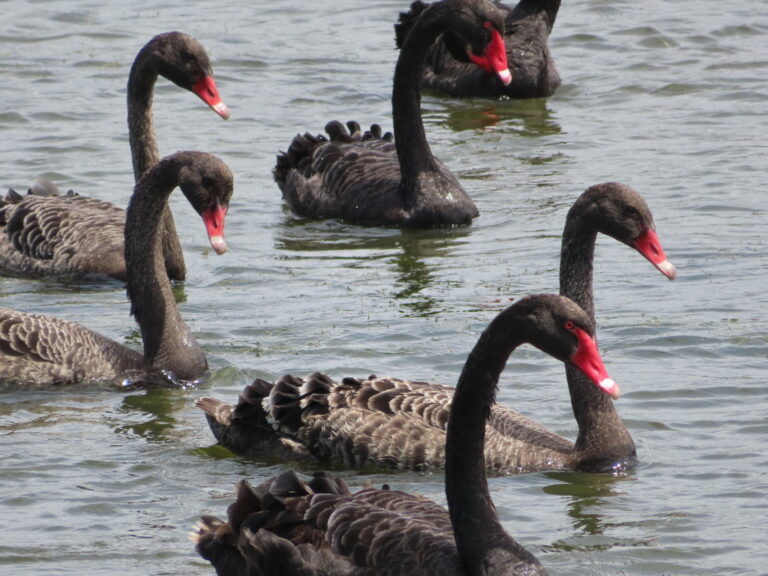
Cygnus atratus
♥
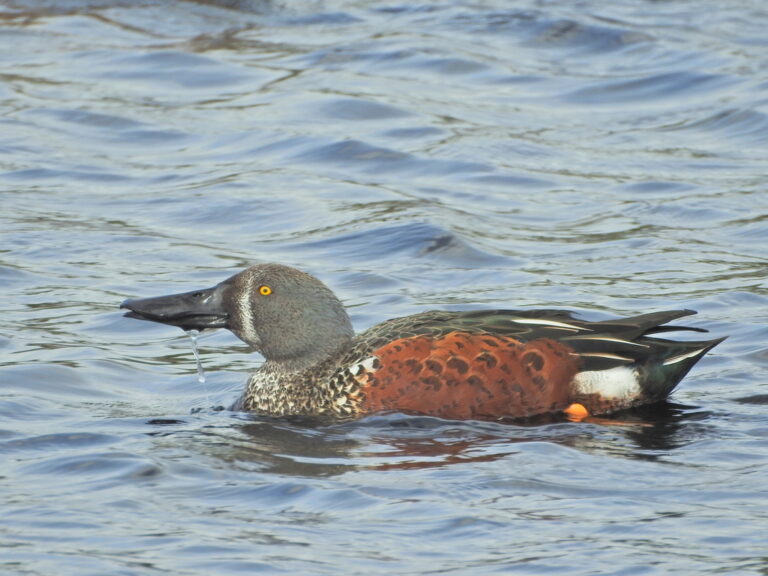
Spatula rhynchotis
♥
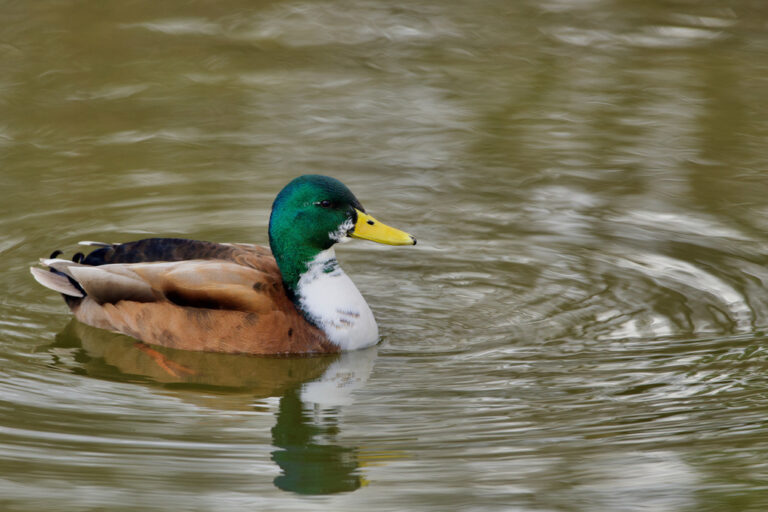
Anas platyrhynchos
♥
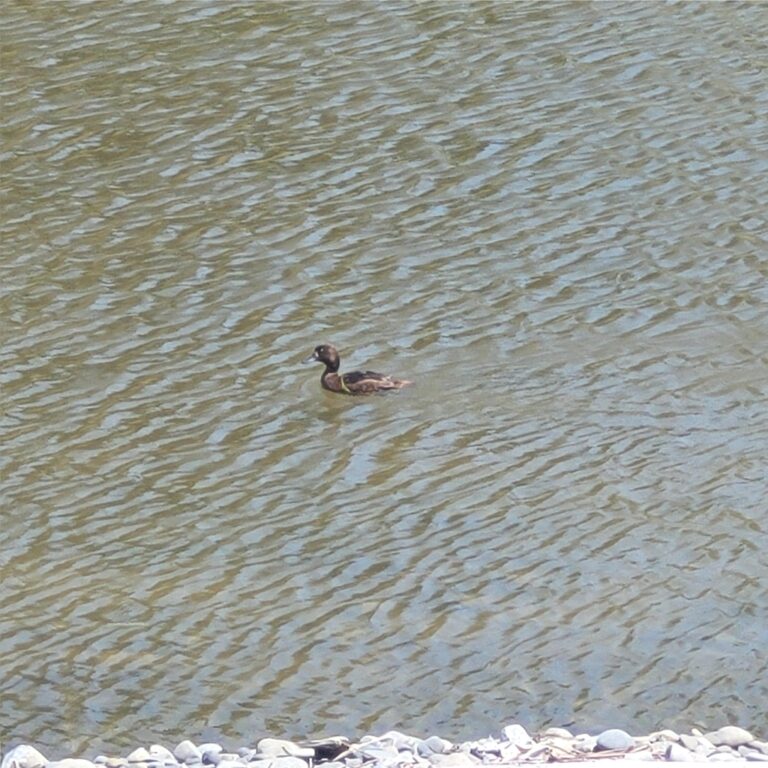
Aythya novaeseelandiae
♥
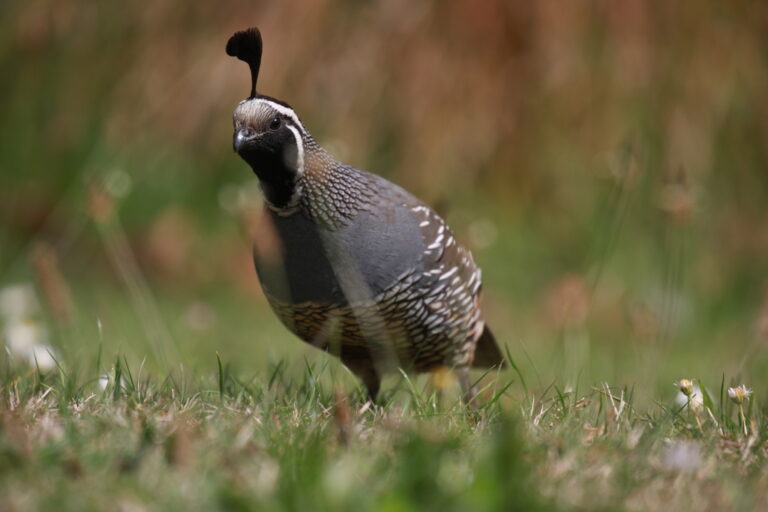
Callipepla californica
♥
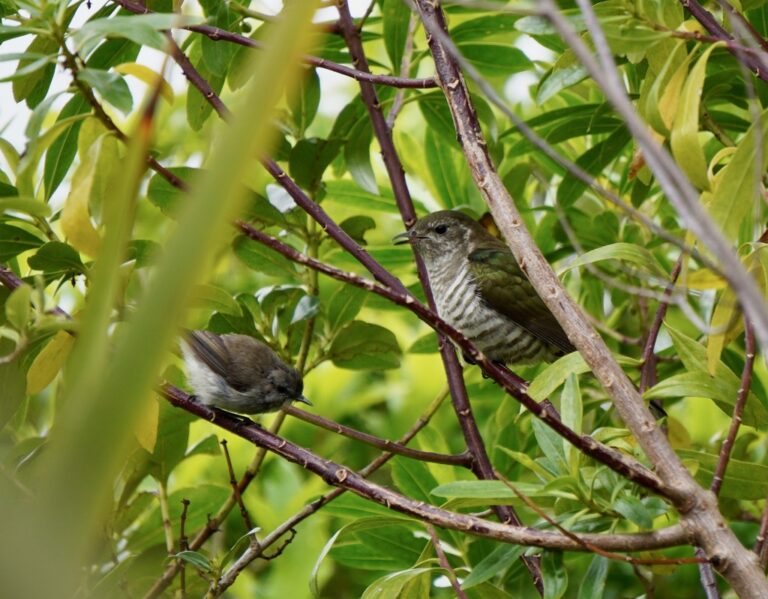
Chalcites lucidus
♥
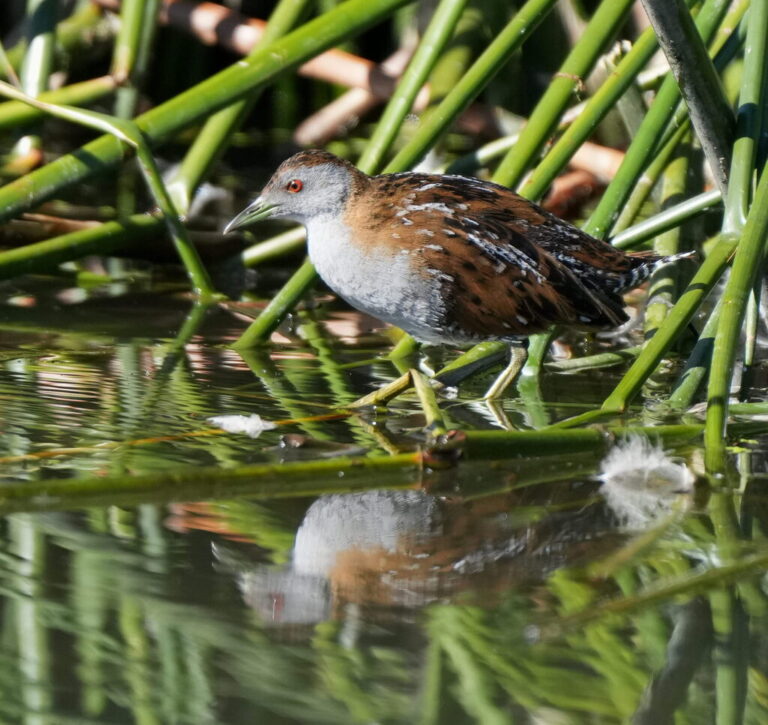
Zapornia pusilla
♥
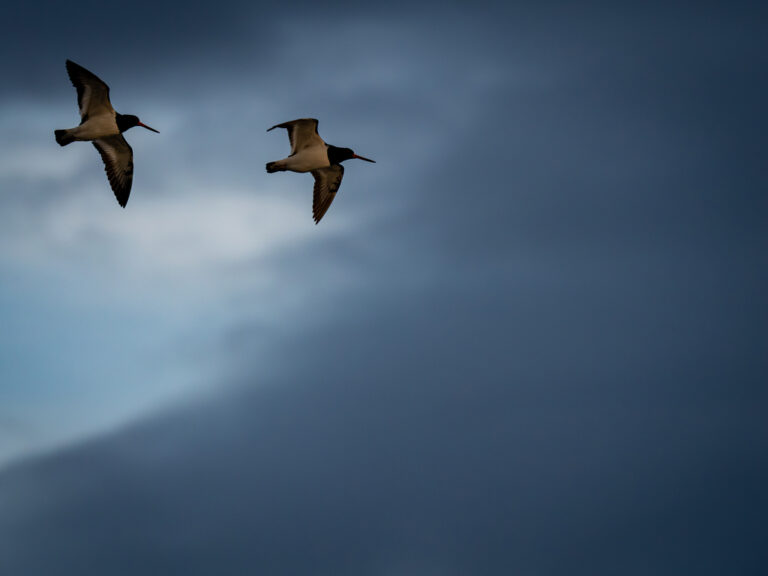
Haematopus finschi
♥
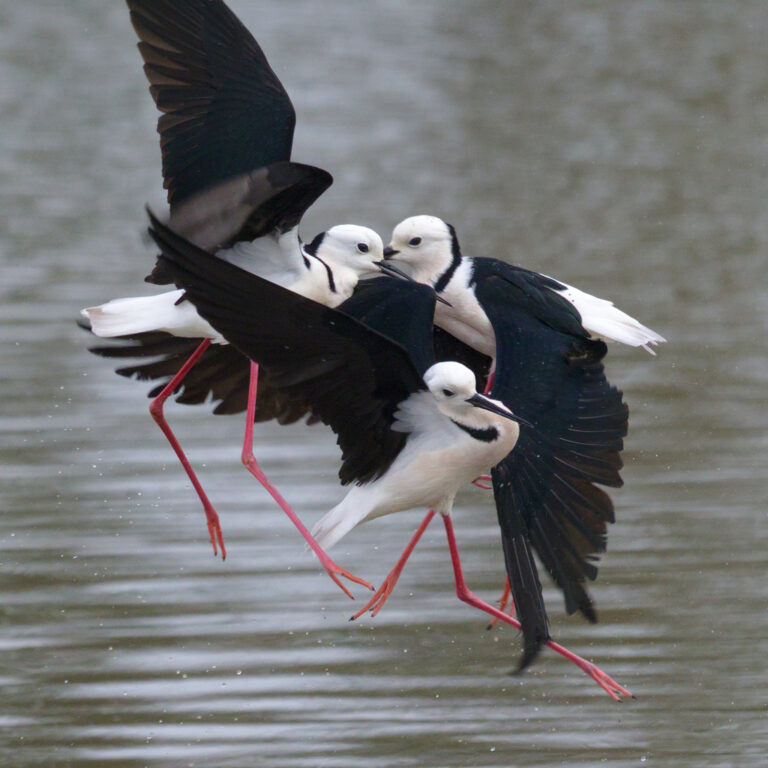
Himantopus leucocephalus
♥
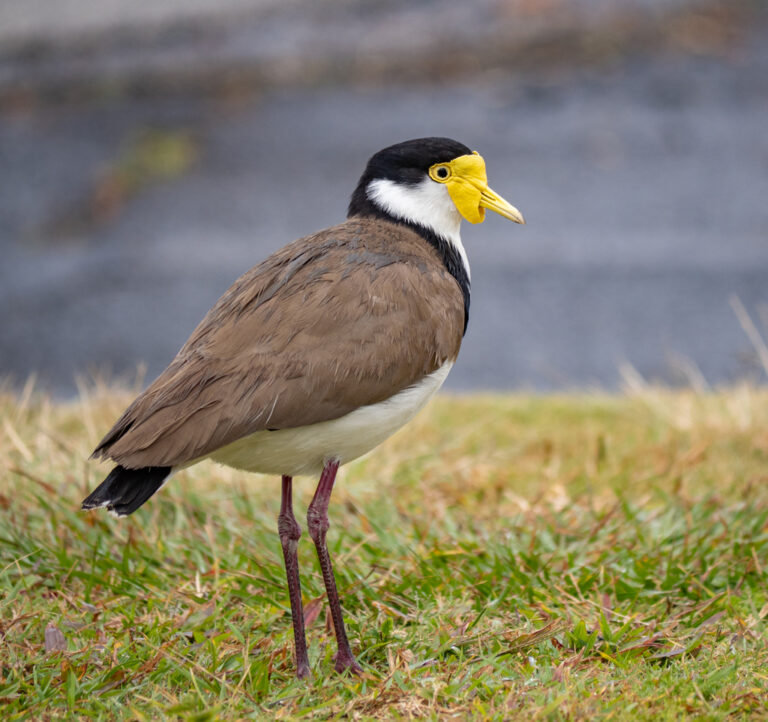
Vanellus miles
♥
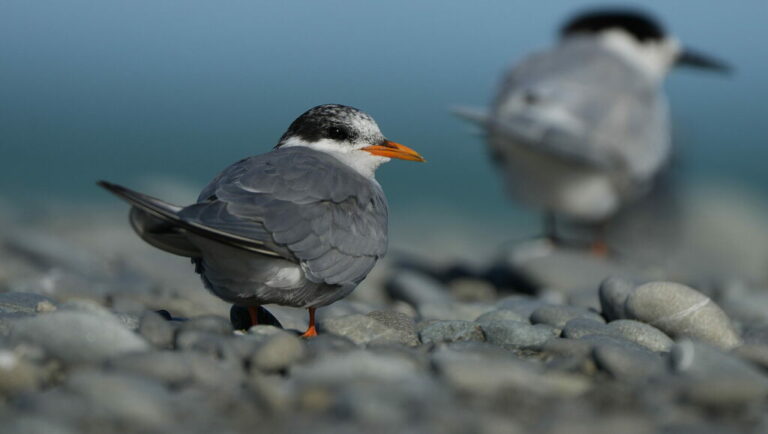
Chlidonias albostriatus
♥
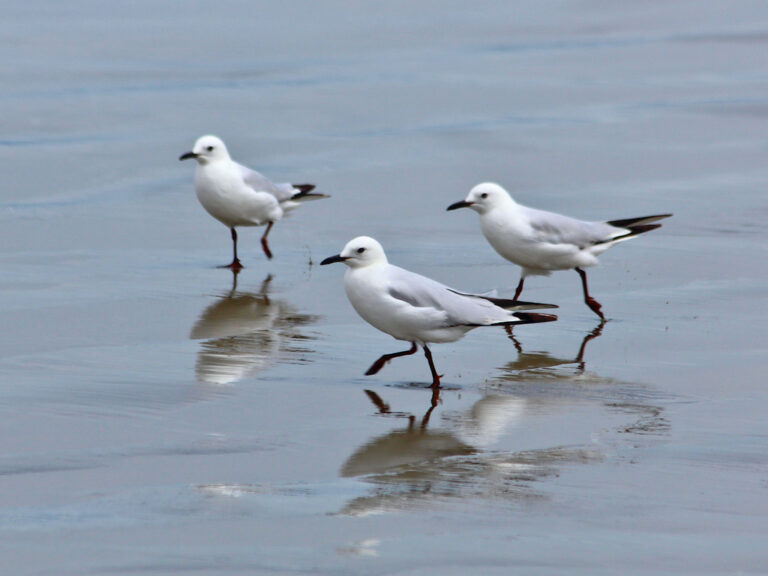
Chroicocephalus bulleri
♥
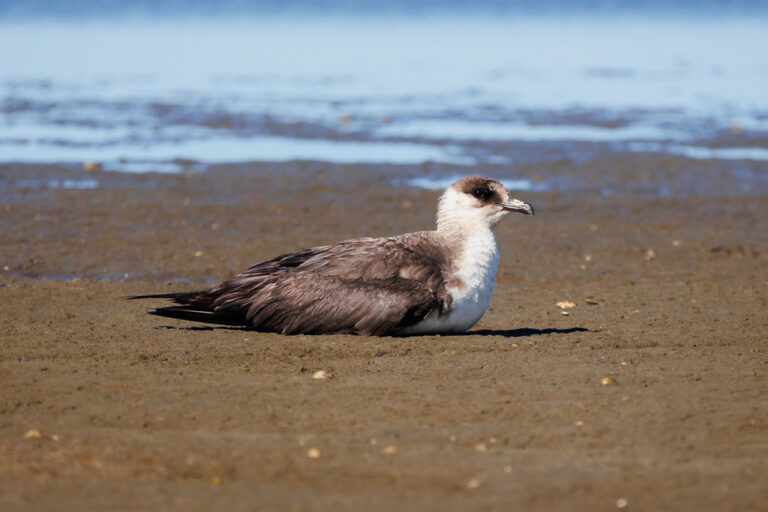
Stercorarius parasiticus
♥
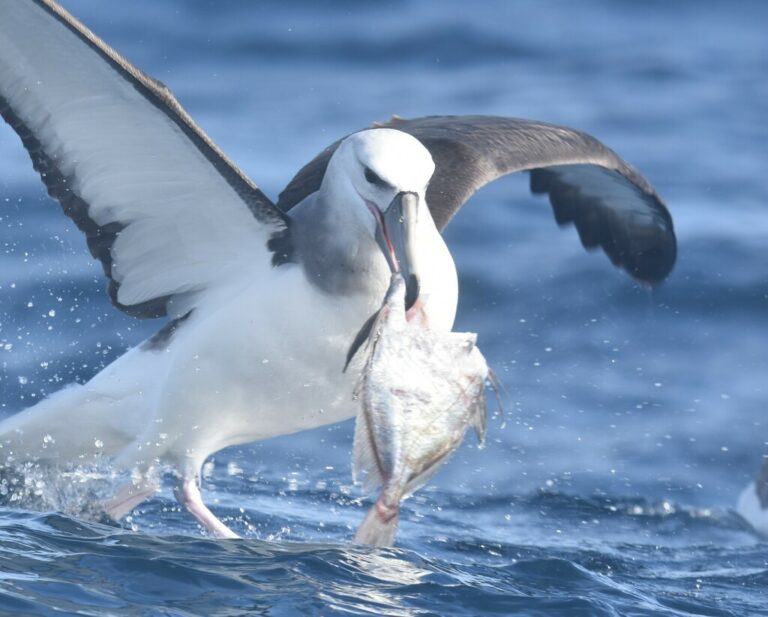
Thalassarche cauta
♥
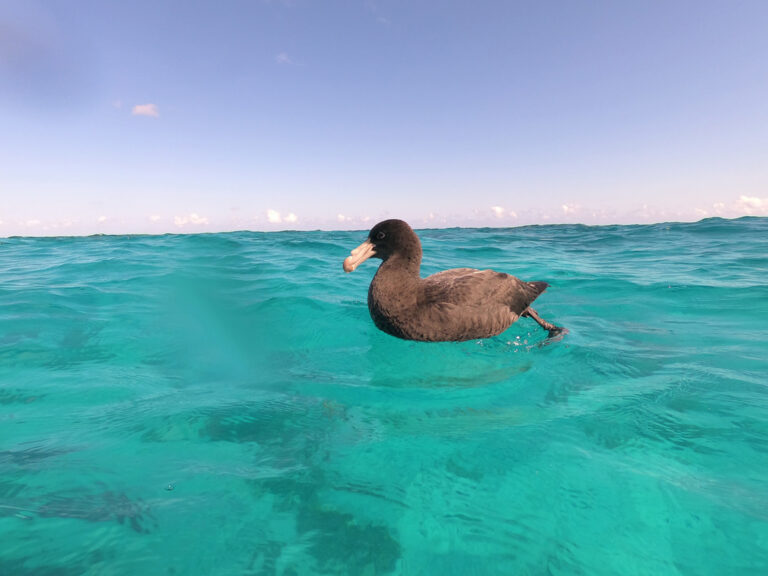
Macronectes halli
♥
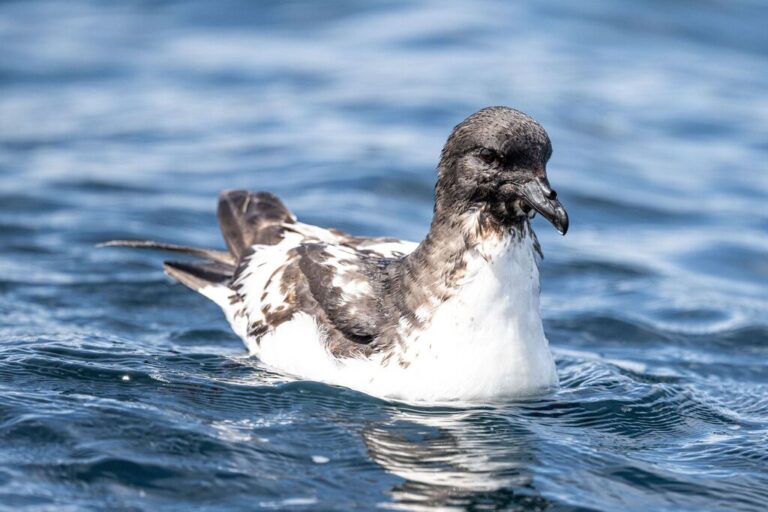
Daption capense
♥
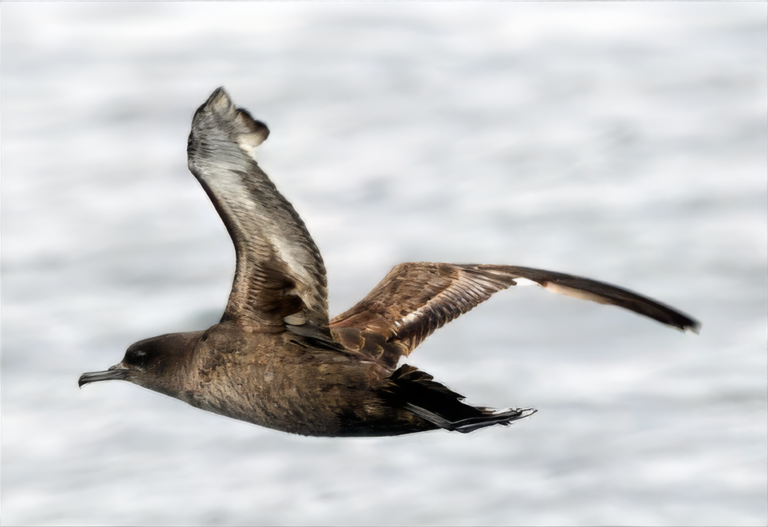
Ardenna grisea
♥
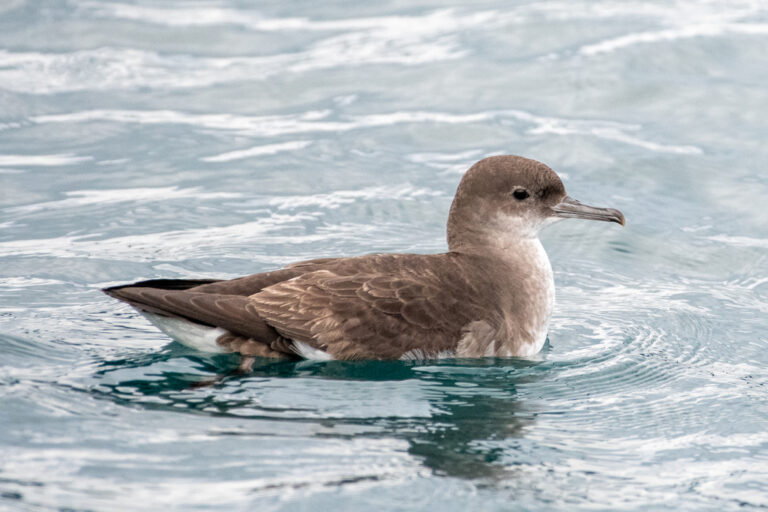
Puffinus gavia
♥
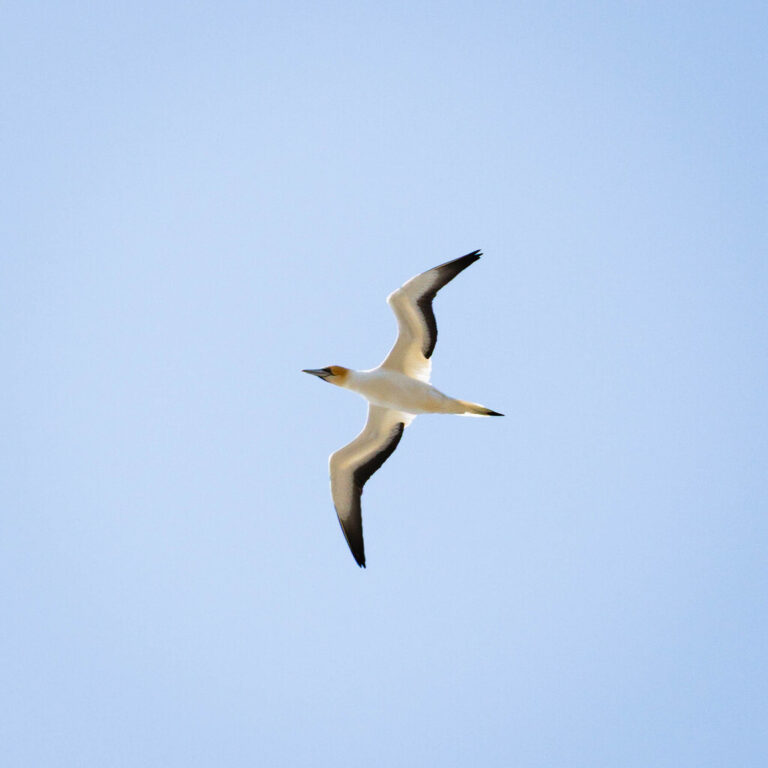
Morus serrator
♥

Phalacrocorax sulcirostris
♥
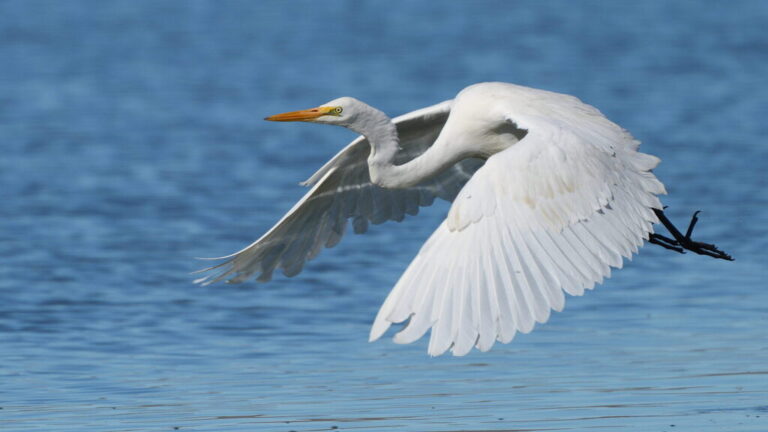
Ardea alba
♥
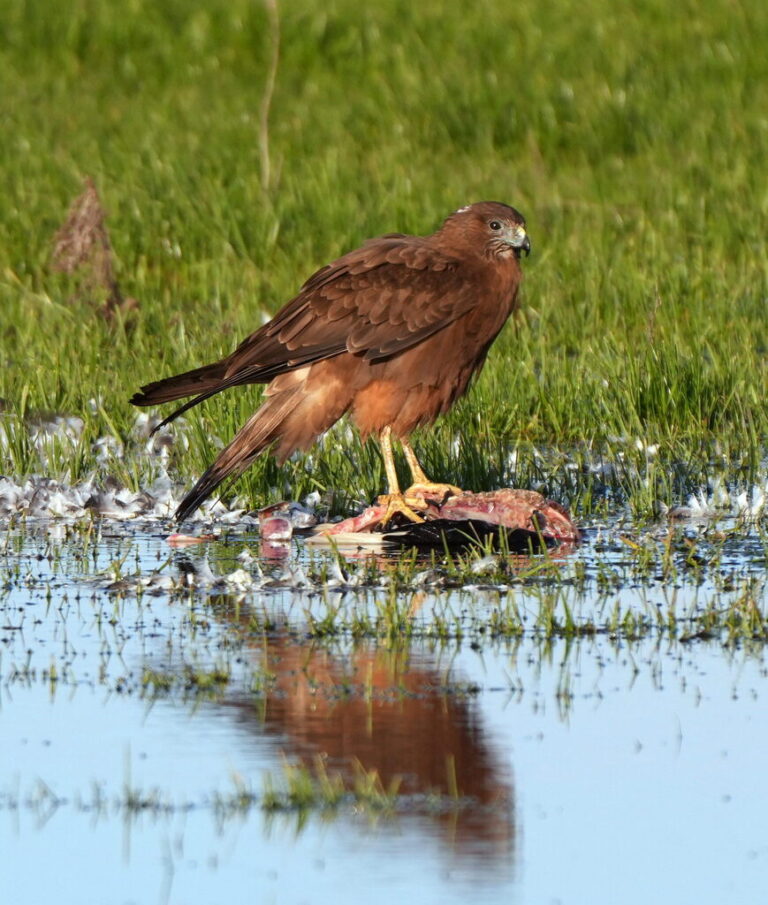
Circus approximans
♥
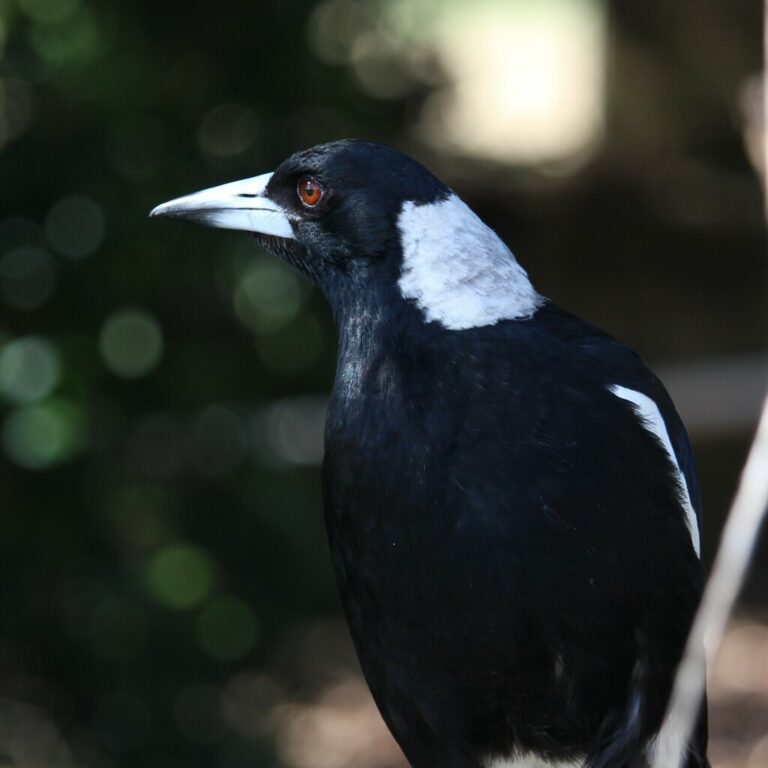
Gymnorhina tibicen
♥
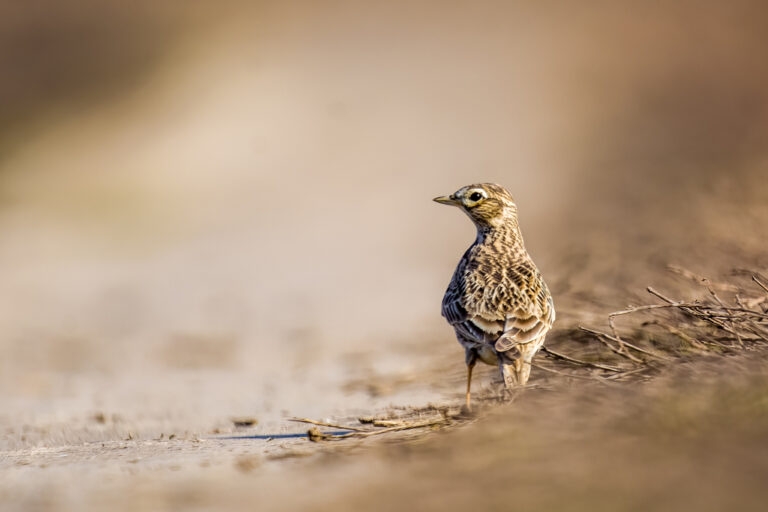
Alauda arvensis
♥
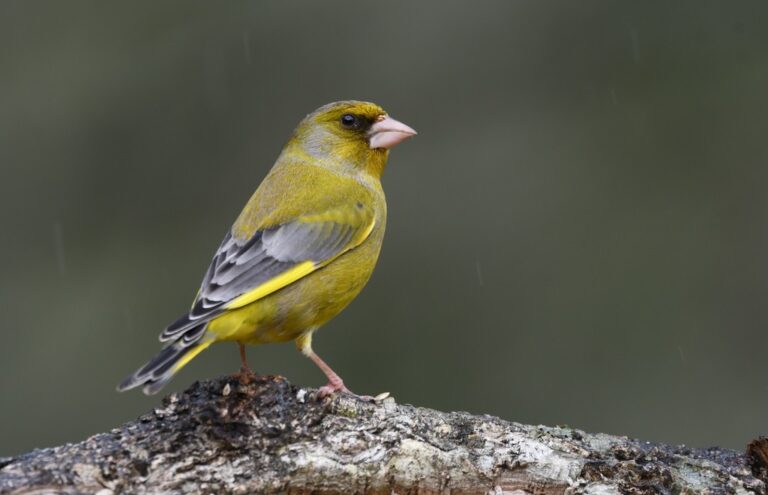
Chloris chloris
♥
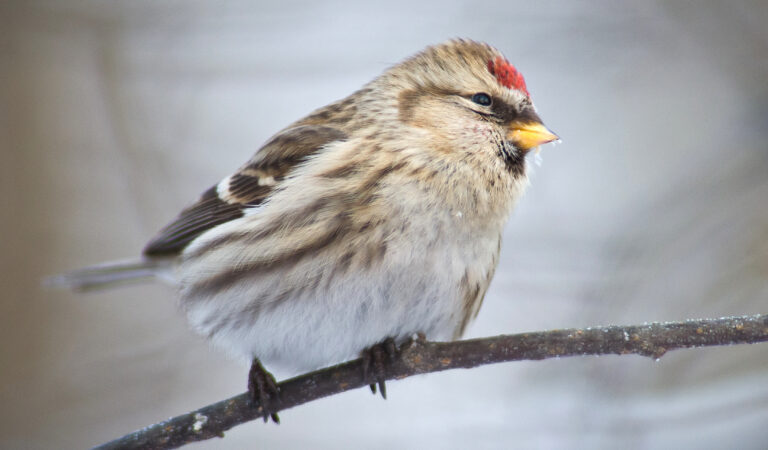
Acanthis flammea
♥
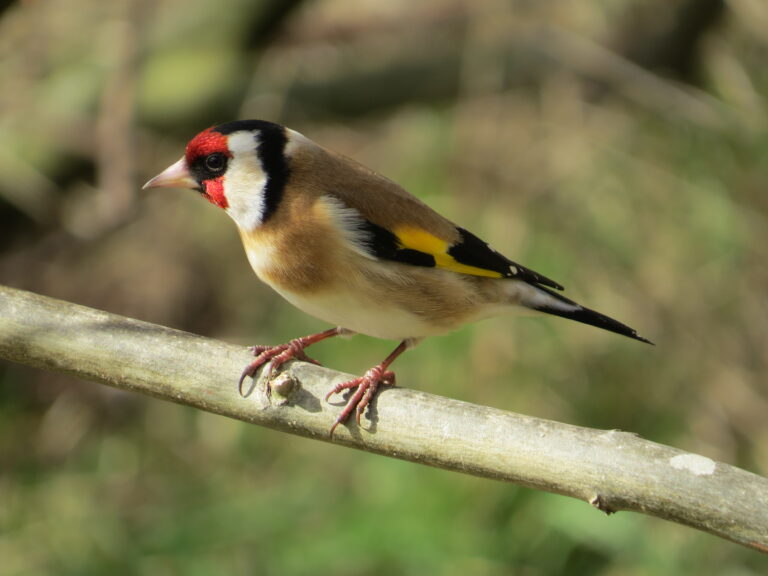
Carduelis carduelis
♥
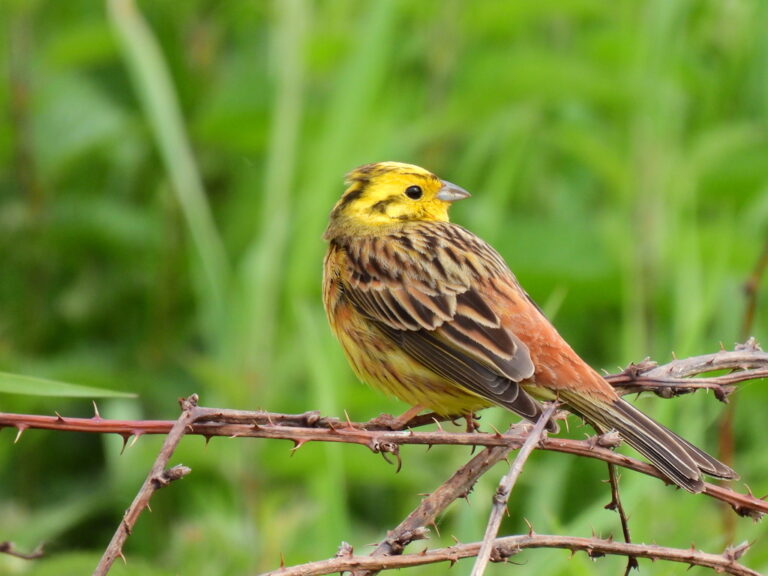
Emberiza citrinella
♥
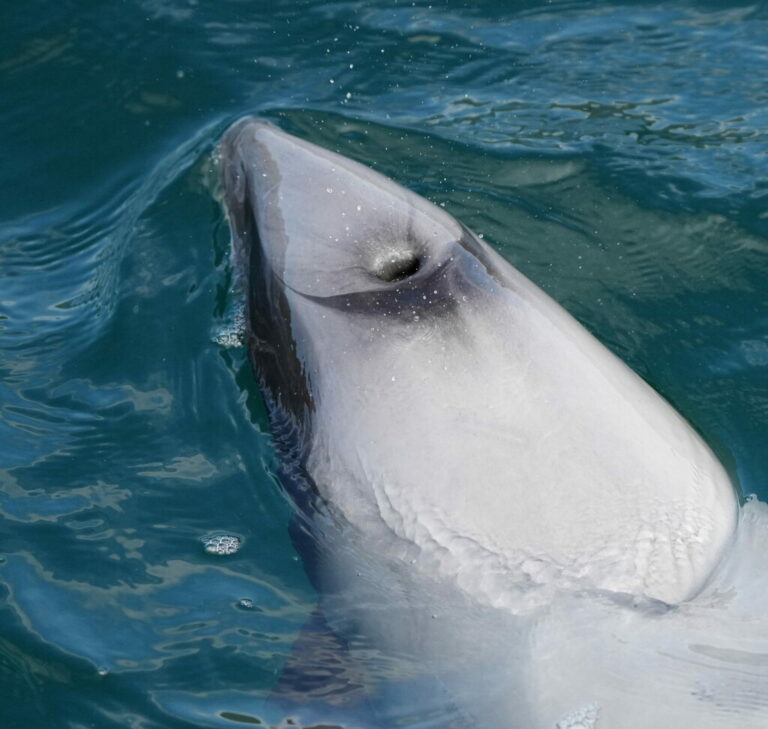
Cephalorhynchus hectori
♥
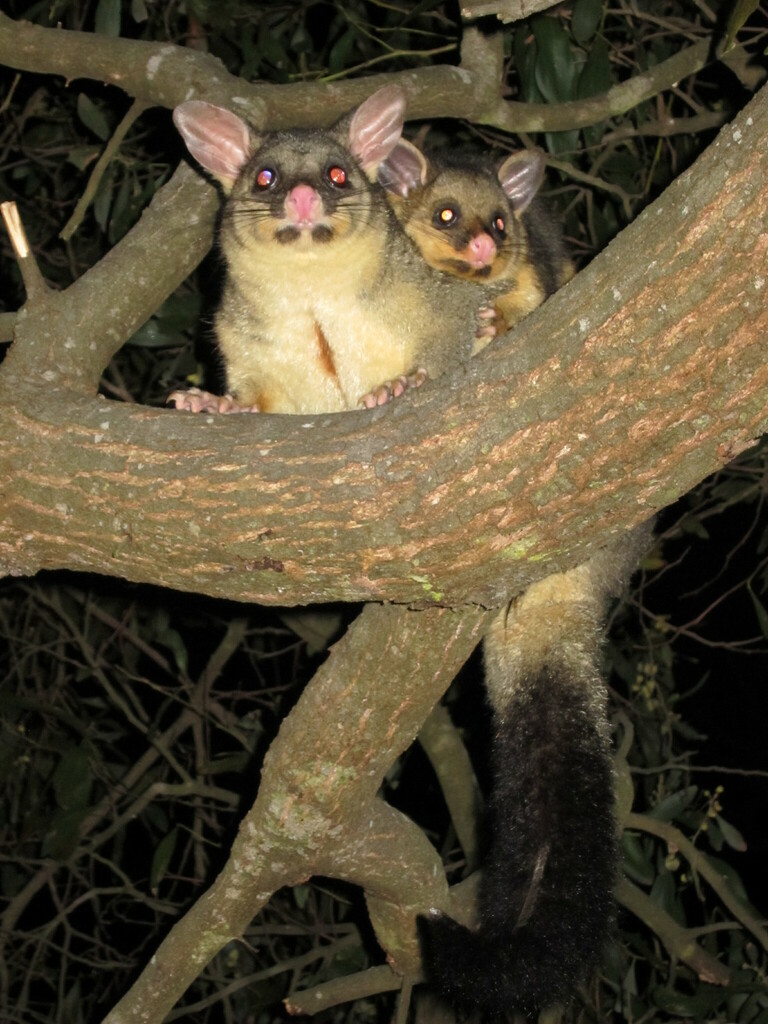
Trichosurus vulpecula
♥
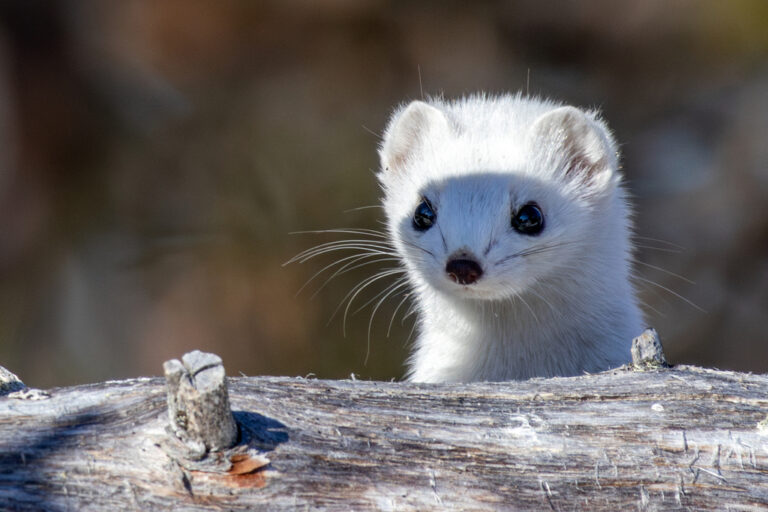
Mustela erminea
♥
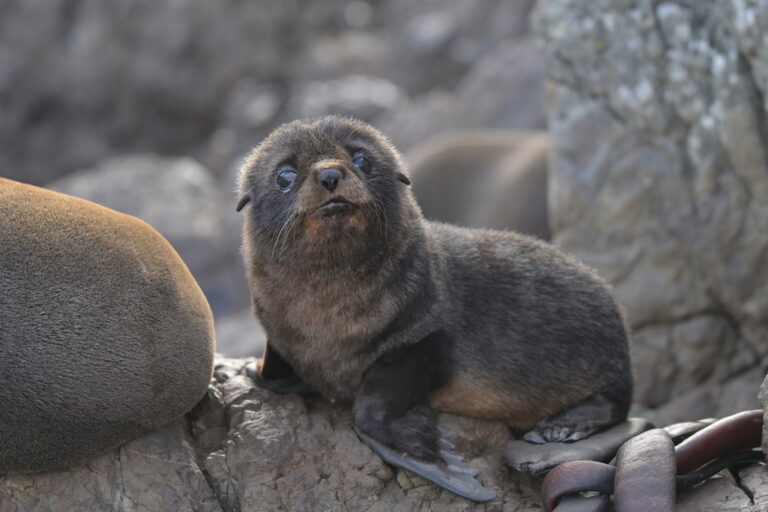
Arctocephalus forsteri
♥