Vadvetjåkka National Park
Photo © Jojoo64
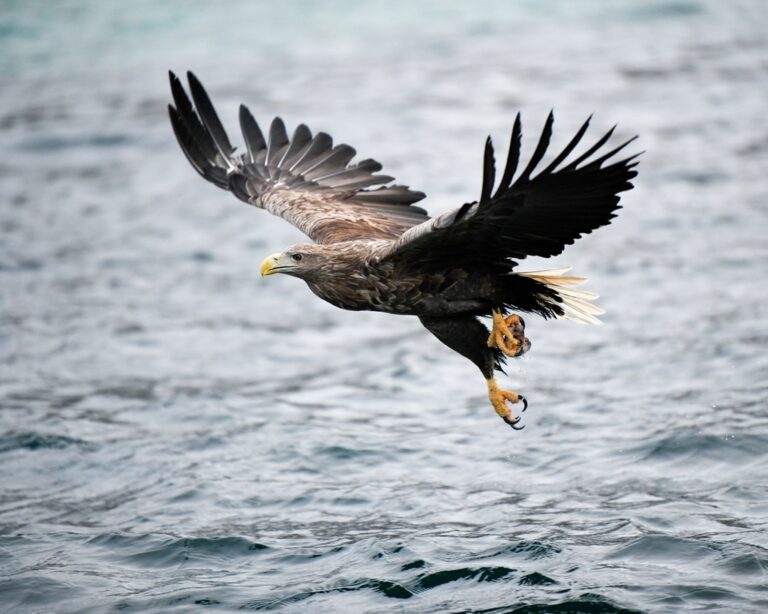
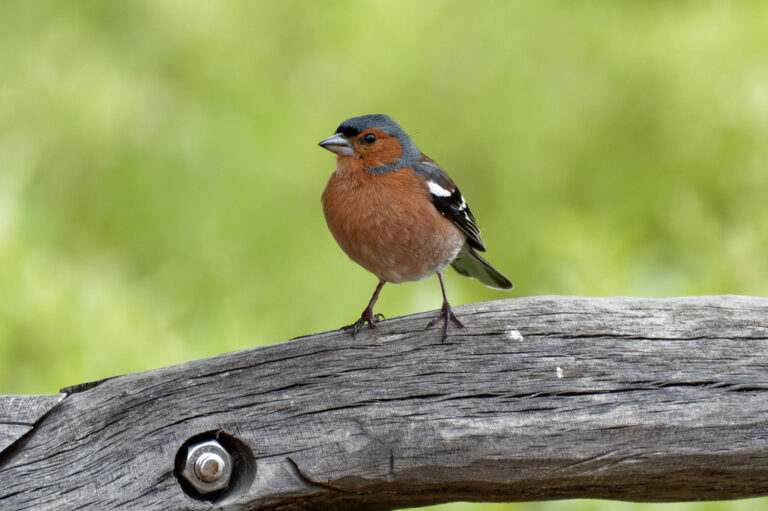
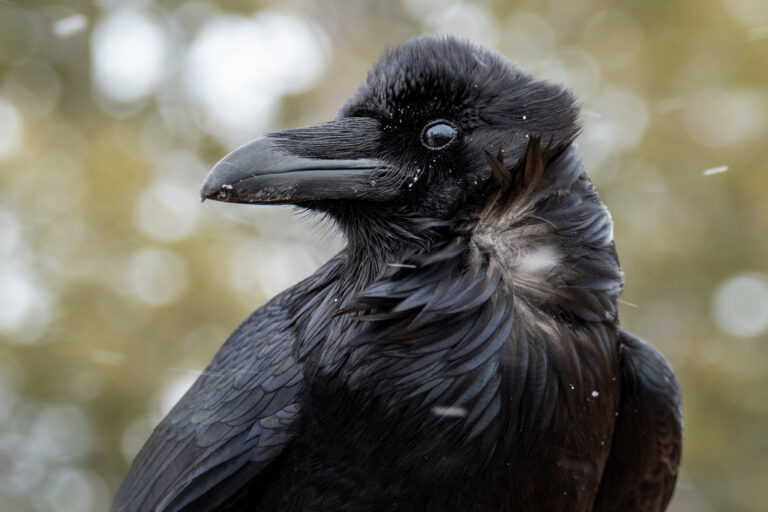
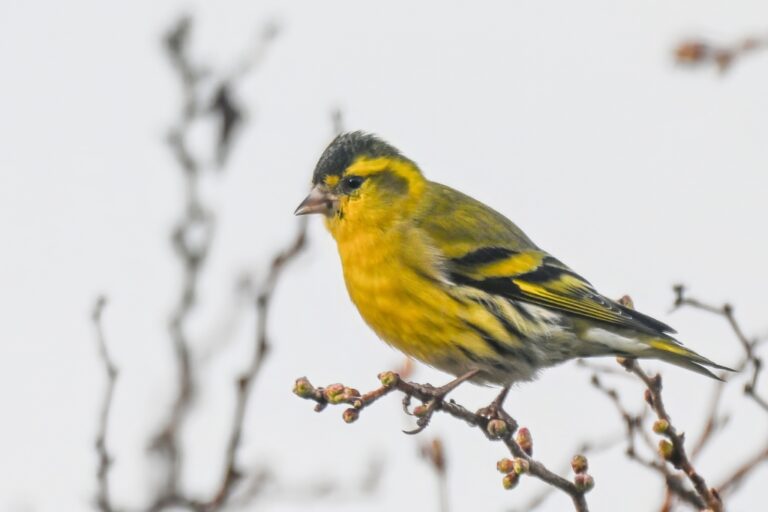
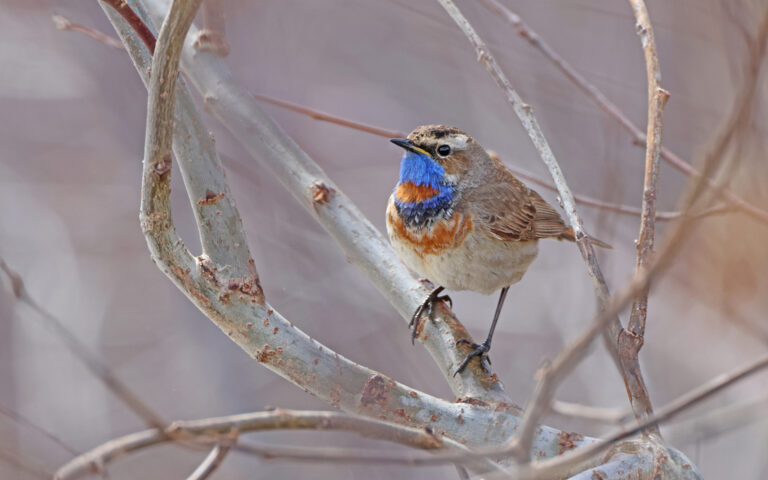
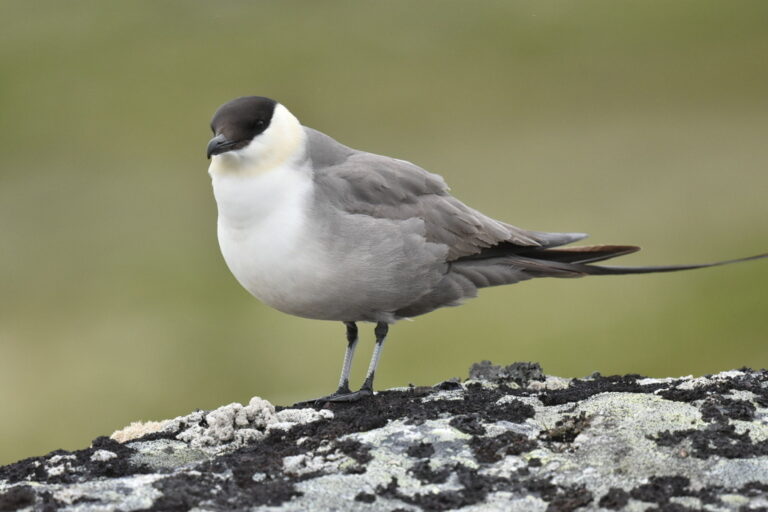
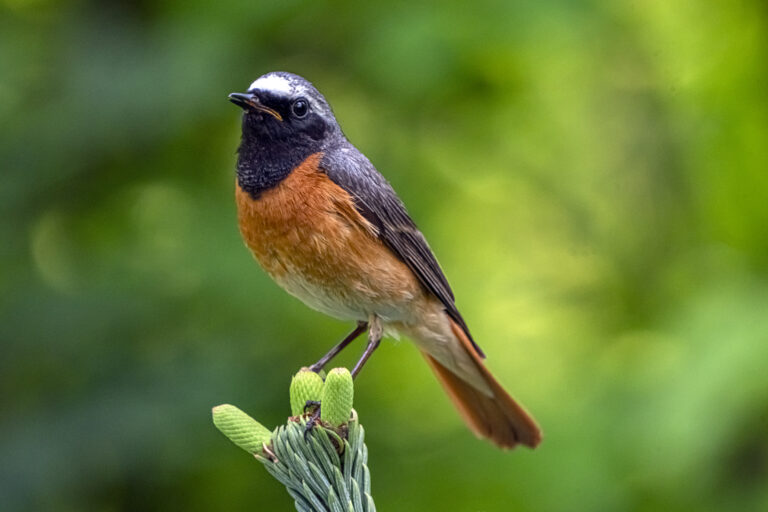
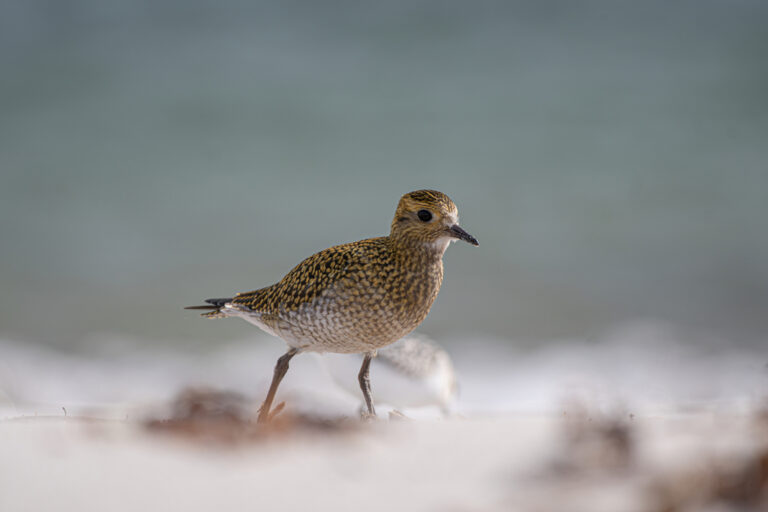
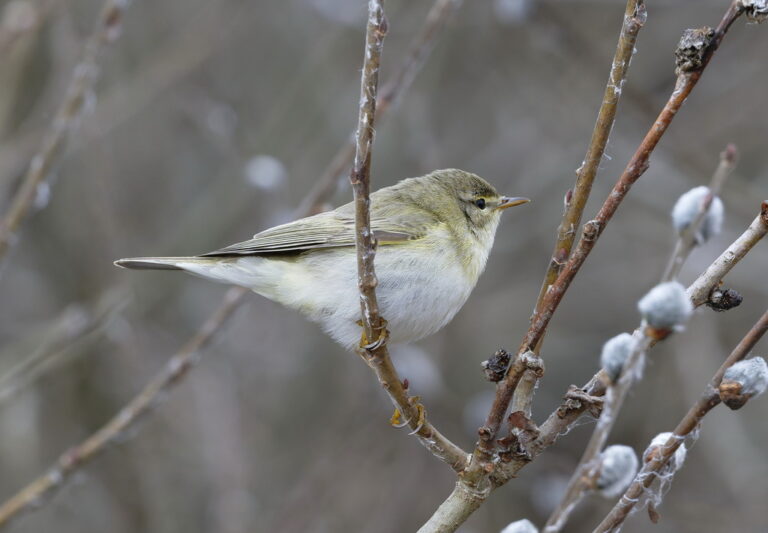
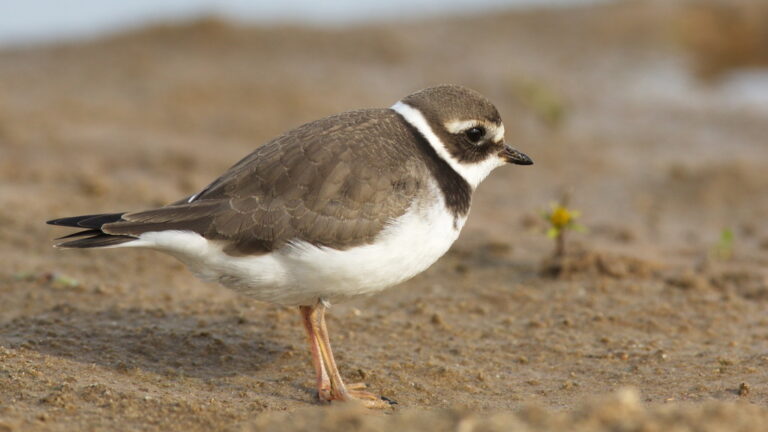
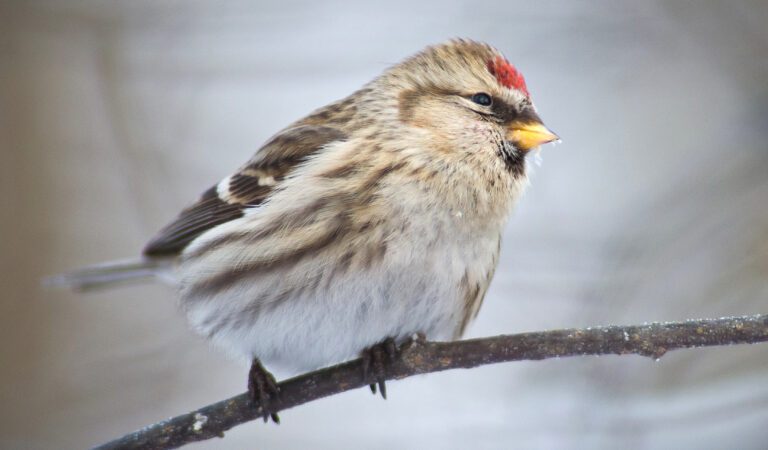
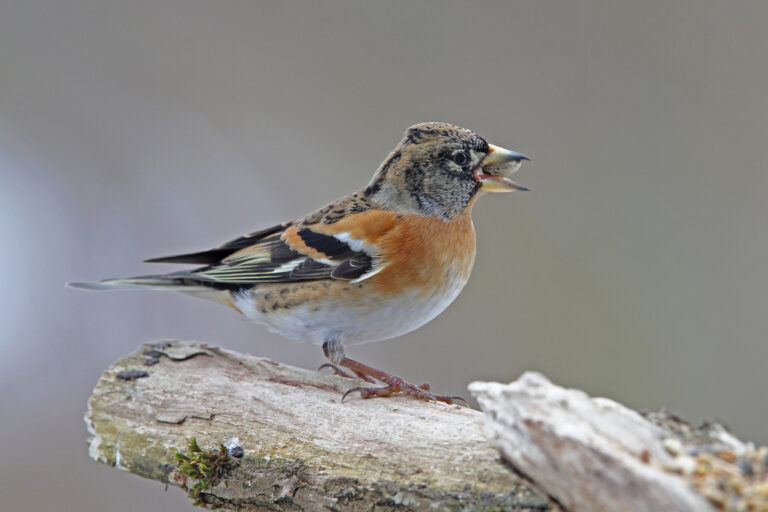
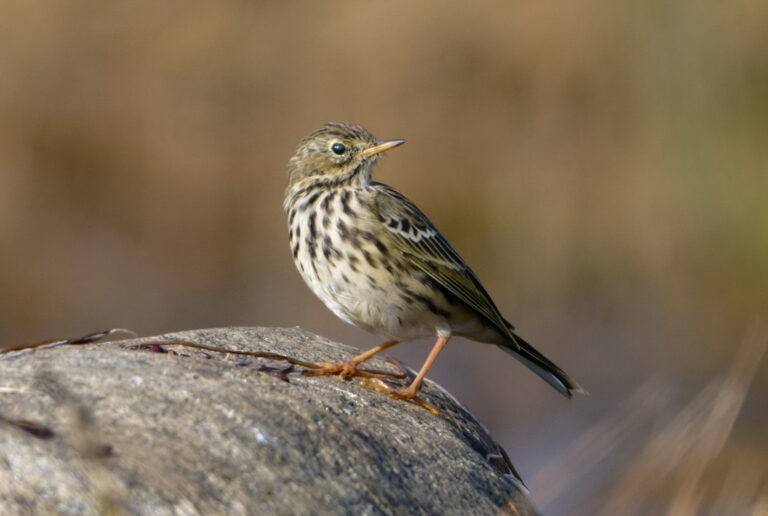
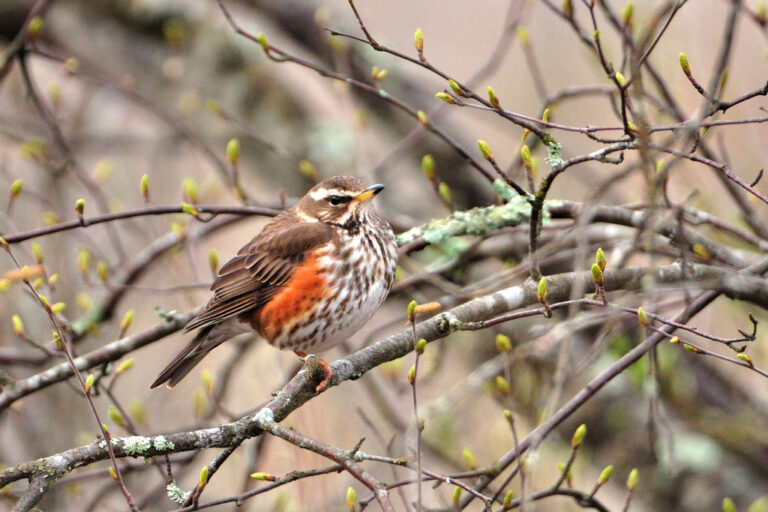
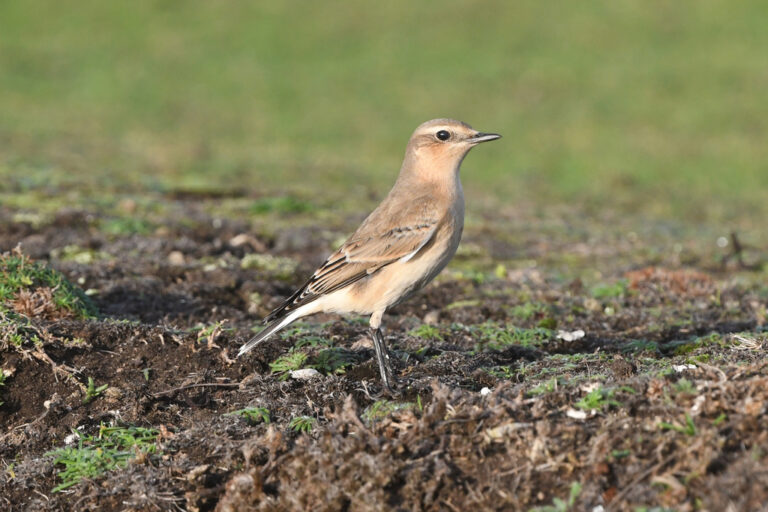
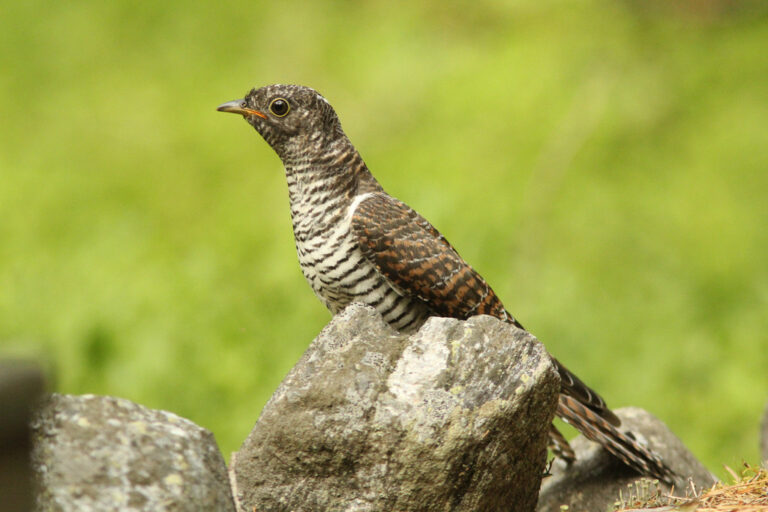
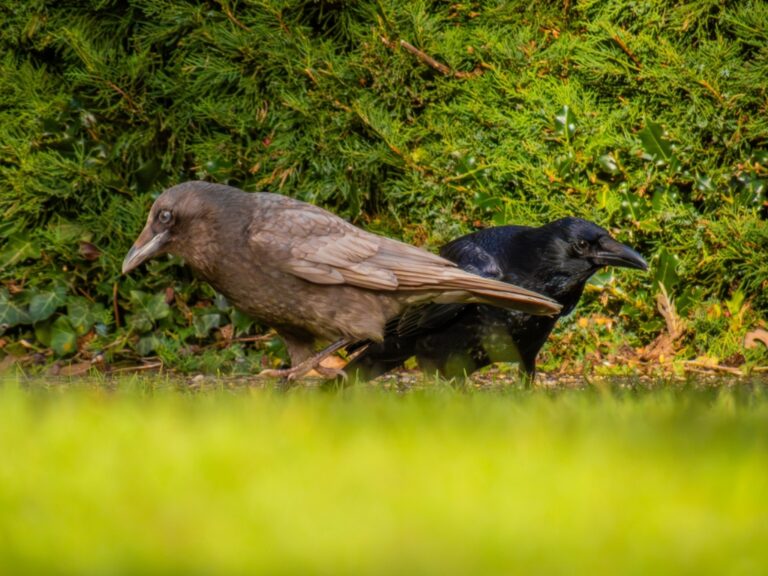
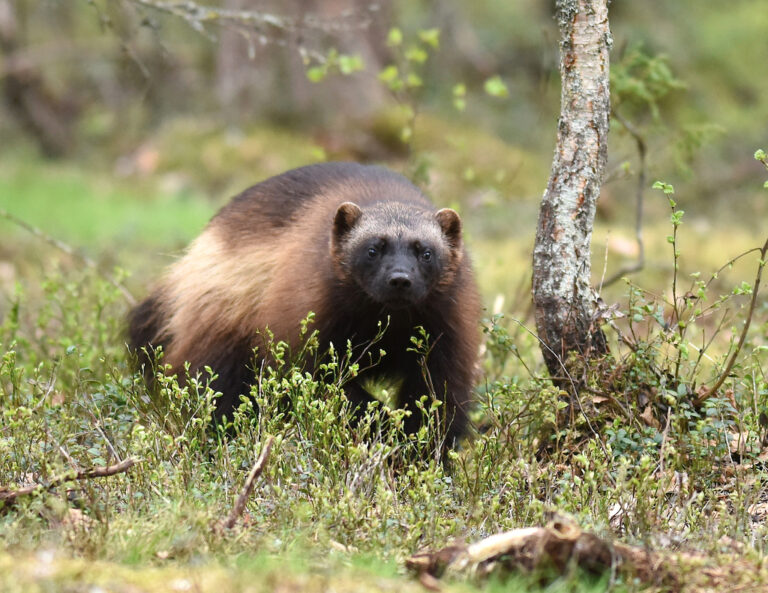
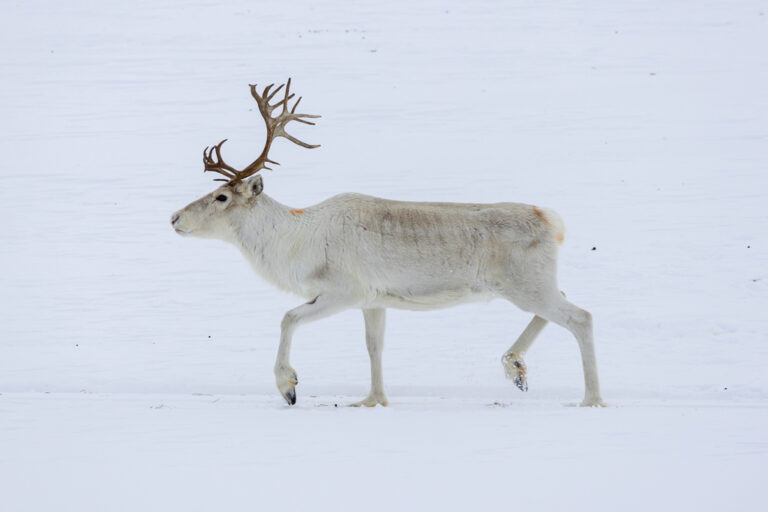
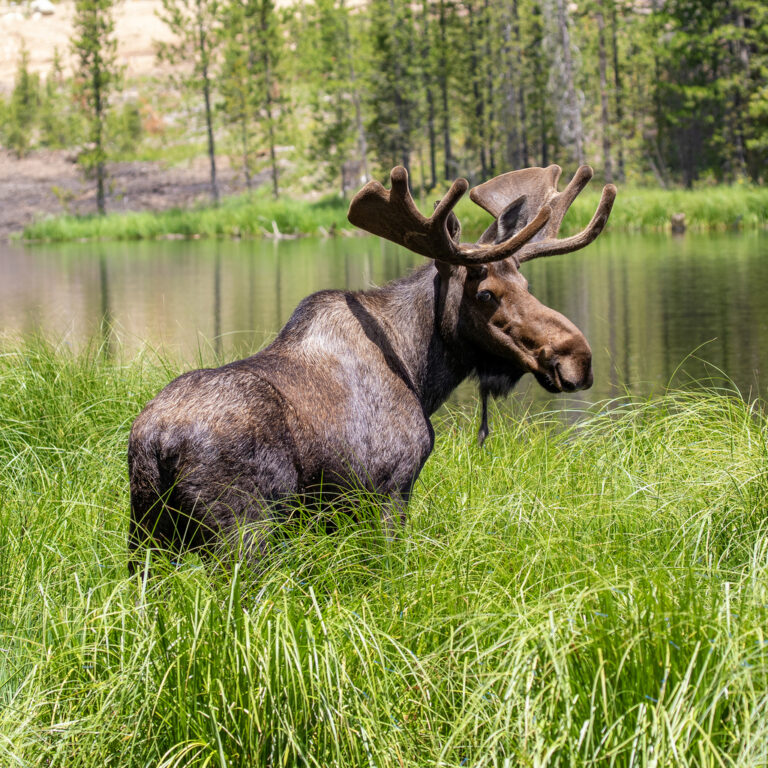
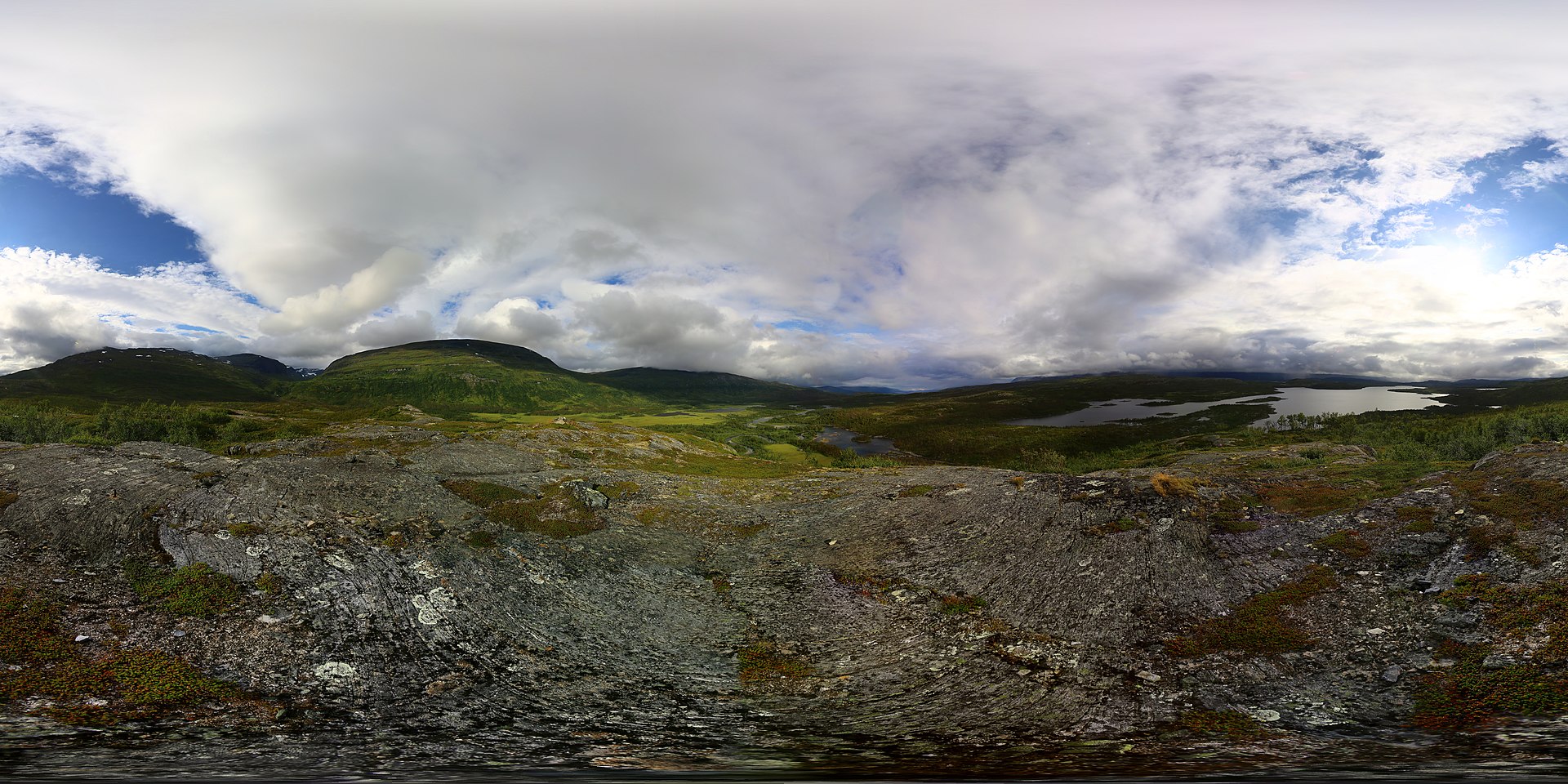
Photo © Jojoo64 — CC BY-SA 4.0 — Source: Wikimedia CommonsSubarctic plateaus and deep river valleys define this remote corner of Swedish Lapland, where boreal forest gives way to open moorland and montane tundra across a landscape carved by ancient glaciation. Vadvetjåkka National Park protects a mosaic of spruce and pine woodland interspersed with birch scrub, wetlands, and bare rock summits that rise above the treeline—terrain that embodies the ecological transition between the taiga and arctic realms. The park's waterways, fed by snowmelt and sustained through the brief growing season, support wetland birds and waders, while the coniferous forests harbour woodland songbirds and small forest mammals adapted to extreme seasonal swings in daylight and temperature. Birds of prey quarter the open moorlands, and larger predators move through the deepest valleys where human presence barely registers. This is a landscape of genuine wildness, where ecological processes unfold largely beyond direct observation.
For wildlife photographers and naturalists drawn to subarctic systems, Vadvetjåkka offers uncompromising access to boreal and alpine habitats where light conditions shift dramatically through the year—from the muted palette of winter to the intense clarity of the brief summer season, when the midnight sun transforms photography and observation. The park's relative isolation means fewer visitors and less disturbance, rewarding patient observers with opportunities to witness wader behaviour on upland plateaus, track movement patterns of woodland birds through spruce thickets, and scan open terrain for predators. Spring and summer bring migratory songbirds and breeding waders to wetland and moorland; autumn delivers passage migrants and the spectacle of changing light angles across fell and forest. Access requires proper mountain preparation and self-sufficiency—there are no facilities within the park proper—making it essential terrain for serious wildlife travellers equipped for genuine wilderness immersion.
No community observations yet — be the first to log a sighting here.
Vadvetjåkka National Park
Very cold conditions shape most of the year.
A year of temperatures
Monthly means, with the coldest and warmest highlighted
Terrain and elevation
695 m · UplandAverage terrain elevation estimate across the hotspot; the figure does not represent its highest summits.
Upland