Cap de Ferrutx Nature Reserve
Photo © Der Barbar
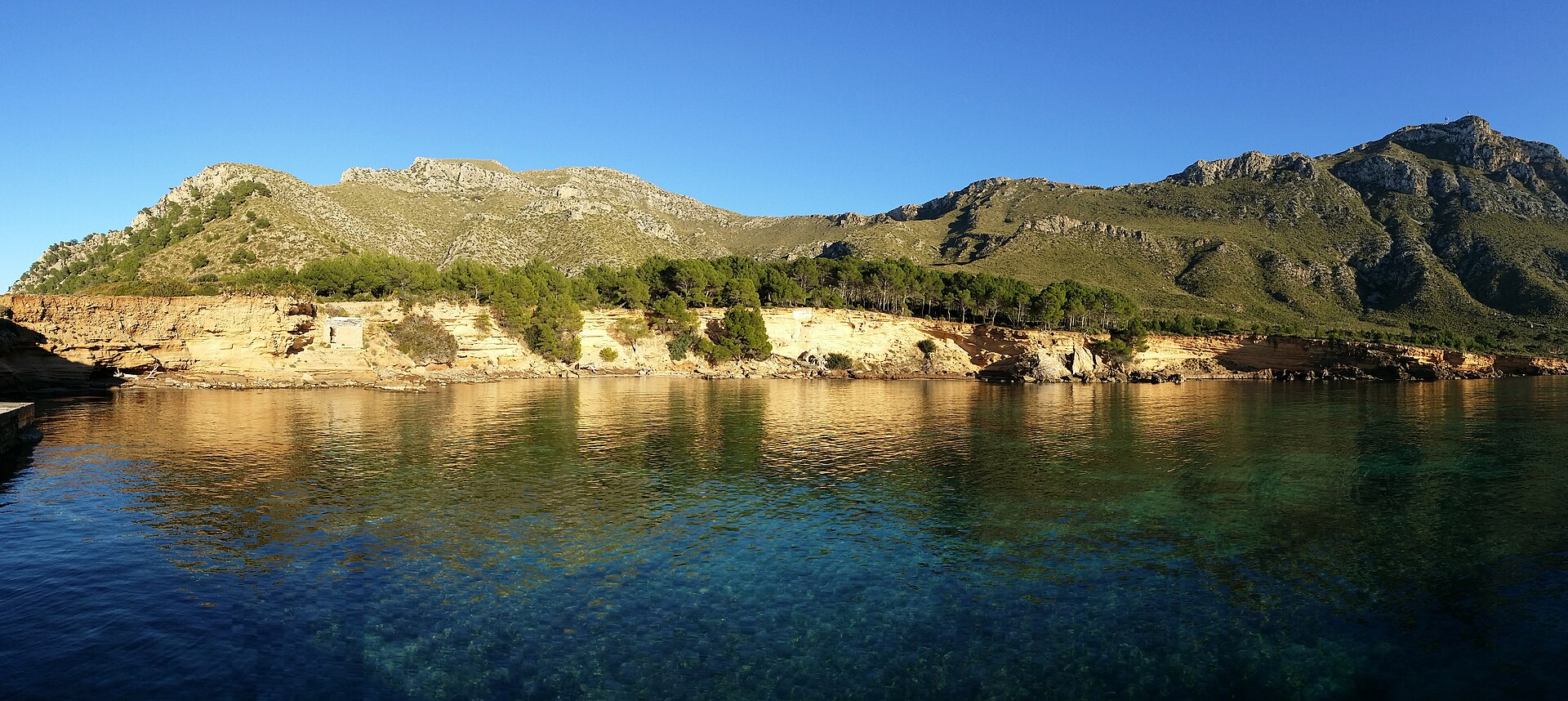
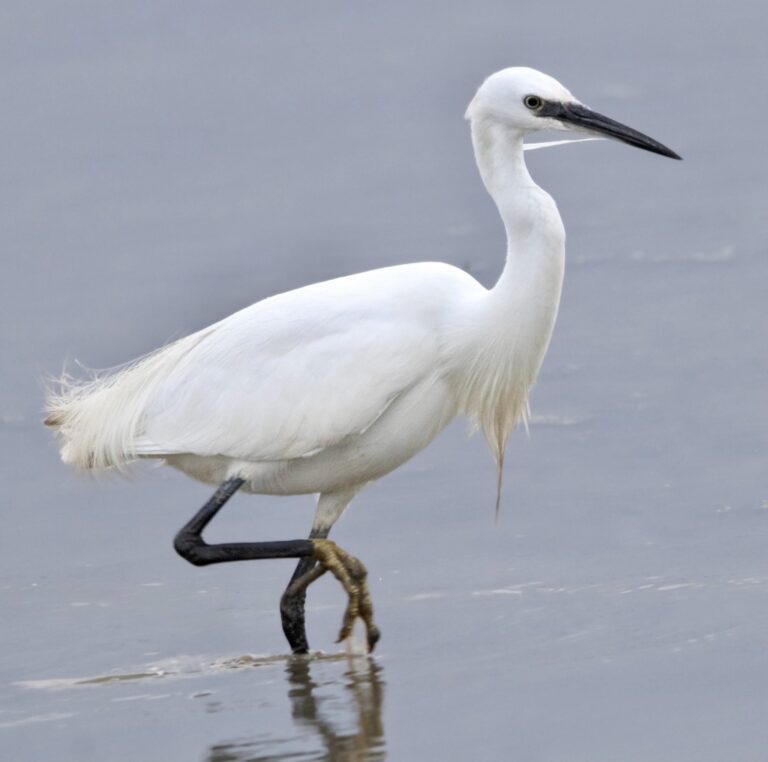
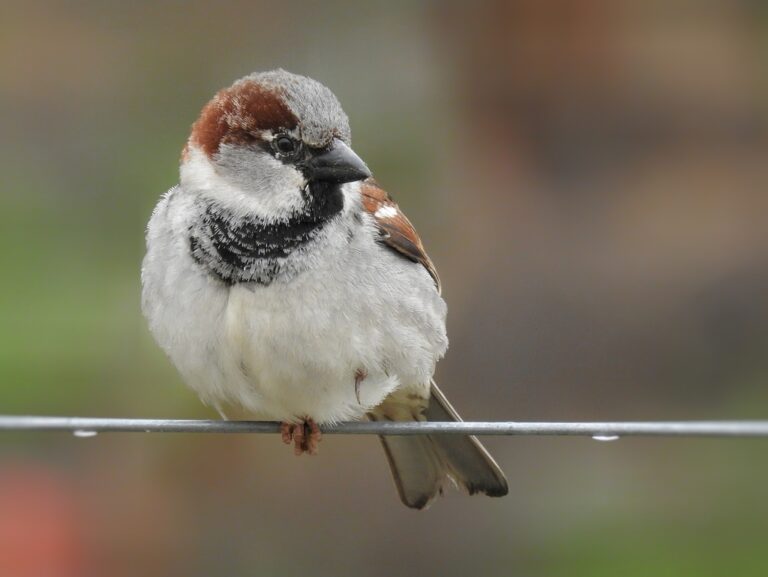
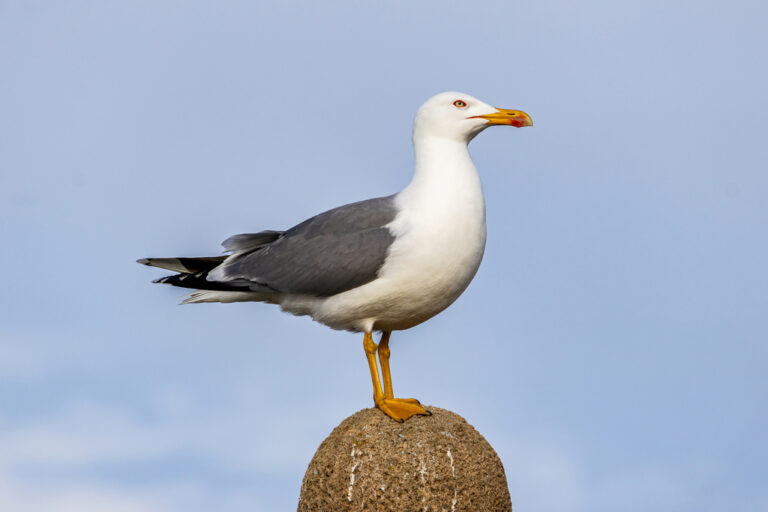
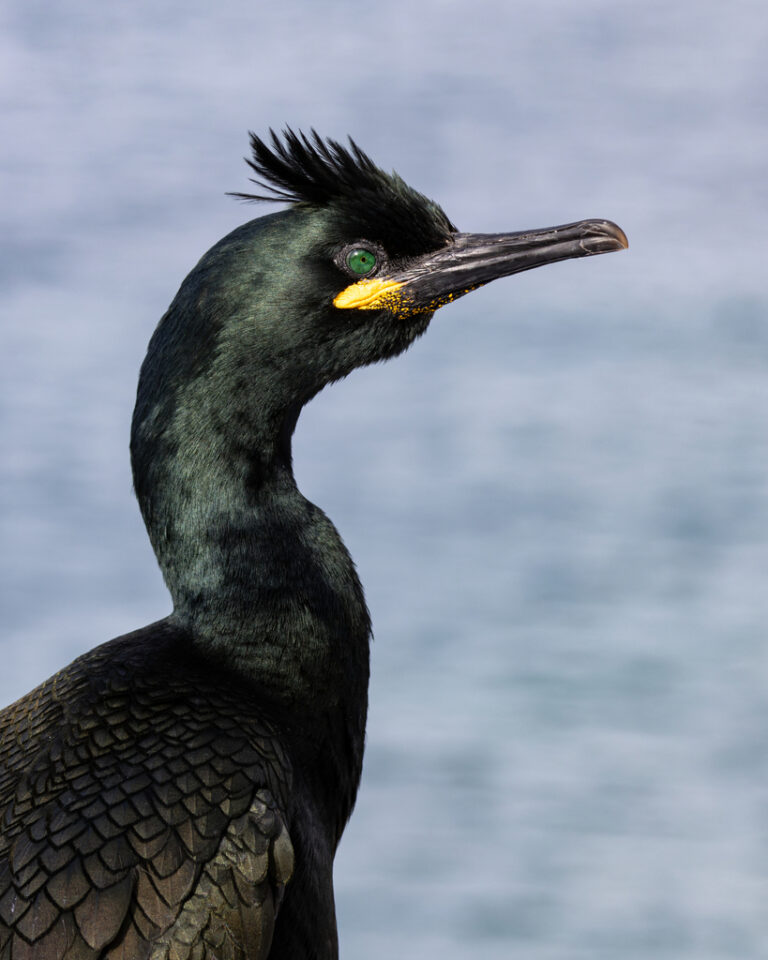
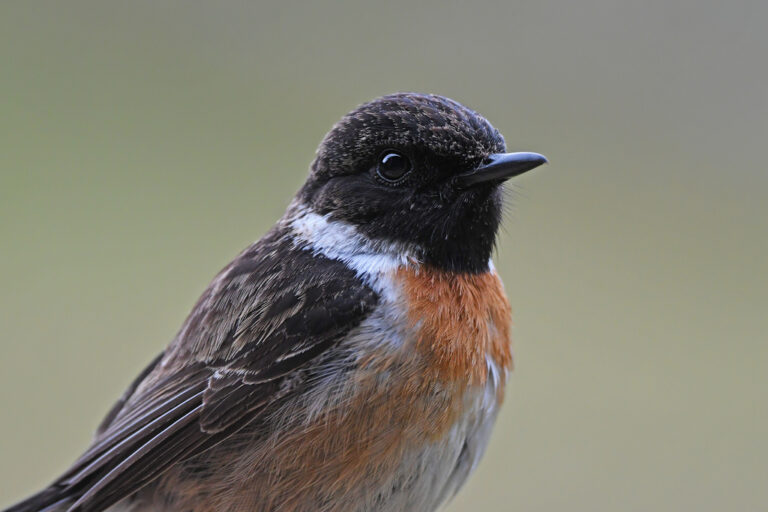
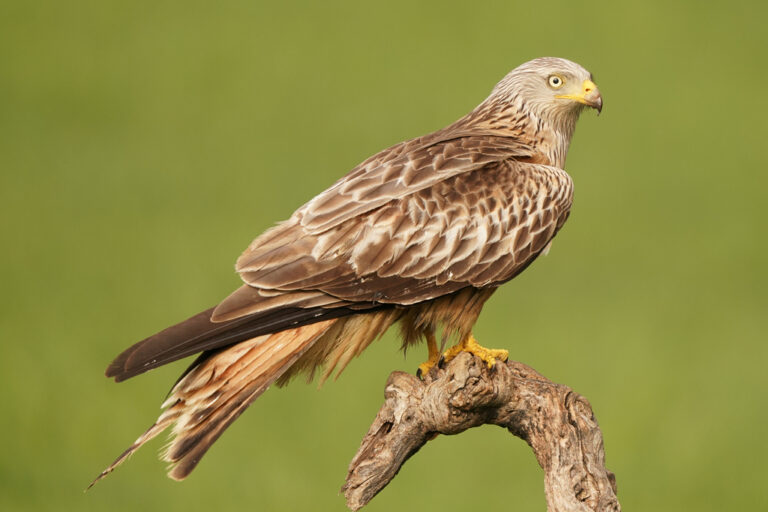
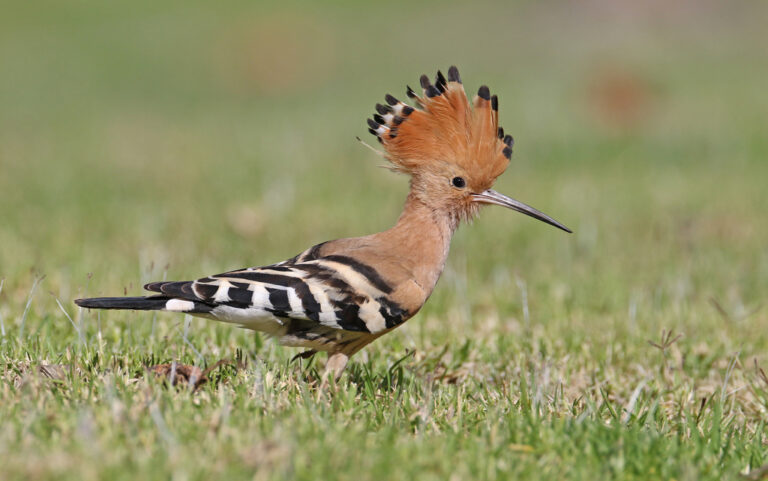
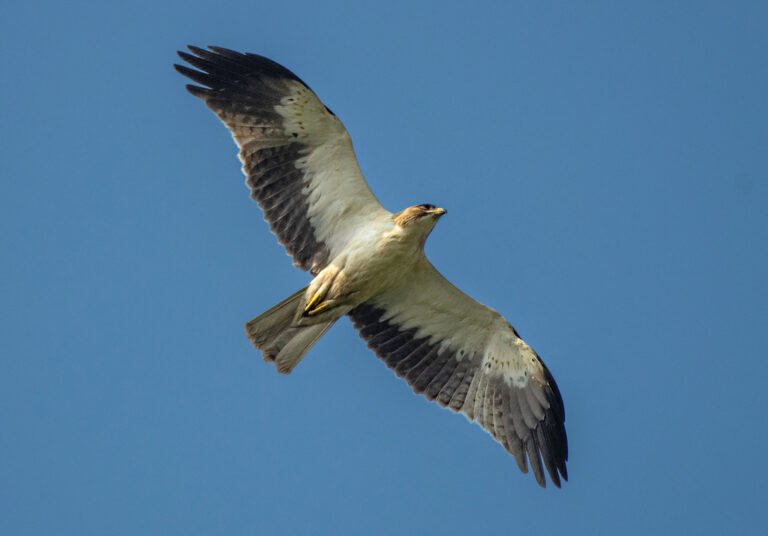
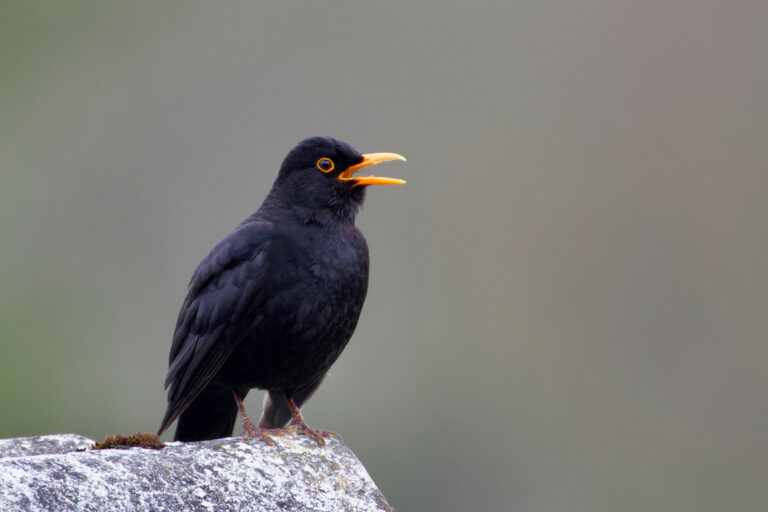
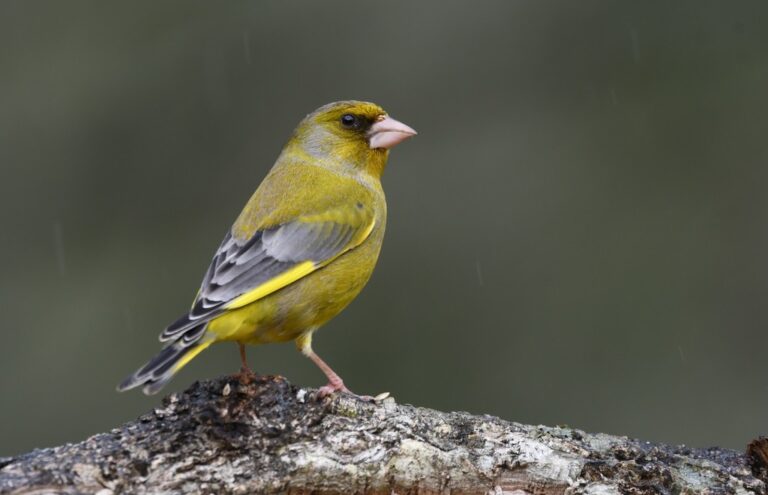
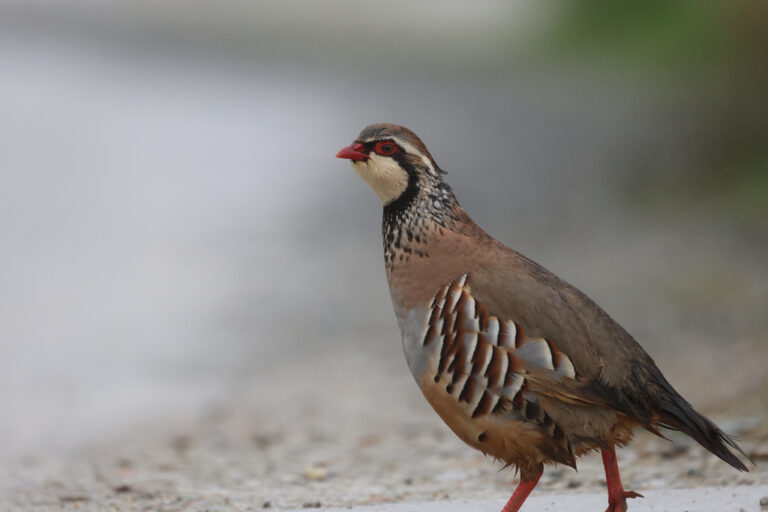
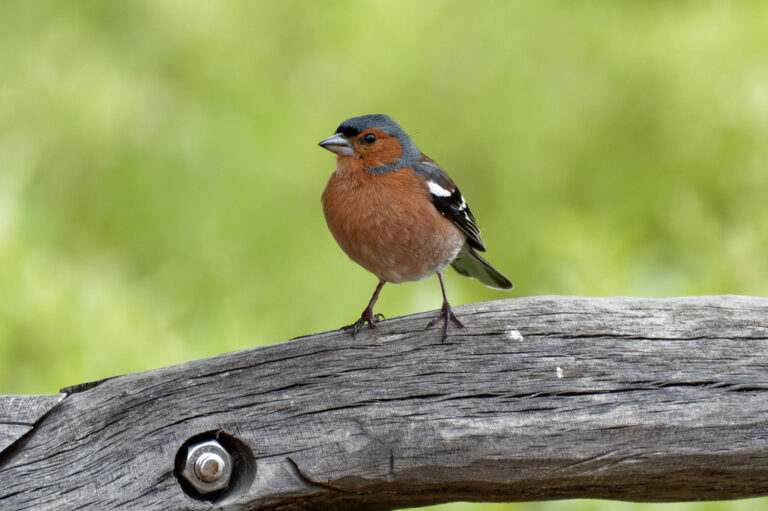
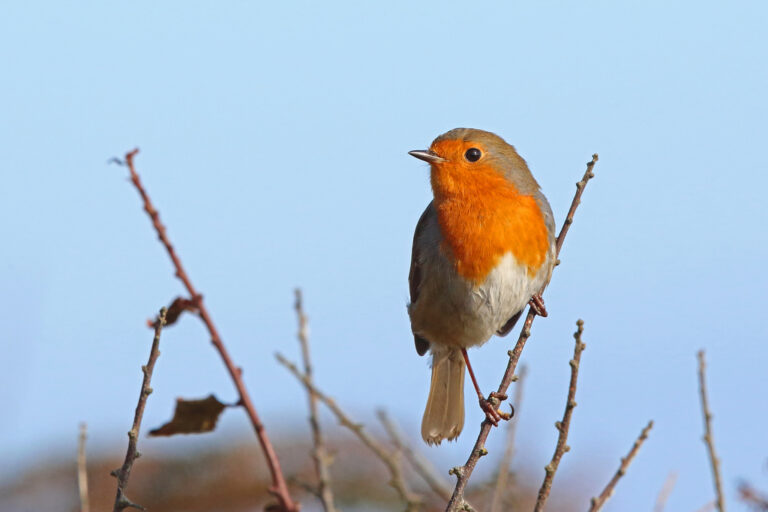
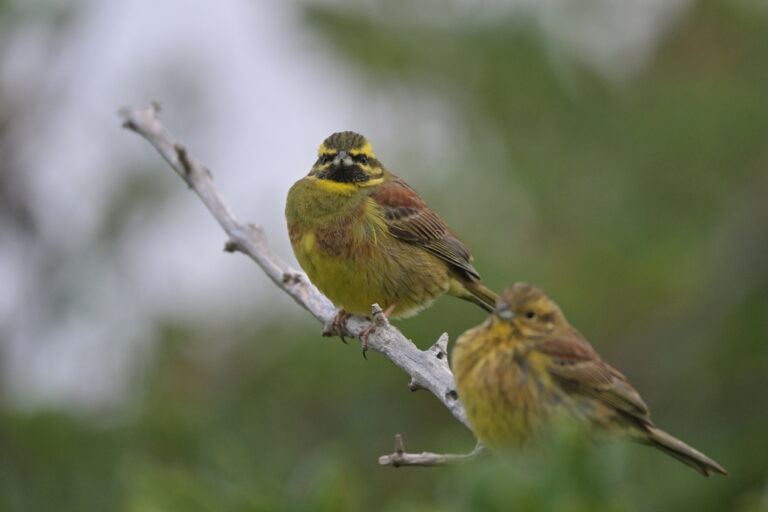
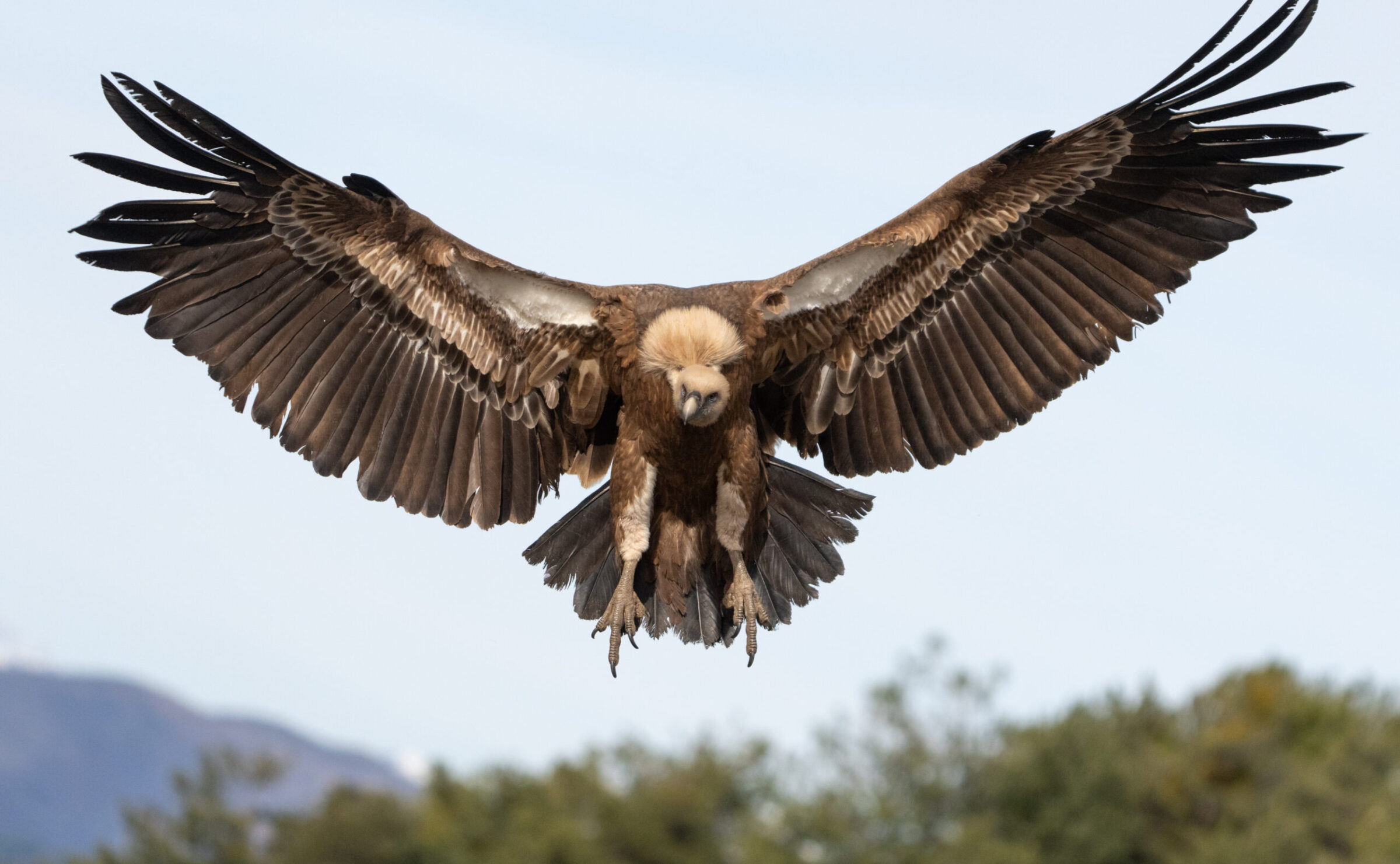
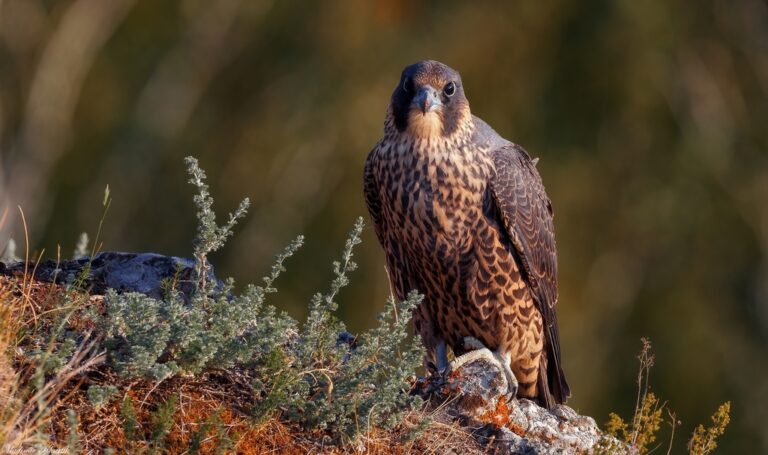
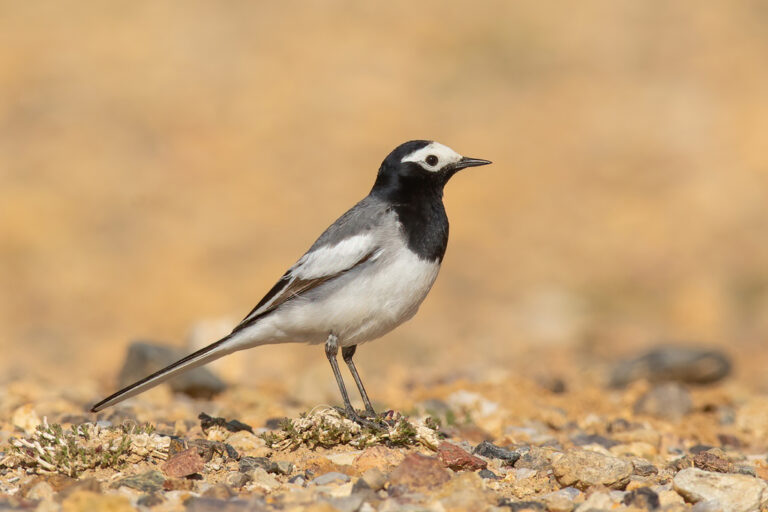
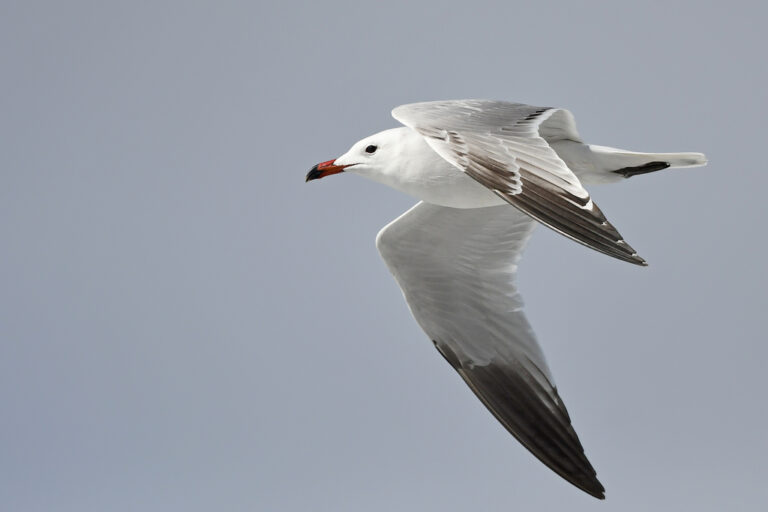
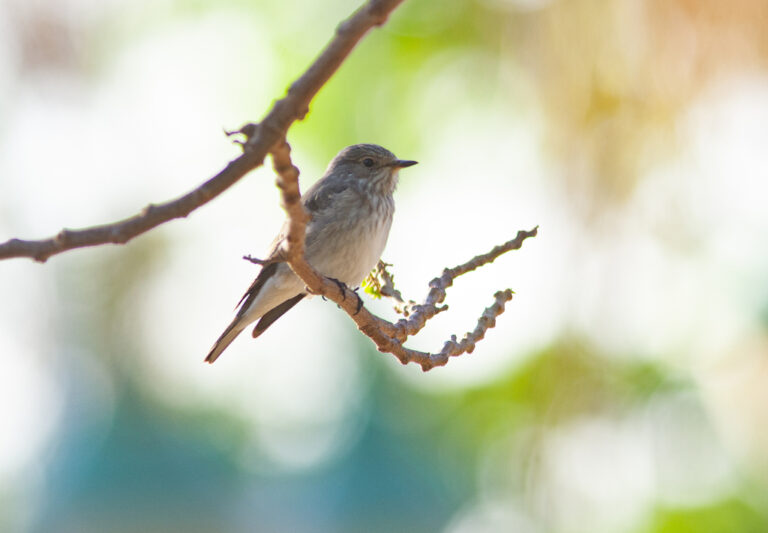
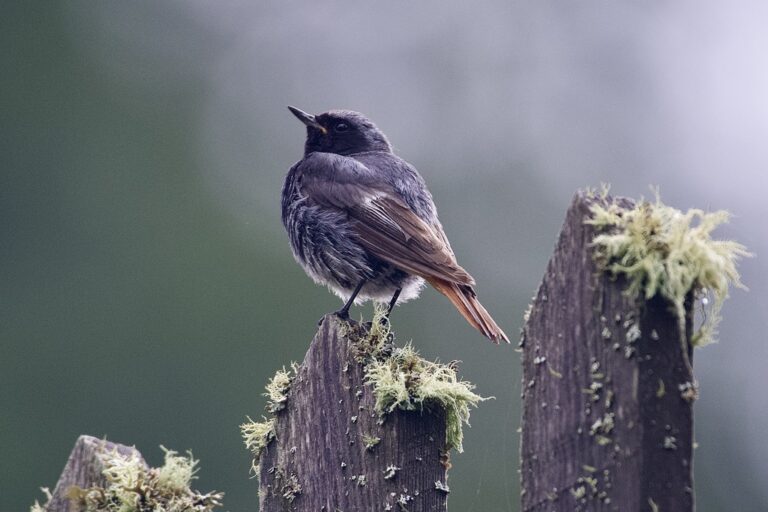
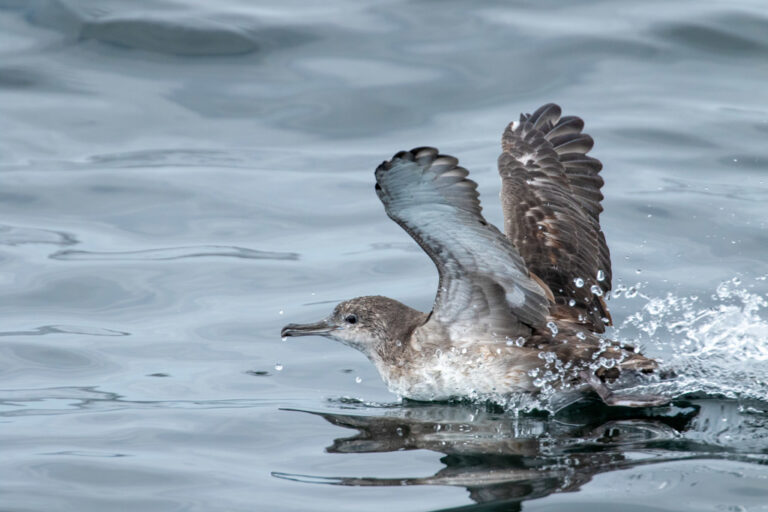
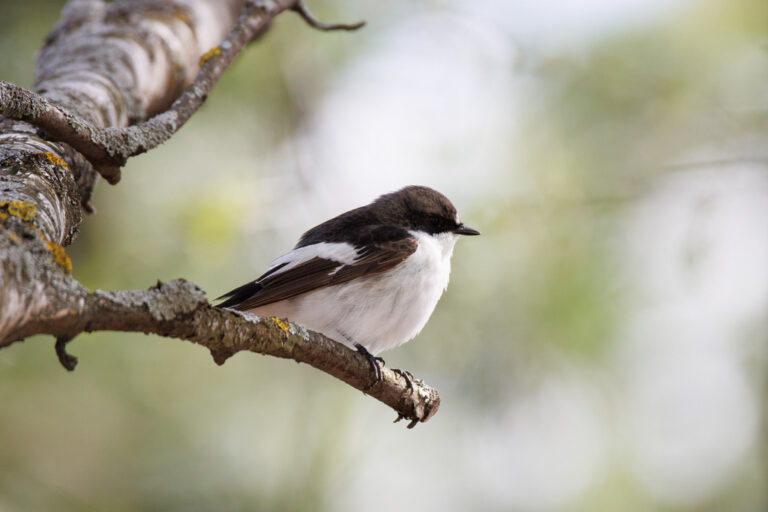
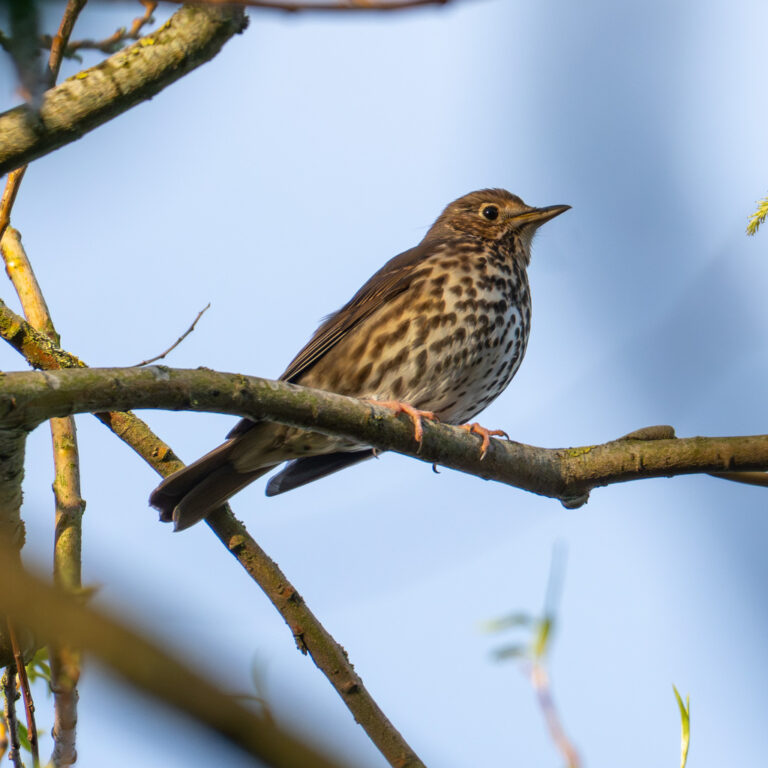
Photo © Der Barbar — CC BY-SA 4.0 — Source: Wikimedia CommonsSteep limestone cliffs plunge toward the sapphire Mediterranean at Cap de Ferrutx, where the northeastern tip of Mallorca meets the sea in a landscape carved by wind and tidal action over millennia. This IUCN Category 4 nature reserve protects a mosaic of Mediterranean scrubland, rocky outcrops, and coastal cliffs that rise dramatically above wave-carved caves and turquoise shallows. The terrain is sparse and sun-scorched, dominated by drought-adapted shrubland where salt spray and exposure have sculpted the vegetation into low, gnarled forms—habitat that attracts a distinctive array of specialists. Birds of prey patrol the thermals above the cliffs, while cliff-nesting seabirds colonize the inaccessible rock faces; inland, scrubland songbirds and small mammals navigate the dense, aromatic Mediterranean flora. Reptiles and invertebrates thrive in the rocky crevices and sparse grasslands, taking advantage of the reserve's isolation and protection from development. The combination of terrestrial and marine edge ecology creates feeding corridors and roosting sites that support migratory species during their seasonal passages between Africa and northern Europe.
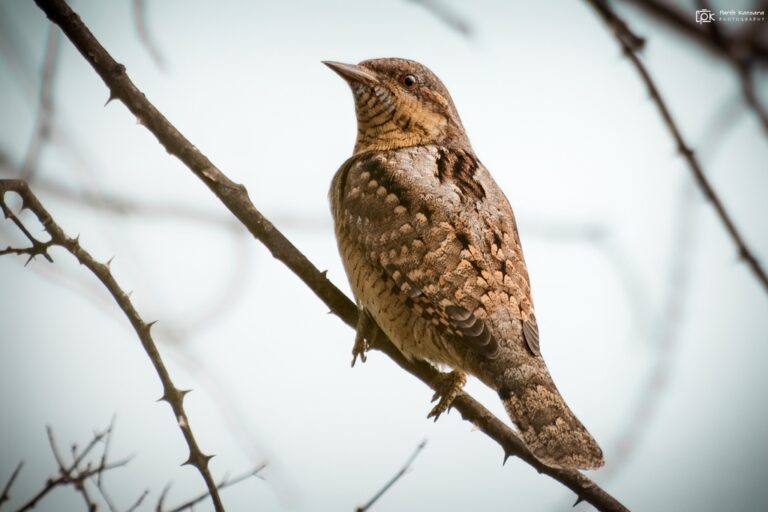
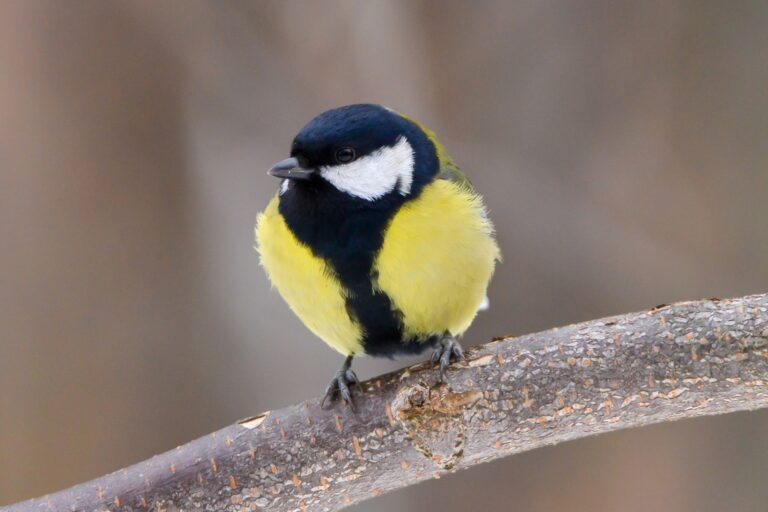
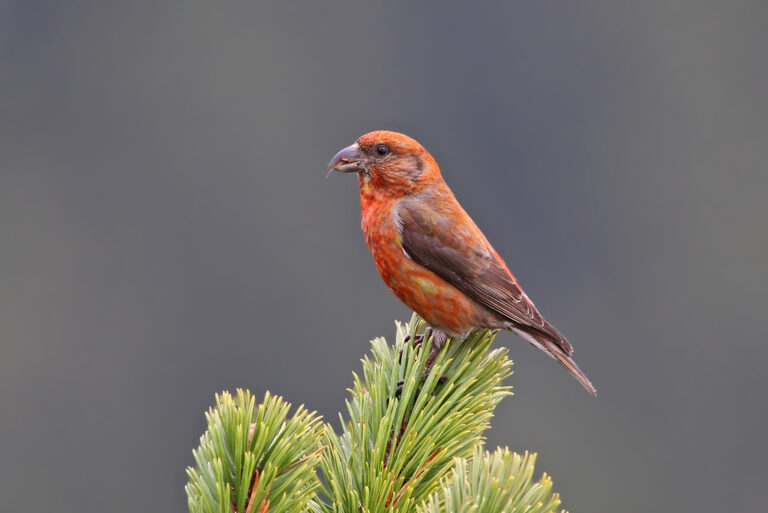
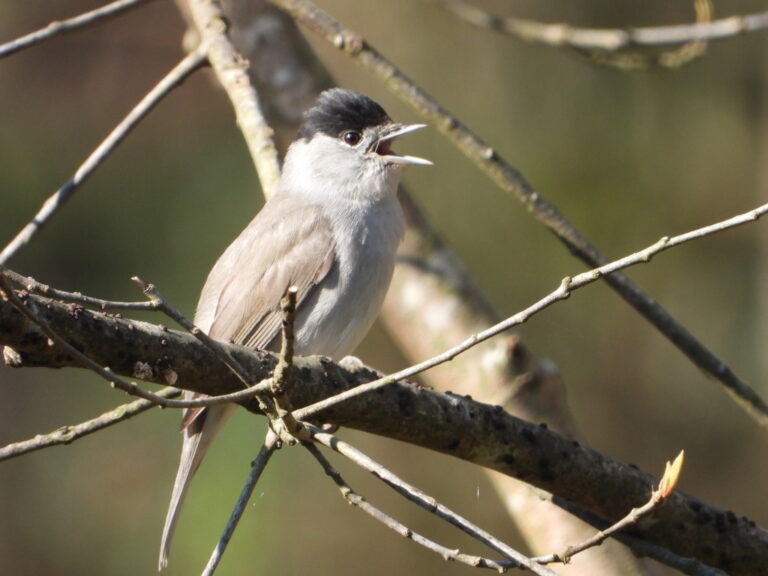
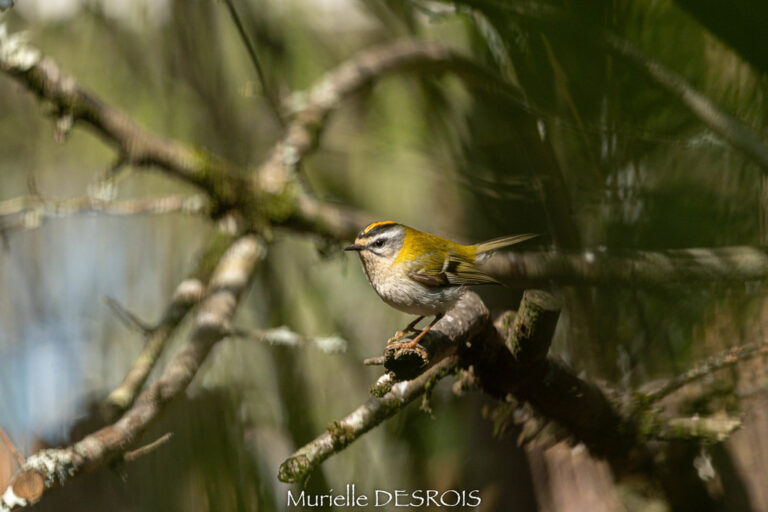
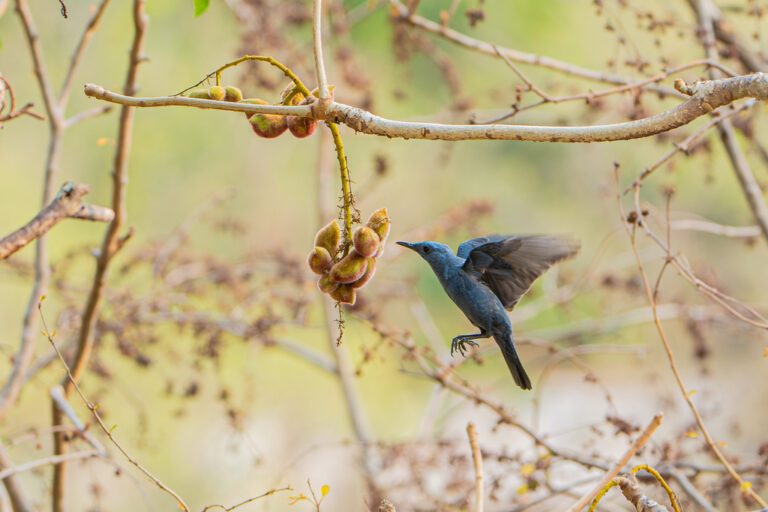
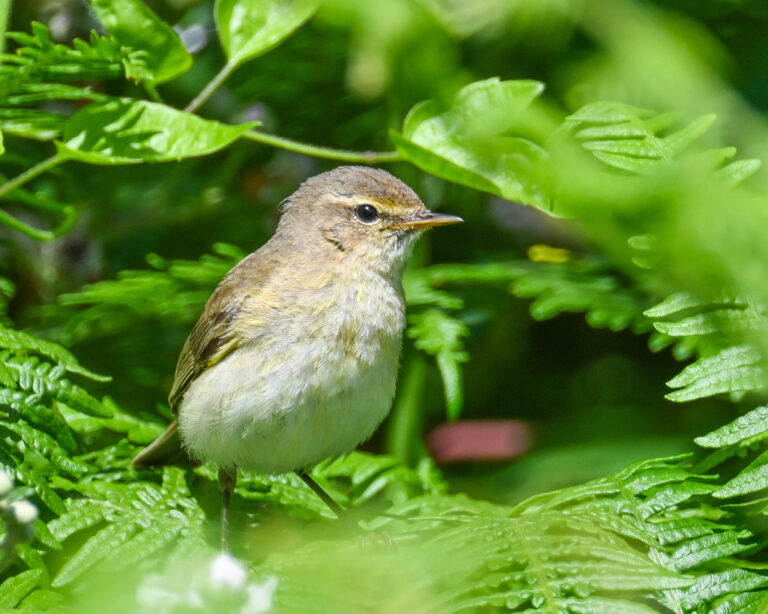
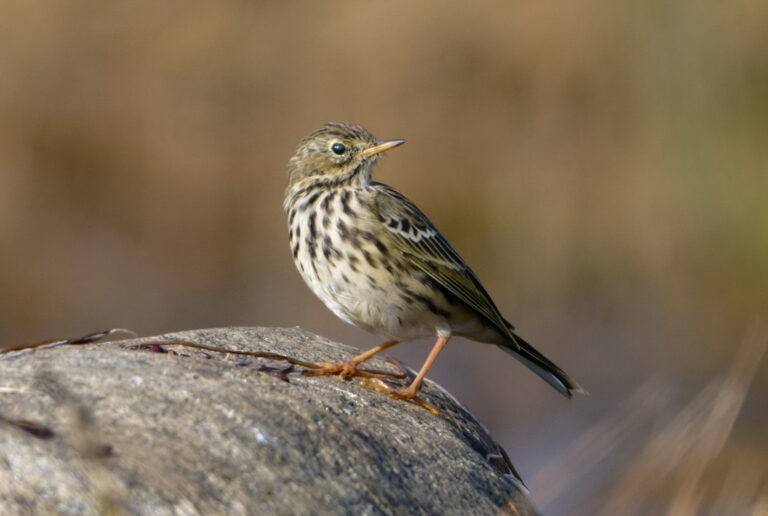
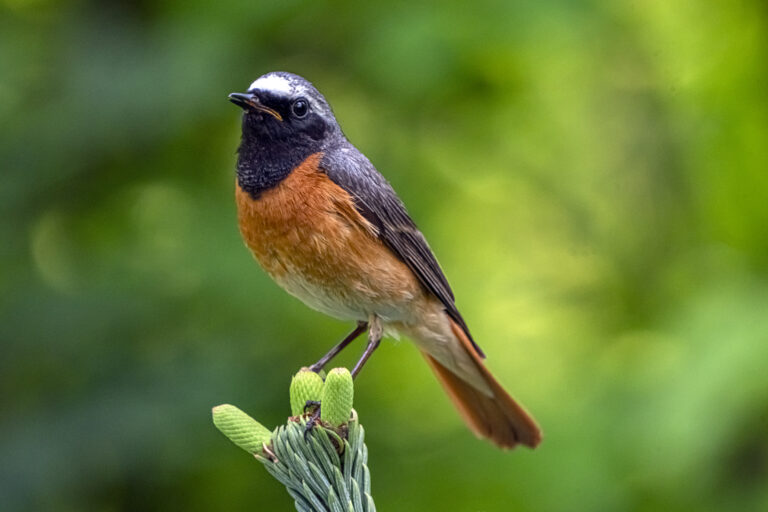
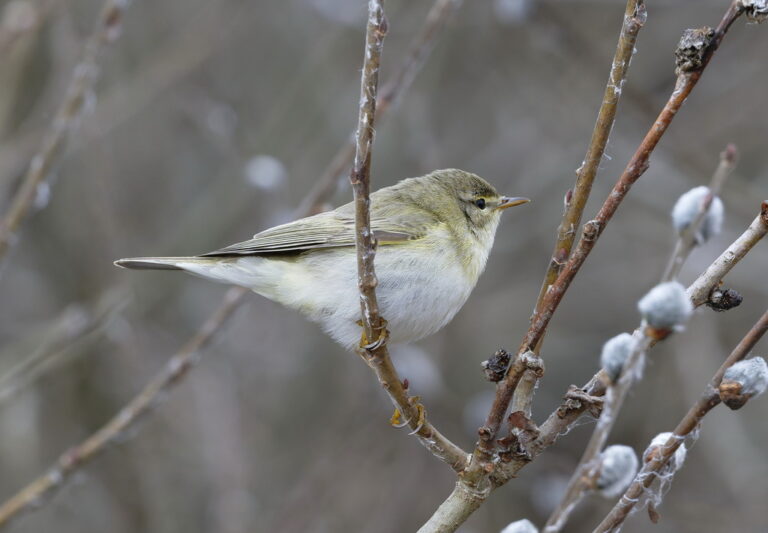
For wildlife photographers and birders, Cap de Ferrutx delivers dramatic composition and genuine solitude. The reserve's clifftop vantage points offer photographers unobstructed views of pelagic and coastal species, while the interplay of Mediterranean light across the limestone creates the golden hours most naturalists dream of. Spring and autumn bring waves of migrating warblers and other Palearctic species moving through the scrubland, turning the reserve into a hotspot for anyone tracking seasonal movements across the Mediterranean. The narrow access road preserves the site's wildness, ensuring that visitors who do make the journey encounter a working landscape shaped by natural processes rather than tourism infrastructure—a rarity on the crowded Balearic coast. Early morning visits reward patience with active foraging birds before the heat settles over the cliffs, while sunset reveals the nocturnal shift change among cliff-dwelling fauna.
No community observations yet — be the first to log a sighting here.
Cap de Ferrutx Nature Reserve
Generally mild conditions, with noticeable seasonal changes.
A year of temperatures
Monthly means, with the coldest and warmest highlighted
Terrain and elevation
57 m · LowlandAverage terrain elevation estimate across the hotspot; the figure does not represent its highest summits.
Lowland