Skellig Michael
Photo © Jerzy Strzelecki
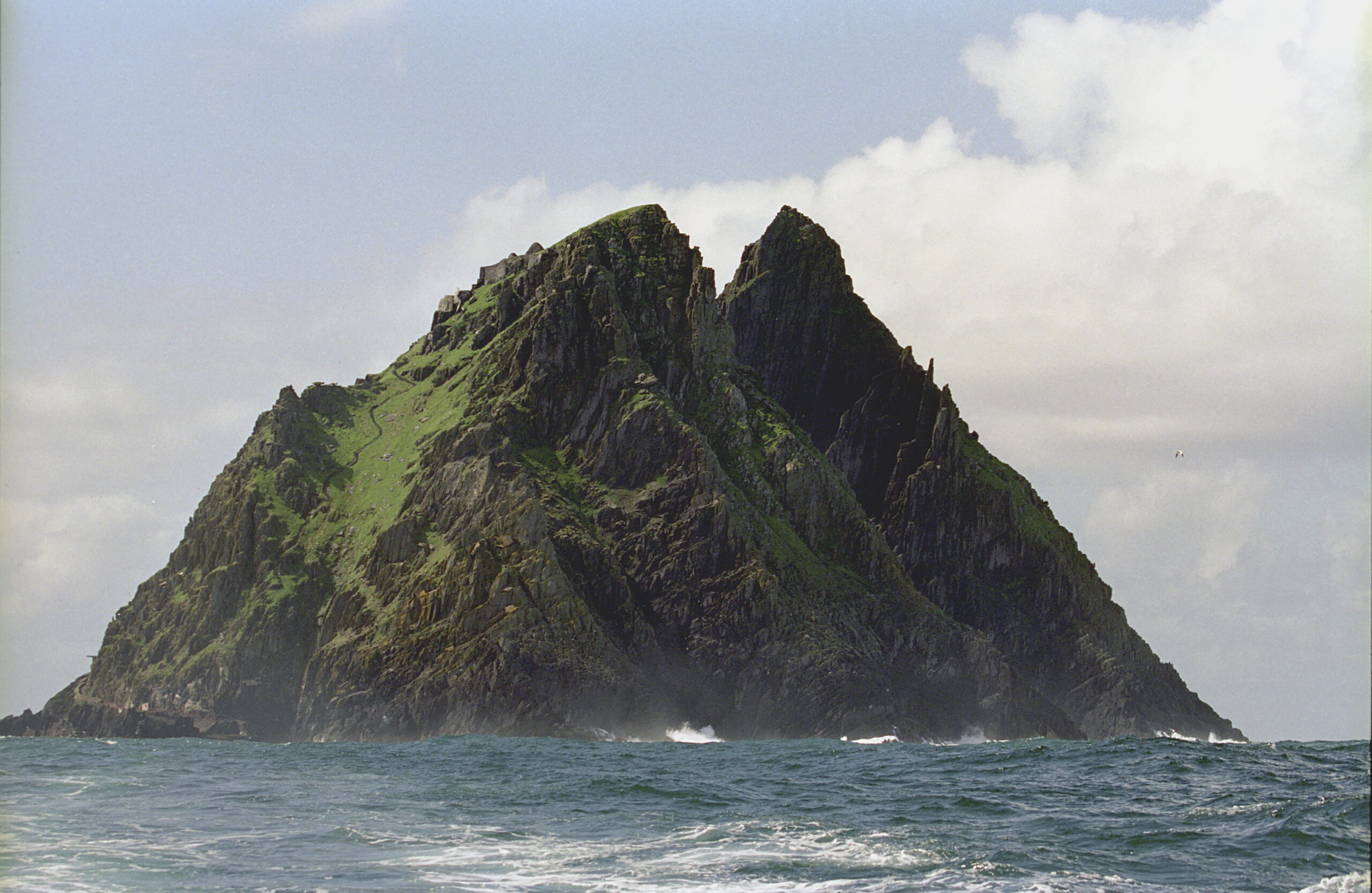
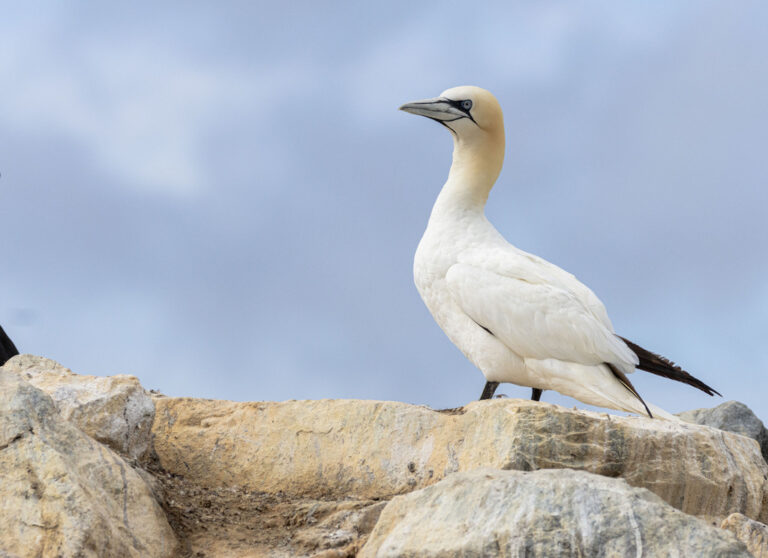
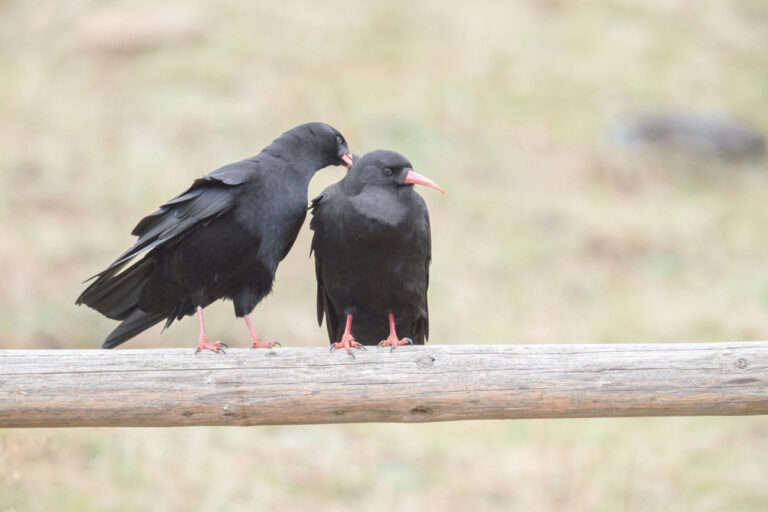
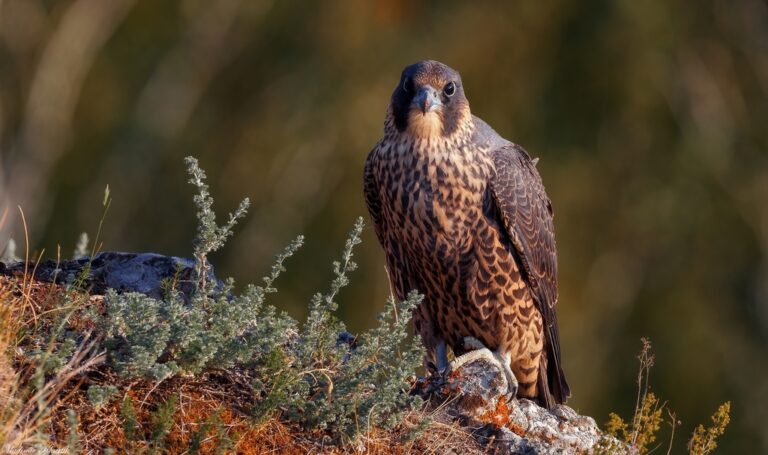
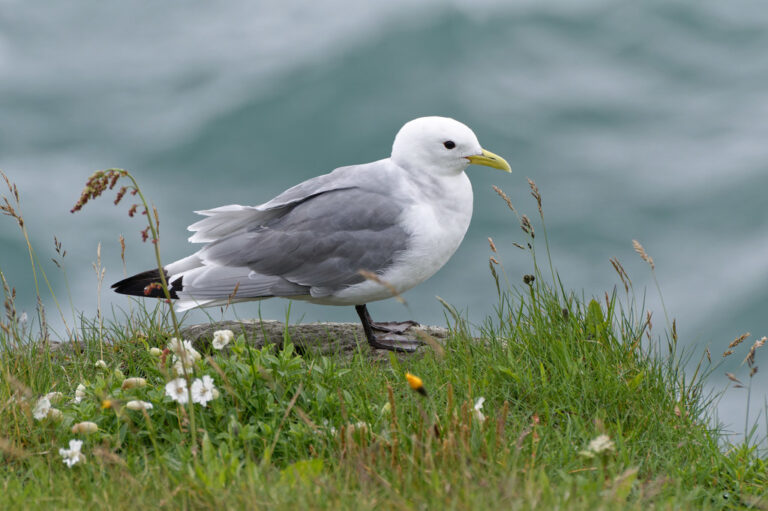
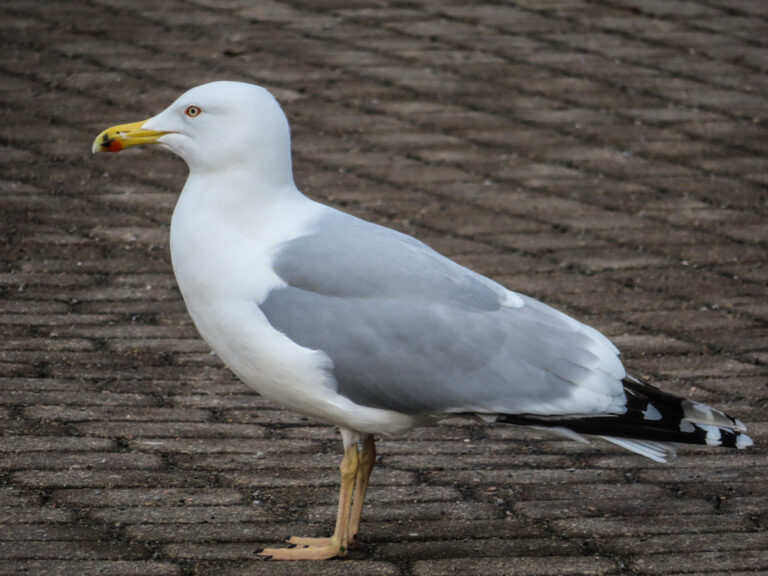
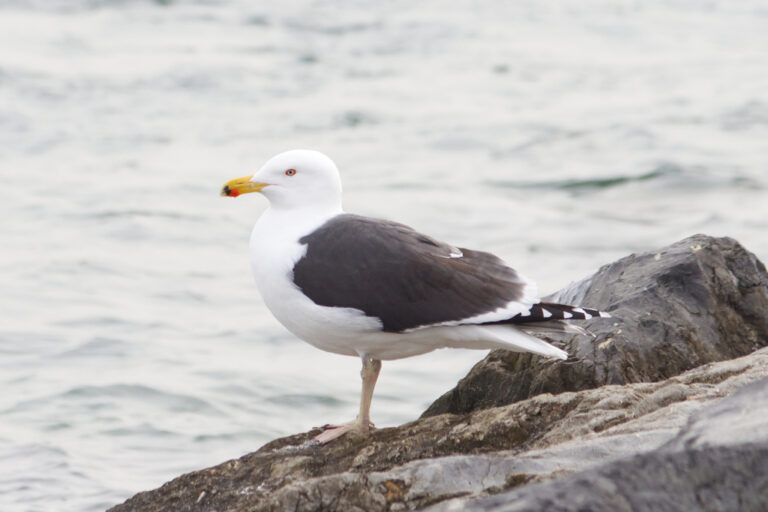
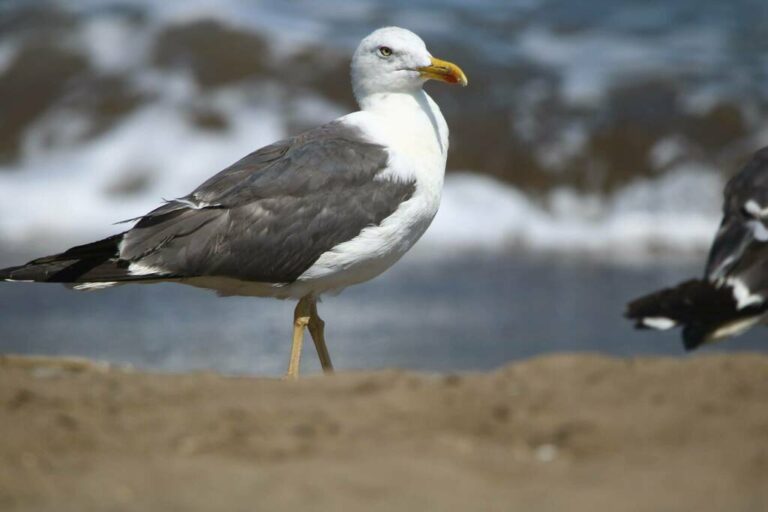
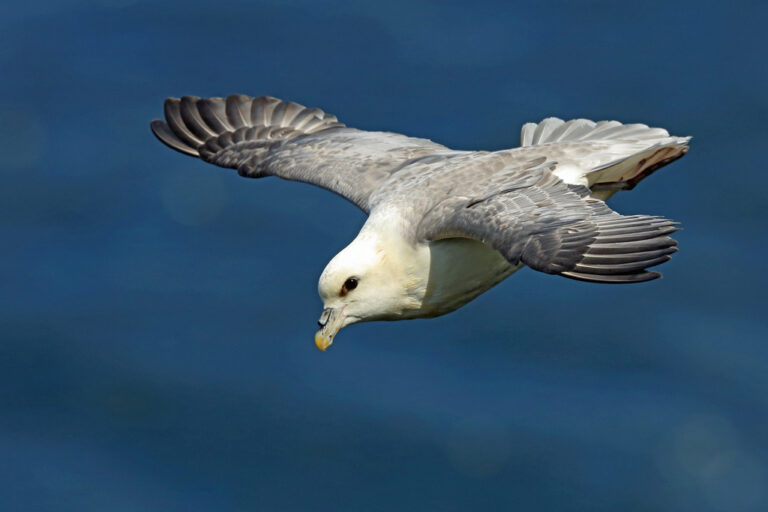
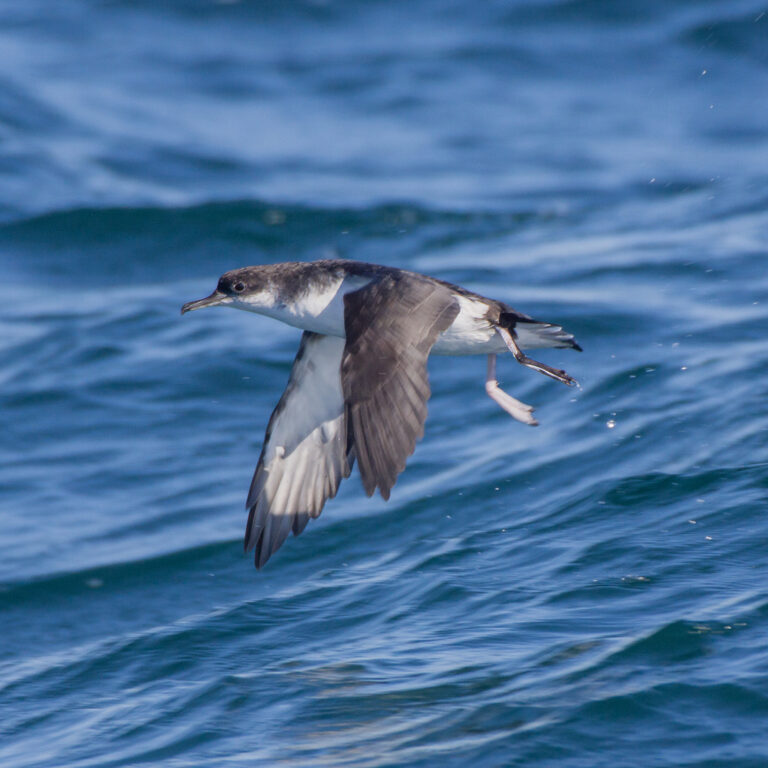
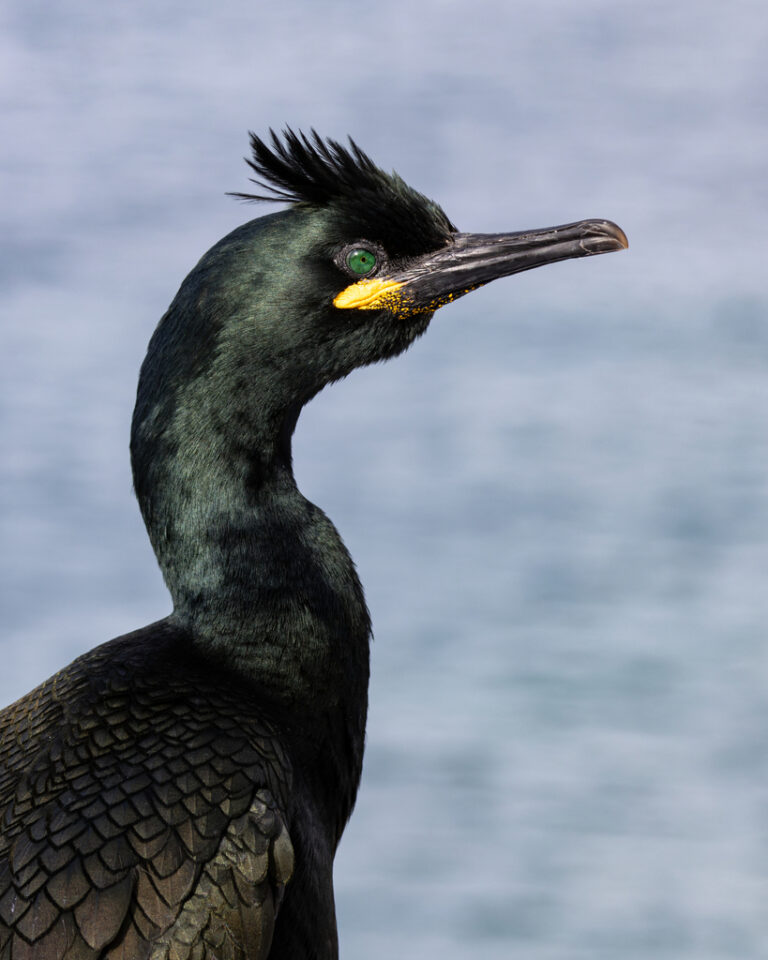
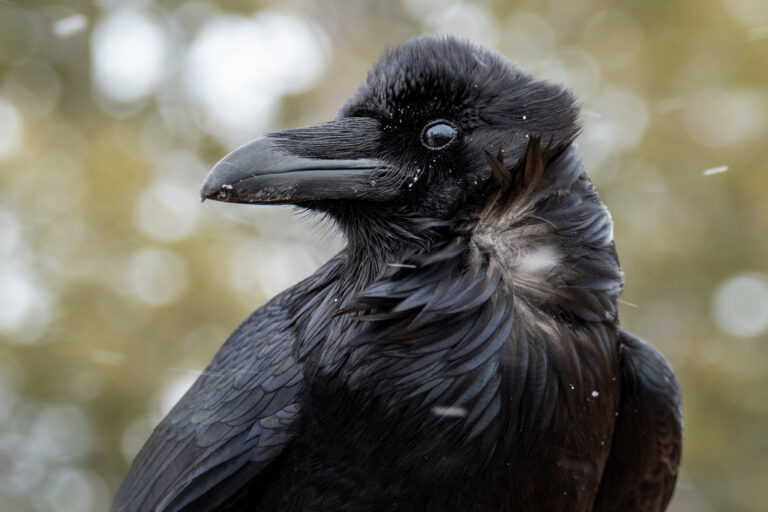
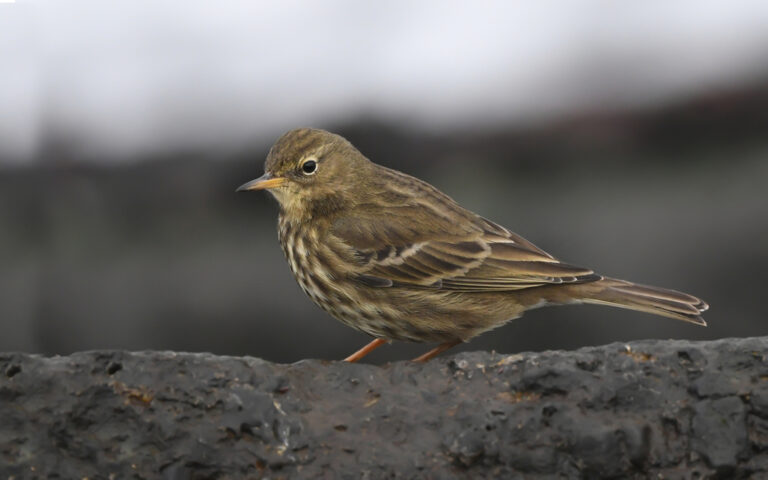
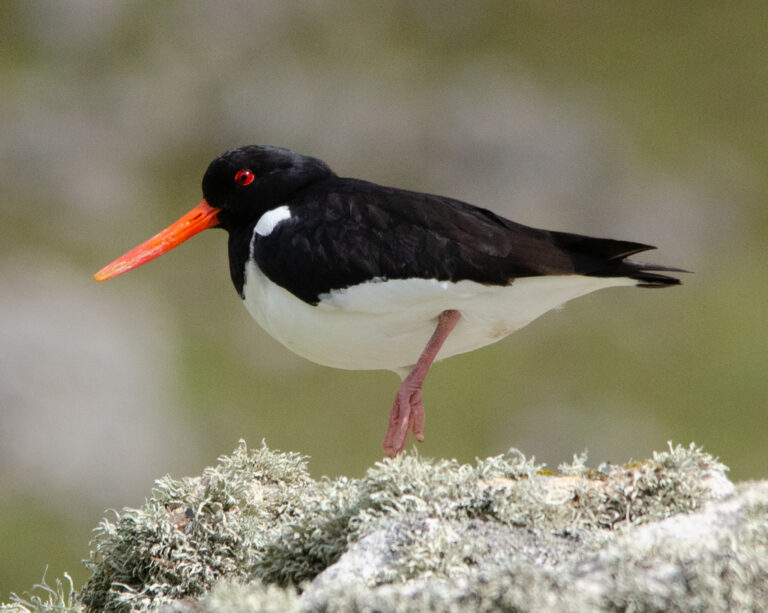
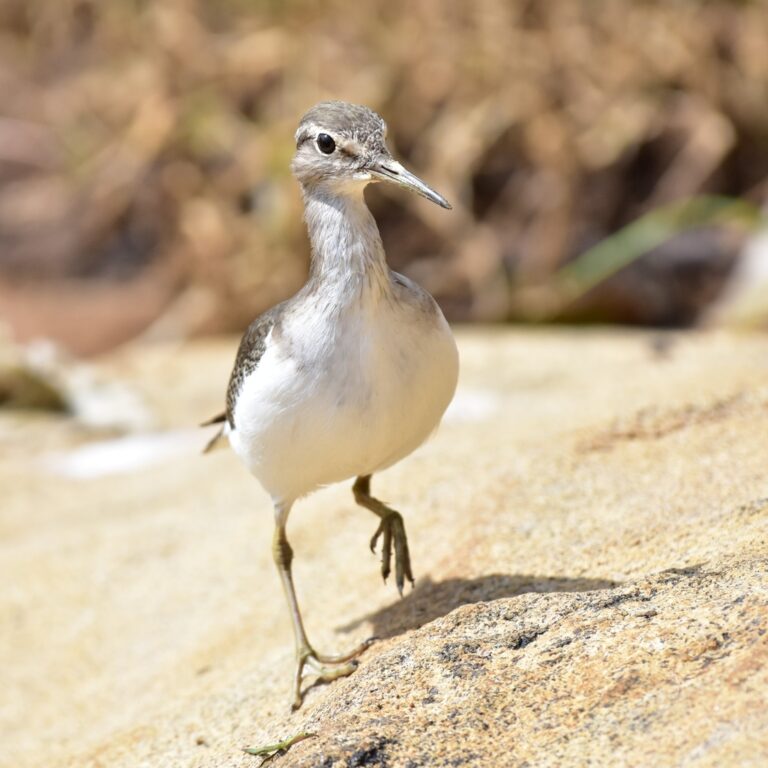
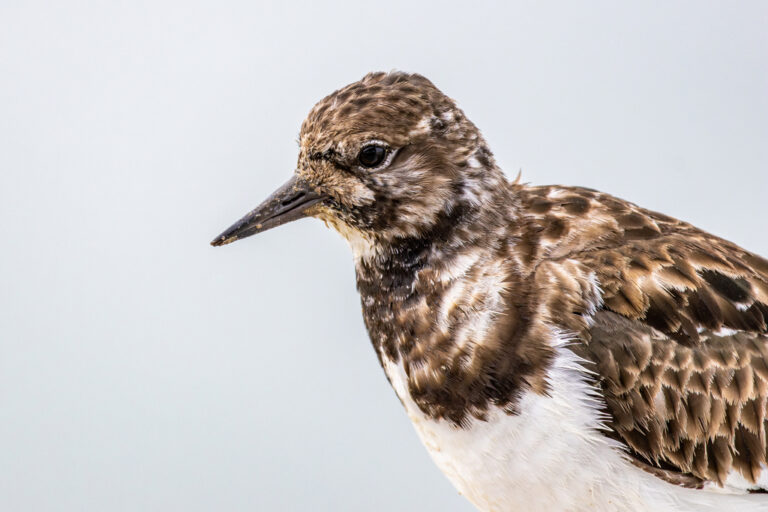
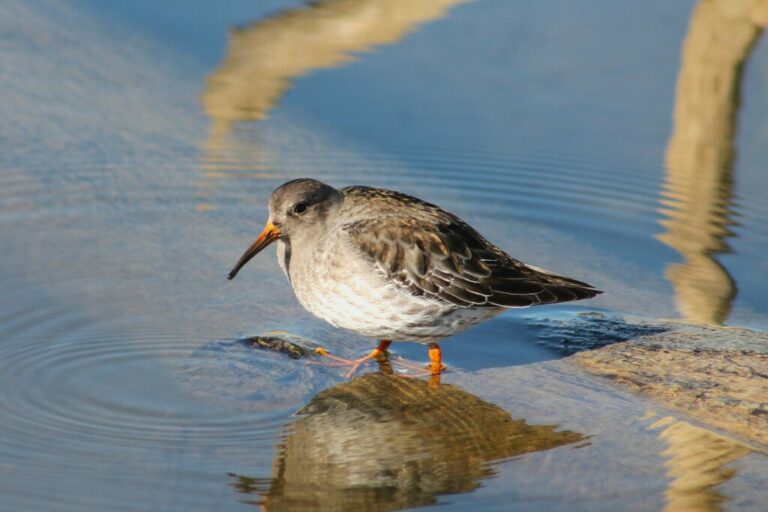
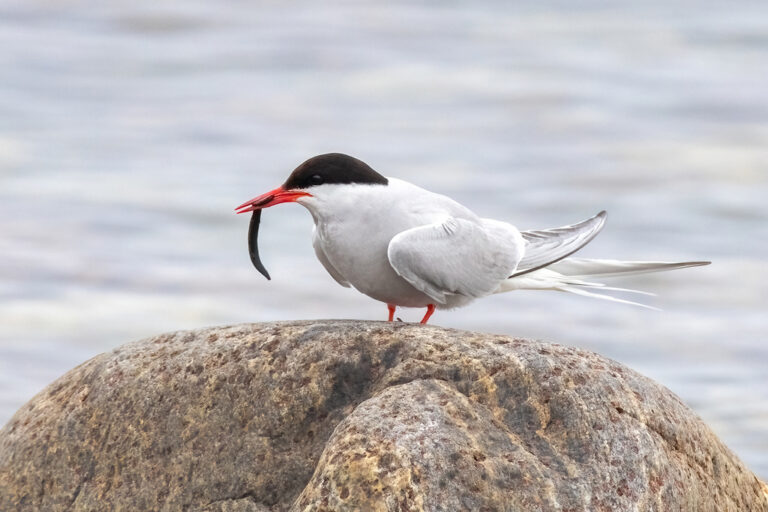
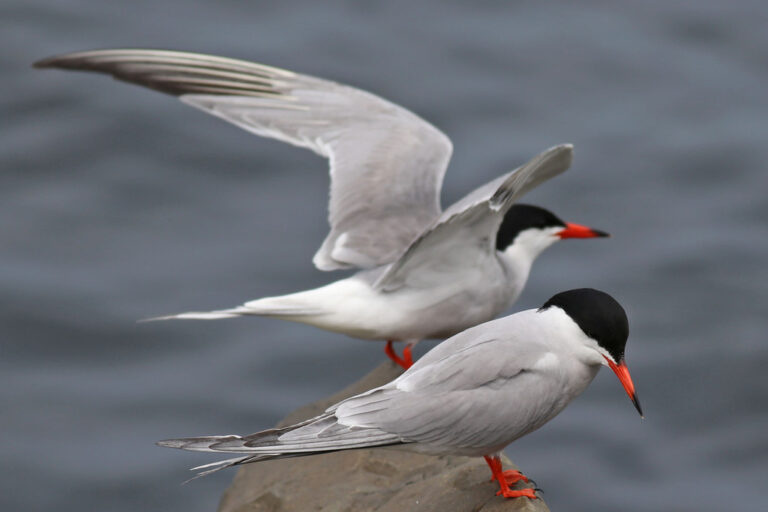
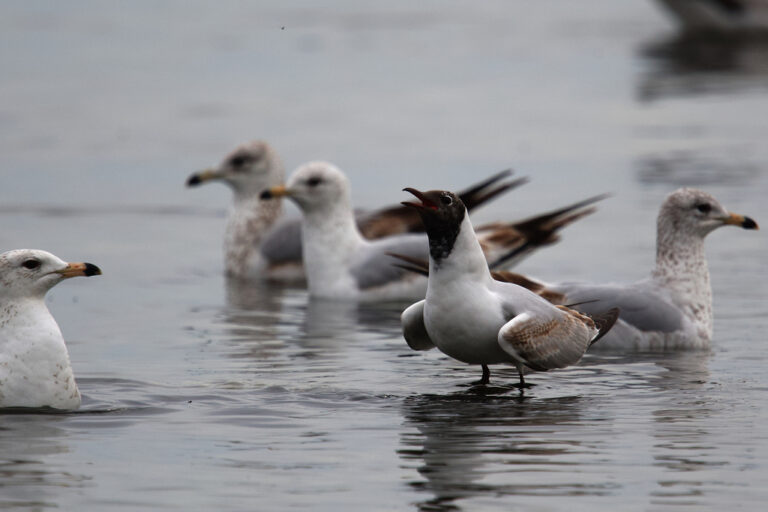
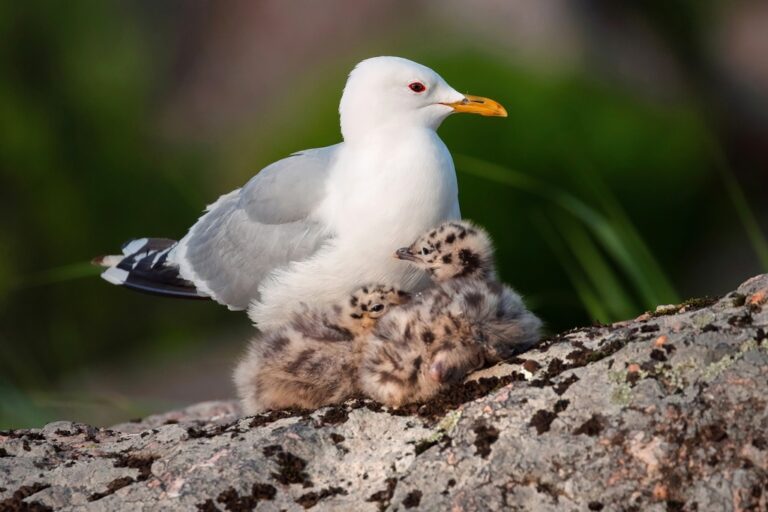
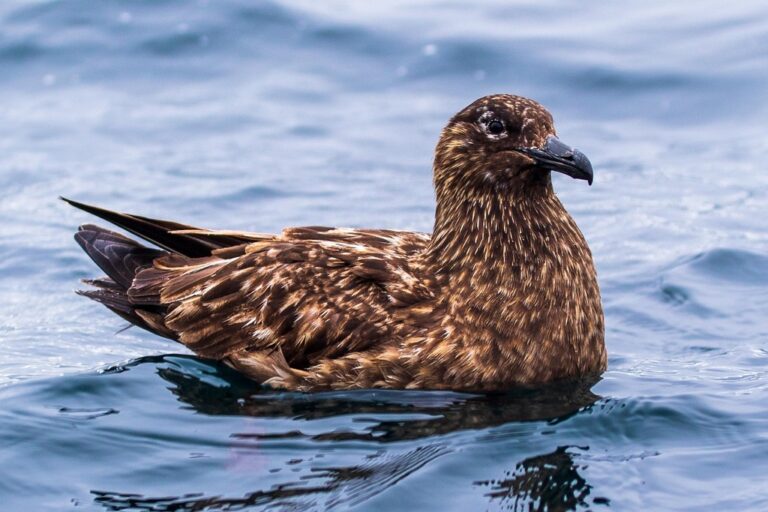
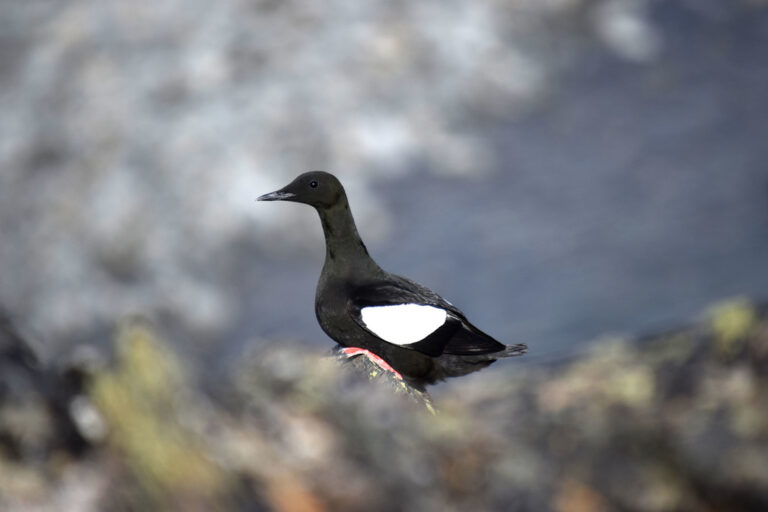
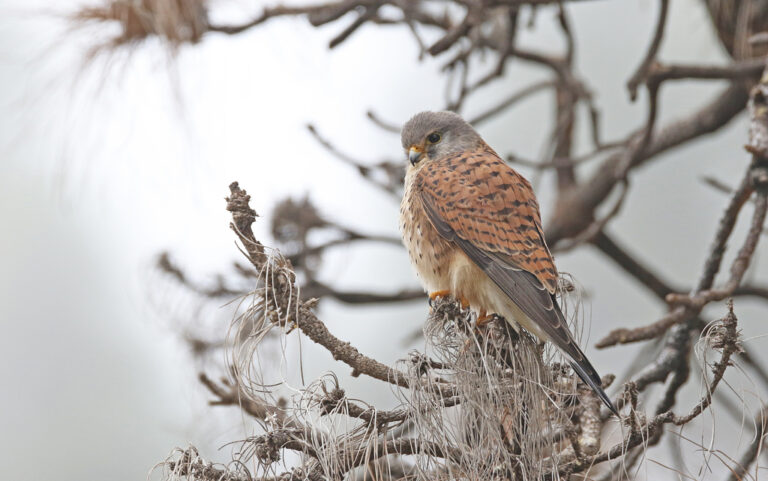
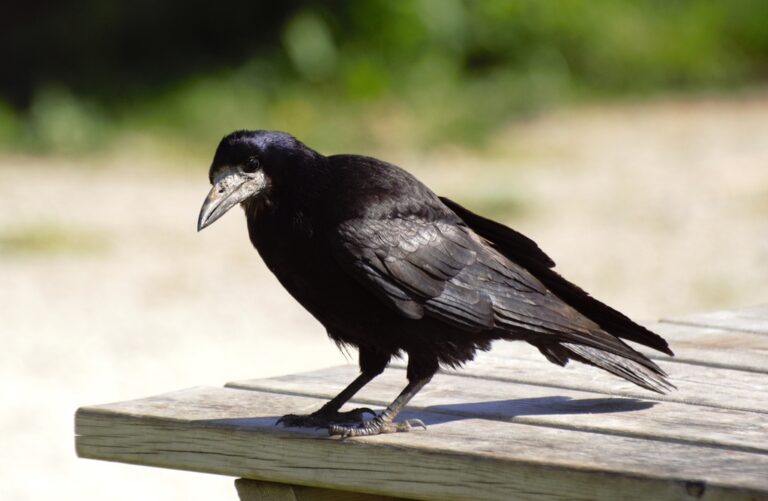
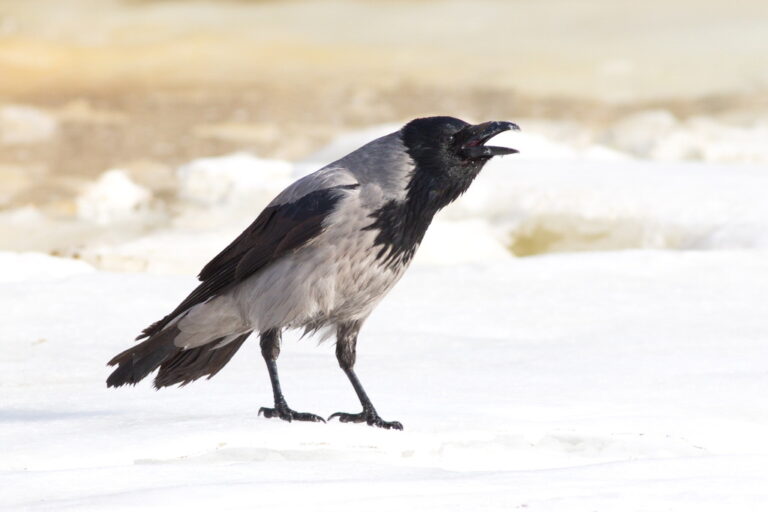
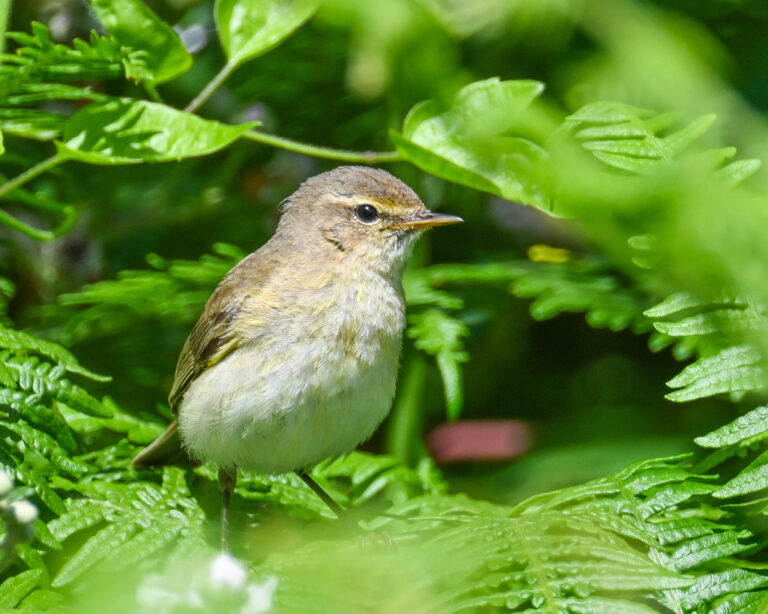
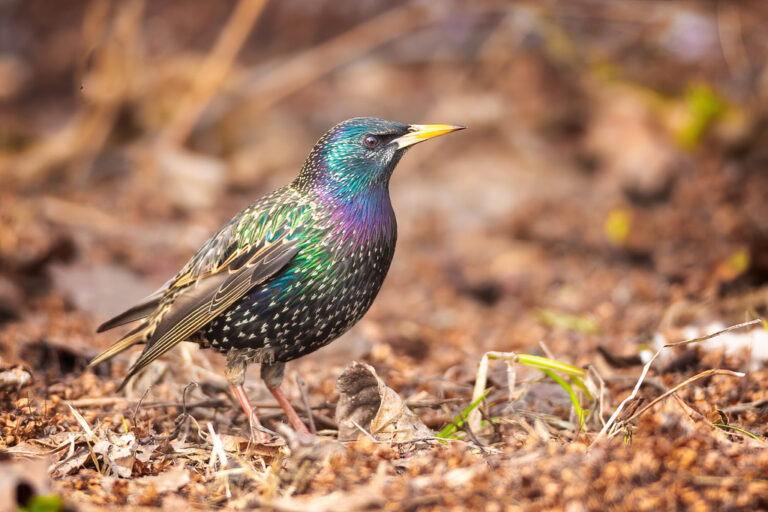
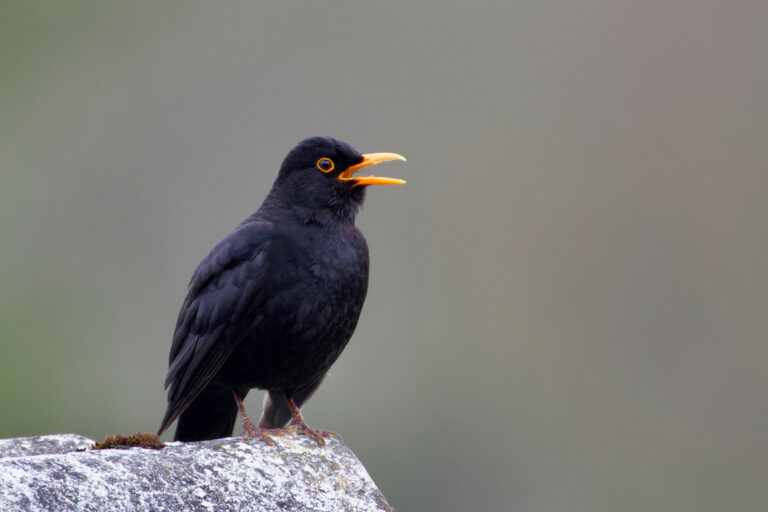
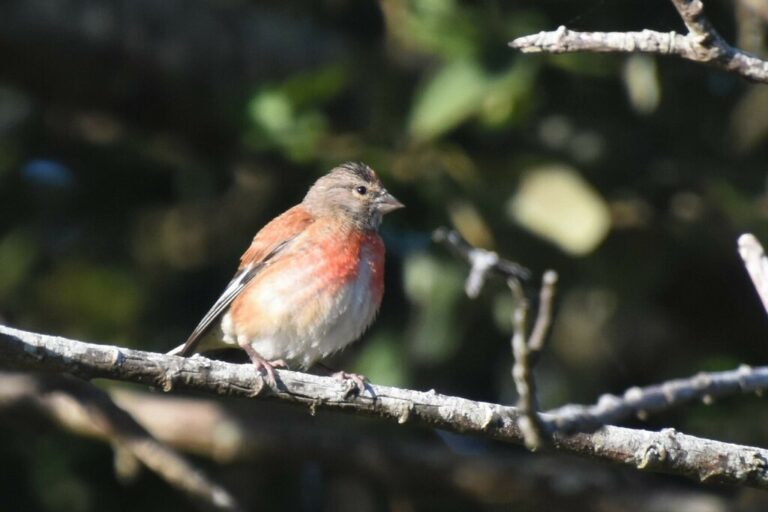
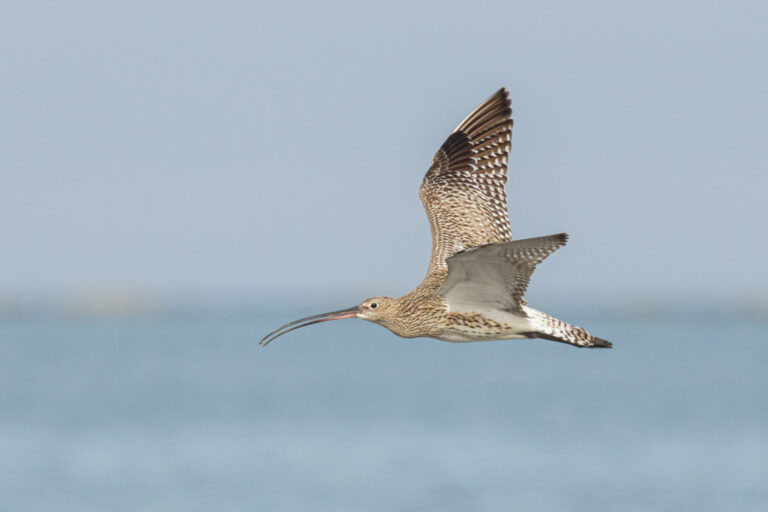
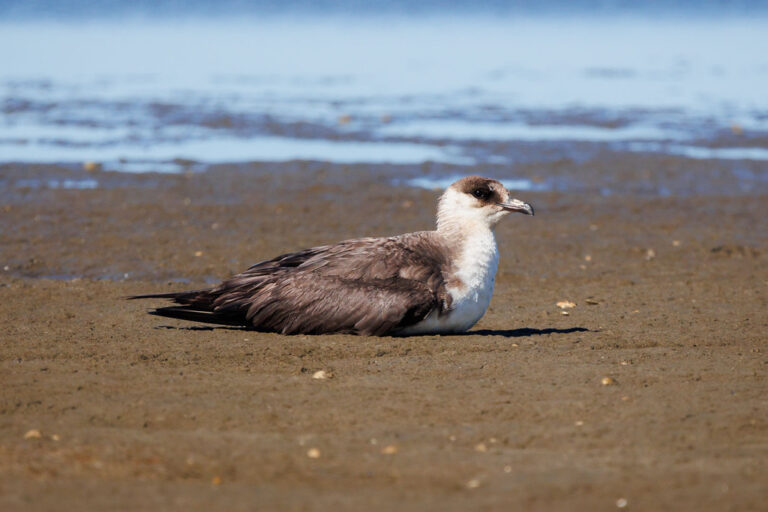
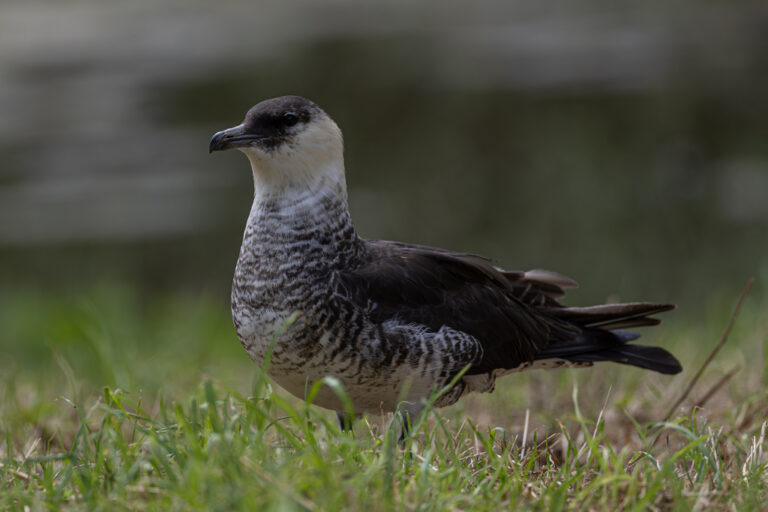
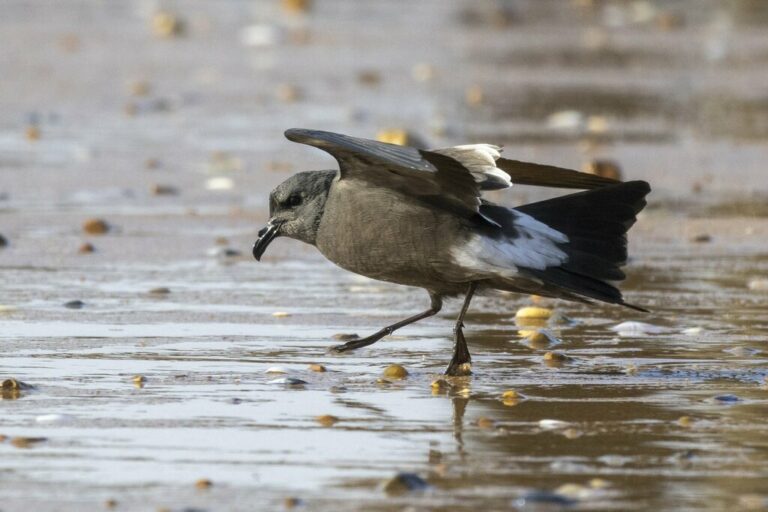
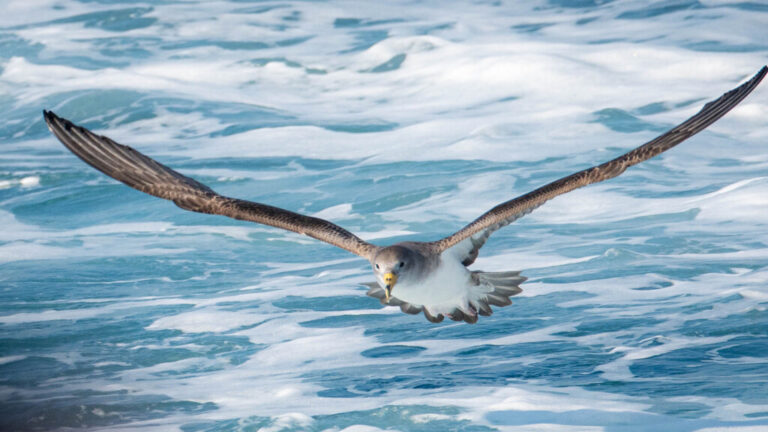
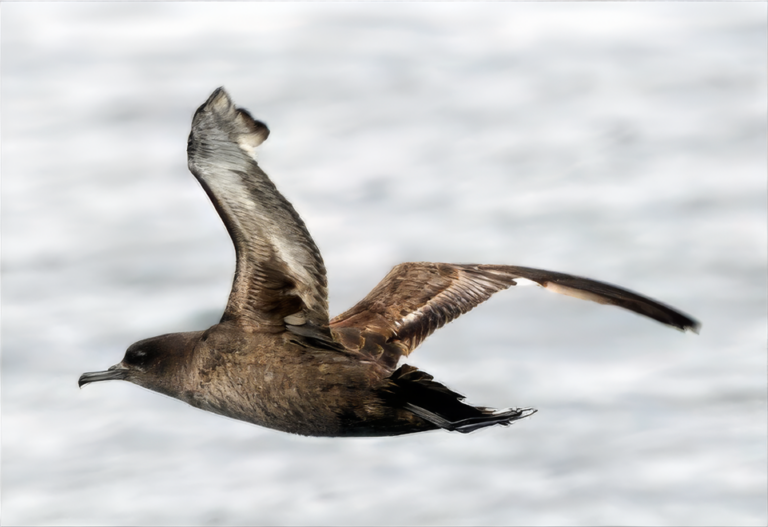
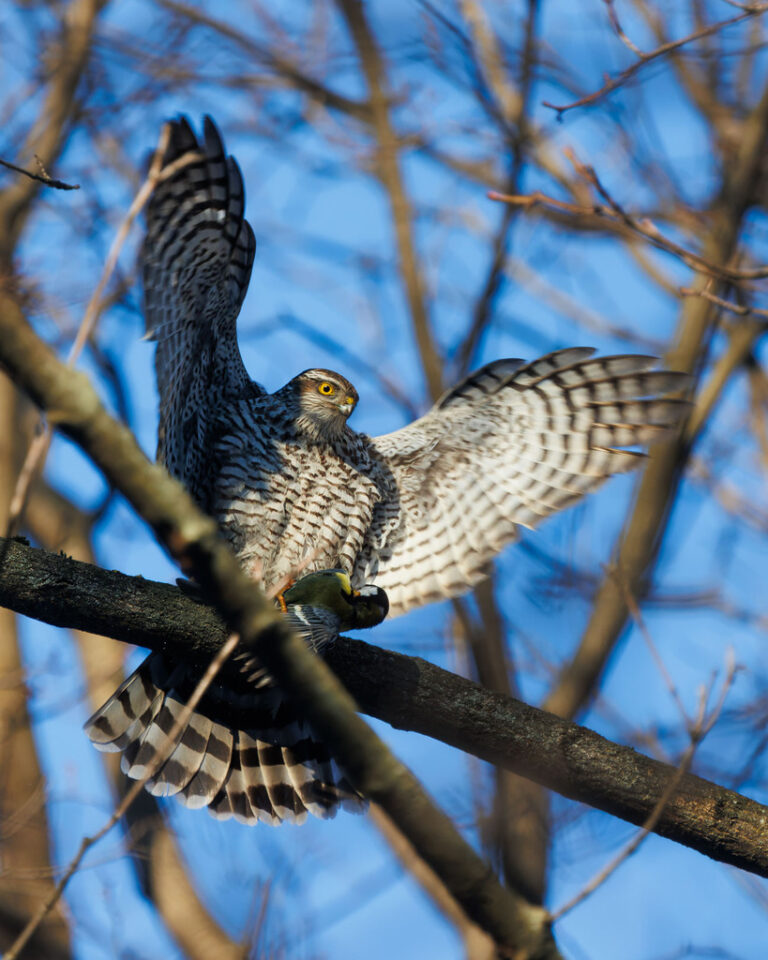
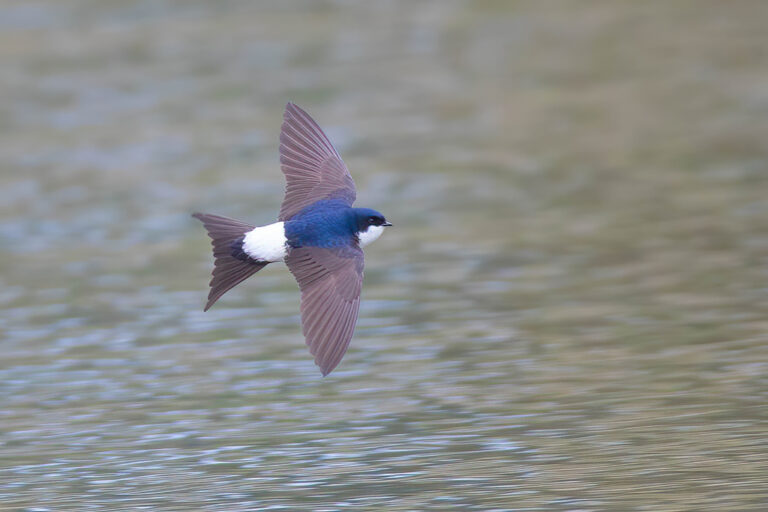
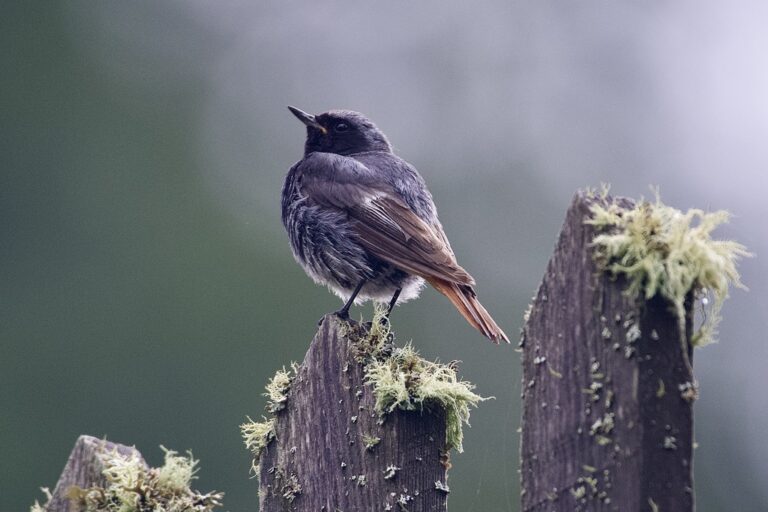
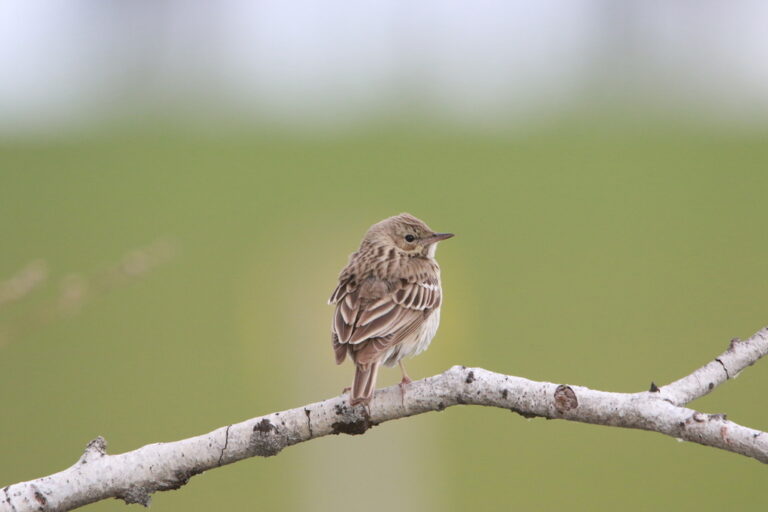
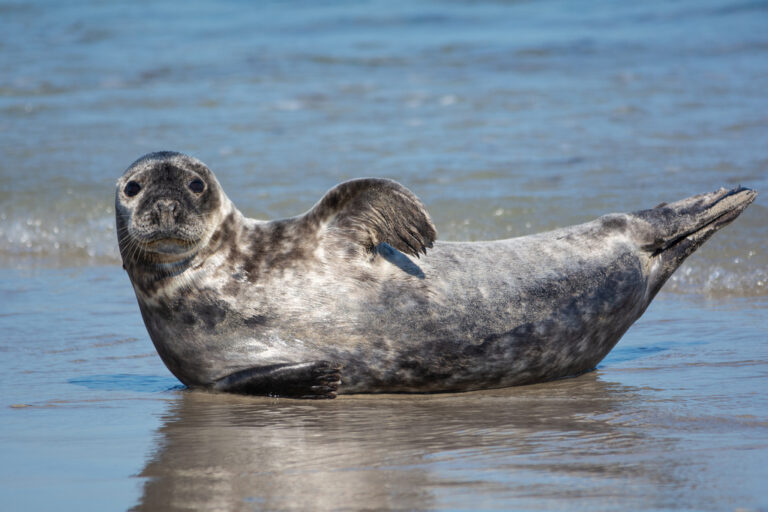
Photo © Jerzy Strzelecki — CC BY-SA 4.0 — Source: Wikidata / Wikimedia CommonsWhere granite peaks rise abruptly from the Atlantic, Skellig Michael commands the seascape off the Kerry coast with an austere majesty that few Irish islands can match. This remote archipelago, exposed to unrelenting oceanic swells and temperate maritime winds, has sculpted a landscape of sheer cliffs, boulder-strewn slopes, and narrow ledges that speak to millions of years of weathering. The island's oceanic Cfb climate brings frequent cloud cover, persistent moisture, and cool year-round temperatures, nurturing a sparse but resilient vegetation of maritime grasses, salt-tolerant herbs, and low shrubs adapted to constant exposure. The surrounding waters teem with seabirds that have claimed these rocks as breeding strongholds—auks, gulls, shearwaters, and cormorants wheel and dive in dramatic formations, their populations fluctuating seasonally as breeding cycles peak and migration routes shift. Smaller numbers of raptors exploit the thermals above the island's heights, while the surrounding sea supports populations of marine mammals that occasionally venture close to the rocky shores, part of an ecosystem shaped entirely by the demands of an ocean-facing existence.
For wildlife enthusiasts and nature photographers, Skellig Michael represents one of Ireland's most immersive seabird experiences, though access demands respect for both weather and conservation protocols. The island's geology creates dramatic backlit photography opportunities, especially during golden hour when low-angle Atlantic light transforms the granite into sculptural form, though such conditions remain unpredictable across the maritime calendar. Spring and early summer bring explosive breeding activity, with seabirds establishing territories and tending young in a window lasting only weeks; autumn migration can produce unexpected arrivals and concentrations of passage species. Visiting requires boat access from the Kenmare District mainland, a crossing that rewards patience—rough seas frequently close routes, but they also remind visitors of the raw environmental forces that define this place. Binoculars, patience, and acceptance of variable conditions are the true keys to understanding what makes this island sanctuary one of the North Atlantic's most uncompromising and rewarding wildlife destinations.
No community observations yet — be the first to log a sighting here.
Skellig Michael
A marine setting shaped by the ocean rather than land elevation.
A year of temperatures
Monthly means, with the coldest and warmest highlighted
Ocean setting
This hotspot is predominantly marine. Land elevation is deliberately omitted.