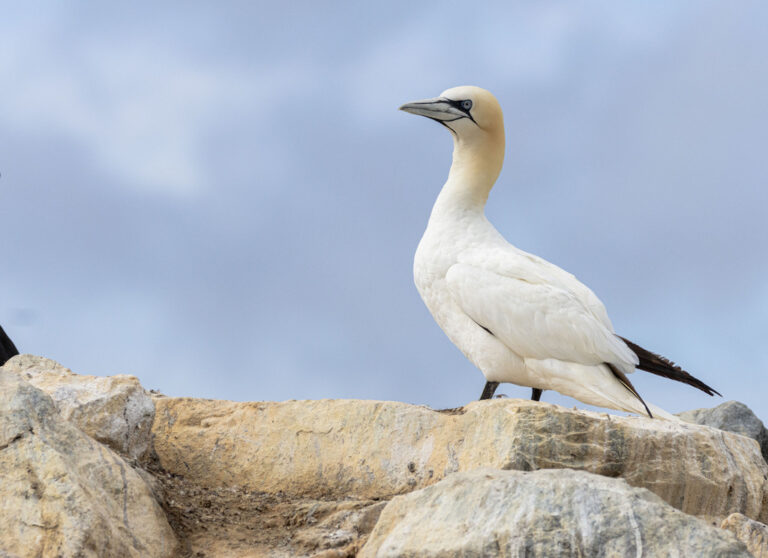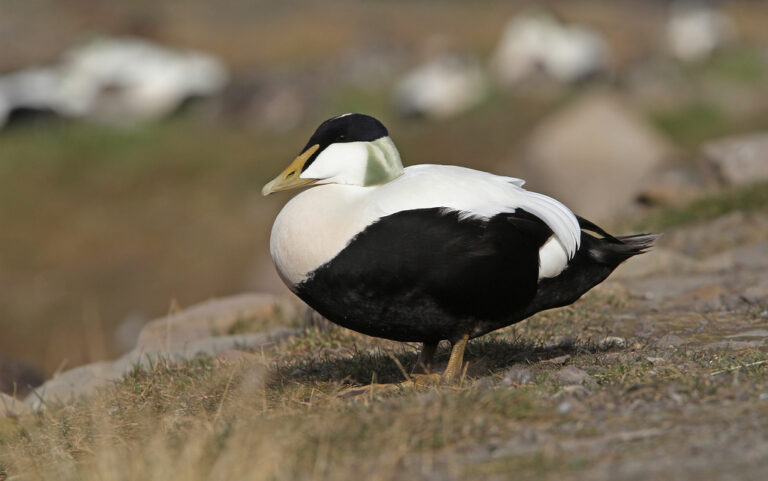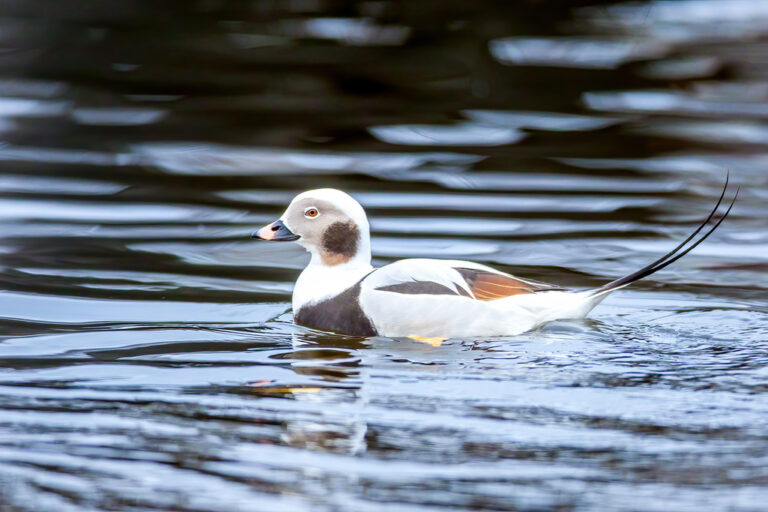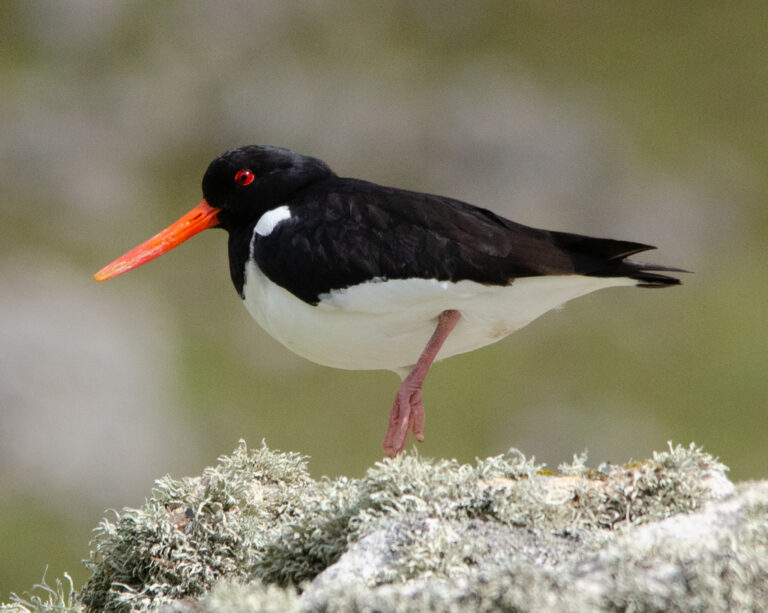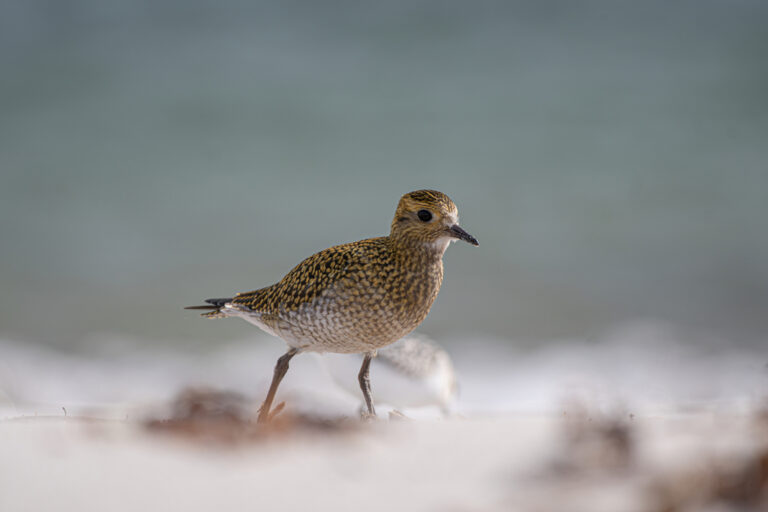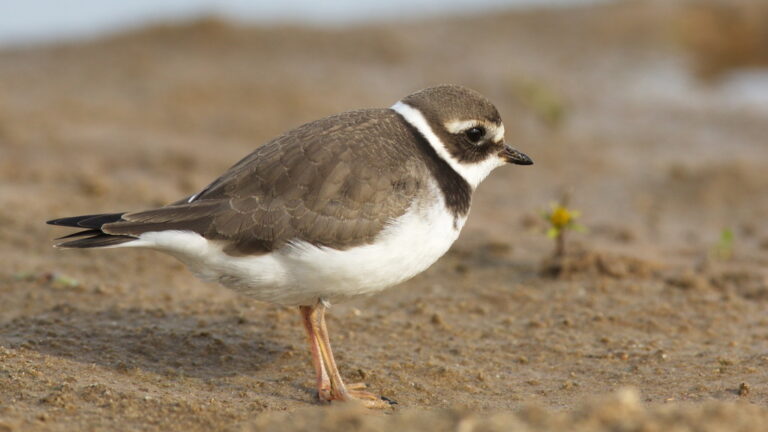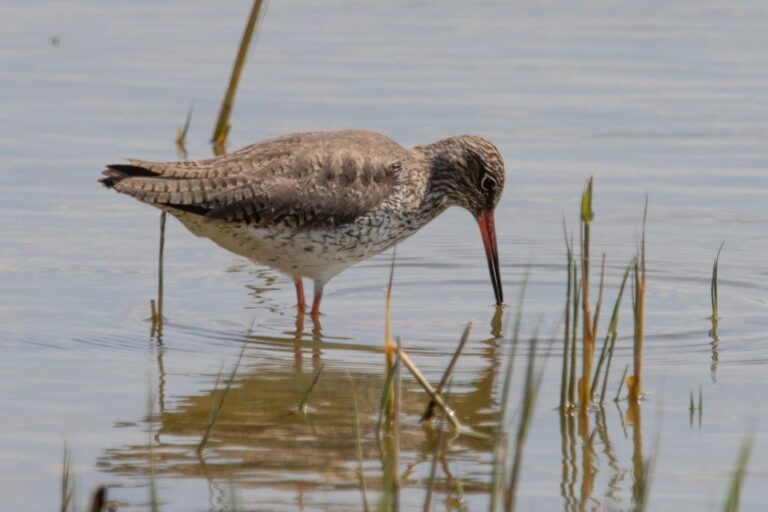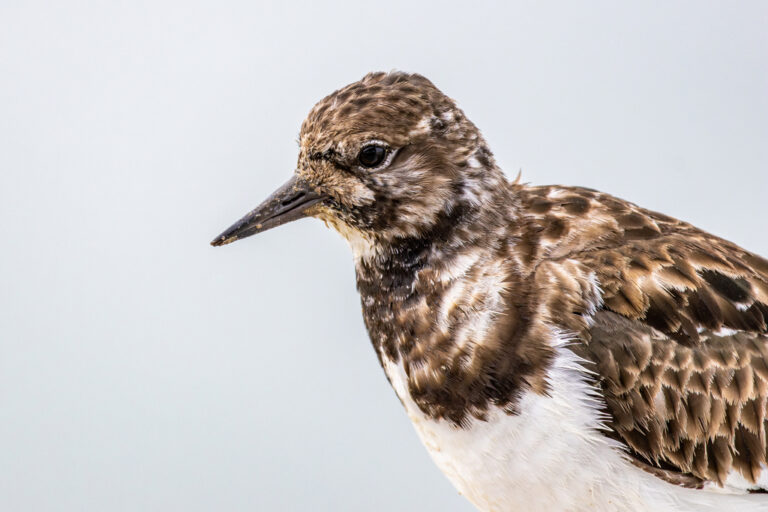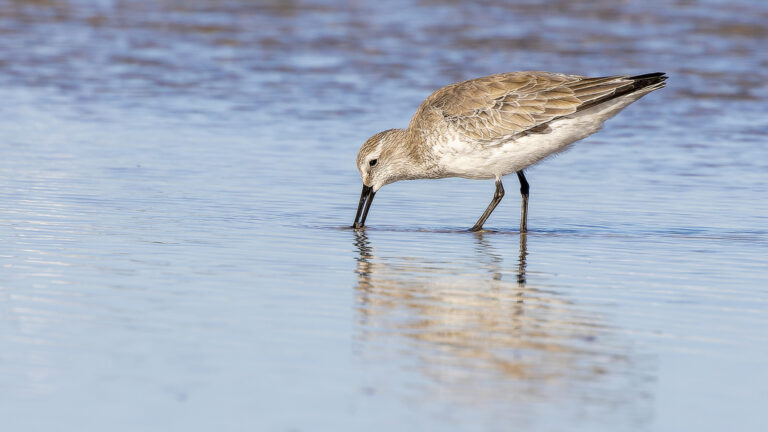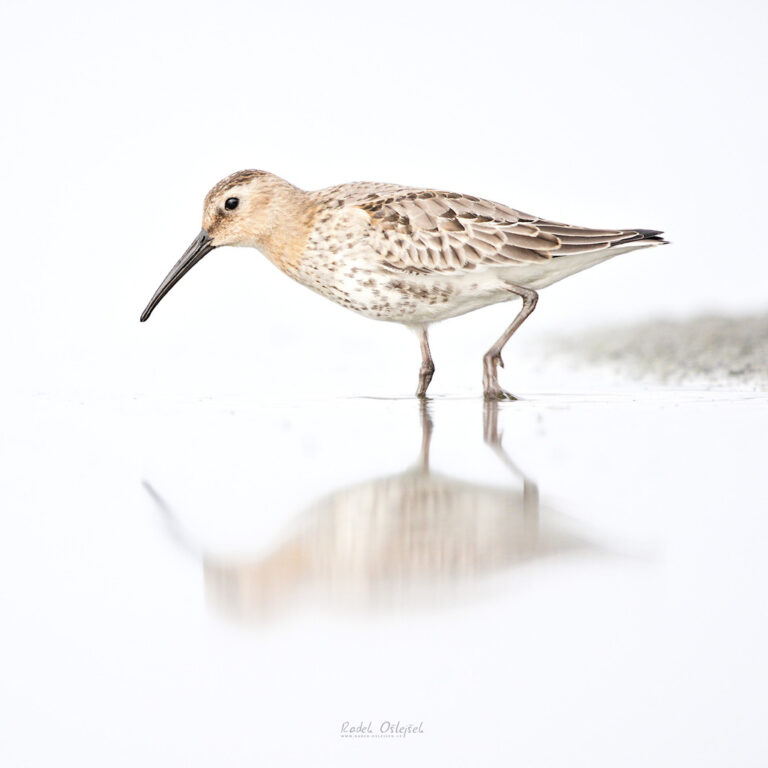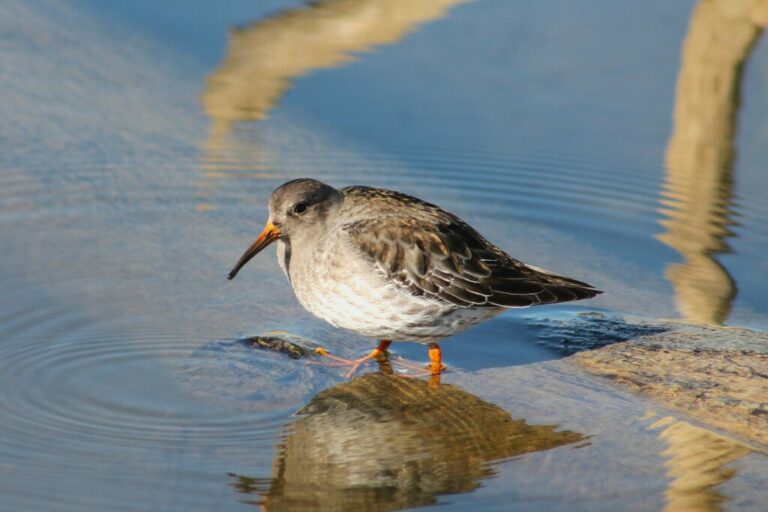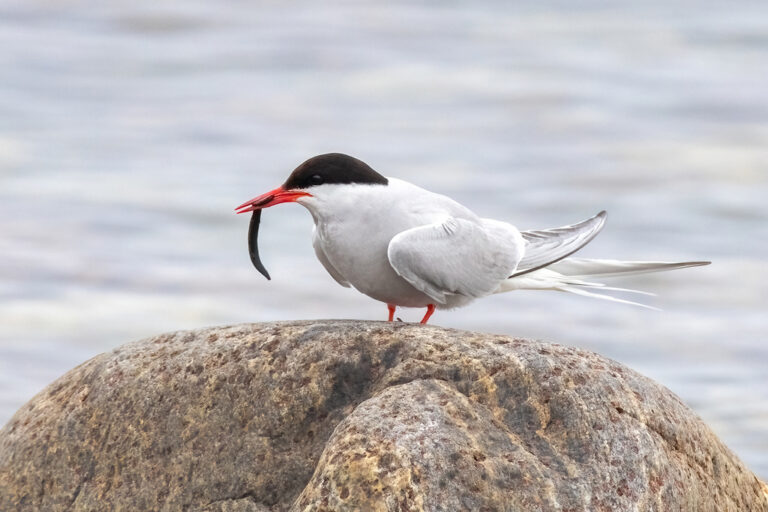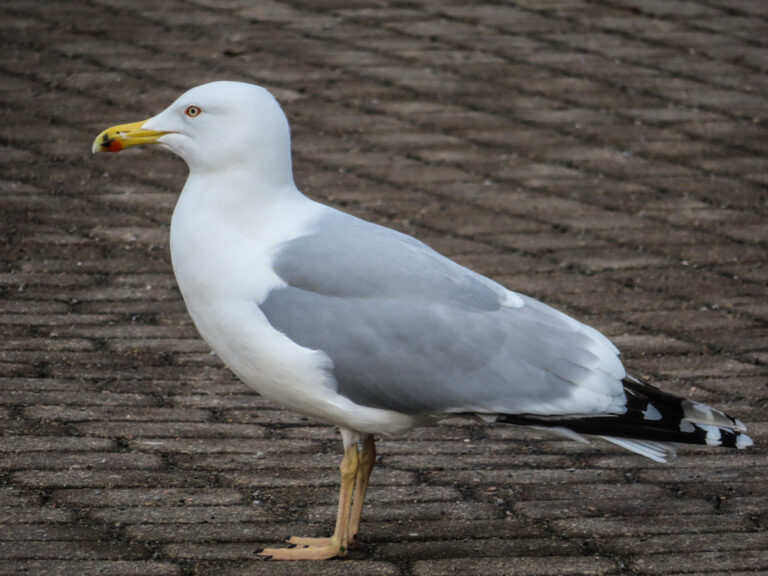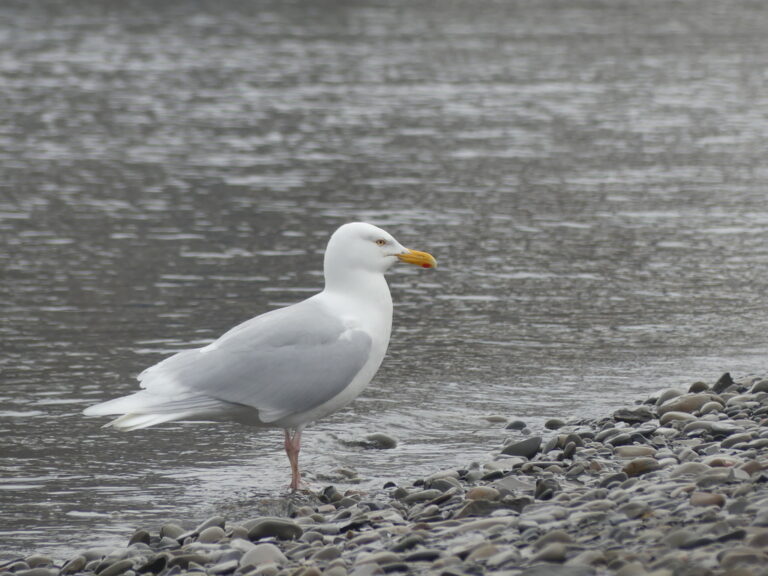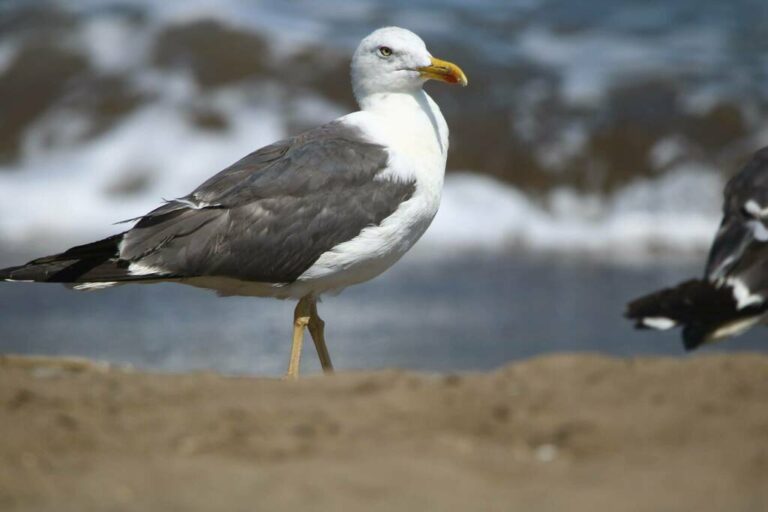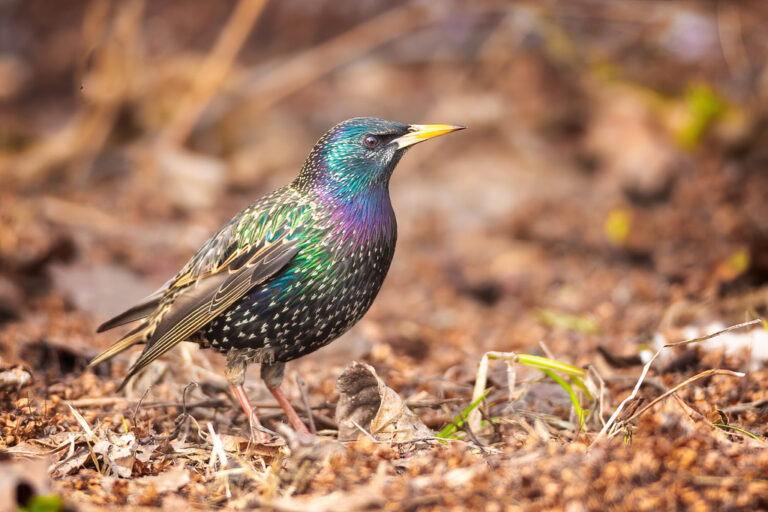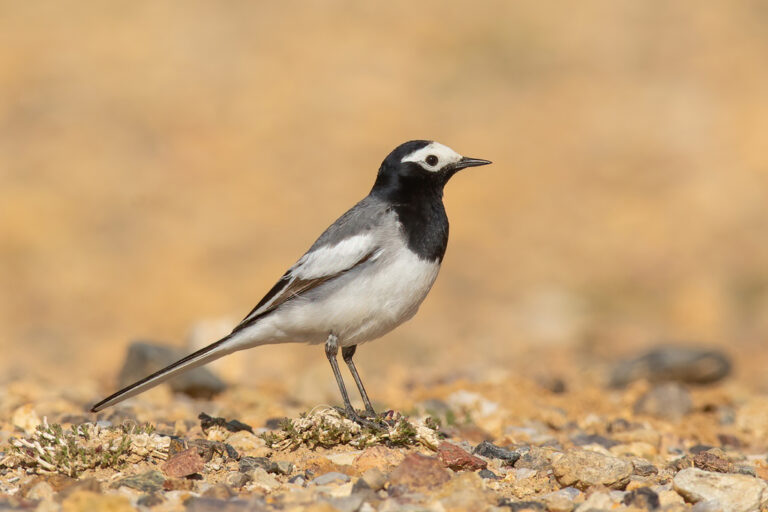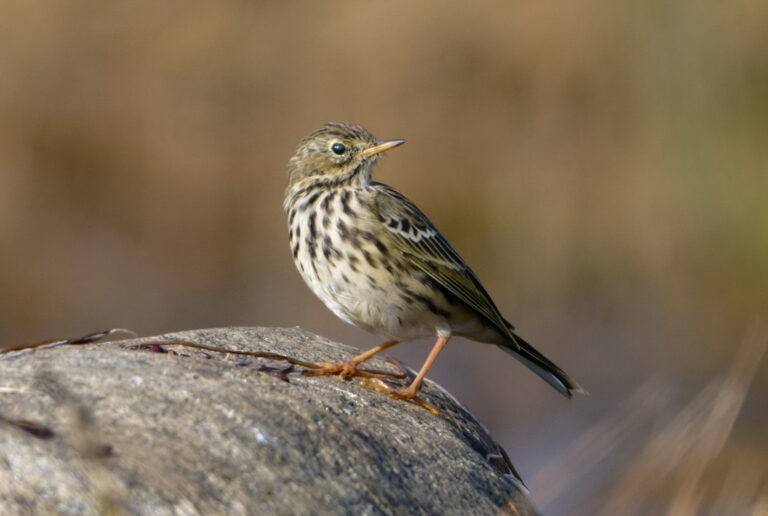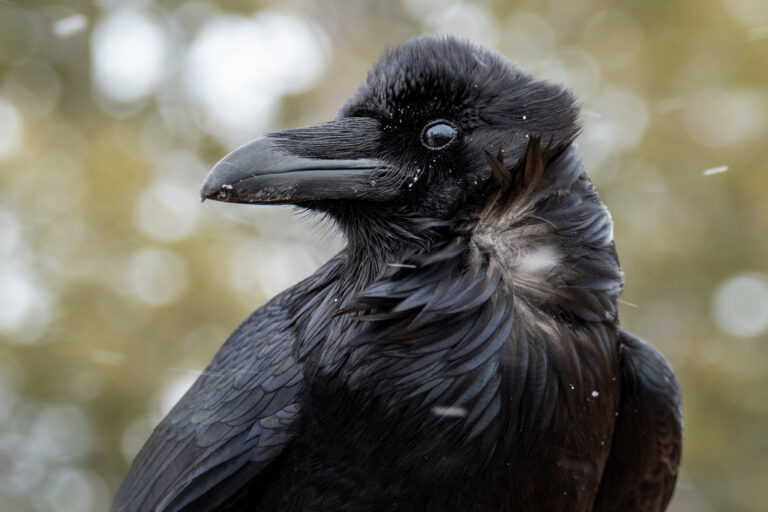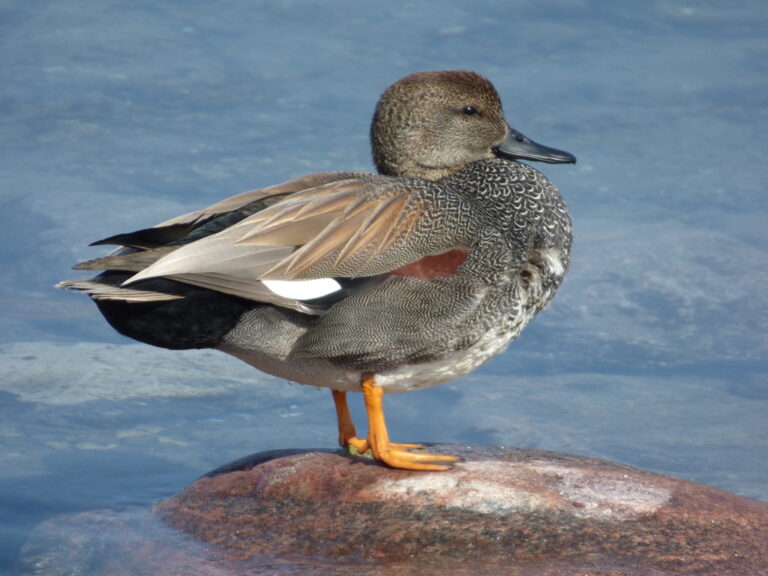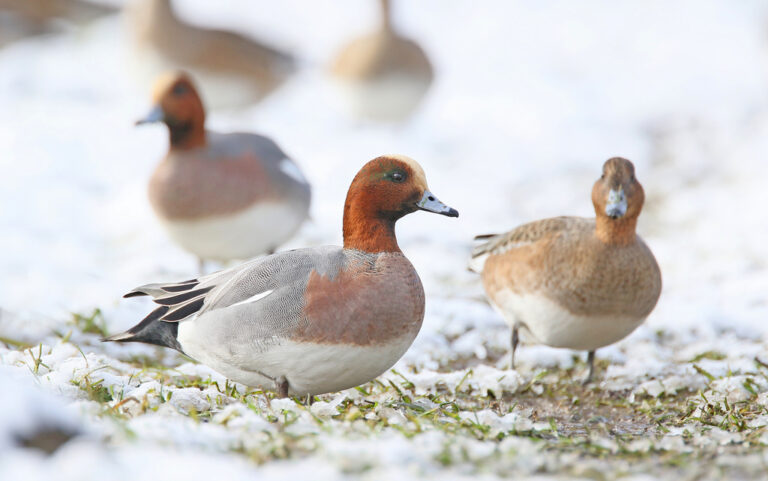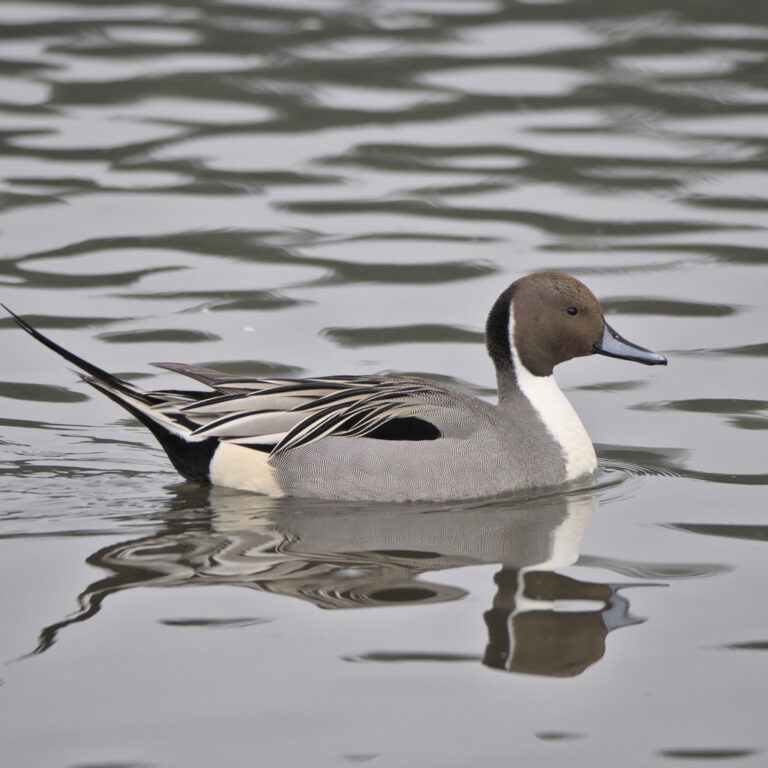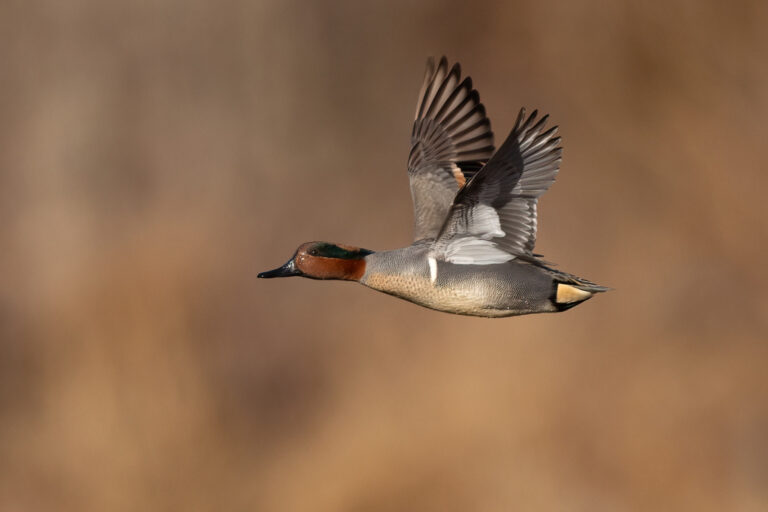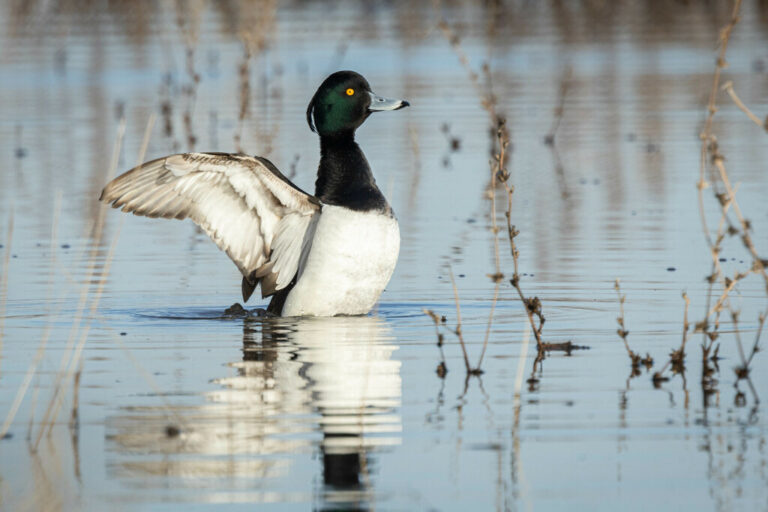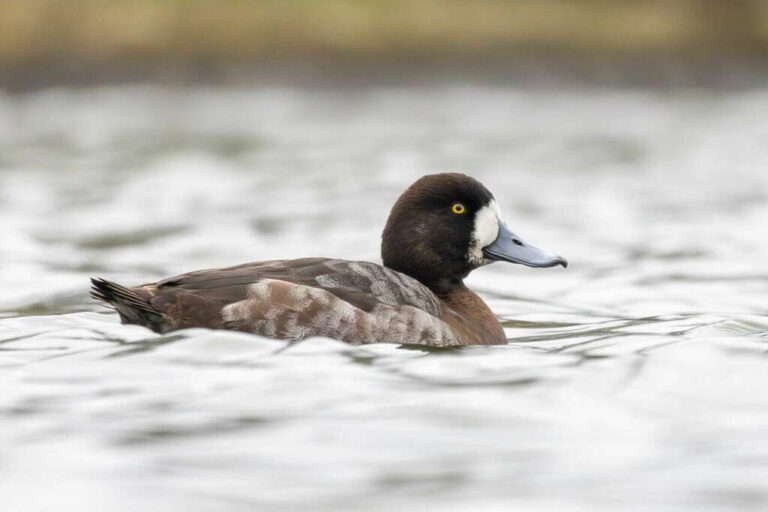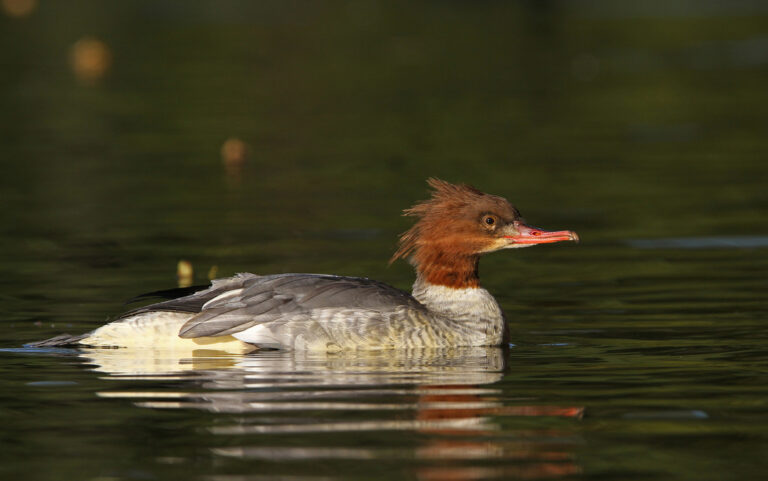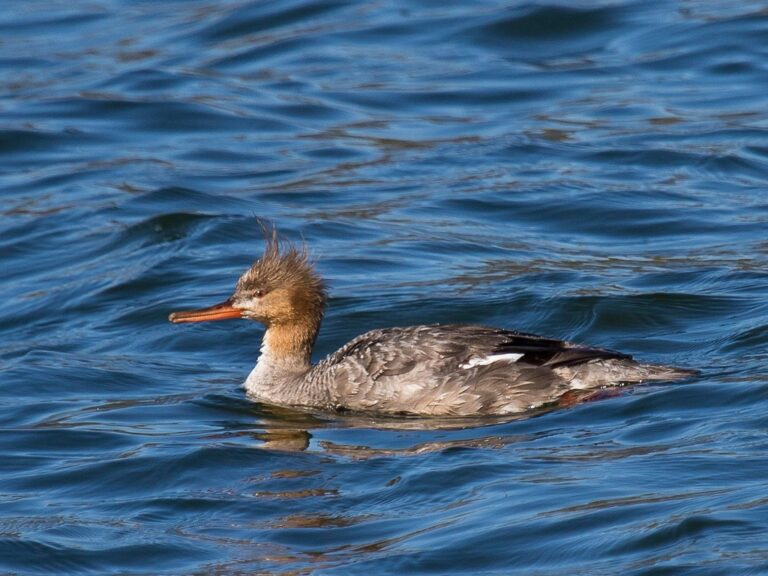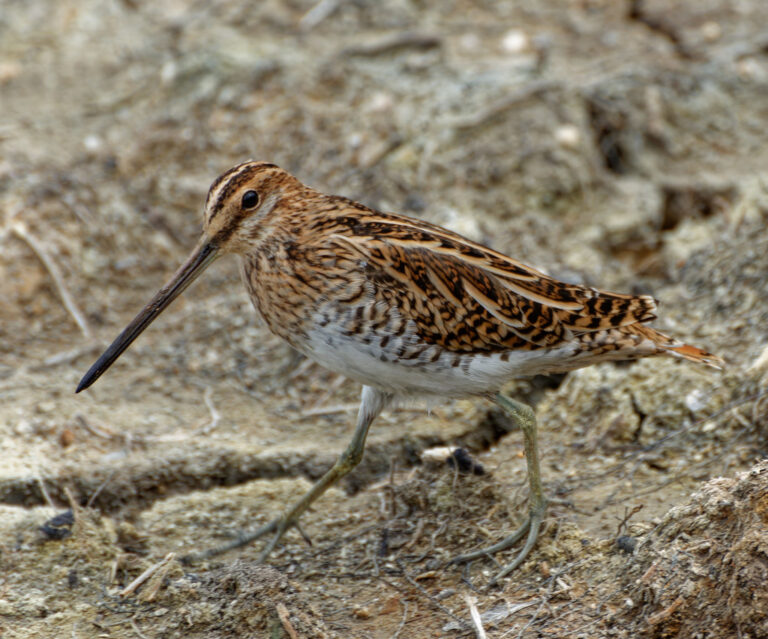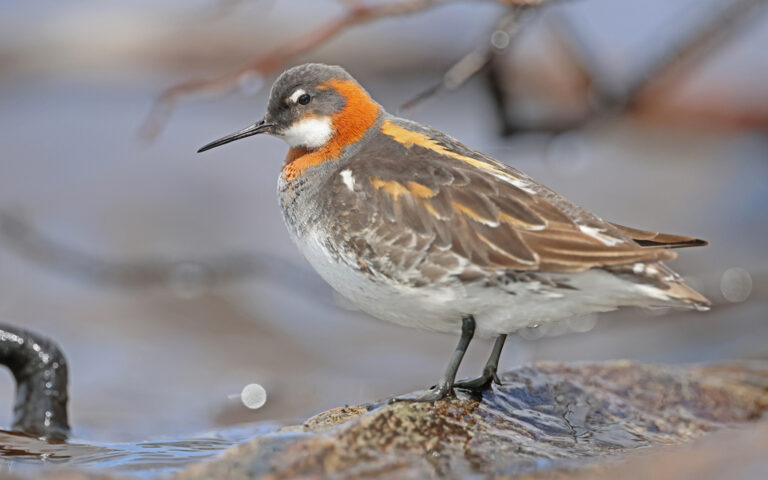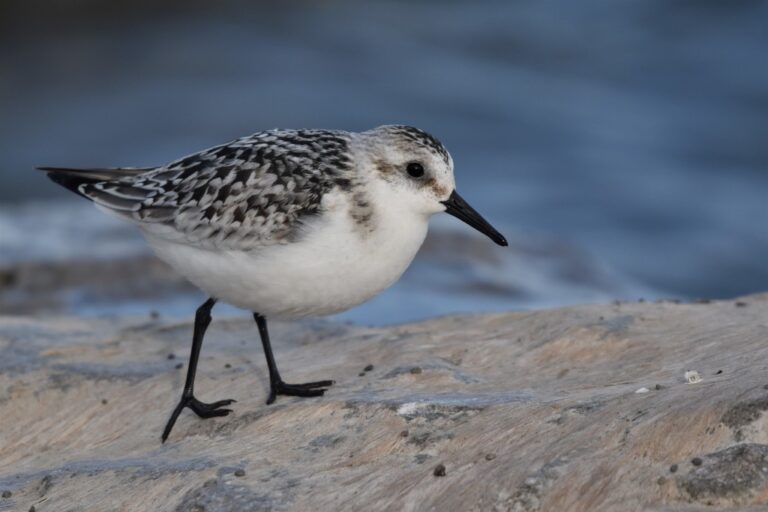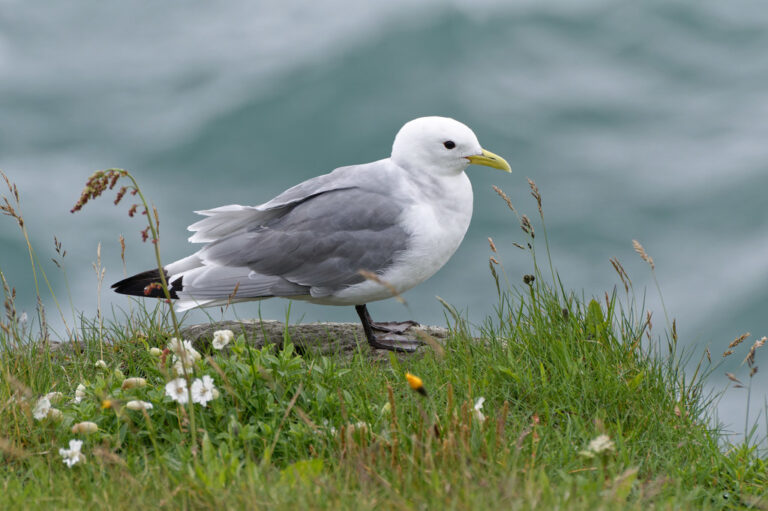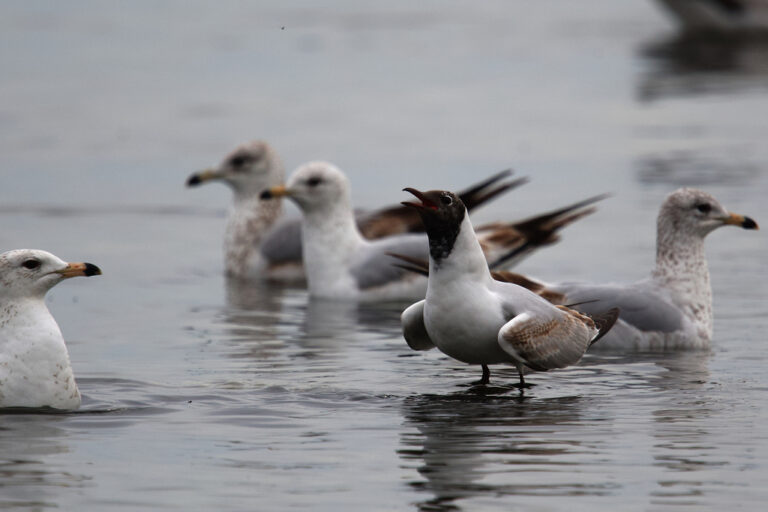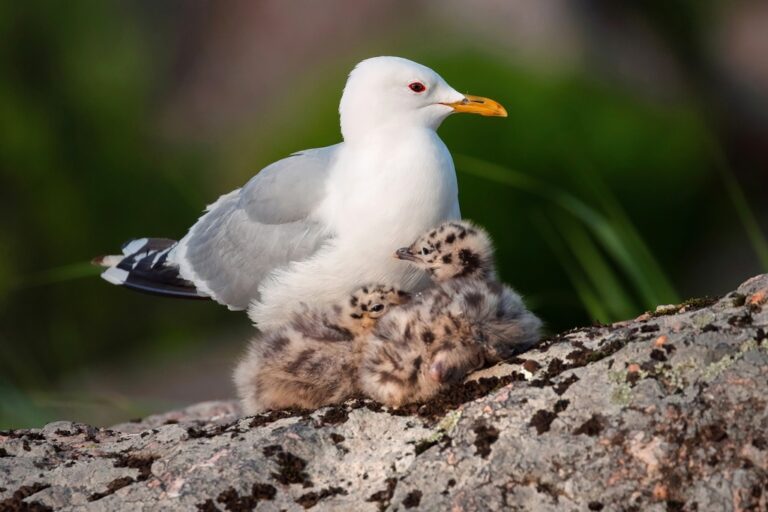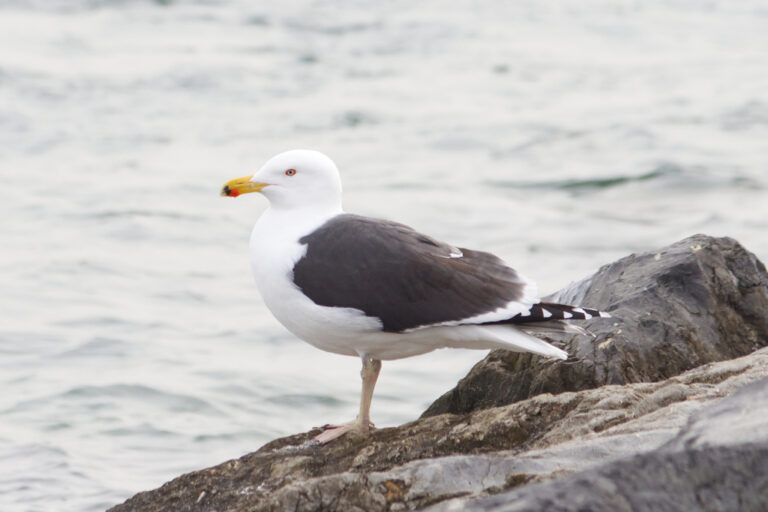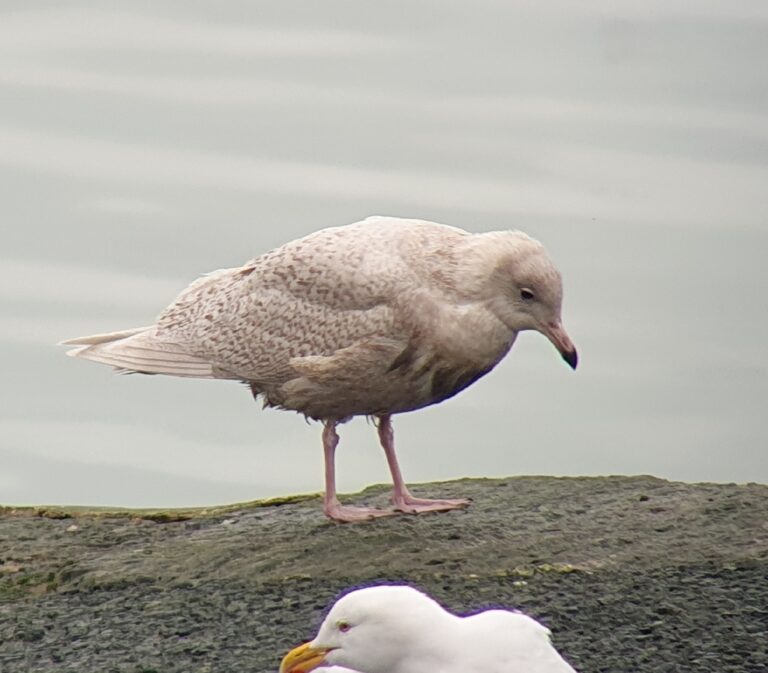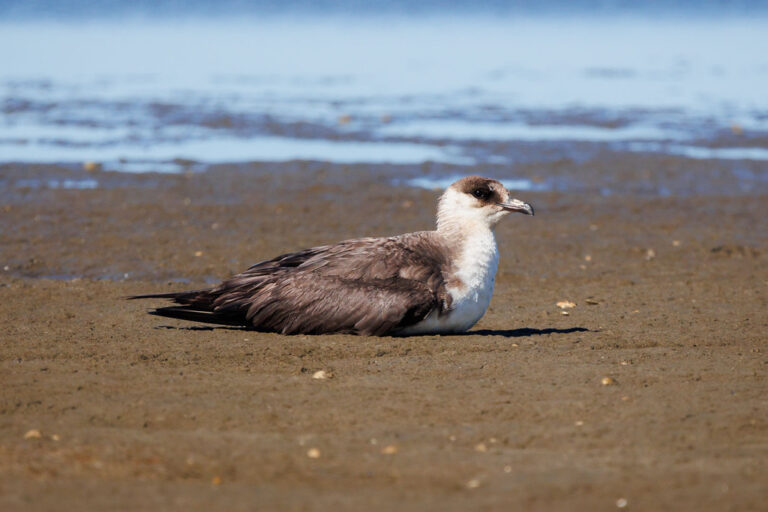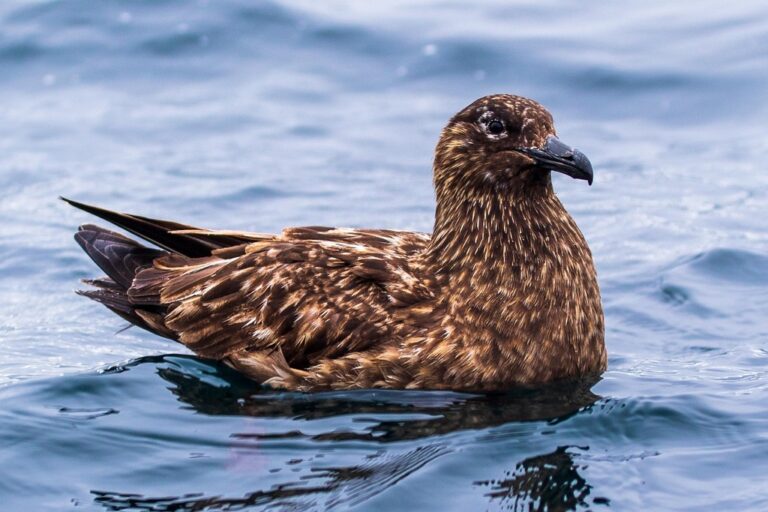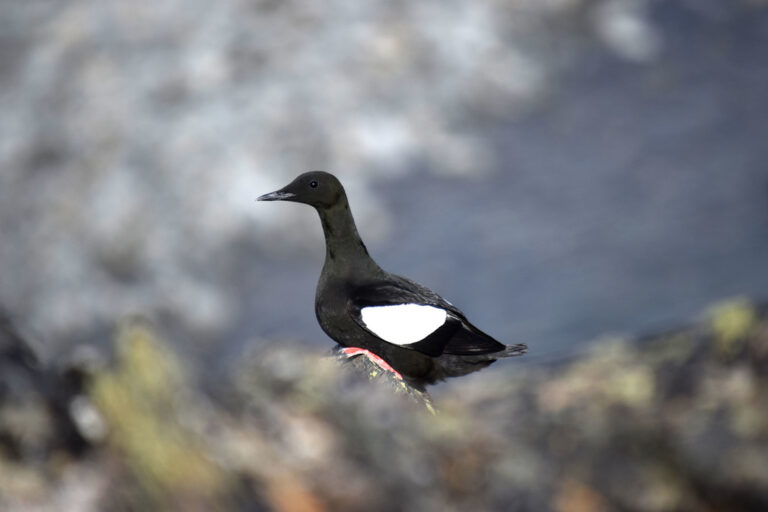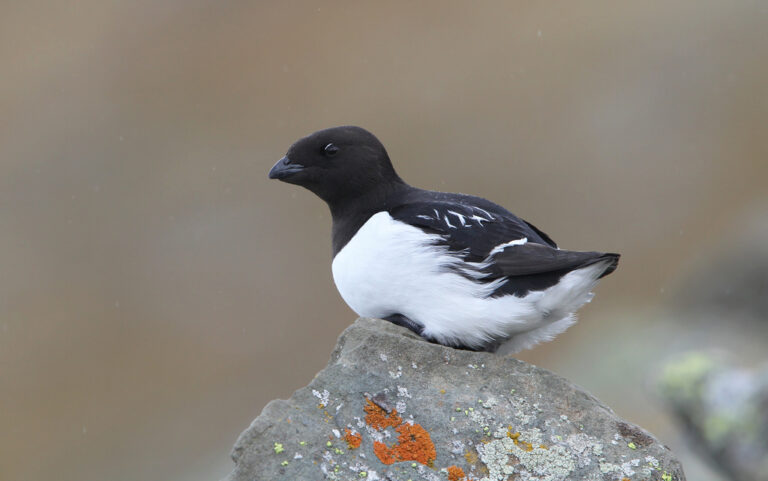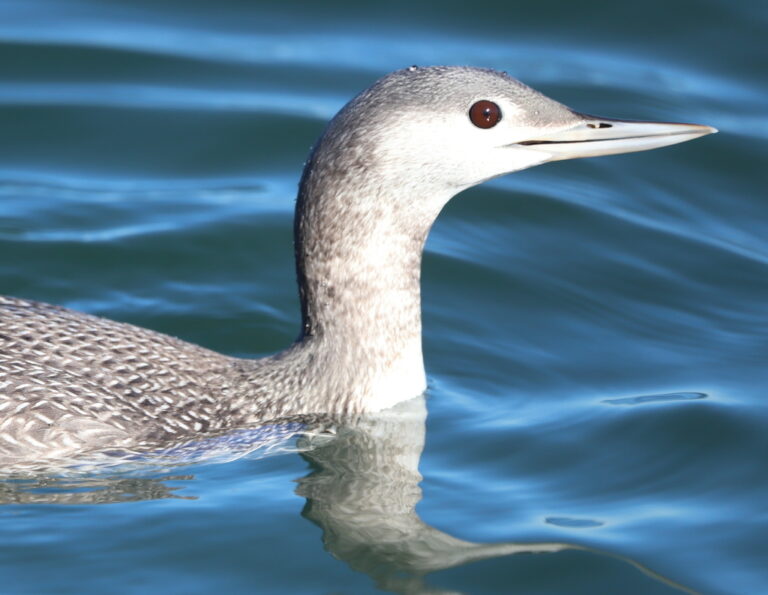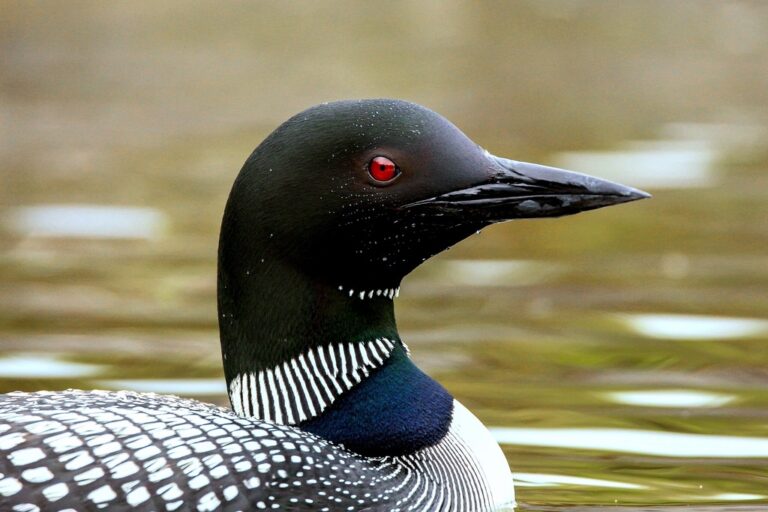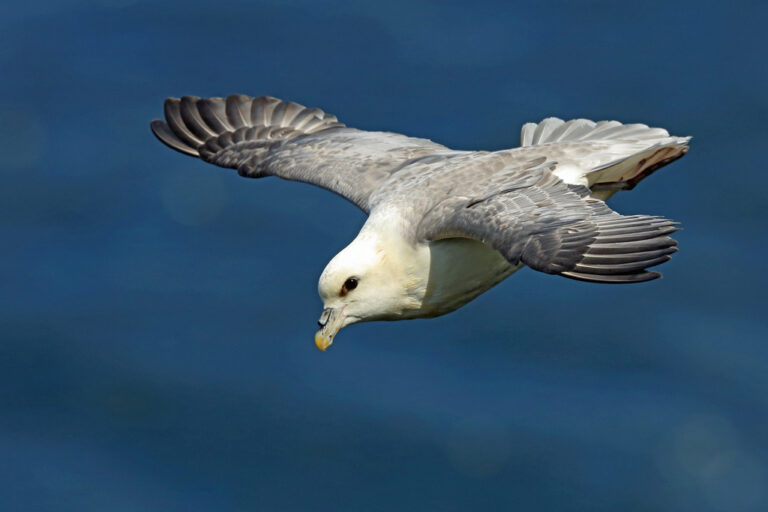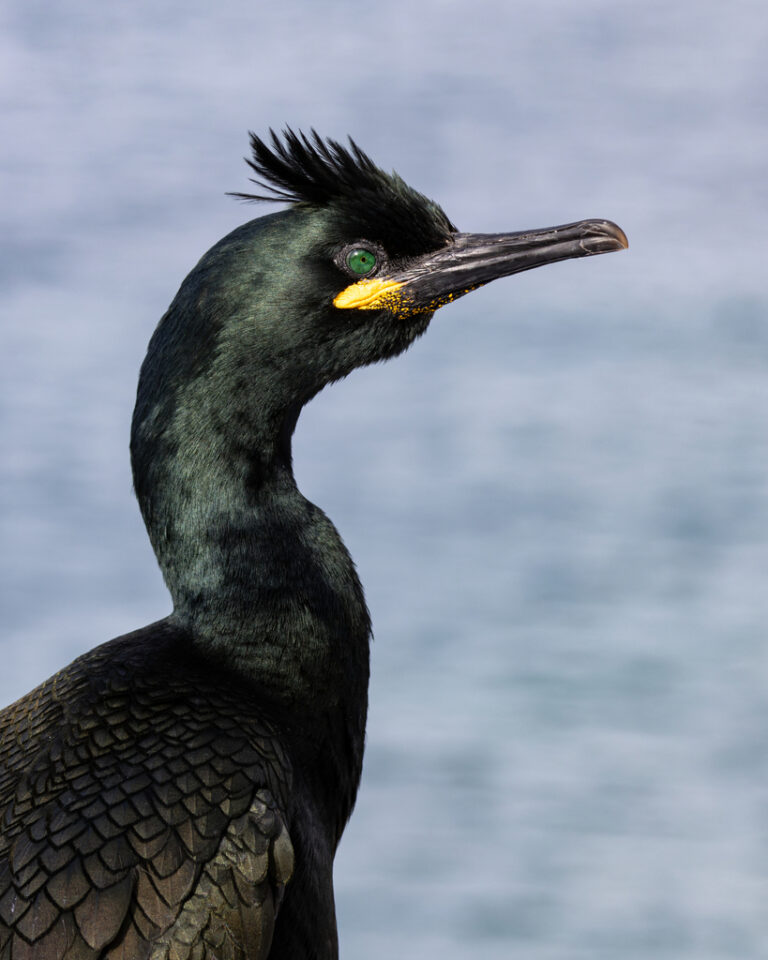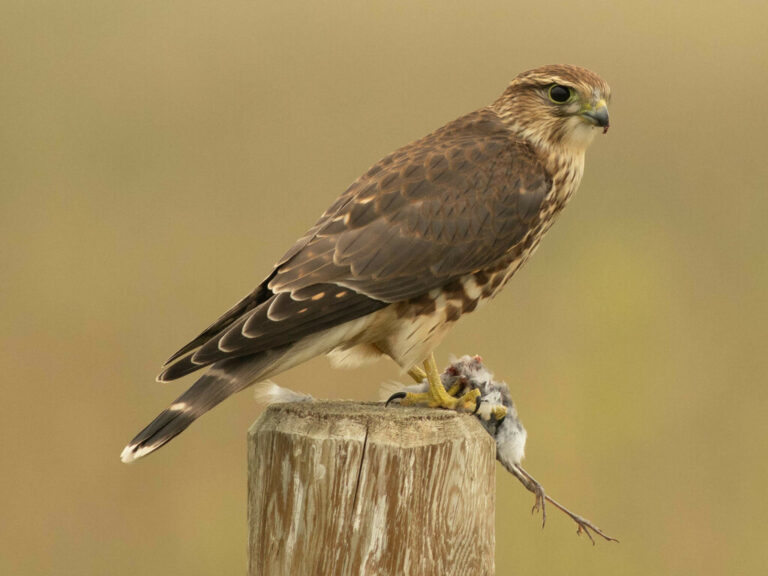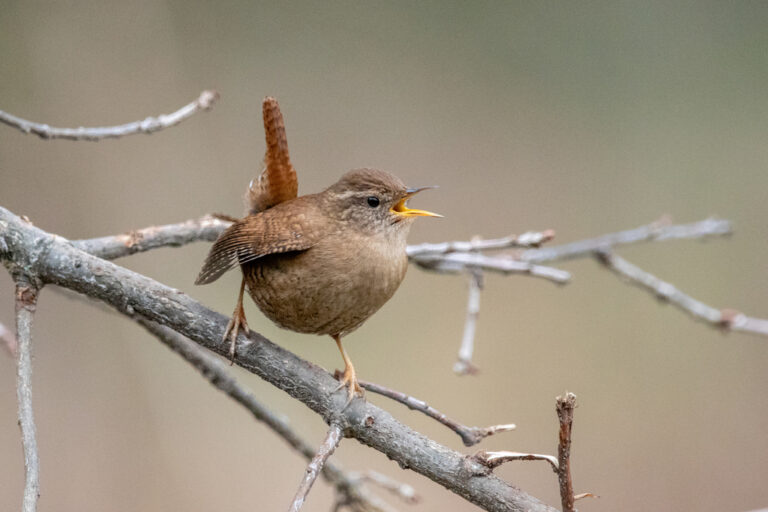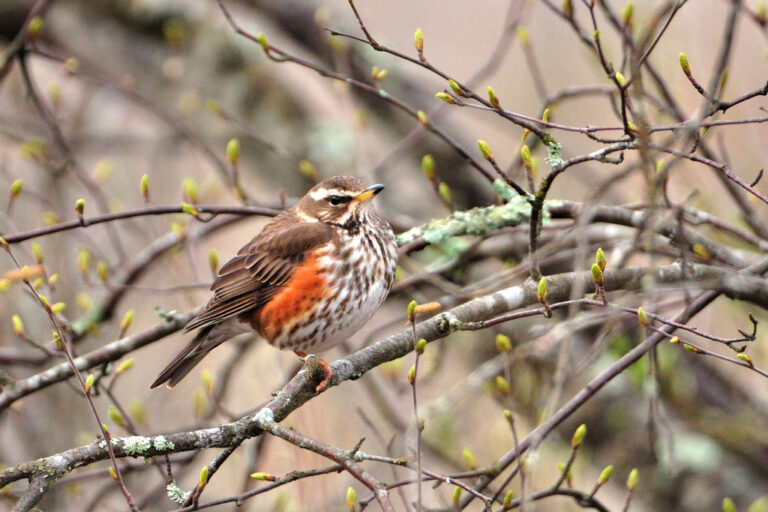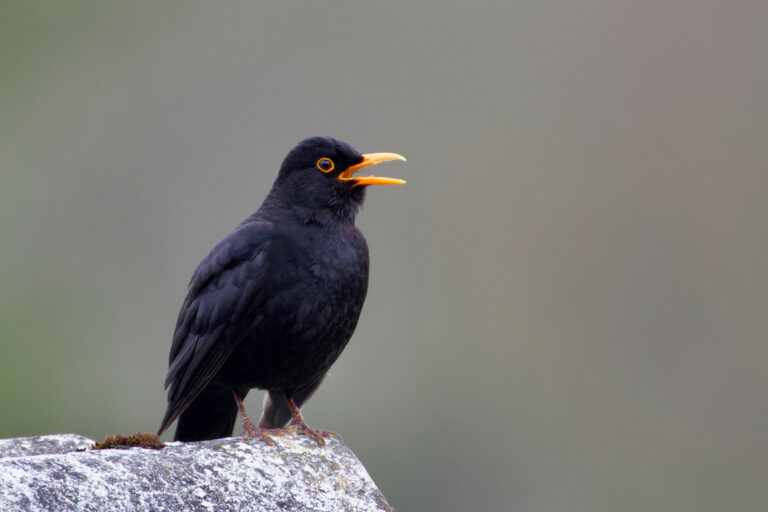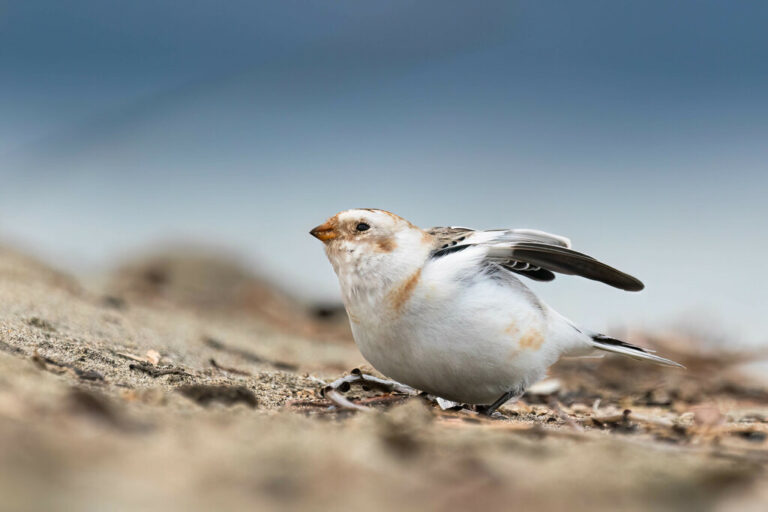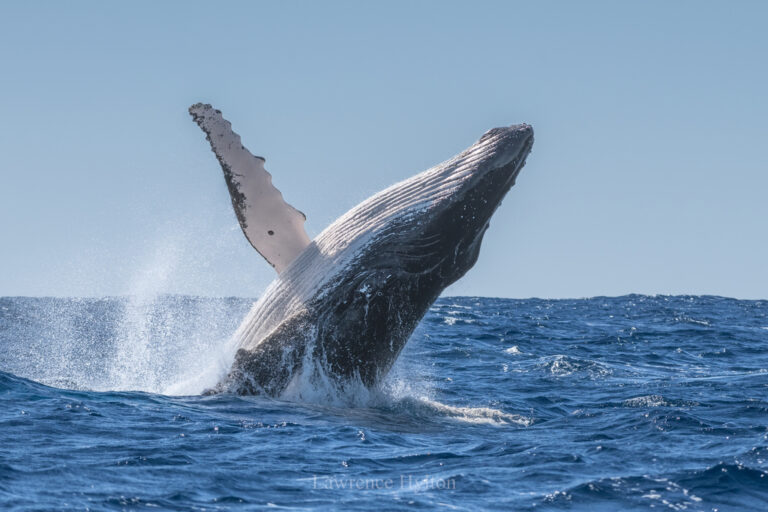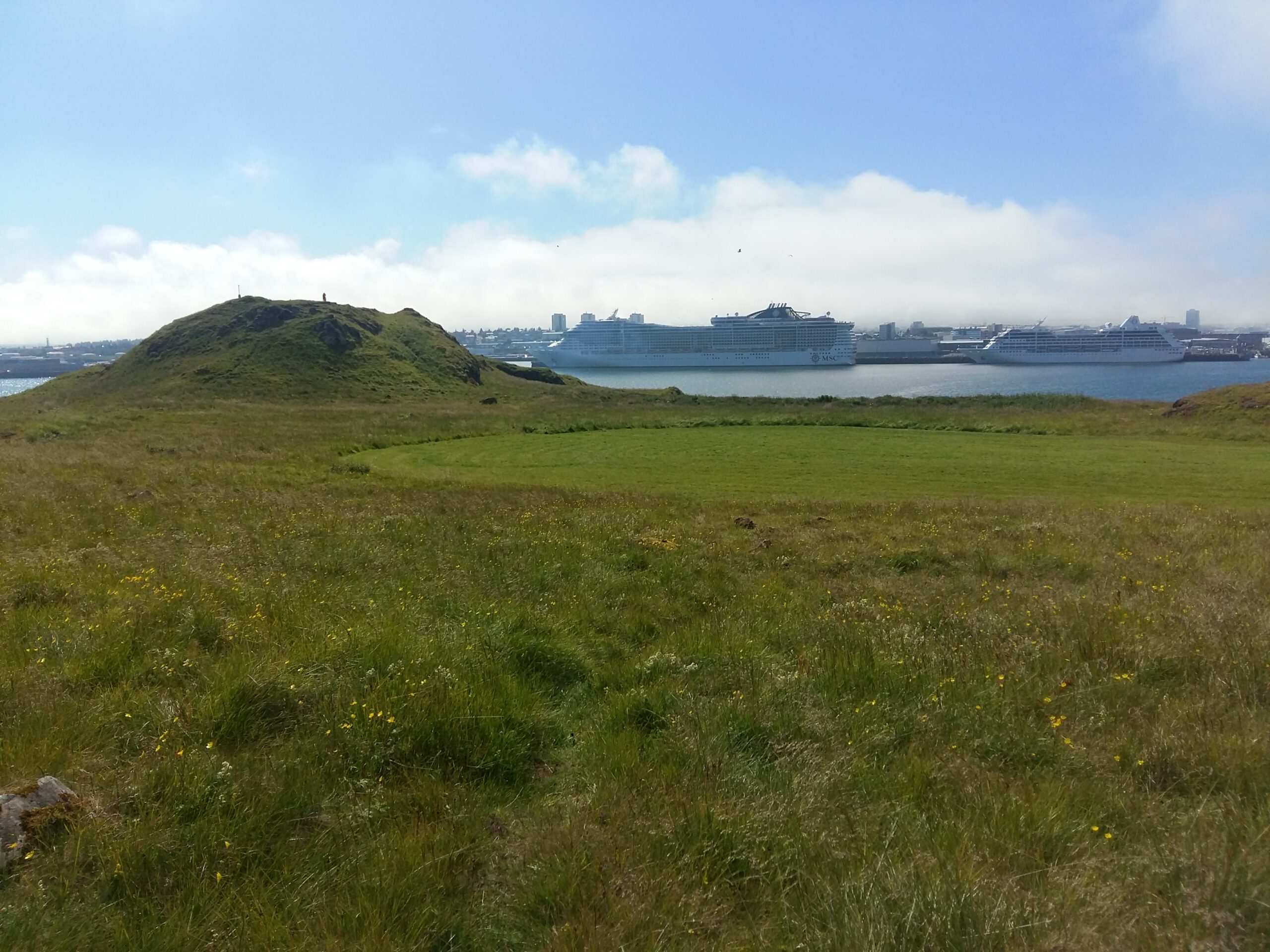
Where coastal cliffs meet subarctic tundra scrub, Grótta Nature Reserve in Seltjarnarnesbær offers one of Iceland's most accessible windows into the ecological tensions that define the North Atlantic's marginal lands. The reserve encompasses a dramatic patchwork of rocky shoreline, low-growing heathland, and sparse grassland typical of the Dfc climate zone—a landscape shaped by relentless wind, sparse precipitation evenly distributed across the year, and brief growing seasons that concentrate life into a compressed temporal window. This is not lush vegetation; rather, it is resilient vegetation, where dwarf shrubs, hardy grasses, and hardy wildflowers cling to volcanic soil and weathered bedrock. The reserve's layered habitat structure—from splash zone through cliff face to windswept plateau—creates niches for migratory seabirds that return each breeding season, small passerines adapted to harsh conditions, and coastal raptors that ride thermals above the precipice. The tundra-like interior supports small mammals and ground-nesting birds whose survival depends on timing their reproduction to match the brief Arctic summer.
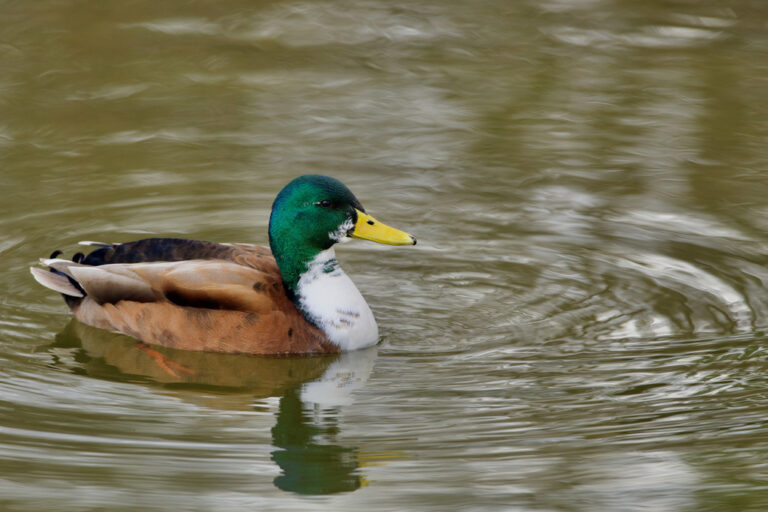
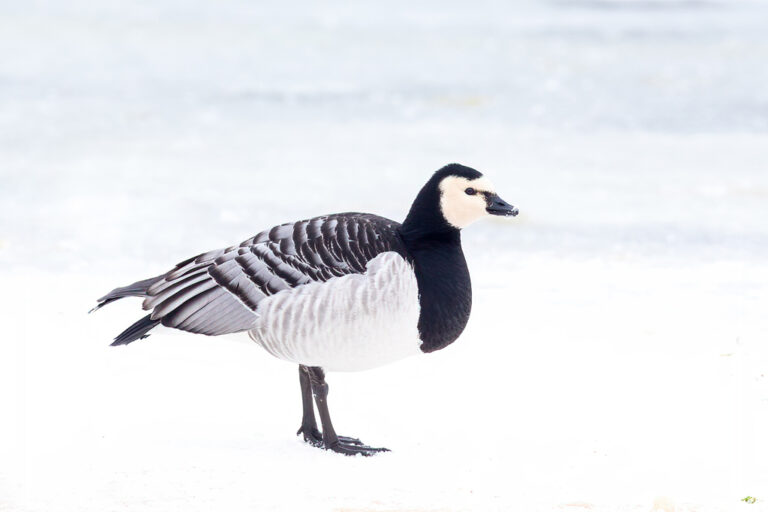
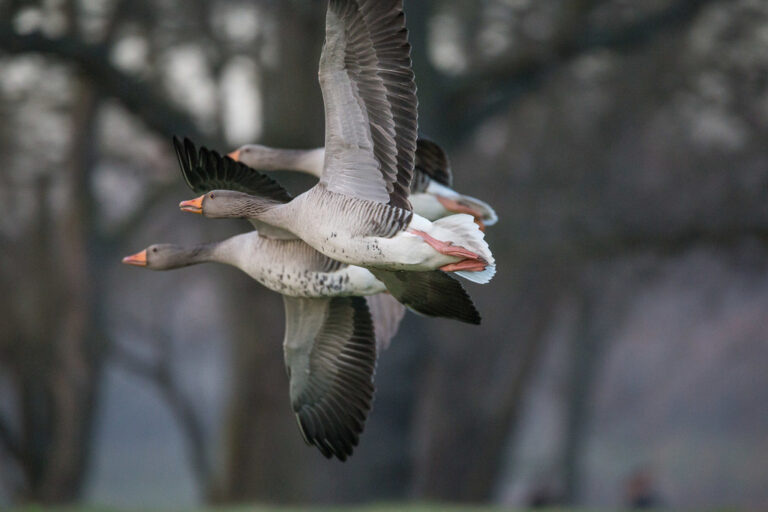
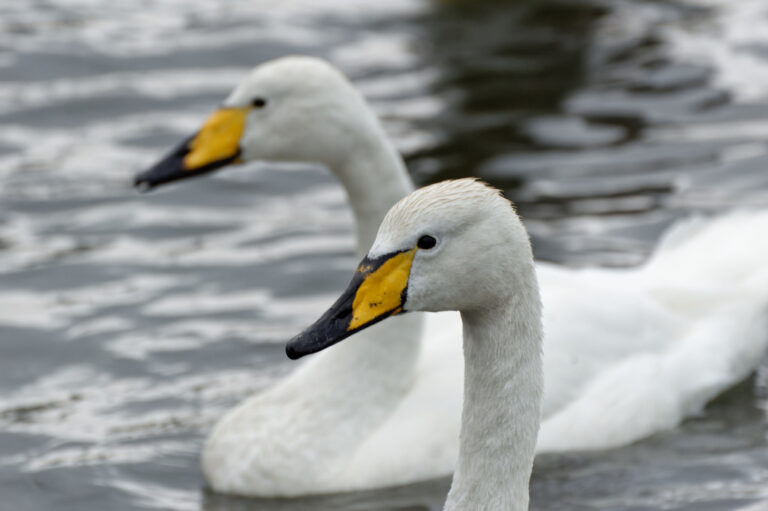
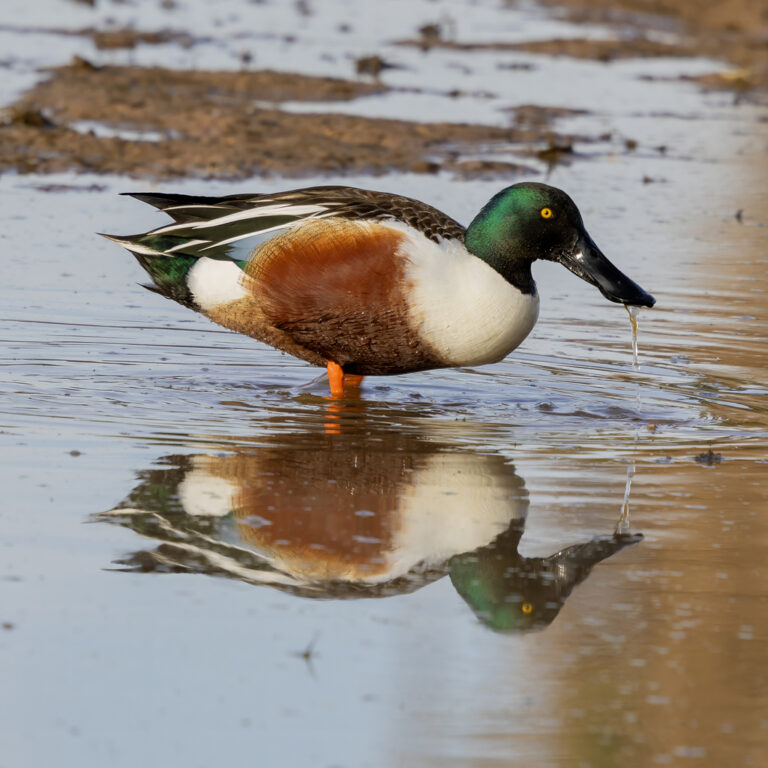
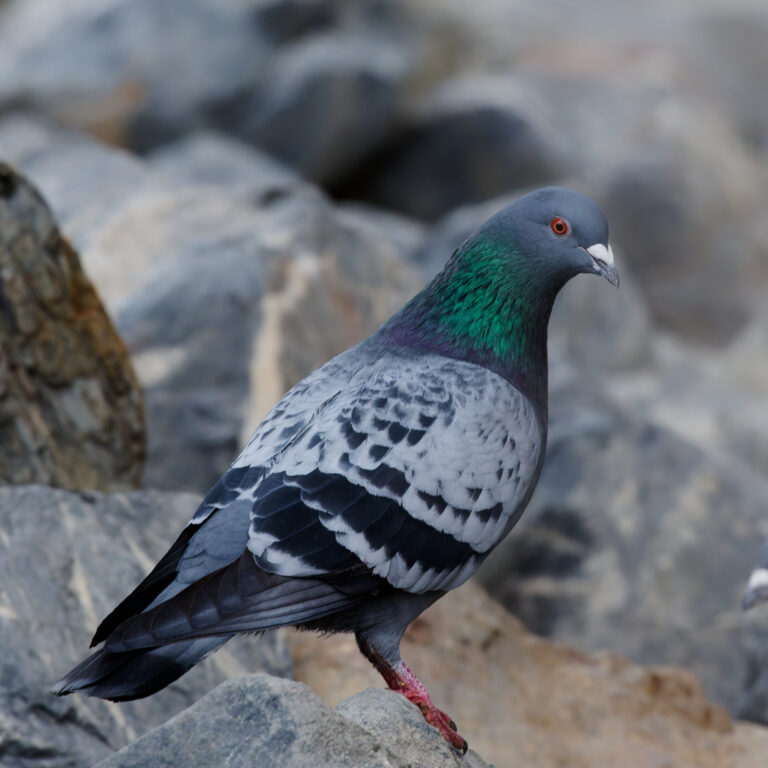
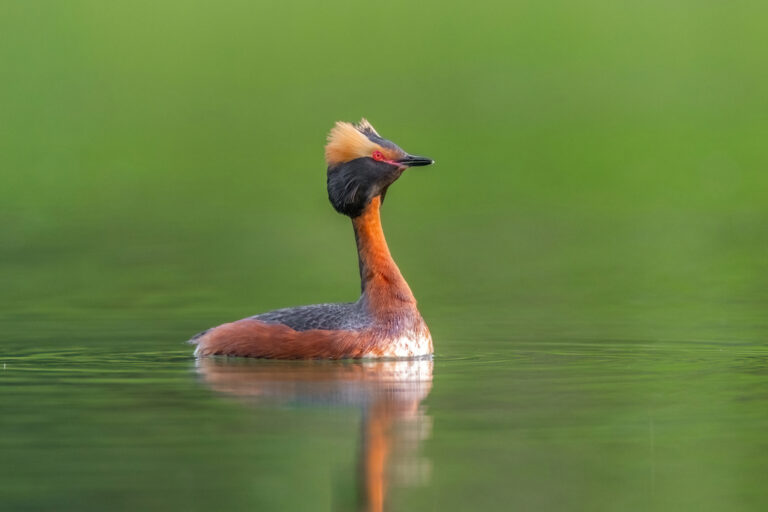
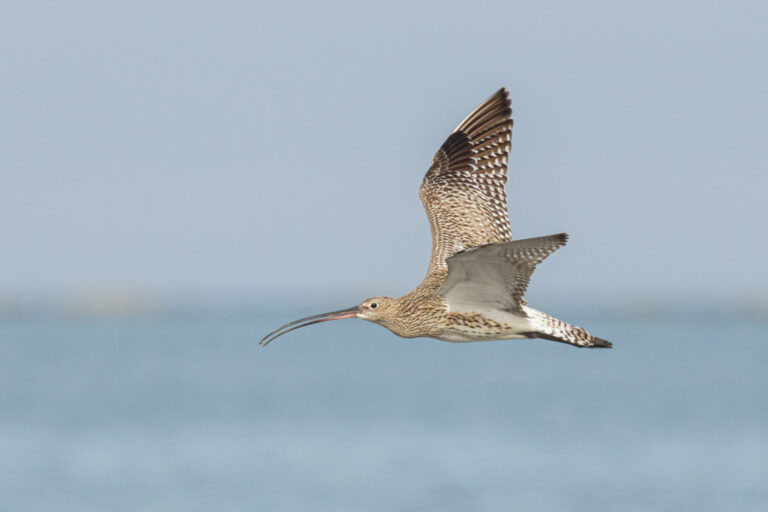
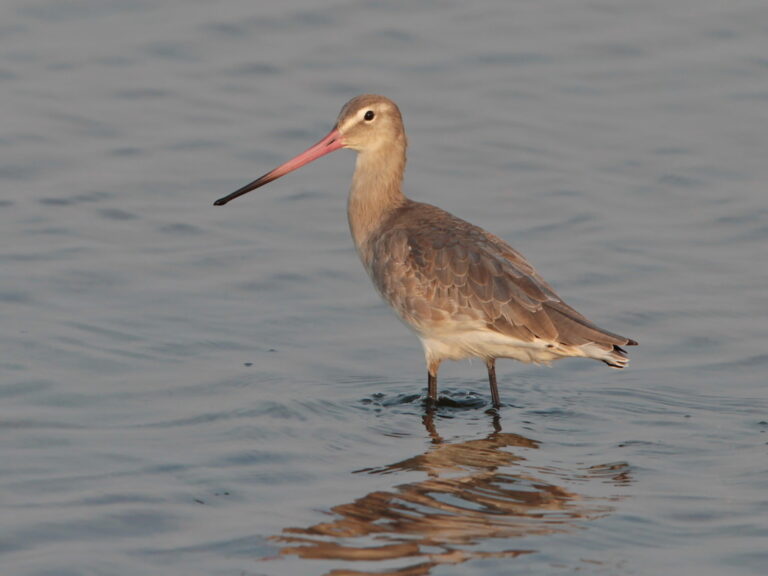
For wildlife photographers and birders, Grótta's proximity to Reykjavík makes it an essential stop for witnessing Iceland's coastal avifauna without remote logistics. Spring and early summer are transformative: breeding seabirds colonize cliff ledges in stunning densities, offering unobstructed observation from accessible vantage points, while migratory waders and shorebirds pause during their journey between Arctic breeding grounds and temperate wintering sites. The reserve's elevated coastal position captures dramatic light during Iceland's near-endless daylight hours—particularly the soft, oblique rays of the midnight sun season—rendering cliff faces and rocky inlets in textures impossible to replicate elsewhere. Autumn brings a second wave of passage migrants, and even the bleak winter months reveal the reserve's austere beauty and the hardened species that remain year-round. A network of established trails provides safe, unobtrusive access to prime observation zones, making Grótta an ideal destination for photographers seeking intimate wildlife encounters without sacrificing accessibility or comfort.
No community observations yet — be the first to log a sighting here.
Grótta Nature Reserve
Strong seasonal contrast, with cold winters and warmer summers.
A year of temperatures
Monthly means, with the coldest and warmest highlighted
Terrain and elevation
0 m · LowlandAverage terrain elevation estimate across the hotspot; the figure does not represent its highest summits.
Lowland