Flanders Moss National Nature Reserve
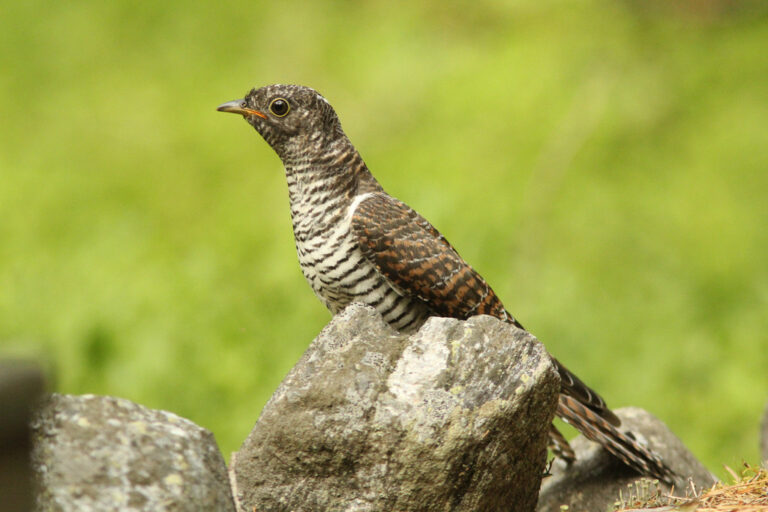
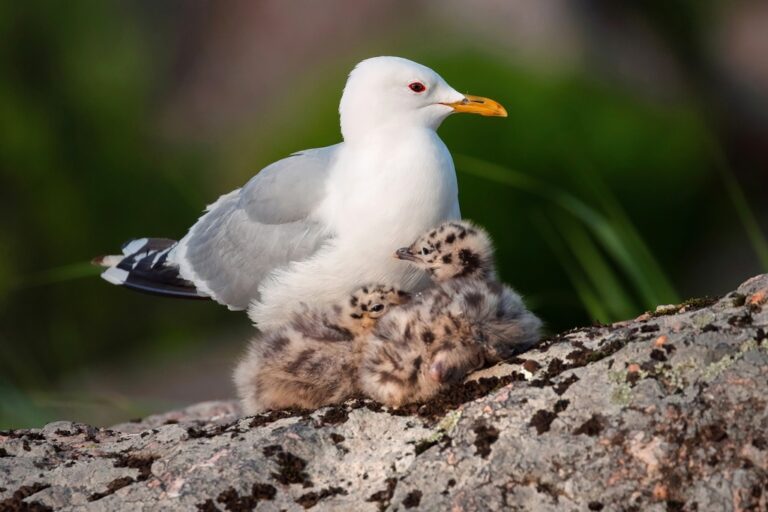
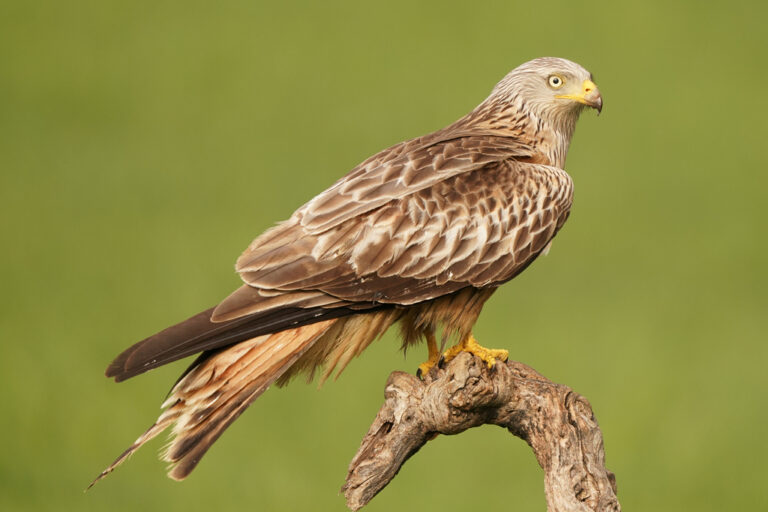
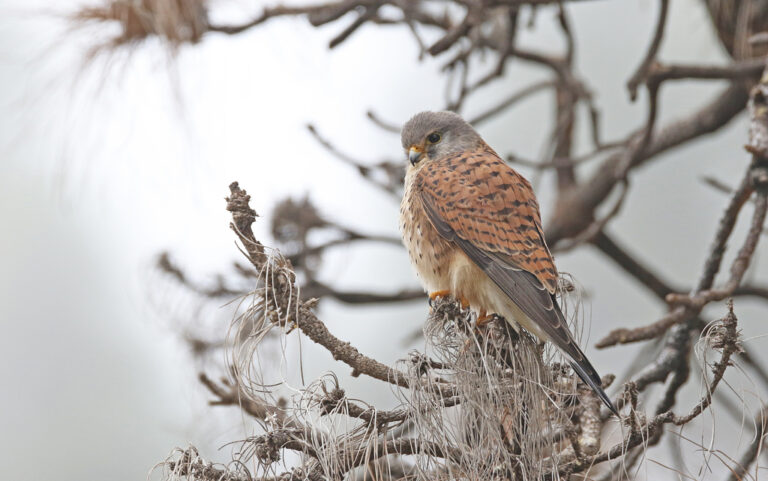
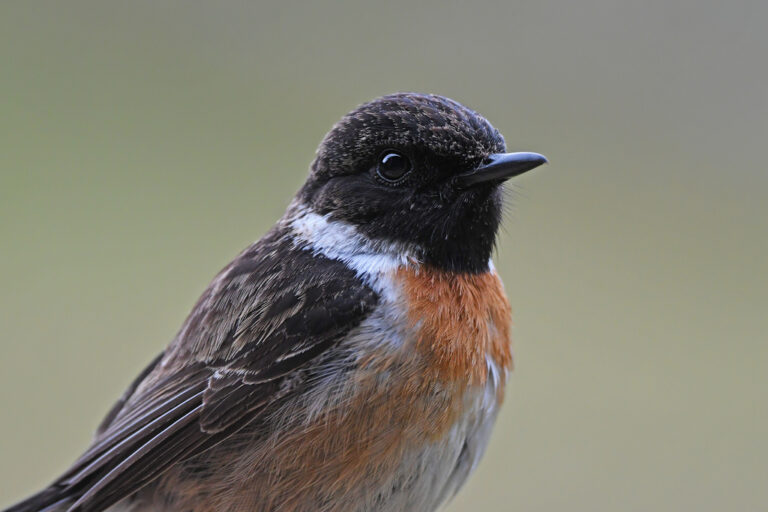
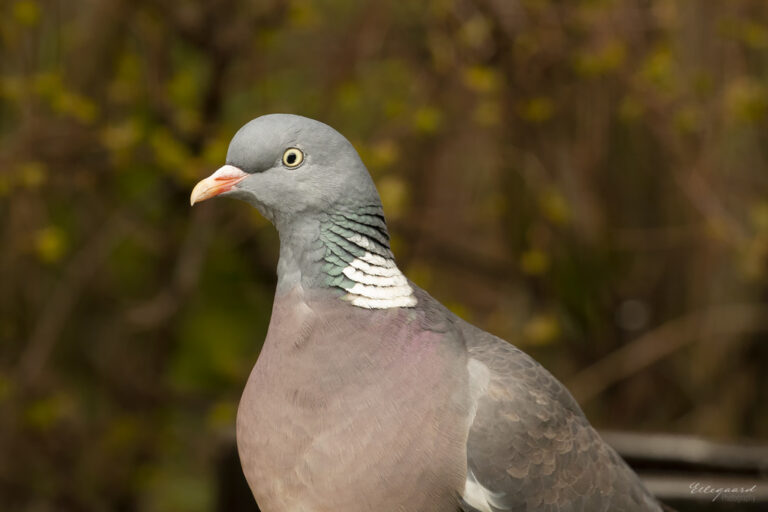
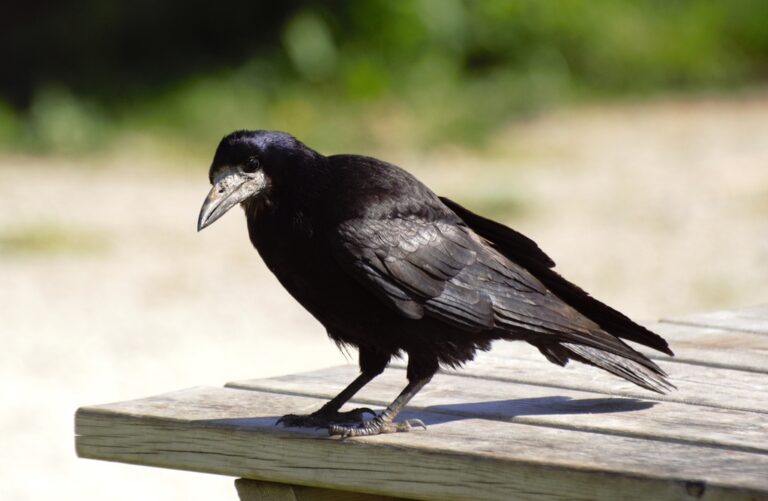
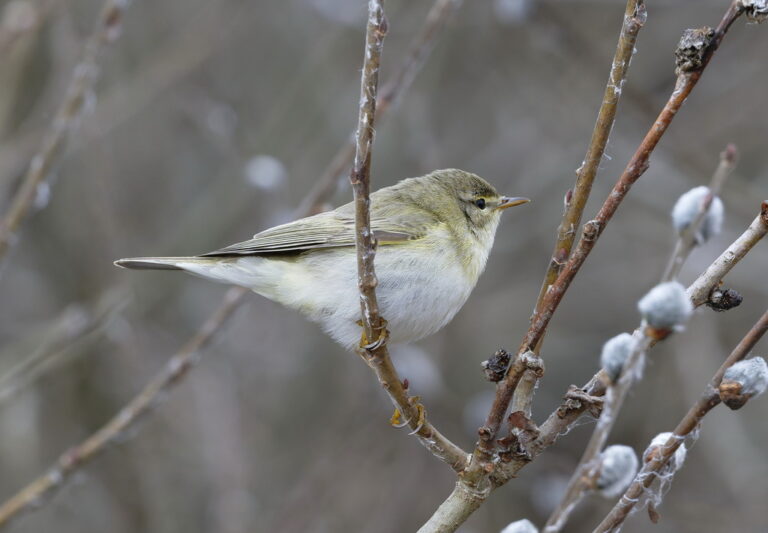
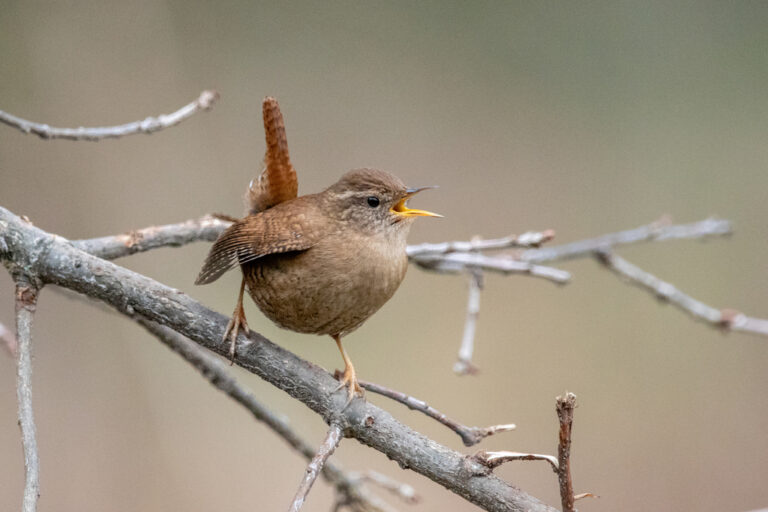
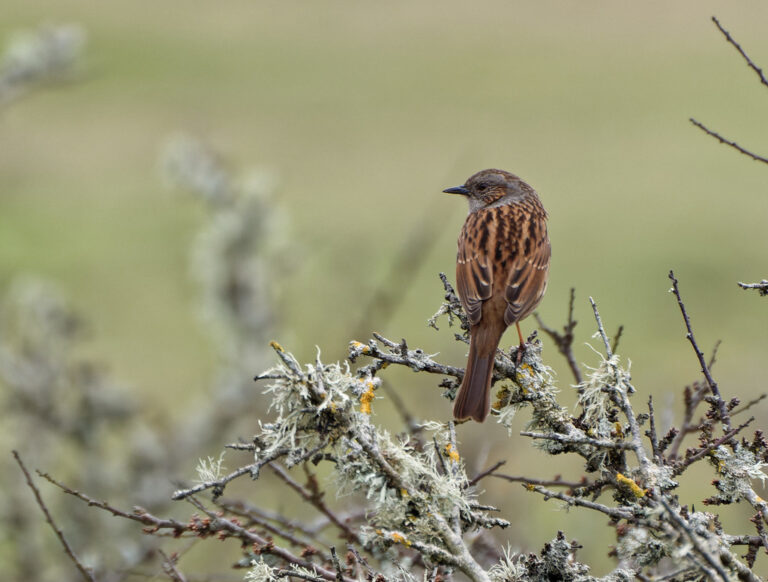
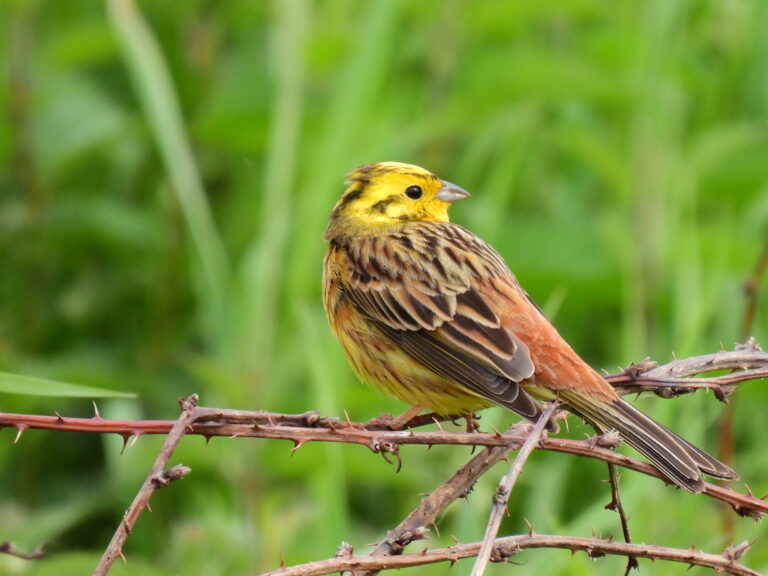
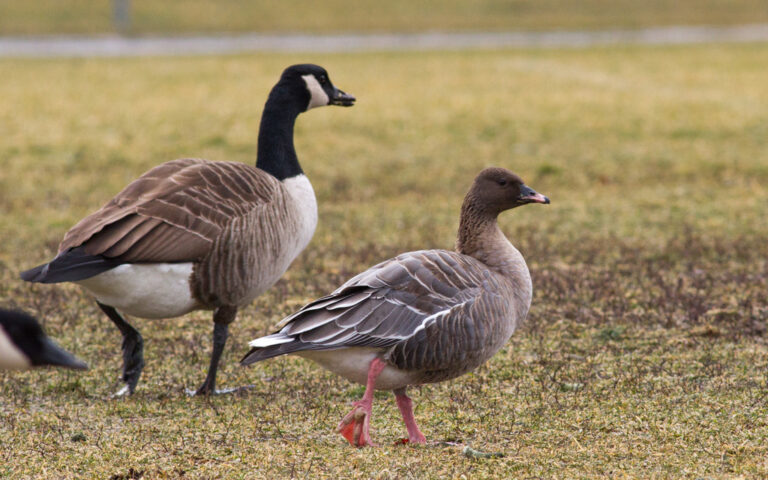
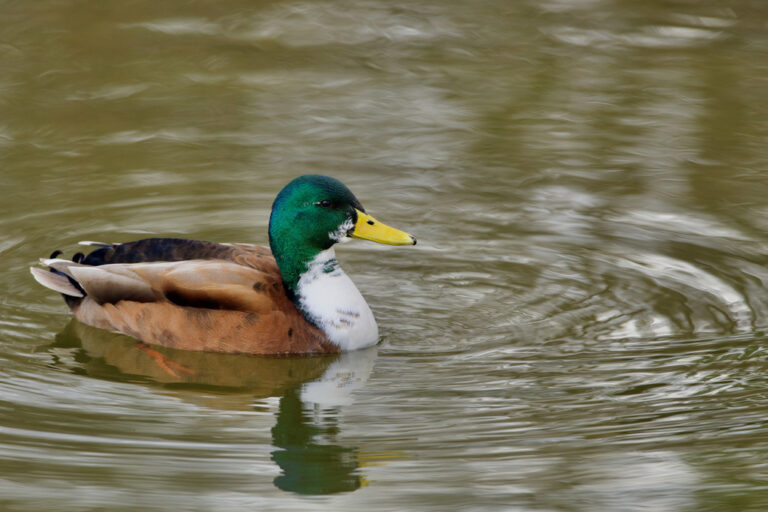
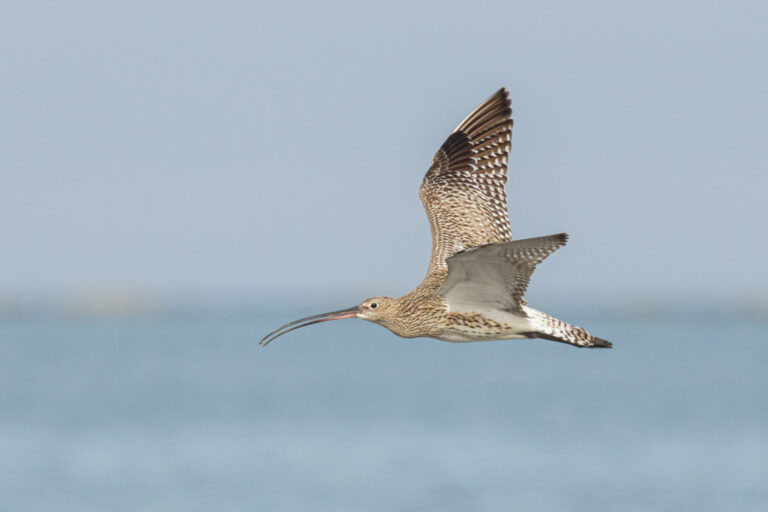
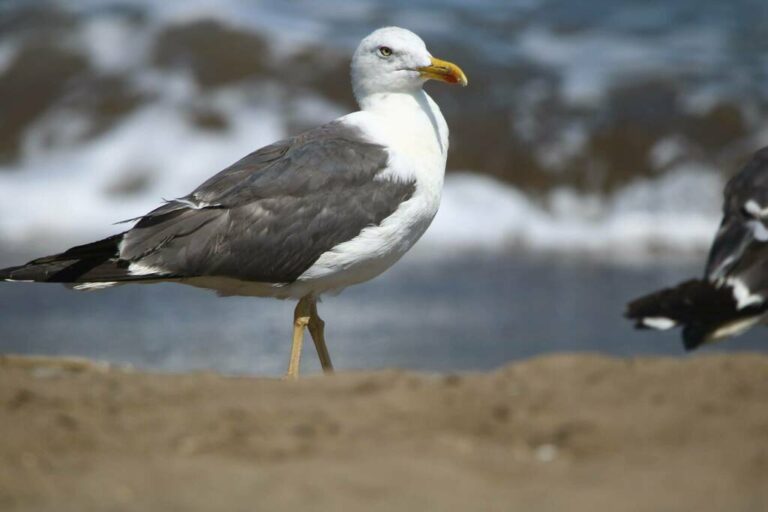
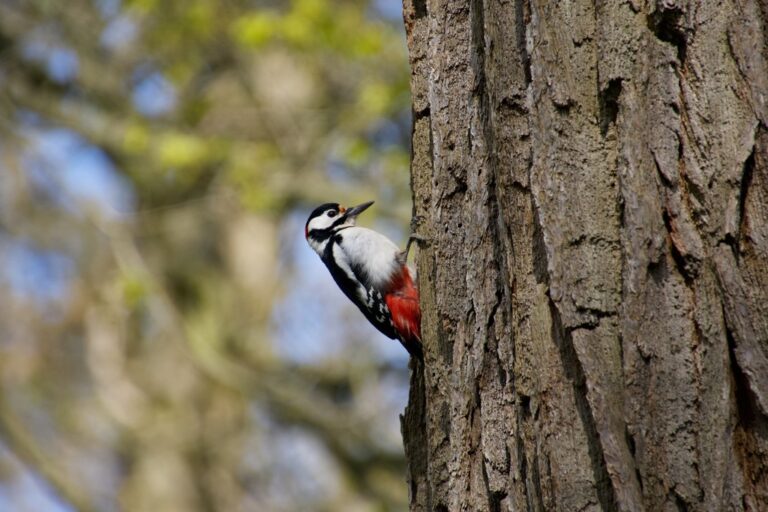
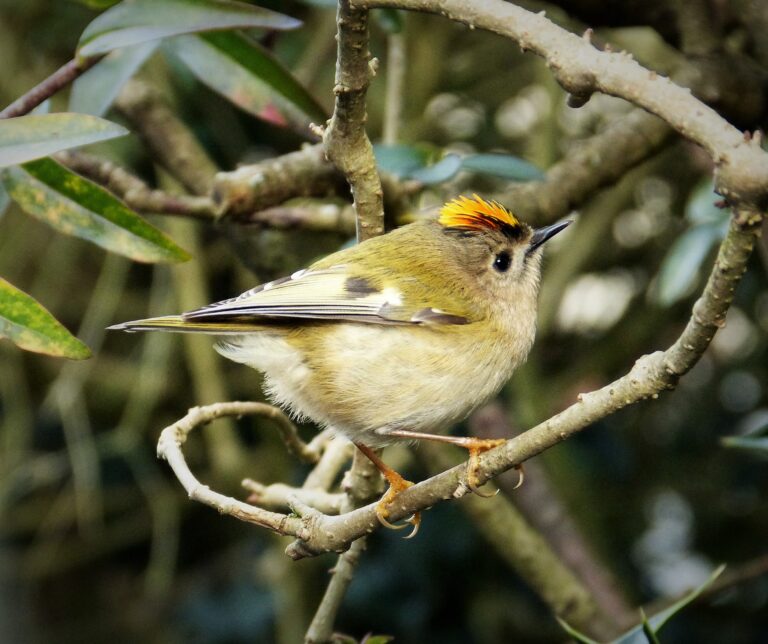
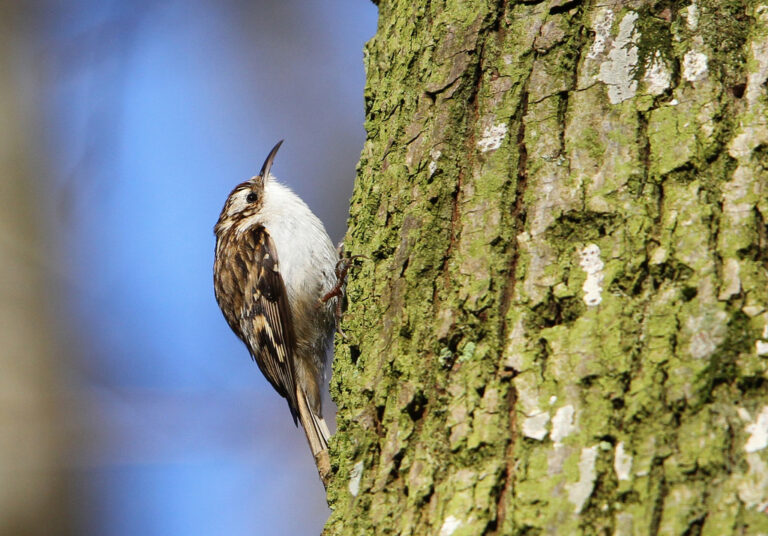
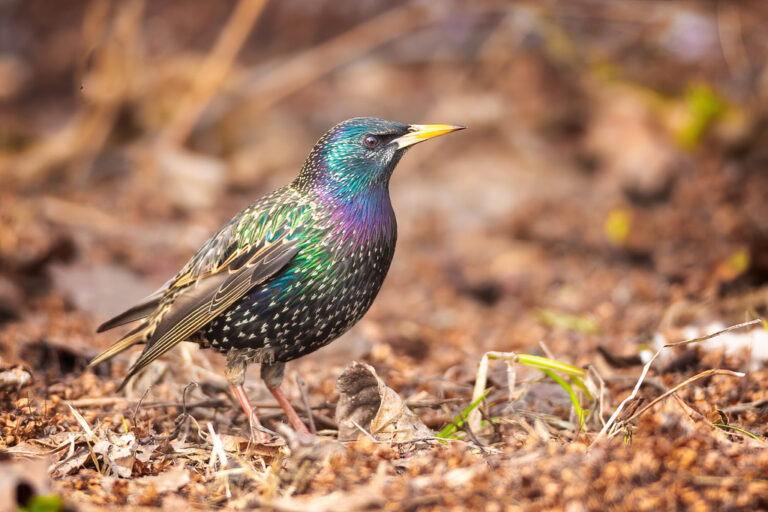
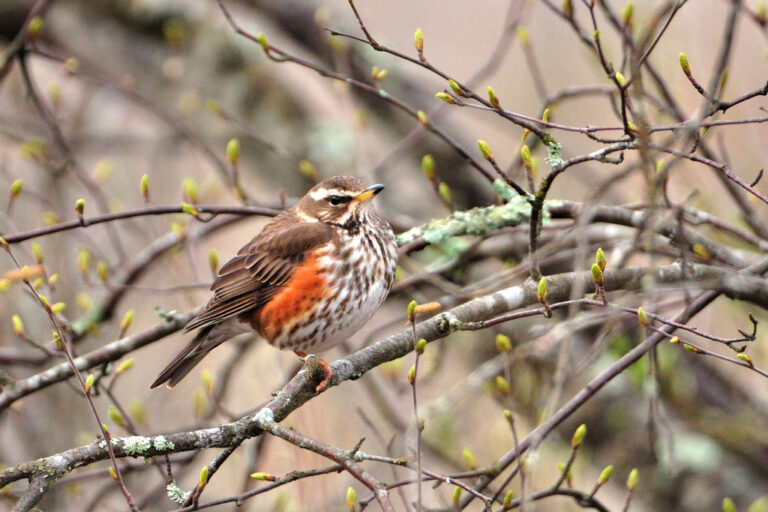
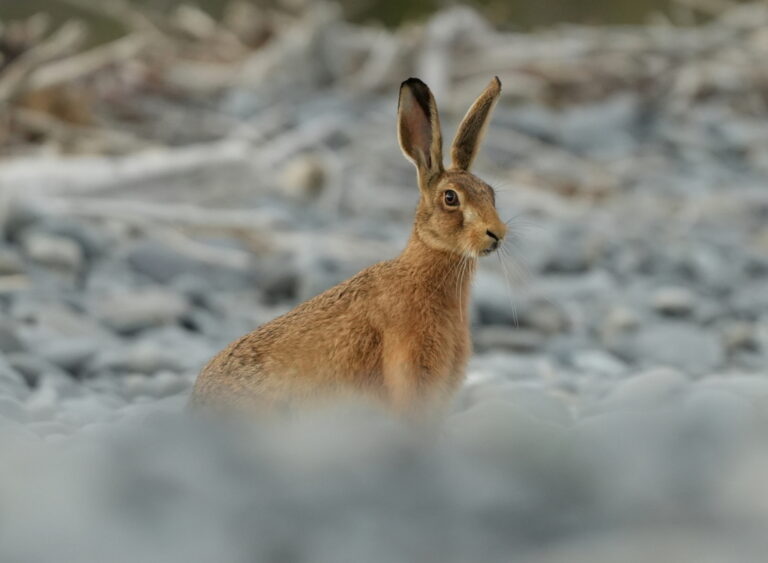
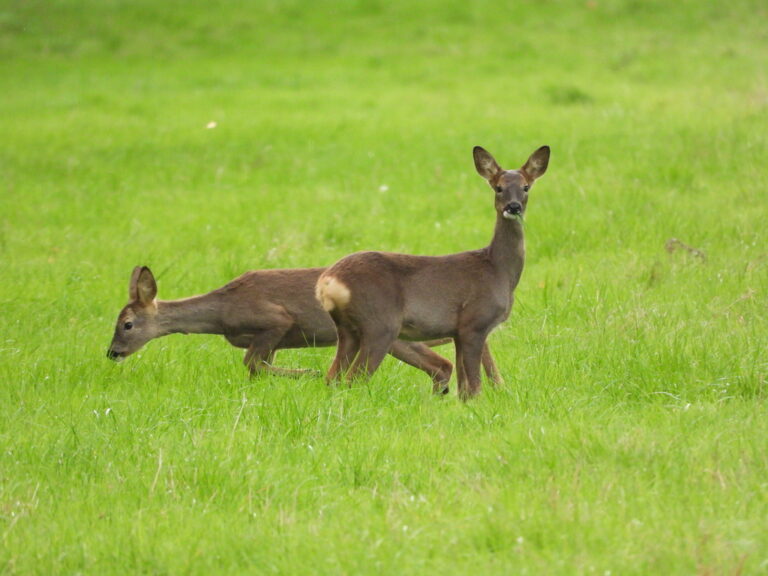
Photo © Frank Vassen from Brussels, Belgium
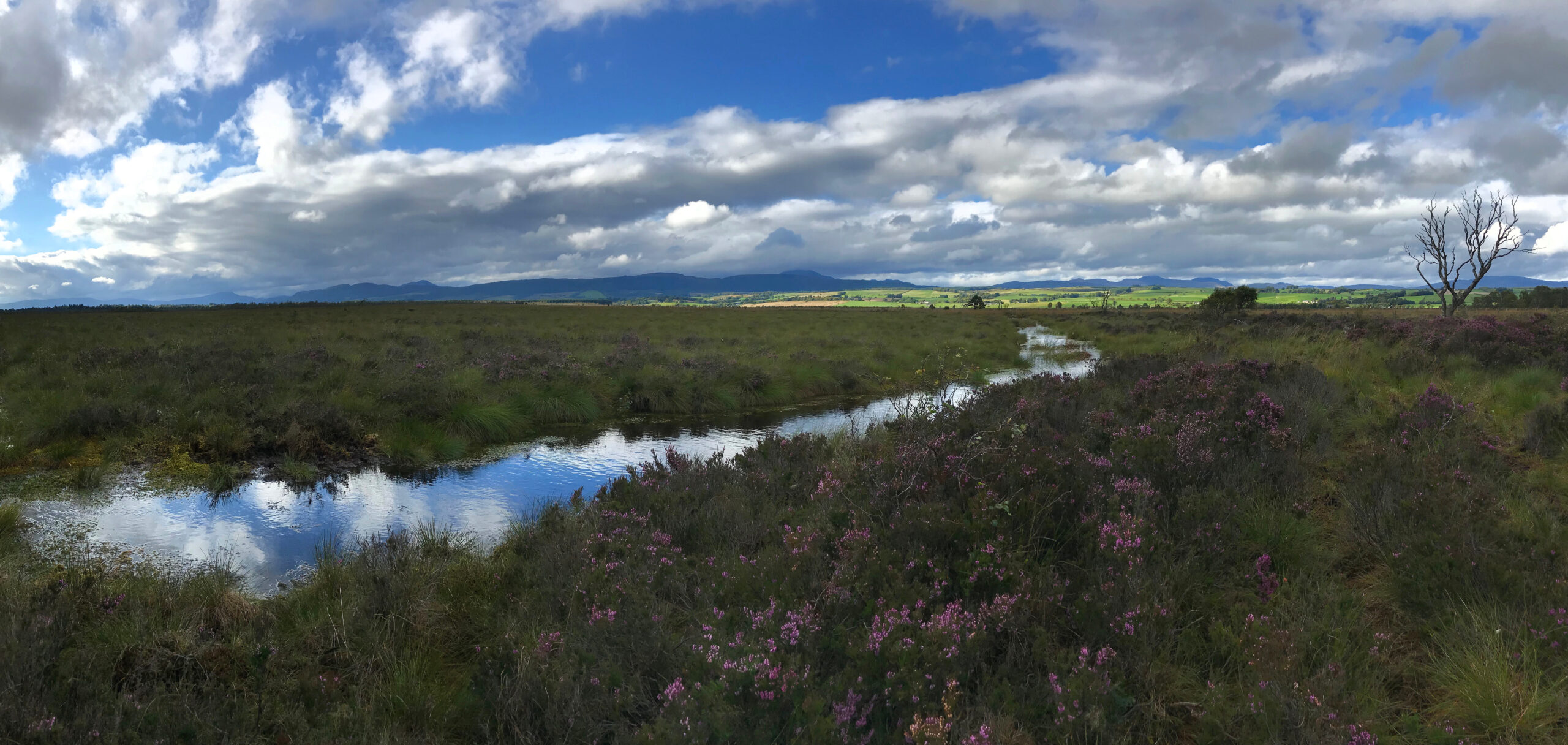
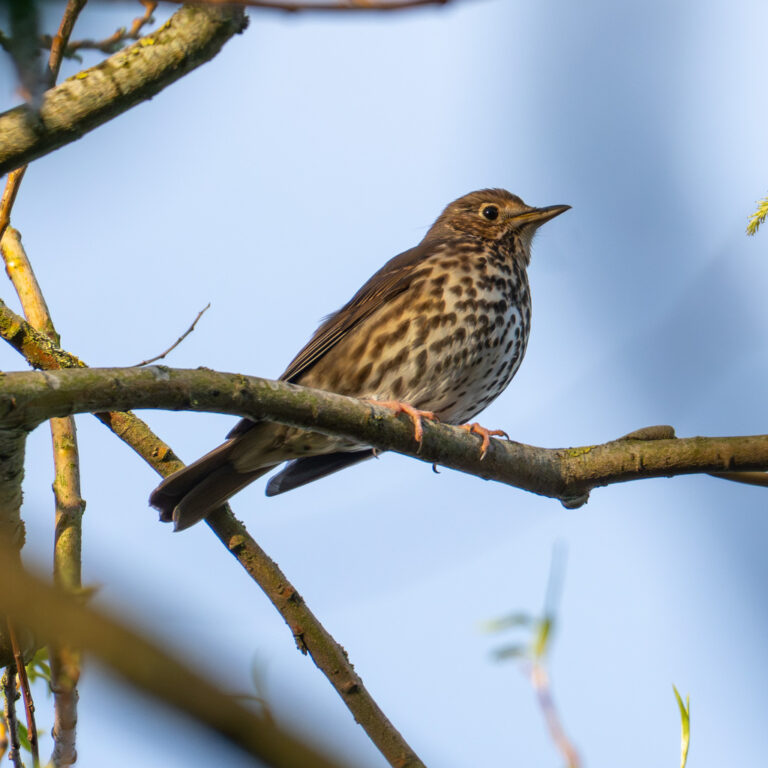
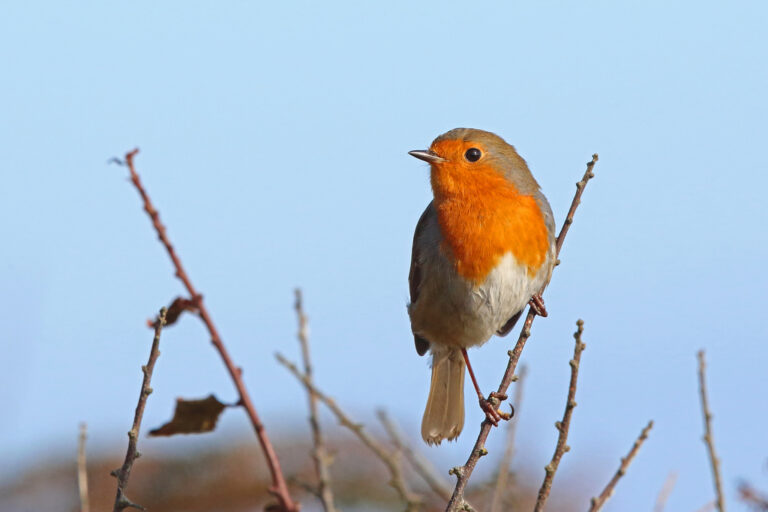
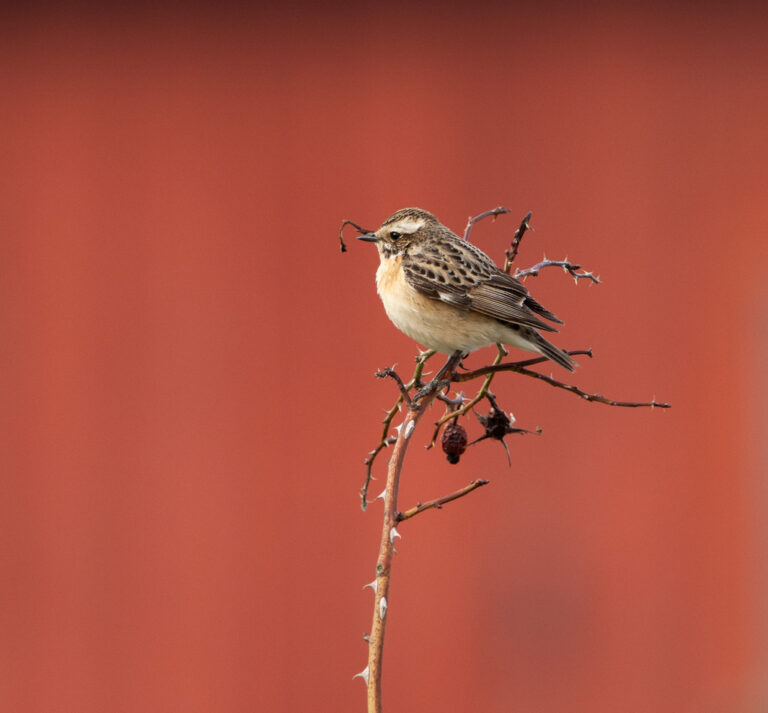
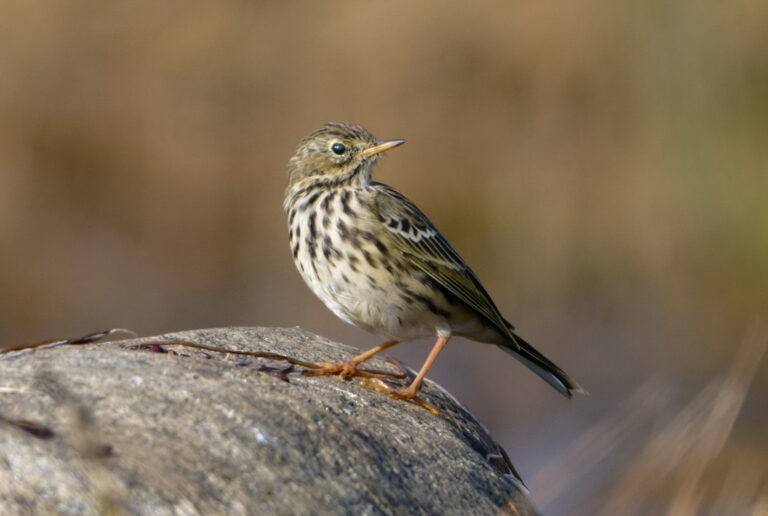
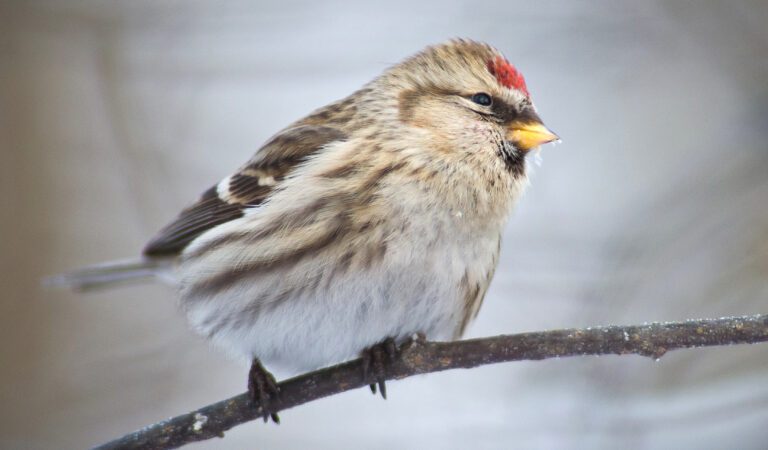
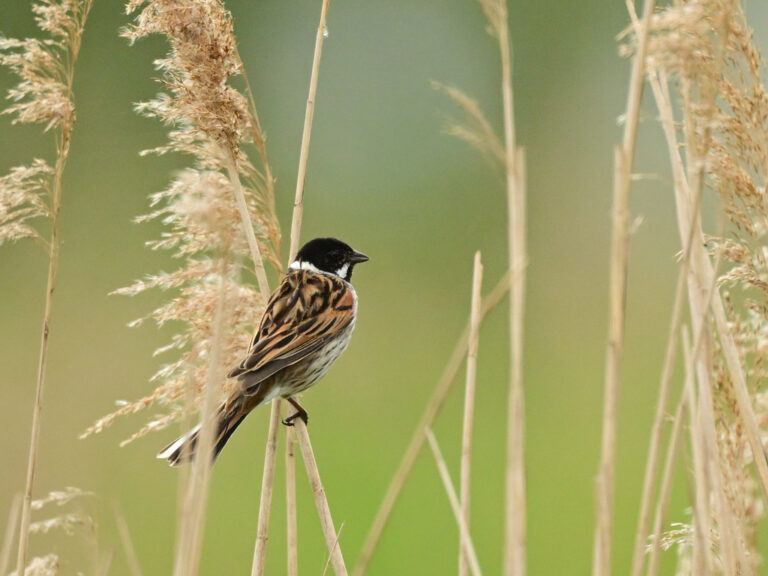
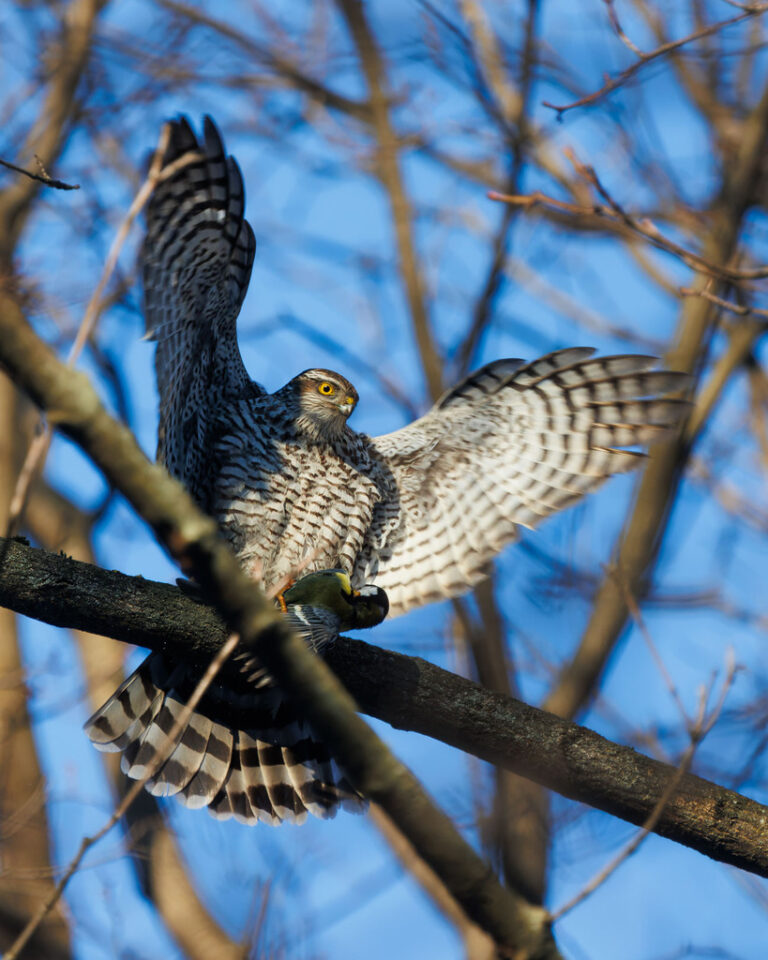
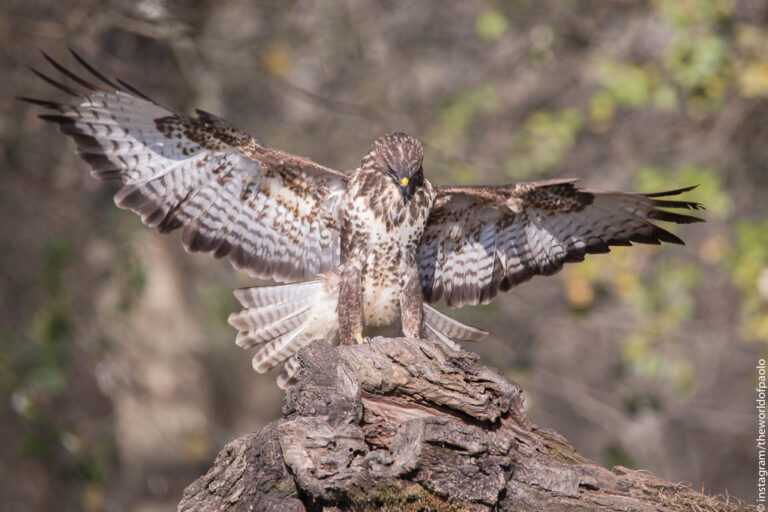
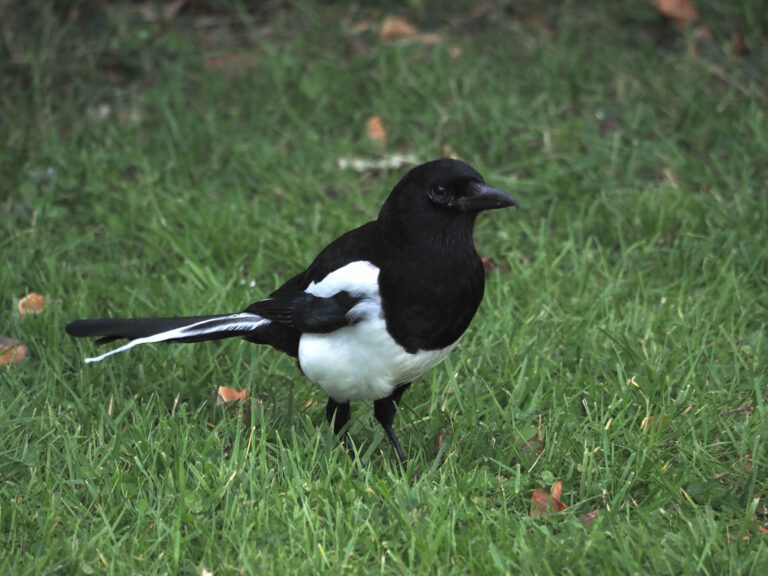
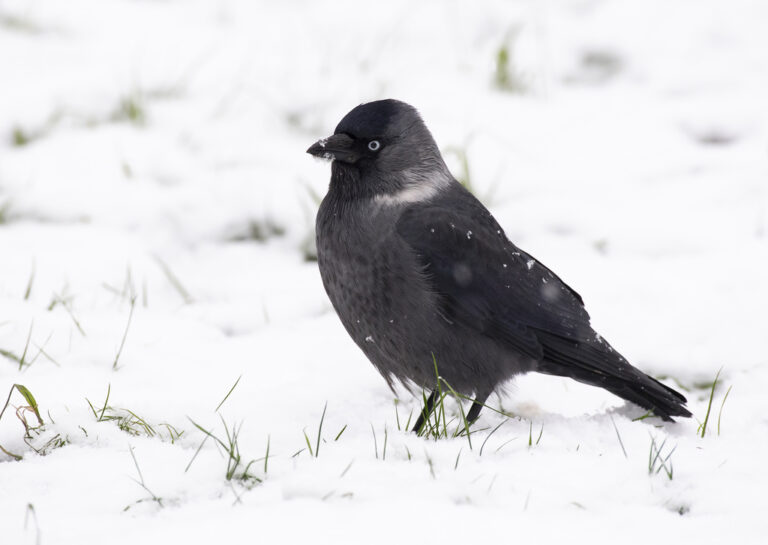
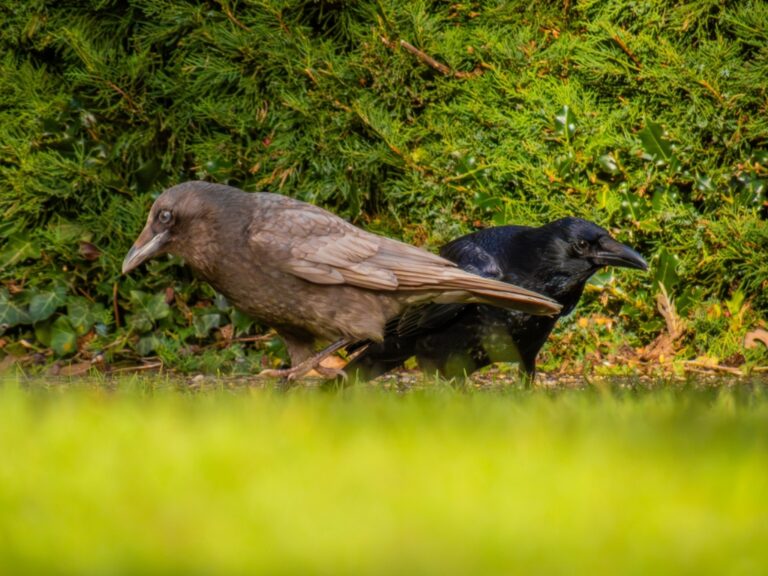
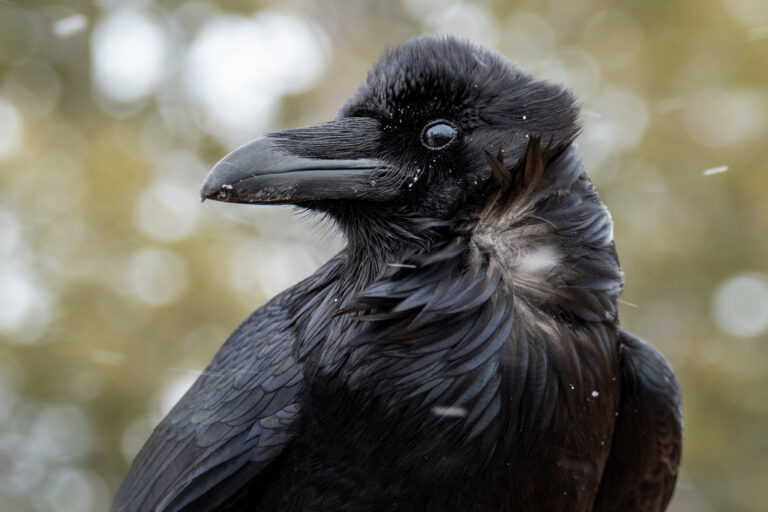
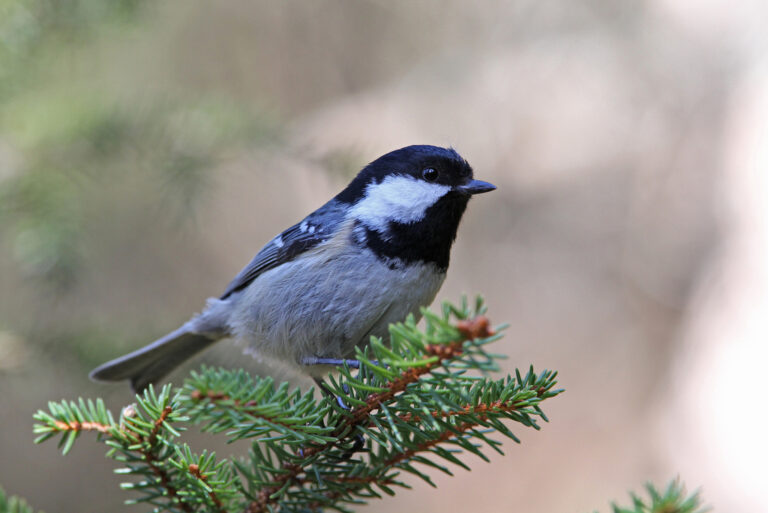
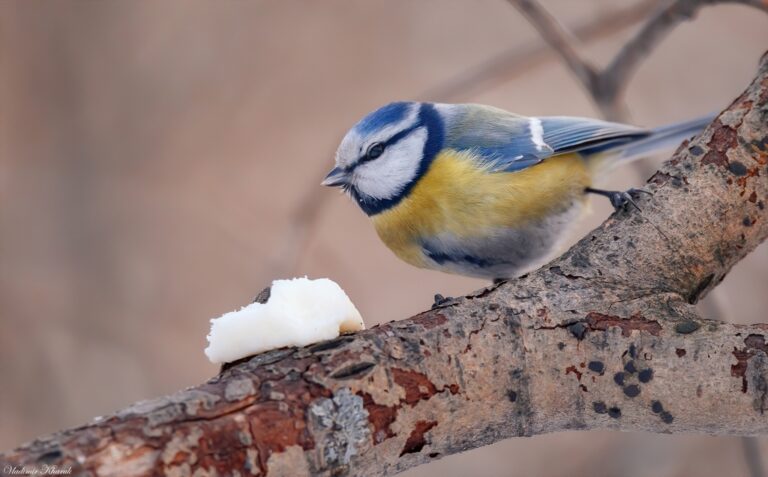
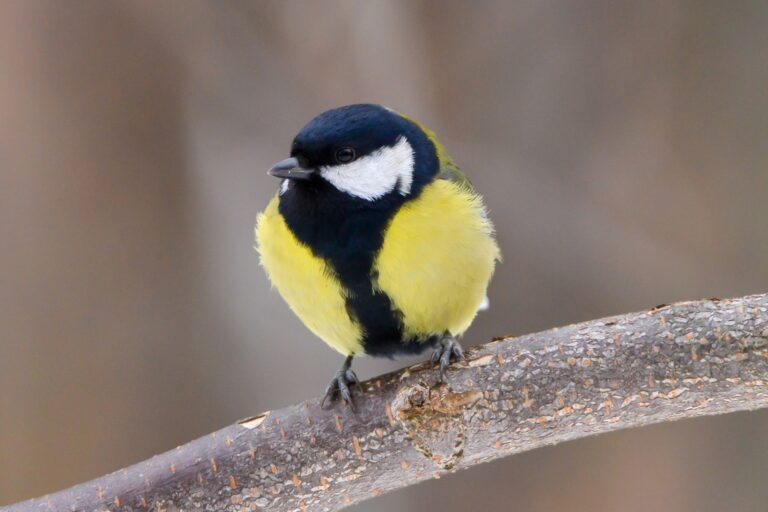
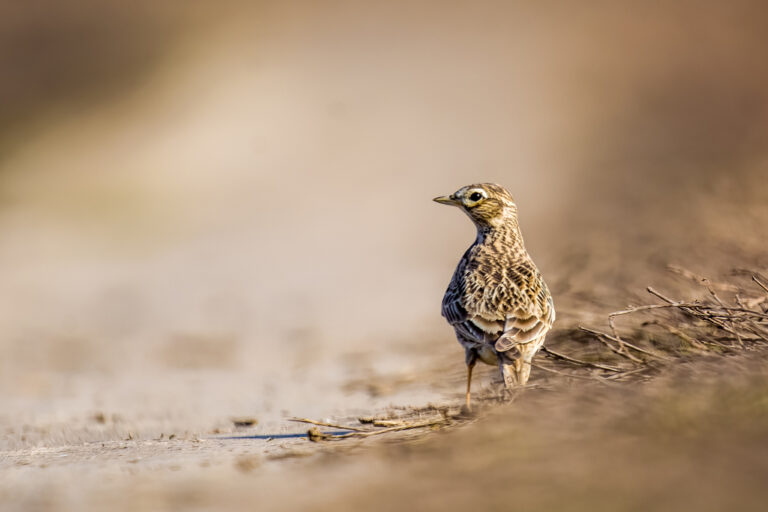
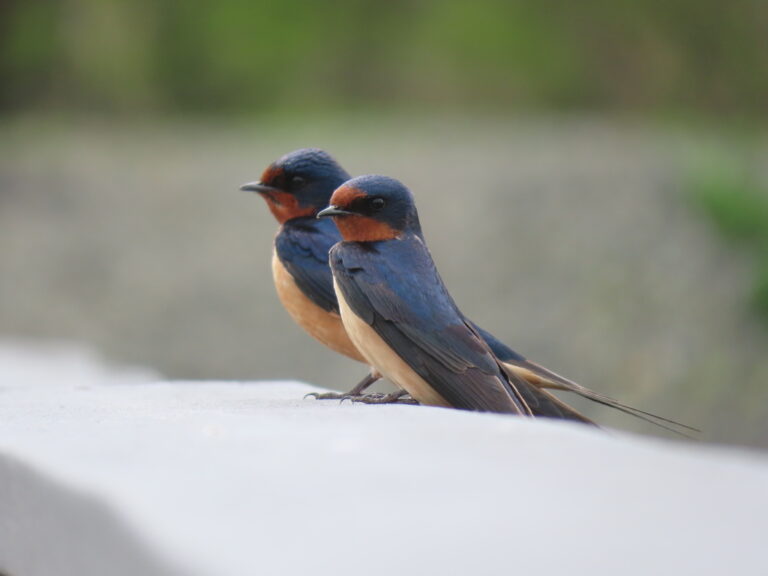
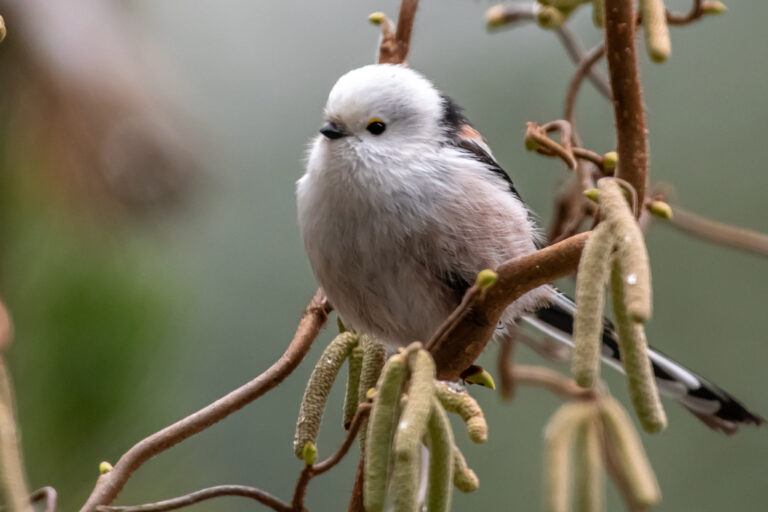
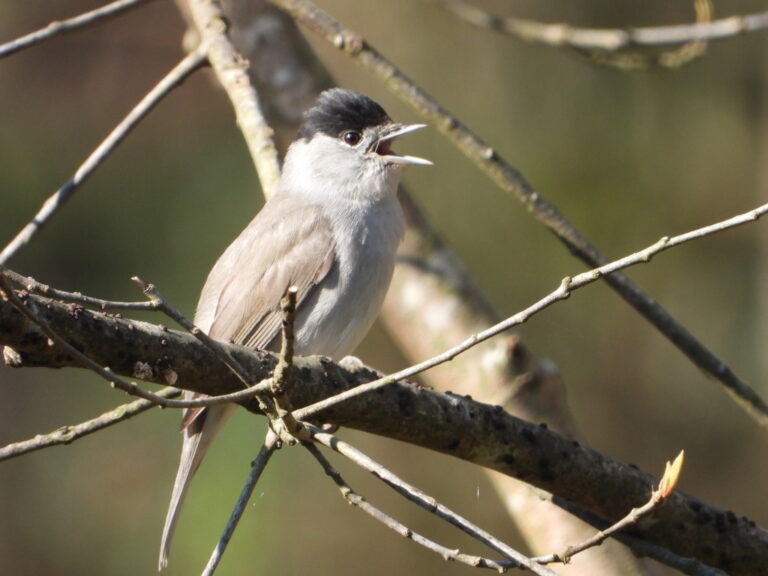
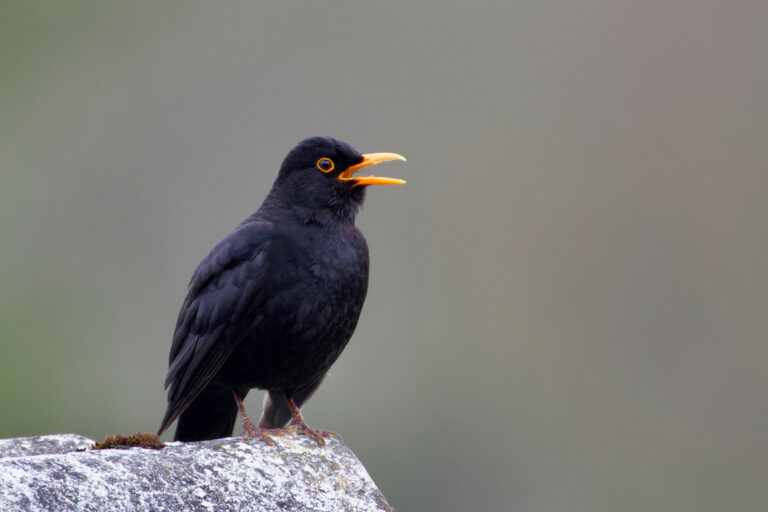
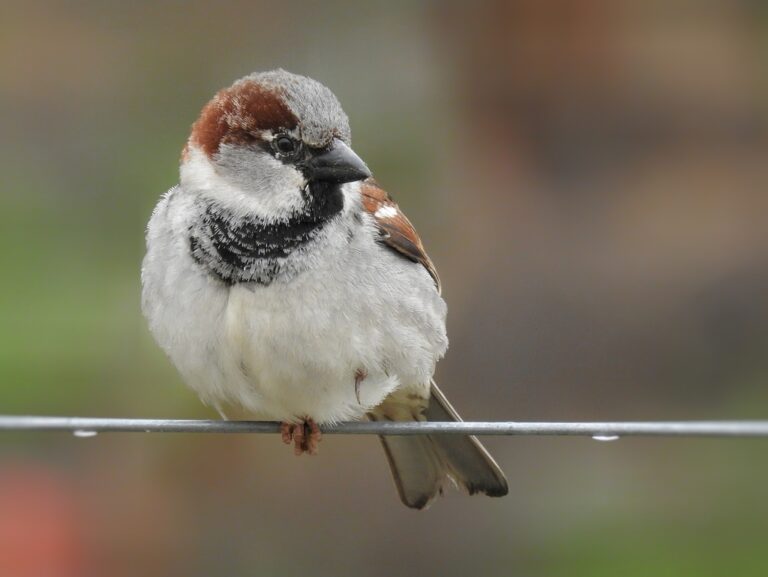
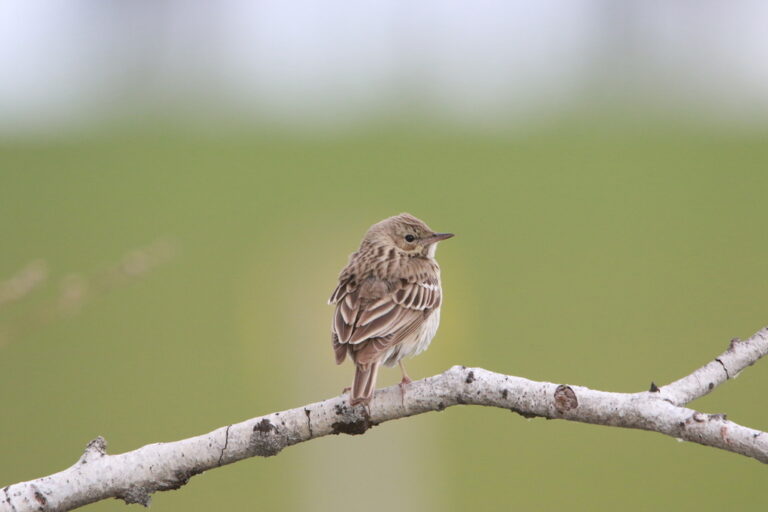
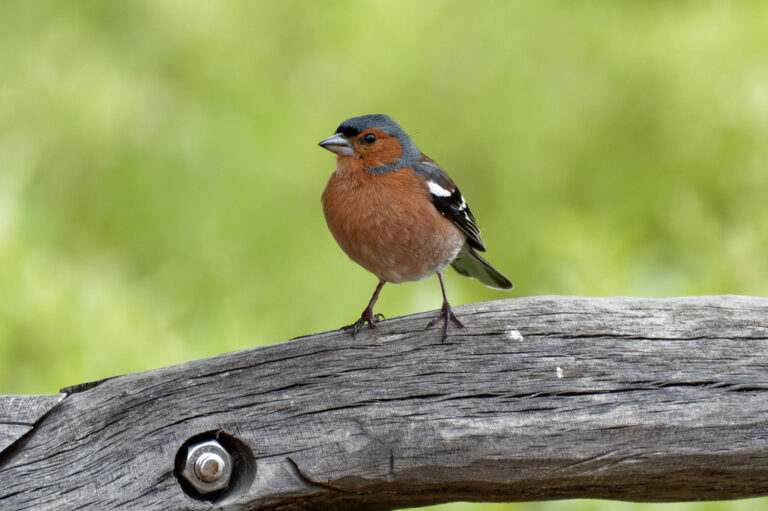
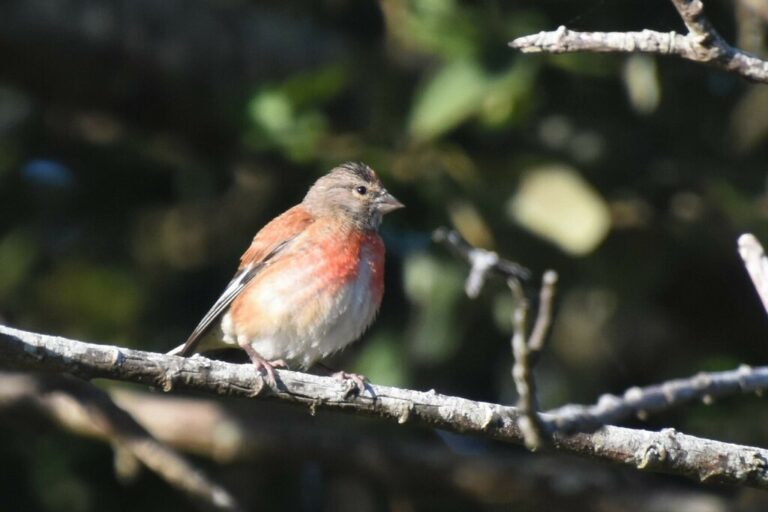
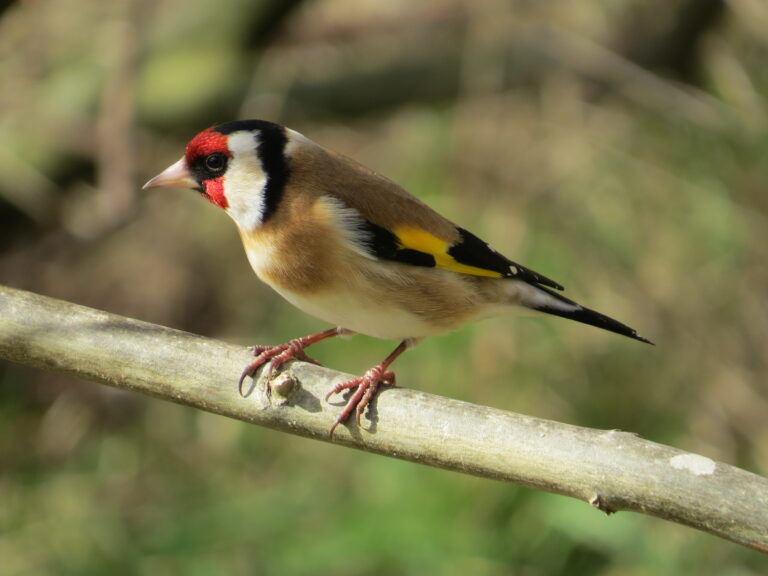
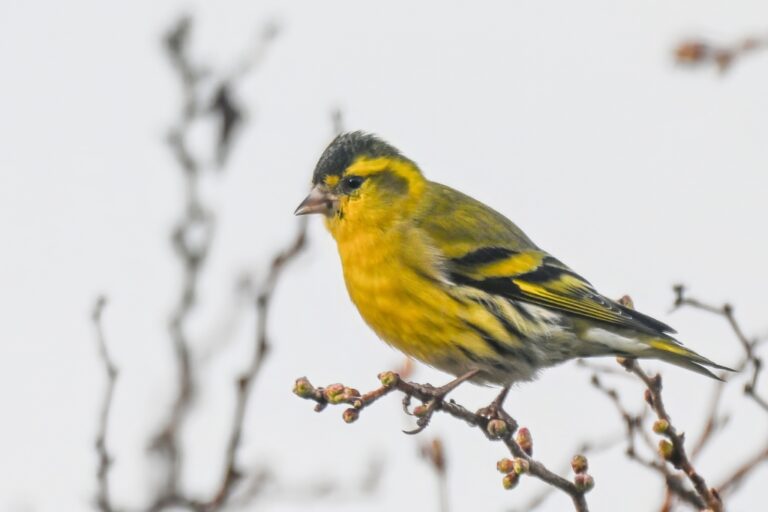
Photo © Frank Vassen from Brussels, Belgium — CC BY 4.0 — Source: Wikimedia CommonsAcross the rolling lowlands of Perthshire, where glacial meltwater once carved broad valleys, a vast expanse of blanket bog spreads beneath gentle slopes and open sky. Flanders Moss National Nature Reserve protects one of Scotland's largest remaining lowland peatlands, a landscape shaped by millennia of slow accumulation and waterlogging. The reserve's terrain is deceptively simple—flat to gently undulating ground cloaked in sphagnum moss, heather, and scattered conifers—yet ecologically complex. Without a dry season, the temperate maritime climate keeps the peat saturated year-round, maintaining pools, seeps, and waterlogged hollows that define the habitat. This perpetual moisture supports a specialized community: ground-nesting birds adapted to open moorland, wetland waders that probe the soft ground, birds of prey quartering the reserve's expanse, small mammals burrowing through peat, and invertebrate communities—particularly sphagnum specialists and bog-dwelling insects—that underpin the entire food web. The reserve also shelters populations of adders and other reptiles, while bog plants including sundews and sphagnum itself form the foundation of this nutrient-poor yet biologically vital ecosystem.
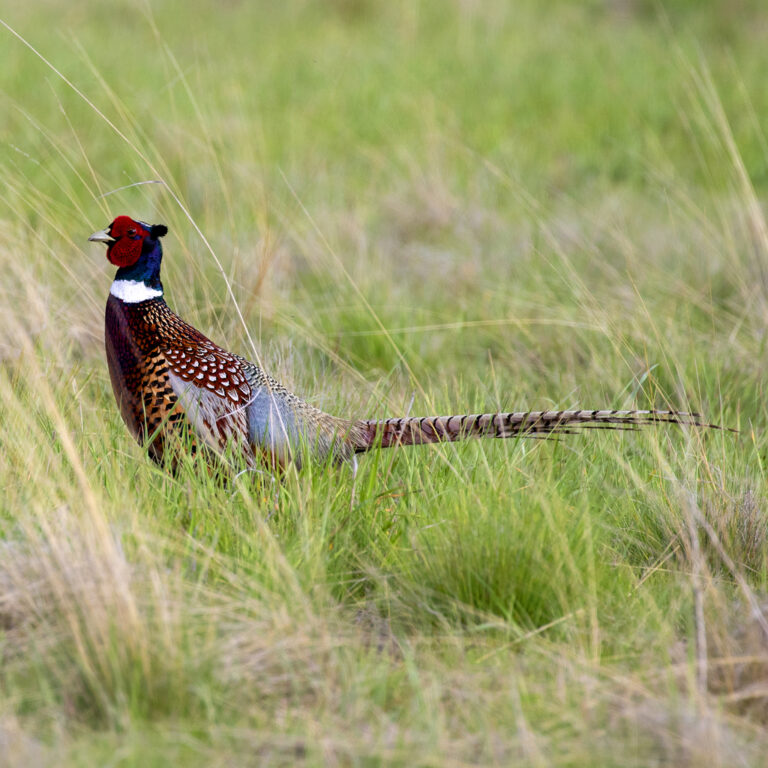
For naturalists and wildlife photographers, Flanders Moss offers an immersive journey into Britain's rarest habitat type. The open terrain provides unobstructed sight lines across kilometers of bog, ideal for observing birds of prey and ground-nesting species during their breeding season. Spring and early summer transform the reserve as migratory species arrive and resident birds establish territories; light lingers late into the evening, rewarding patient photographers with golden-hour views across the bog's subtle textures. Autumn brings fresh interest as birds gather in preparation for migration, while winter reveals the skeleton of the landscape, exposing the intricate drainage patterns carved into the peat. The reserve's network of boardwalks and paths grants responsible access without damaging the fragile substrate, allowing visitors to experience the raw, wind-swept character of a landscape few now encounter.
No community observations yet — be the first to log a sighting here.
Flanders Moss National Nature Reserve
Generally mild conditions, with noticeable seasonal changes.
A year of temperatures
Monthly means, with the coldest and warmest highlighted
Terrain and elevation
49 m · LowlandAverage terrain elevation estimate across the hotspot; the figure does not represent its highest summits.
Lowland