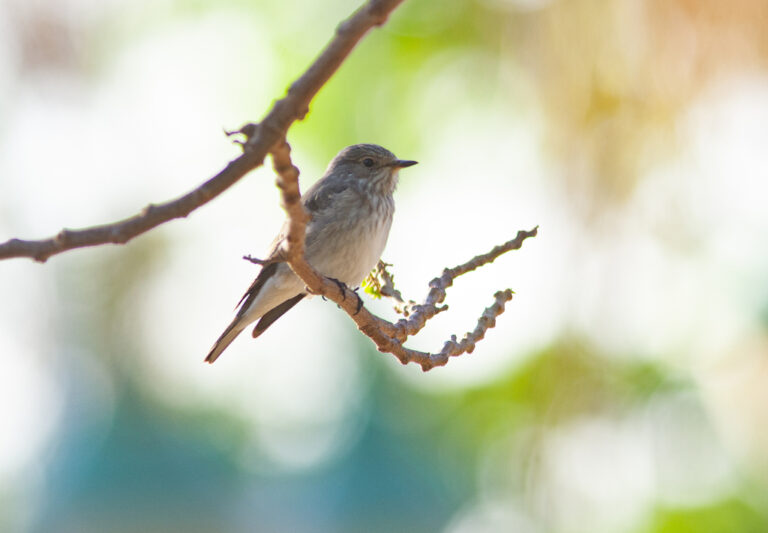
Bory Tucholskie National Park
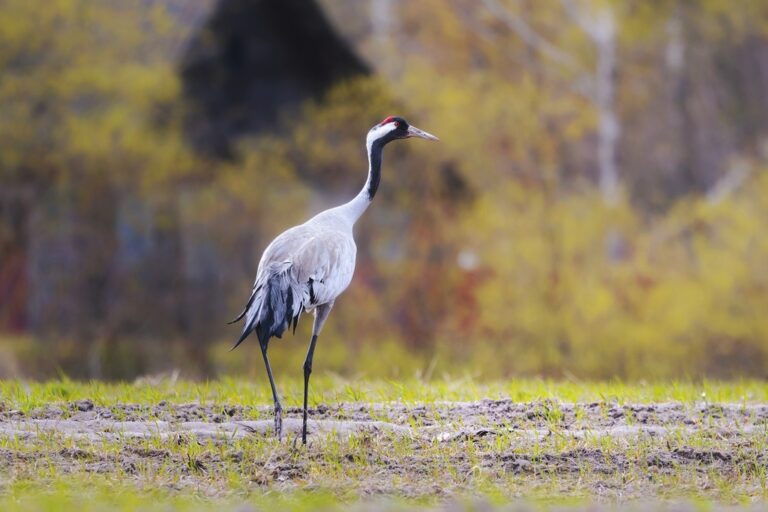
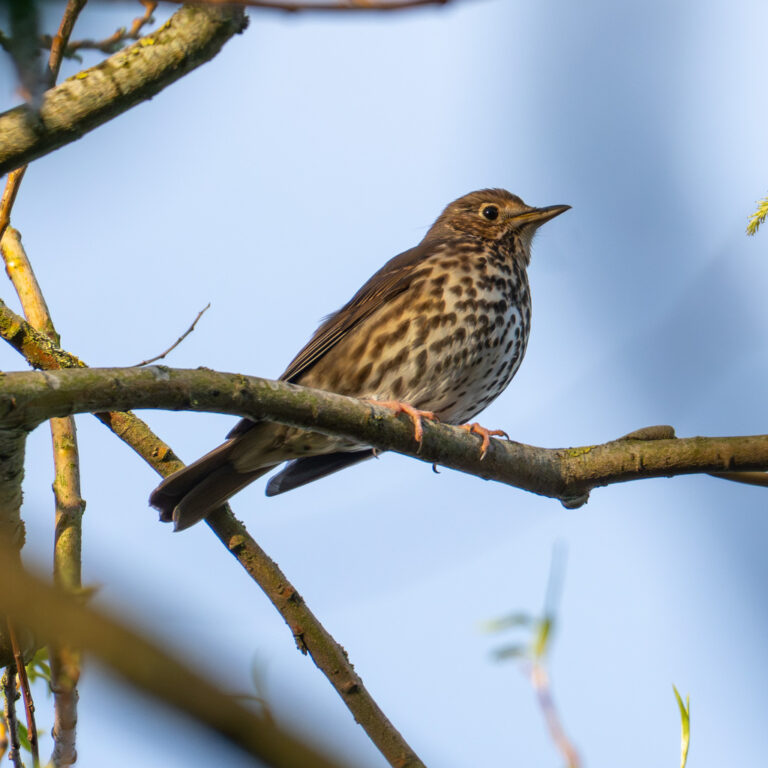
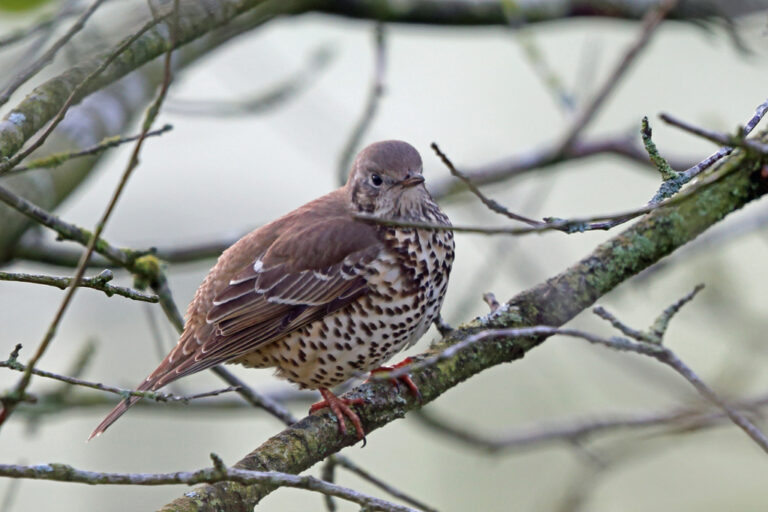
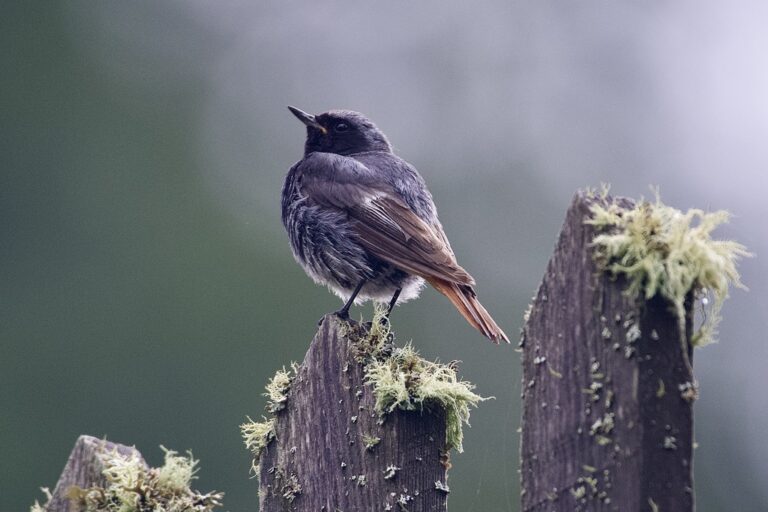
Photo © Bartek Bodak
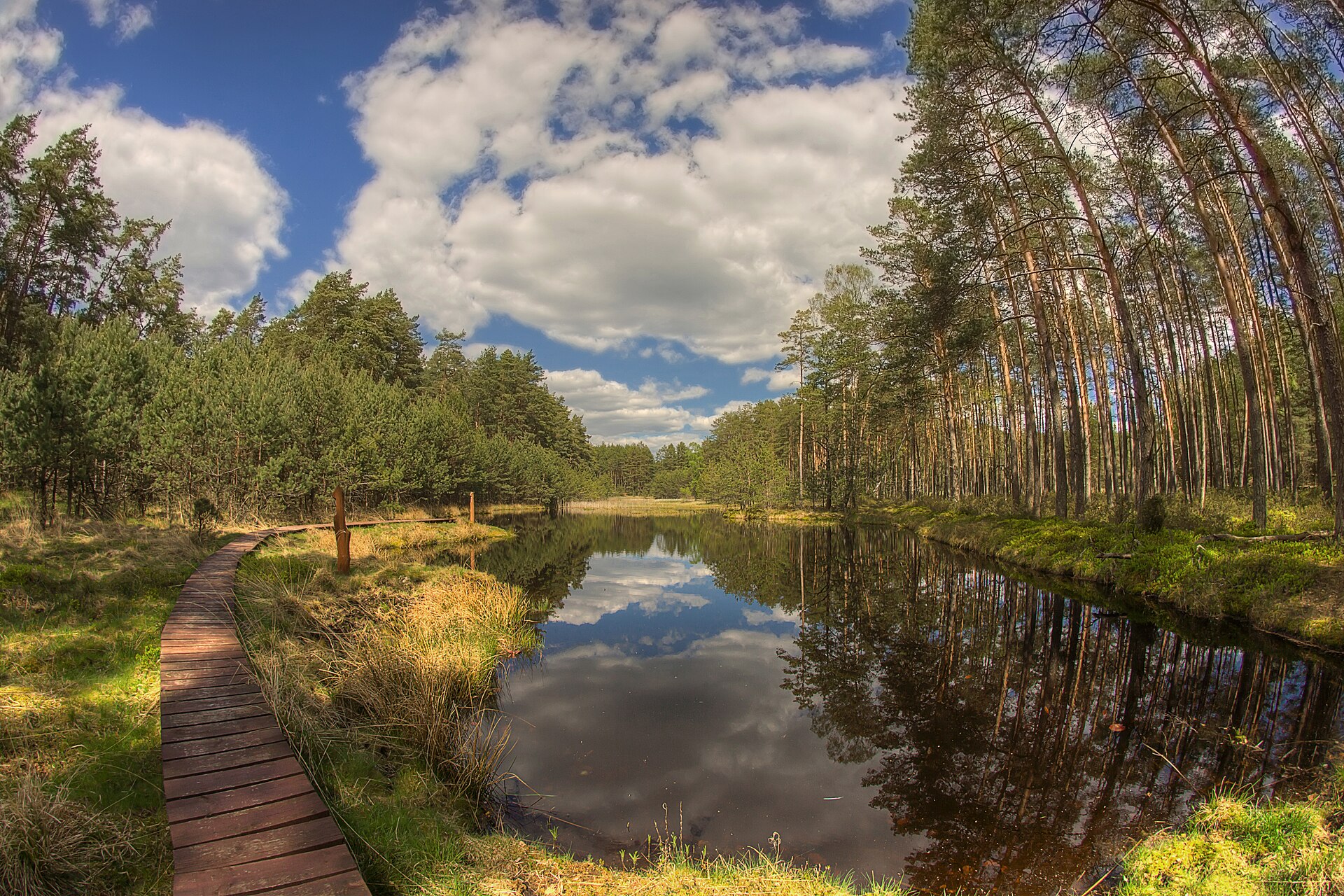
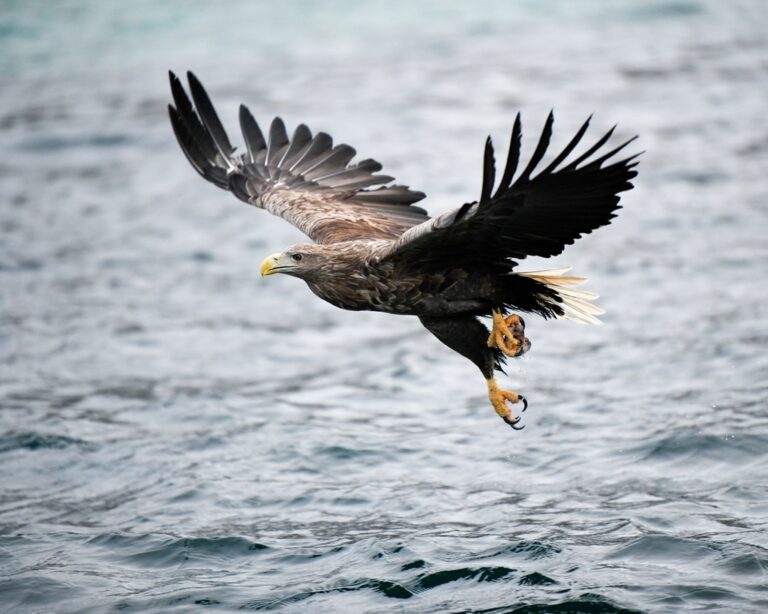
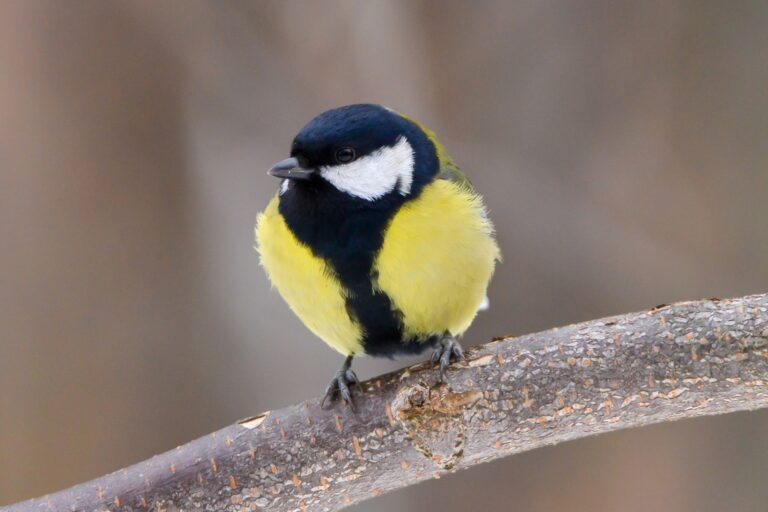
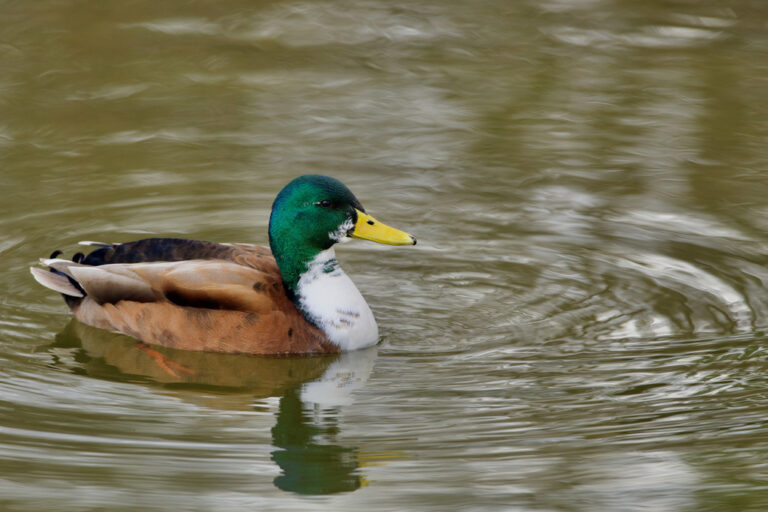
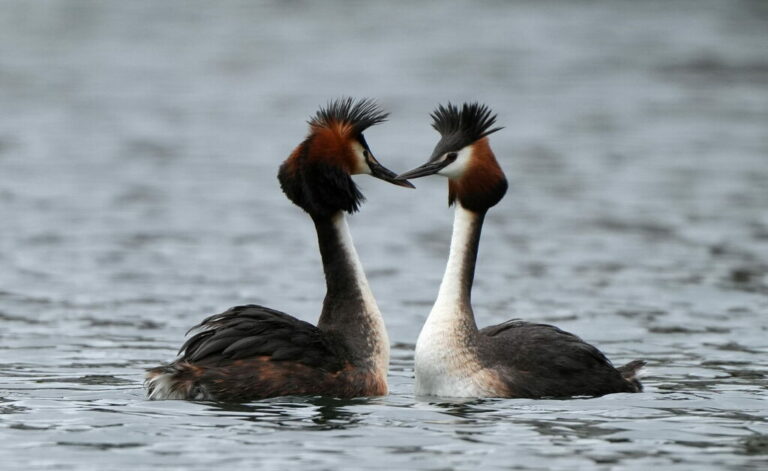
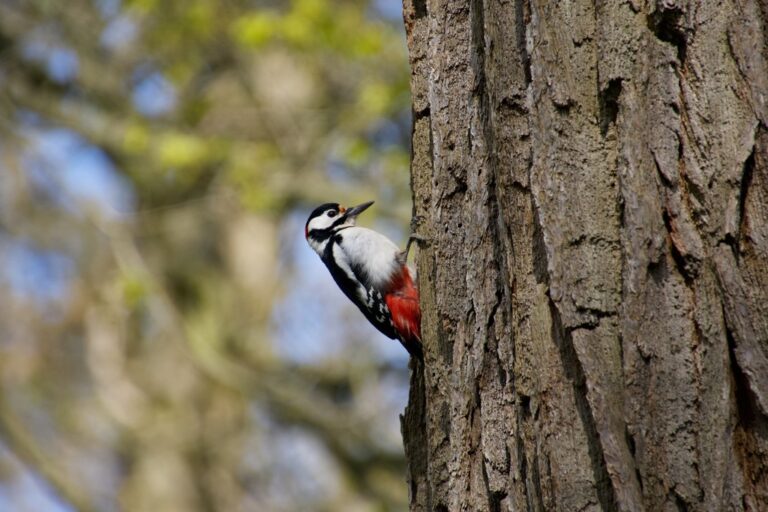
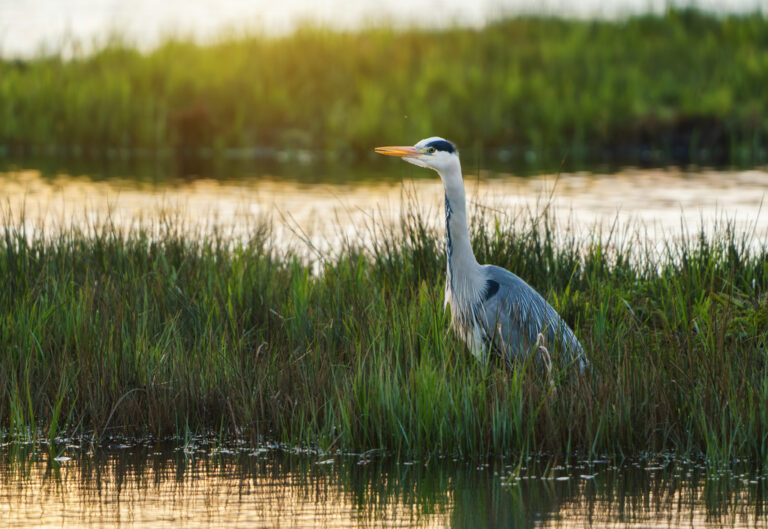
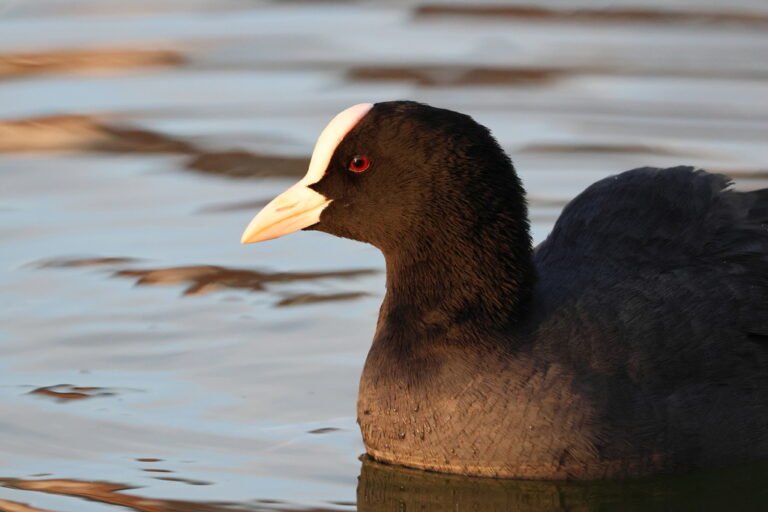
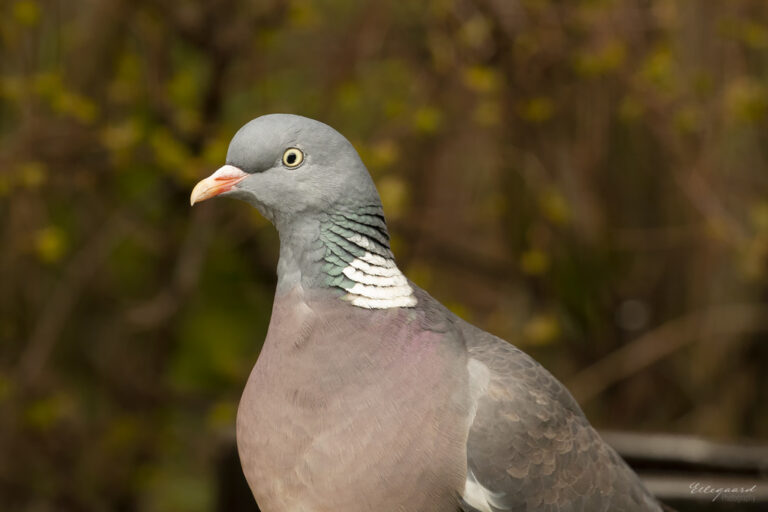
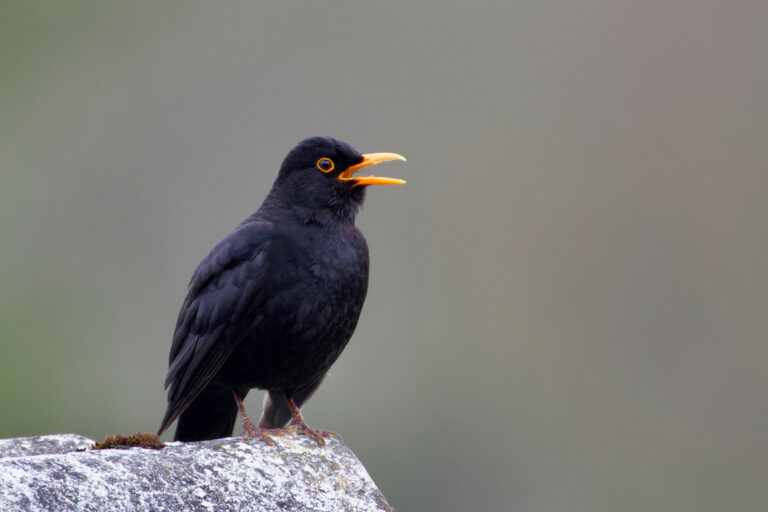
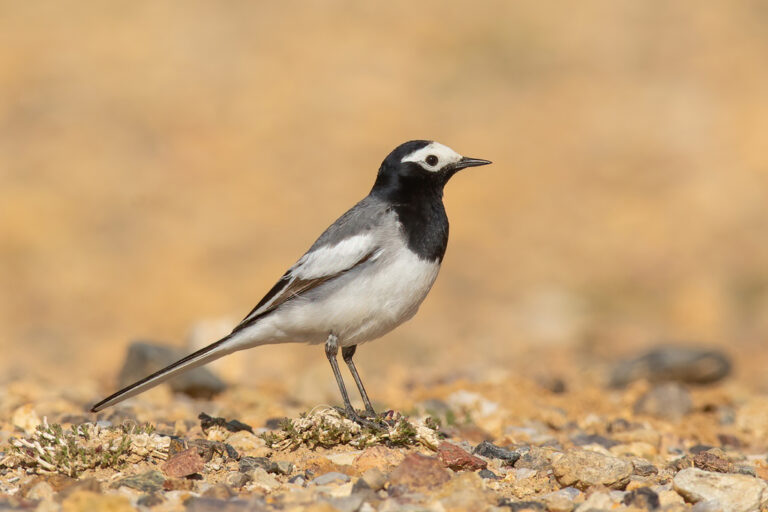
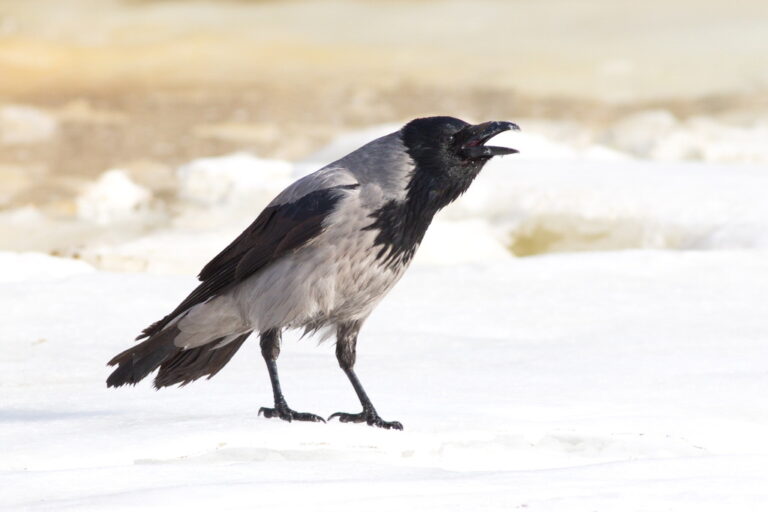
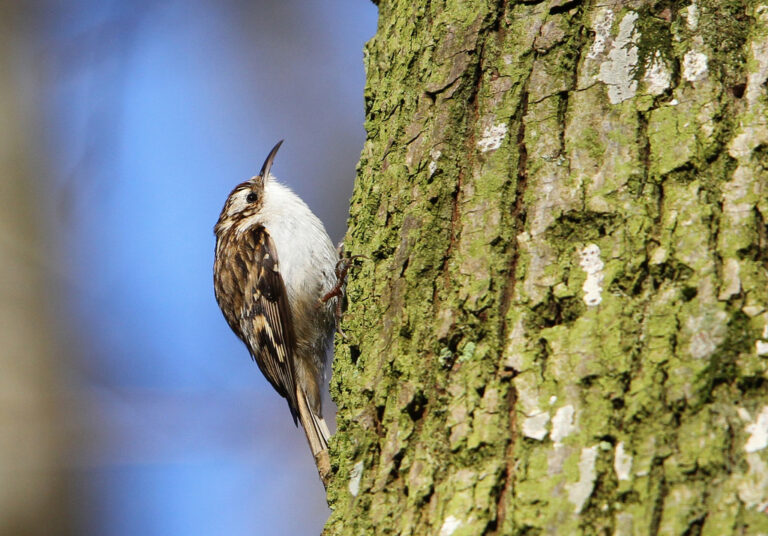
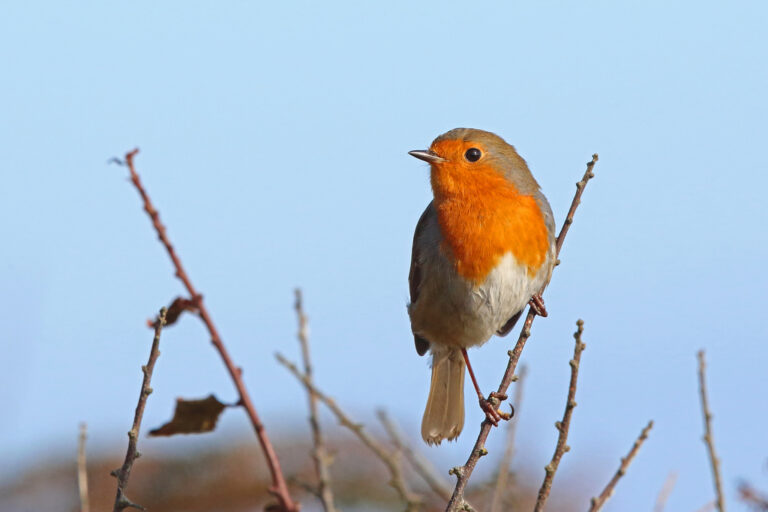
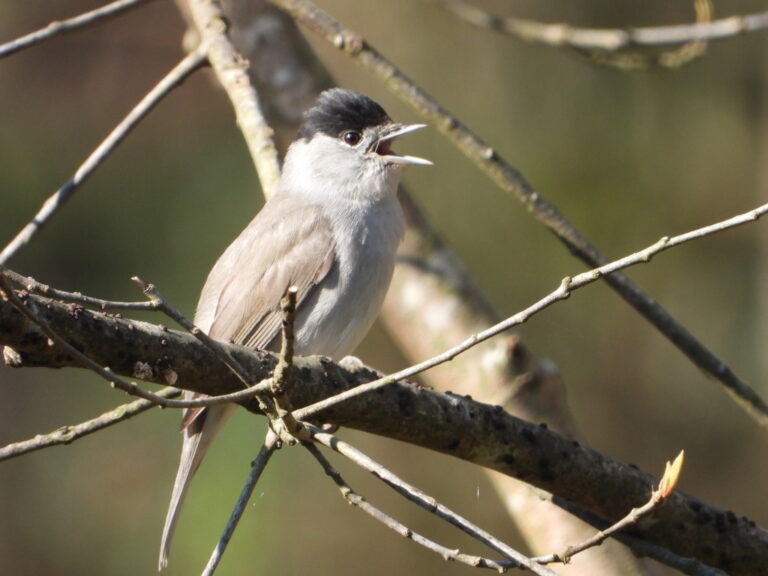
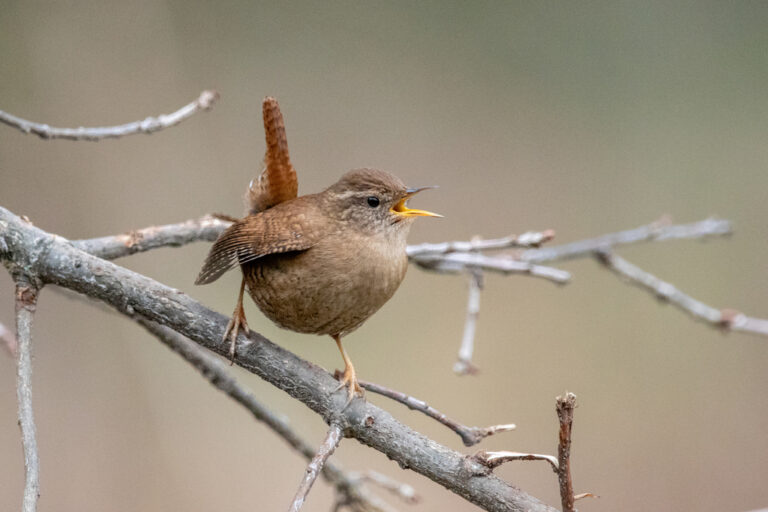
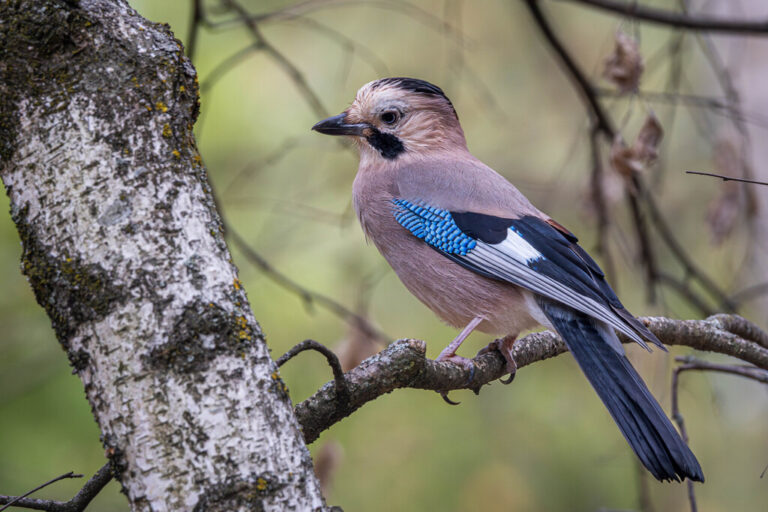
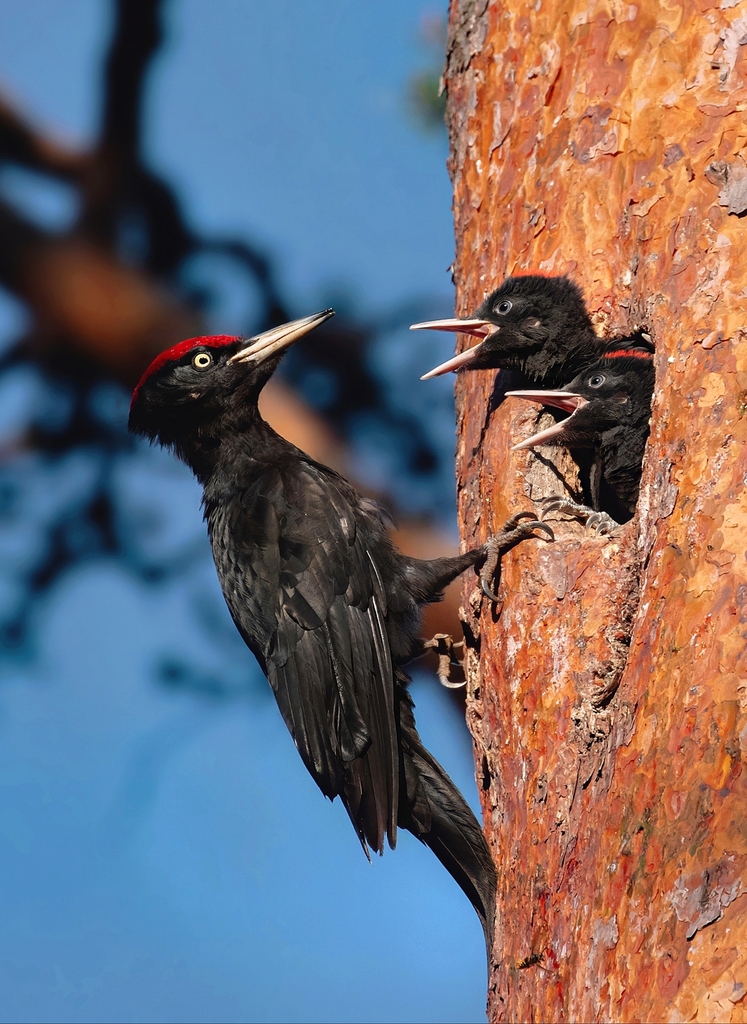
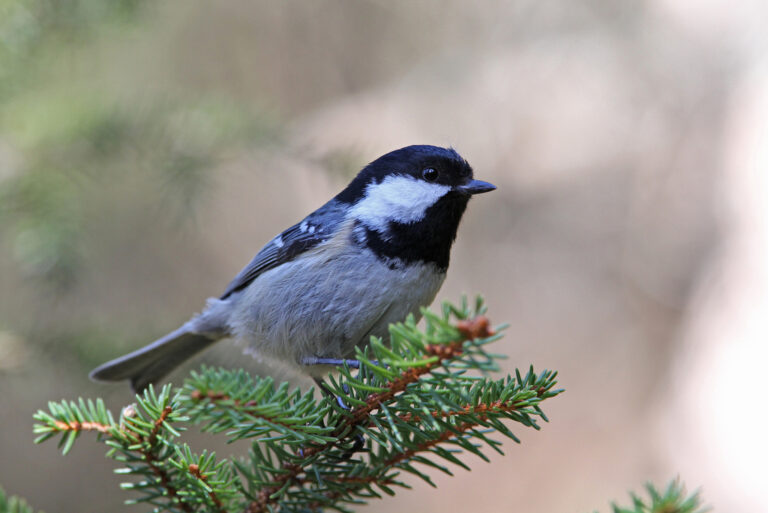
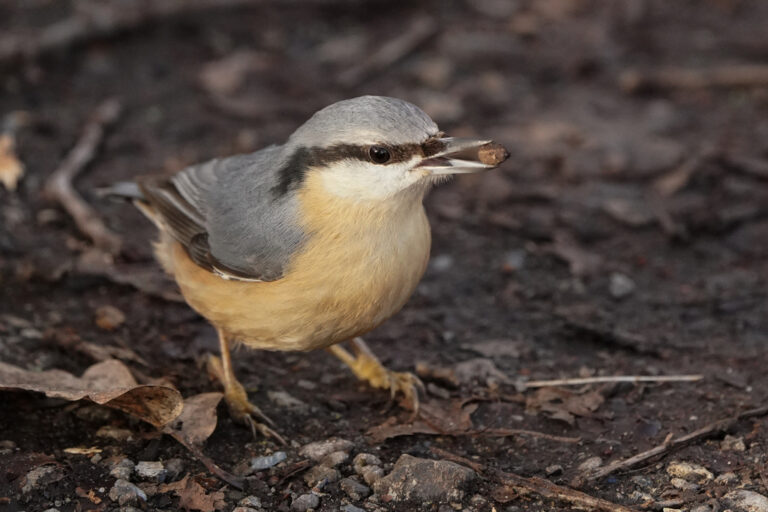
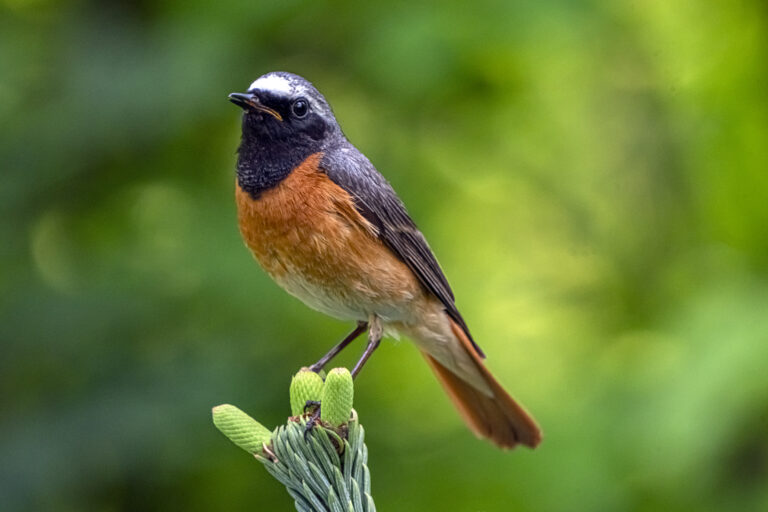
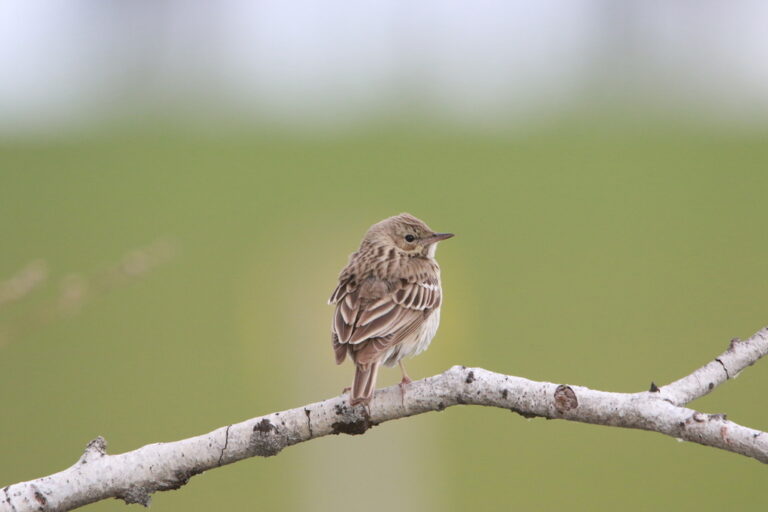
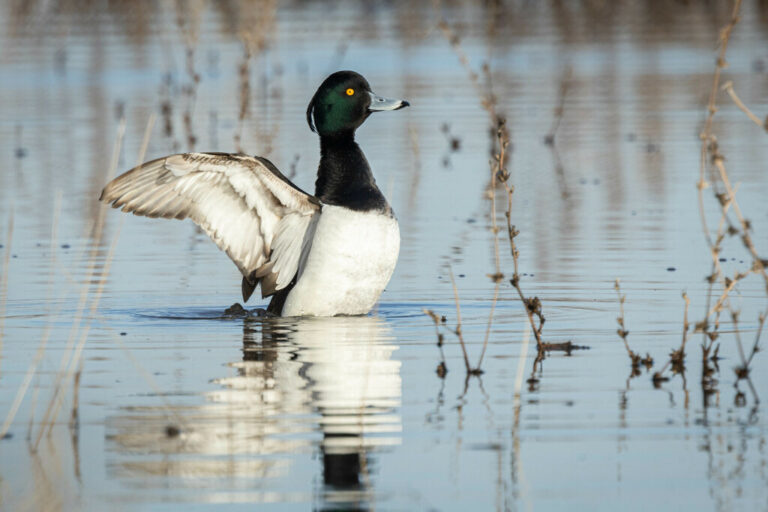
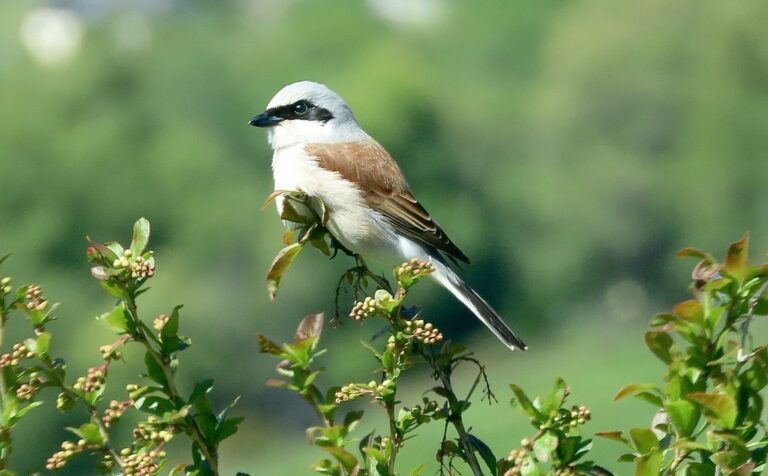
Photo © Bartek Bodak — CC BY-SA 4.0 — Source: Wikimedia CommonsAcross the sandy plains of northwestern Poland, where glacial deposits have sculpted a landscape of gentle dunes and shallow depressions, Bory Tucholskie National Park preserves one of Central Europe's most distinctive pine forest ecosystems. Covering 155 square kilometers in Chojnice County, Pomeranian Voivodeship, this protected expanse rises as a mosaic of coniferous woodland interspersed with peat bogs, heathland, and small freshwater lakes—a habitat born from the retreat of the last ice age. The park's ecological character is defined by this interplay: nutrient-poor sandy soils support sparse but resilient pine stands, while waterlogged depressions host sphagnum bogs and acidic wetlands that form crucial refuges for wetland-dependent birds, amphibians, and specialized bog flora. Forest birds thrive in these evergreen canopies, from songbirds navigating the understory to raptors hunting over open clearings. Small mammals find shelter in the dense needle litter, while amphibians breed in the park's scattered pools and marshy hollows. The entire ecosystem functions as a working landscape of quiet ecological drama—less flashy than montane or tropical reserves, but ecologically complex and increasingly rare across lowland Europe.
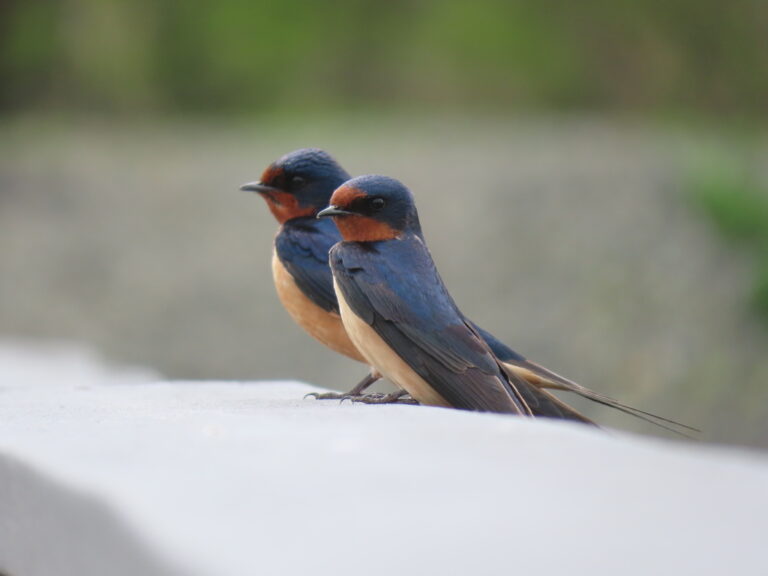
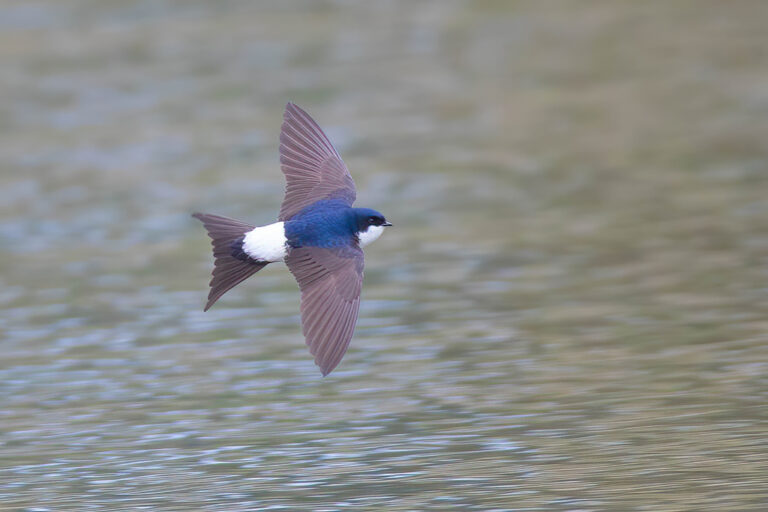
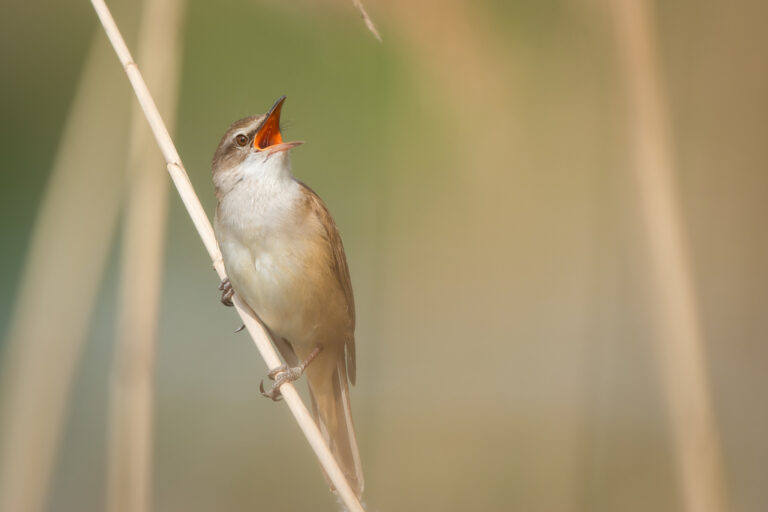
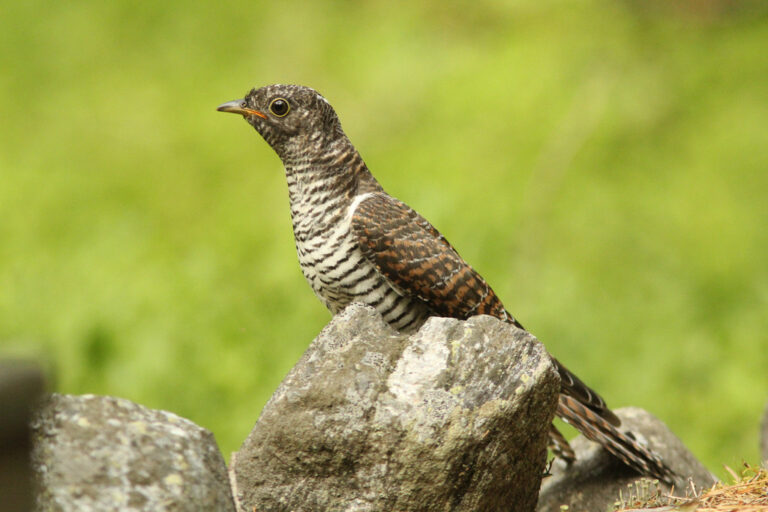
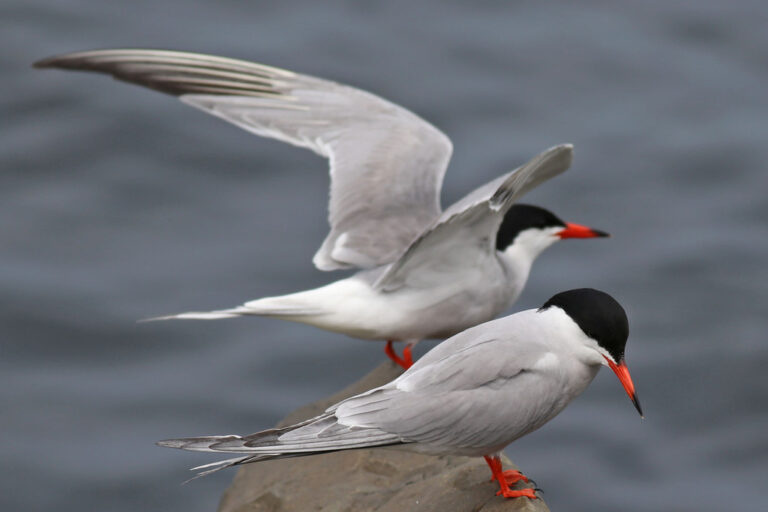
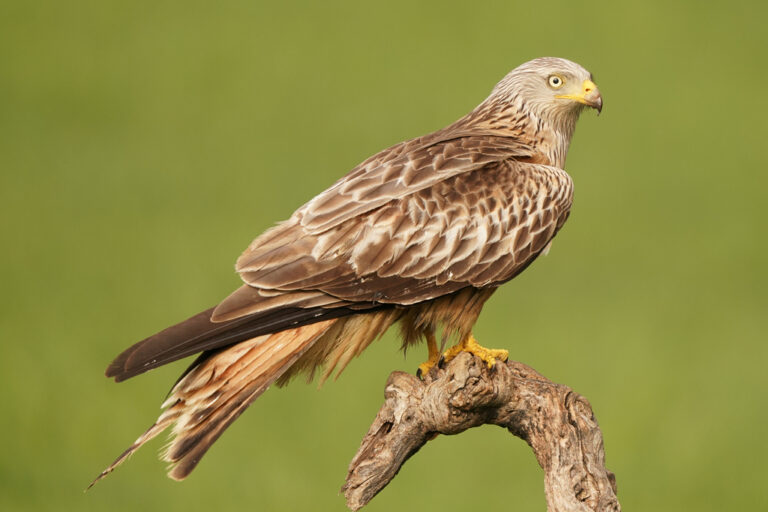
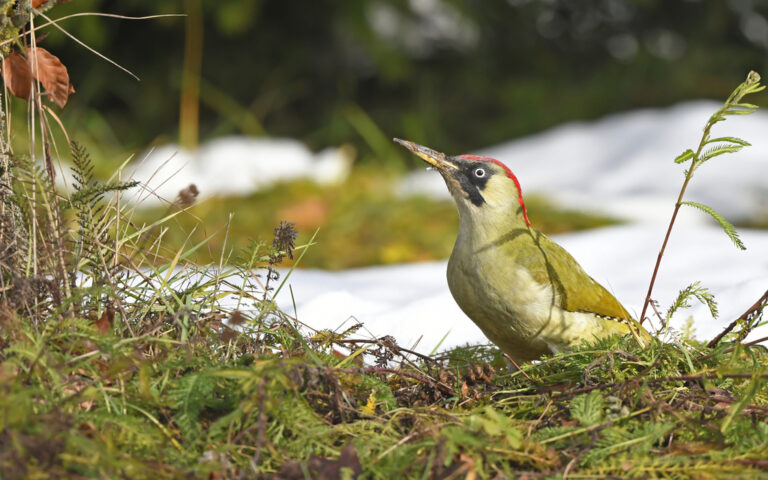
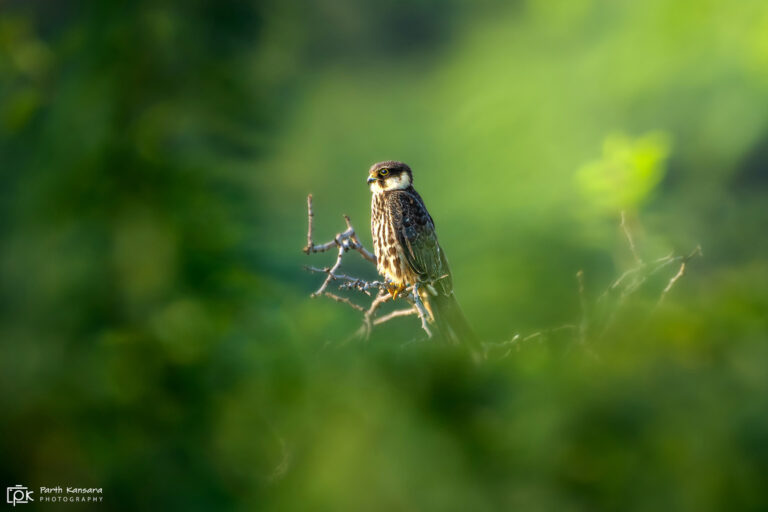
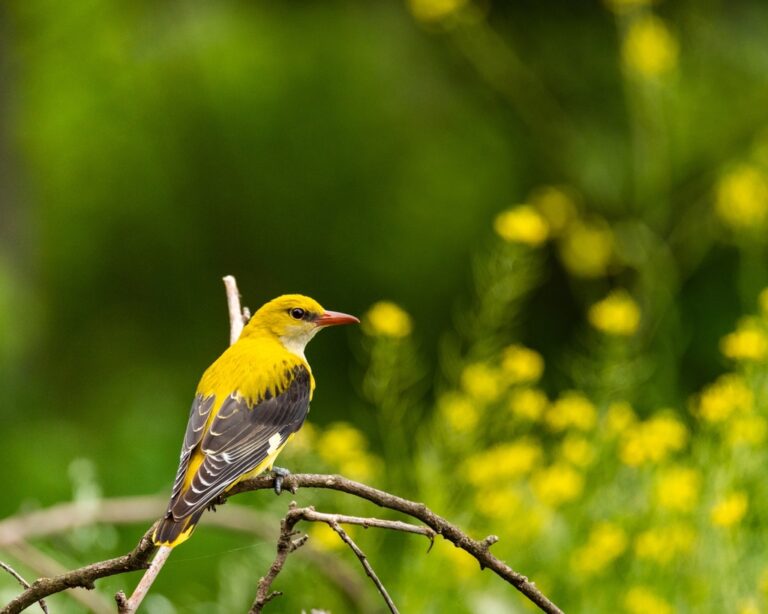
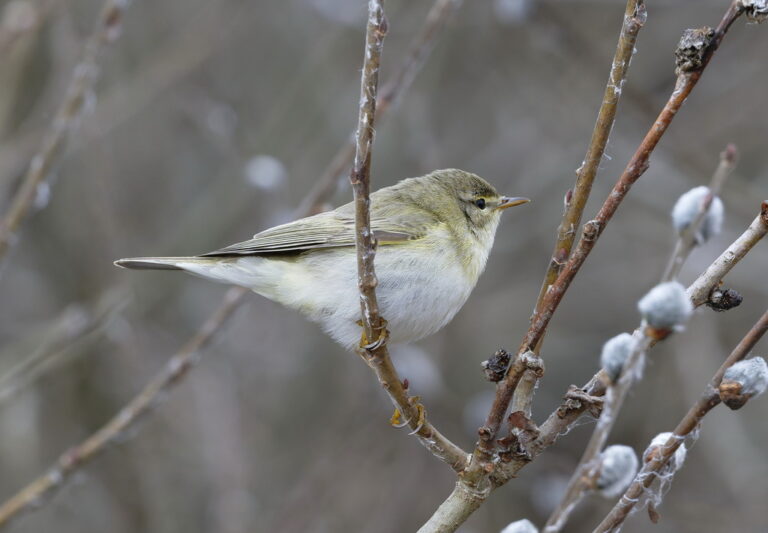
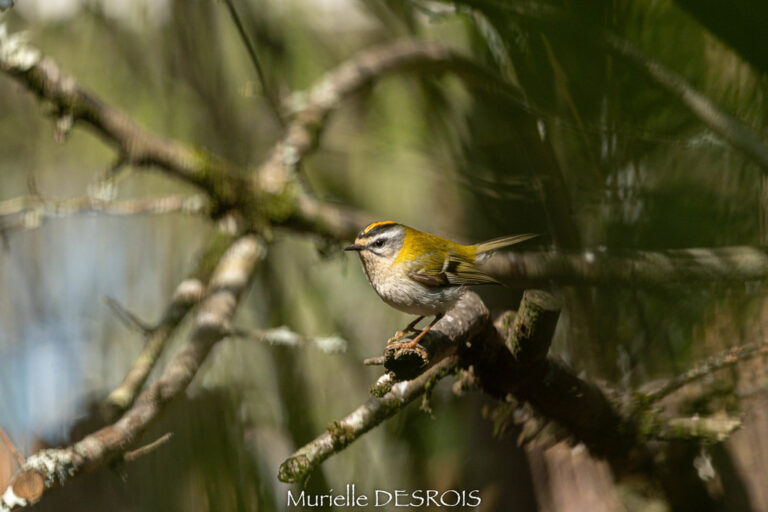
For naturalists and wildlife photographers seeking something beyond the European mainstream, Bory Tucholskie rewards patience and attention to detail. The park's habitat patchiness creates genuine opportunities to observe forest birds of prey, wetland specialists, and migratory songbirds that use these woodlands as a corridor between Scandinavian and southern breeding grounds. Light quality here is particular: the low-angled sun of early morning cuts through the pine trunks with dramatic clarity, while mist rising from bog pools in autumn creates atmospheric conditions prized by photographers. Spring brings a surge of breeding activity as migrants arrive; summer offers the extended daylight of high northern latitudes; autumn concentrates birds in preparation for migration. Access is straightforward, with marked trails threading through the forest, and the park's relatively compact size makes it manageable for focused multi-day visits. This is not a destination for casual daytrippers seeking charismatic megafauna, but rather for the serious observer willing to walk quietly through boreal forest and wetland margins, where ecological authenticity and landscape restraint hold their own profound appeal.
No community observations yet — be the first to log a sighting here.
Bory Tucholskie National Park
Strong seasonal contrast, with cold winters and warmer summers.
A year of temperatures
Monthly means, with the coldest and warmest highlighted
Terrain and elevation
141 m · LowlandAverage terrain elevation estimate across the hotspot; the figure does not represent its highest summits.
Lowland