Average annual temperature
9.6 °C
Average of the twelve monthly means
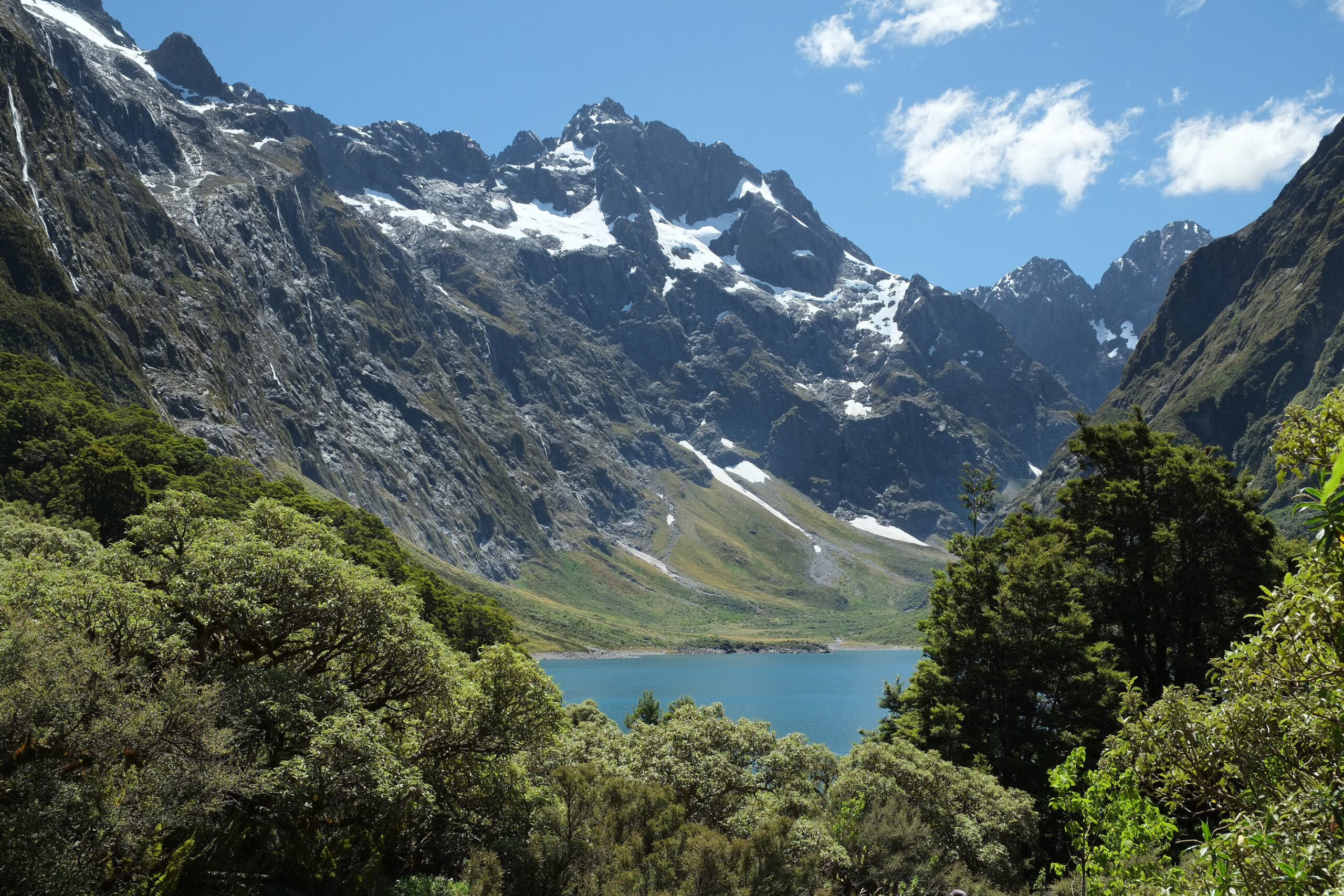
Fiordland National Park
Photo © Pseudopanax at English Wikipedia
Photo © Pseudopanax at English Wikipedia — CC0 1.0 — Source: Wikidata / Wikimedia Commons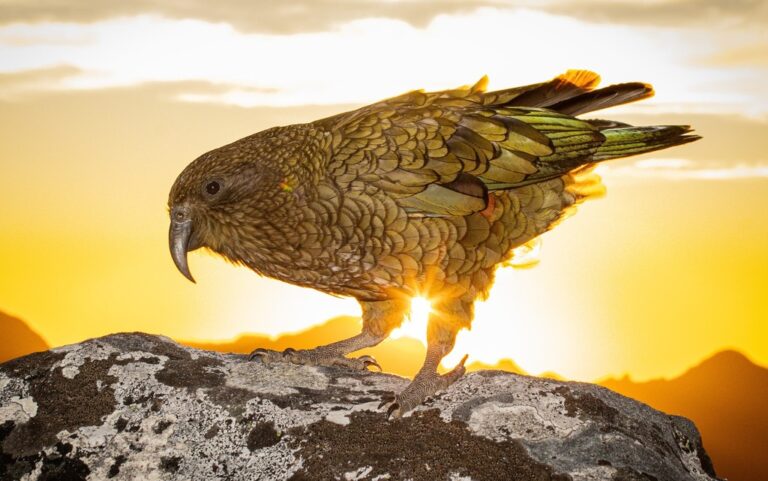
Nestor notabilis
♥
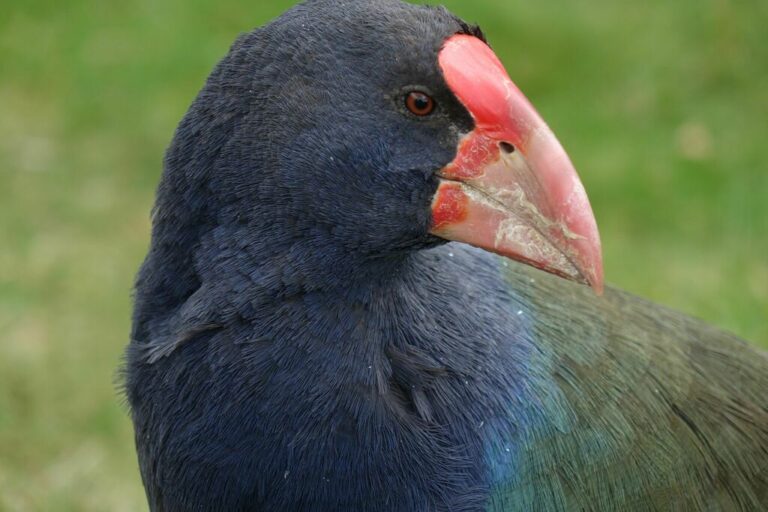
Porphyrio hochstetteri
♥
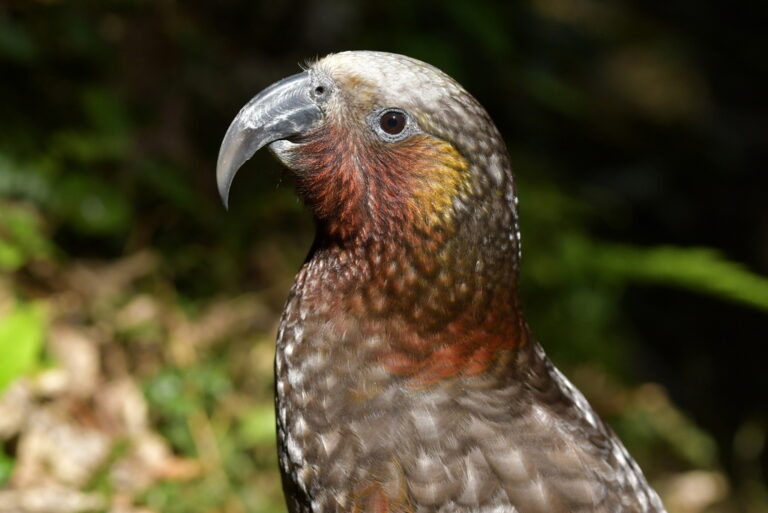
Nestor meridionalis
♥
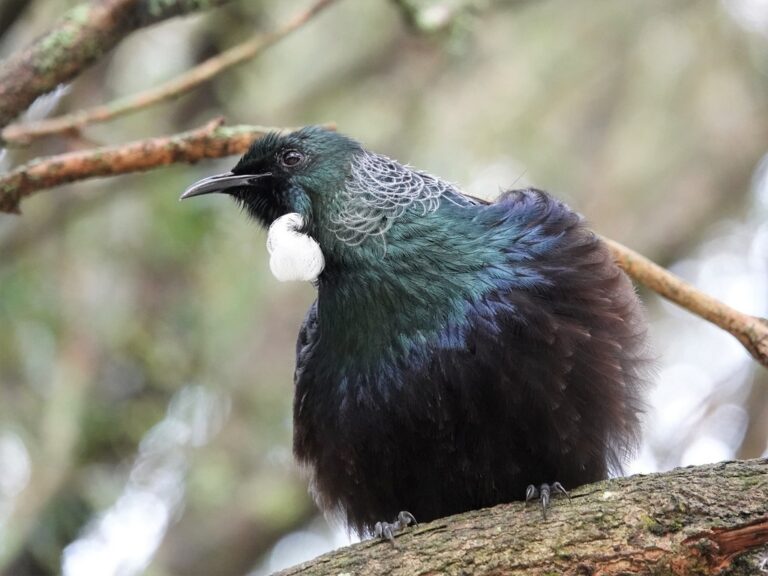
Prosthemadera novaeseelandiae
♥
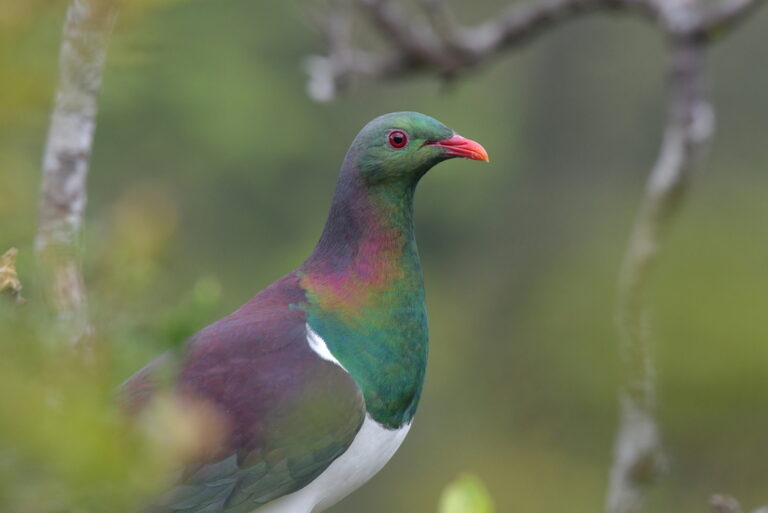
Hemiphaga novaeseelandiae
♥
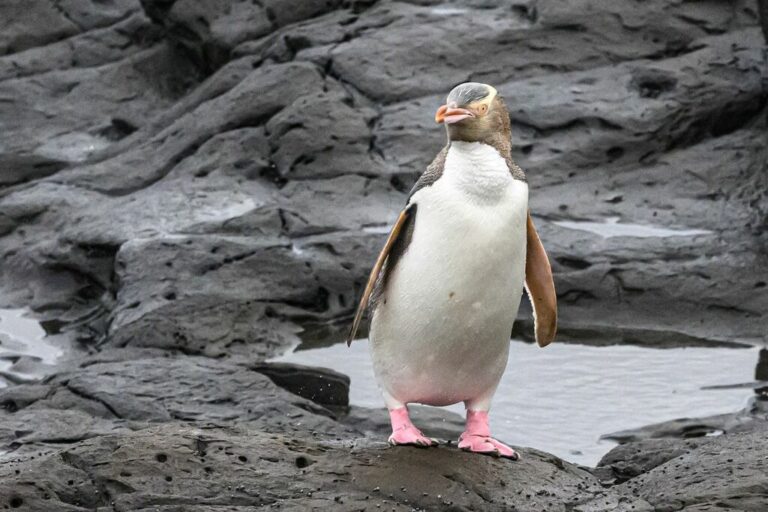
Megadyptes antipodes
♥
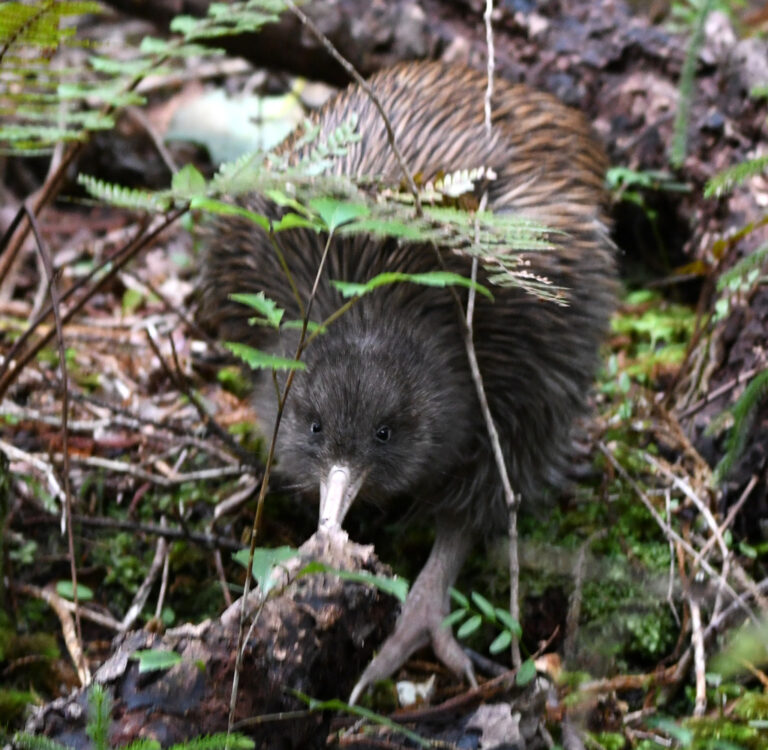
Apteryx australis
♥
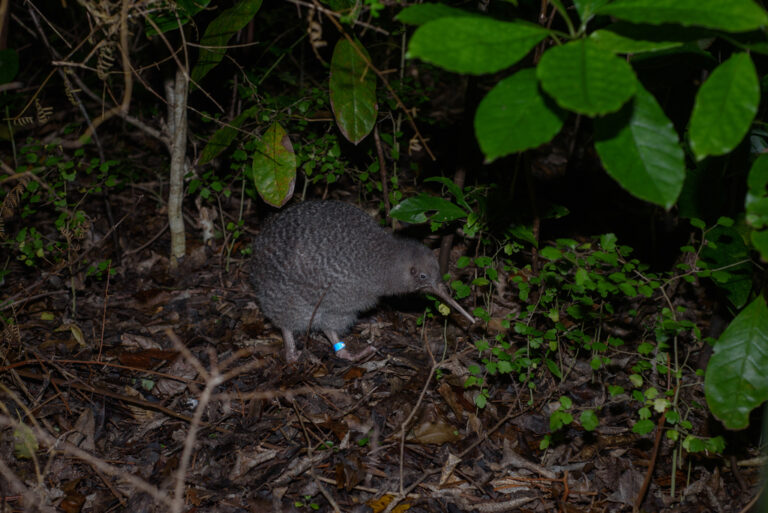
Apteryx owenii
♥
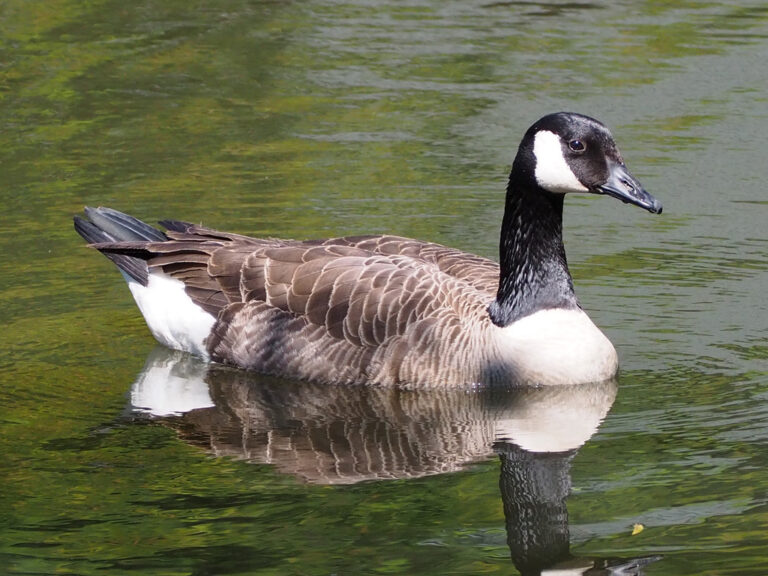
Branta canadensis
♥
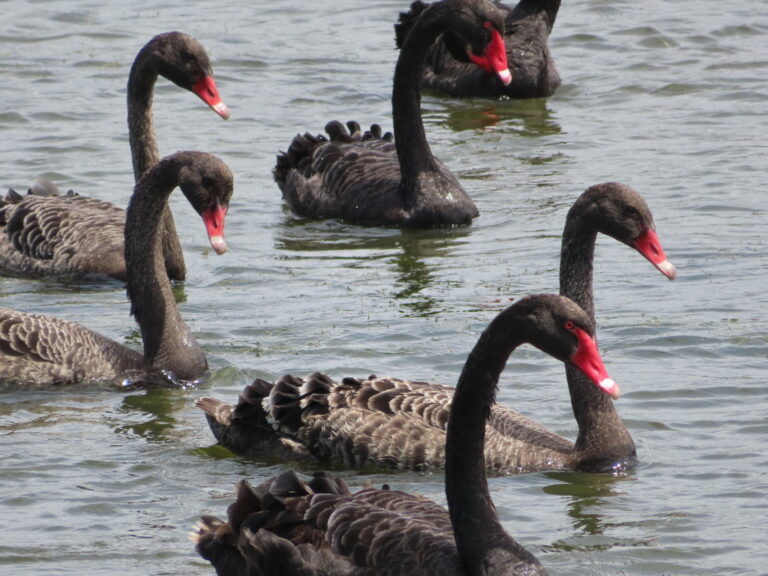
Cygnus atratus
♥
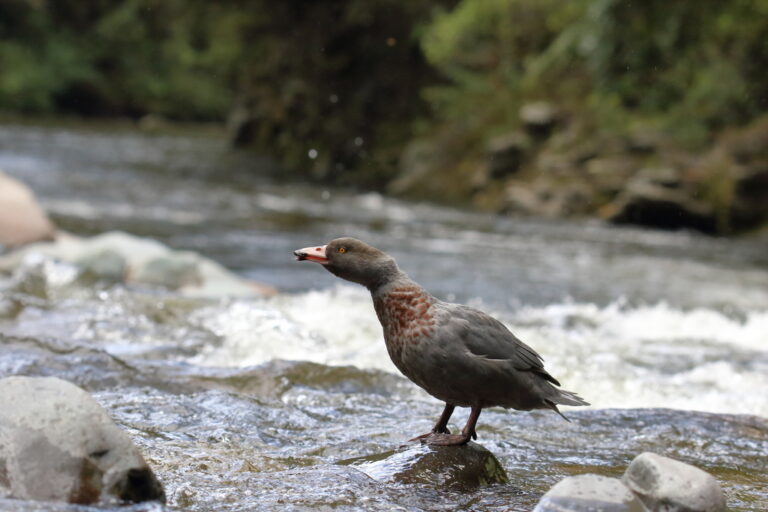
Hymenolaimus malacorhynchos
♥
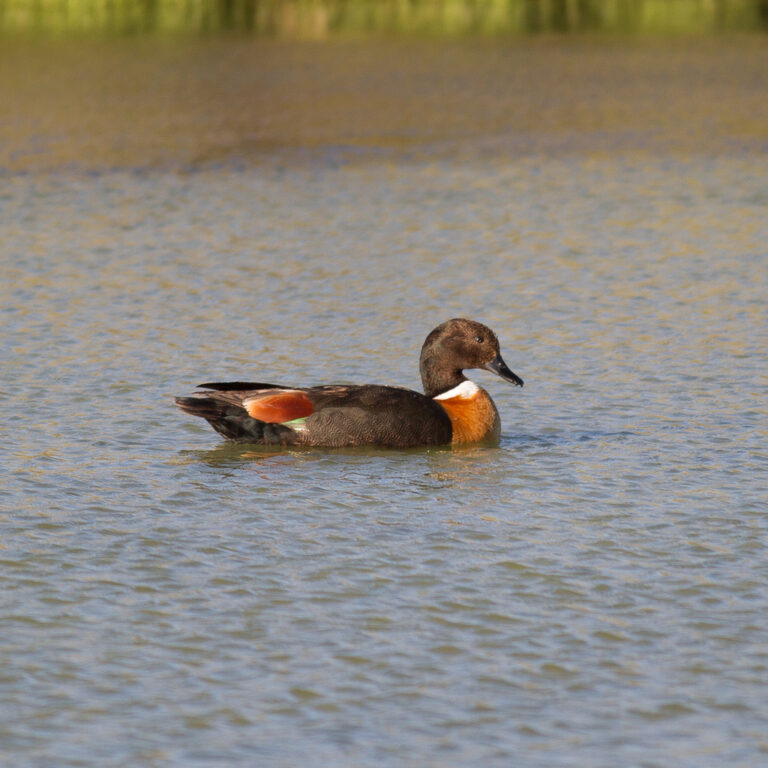
Tadorna tadornoides
♥
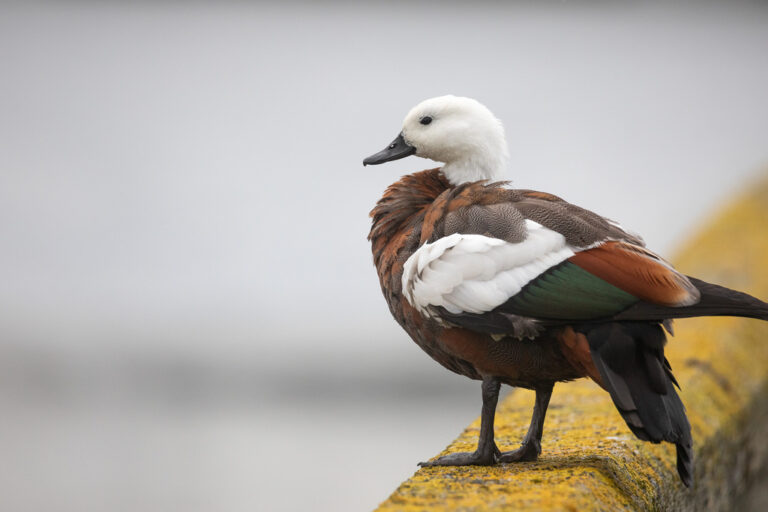
Tadorna variegata
♥
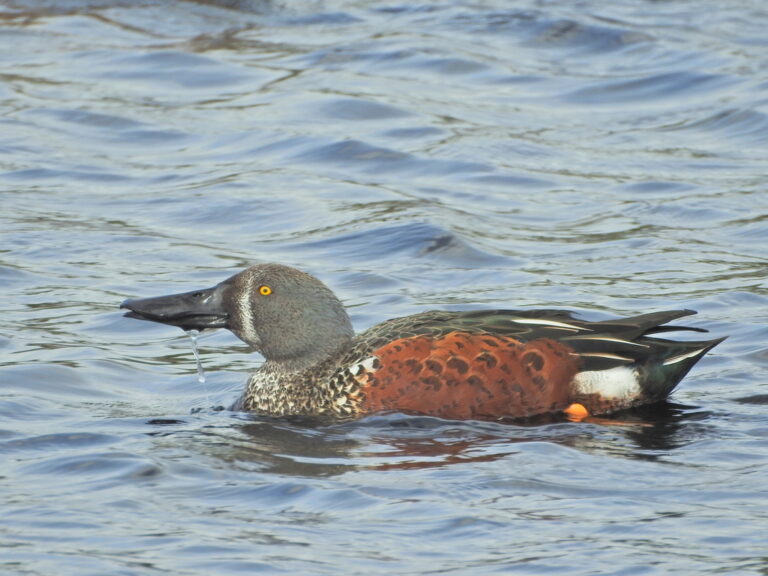
Spatula rhynchotis
♥
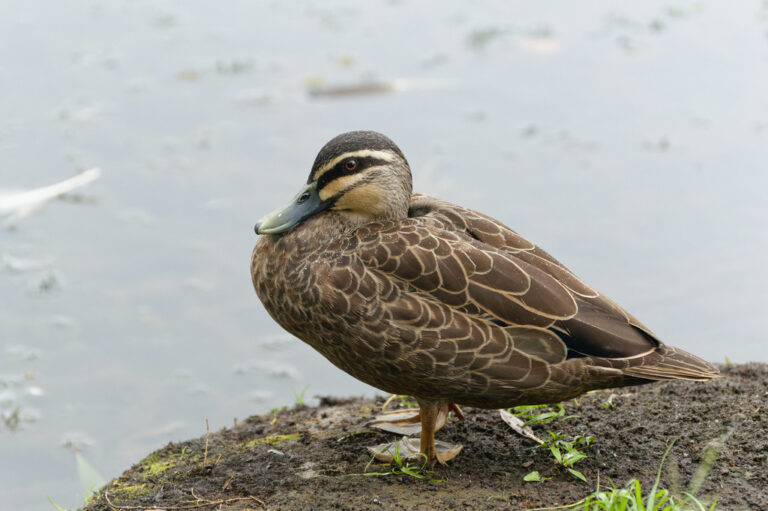
Anas superciliosa
♥
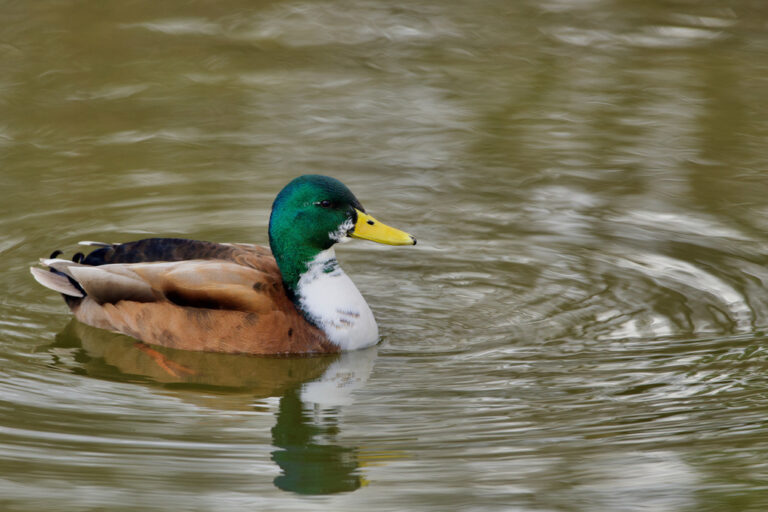
Anas platyrhynchos
♥
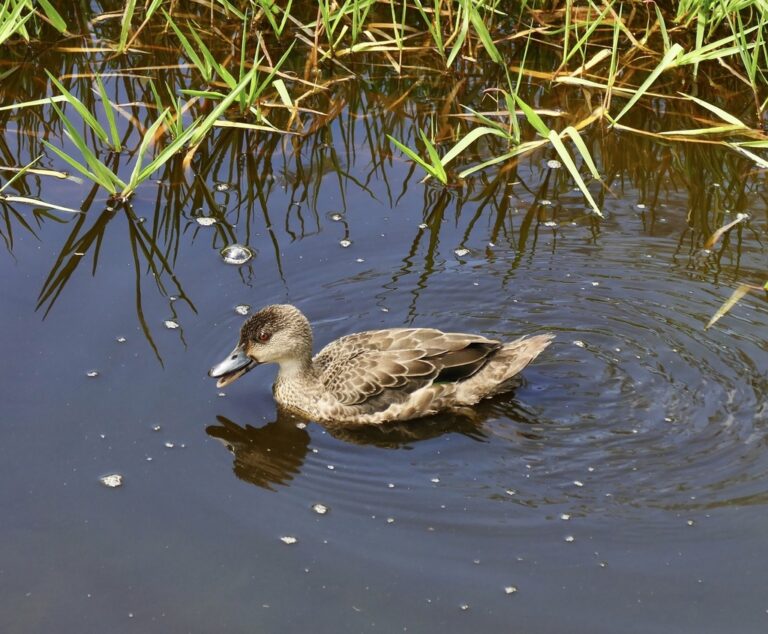
Anas gracilis
♥
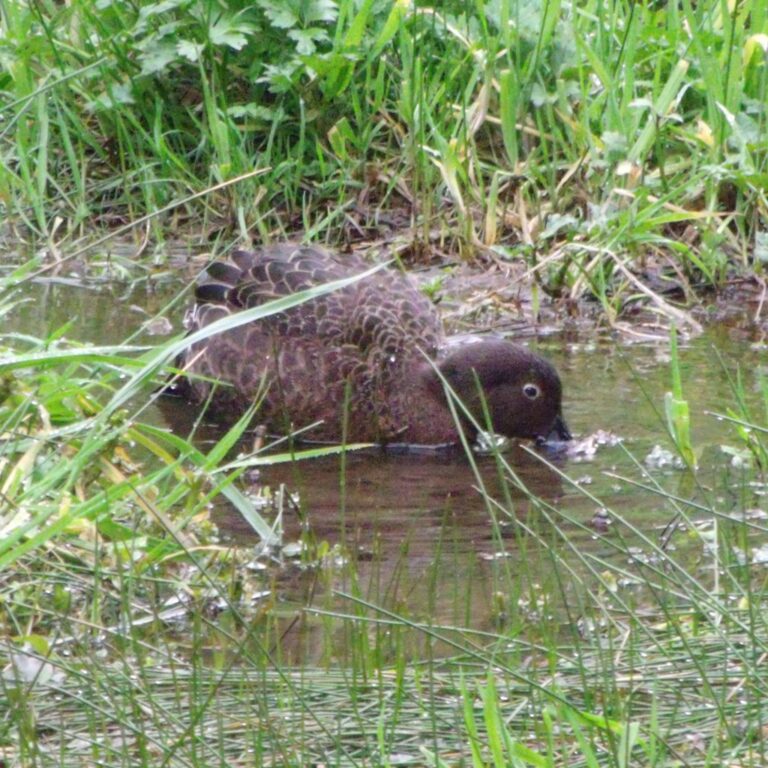
Anas chlorotis
♥
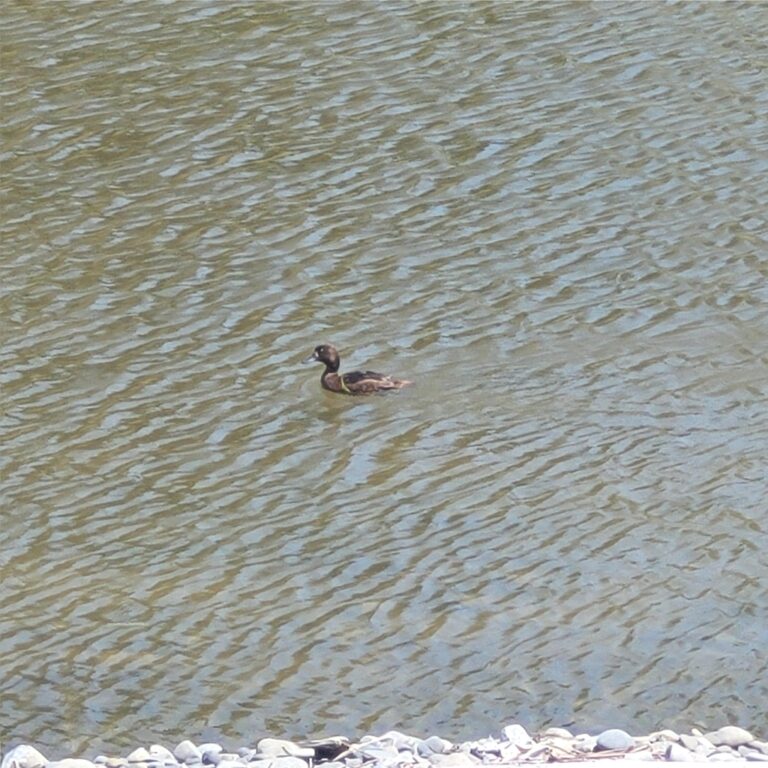
Aythya novaeseelandiae
♥
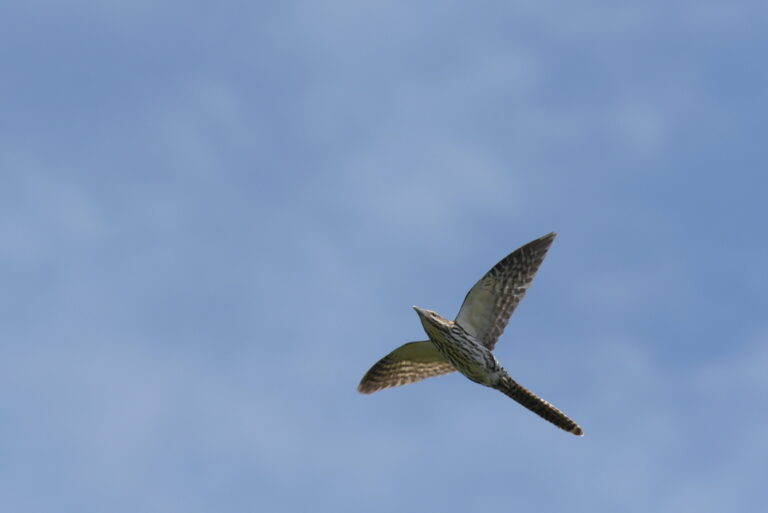
Urodynamis taitensis
♥
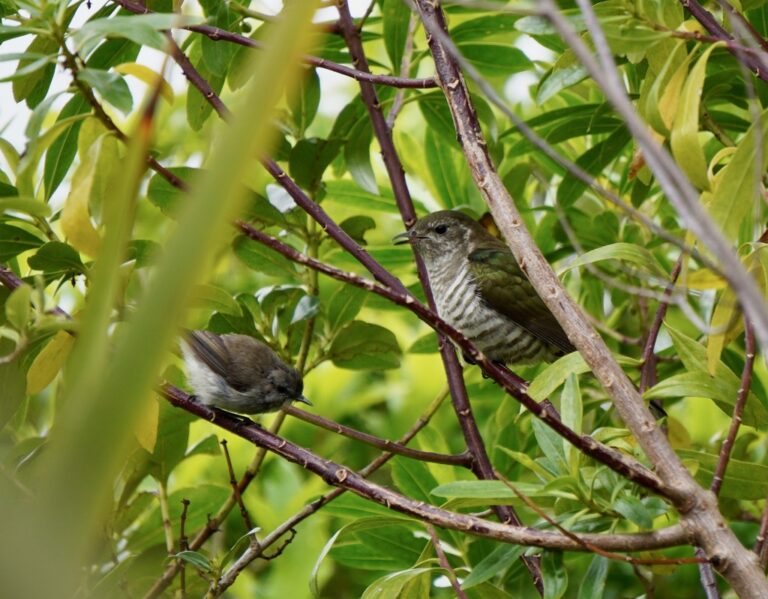
Chalcites lucidus
♥
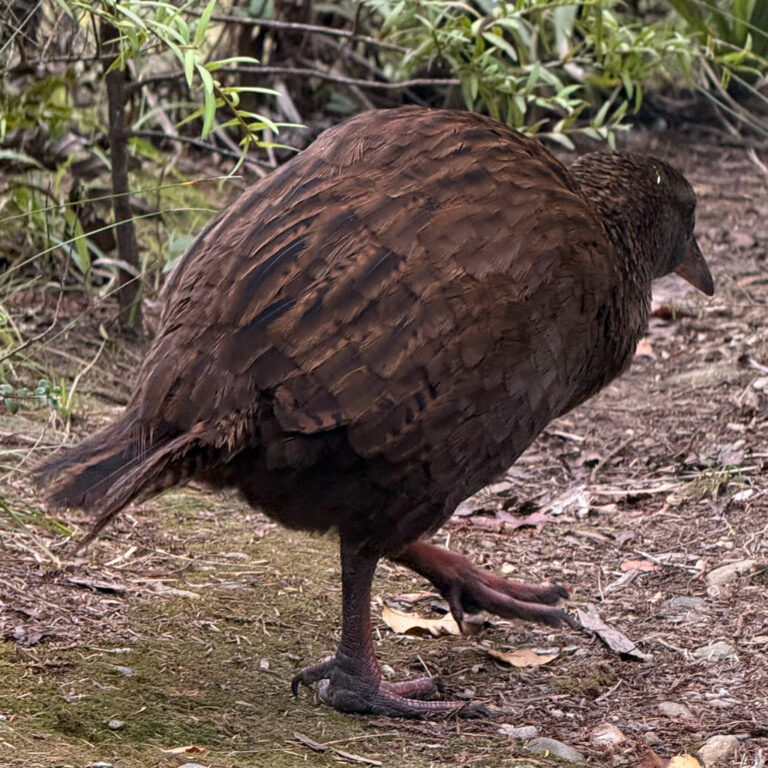
Gallirallus australis
♥
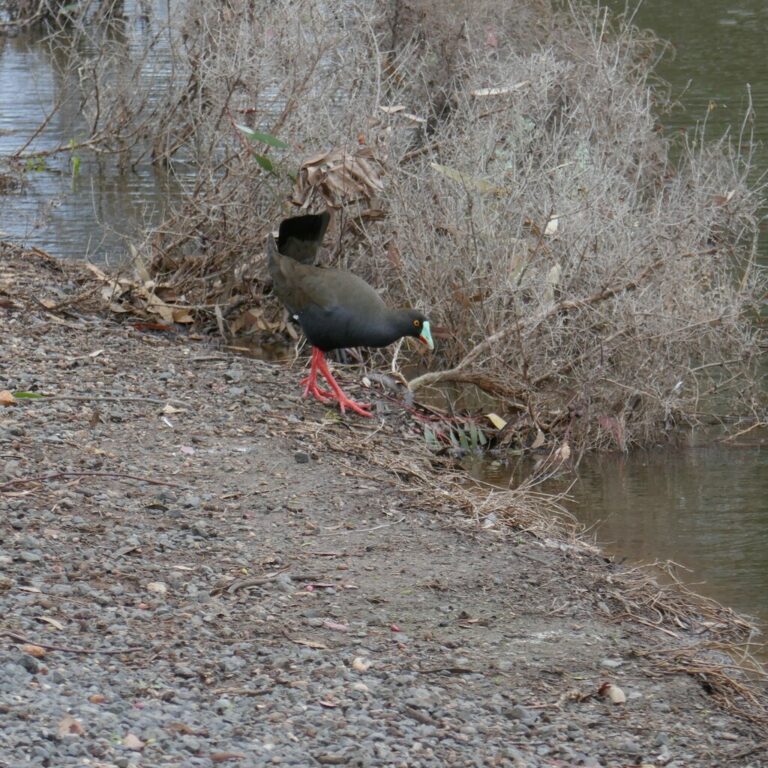
Tribonyx ventralis
♥
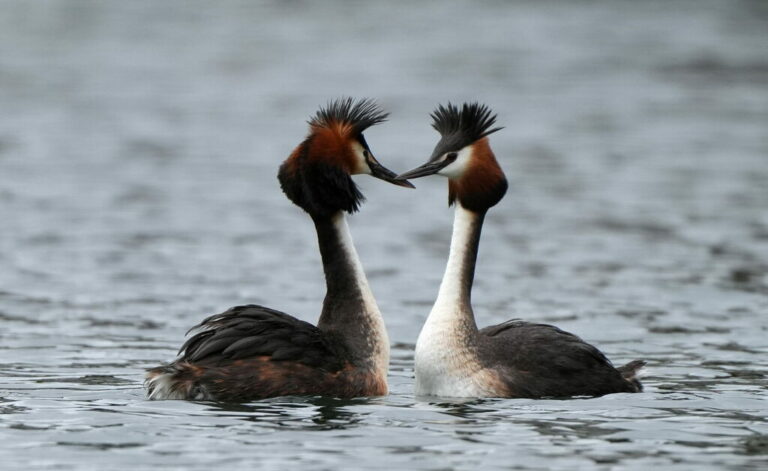
Podiceps cristatus
♥
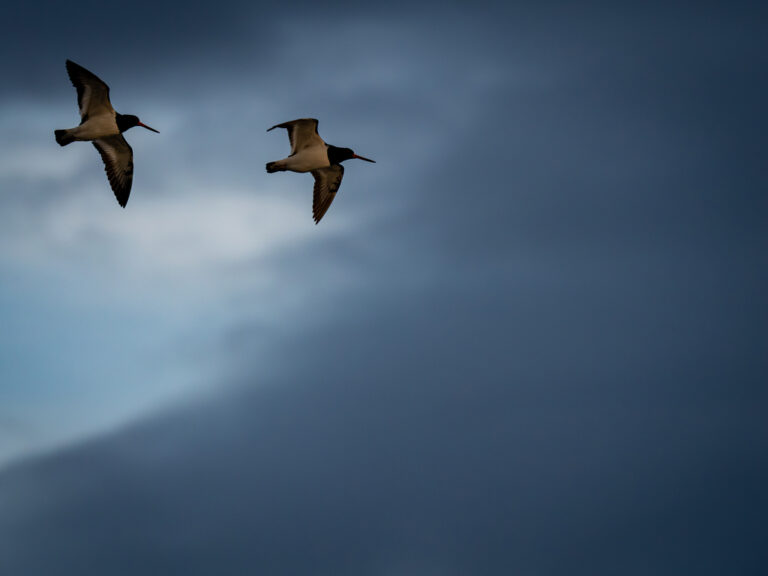
Haematopus finschi
♥
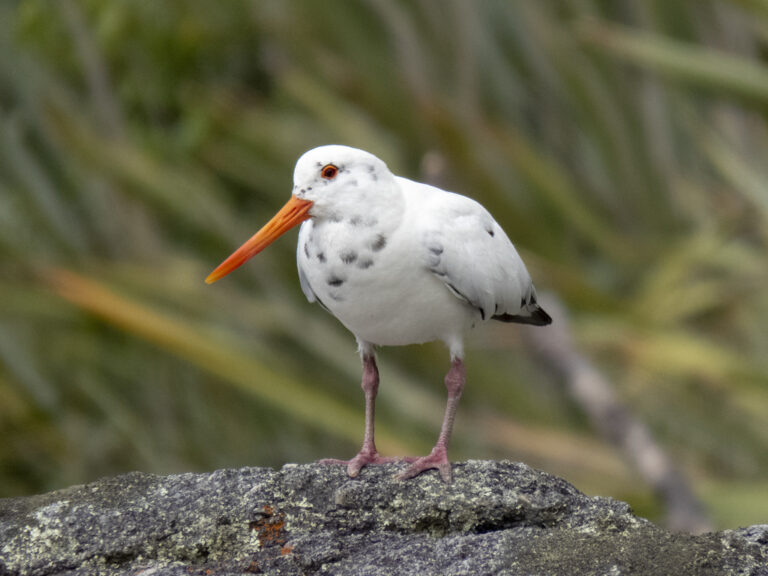
Haematopus unicolor
♥
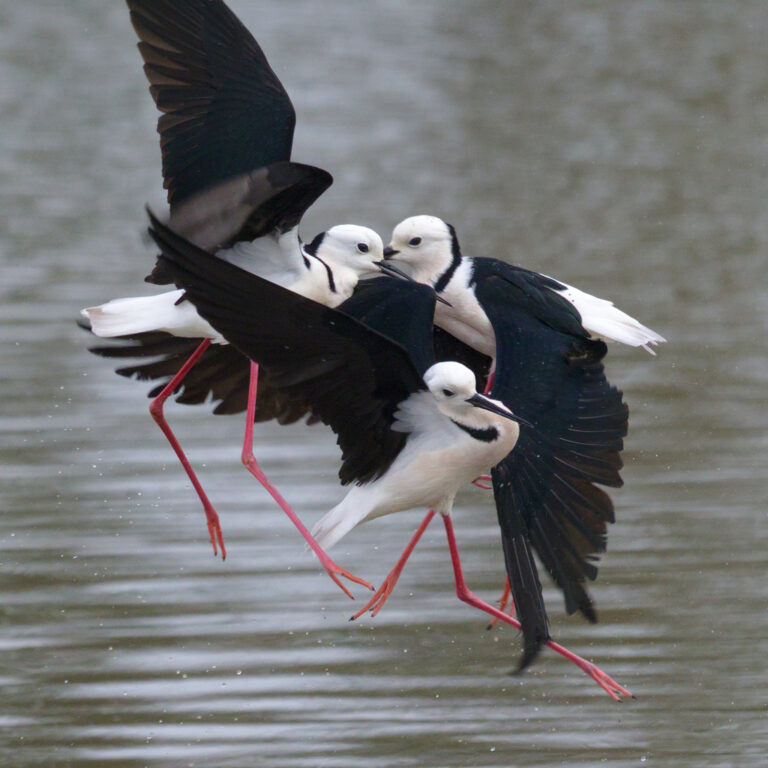
Himantopus leucocephalus
♥
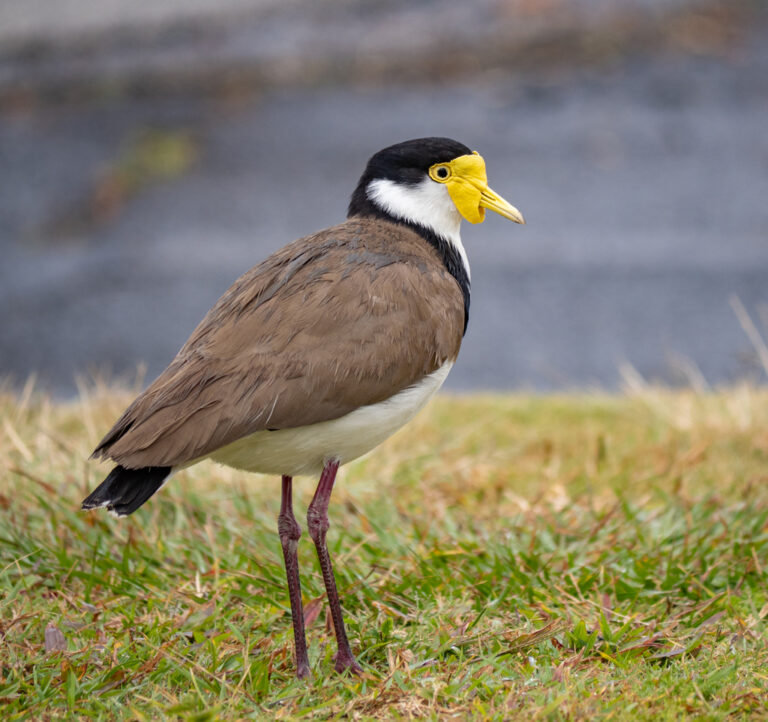
Vanellus miles
♥
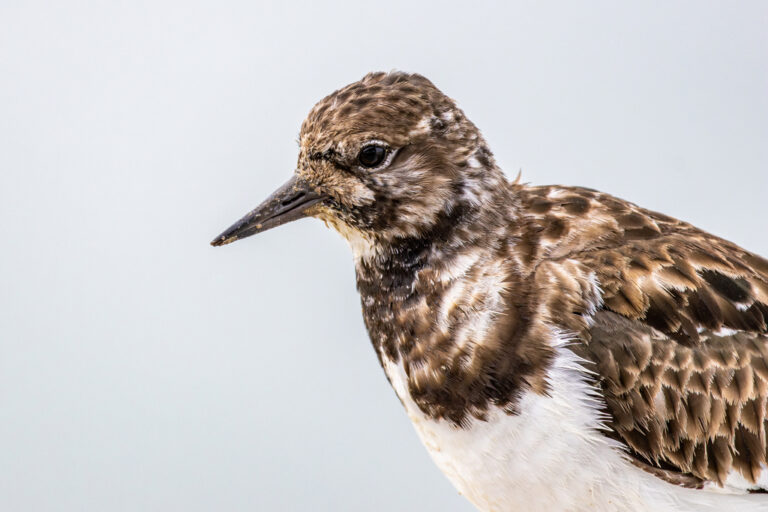
Arenaria interpres
♥
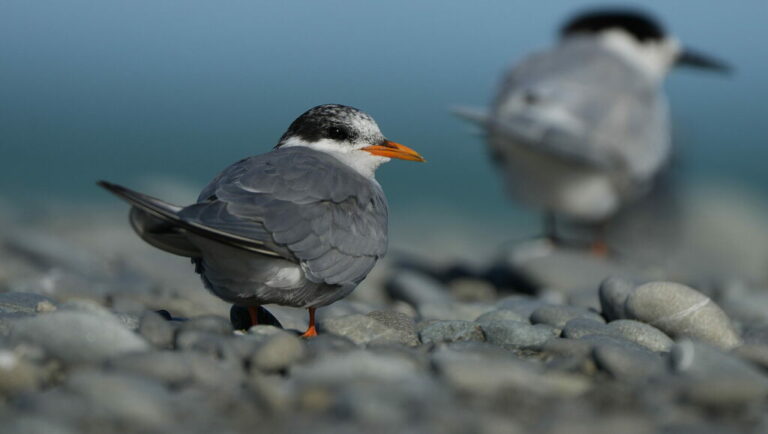
Chlidonias albostriatus
♥
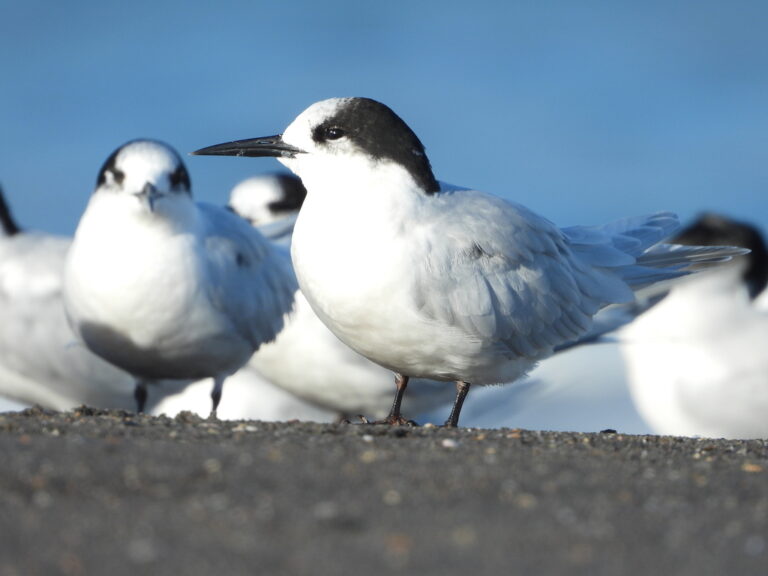
Sterna striata
♥
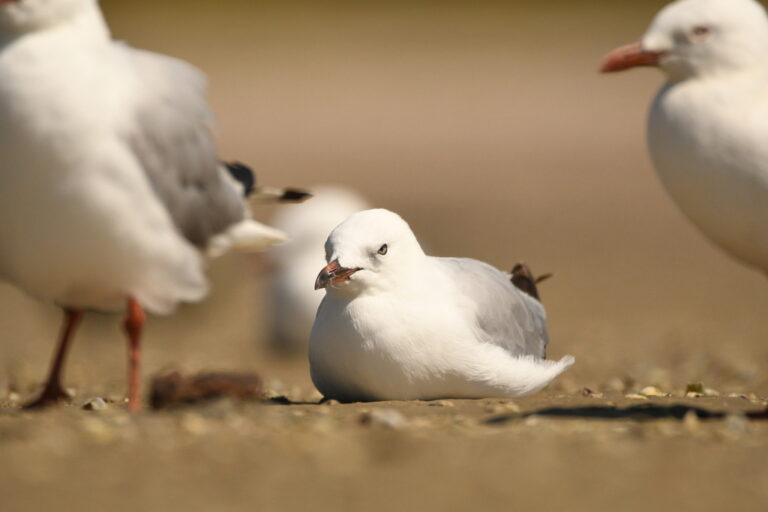
Chroicocephalus novaehollandiae
♥
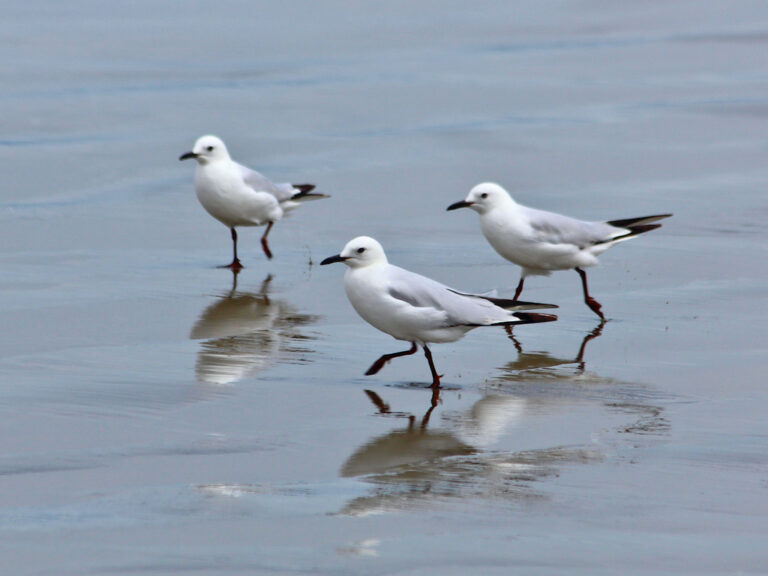
Chroicocephalus bulleri
♥
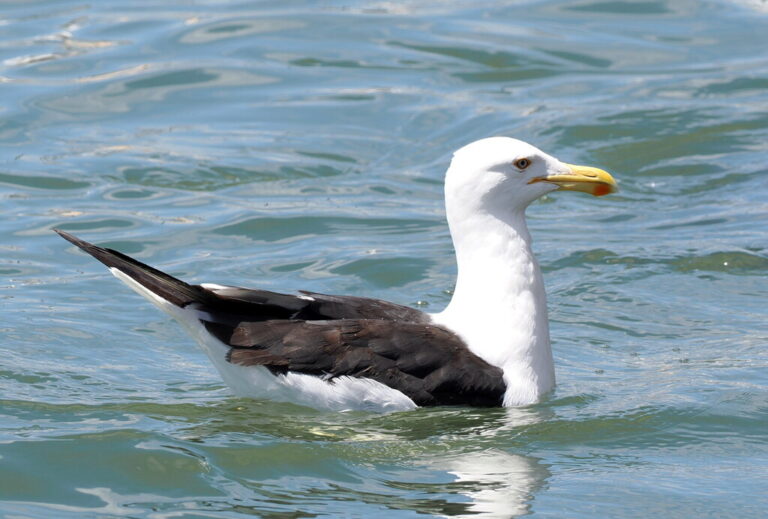
Larus dominicanus
♥
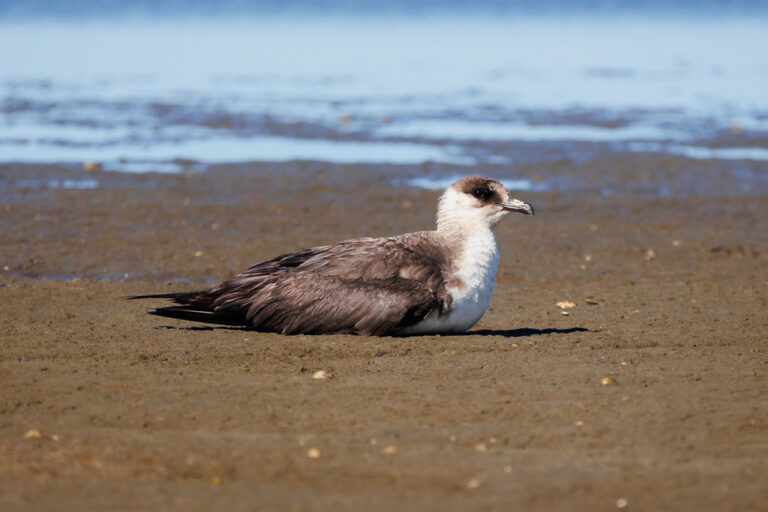
Stercorarius parasiticus
♥
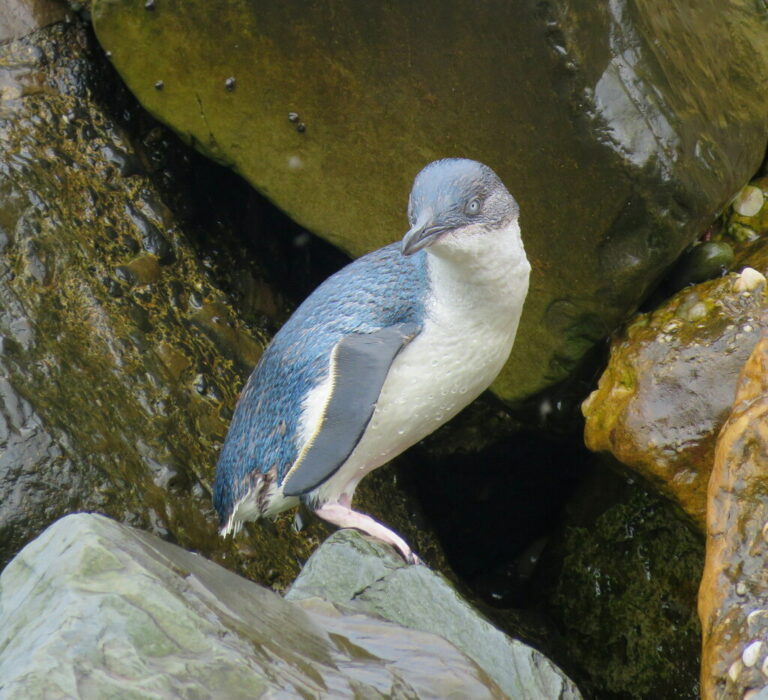
Eudyptula minor
♥
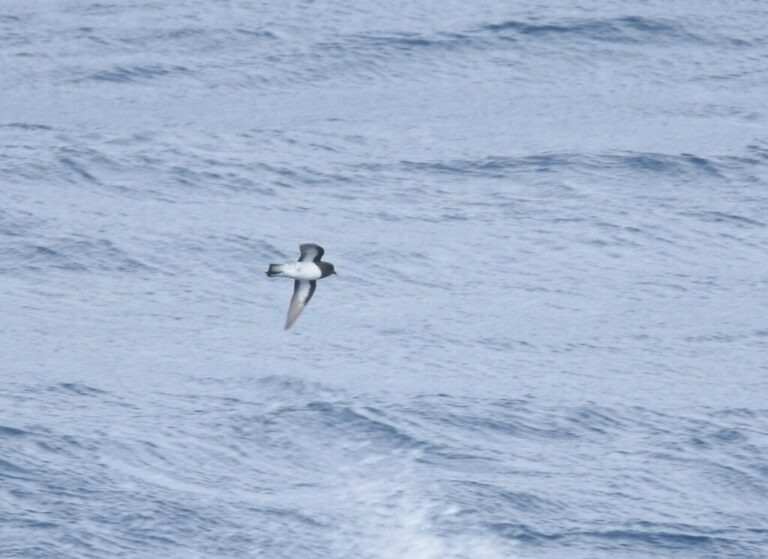
Garrodia nereis
♥
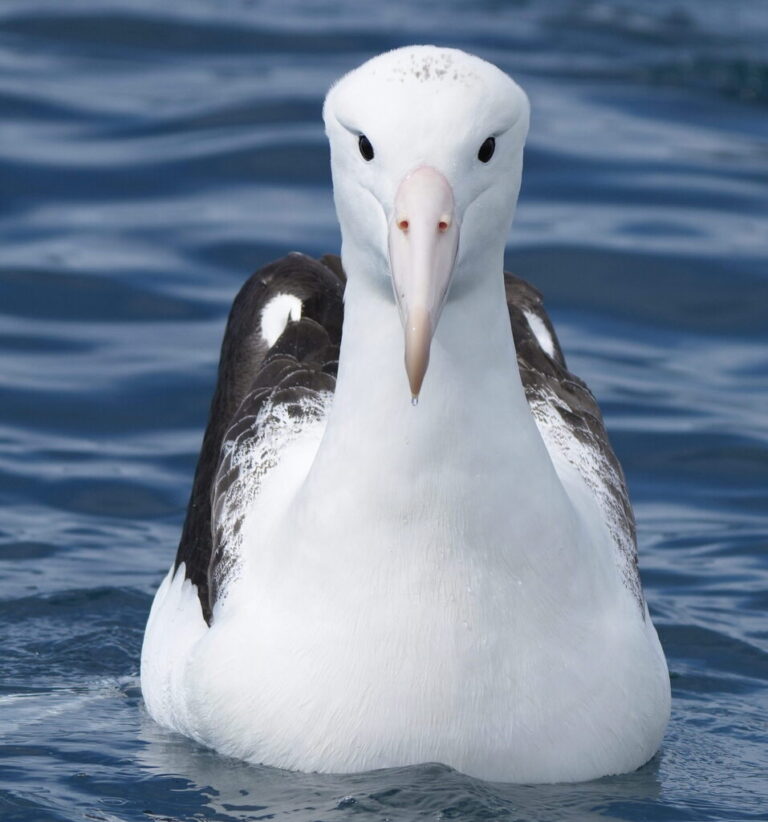
Diomedea sanfordi
♥
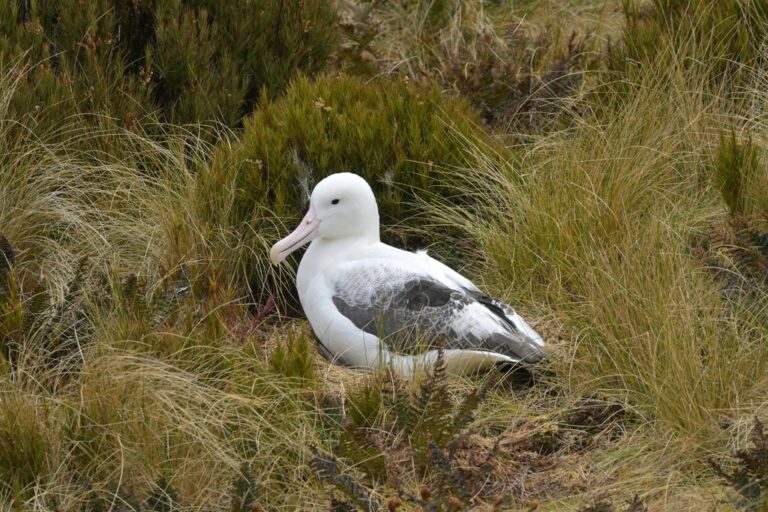
Diomedea epomophora
♥
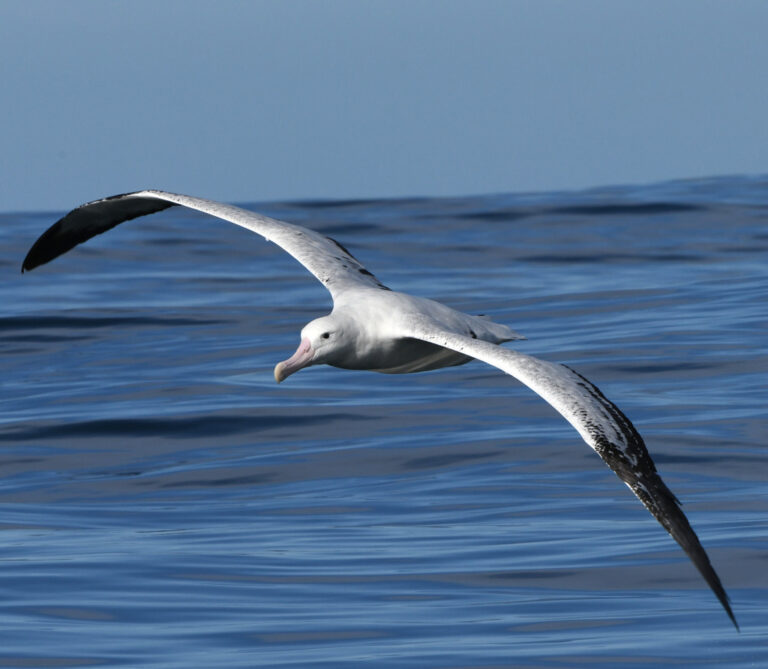
Diomedea antipodensis
♥
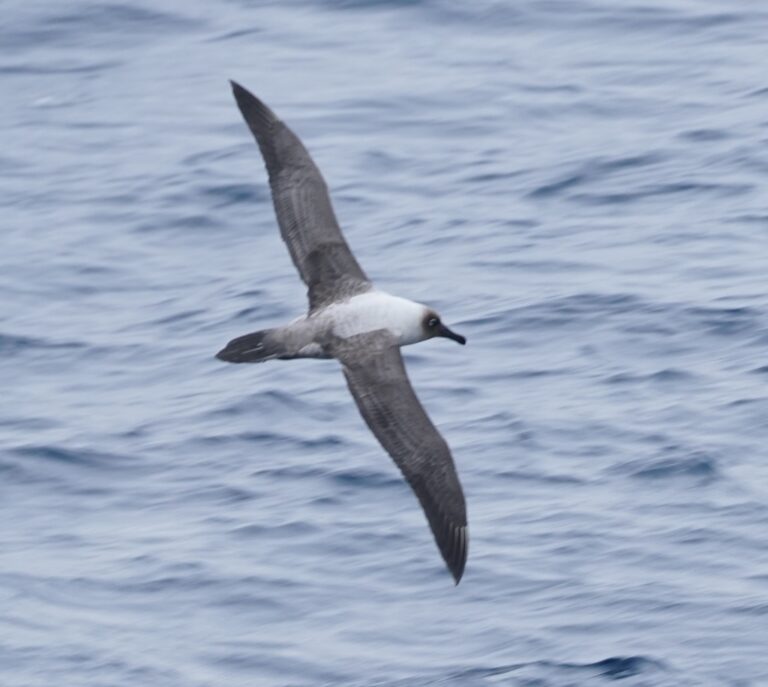
Phoebetria palpebrata
♥
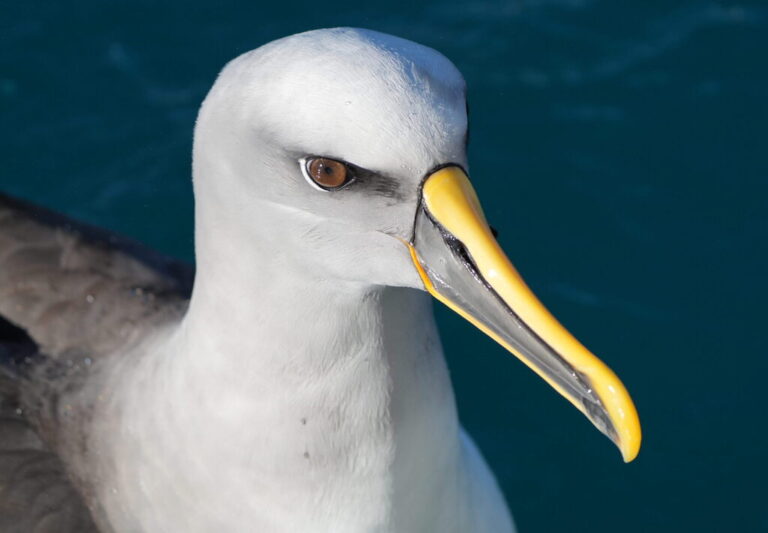
Thalassarche bulleri
♥
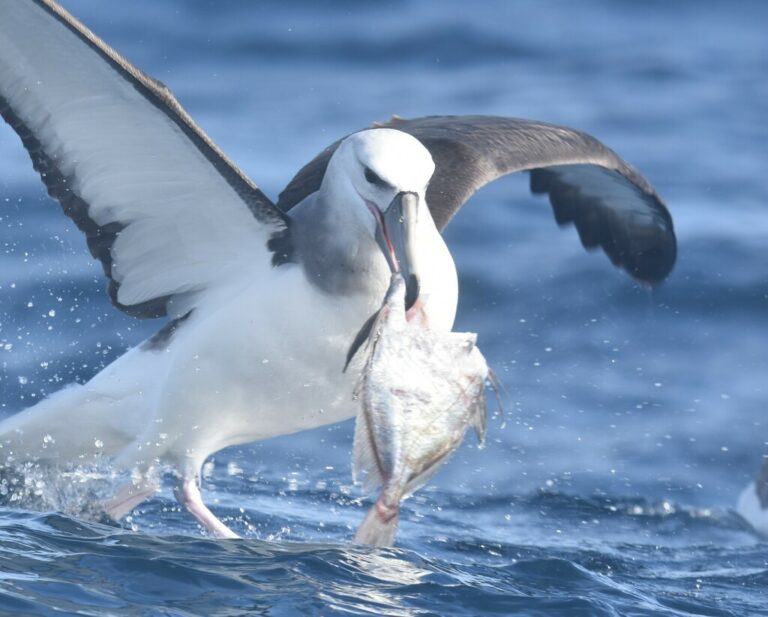
Thalassarche cauta
♥
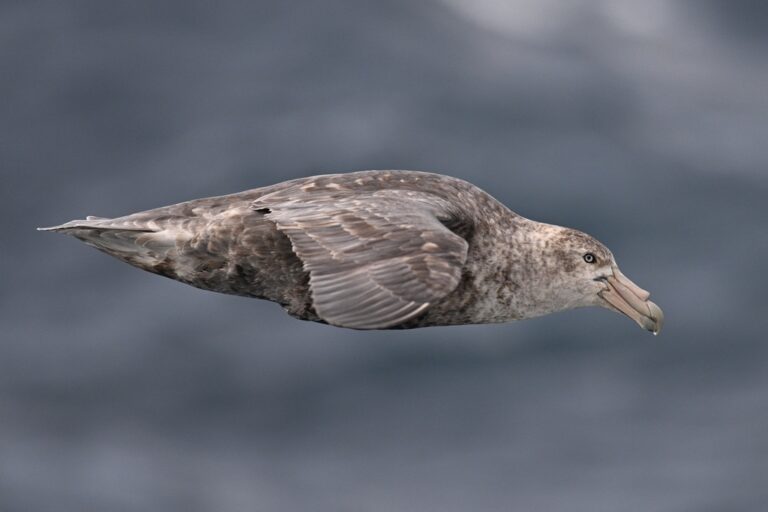
Macronectes giganteus
♥
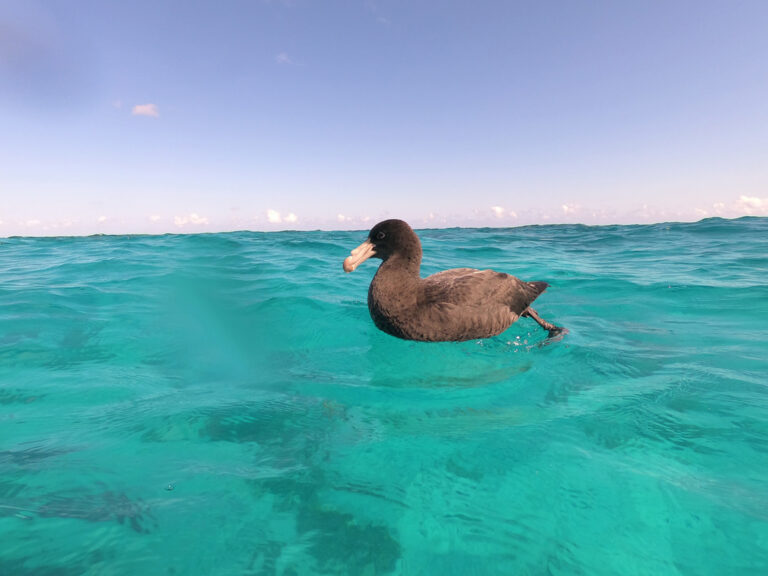
Macronectes halli
♥
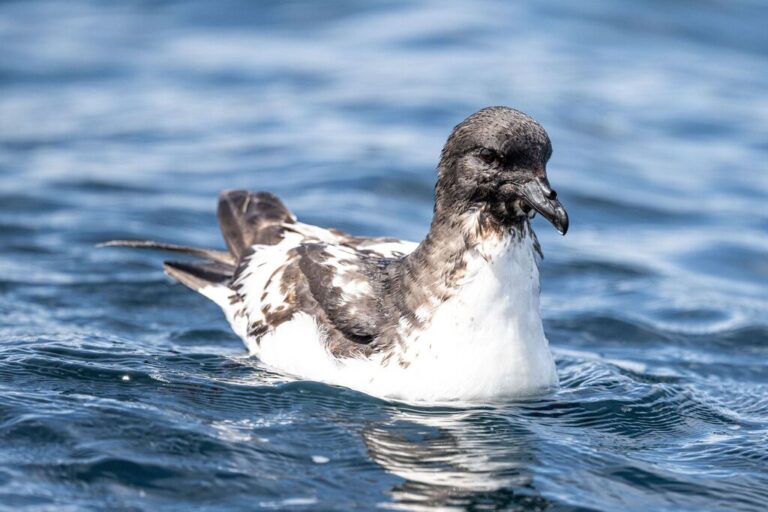
Daption capense
♥
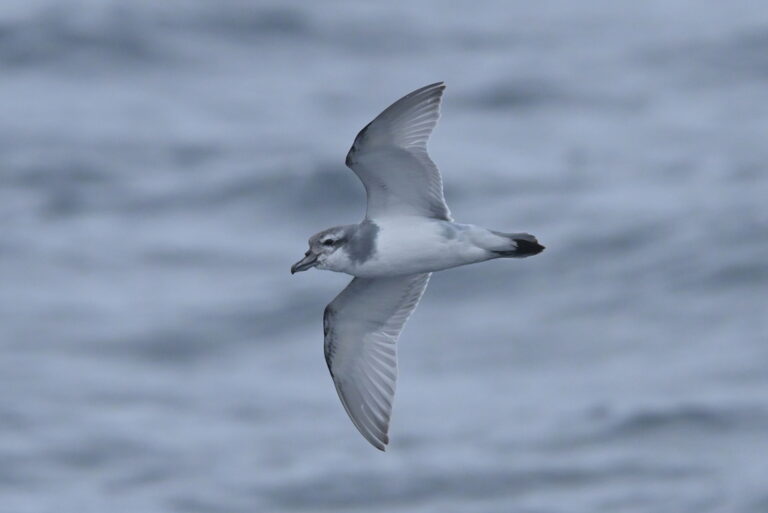
Pachyptila vittata
♥
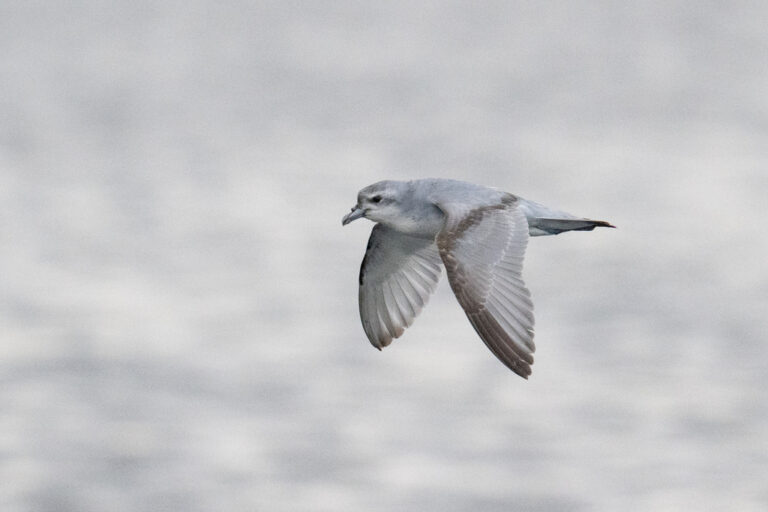
Pachyptila turtur
♥
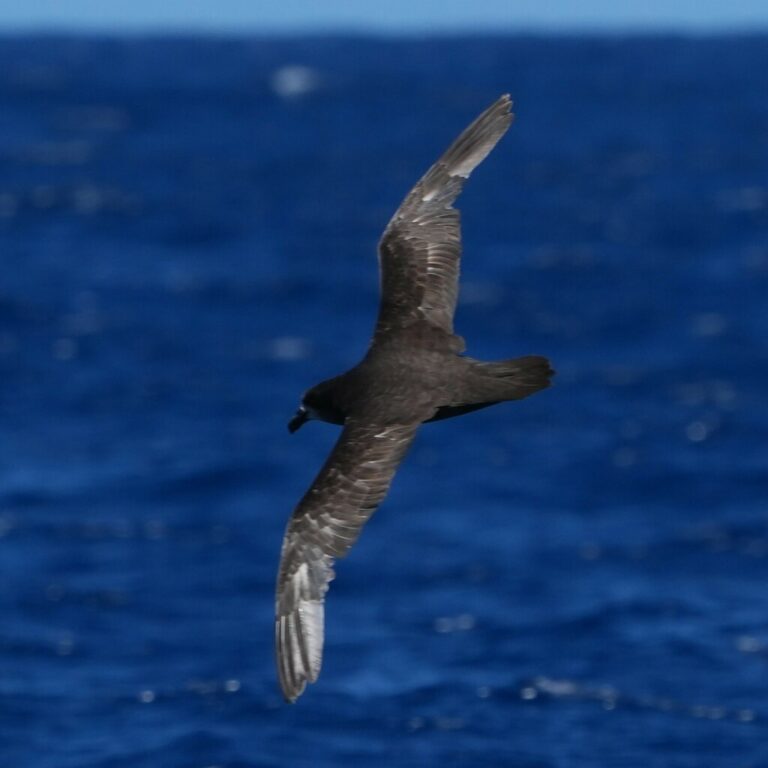
Pterodroma gouldi
♥
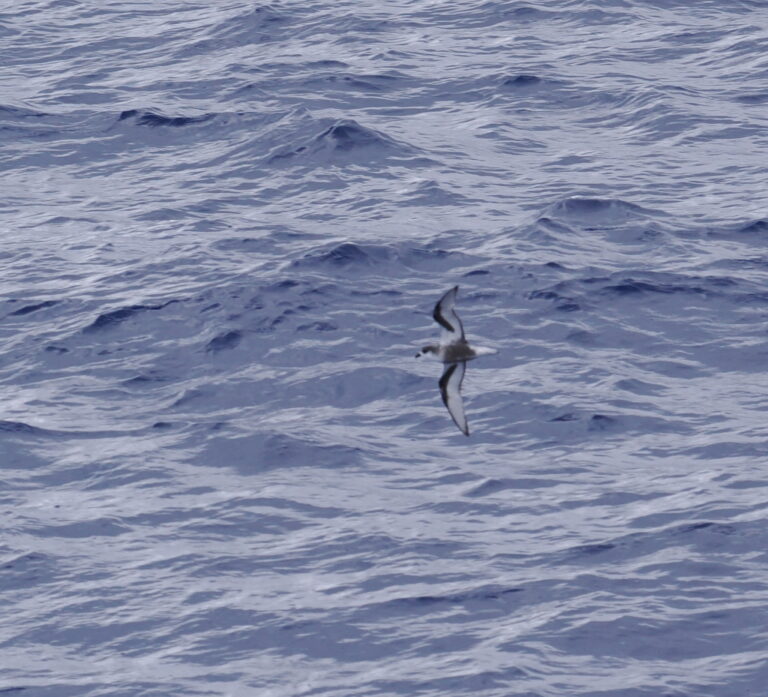
Pterodroma inexpectata
♥
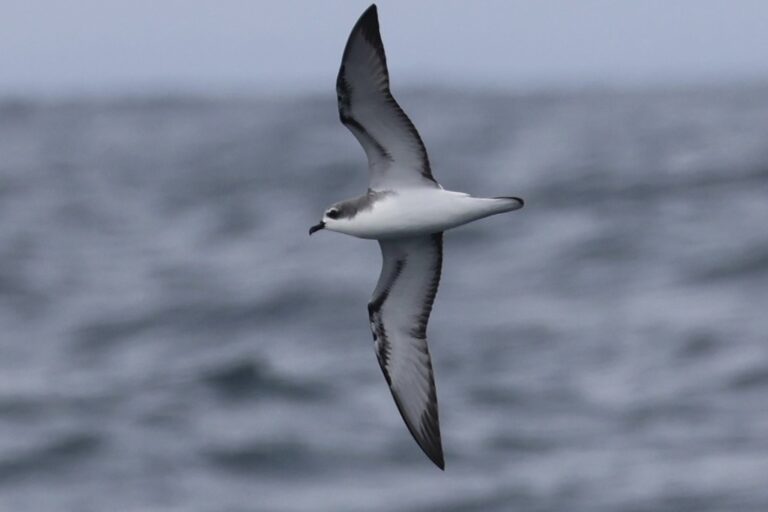
Pterodroma cookii
♥
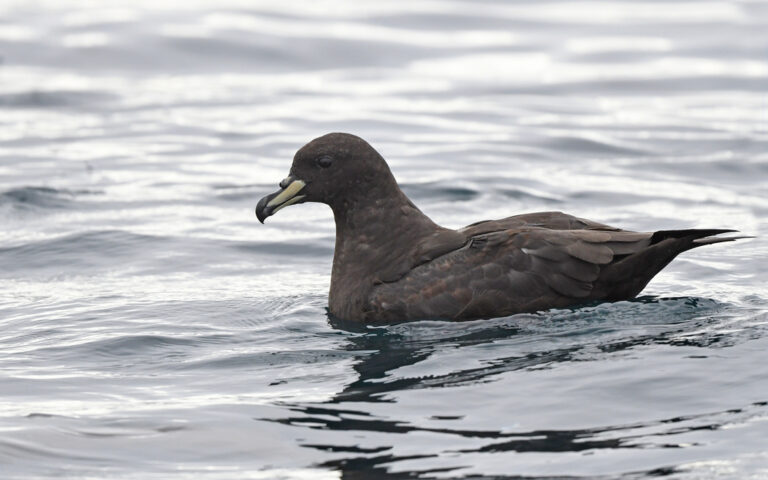
Procellaria westlandica
♥
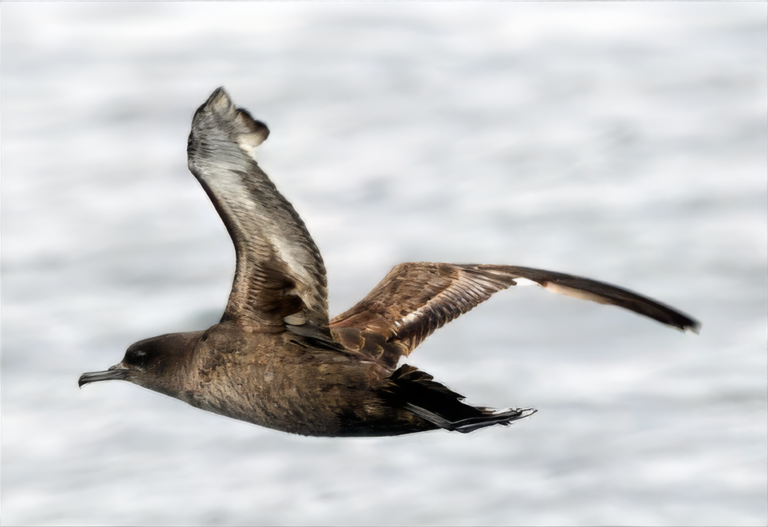
Ardenna grisea
♥
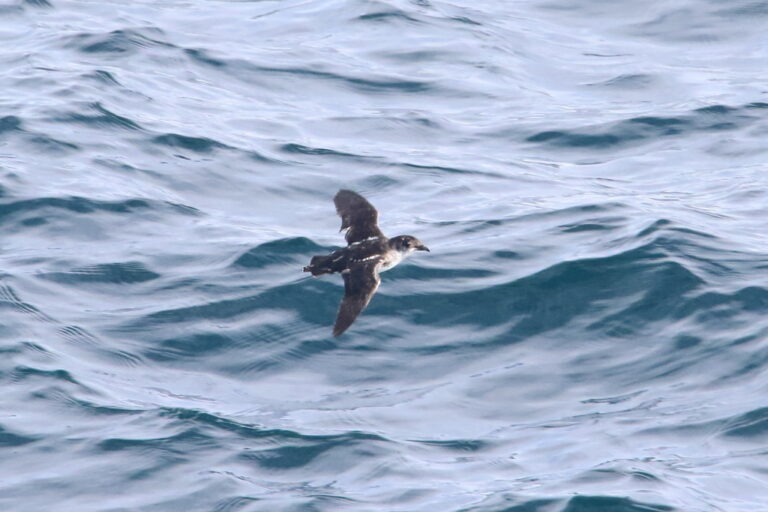
Pelecanoides urinatrix
♥
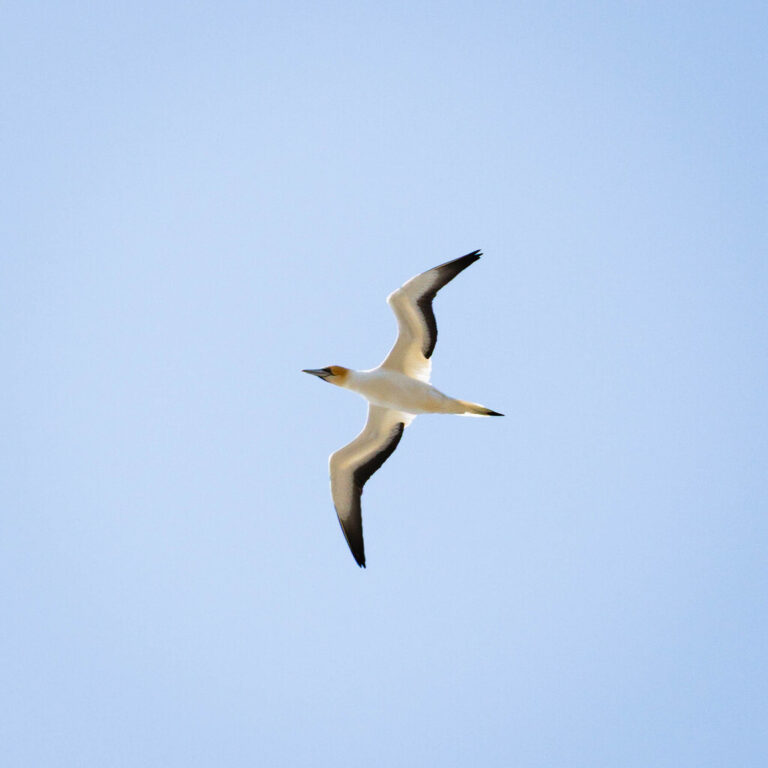
Morus serrator
♥
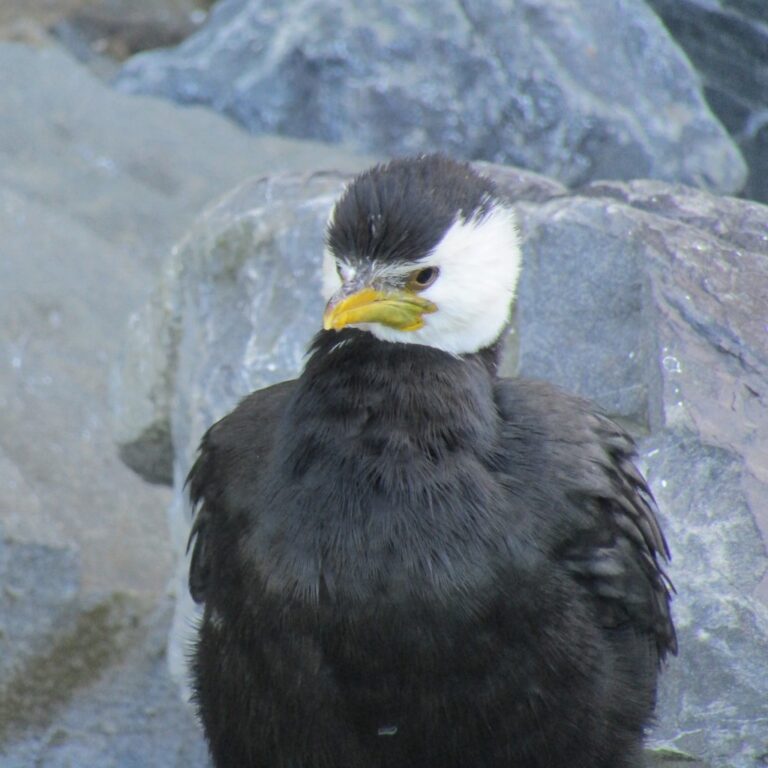
Microcarbo melanoleucos
♥
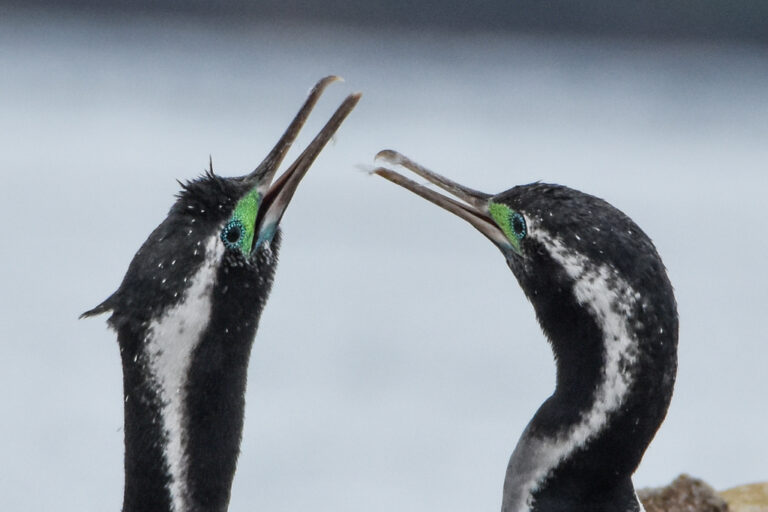
Phalacrocorax punctatus
♥
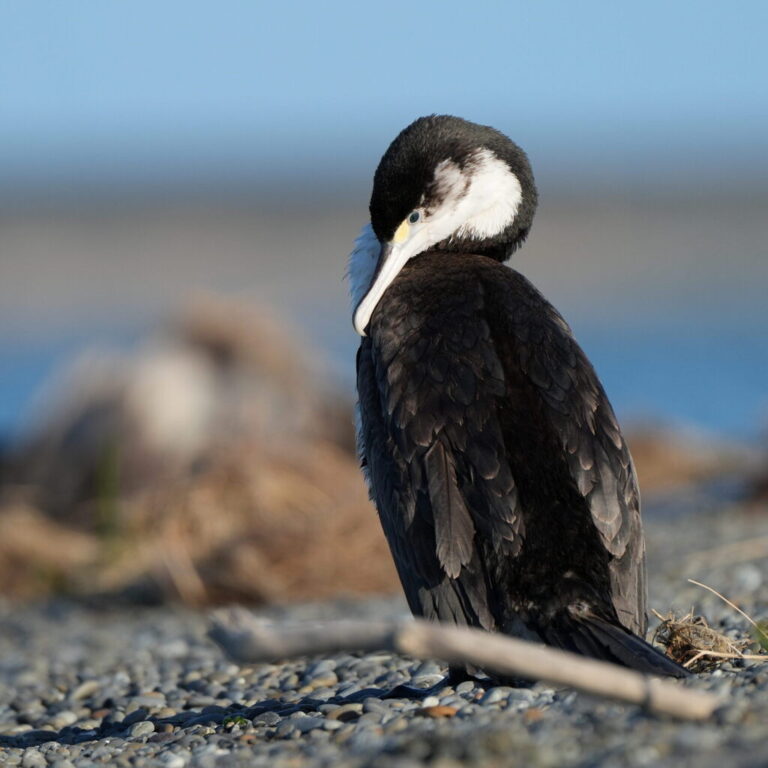
Phalacrocorax varius
♥
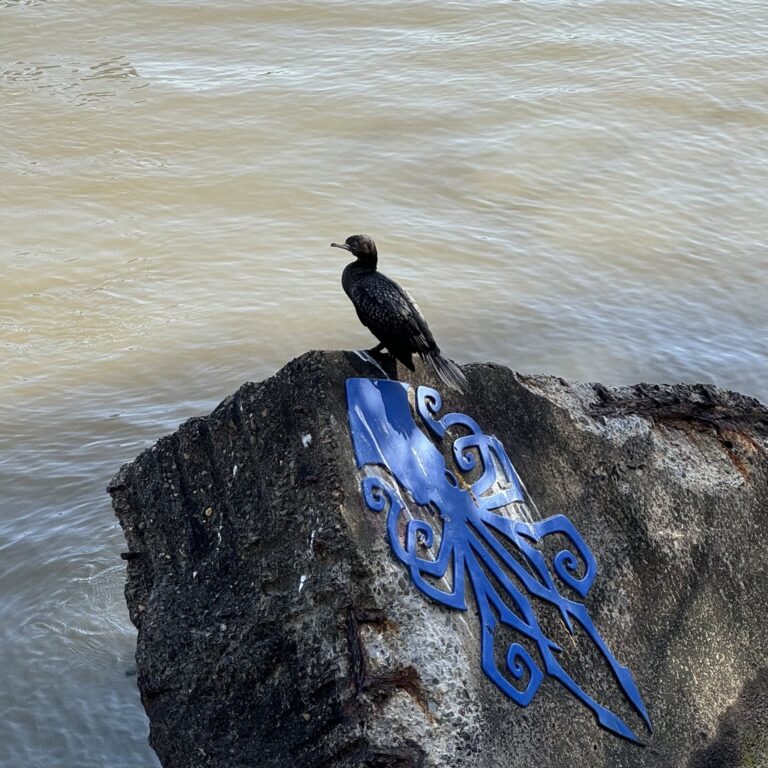
Phalacrocorax sulcirostris
♥
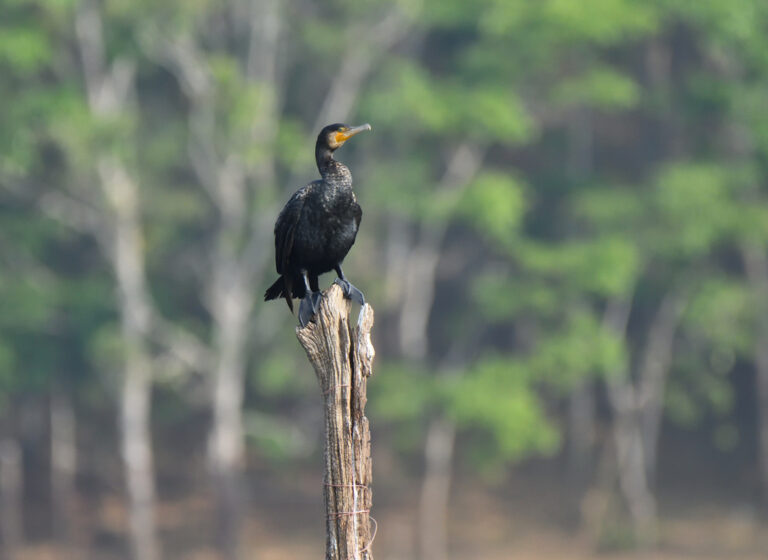
Phalacrocorax carbo
♥
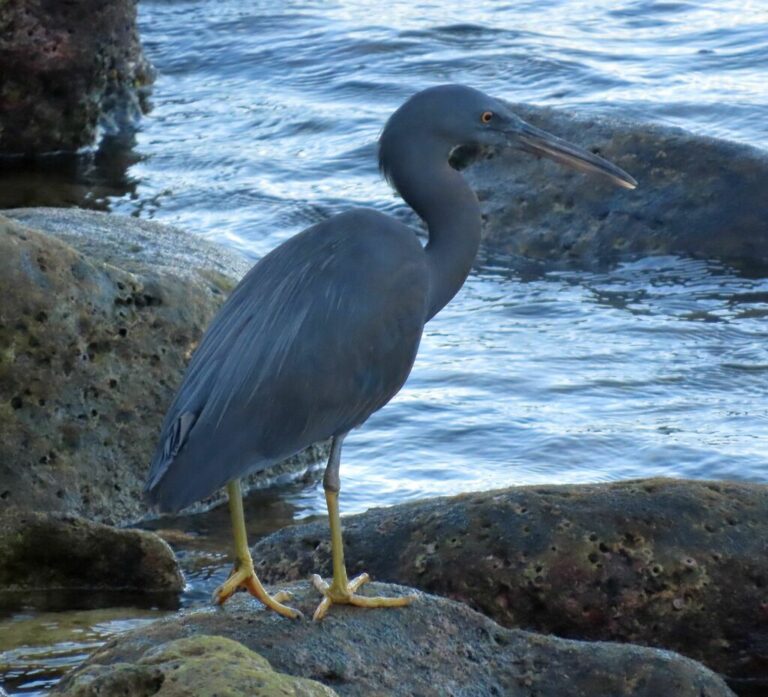
Egretta sacra
♥
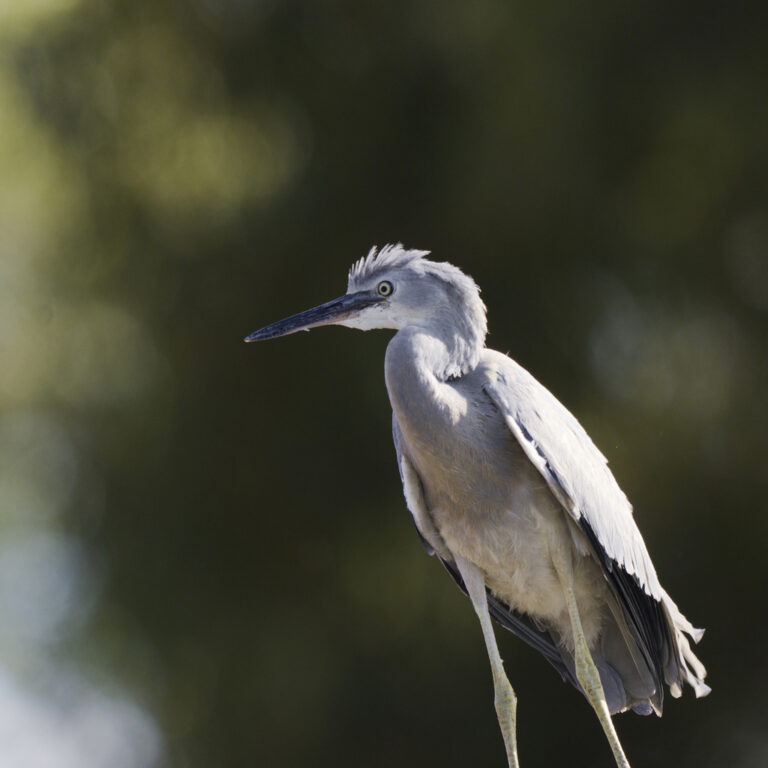
Egretta novaehollandiae
♥
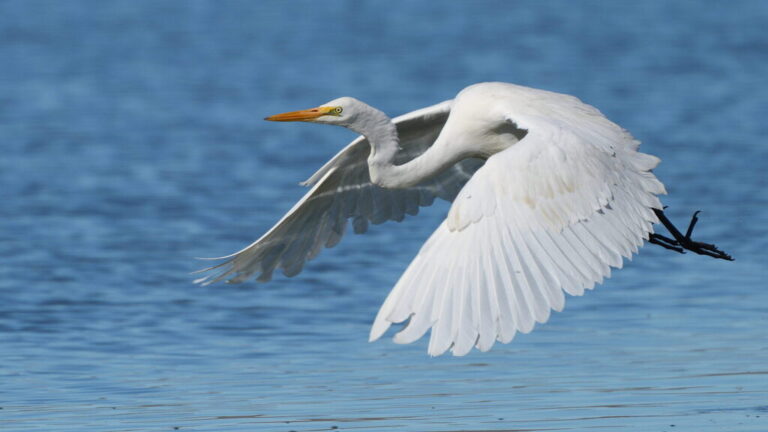
Ardea alba
♥
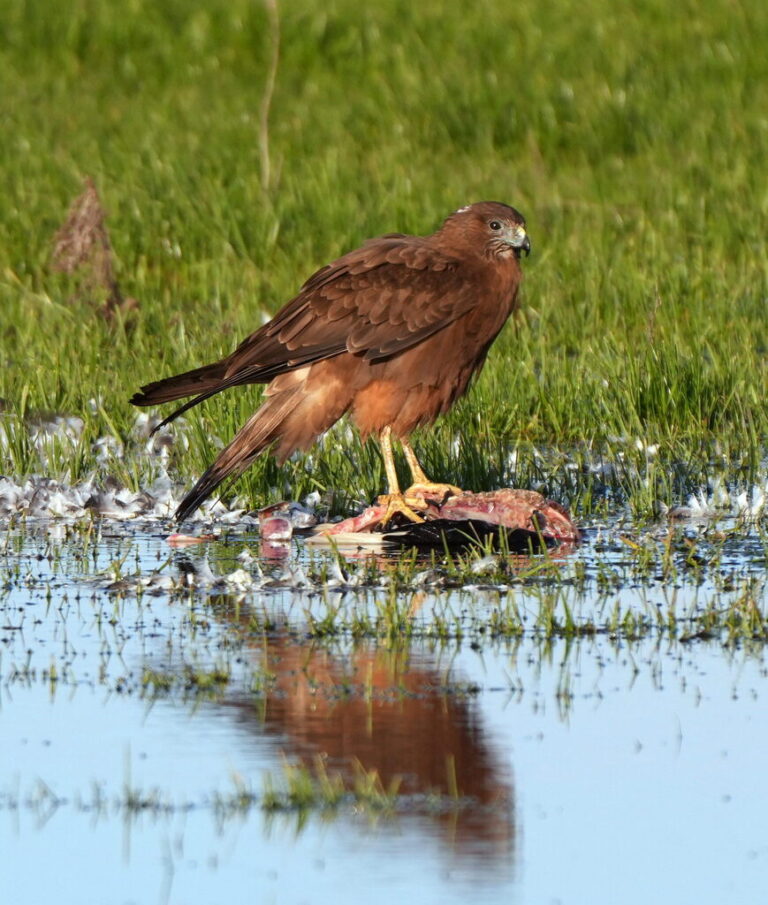
Circus approximans
♥
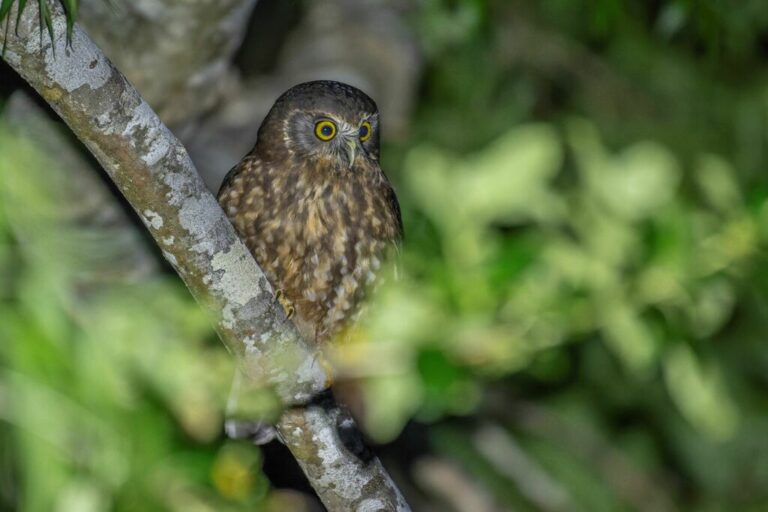
Ninox novaeseelandiae
♥
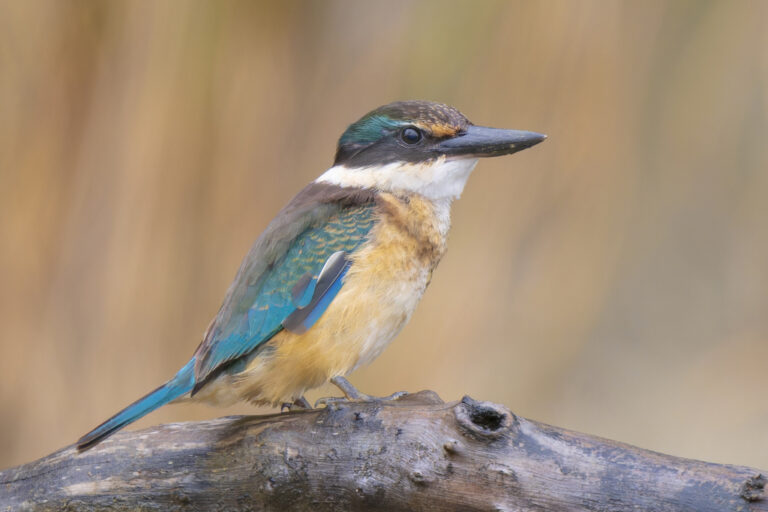
Todiramphus sanctus
♥
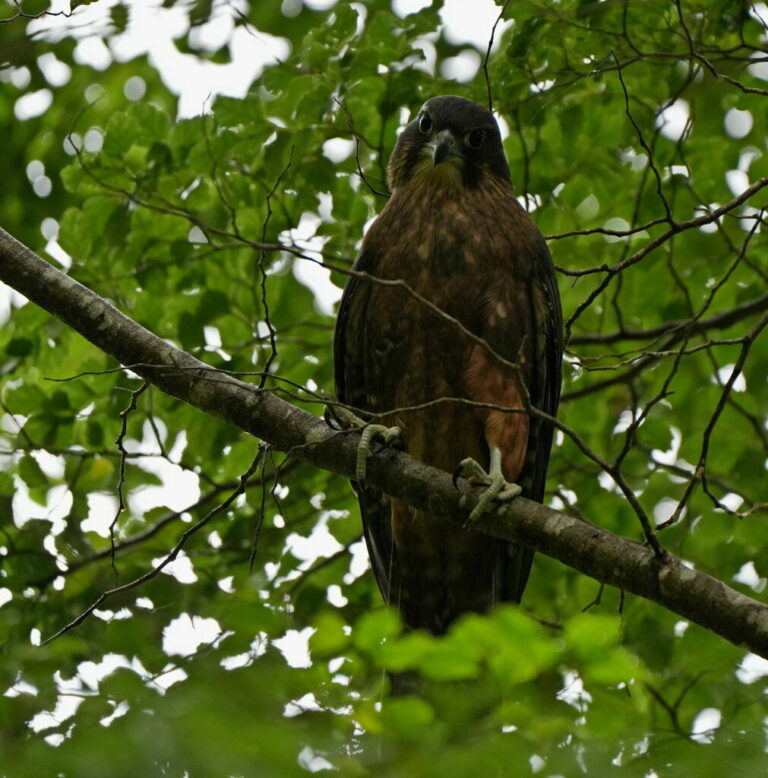
Falco novaeseelandiae
♥
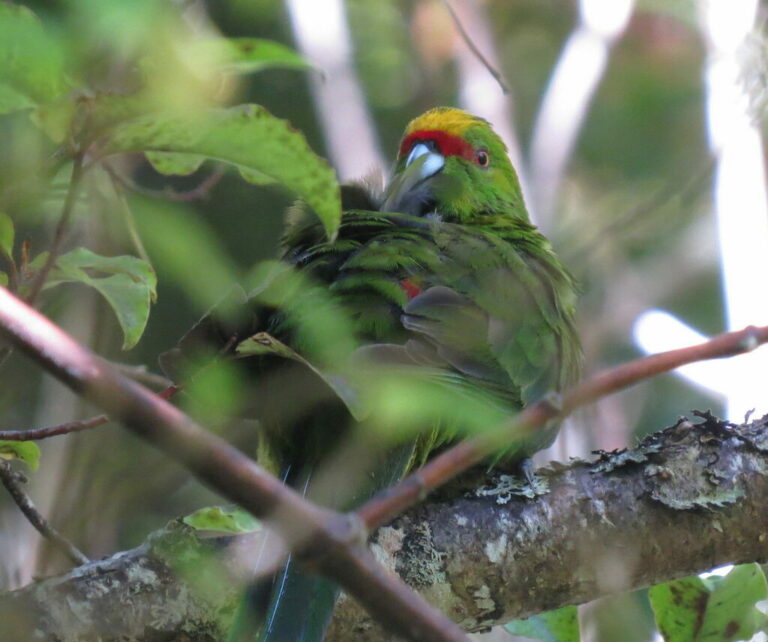
Cyanoramphus auriceps
♥
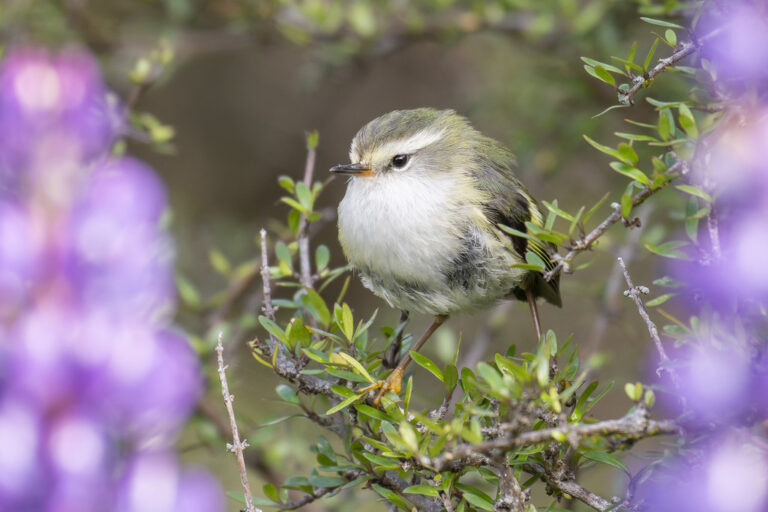
Acanthisitta chloris
♥
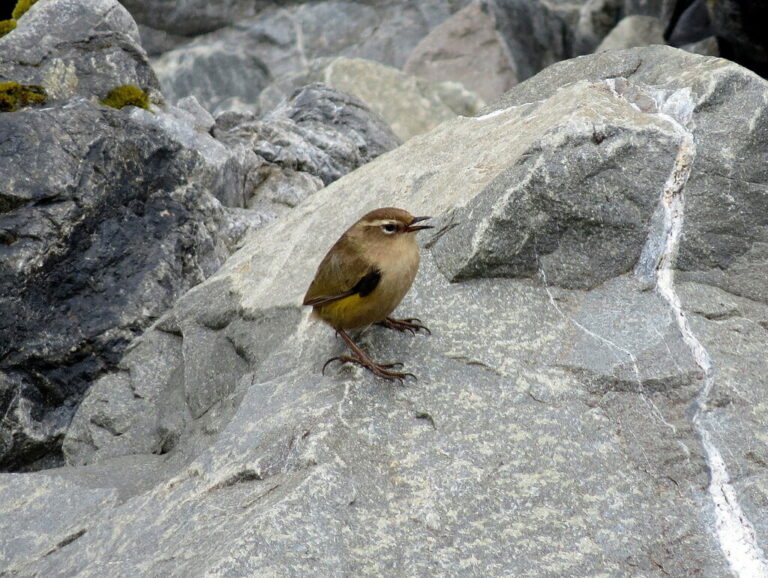
Xenicus gilviventris
♥
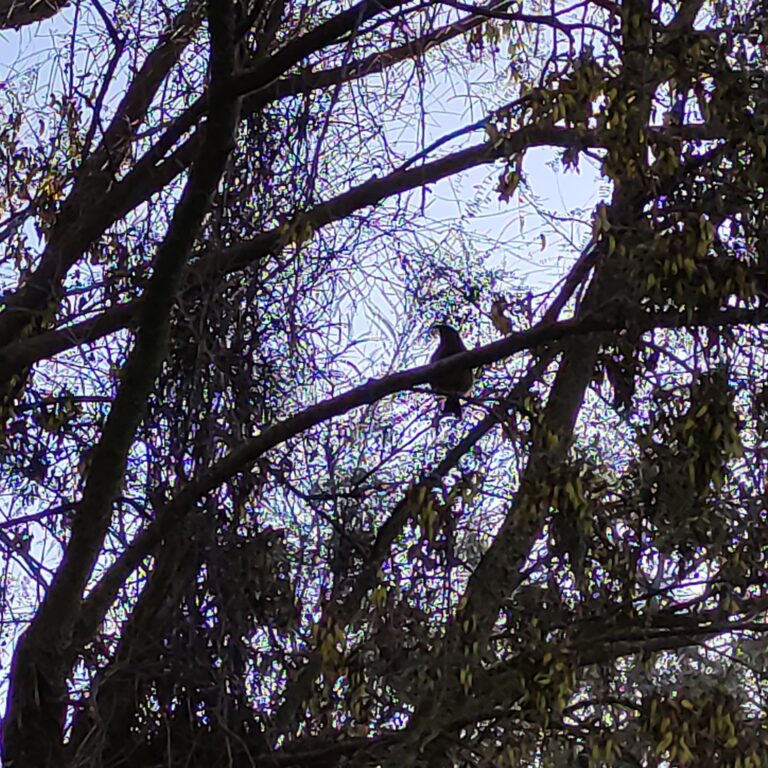
Anthornis melanura
♥
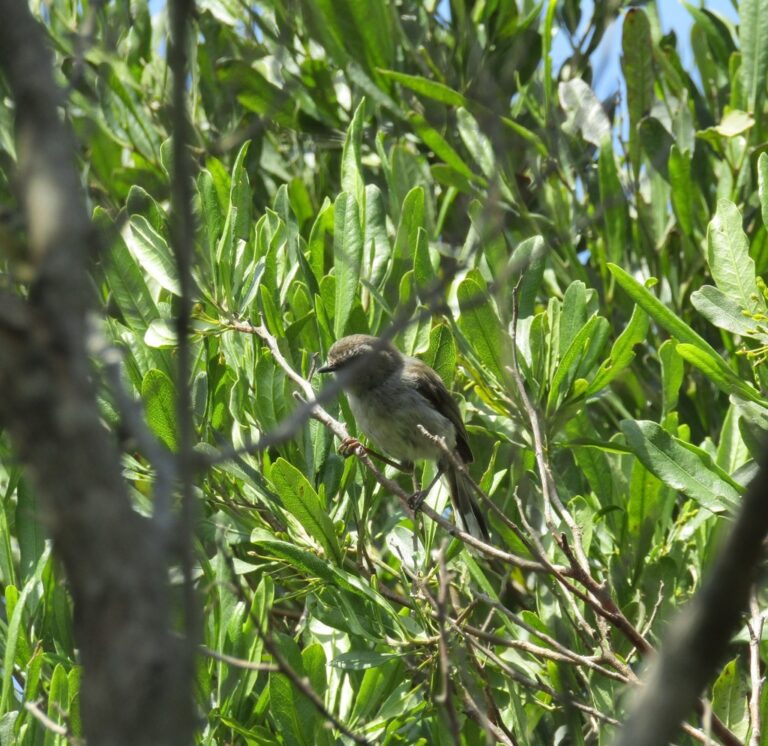
Gerygone igata
♥
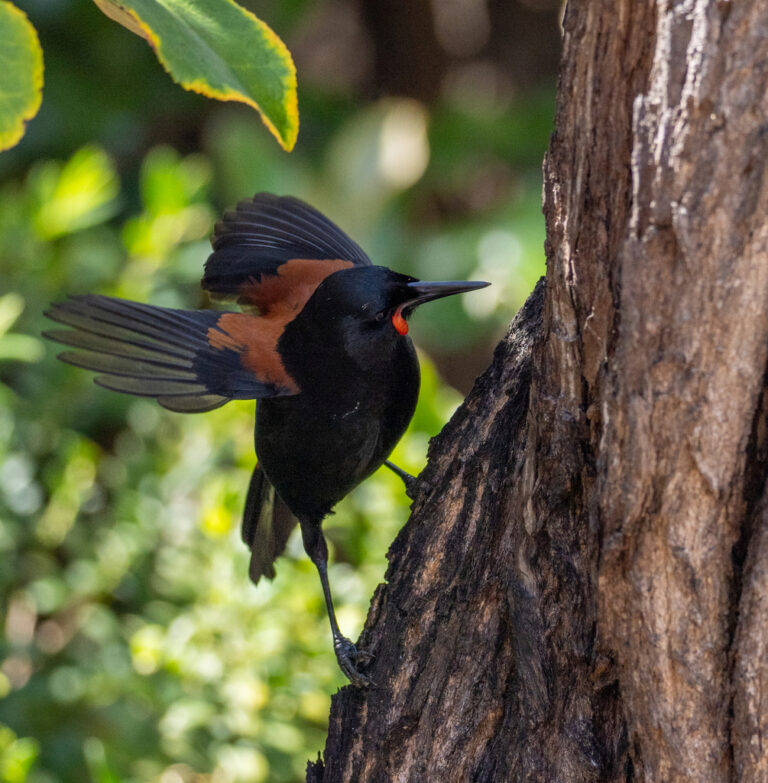
Philesturnus carunculatus
♥
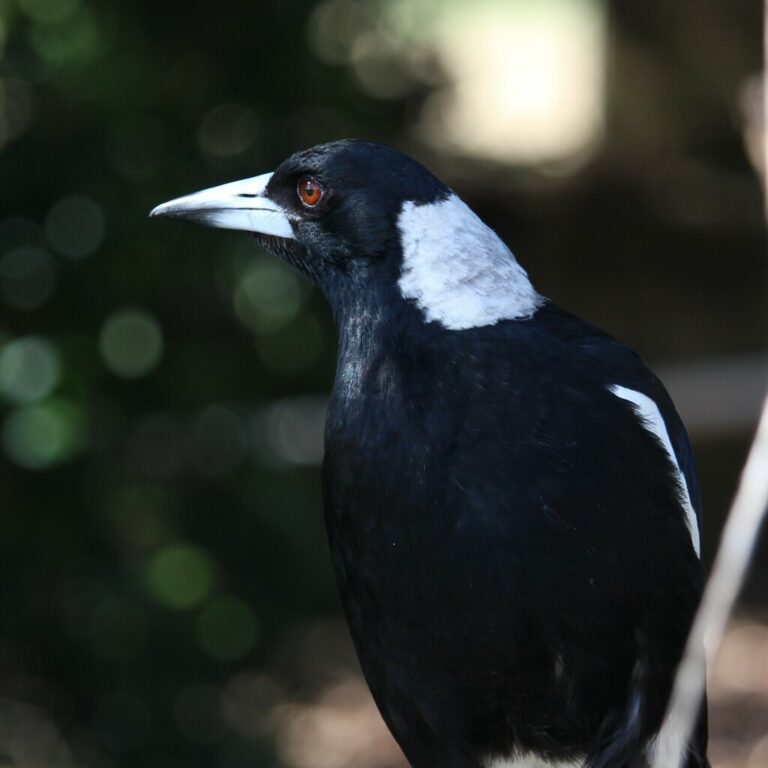
Gymnorhina tibicen
♥
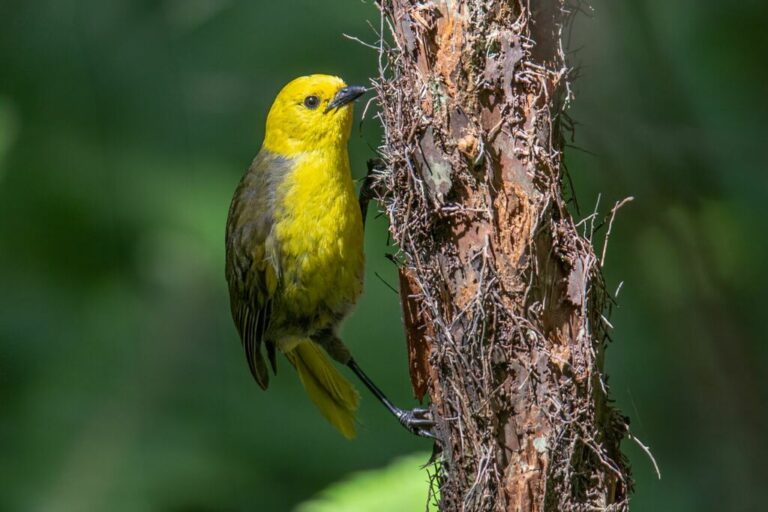
Mohoua ochrocephala
♥
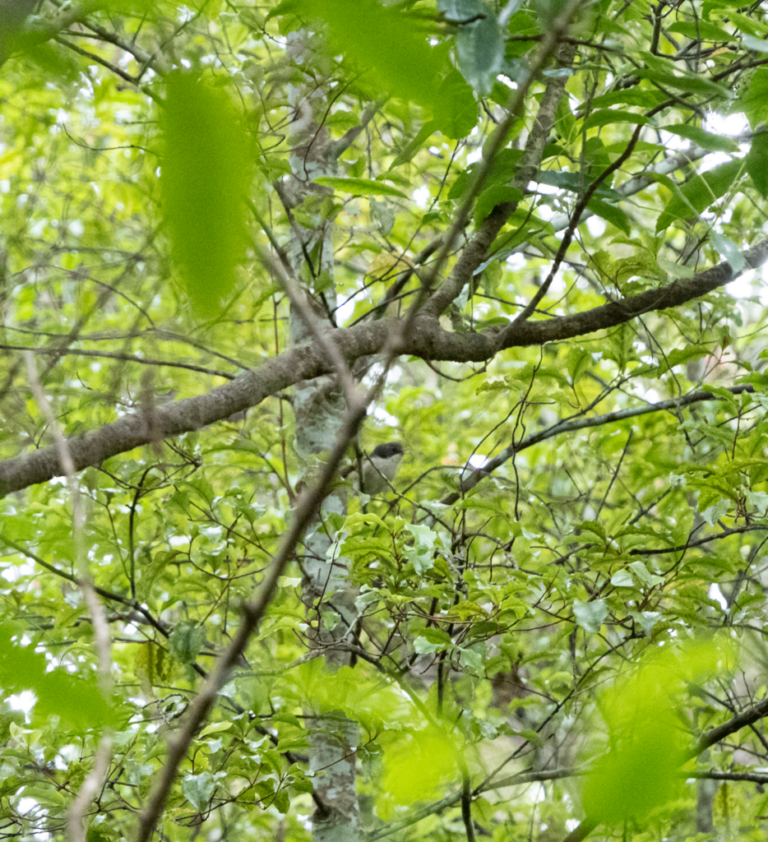
Mohoua novaeseelandiae
♥
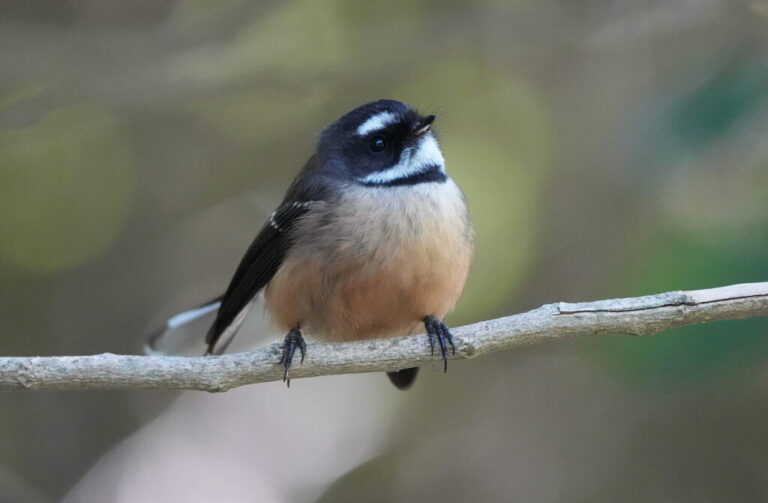
Rhipidura fuliginosa
♥
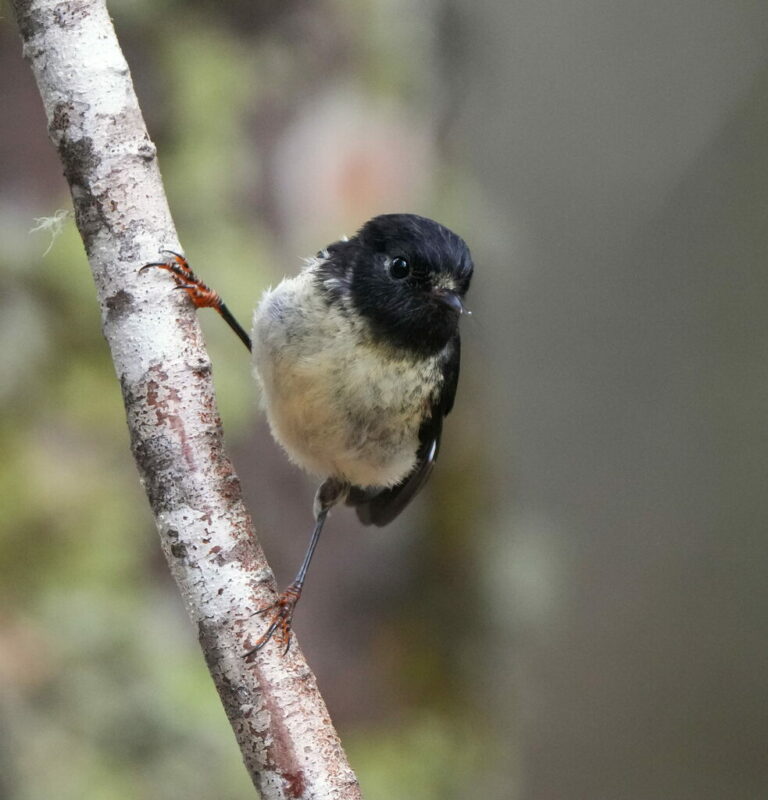
Petroica macrocephala
♥
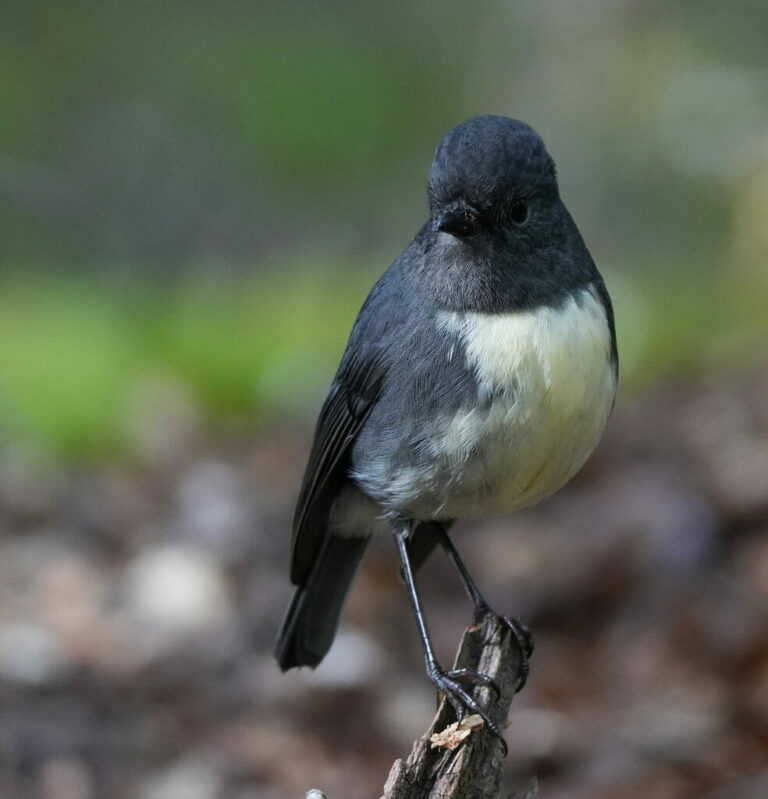
Petroica australis
♥
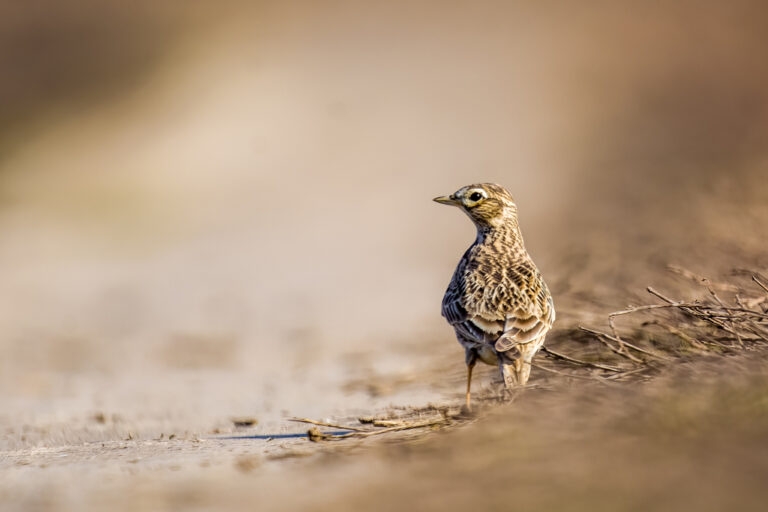
Alauda arvensis
♥
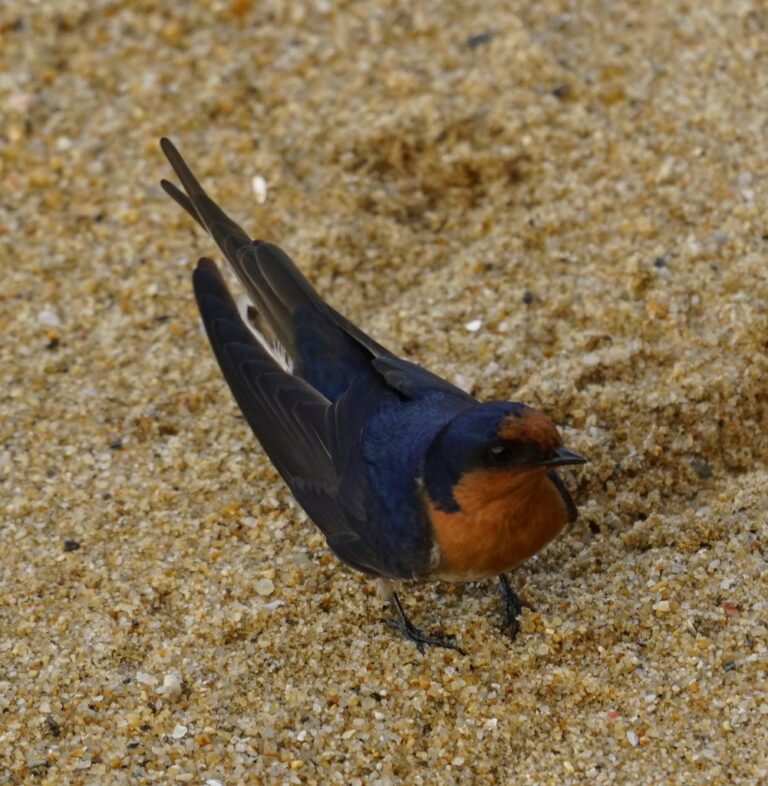
Hirundo neoxena
♥
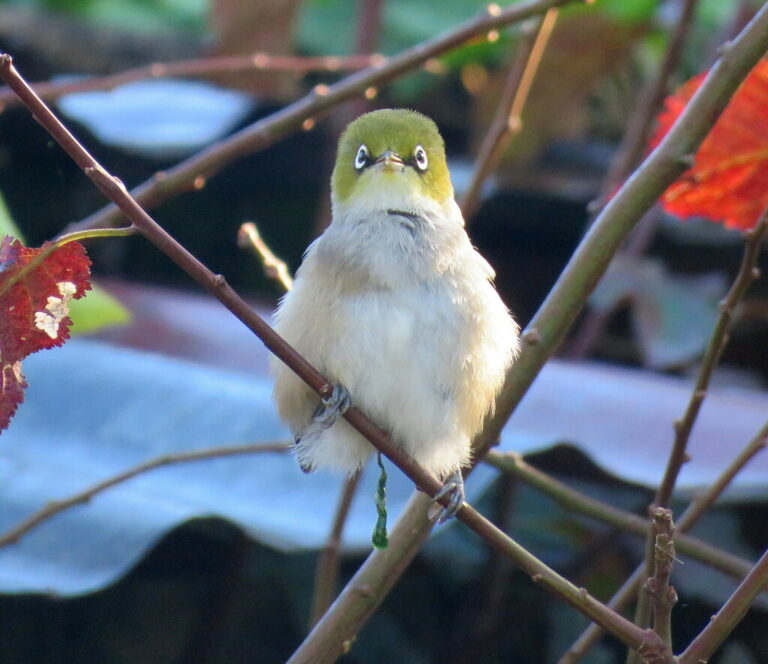
Zosterops lateralis
♥
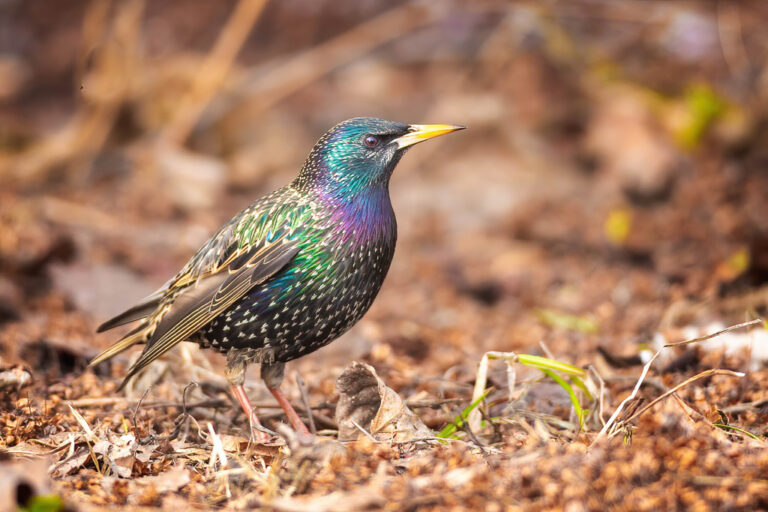
Sturnus vulgaris
♥
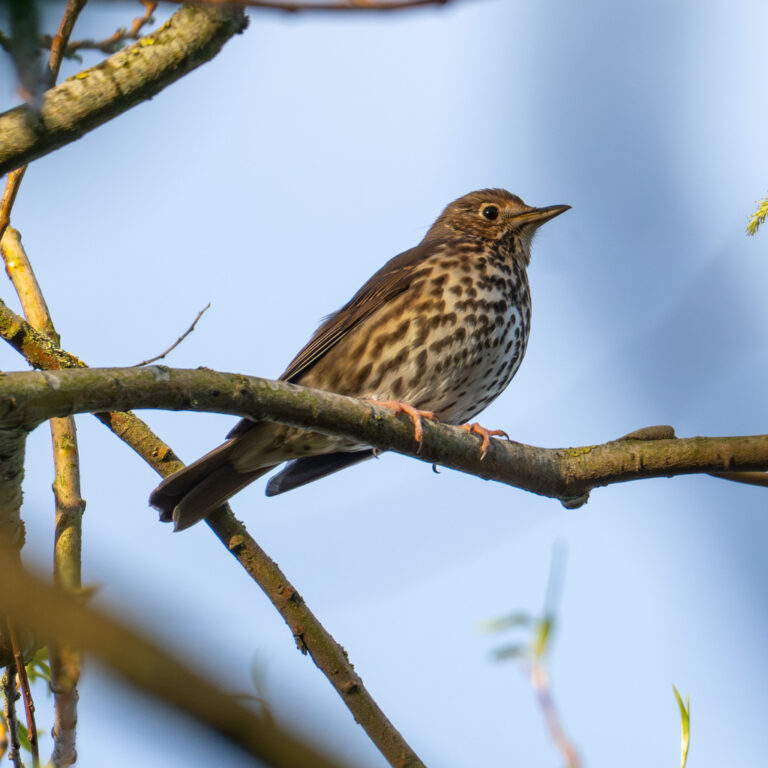
Turdus philomelos
♥
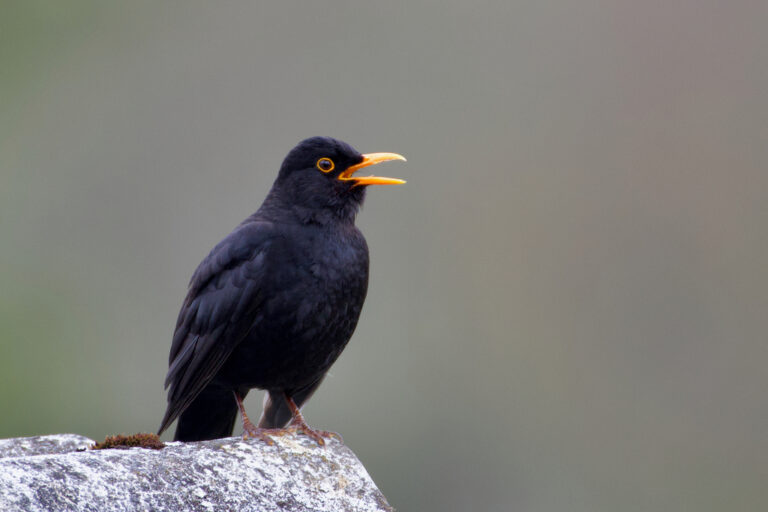
Turdus merula
♥
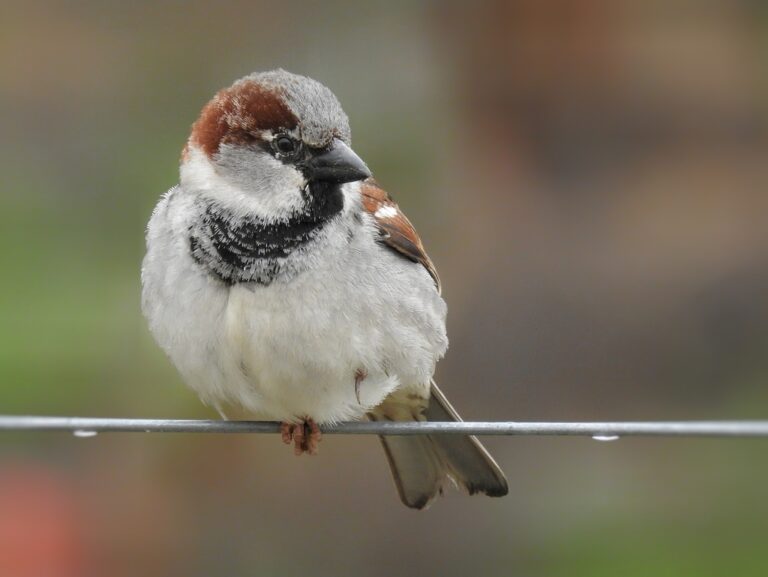
Passer domesticus
♥
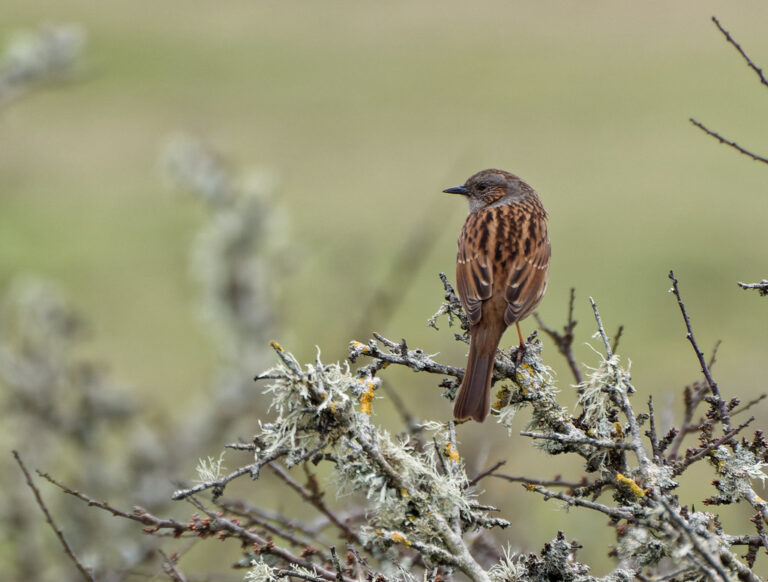
Prunella modularis
♥
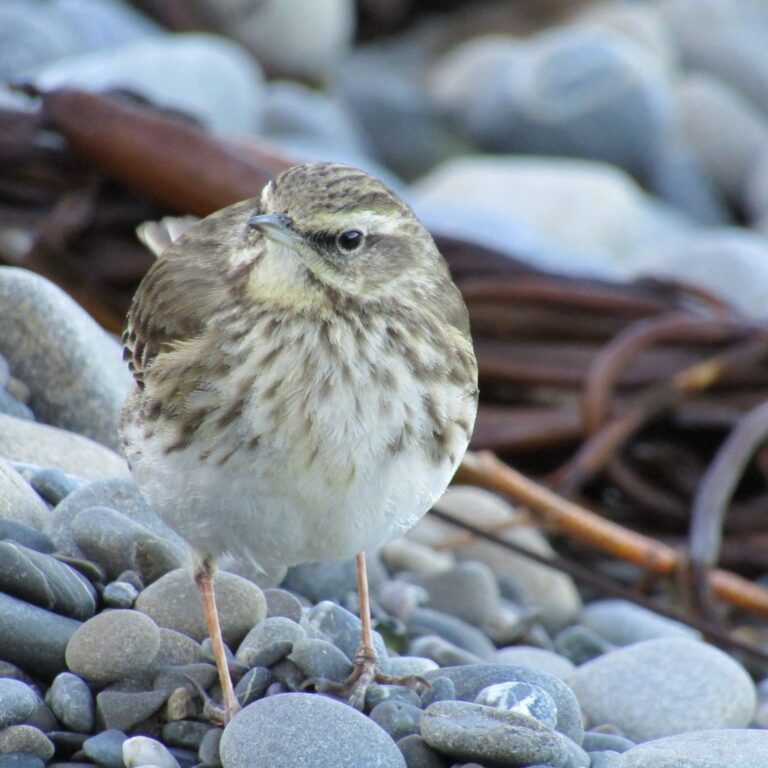
Anthus novaeseelandiae
♥
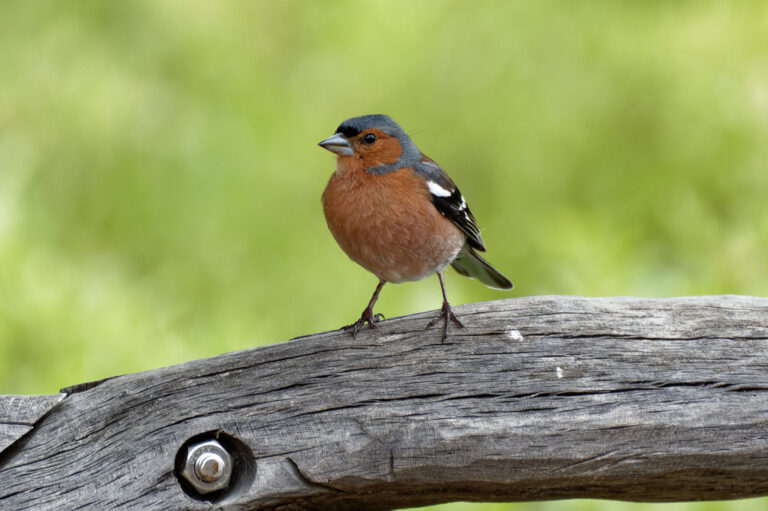
Fringilla coelebs
♥
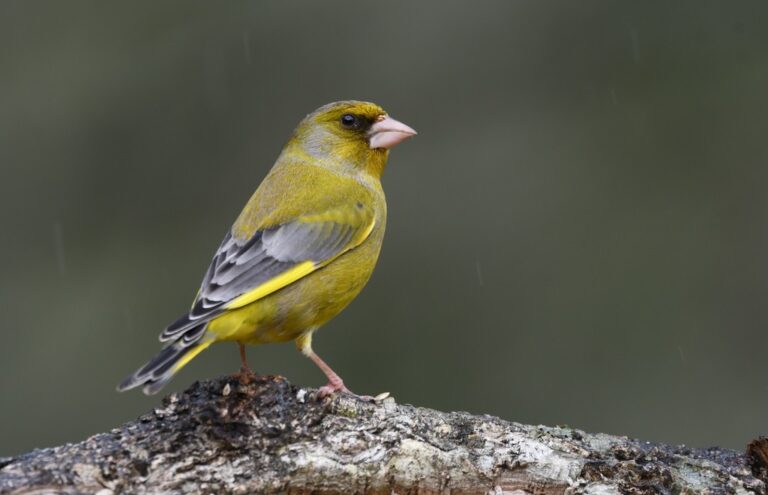
Chloris chloris
♥
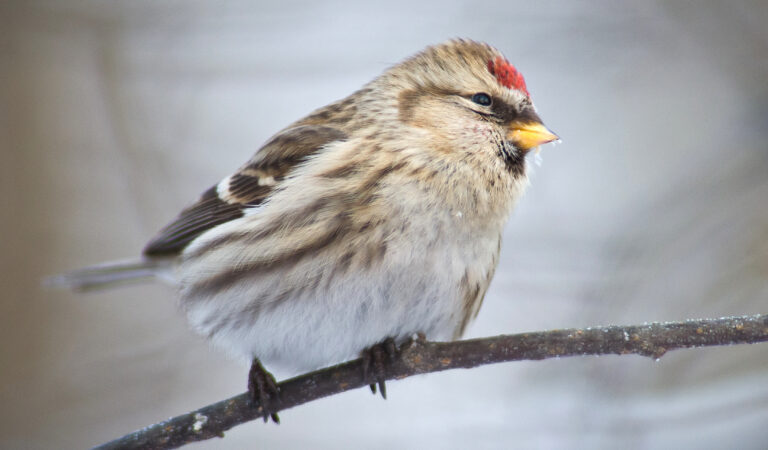
Acanthis flammea
♥
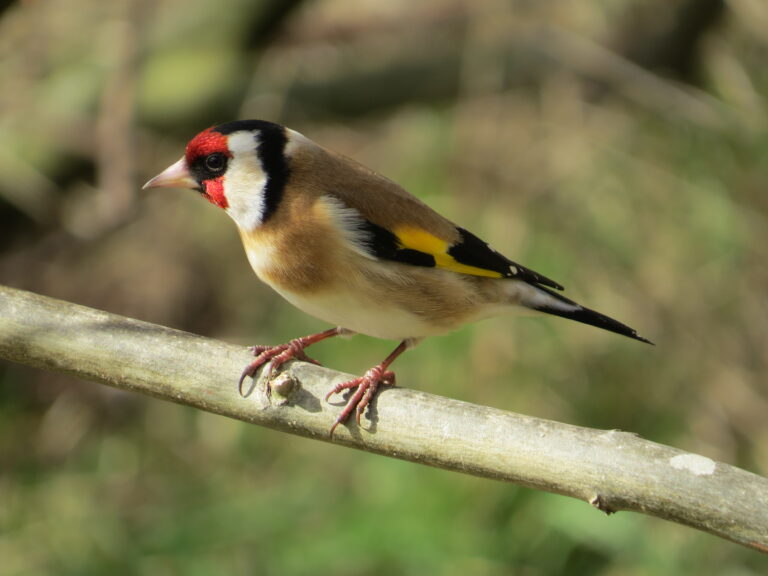
Carduelis carduelis
♥
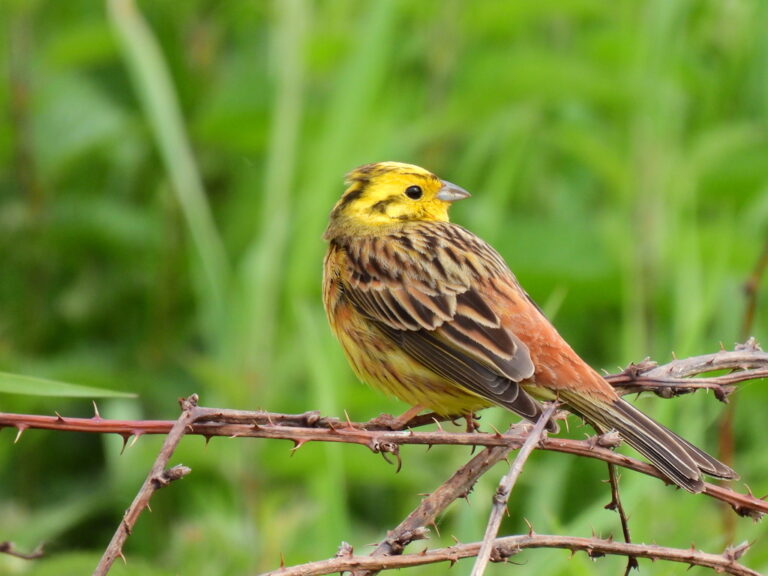
Emberiza citrinella
♥
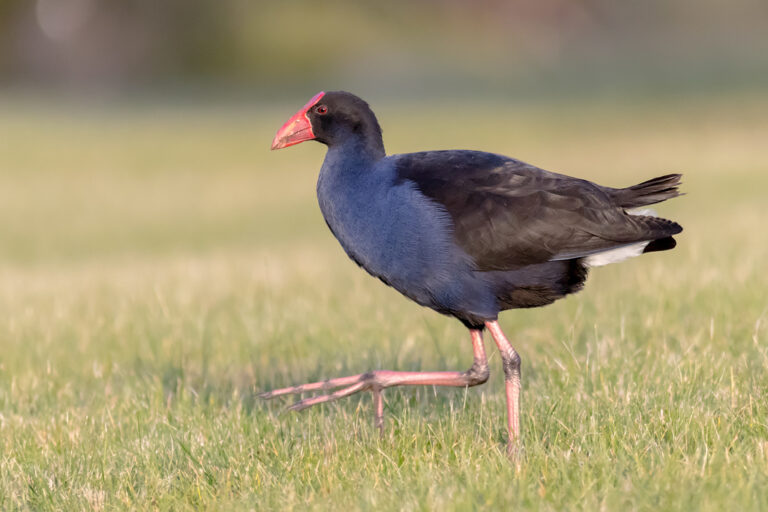
Porphyrio melanotus
♥
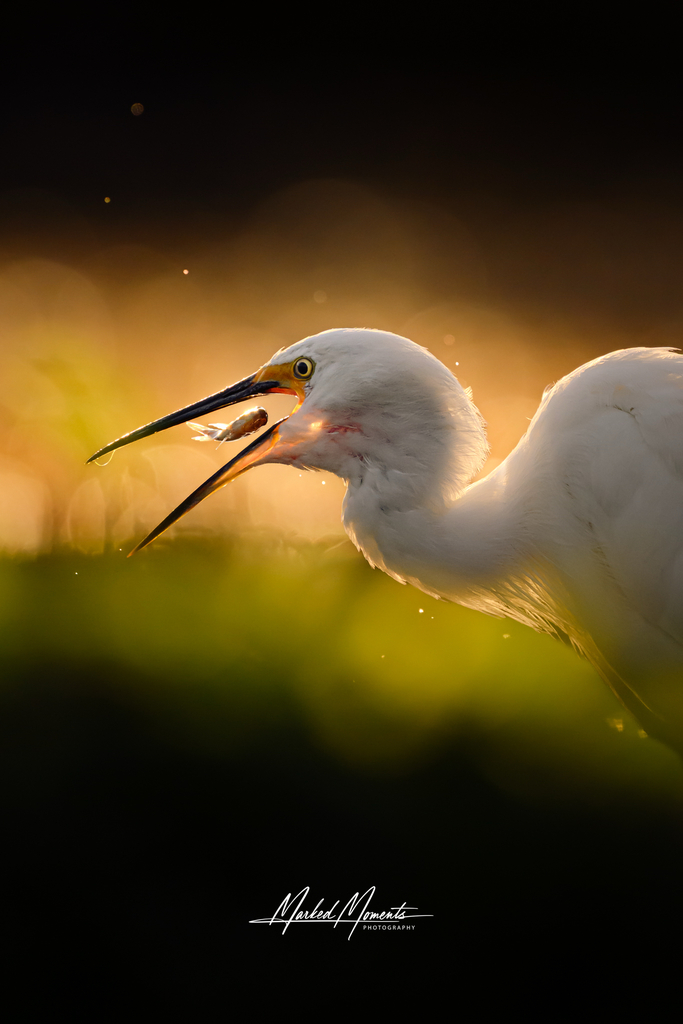
Egretta garzetta
♥
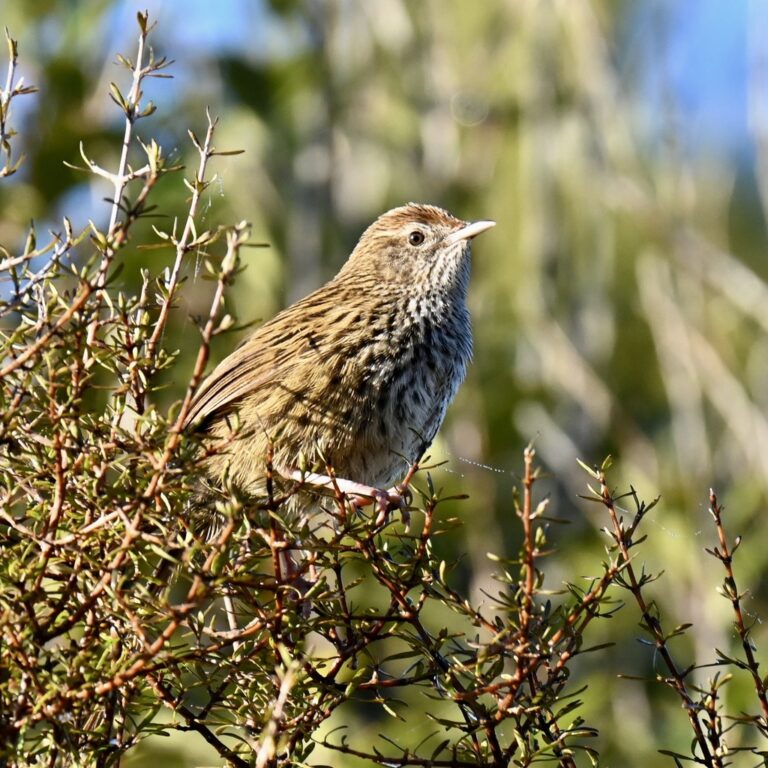
Poodytes punctatus
♥
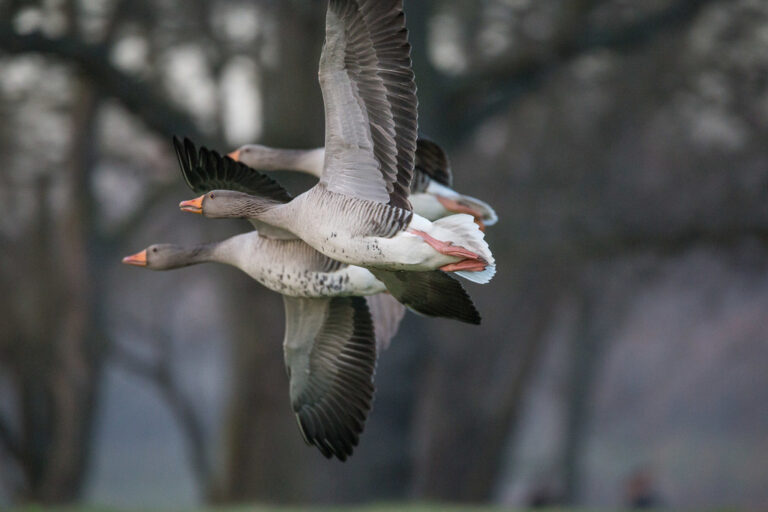
Anser anser
♥
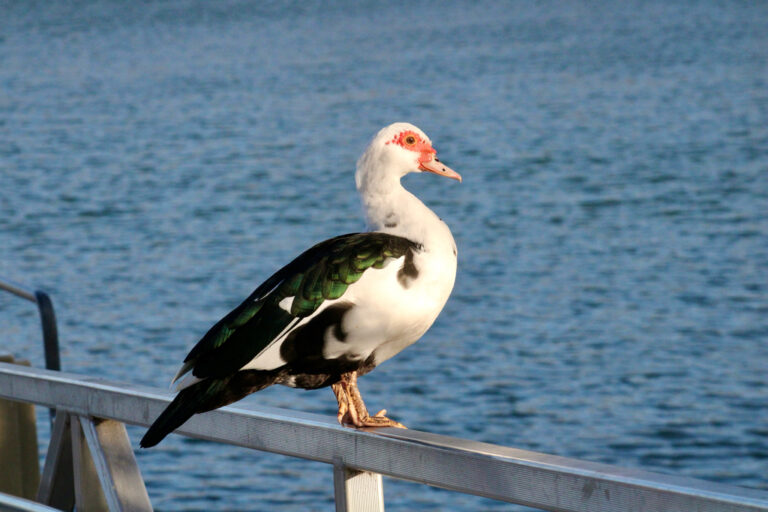
Cairina moschata
♥
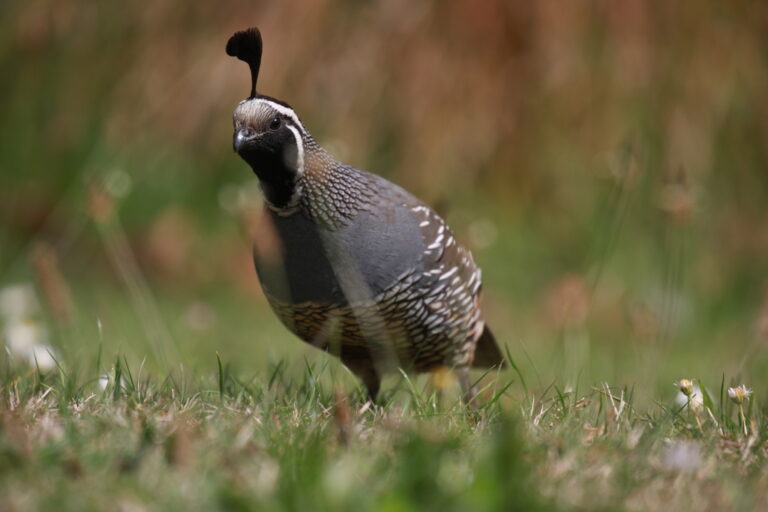
Callipepla californica
♥
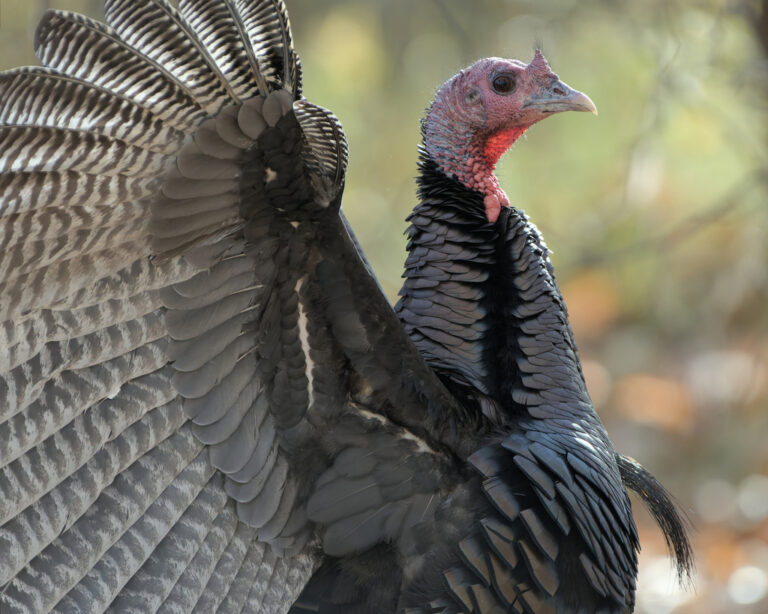
Meleagris gallopavo
♥
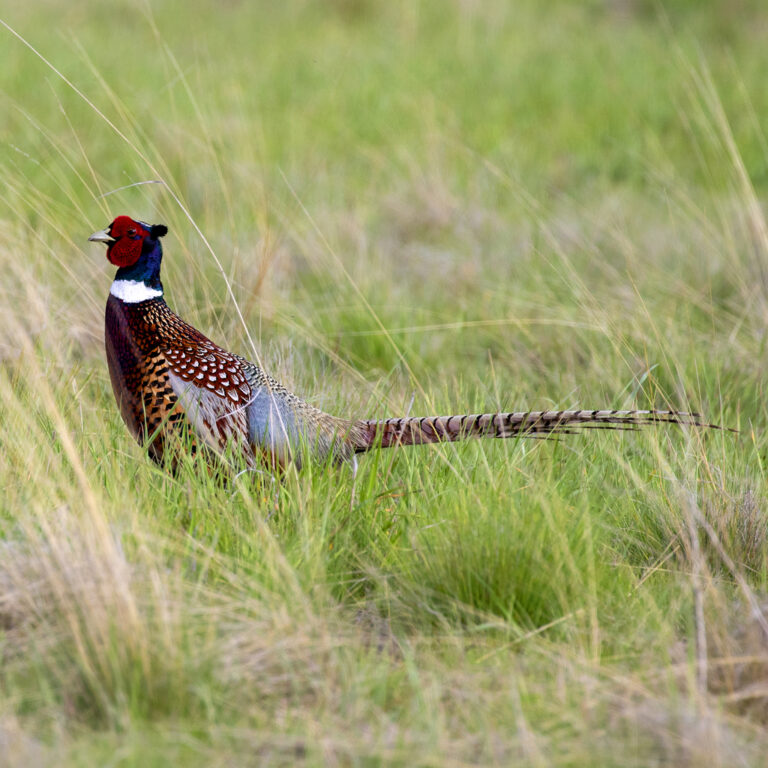
Phasianus colchicus
♥
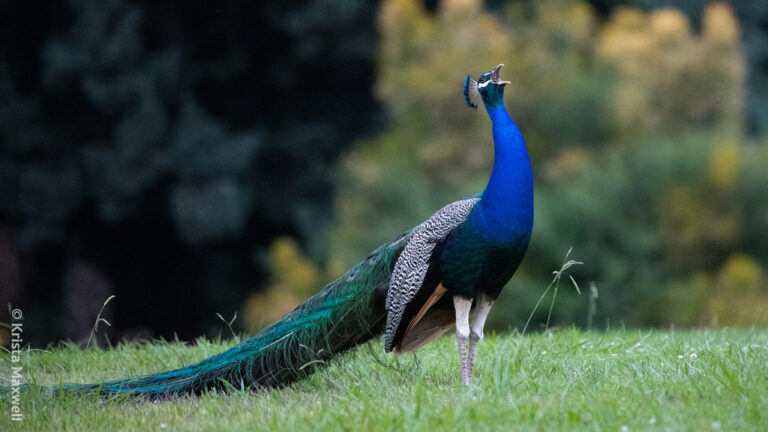
Pavo cristatus
♥
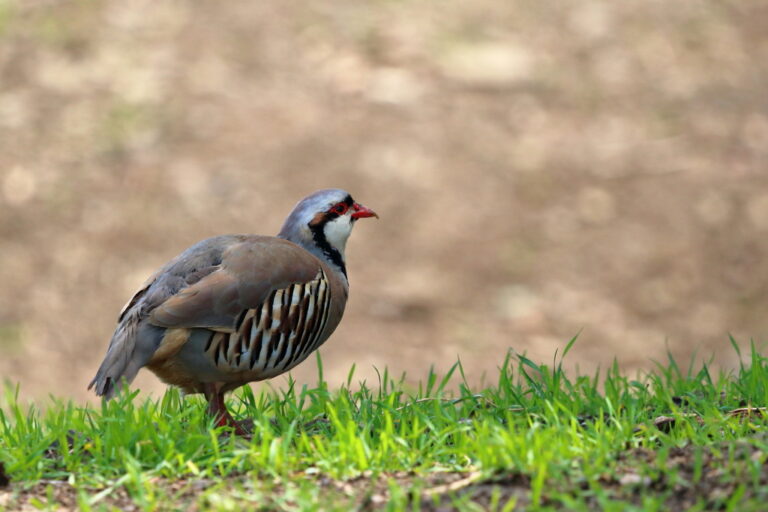
Alectoris chukar
♥
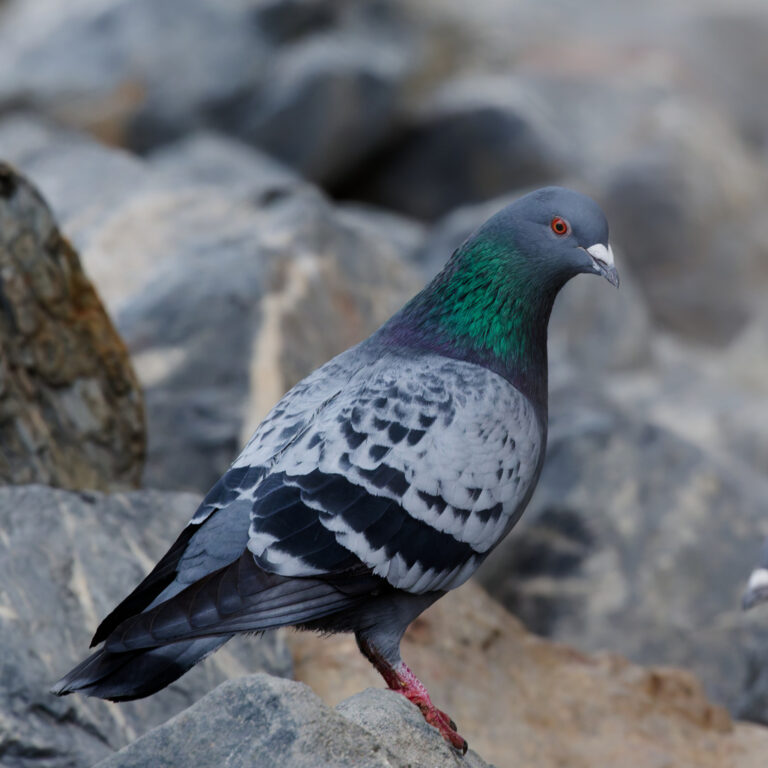
Columba livia
♥
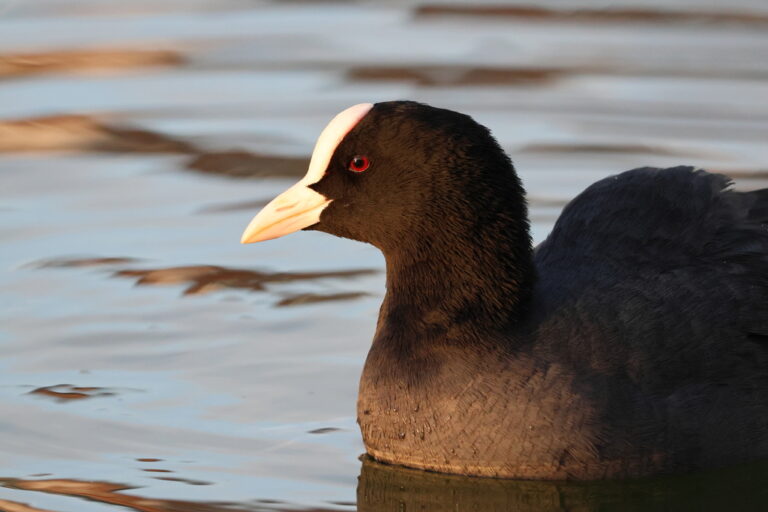
Fulica atra
♥
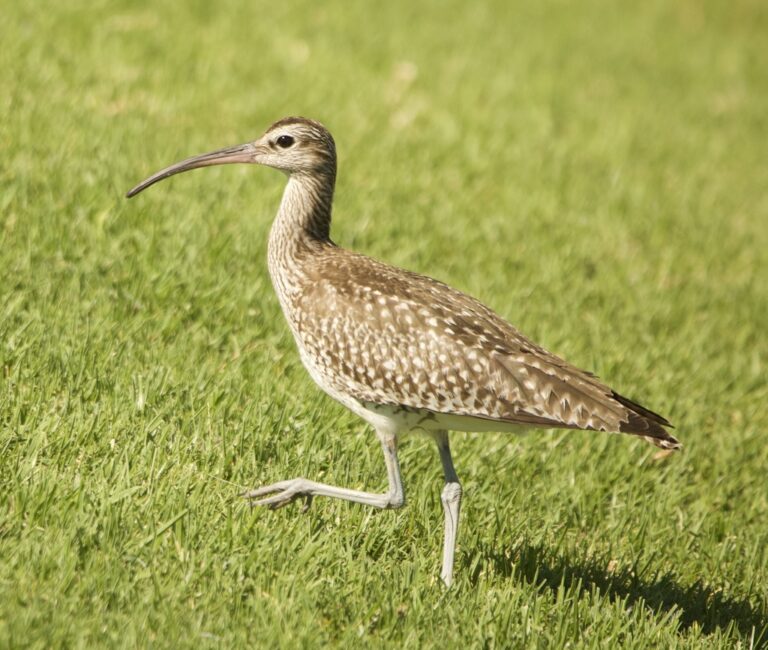
Numenius phaeopus
♥
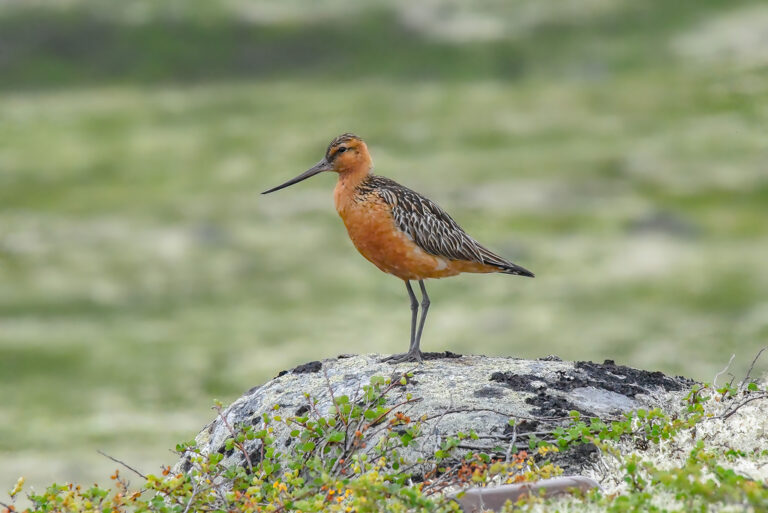
Limosa lapponica
♥
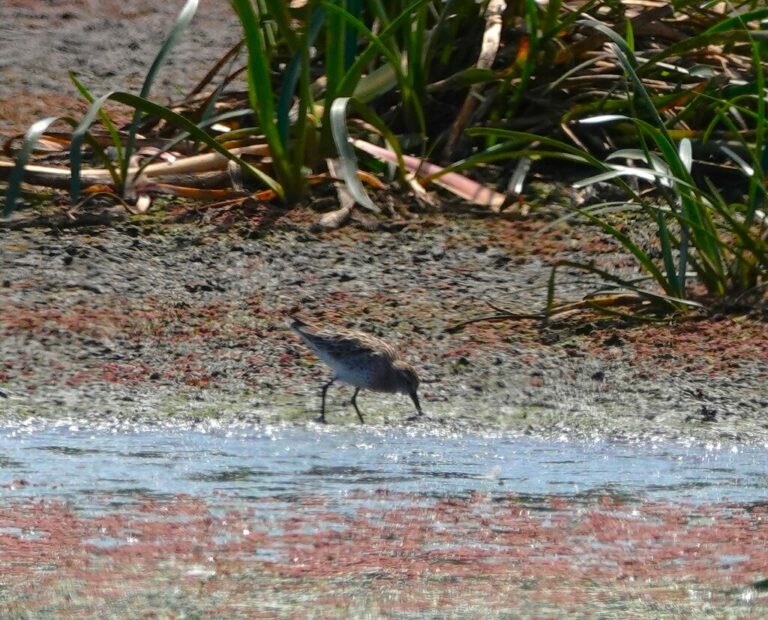
Calidris acuminata
♥
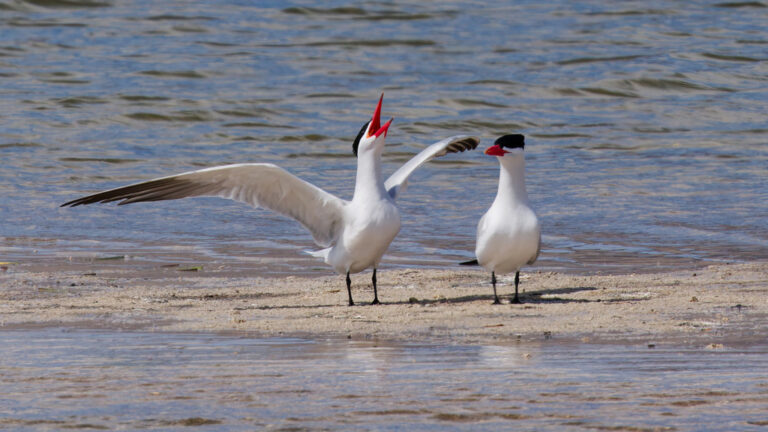
Hydroprogne caspia
♥
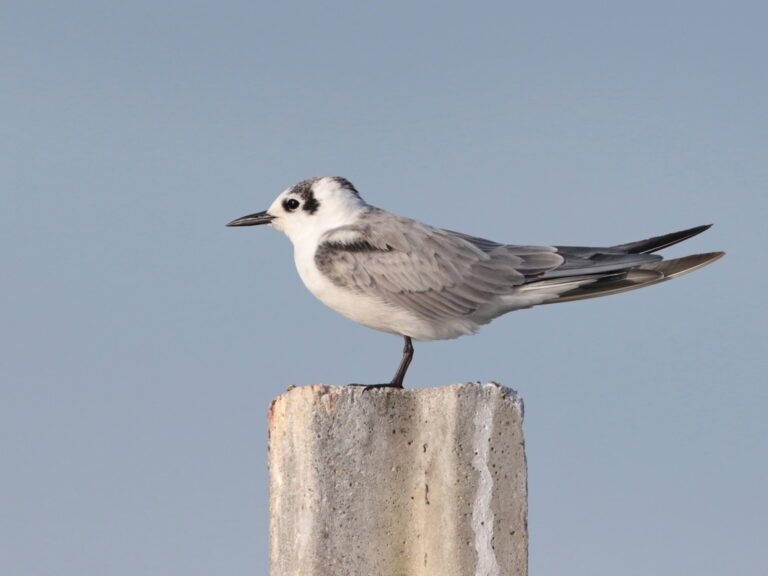
Chlidonias leucopterus
♥
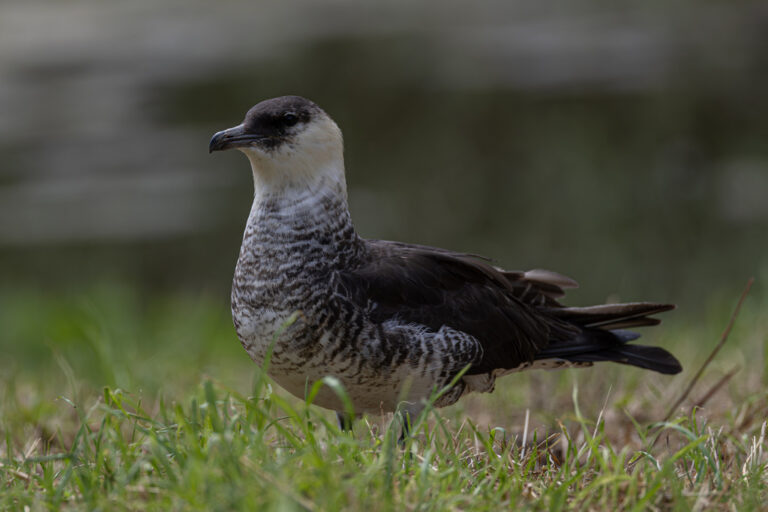
Stercorarius pomarinus
♥
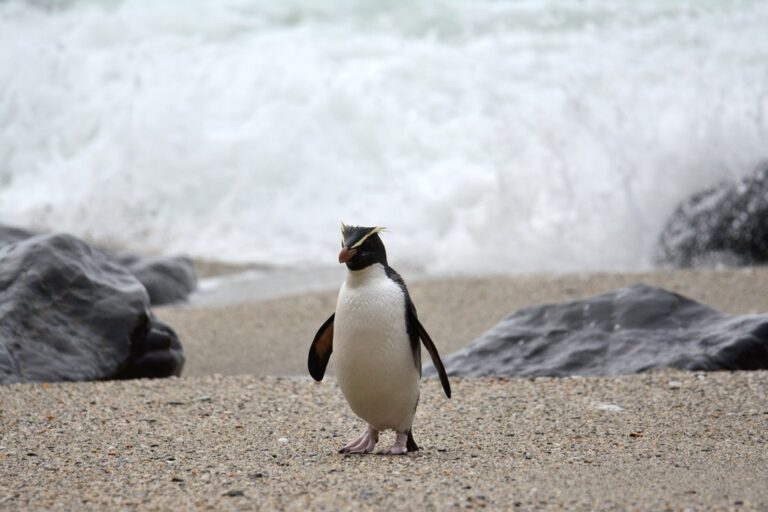
Eudyptes pachyrhynchus
♥
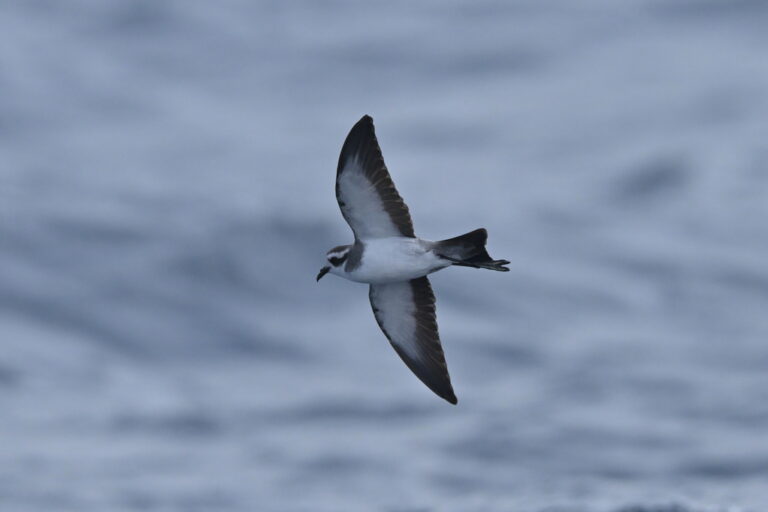
Pelagodroma marina
♥
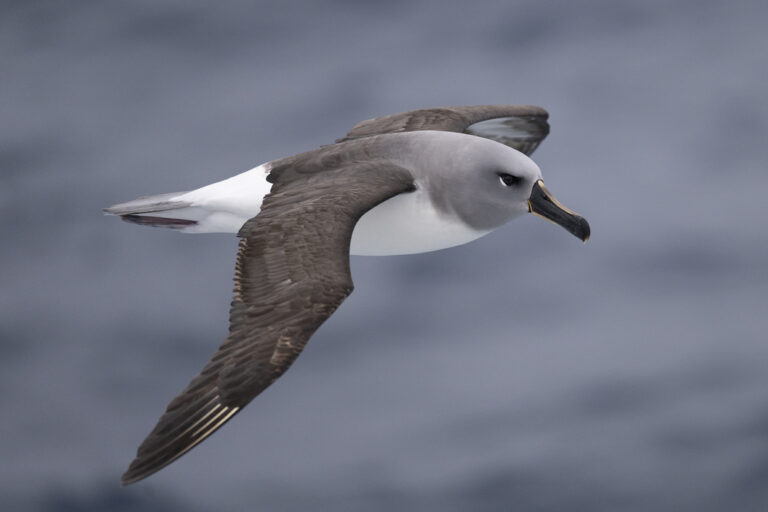
Thalassarche chrysostoma
♥
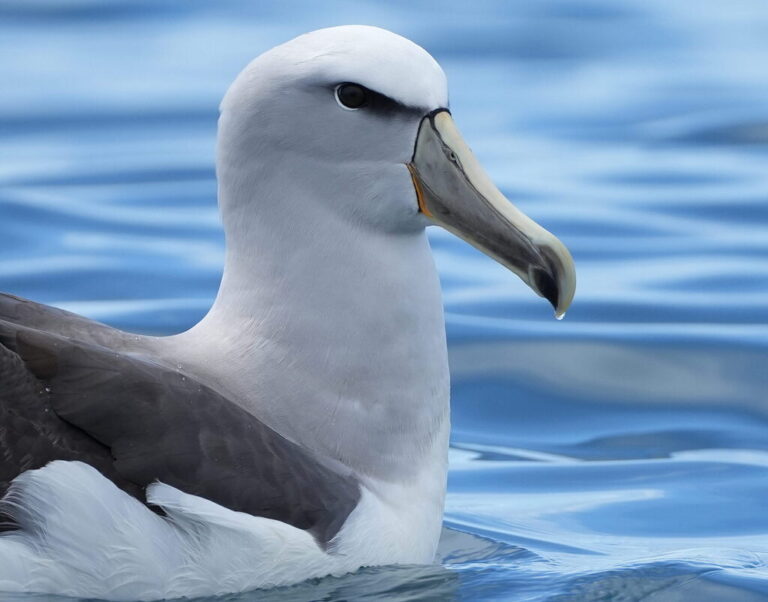
Thalassarche salvini
♥
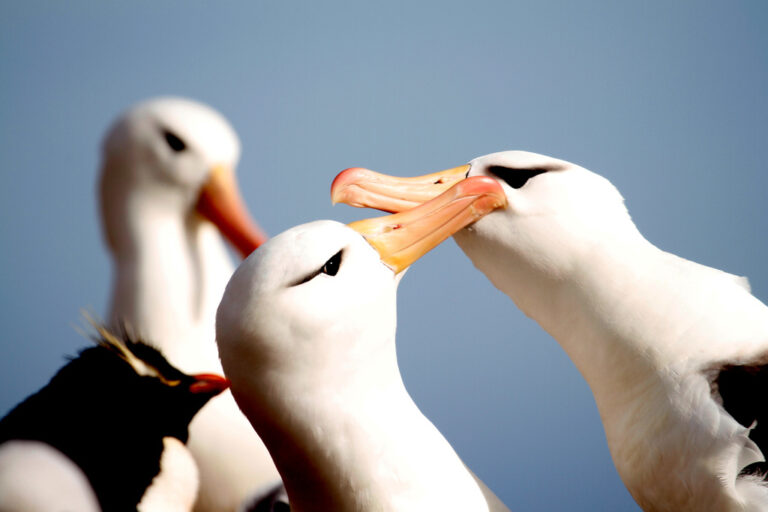
Thalassarche melanophris
♥
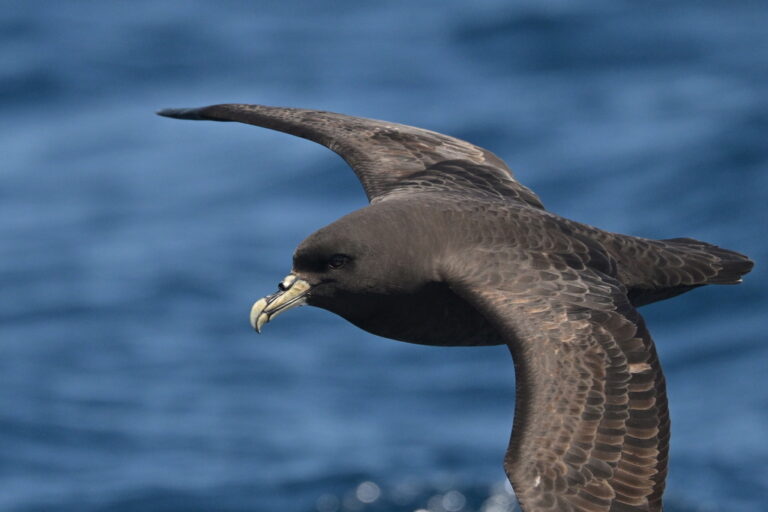
Procellaria aequinoctialis
♥
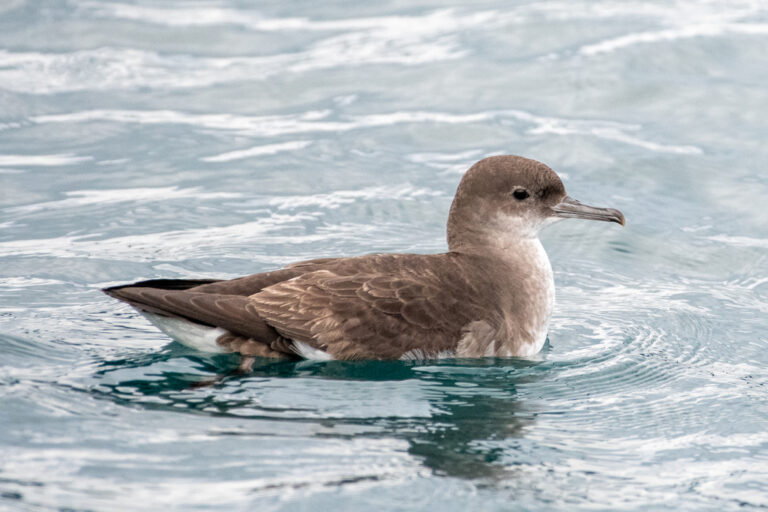
Puffinus gavia
♥
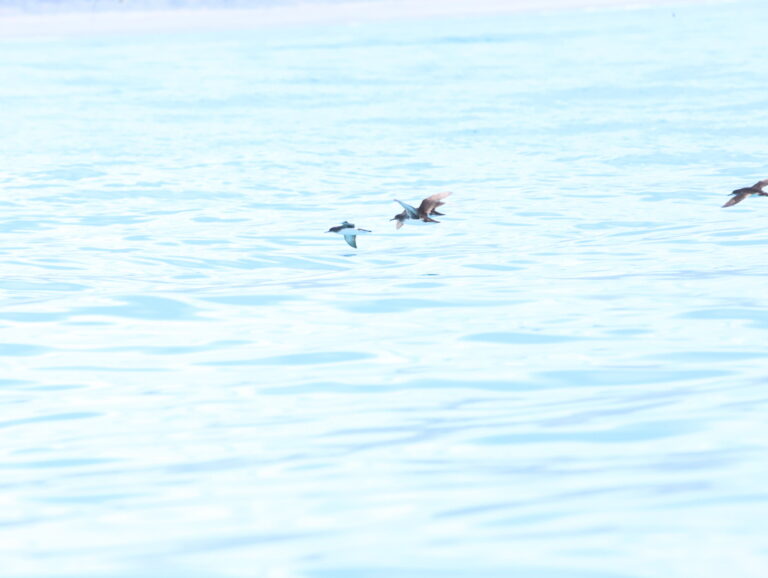
Puffinus huttoni
♥
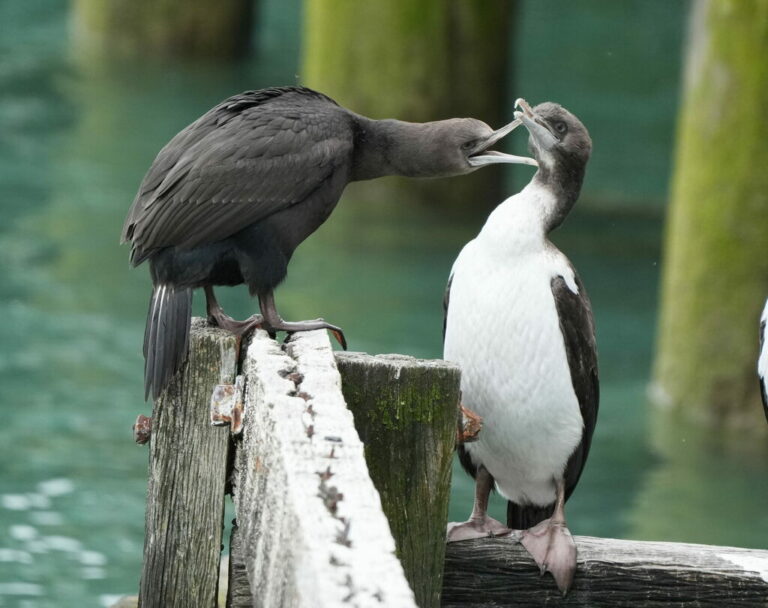
Leucocarbo chalconotus
♥
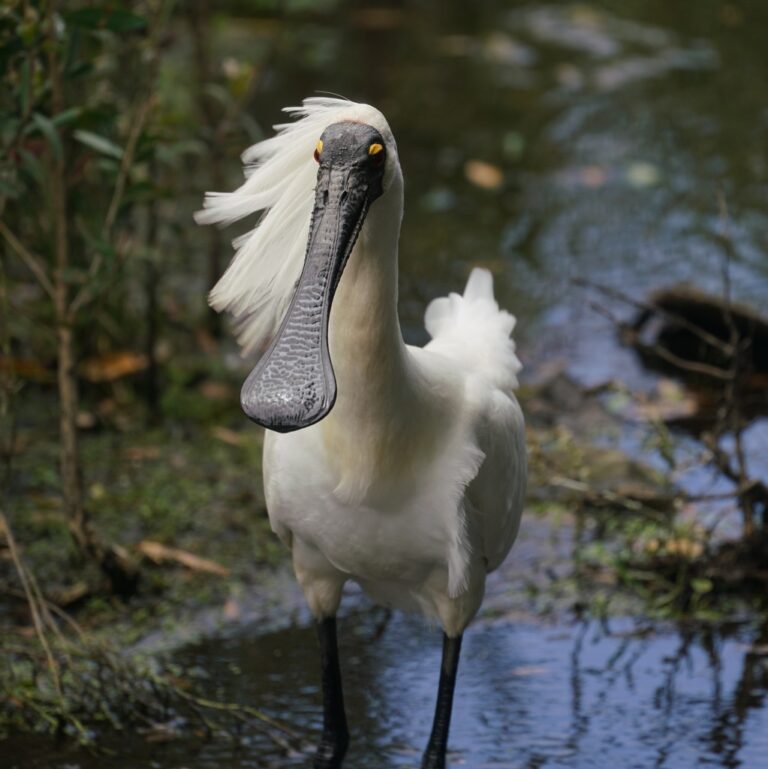
Platalea regia
♥
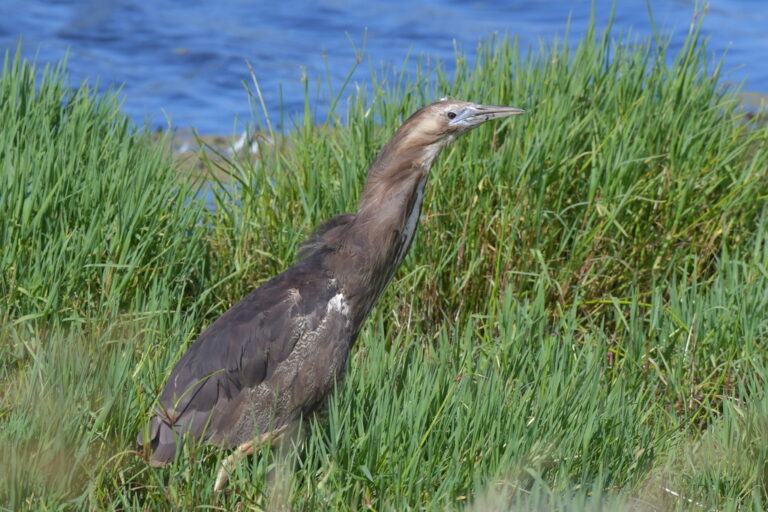
Botaurus poiciloptilus
♥
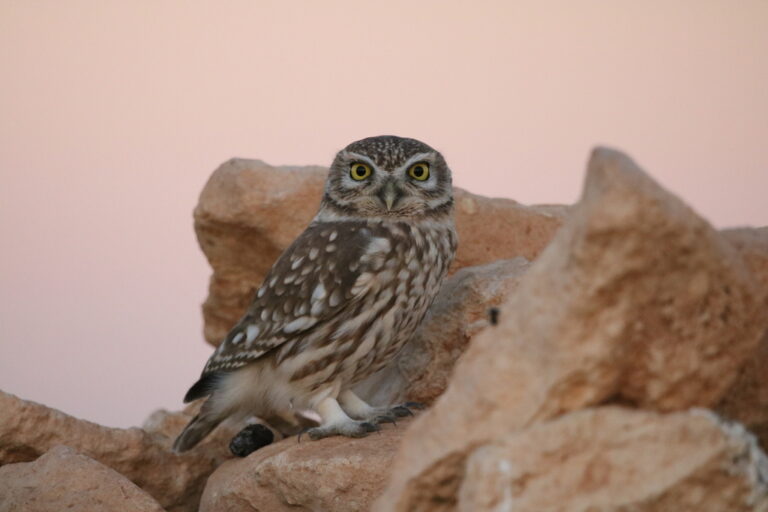
Athene noctua
♥
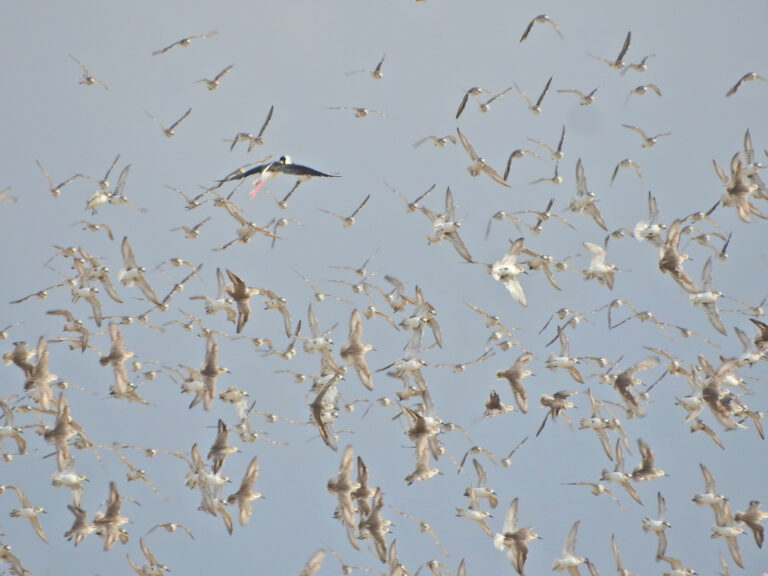
Anarhynchus frontalis
♥
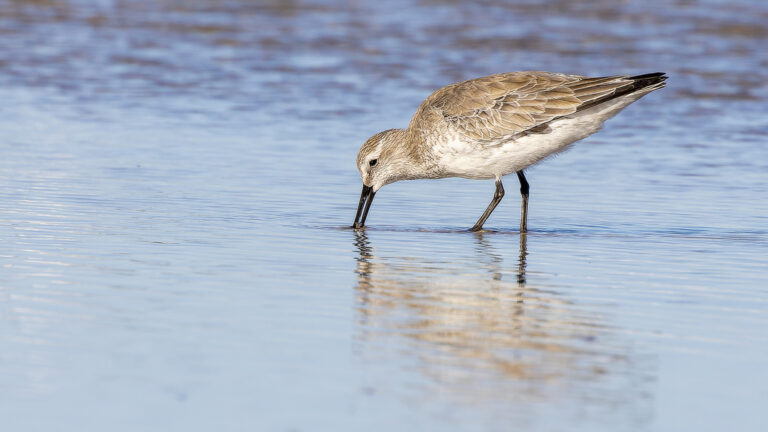
Calidris canutus
♥
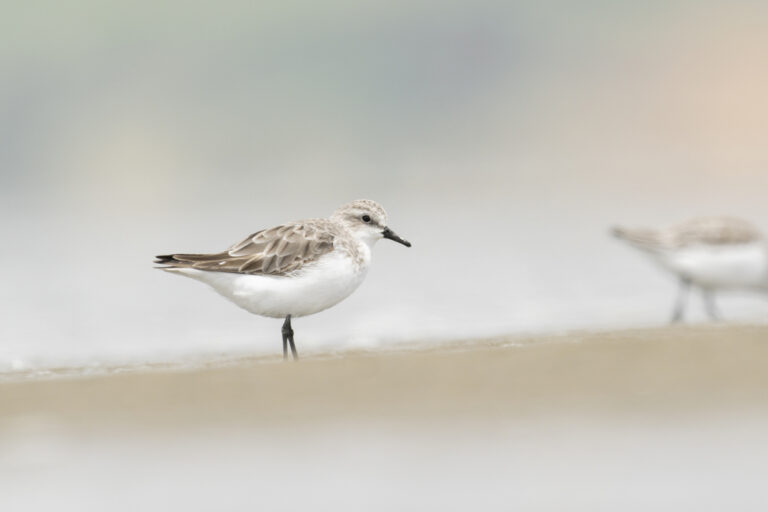
Calidris ruficollis
♥
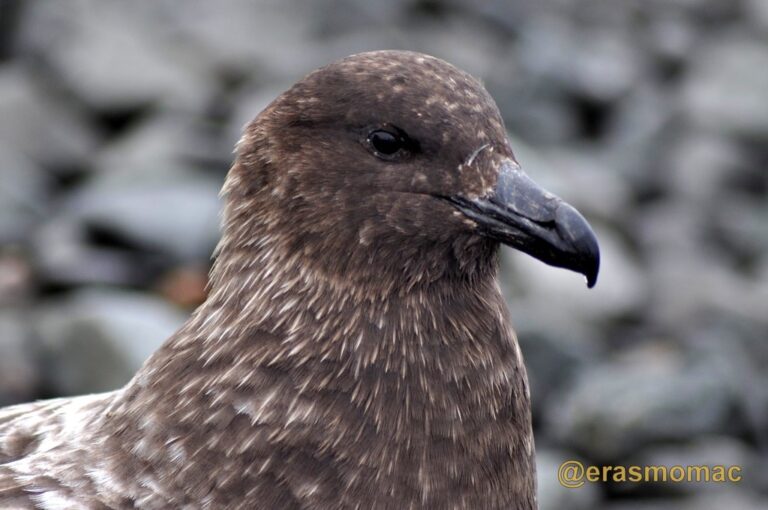
Stercorarius antarcticus
♥
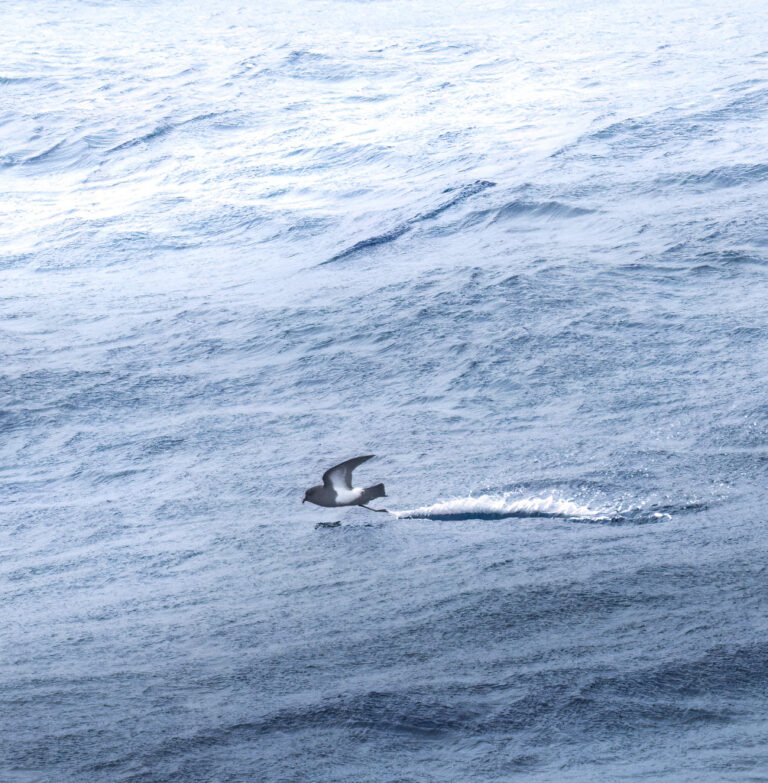
Fregetta tropica
♥
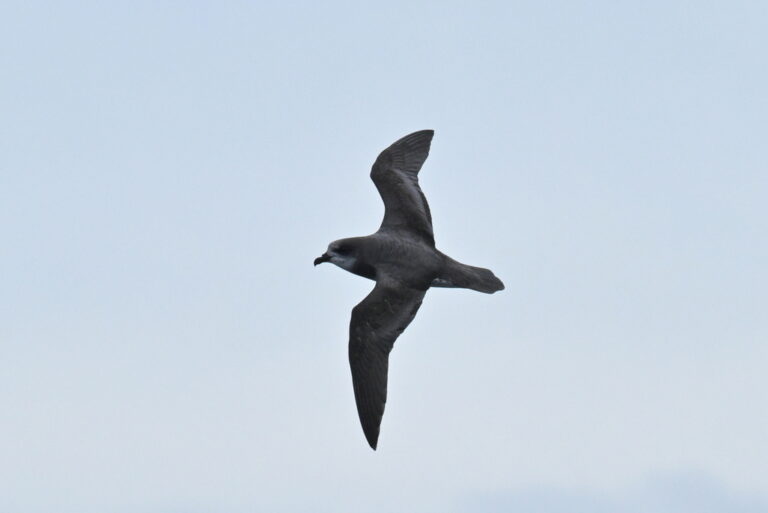
Pterodroma mollis
♥
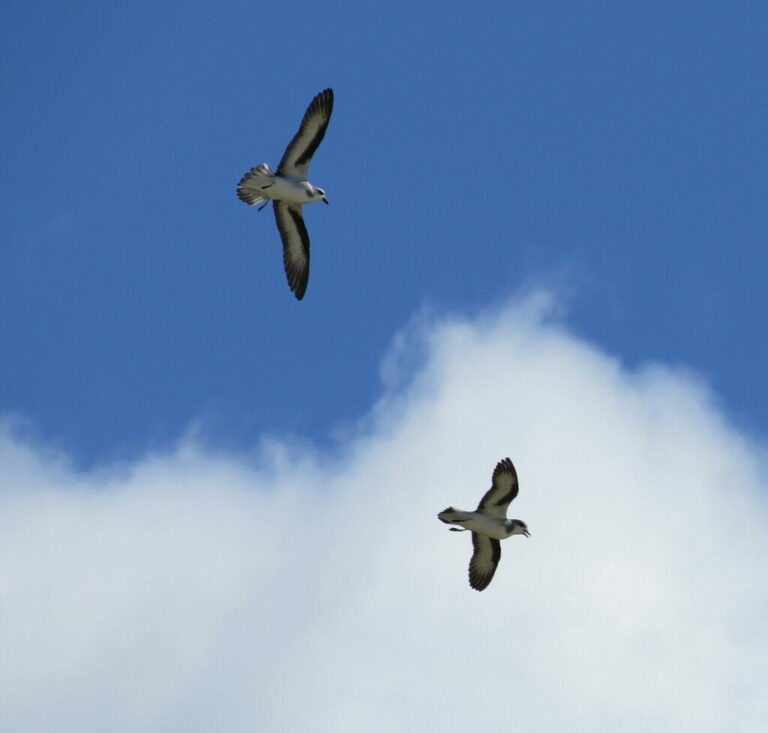
Pterodroma nigripennis
♥
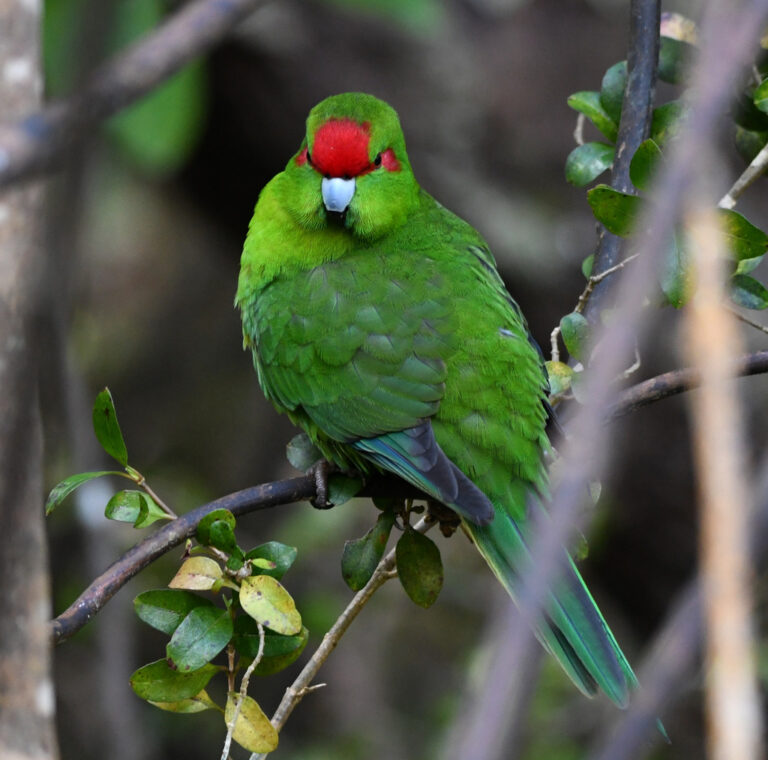
Cyanoramphus novaezelandiae
♥
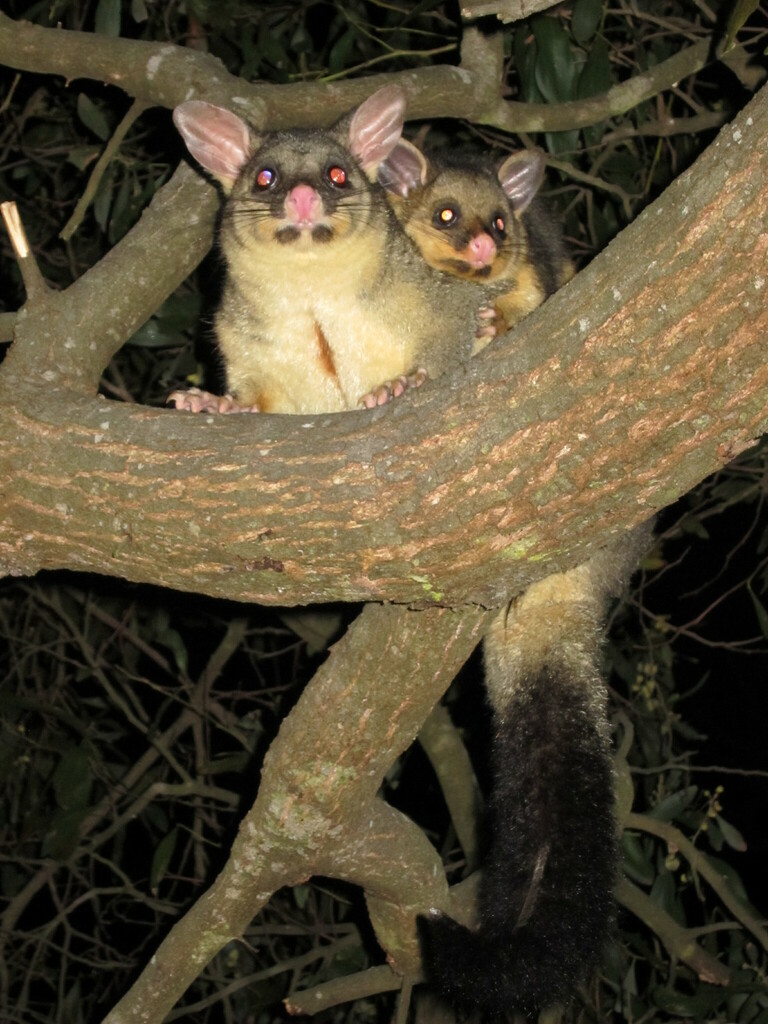
Trichosurus vulpecula
♥
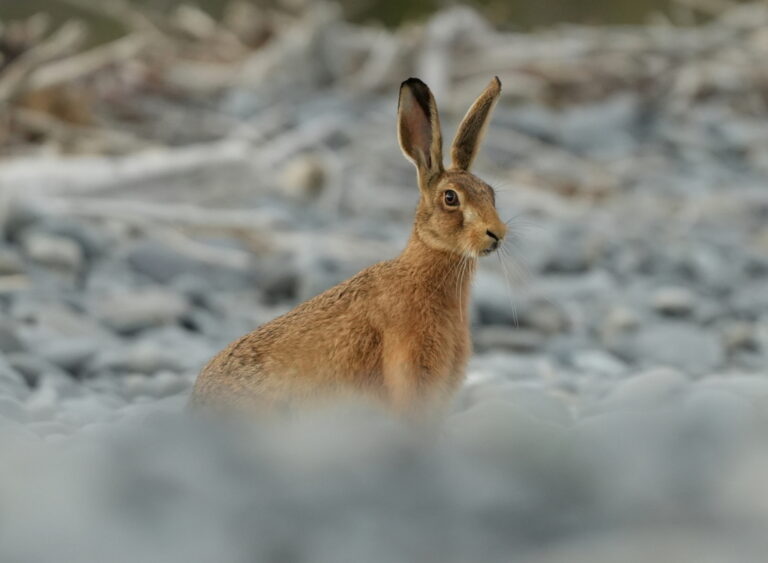
Lepus europaeus
♥
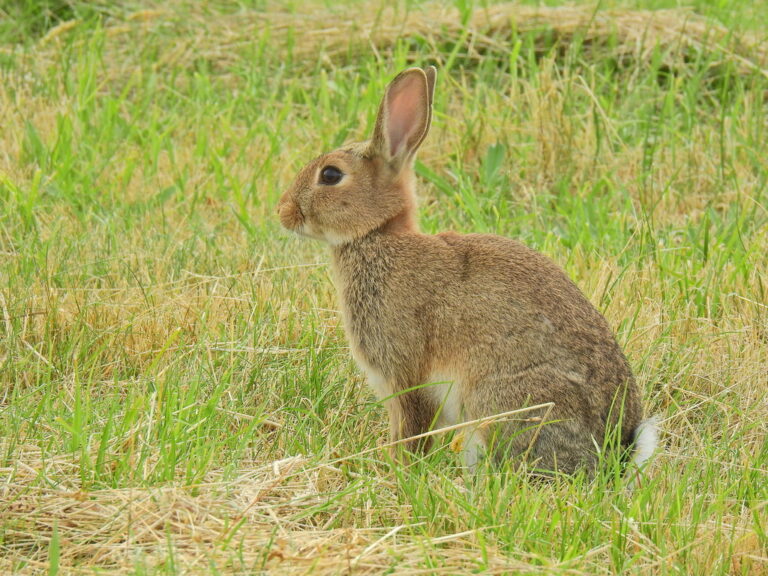
Oryctolagus cuniculus
♥
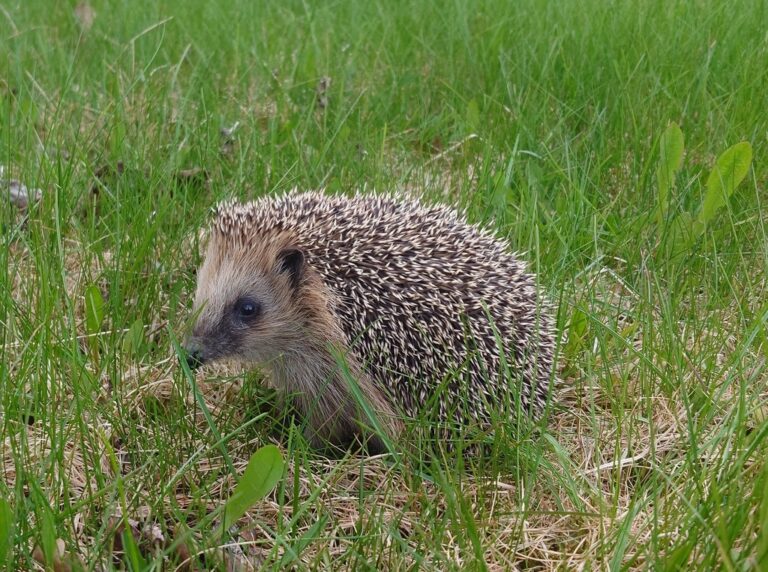
Erinaceus europaeus
♥
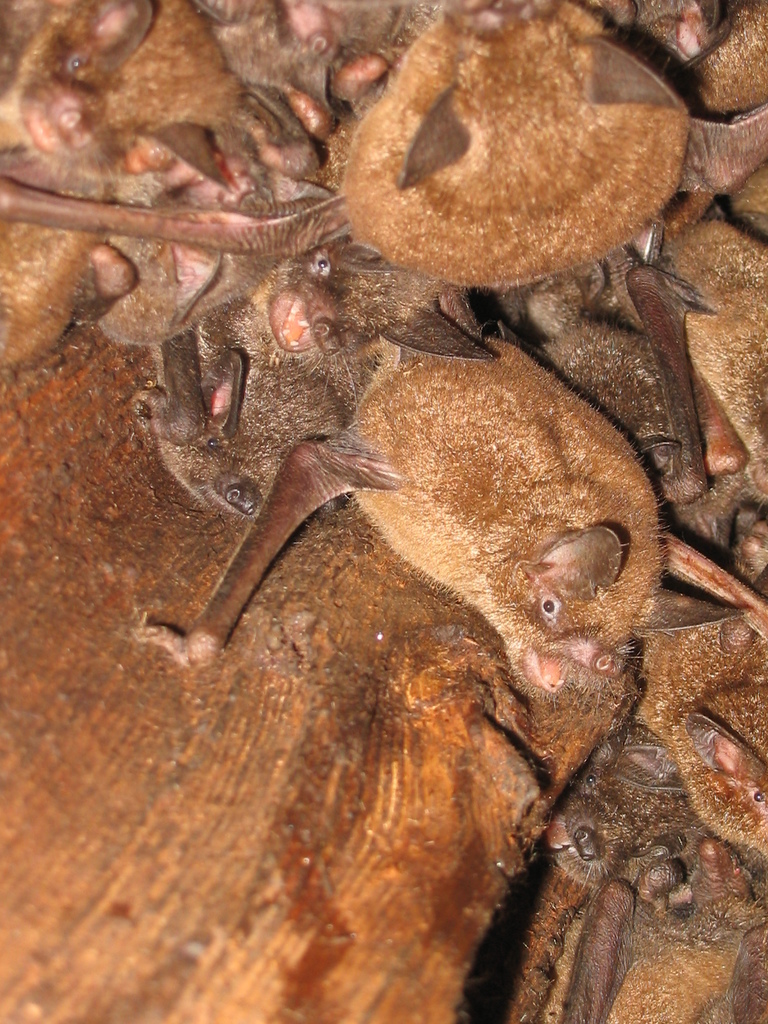
Mystacina tuberculata
♥
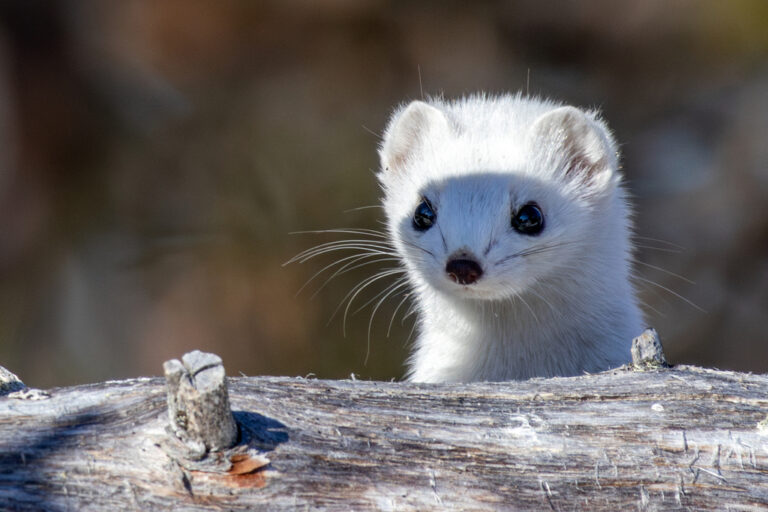
Mustela erminea
♥
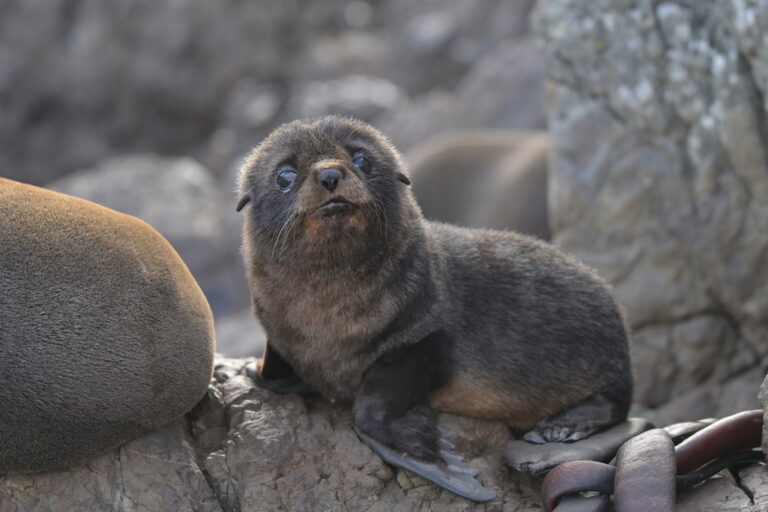
Arctocephalus forsteri
♥
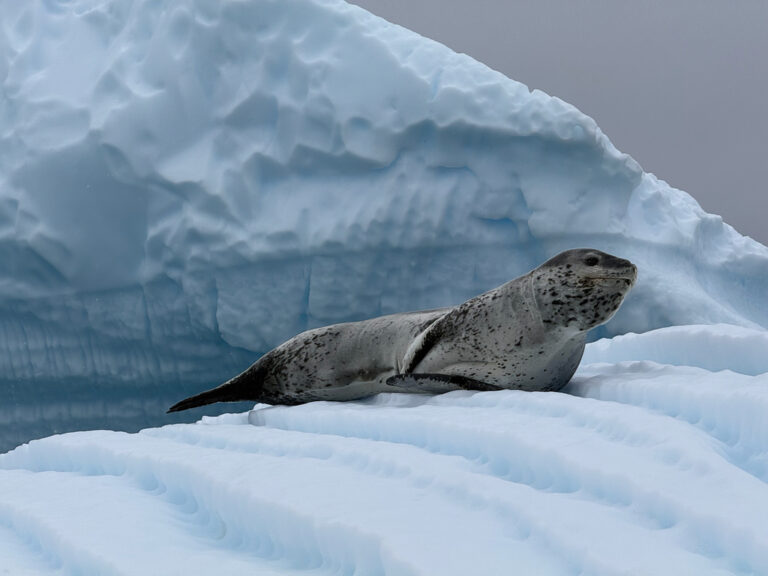
Hydrurga leptonyx
♥
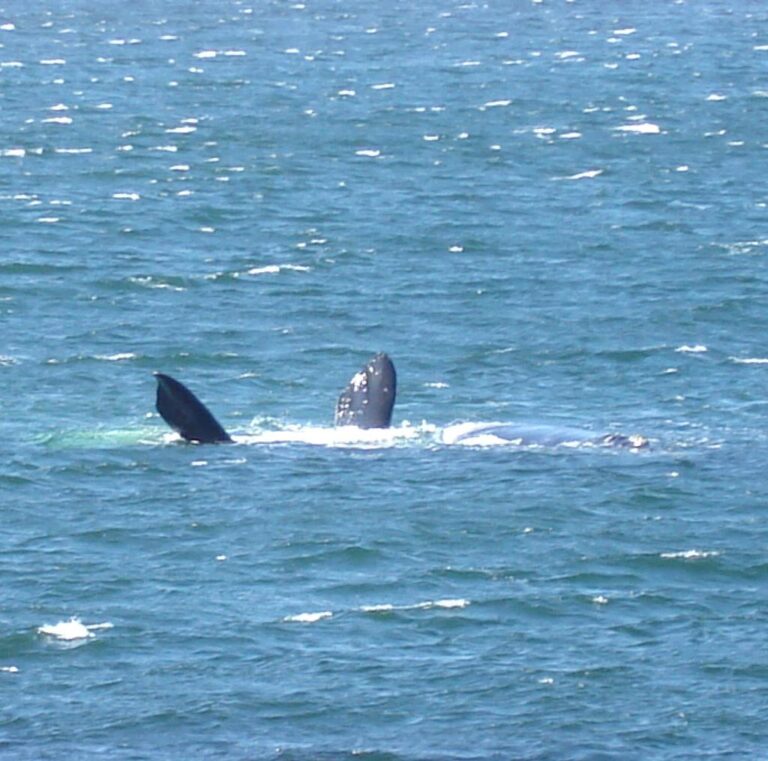
Eubalaena australis
♥
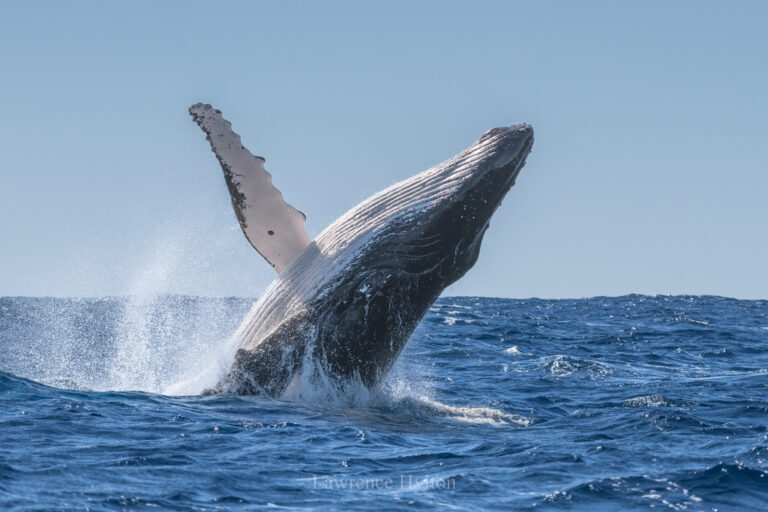
Megaptera novaeangliae
♥
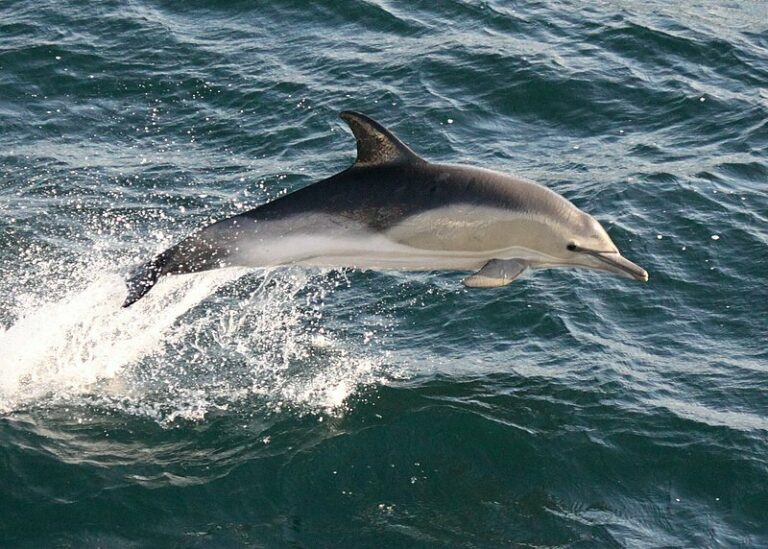
Delphinus delphis
♥
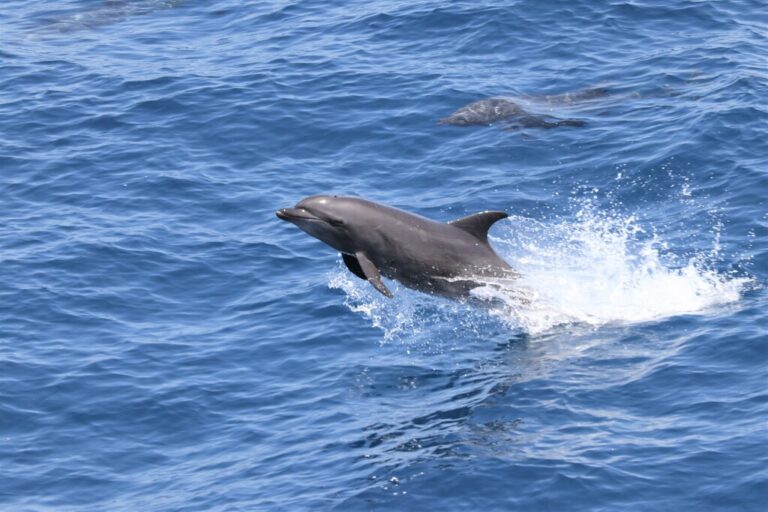
Tursiops truncatus
♥
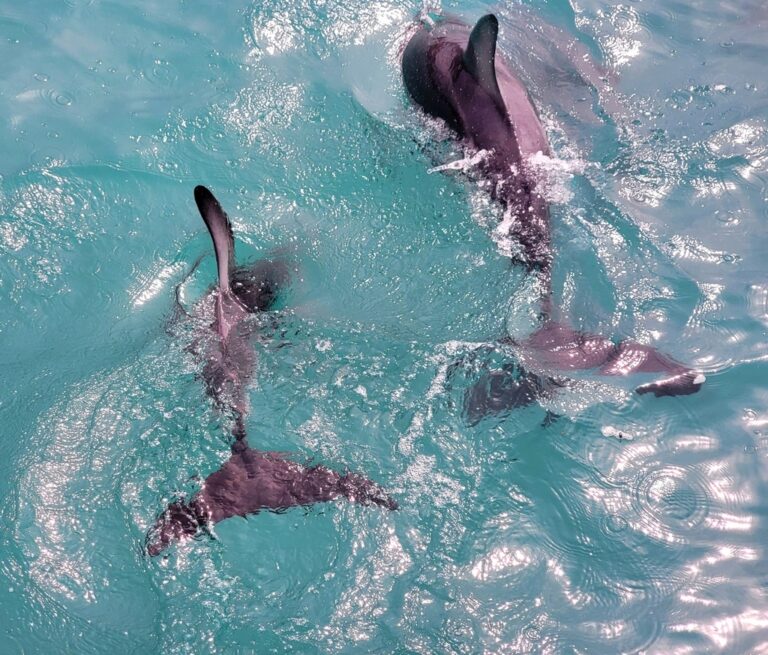
Aethalodelphis obscurus
♥
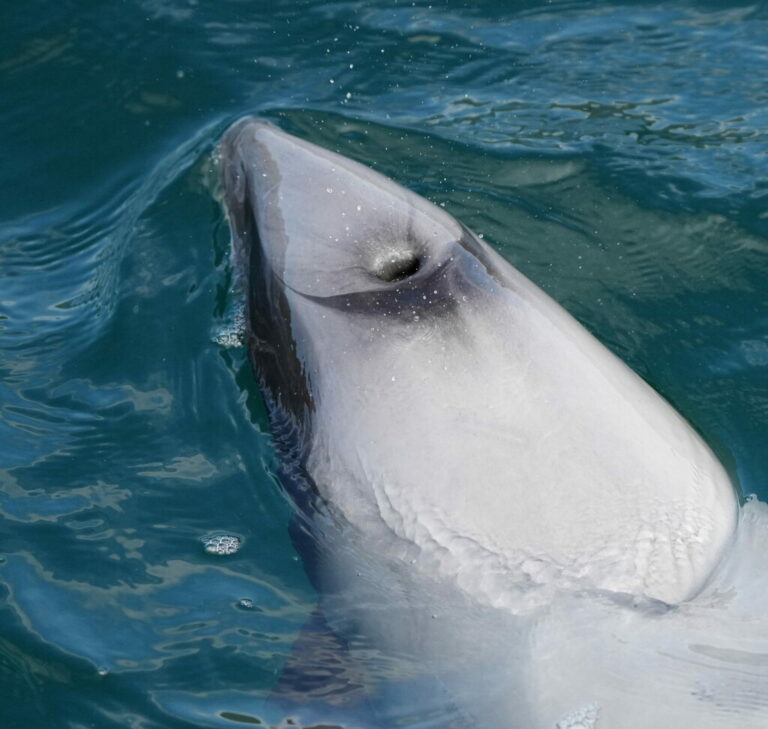
Cephalorhynchus hectori
♥
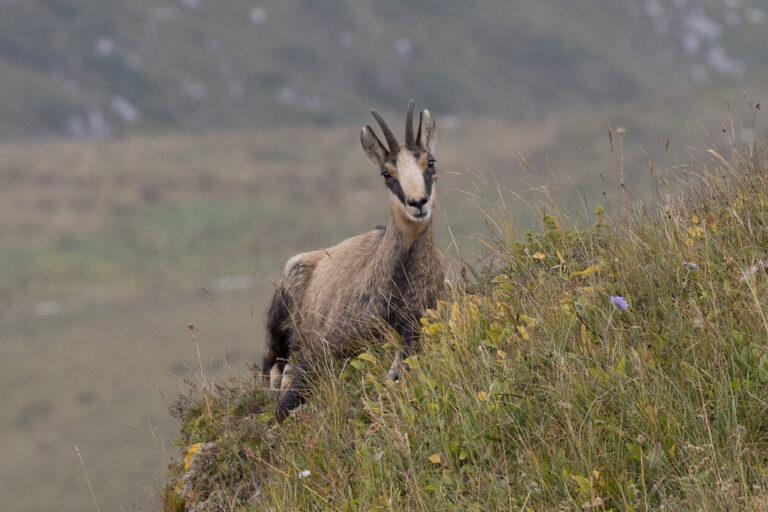
Rupicapra rupicapra
♥
Cervus elaphus
♥
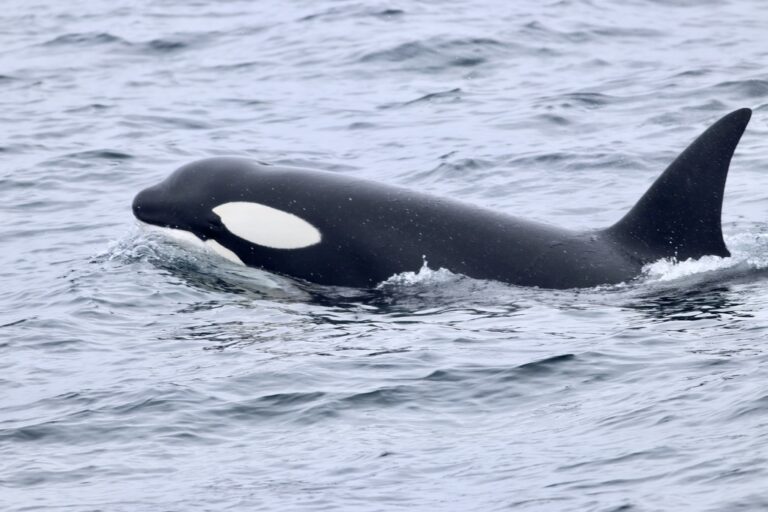
Orcinus orca
♥