Average annual temperature
25.2 °C
Average of the twelve monthly means
Serra da Cutia National Park
National Park
·
Brazil
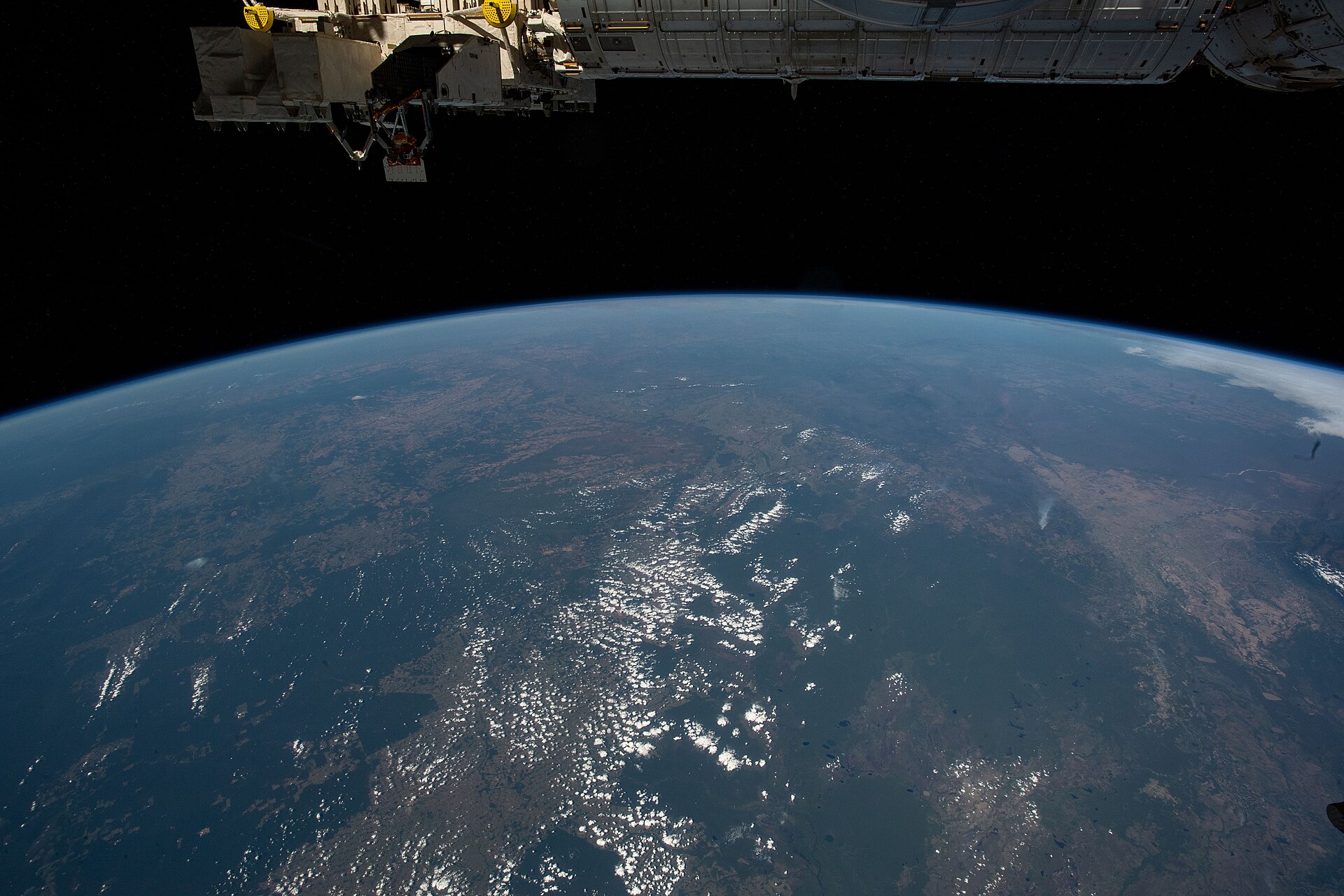
Photo © Earth Science and Remote Sensing Unit, Lyndon B. Johnson Space Center
Photo © Earth Science and Remote Sensing Unit, Lyndon B. Johnson Space Center — CC0 1.0 — Source: Wikimedia CommonsABOUT
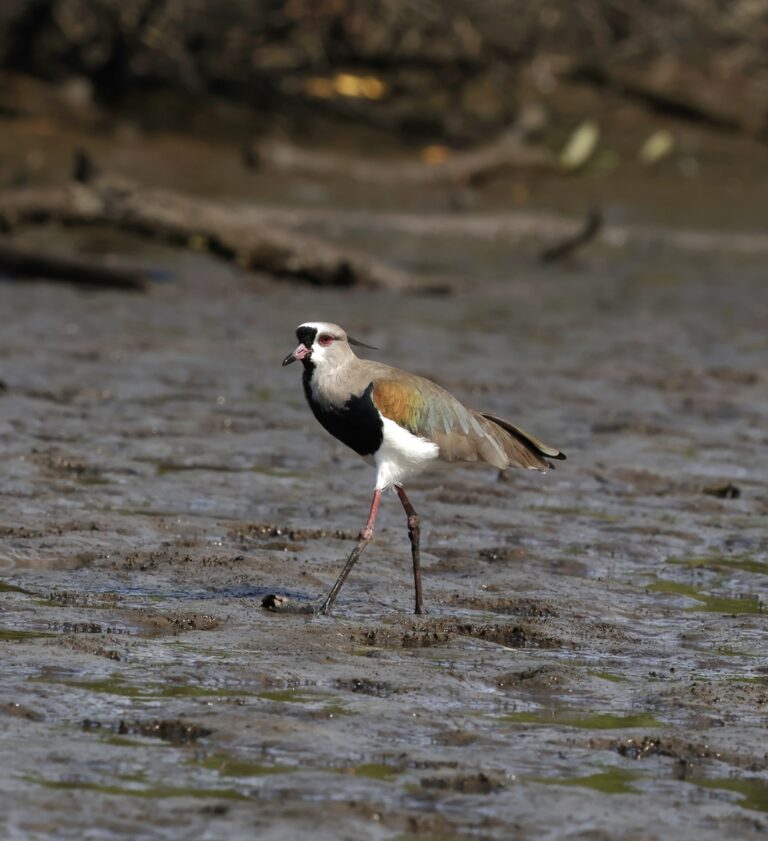
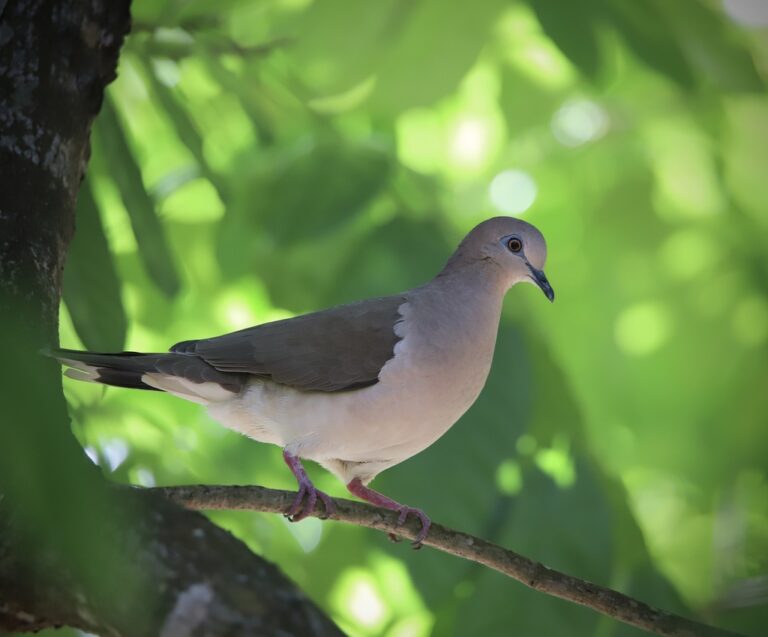
Rainforest plateaus rise abruptly from the Amazon basin in northwestern Brazil, their serrated ridges and deep ravines creating a landscape where terra firme forest dominates the uplands while seasonal flooding shapes the lowland valleys. Serra da Cutia National Park encompasses nearly 6,000 square kilometres of this biogeographically critical terrain, where the transition zone between the western Amazon and the Brazilian Shield generates exceptional ecological complexity. The park's mosaic of forest types—from dense canopy woodland to more open transitional growth—supports a rich assemblage of woodland mammals, arboreal primates navigating the upper storeys, small forest carnivores hunting through the understory, and diverse rodent communities. Amphibians thrive in the abundance of seasonal pools and streams that cascade down the escarpment faces, while the canopy itself hosts a spectacular diversity of birds of prey, insectivorous passerines, and frugivorous species dependent on the park's fruit-bearing trees. The ecological architecture of these forests—undisturbed for vast stretches—remains one of the least-studied wilderness areas in the Amazon, a labyrinth of habitat where predator and prey populations maintain natural equilibrium far from human pressure.
For wildlife observers and field photographers, Serra da Cutia offers the rare opportunity to experience Amazonian ecosystems at landscape scale, where the interplay of elevation, terrain, and climate creates distinct wildlife communities within a single reserve. The dry season, from June to September, concentrates animals around water sources and brings clearer skies for both observation and photography, while the wetter months transform the park into a chorus of vocal activity—the dawn chorus reaching an intensity that defines tropical forest experience. Access remains deliberately limited, preserving the park's integrity and ensuring that visitors who do venture into its interior encounter wildlife largely unhabituated to human presence. Specialist guides familiar with rainforest ecology and animal behaviour are essential and invaluable, transforming a trek through dense forest into a masterclass in tropical adaptation. Those prepared for challenging terrain and equipped with patience will witness the full drama of Amazonian wildlife: large predators moving through their domains, monkey troops feeding in fruiting trees, and the astonishing diversity of amphibians and birds that pulse through the forest's layers from dawn until dusk.
WILDLIFE
COMMUNITY
0
Community observations
No community observations yet — be the first to log a sighting here.
Natural environment
Serra da Cutia National Park
Warm throughout the year, with rainfall patterns shaping the seasons.
Usual climateTropical savanna with dry winterLowland
Average elevation
174 m
Lowland
Climate pattern
Tropical savanna with dry winter
Main environment around this hotspot
A year of temperatures
Monthly means, with the coldest and warmest highlighted
Monthly minimum · June 24.0 °C Monthly maximum · October 26.2 °C
Global temperature scale
−40°−20°0°20°40°
Terrain and elevation
174 m · LowlandAverage terrain elevation estimate across the hotspot; the figure does not represent its highest summits.
Elevation scale
174 m
02,0004,0006,0008,000m
Lowland