Average annual temperature
25.7 °C
Average of the twelve monthly means
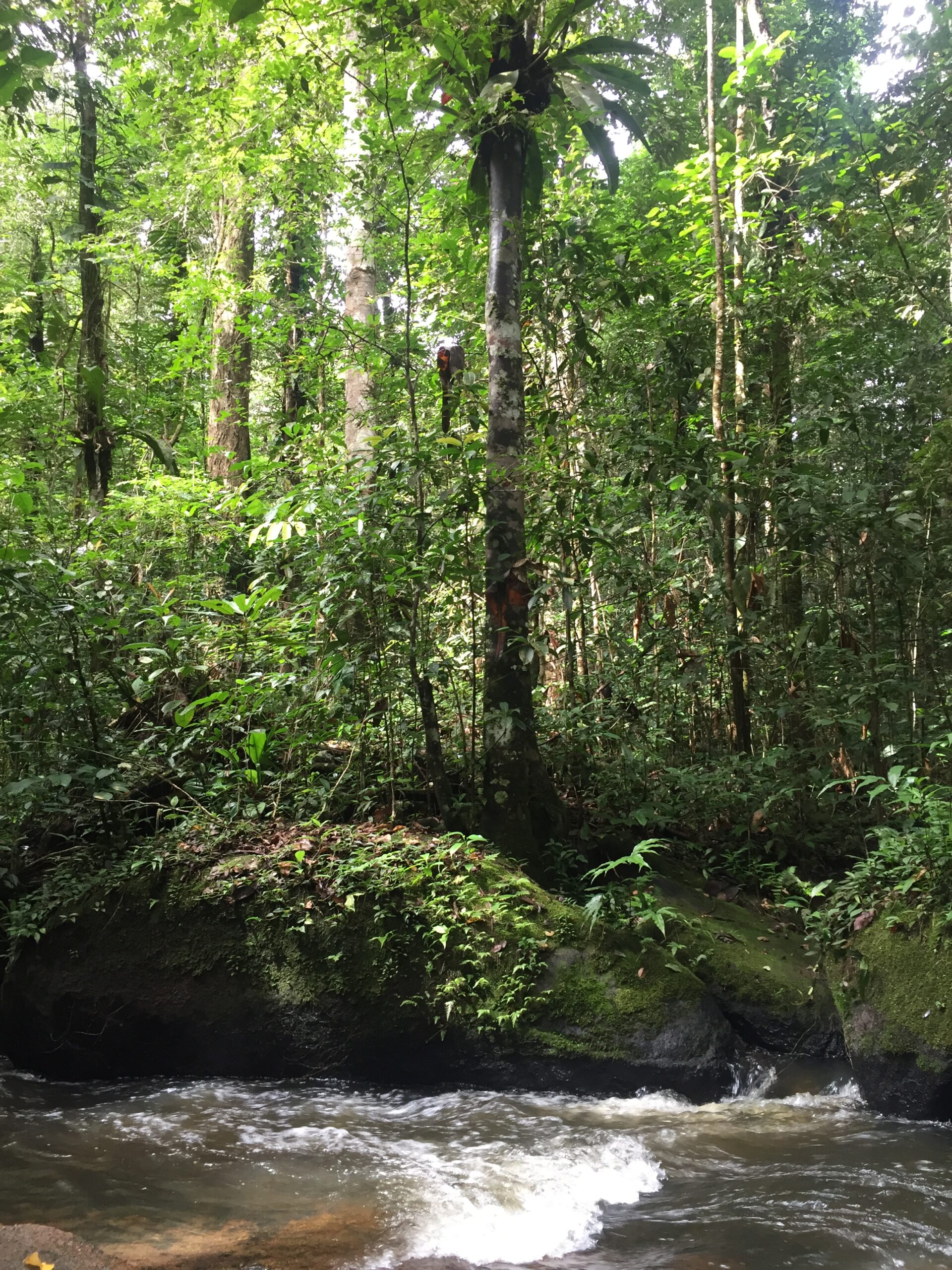
French Guiana Amazonian Park
Photo © Melanie Dinane
Photo © Melanie Dinane — CC BY-SA 4.0 — Source: Wikimedia Commons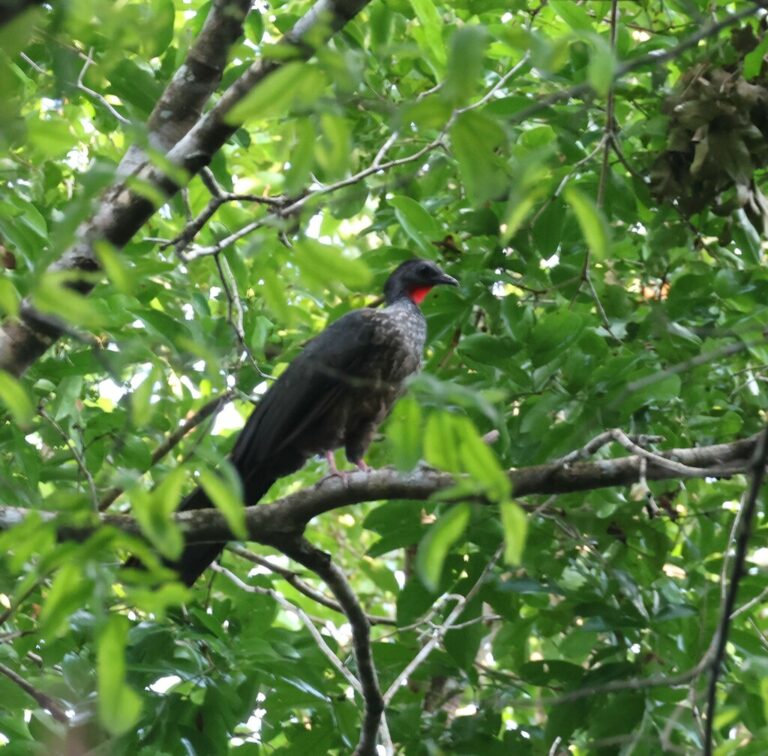
Penelope marail
♥
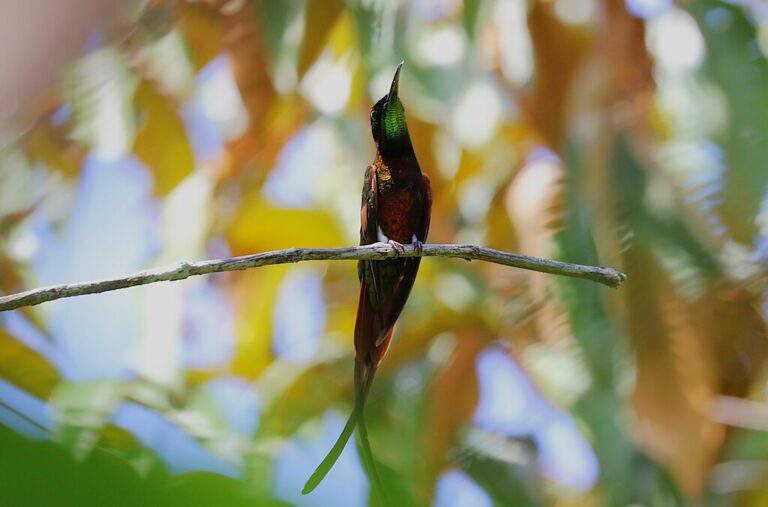
Topaza pella
♥
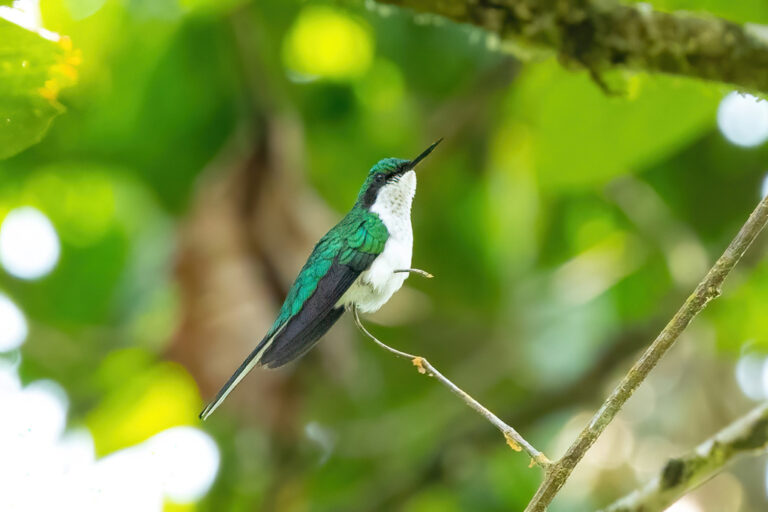
Heliothryx auritus
♥
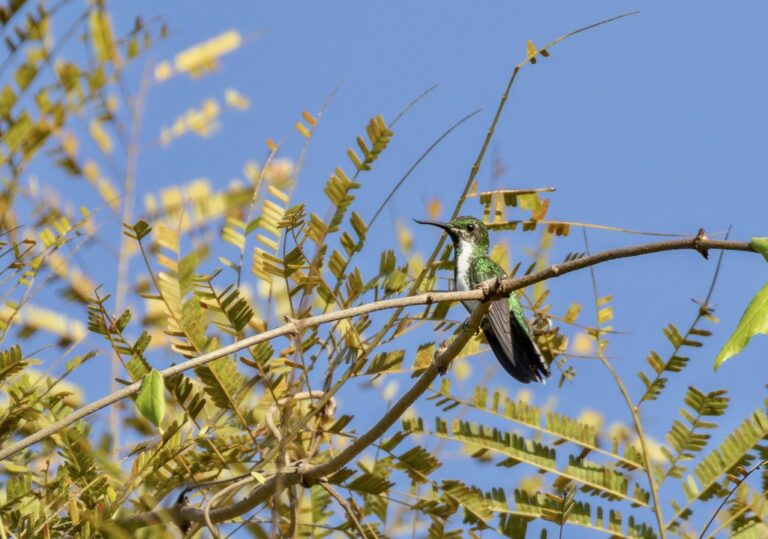
Avocettula recurvirostris
♥
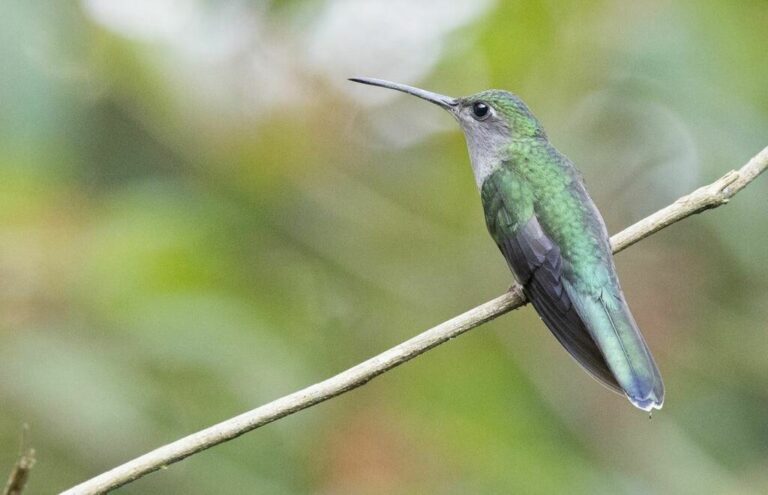
Campylopterus largipennis
♥
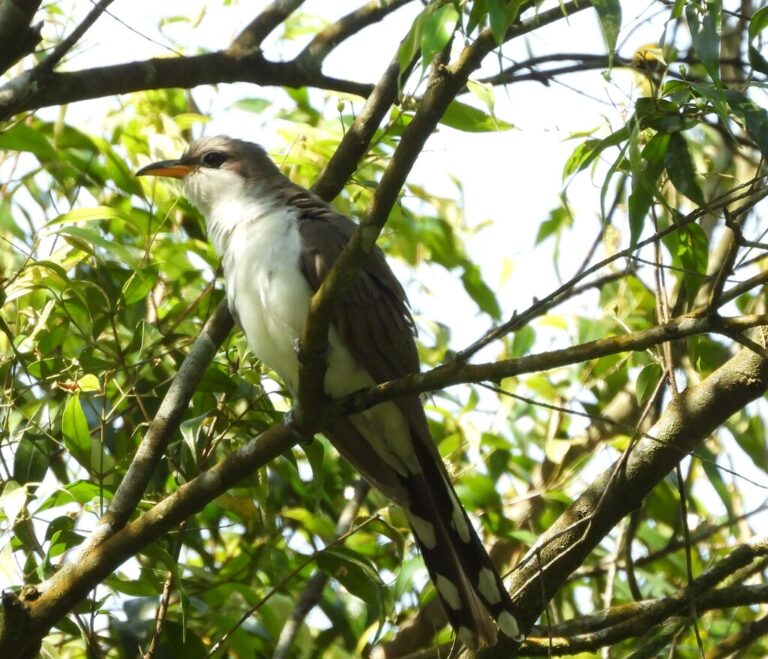
Coccyzus euleri
♥
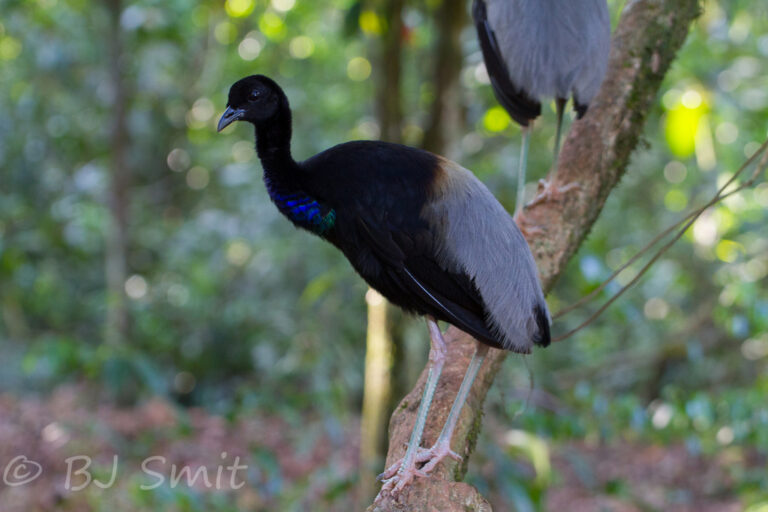
Psophia crepitans
♥
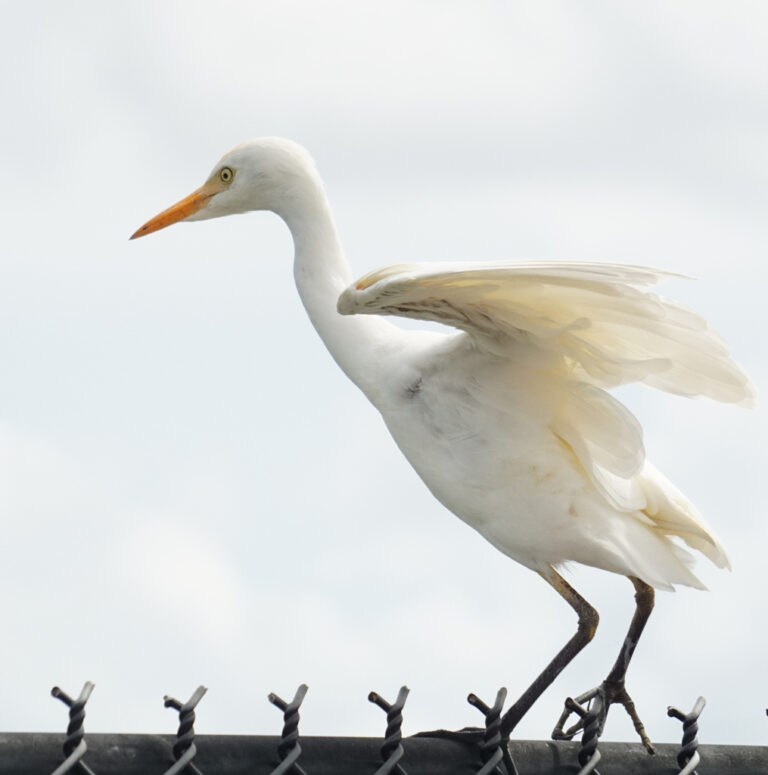
Ardea ibis
♥
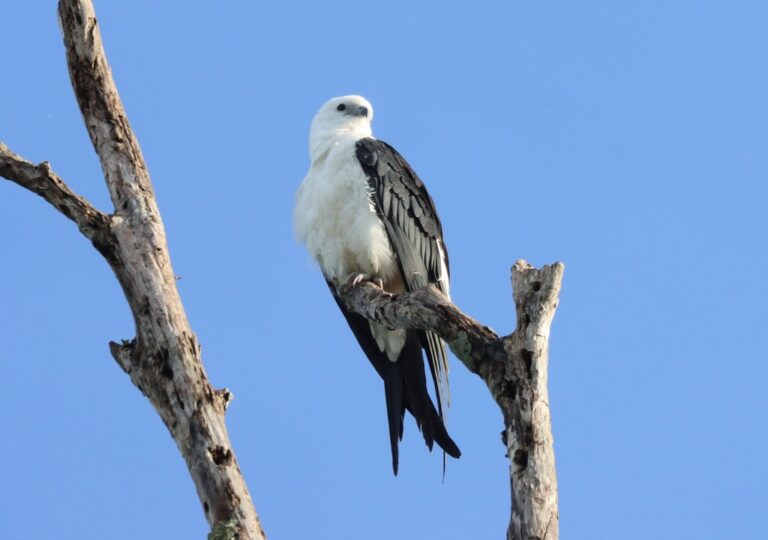
Elanoides forficatus
♥
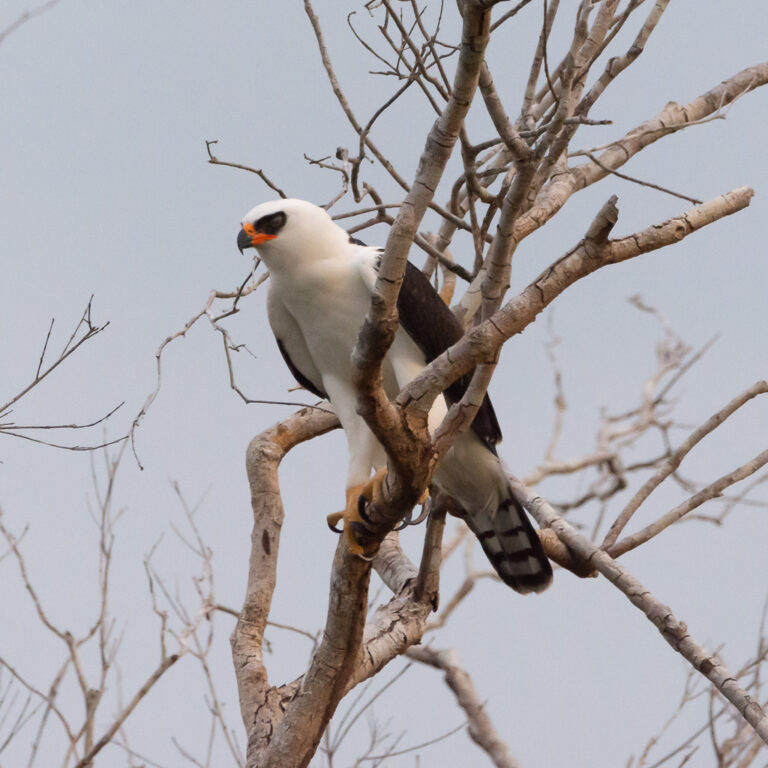
Spizaetus melanoleucus
♥
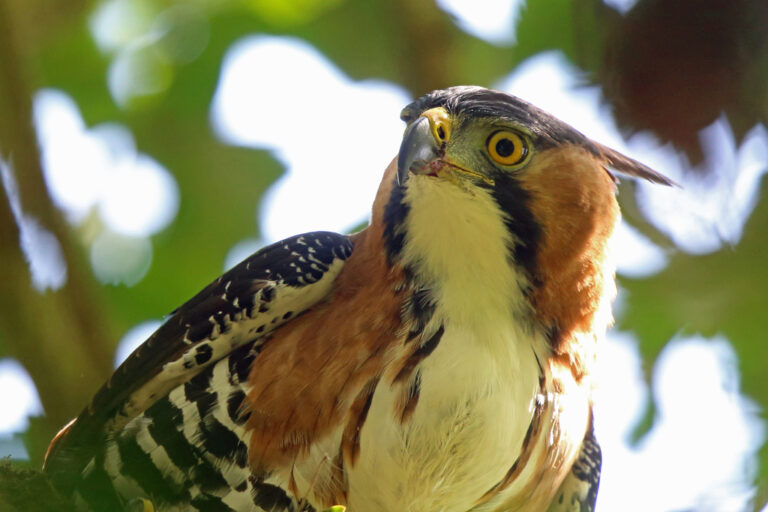
Spizaetus ornatus
♥
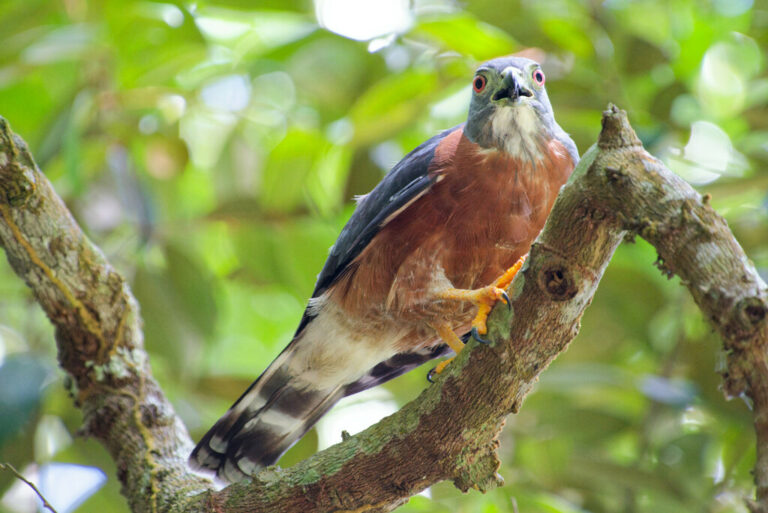
Harpagus bidentatus
♥
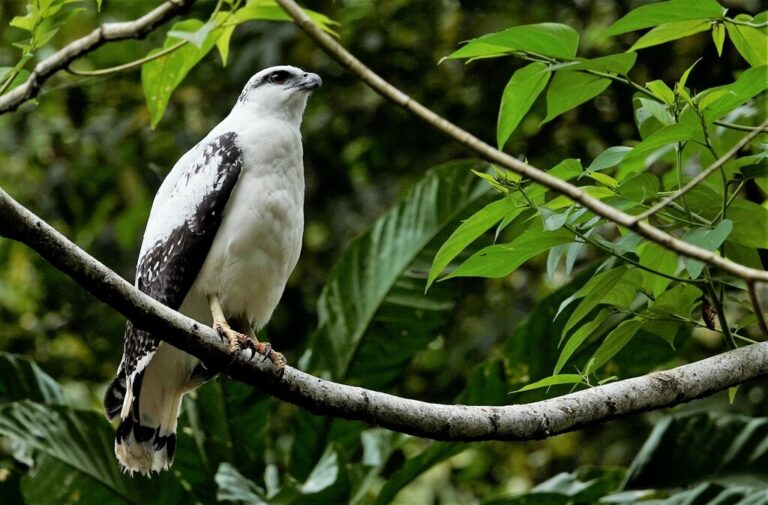
Pseudastur albicollis
♥
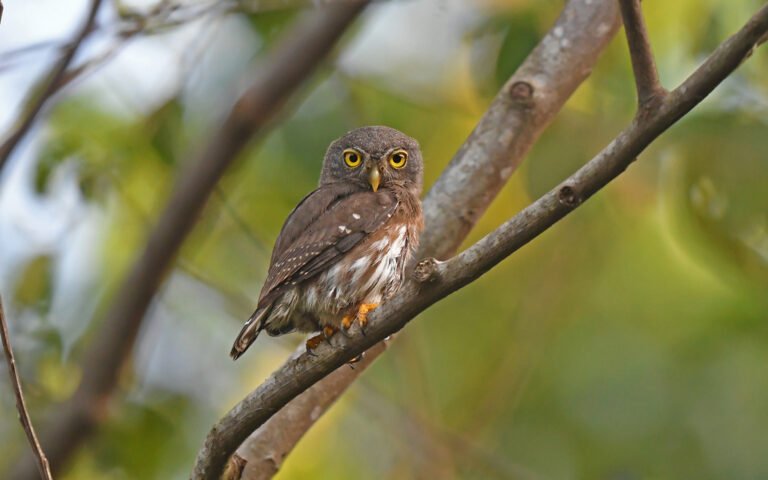
Glaucidium hardyi
♥
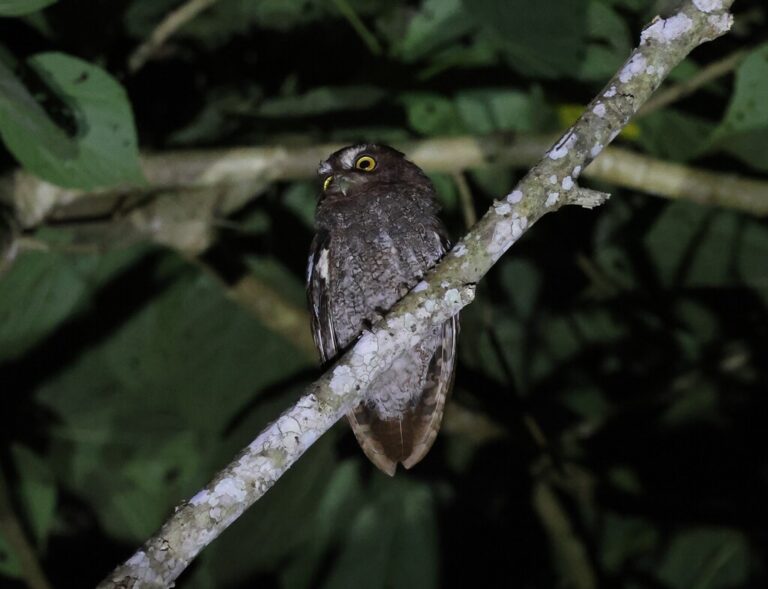
Megascops roraimae
♥
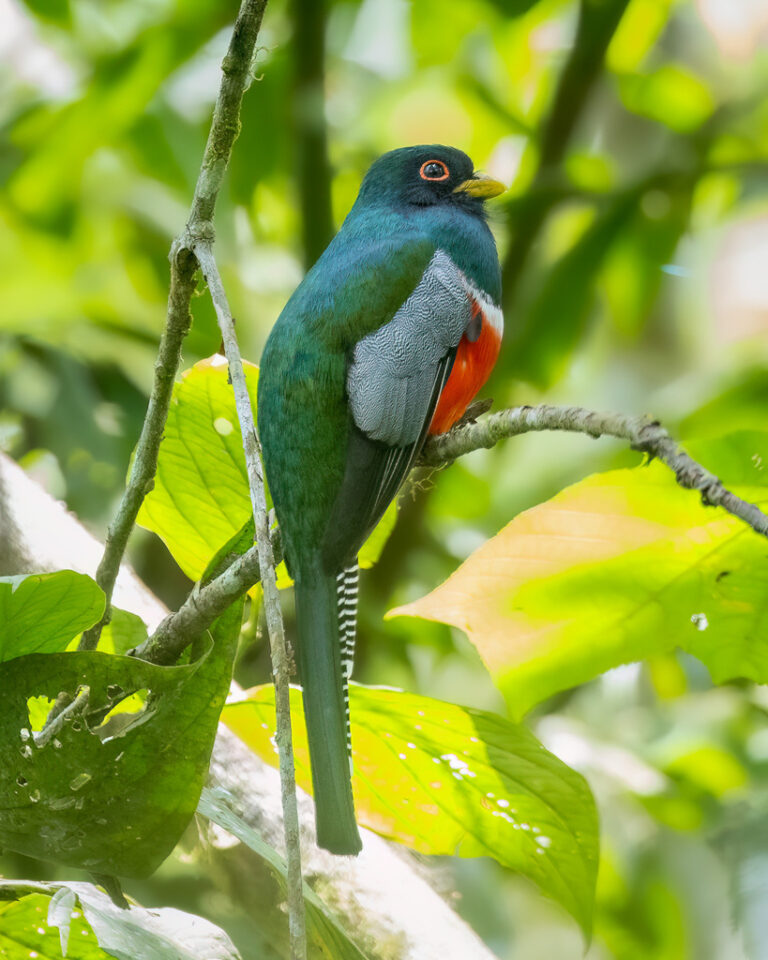
Trogon collaris
♥
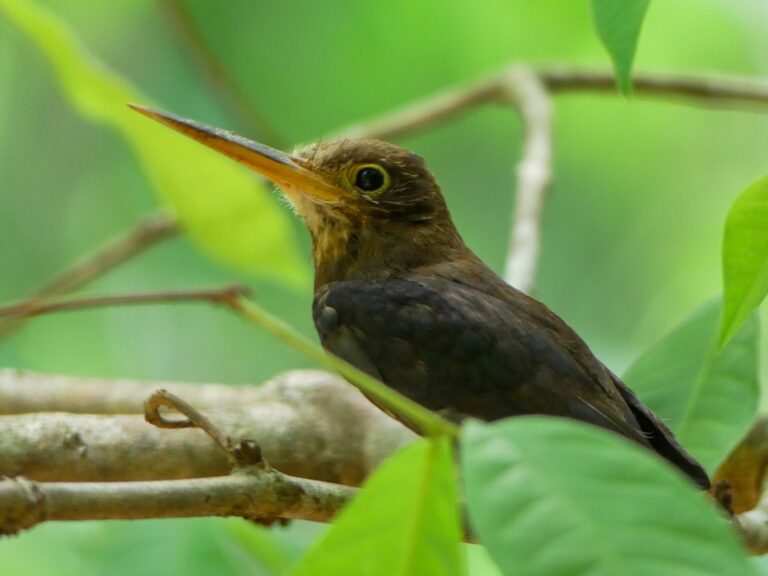
Brachygalba lugubris
♥
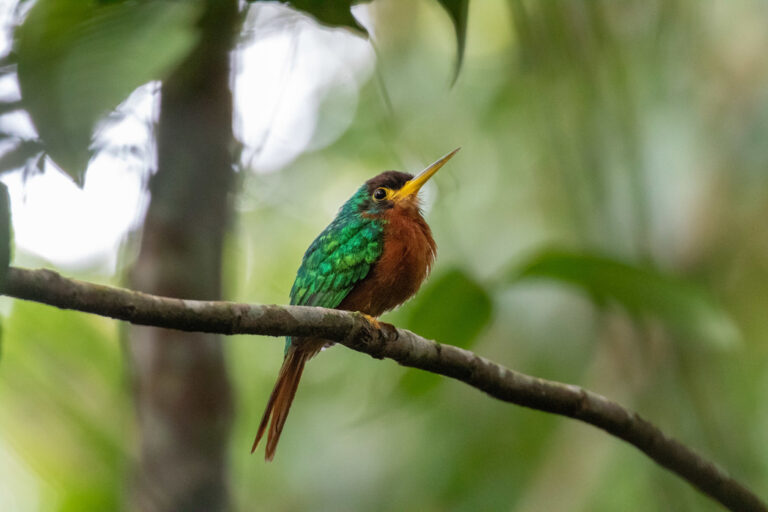
Galbula albirostris
♥
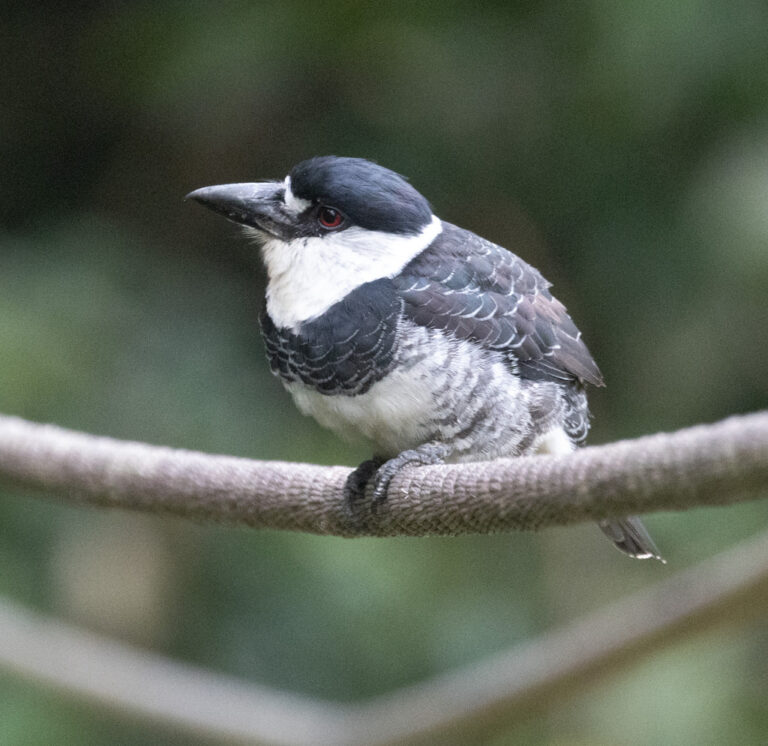
Notharchus macrorhynchos
♥
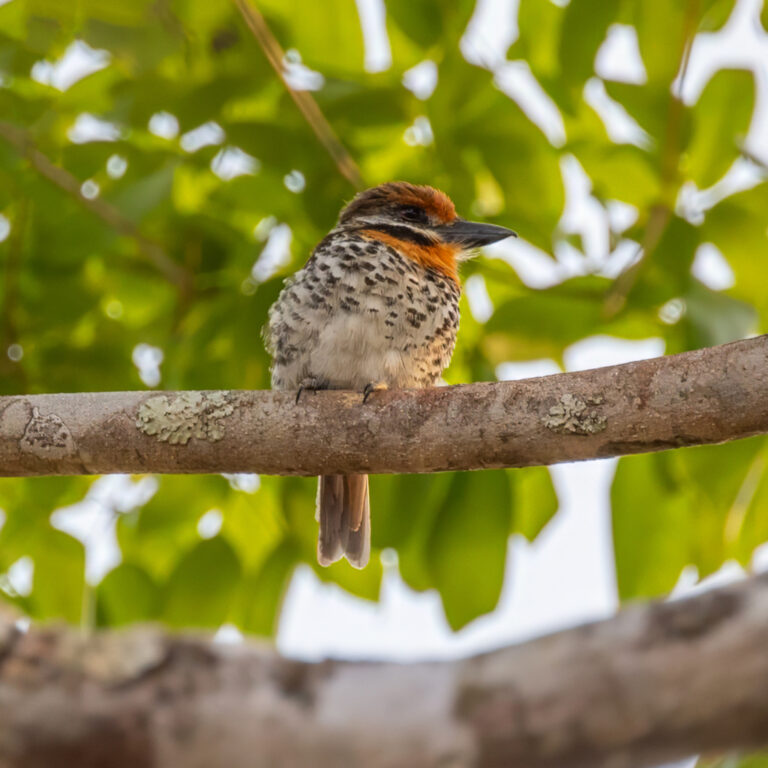
Bucco tamatia
♥
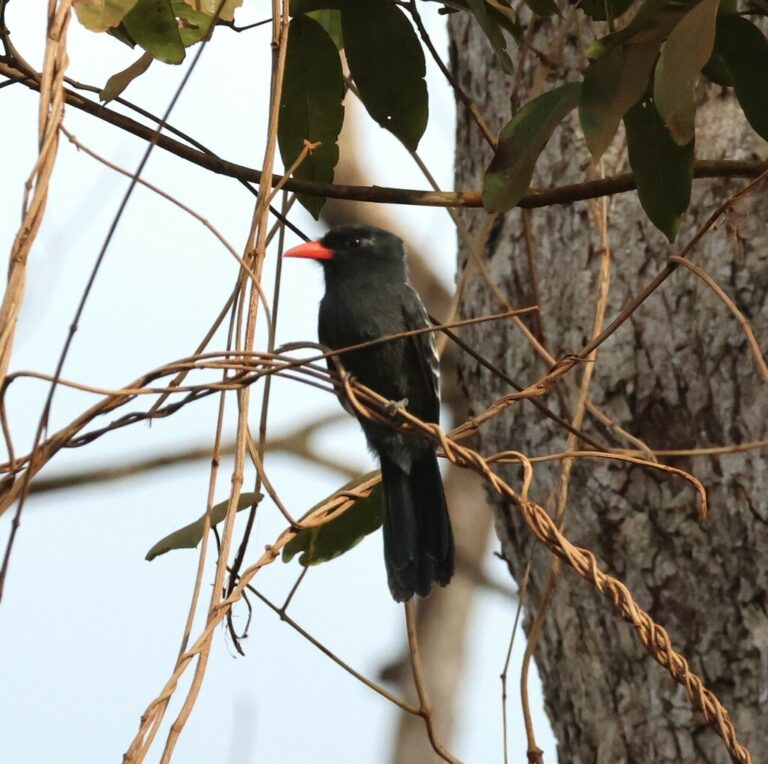
Monasa atra
♥
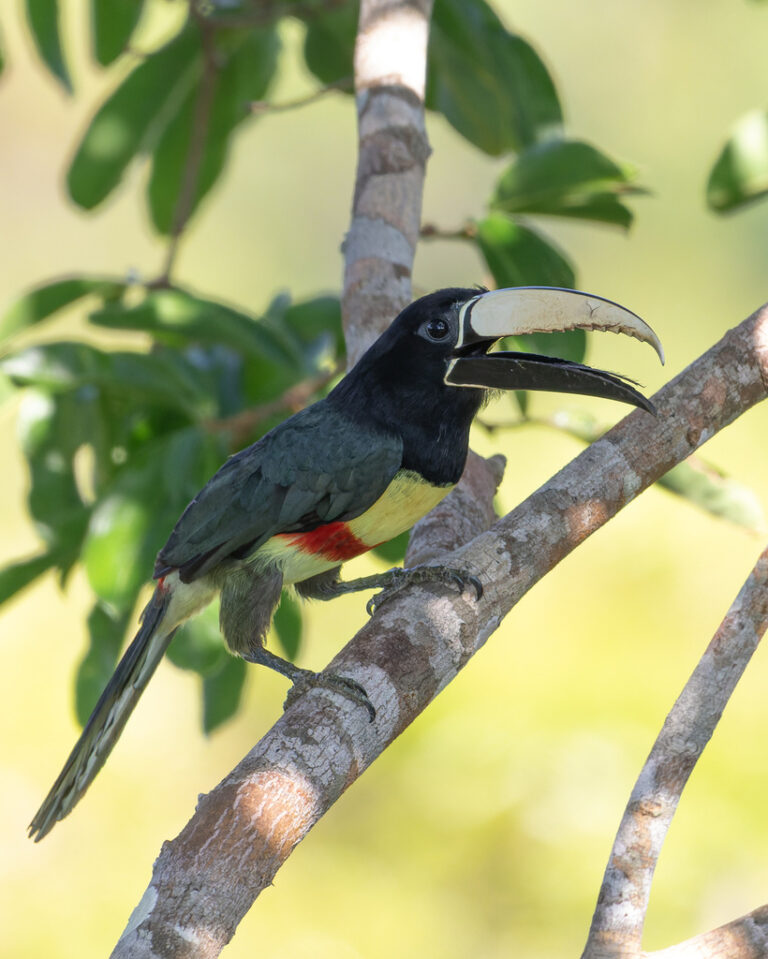
Pteroglossus aracari
♥
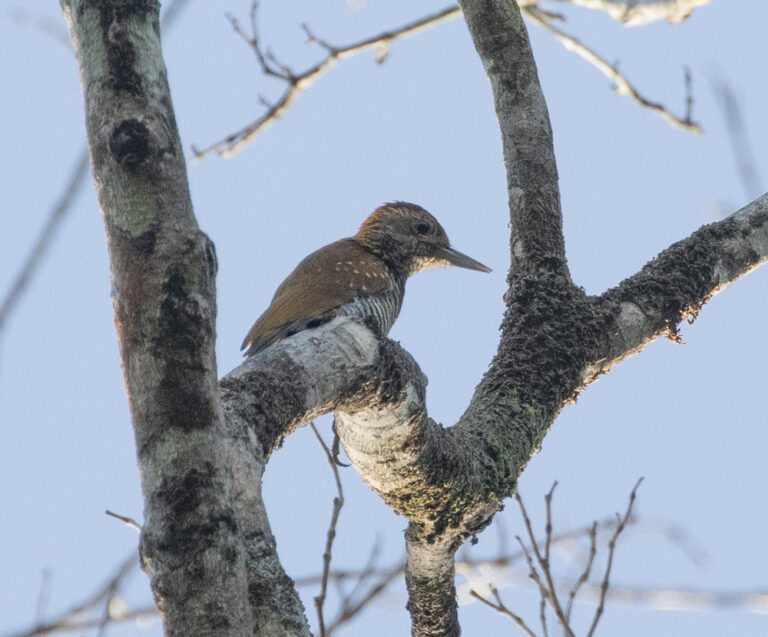
Veniliornis cassini
♥
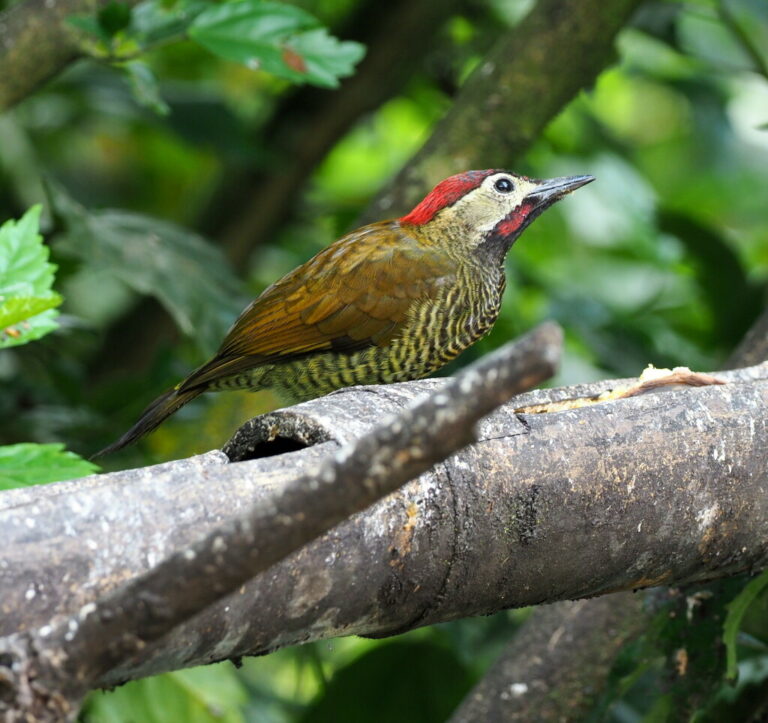
Colaptes rubiginosus
♥
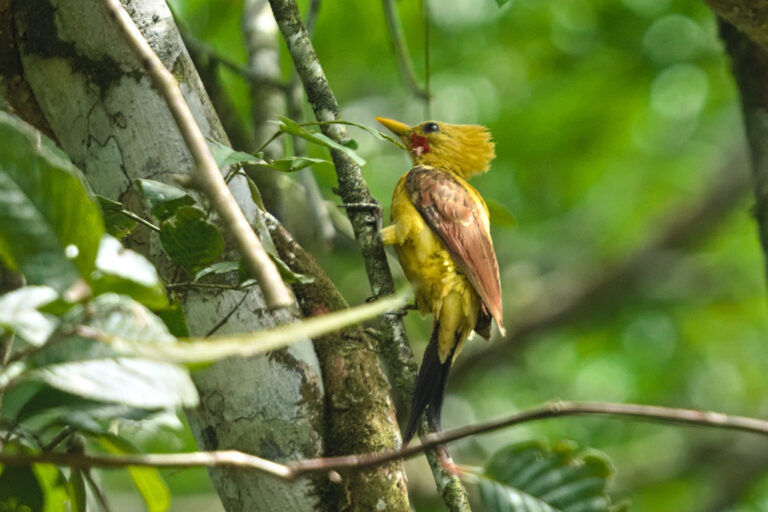
Celeus flavus
♥
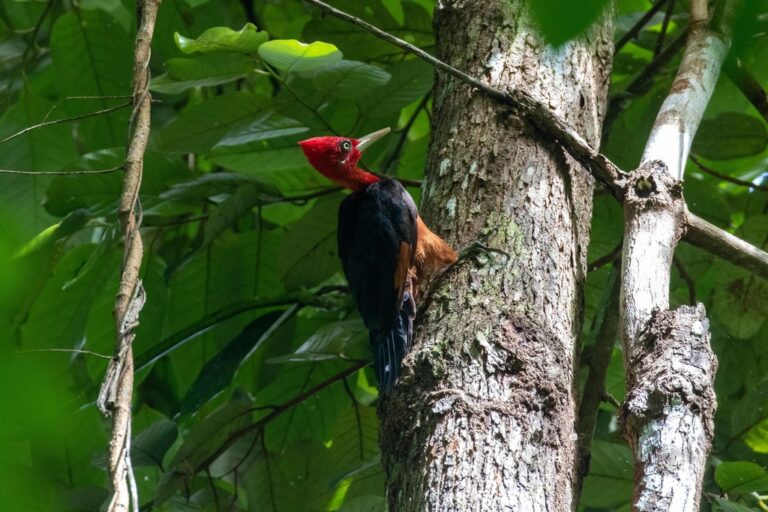
Campephilus rubricollis
♥
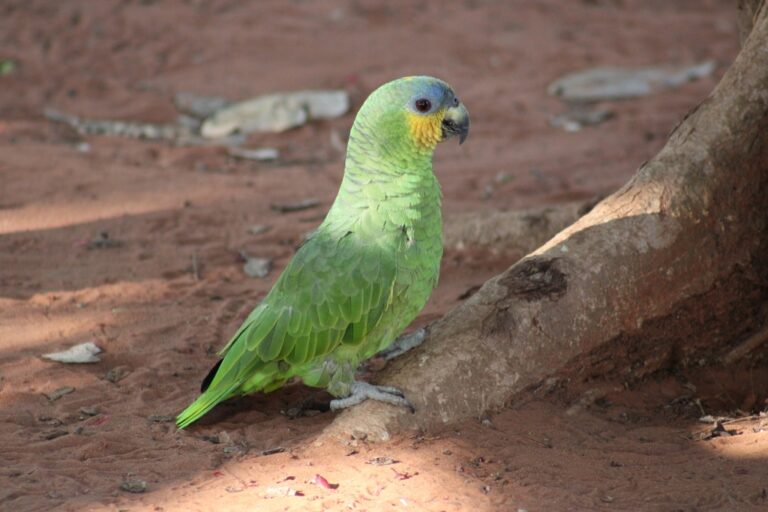
Amazona amazonica
♥
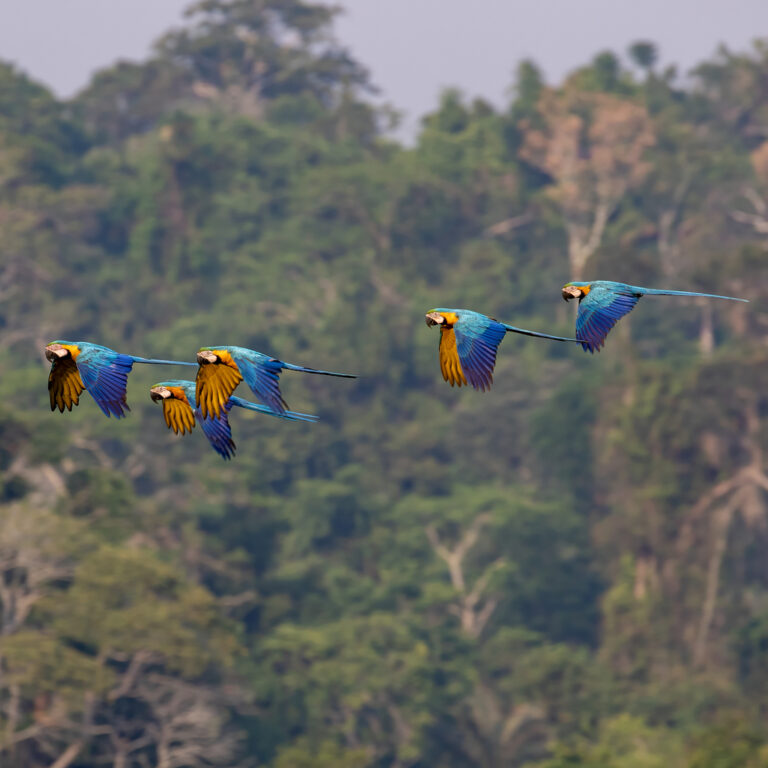
Ara ararauna
♥
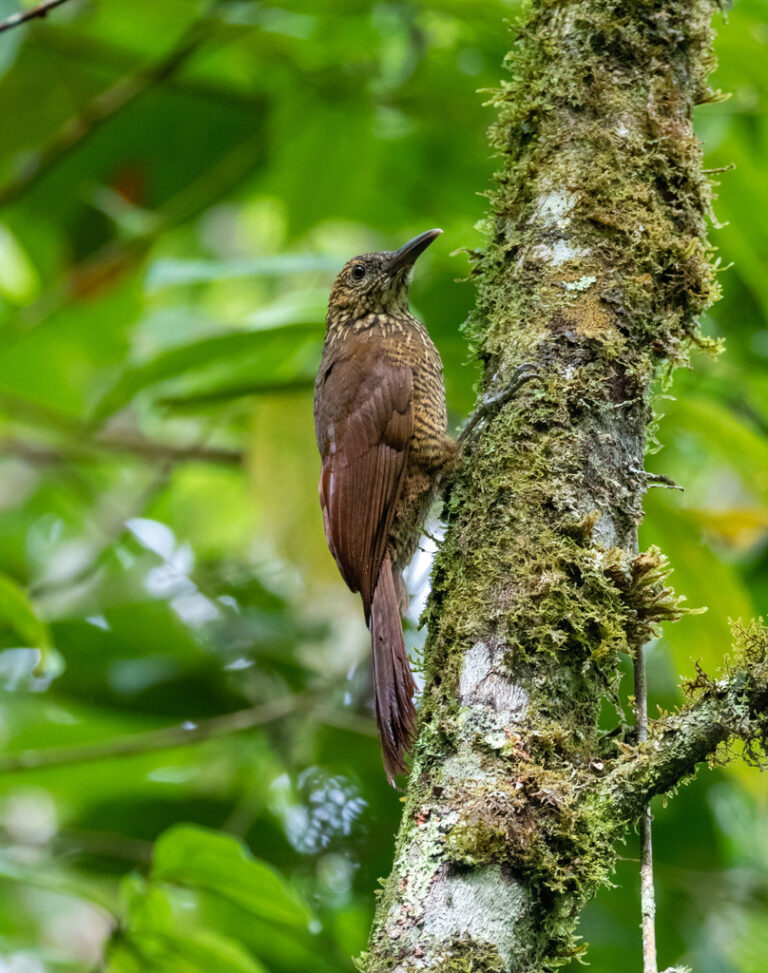
Dendrocolaptes picumnus
♥
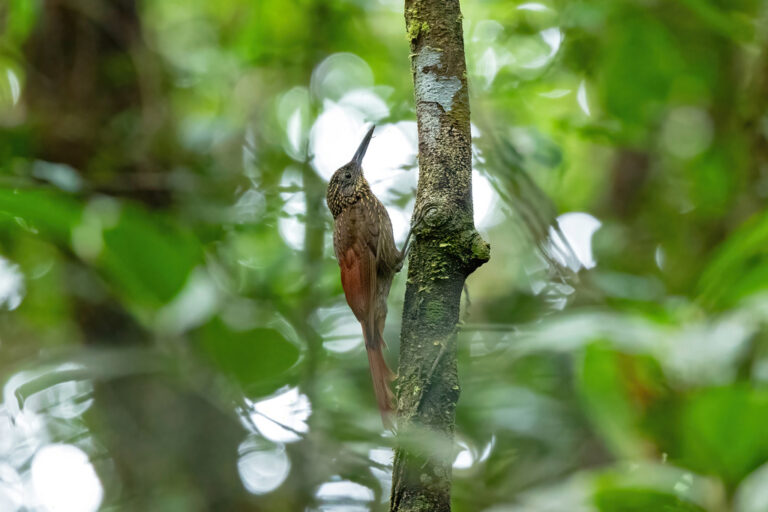
Xiphorhynchus pardalotus
♥
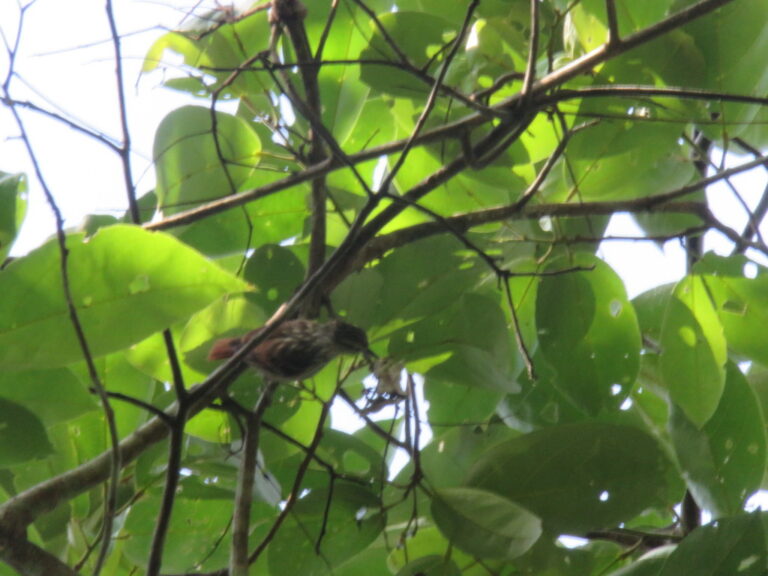
Microxenops milleri
♥
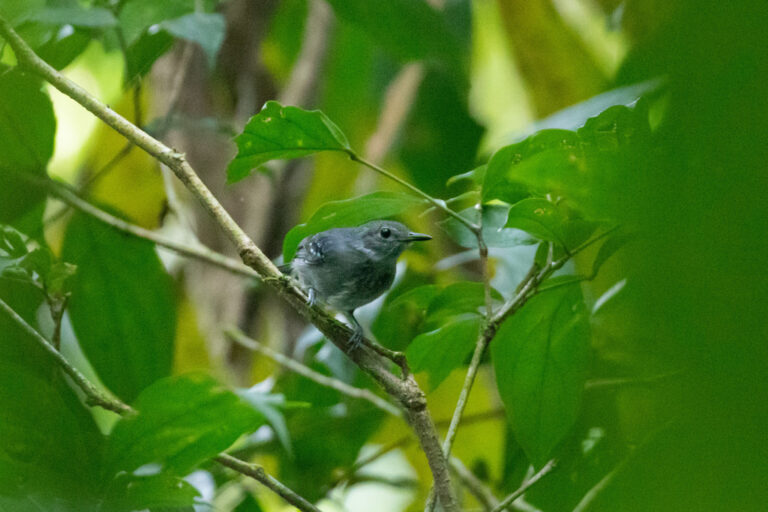
Myrmotherula menetriesii
♥
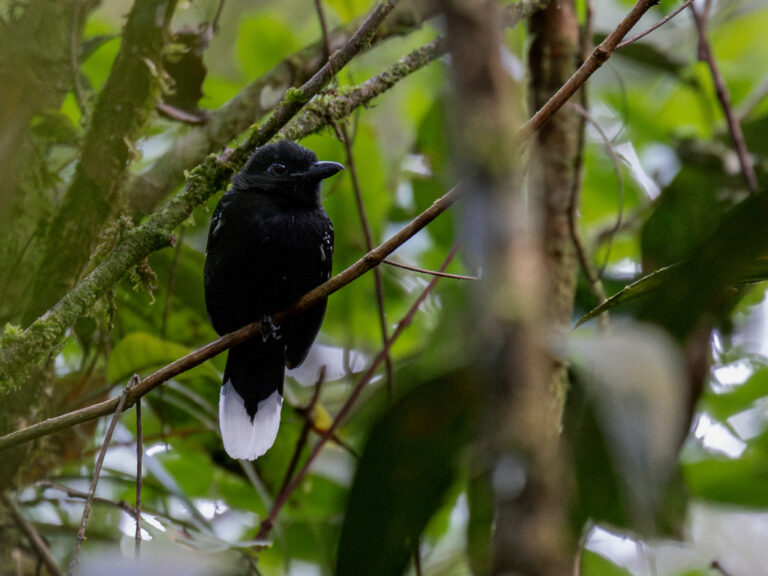
Thamnophilus melanothorax
♥
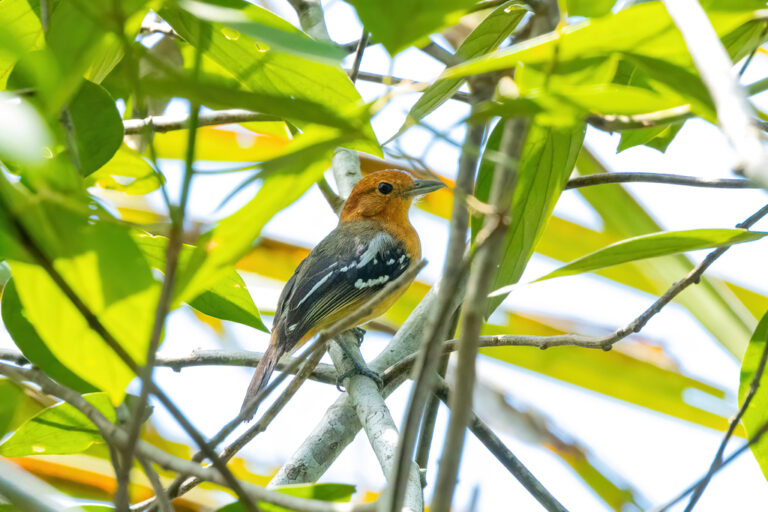
Thamnophilus amazonicus
♥
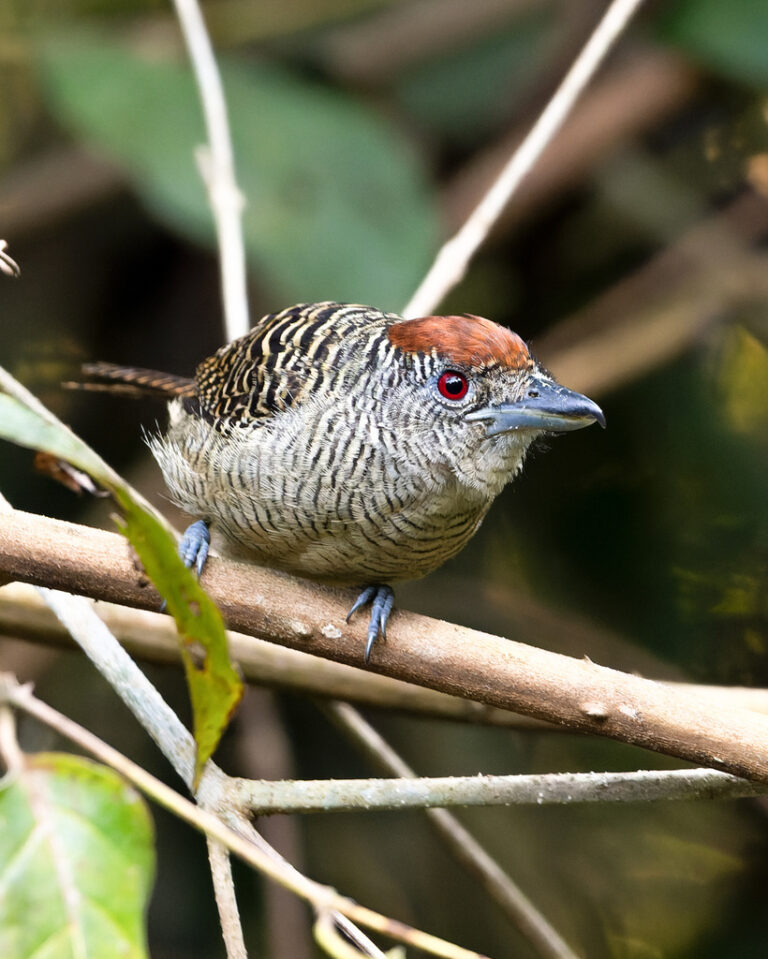
Cymbilaimus lineatus
♥
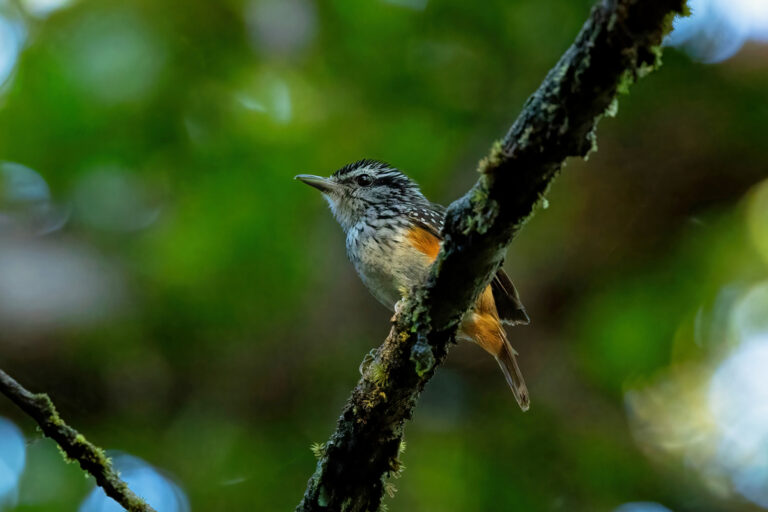
Hypocnemis cantator
♥
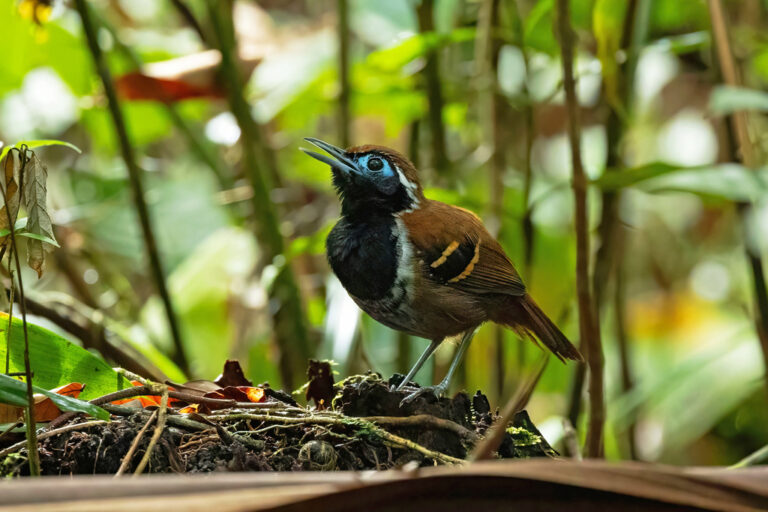
Myrmoderus ferrugineus
♥
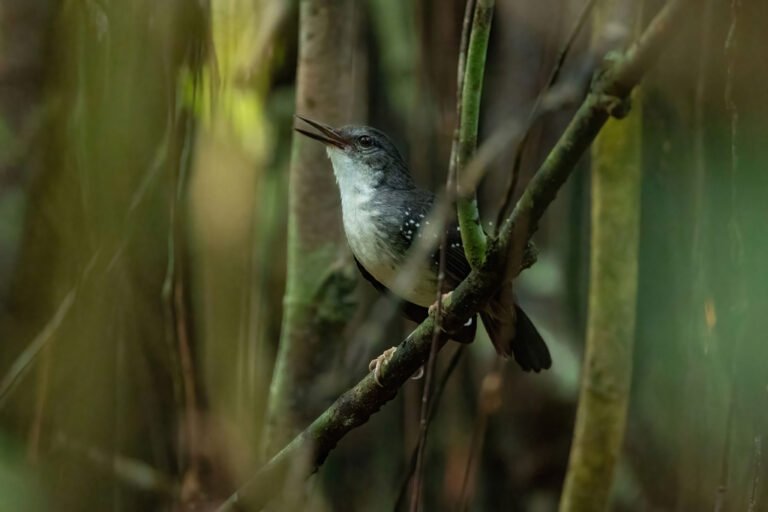
Sclateria naevia
♥
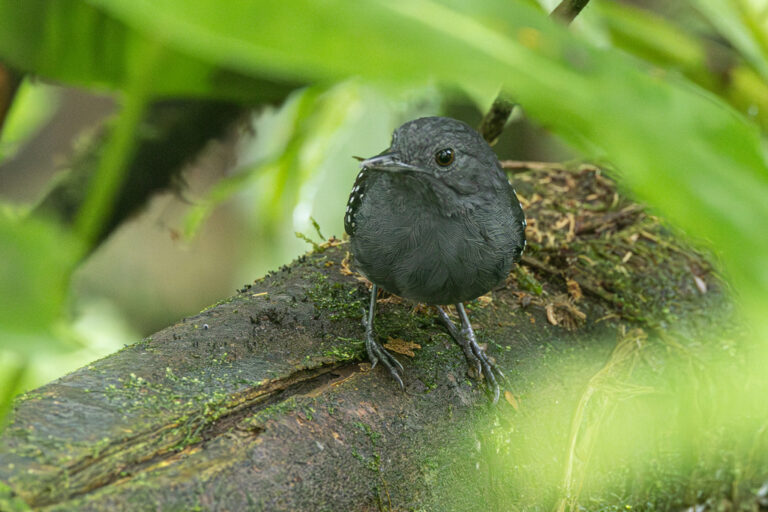
Myrmelastes leucostigma
♥
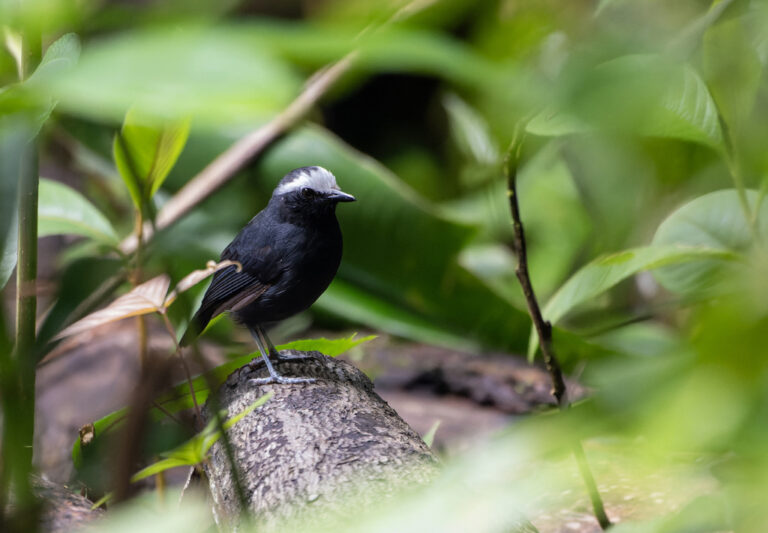
Myrmoborus leucophrys
♥
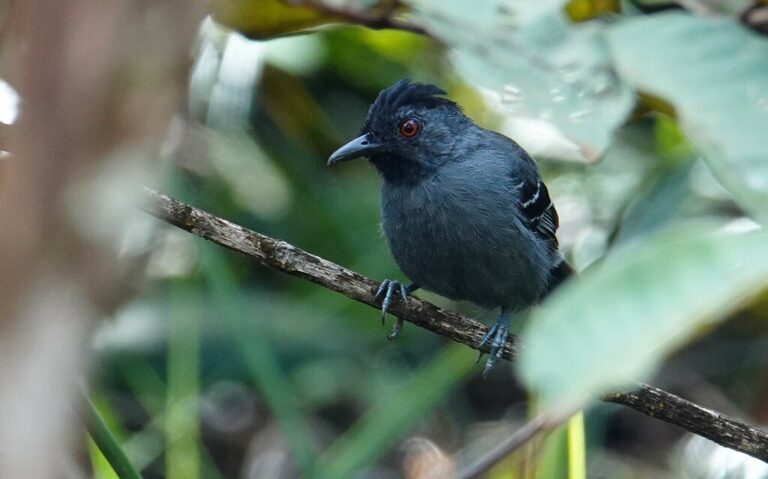
Percnostola rufifrons
♥
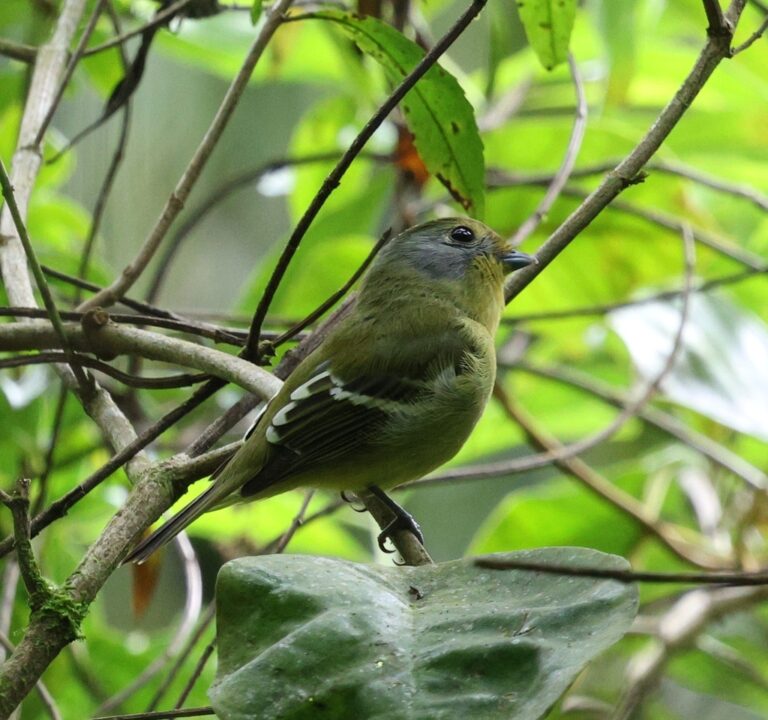
Piprites chloris
♥
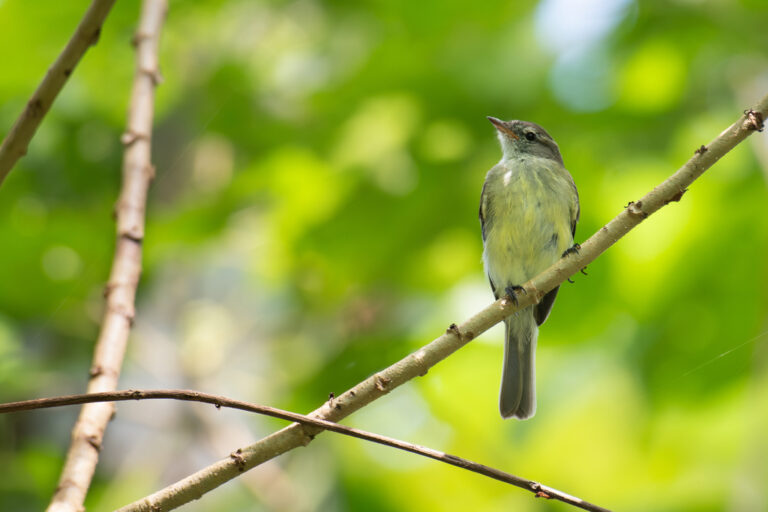
Myiopagis gaimardii
♥
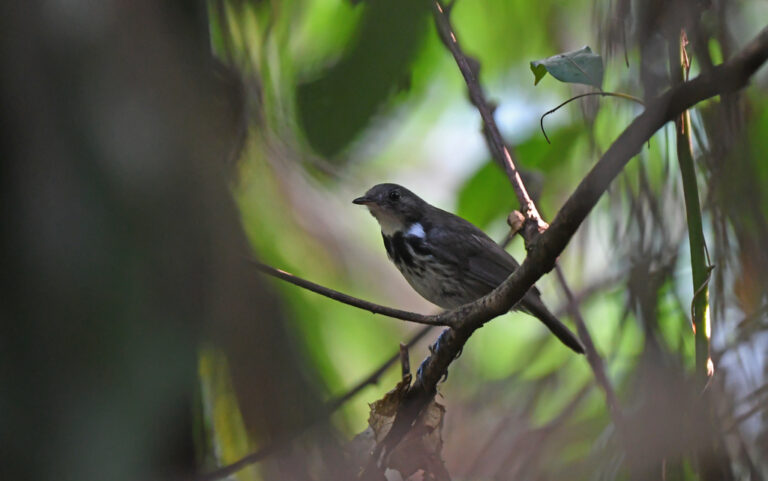
Corythopis torquatus
♥
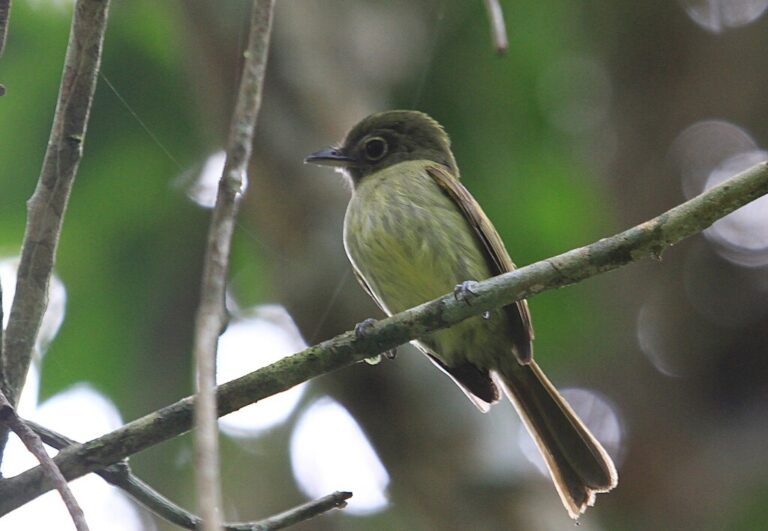
Rhynchocyclus olivaceus
♥
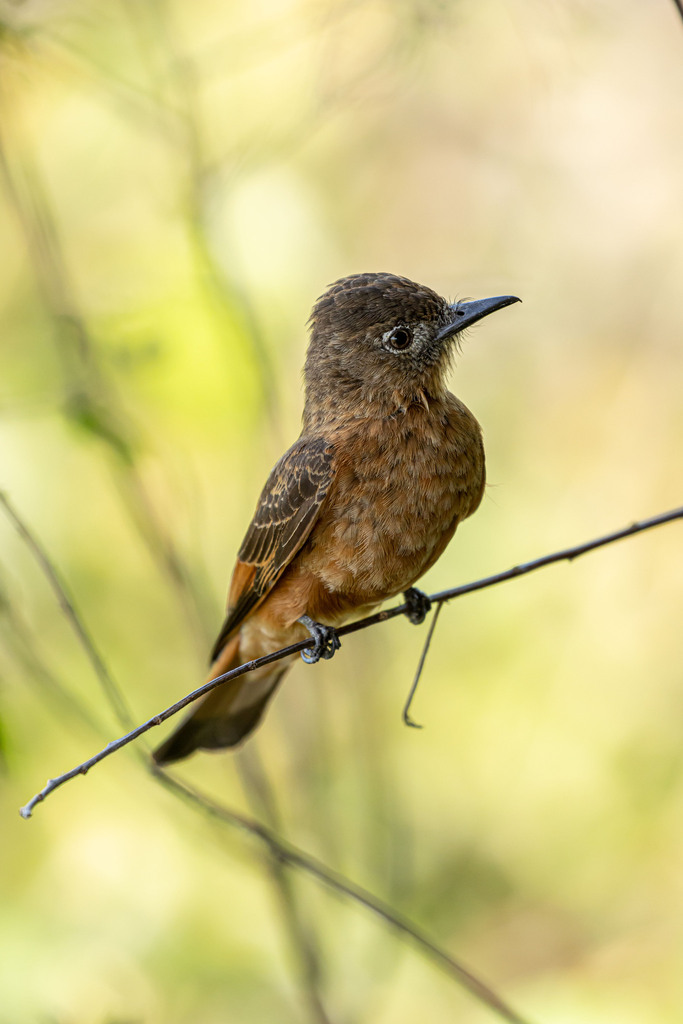
Hirundinea ferruginea
♥
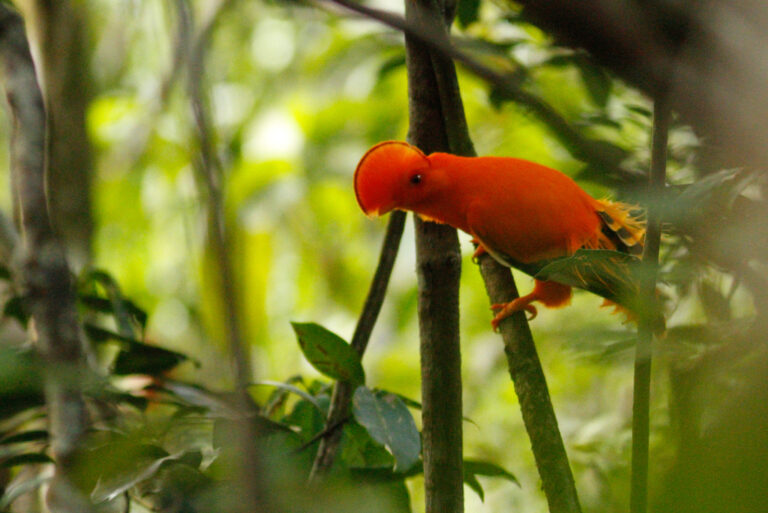
Rupicola rupicola
♥
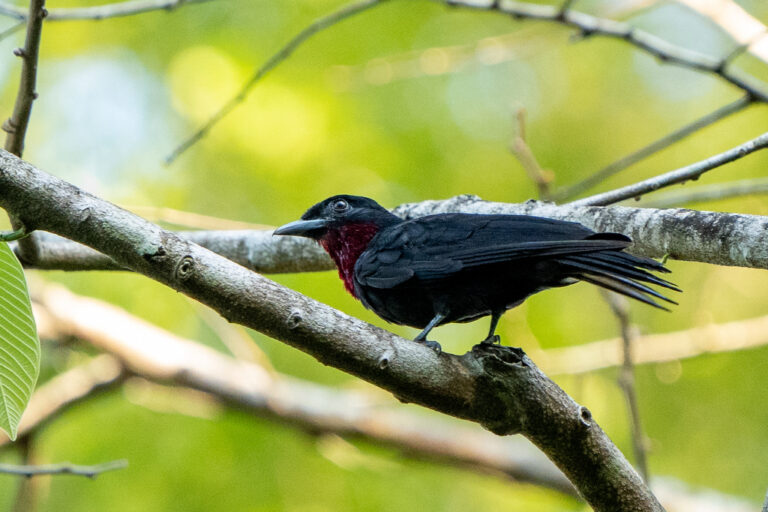
Querula purpurata
♥
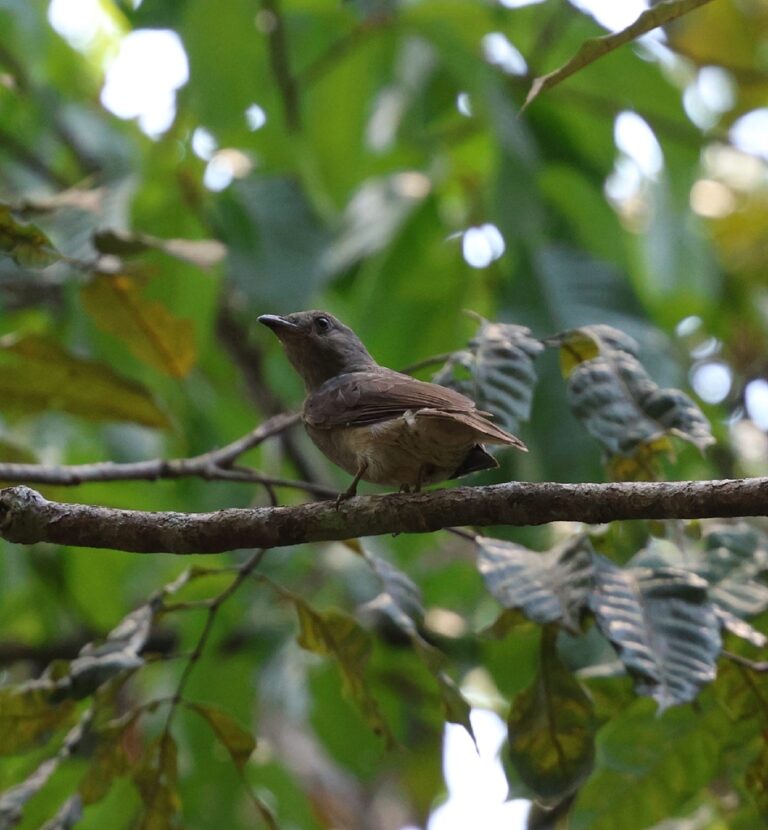
Lipaugus vociferans
♥
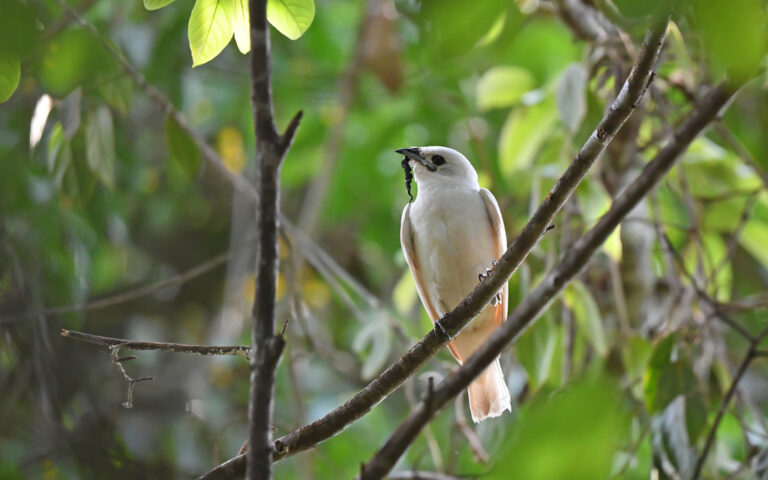
Procnias albus
♥
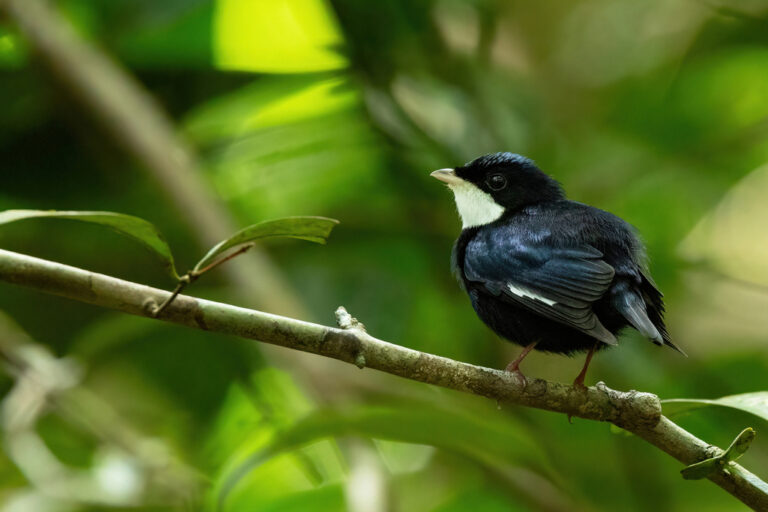
Corapipo gutturalis
♥
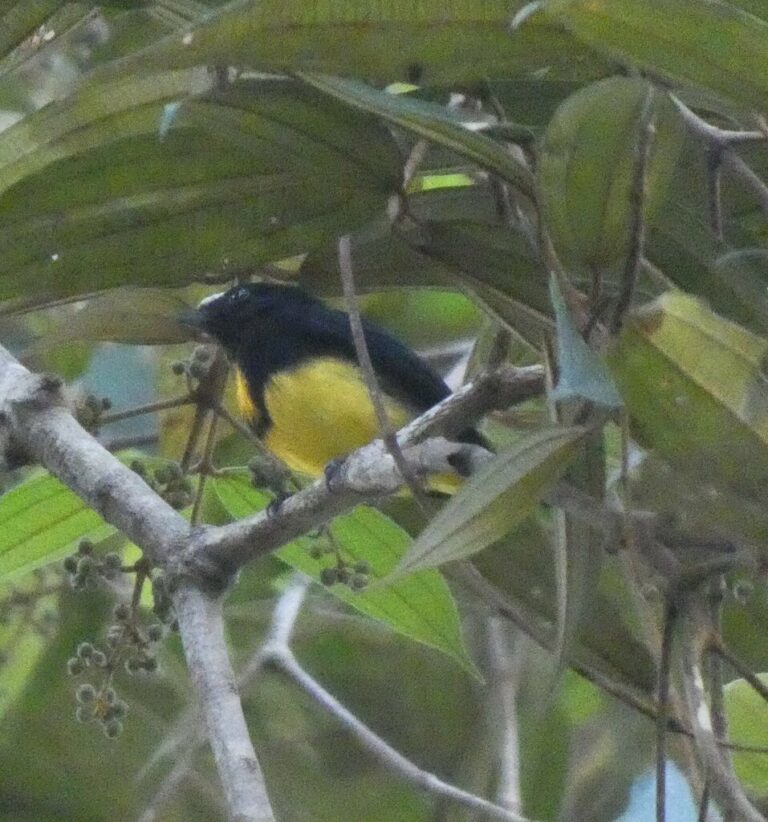
Lepidothrix serena
♥
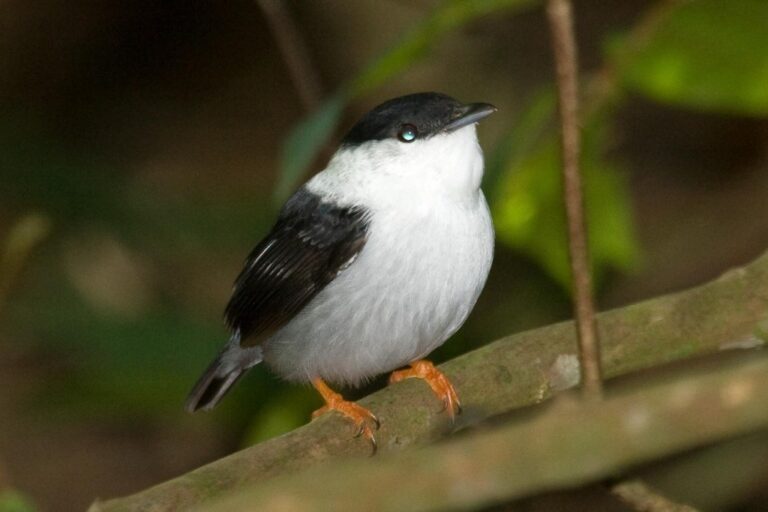
Manacus manacus
♥
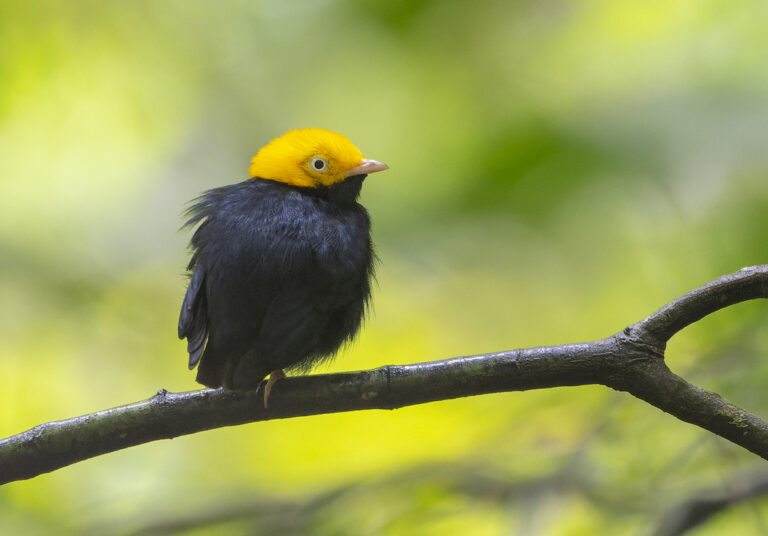
Ceratopipra erythrocephala
♥
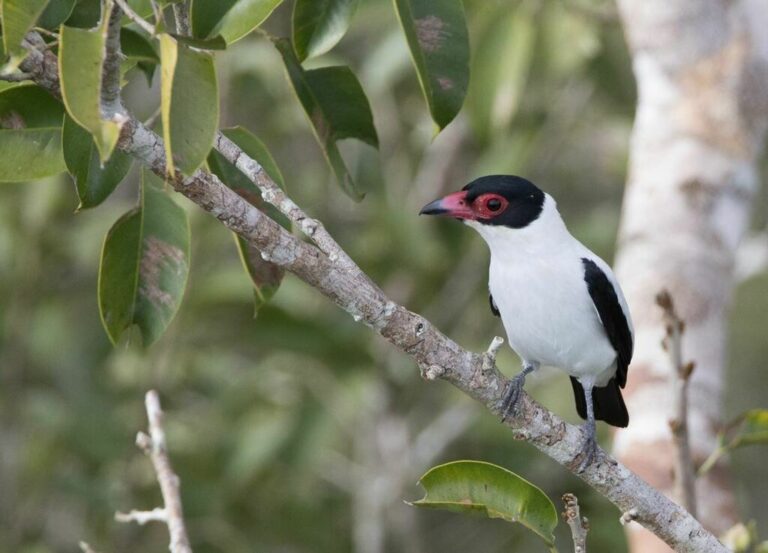
Tityra cayana
♥
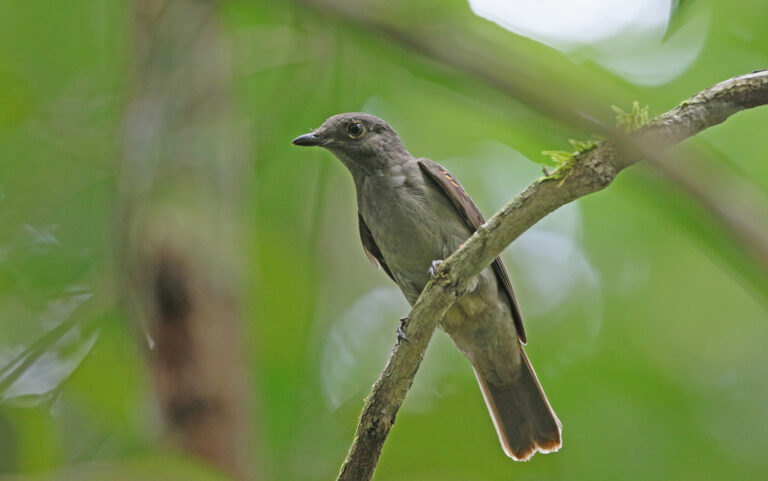
Laniocera hypopyrra
♥
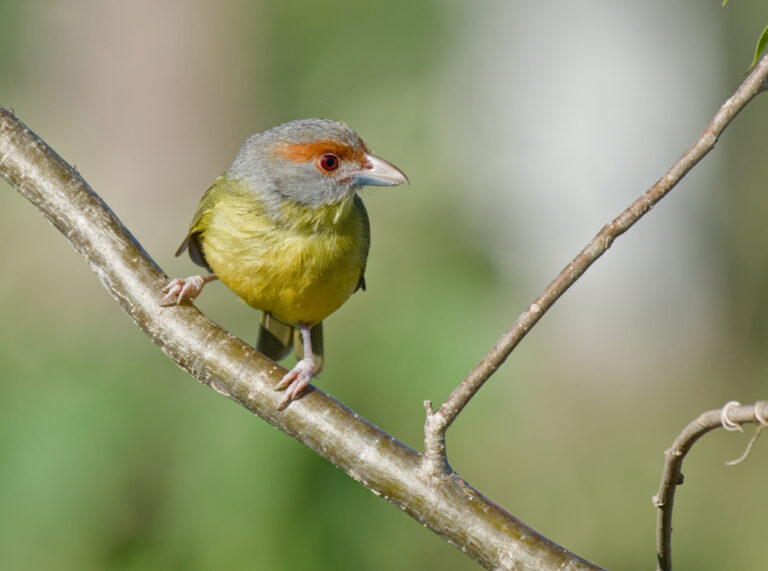
Cyclarhis gujanensis
♥
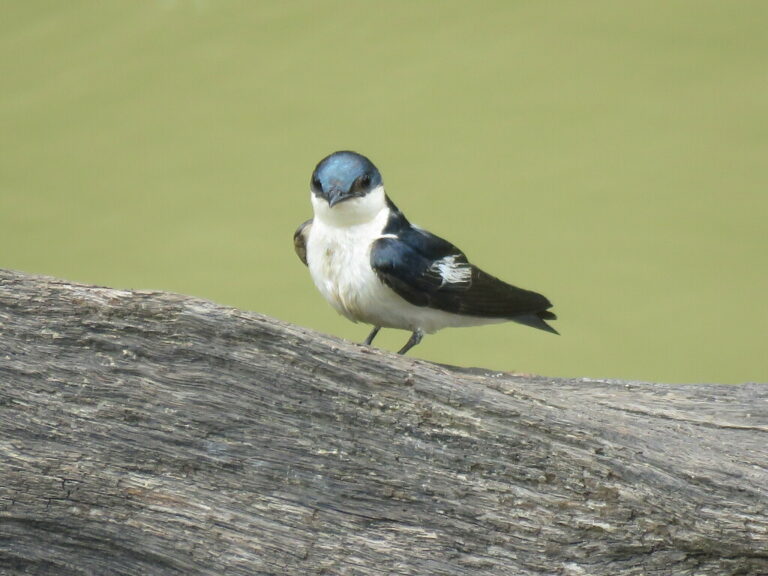
Tachycineta albiventer
♥
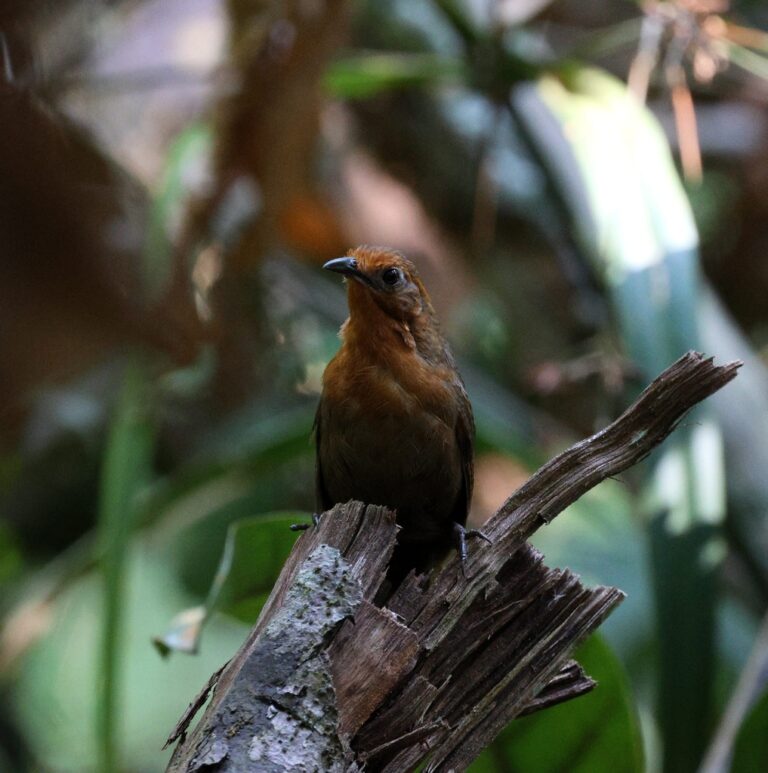
Cyphorhinus arada
♥
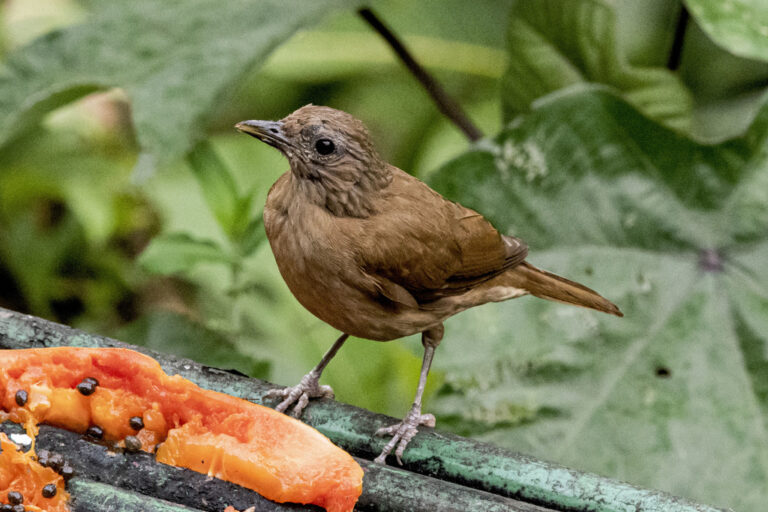
Turdus fumigatus
♥
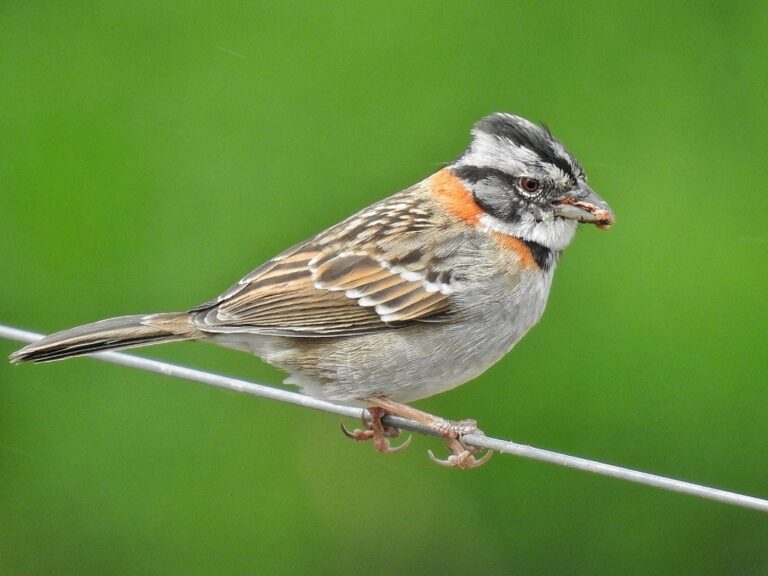
Zonotrichia capensis
♥
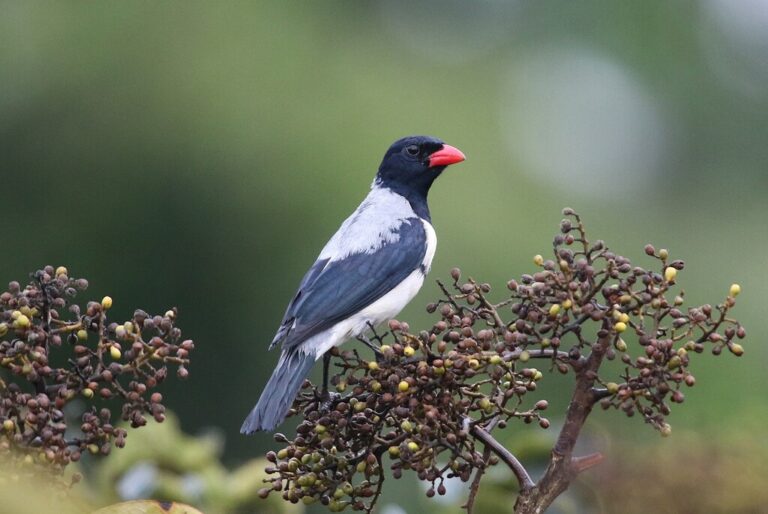
Lamprospiza melanoleuca
♥
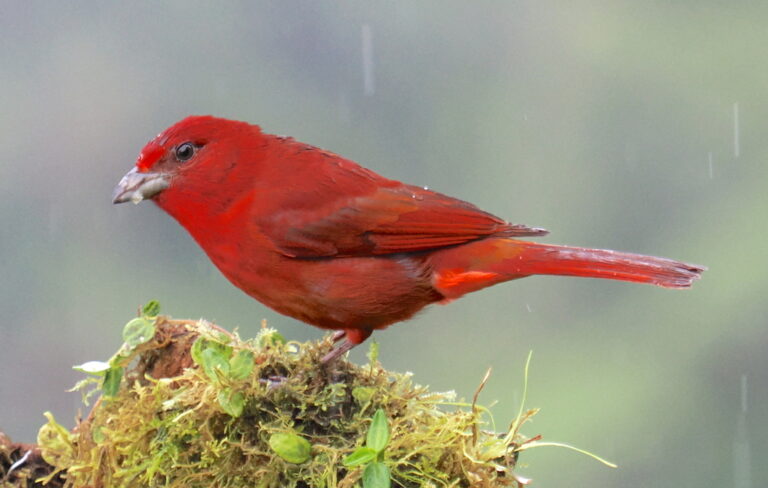
Piranga flava
♥
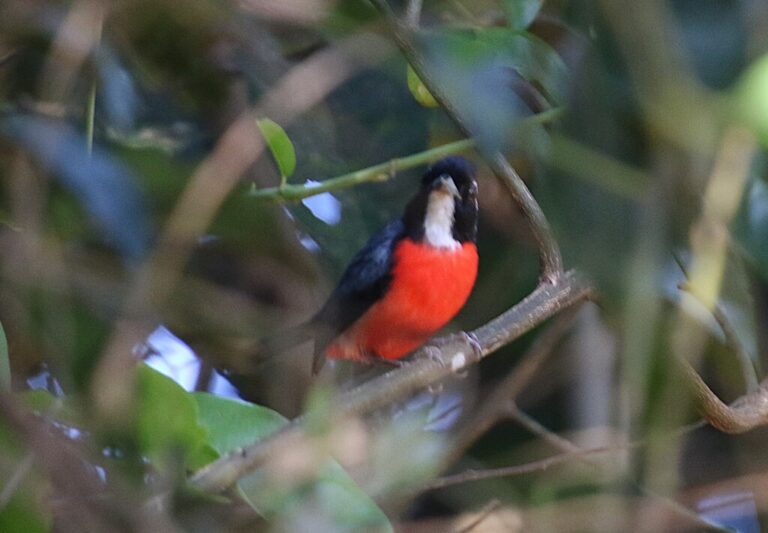
Granatellus pelzelni
♥
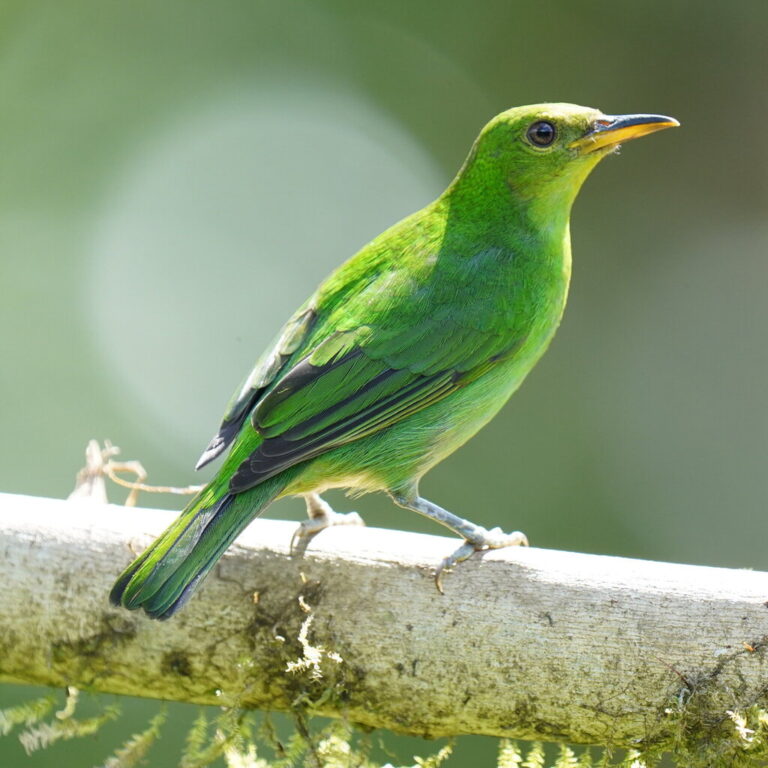
Chlorophanes spiza
♥
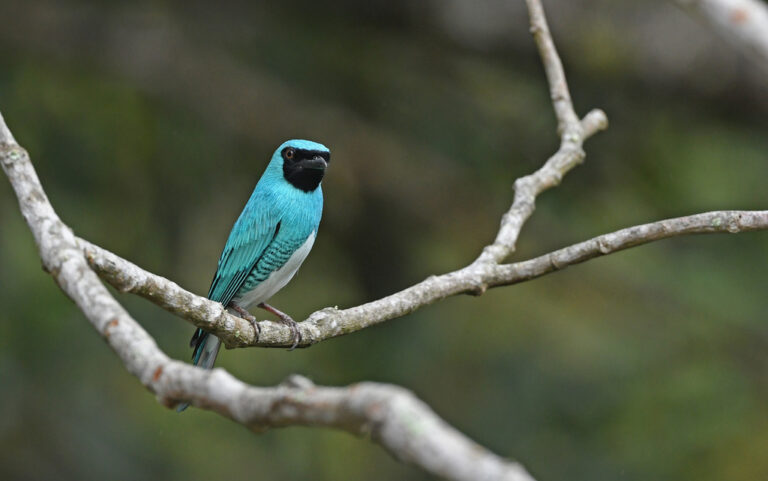
Tersina viridis
♥
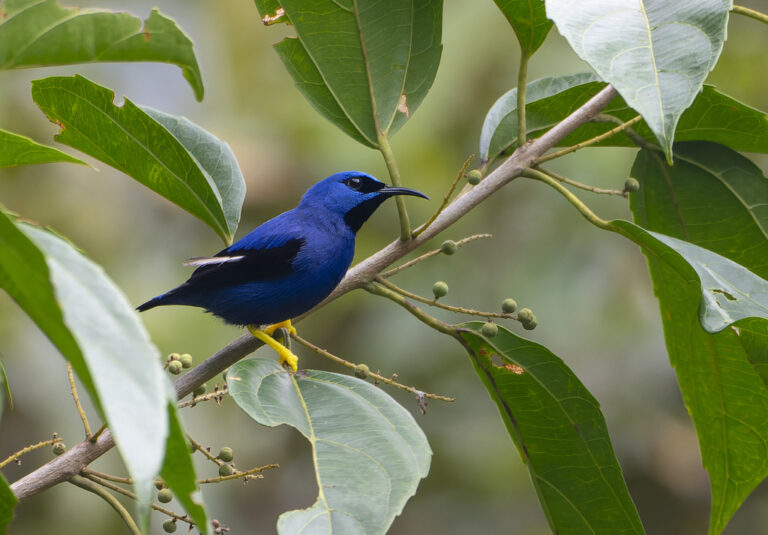
Cyanerpes caeruleus
♥
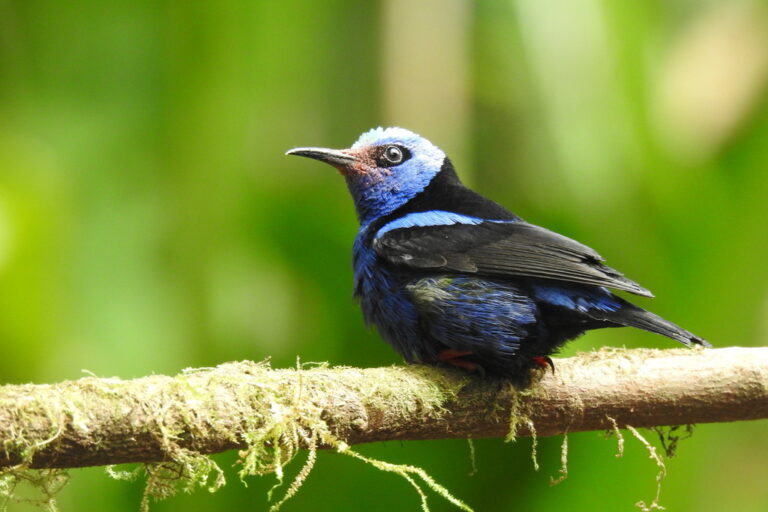
Cyanerpes cyaneus
♥
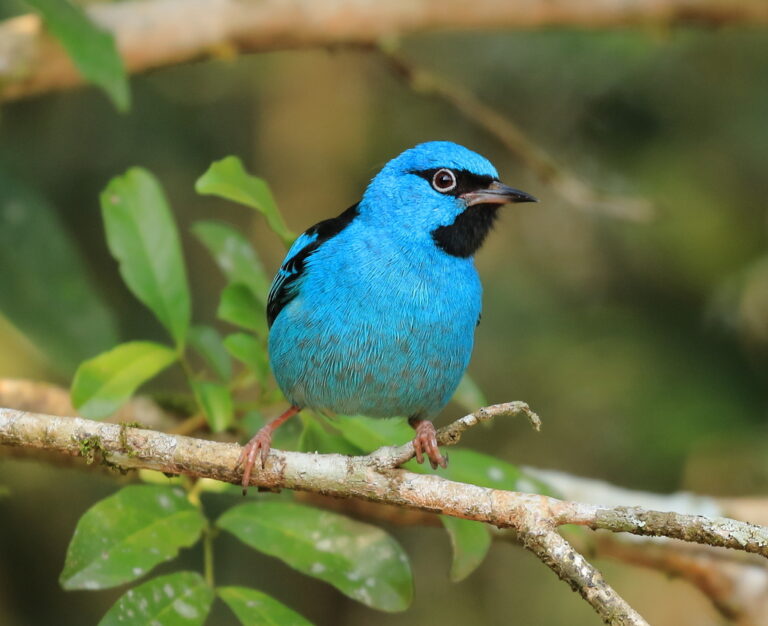
Dacnis cayana
♥
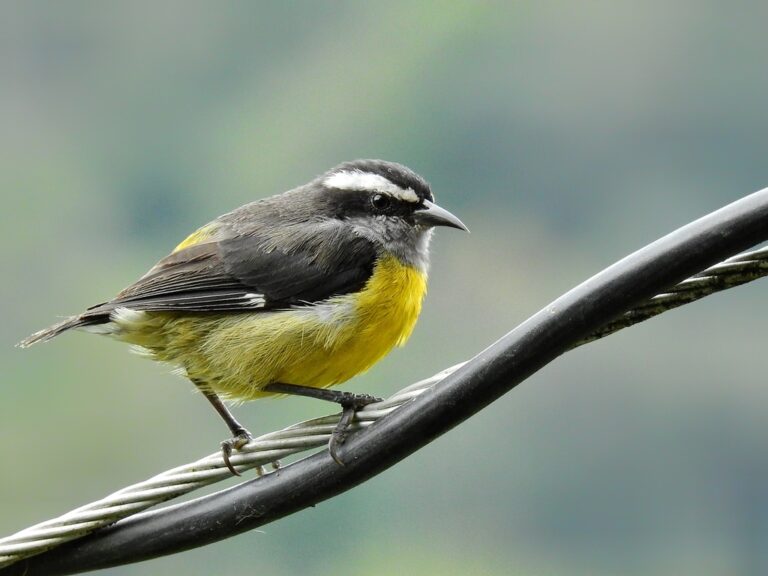
Coereba flaveola
♥
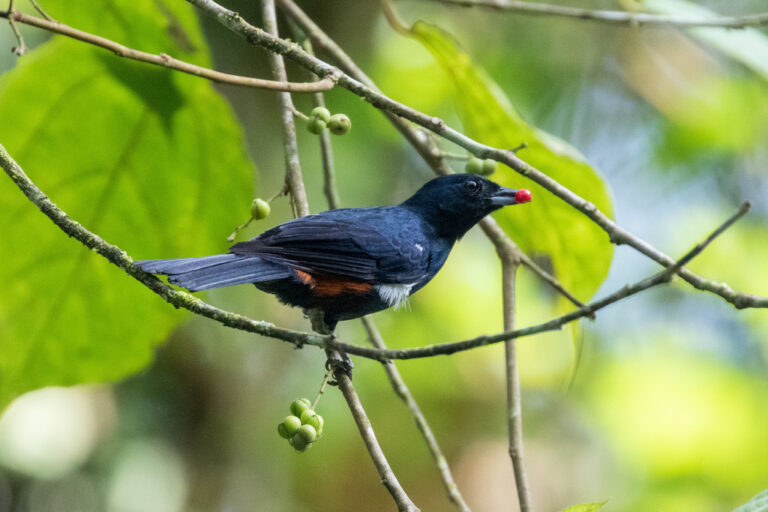
Tachyphonus surinamus
♥
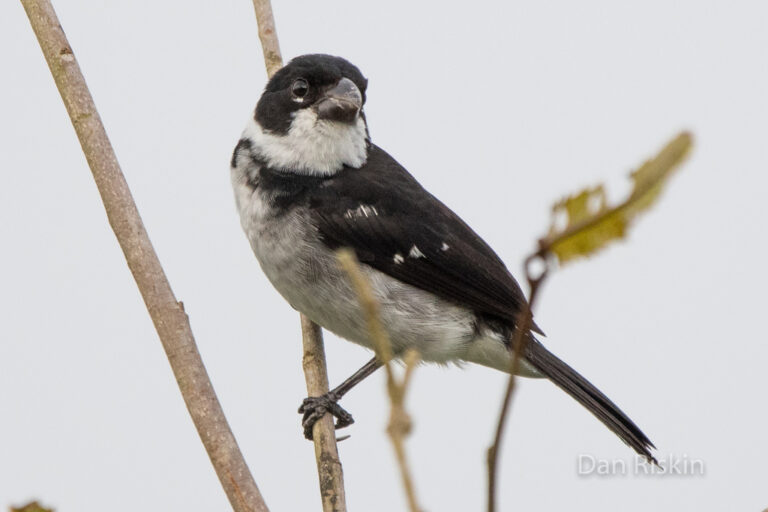
Sporophila americana
♥
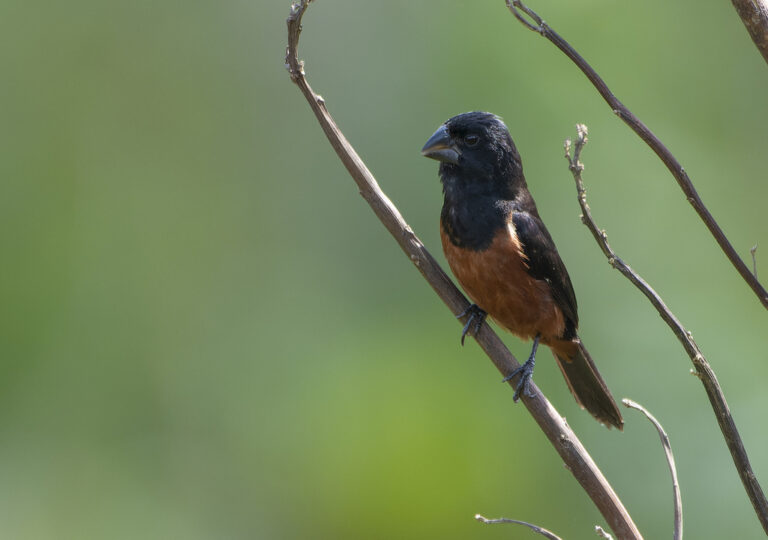
Sporophila angolensis
♥
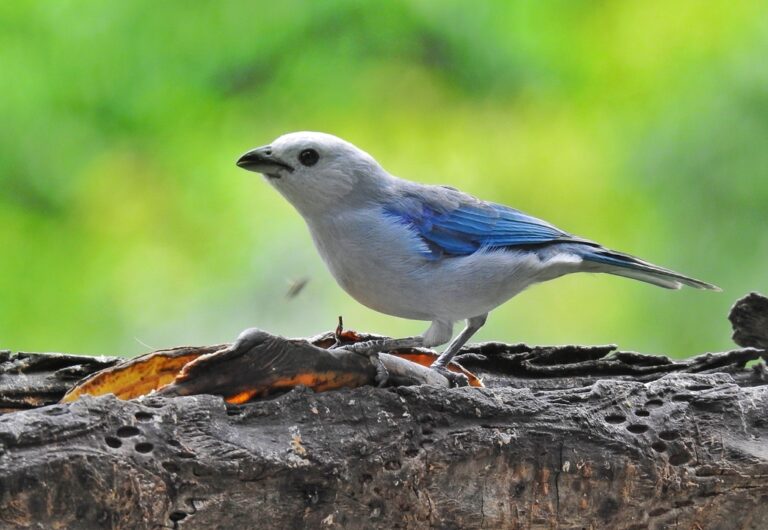
Thraupis episcopus
♥
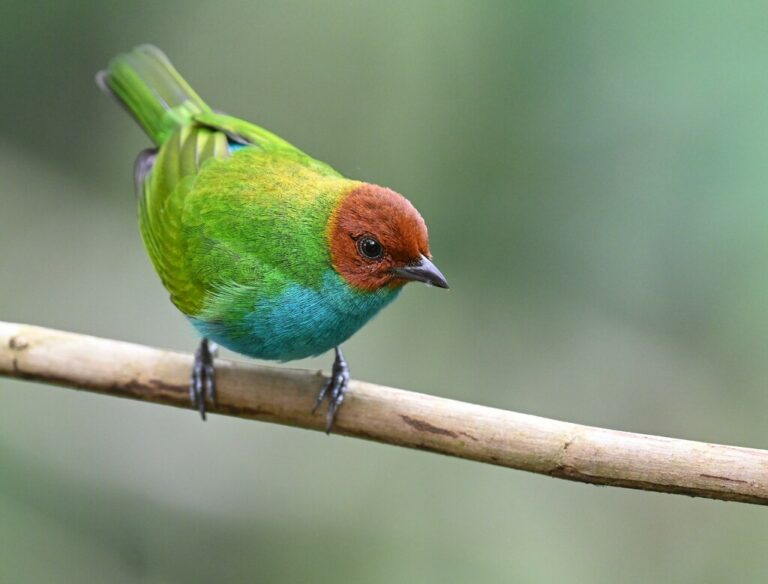
Tangara gyrola
♥
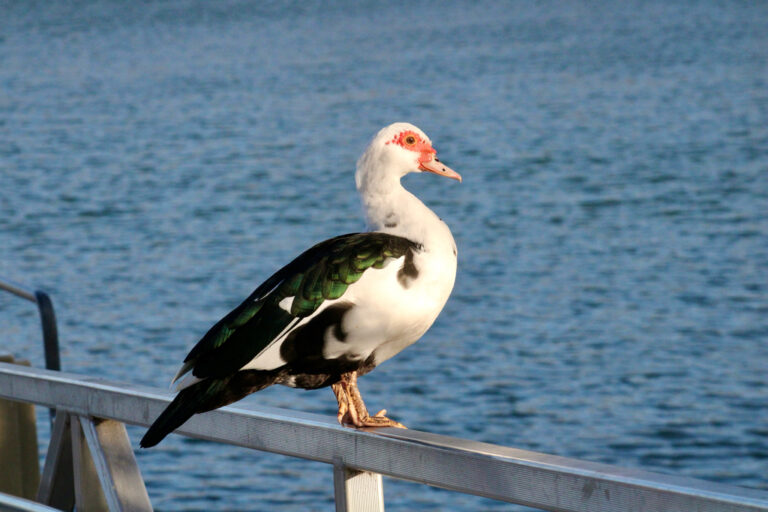
Cairina moschata
♥
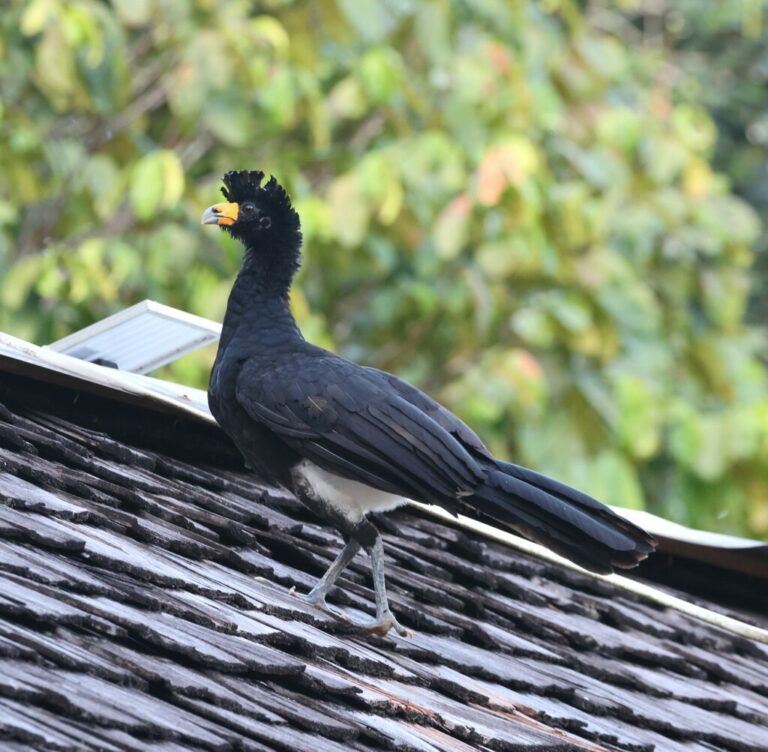
Crax alector
♥
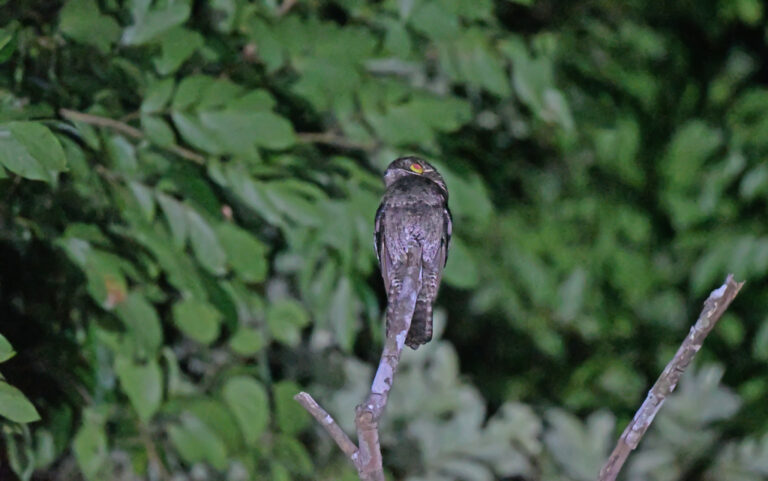
Nyctibius leucopterus
♥
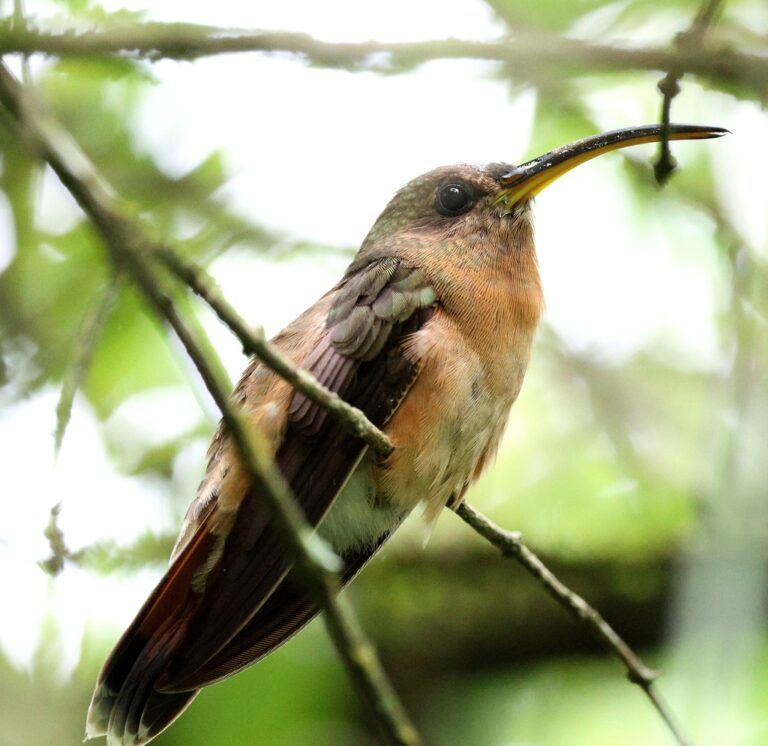
Glaucis hirsutus
♥
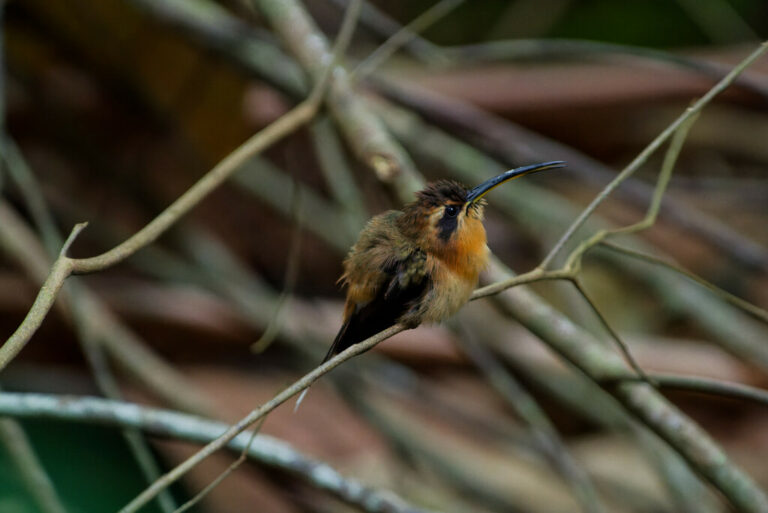
Phaethornis longuemareus
♥
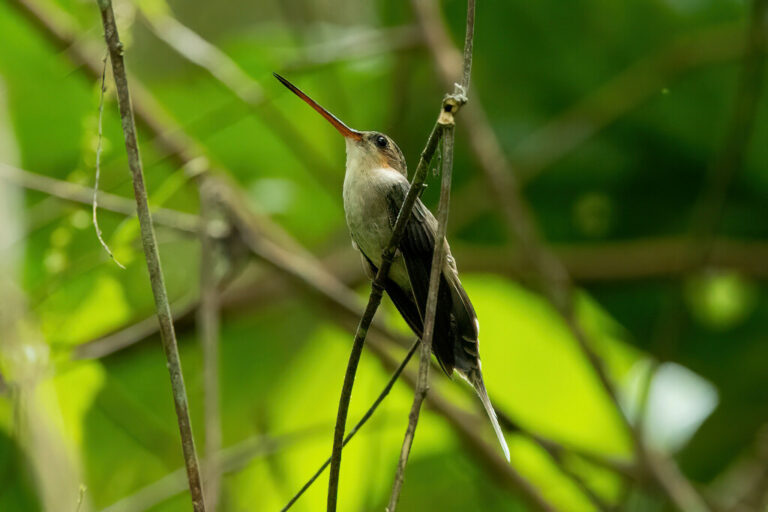
Phaethornis bourcieri
♥
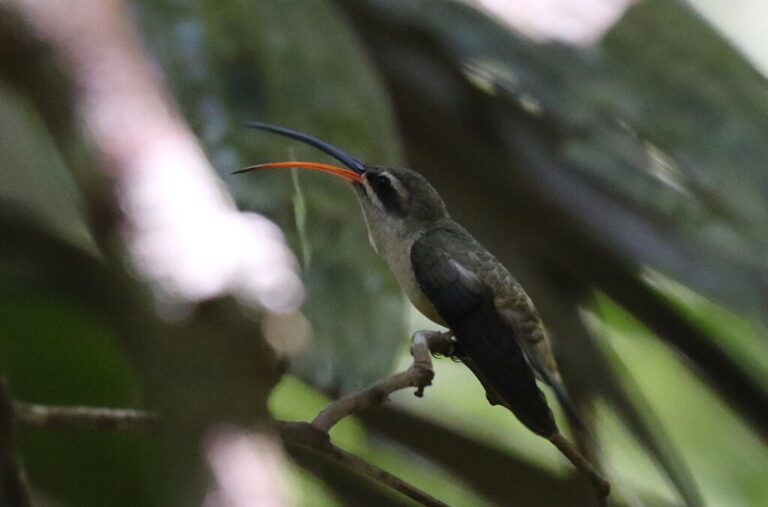
Phaethornis superciliosus
♥
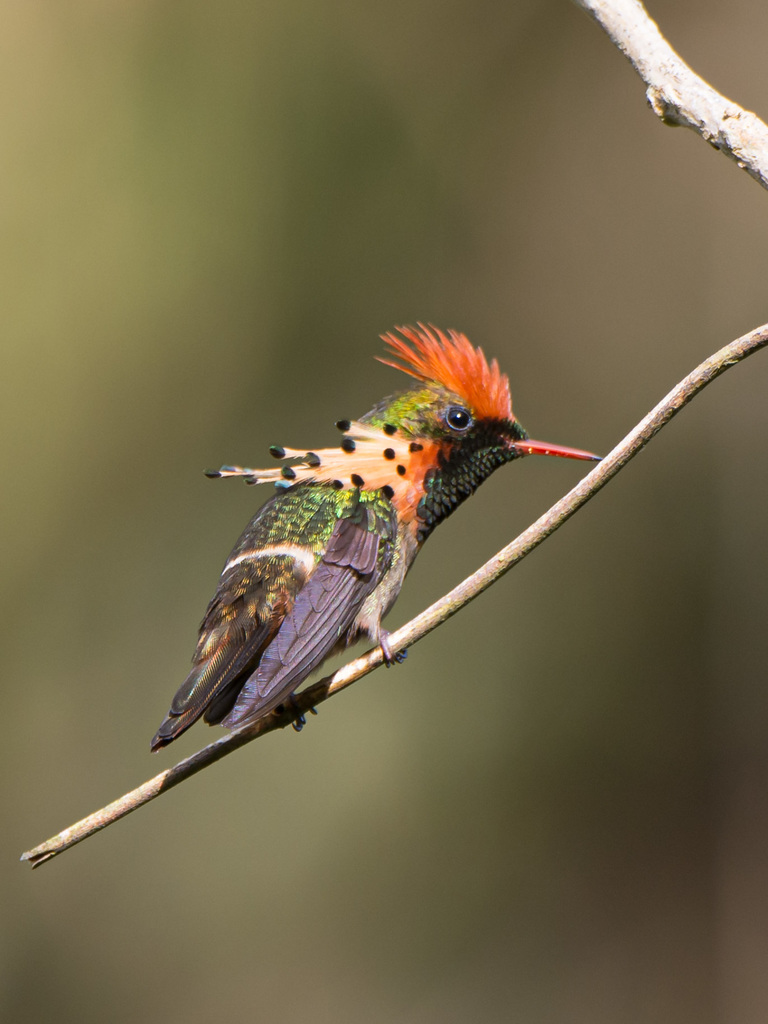
Lophornis ornatus
♥
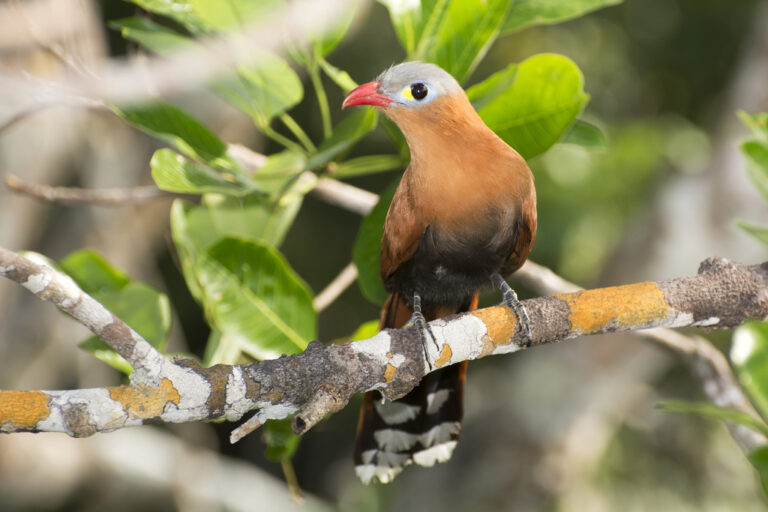
Piaya melanogaster
♥
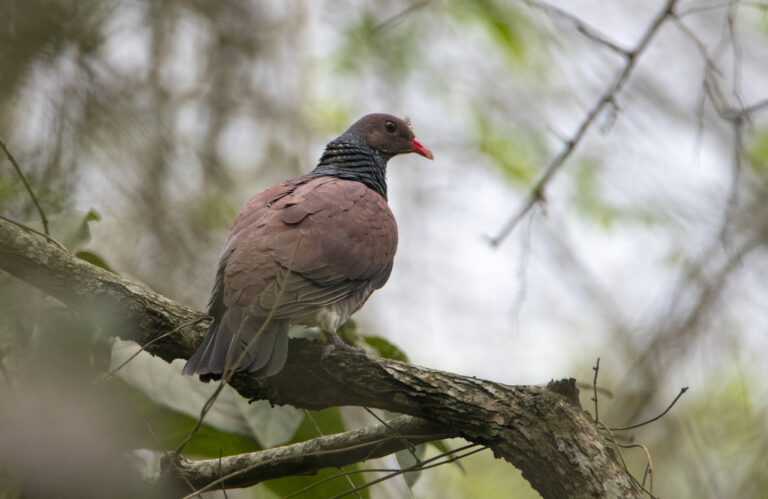
Patagioenas speciosa
♥
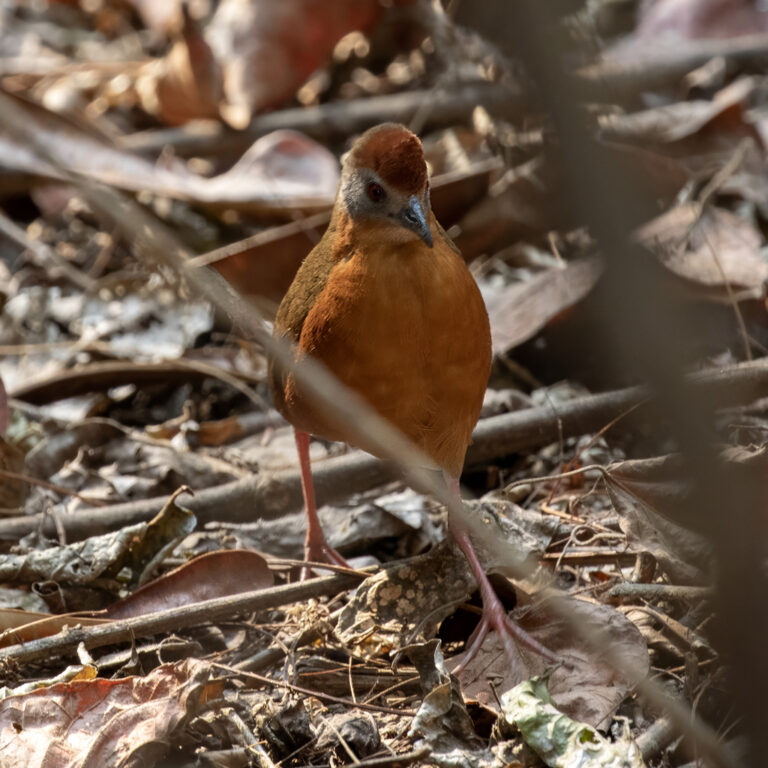
Rufirallus viridis
♥
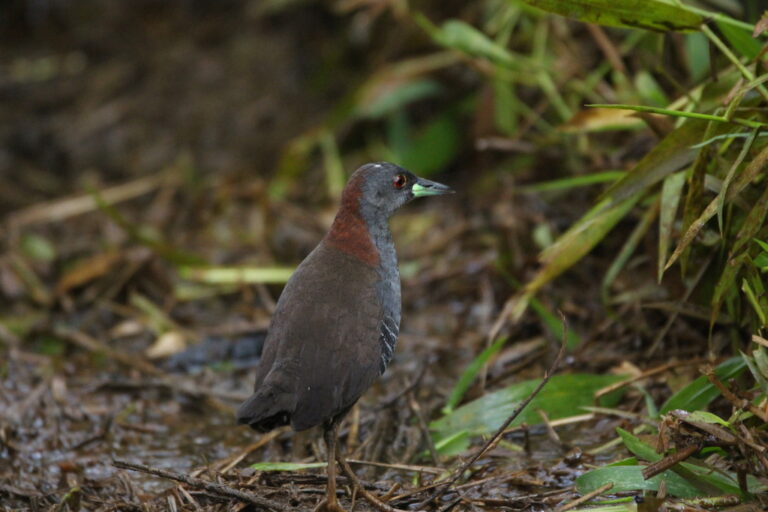
Laterallus exilis
♥
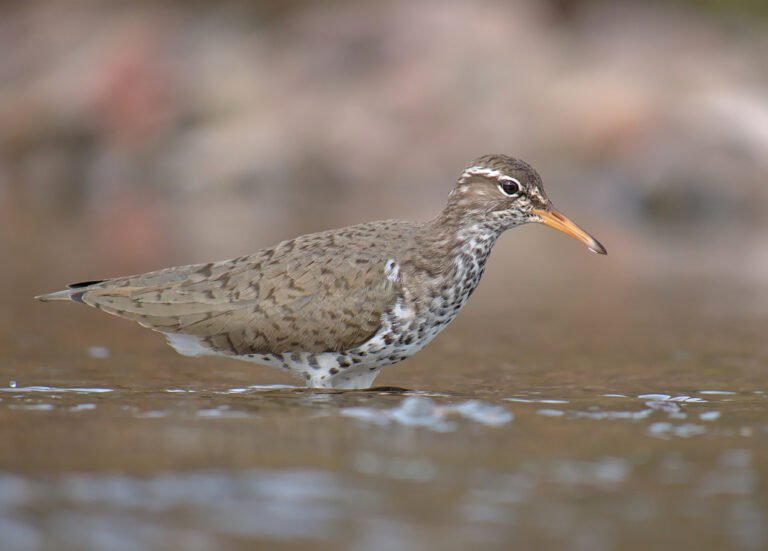
Actitis macularius
♥
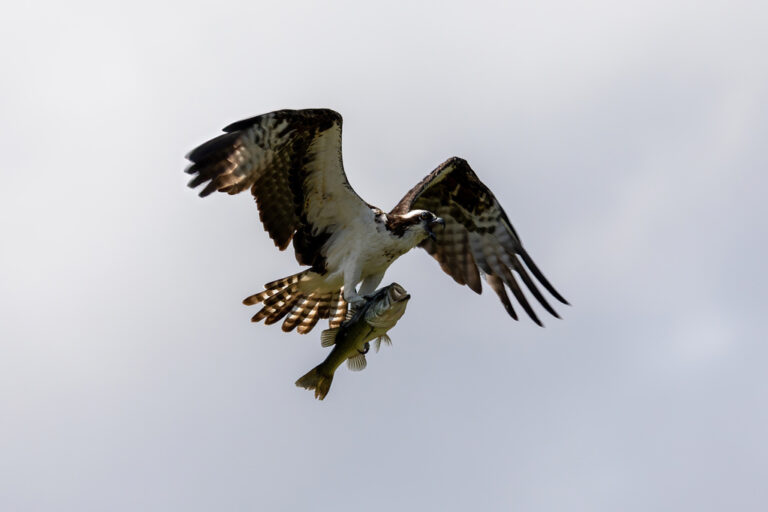
Pandion haliaetus
♥
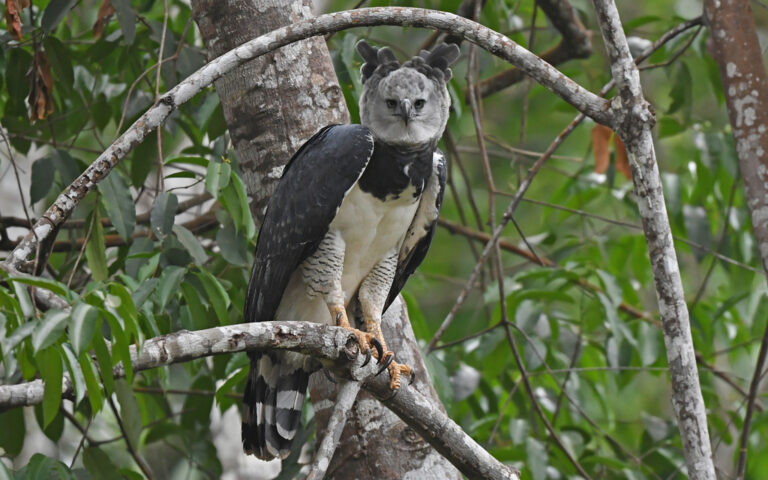
Harpia harpyja
♥
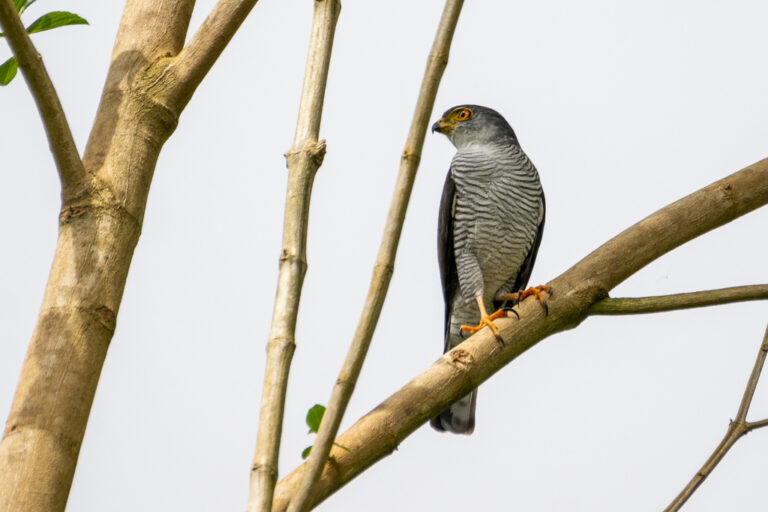
Microspizias superciliosus
♥
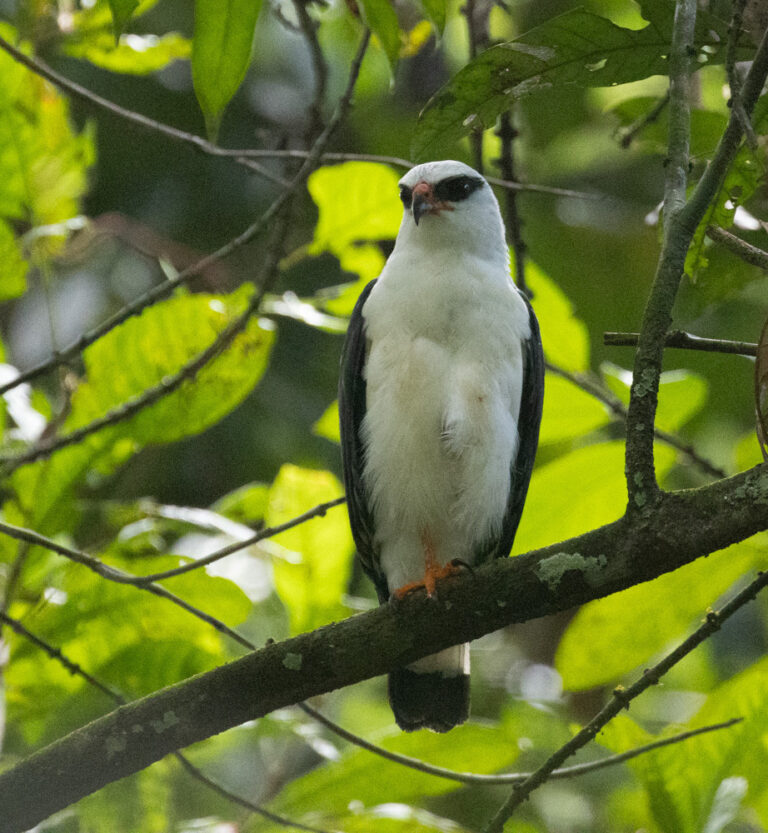
Leucopternis melanops
♥
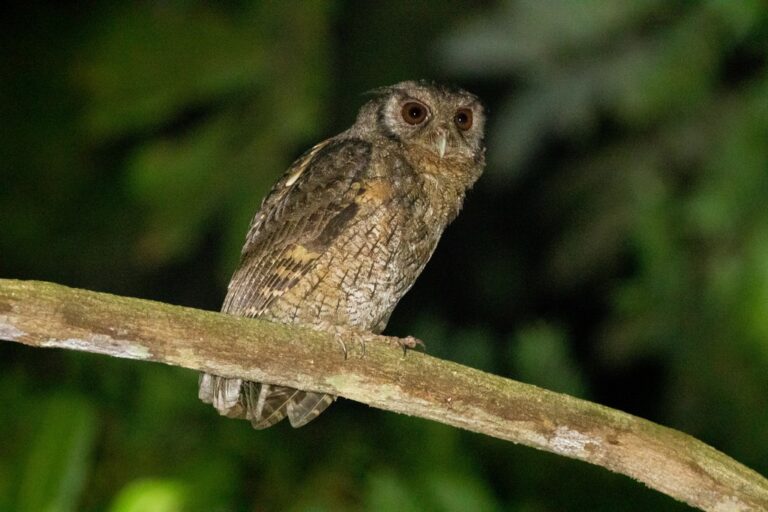
Megascops watsonii
♥
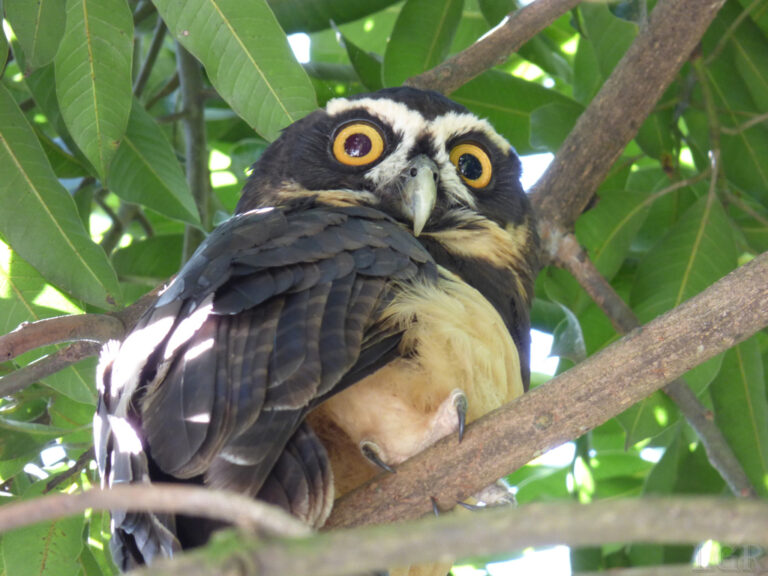
Pulsatrix perspicillata
♥
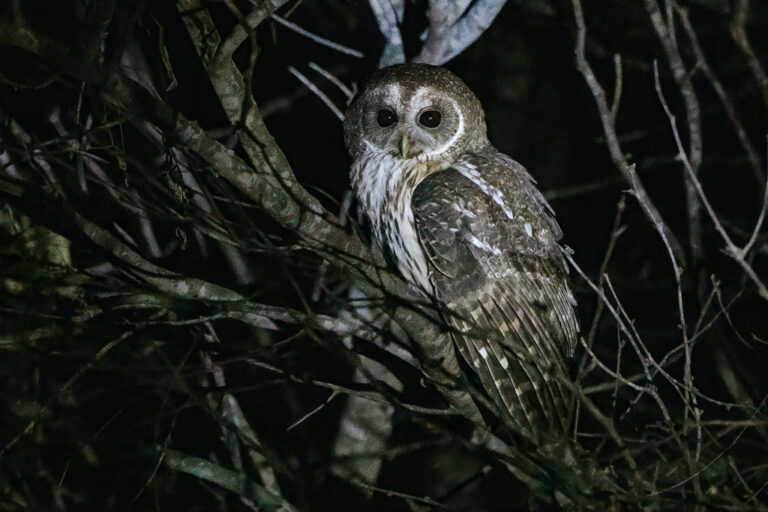
Strix virgata
♥
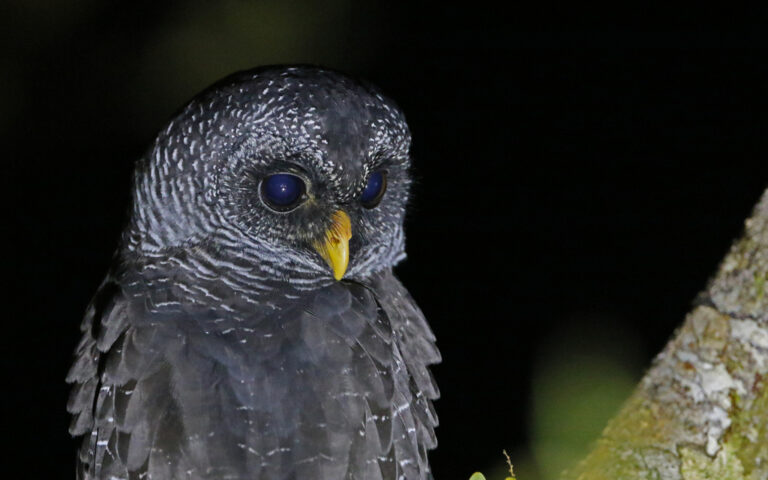
Strix huhula
♥
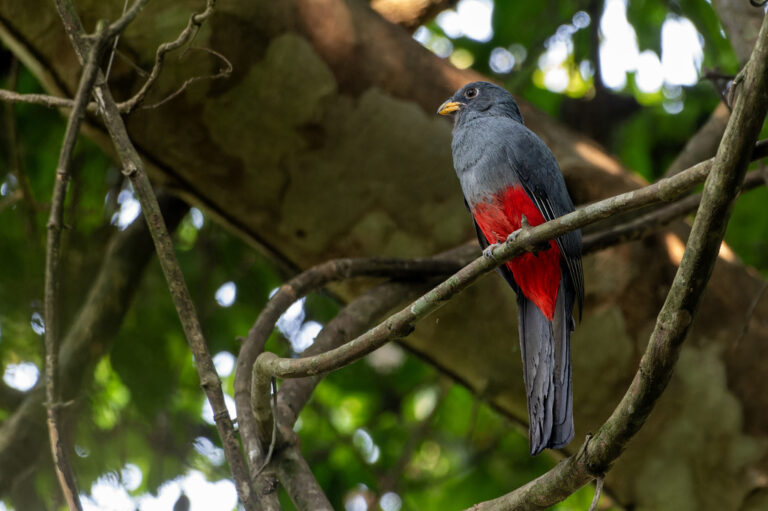
Trogon melanurus
♥
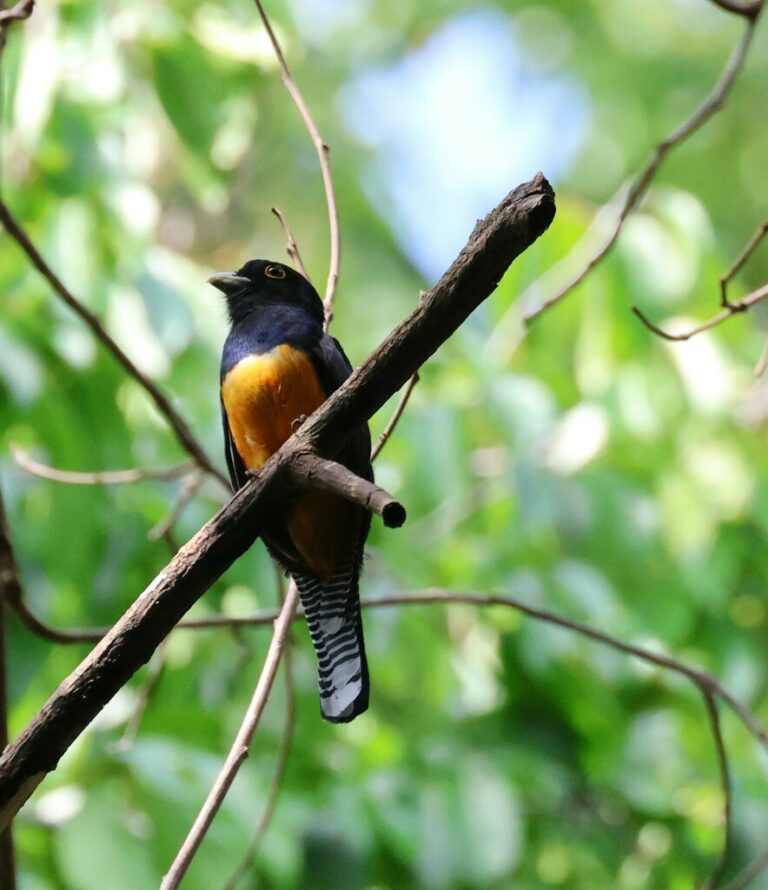
Trogon violaceus
♥
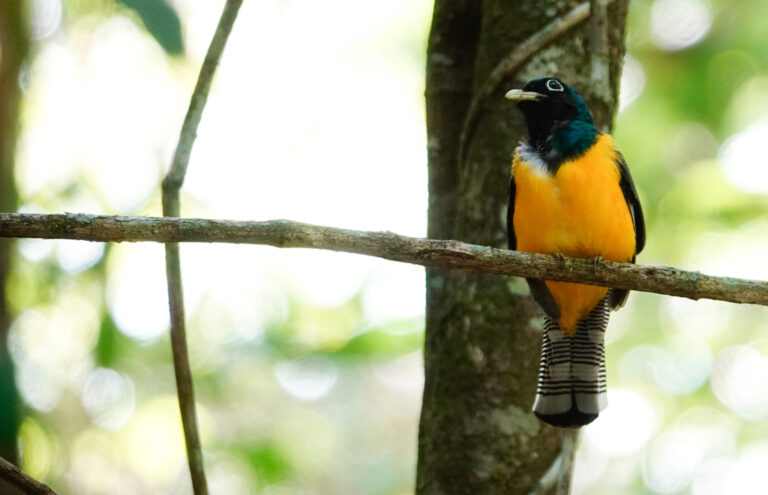
Trogon rufus
♥
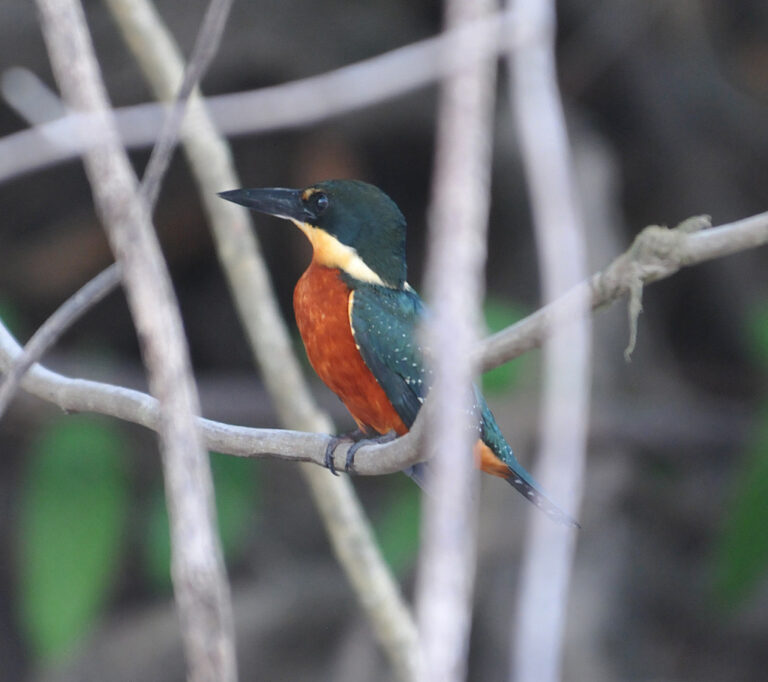
Chloroceryle inda
♥
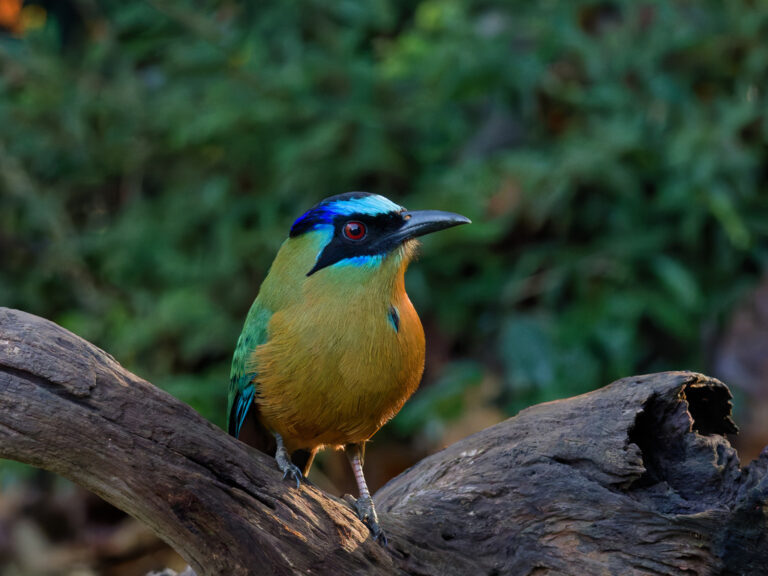
Momotus momota
♥
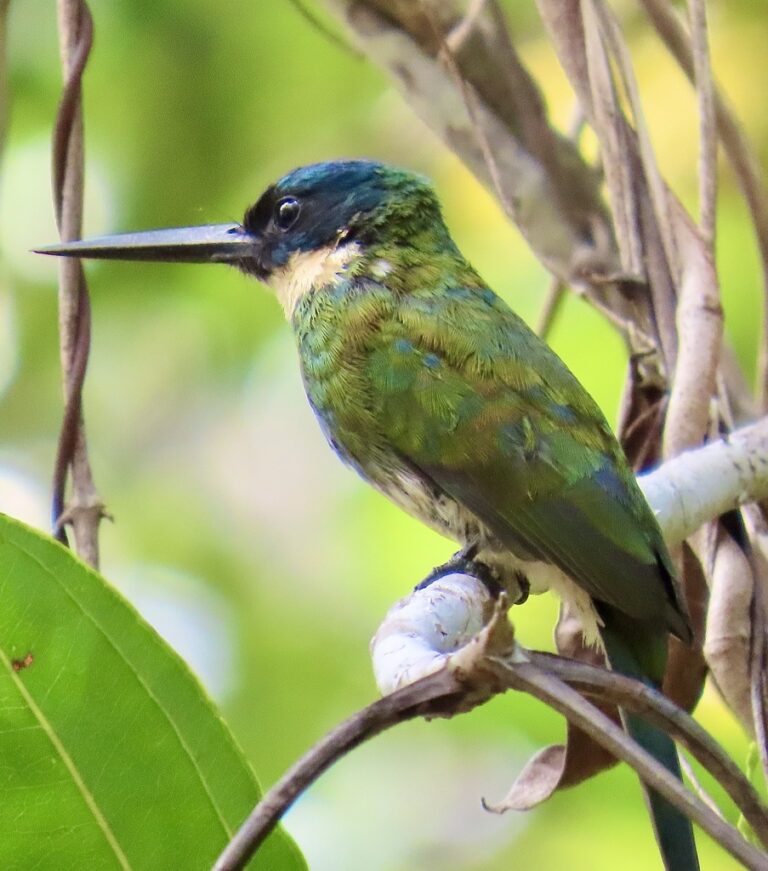
Galbula leucogastra
♥
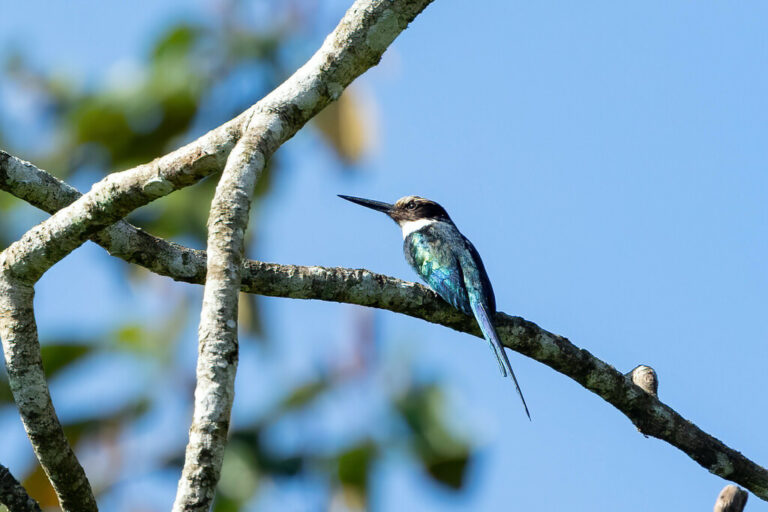
Galbula dea
♥
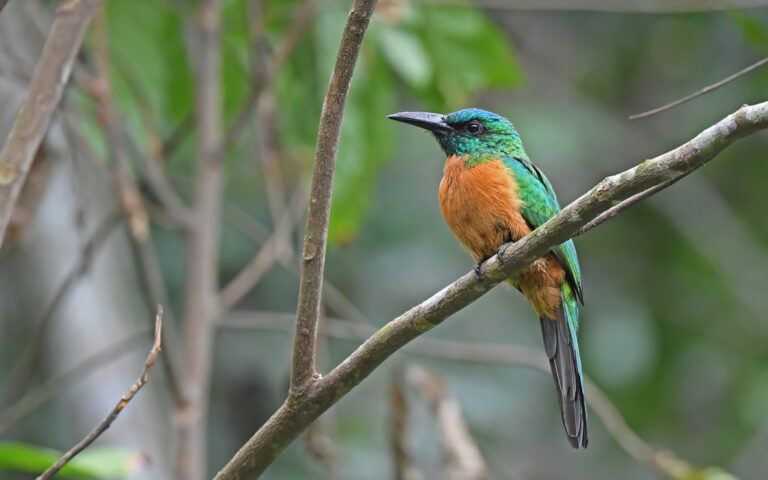
Jacamerops aureus
♥
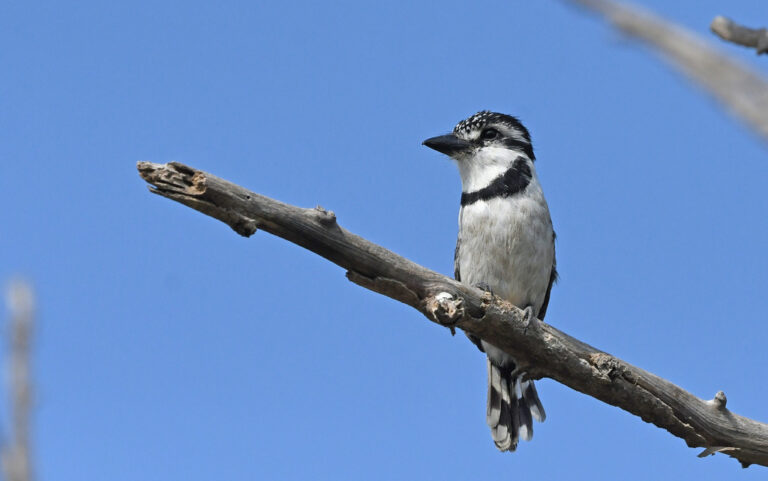
Notharchus tectus
♥
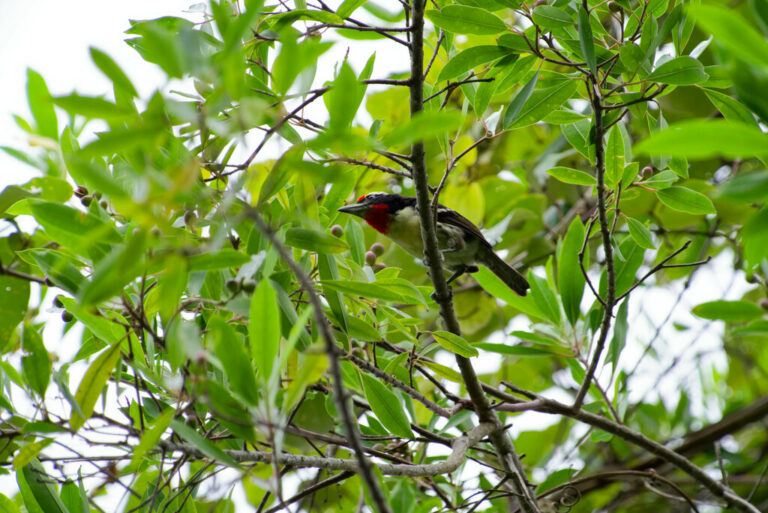
Capito niger
♥
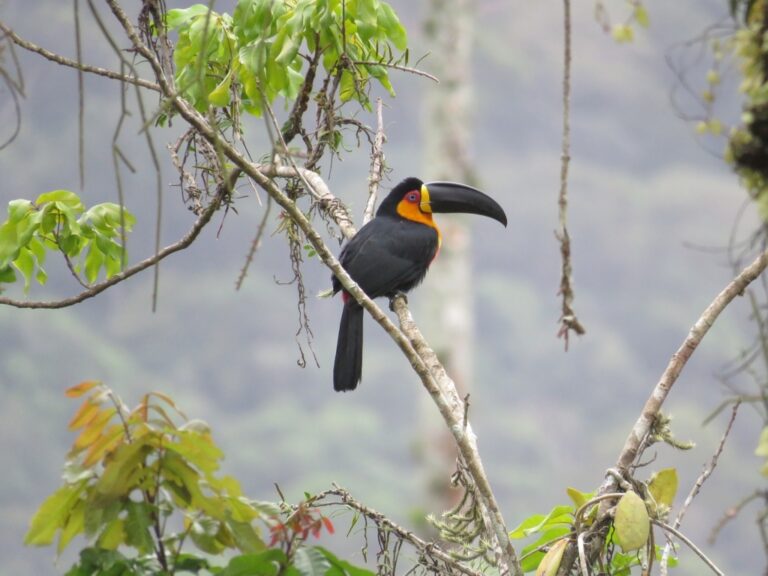
Ramphastos vitellinus
♥
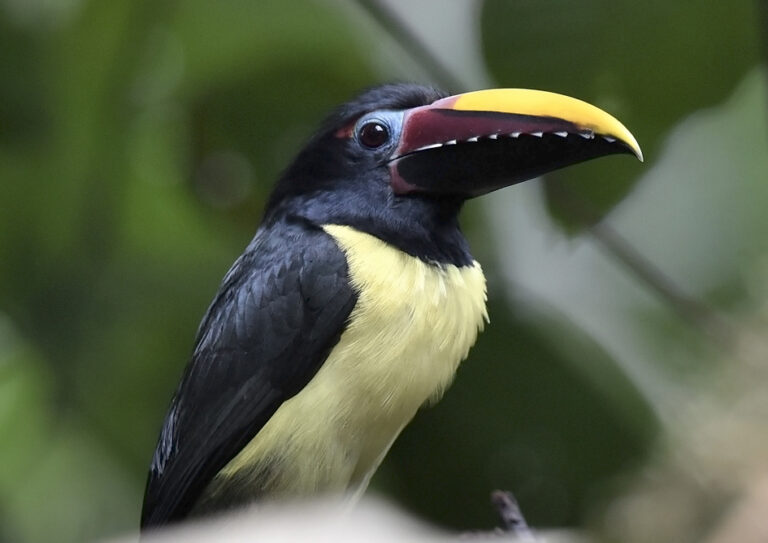
Pteroglossus viridis
♥
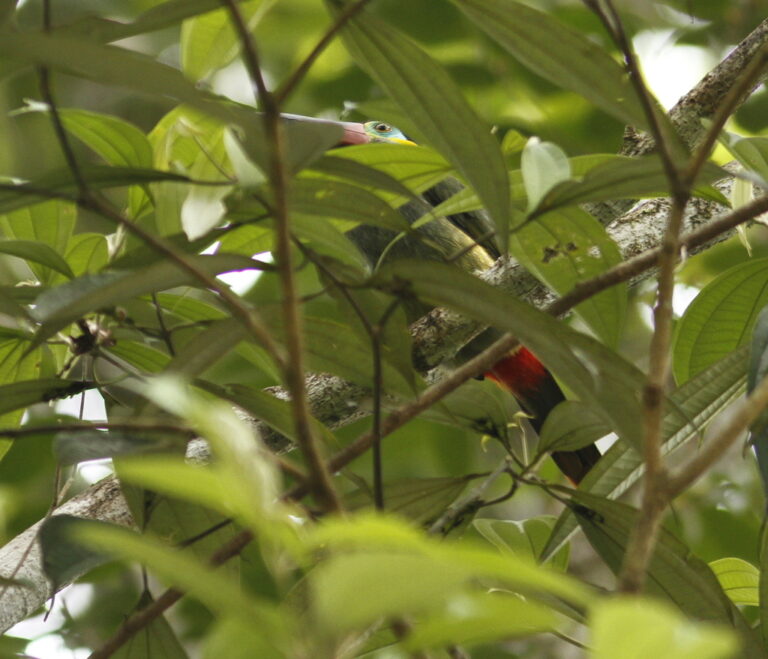
Selenidera piperivora
♥
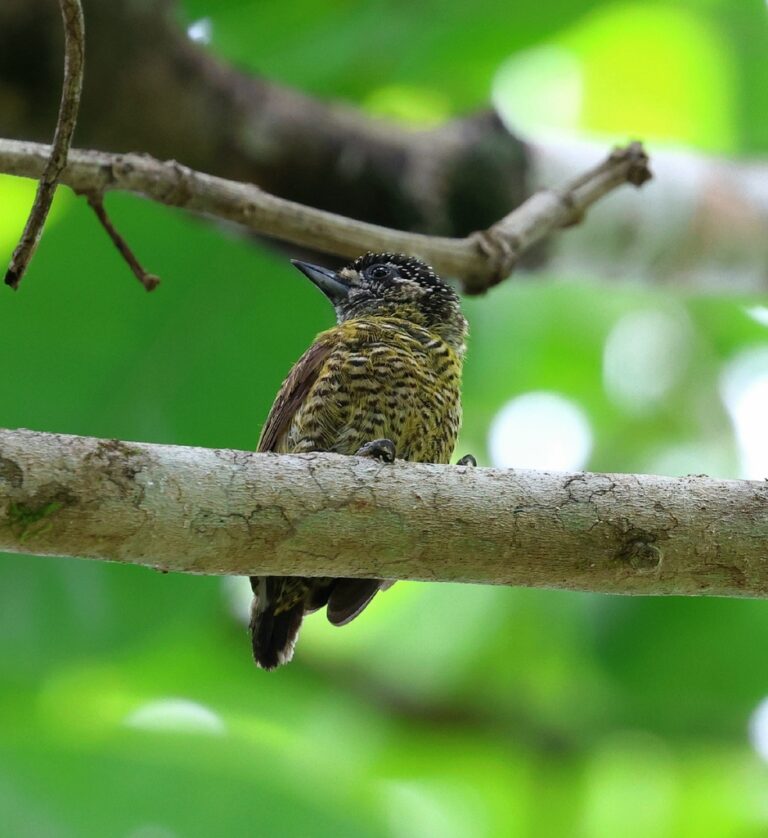
Picumnus exilis
♥
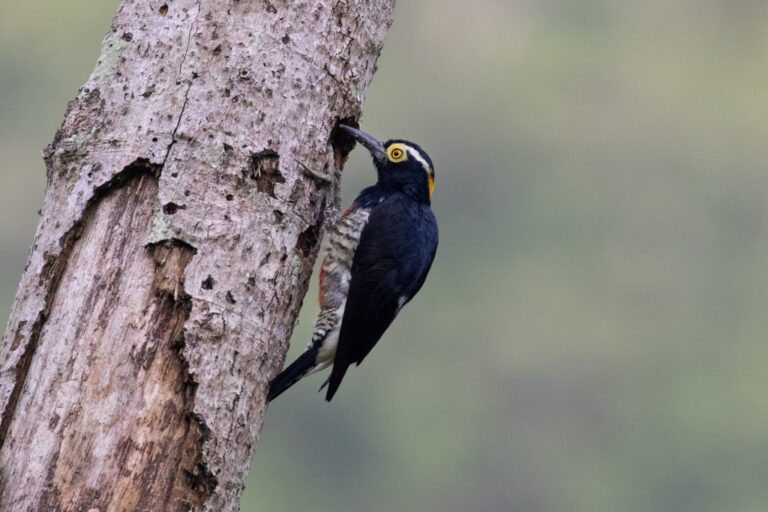
Melanerpes cruentatus
♥
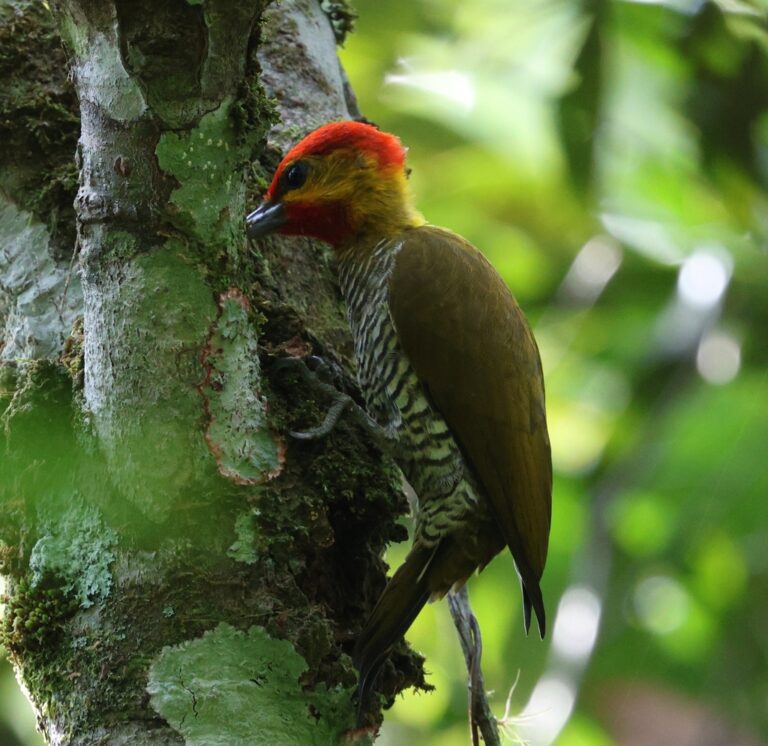
Piculus flavigula
♥
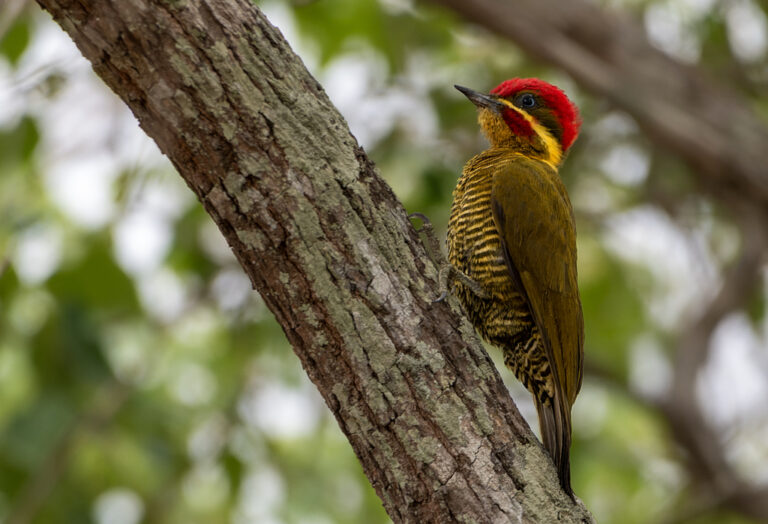
Piculus chrysochloros
♥
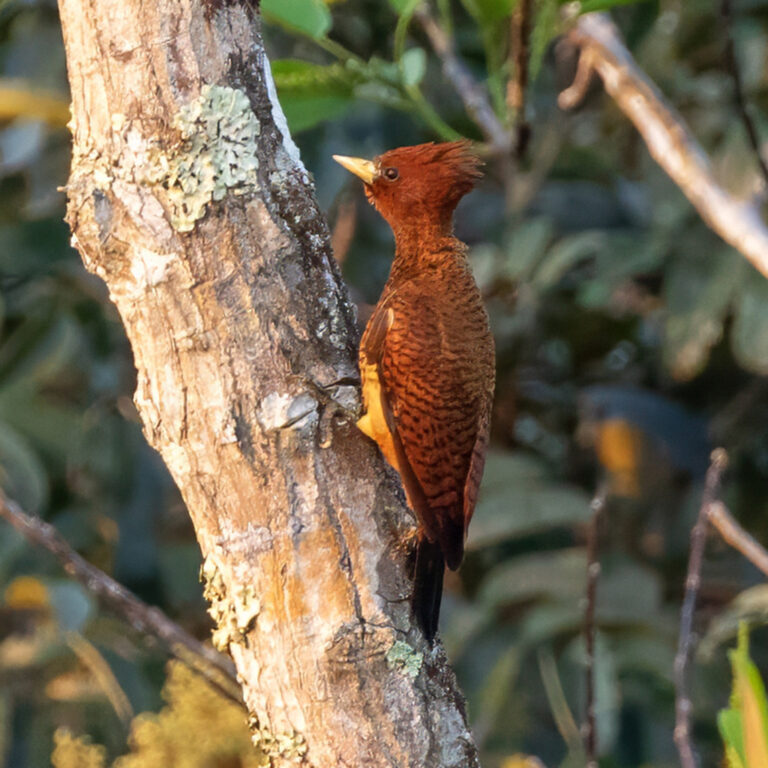
Celeus undatus
♥
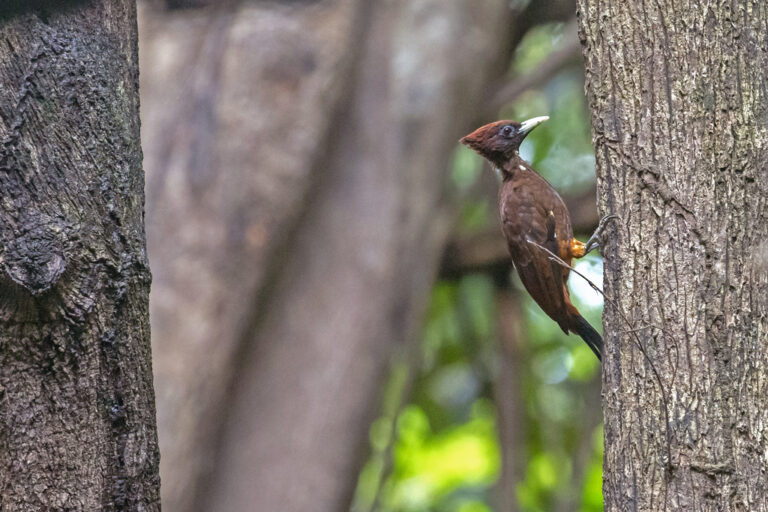
Celeus elegans
♥
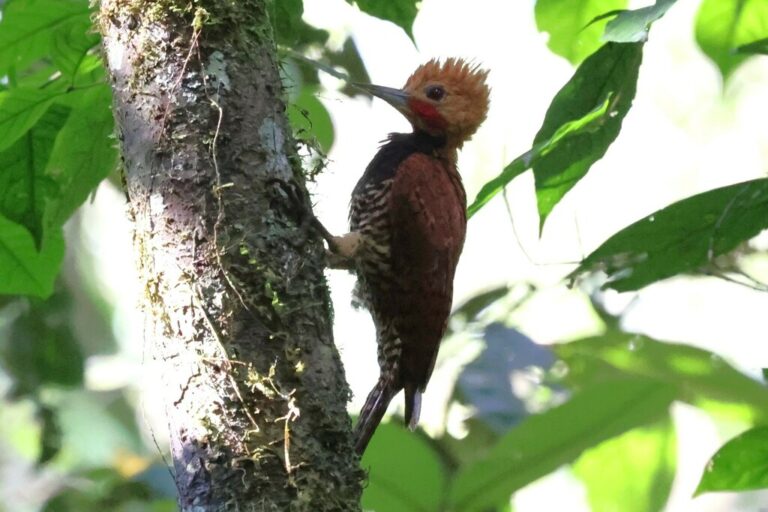
Celeus torquatus
♥
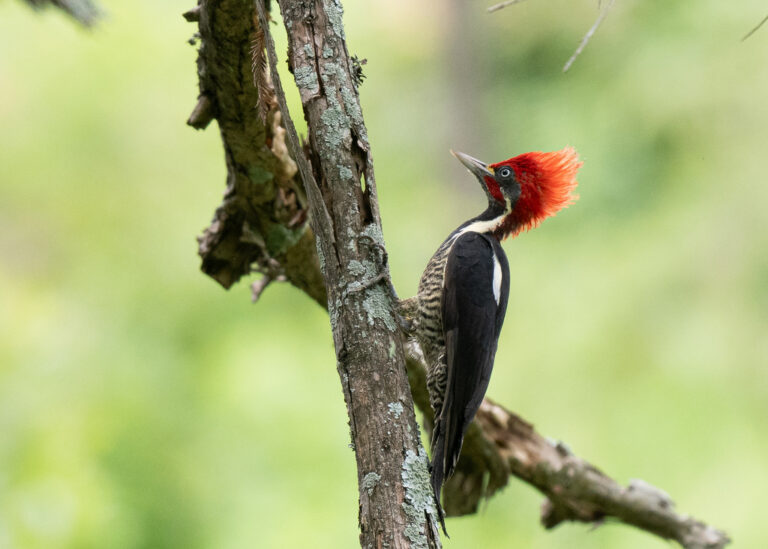
Dryocopus lineatus
♥
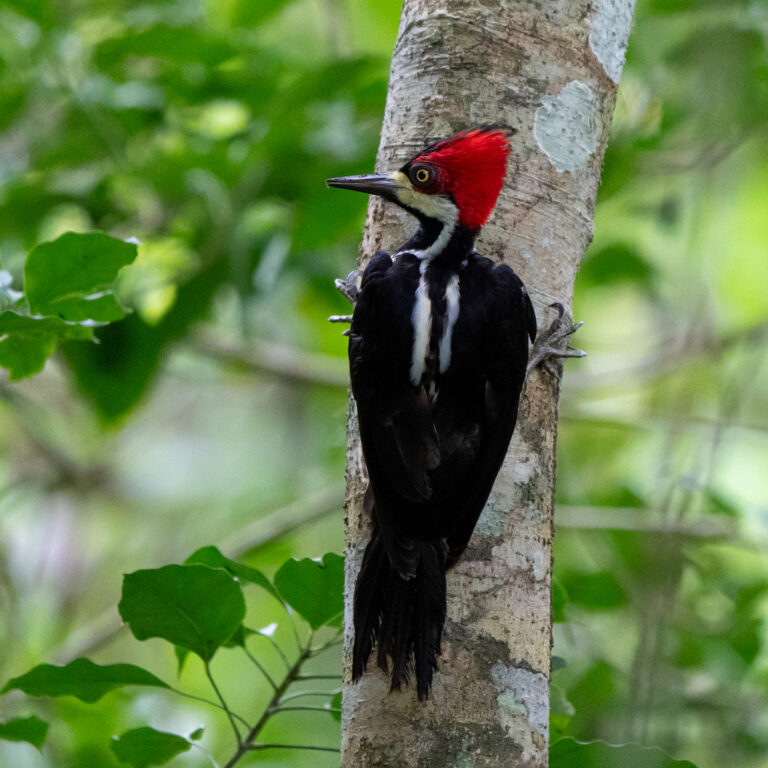
Campephilus melanoleucos
♥
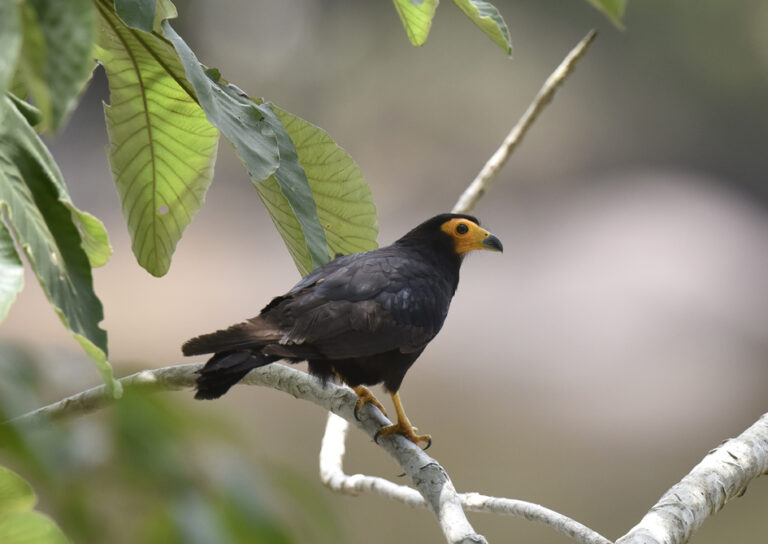
Daptrius ater
♥
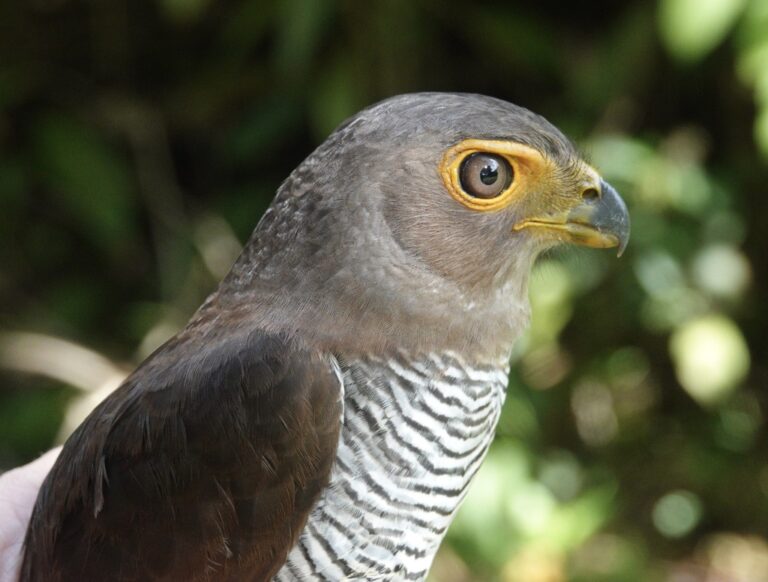
Micrastur ruficollis
♥
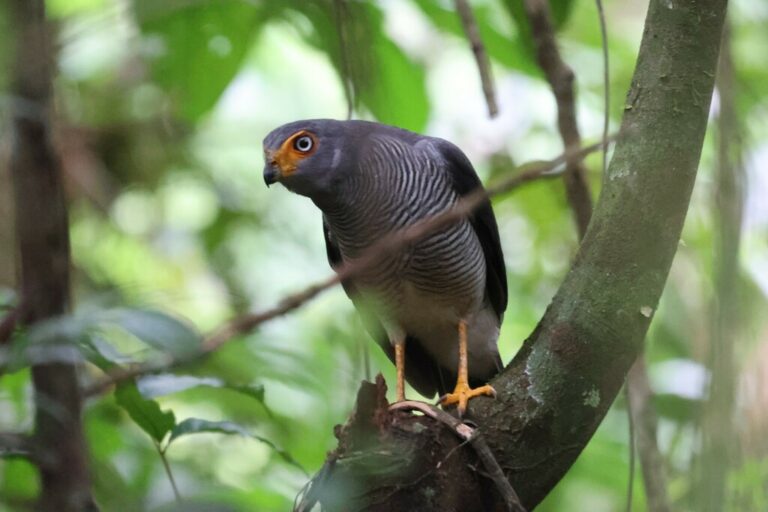
Micrastur gilvicollis
♥
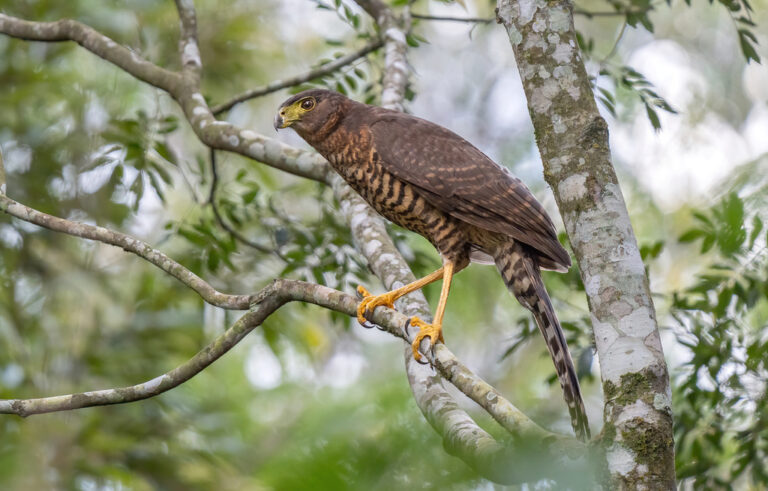
Micrastur semitorquatus
♥
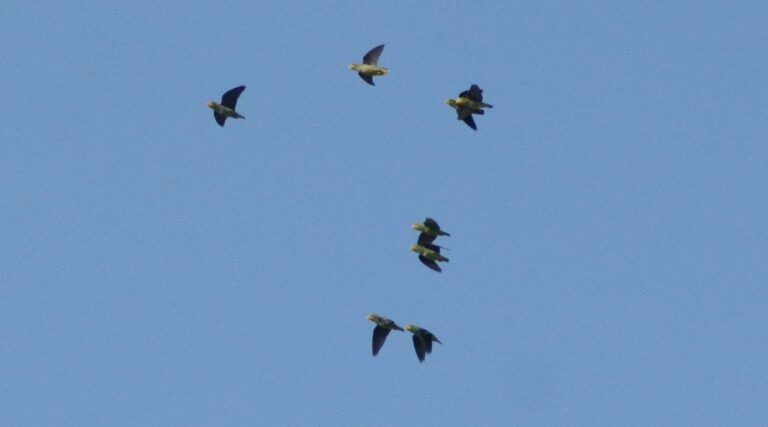
Touit batavicus
♥
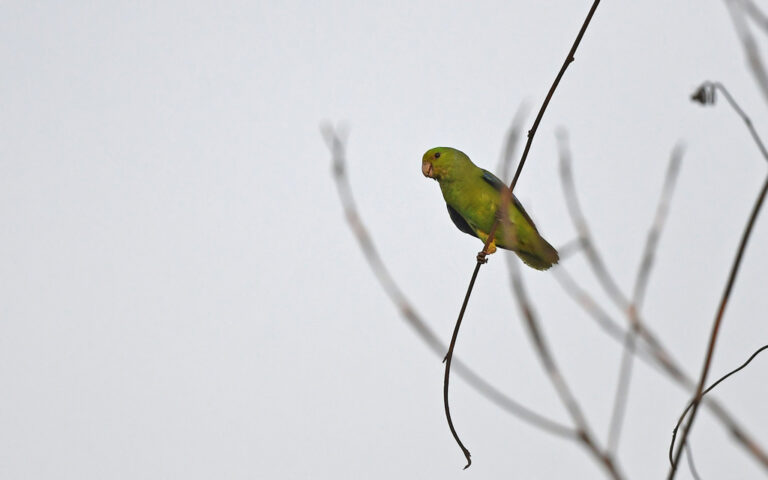
Touit purpuratus
♥
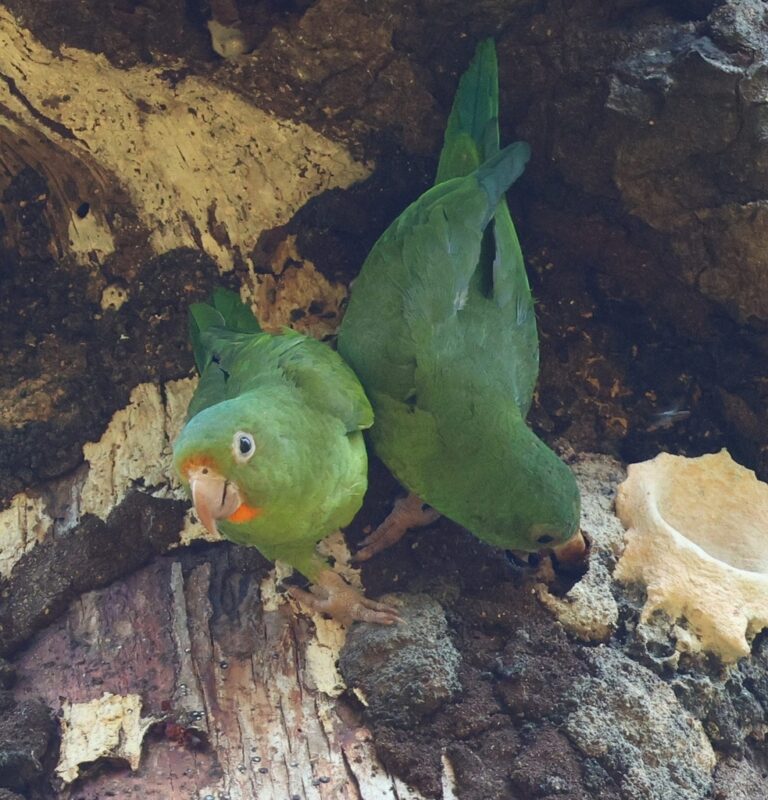
Brotogeris chrysoptera
♥
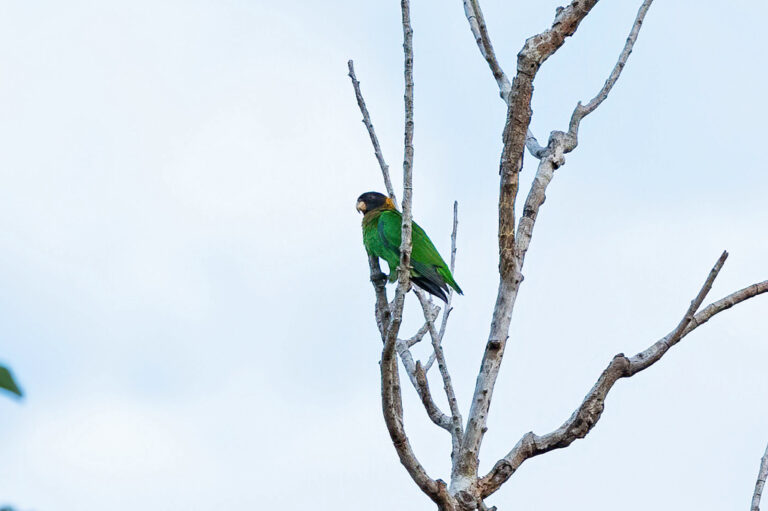
Pyrilia caica
♥
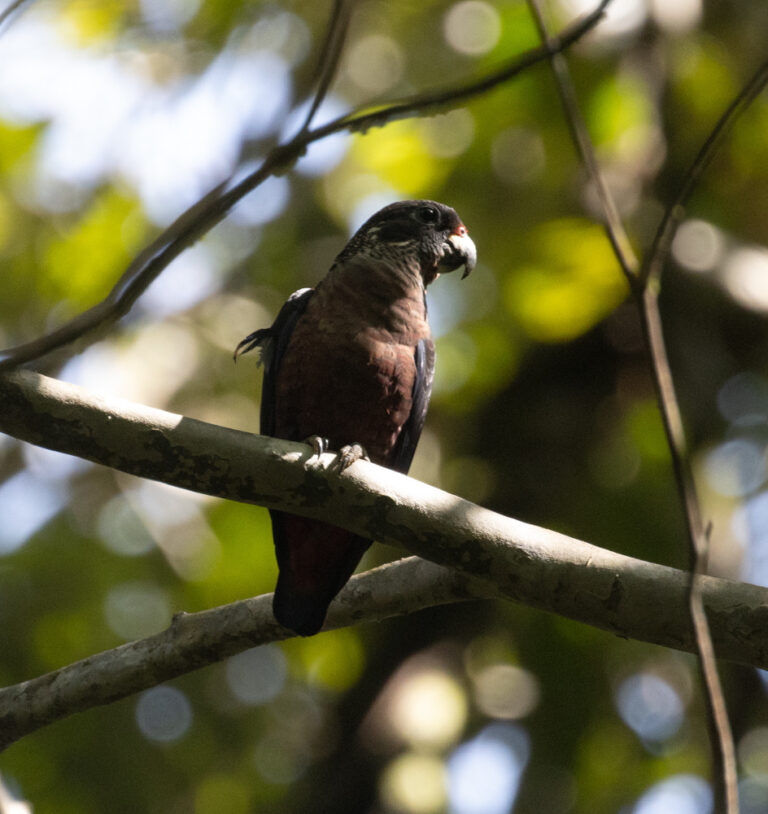
Pionus fuscus
♥
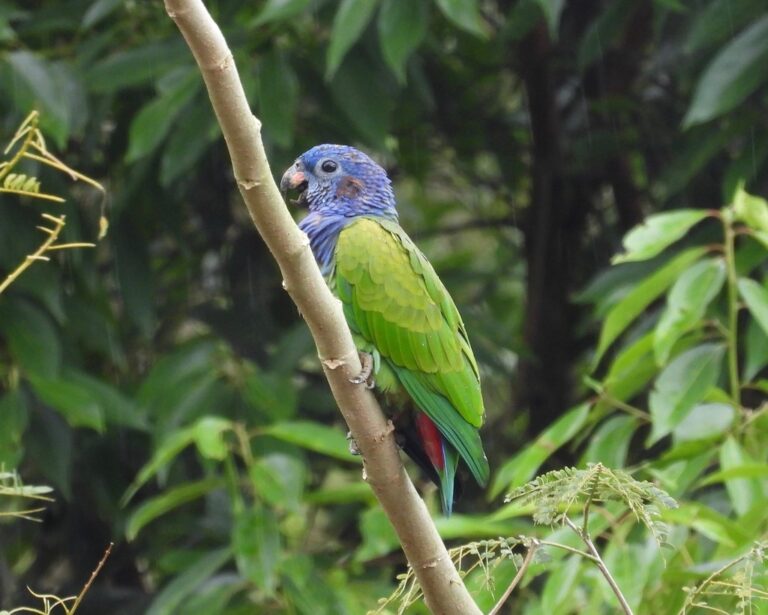
Pionus menstruus
♥
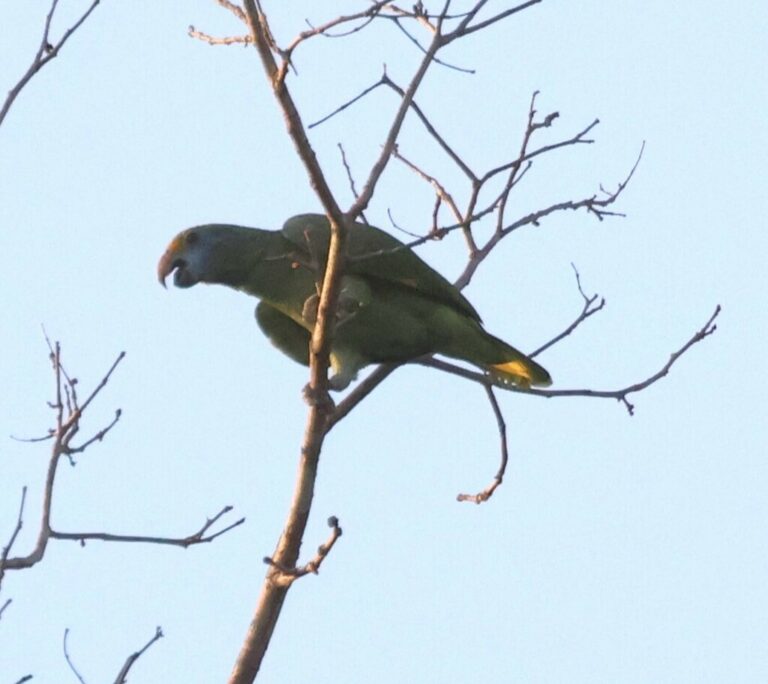
Amazona dufresniana
♥
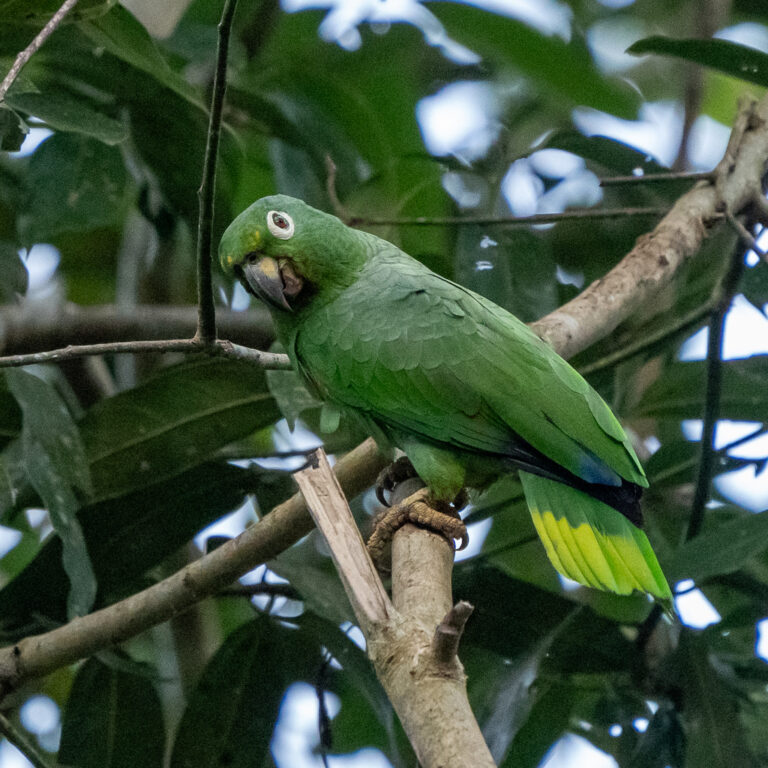
Amazona farinosa
♥
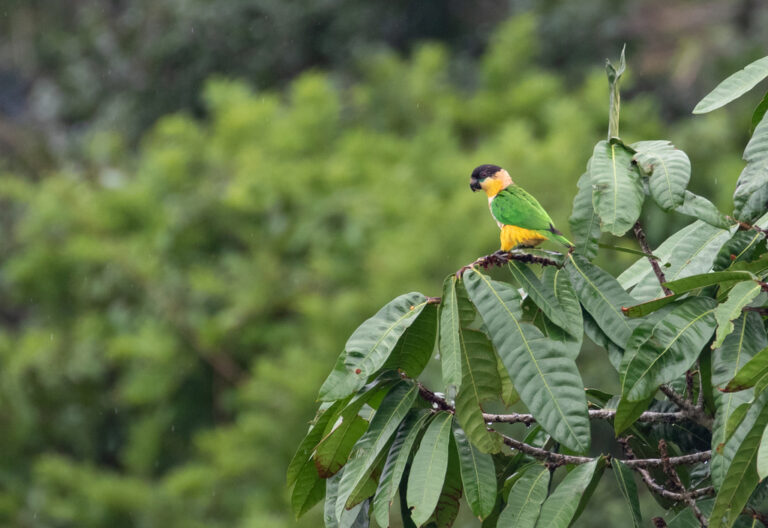
Pionites melanocephalus
♥
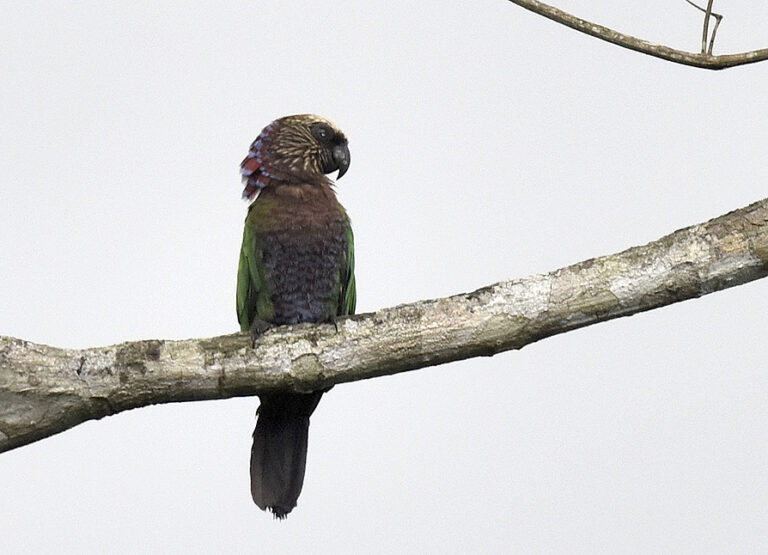
Deroptyus accipitrinus
♥
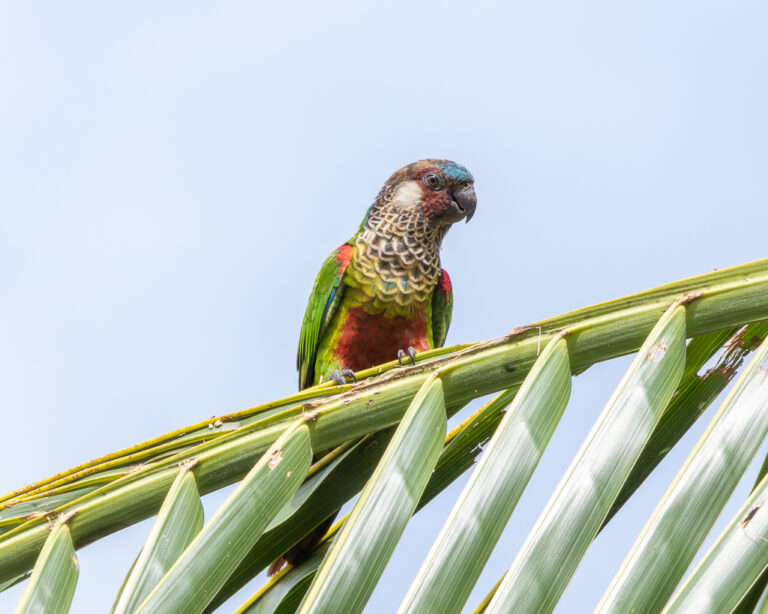
Pyrrhura picta
♥
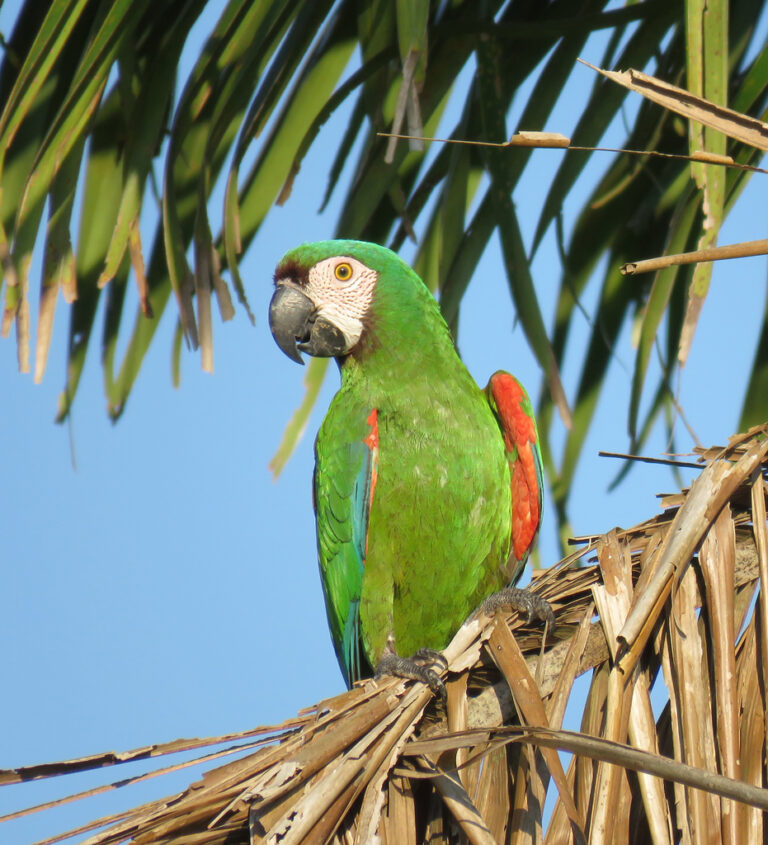
Ara severus
♥
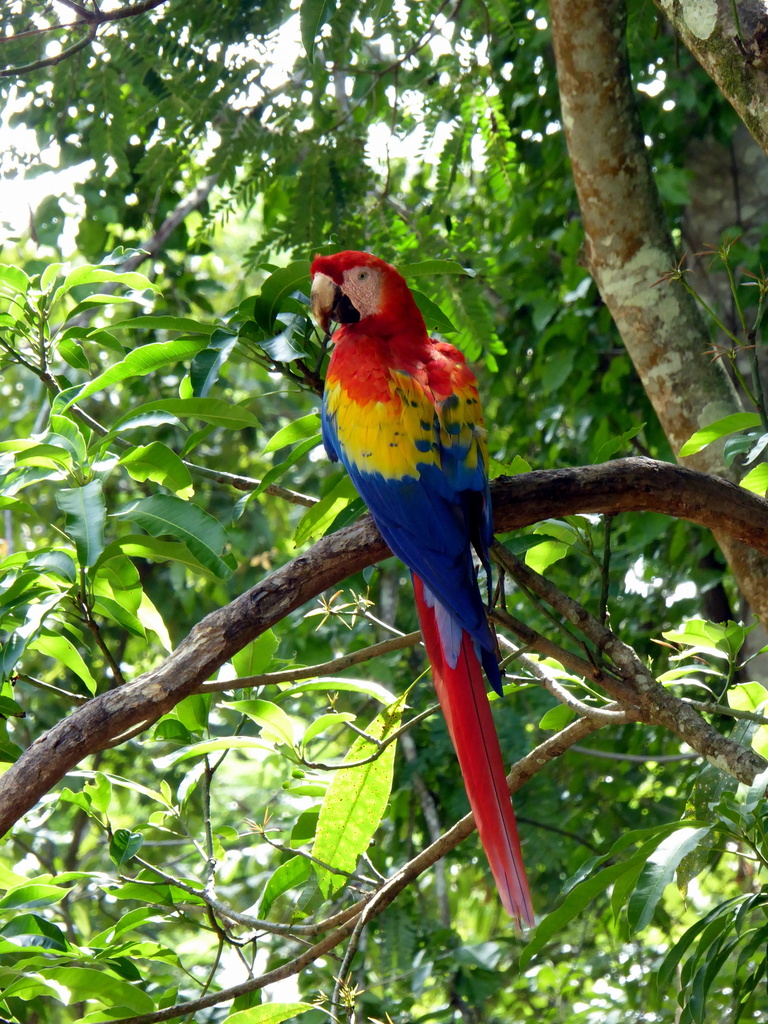
Ara macao
♥
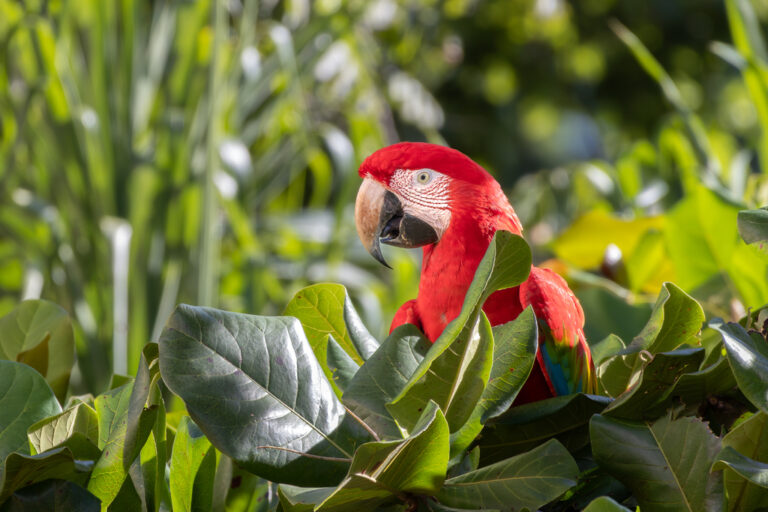
Ara chloropterus
♥
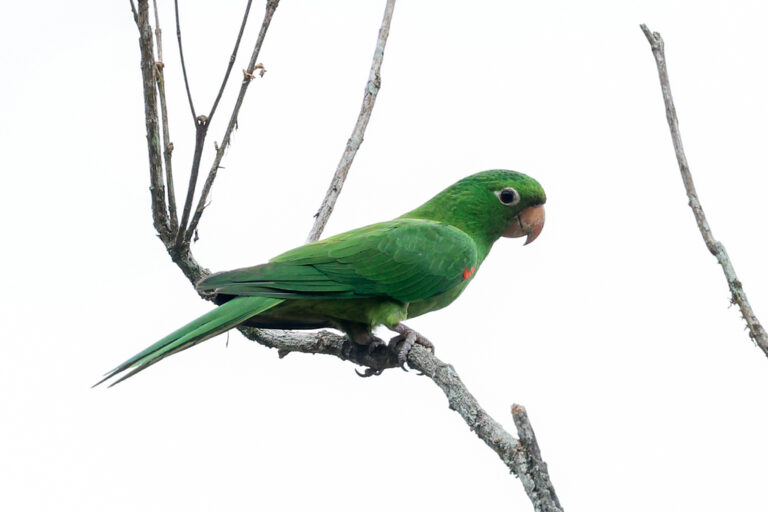
Psittacara leucophthalmus
♥
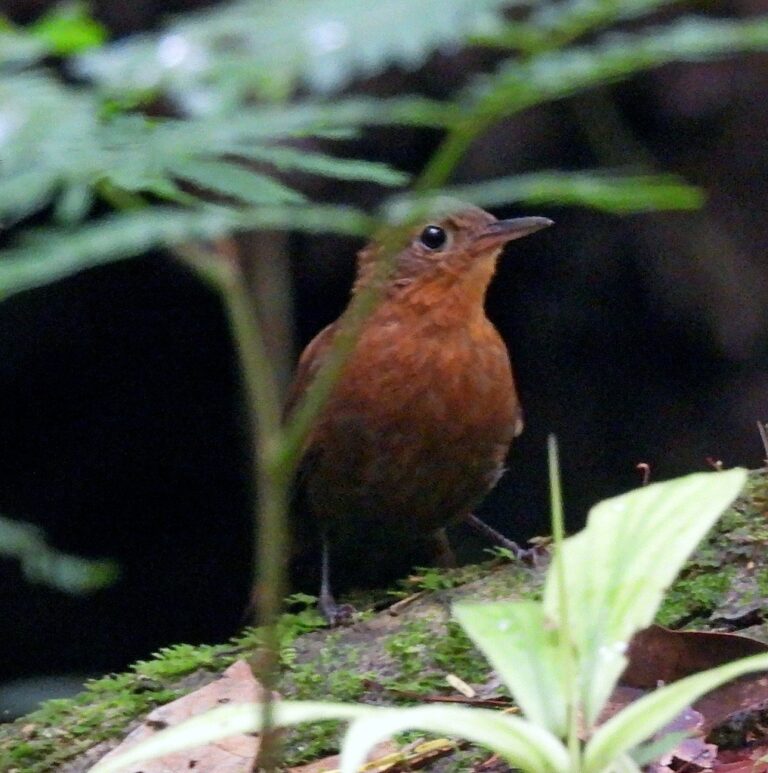
Sclerurus rufigularis
♥
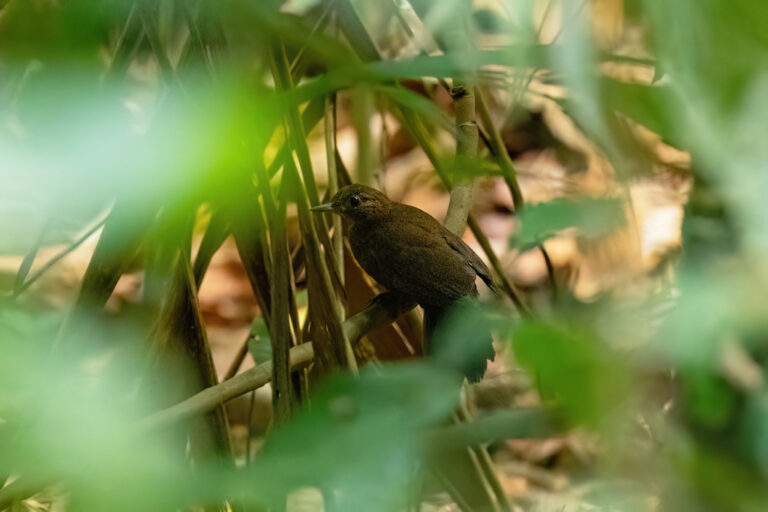
Sclerurus caudacutus
♥
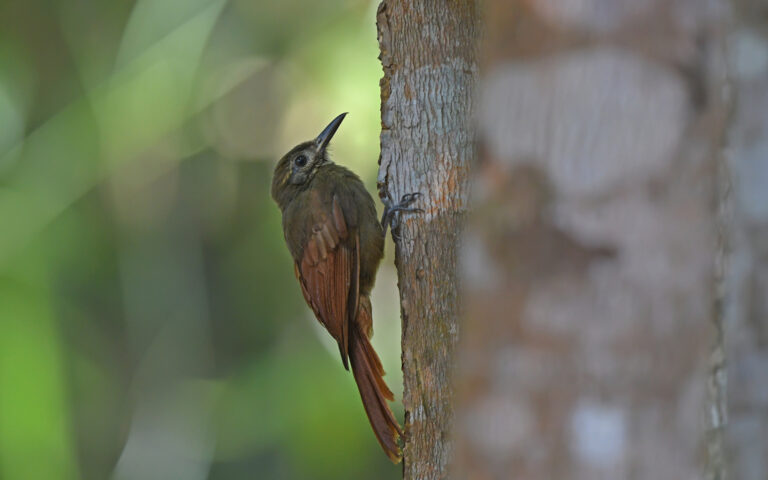
Dendrocincla fuliginosa
♥
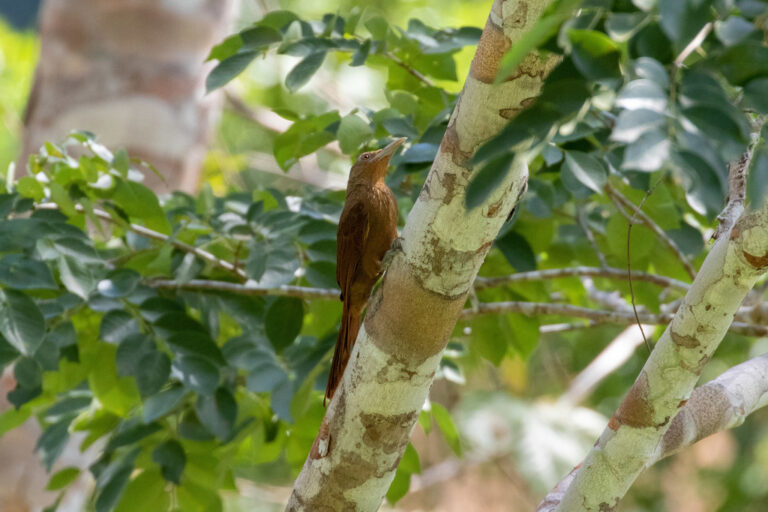
Dendrexetastes rufigula
♥
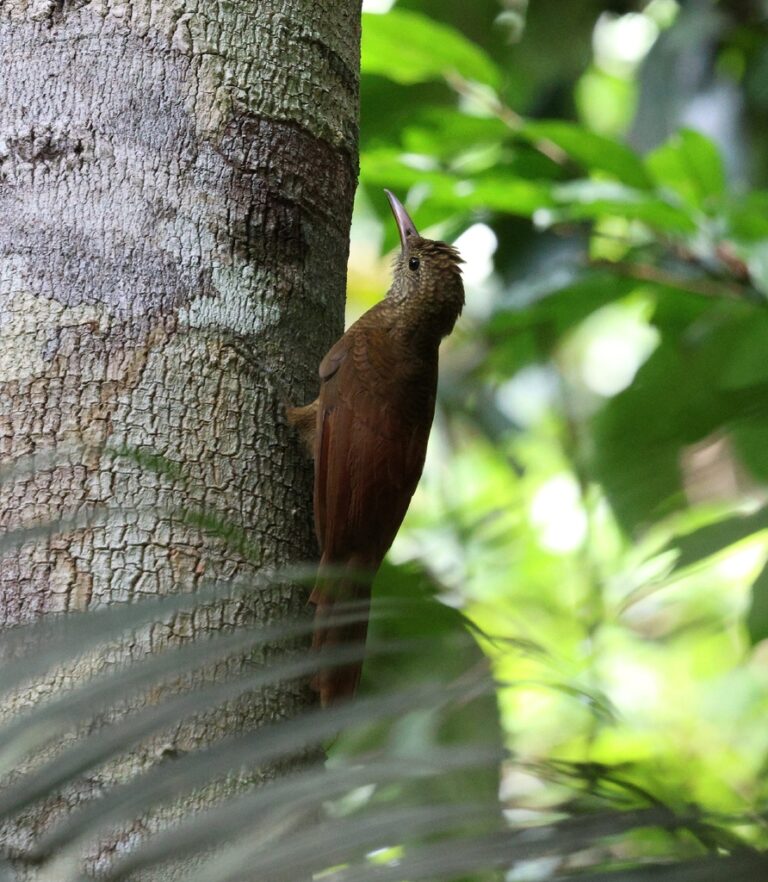
Dendrocolaptes certhia
♥
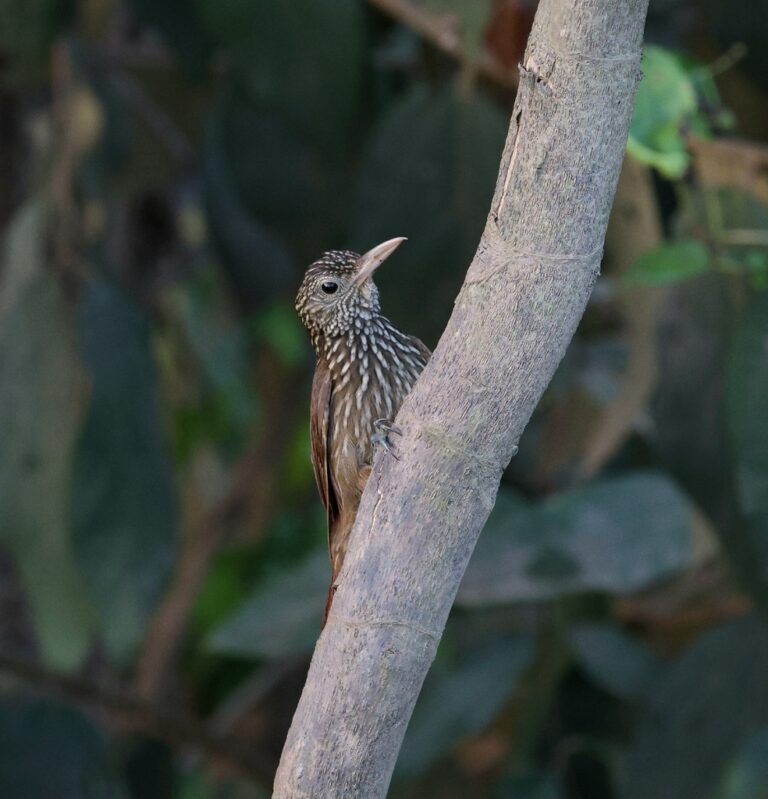
Xiphorhynchus obsoletus
♥
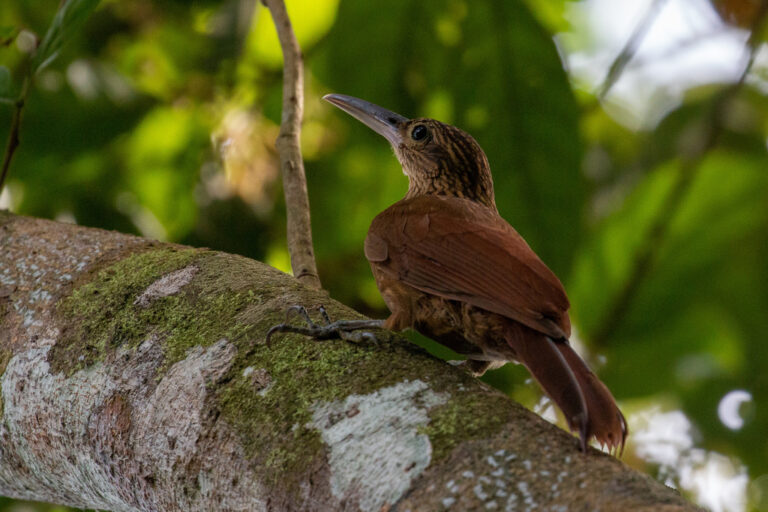
Xiphorhynchus guttatus
♥
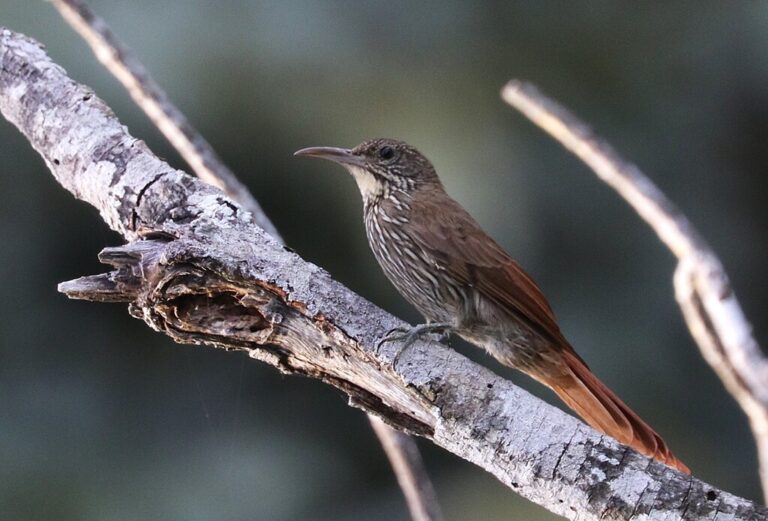
Lepidocolaptes albolineatus
♥
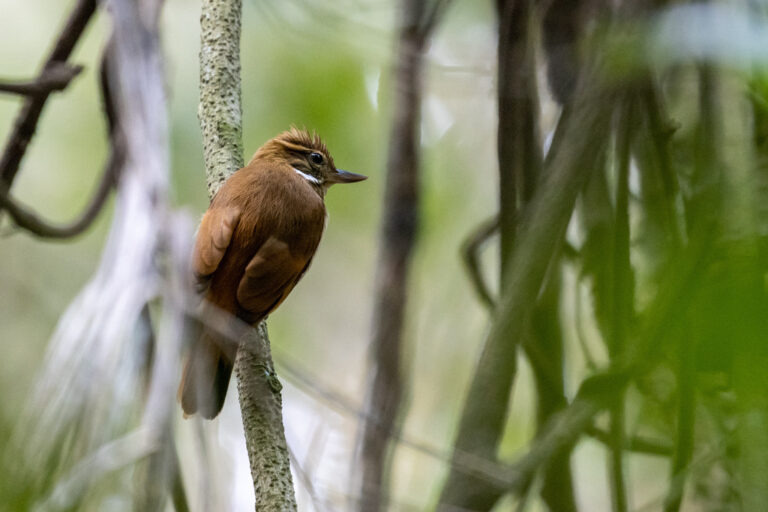
Xenops genibarbis
♥
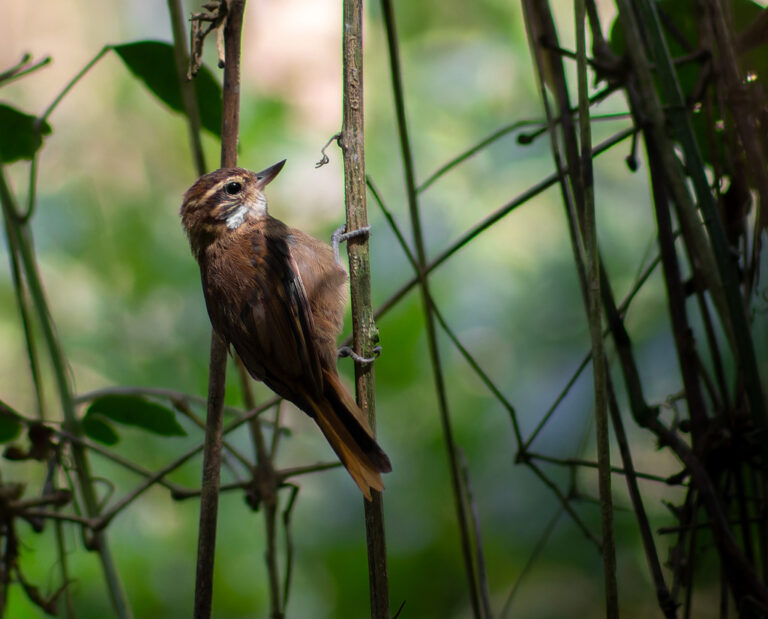
Xenops minutus
♥
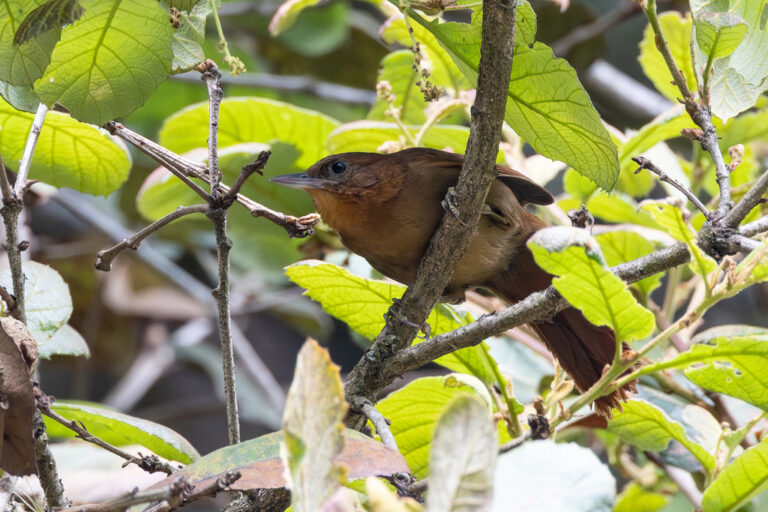
Clibanornis rubiginosus
♥
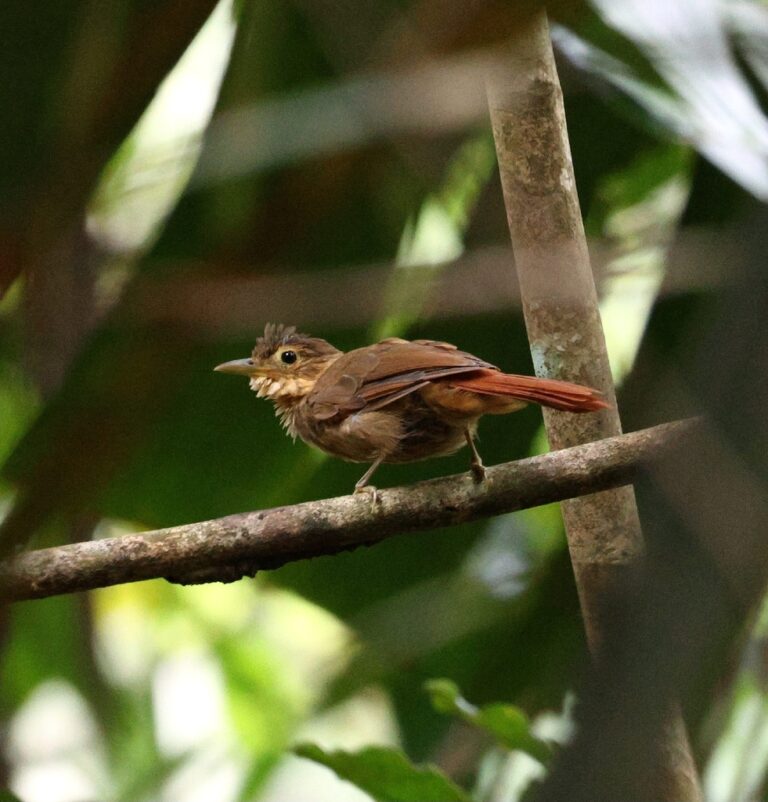
Automolus ochrolaemus
♥
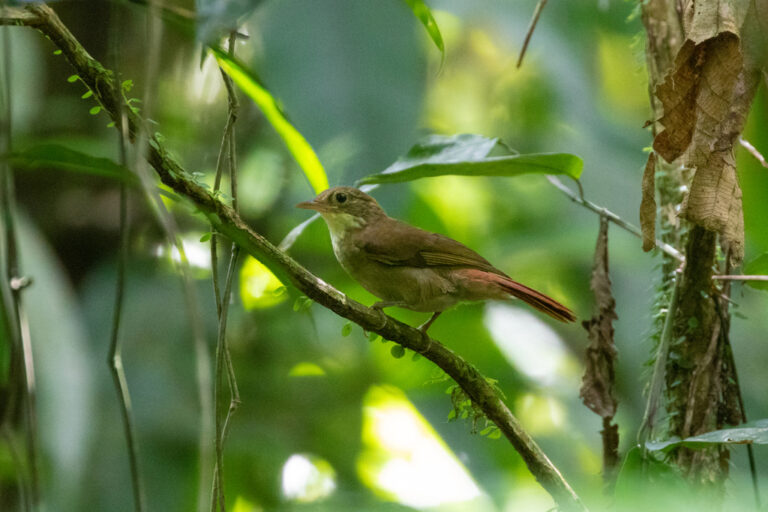
Automolus infuscatus
♥
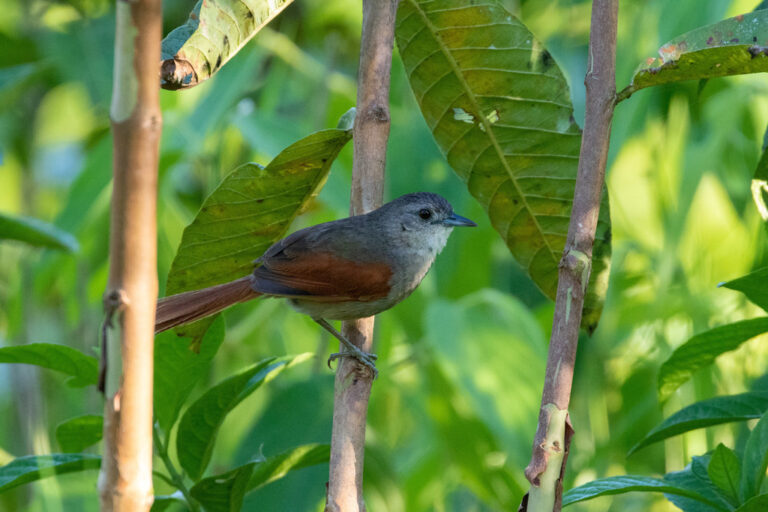
Synallaxis gujanensis
♥
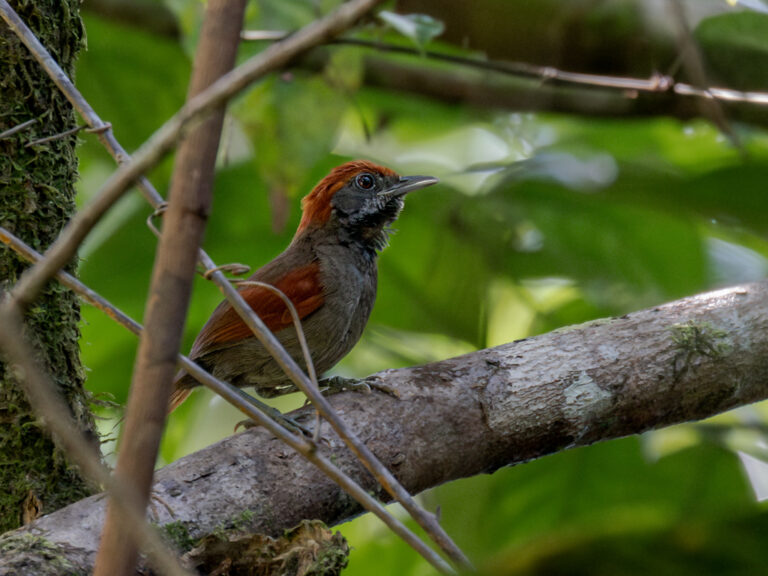
Synallaxis macconnelli
♥
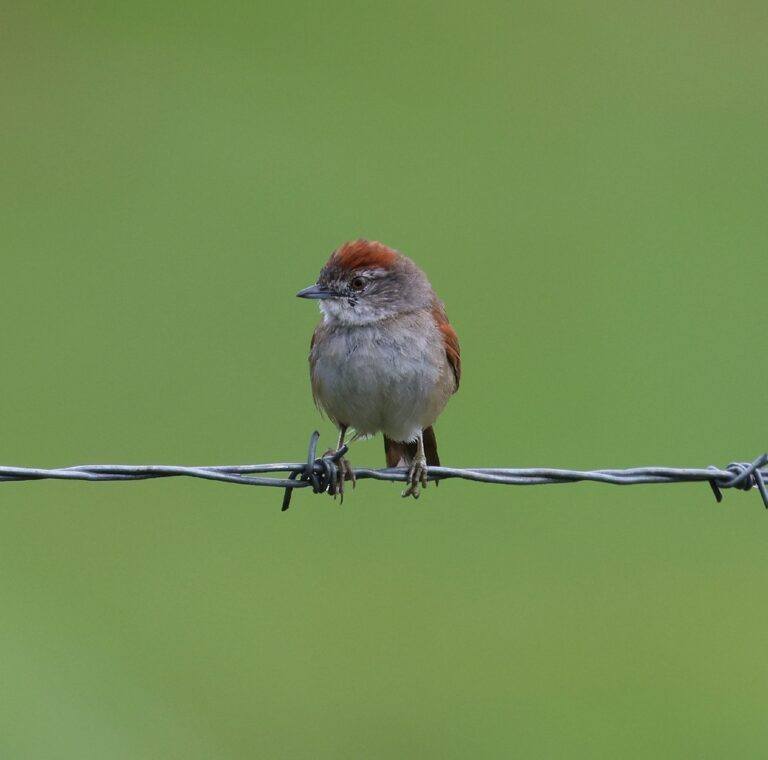
Synallaxis albescens
♥
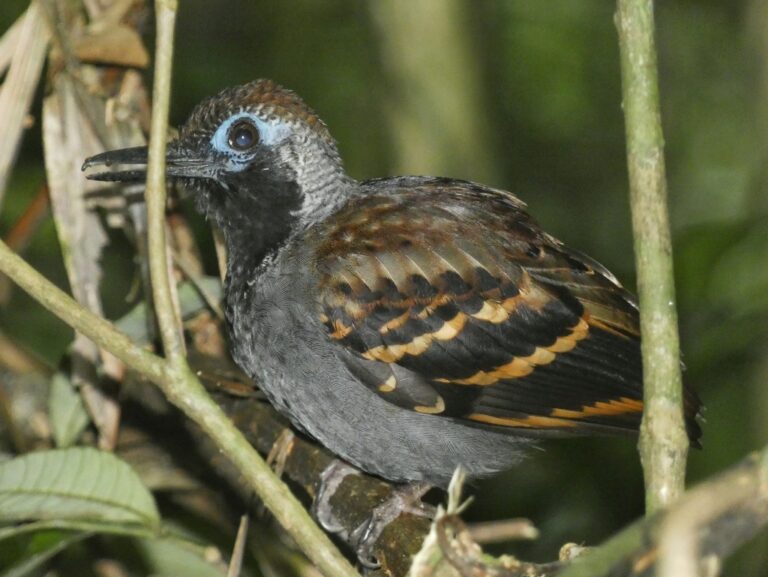
Myrmornis torquata
♥
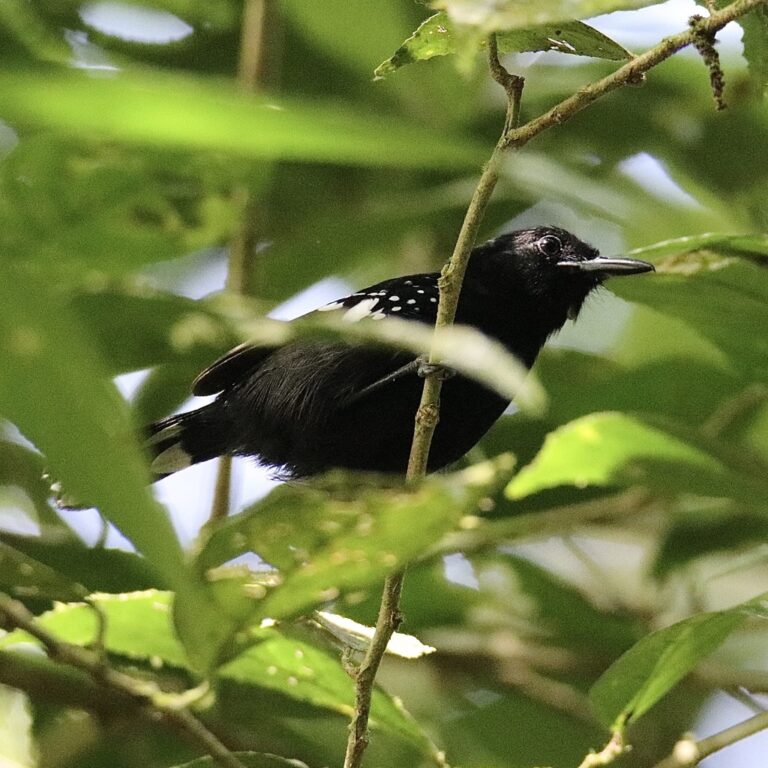
Microrhopias quixensis
♥
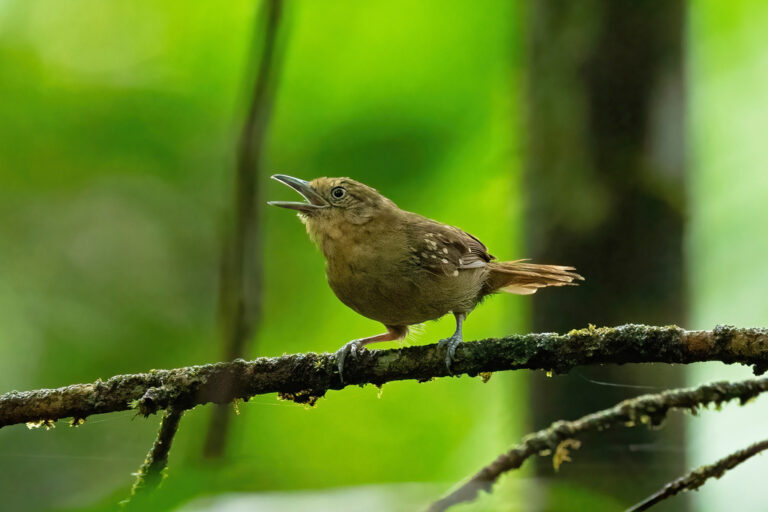
Epinecrophylla gutturalis
♥
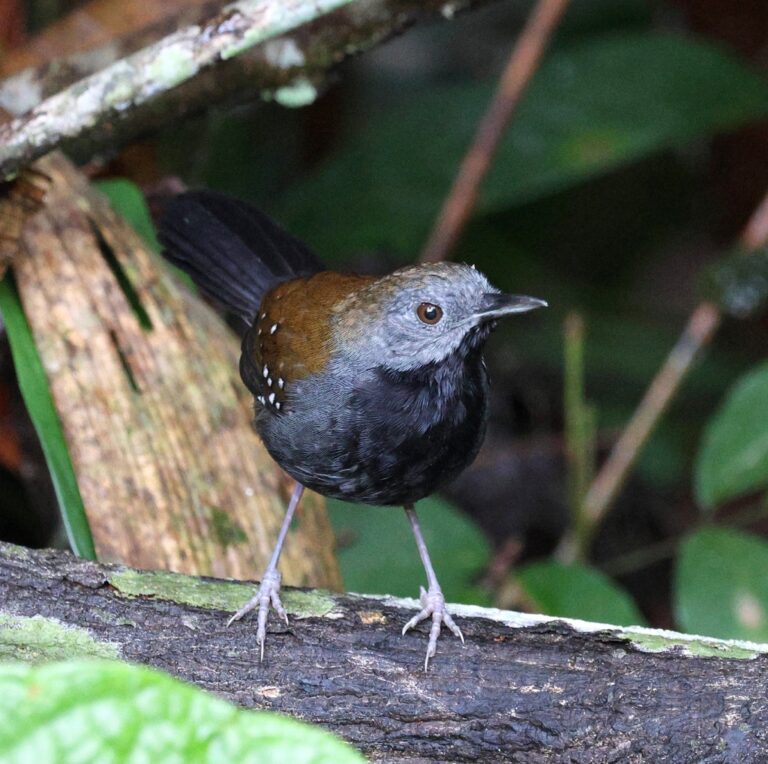
Myrmophylax atrothorax
♥
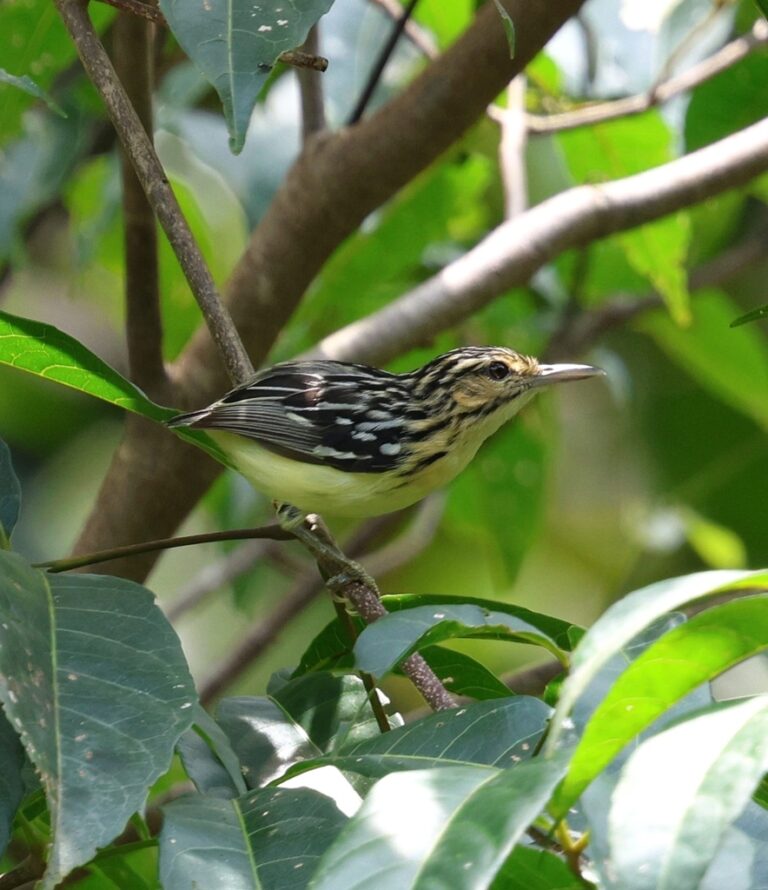
Myrmotherula brachyura
♥
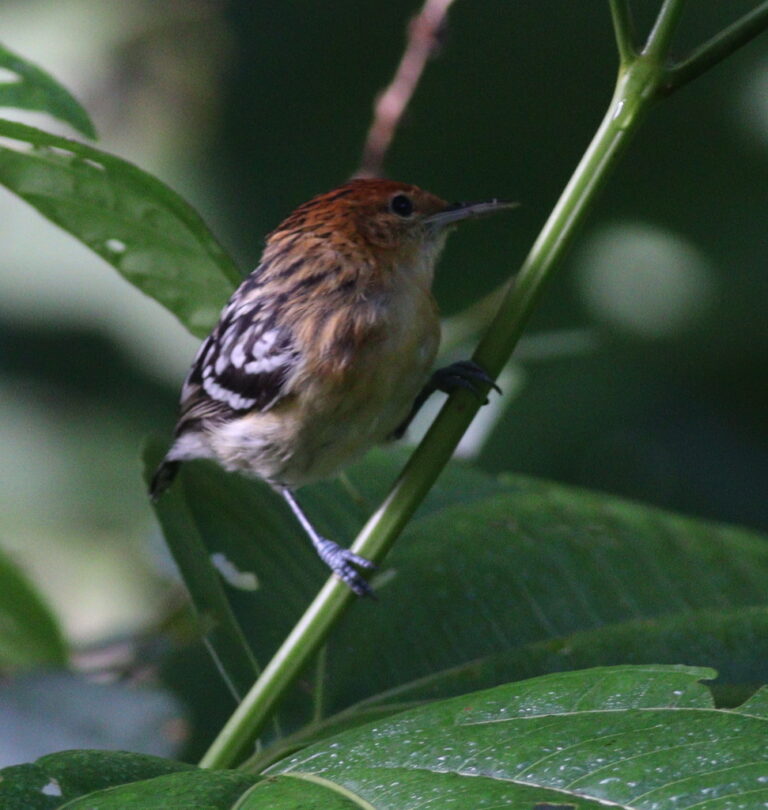
Myrmotherula surinamensis
♥
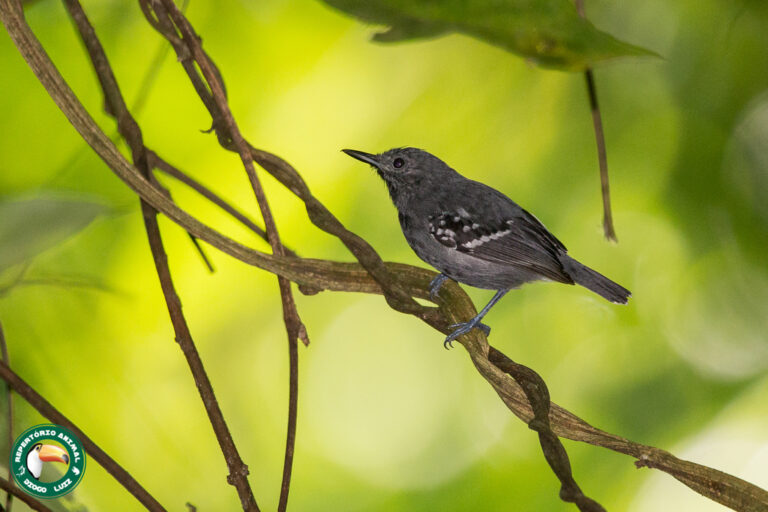
Myrmotherula axillaris
♥
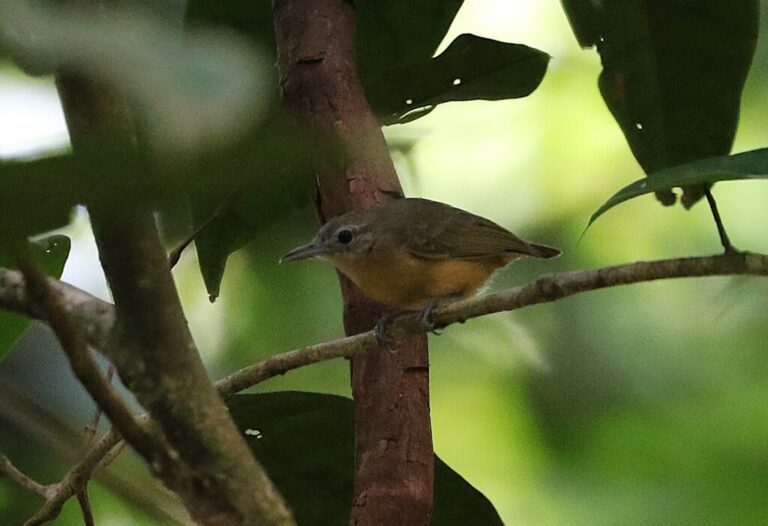
Myrmotherula longipennis
♥
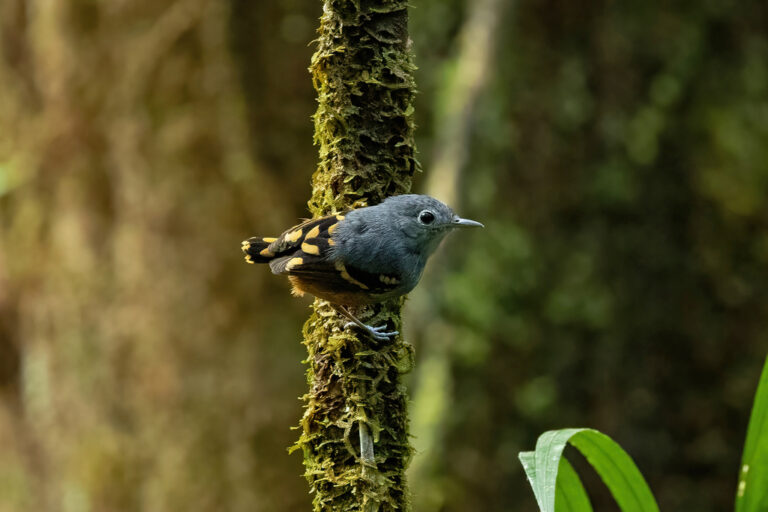
Isleria guttata
♥
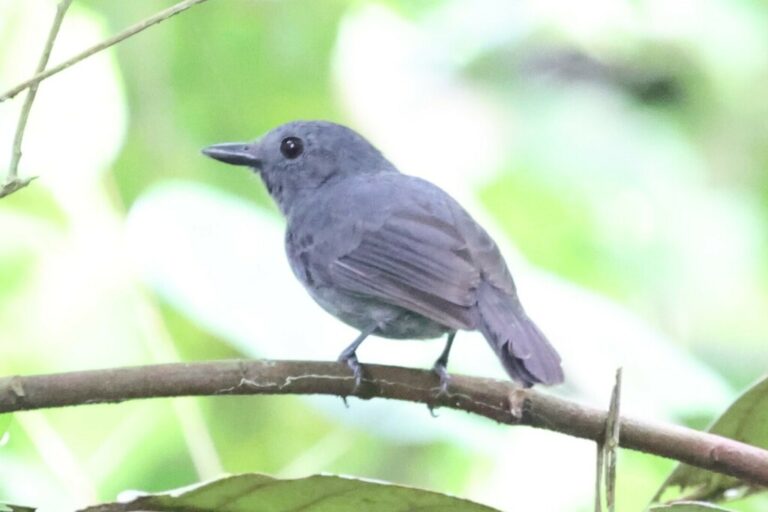
Thamnomanes ardesiacus
♥
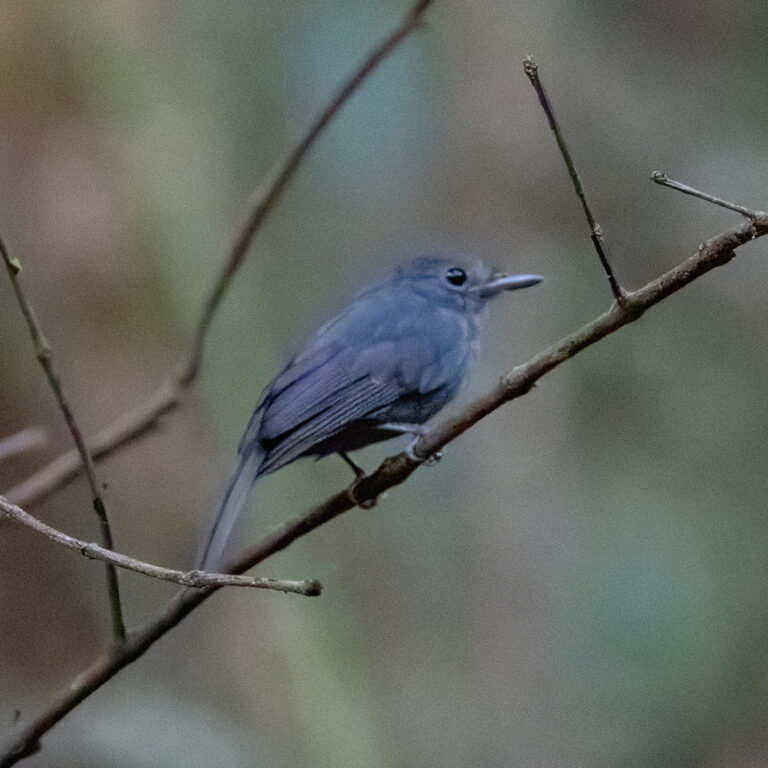
Thamnomanes caesius
♥
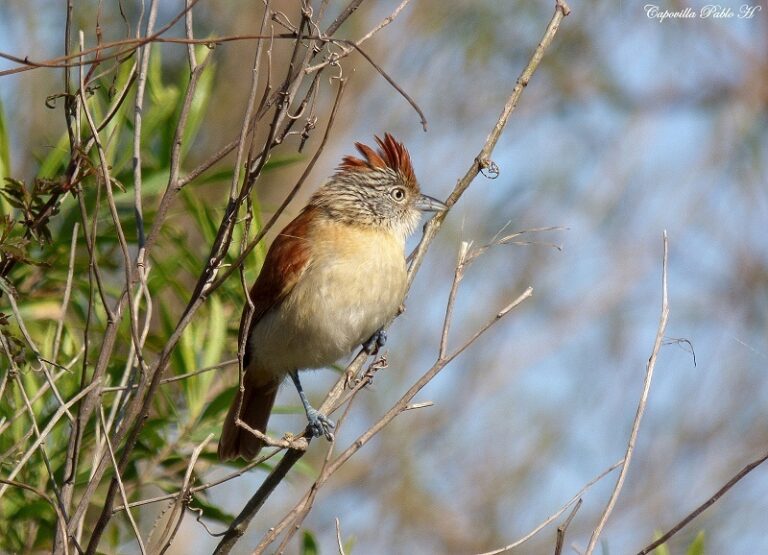
Thamnophilus doliatus
♥
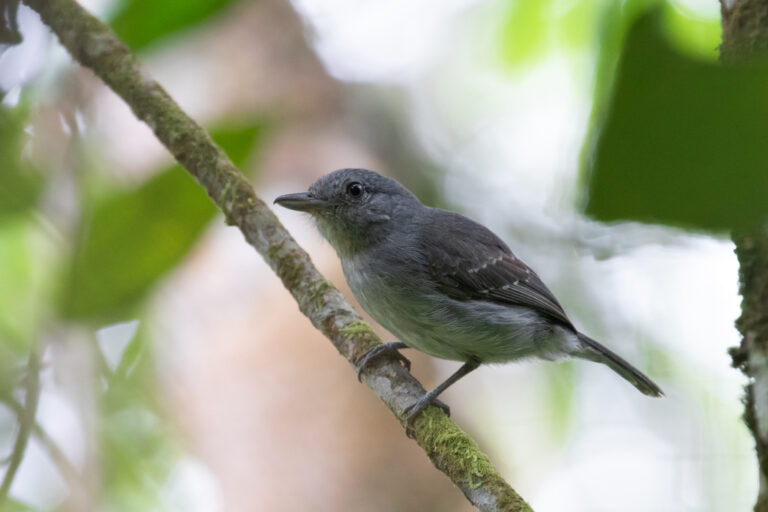
Thamnophilus murinus
♥
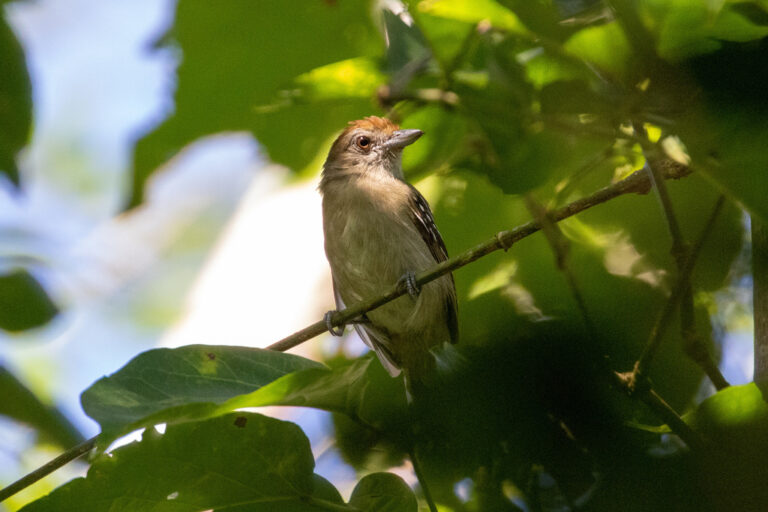
Thamnophilus punctatus
♥
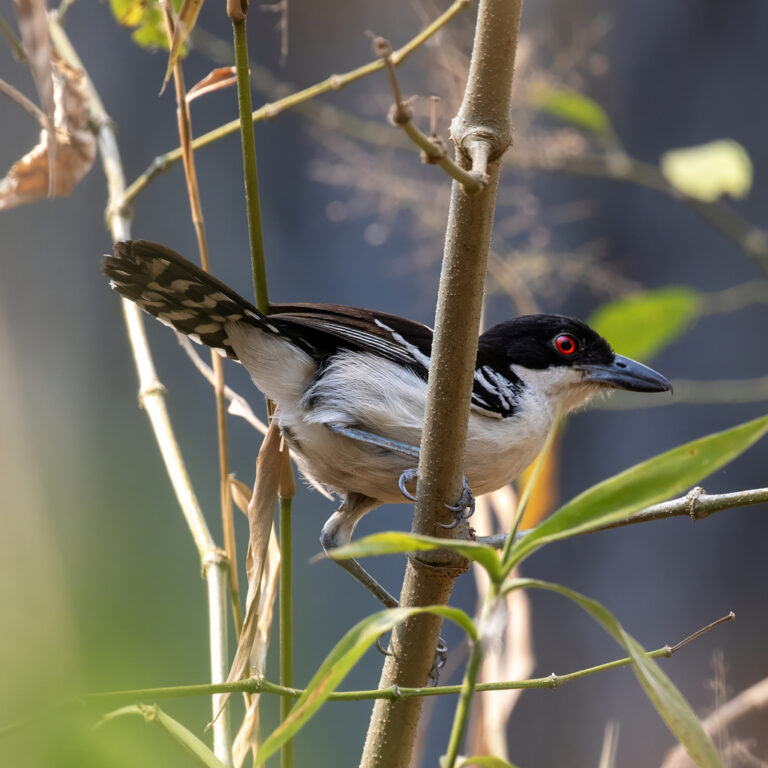
Taraba major
♥
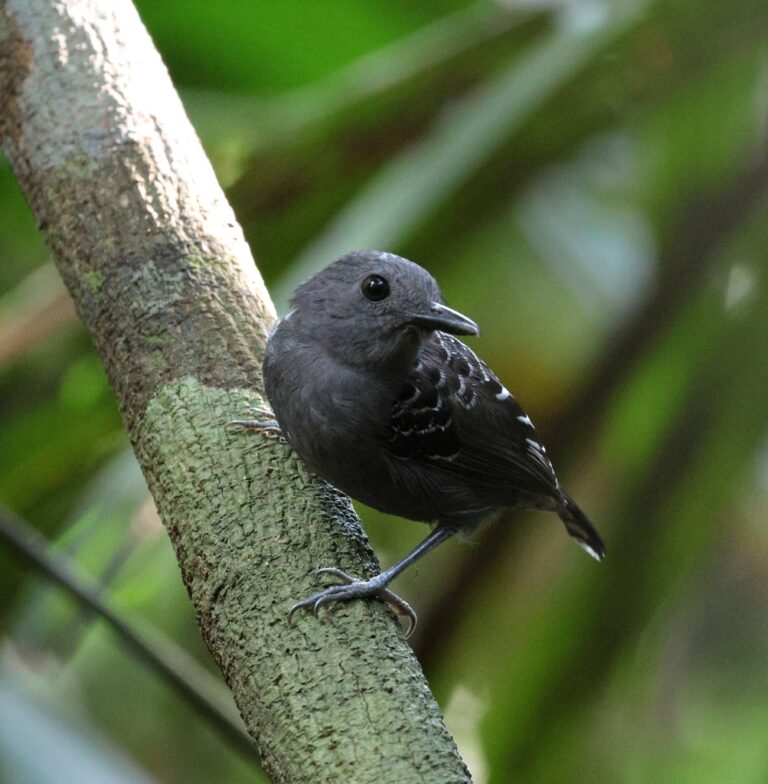
Willisornis poecilinotus
♥
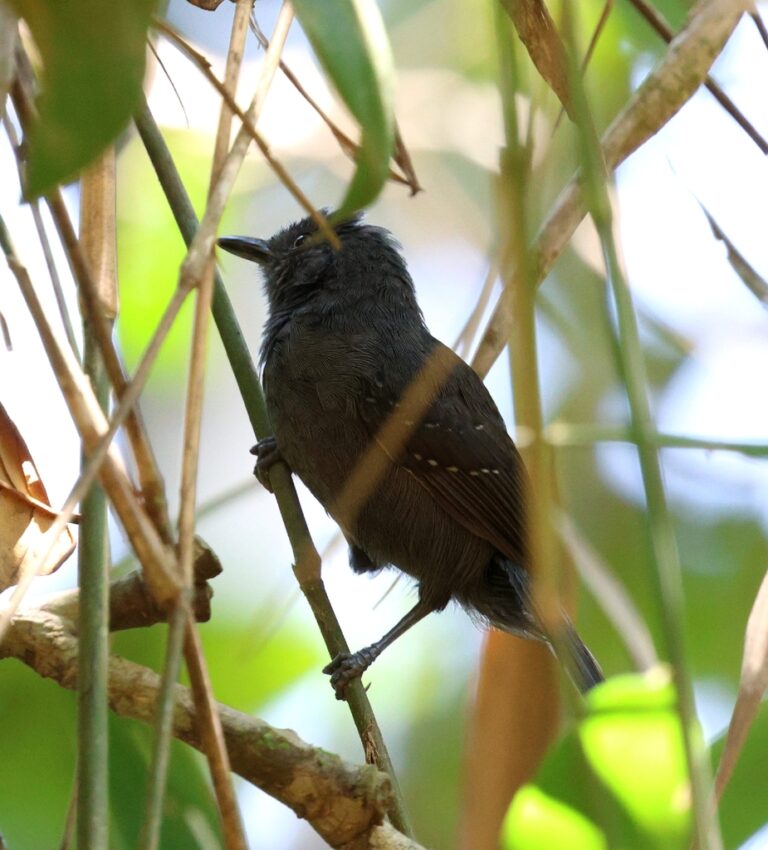
Cercomacroides nigrescens
♥
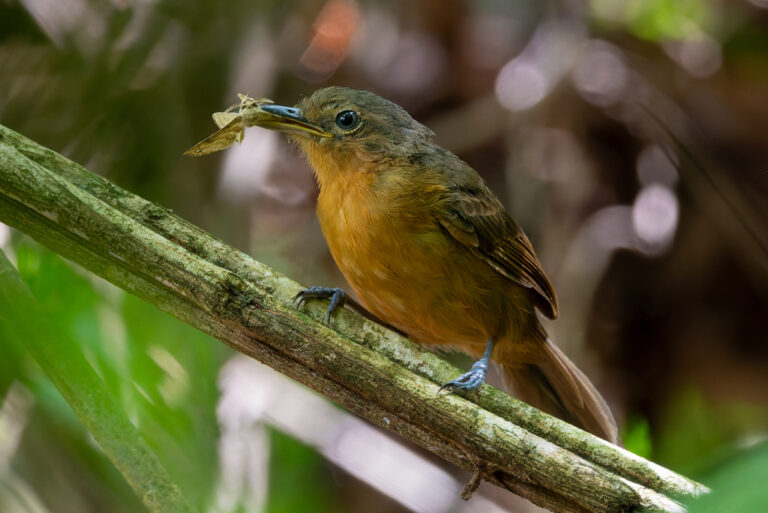
Cercomacroides tyrannina
♥
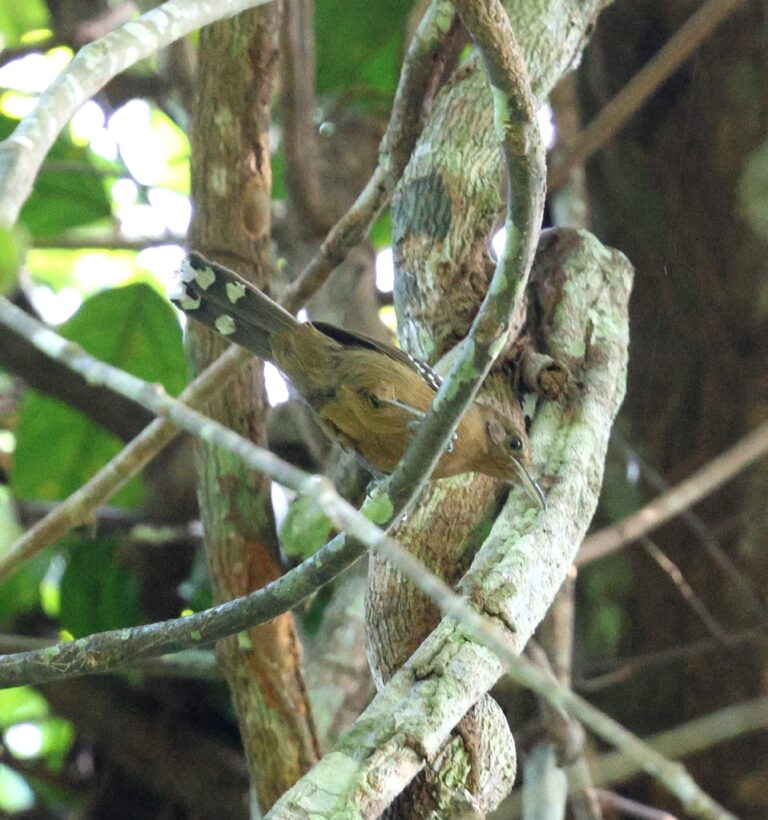
Cercomacra cinerascens
♥
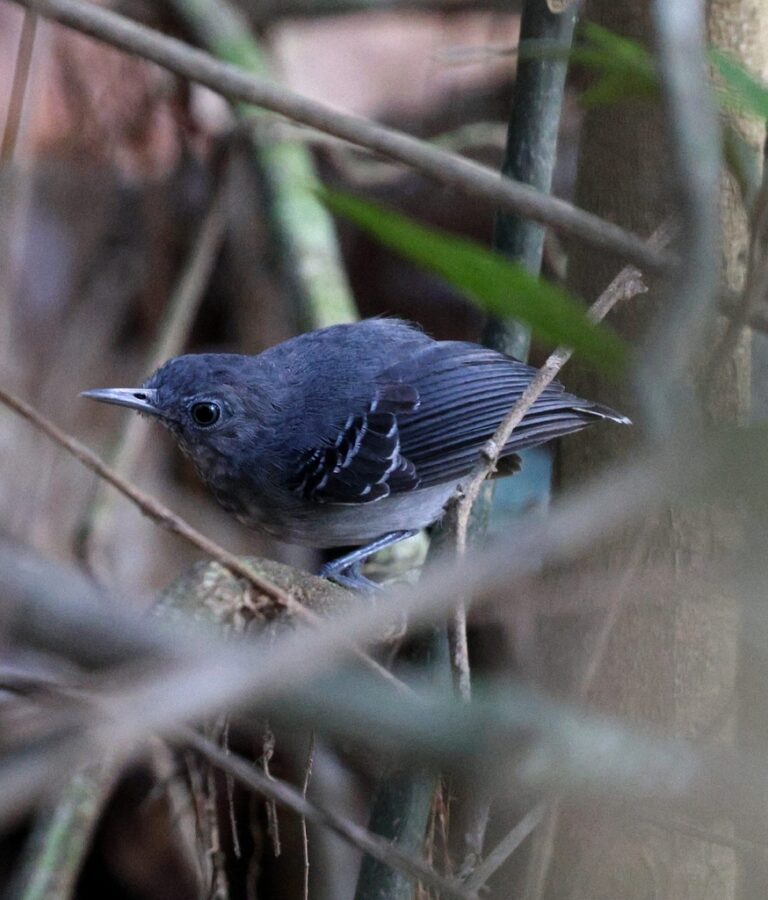
Hypocnemoides melanopogon
♥
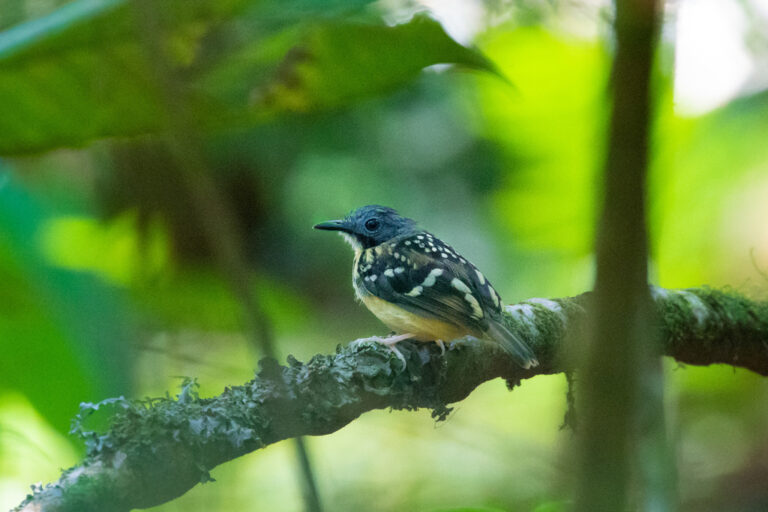
Hylophylax naevius
♥
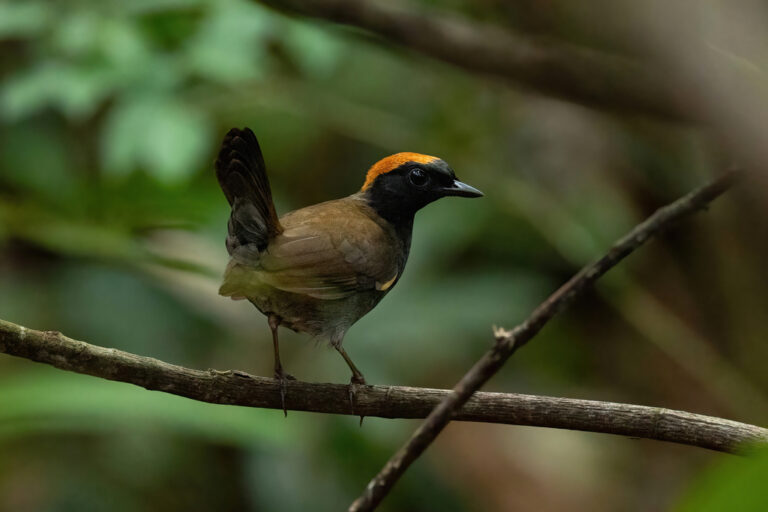
Formicarius colma
♥
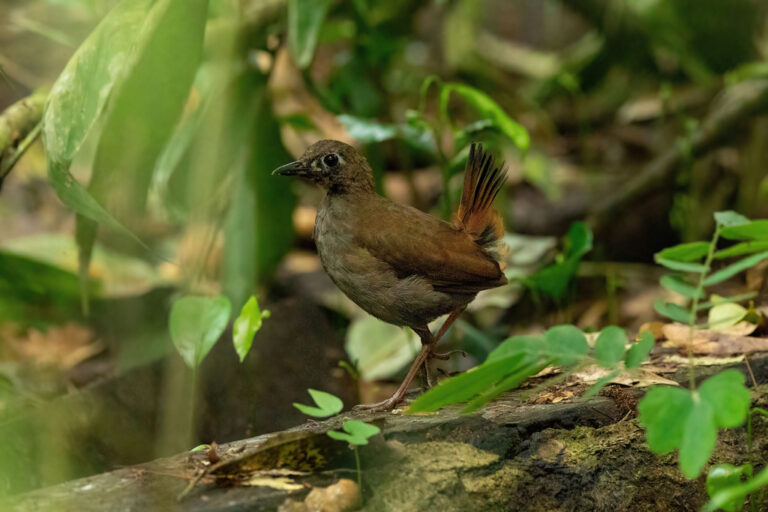
Formicarius analis
♥
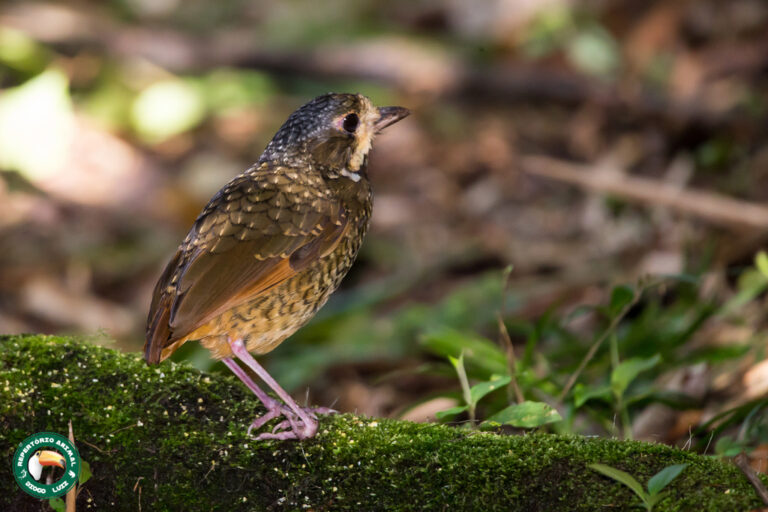
Grallaria varia
♥
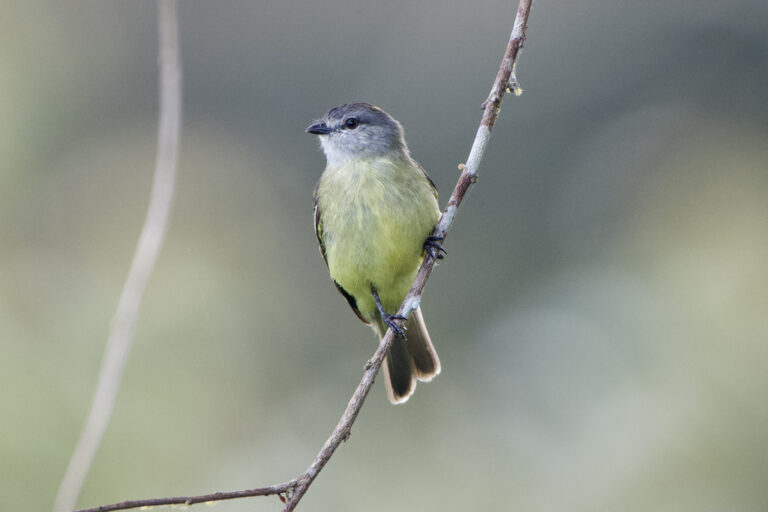
Tyrannulus elatus
♥
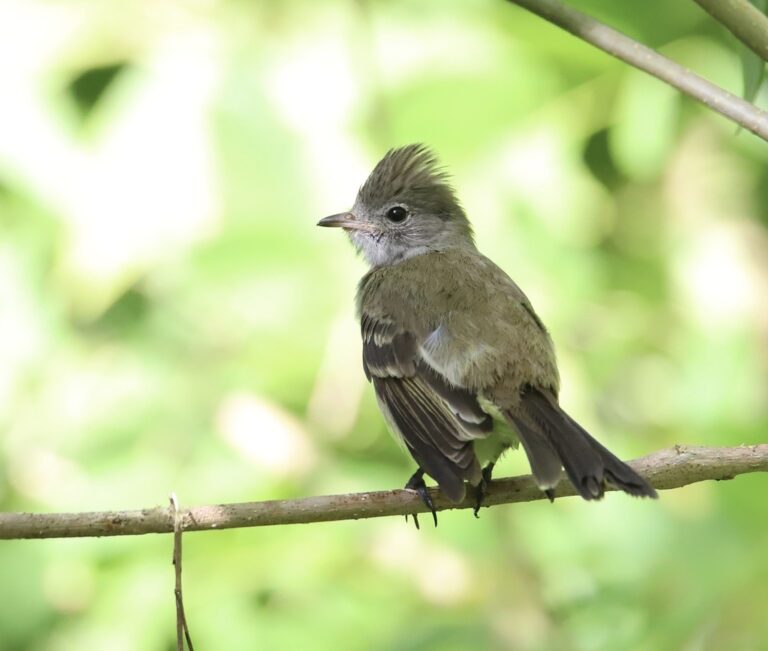
Elaenia flavogaster
♥
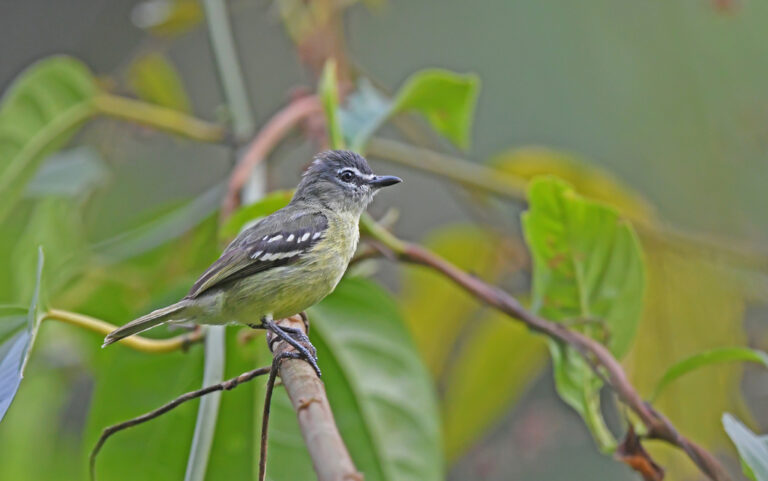
Ornithion inerme
♥
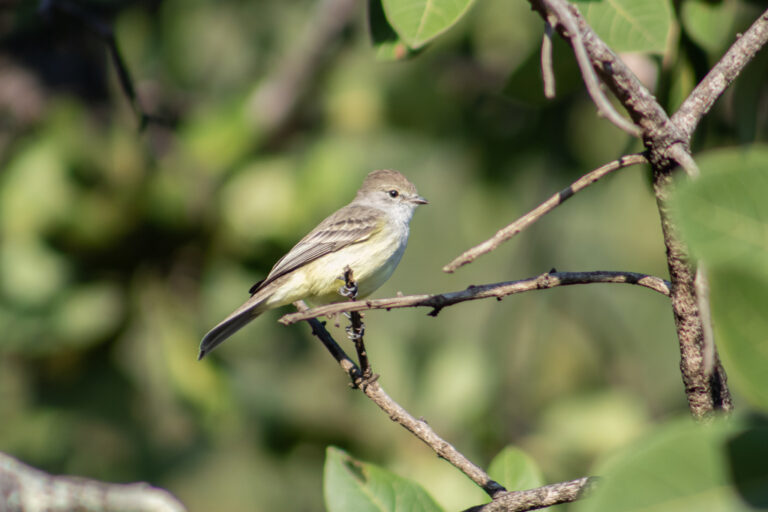
Camptostoma obsoletum
♥
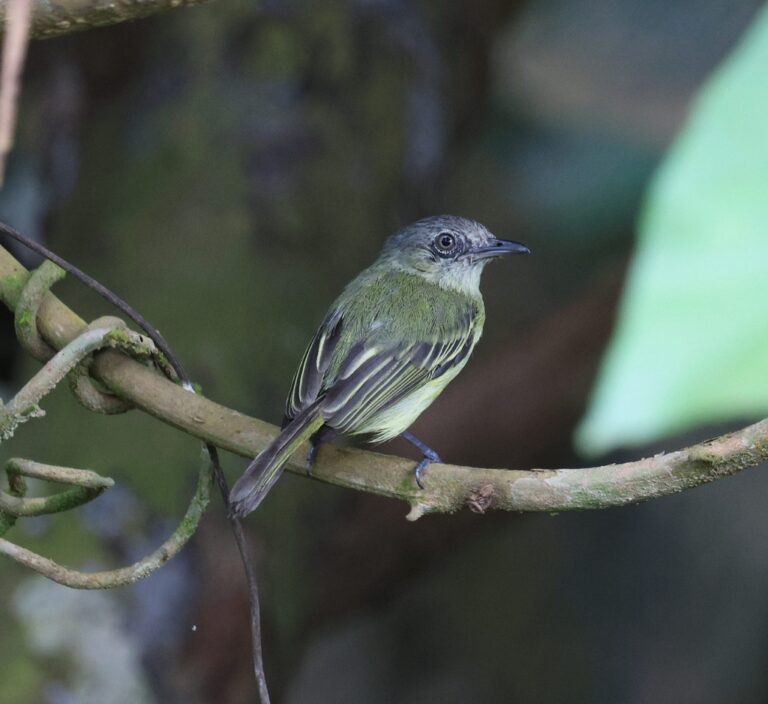
Zimmerius gracilipes
♥
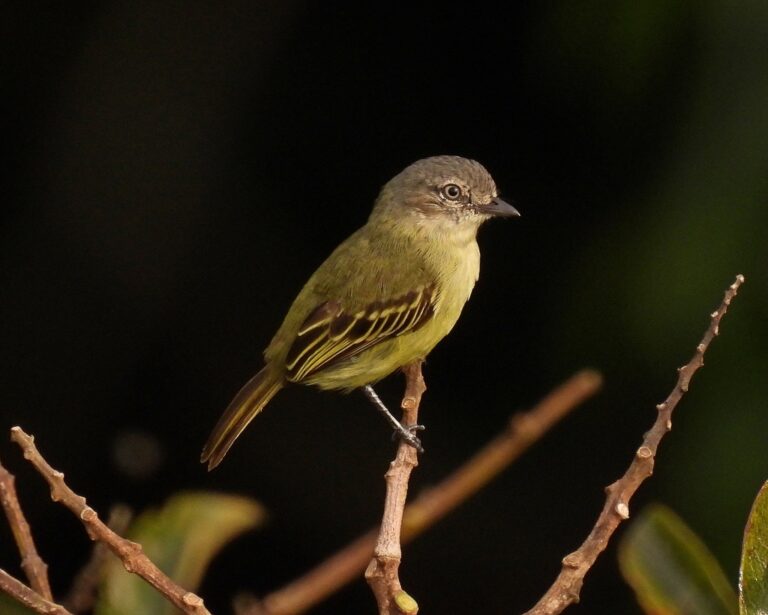
Zimmerius acer
♥
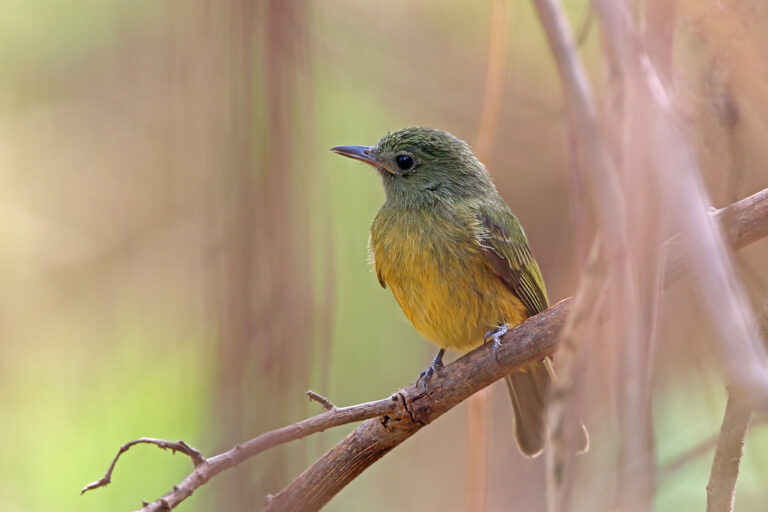
Mionectes oleagineus
♥
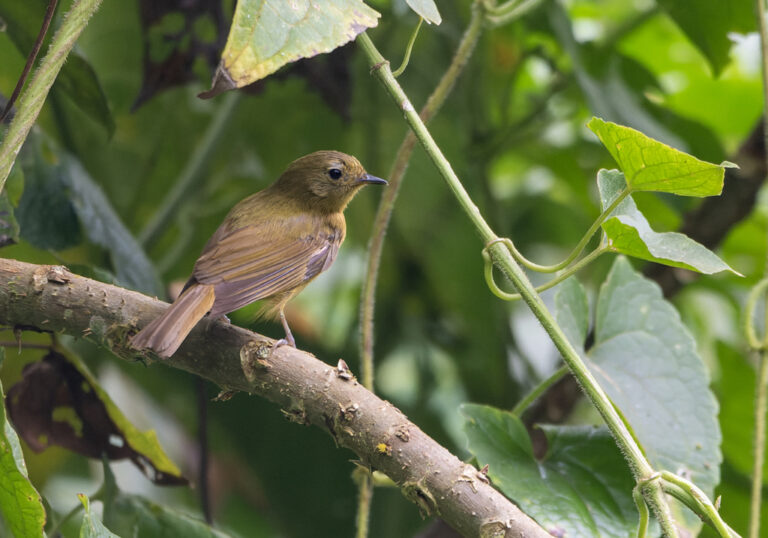
Mionectes macconnelli
♥
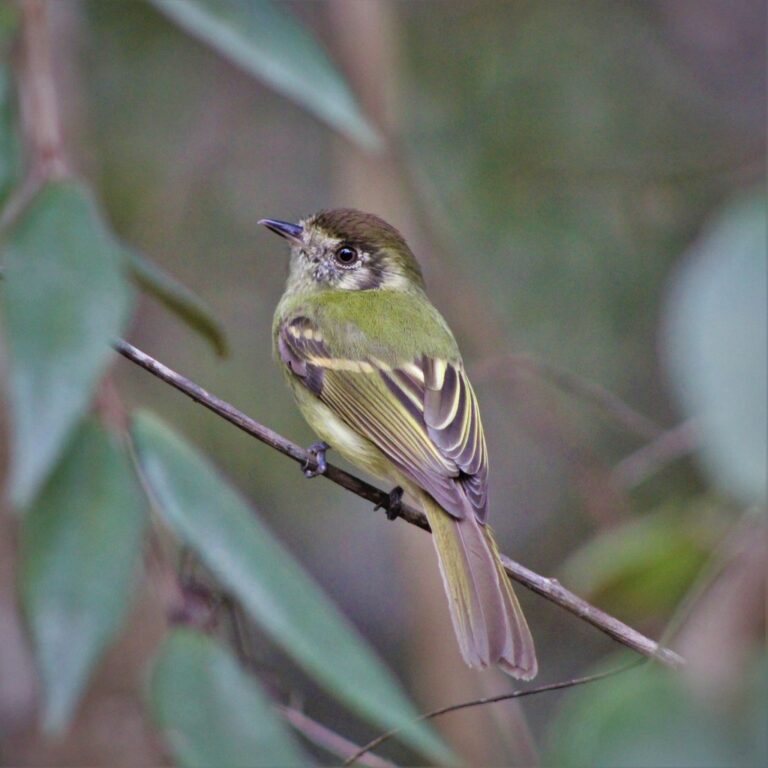
Leptopogon amaurocephalus
♥
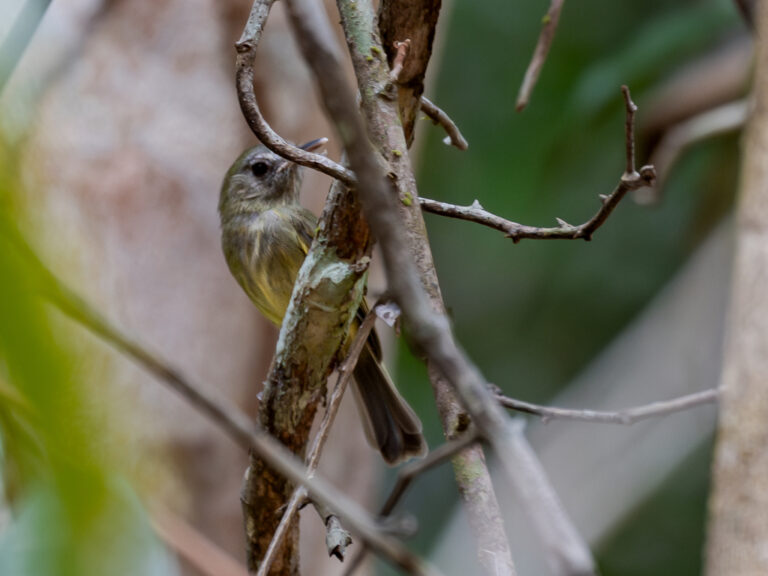
Hemitriccus josephinae
♥
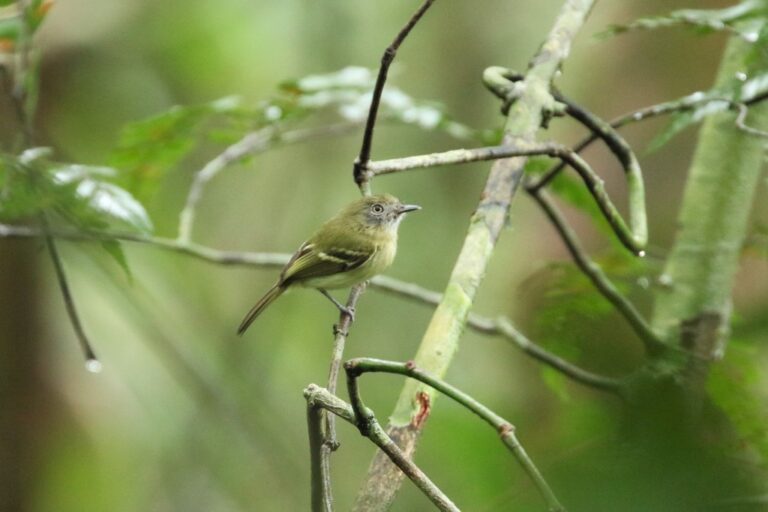
Hemitriccus zosterops
♥
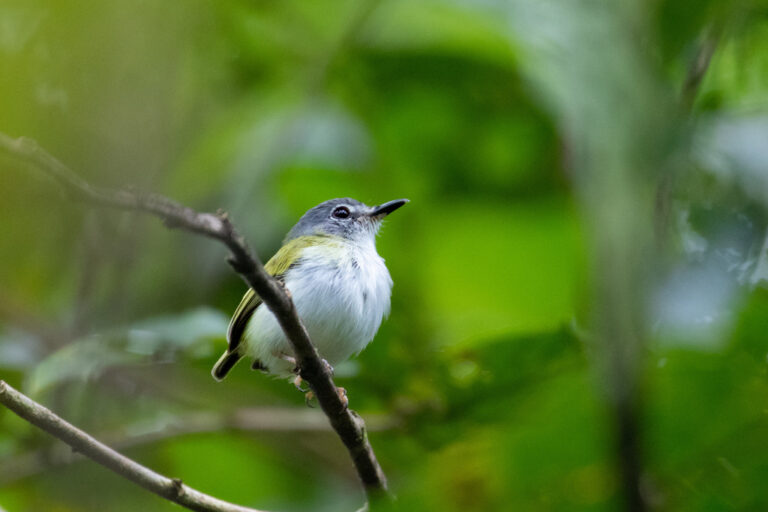
Myiornis ecaudatus
♥
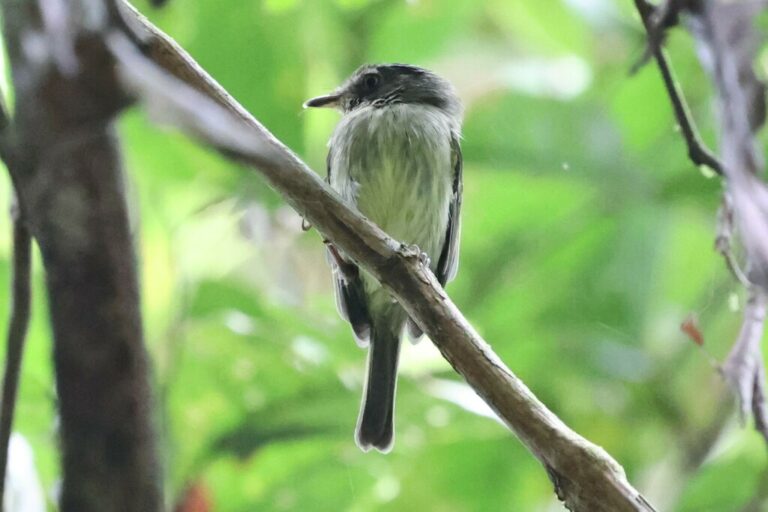
Lophotriccus vitiosus
♥
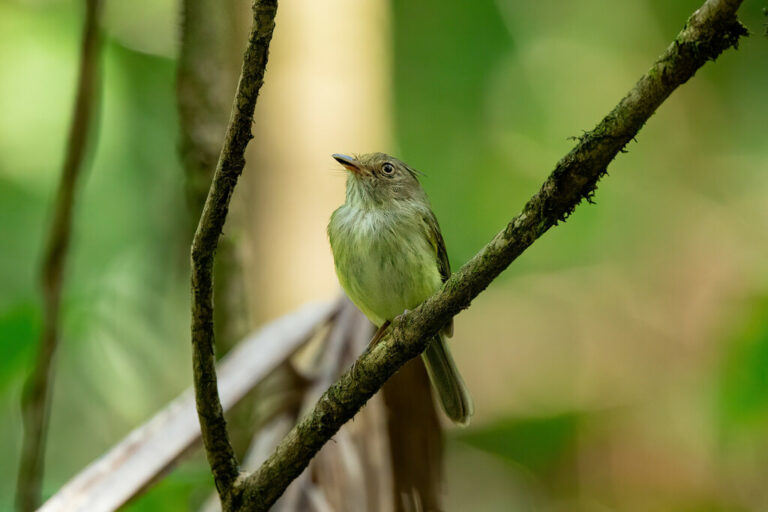
Lophotriccus galeatus
♥
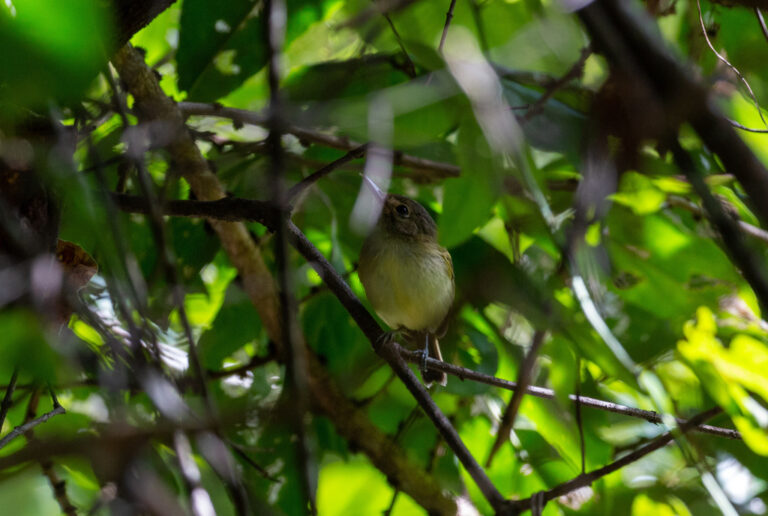
Poecilotriccus fumifrons
♥
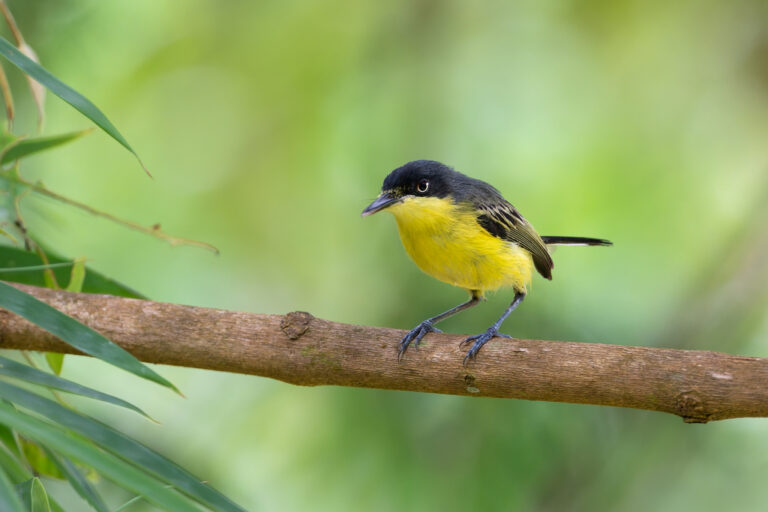
Todirostrum cinereum
♥
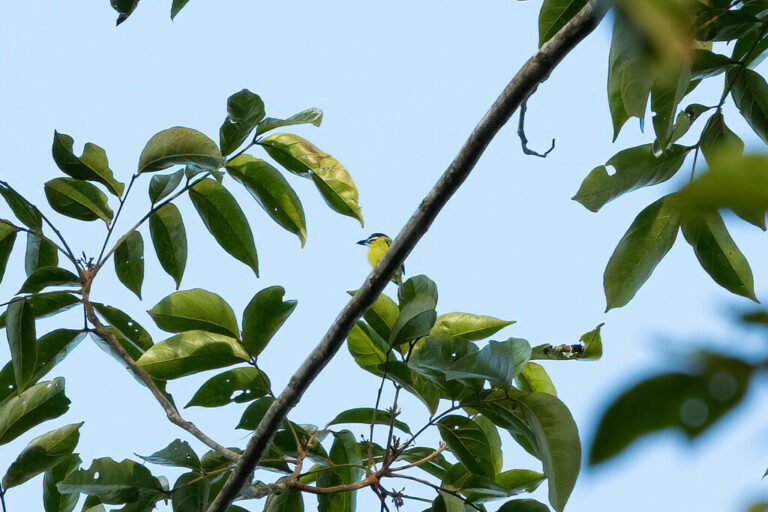
Todirostrum pictum
♥
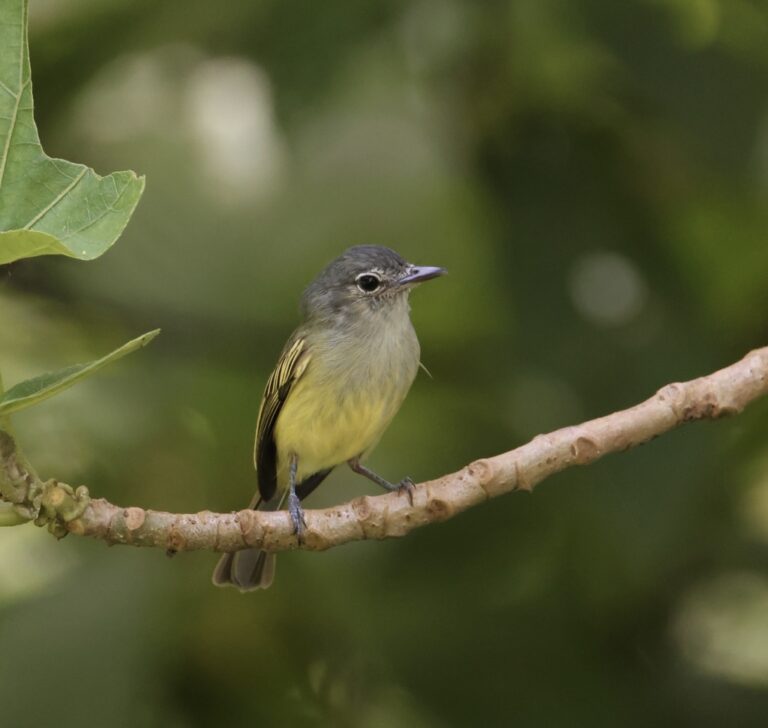
Tolmomyias sulphurescens
♥
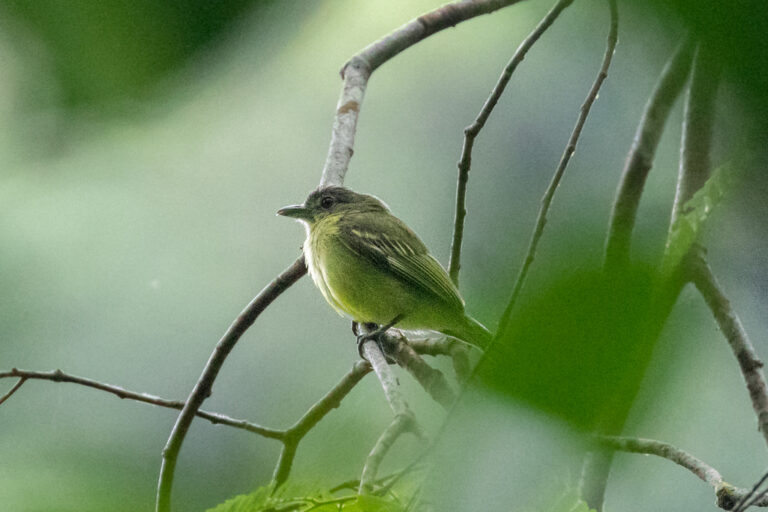
Tolmomyias assimilis
♥
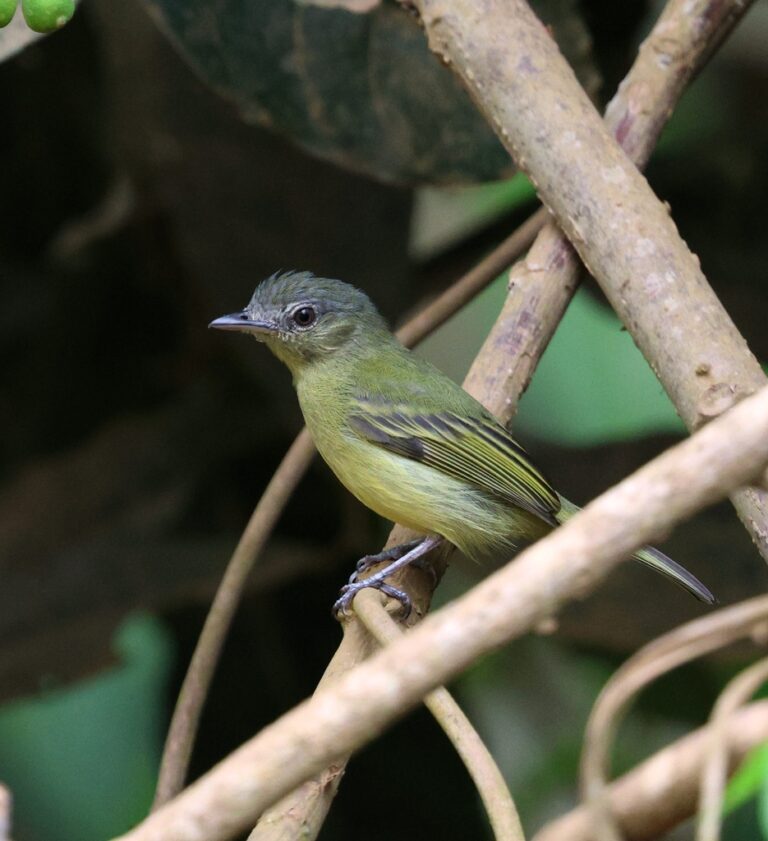
Tolmomyias poliocephalus
♥
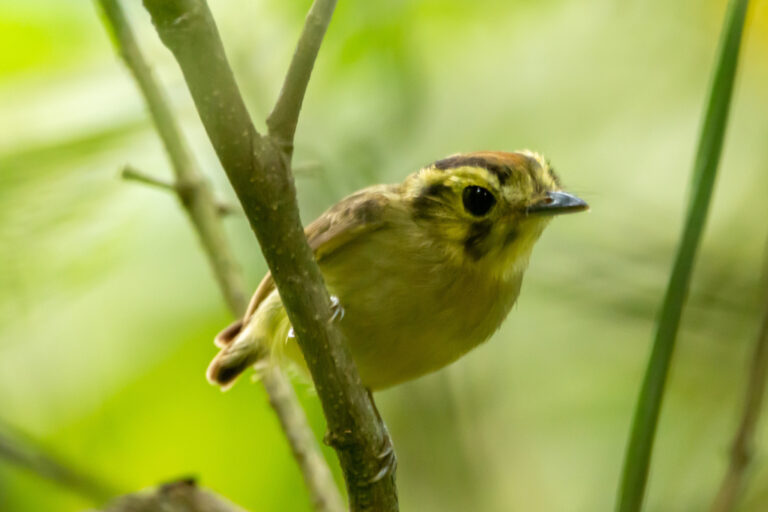
Platyrinchus coronatus
♥
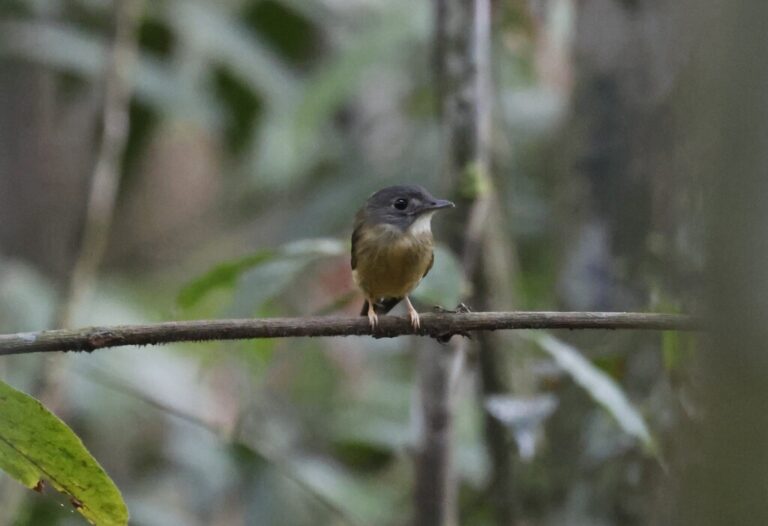
Platyrinchus platyrhynchos
♥
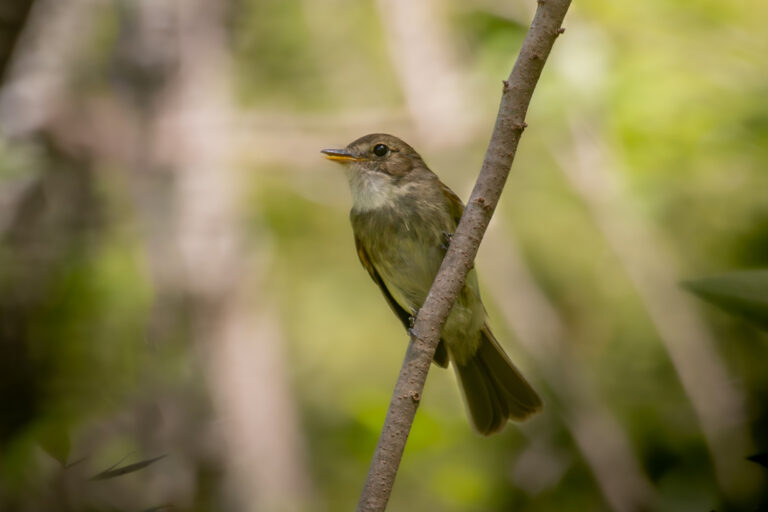
Lathrotriccus euleri
♥
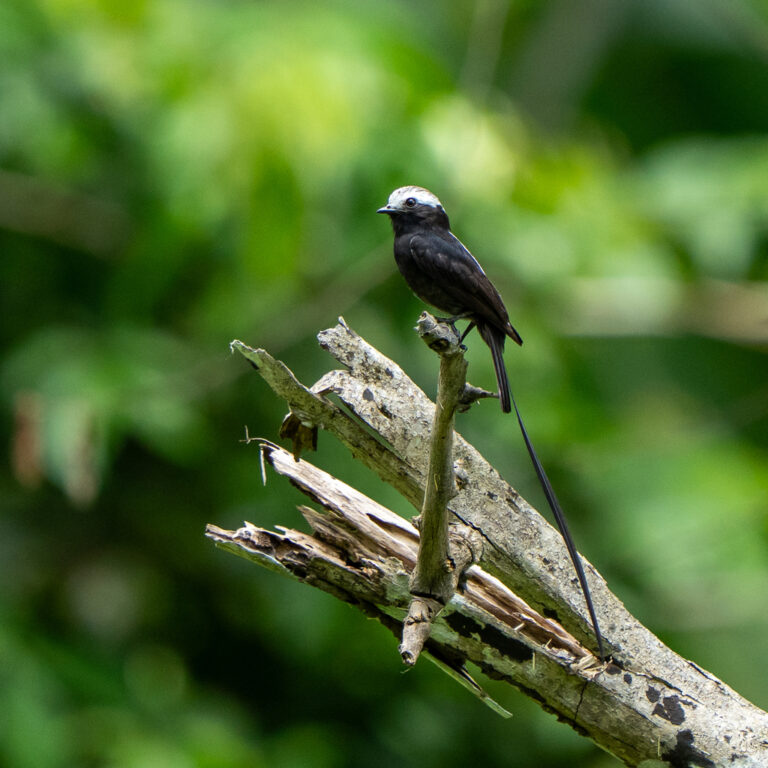
Colonia colonus
♥
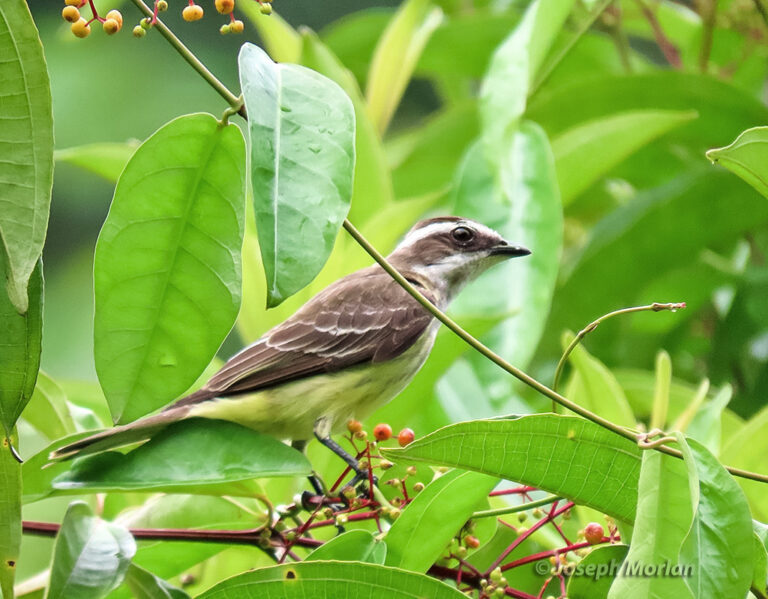
Legatus leucophaius
♥
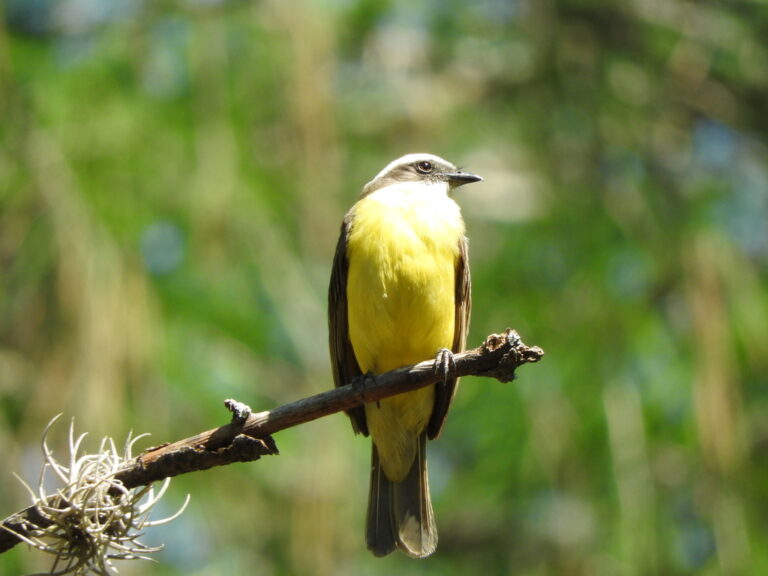
Myiozetetes similis
♥
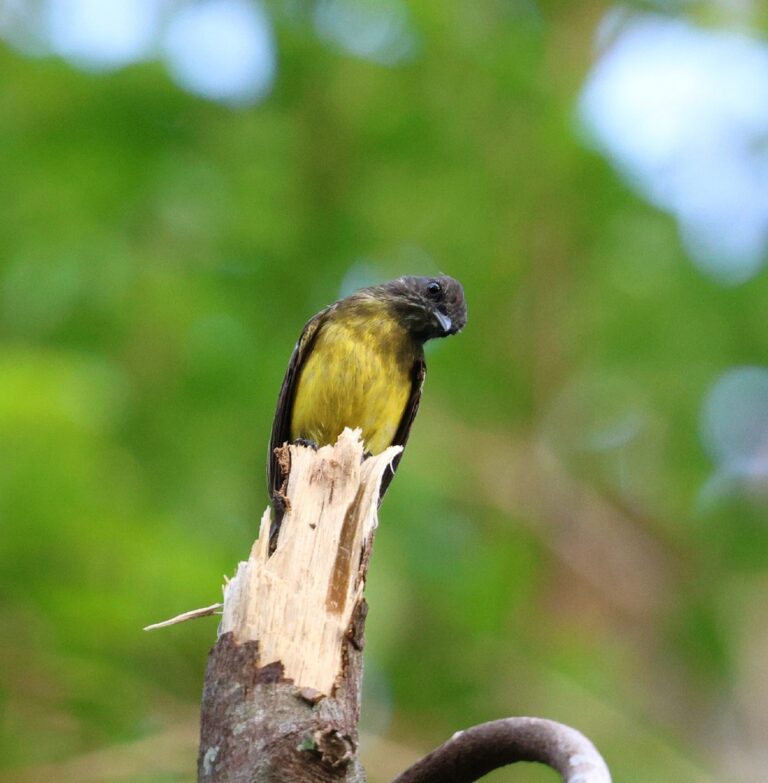
Myiozetetes luteiventris
♥
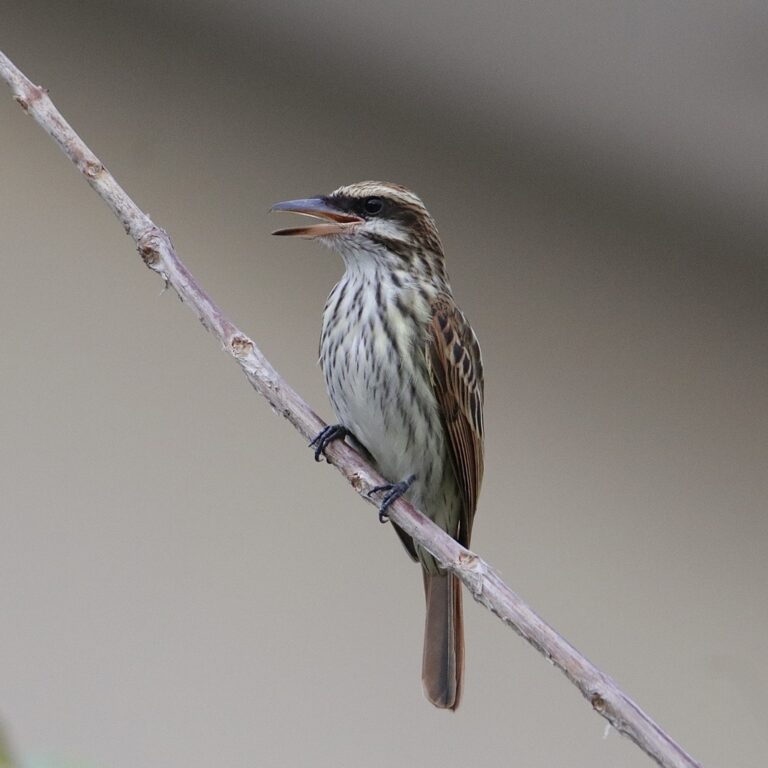
Myiodynastes maculatus
♥
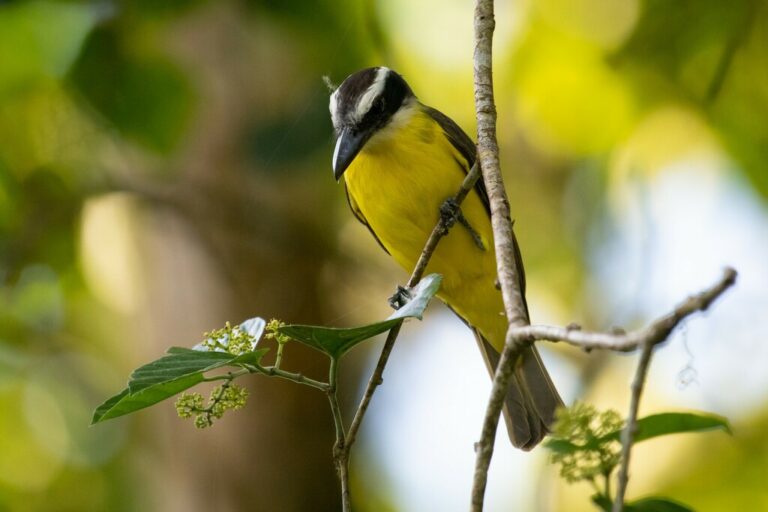
Megarynchus pitangua
♥
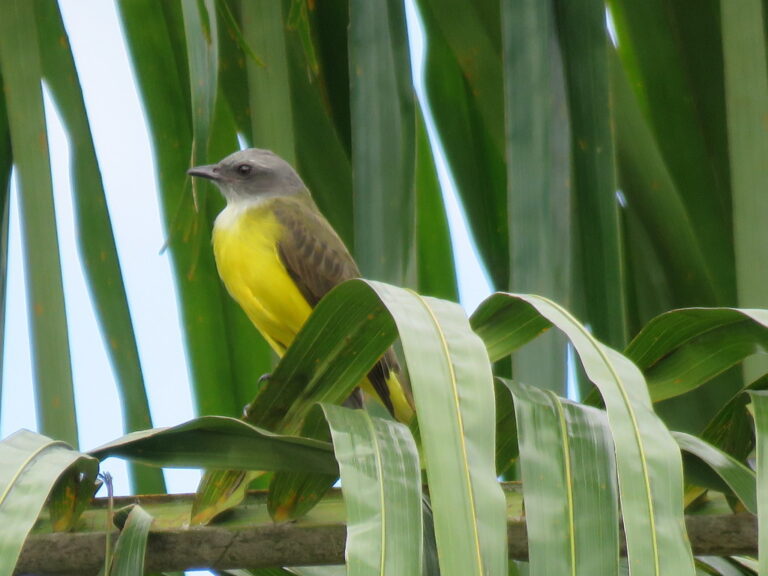
Tyrannopsis sulphurea
♥
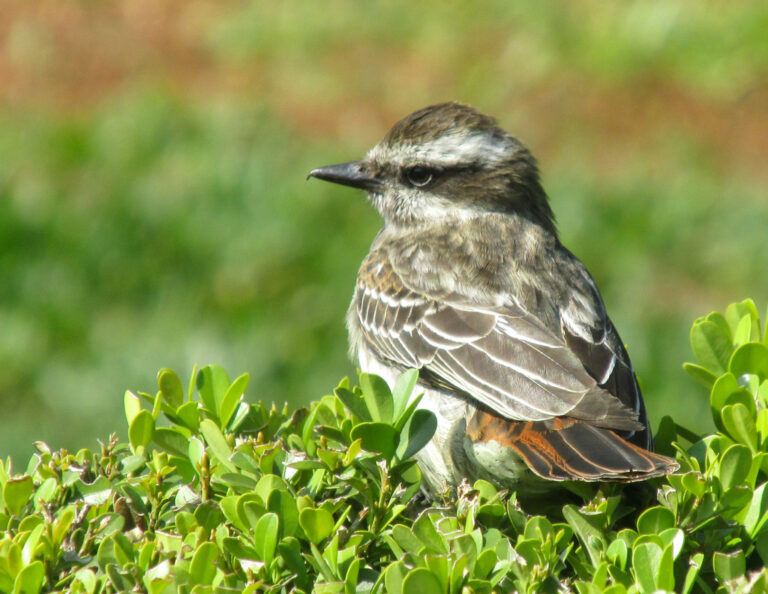
Empidonomus varius
♥
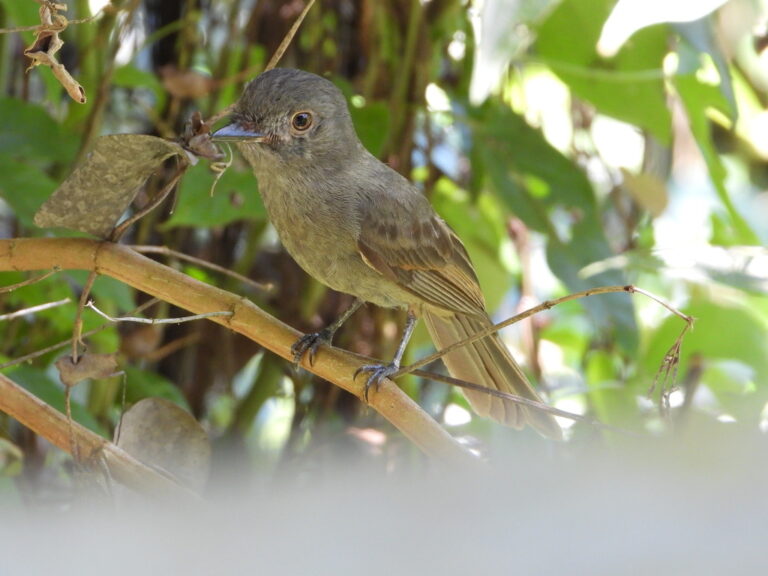
Rhytipterna simplex
♥
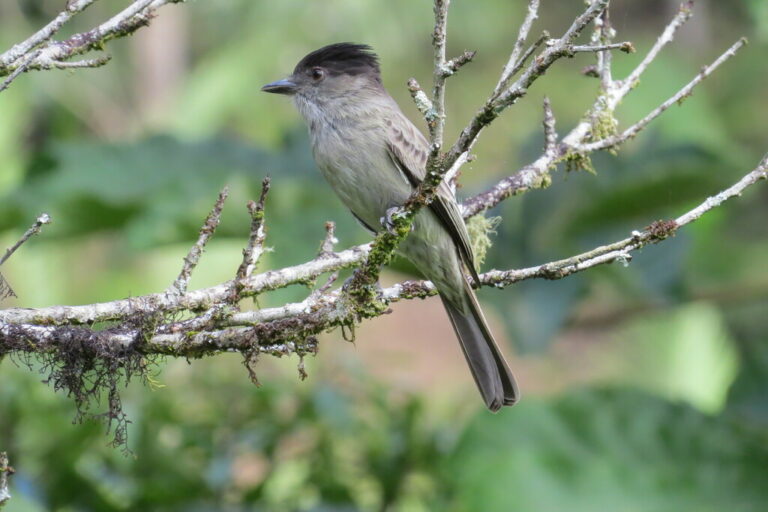
Sirystes sibilator
♥
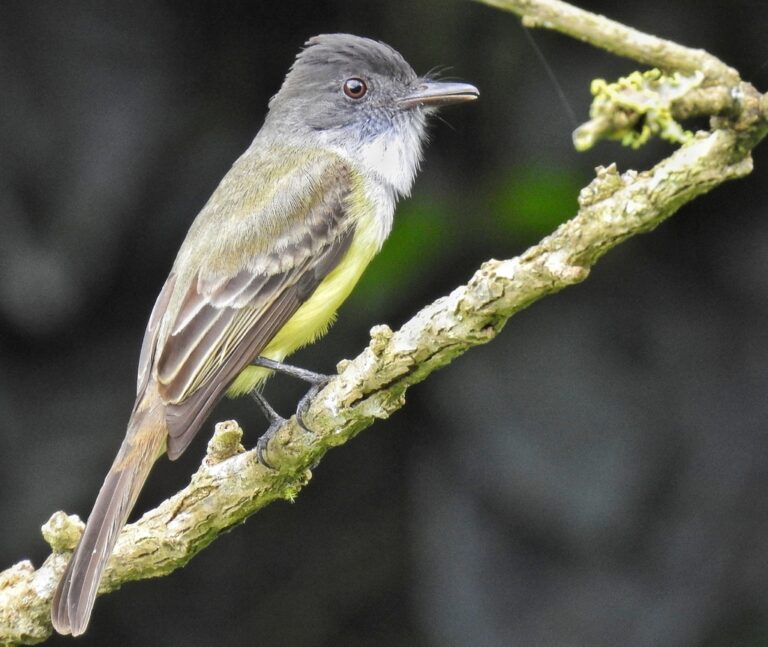
Myiarchus tuberculifer
♥
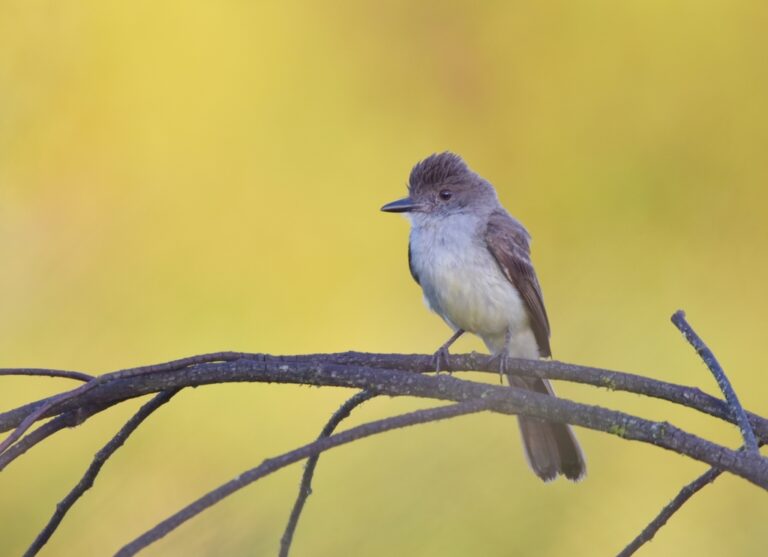
Myiarchus ferox
♥
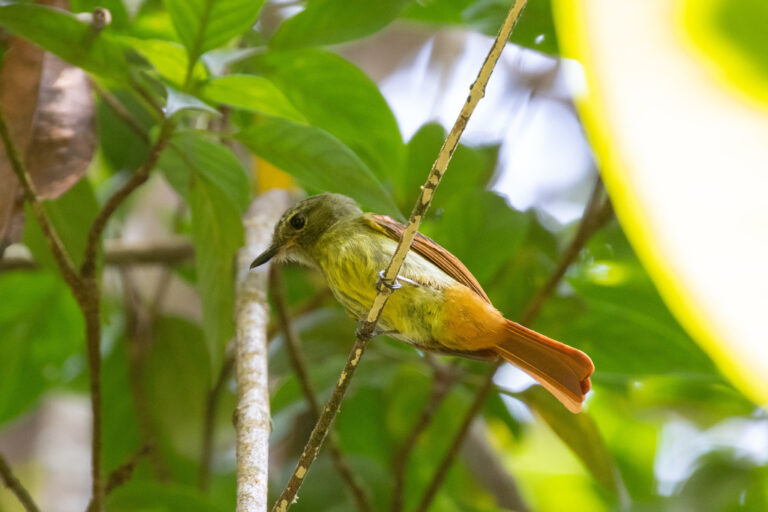
Ramphotrigon ruficauda
♥
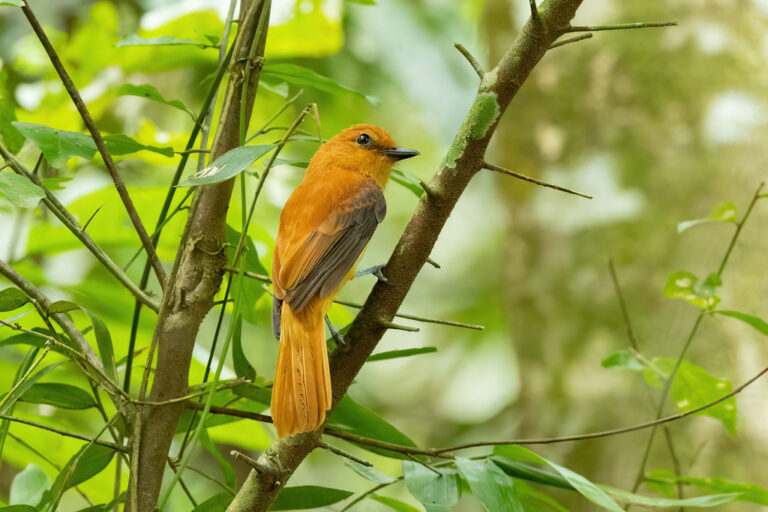
Attila cinnamomeus
♥
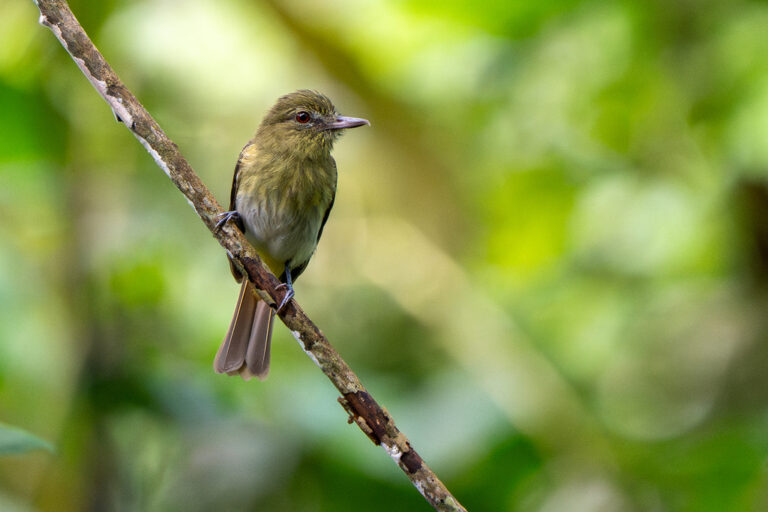
Attila spadiceus
♥
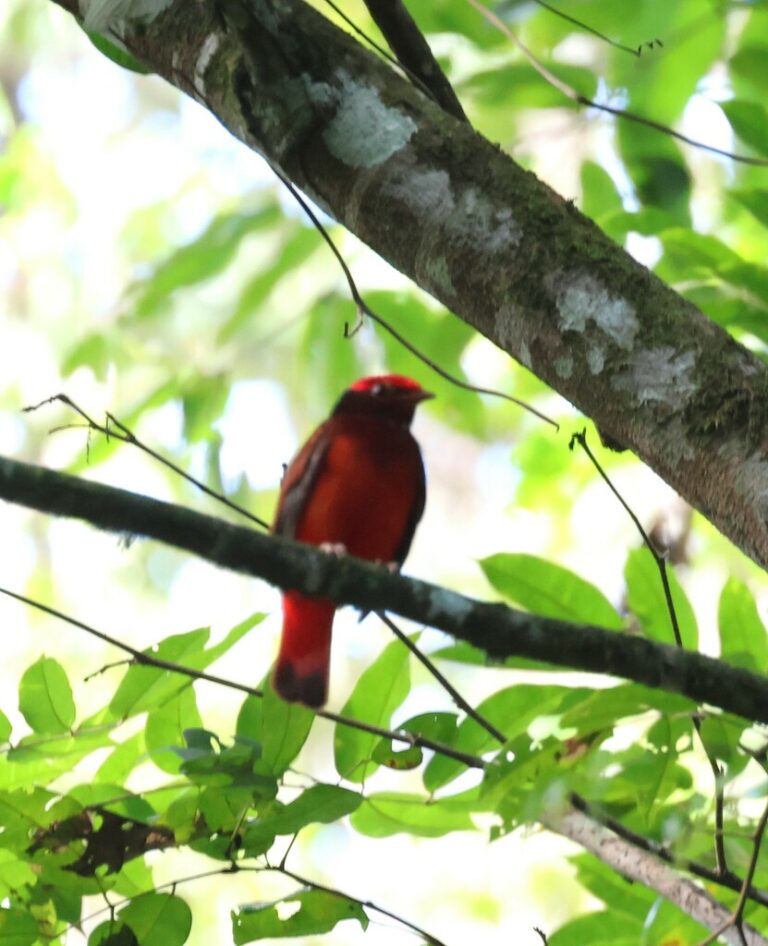
Phoenicircus carnifex
♥
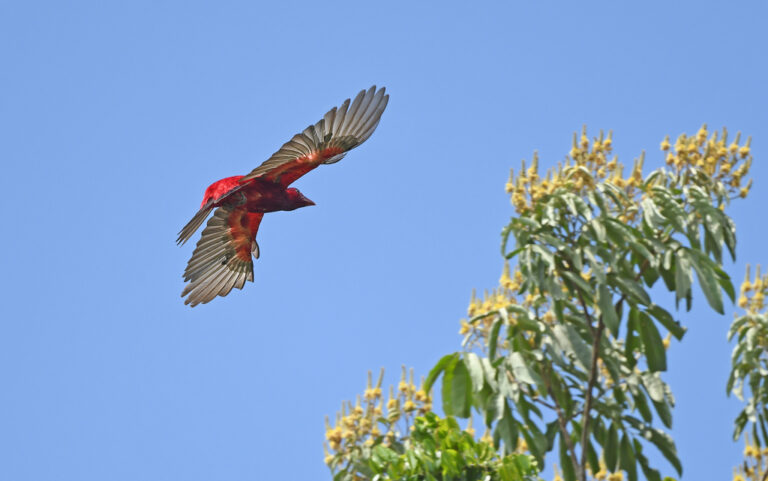
Haematoderus militaris
♥
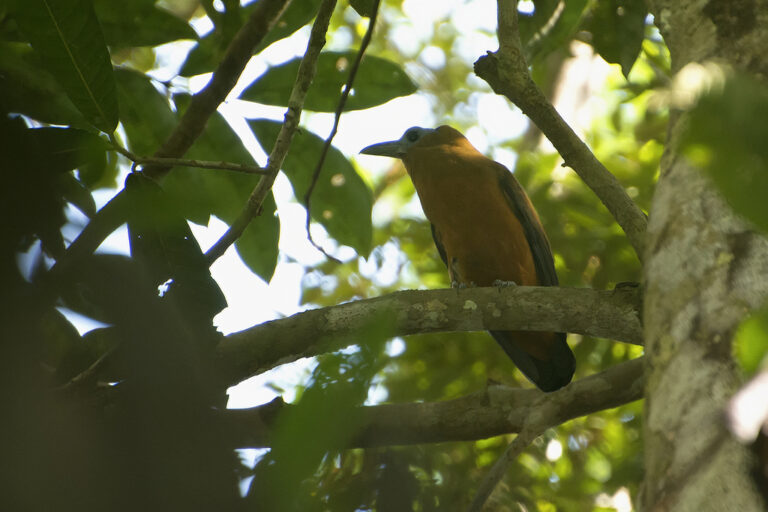
Perissocephalus tricolor
♥
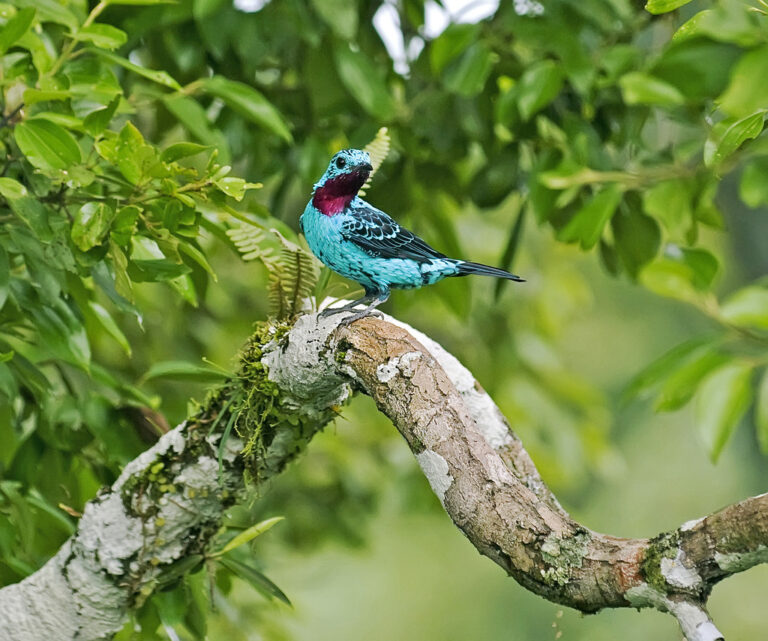
Cotinga cayana
♥
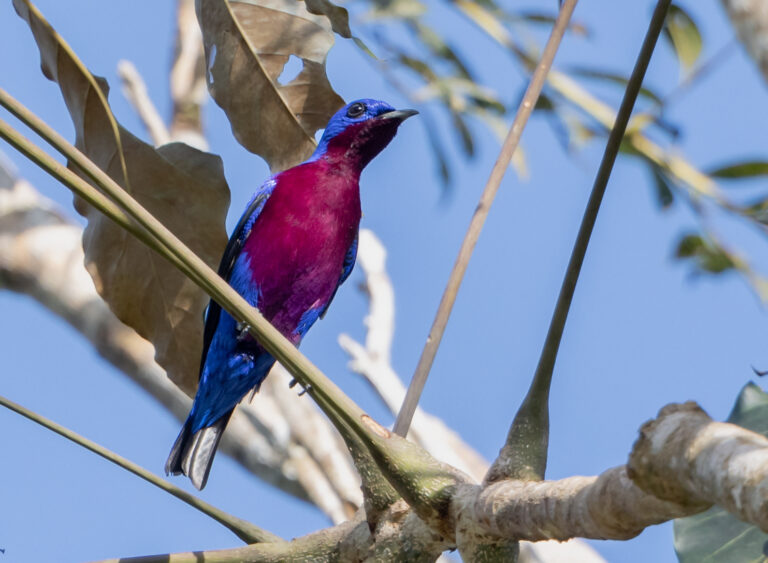
Cotinga cotinga
♥
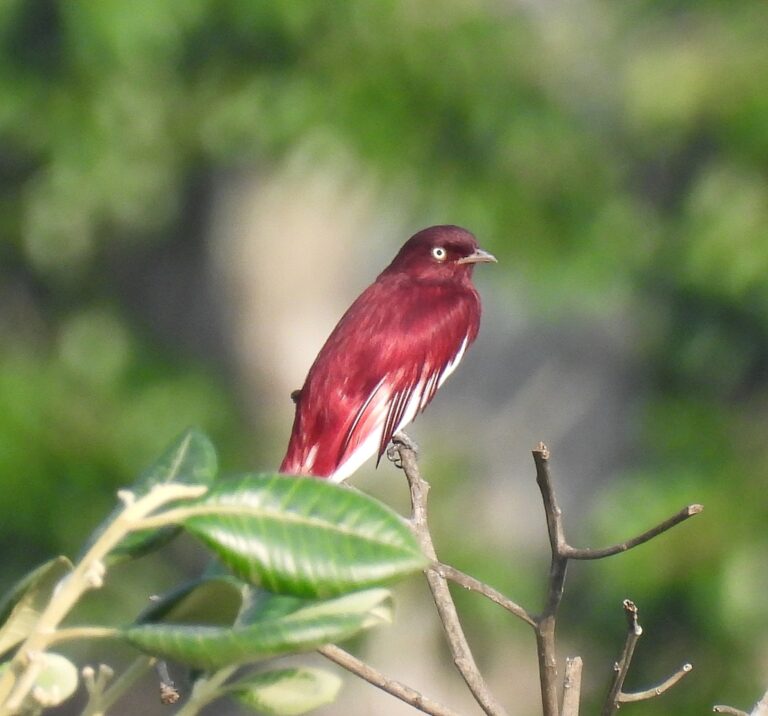
Xipholena punicea
♥
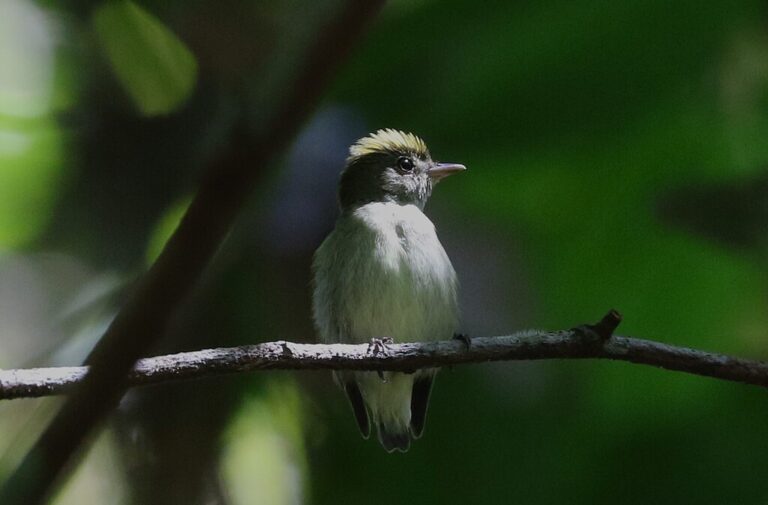
Tyranneutes virescens
♥
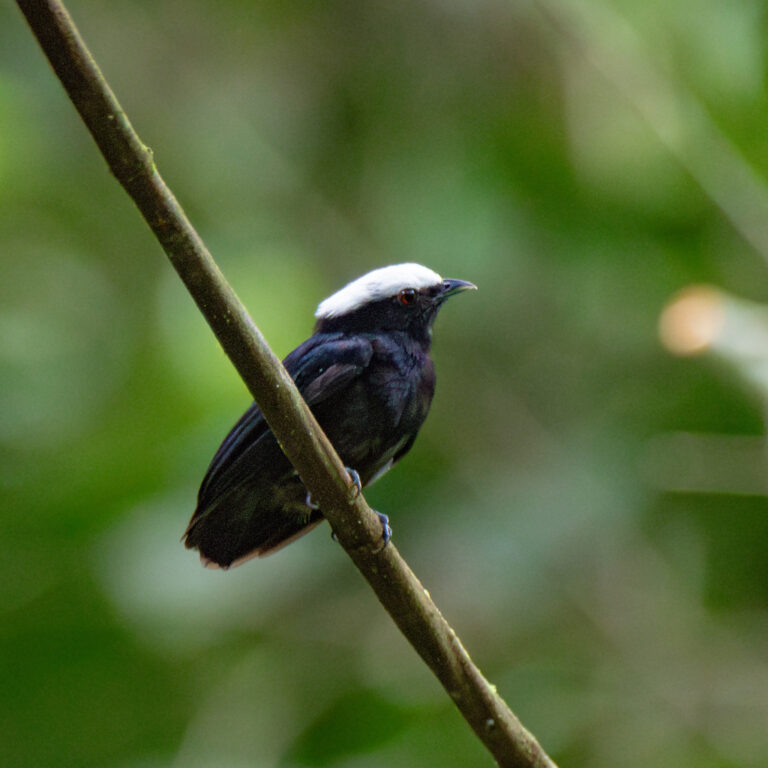
Pseudopipra pipra
♥
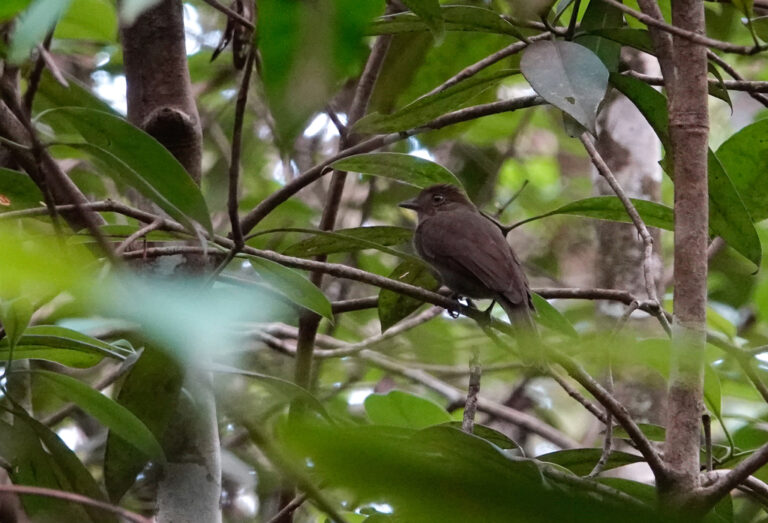
Schiffornis olivacea
♥
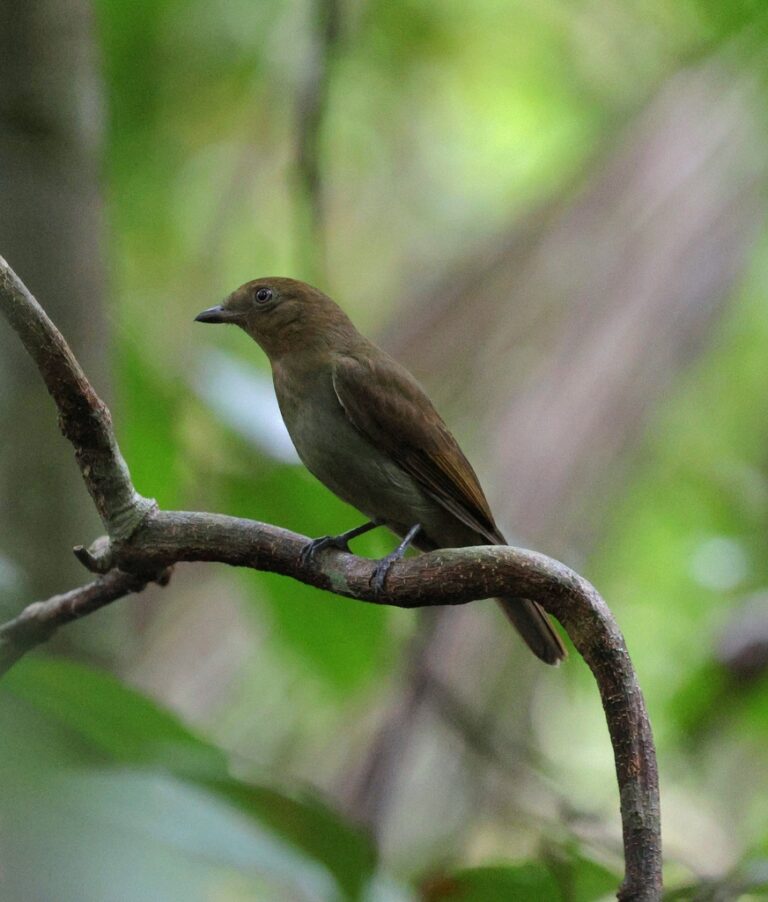
Schiffornis turdina
♥
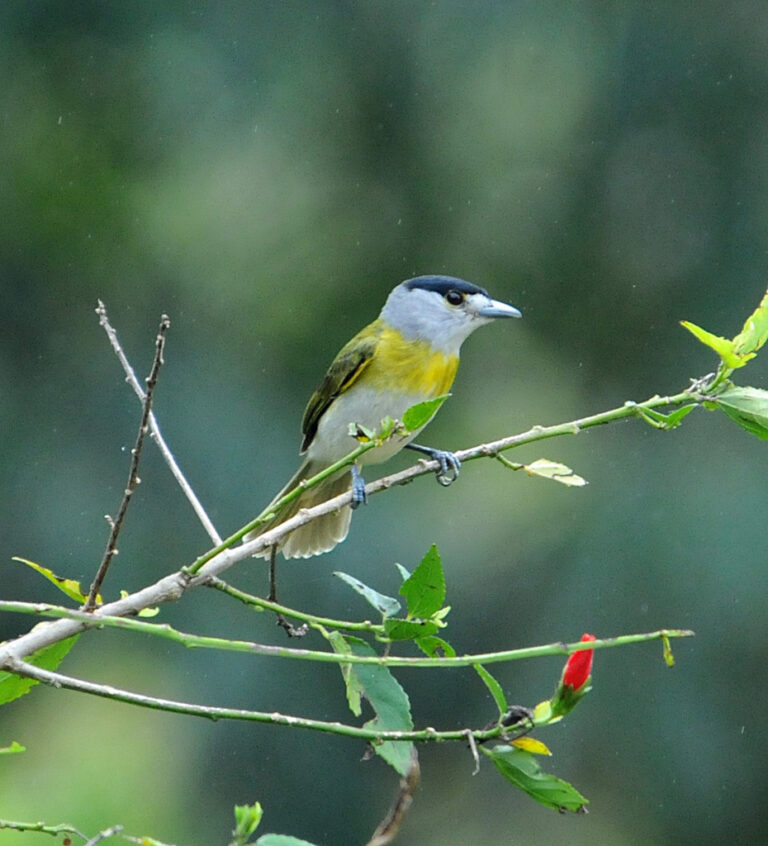
Pachyramphus viridis
♥
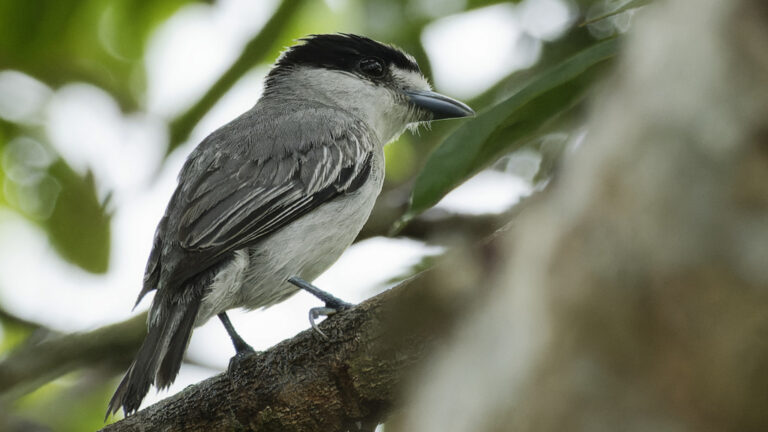
Pachyramphus rufus
♥
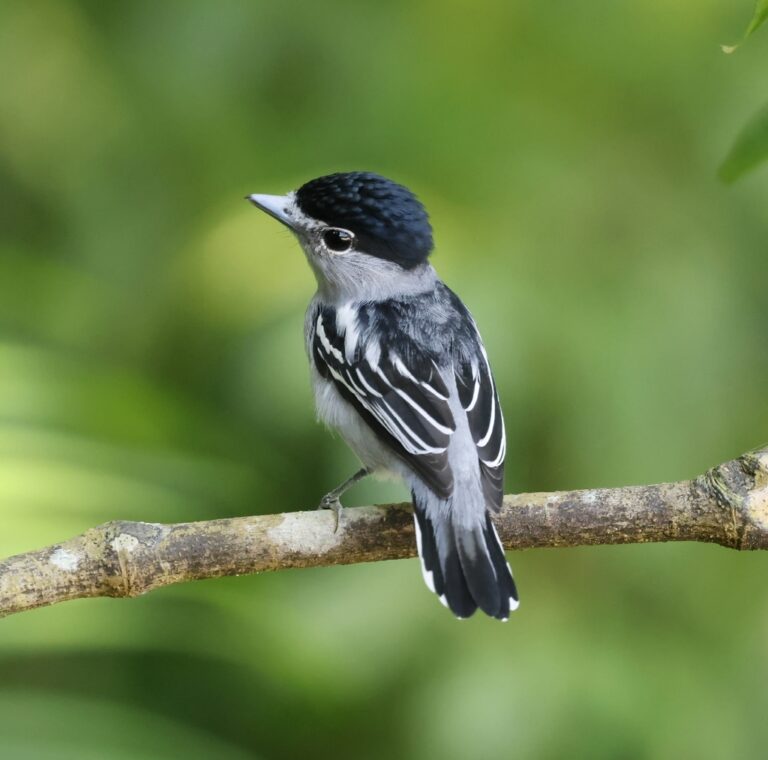
Pachyramphus marginatus
♥
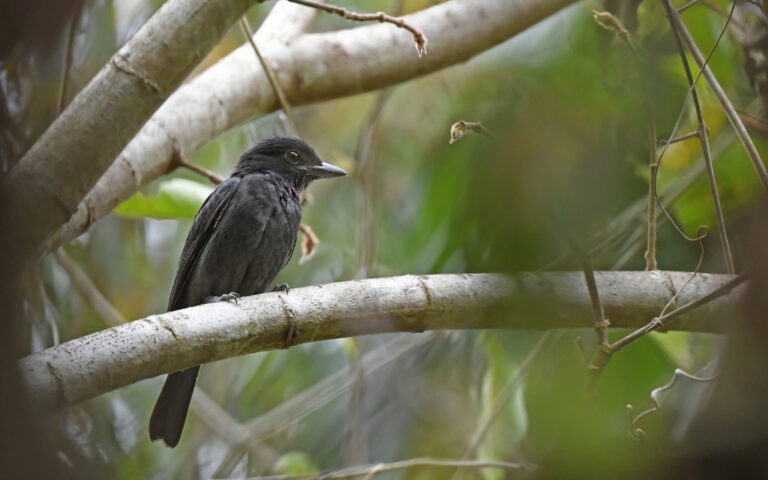
Pachyramphus minor
♥
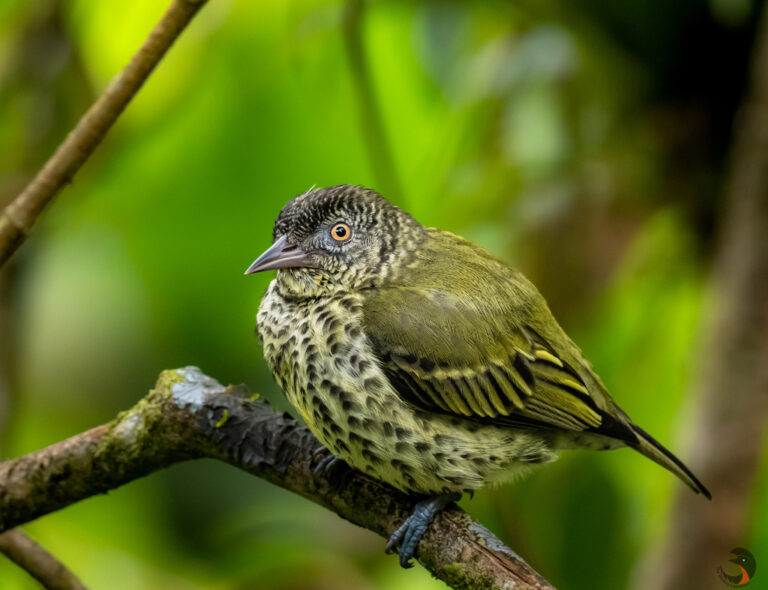
Oxyruncus cristatus
♥
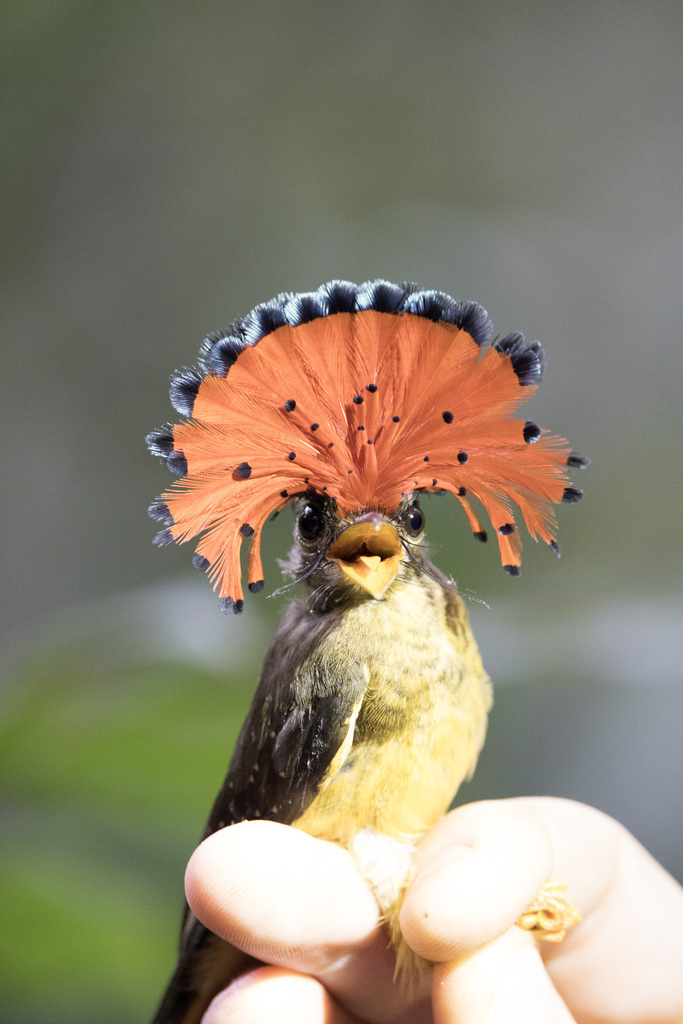
Onychorhynchus coronatus
♥
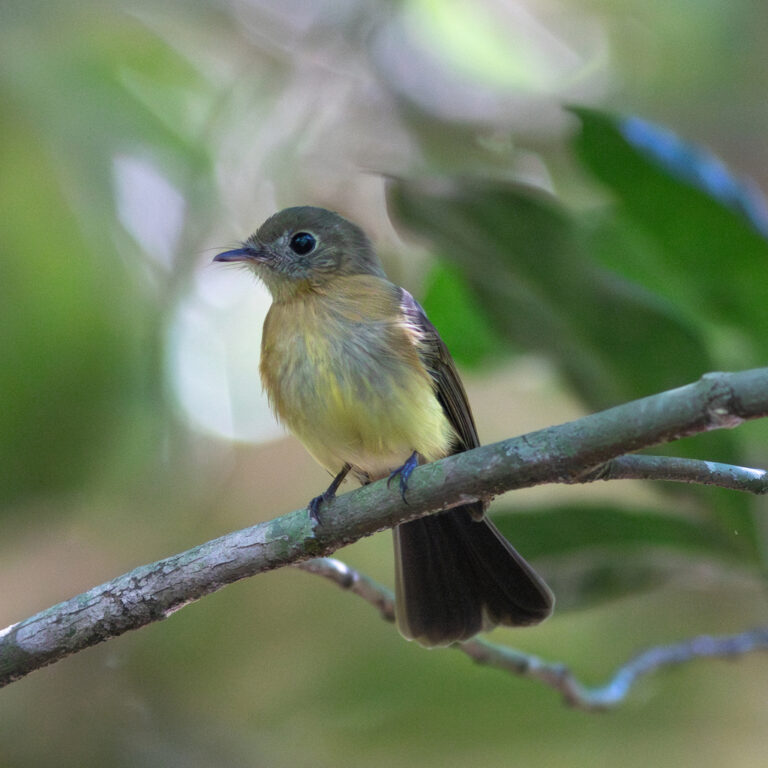
Myiobius barbatus
♥
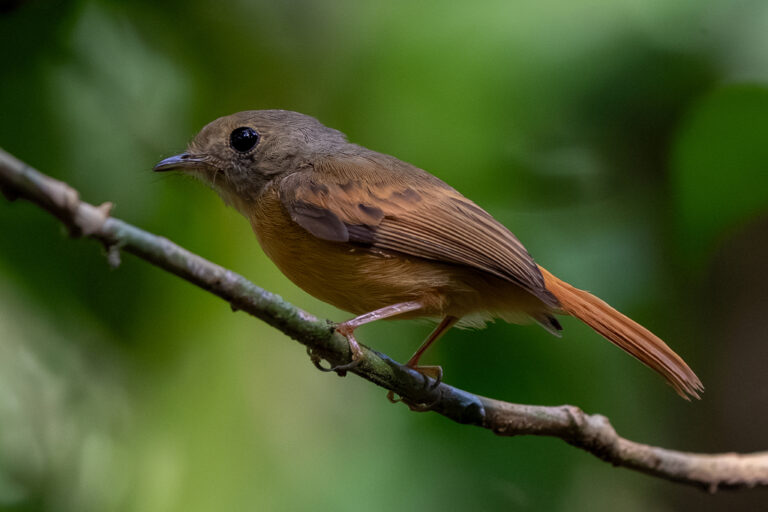
Terenotriccus erythrurus
♥
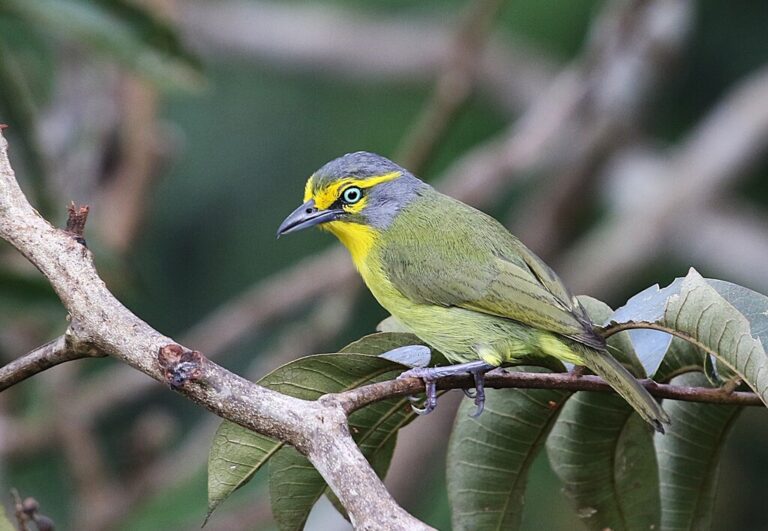
Vireolanius leucotis
♥
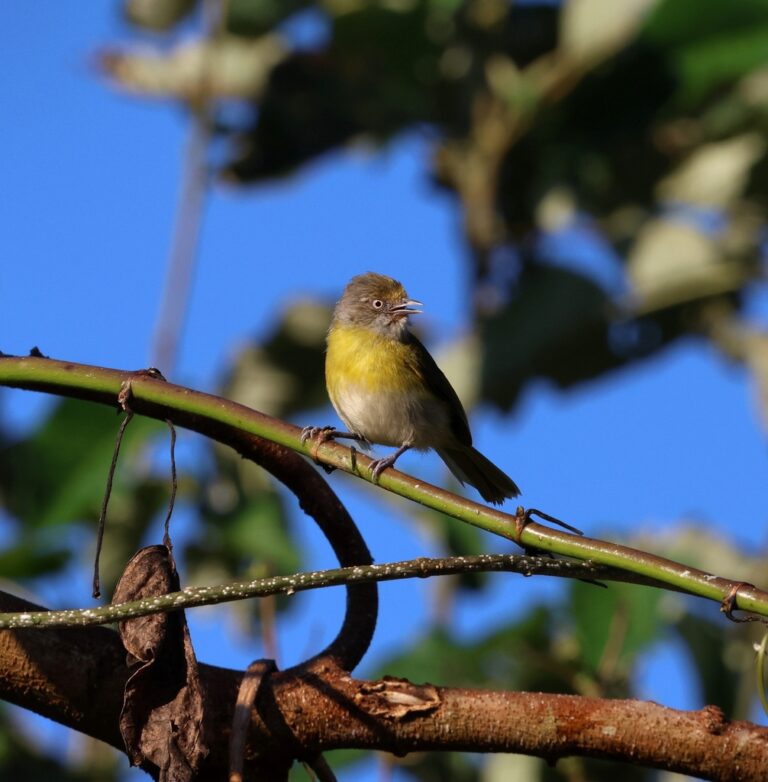
Hylophilus thoracicus
♥
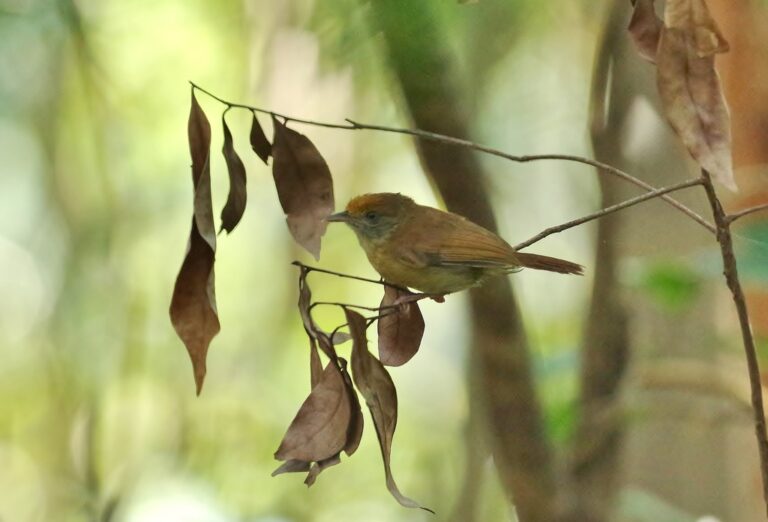
Tunchiornis ochraceiceps
♥
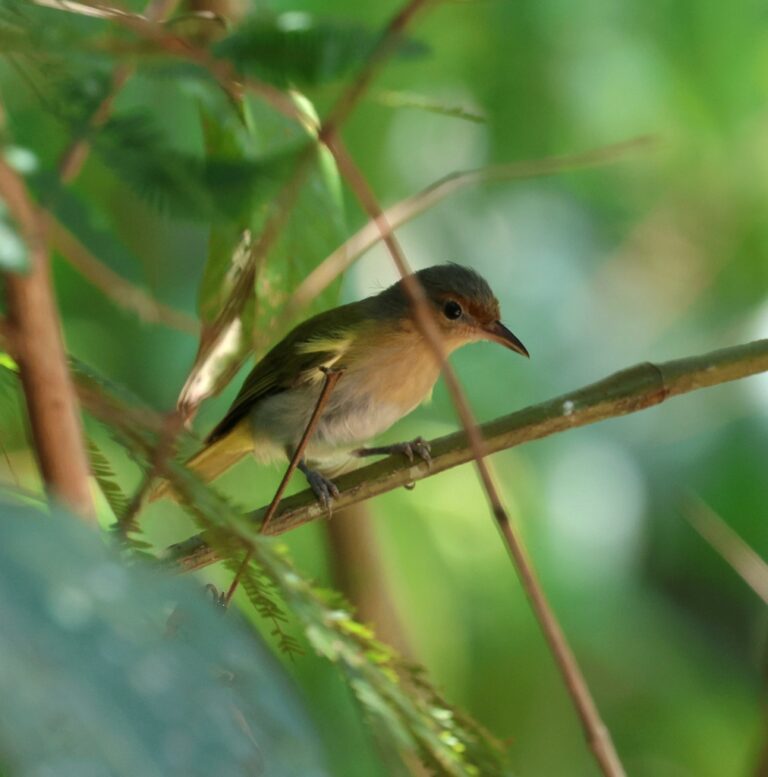
Pachysylvia muscicapina
♥
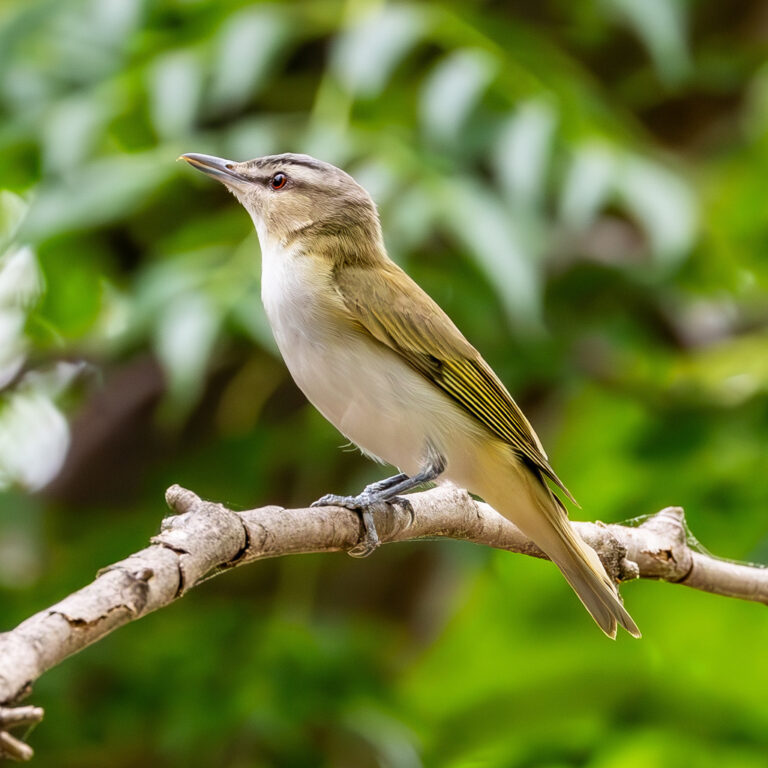
Vireo olivaceus
♥
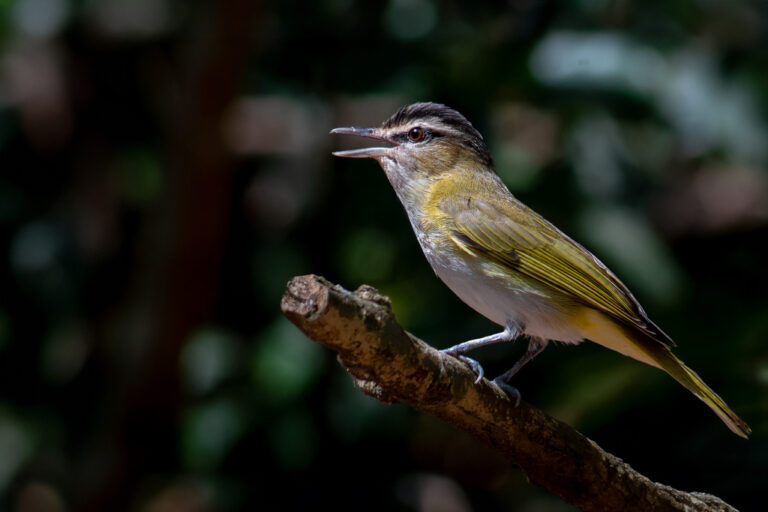
Vireo chivi
♥
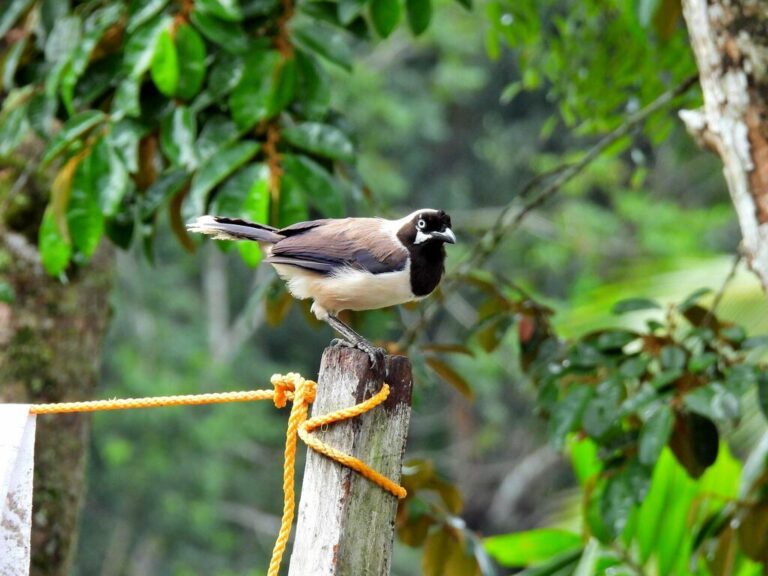
Cyanocorax cayanus
♥
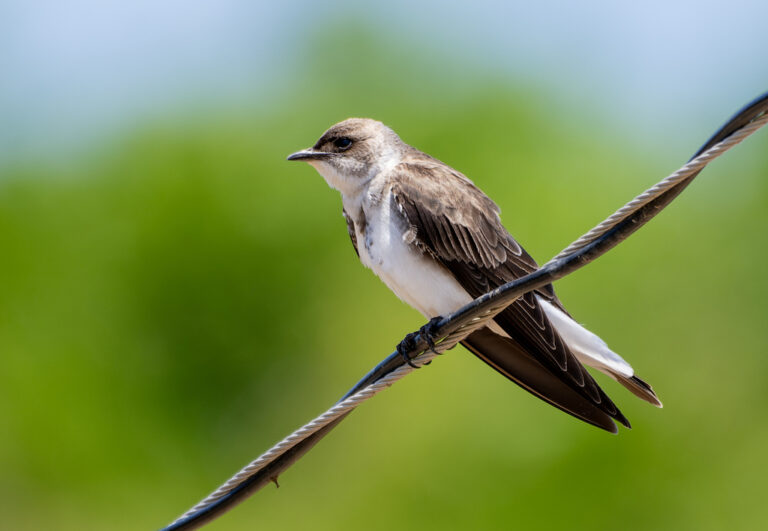
Progne tapera
♥
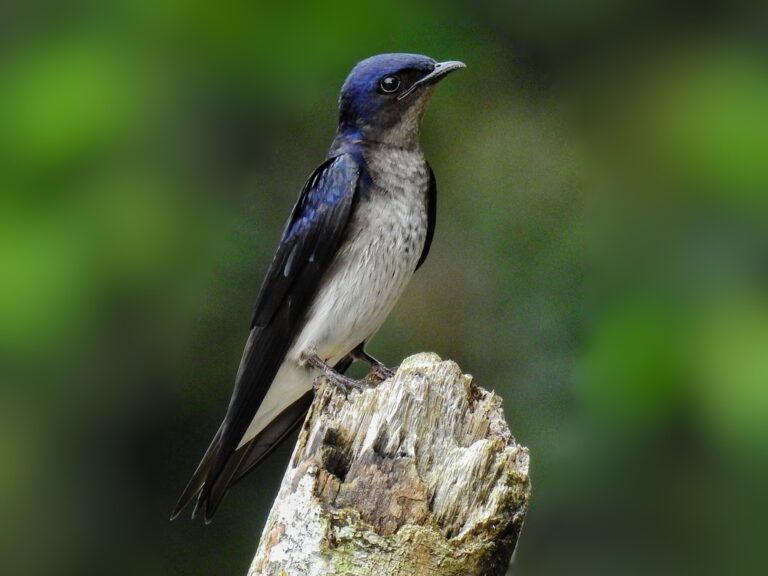
Progne chalybea
♥
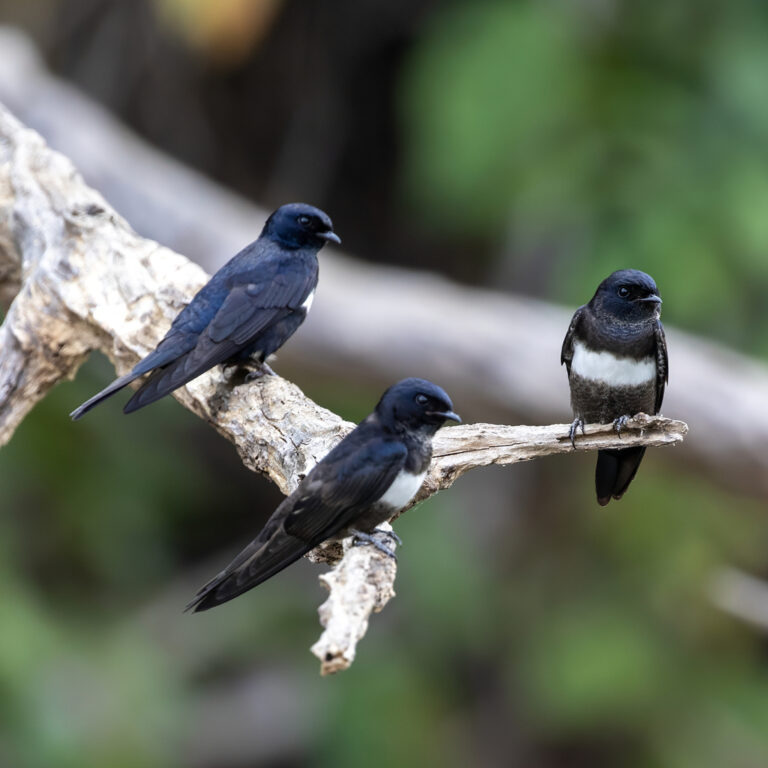
Atticora fasciata
♥
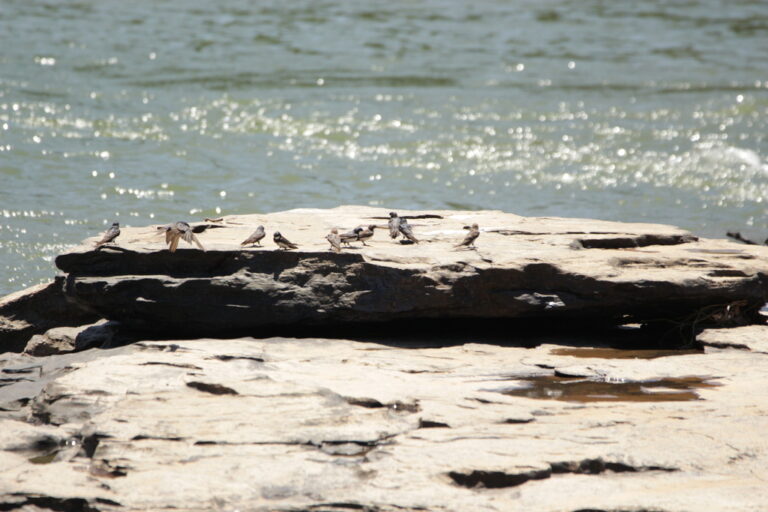
Pygochelidon melanoleuca
♥
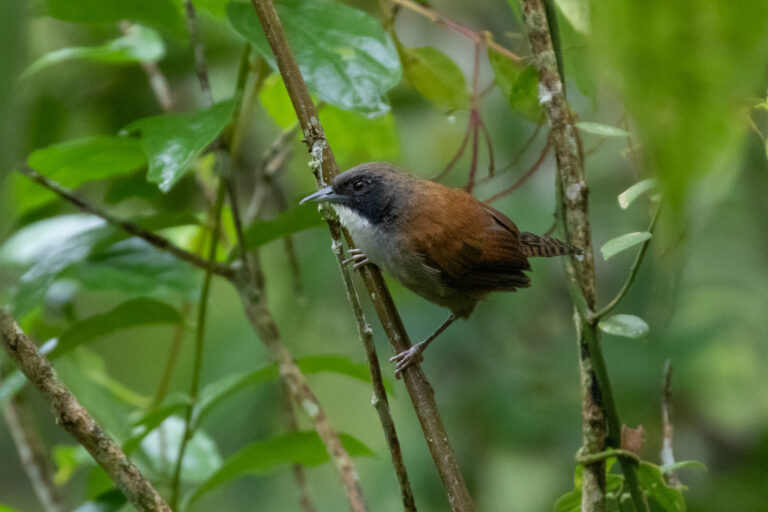
Pheugopedius coraya
♥
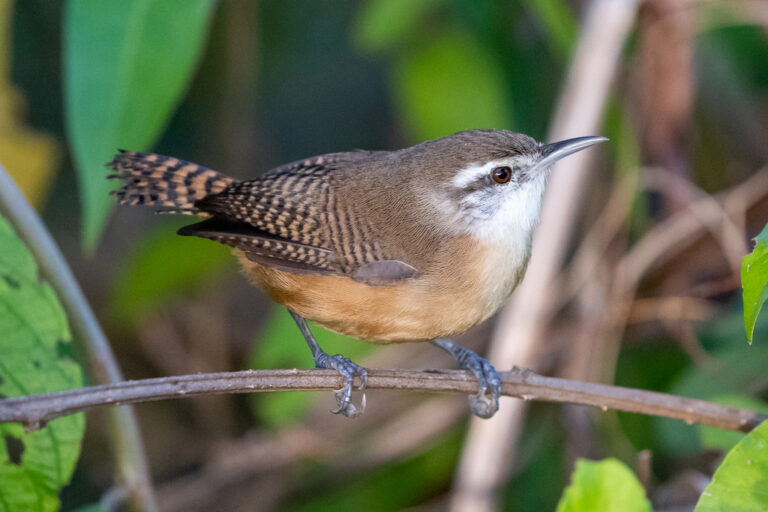
Cantorchilus leucotis
♥
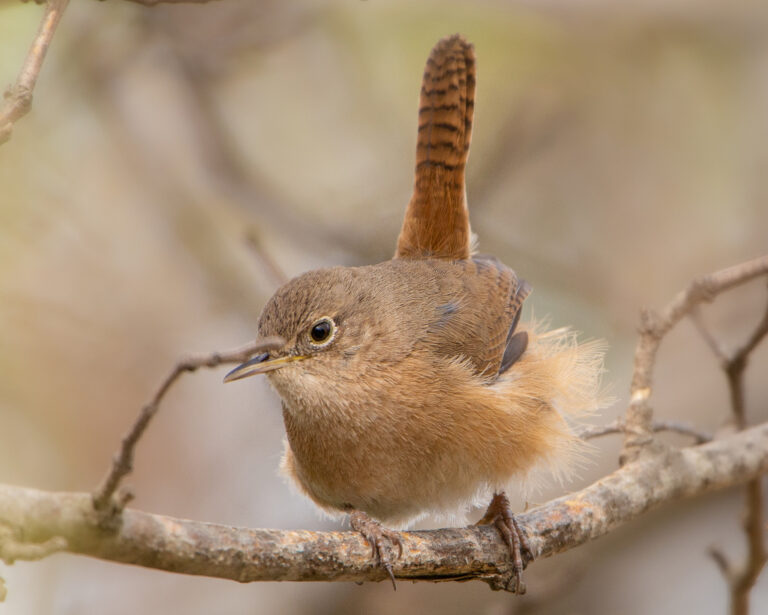
Troglodytes musculus
♥
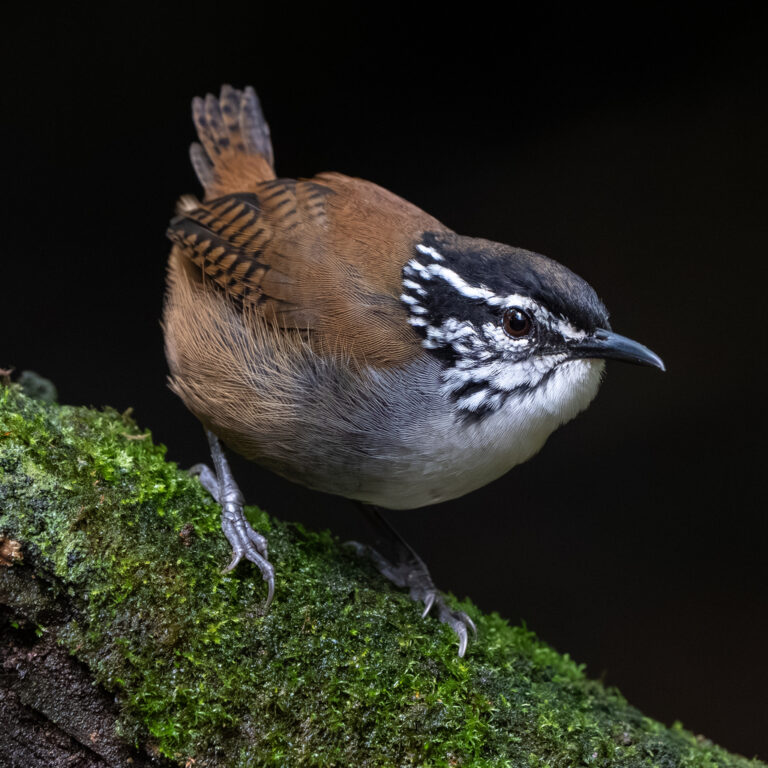
Henicorhina leucosticta
♥
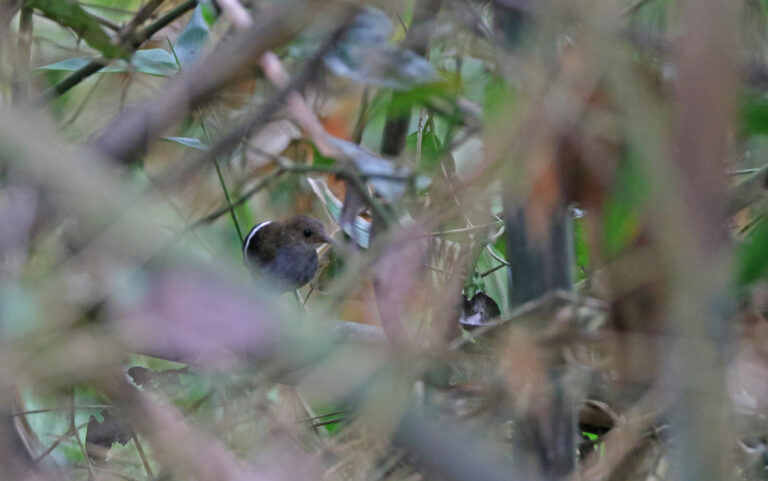
Microcerculus bambla
♥
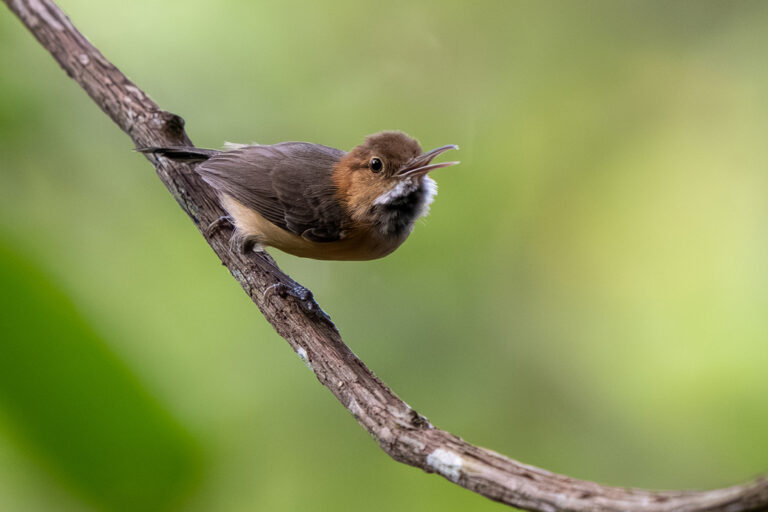
Ramphocaenus melanurus
♥
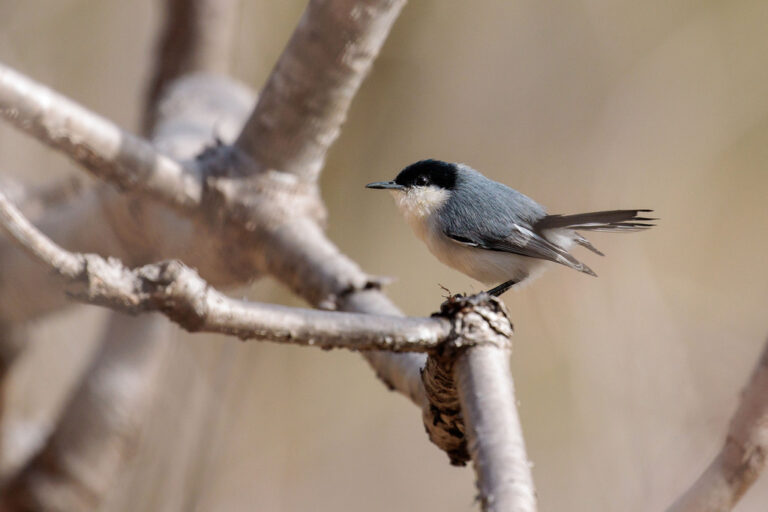
Polioptila plumbea
♥
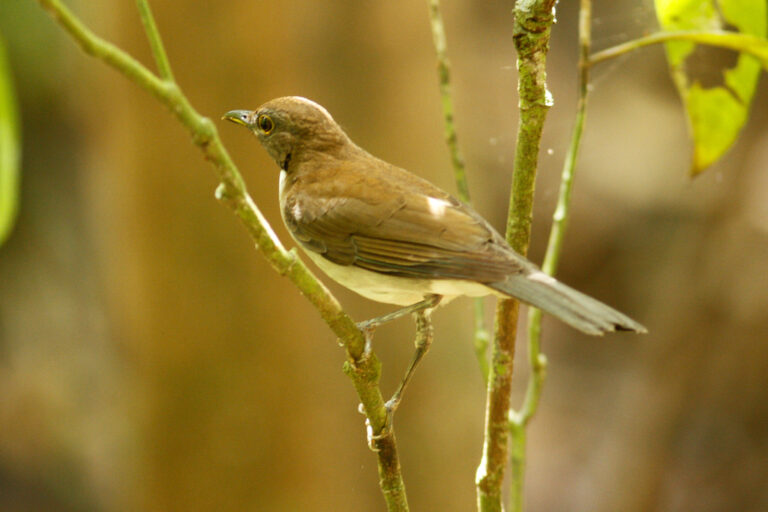
Turdus albicollis
♥
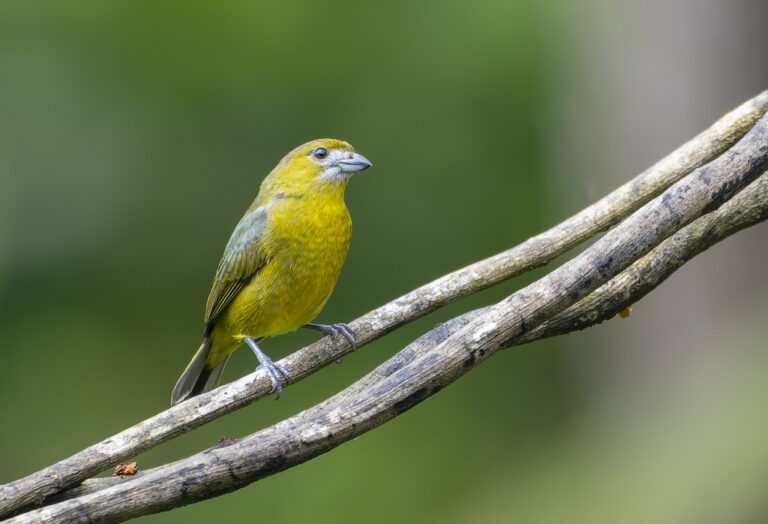
Euphonia chrysopasta
♥
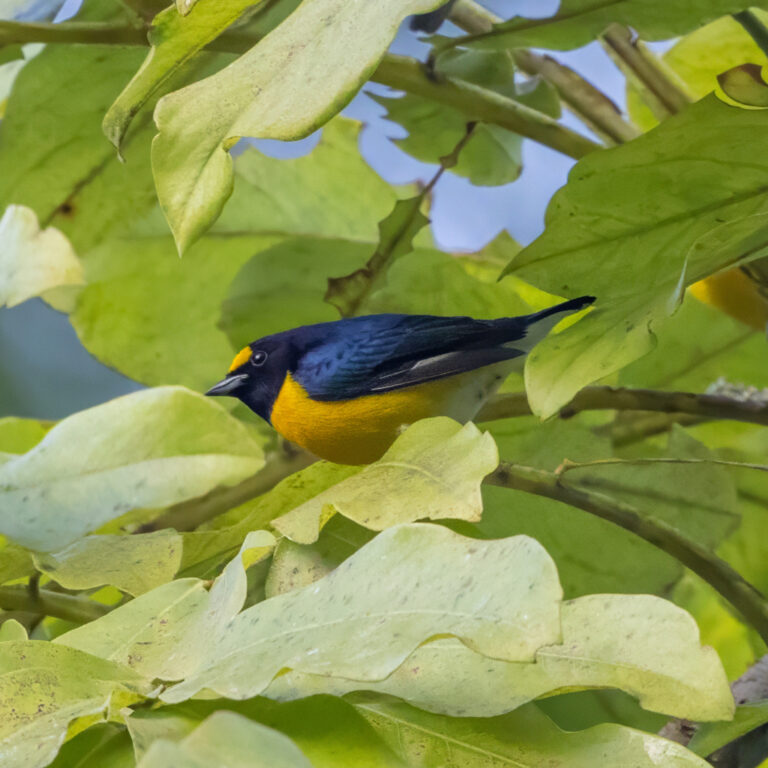
Euphonia minuta
♥
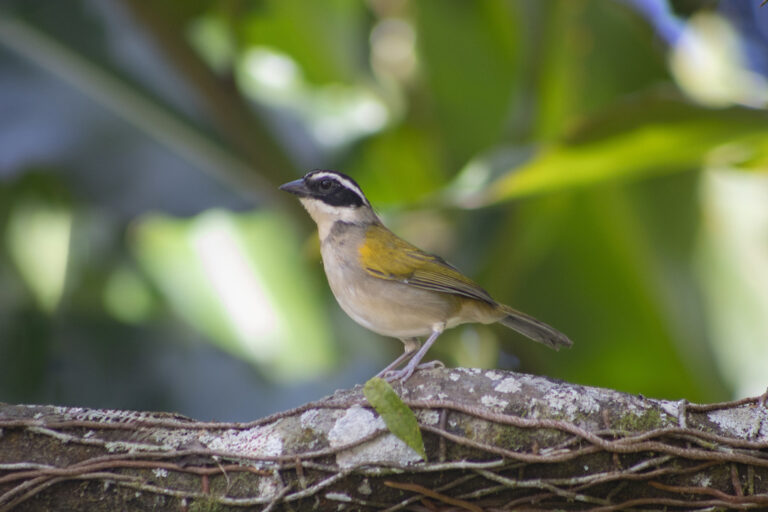
Arremon taciturnus
♥
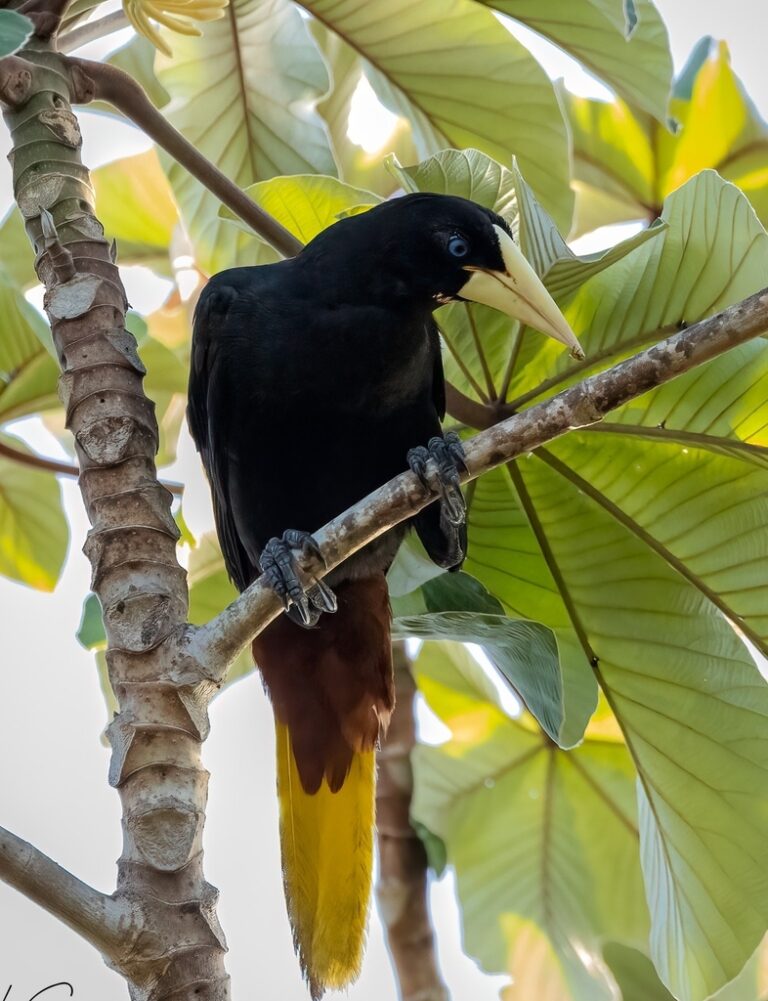
Psarocolius decumanus
♥
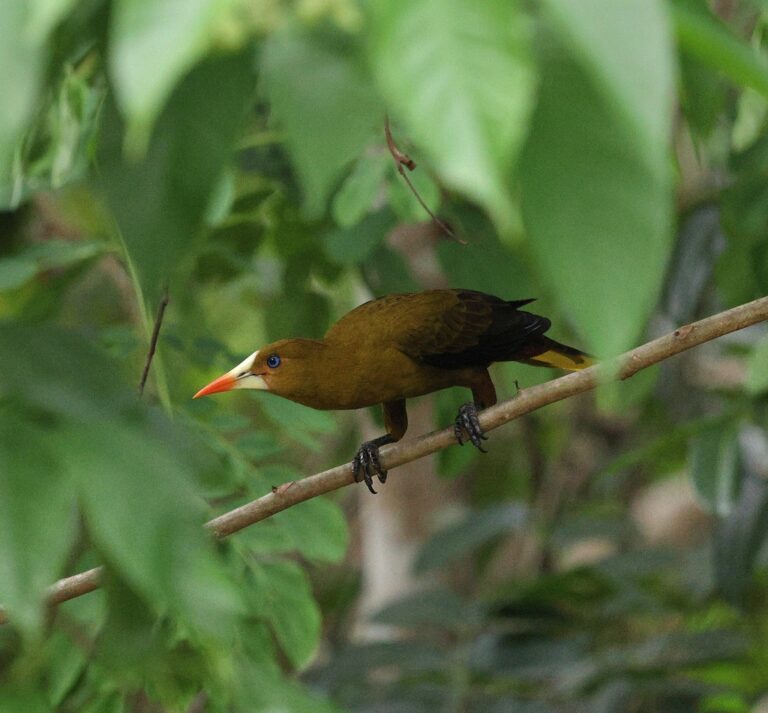
Psarocolius viridis
♥
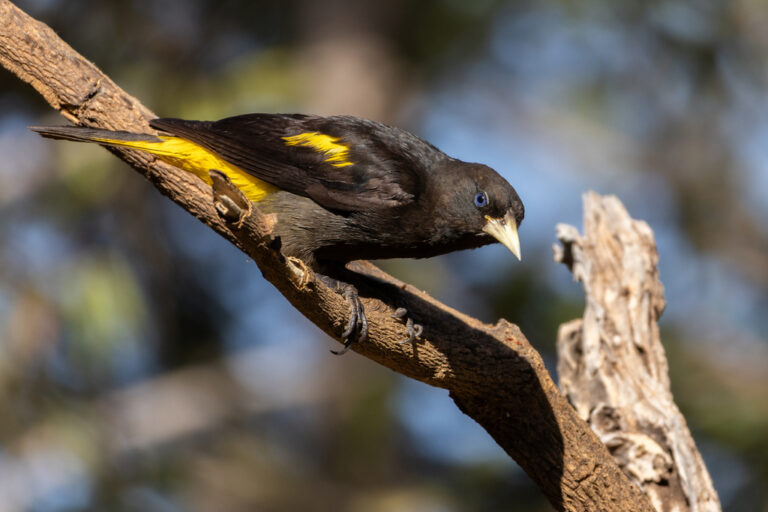
Cacicus cela
♥
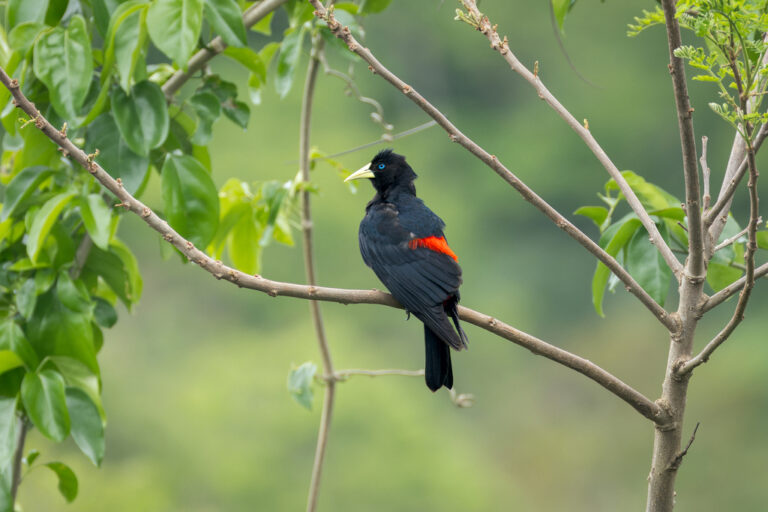
Cacicus haemorrhous
♥
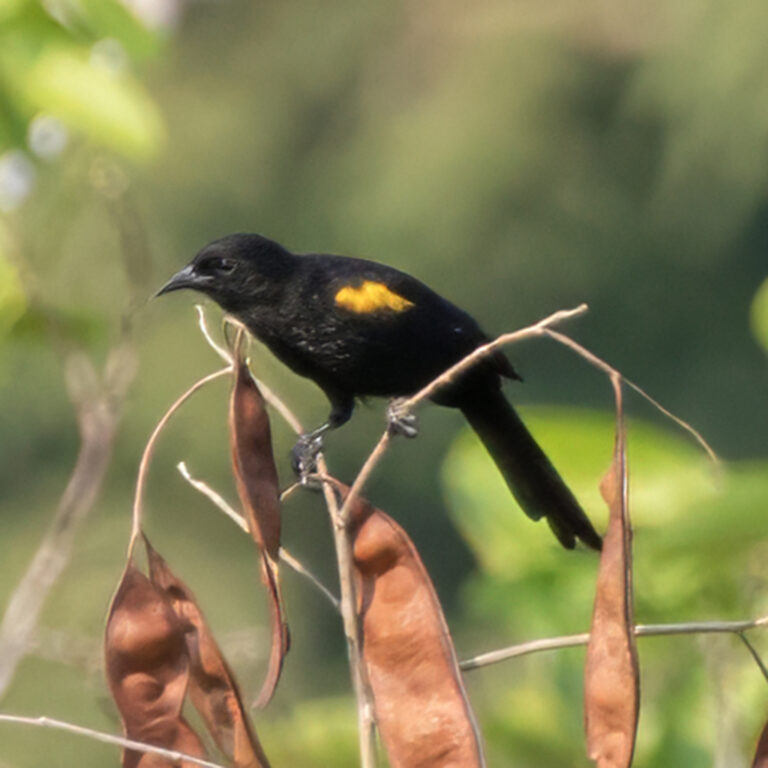
Icterus cayanensis
♥
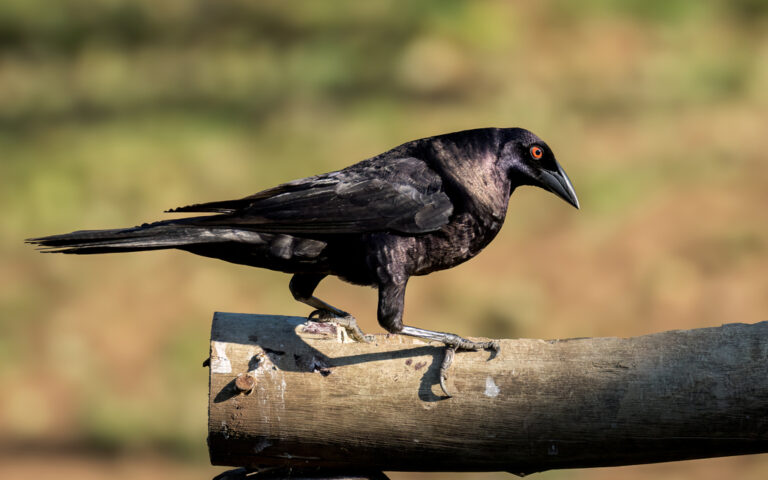
Molothrus oryzivorus
♥
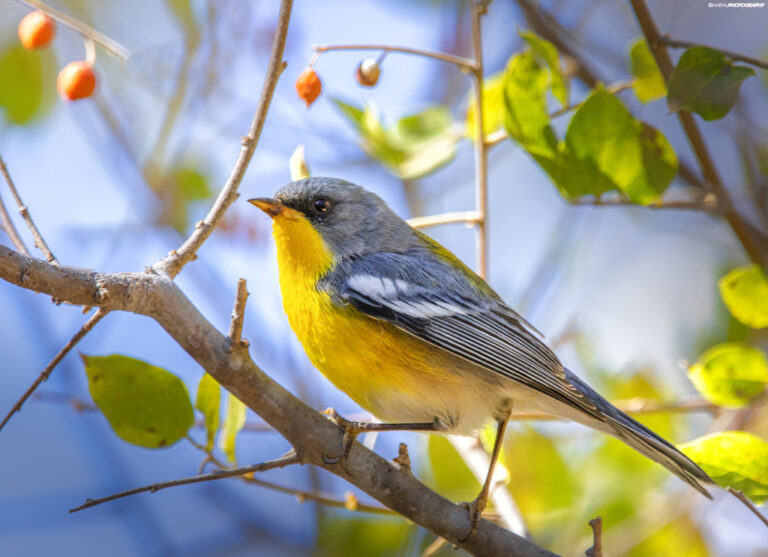
Setophaga pitiayumi
♥
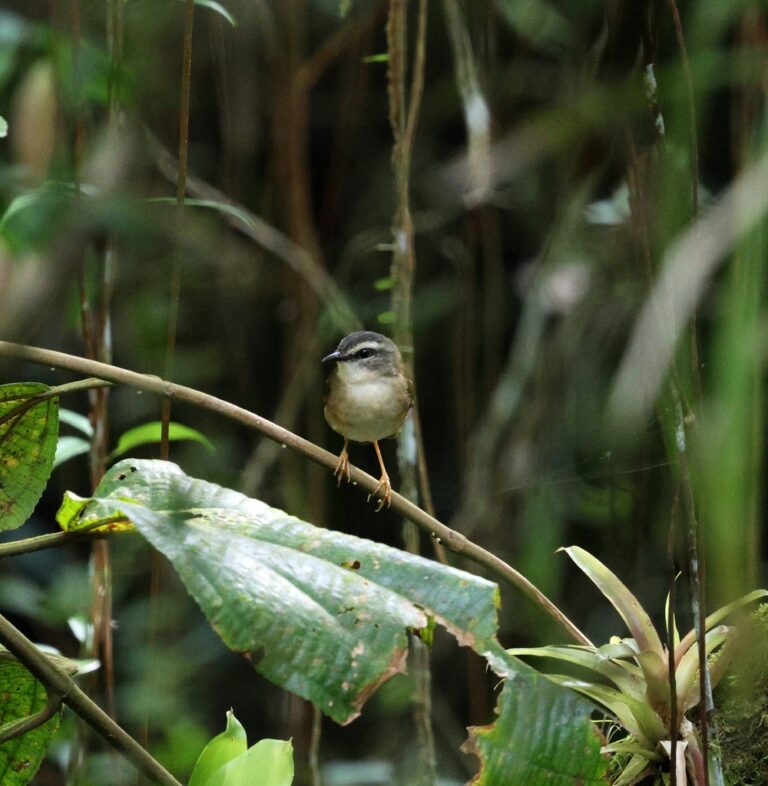
Myiothlypis rivularis
♥
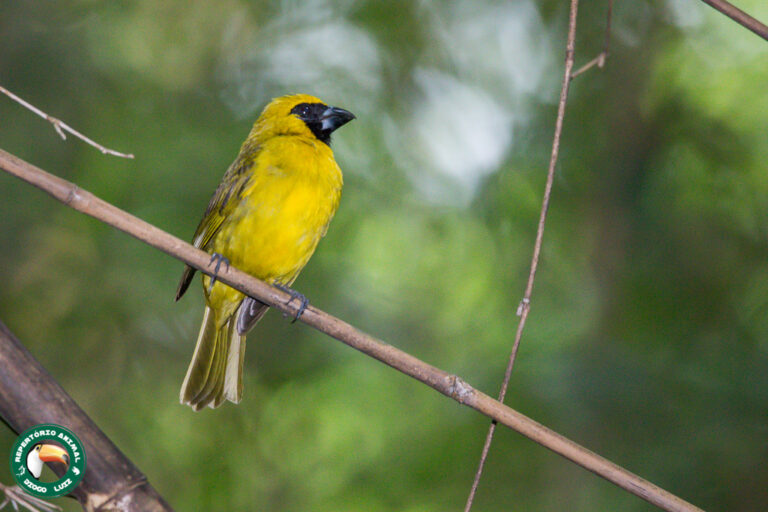
Caryothraustes canadensis
♥
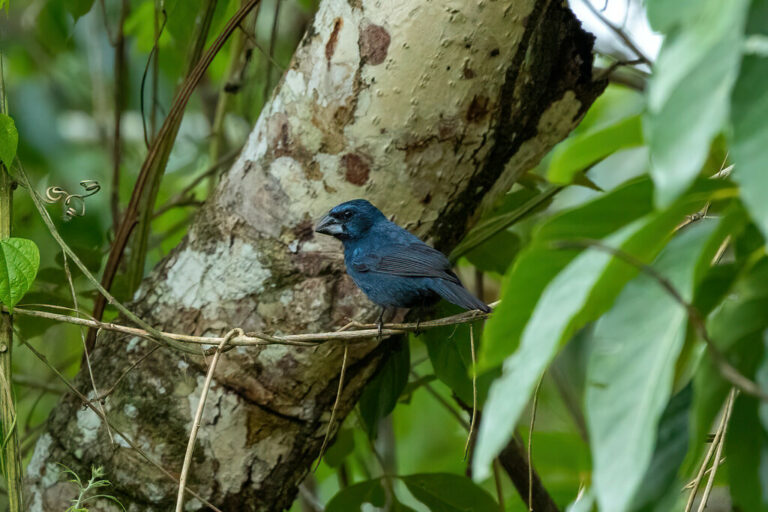
Cyanoloxia rothschildii
♥
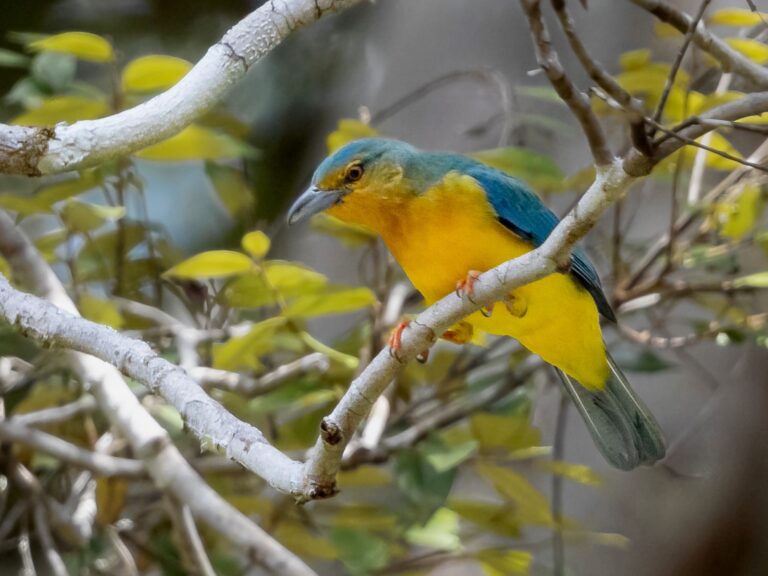
Cyanicterus cyanicterus
♥
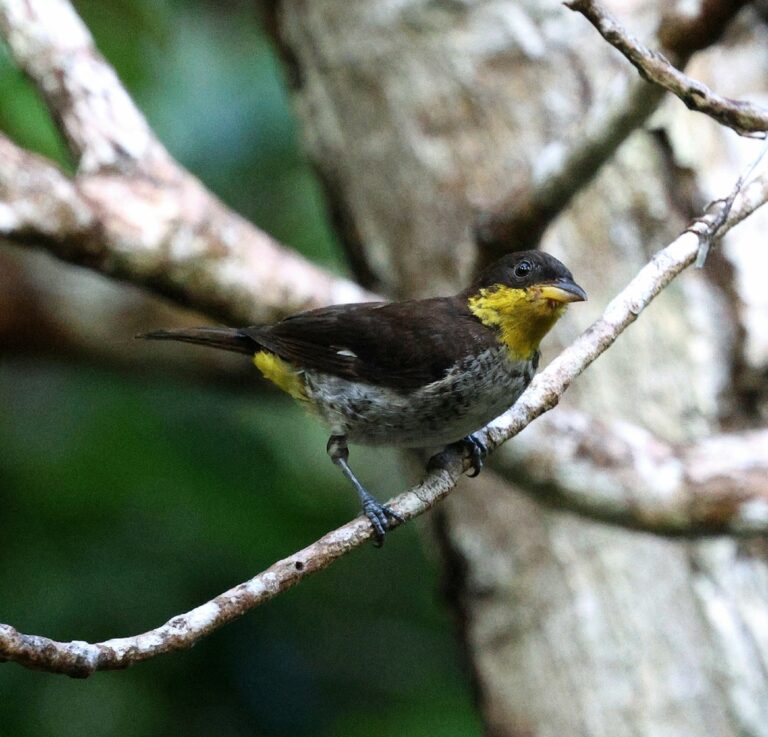
Hemithraupis flavicollis
♥
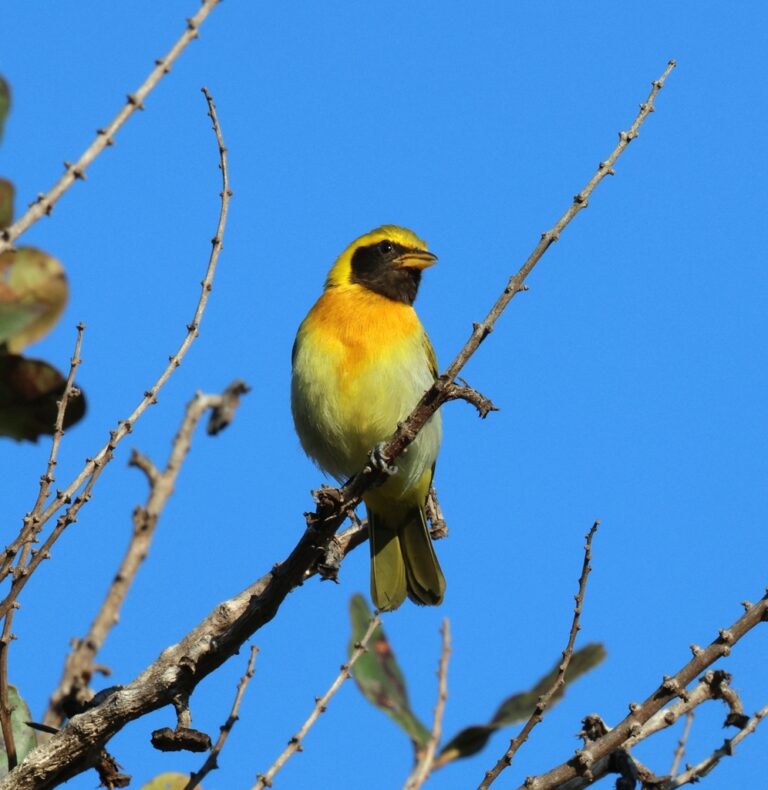
Hemithraupis guira
♥
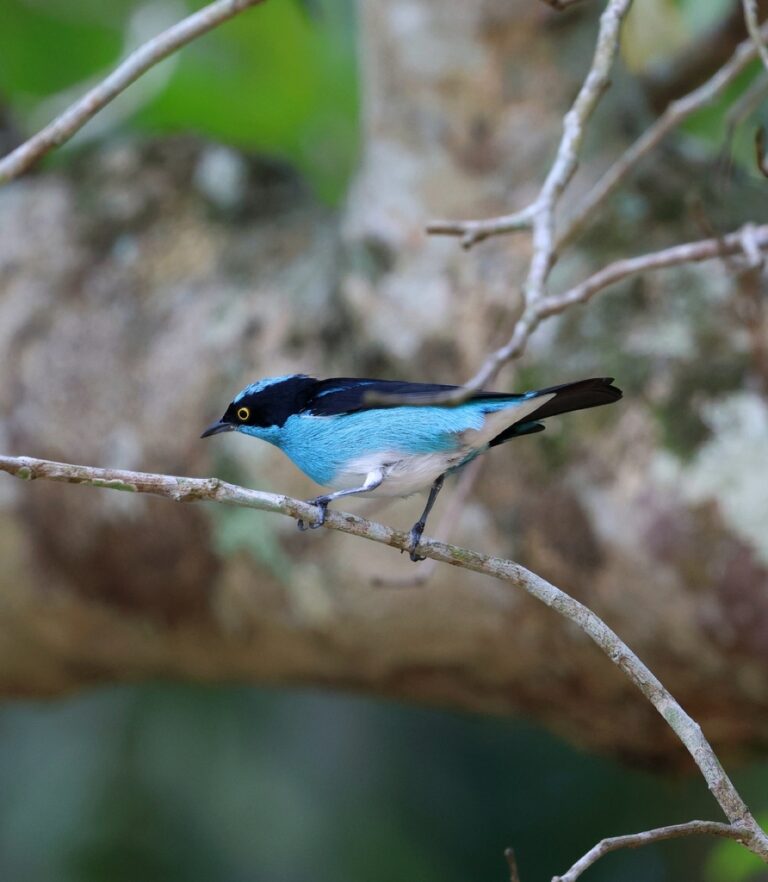
Dacnis lineata
♥
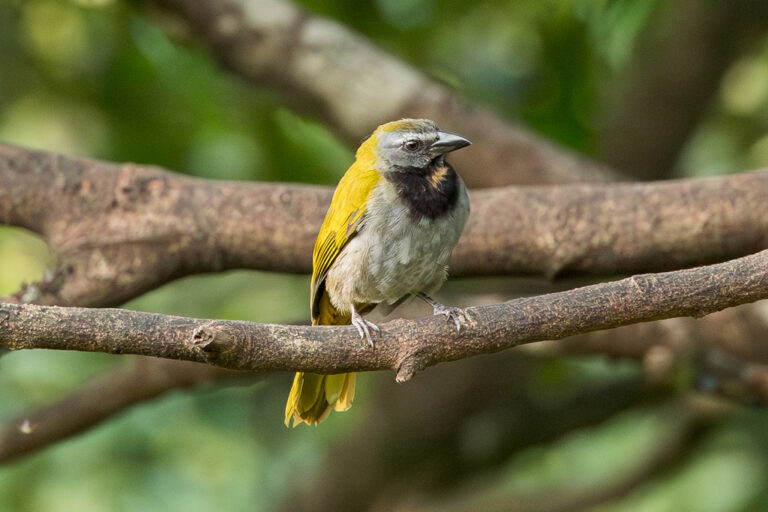
Saltator maximus
♥
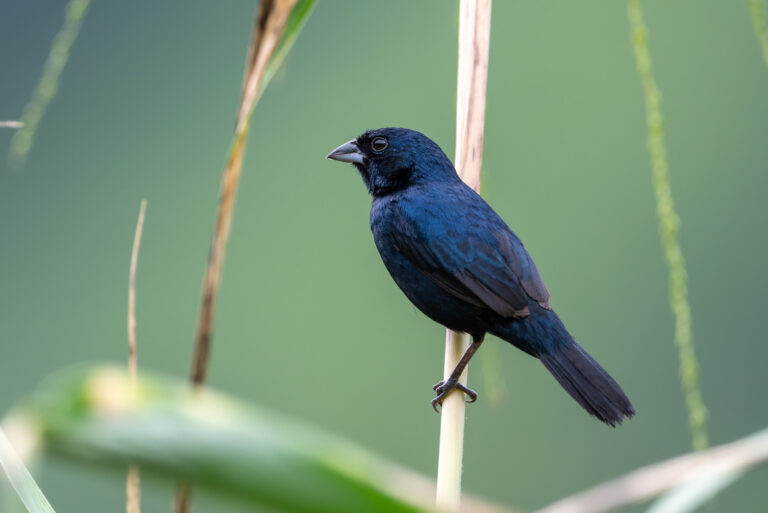
Volatinia jacarina
♥
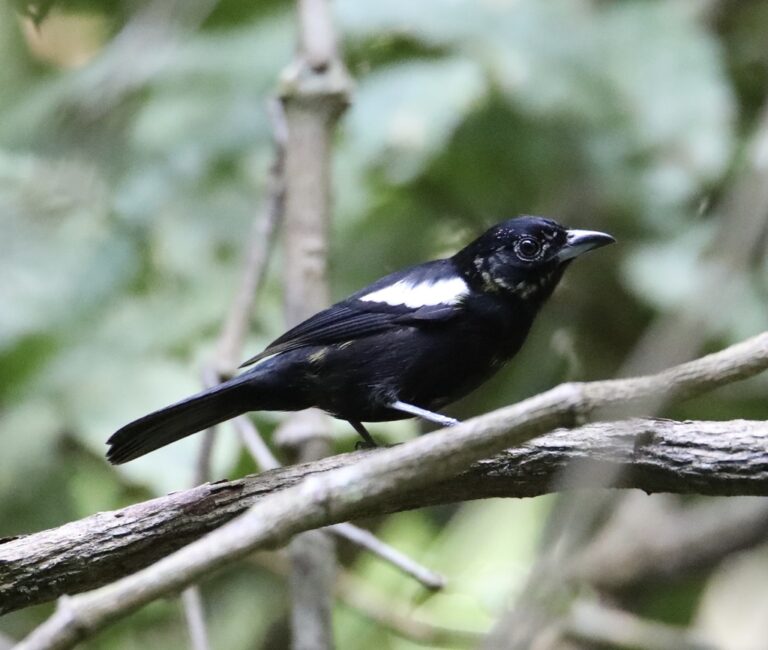
Loriotus luctuosus
♥
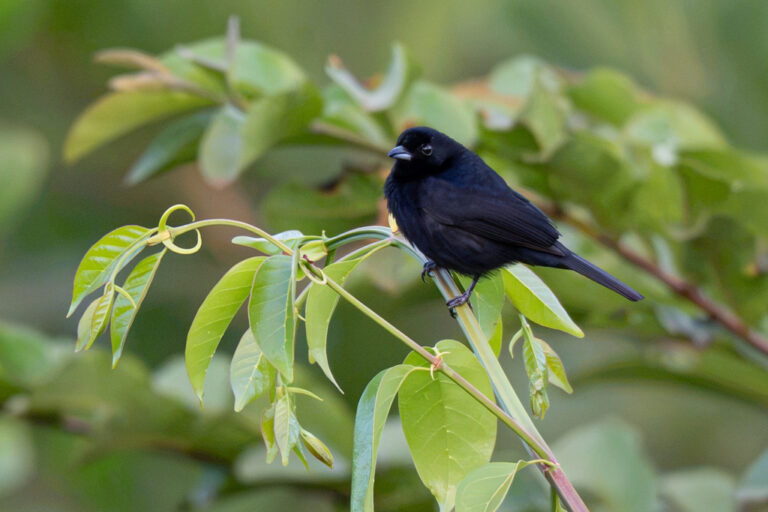
Tachyphonus phoenicius
♥
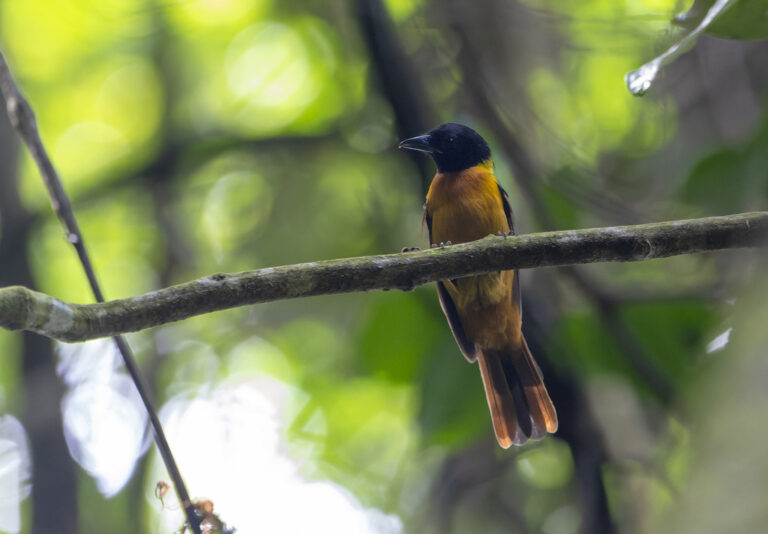
Lanio fulvus
♥
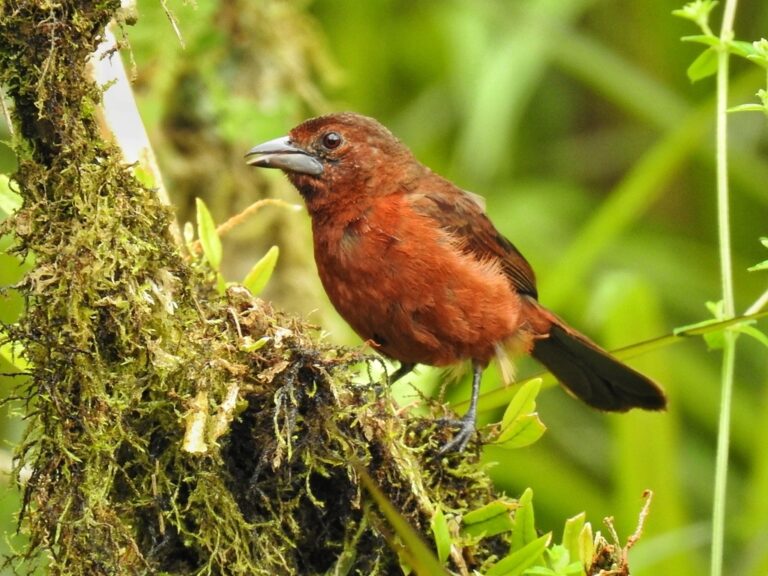
Ramphocelus carbo
♥
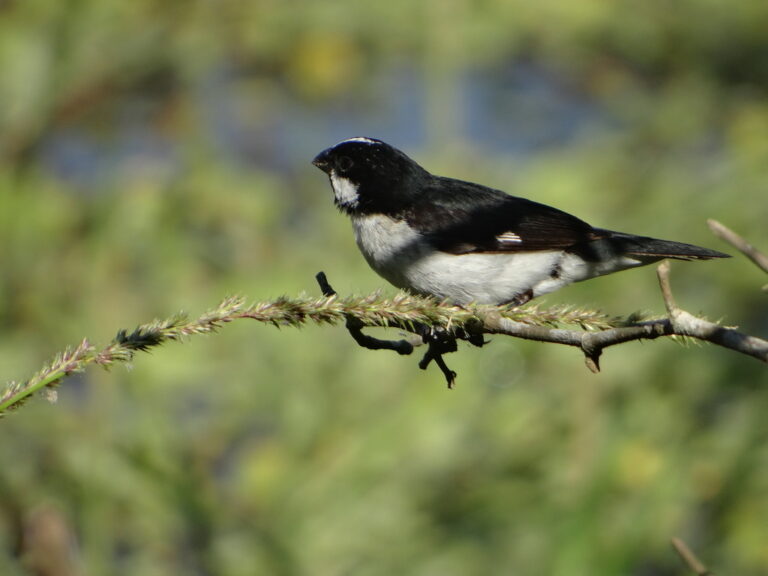
Sporophila lineola
♥
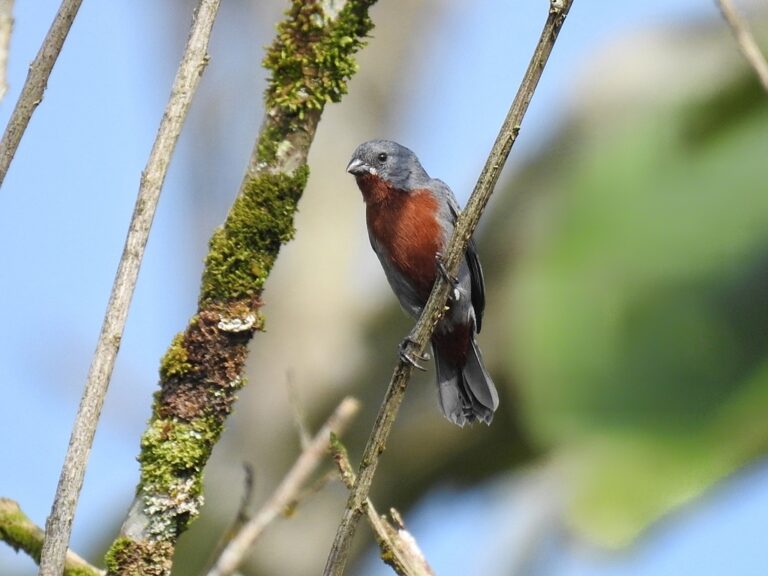
Sporophila castaneiventris
♥
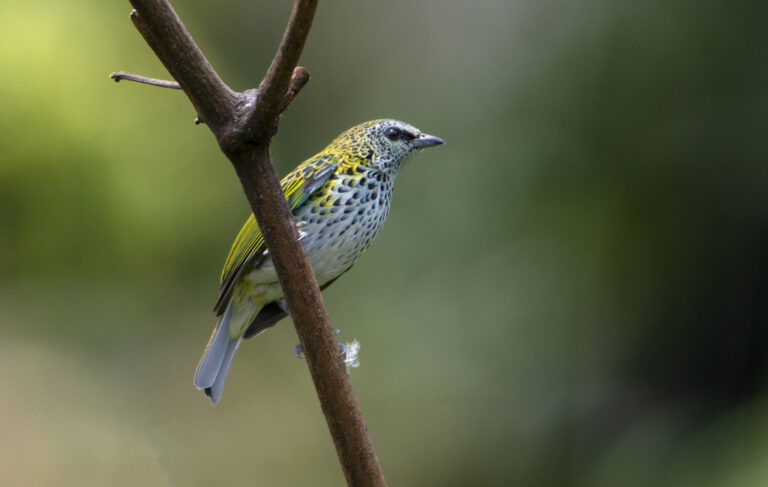
Ixothraupis punctata
♥
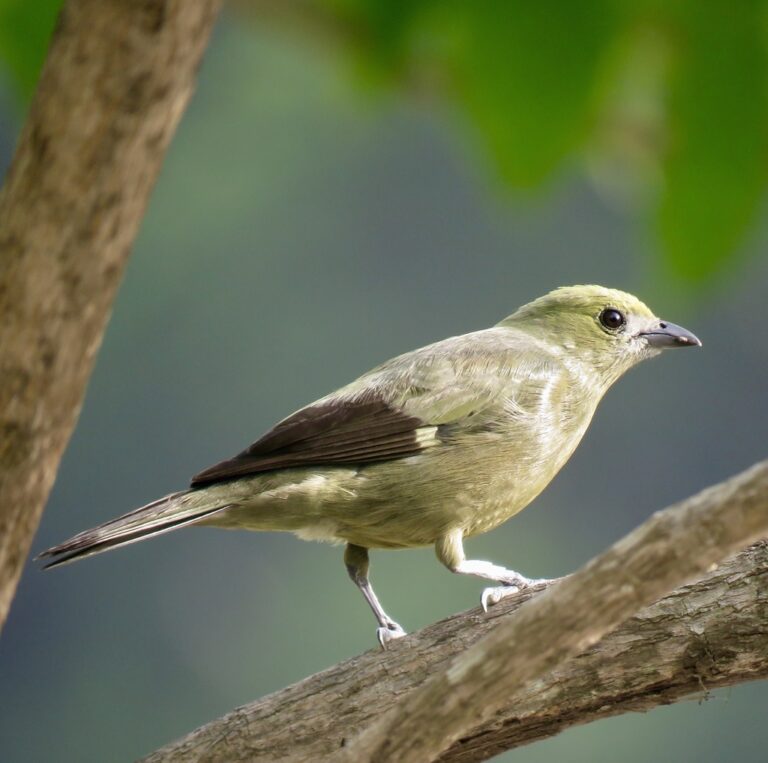
Thraupis palmarum
♥
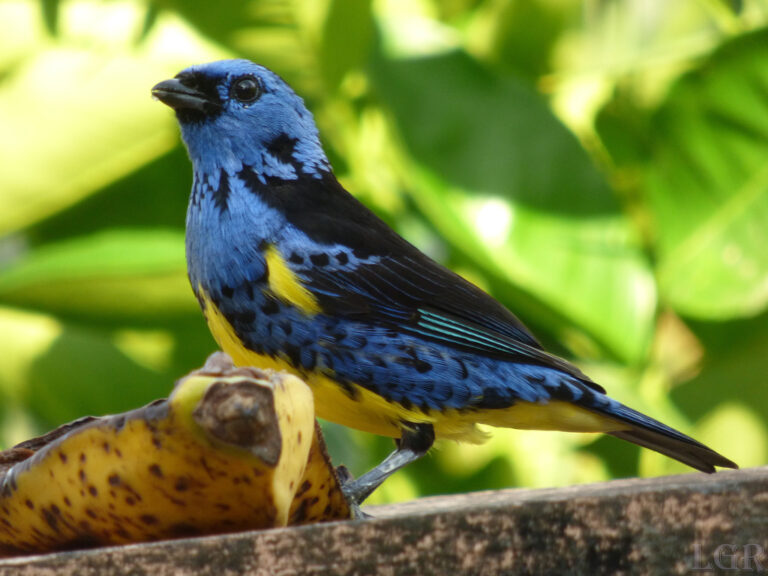
Tangara mexicana
♥
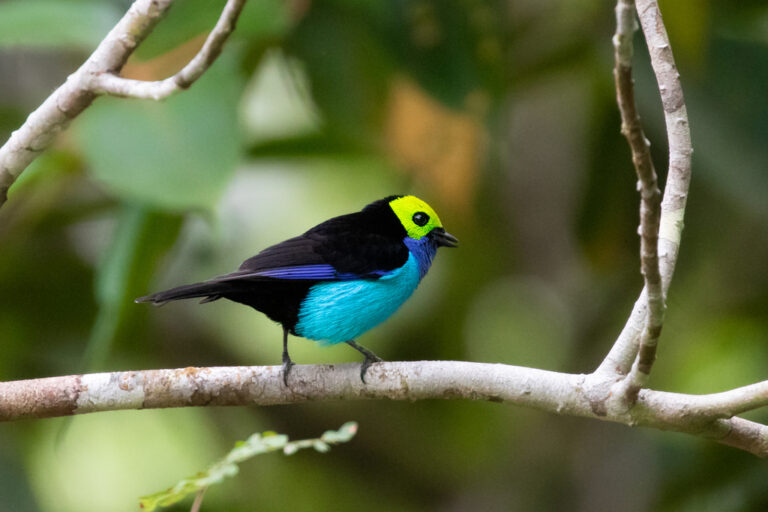
Tangara chilensis
♥
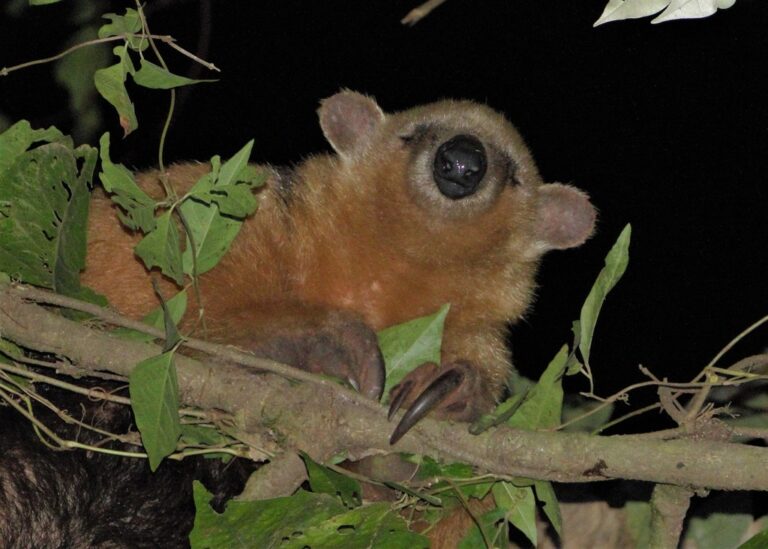
Tamandua tetradactyla
♥
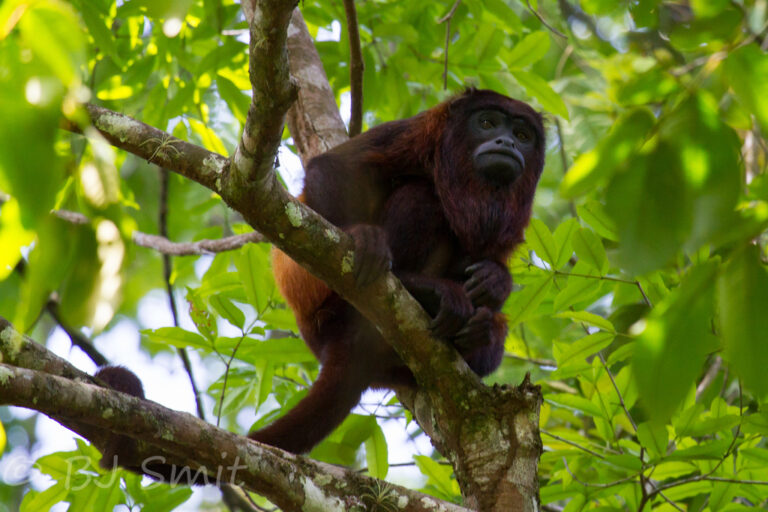
Alouatta macconnelli
♥
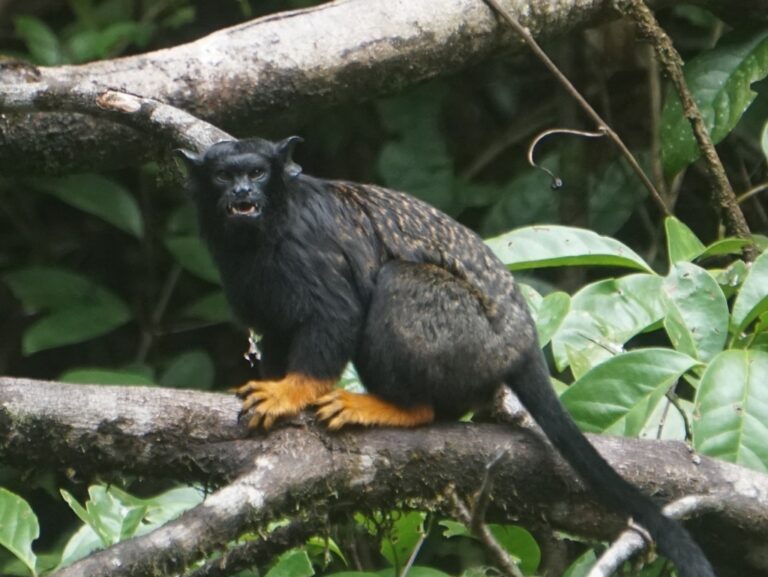
Saguinus midas
♥
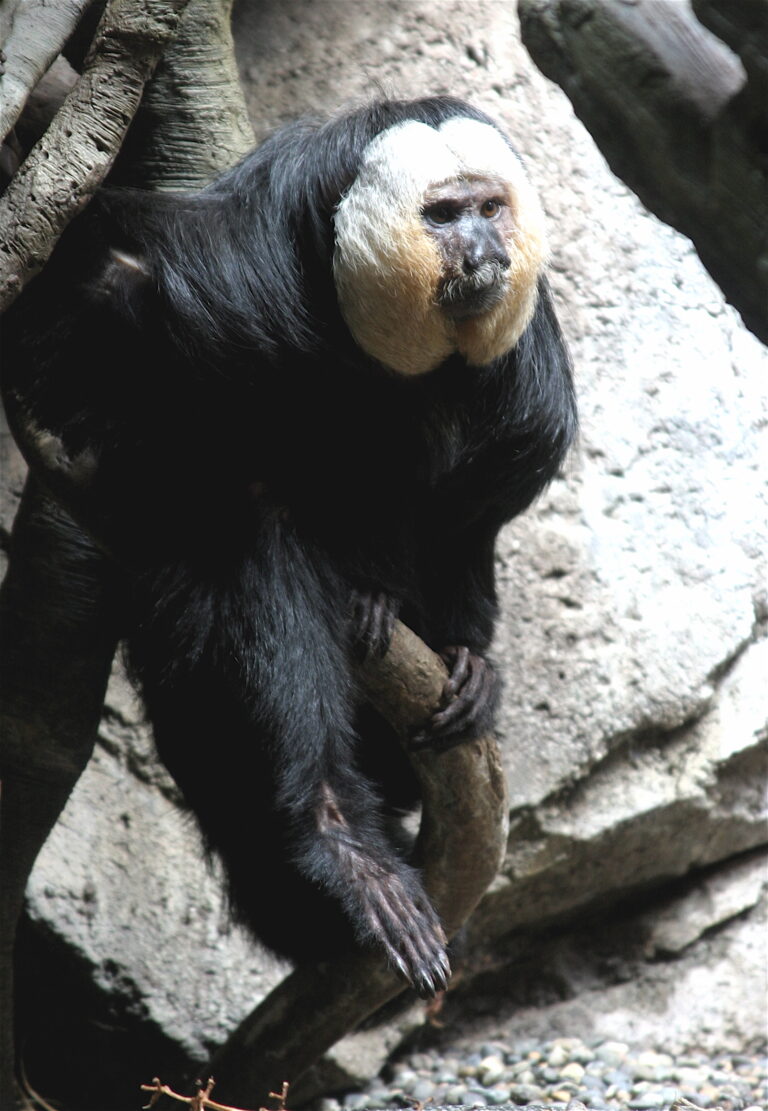
Pithecia pithecia
♥
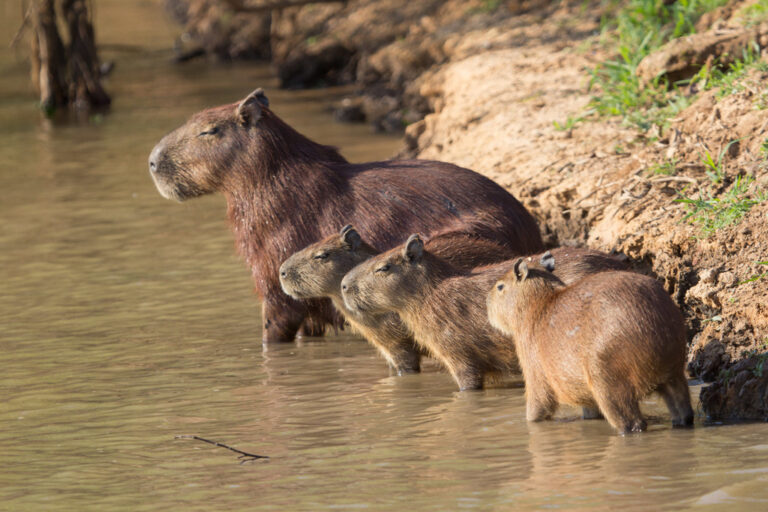
Hydrochoerus hydrochaeris
♥
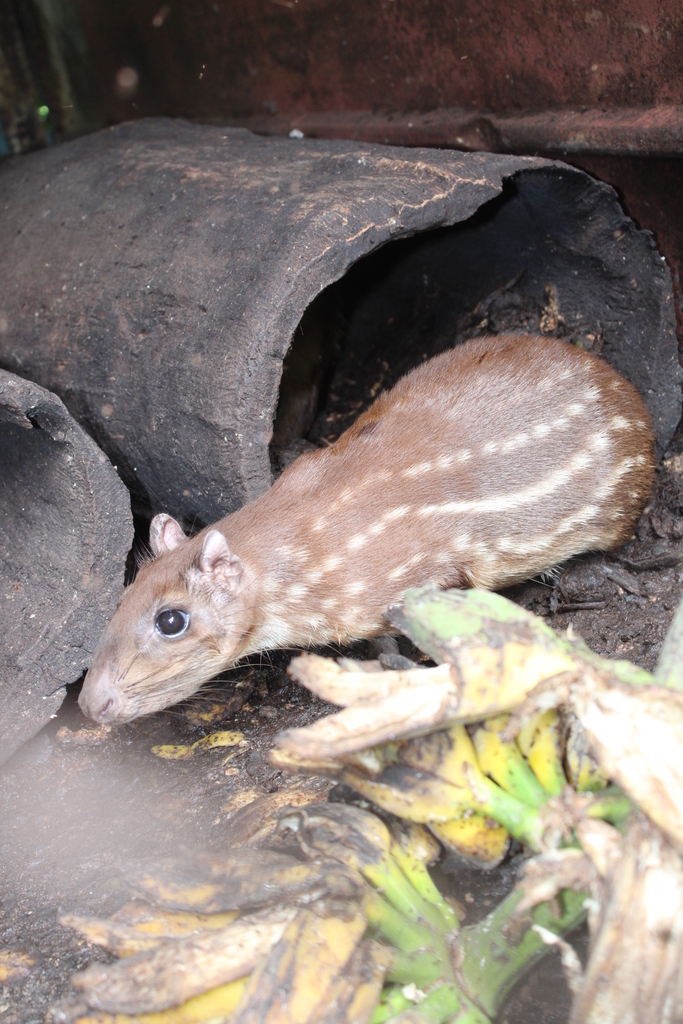
Cuniculus paca
♥
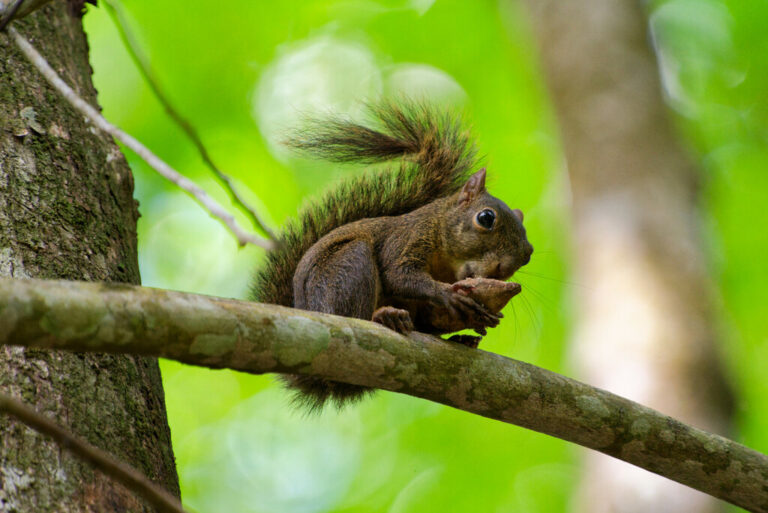
Sciurus aestuans
♥
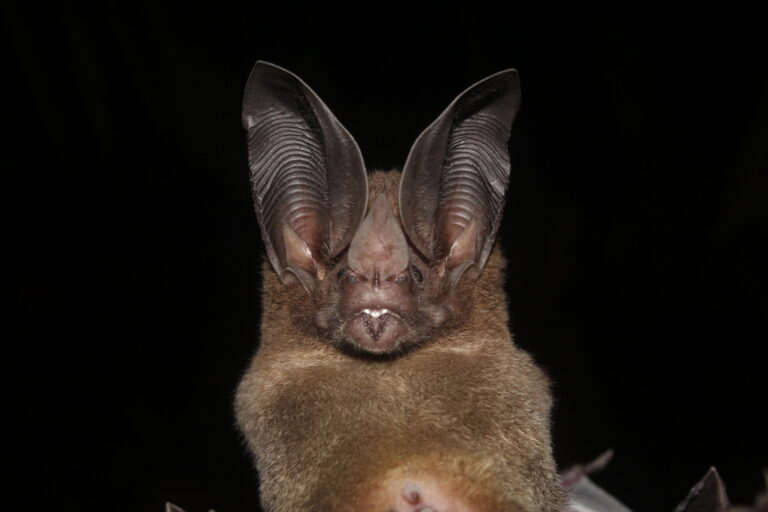
Lophostoma silvicola
♥
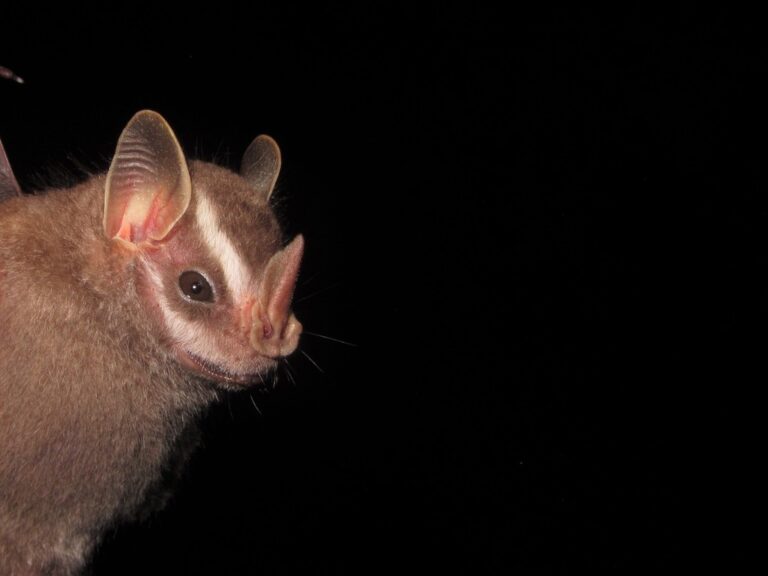
Chiroderma trinitatum
♥
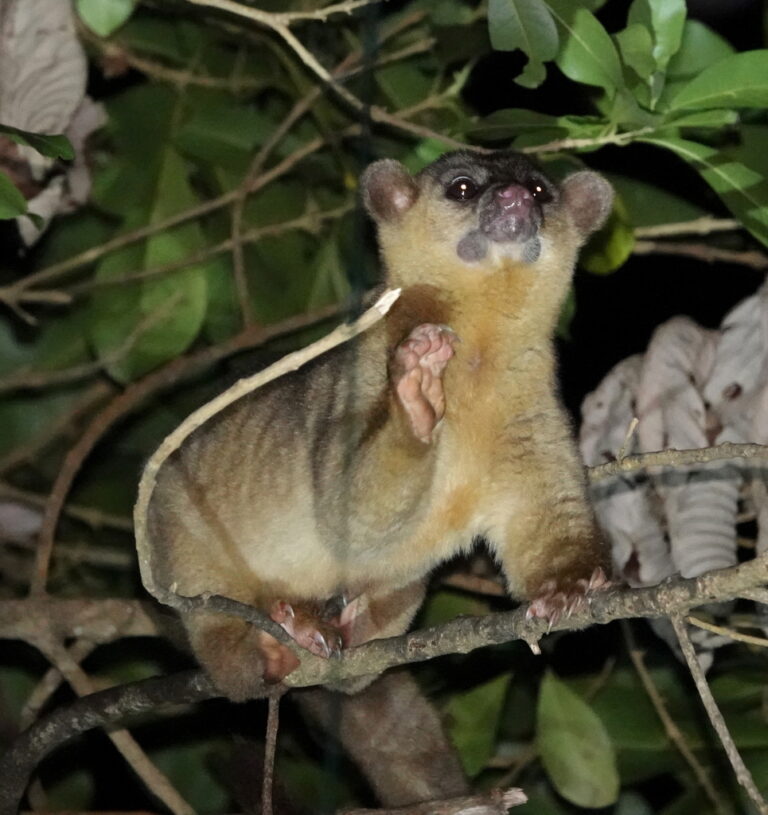
Potos flavus
♥
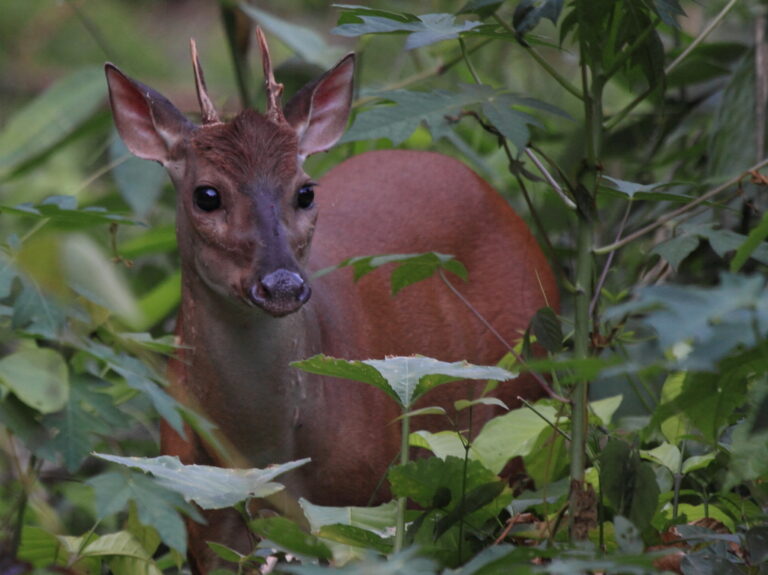
Mazama americana
♥
Chironectes minimus
♥
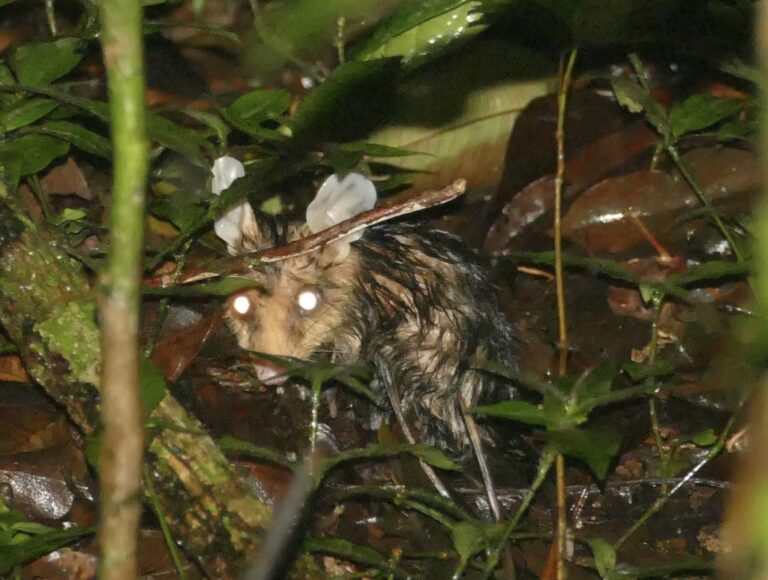
Didelphis imperfecta
♥
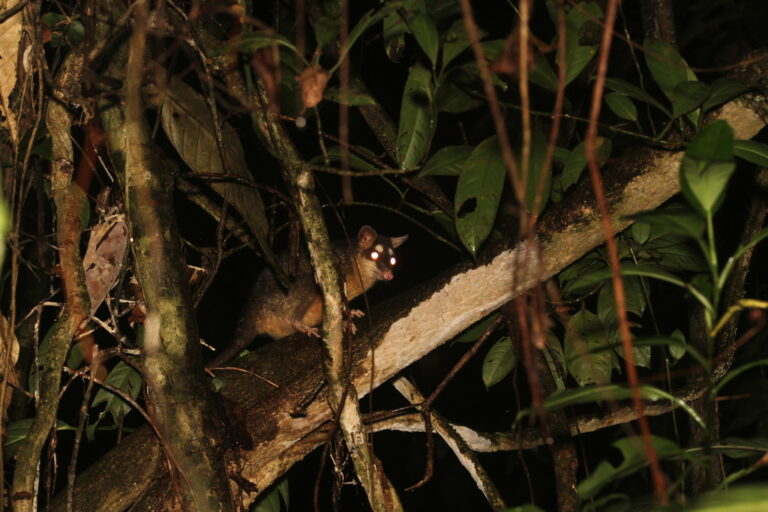
Philander opossum
♥
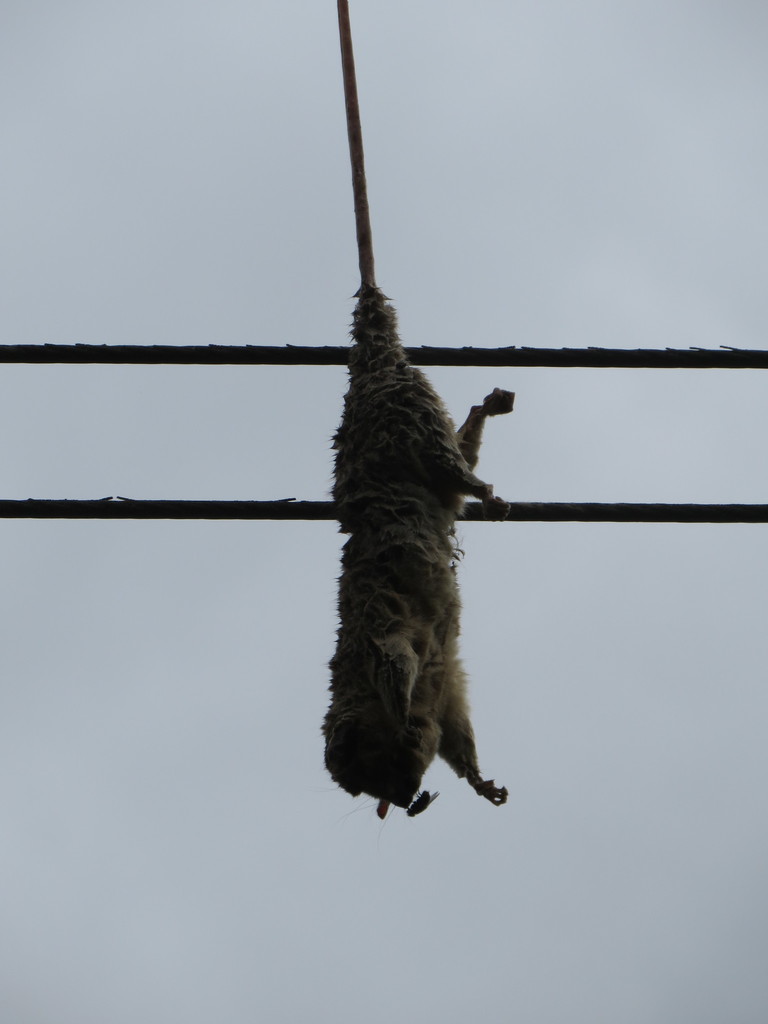
Marmosa demerarae
♥
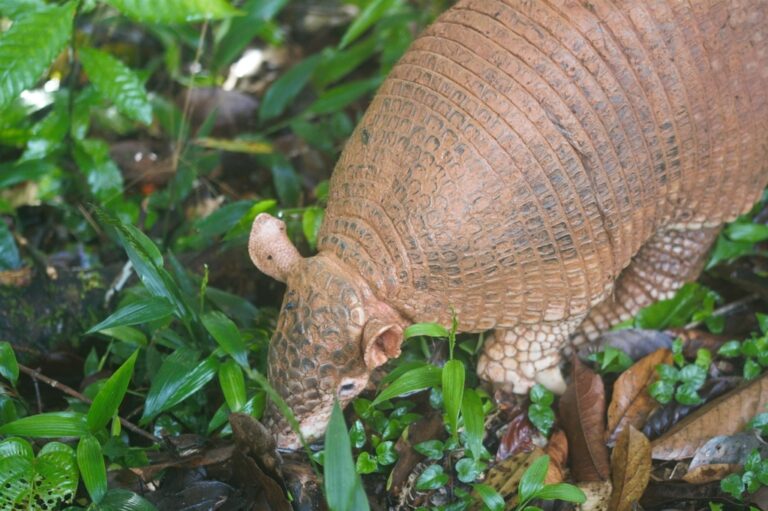
Priodontes maximus
♥
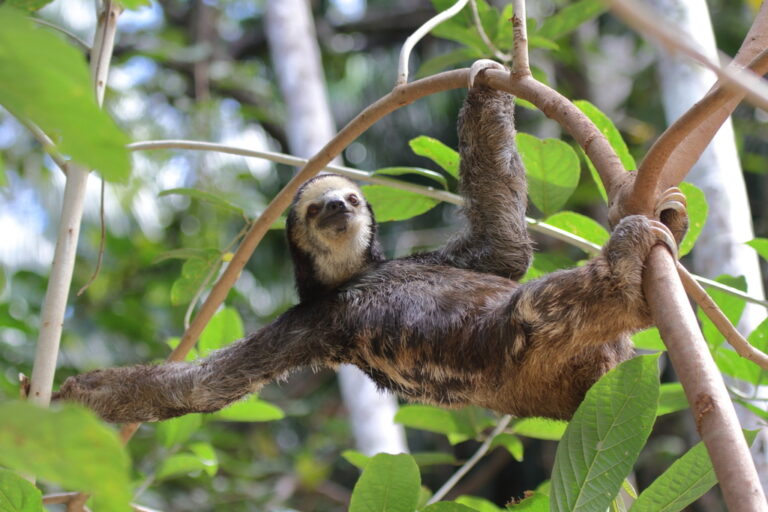
Bradypus tridactylus
♥
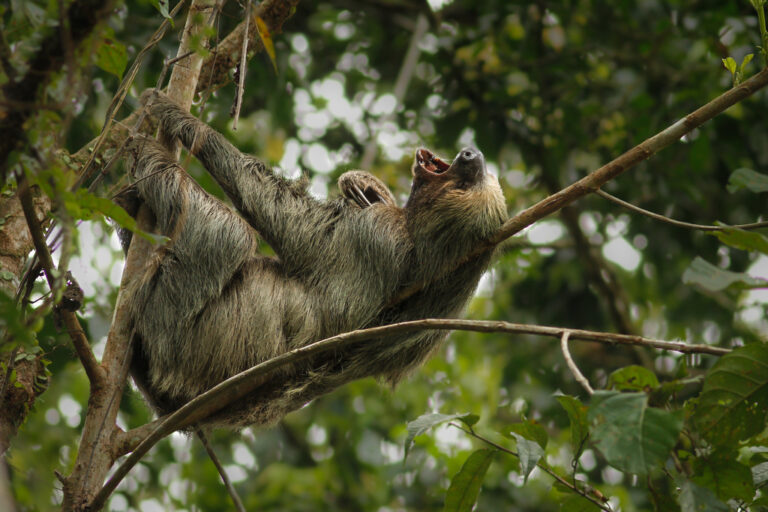
Choloepus didactylus
♥
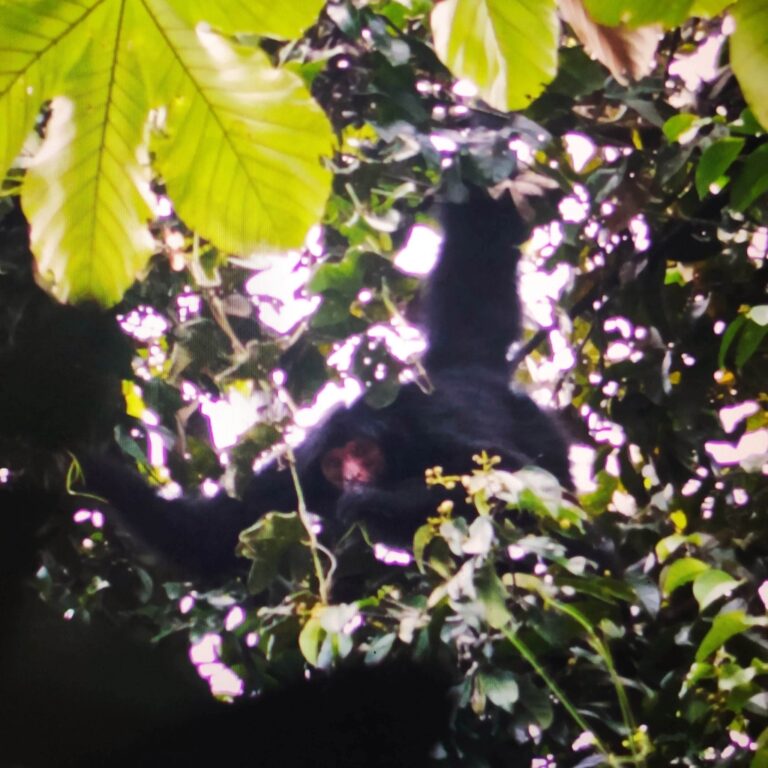
Ateles paniscus
♥
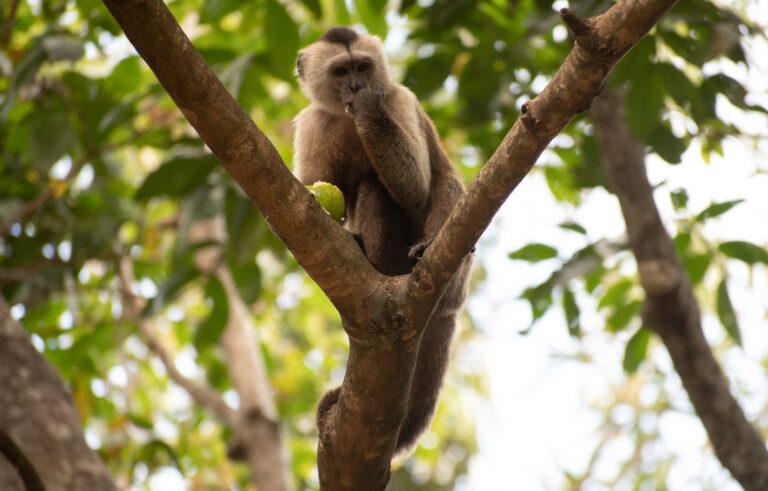
Cebus olivaceus
♥
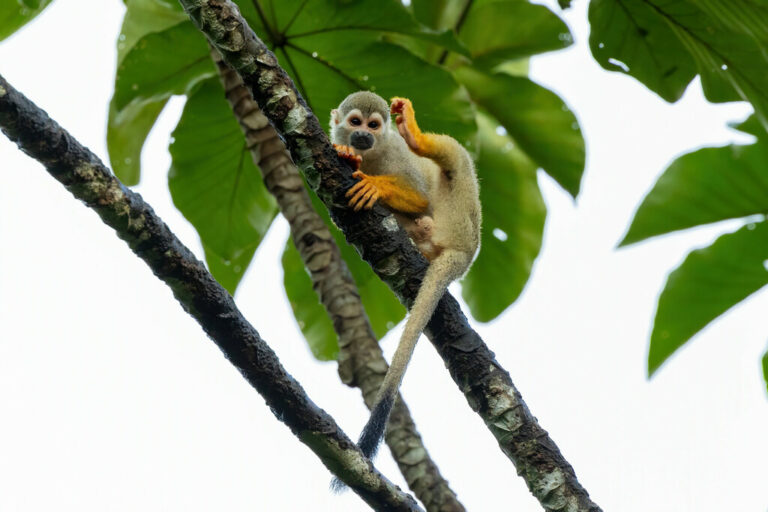
Saimiri sciureus
♥
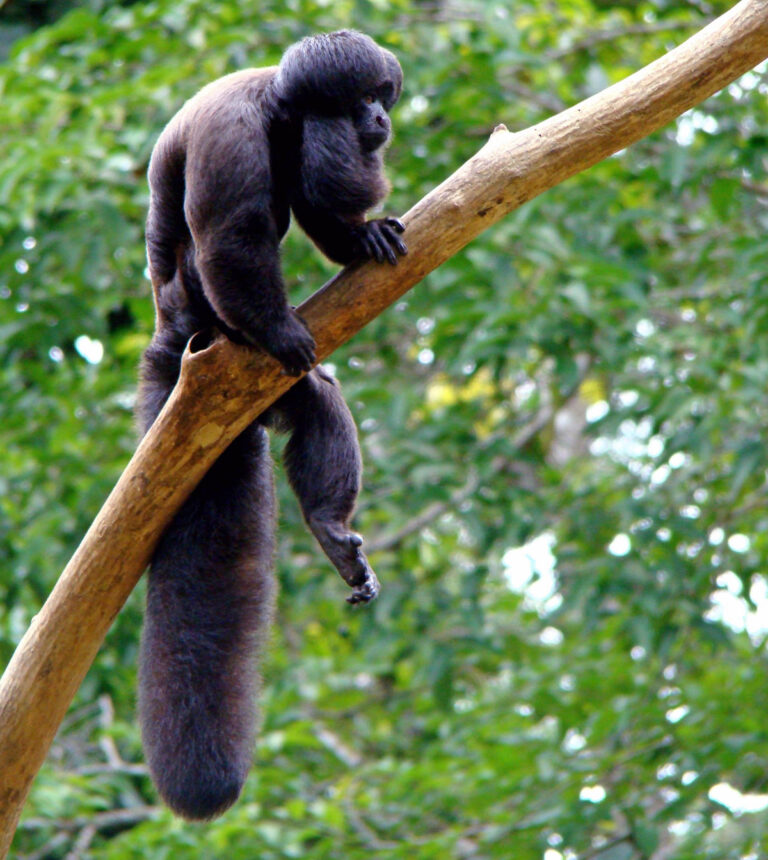
Chiropotes chiropotes
♥
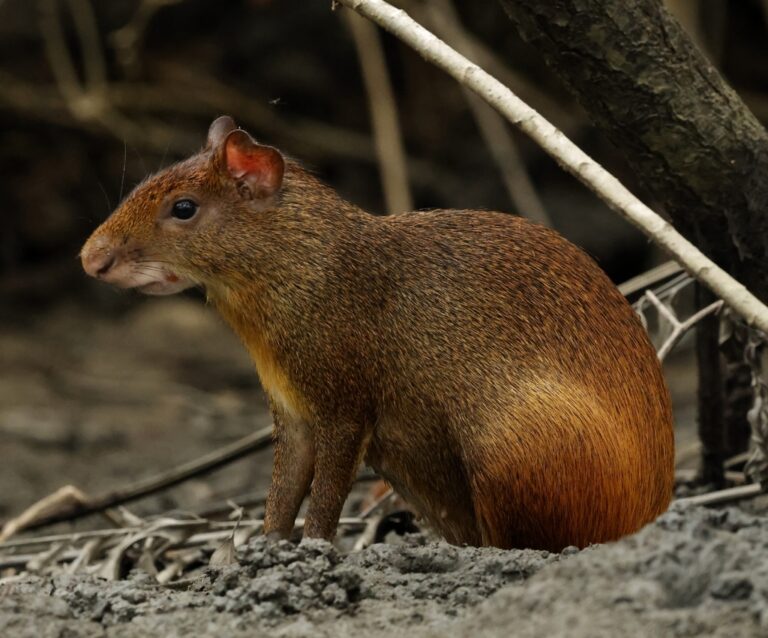
Dasyprocta leporina
♥
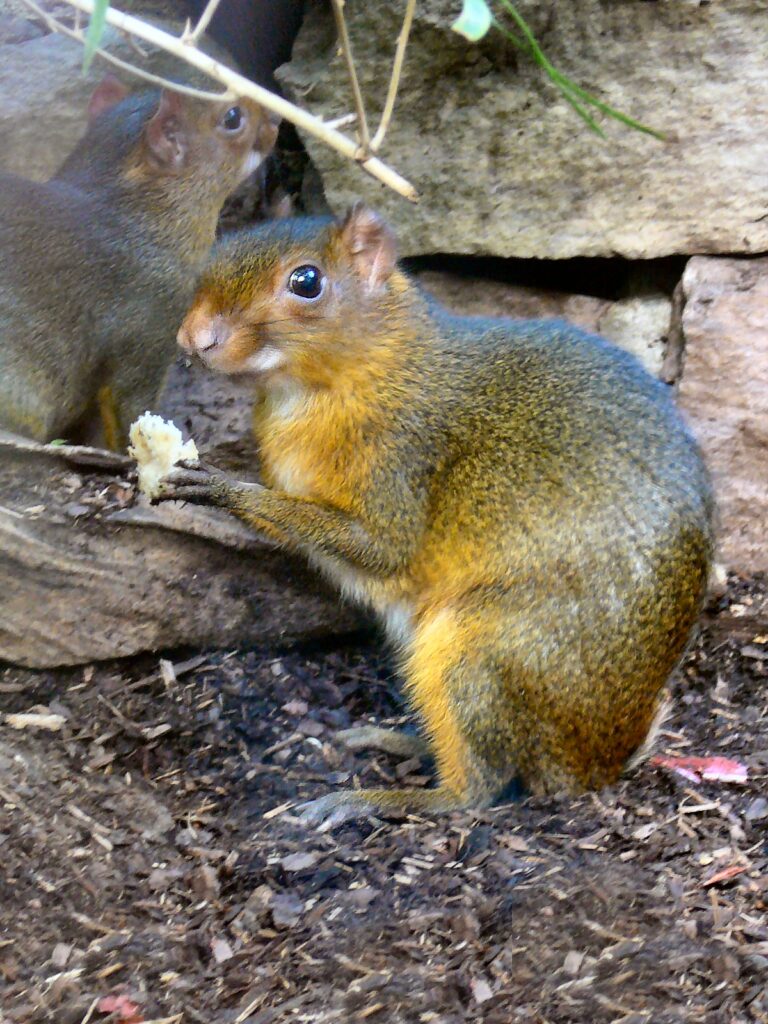
Myoprocta acouchy
♥
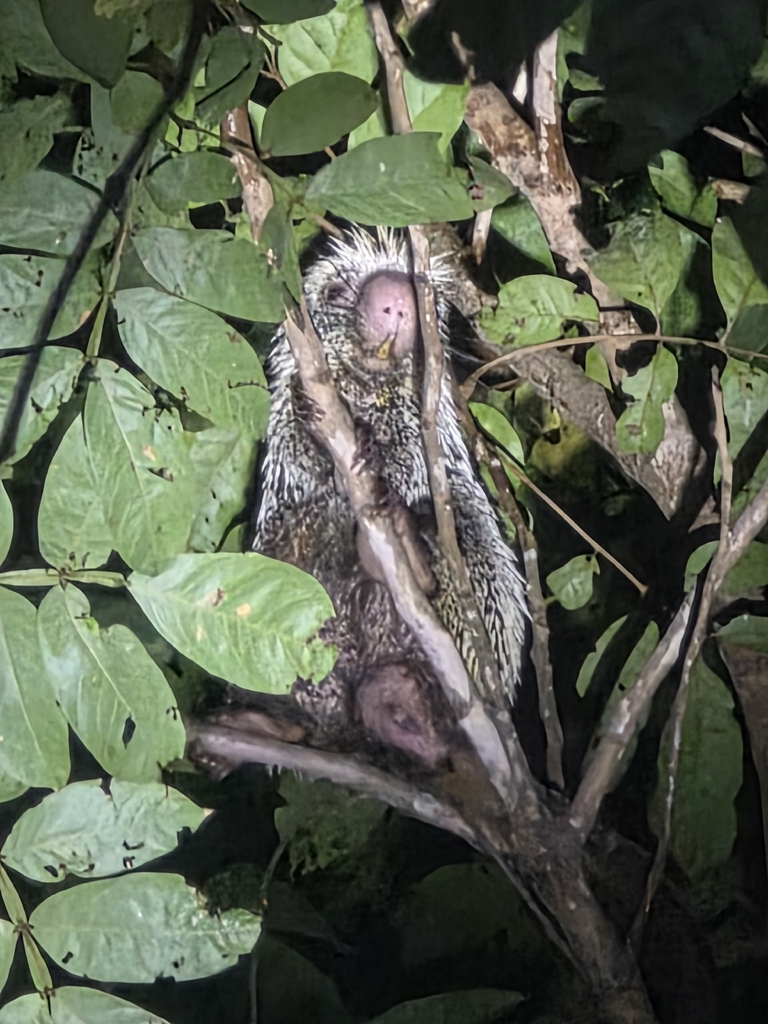
Coendou prehensilis
♥
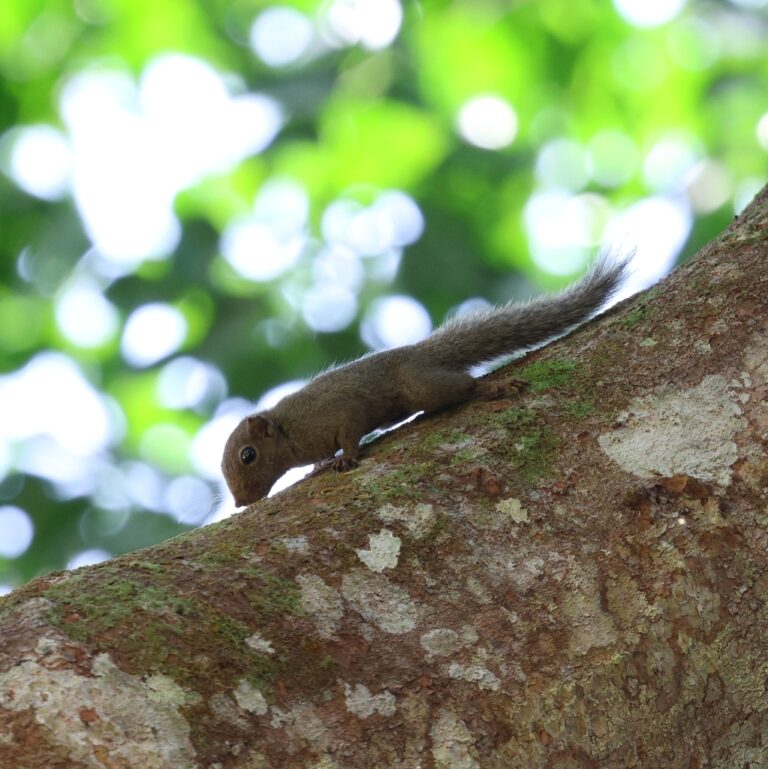
Sciurillus pusillus
♥
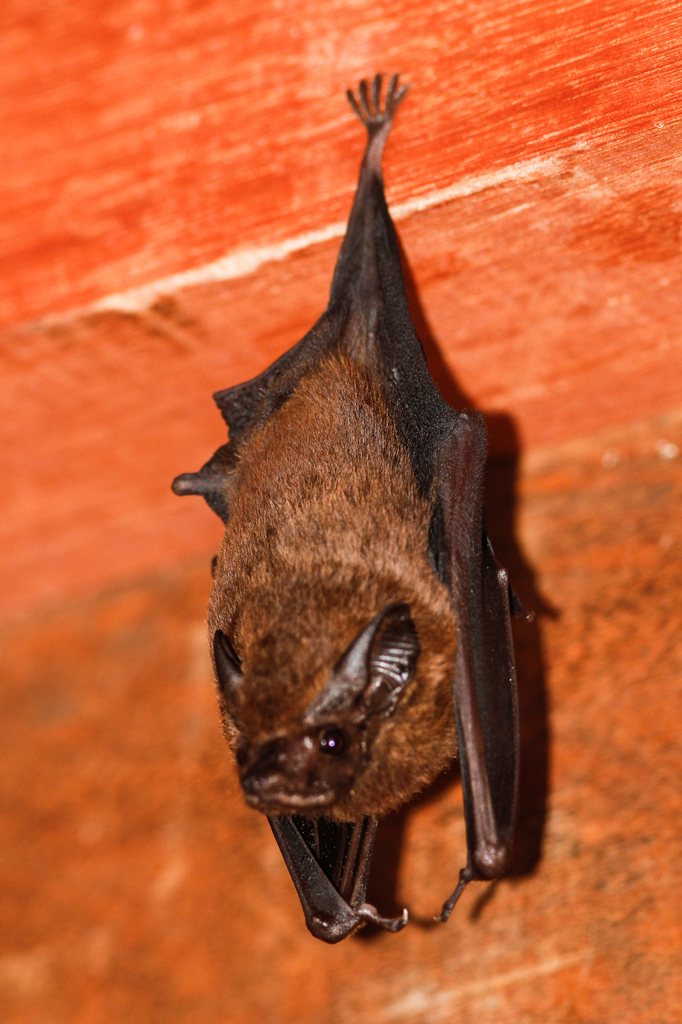
Cormura brevirostris
♥
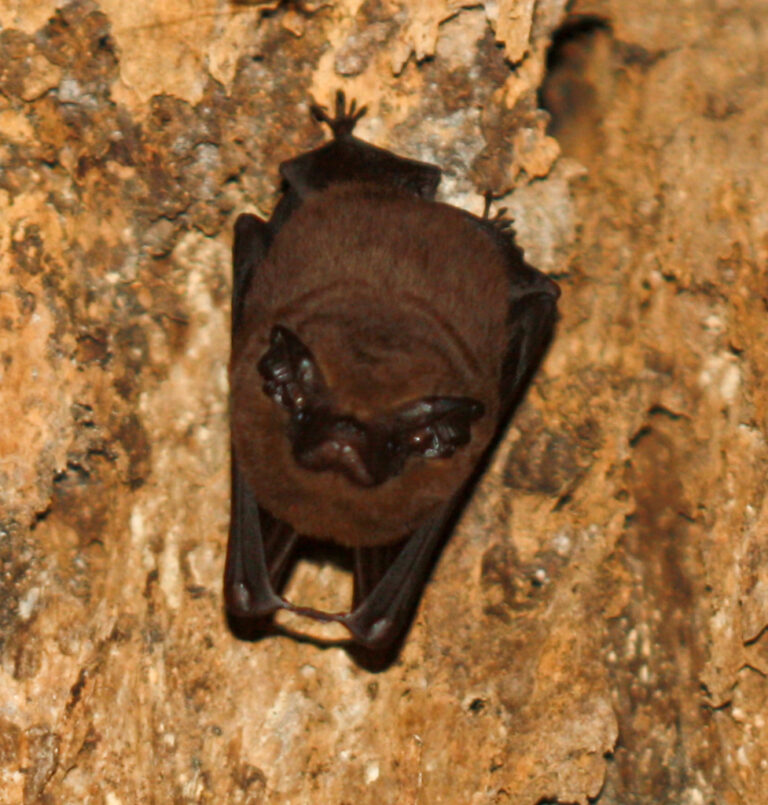
Peropteryx kappleri
♥
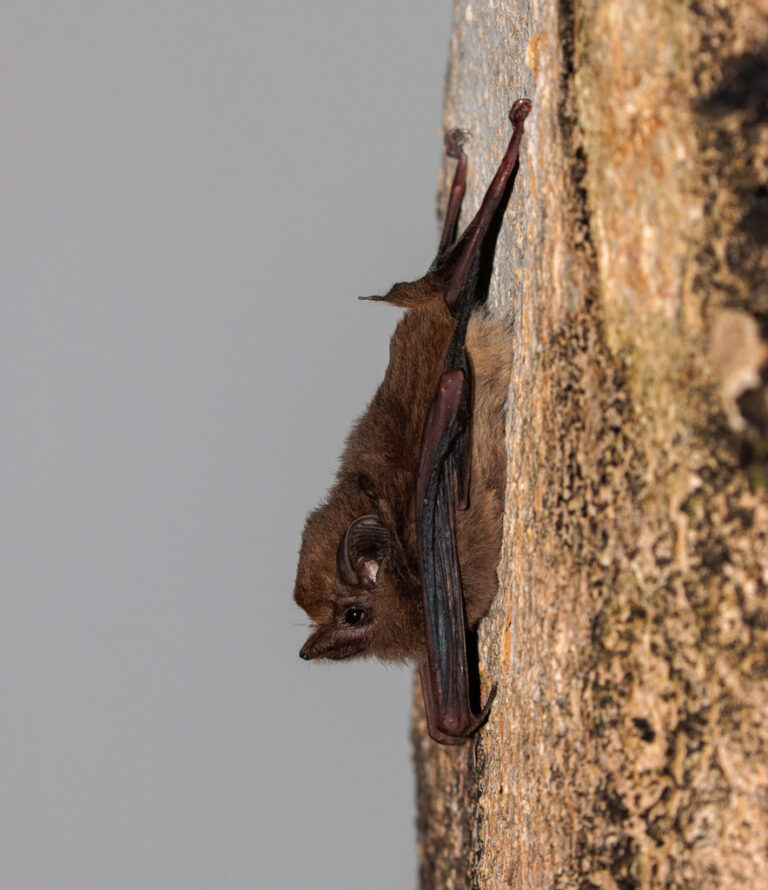
Peropteryx macrotis
♥
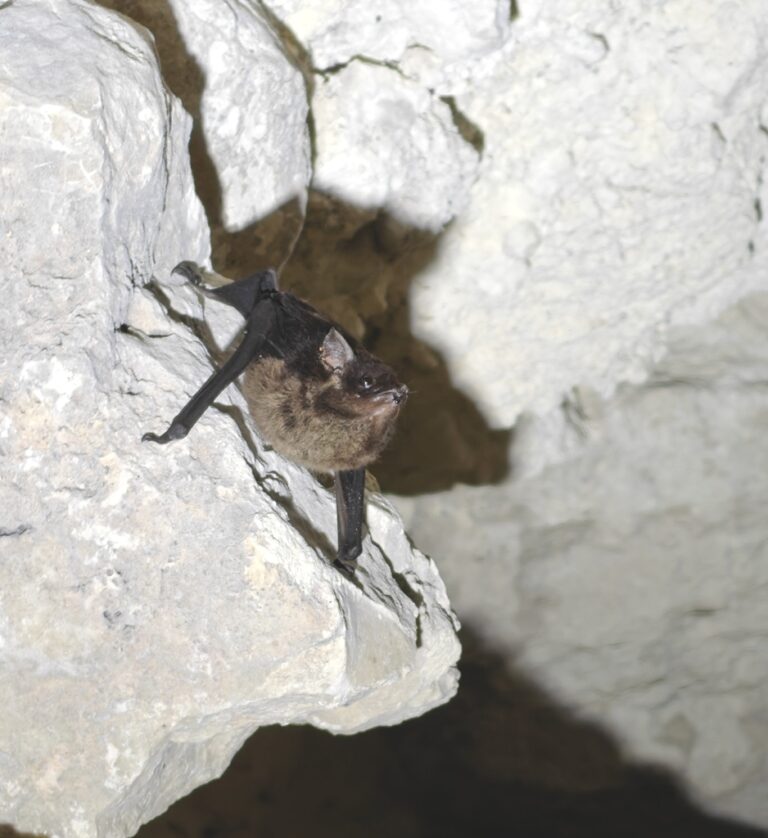
Saccopteryx bilineata
♥
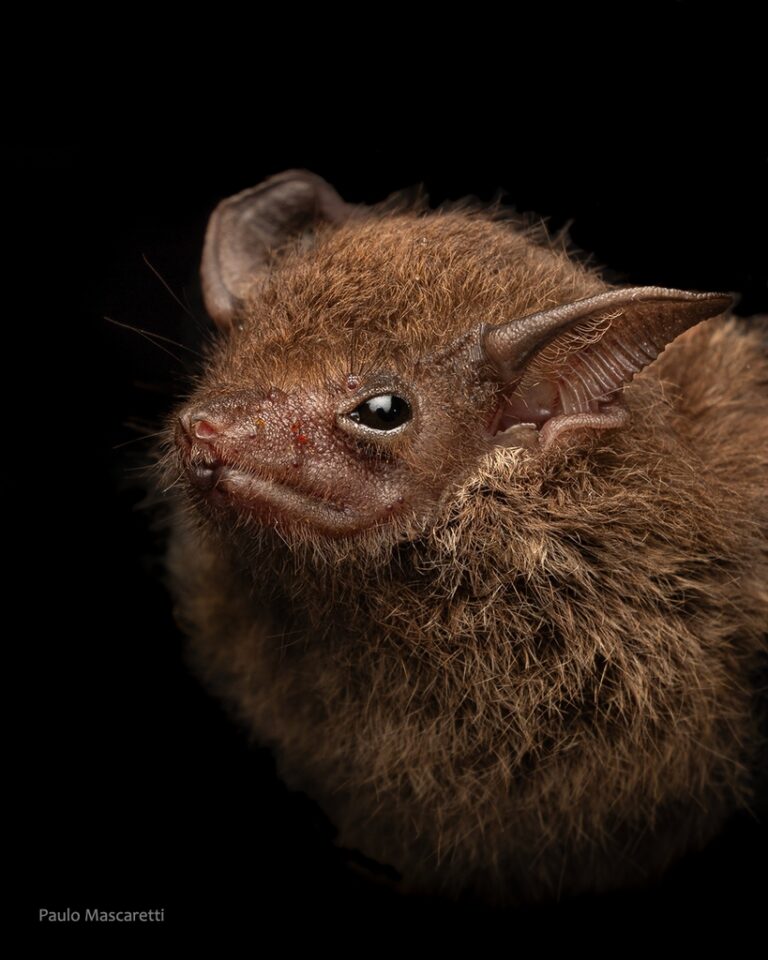
Saccopteryx leptura
♥
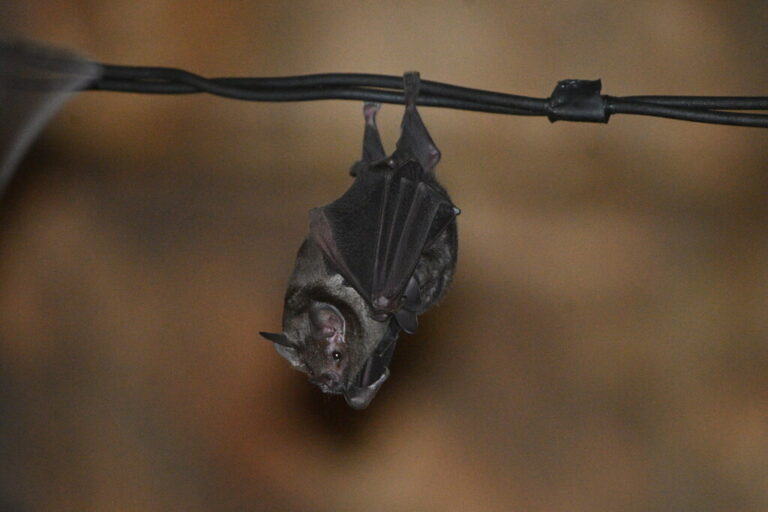
Carollia perspicillata
♥
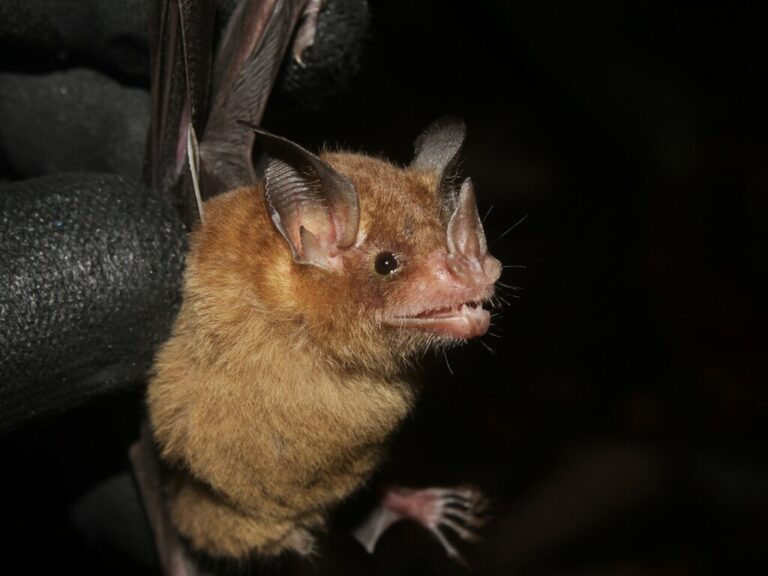
Trinycteris nicefori
♥
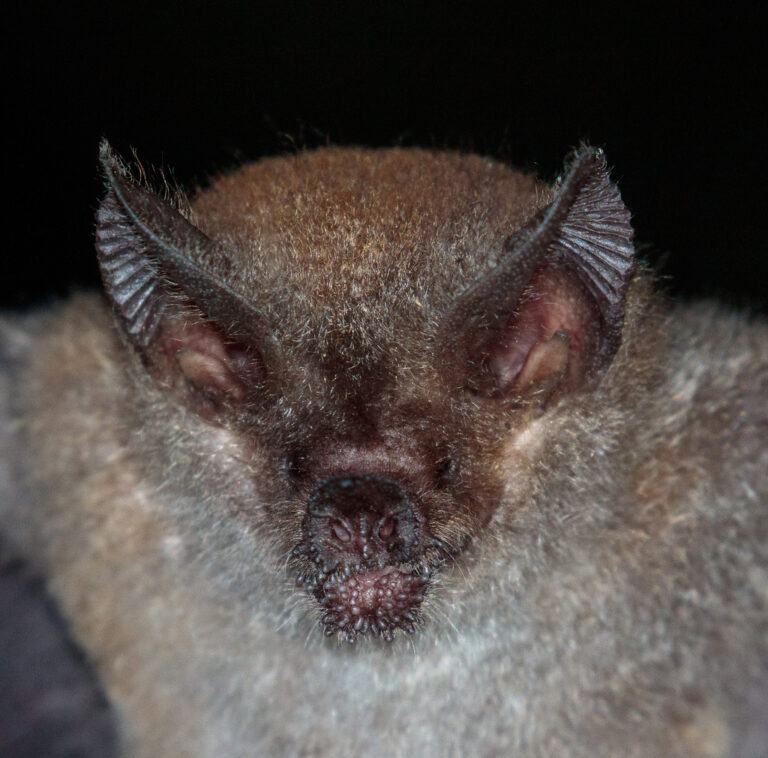
Trachops cirrhosus
♥
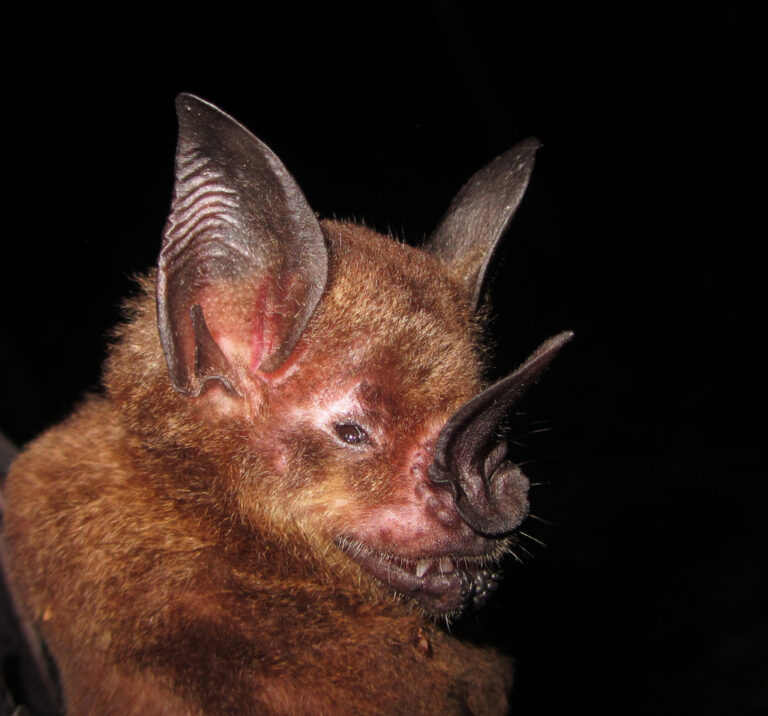
Phyllostomus elongatus
♥
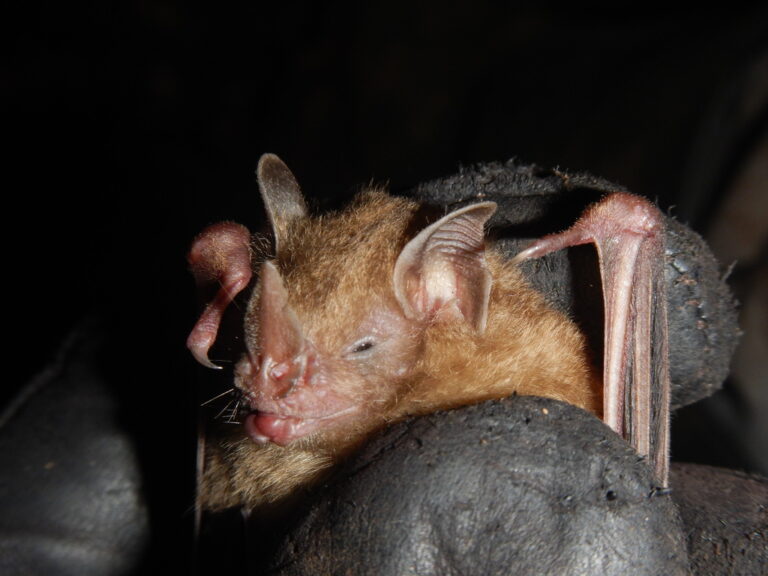
Rhinophylla pumilio
♥
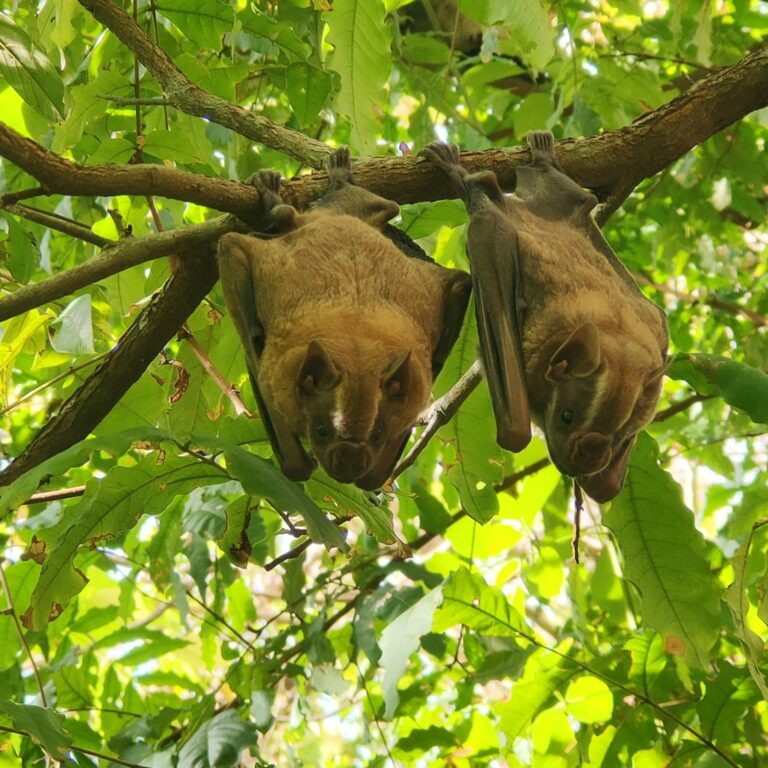
Artibeus lituratus
♥
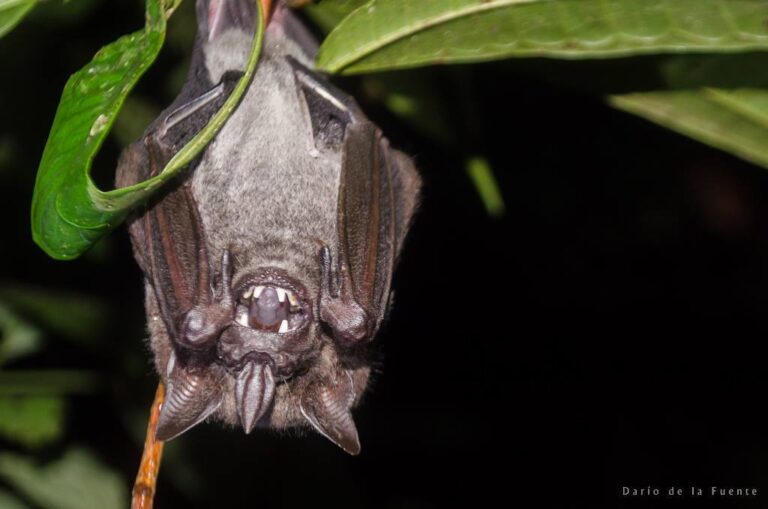
Artibeus obscurus
♥
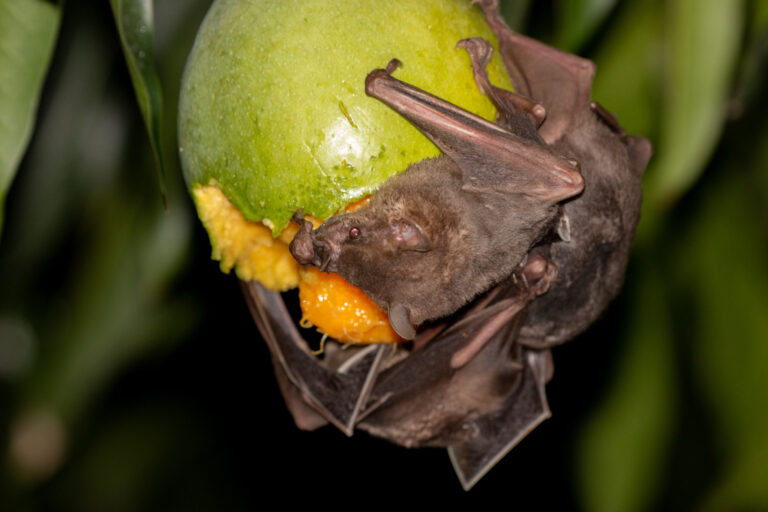
Artibeus planirostris
♥
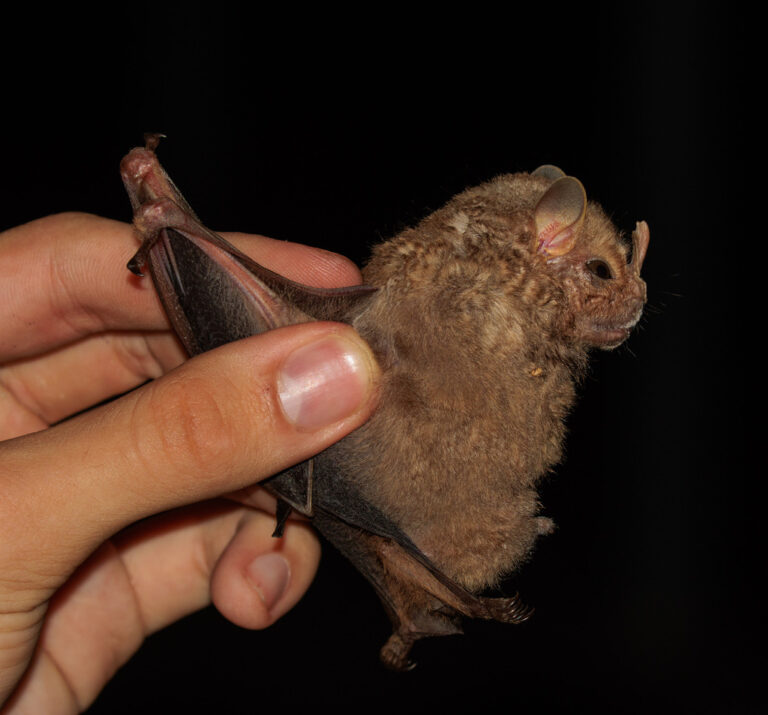
Chiroderma villosum
♥
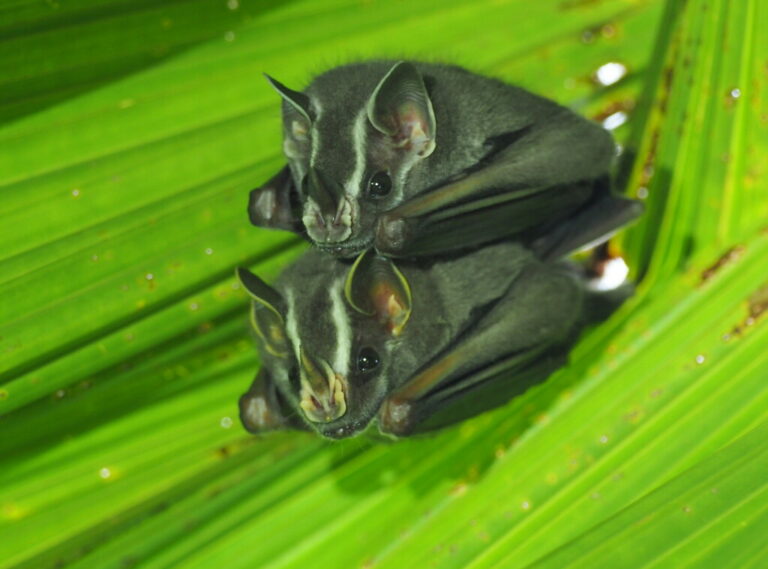
Uroderma bilobatum
♥
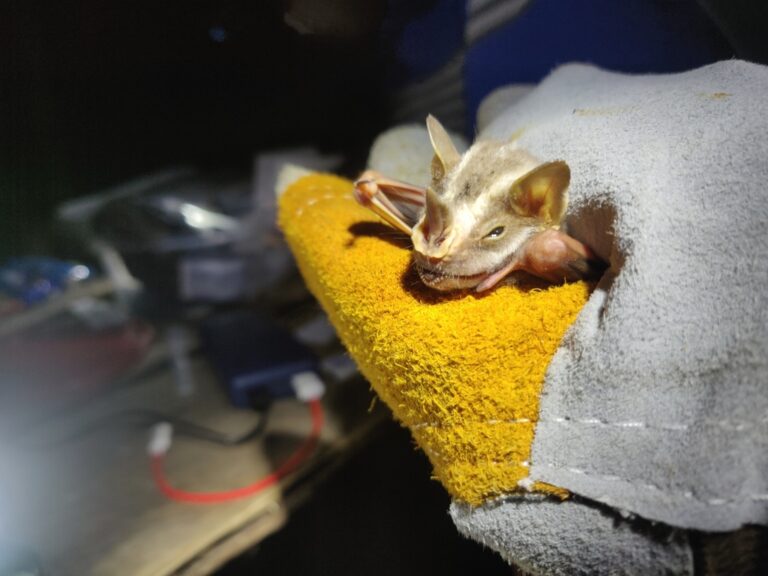
Vampyrodes caraccioli
♥
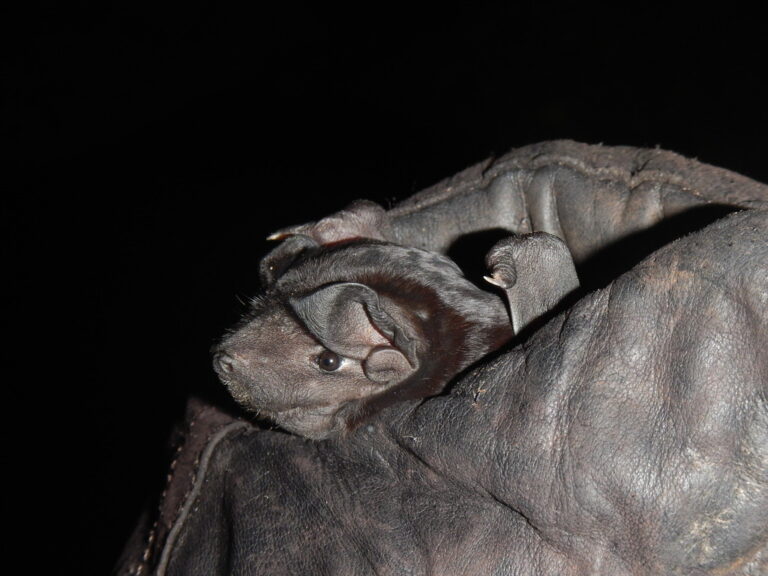
Molossus rufus
♥
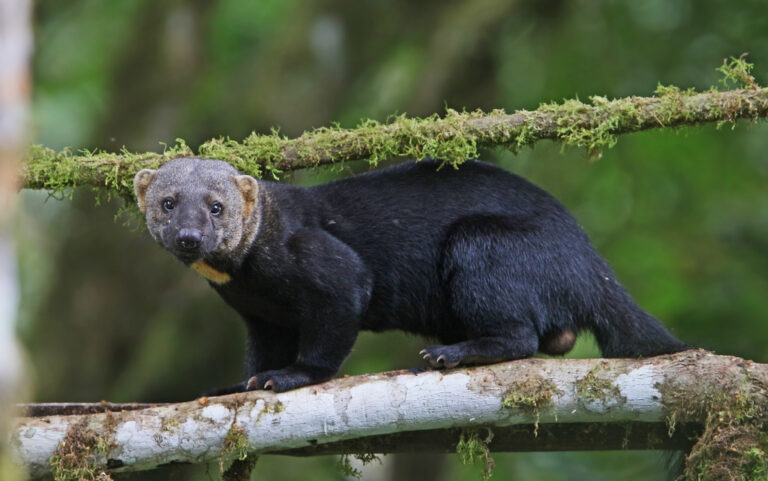
Eira barbara
♥
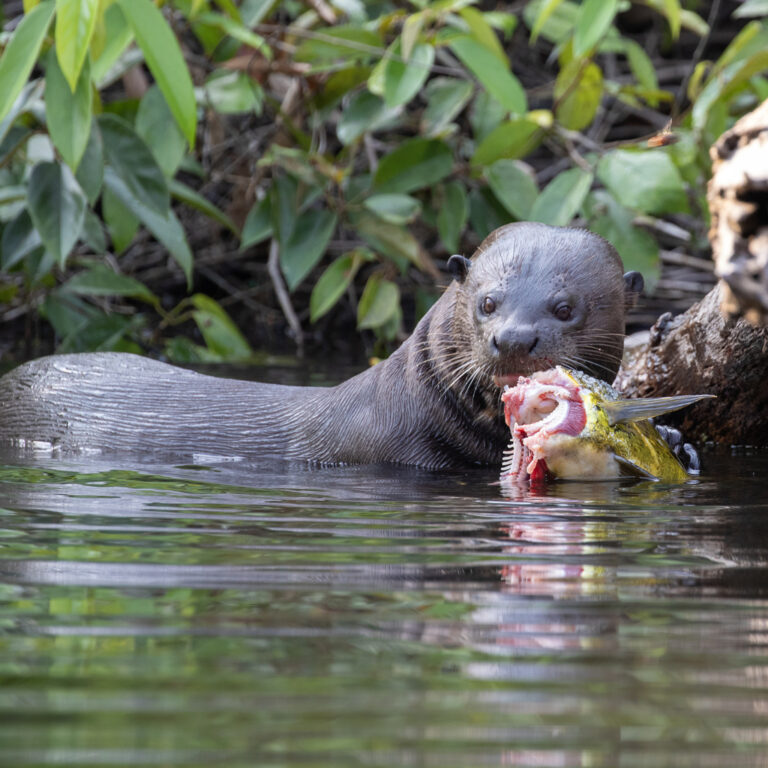
Pteronura brasiliensis
♥
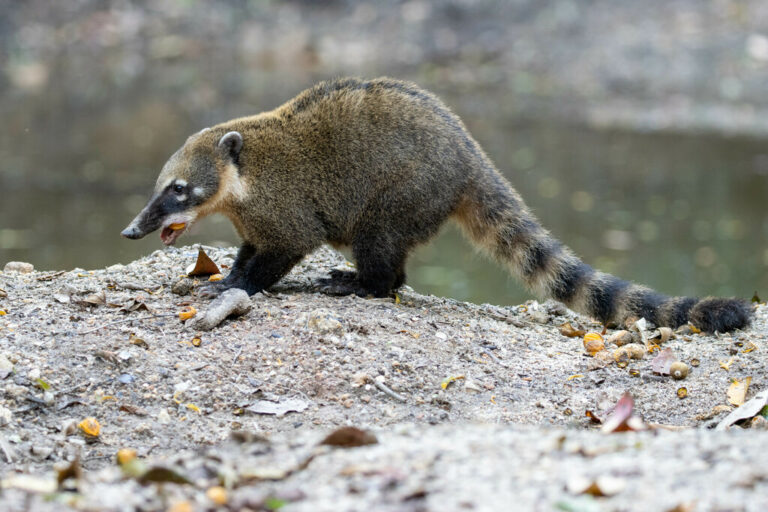
Nasua nasua
♥
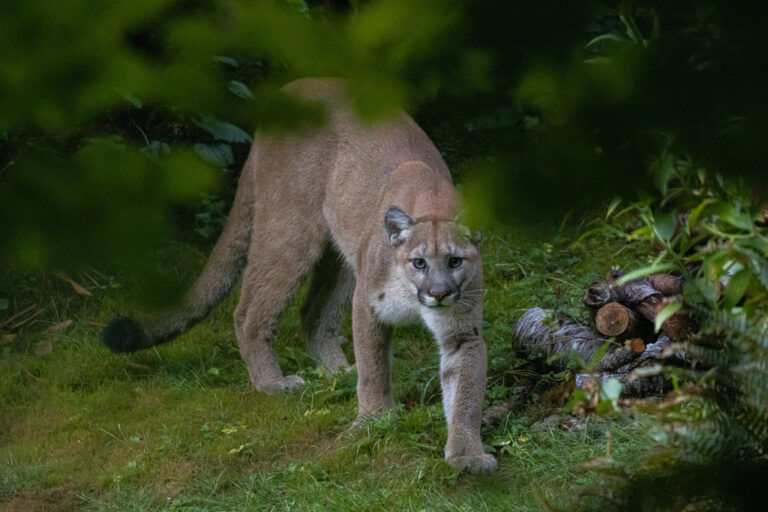
Puma concolor
♥
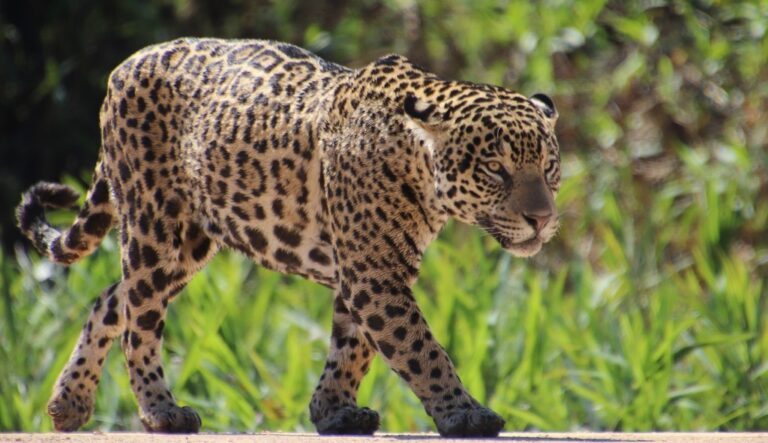
Panthera onca
♥
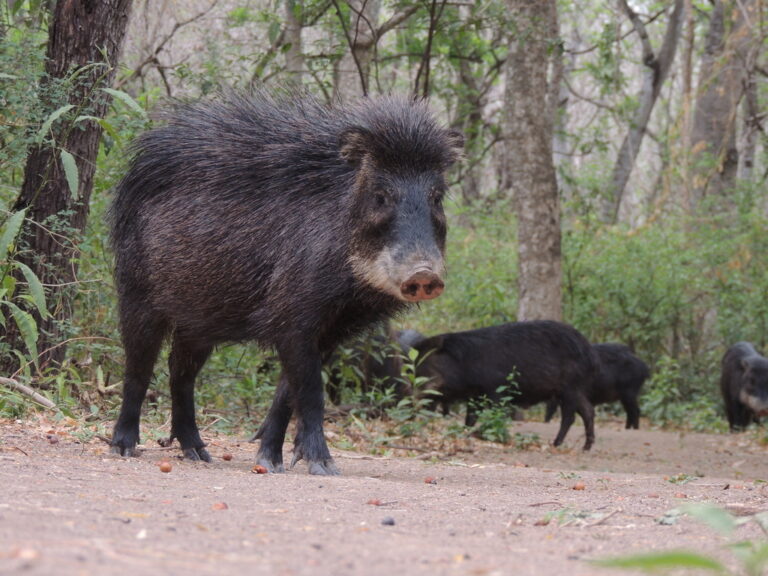
Tayassu pecari
♥
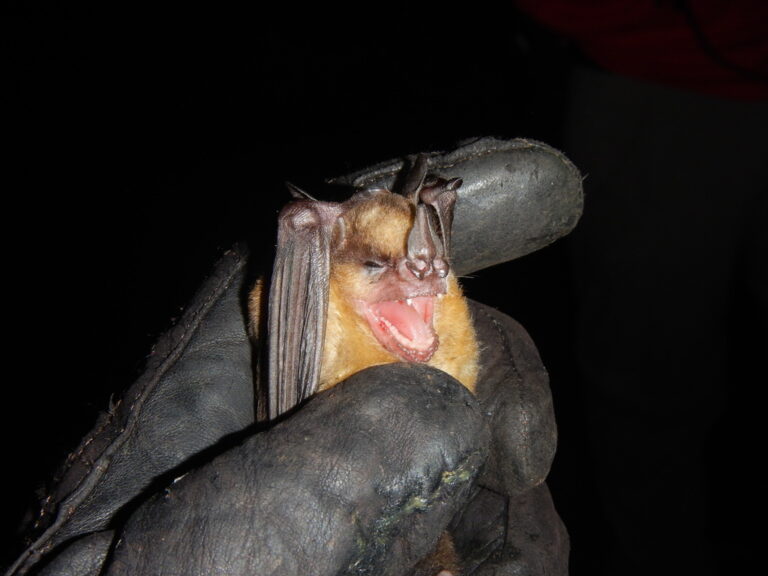
Sturnira tildae
♥