Average annual temperature
25.6 °C
Average of the twelve monthly means
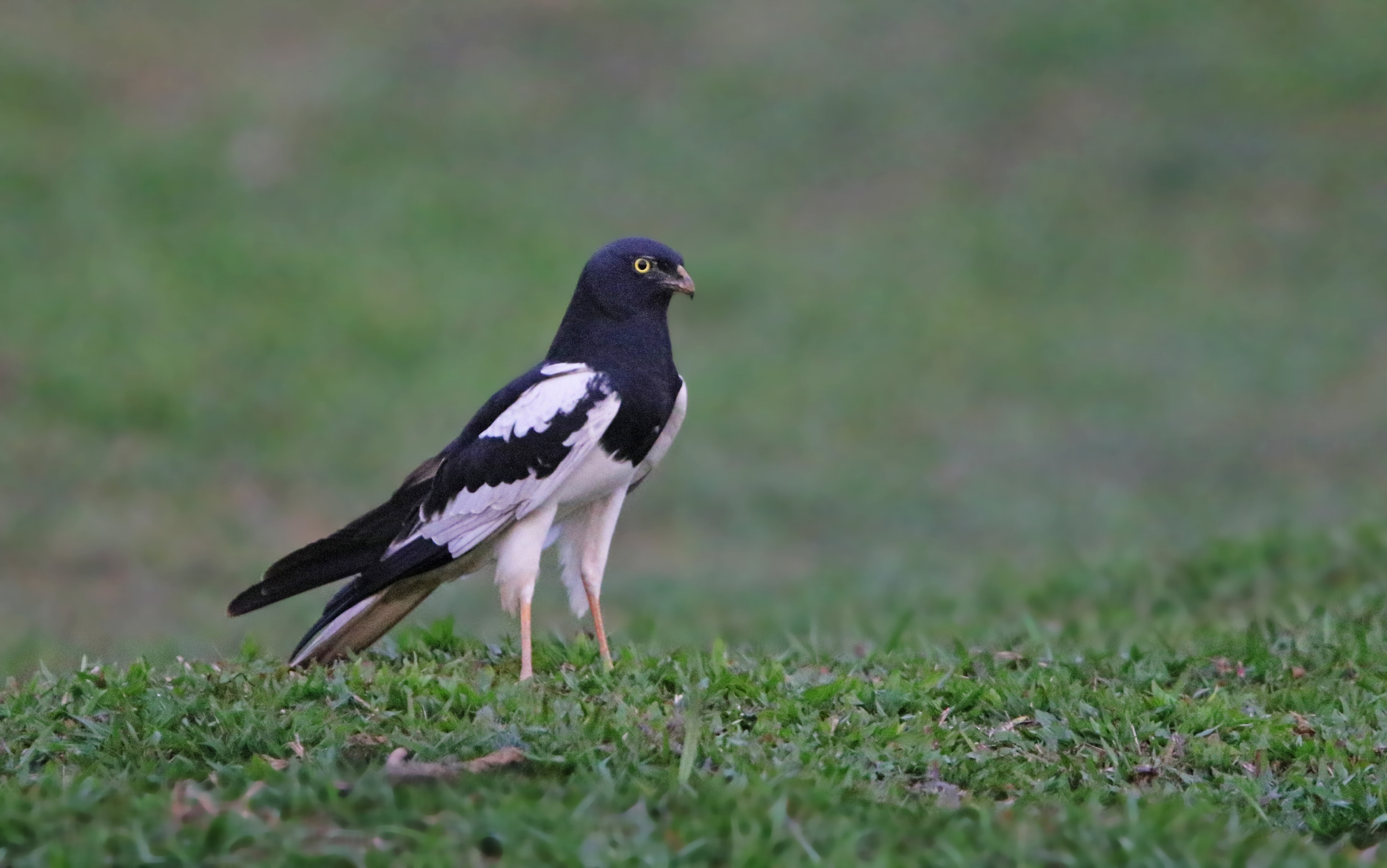
Nong Bong Khai Non-Hunting Area
Photo © Christoph Moning (christoph_moning)
Photo © Christoph Moning (christoph_moning) — CC BY 4.0 — Source: Wikimedia Commons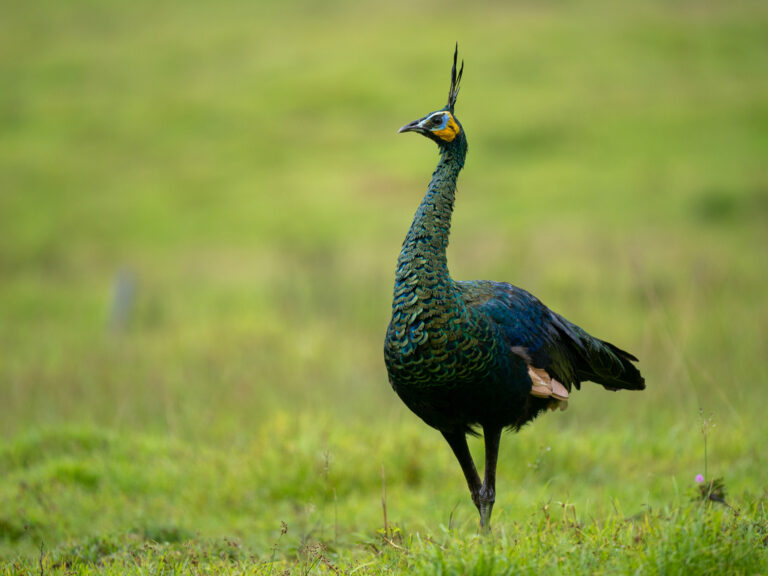
Pavo muticus
♥
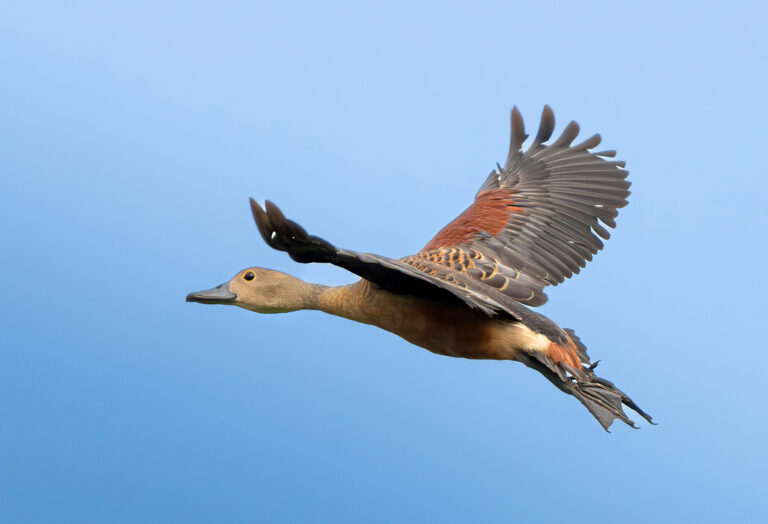
Dendrocygna javanica
♥
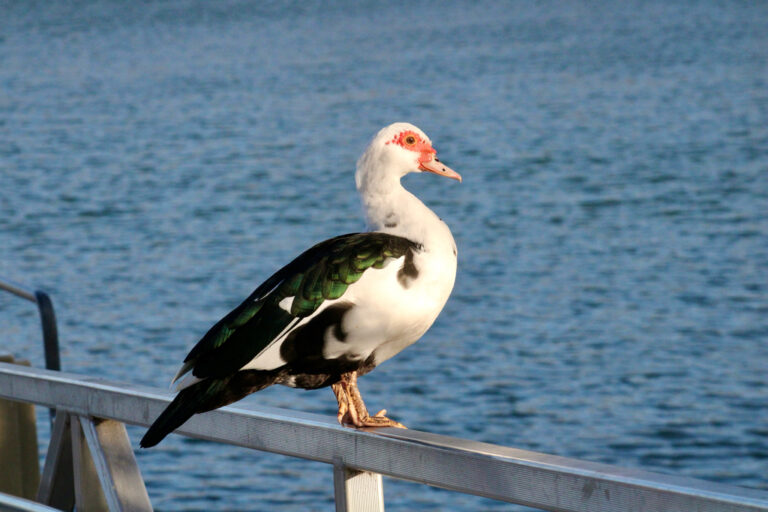
Cairina moschata
♥
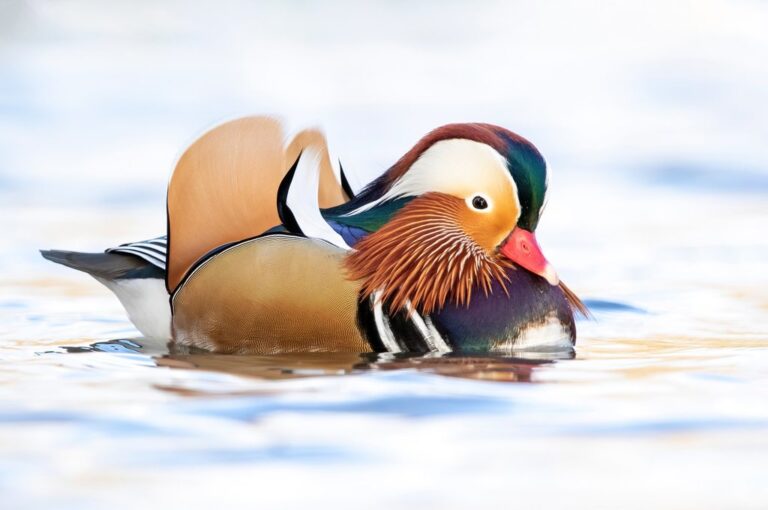
Aix galericulata
♥
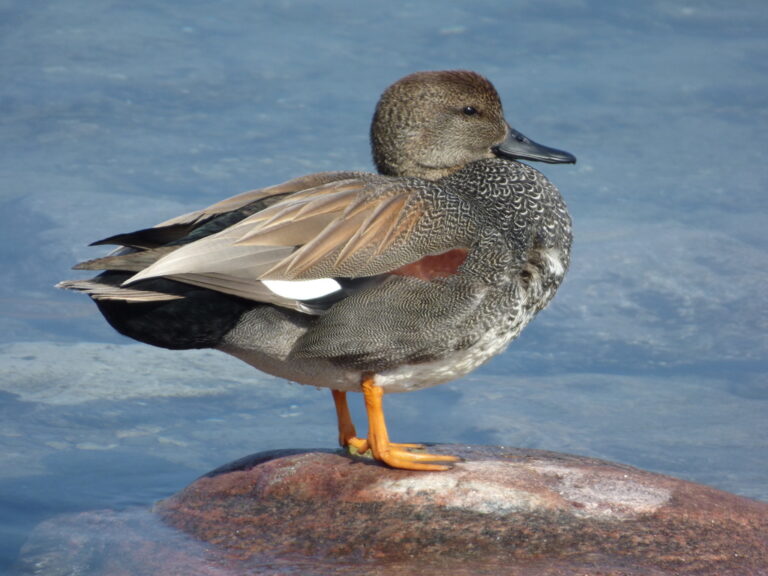
Mareca strepera
♥
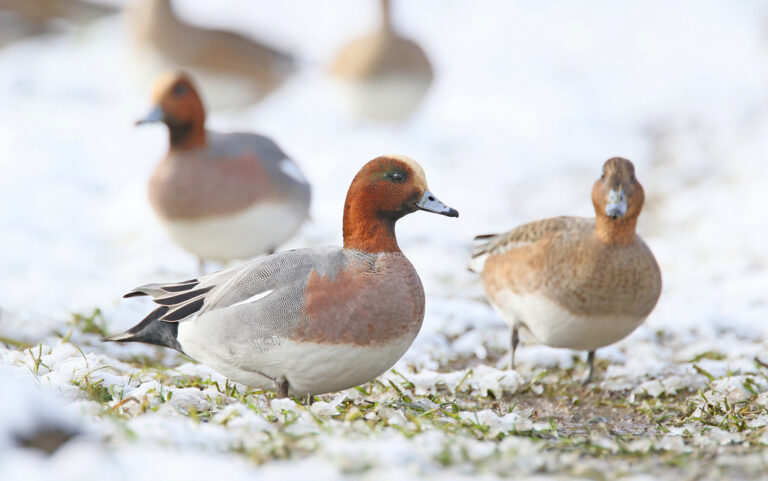
Mareca penelope
♥
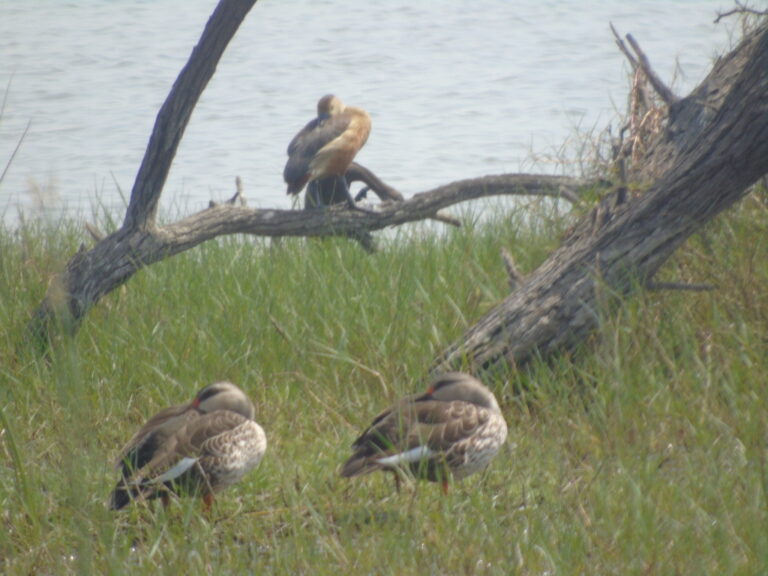
Anas poecilorhyncha
♥
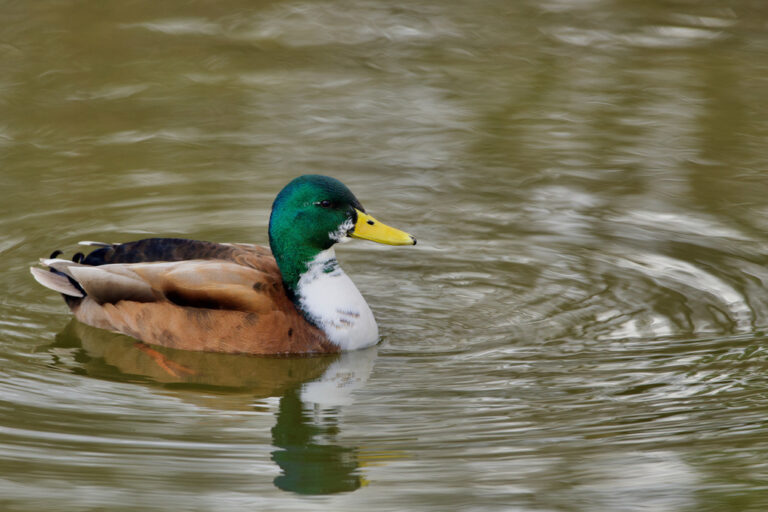
Anas platyrhynchos
♥
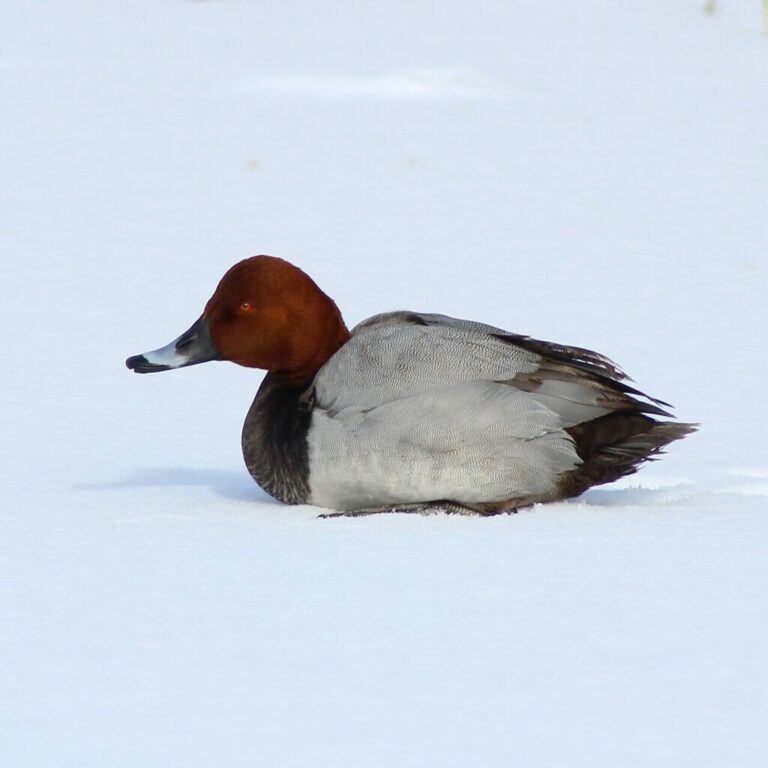
Aythya ferina
♥
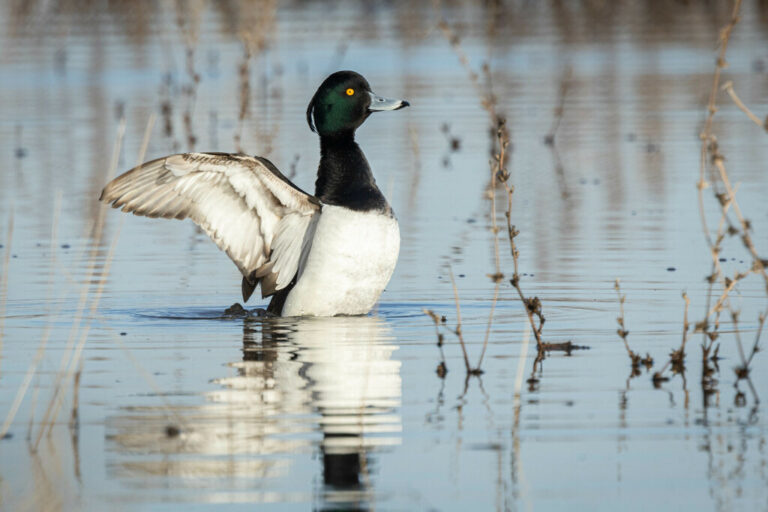
Aythya fuligula
♥
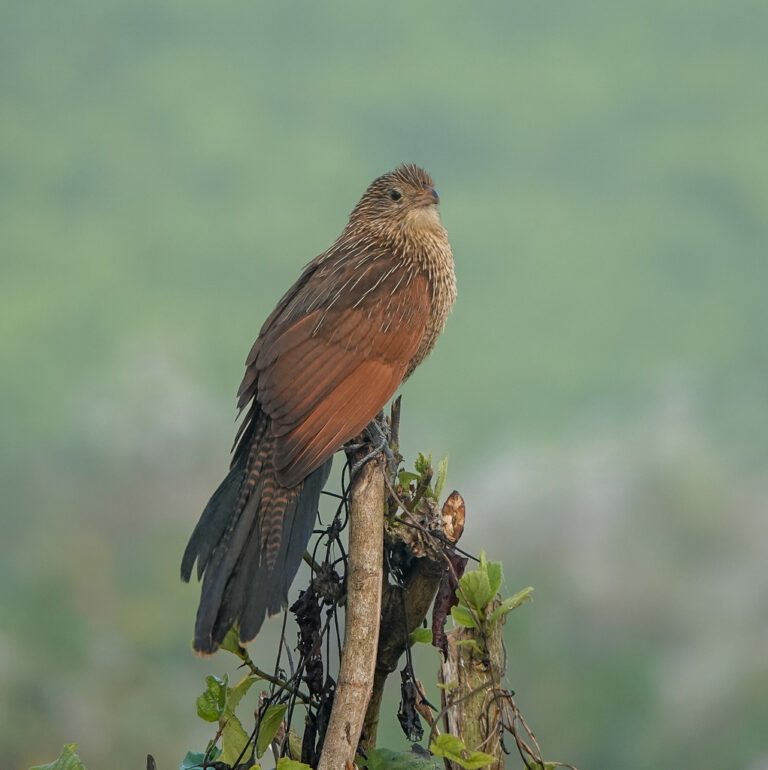
Centropus bengalensis
♥
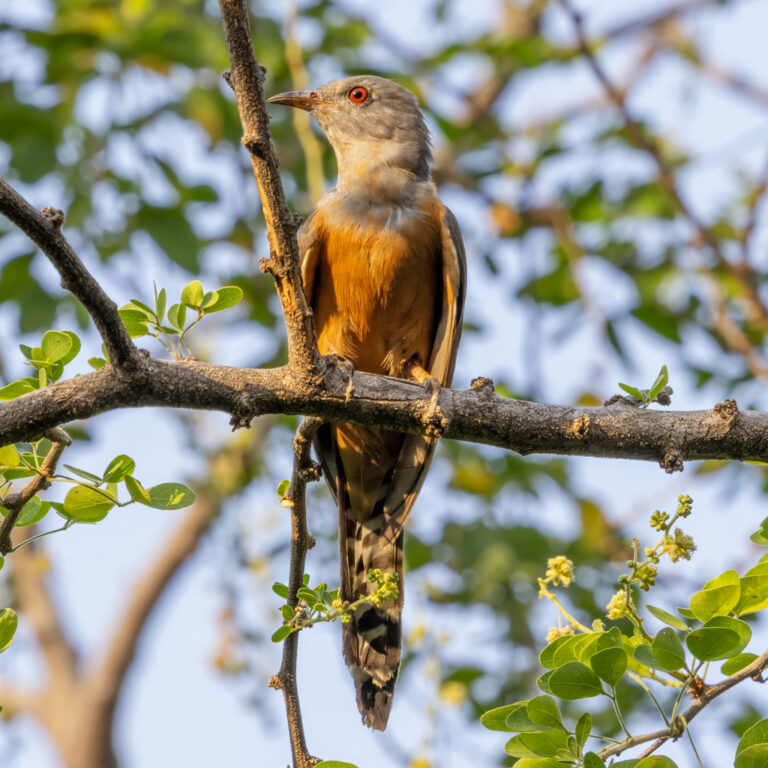
Cacomantis merulinus
♥
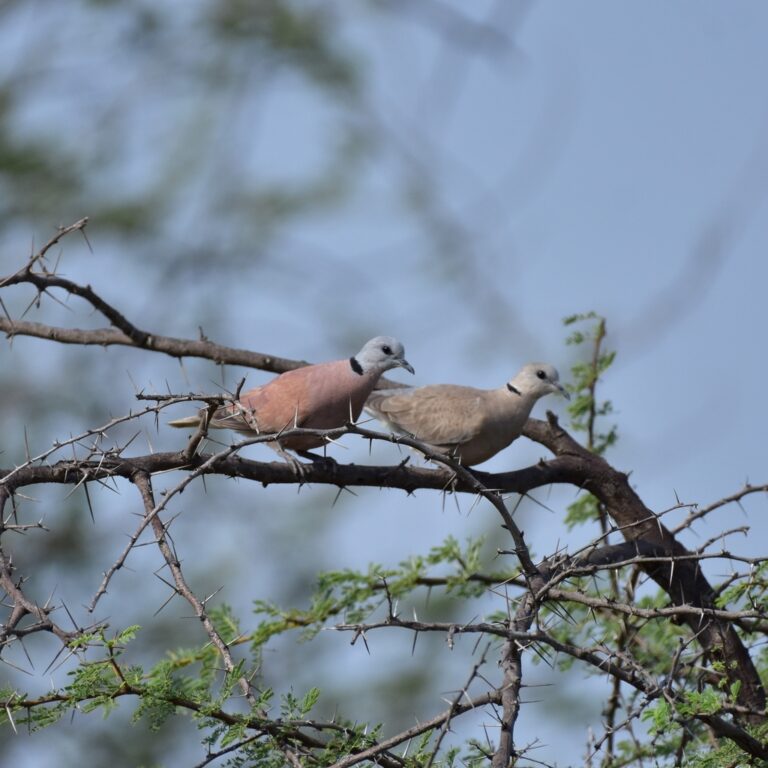
Streptopelia tranquebarica
♥
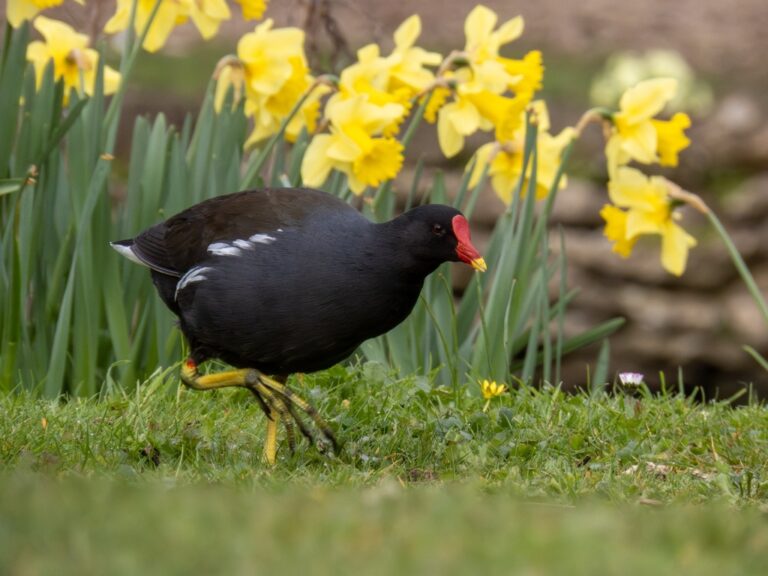
Gallinula chloropus
♥
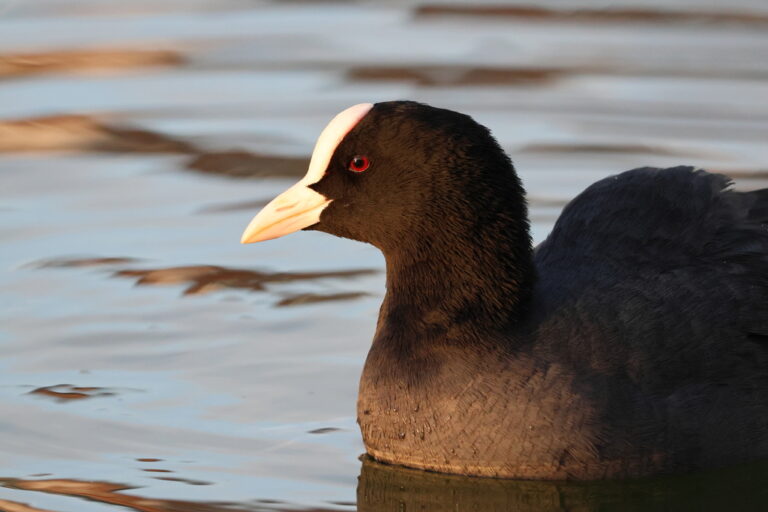
Fulica atra
♥
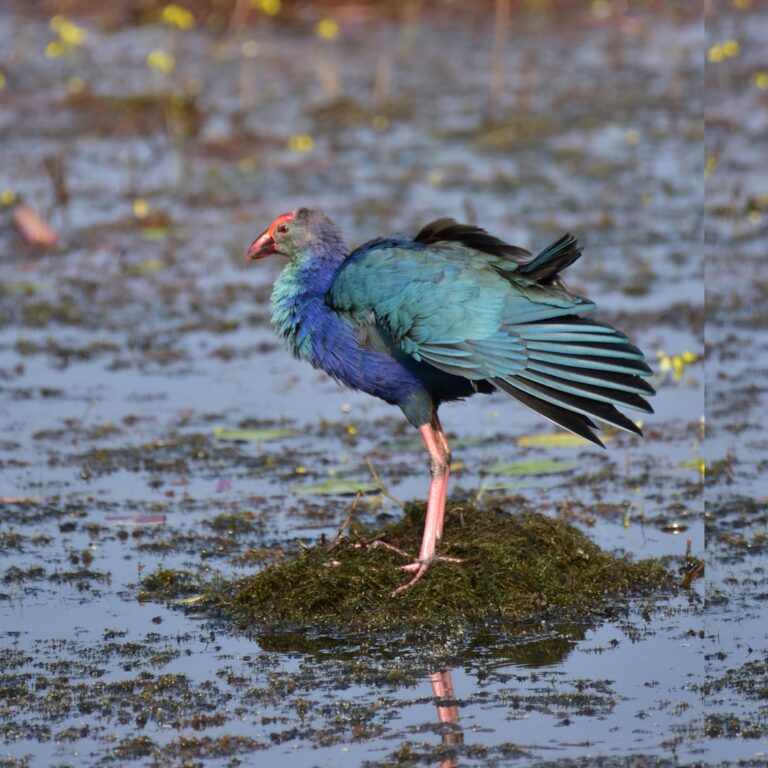
Porphyrio poliocephalus
♥
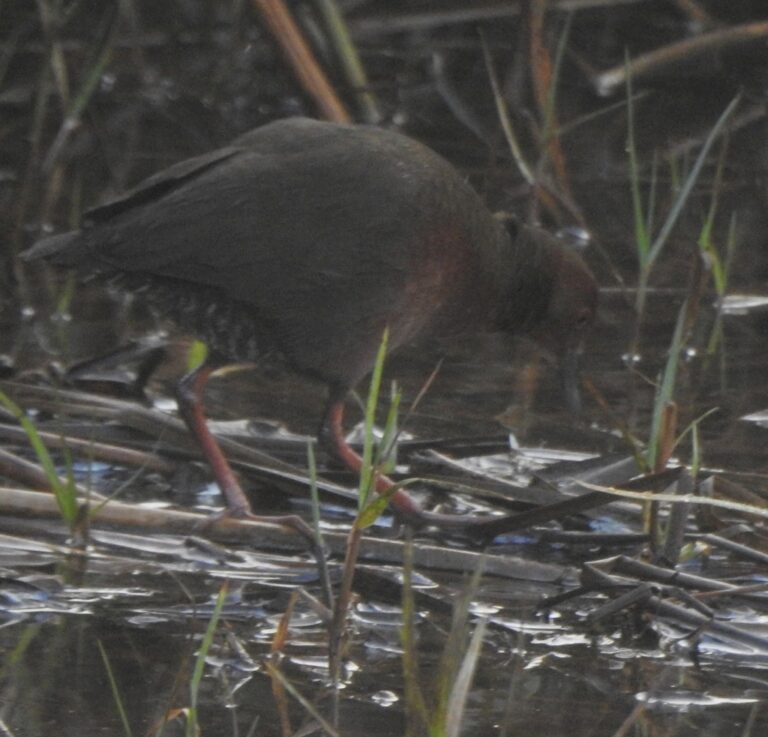
Zapornia fusca
♥
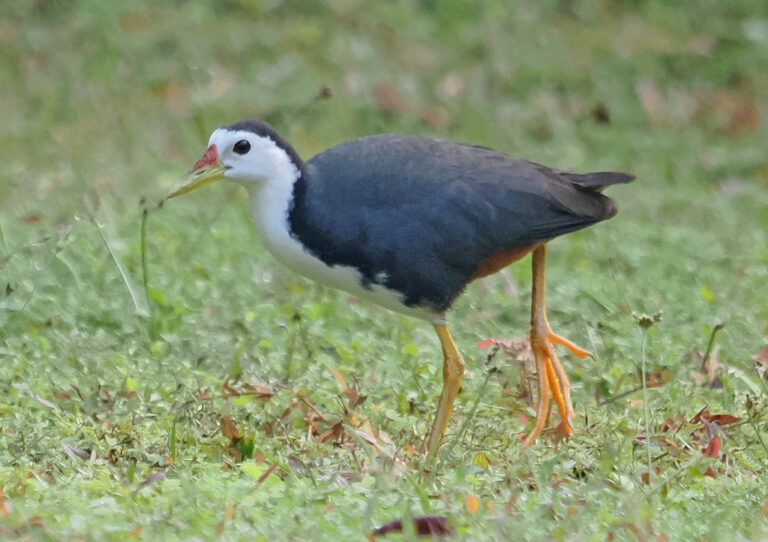
Amaurornis phoenicurus
♥
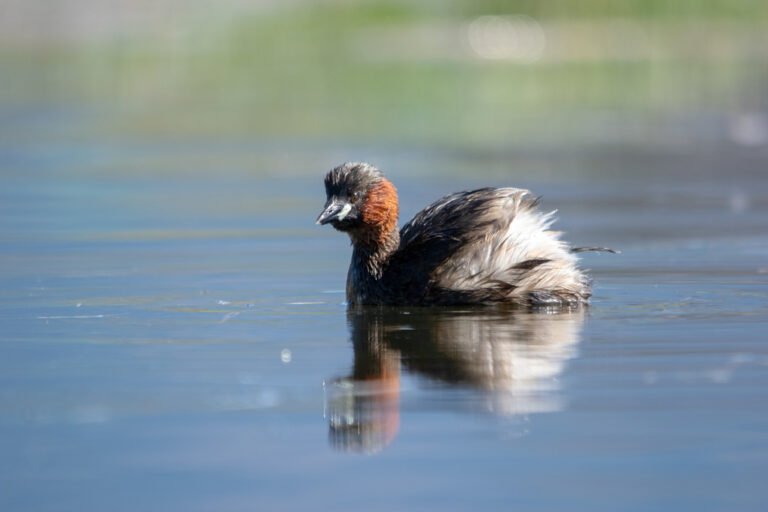
Tachybaptus ruficollis
♥
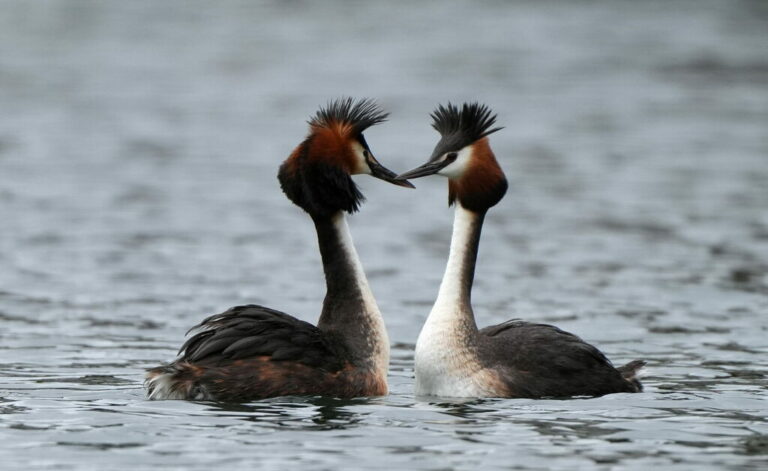
Podiceps cristatus
♥
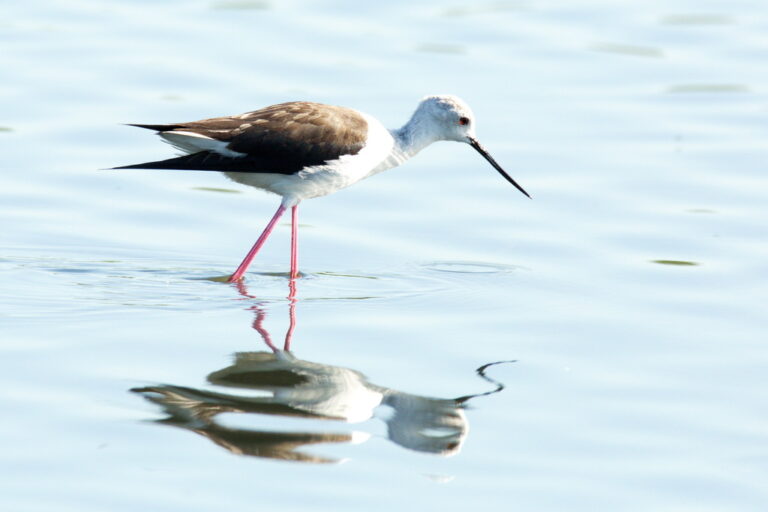
Himantopus himantopus
♥
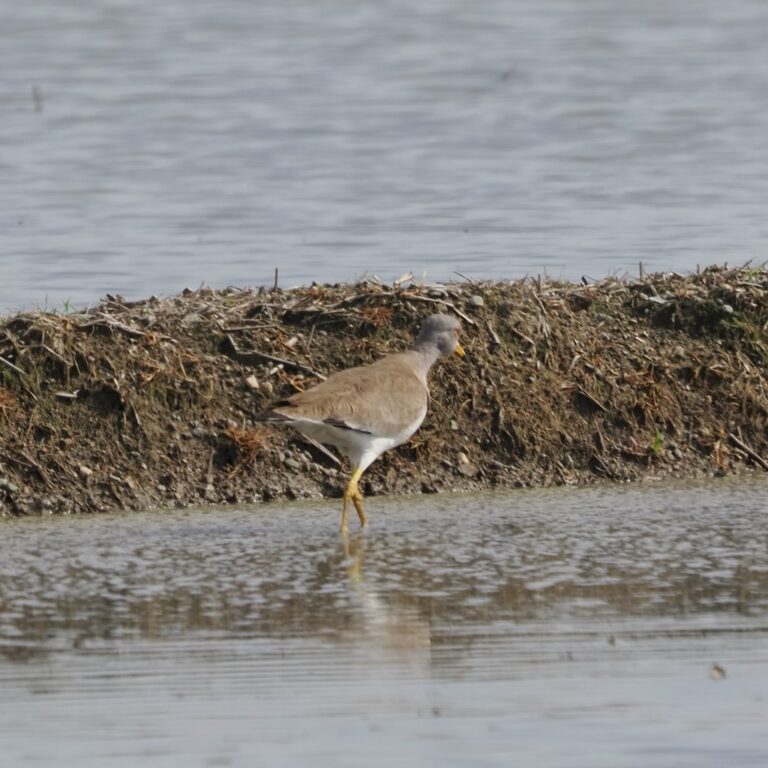
Vanellus cinereus
♥
Hydrophasianus chirurgus
♥
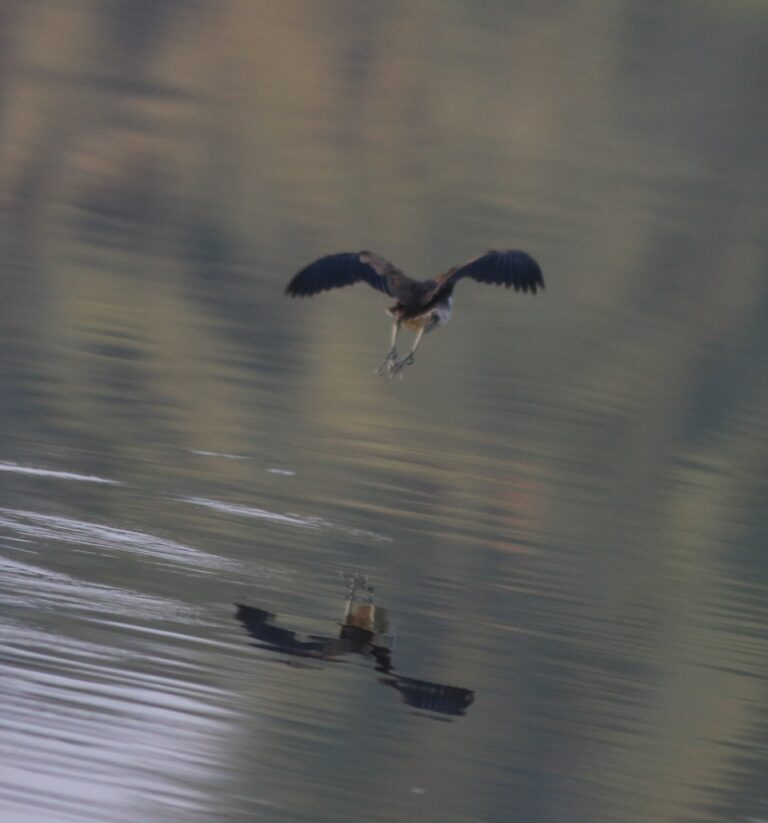
Metopidius indicus
♥
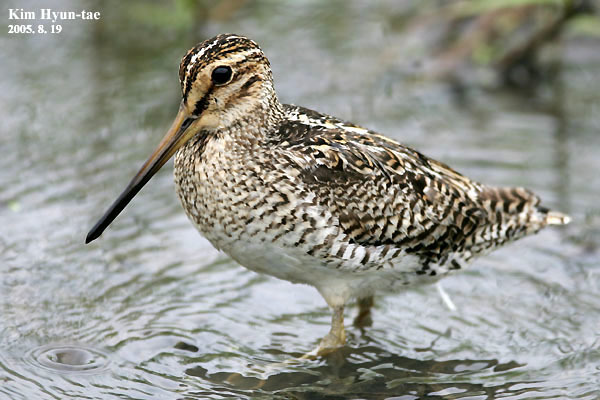
Gallinago stenura
♥
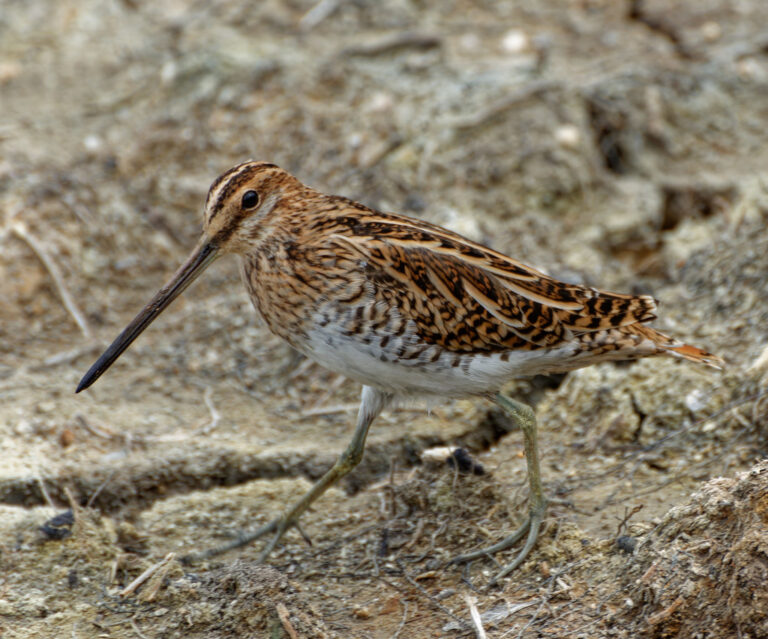
Gallinago gallinago
♥
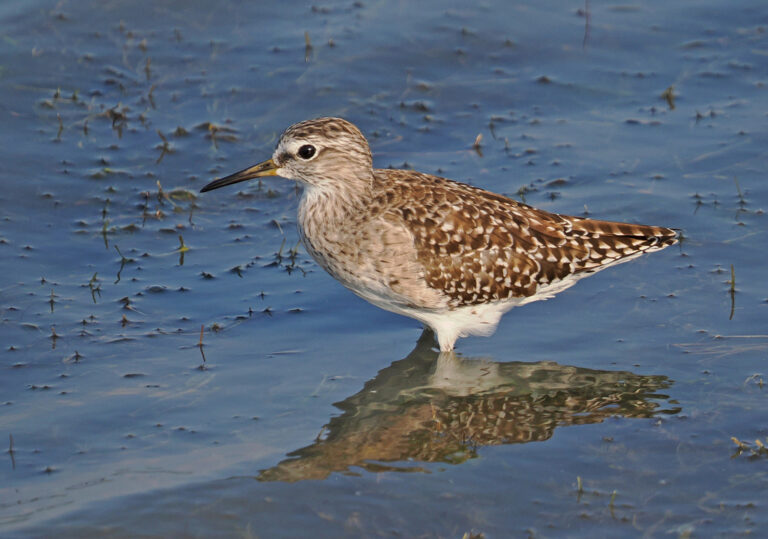
Tringa glareola
♥
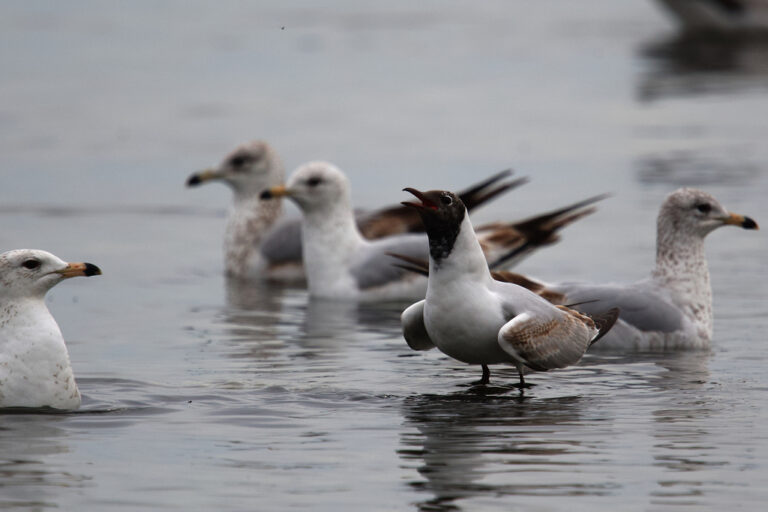
Chroicocephalus ridibundus
♥
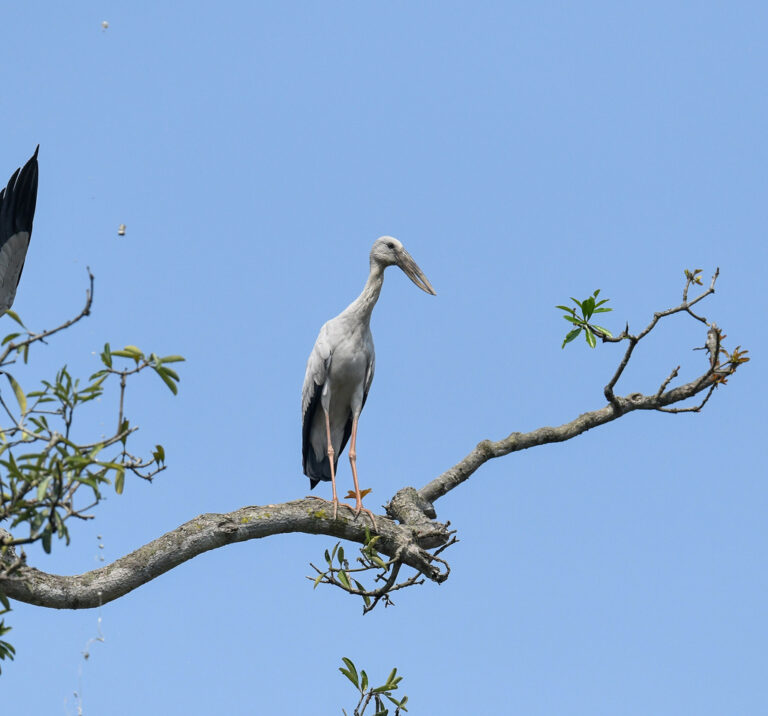
Anastomus oscitans
♥
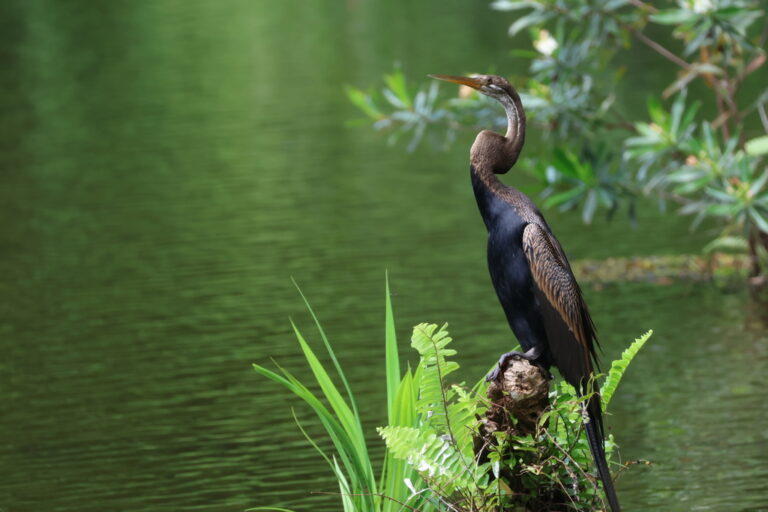
Anhinga melanogaster
♥
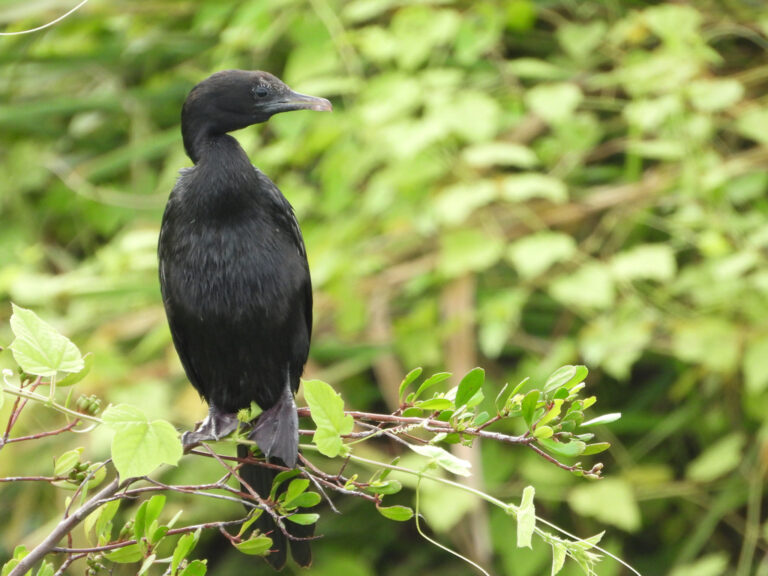
Microcarbo niger
♥
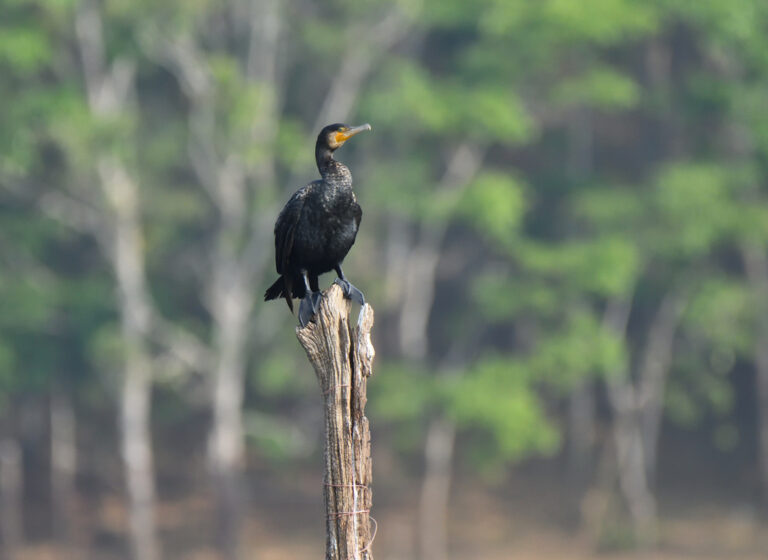
Phalacrocorax carbo
♥
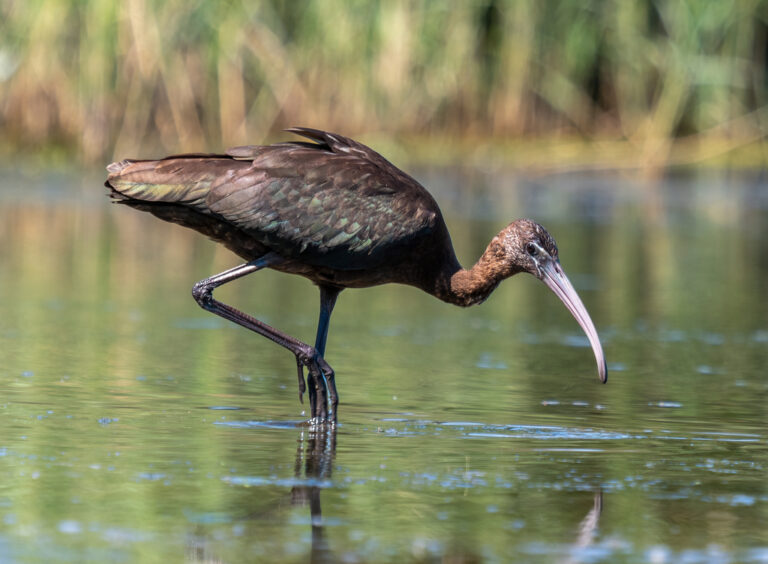
Plegadis falcinellus
♥
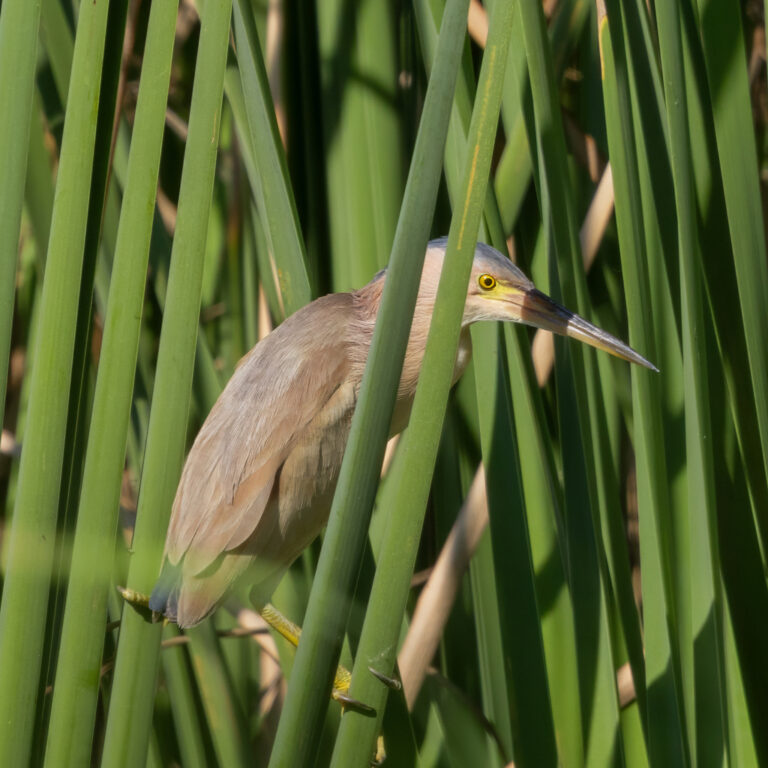
Botaurus sinensis
♥
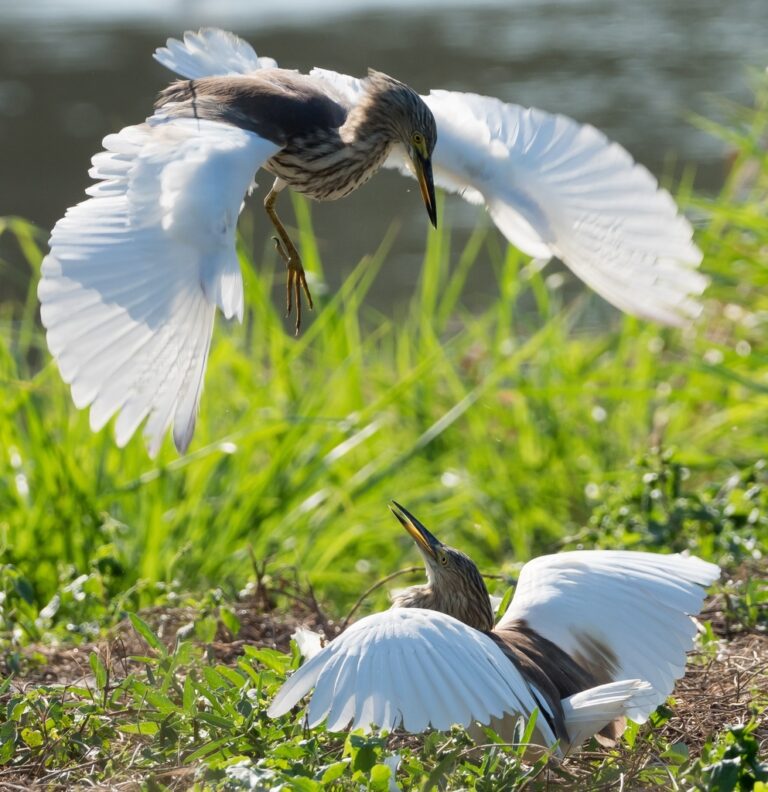
Ardeola bacchus
♥
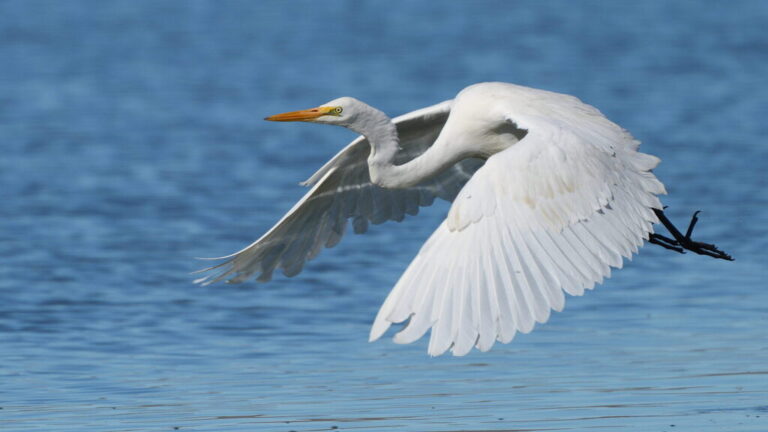
Ardea alba
♥
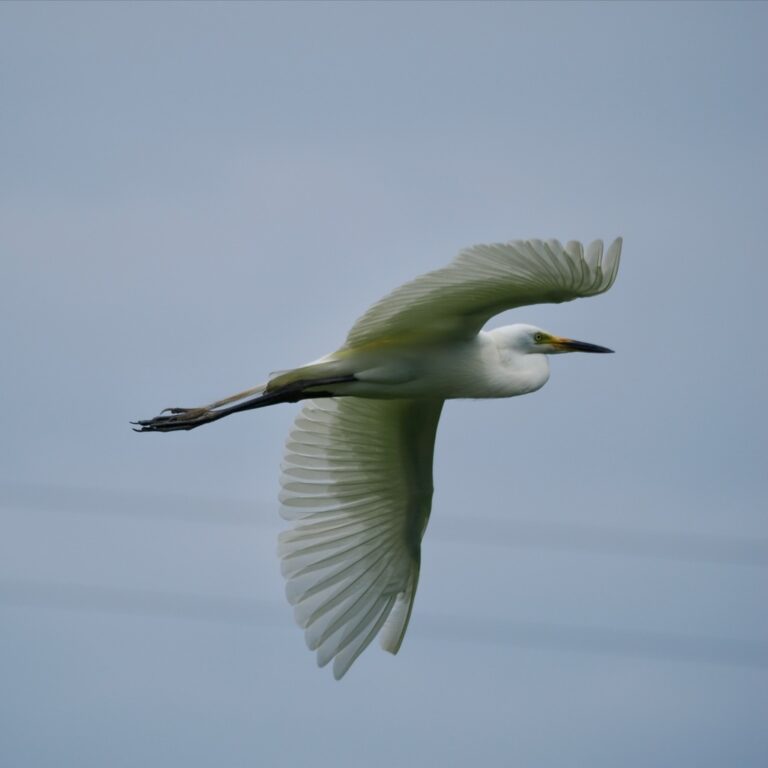
Ardea intermedia
♥
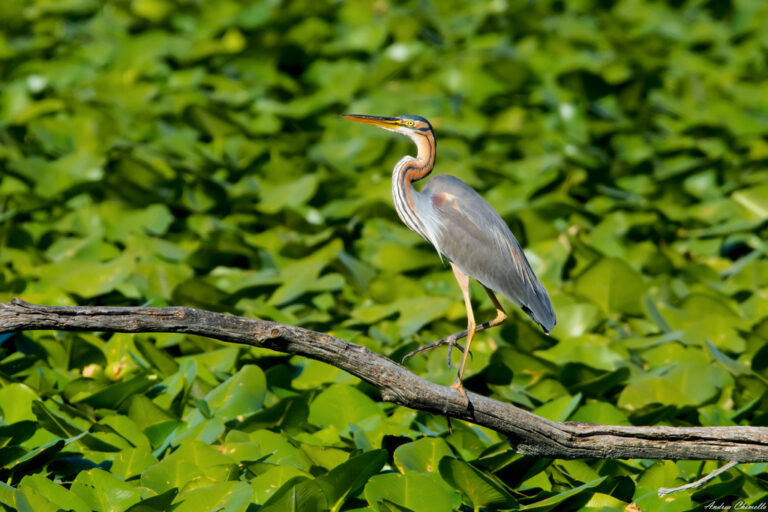
Ardea purpurea
♥
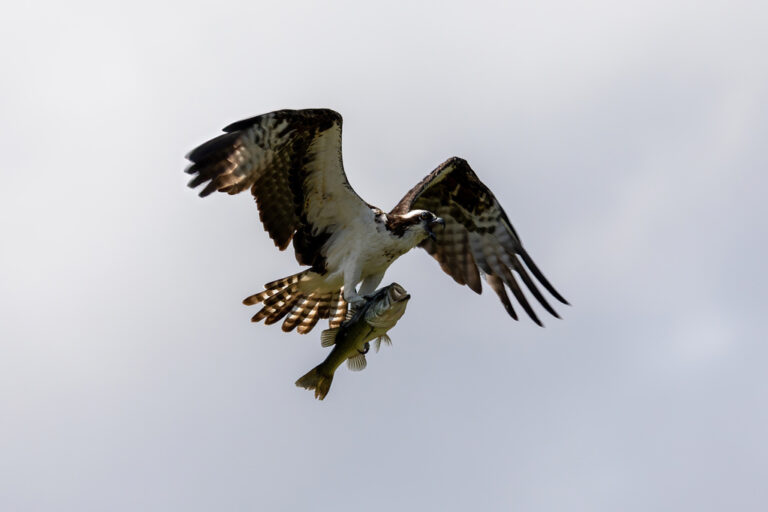
Pandion haliaetus
♥
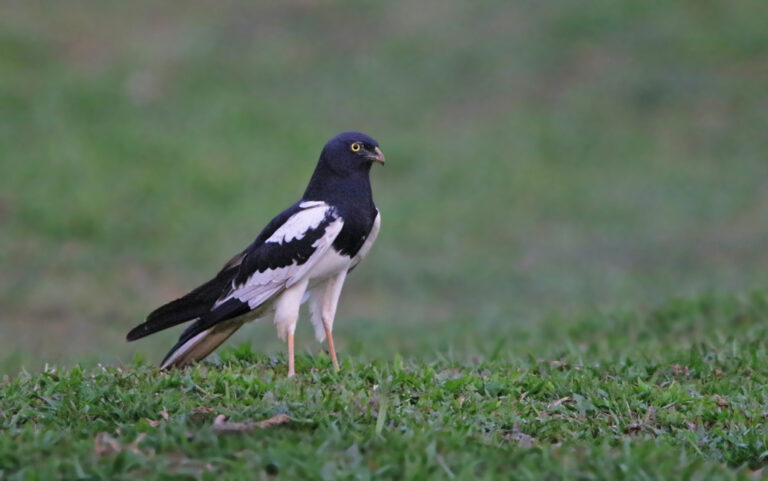
Circus melanoleucos
♥
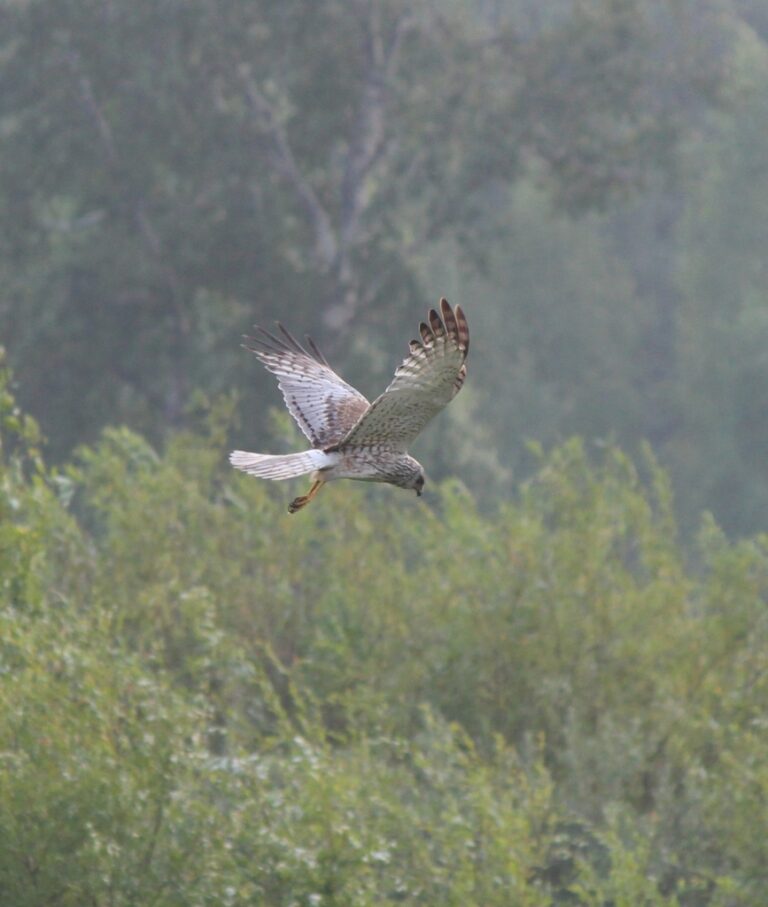
Circus spilonotus
♥
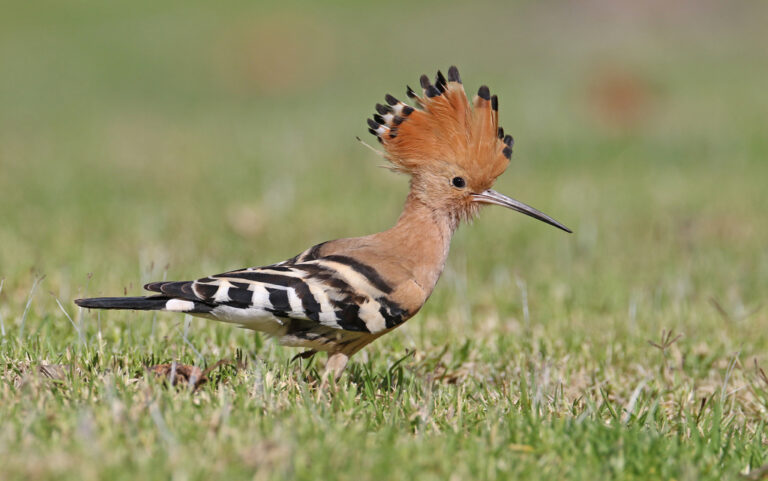
Upupa epops
♥
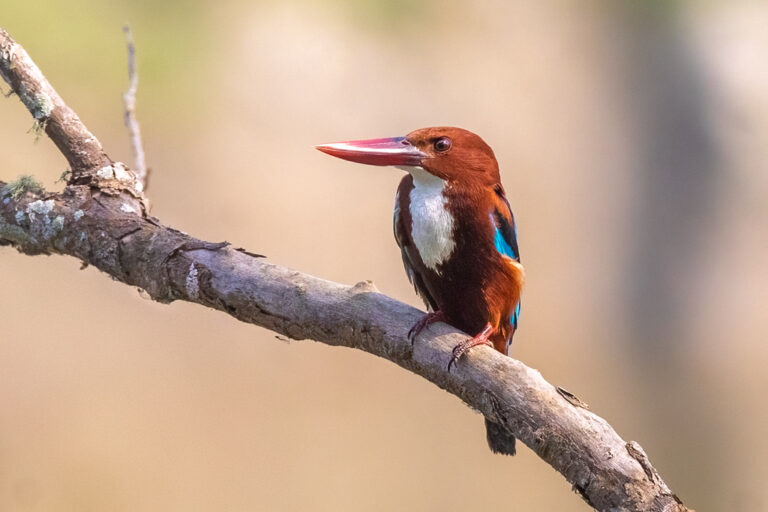
Halcyon smyrnensis
♥
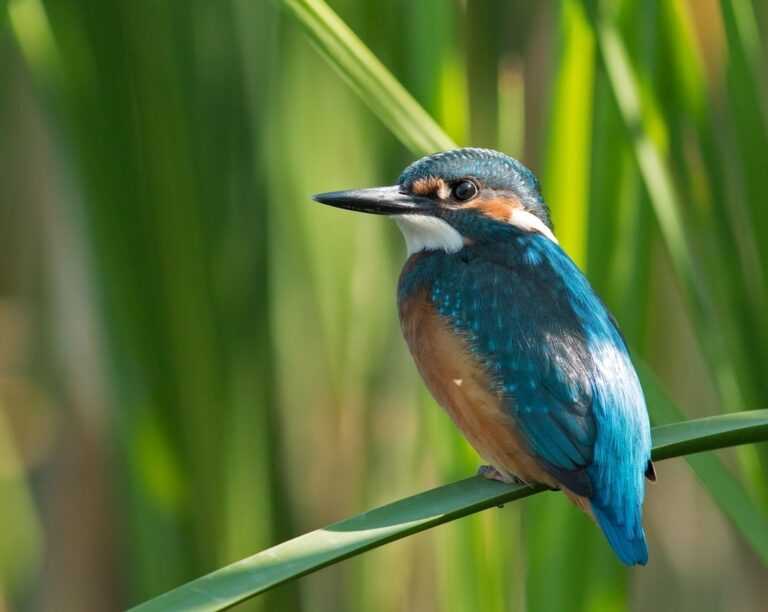
Alcedo atthis
♥
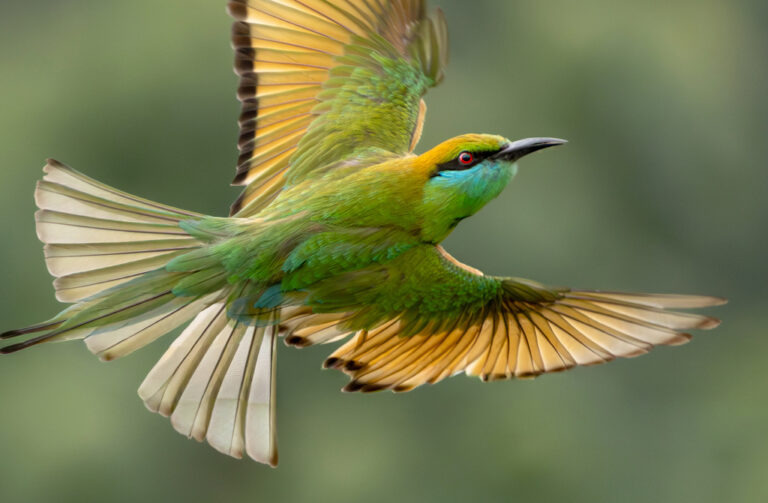
Merops orientalis
♥
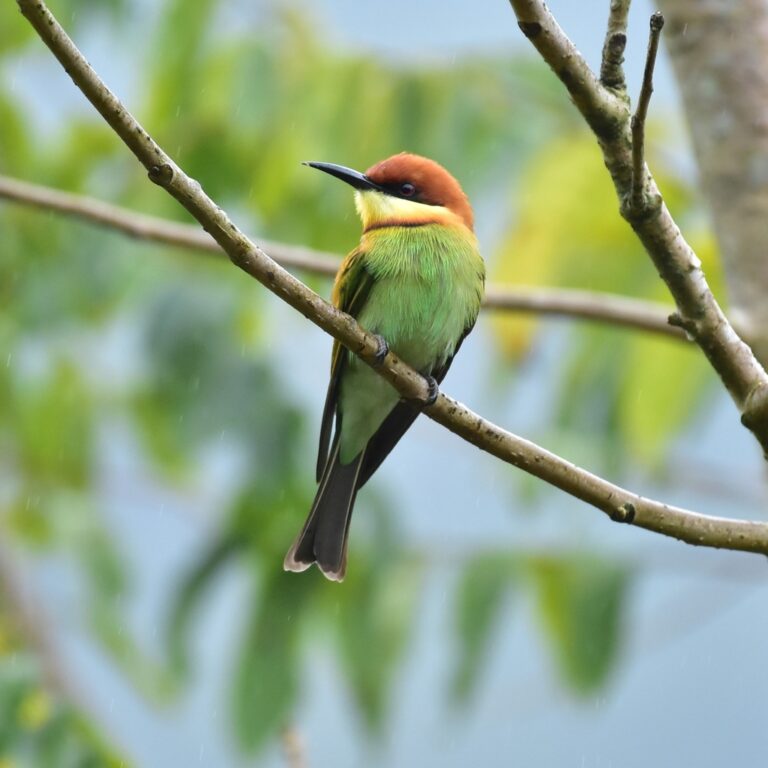
Merops leschenaulti
♥
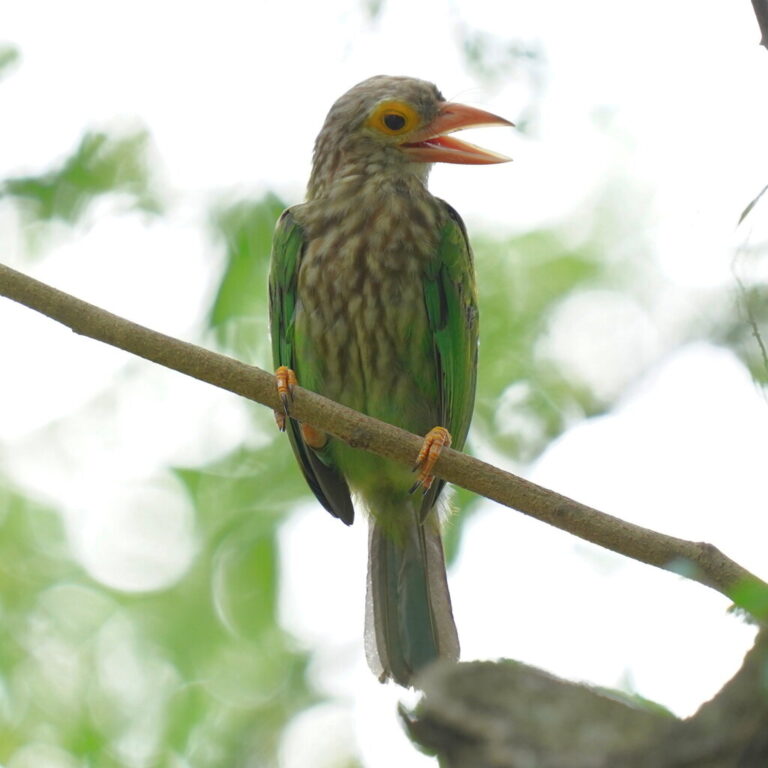
Psilopogon lineatus
♥
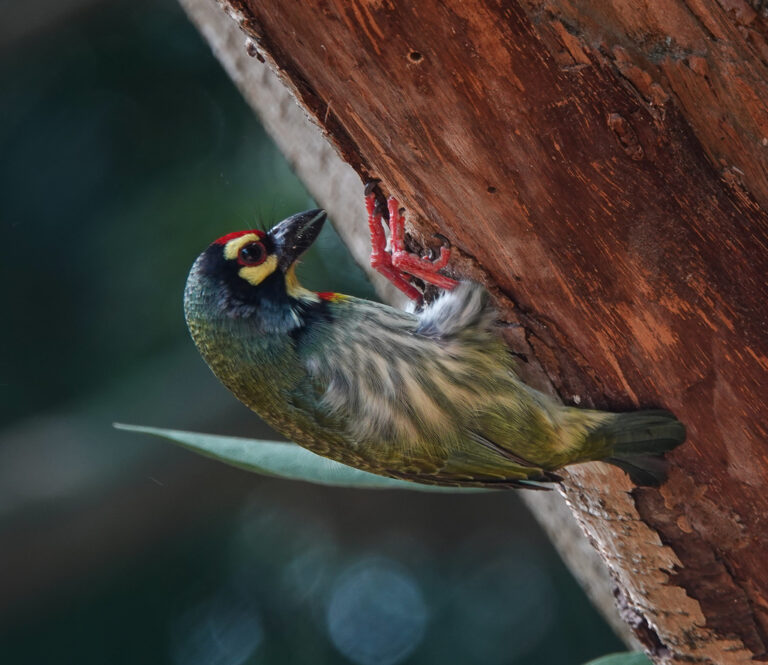
Psilopogon haemacephalus
♥
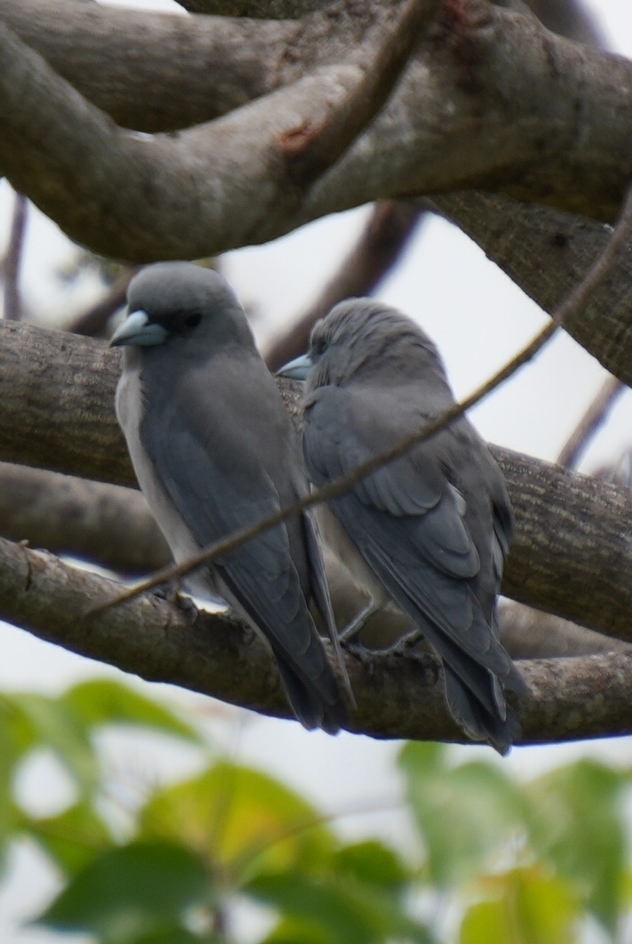
Artamus fuscus
♥
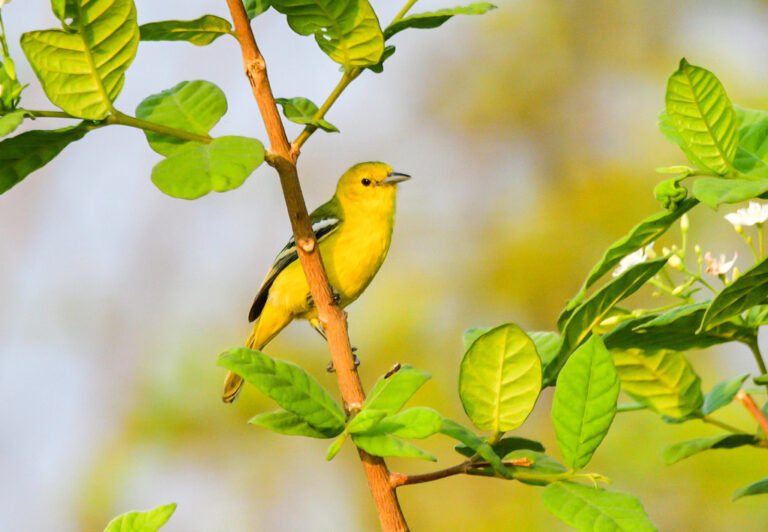
Aegithina tiphia
♥
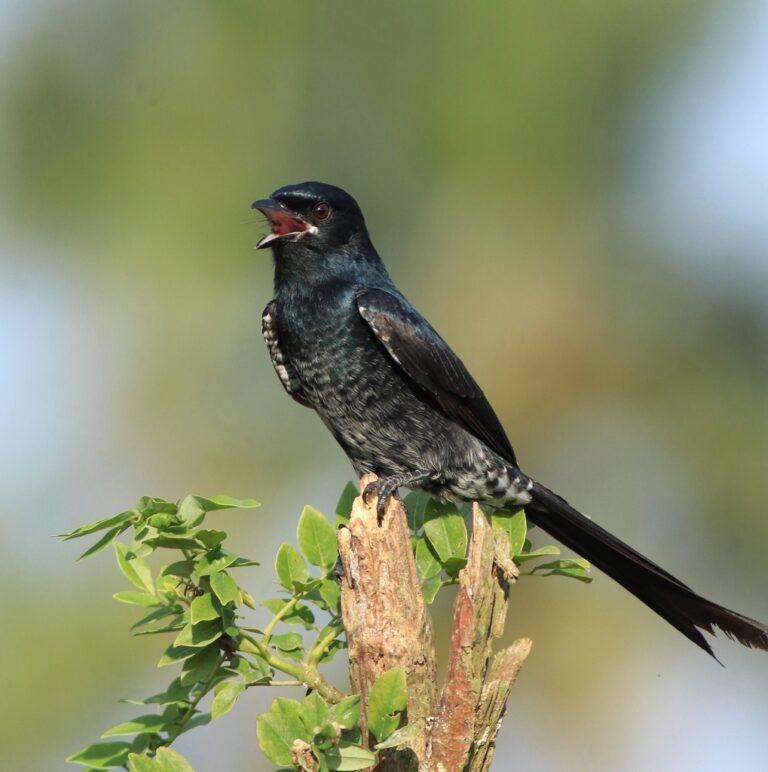
Dicrurus macrocercus
♥
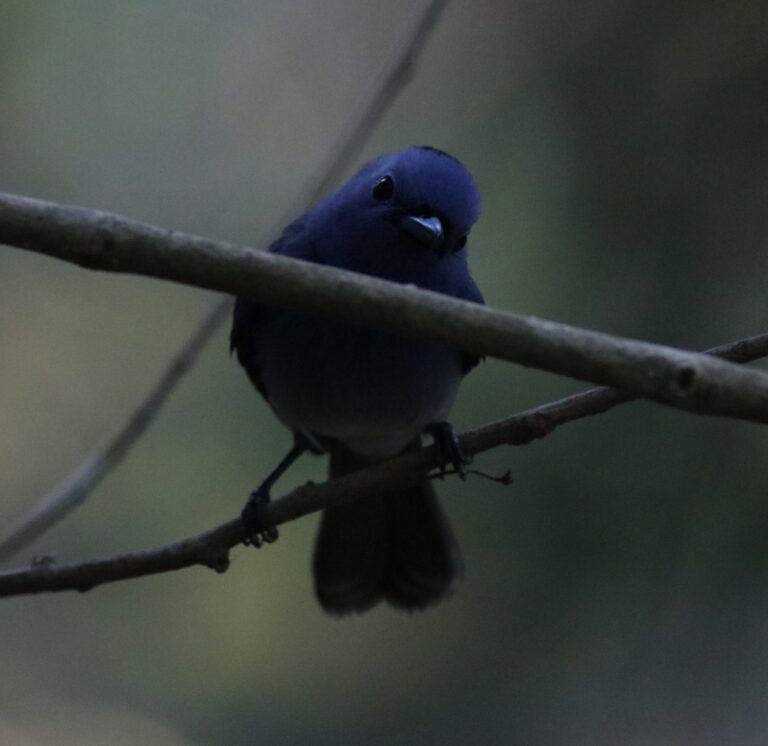
Hypothymis azurea
♥
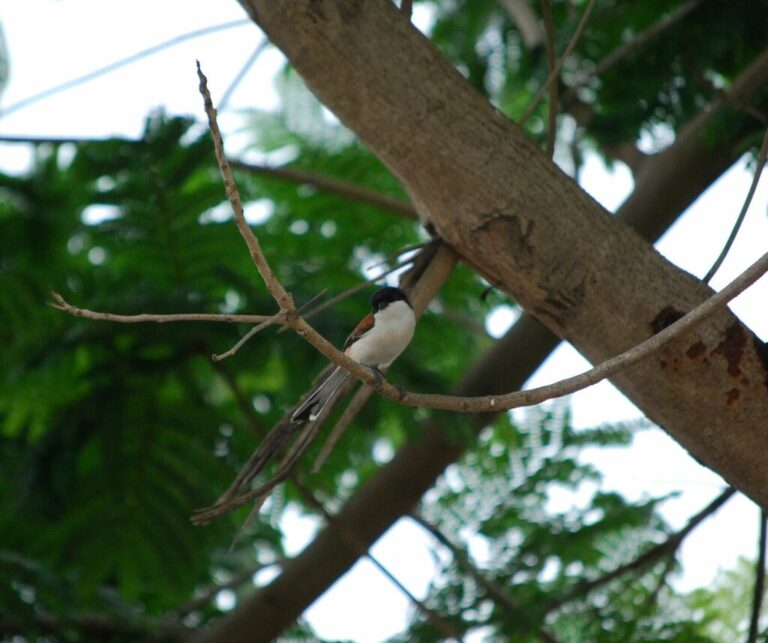
Lanius collurioides
♥
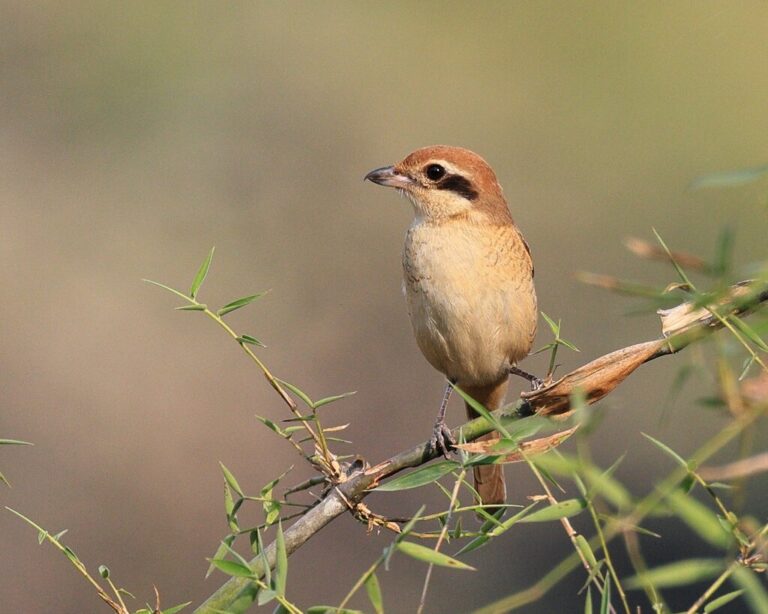
Lanius cristatus
♥
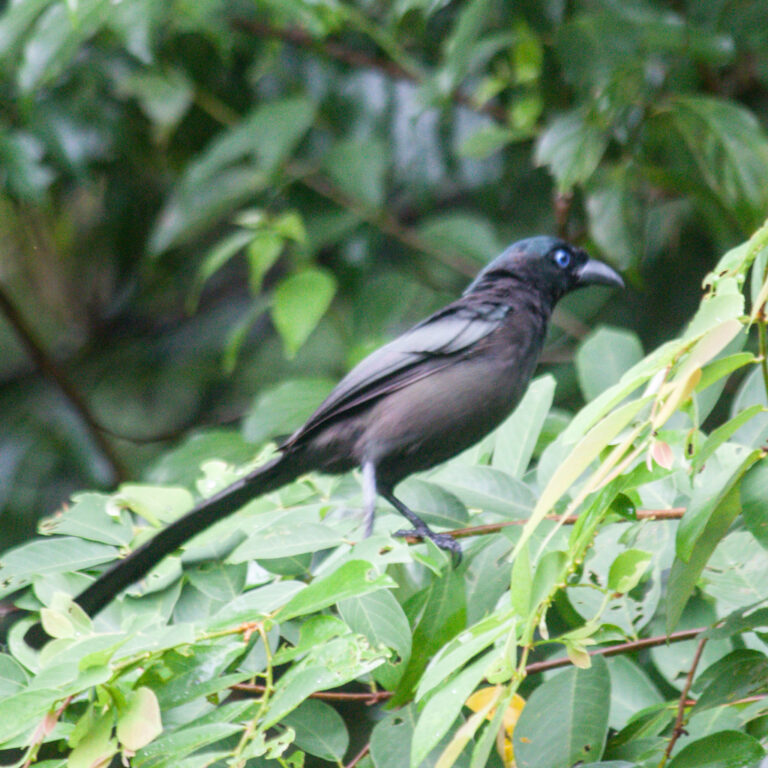
Crypsirina temia
♥
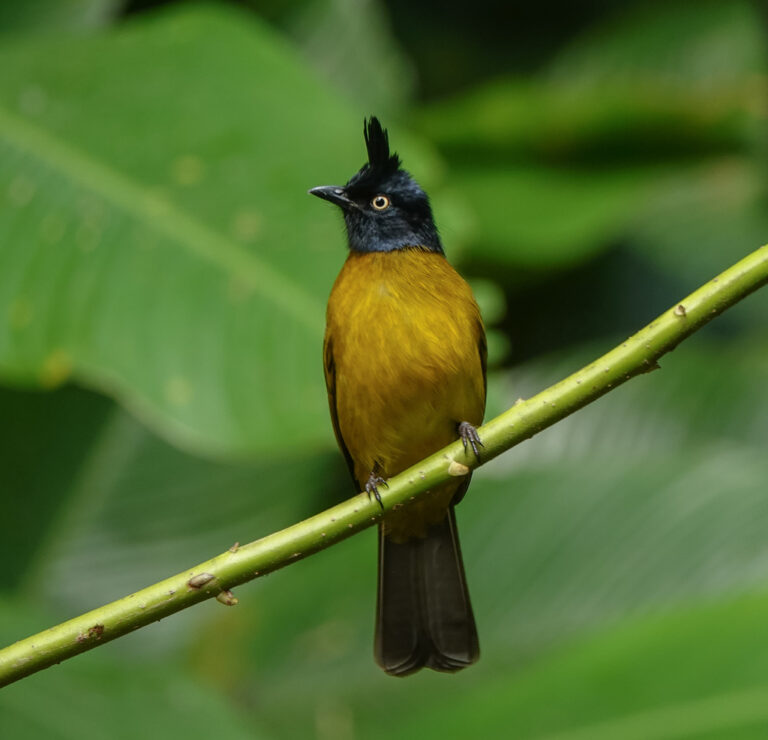
Rubigula flaviventris
♥
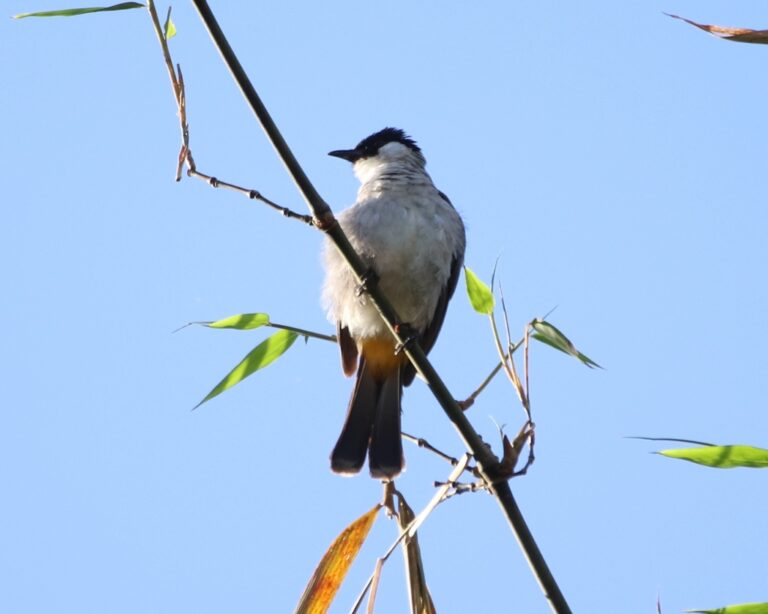
Pycnonotus aurigaster
♥
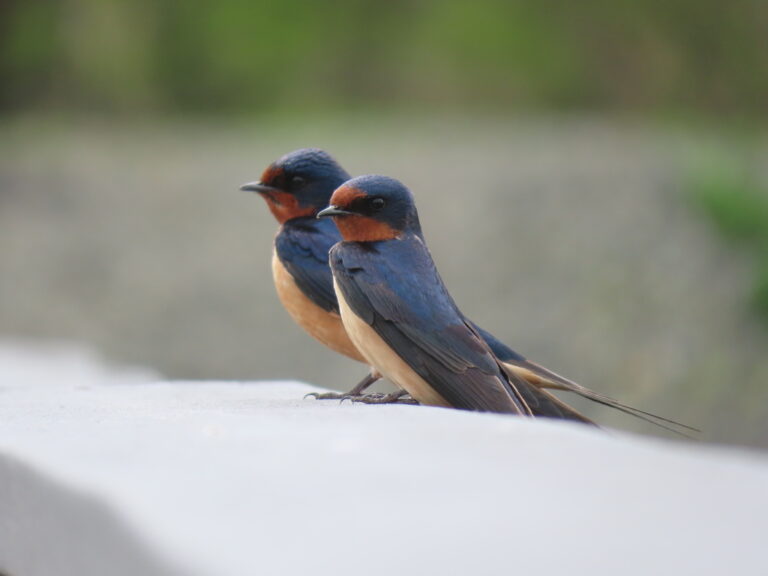
Hirundo rustica
♥
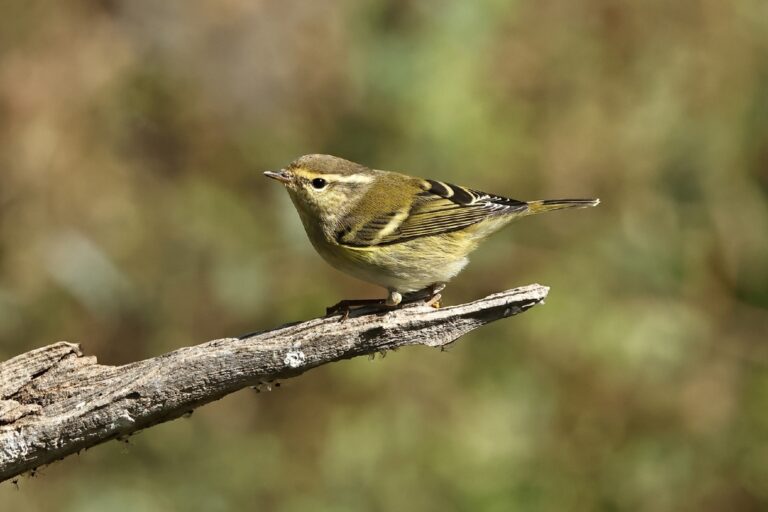
Phylloscopus inornatus
♥
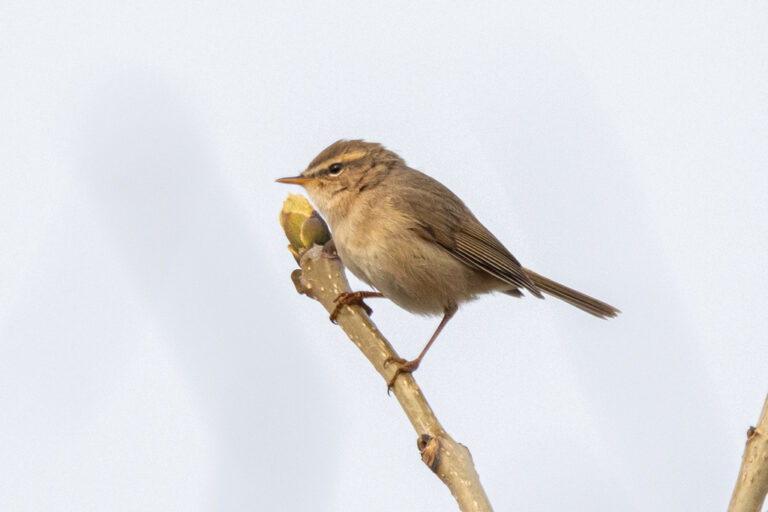
Phylloscopus fuscatus
♥
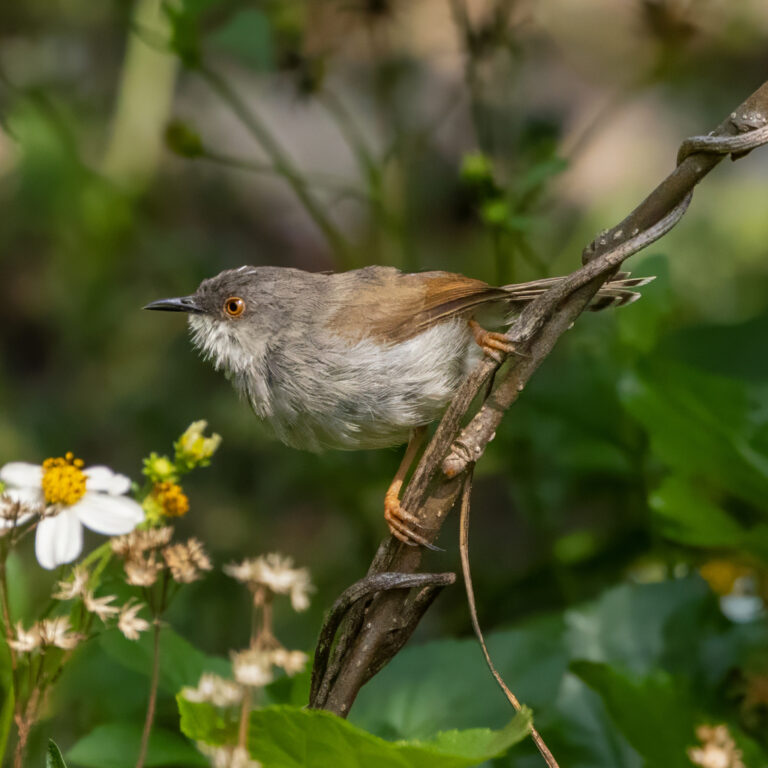
Prinia hodgsonii
♥
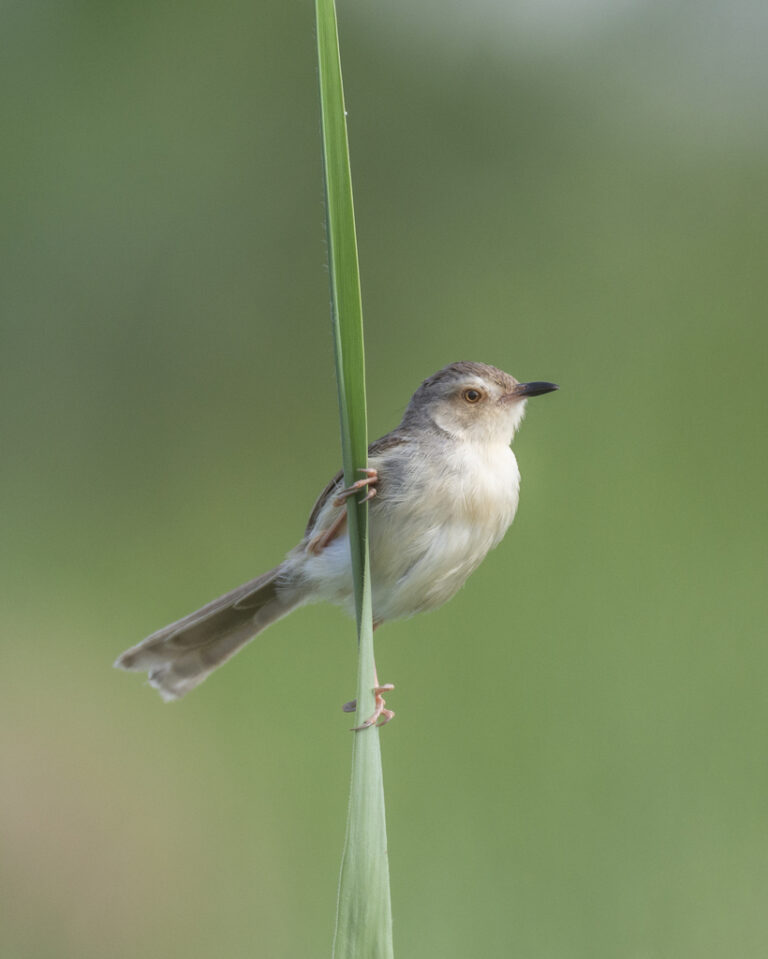
Prinia inornata
♥
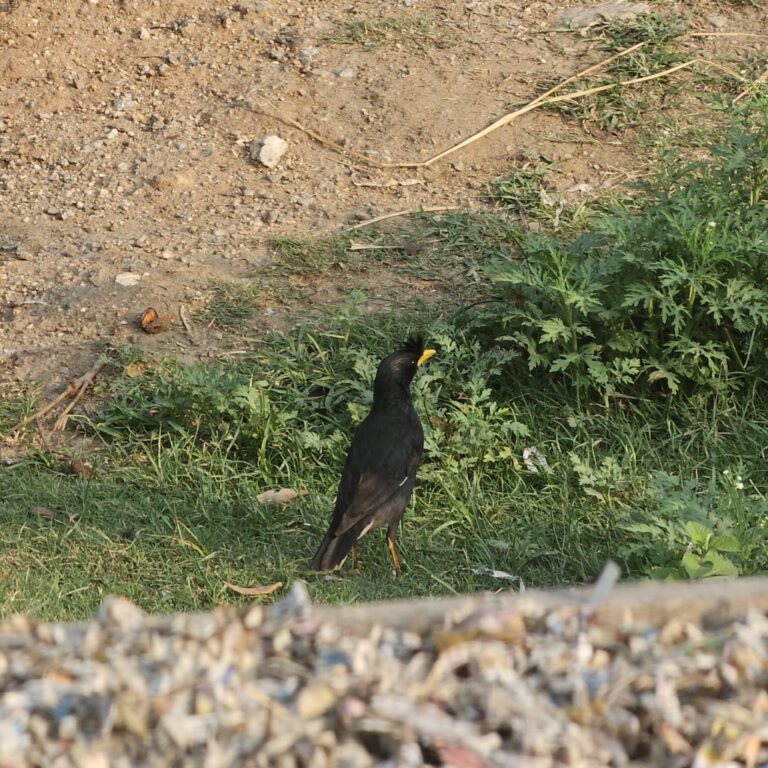
Acridotheres grandis
♥
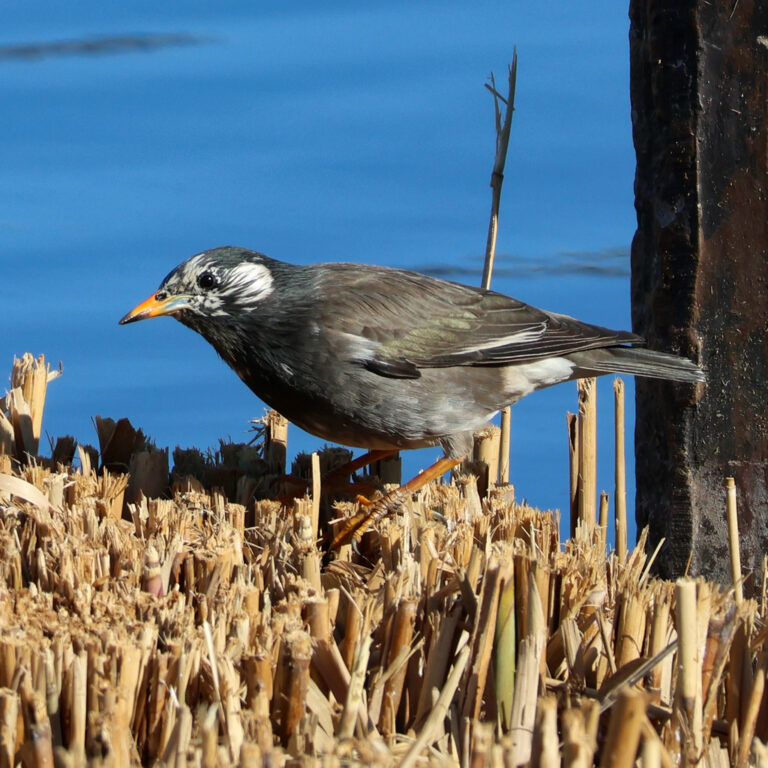
Spodiopsar cineraceus
♥
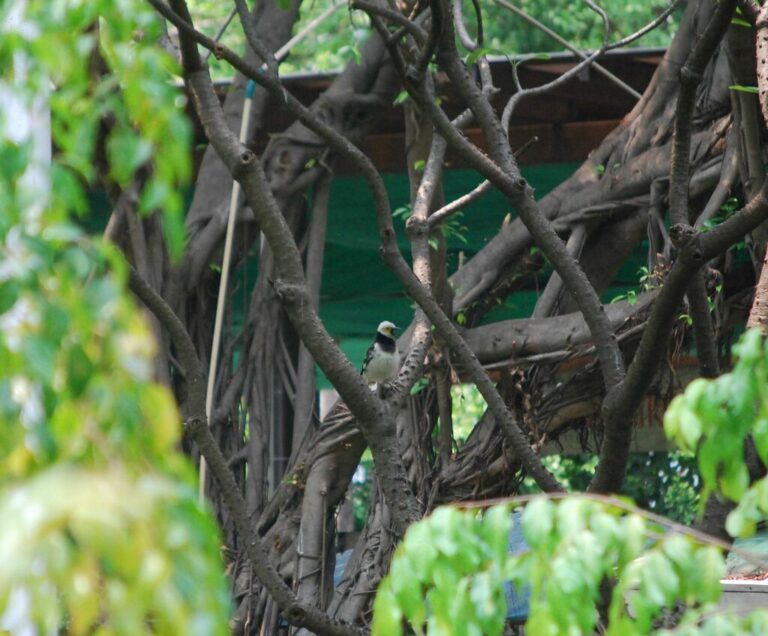
Gracupica nigricollis
♥
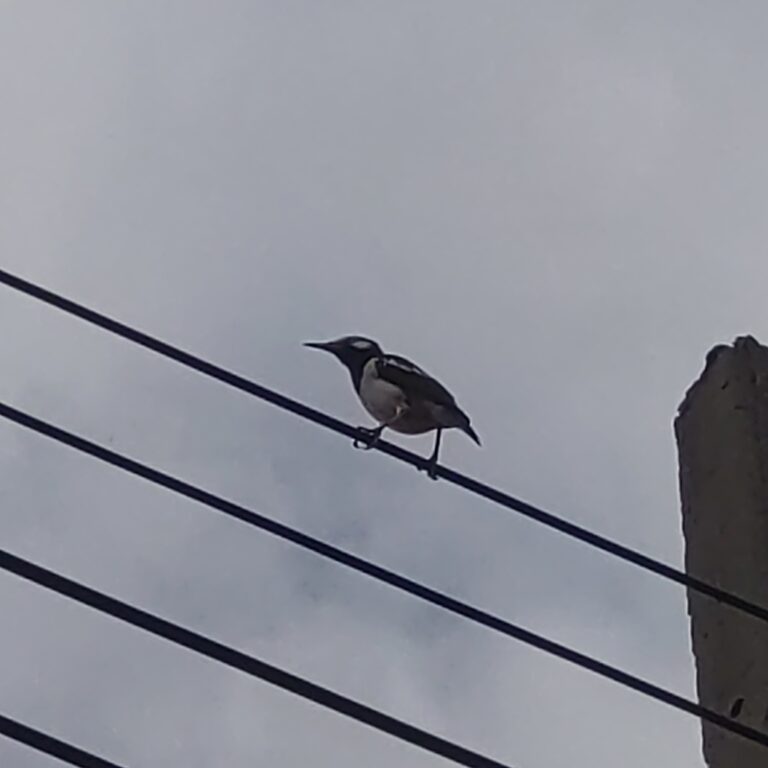
Gracupica floweri
♥
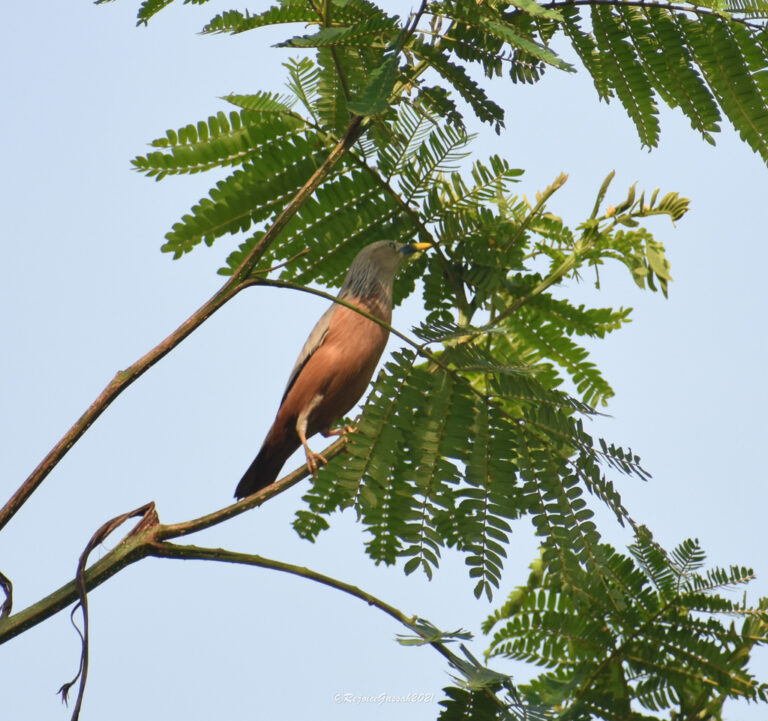
Sturnia malabarica
♥
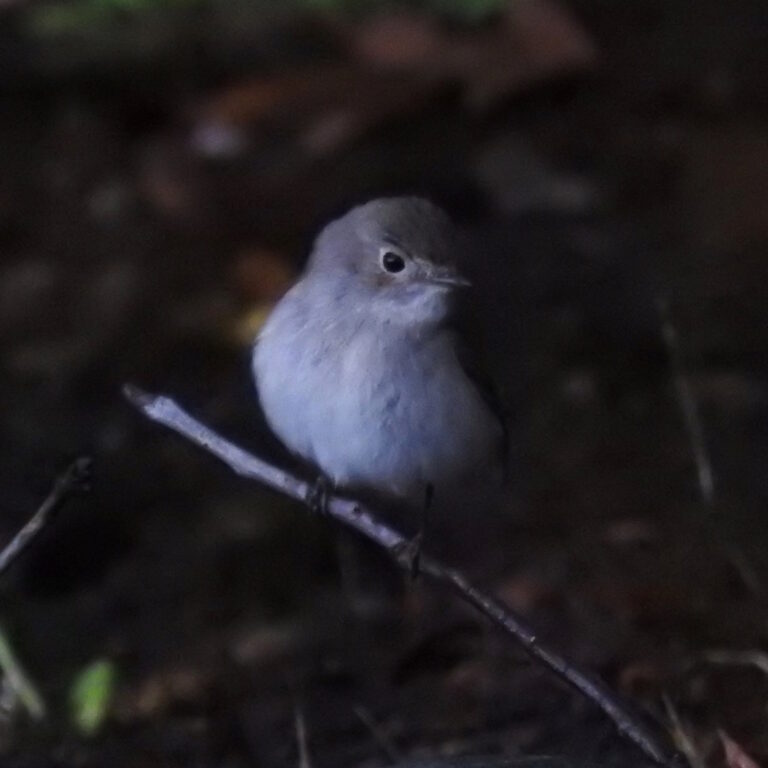
Ficedula albicilla
♥
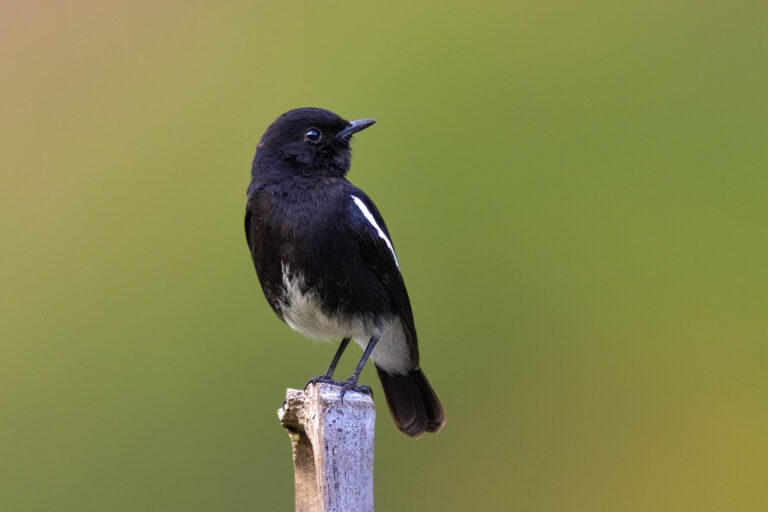
Saxicola caprata
♥
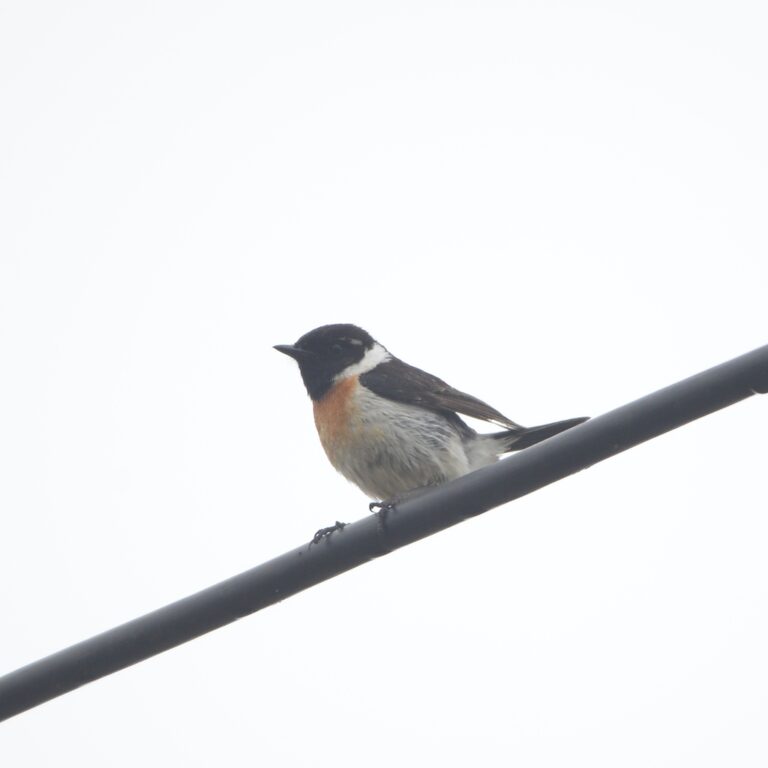
Saxicola stejnegeri
♥
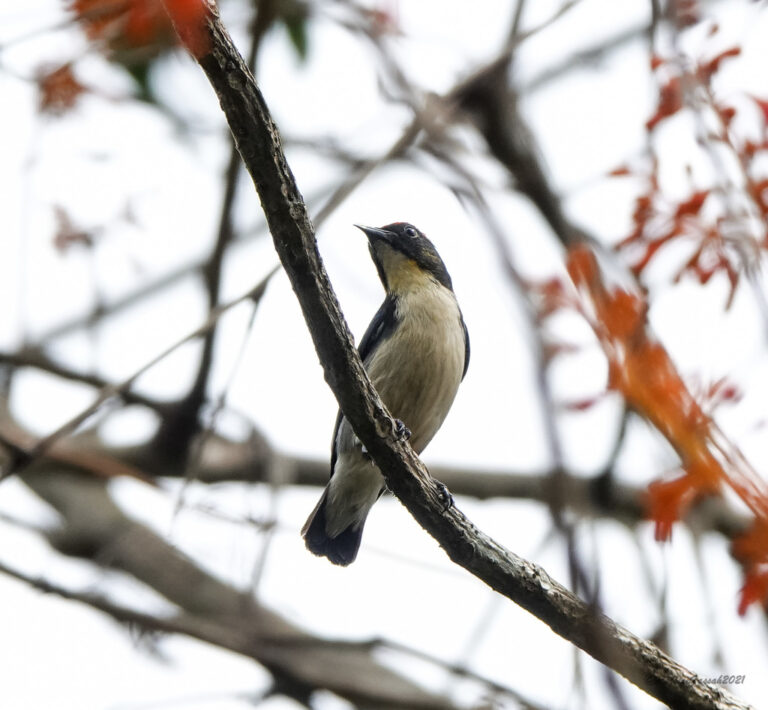
Dicaeum cruentatum
♥
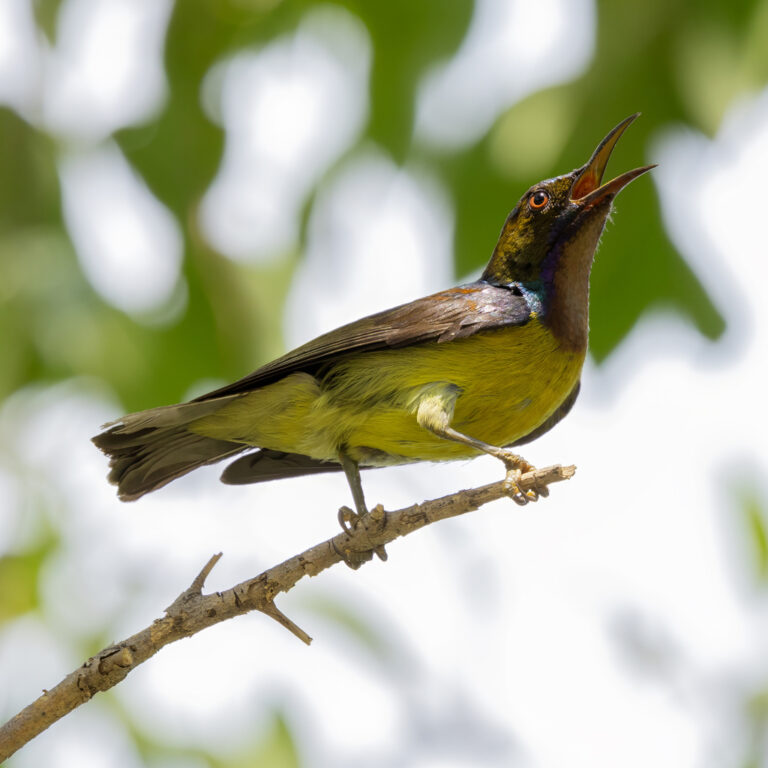
Anthreptes malacensis
♥
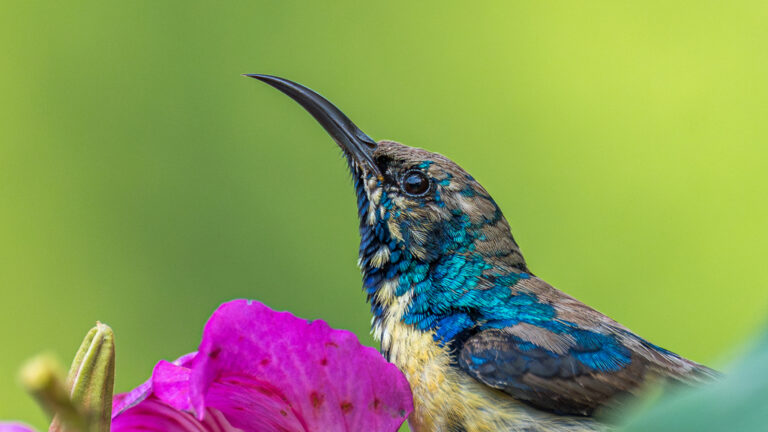
Cinnyris asiaticus
♥
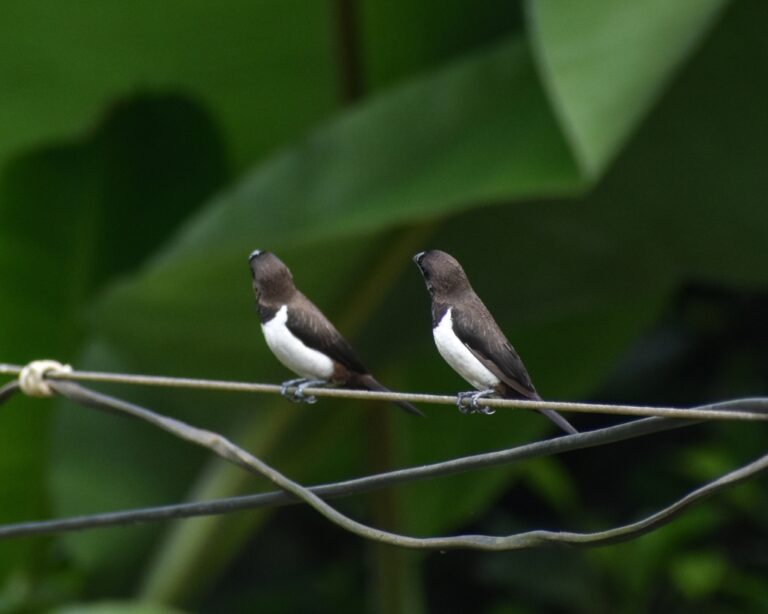
Lonchura striata
♥
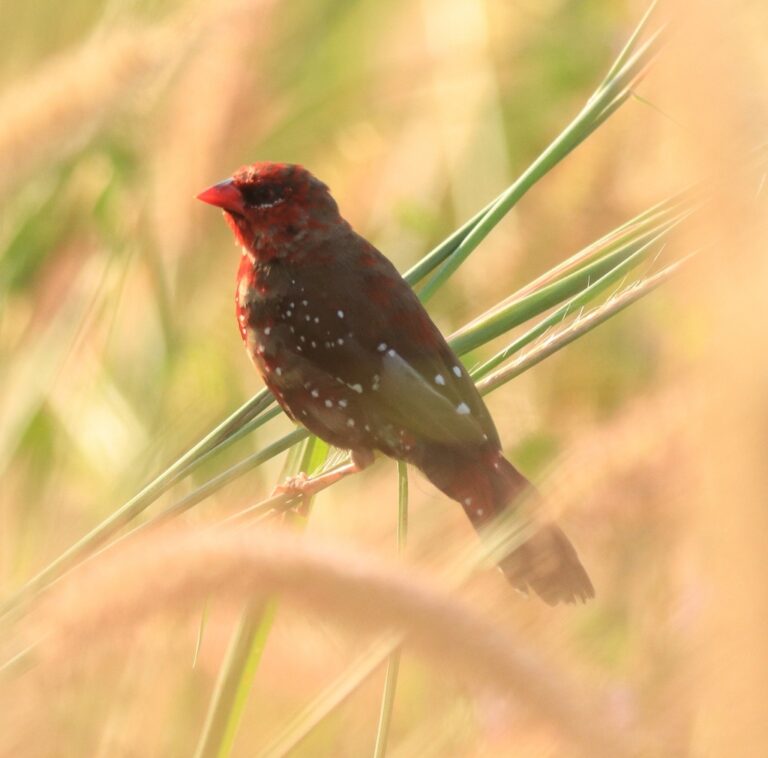
Amandava amandava
♥
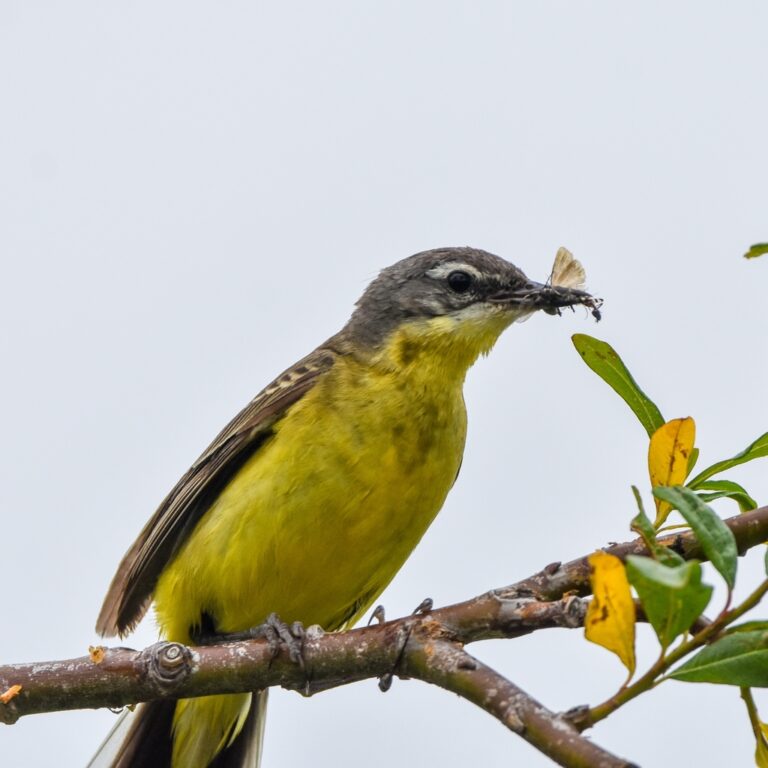
Motacilla tschutschensis
♥
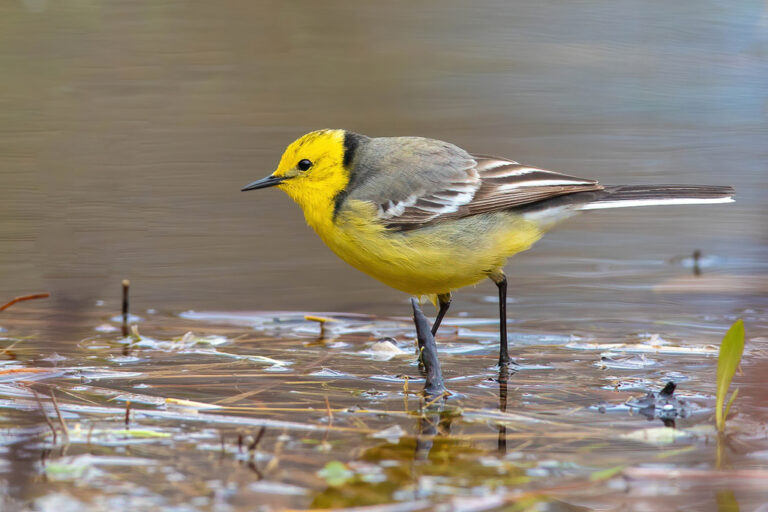
Motacilla citreola
♥
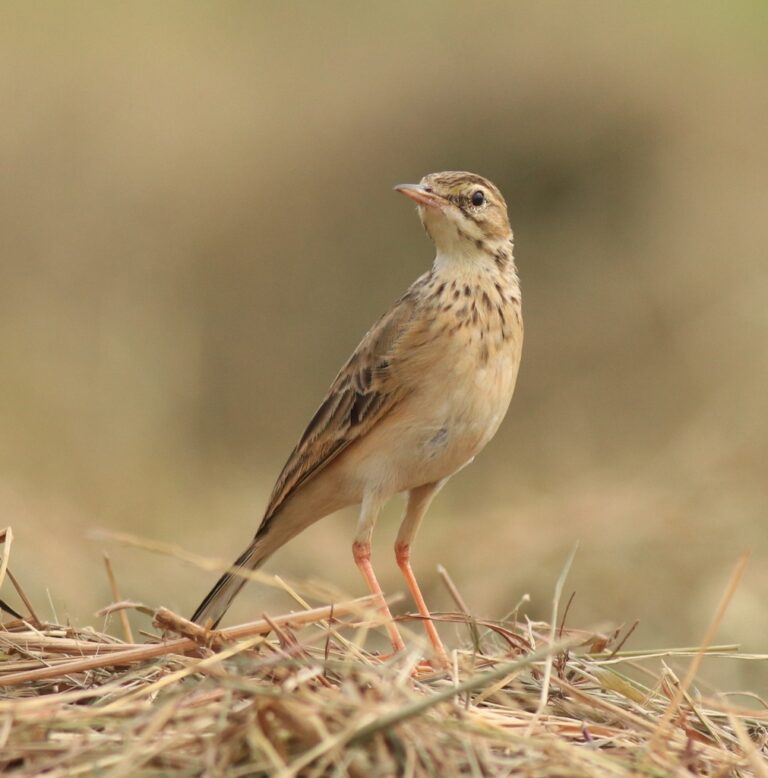
Anthus rufulus
♥
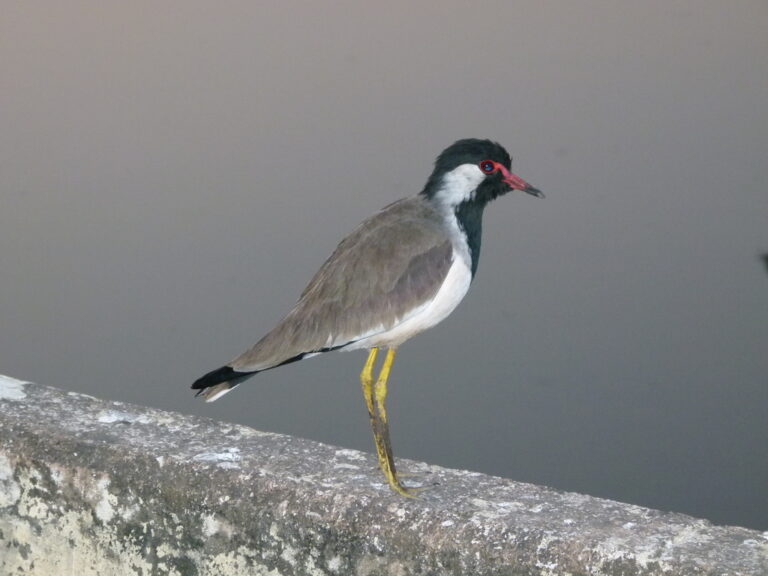
Vanellus indicus
♥
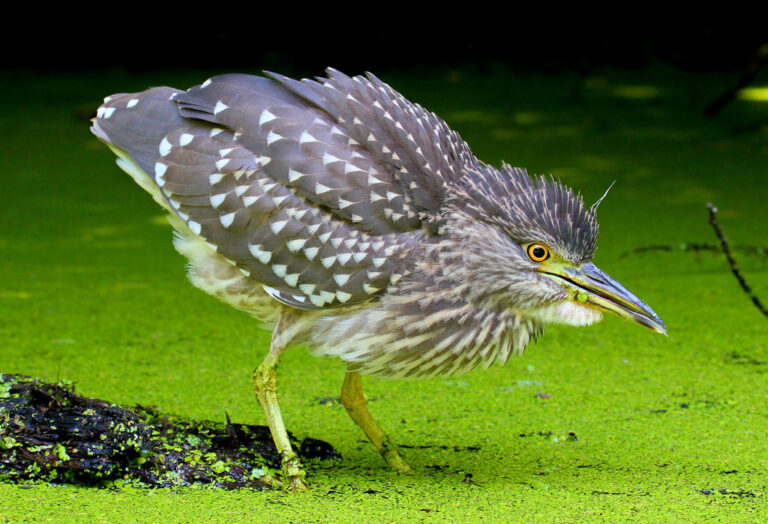
Nycticorax nycticorax
♥
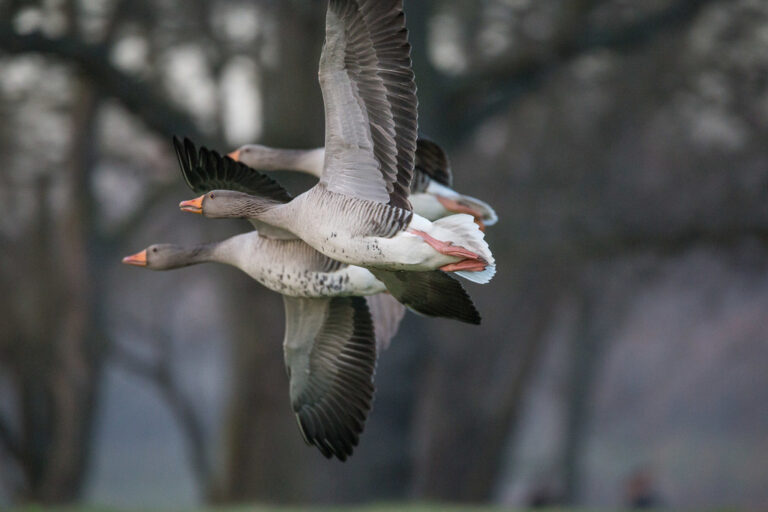
Anser anser
♥
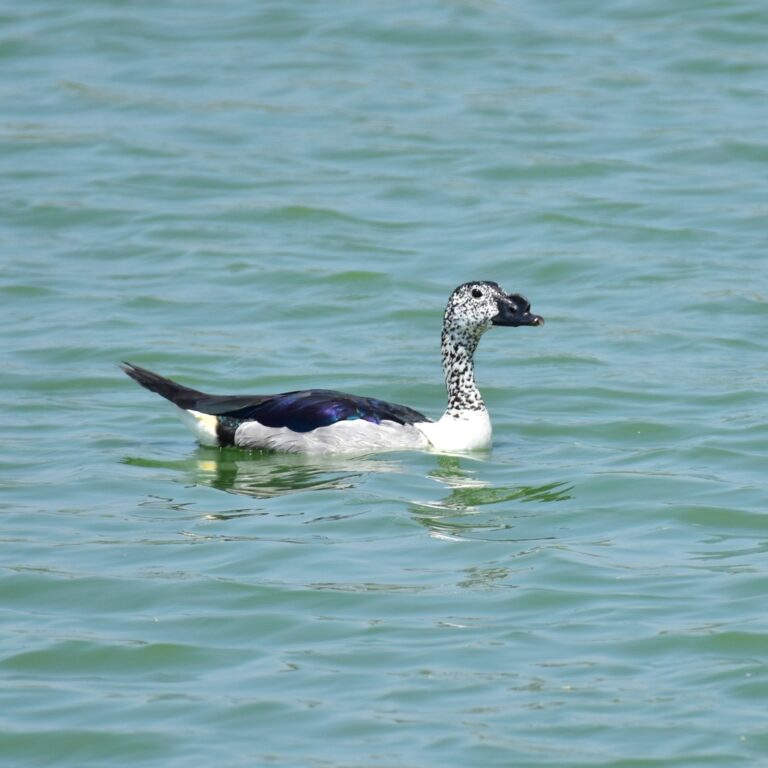
Sarkidiornis melanotos
♥
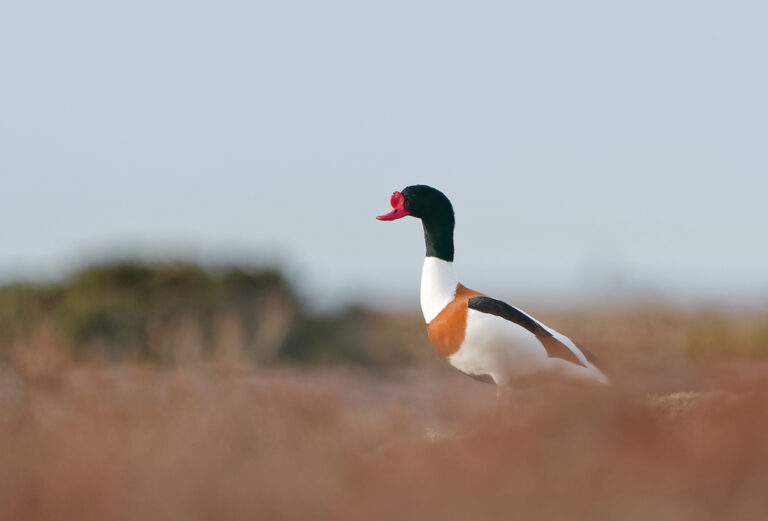
Tadorna tadorna
♥
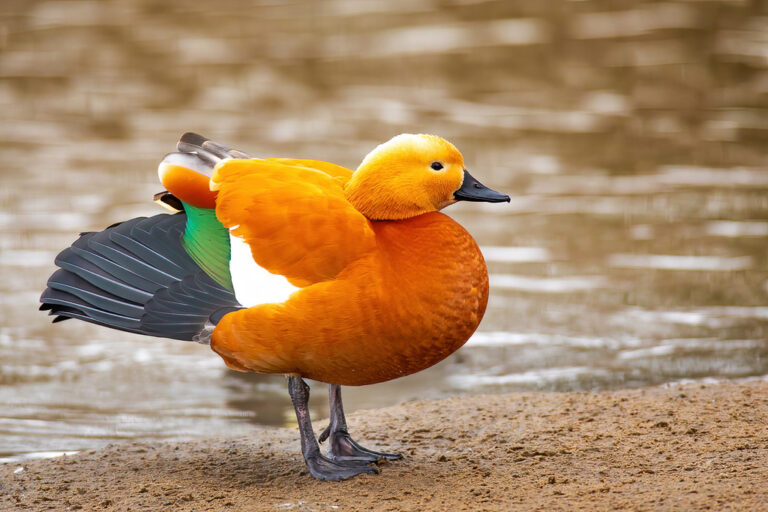
Tadorna ferruginea
♥
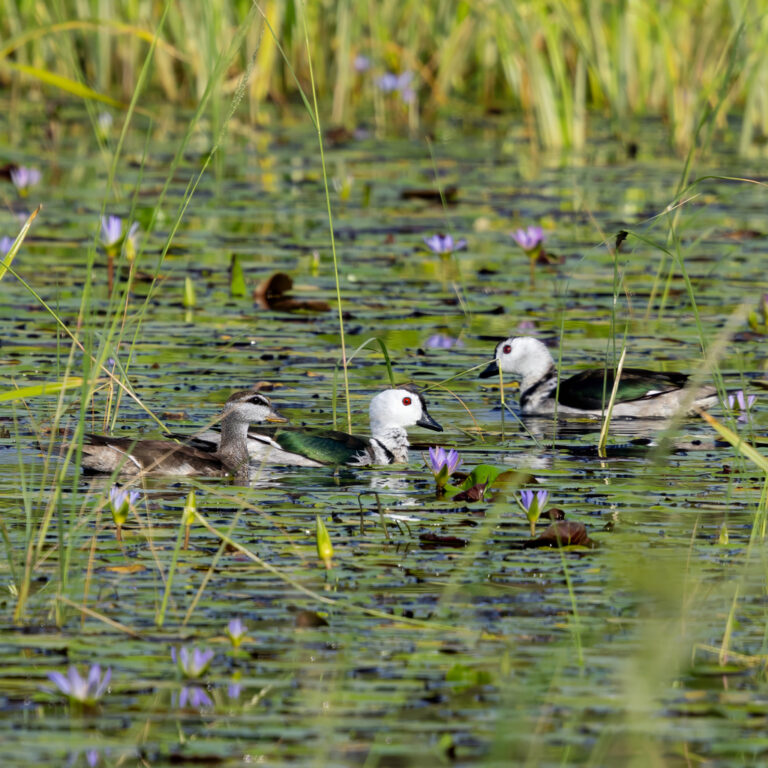
Nettapus coromandelianus
♥
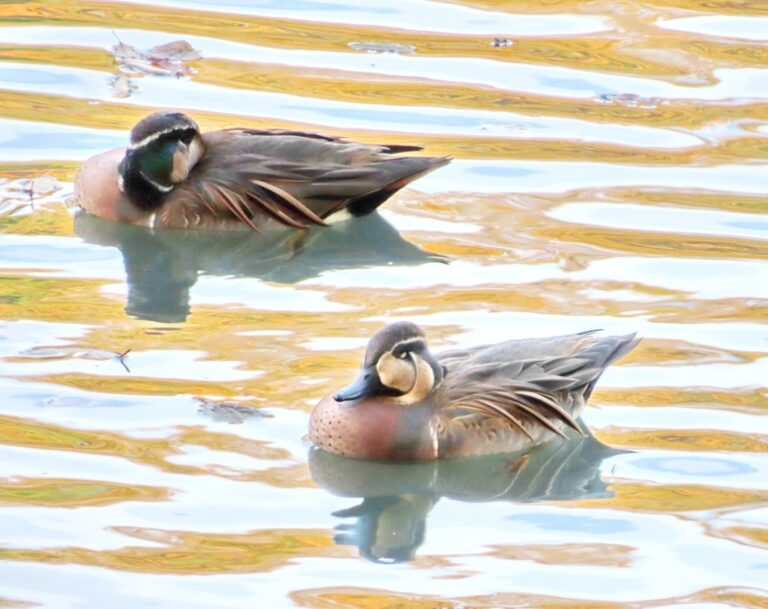
Sibirionetta formosa
♥
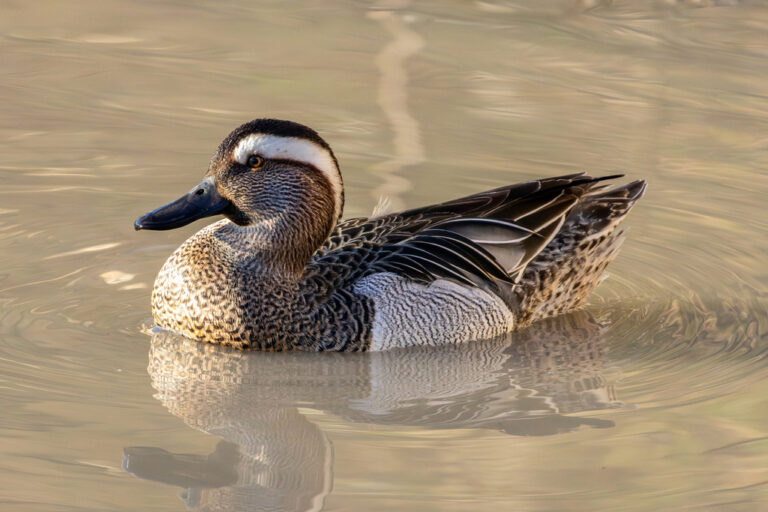
Spatula querquedula
♥
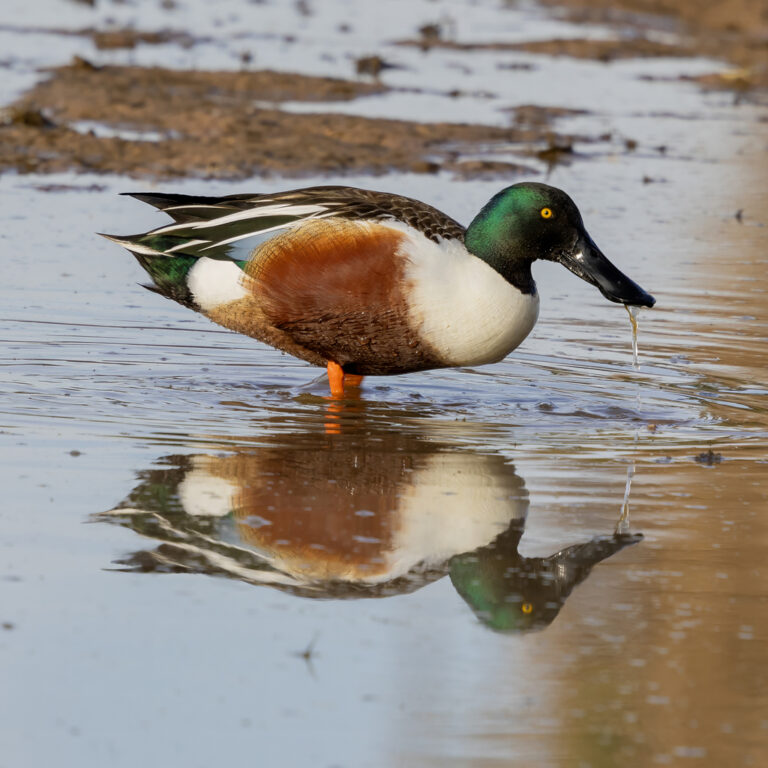
Spatula clypeata
♥
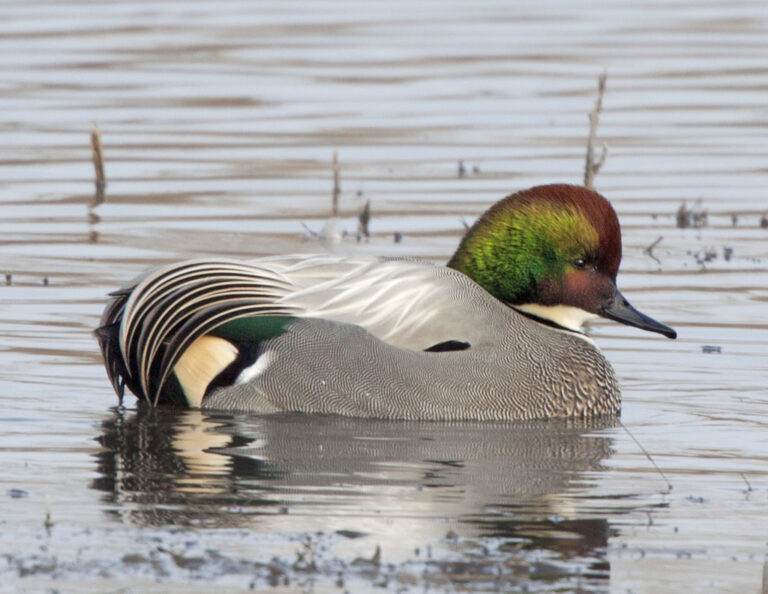
Mareca falcata
♥
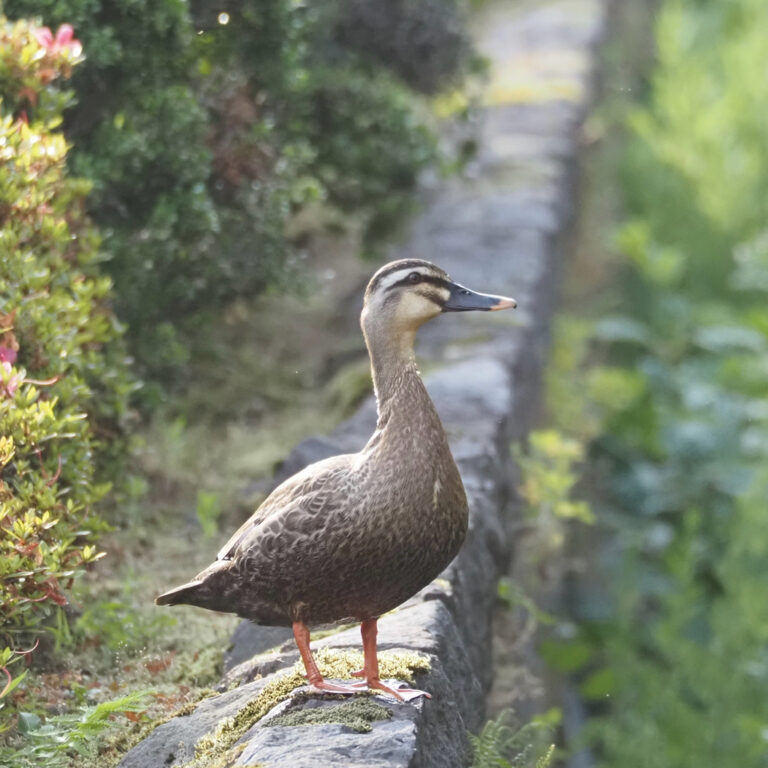
Anas zonorhyncha
♥
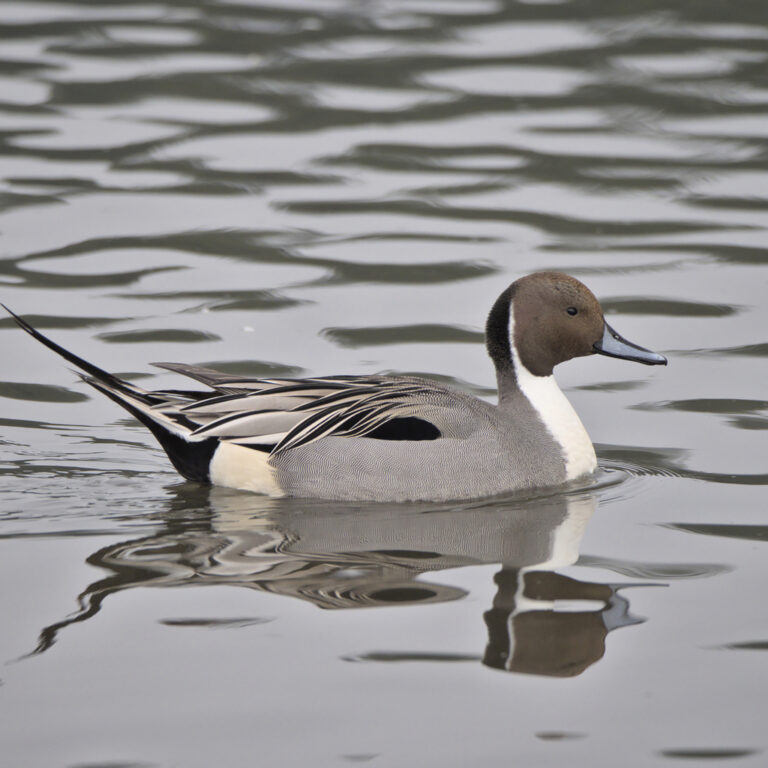
Anas acuta
♥
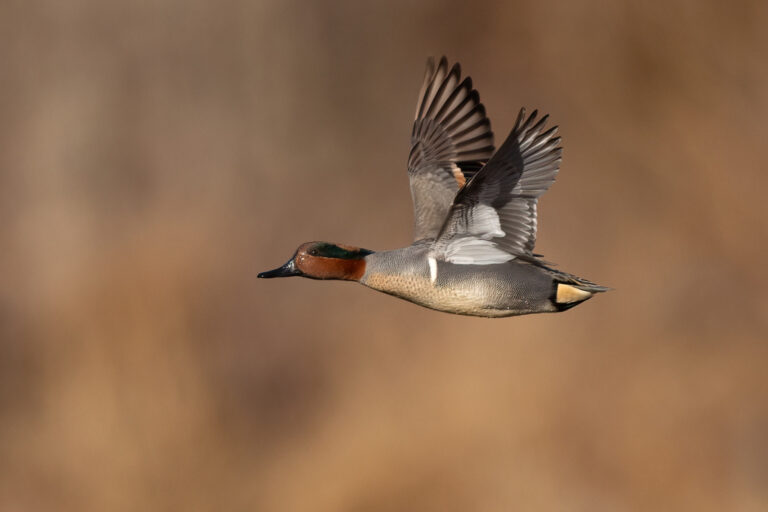
Anas crecca
♥
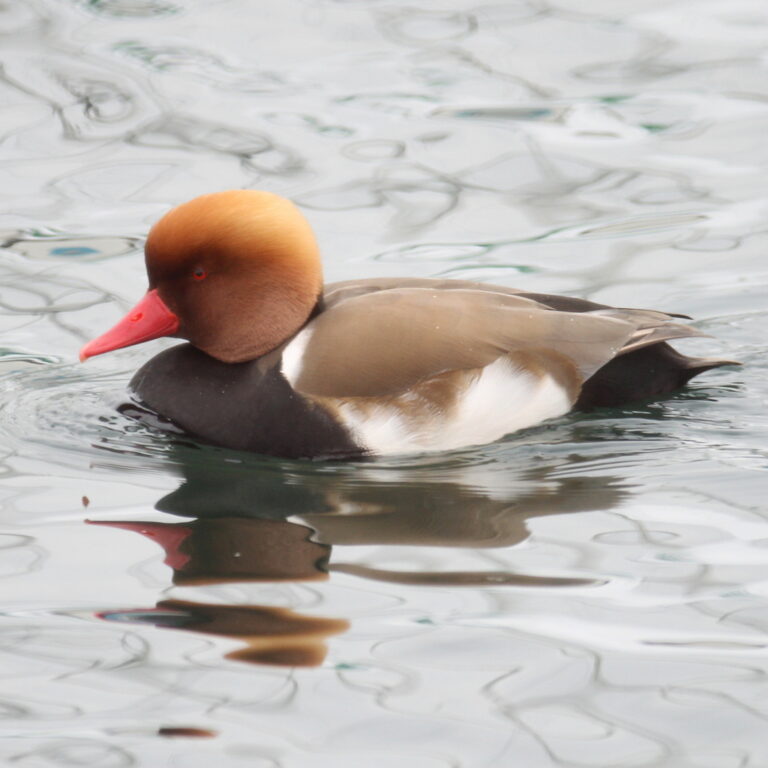
Netta rufina
♥
Aythya baeri
♥
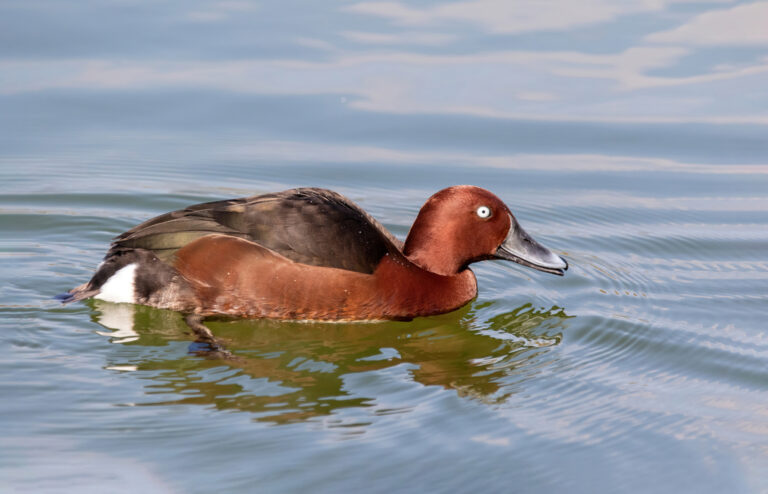
Aythya nyroca
♥
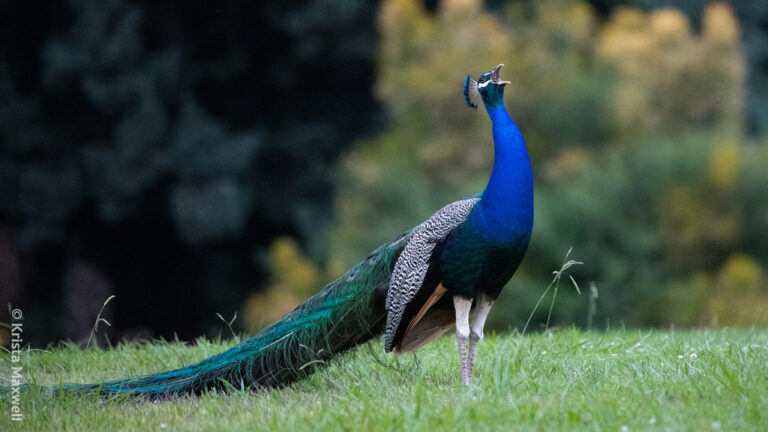
Pavo cristatus
♥
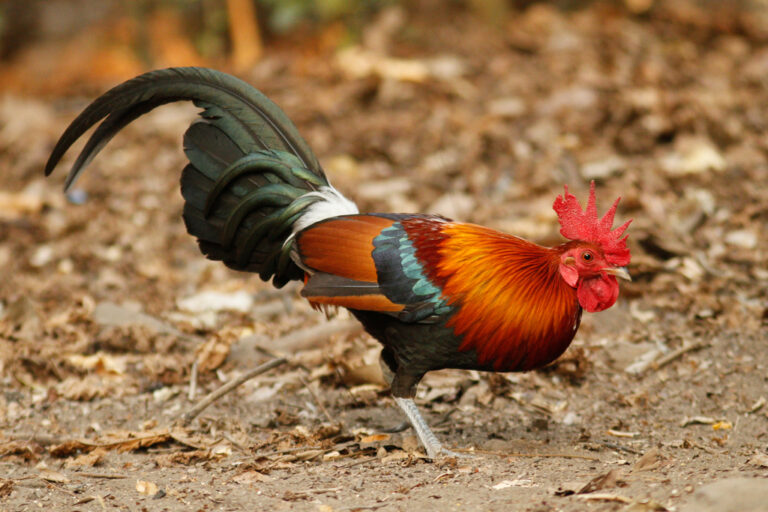
Gallus gallus
♥
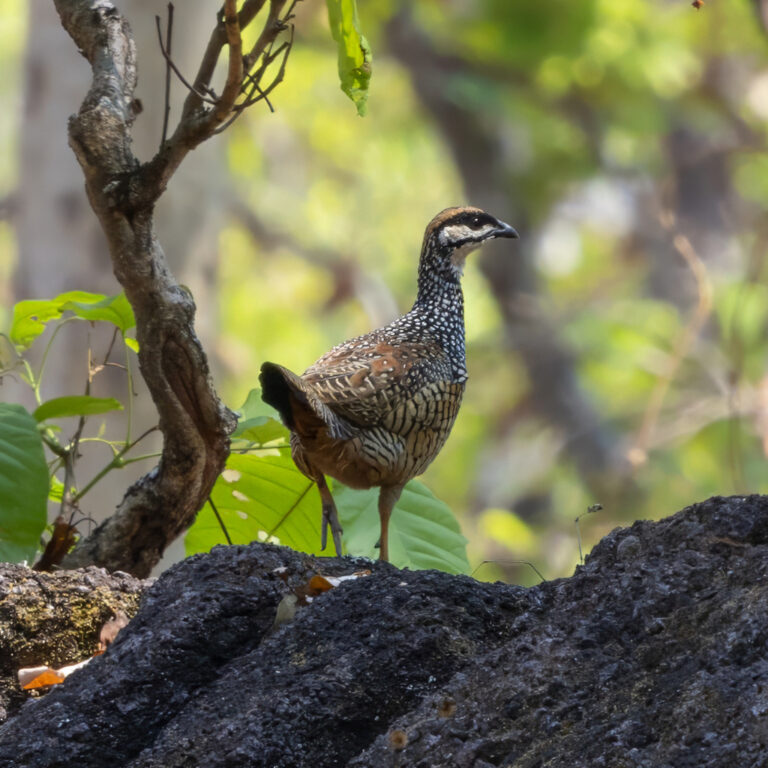
Francolinus pintadeanus
♥
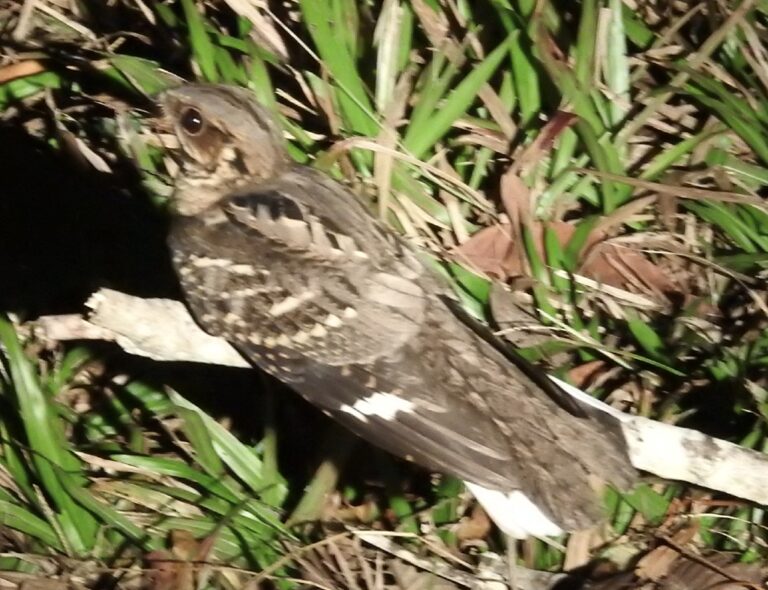
Caprimulgus macrurus
♥
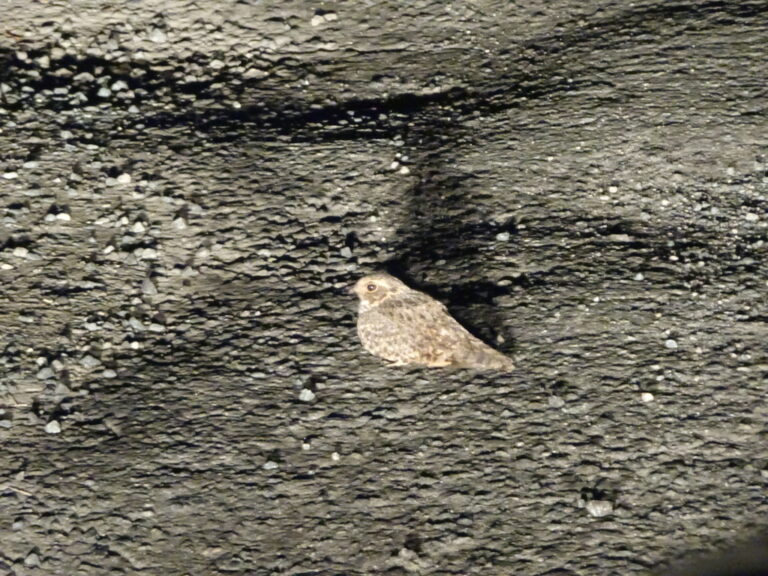
Caprimulgus affinis
♥
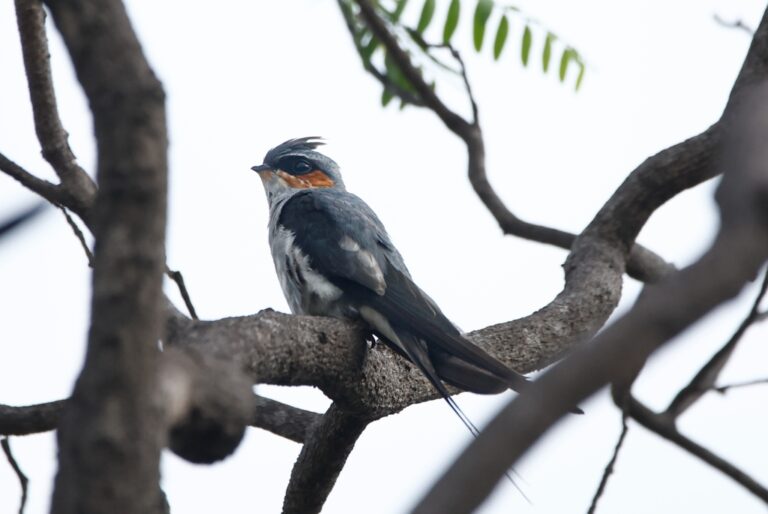
Hemiprocne coronata
♥
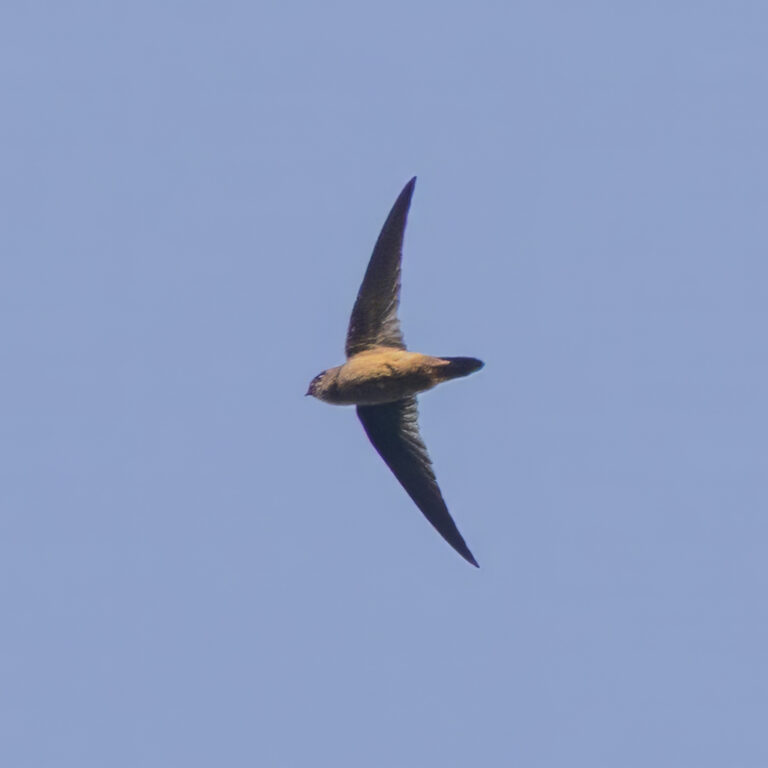
Aerodramus brevirostris
♥
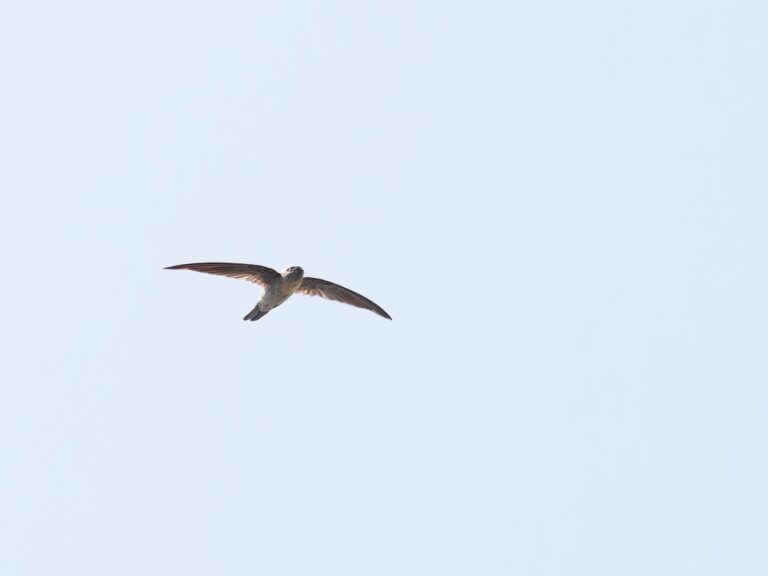
Aerodramus fuciphagus
♥
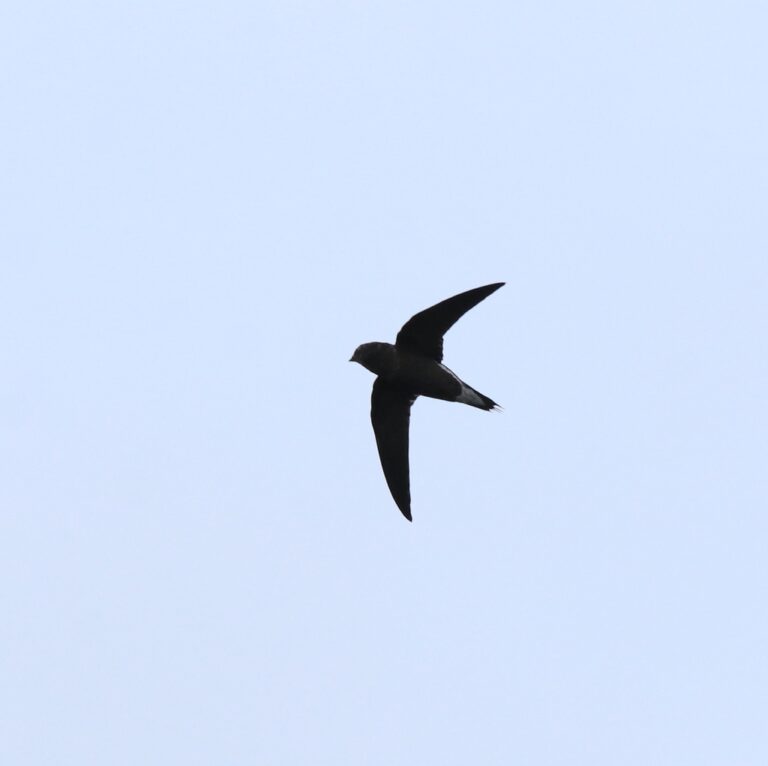
Hirundapus giganteus
♥
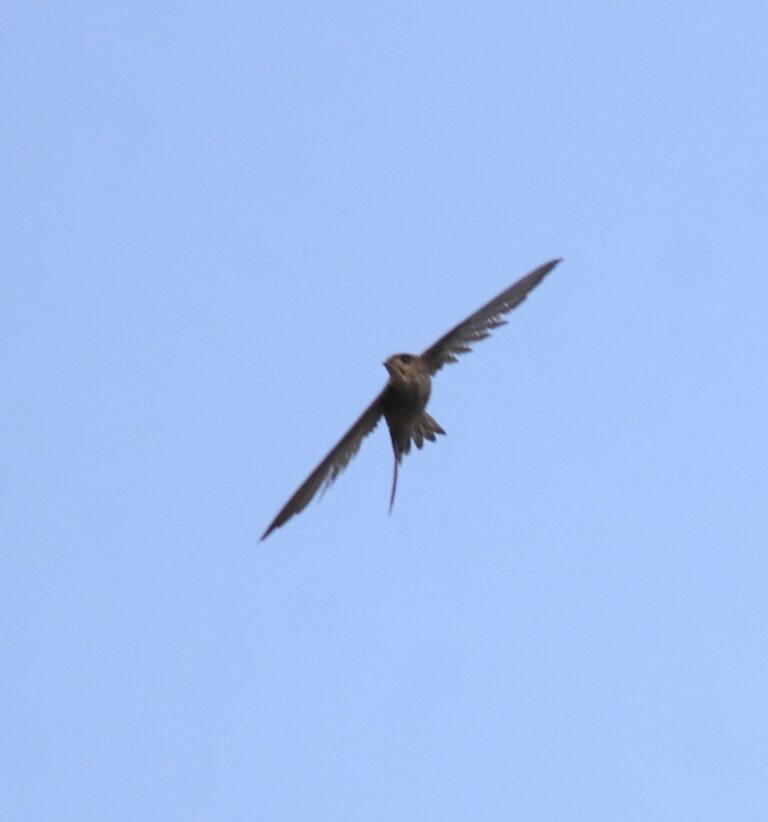
Cypsiurus balasiensis
♥
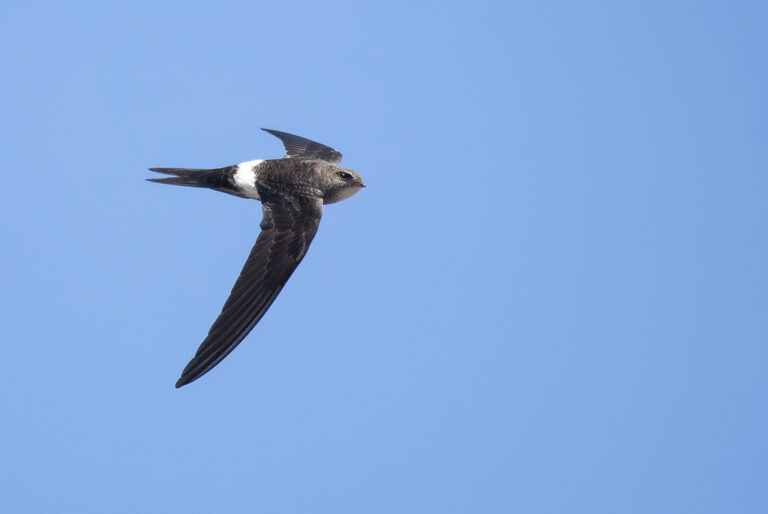
Apus pacificus
♥
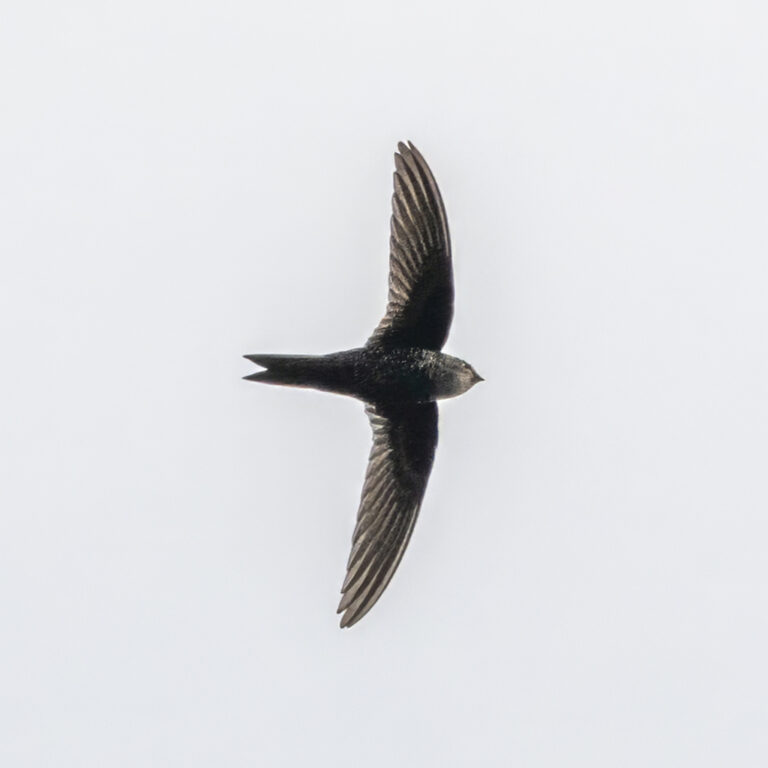
Apus cooki
♥
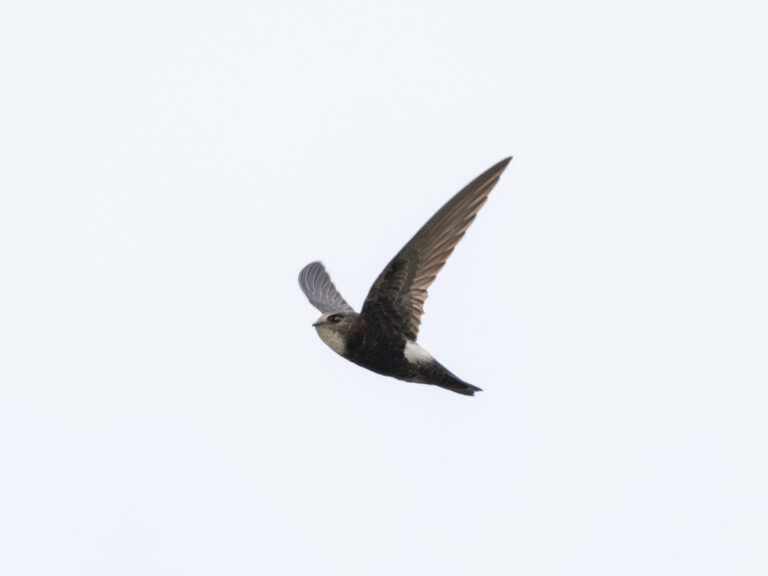
Apus nipalensis
♥
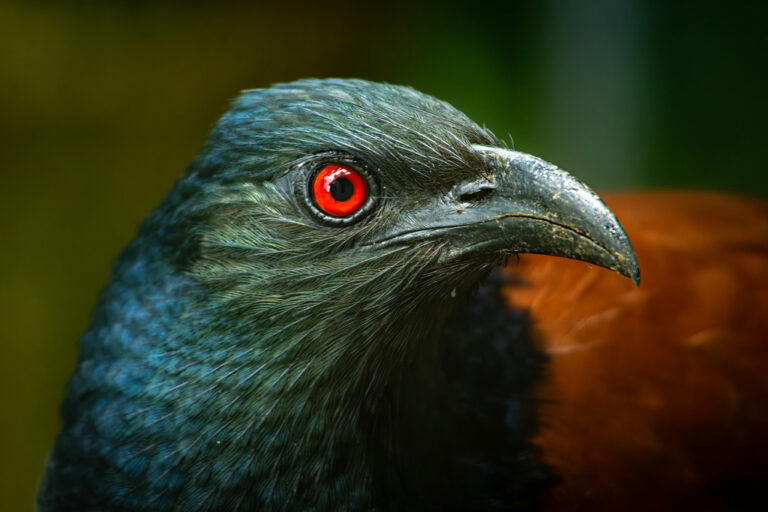
Centropus sinensis
♥
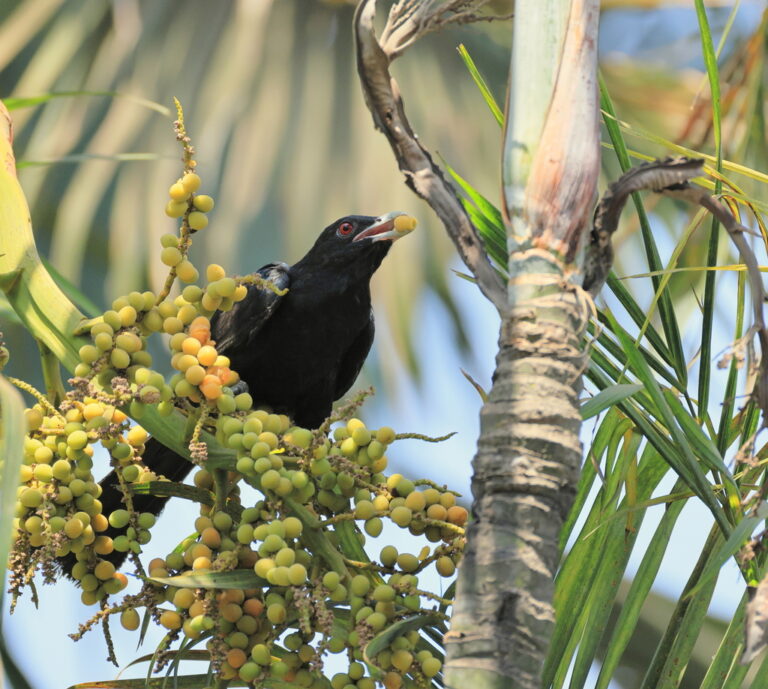
Eudynamys scolopaceus
♥
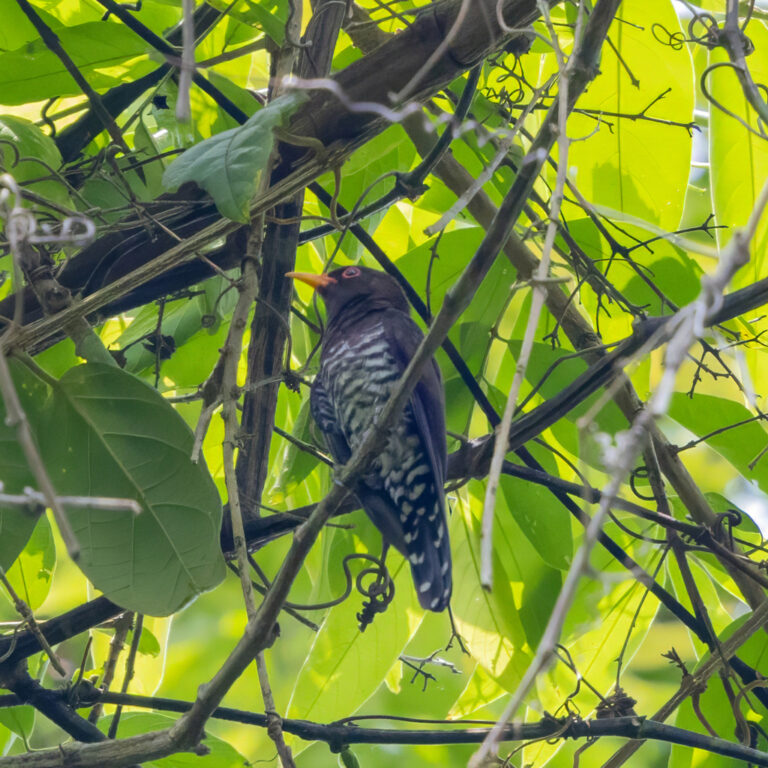
Chrysococcyx xanthorhynchus
♥
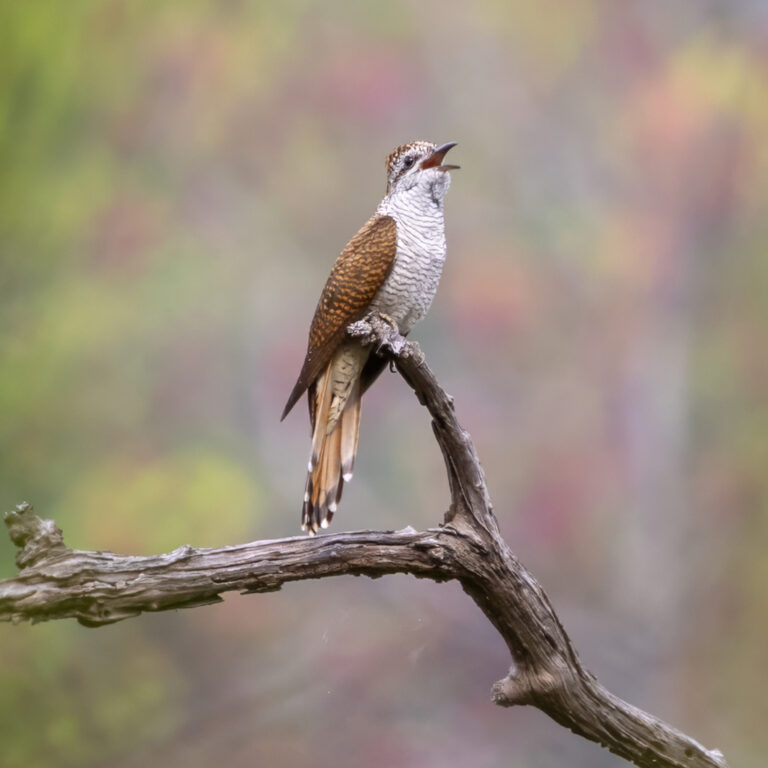
Cacomantis sonneratii
♥
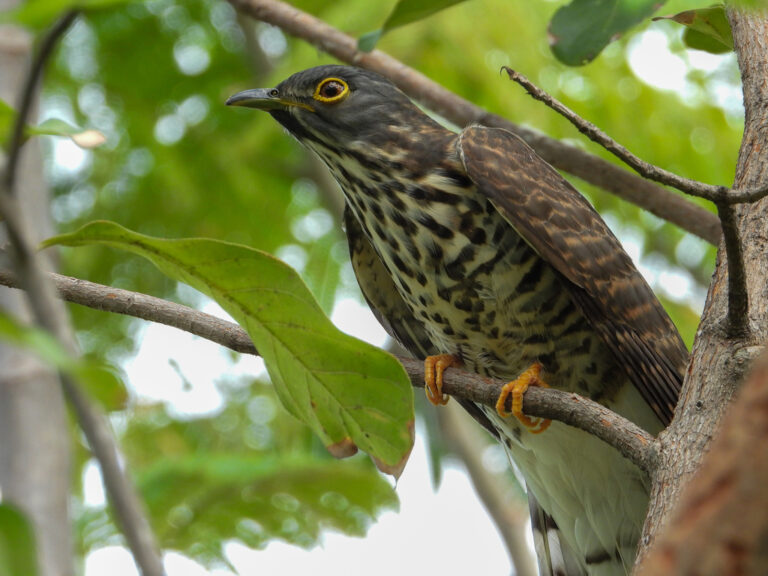
Hierococcyx sparverioides
♥
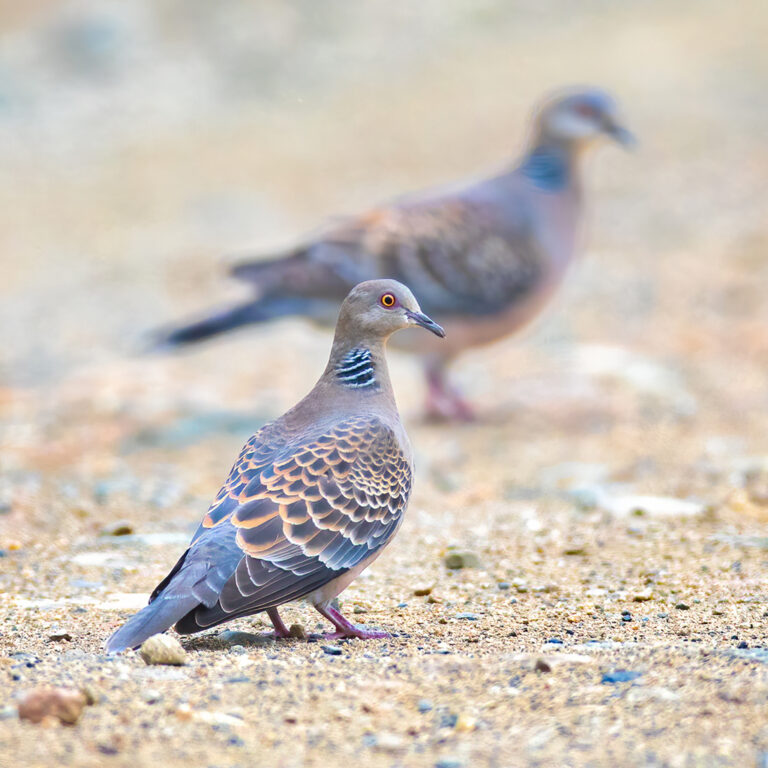
Streptopelia orientalis
♥
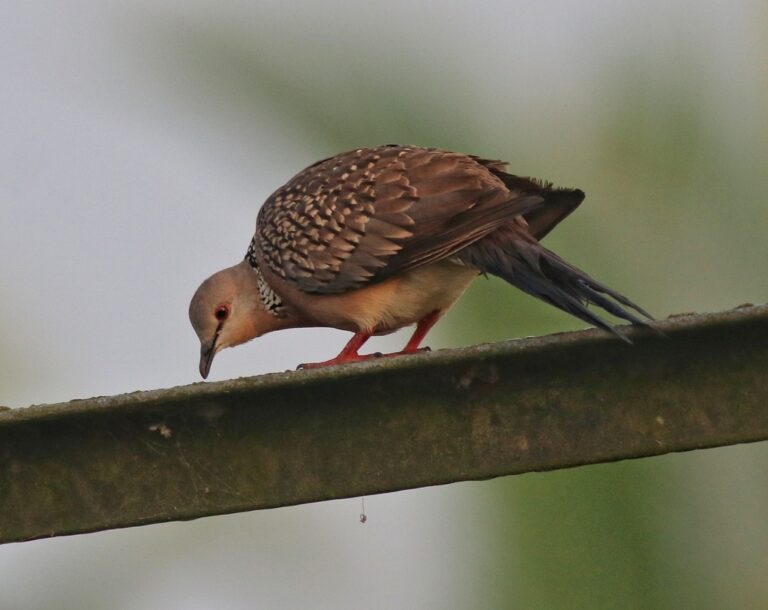
Spilopelia chinensis
♥
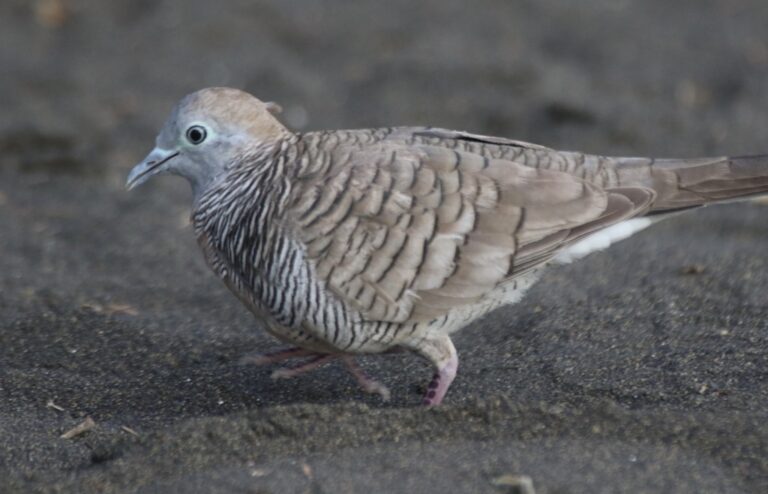
Geopelia striata
♥
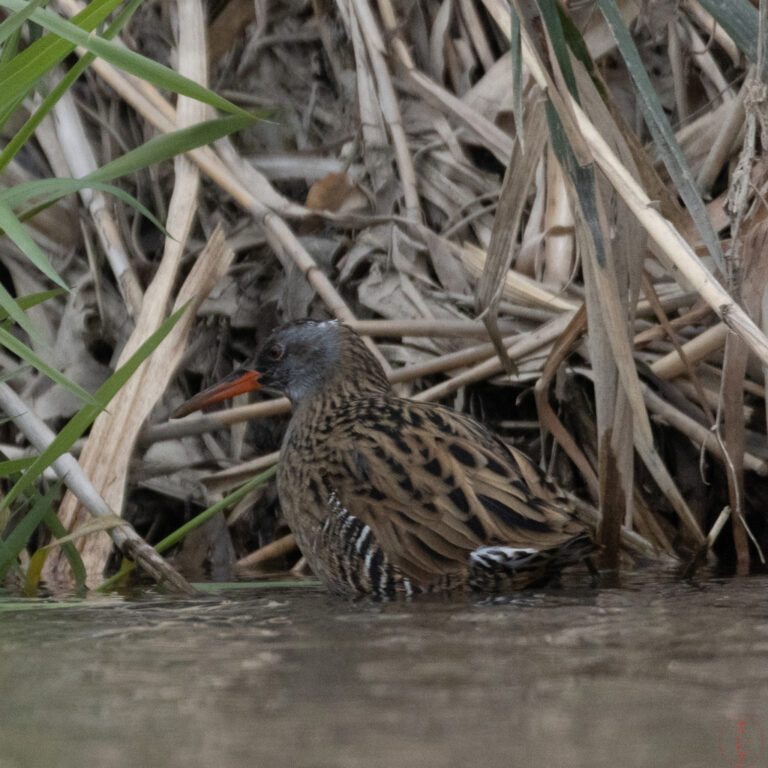
Rallus indicus
♥
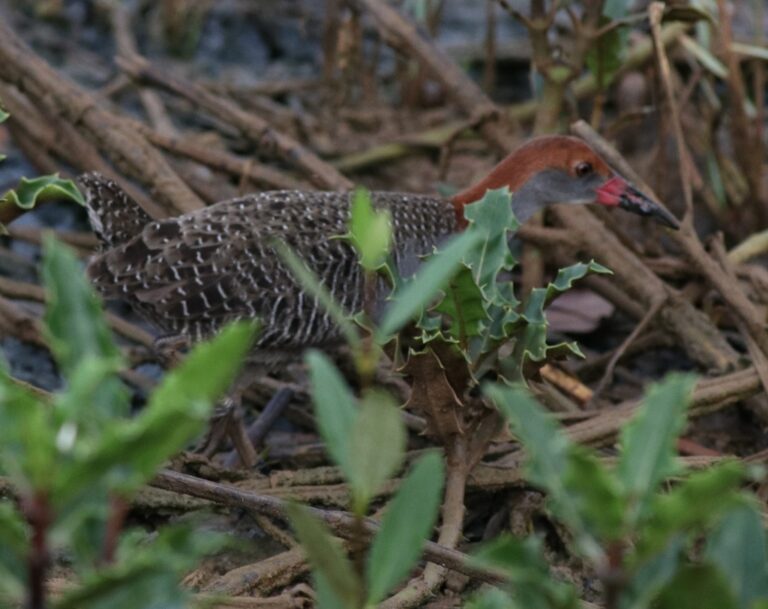
Lewinia striata
♥
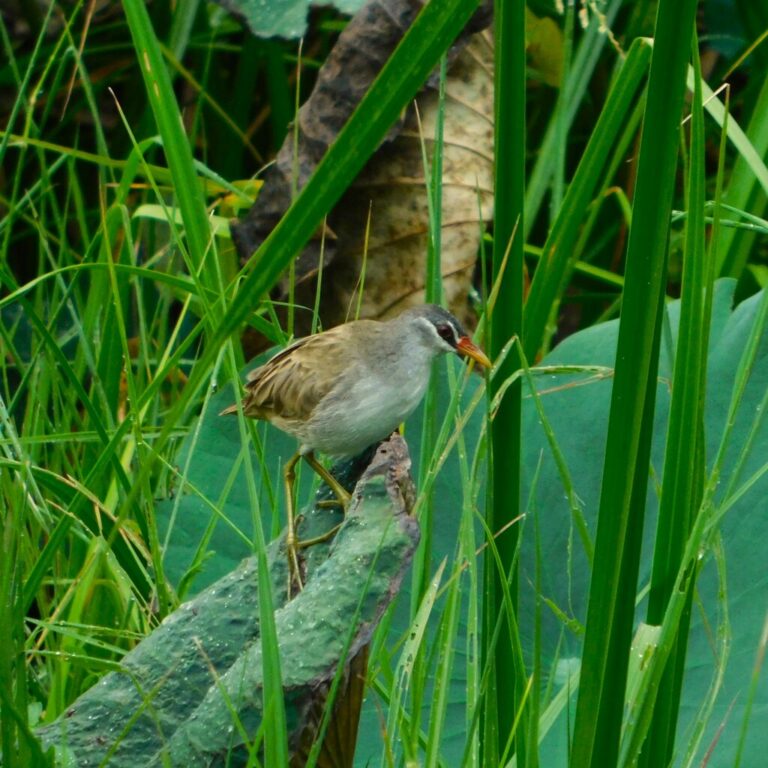
Poliolimnas cinereus
♥
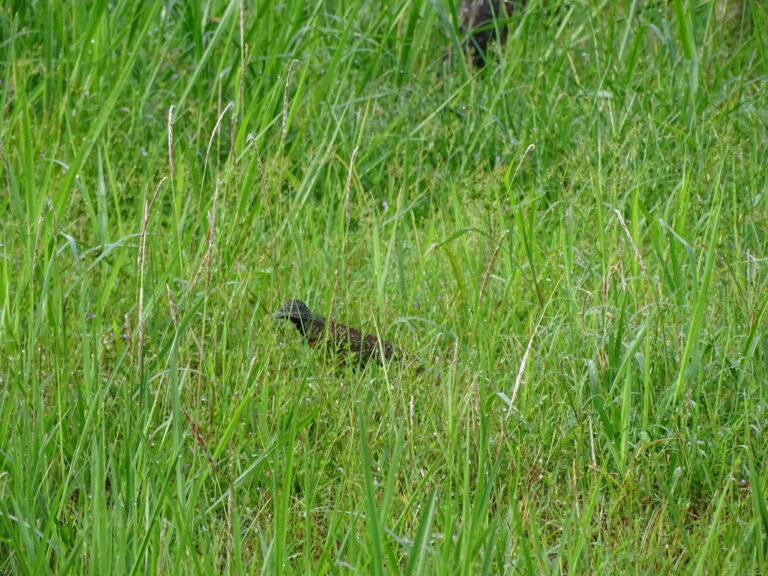
Turnix suscitator
♥
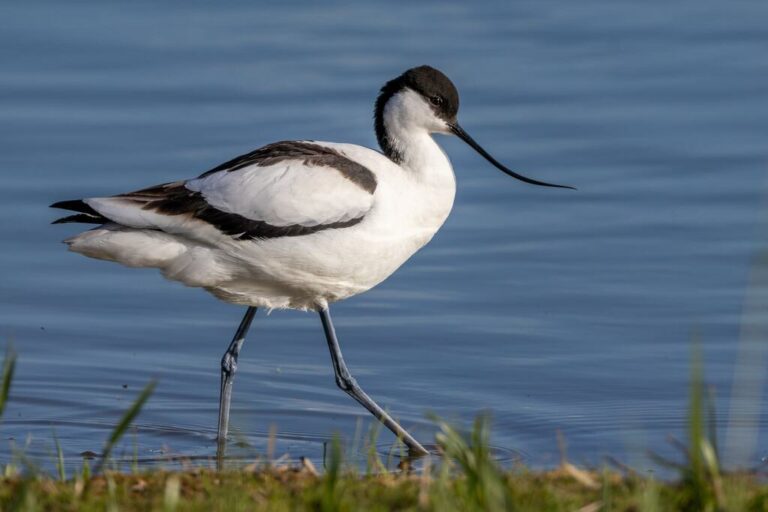
Recurvirostra avosetta
♥
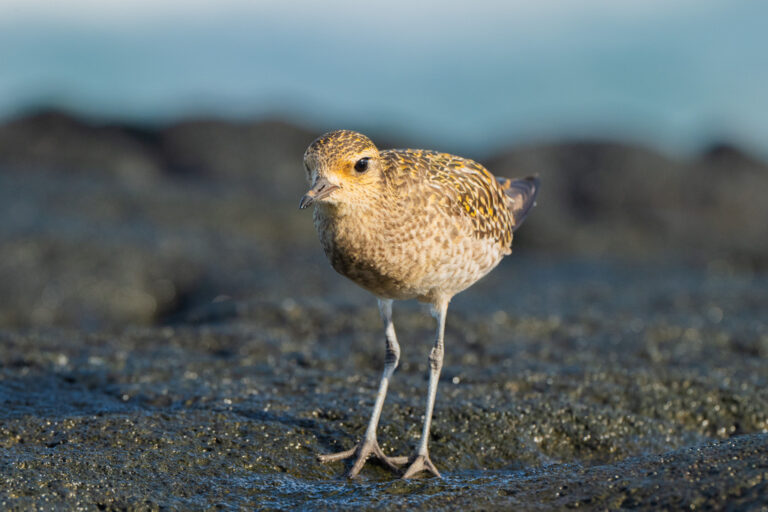
Pluvialis fulva
♥
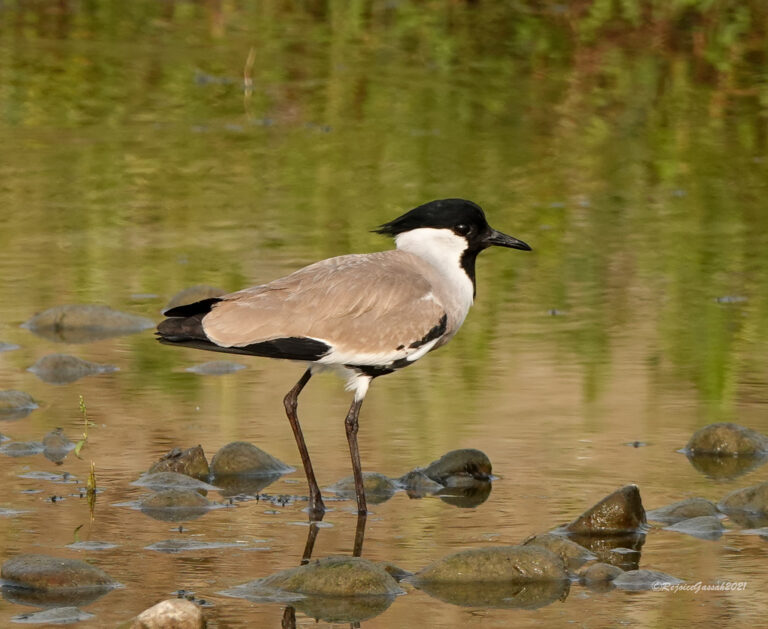
Vanellus duvaucelii
♥
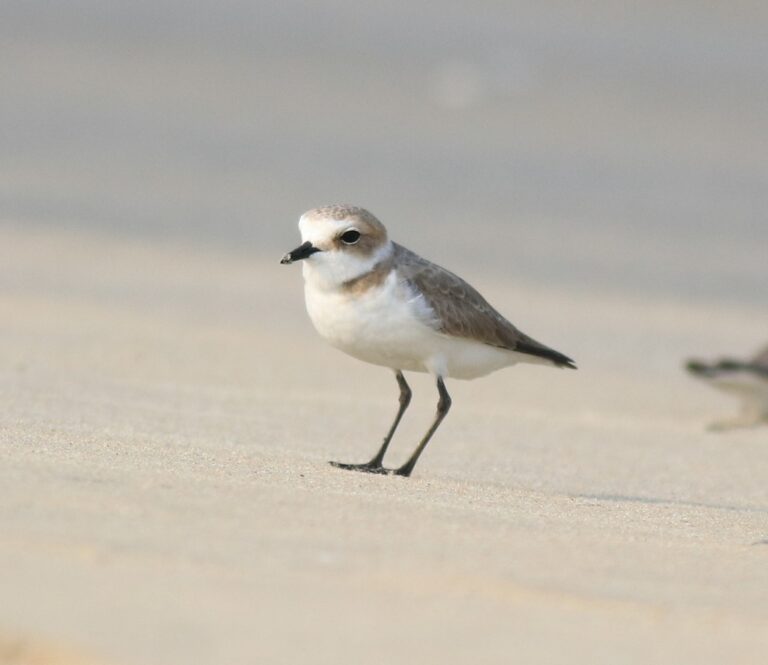
Anarhynchus alexandrinus
♥
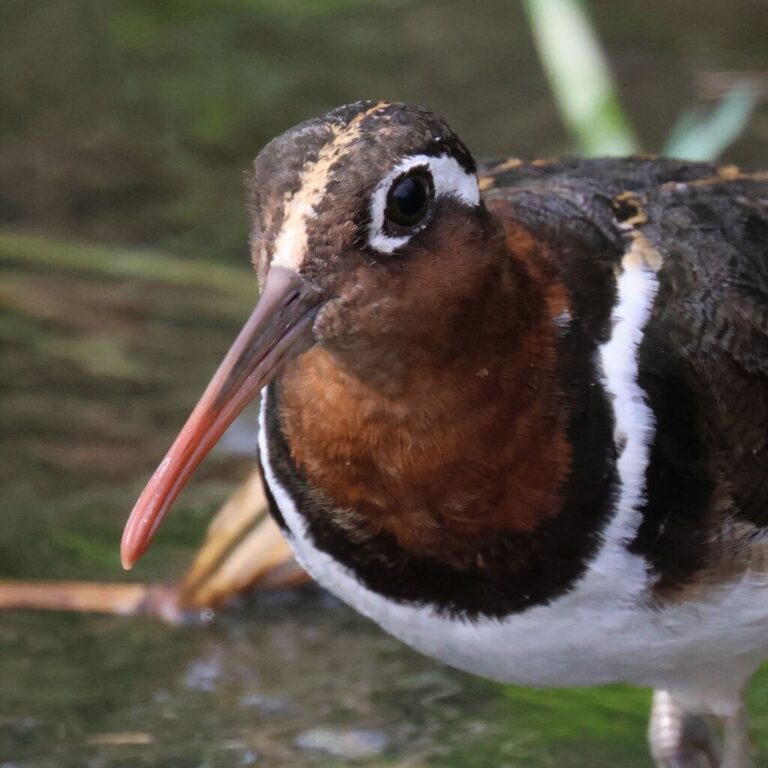
Rostratula benghalensis
♥
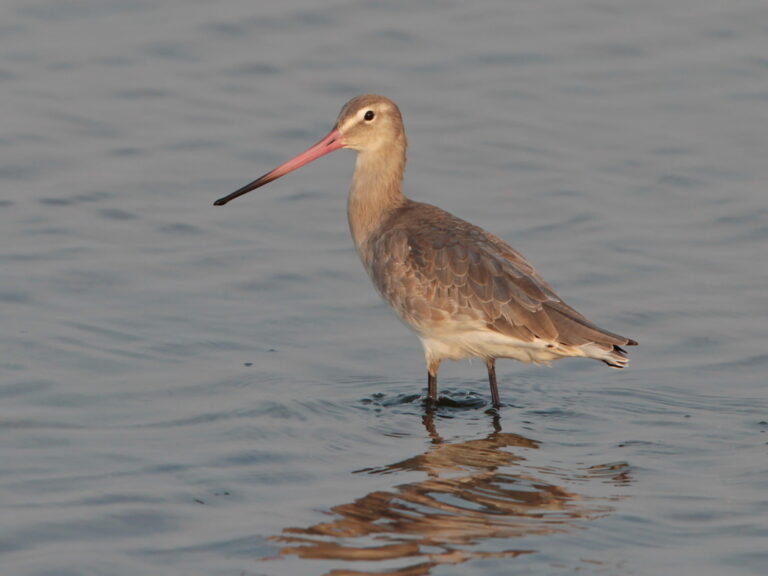
Limosa limosa
♥
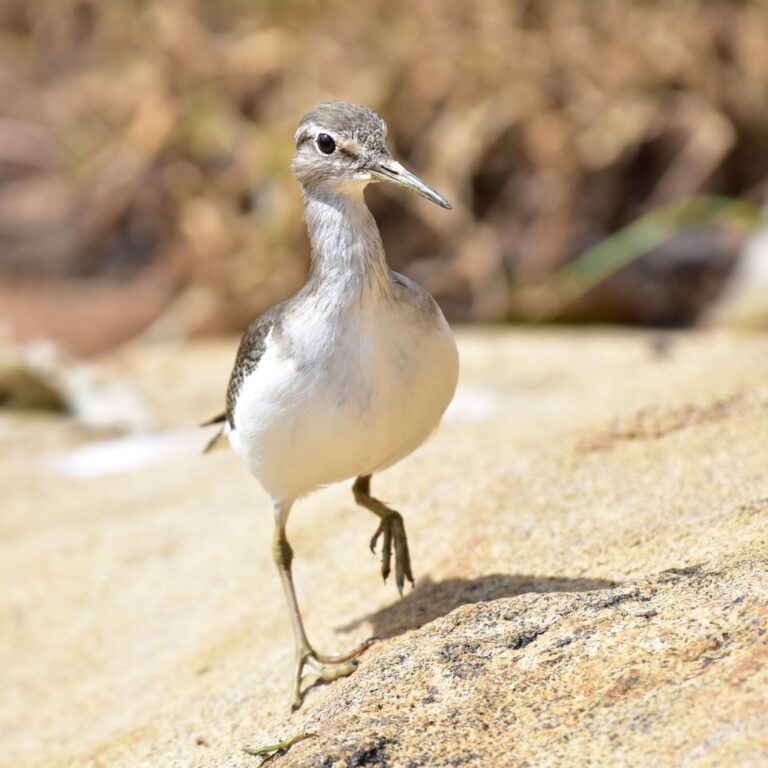
Actitis hypoleucos
♥
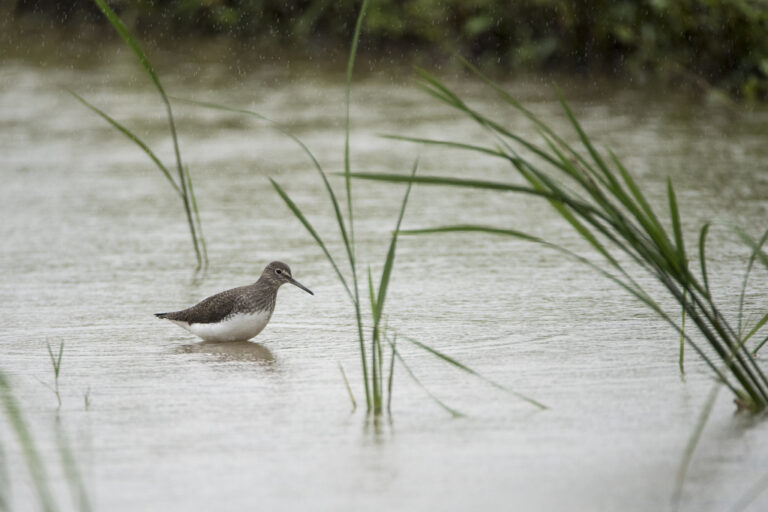
Tringa ochropus
♥
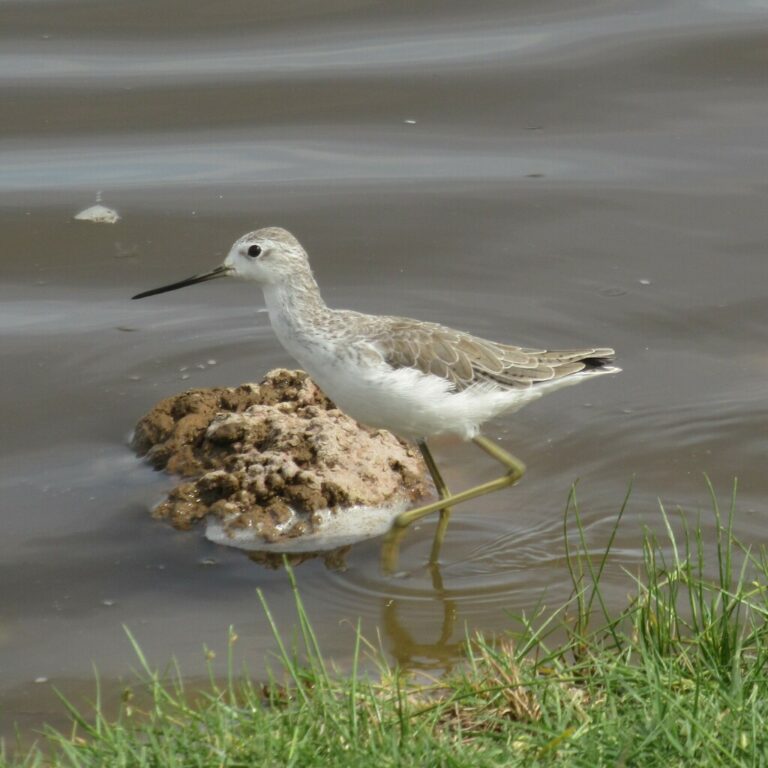
Tringa stagnatilis
♥
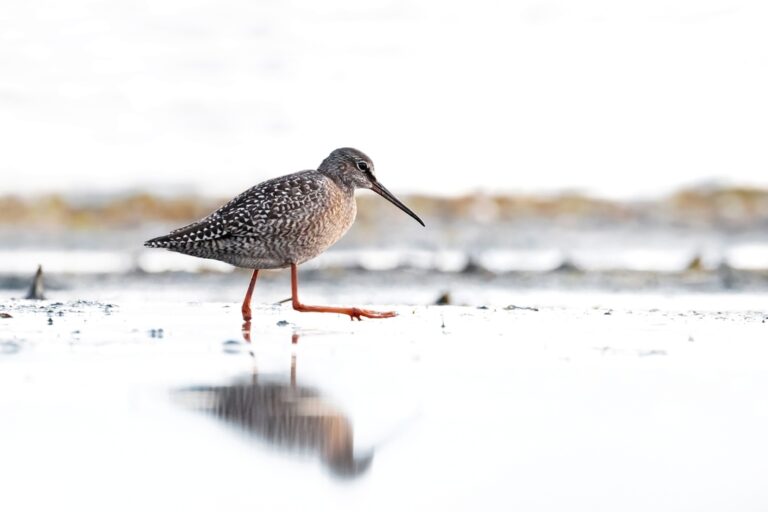
Tringa erythropus
♥
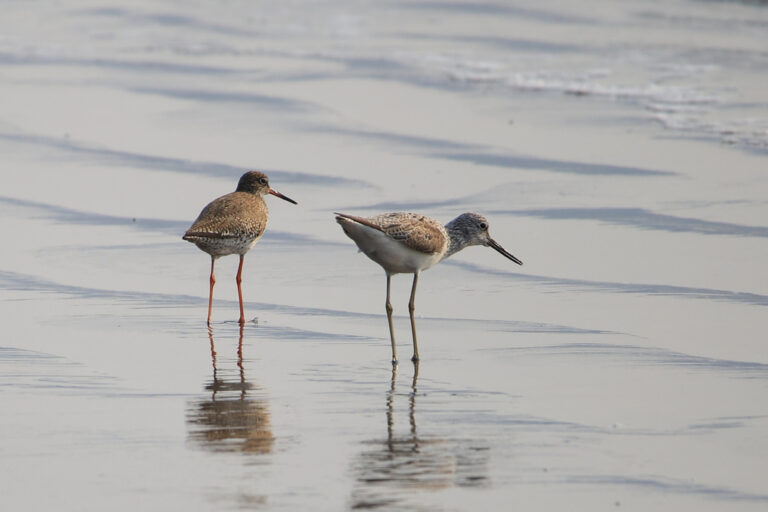
Tringa nebularia
♥
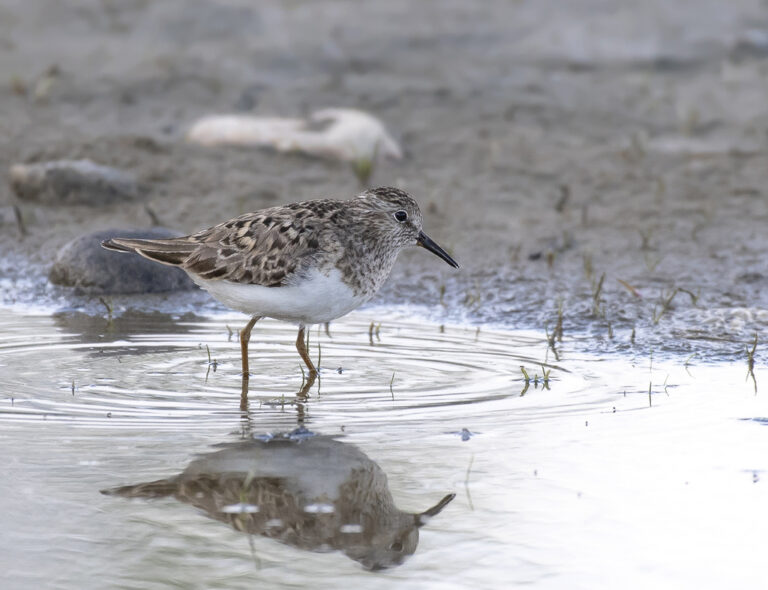
Calidris temminckii
♥
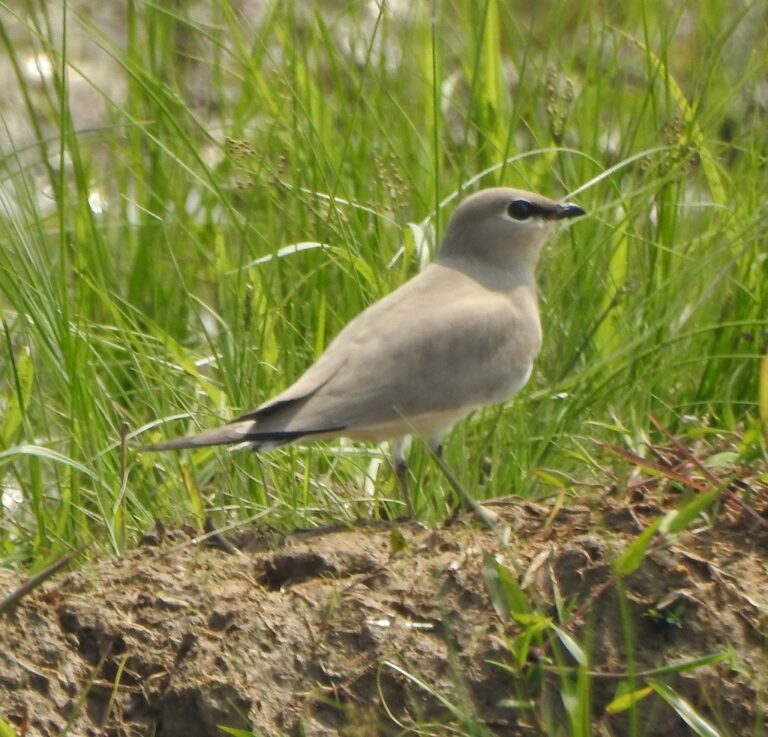
Glareola lactea
♥
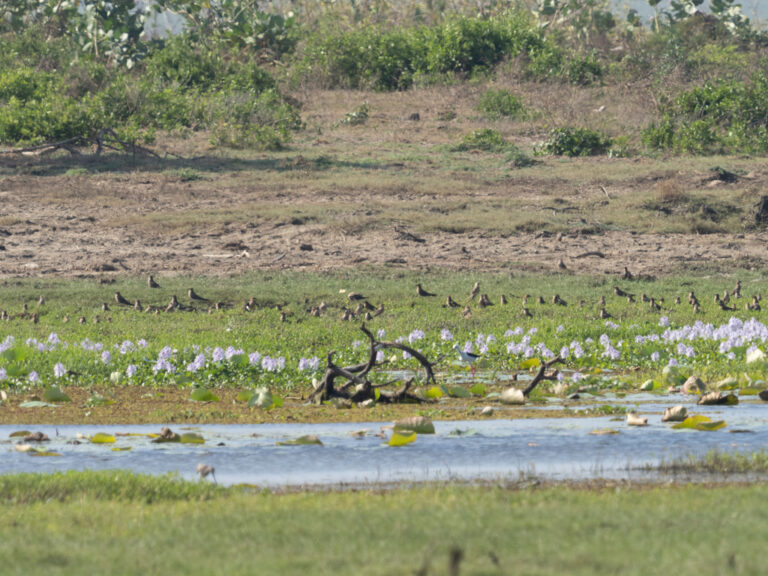
Glareola maldivarum
♥
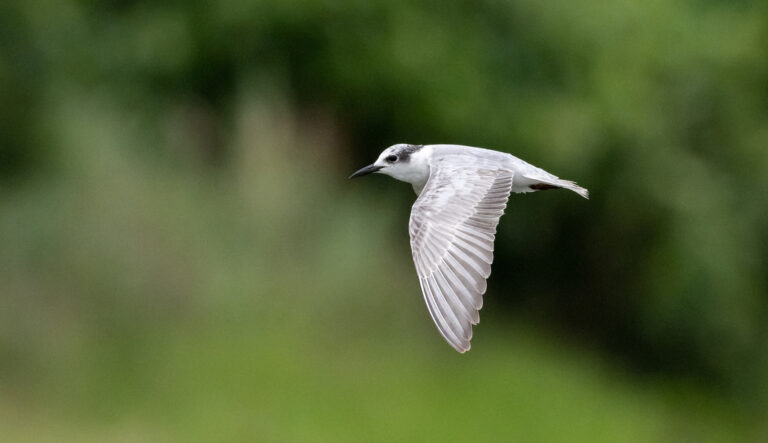
Chlidonias hybrida
♥
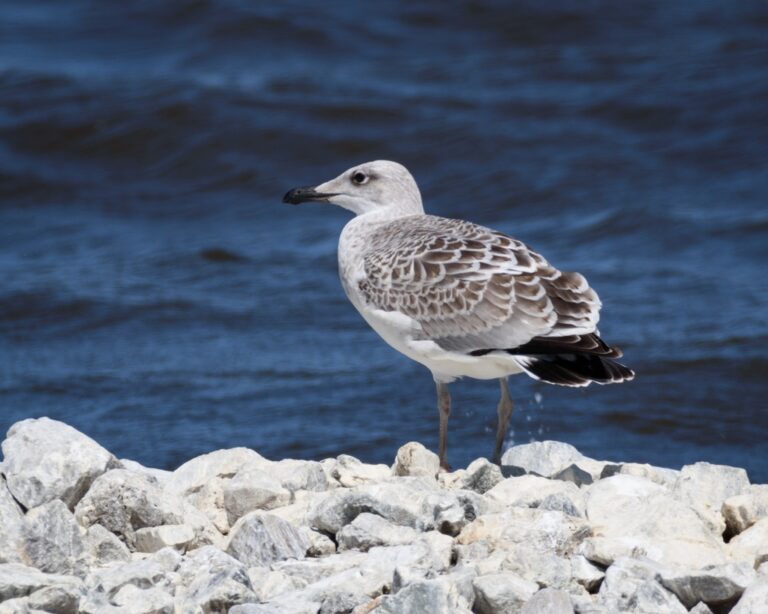
Ichthyaetus ichthyaetus
♥
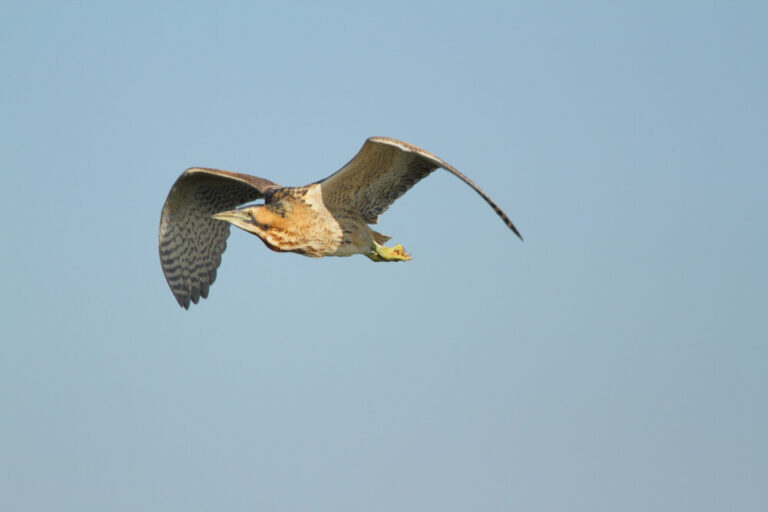
Botaurus stellaris
♥
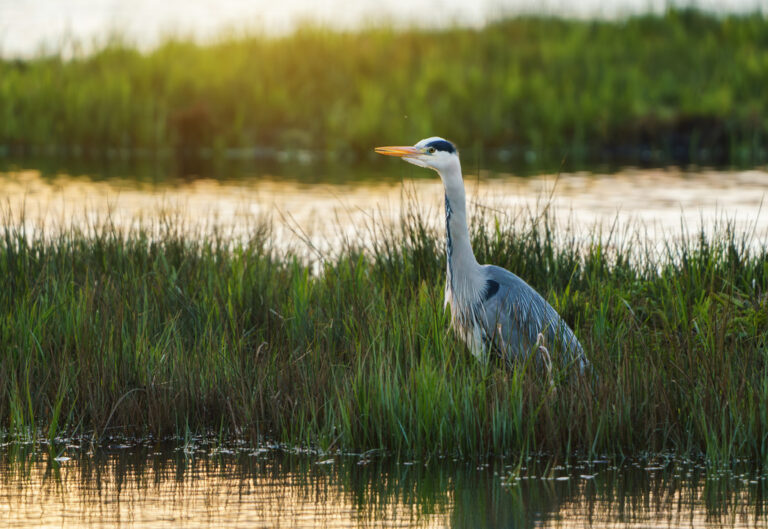
Ardea cinerea
♥
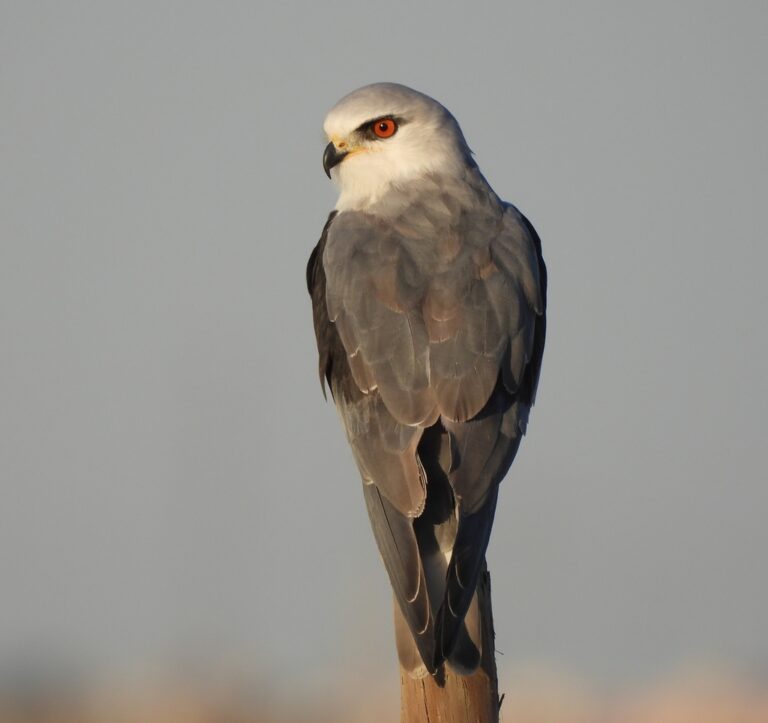
Elanus caeruleus
♥
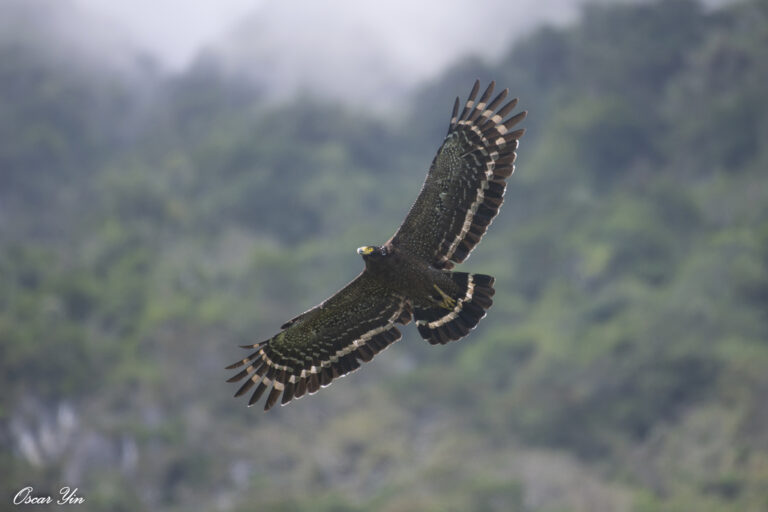
Spilornis cheela
♥
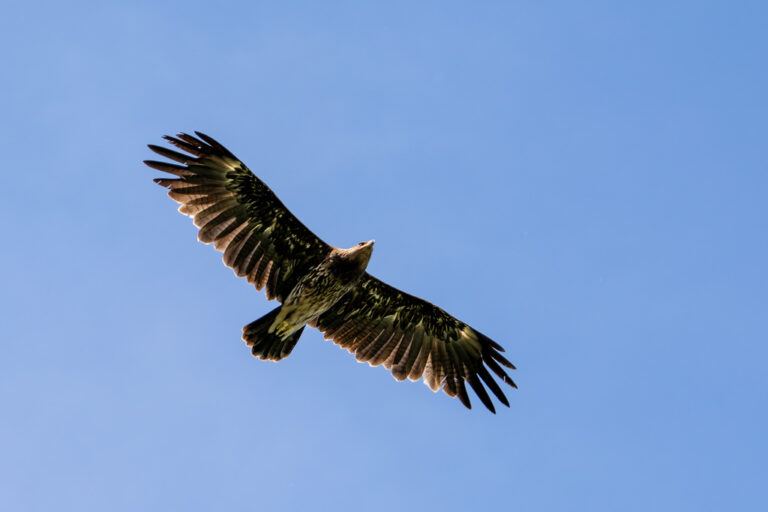
Clanga clanga
♥
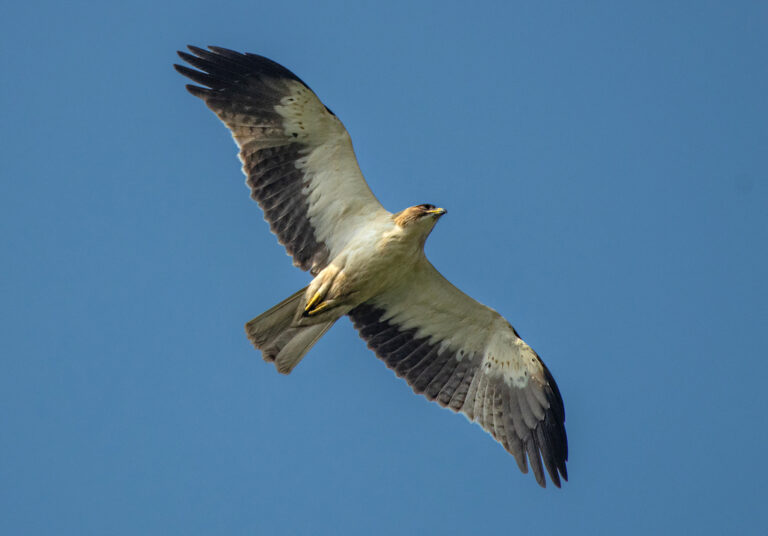
Hieraaetus pennatus
♥
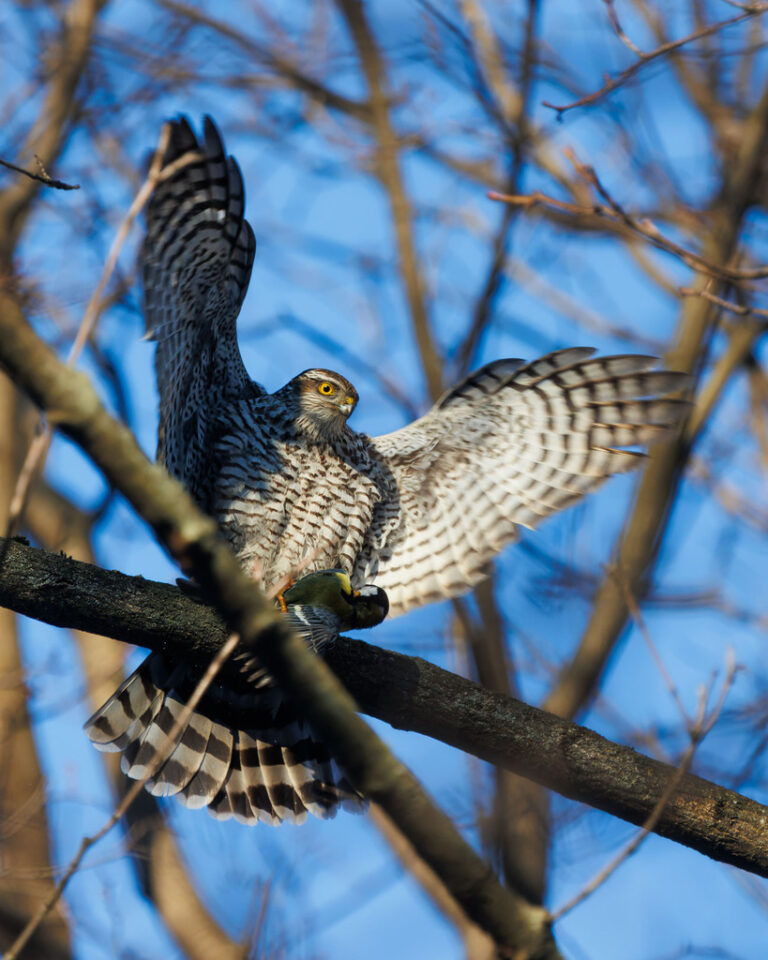
Accipiter nisus
♥
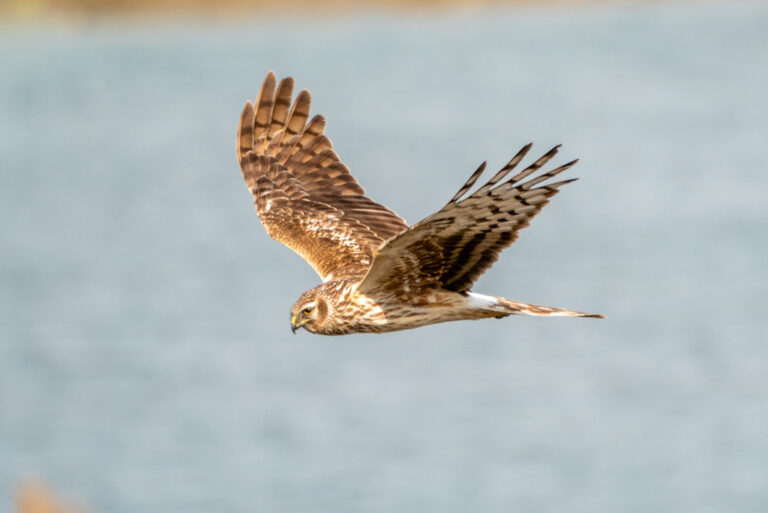
Circus cyaneus
♥
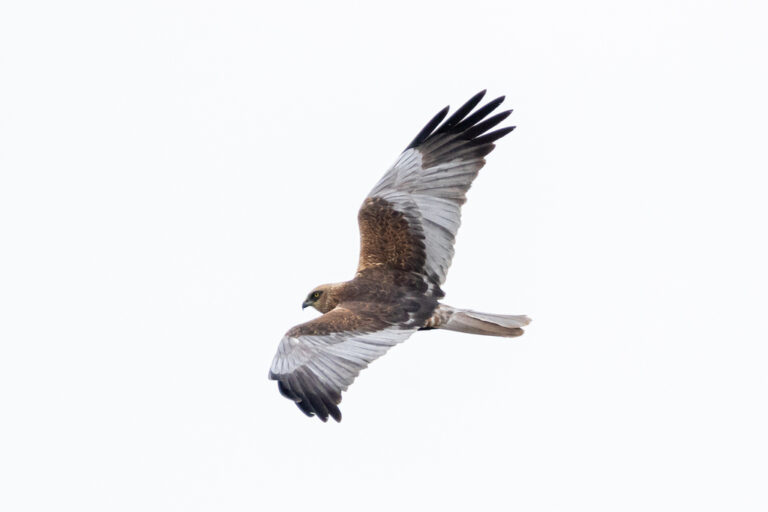
Circus aeruginosus
♥
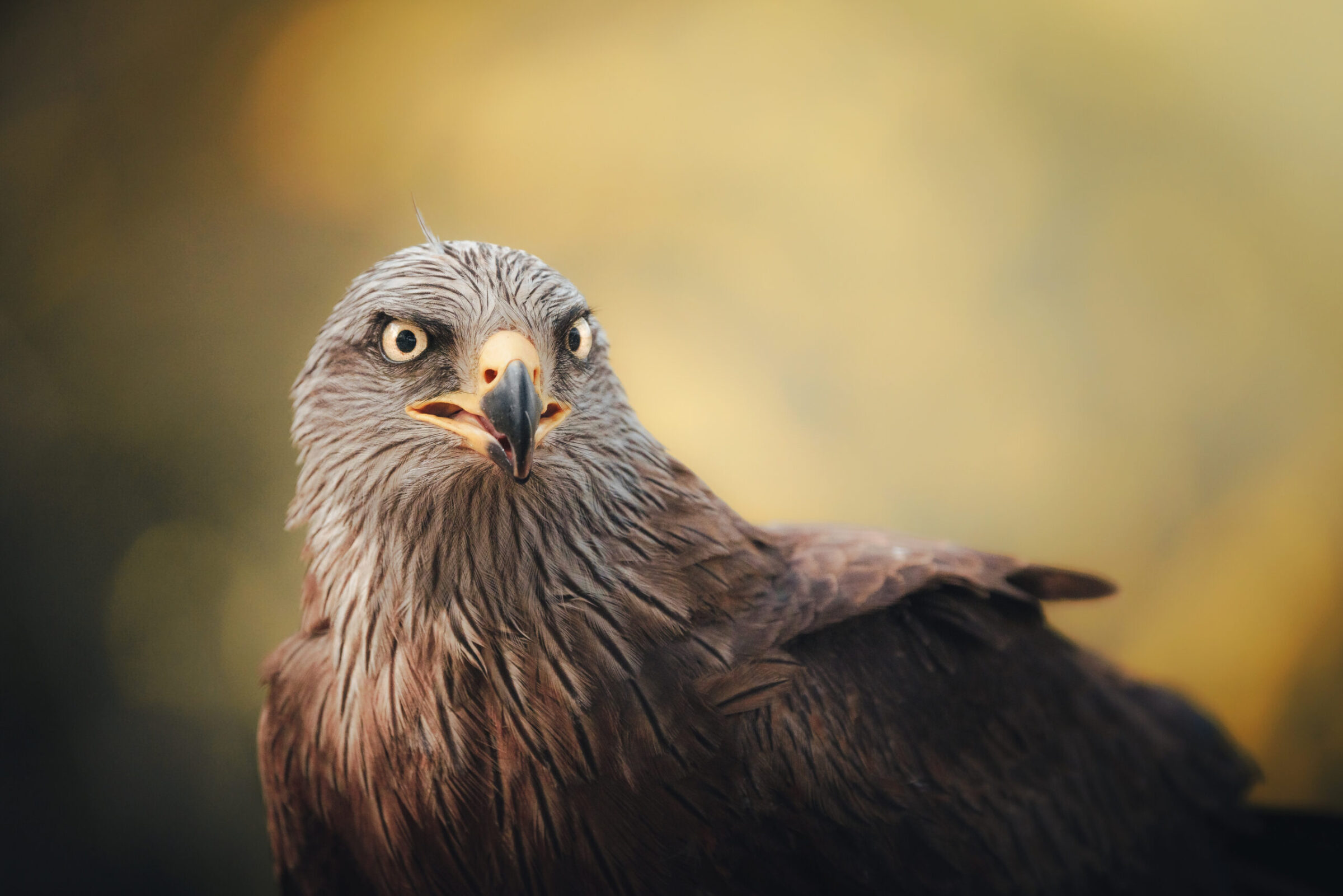
Milvus migrans
♥
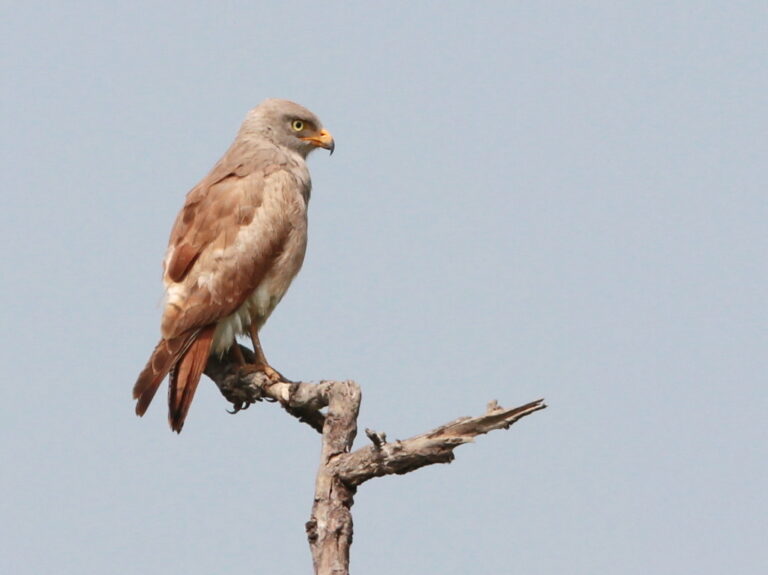
Butastur liventer
♥
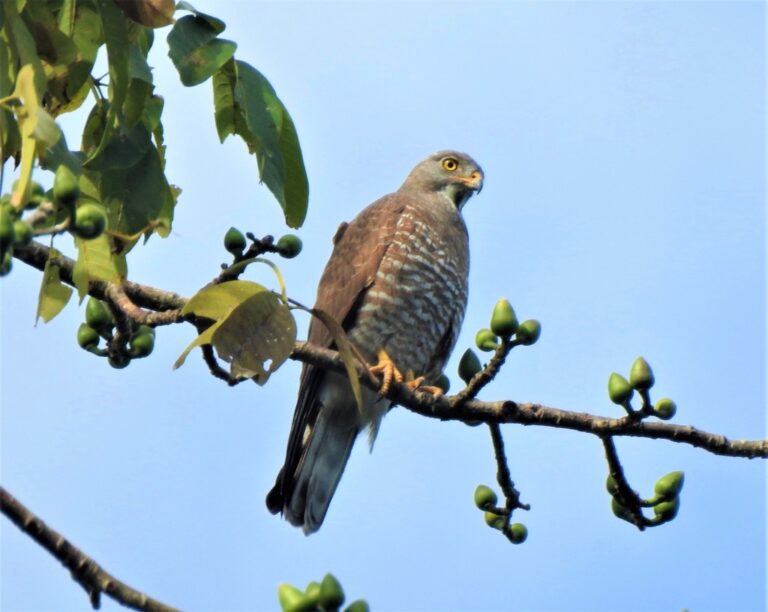
Butastur indicus
♥
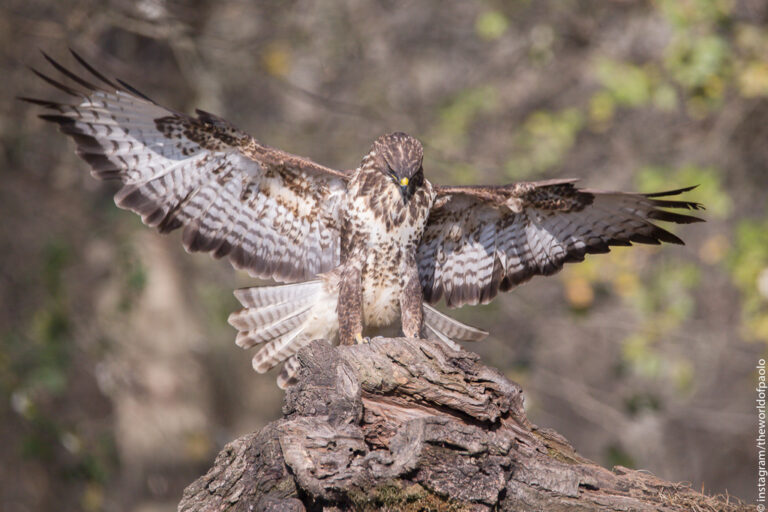
Buteo buteo
♥
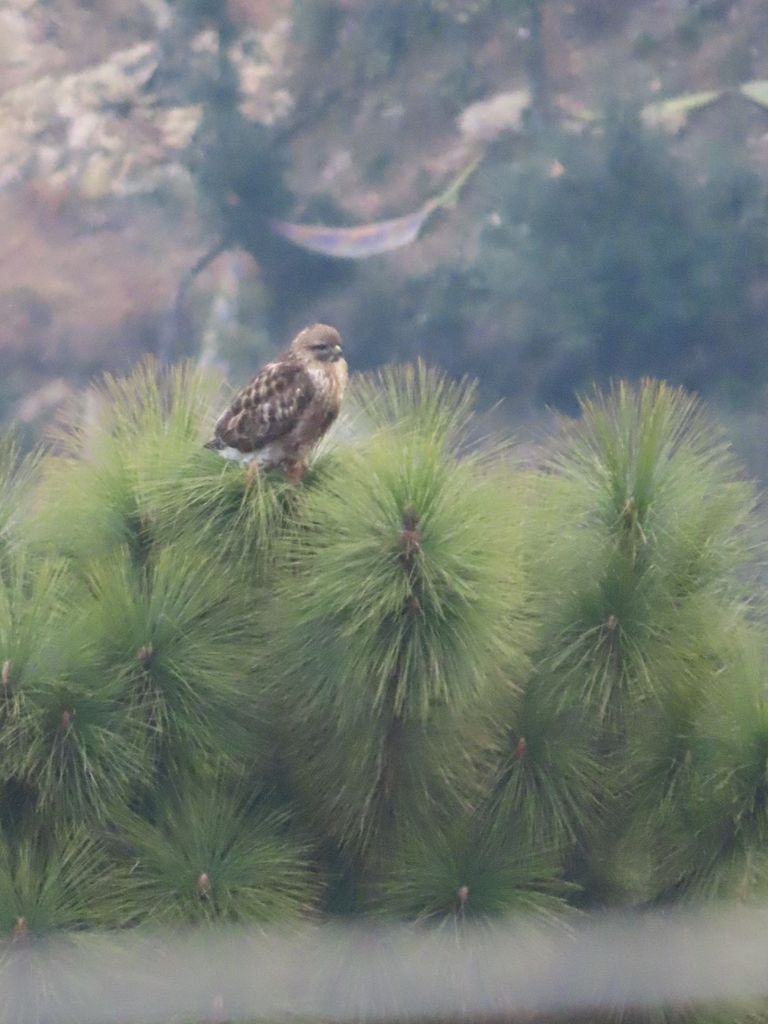
Buteo refectus
♥
Buteo japonicus
♥
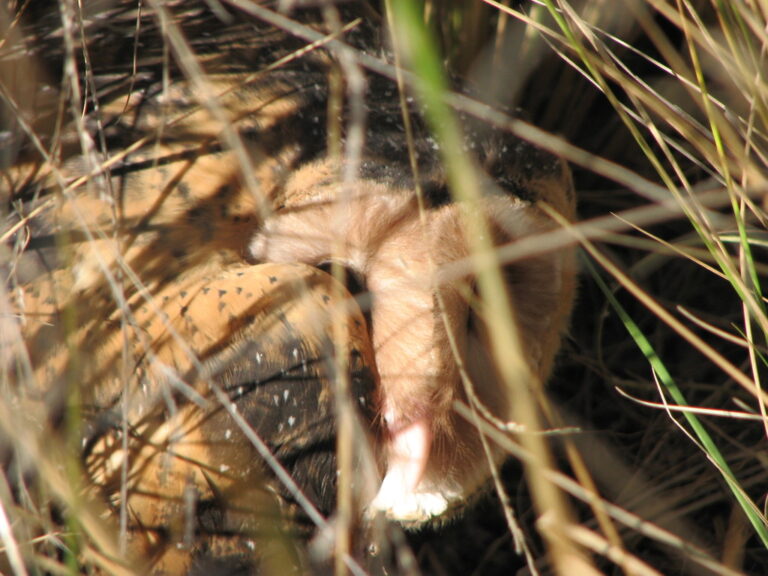
Tyto longimembris
♥
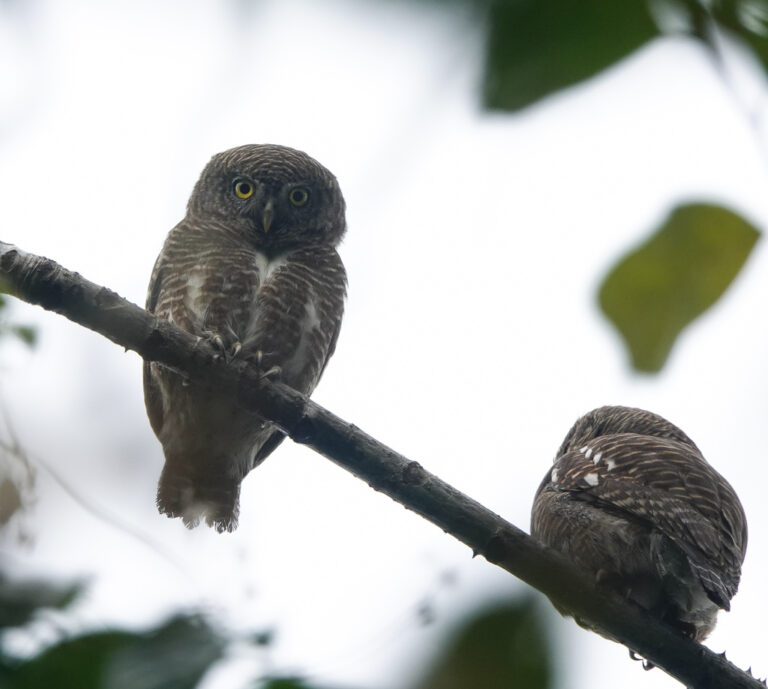
Glaucidium cuculoides
♥
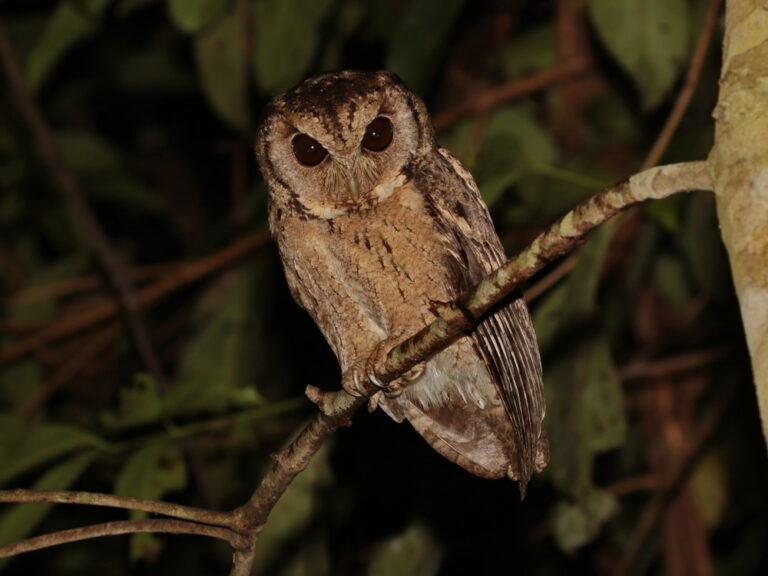
Otus lettia
♥
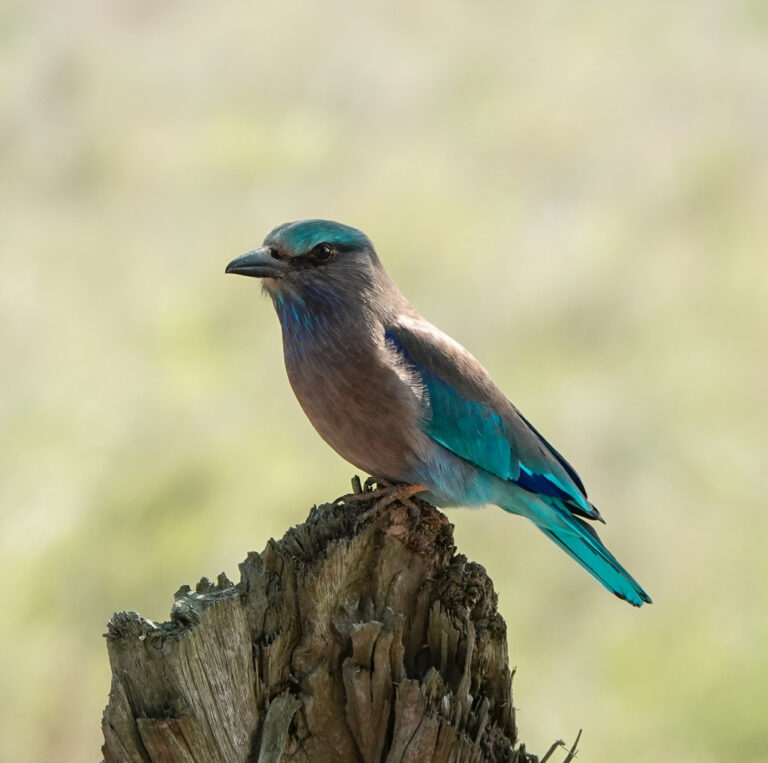
Coracias affinis
♥
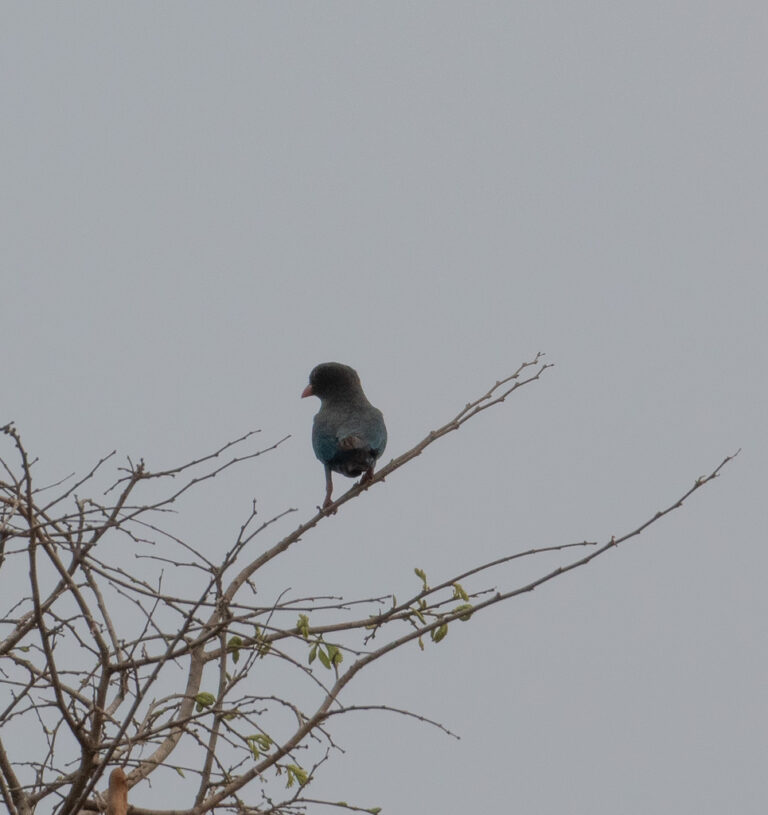
Eurystomus orientalis
♥
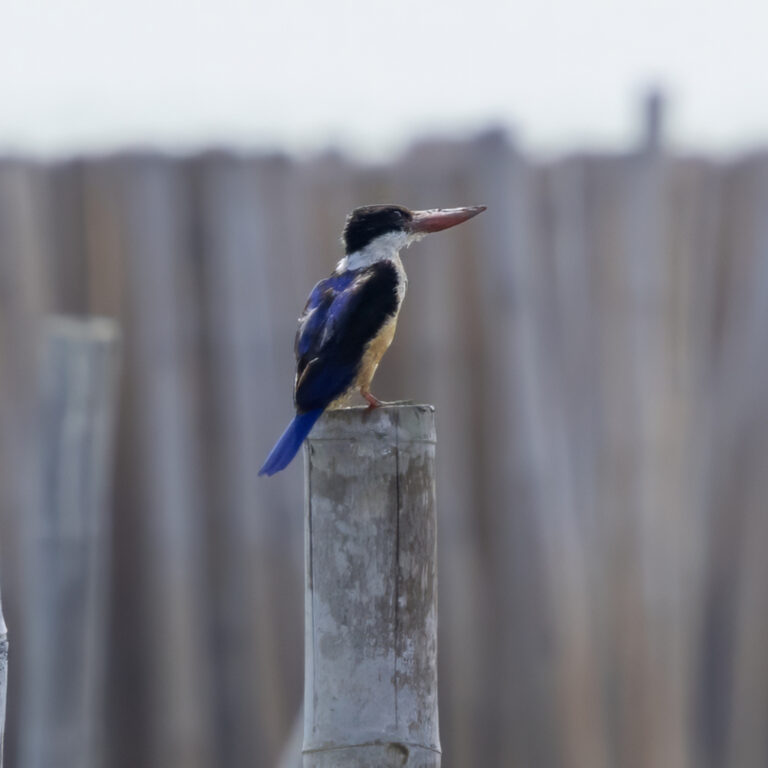
Halcyon pileata
♥
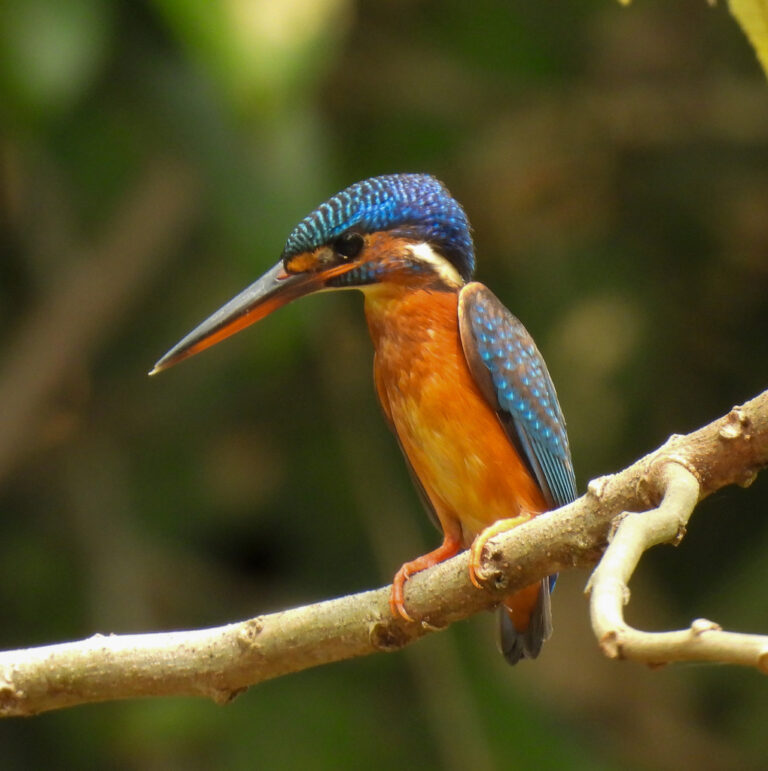
Alcedo meninting
♥
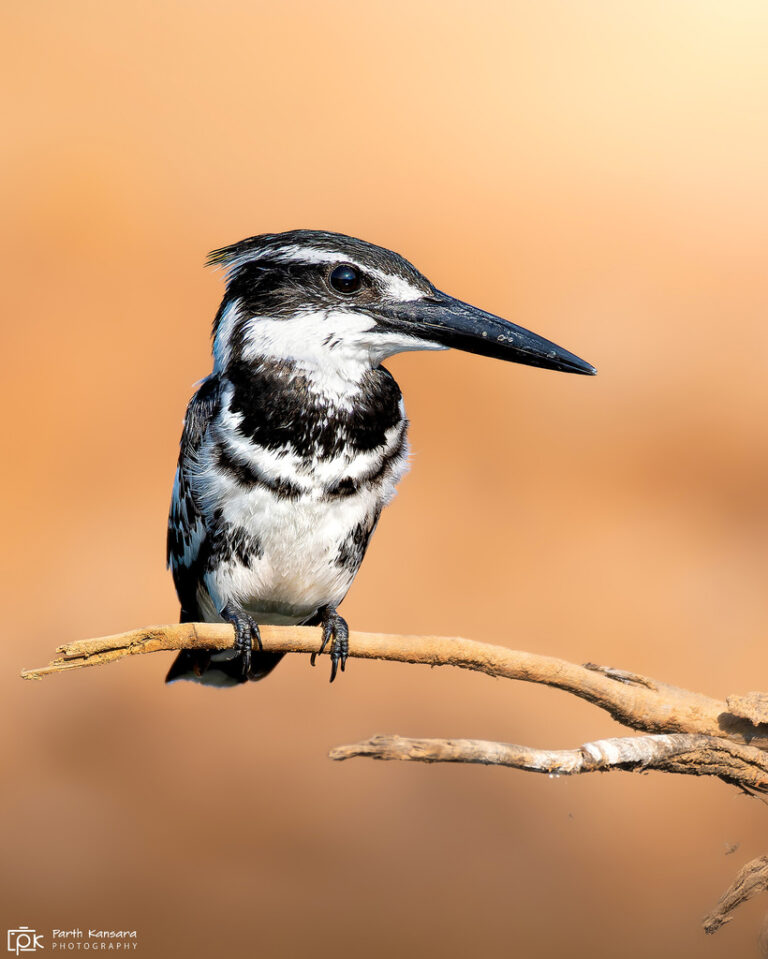
Ceryle rudis
♥
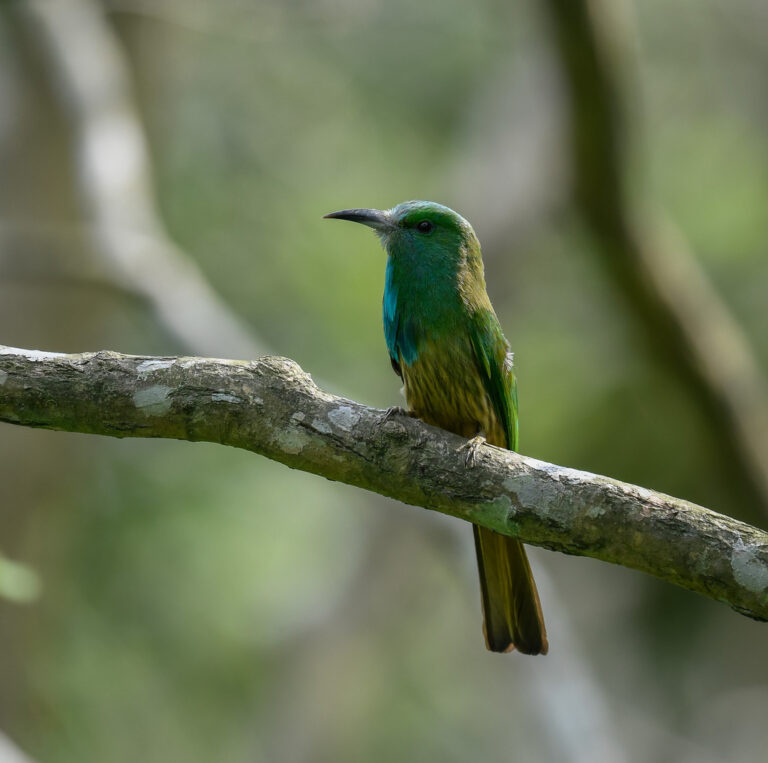
Nyctyornis athertoni
♥
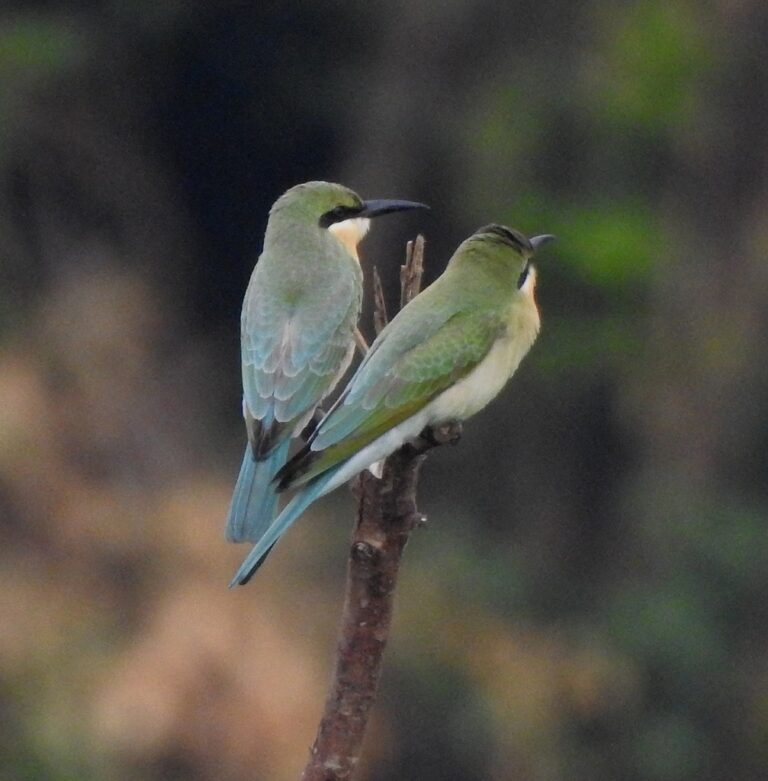
Merops philippinus
♥
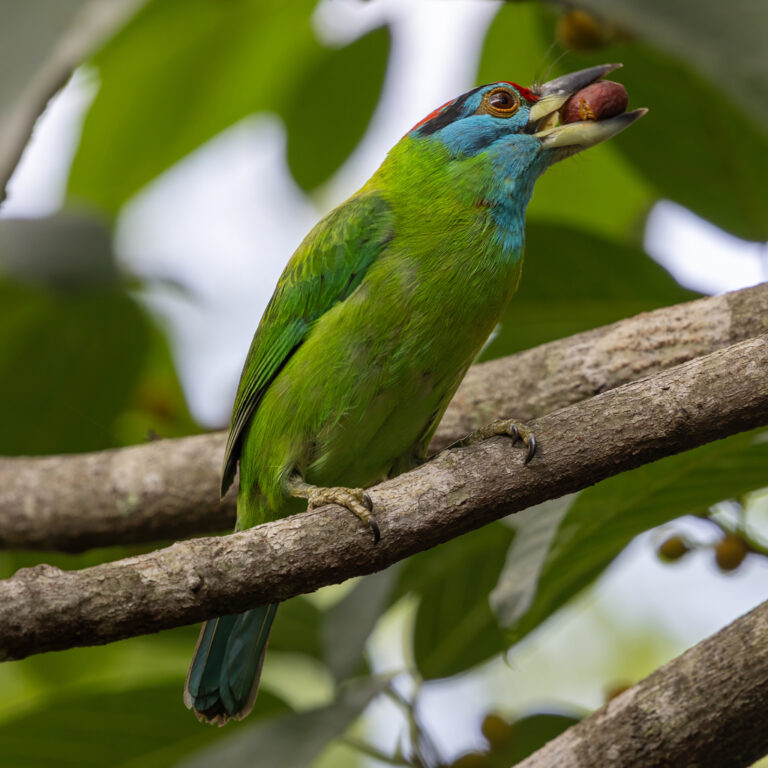
Psilopogon asiaticus
♥
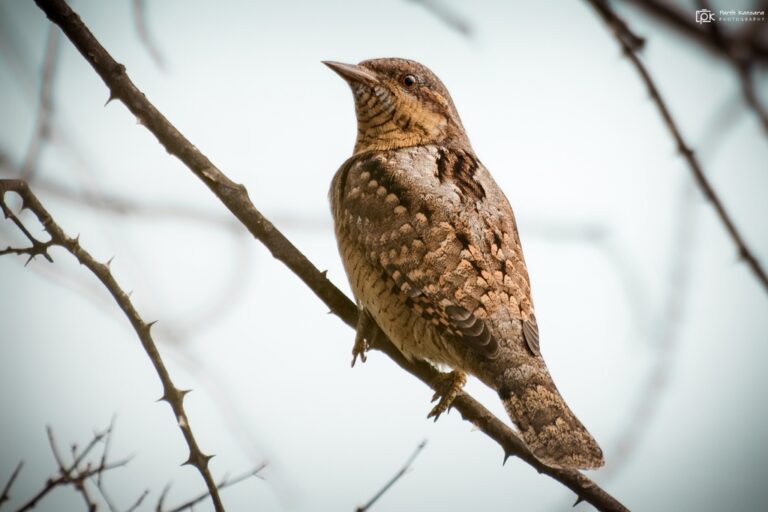
Jynx torquilla
♥
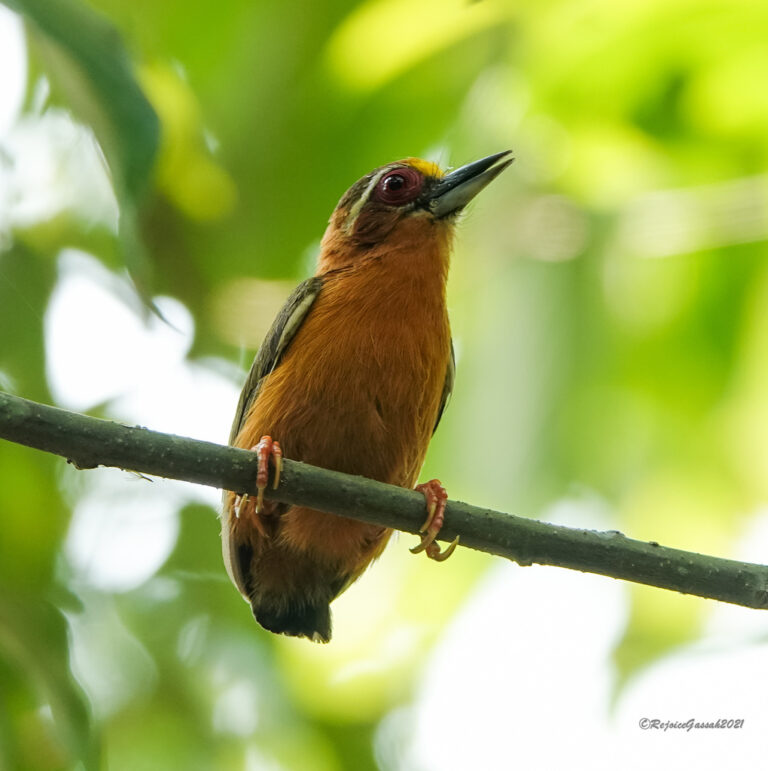
Sasia ochracea
♥
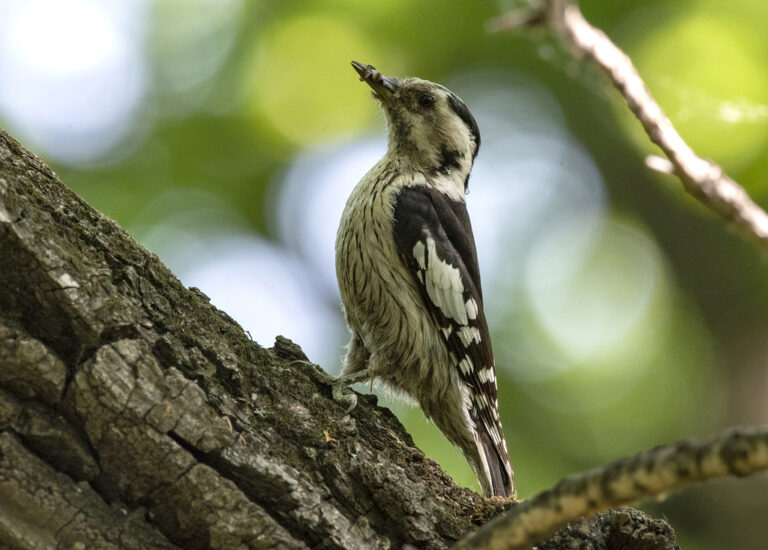
Yungipicus canicapillus
♥
Dendrocopos analis
♥
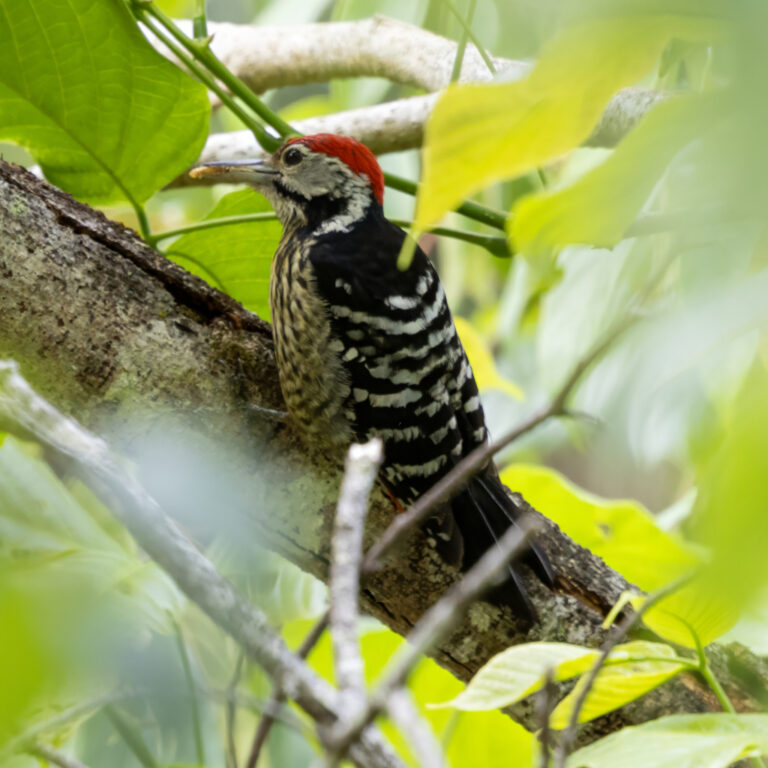
Dendrocopos atratus
♥
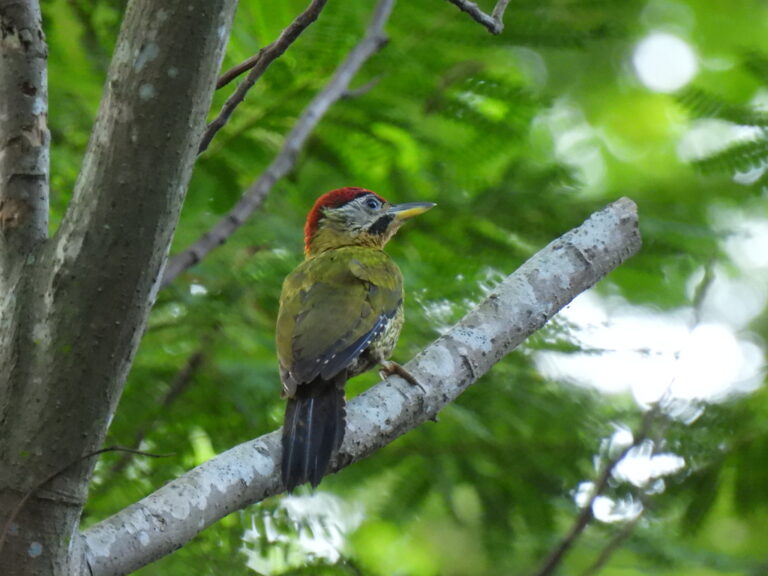
Picus vittatus
♥
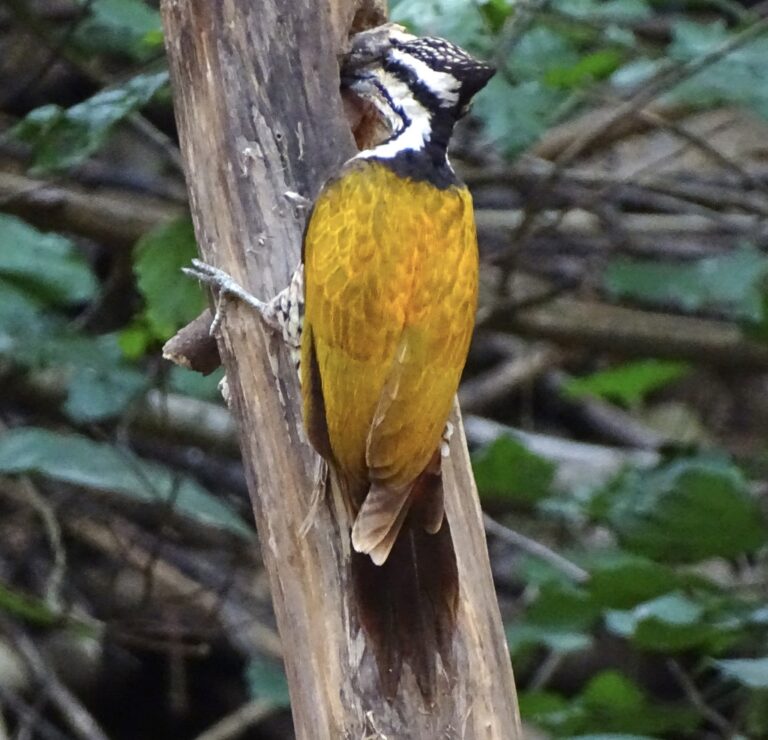
Dinopium javanense
♥
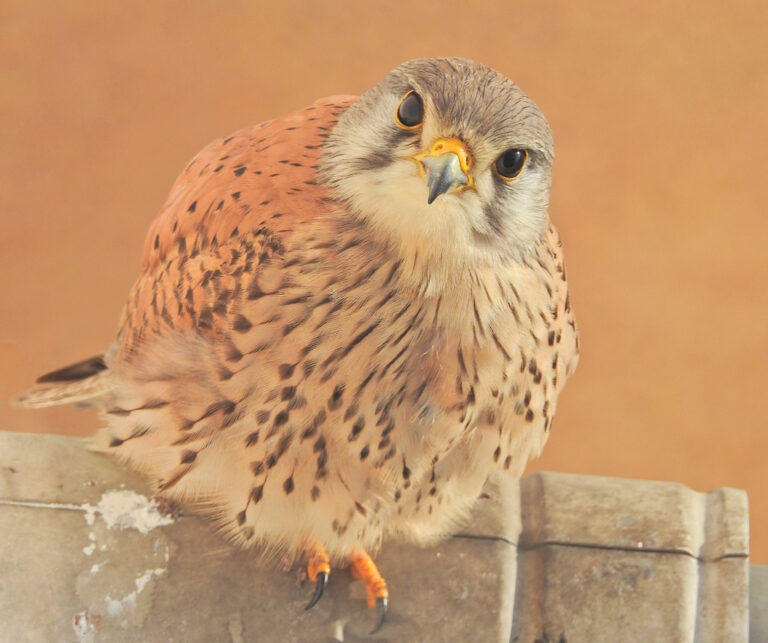
Falco tinnunculus
♥
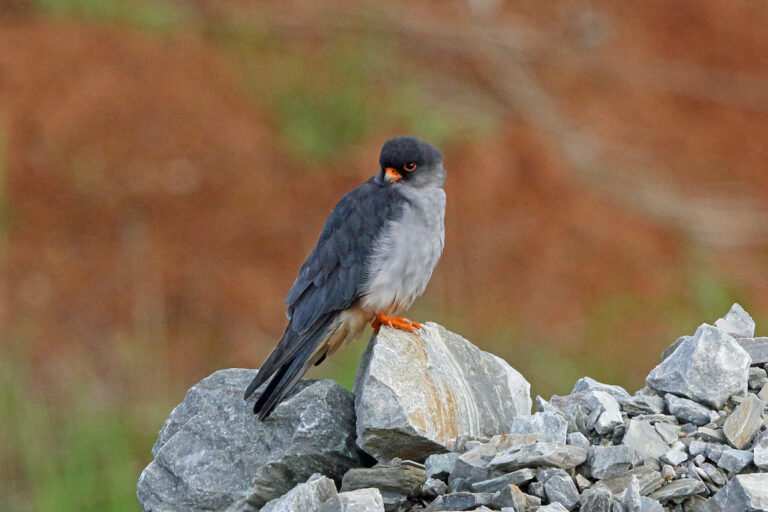
Falco amurensis
♥
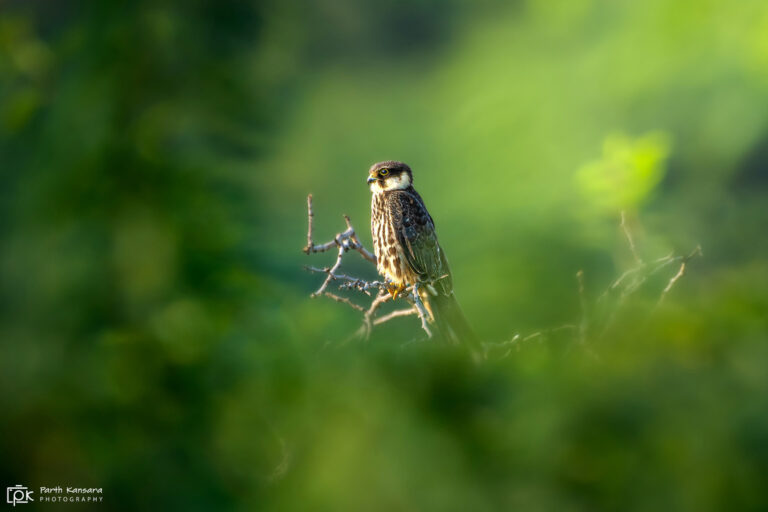
Falco subbuteo
♥
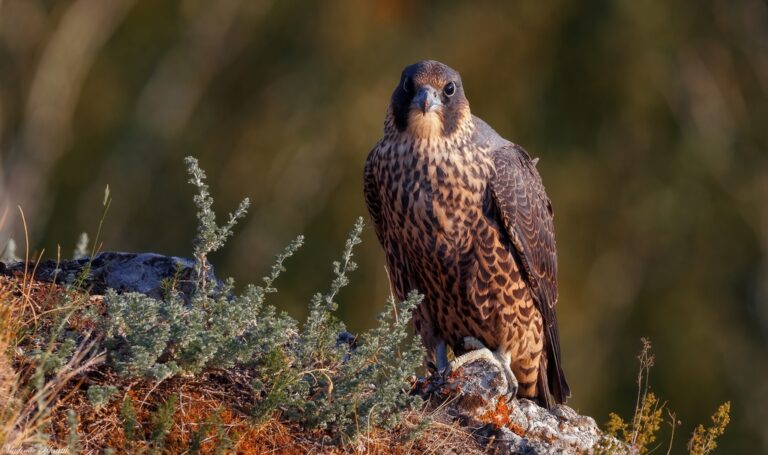
Falco peregrinus
♥
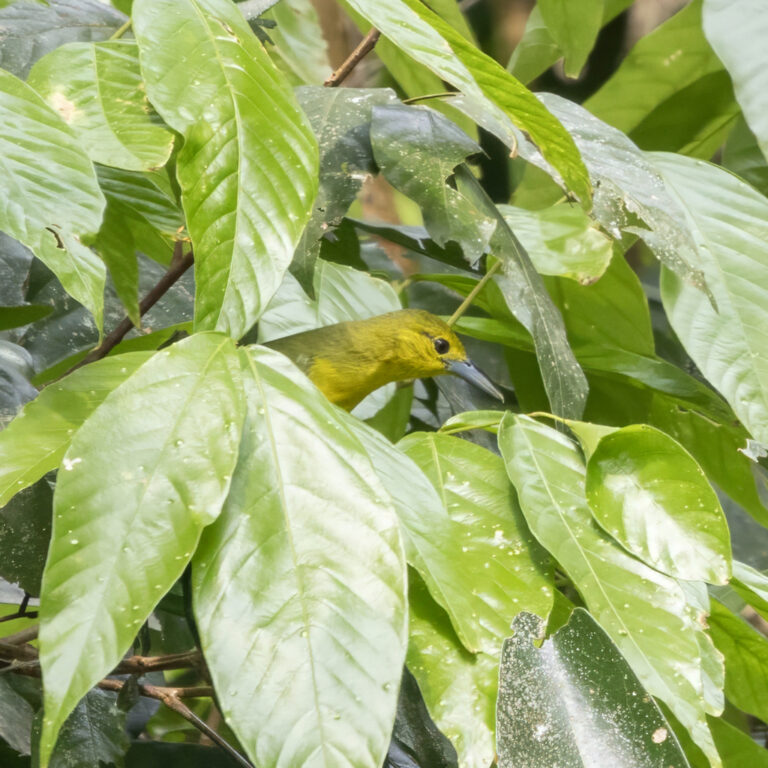
Aegithina lafresnayei
♥
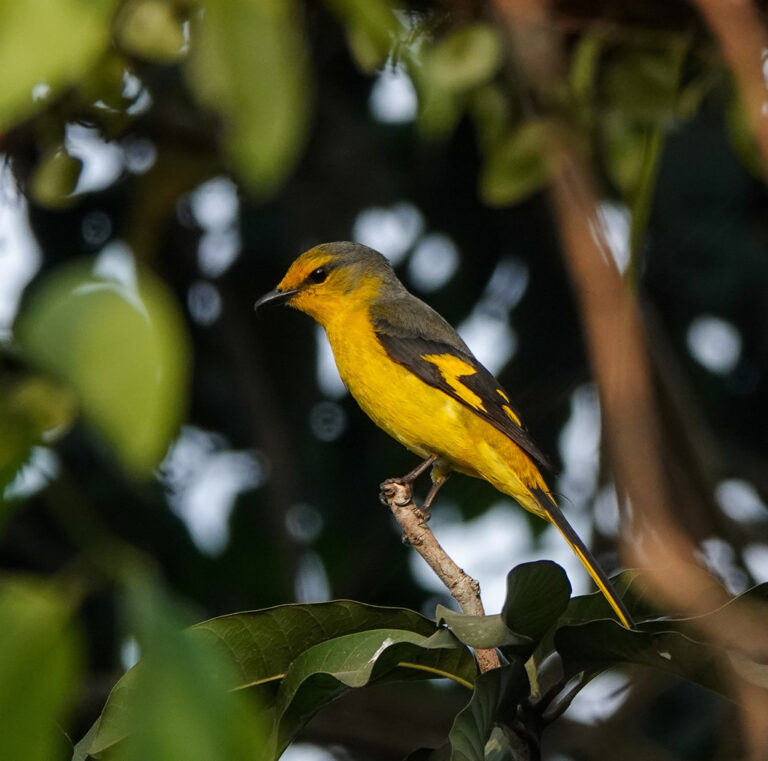
Pericrocotus brevirostris
♥
Pericrocotus ethologus
♥
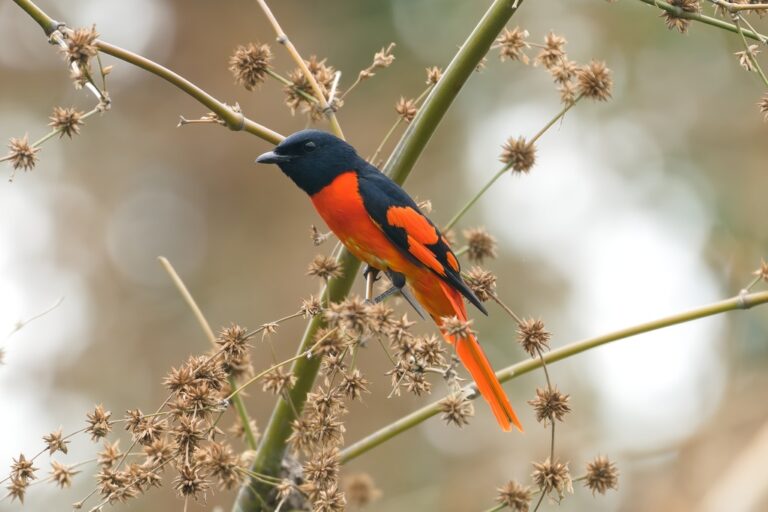
Pericrocotus speciosus
♥
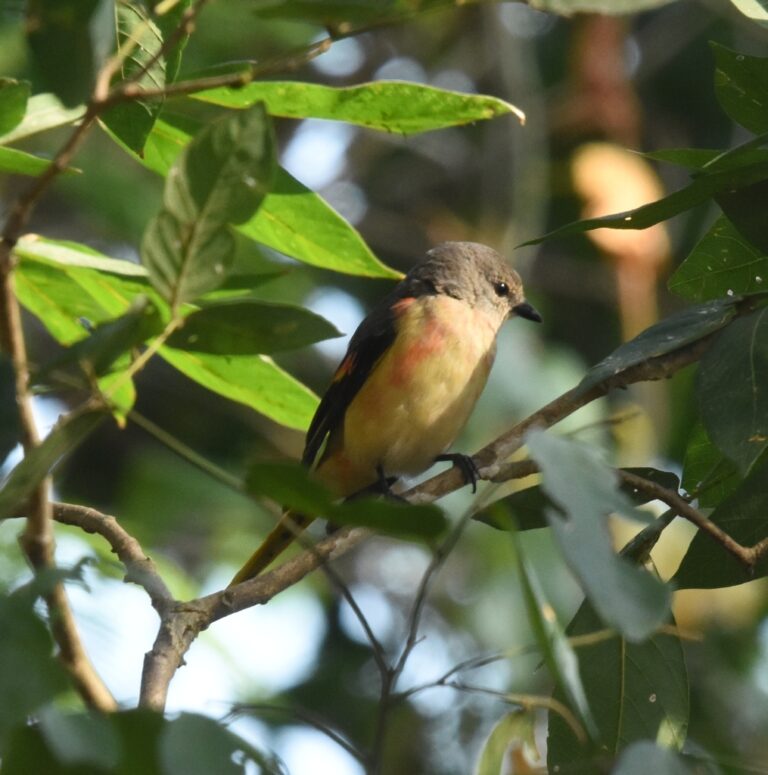
Pericrocotus roseus
♥
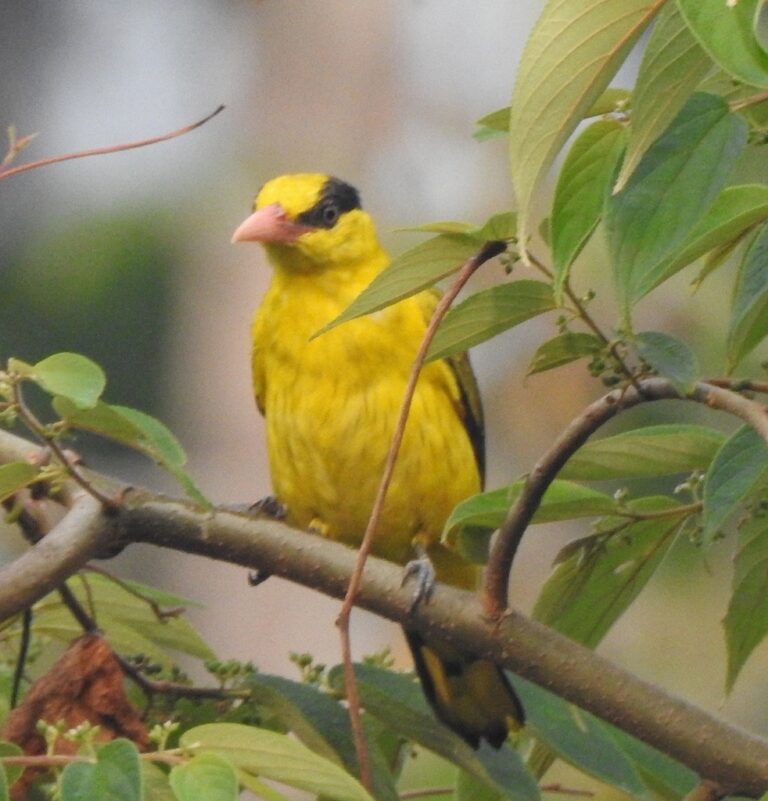
Oriolus chinensis
♥
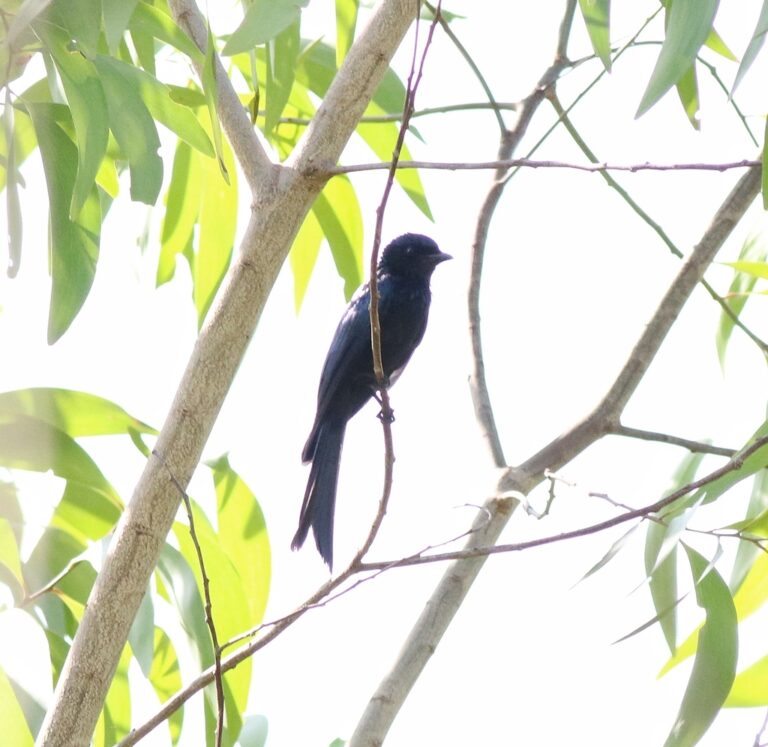
Dicrurus aeneus
♥
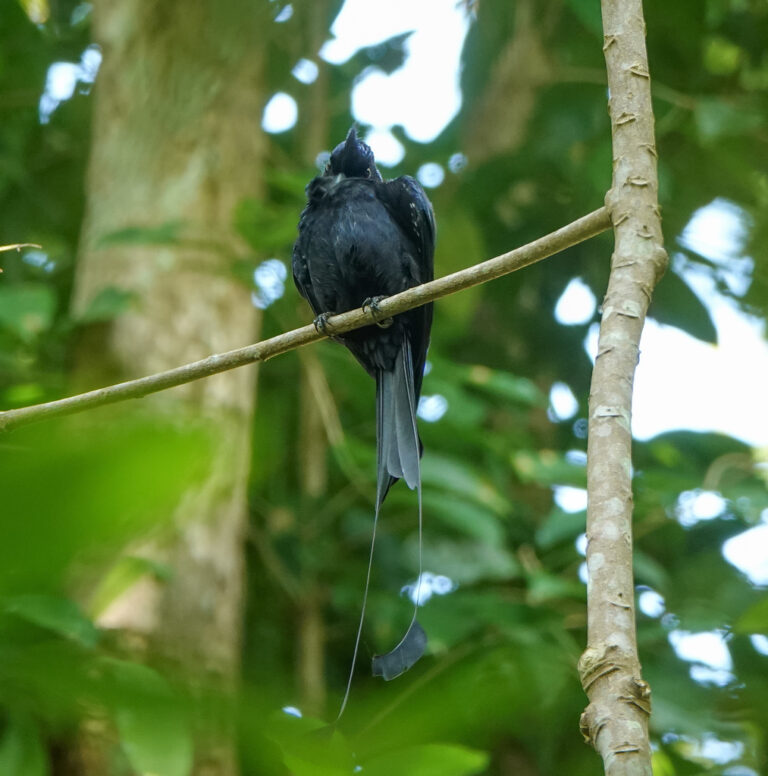
Dicrurus remifer
♥
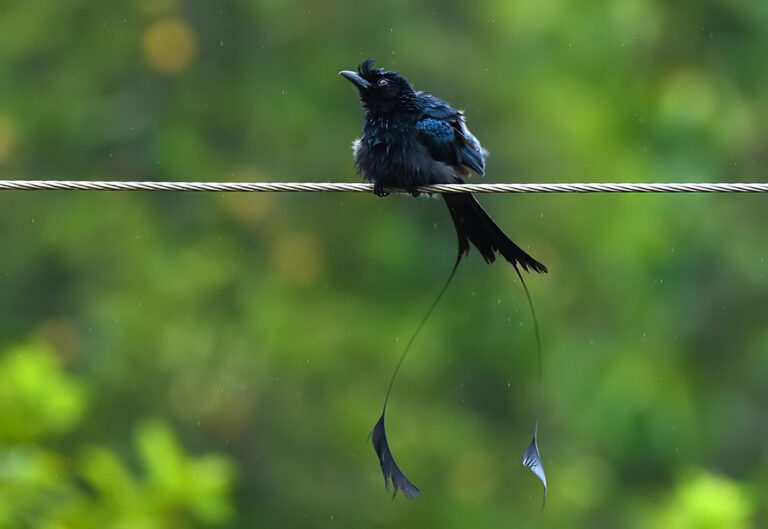
Dicrurus paradiseus
♥
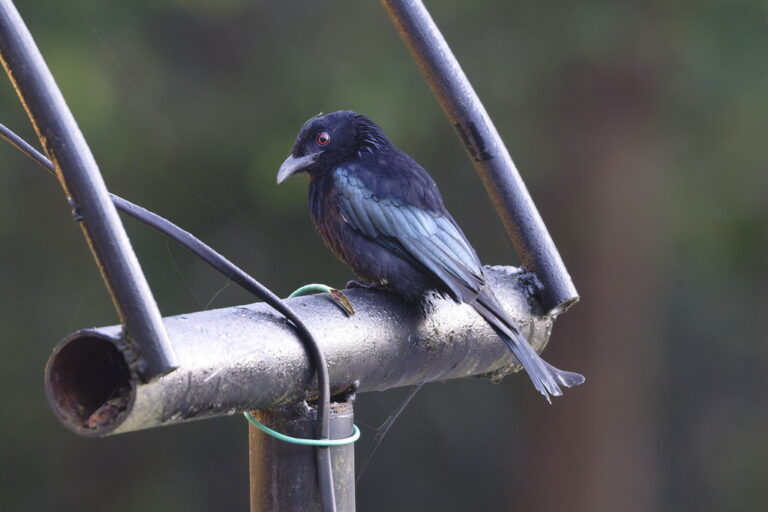
Dicrurus hottentottus
♥
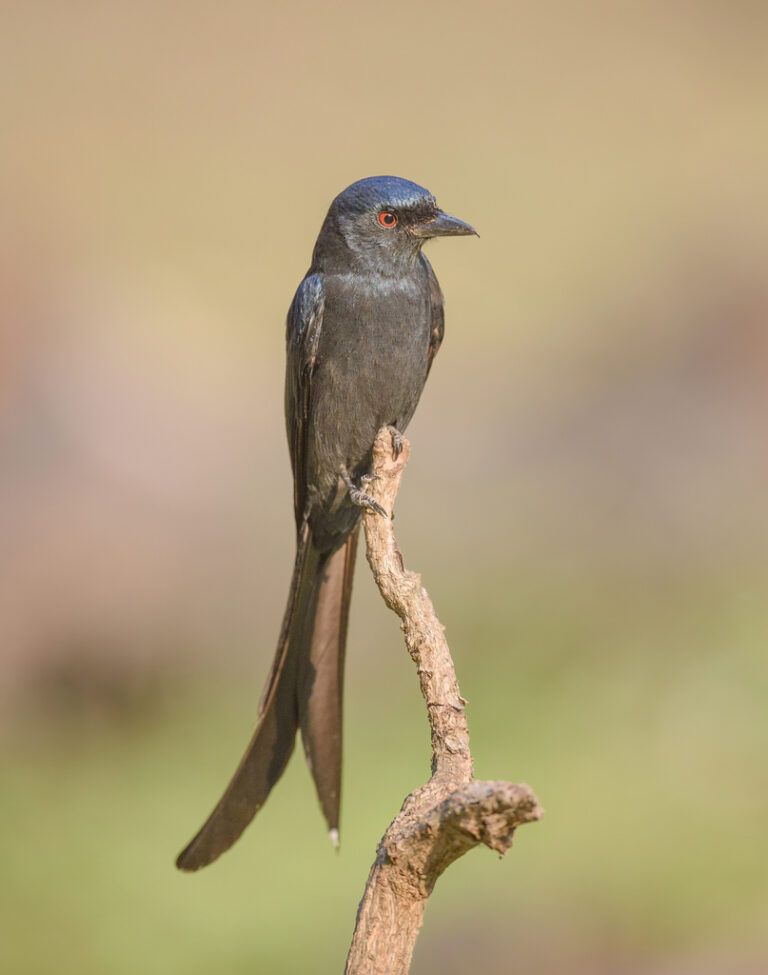
Dicrurus leucophaeus
♥
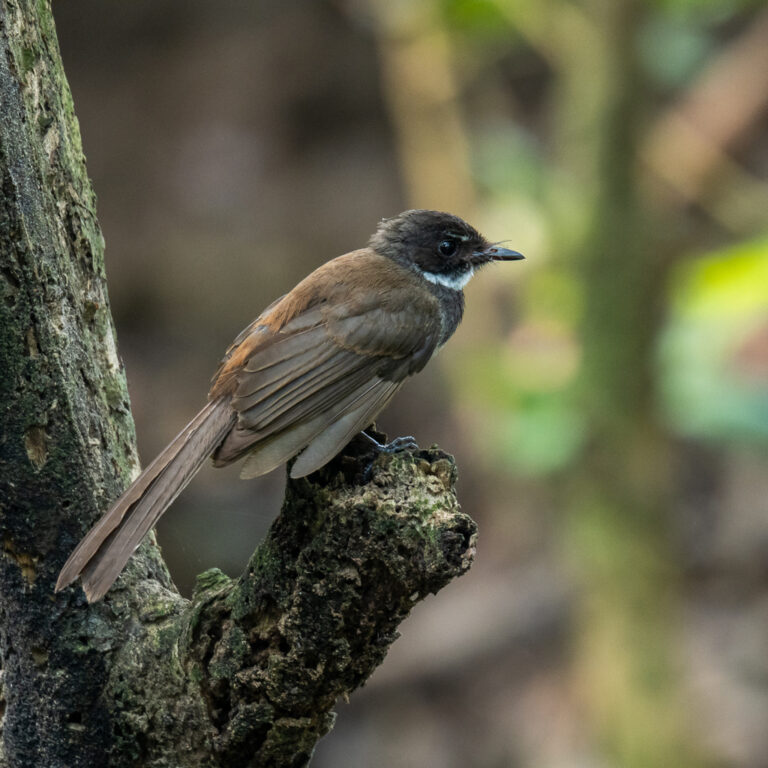
Rhipidura javanica
♥
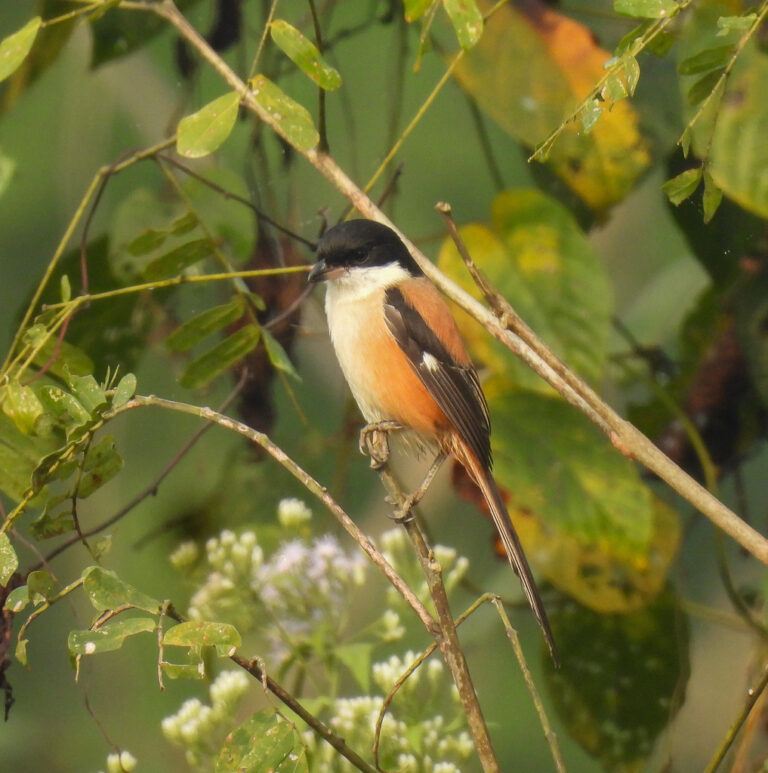
Lanius schach
♥
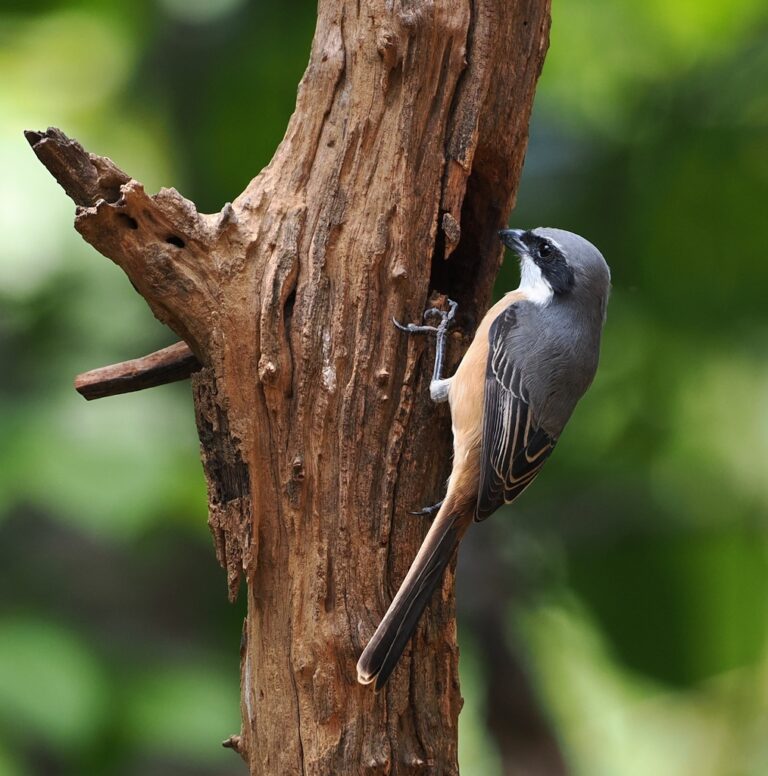
Lanius tephronotus
♥
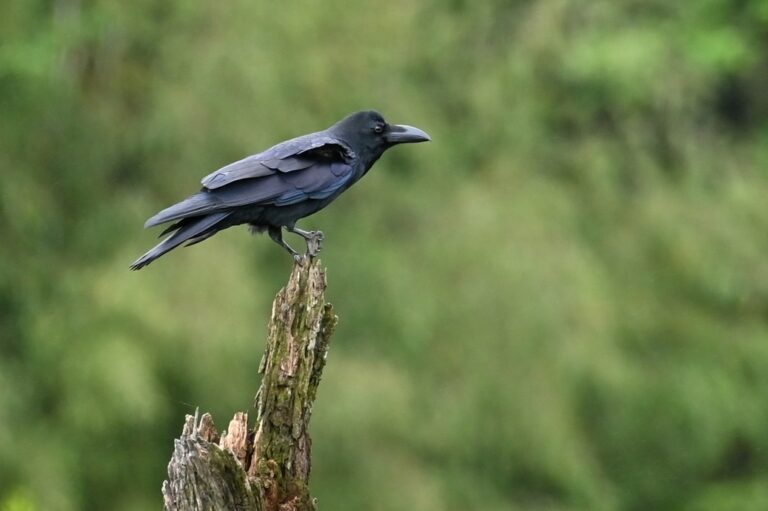
Corvus macrorhynchos
♥
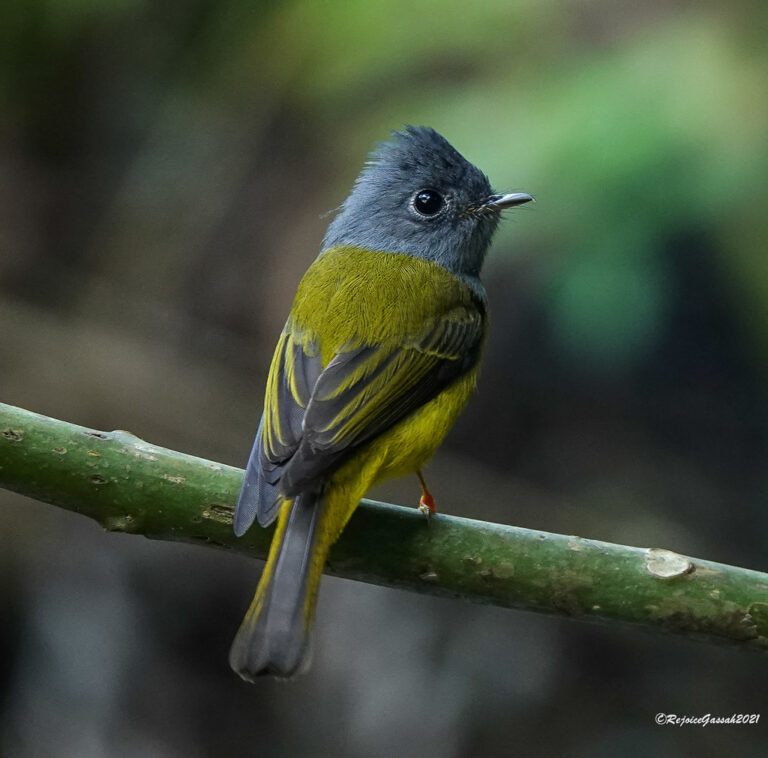
Culicicapa ceylonensis
♥
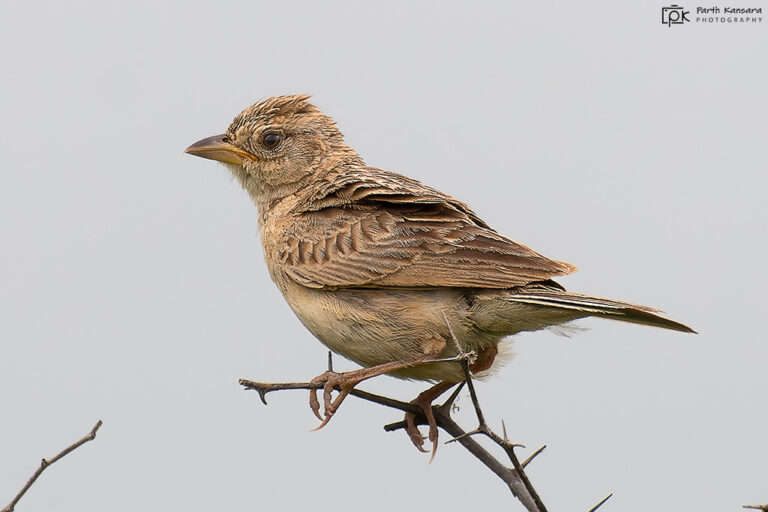
Mirafra javanica
♥
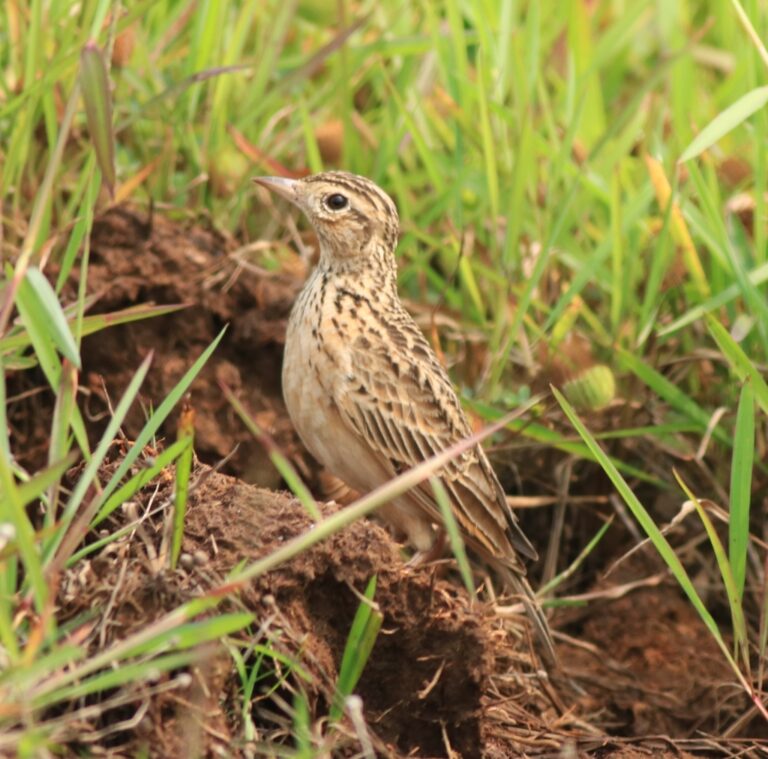
Alauda gulgula
♥
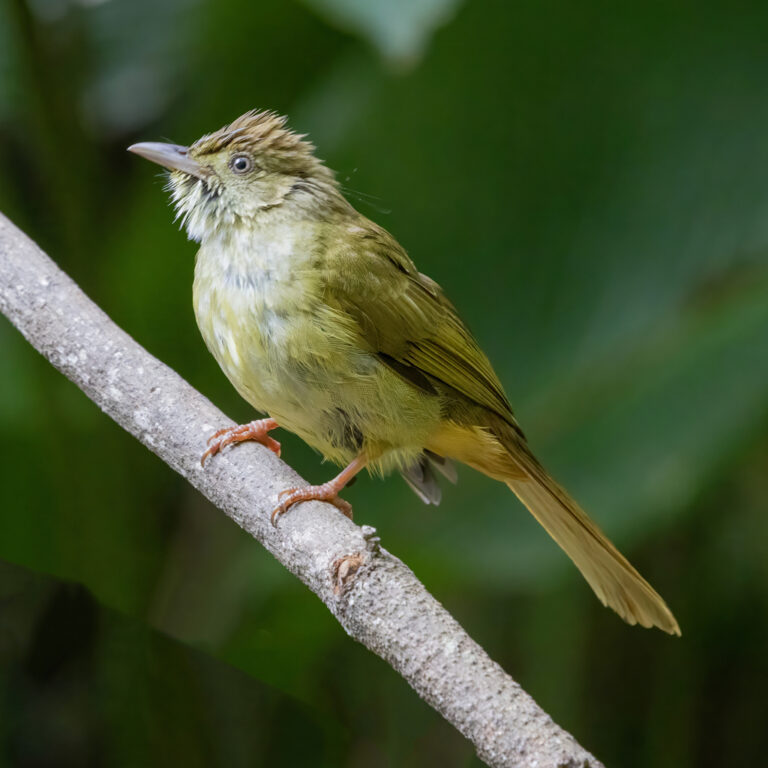
Iole propinqua
♥
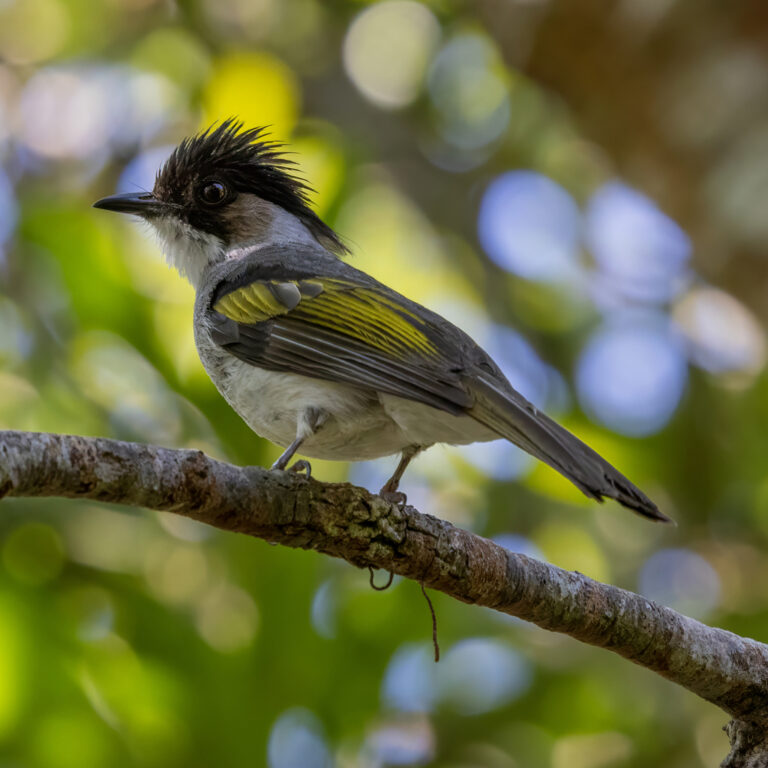
Hemixos flavala
♥
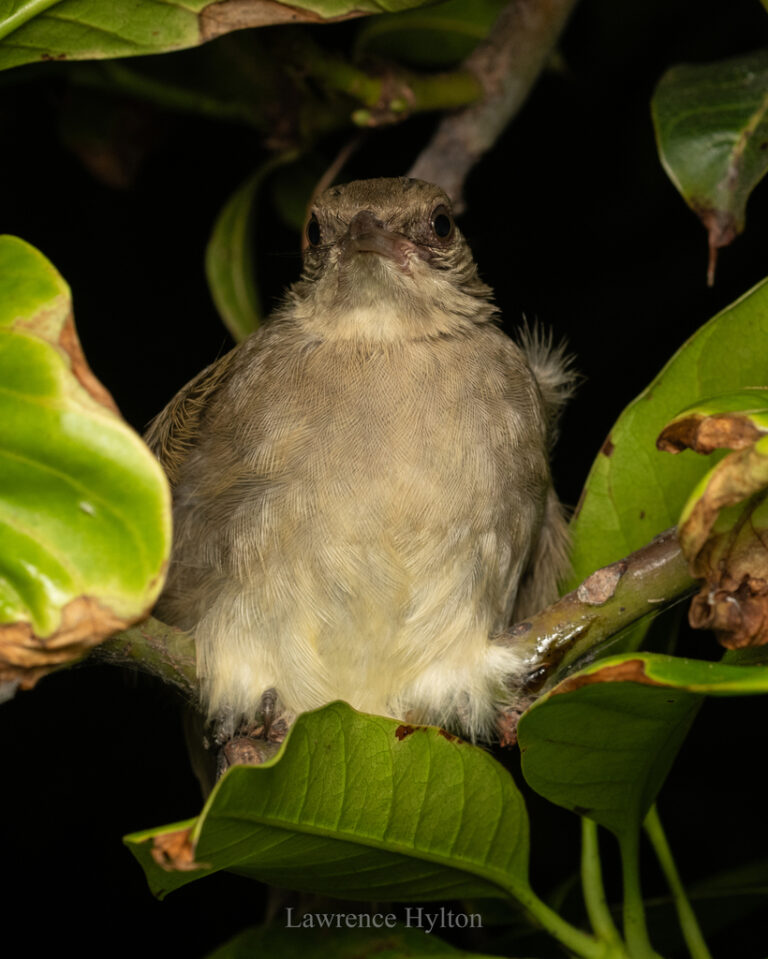
Pycnonotus conradi
♥
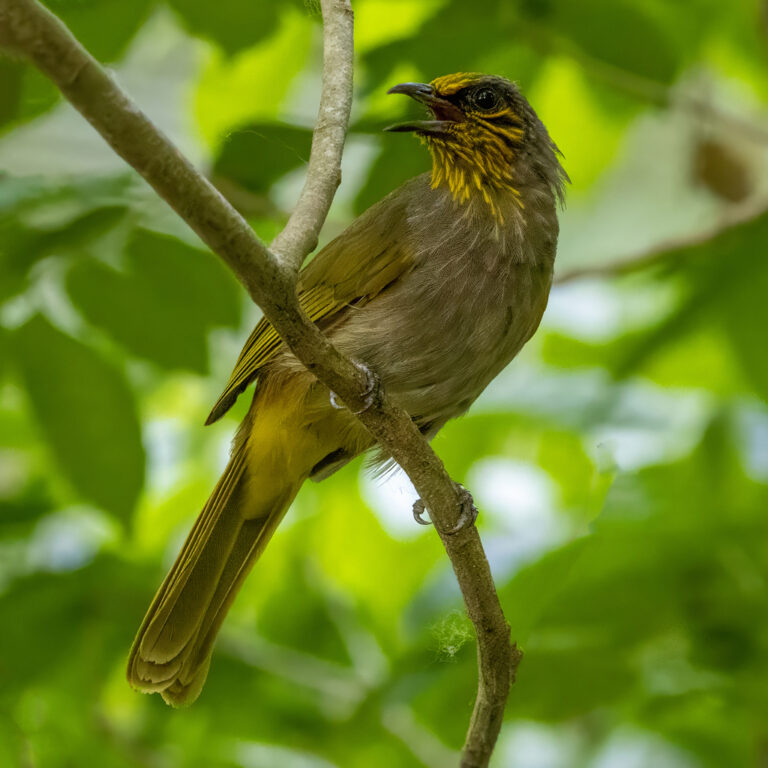
Pycnonotus finlaysoni
♥
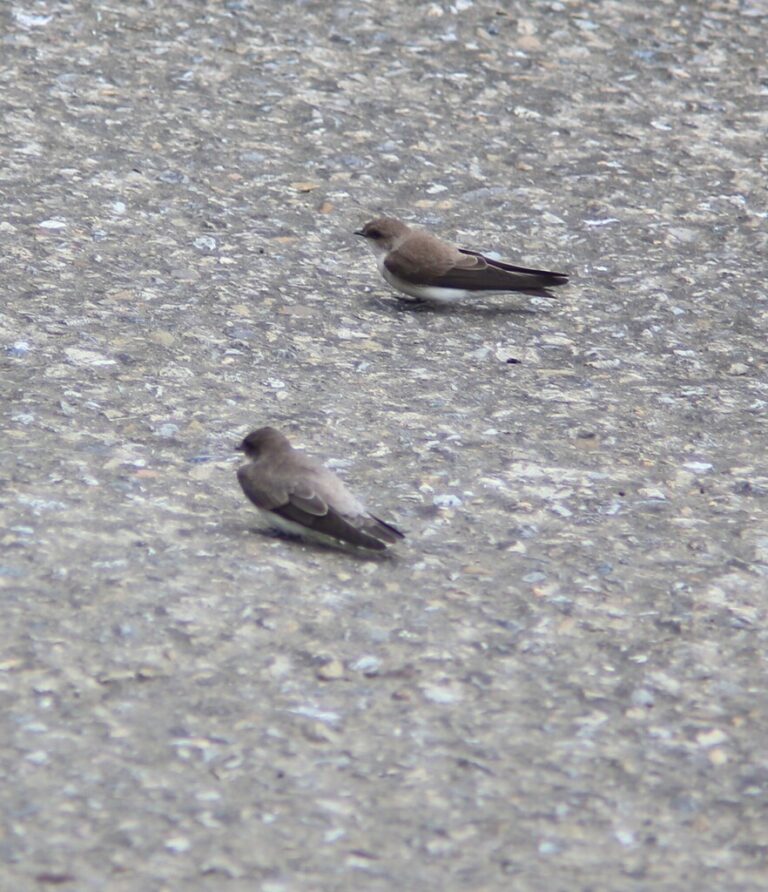
Riparia chinensis
♥
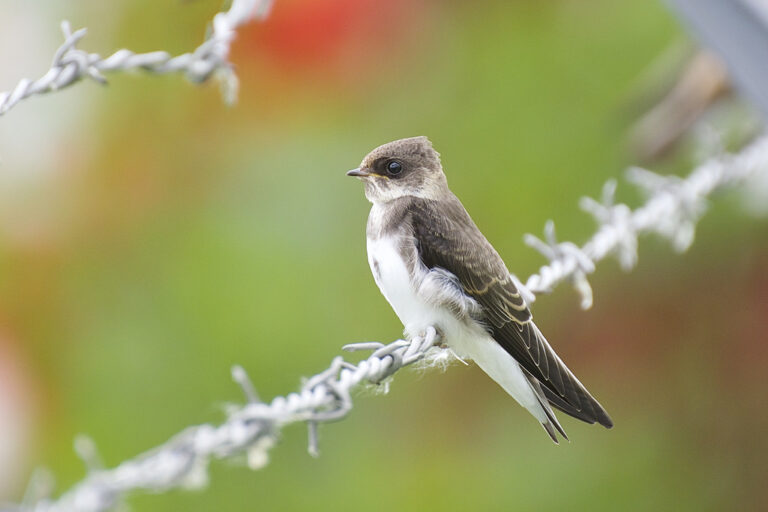
Riparia riparia
♥
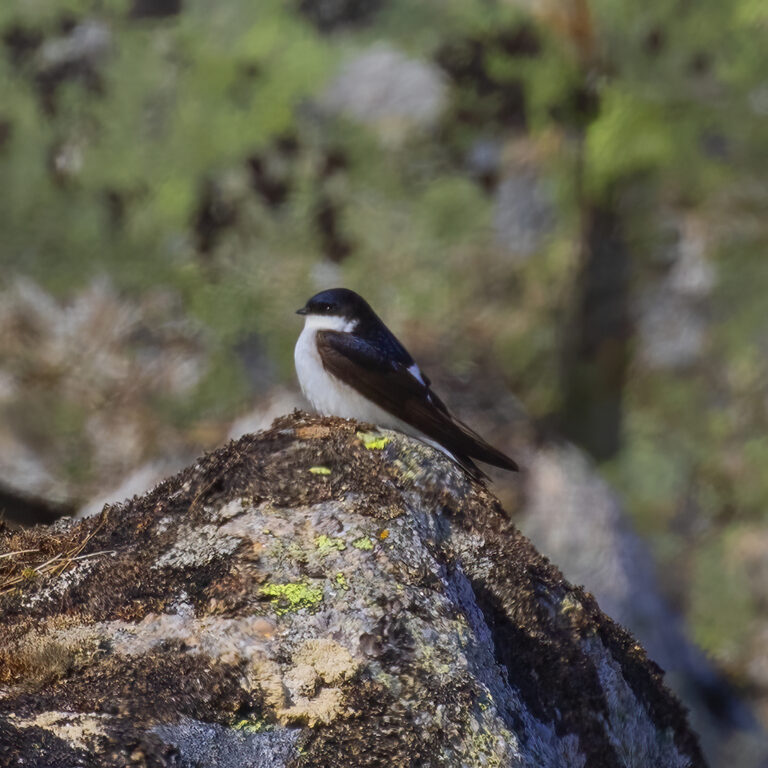
Delichon lagopodum
♥
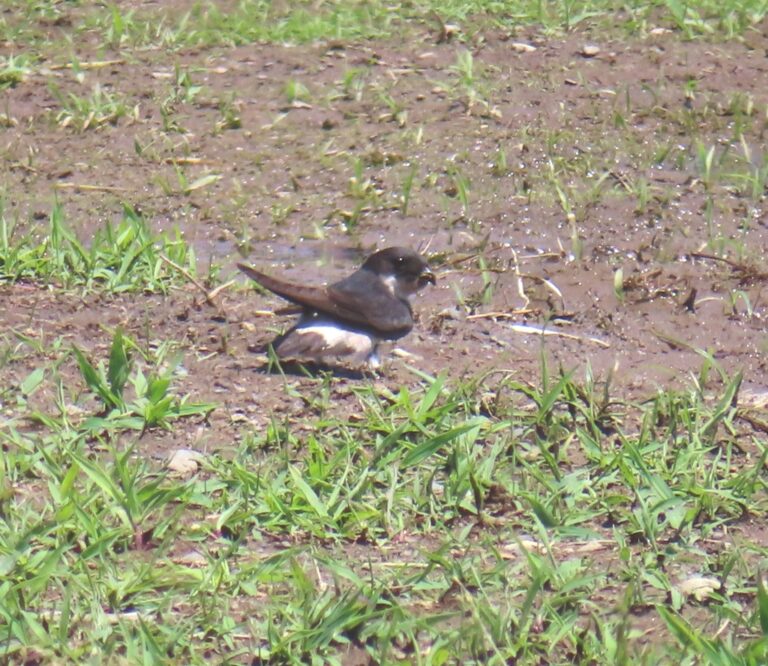
Delichon dasypus
♥
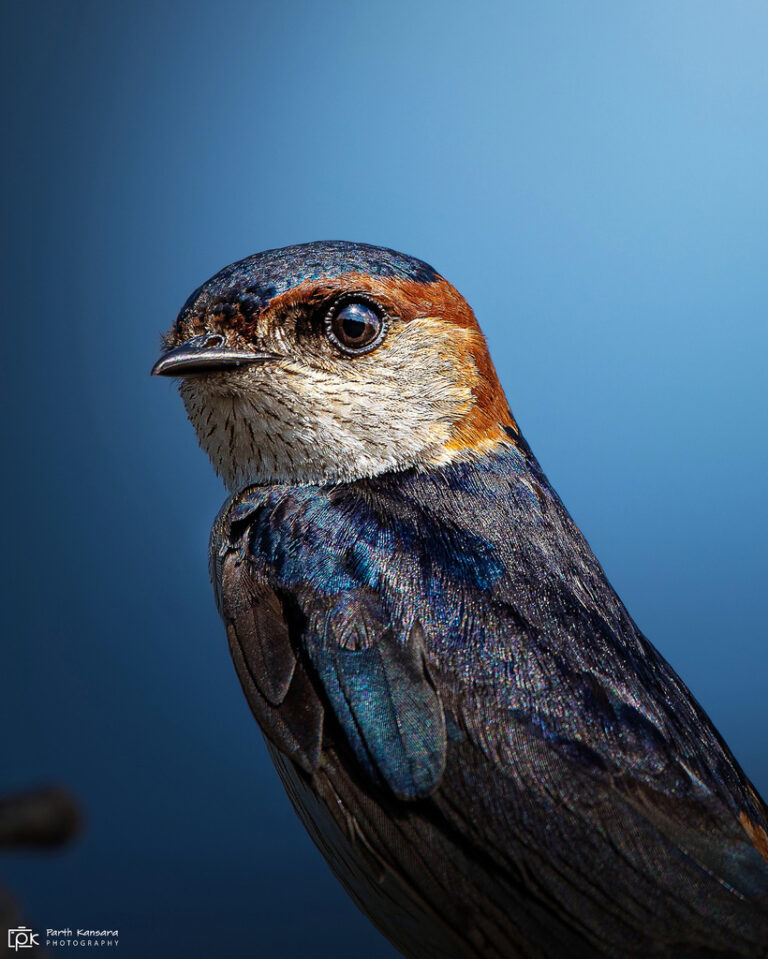
Cecropis daurica
♥
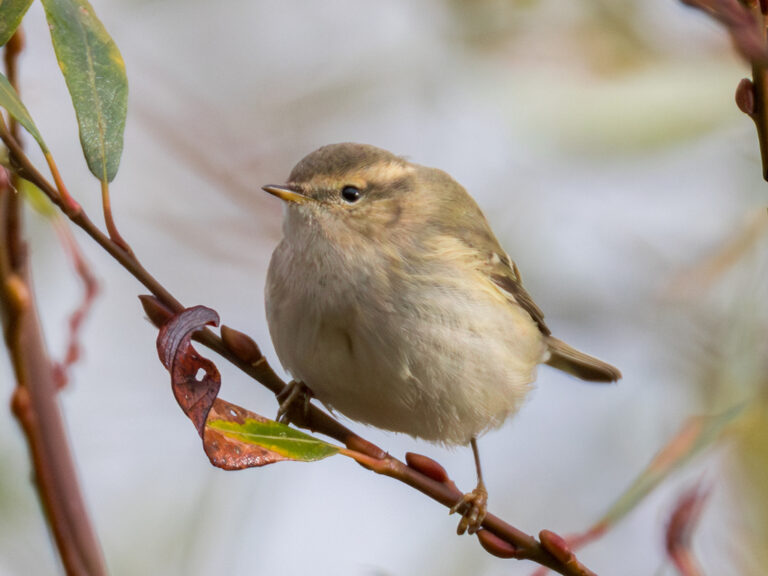
Phylloscopus humei
♥
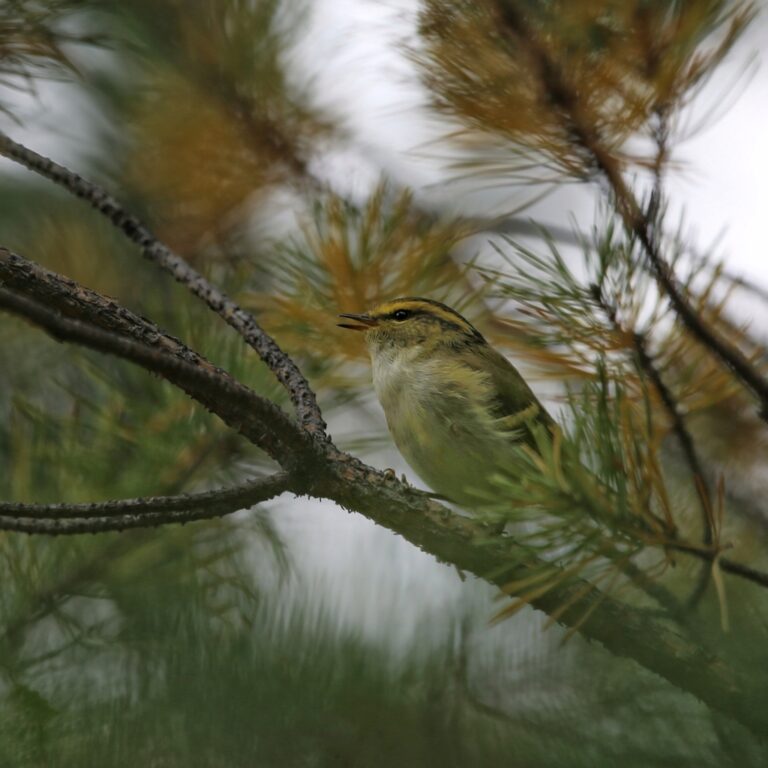
Phylloscopus proregulus
♥
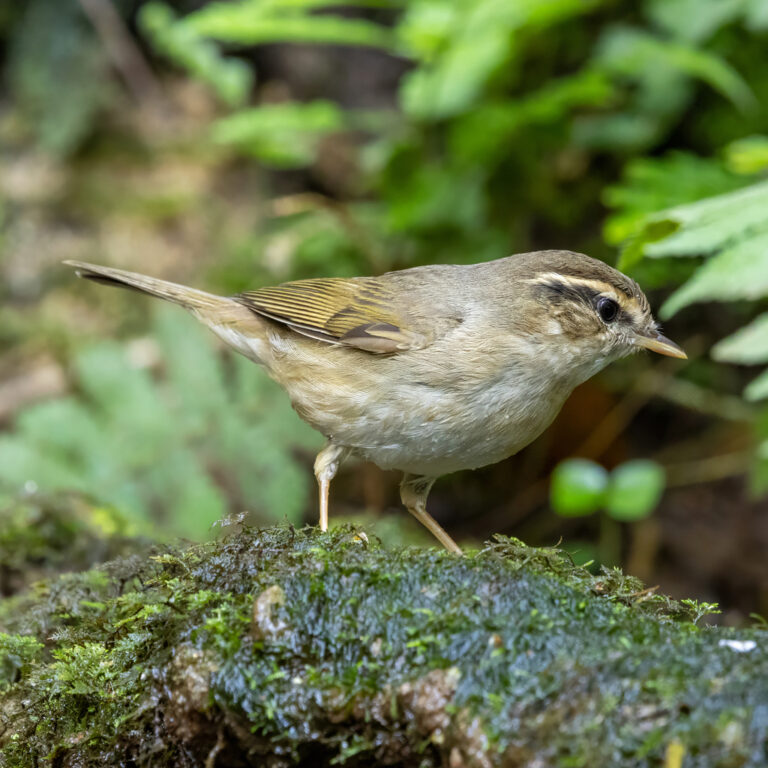
Phylloscopus schwarzi
♥
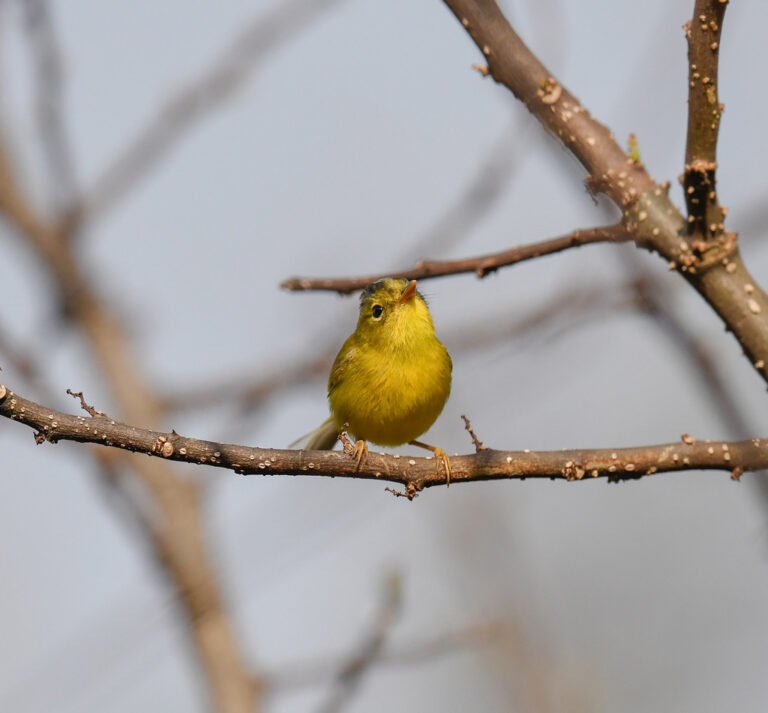
Phylloscopus tephrocephalus
♥
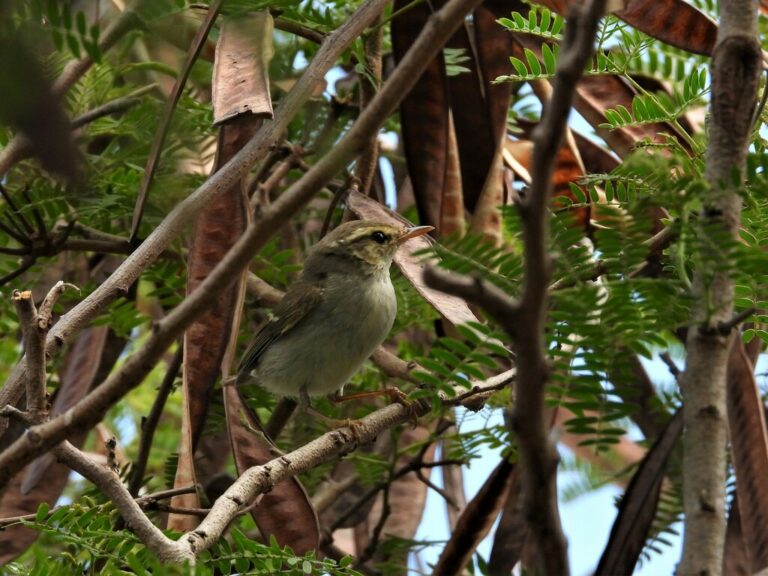
Phylloscopus plumbeitarsus
♥
Phylloscopus trochiloides
♥
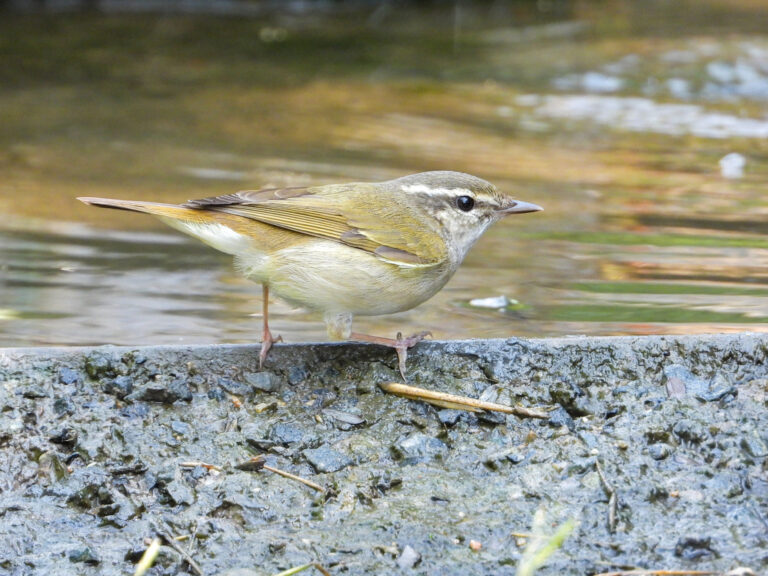
Phylloscopus tenellipes
♥
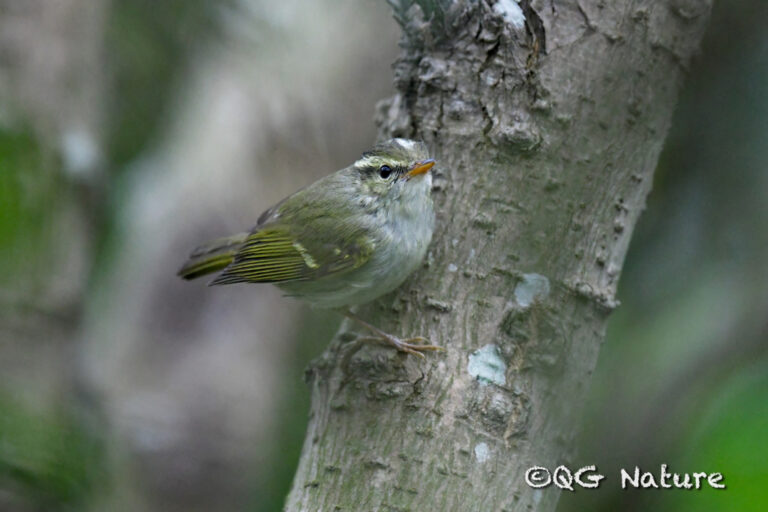
Phylloscopus claudiae
♥
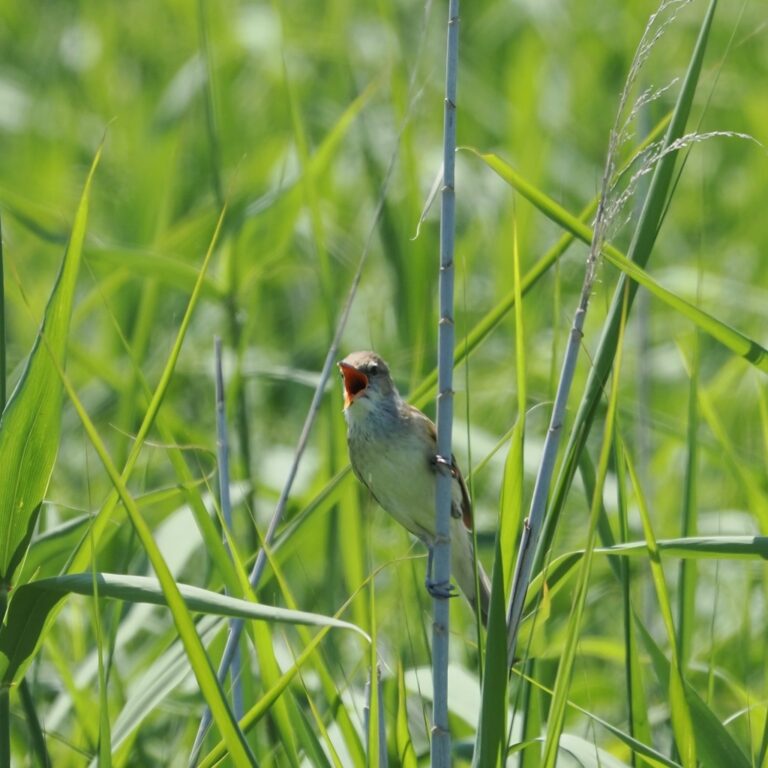
Acrocephalus orientalis
♥
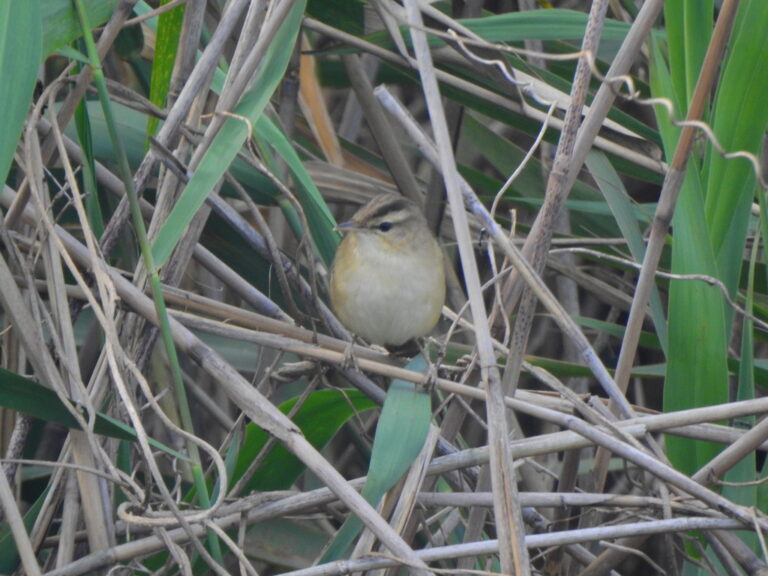
Acrocephalus bistrigiceps
♥
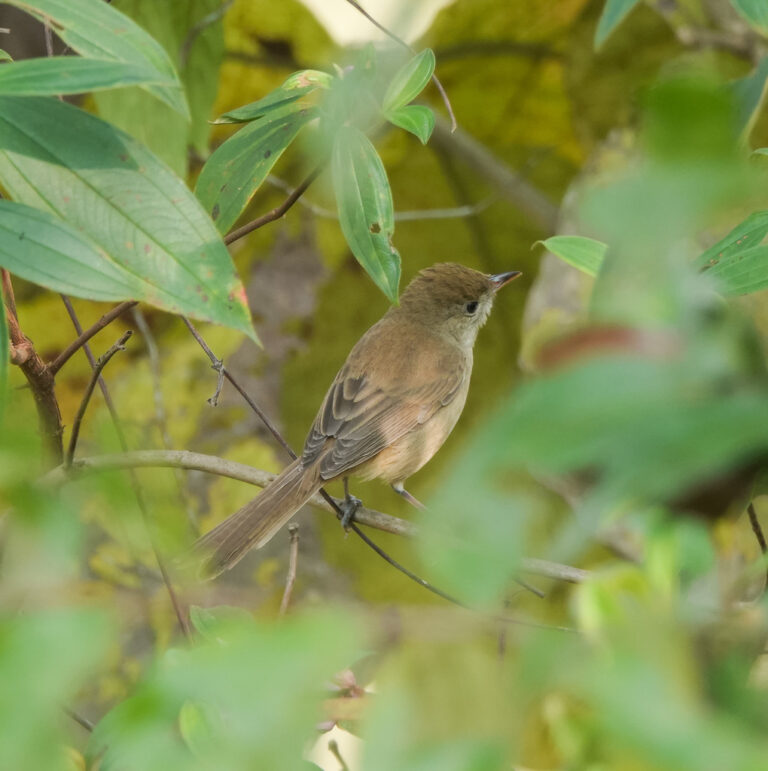
Arundinax aedon
♥
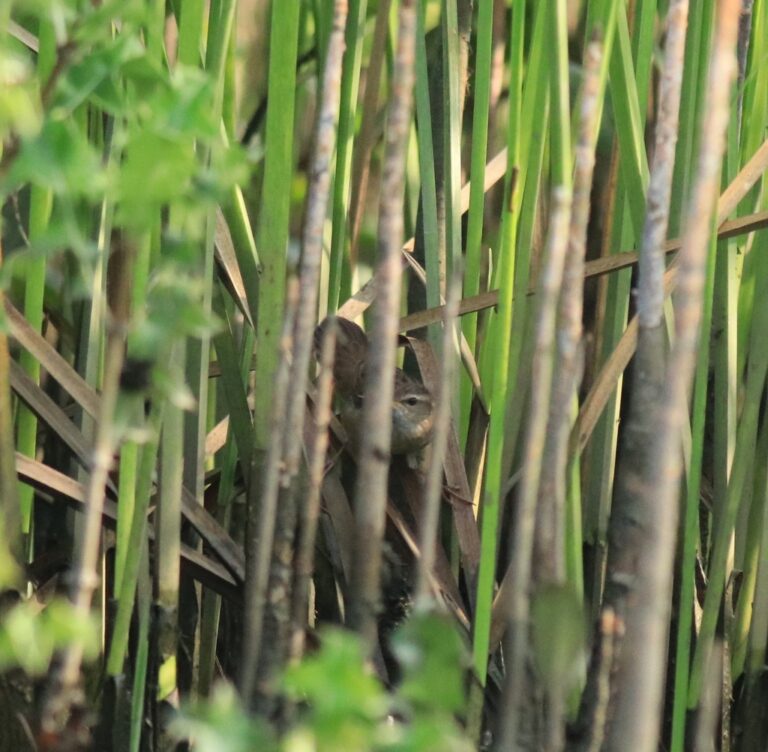
Helopsaltes certhiola
♥
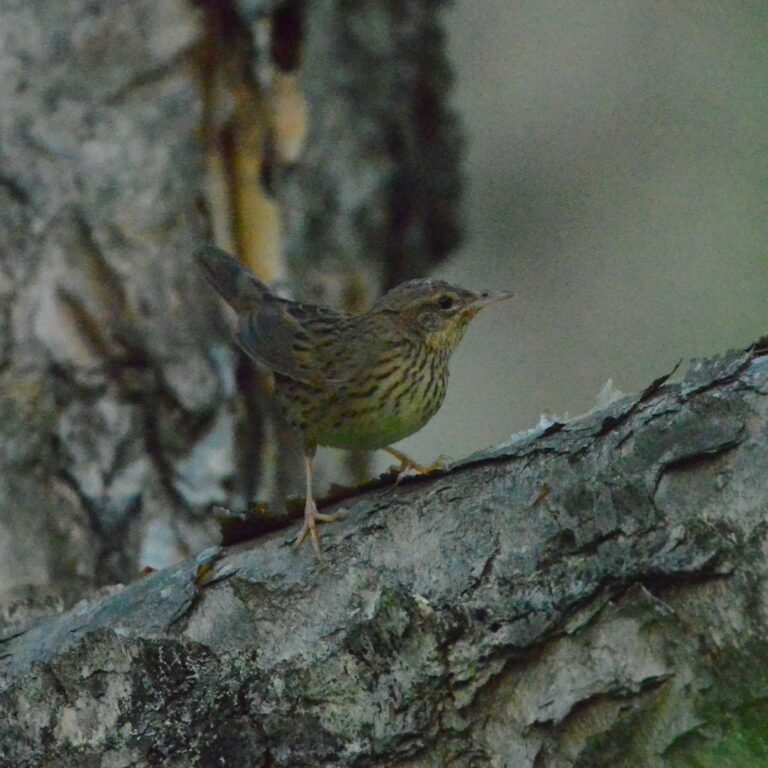
Locustella lanceolata
♥
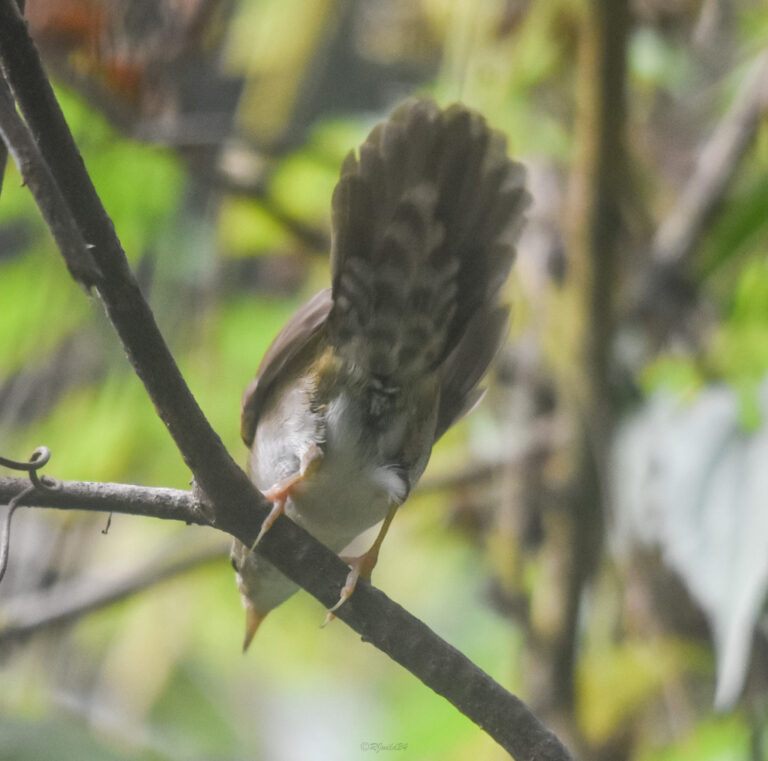
Locustella davidi
♥
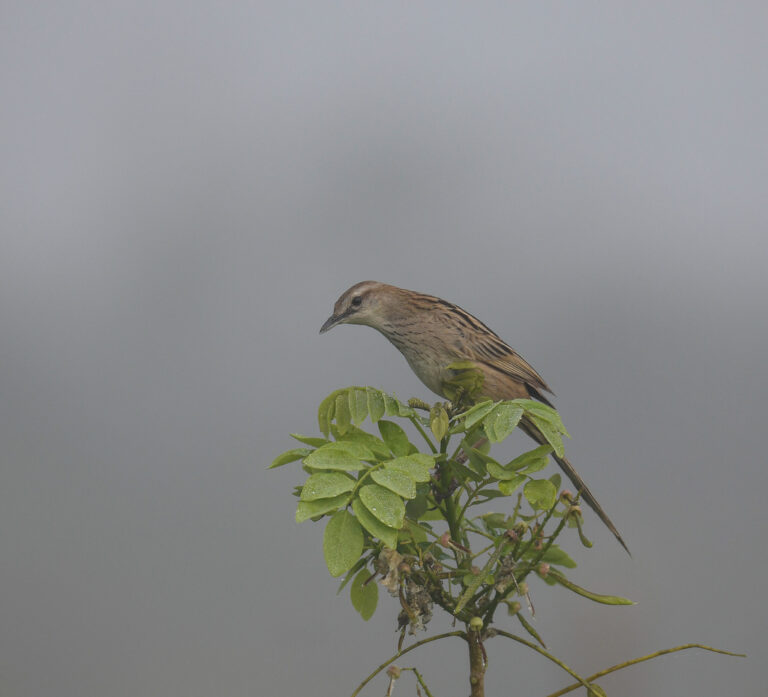
Megalurus palustris
♥
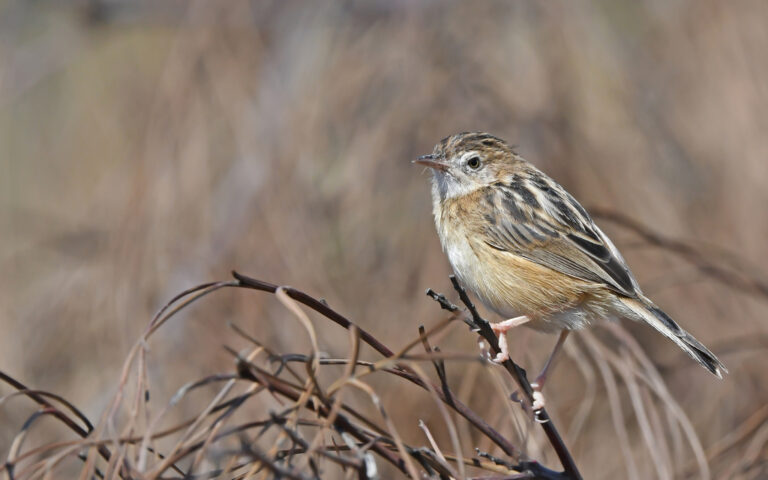
Cisticola juncidis
♥
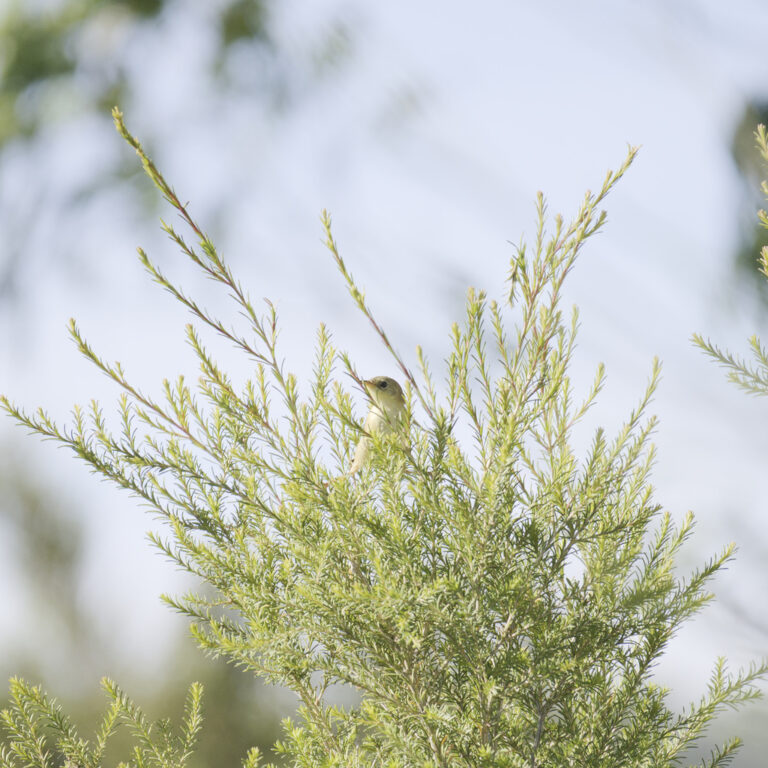
Cisticola exilis
♥
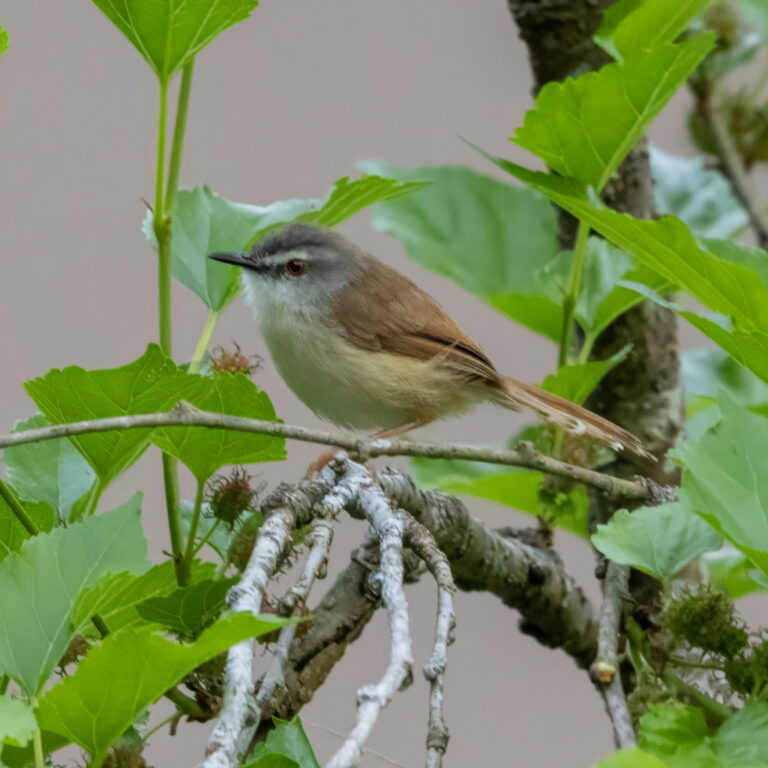
Prinia rufescens
♥
Prinia flaviventris
♥
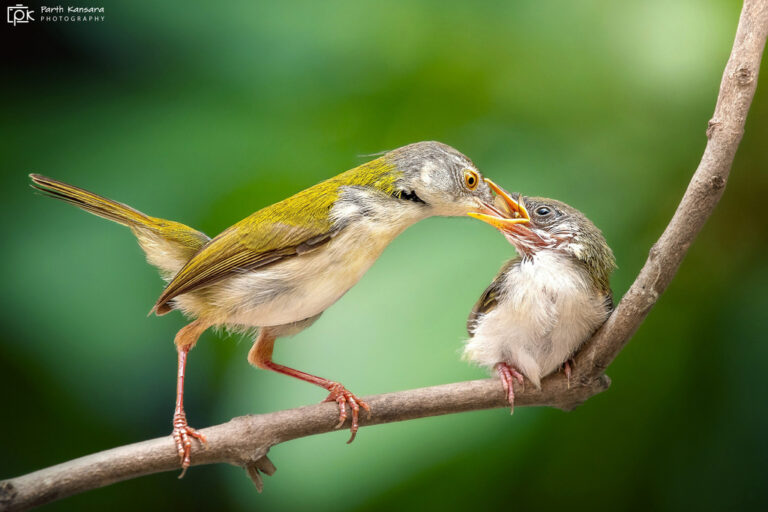
Orthotomus sutorius
♥
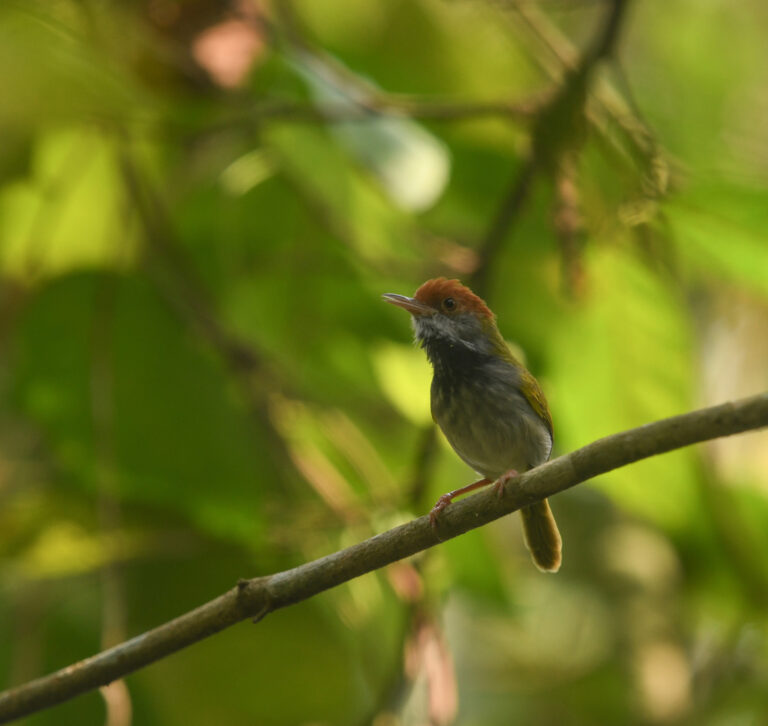
Orthotomus atrogularis
♥
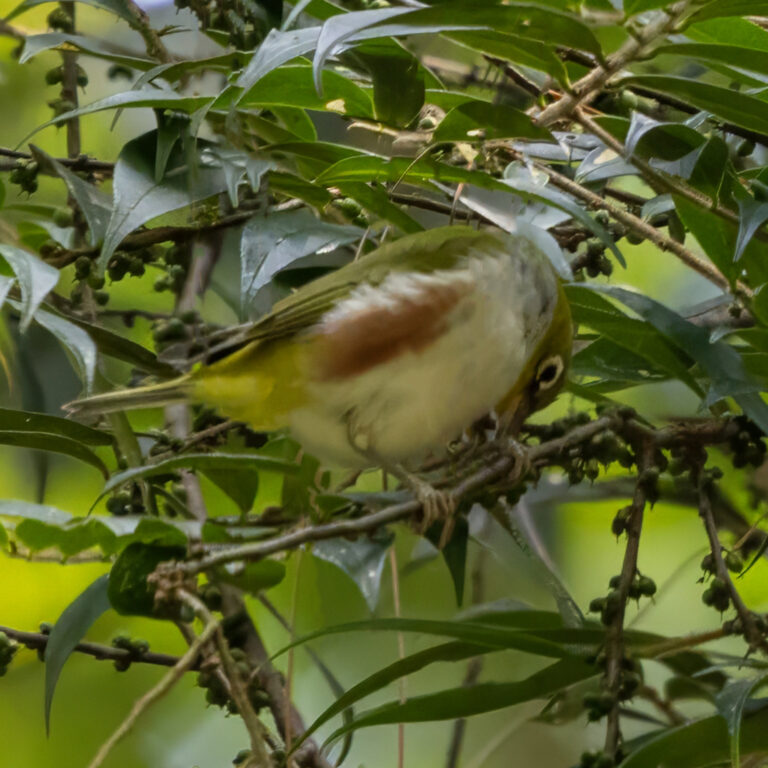
Zosterops erythropleurus
♥
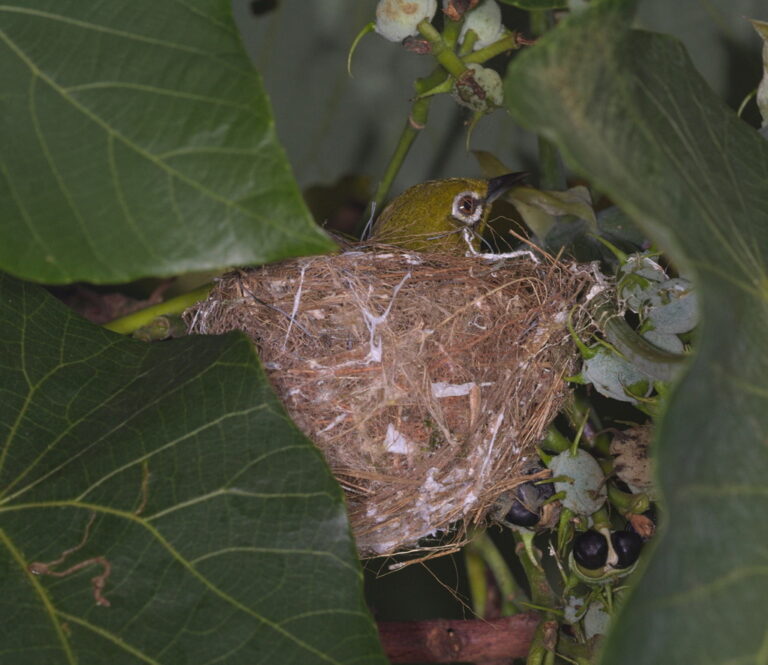
Zosterops simplex
♥
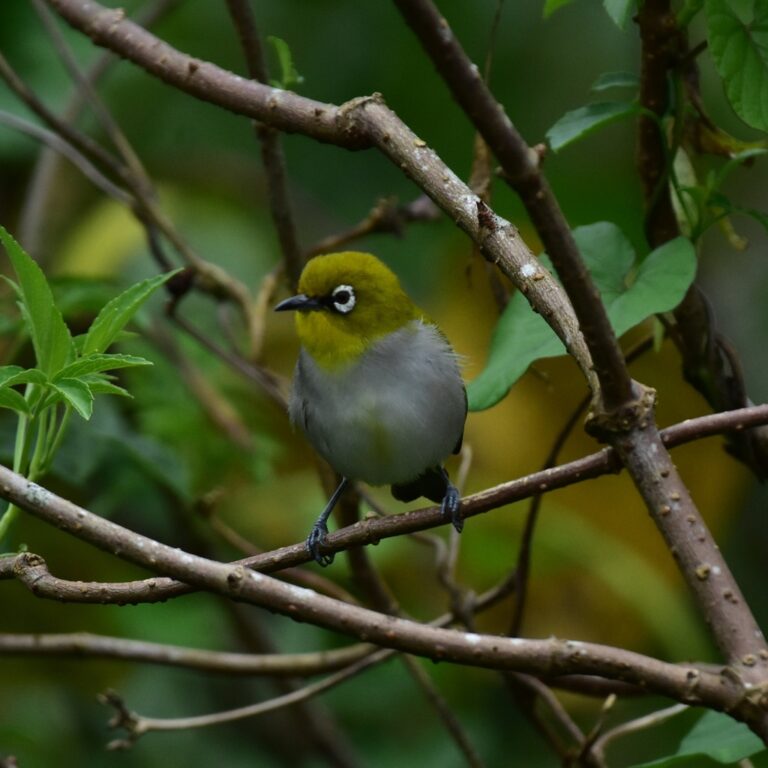
Zosterops palpebrosus
♥
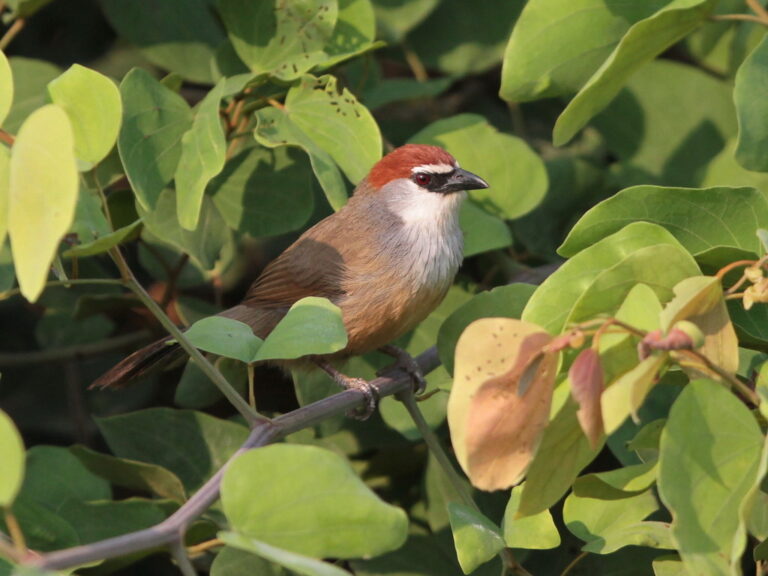
Timalia pileata
♥
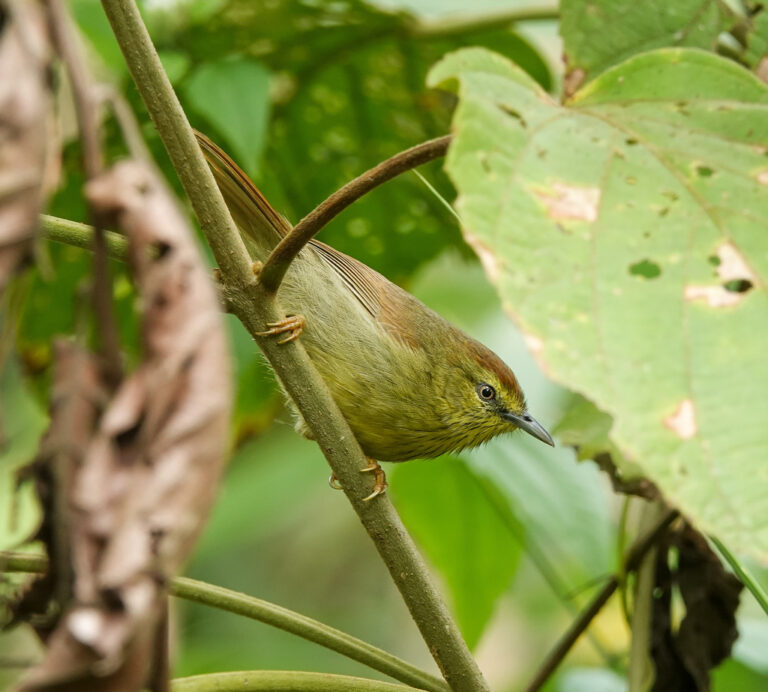
Mixornis gularis
♥
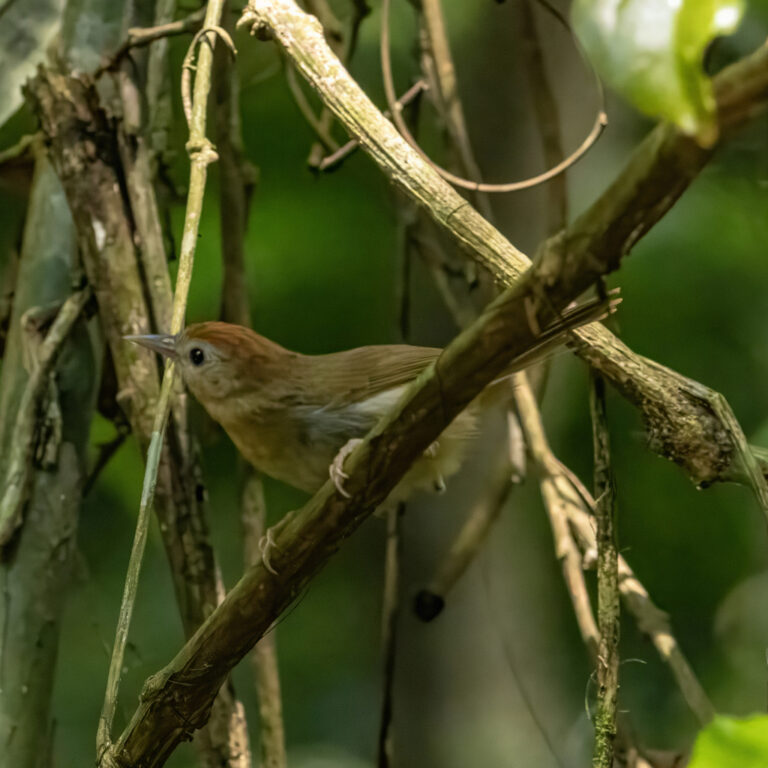
Cyanoderma rufifrons
♥
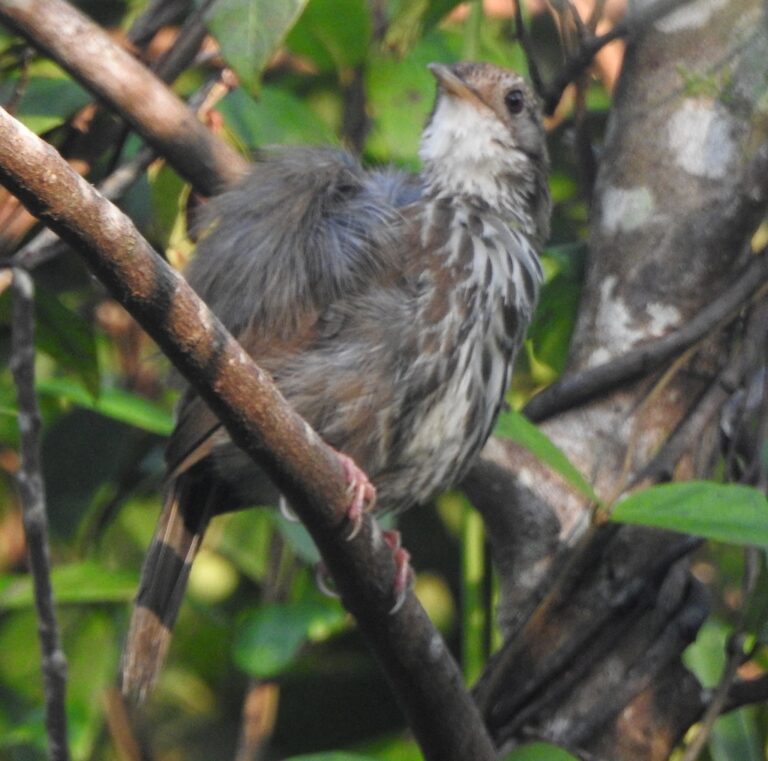
Pellorneum ruficeps
♥
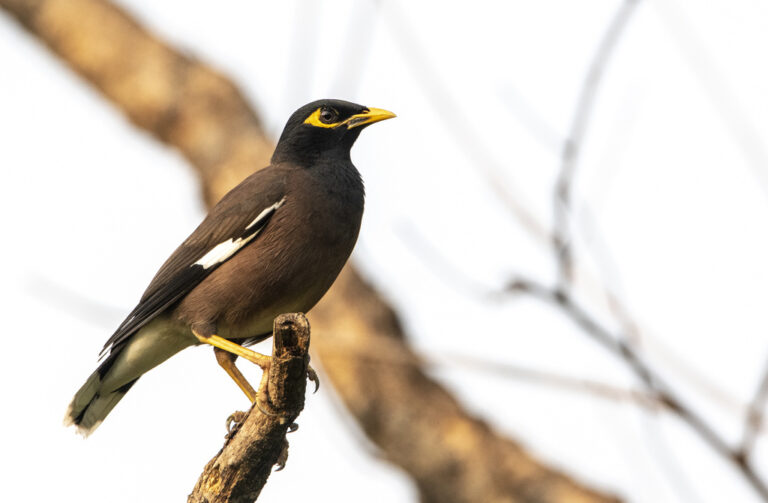
Acridotheres tristis
♥
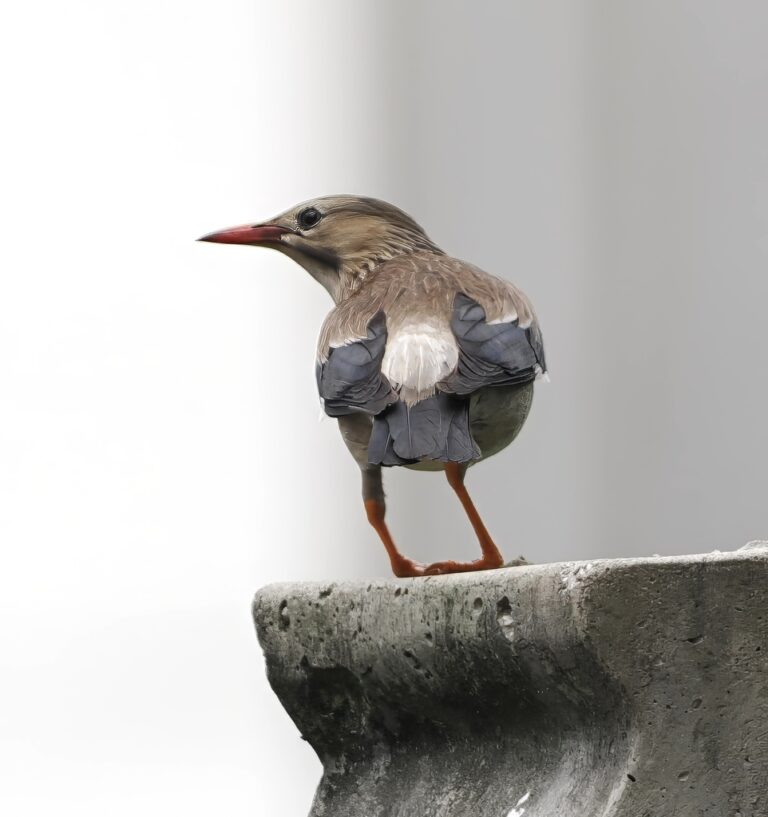
Spodiopsar sericeus
♥
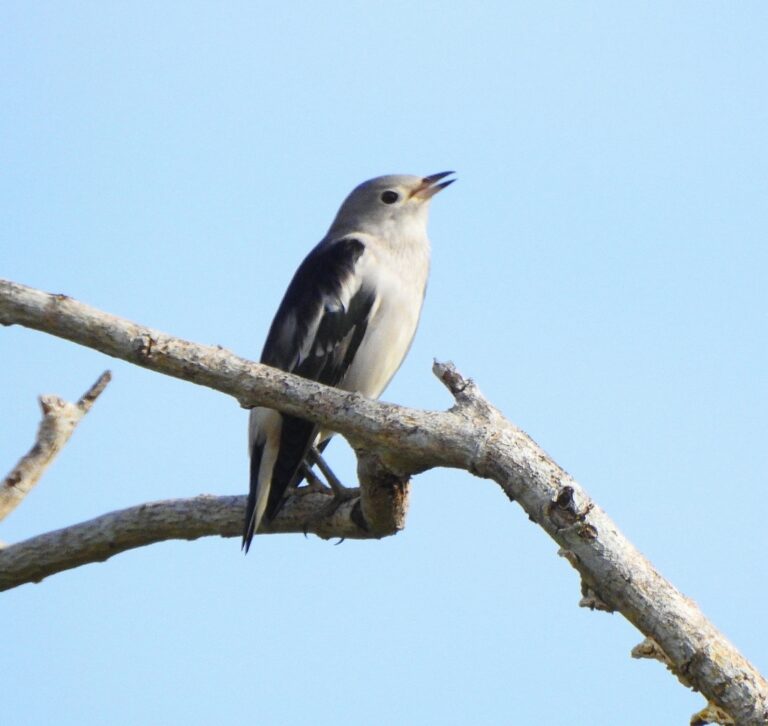
Agropsar sturninus
♥
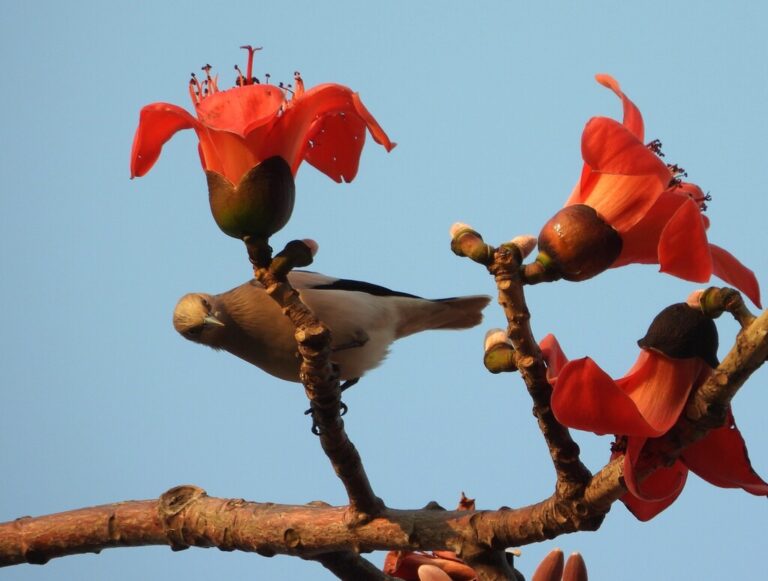
Sturnia sinensis
♥
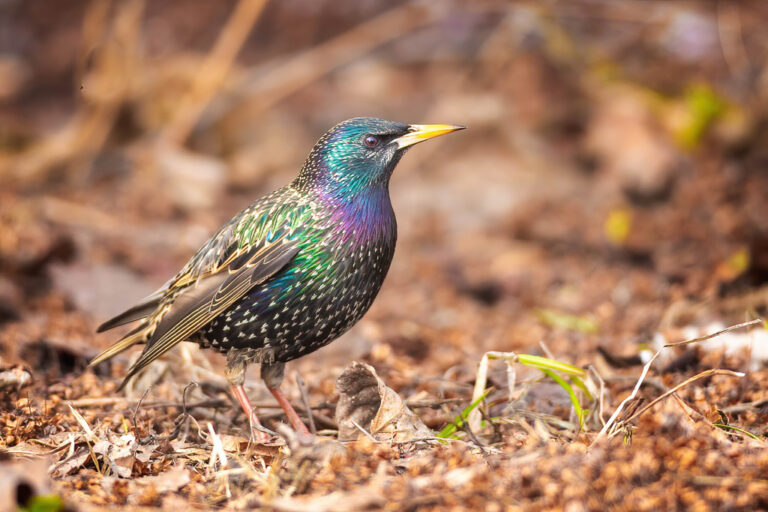
Sturnus vulgaris
♥
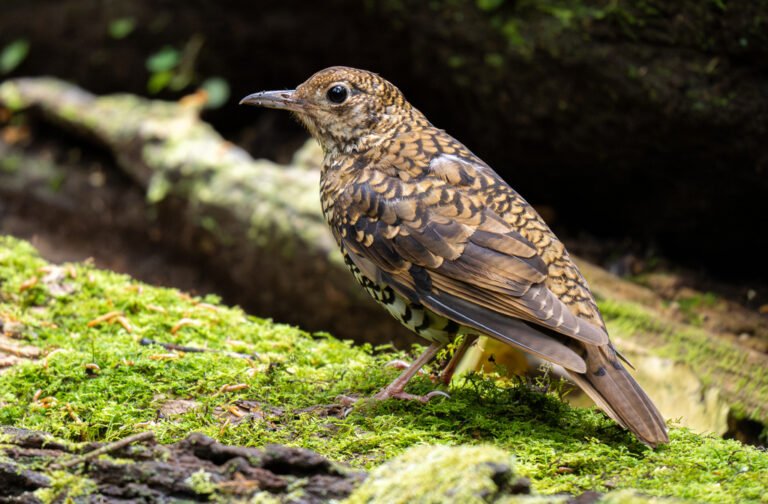
Zoothera dauma
♥
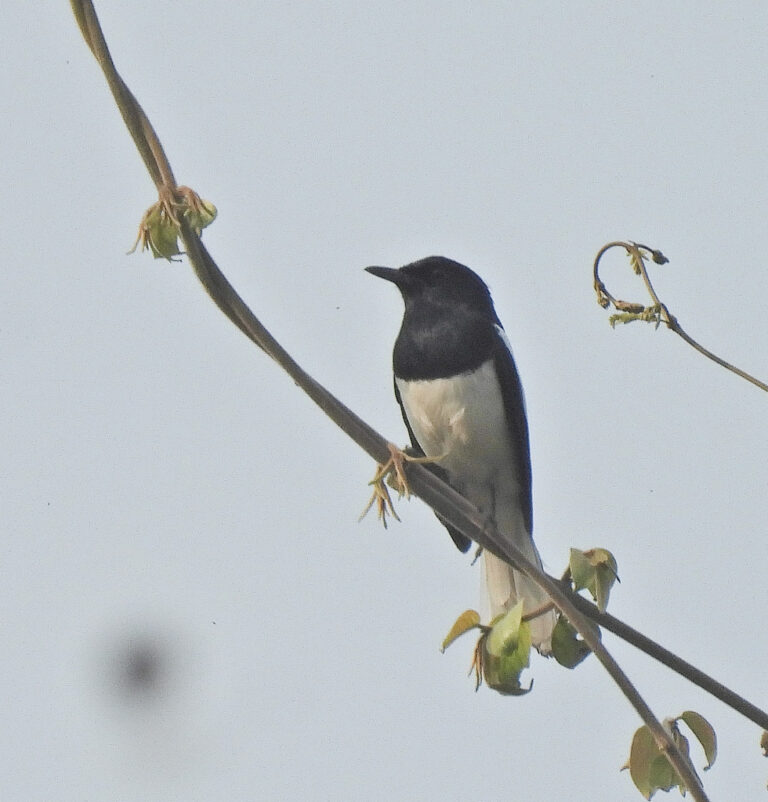
Copsychus saularis
♥
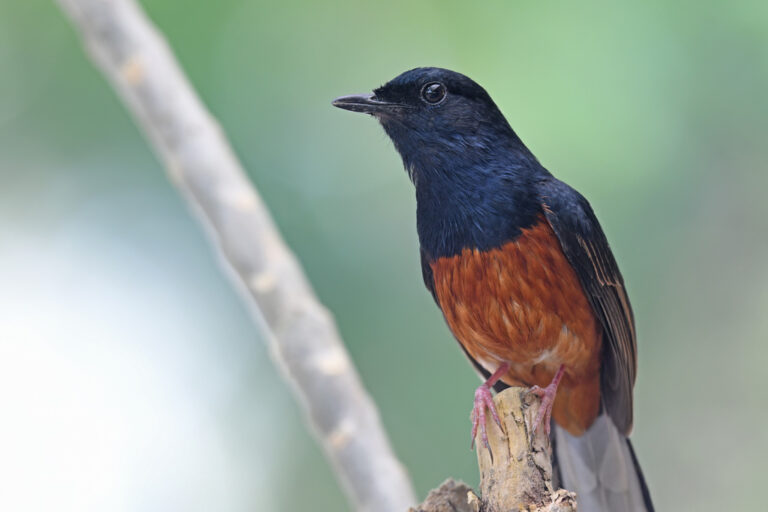
Copsychus malabaricus
♥
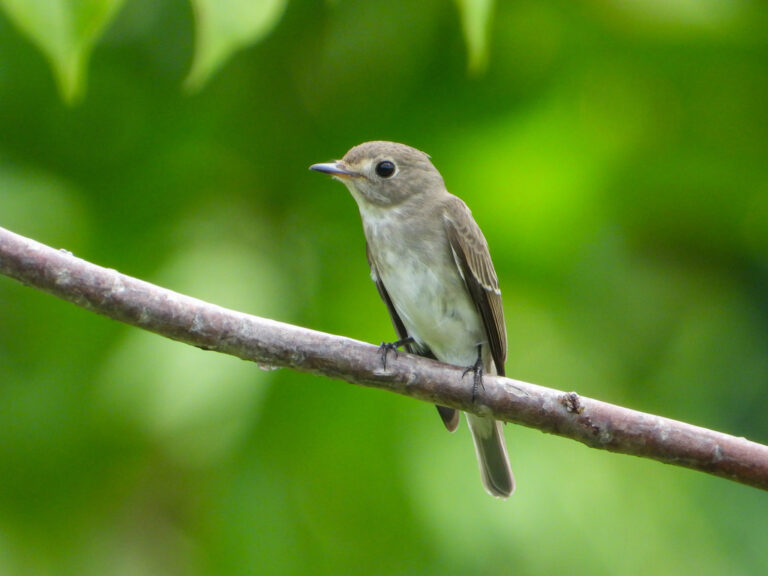
Muscicapa dauurica
♥
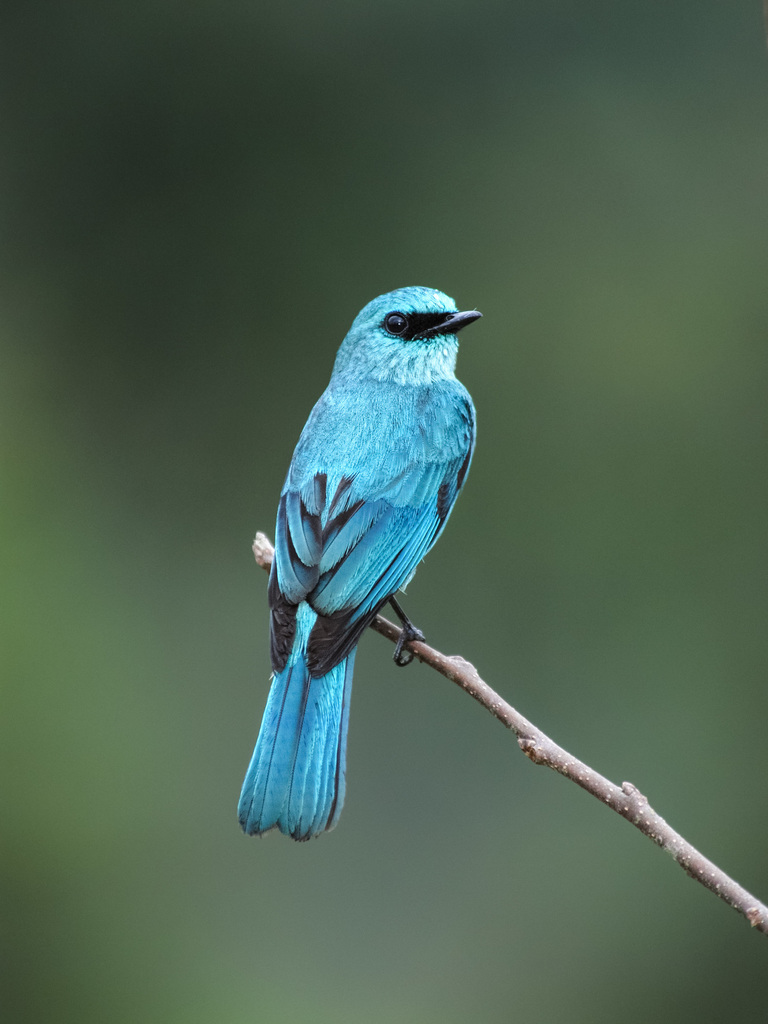
Eumyias thalassinus
♥
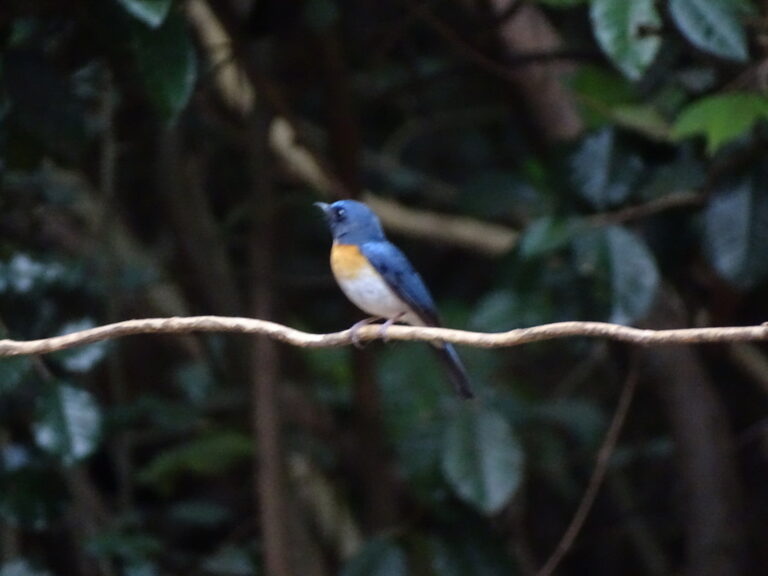
Cyornis sumatrensis
♥
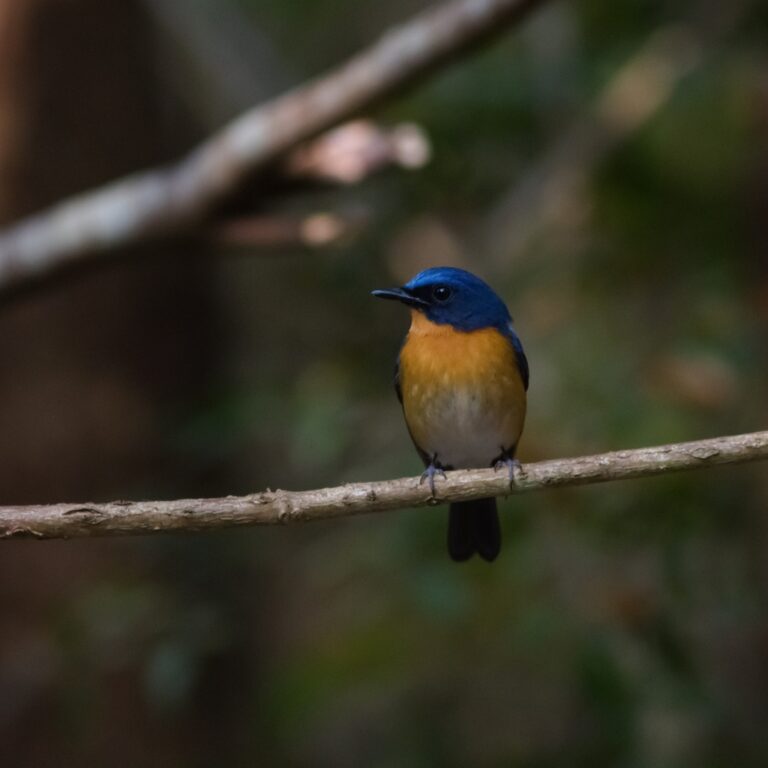
Cyornis whitei
♥
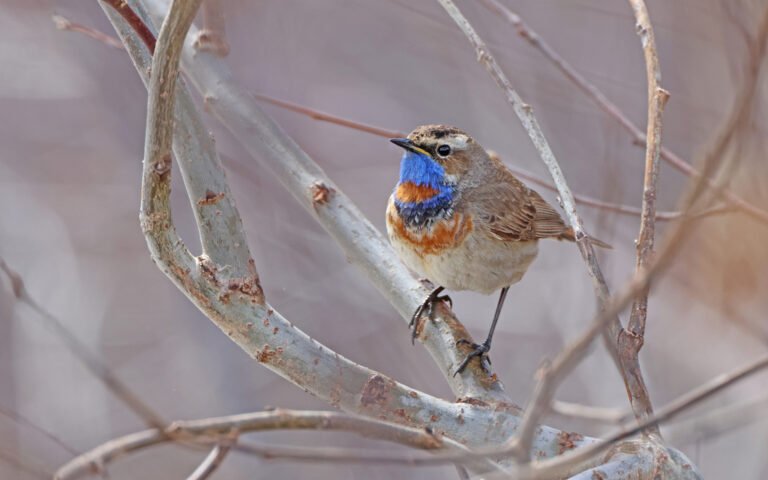
Luscinia svecica
♥
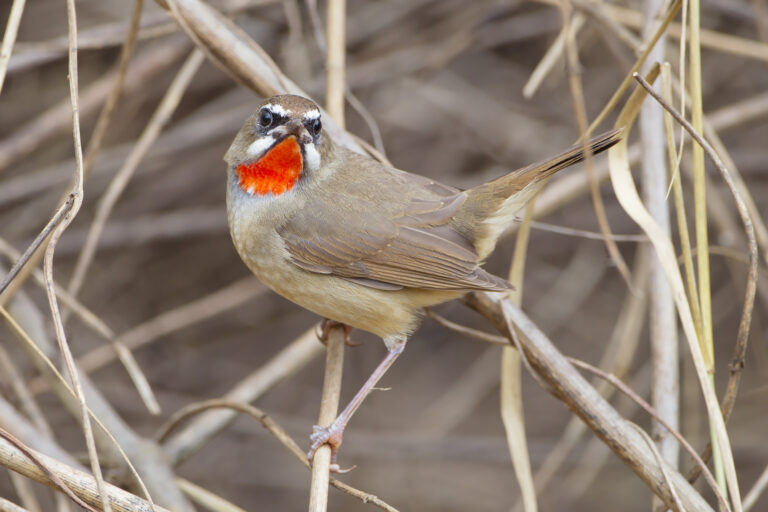
Calliope calliope
♥
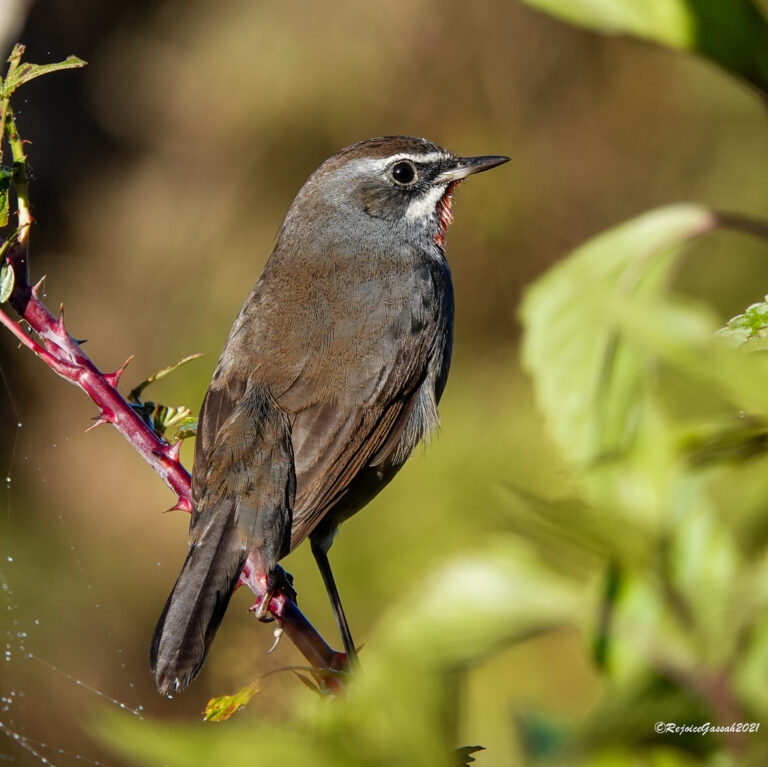
Calliope tschebaiewi
♥
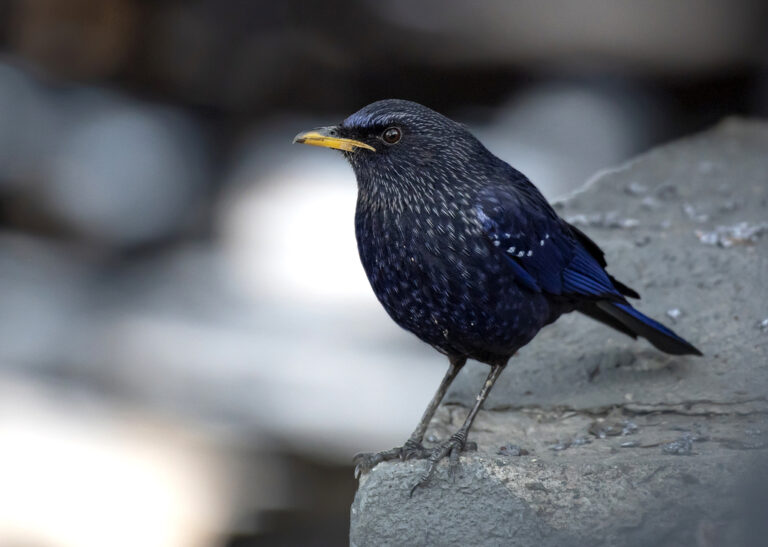
Myophonus caeruleus
♥
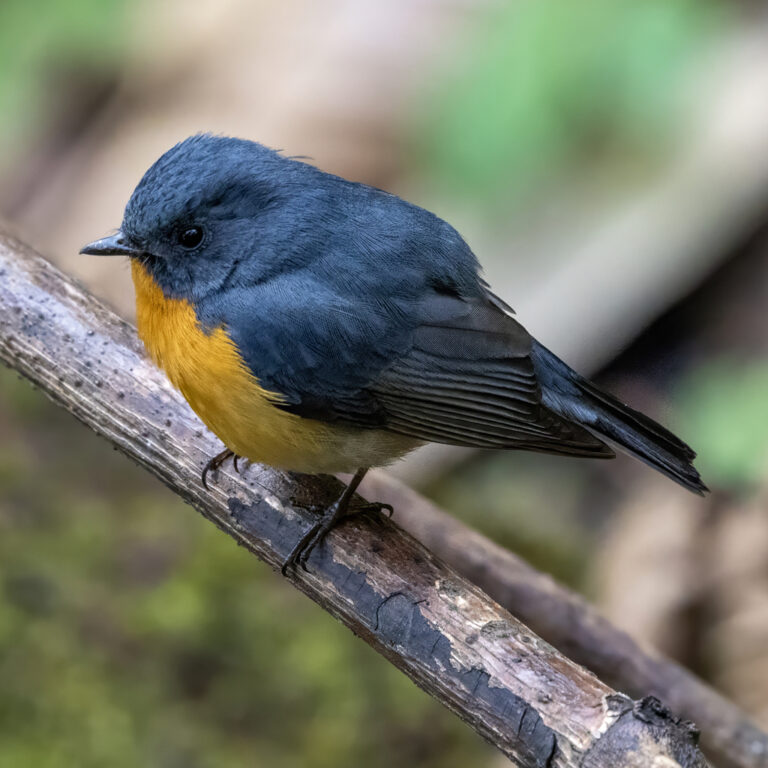
Ficedula erithacus
♥
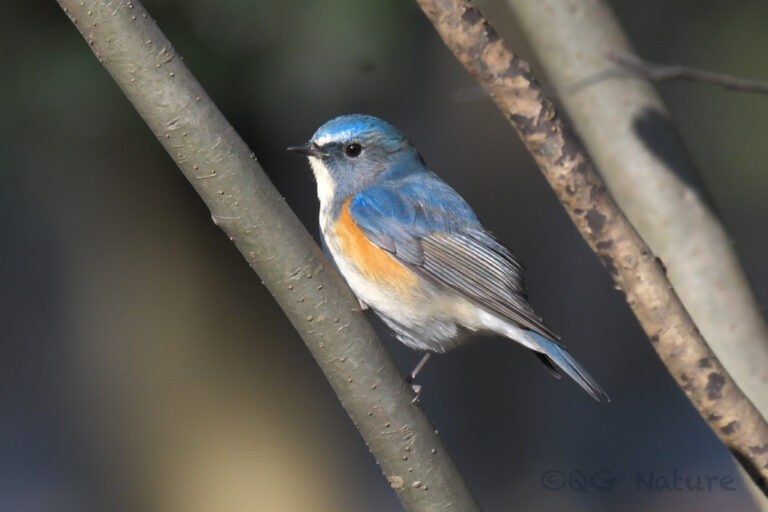
Tarsiger cyanurus
♥
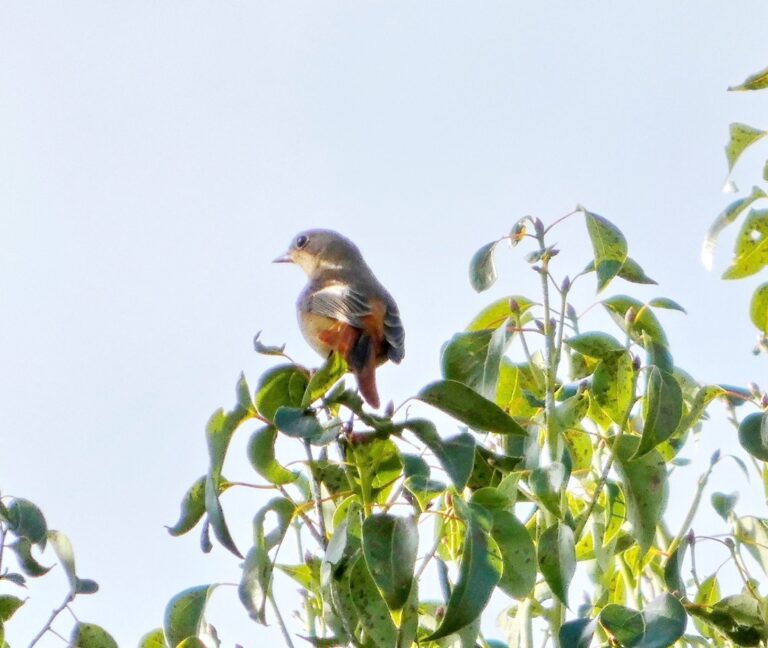
Phoenicurus auroreus
♥
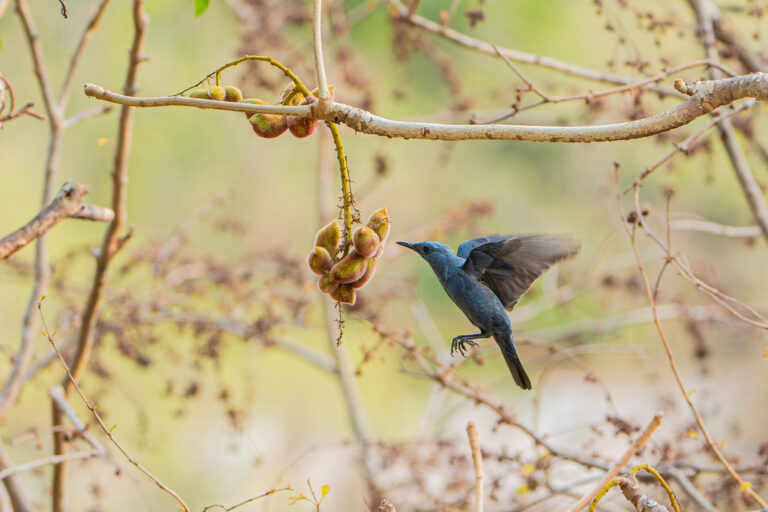
Monticola solitarius
♥
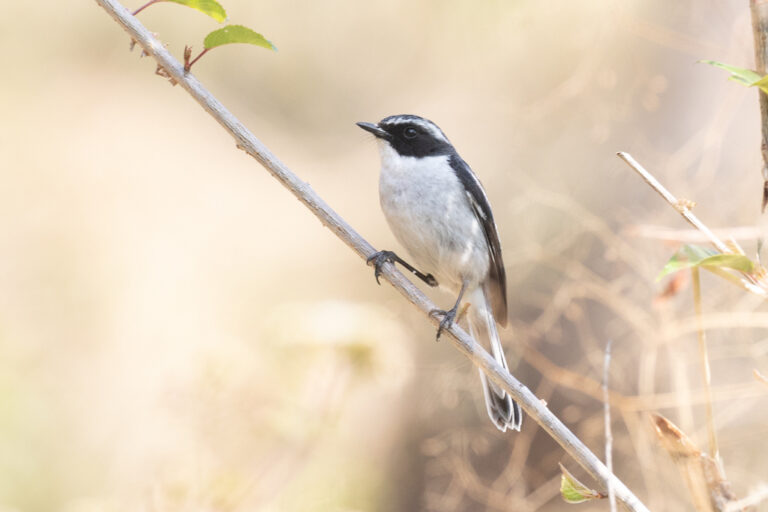
Saxicola ferreus
♥
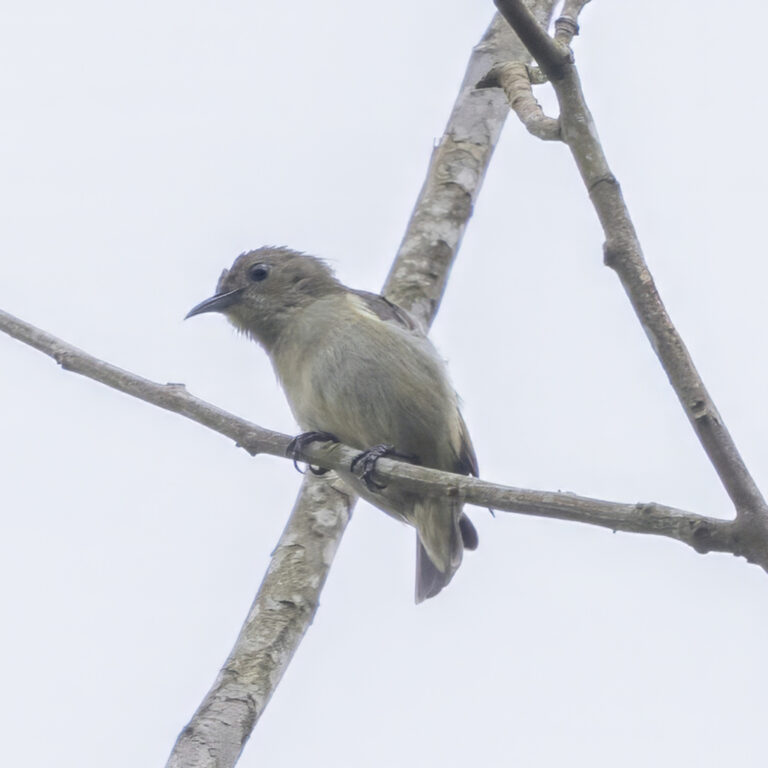
Dicaeum minullum
♥
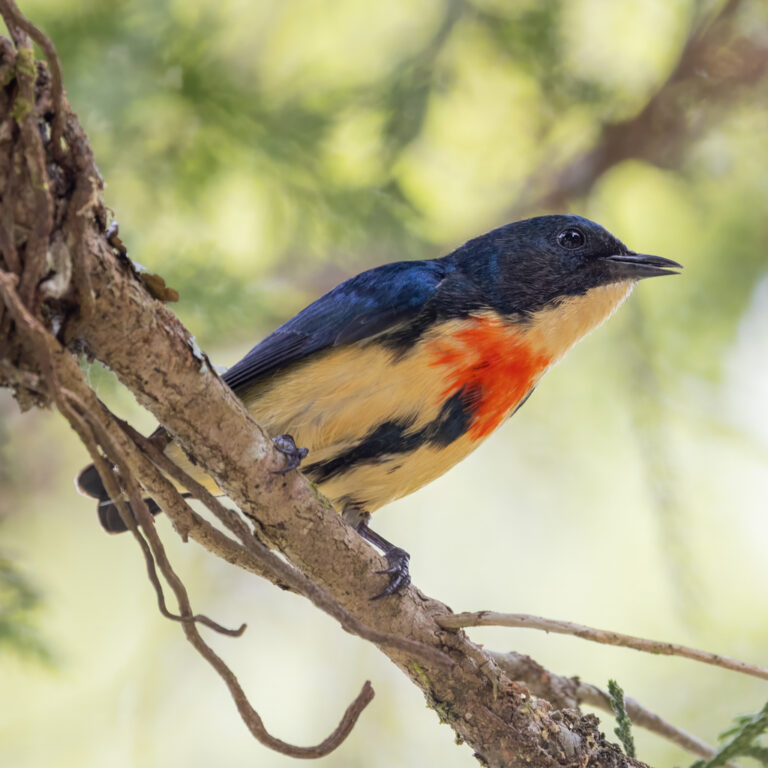
Dicaeum ignipectus
♥
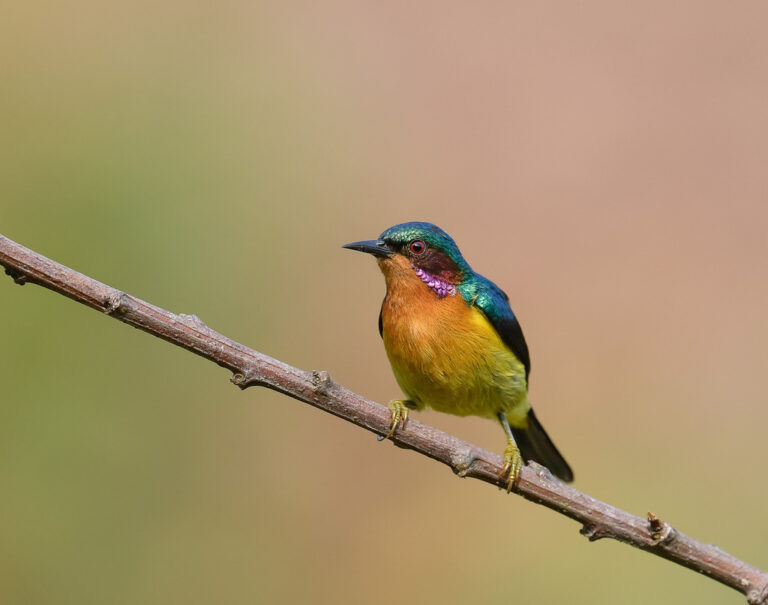
Chalcoparia singalensis
♥
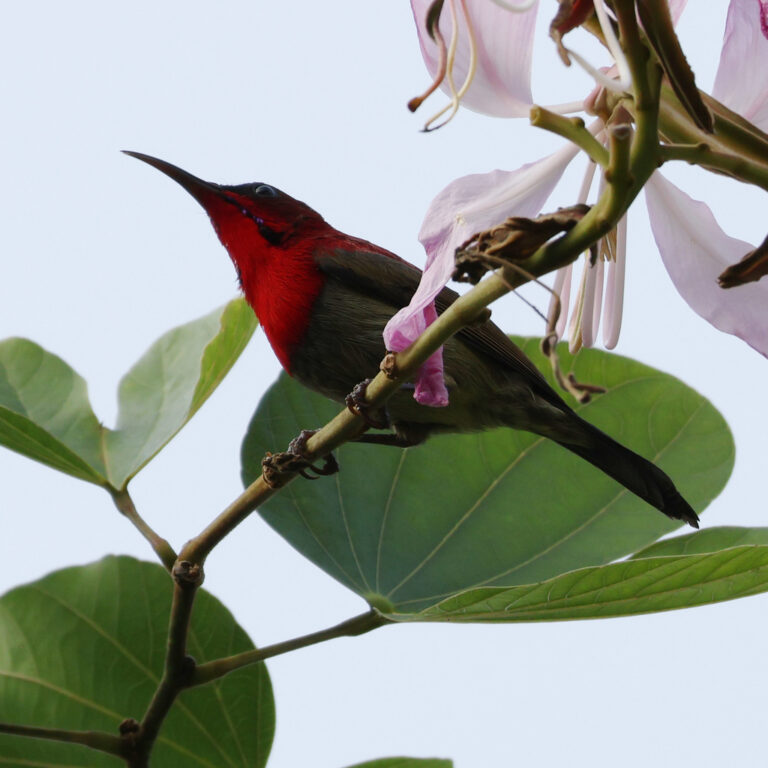
Aethopyga siparaja
♥
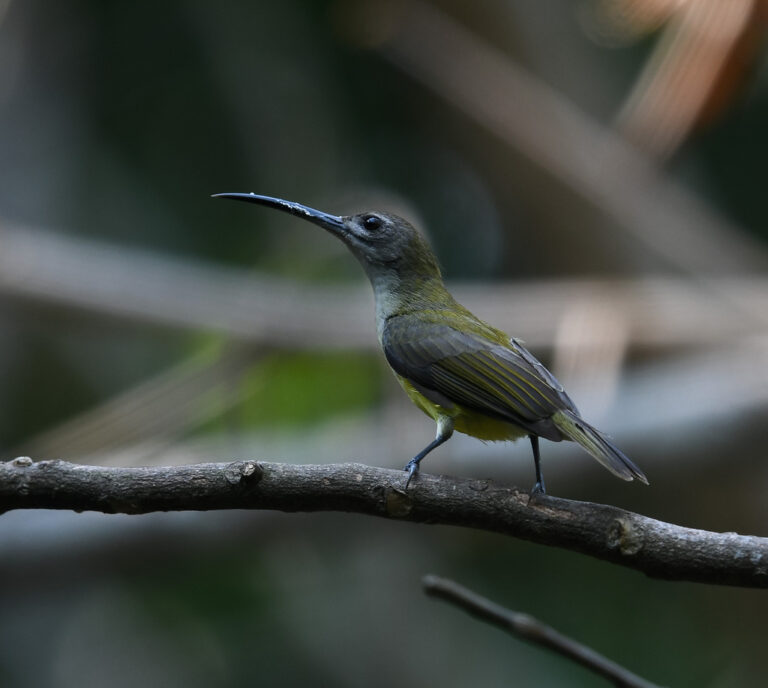
Arachnothera longirostra
♥
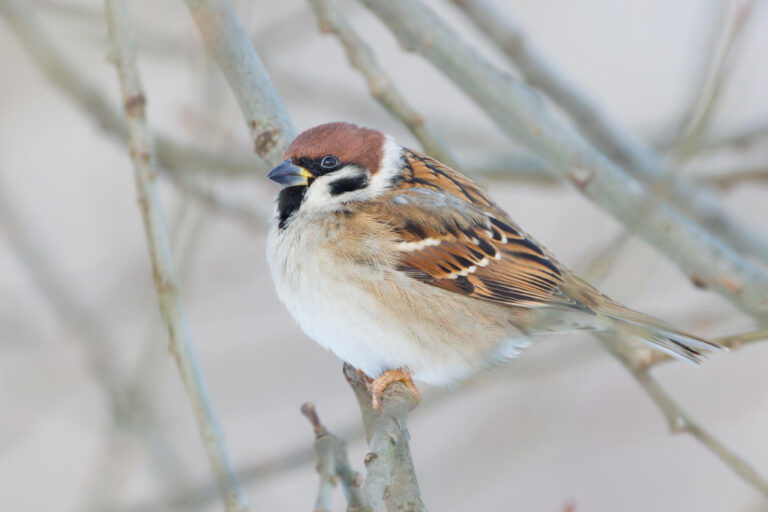
Passer montanus
♥
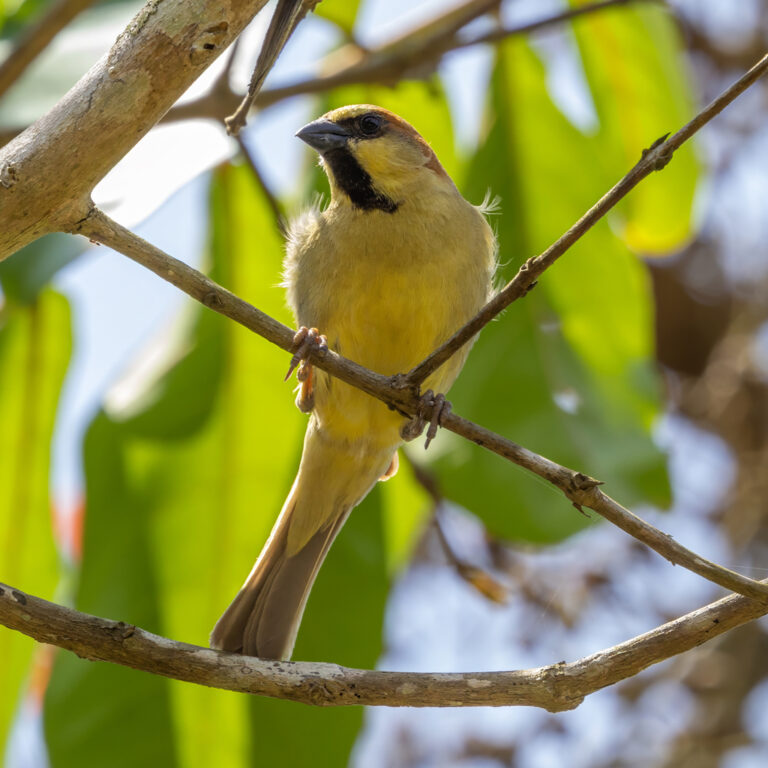
Passer flaveolus
♥
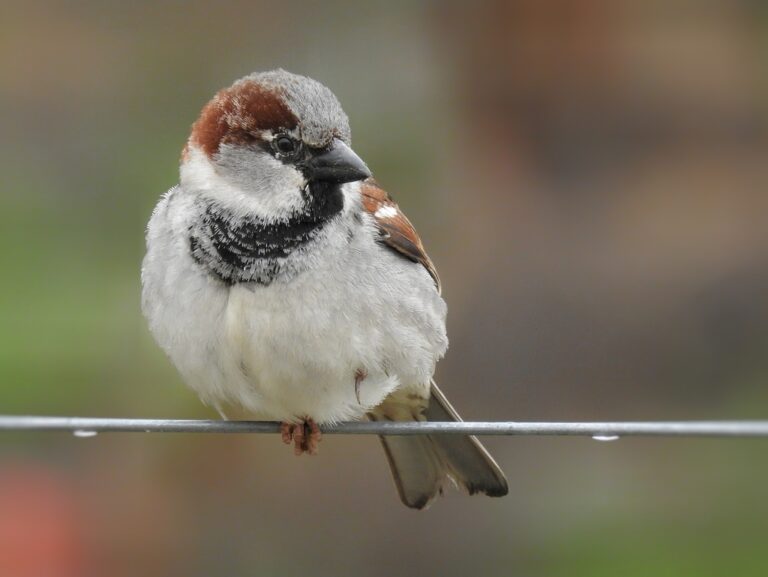
Passer domesticus
♥
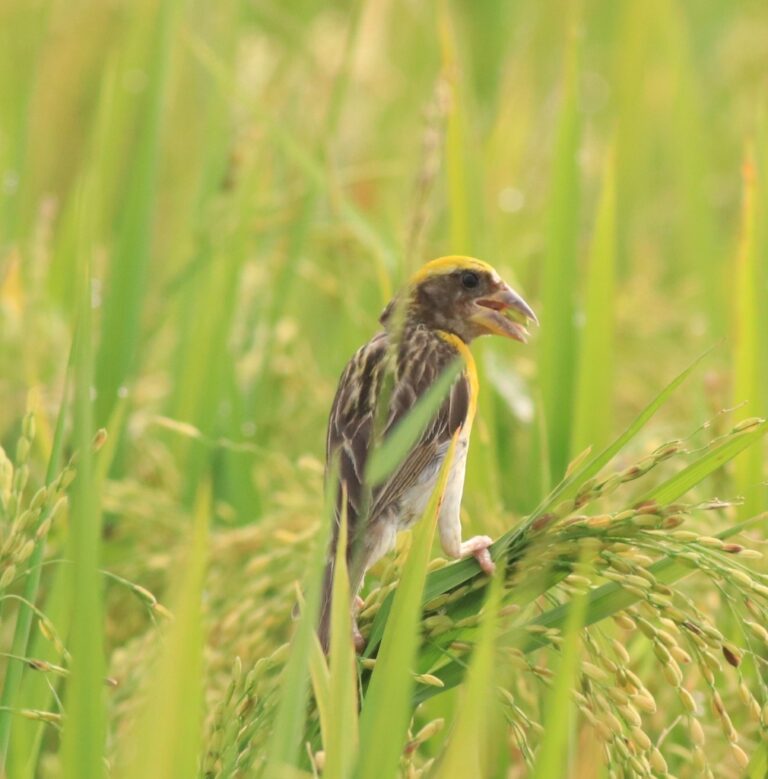
Ploceus philippinus
♥
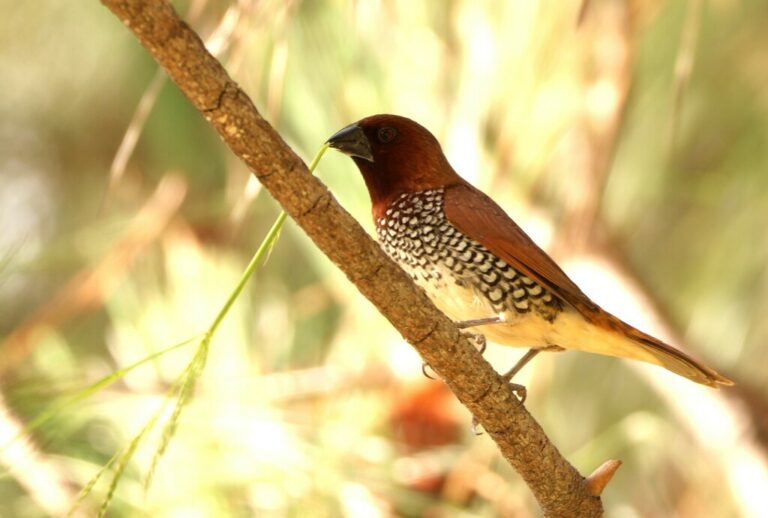
Lonchura punctulata
♥
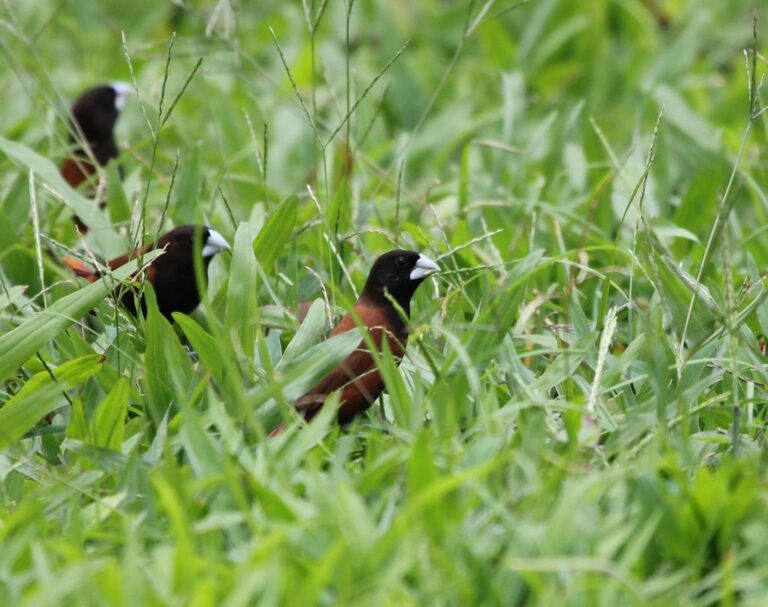
Lonchura atricapilla
♥
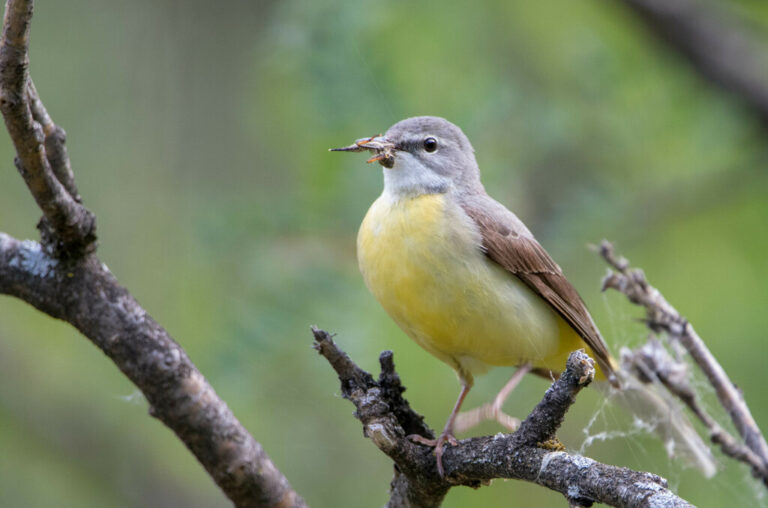
Motacilla cinerea
♥
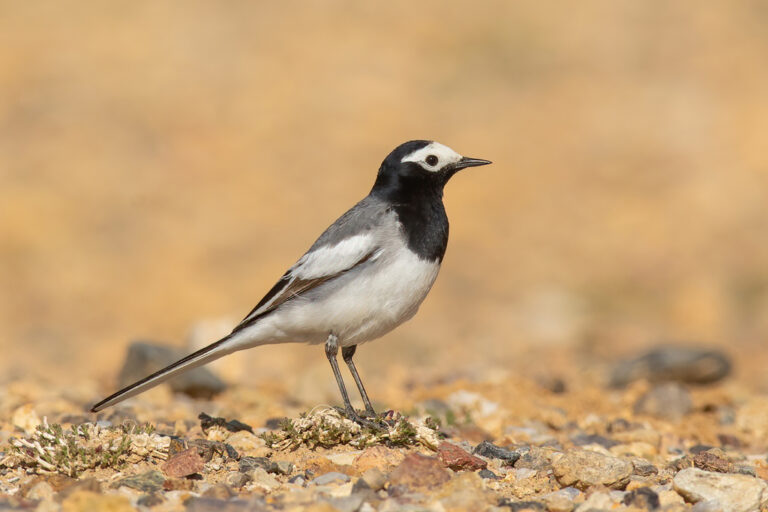
Motacilla alba
♥
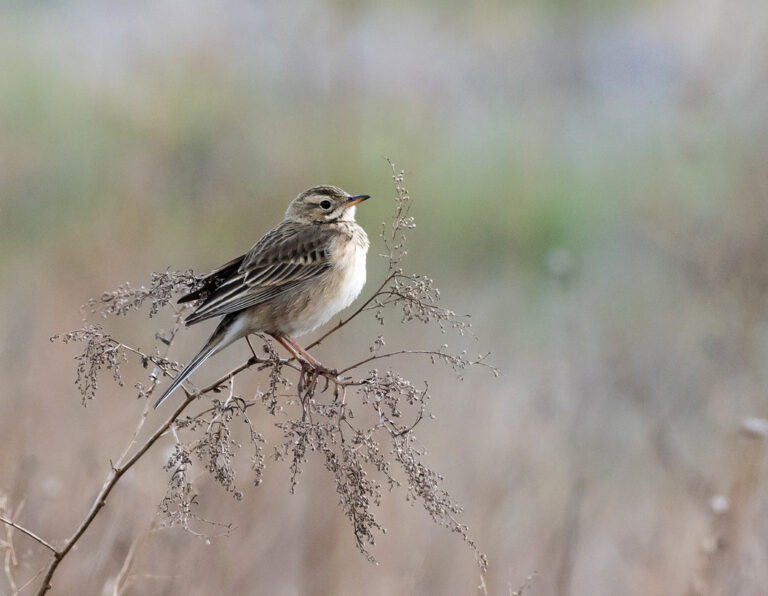
Anthus richardi
♥
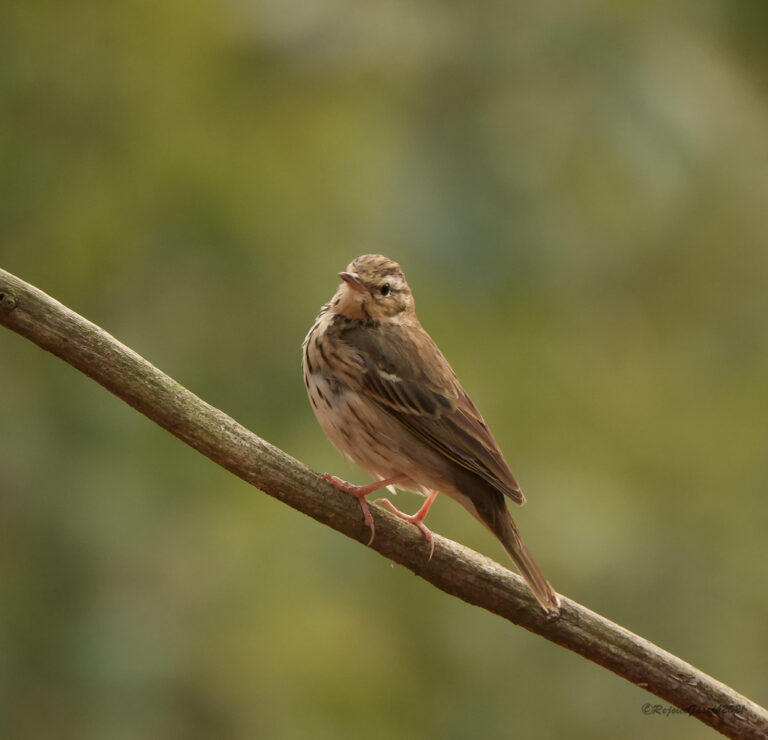
Anthus hodgsoni
♥
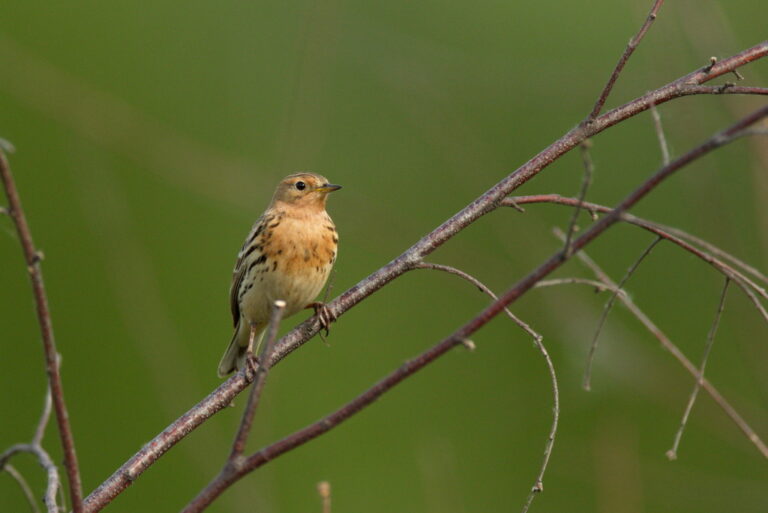
Anthus cervinus
♥
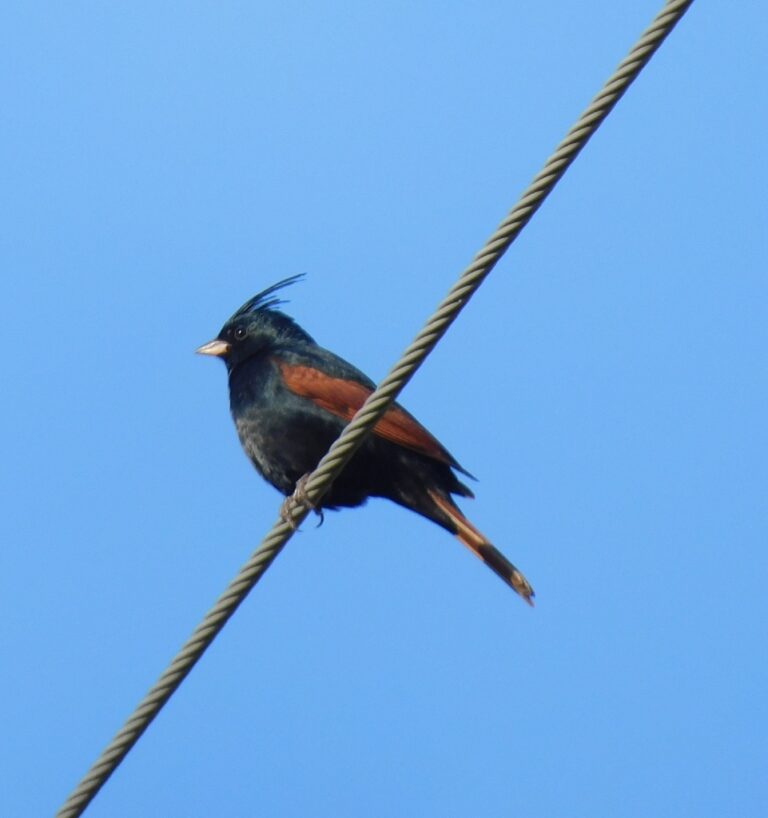
Emberiza lathami
♥
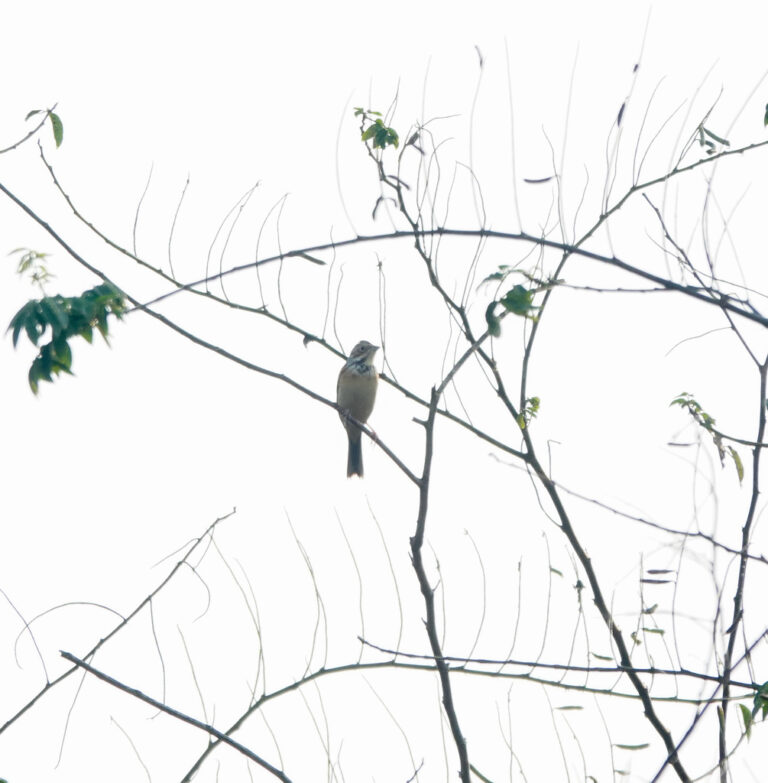
Emberiza fucata
♥
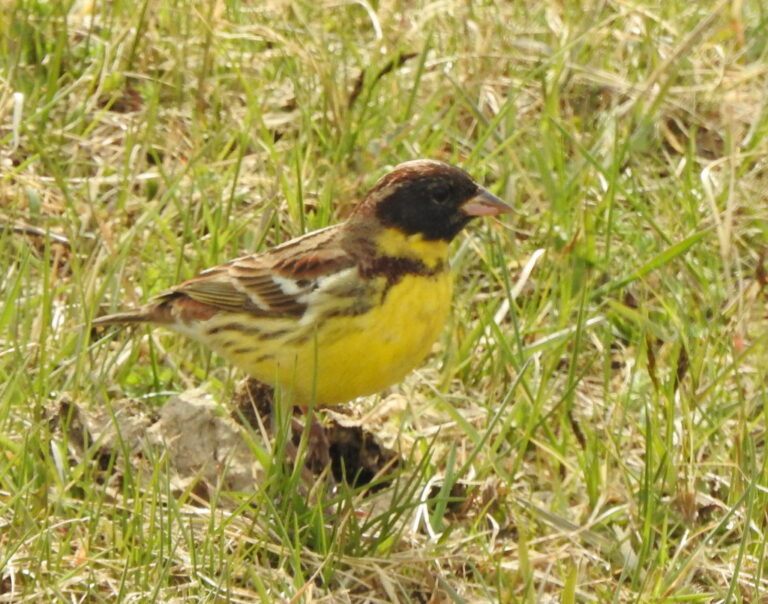
Emberiza aureola
♥
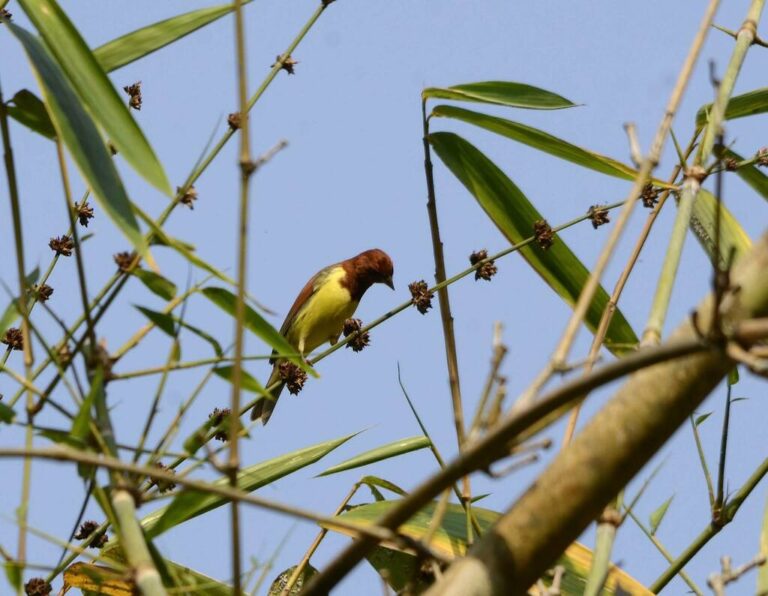
Emberiza rutila
♥
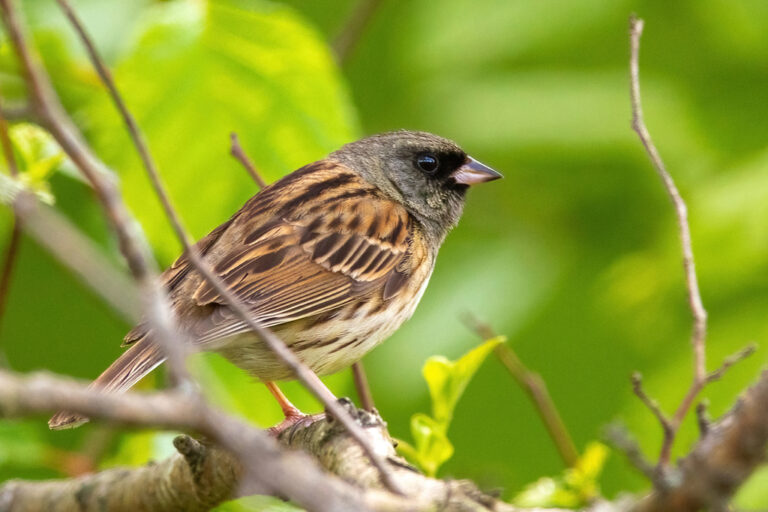
Emberiza spodocephala
♥
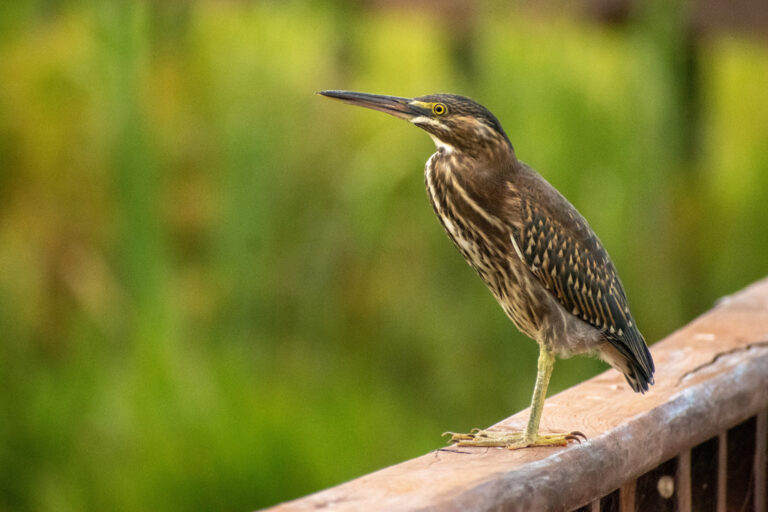
Butorides striata
♥
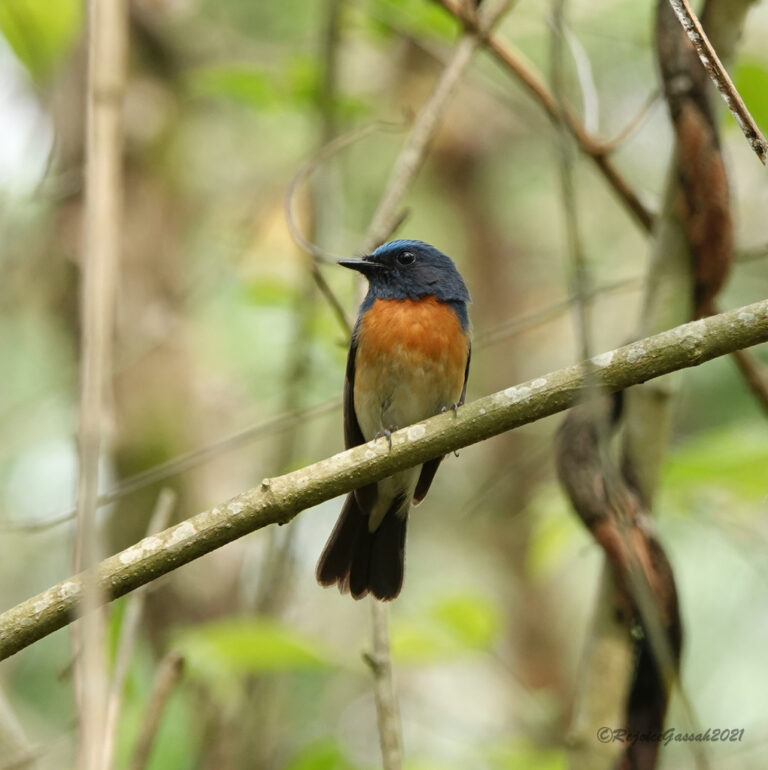
Cyornis rubeculoides
♥
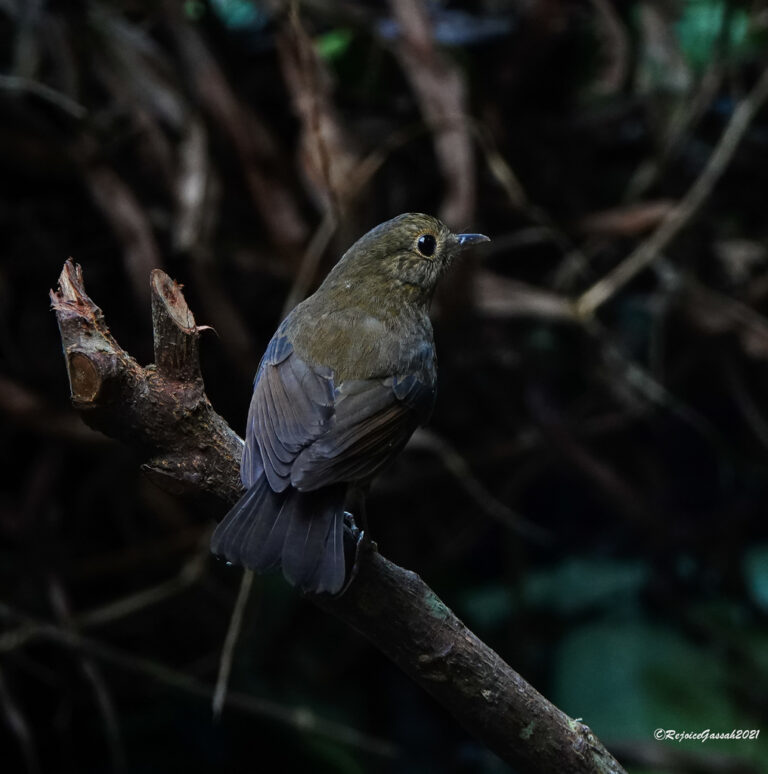
Myiomela leucura
♥