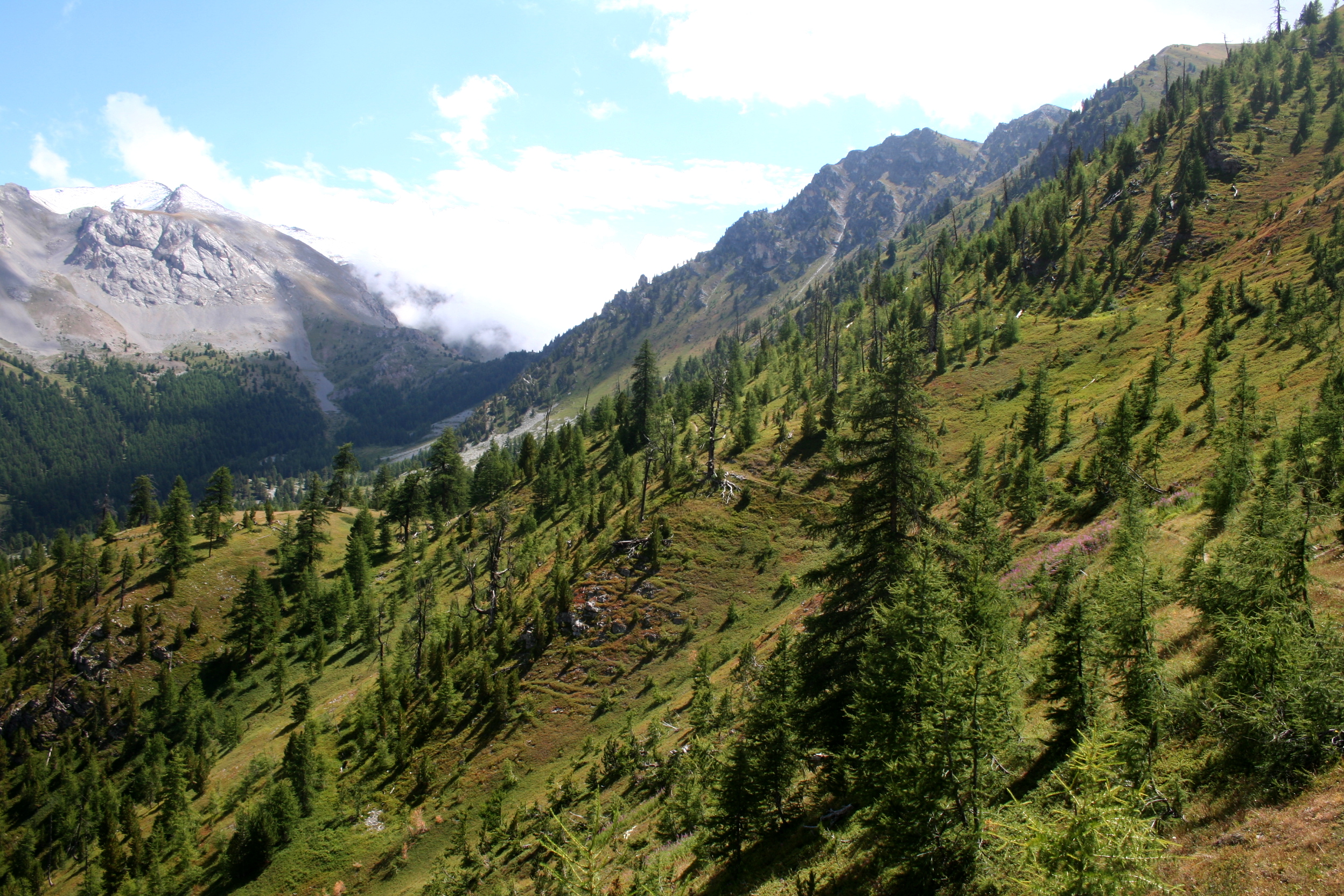
Average annual temperature
1.7 °C
Average of the twelve monthly means
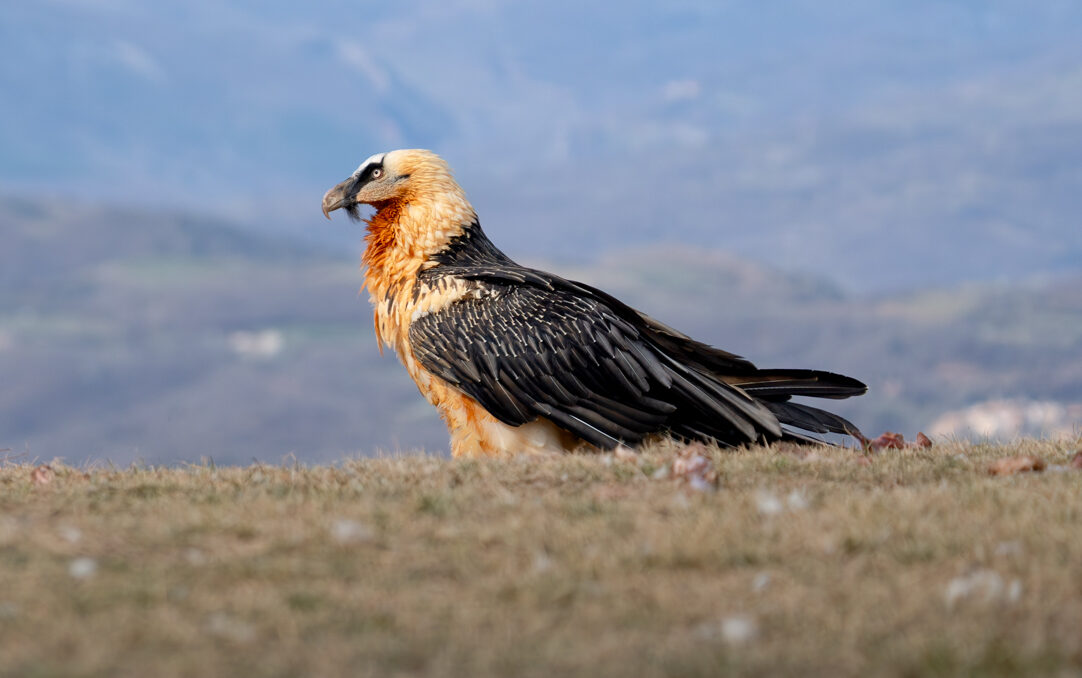
Gypaetus barbatus
♥
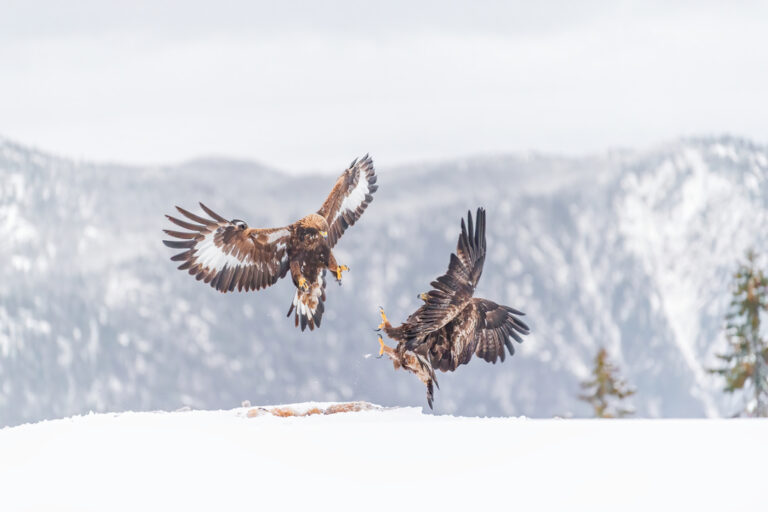
Aquila chrysaetos
♥
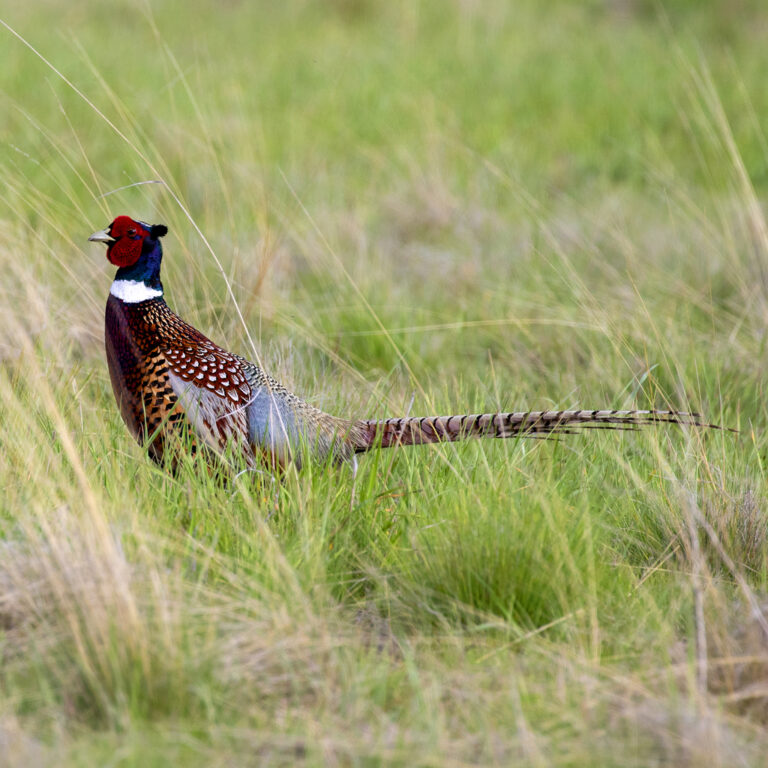
Phasianus colchicus
♥
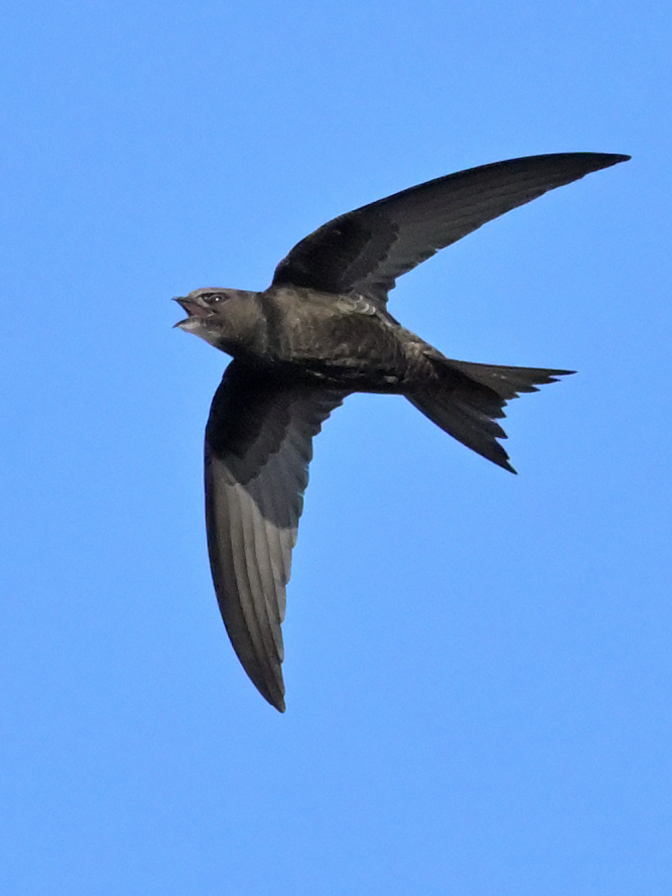
Apus apus
♥
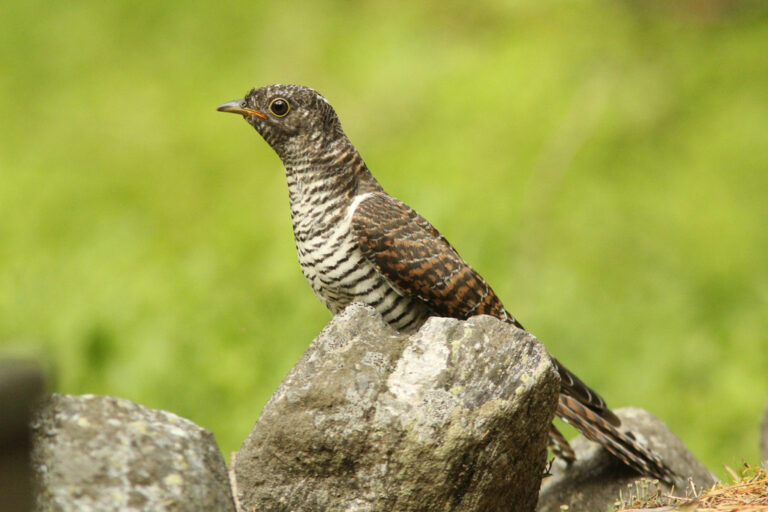
Cuculus canorus
♥
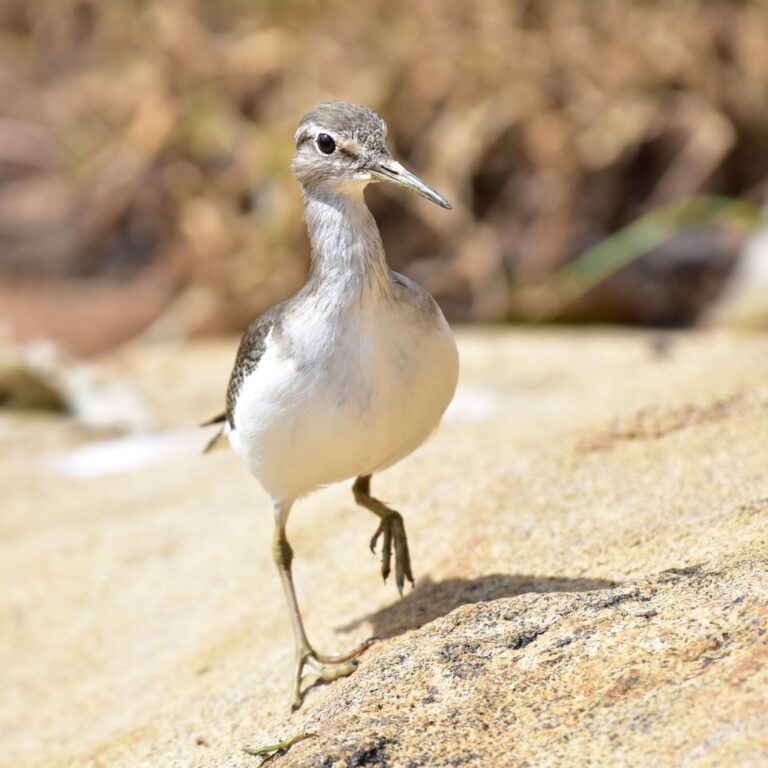
Actitis hypoleucos
♥
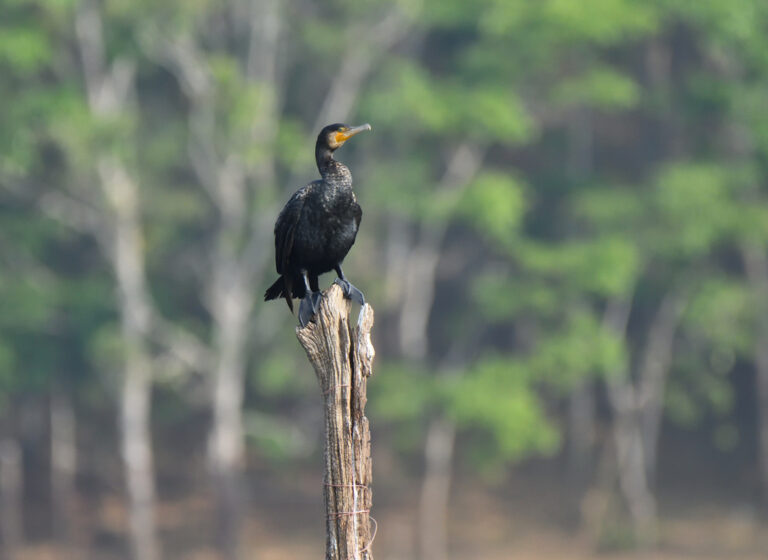
Phalacrocorax carbo
♥
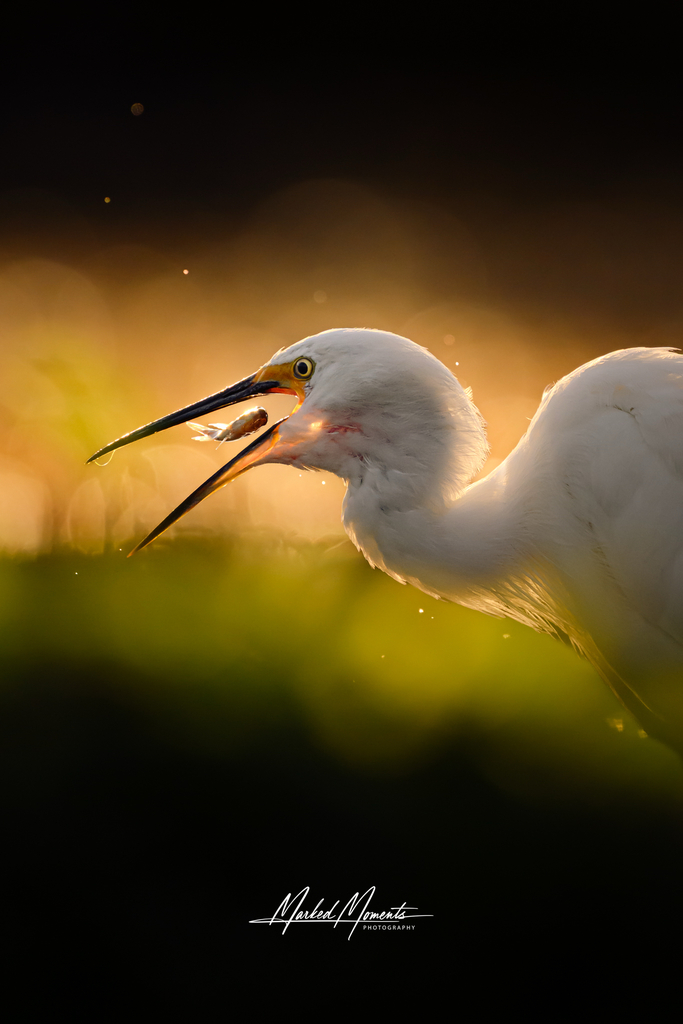
Egretta garzetta
♥
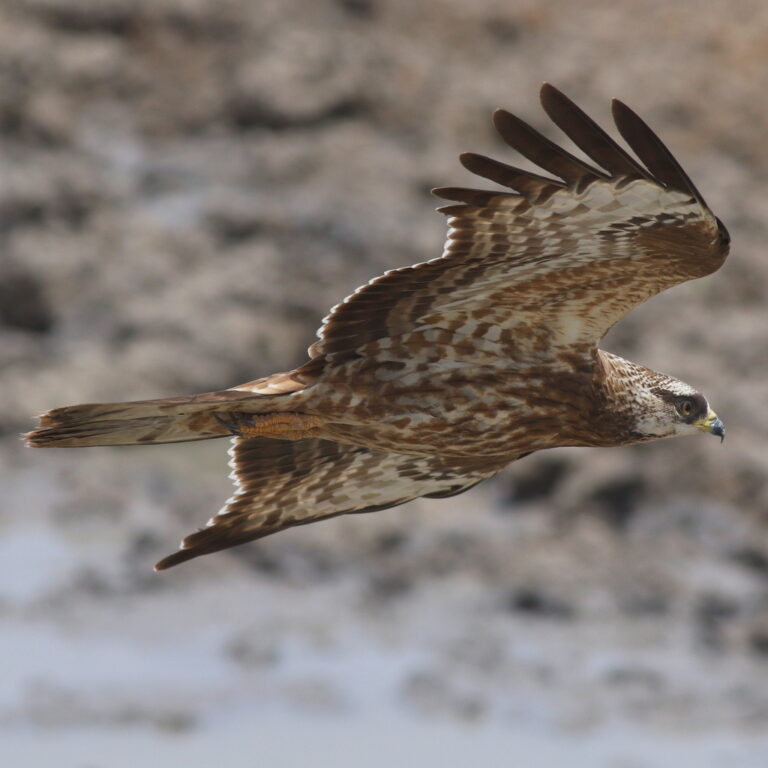
Pernis apivorus
♥
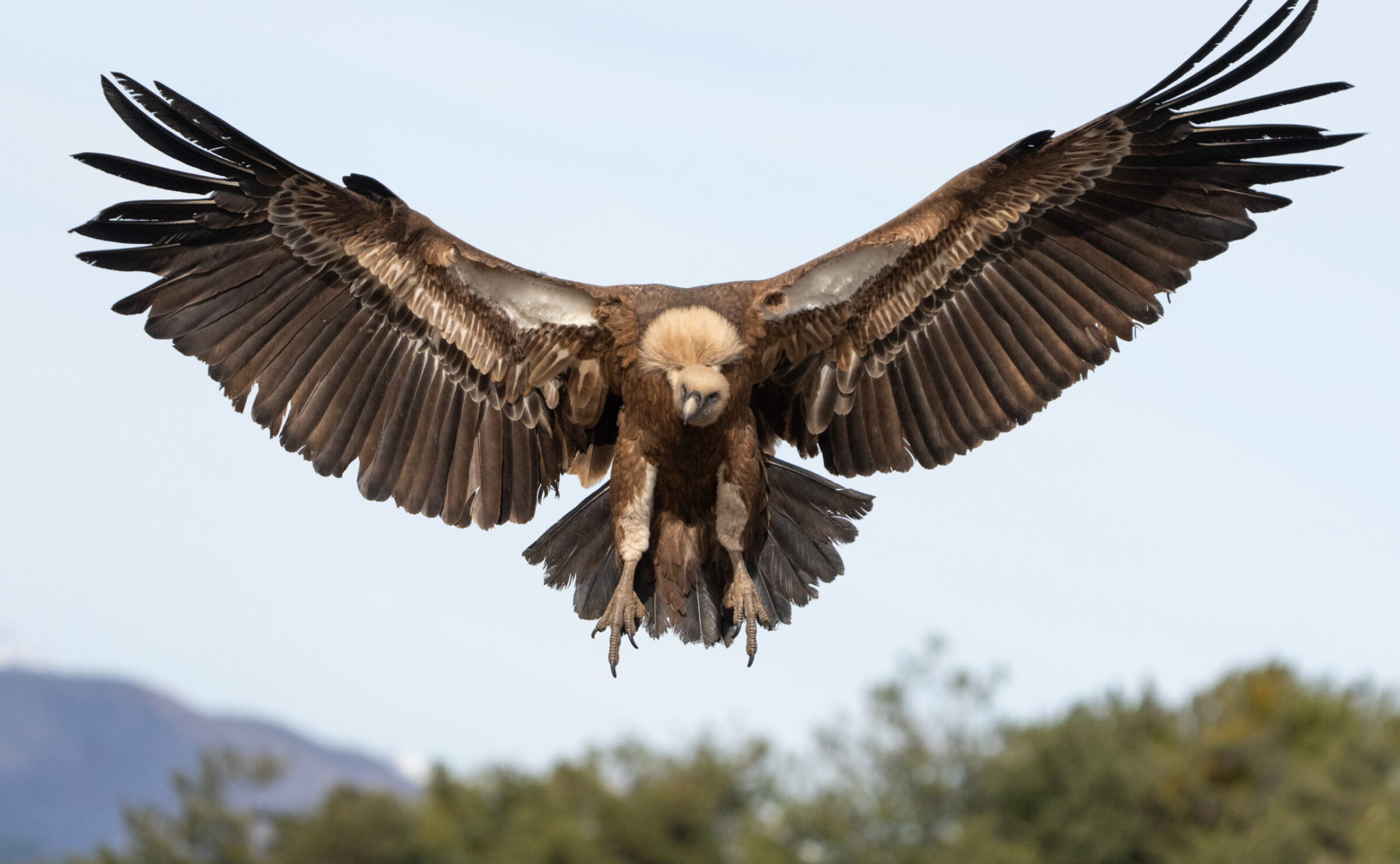
Gyps fulvus
♥
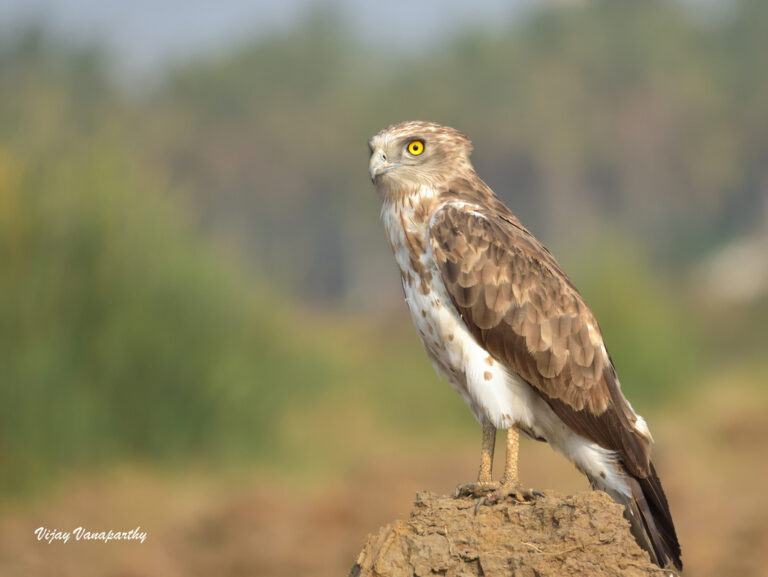
Circaetus gallicus
♥
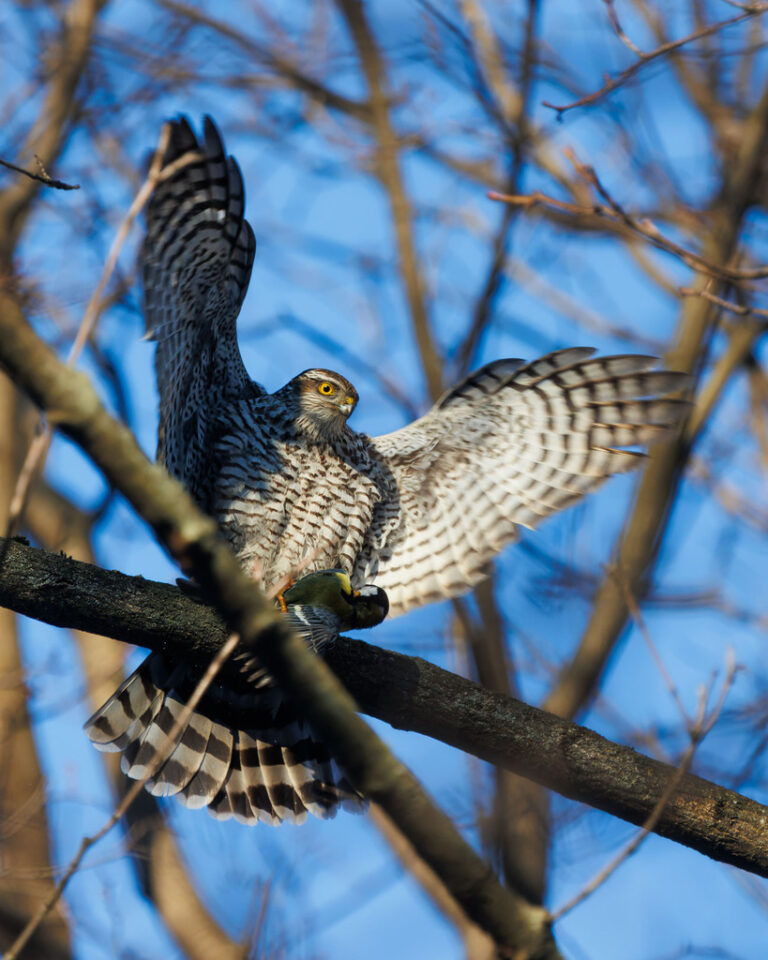
Accipiter nisus
♥
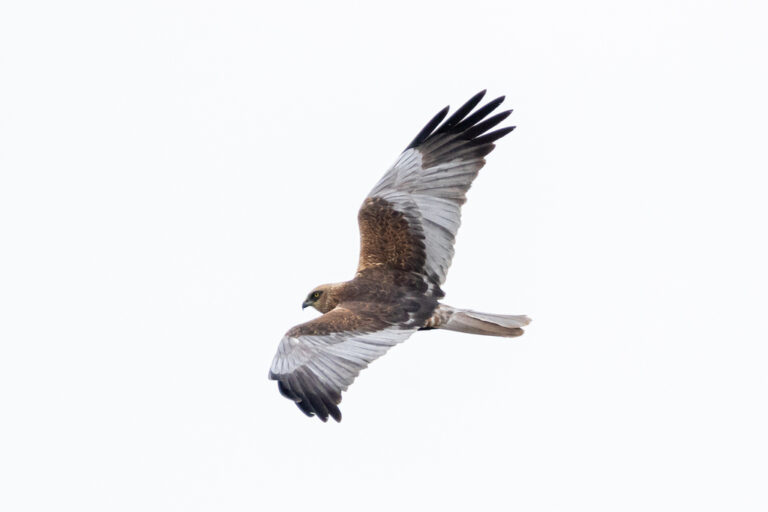
Circus aeruginosus
♥
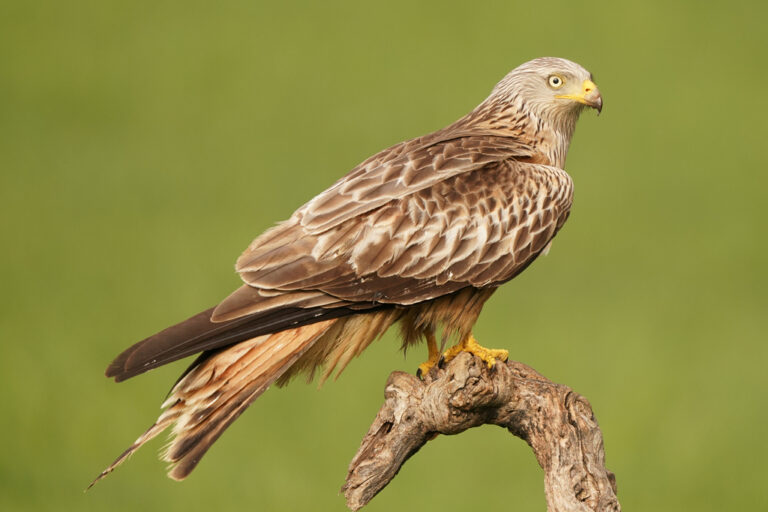
Milvus milvus
♥
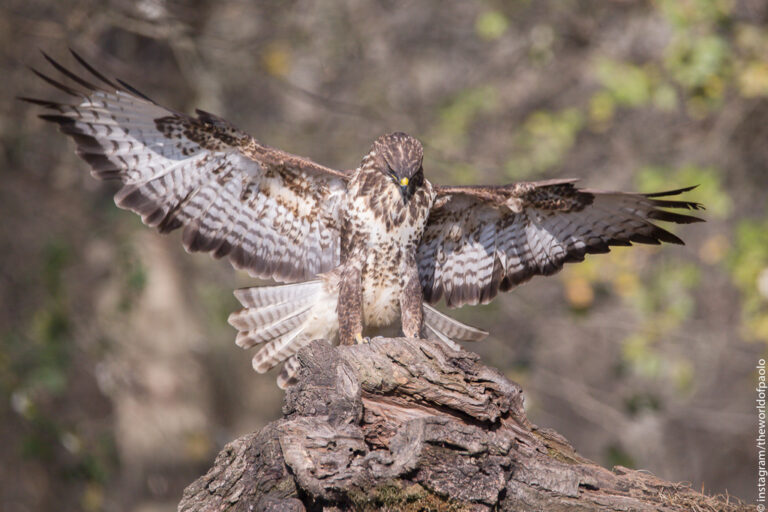
Buteo buteo
♥
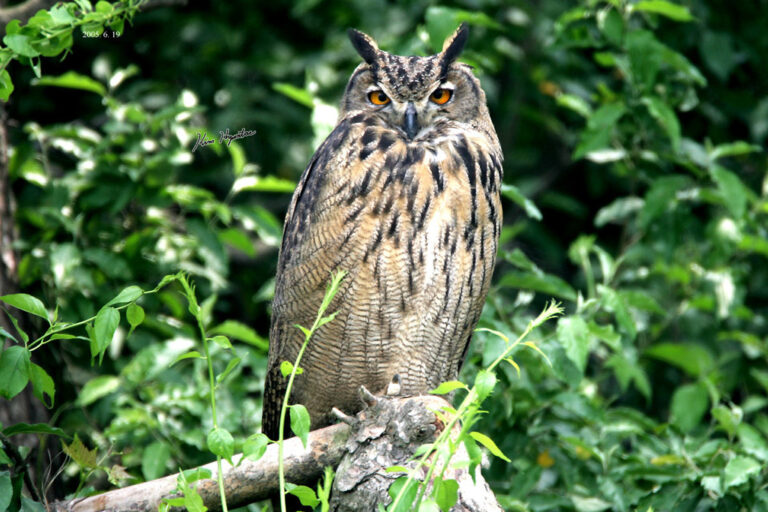
Bubo bubo
♥
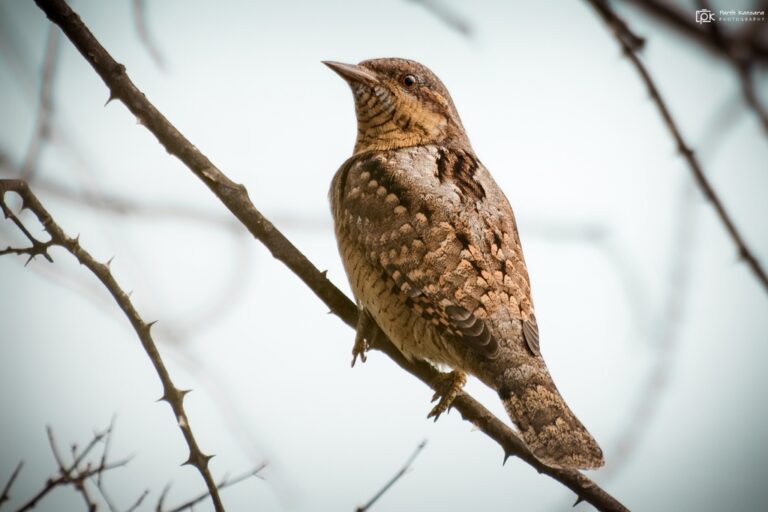
Jynx torquilla
♥
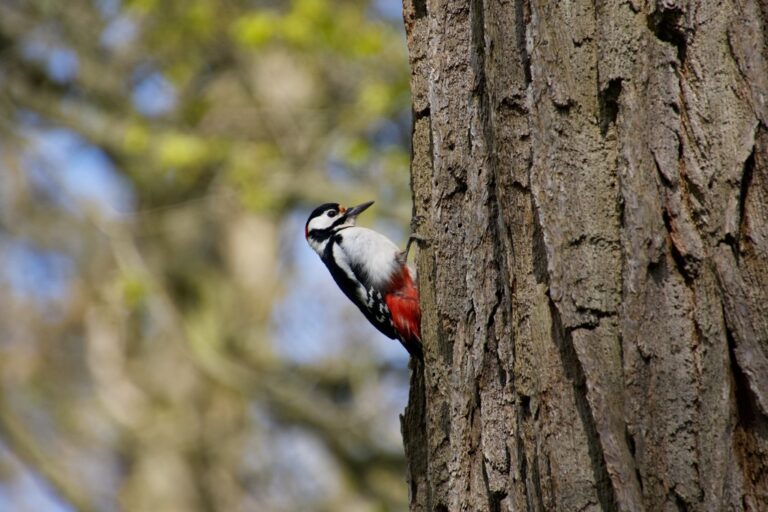
Dendrocopos major
♥
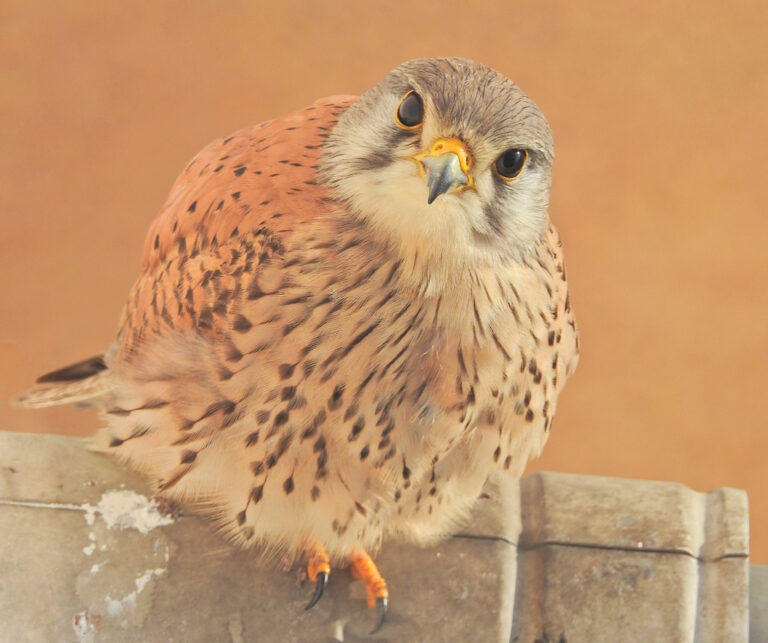
Falco tinnunculus
♥
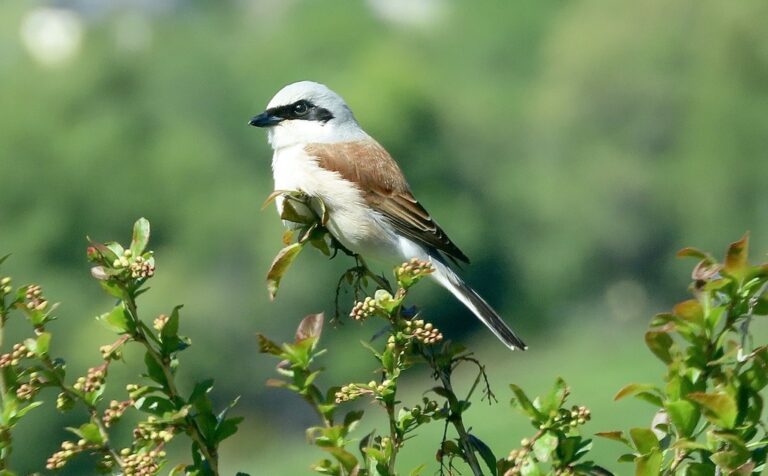
Lanius collurio
♥
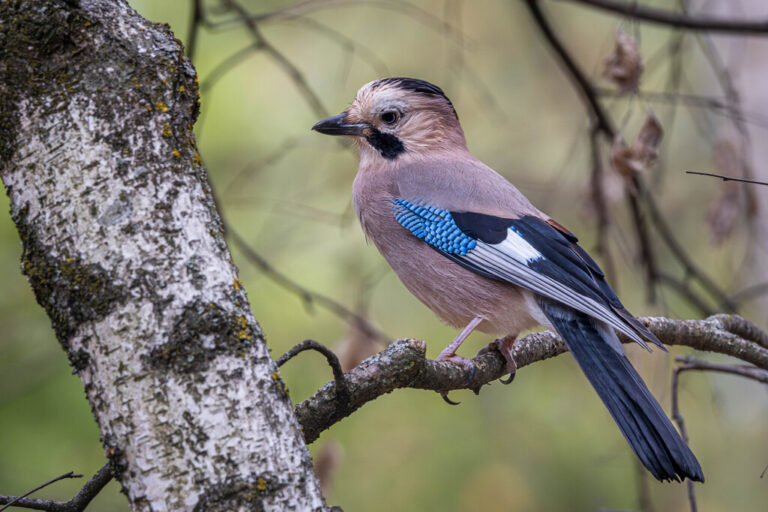
Garrulus glandarius
♥
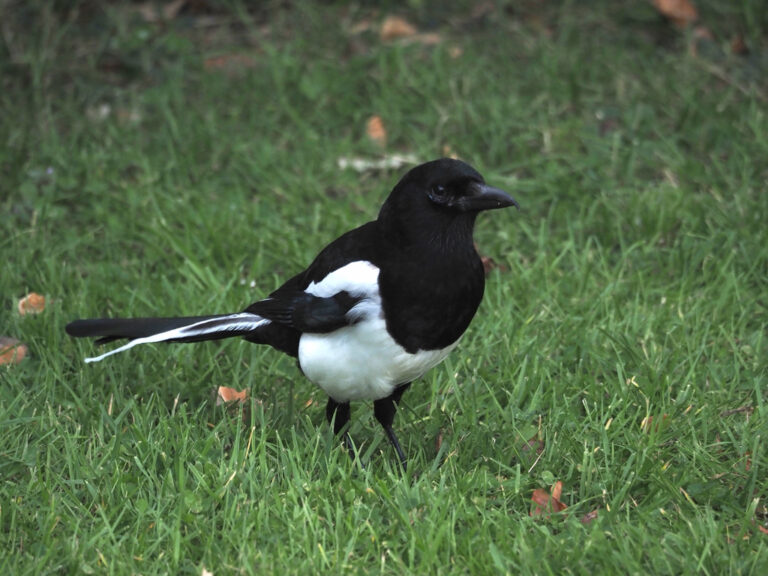
Pica pica
♥
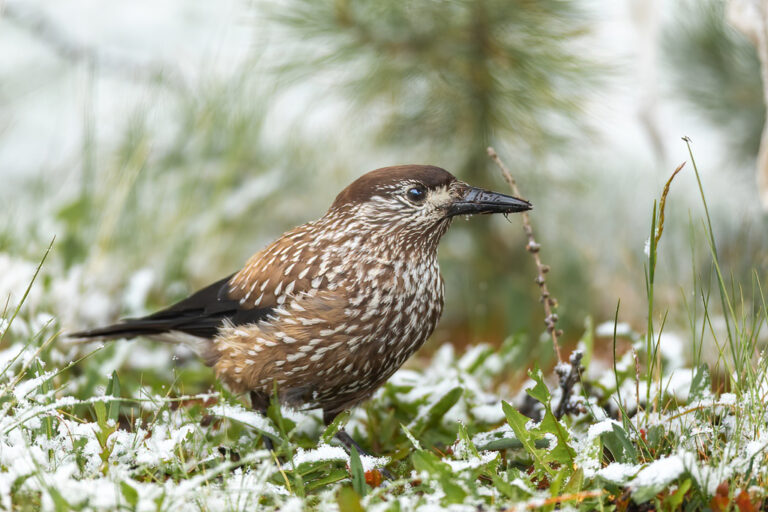
Nucifraga caryocatactes
♥
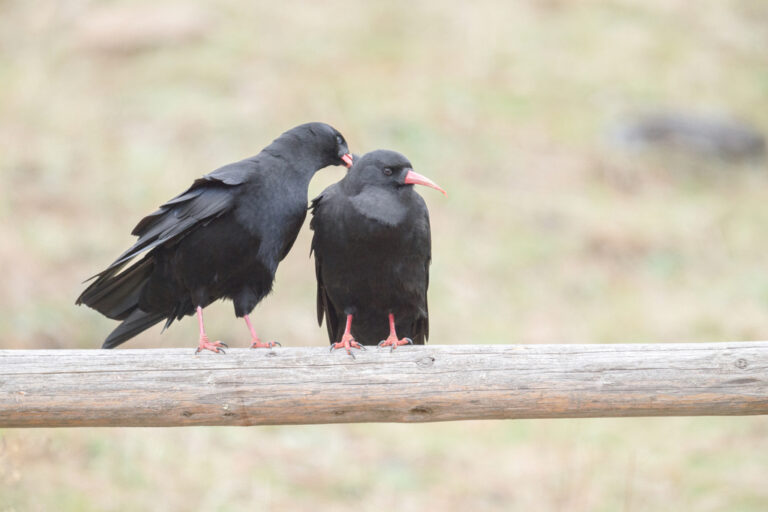
Pyrrhocorax pyrrhocorax
♥
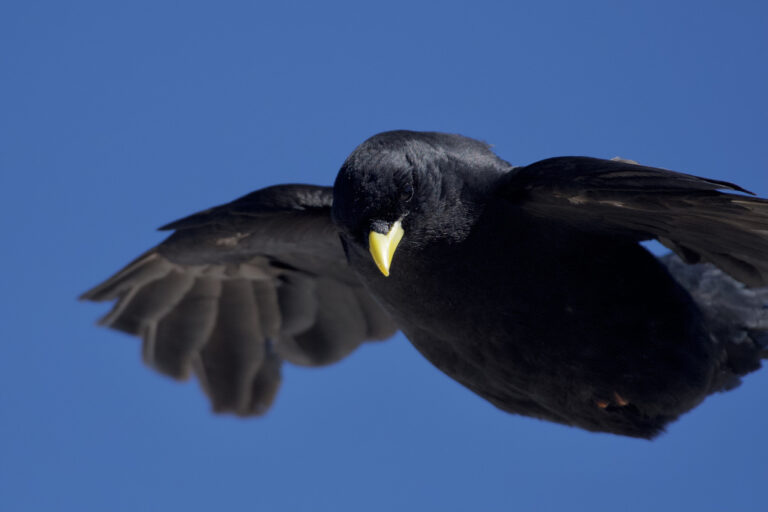
Pyrrhocorax graculus
♥
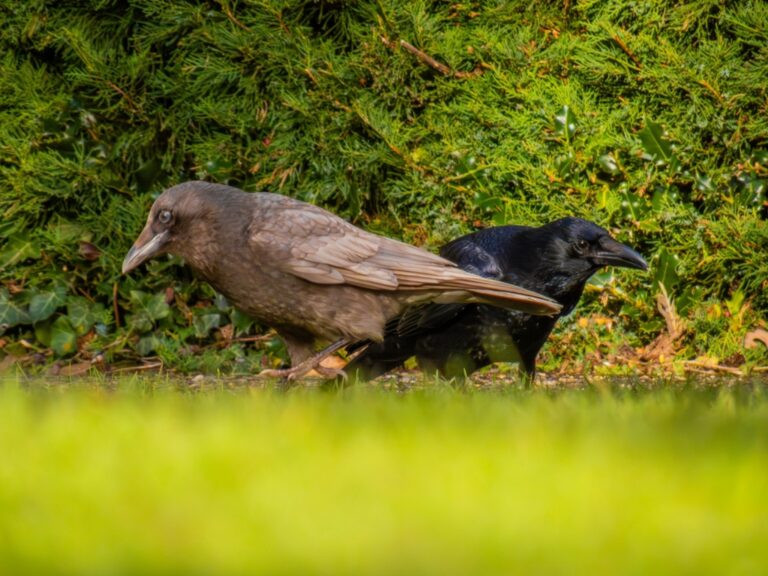
Corvus corone
♥
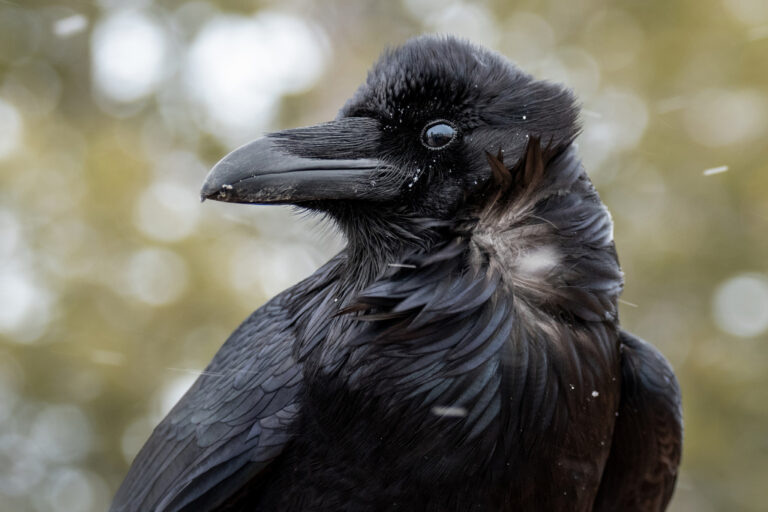
Corvus corax
♥
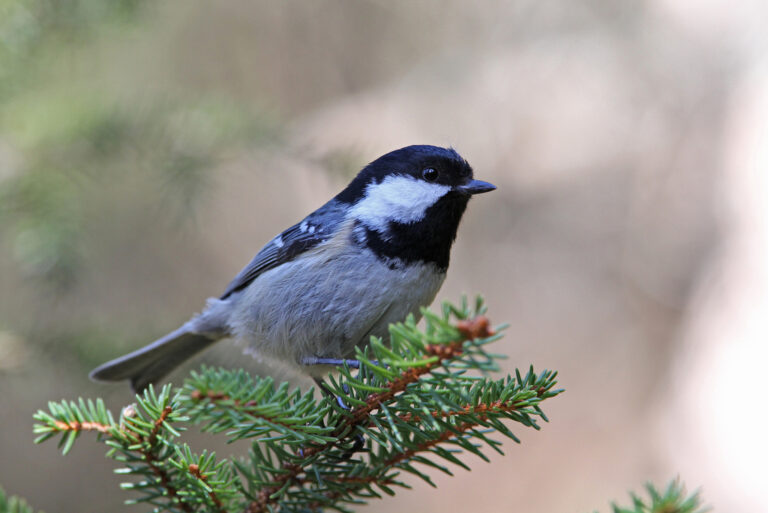
Periparus ater
♥
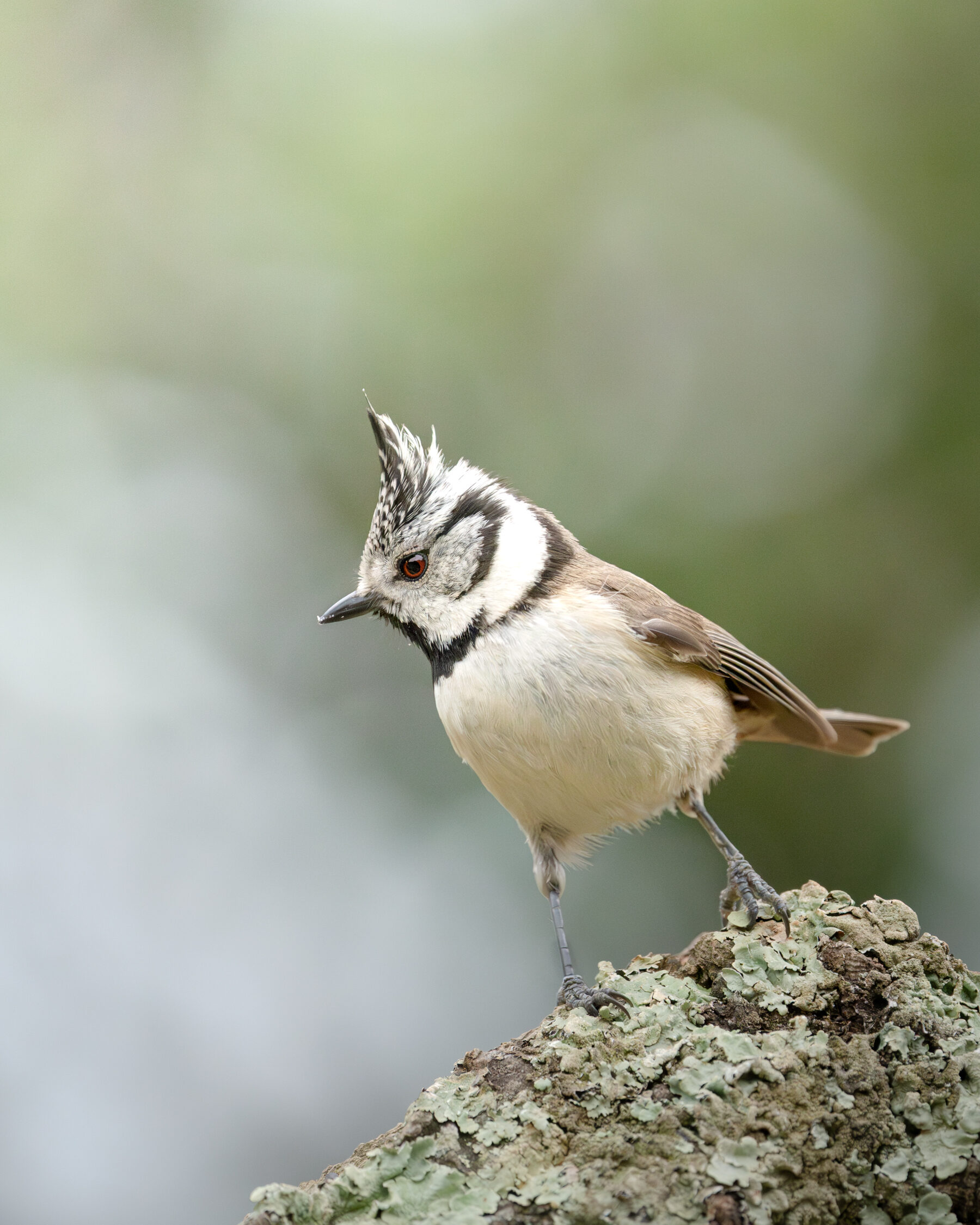
Lophophanes cristatus
♥
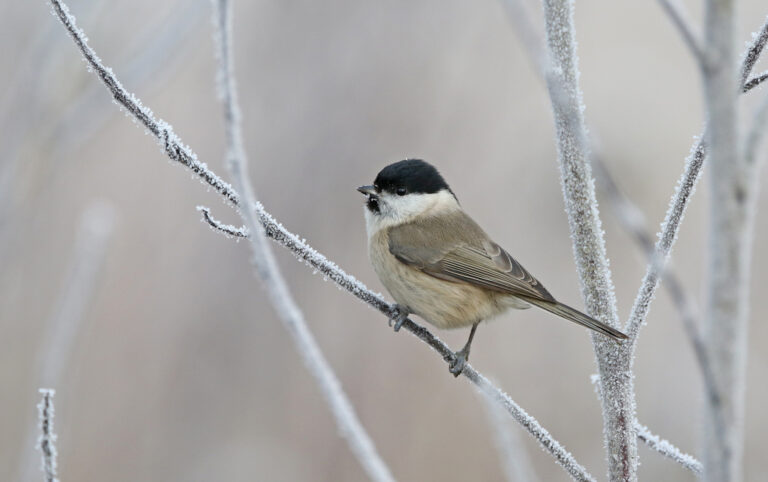
Poecile palustris
♥
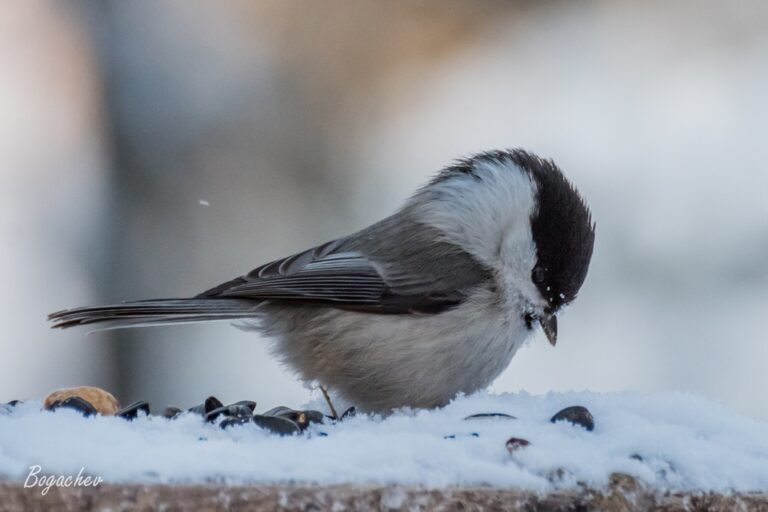
Poecile montanus
♥
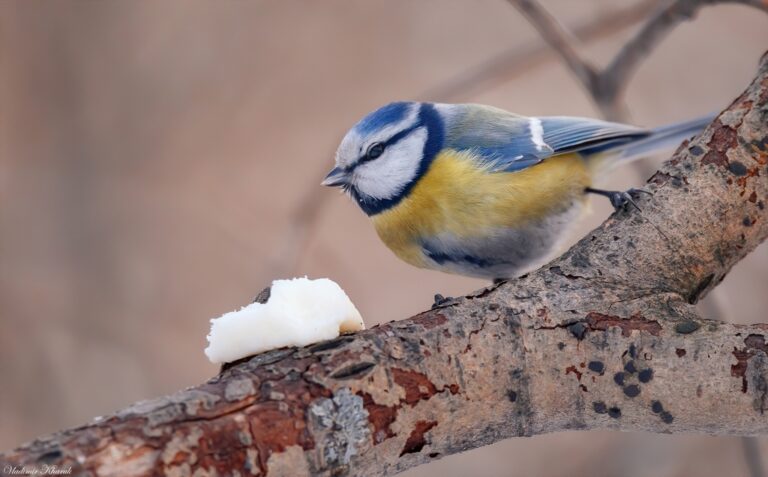
Cyanistes caeruleus
♥
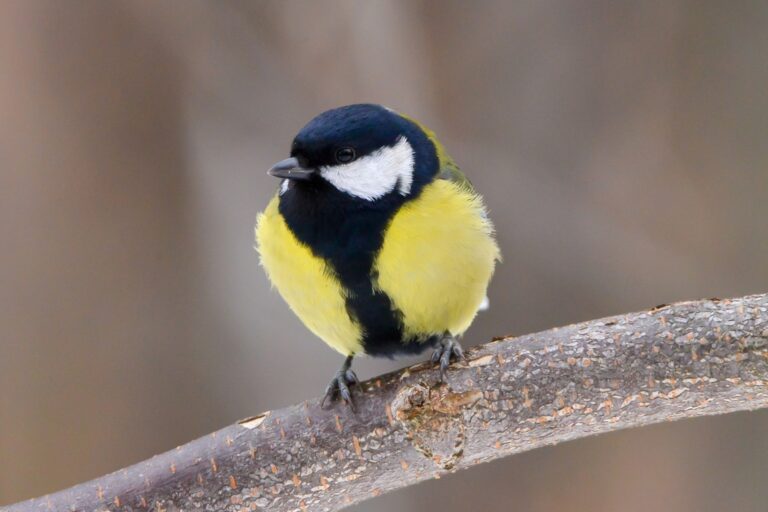
Parus major
♥
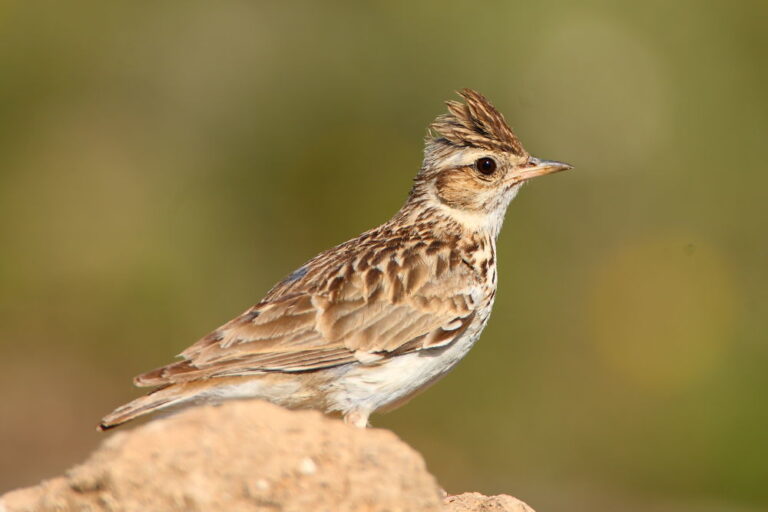
Lullula arborea
♥
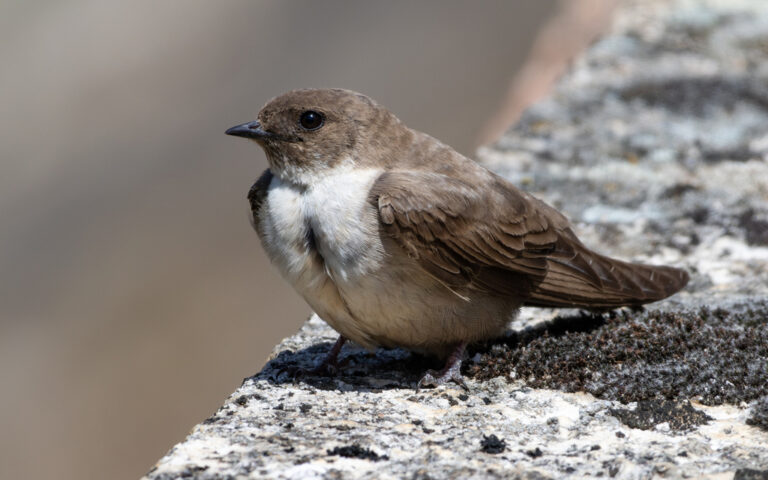
Ptyonoprogne rupestris
♥
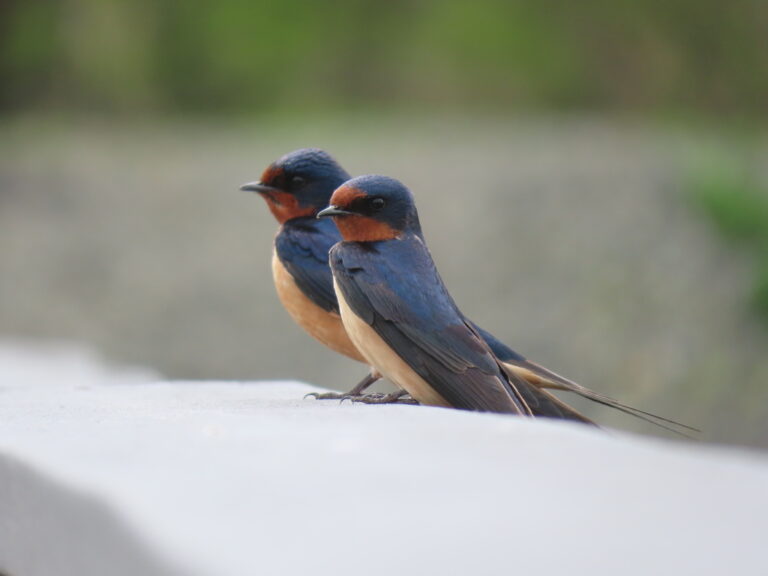
Hirundo rustica
♥
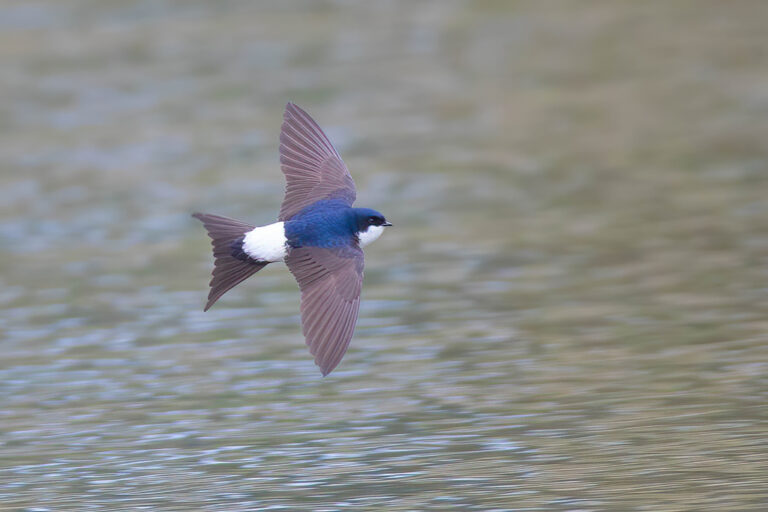
Delichon urbicum
♥
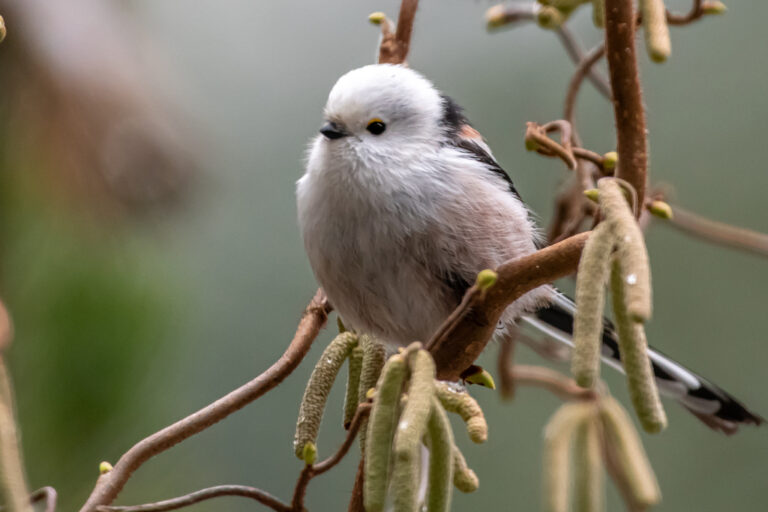
Aegithalos caudatus
♥
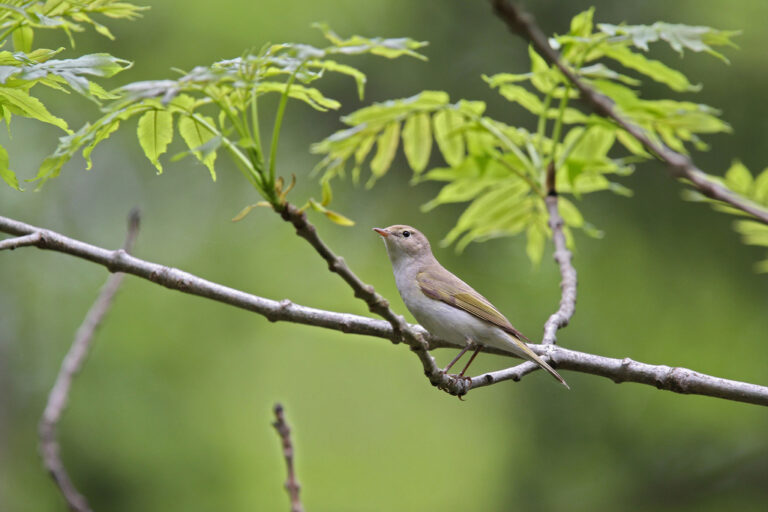
Phylloscopus bonelli
♥
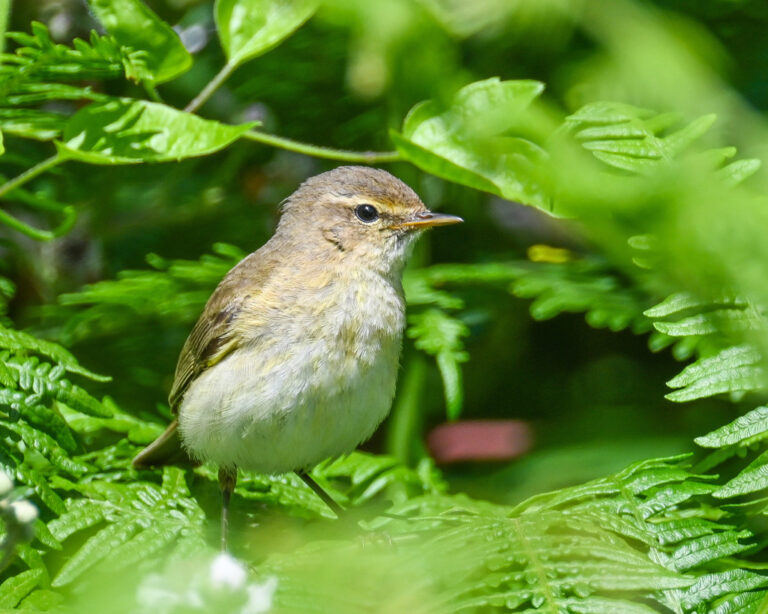
Phylloscopus collybita
♥
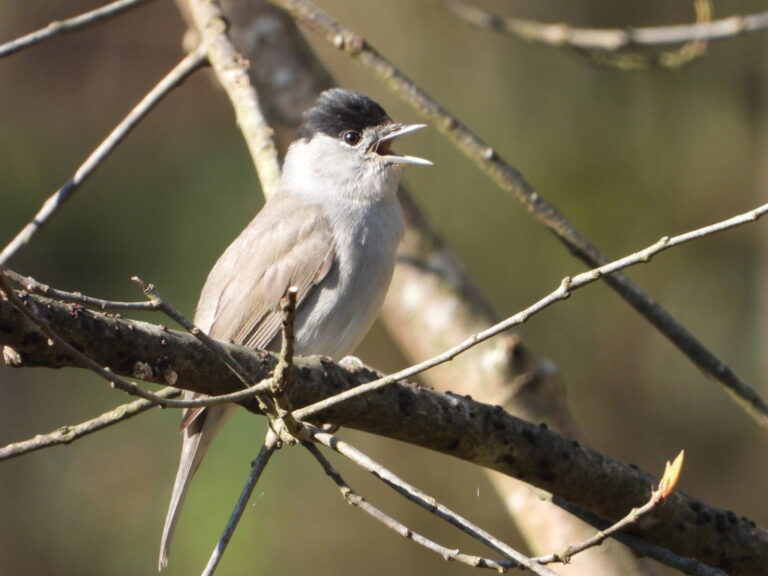
Sylvia atricapilla
♥
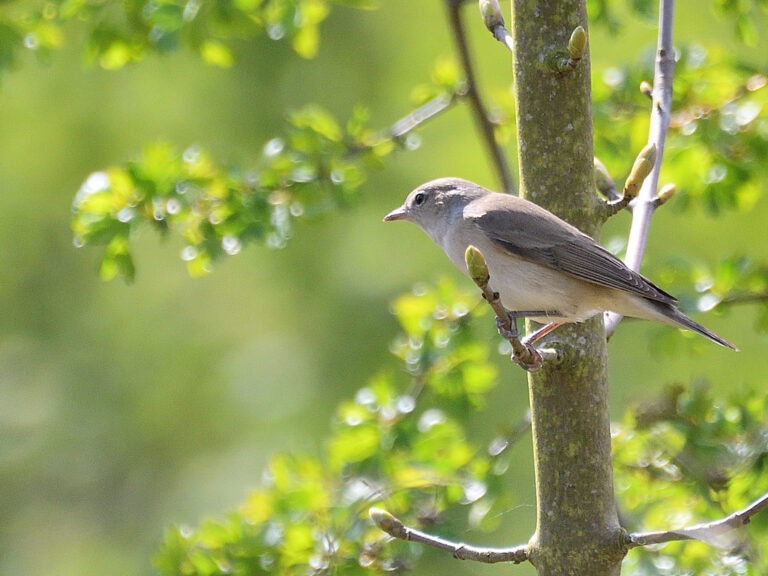
Sylvia borin
♥
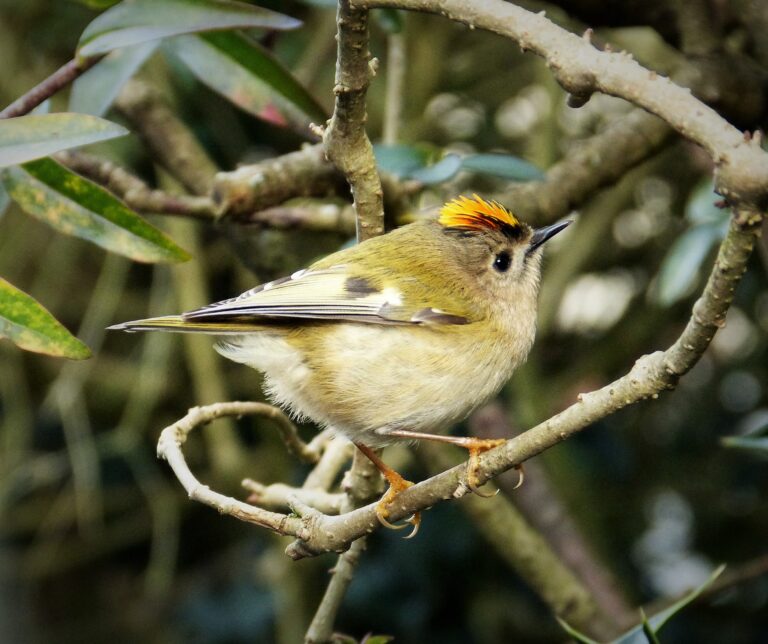
Regulus regulus
♥
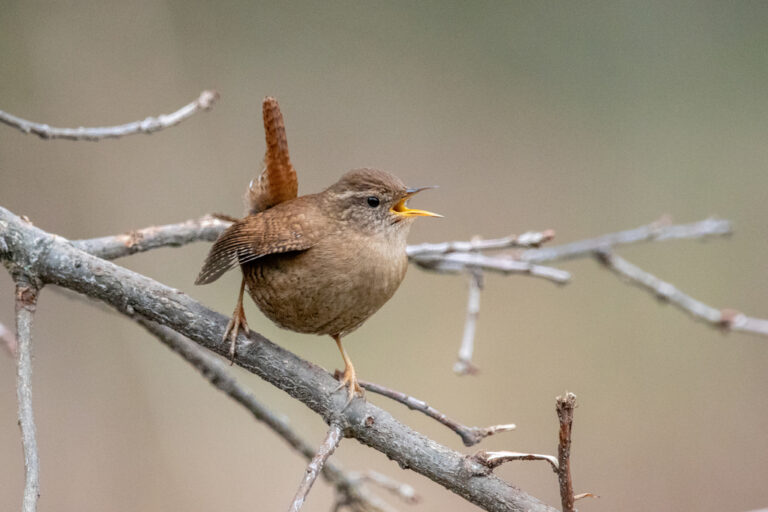
Troglodytes troglodytes
♥
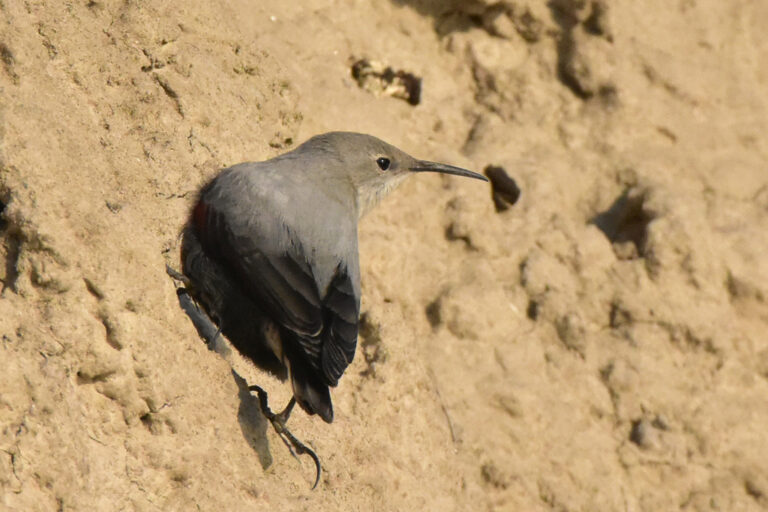
Tichodroma muraria
♥
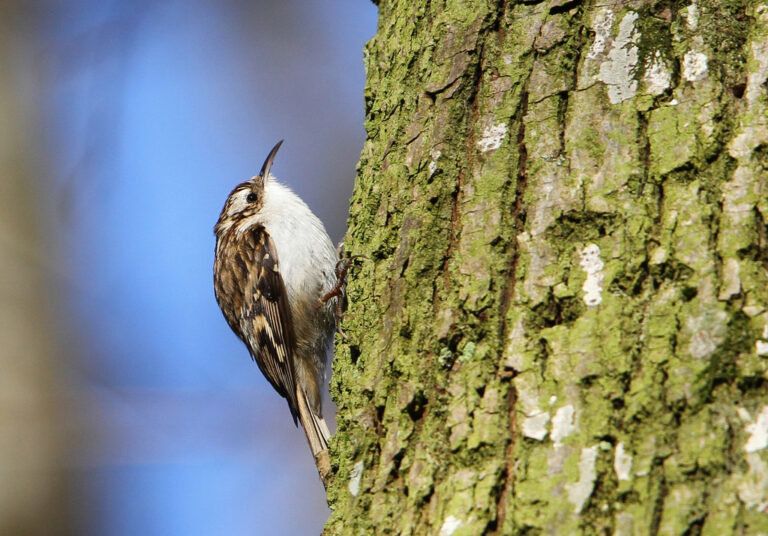
Certhia familiaris
♥
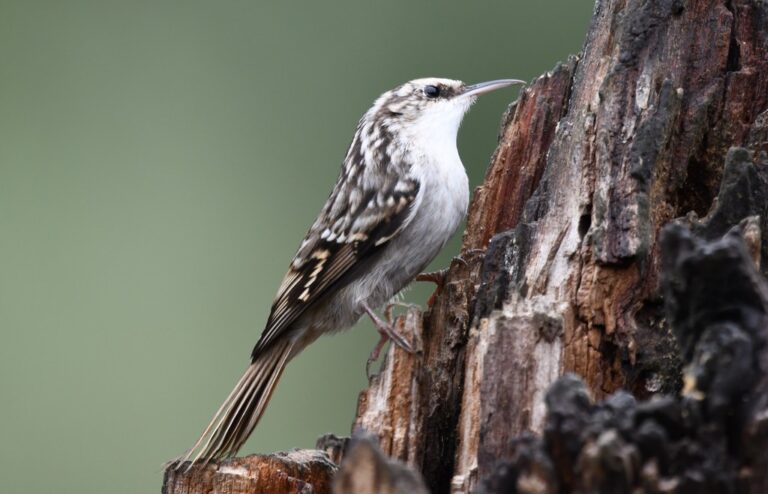
Certhia brachydactyla
♥
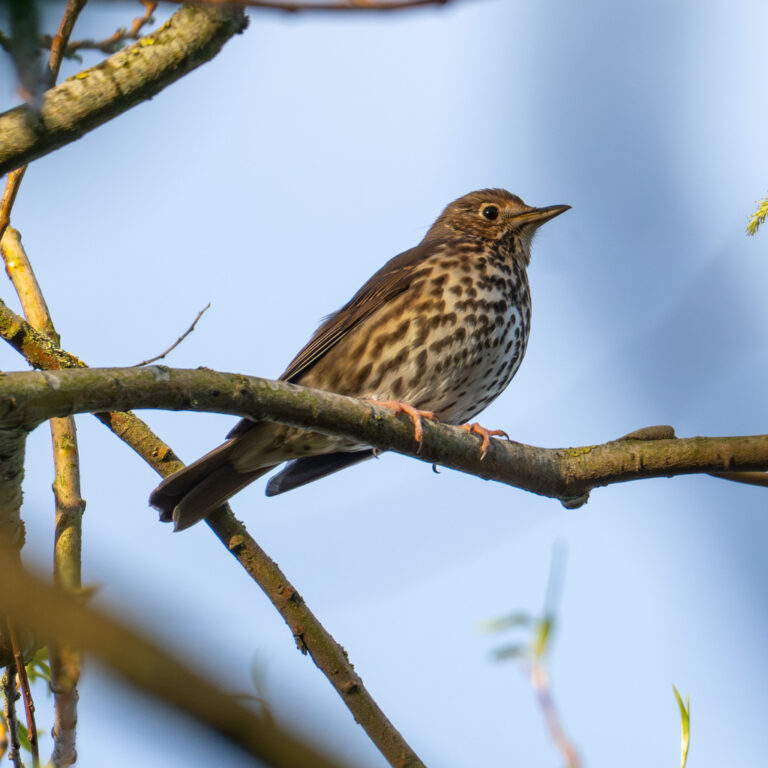
Turdus philomelos
♥
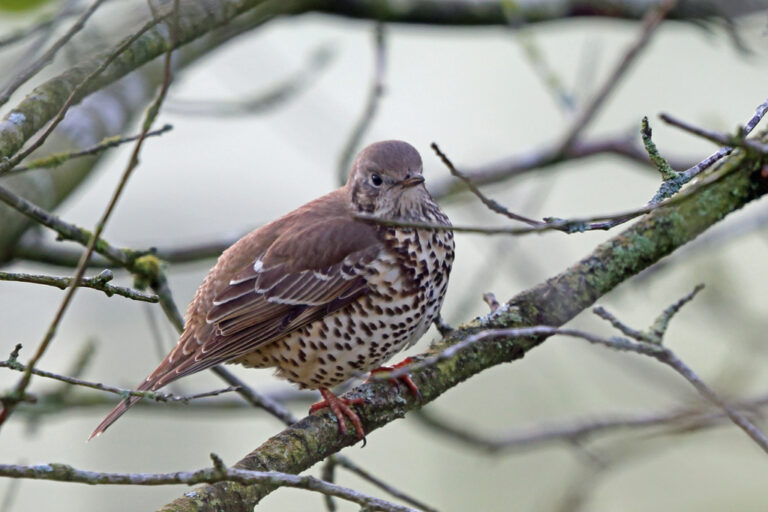
Turdus viscivorus
♥
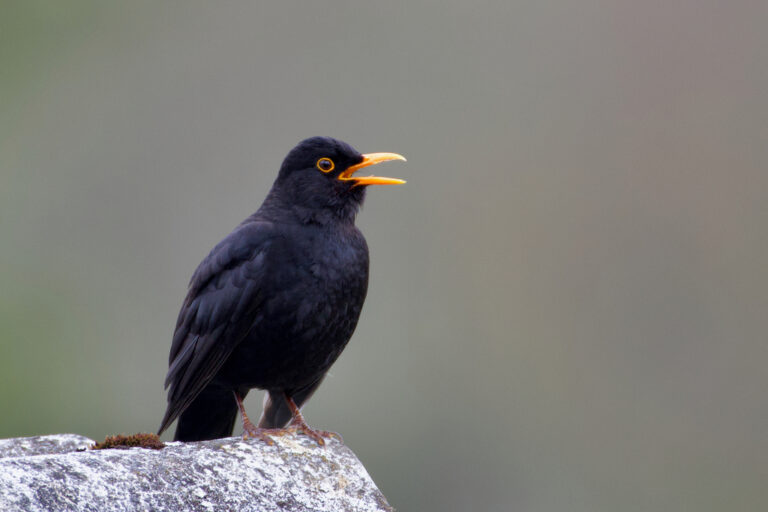
Turdus merula
♥
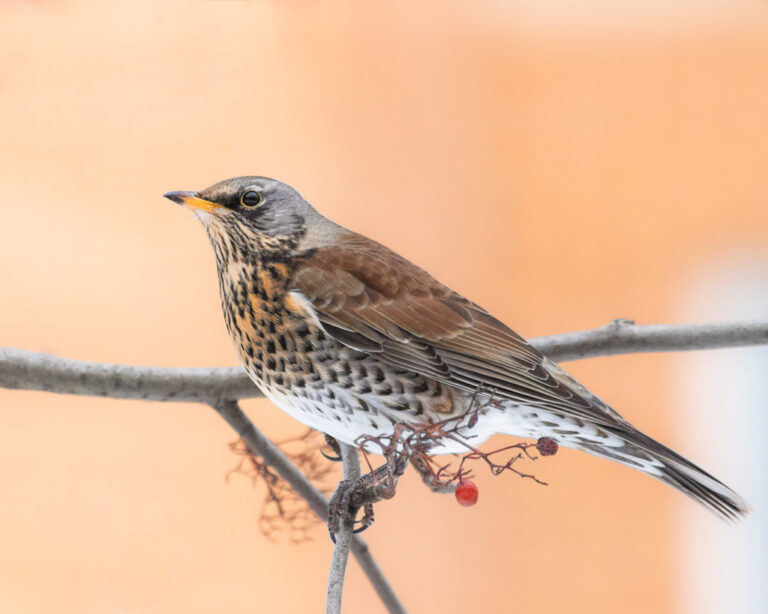
Turdus pilaris
♥
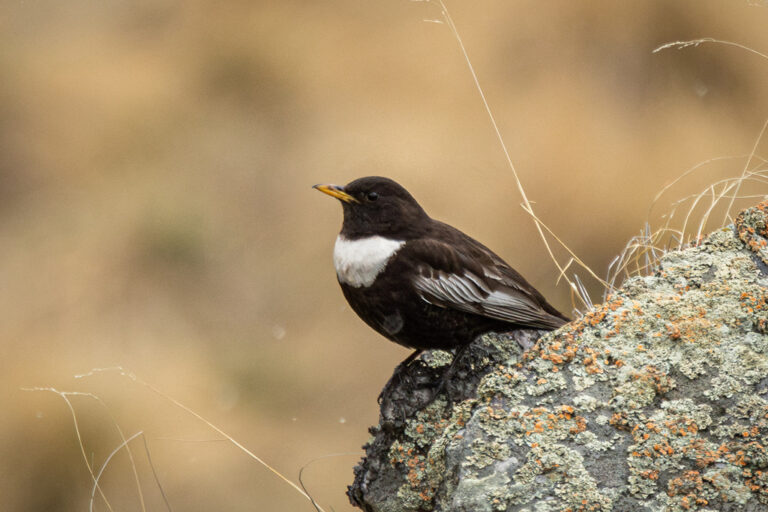
Turdus torquatus
♥
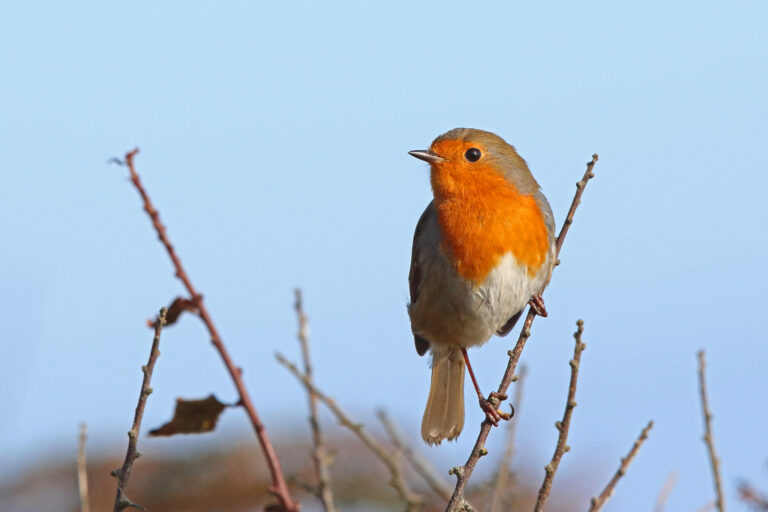
Erithacus rubecula
♥
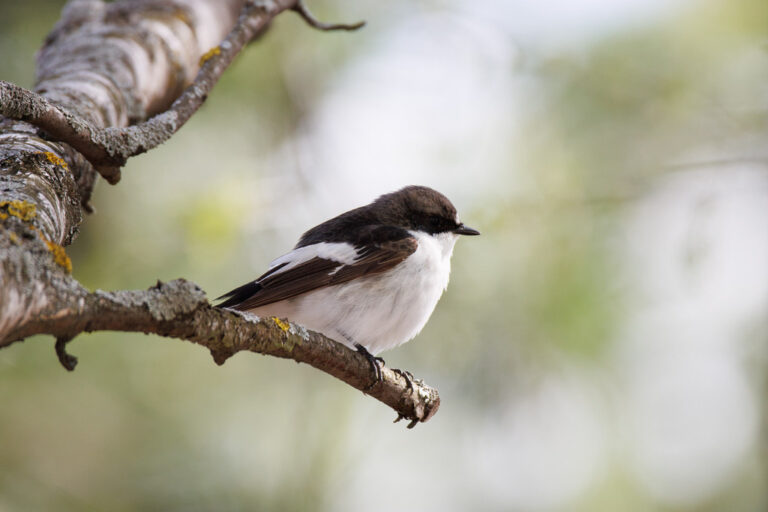
Ficedula hypoleuca
♥
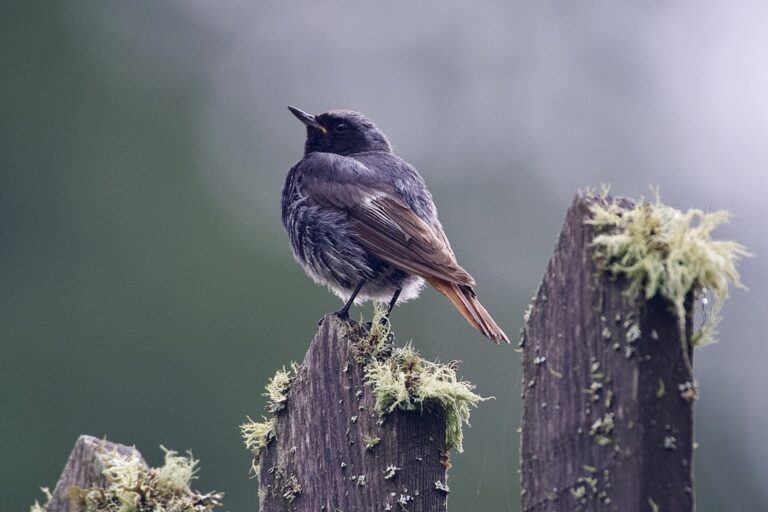
Phoenicurus ochruros
♥
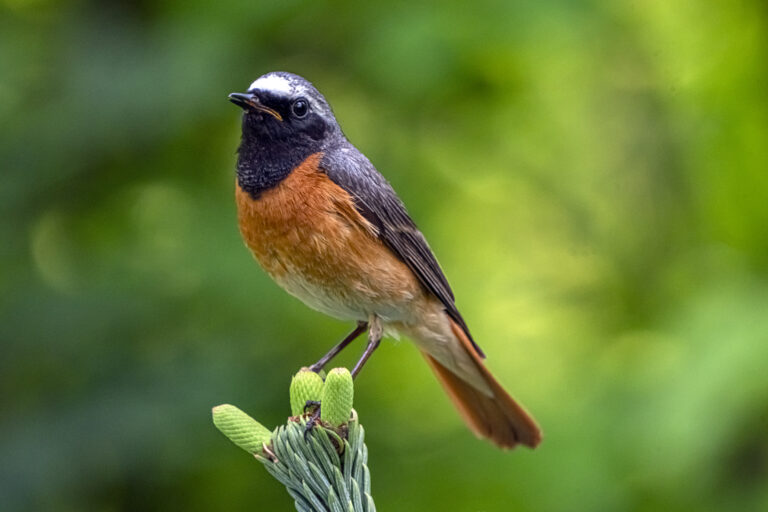
Phoenicurus phoenicurus
♥
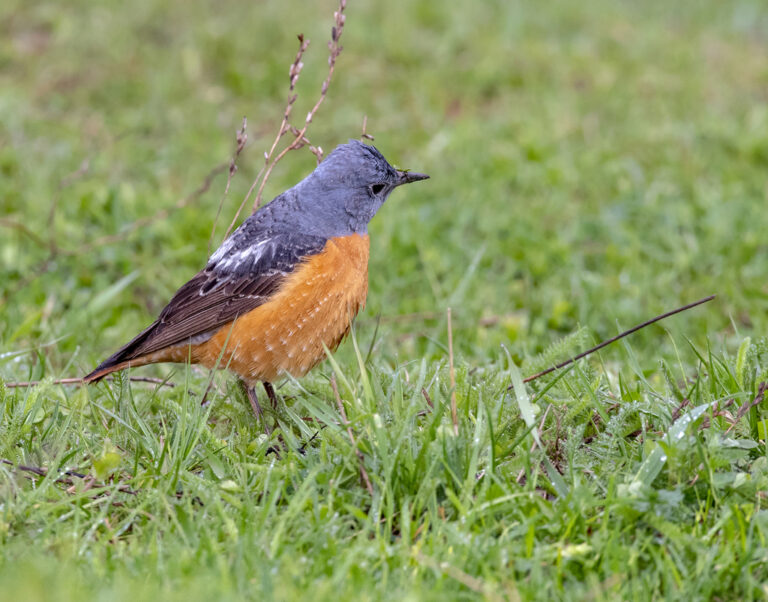
Monticola saxatilis
♥
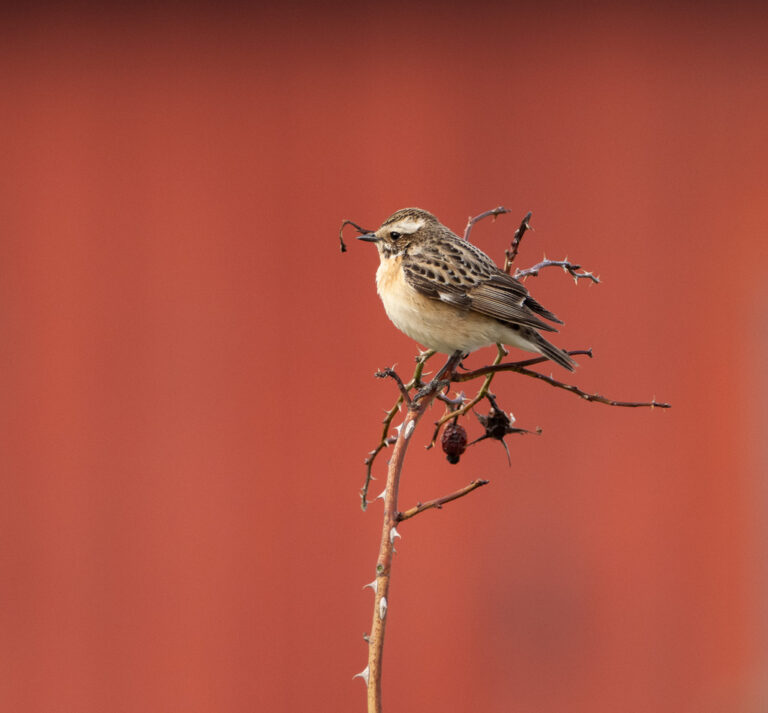
Saxicola rubetra
♥
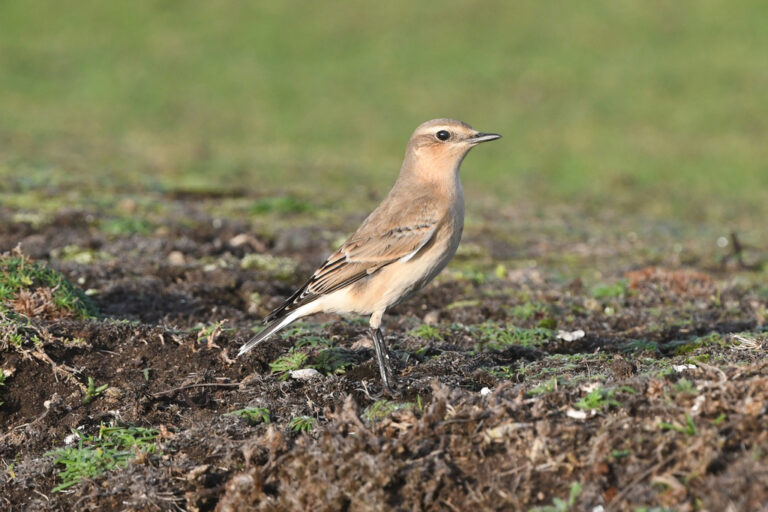
Oenanthe oenanthe
♥
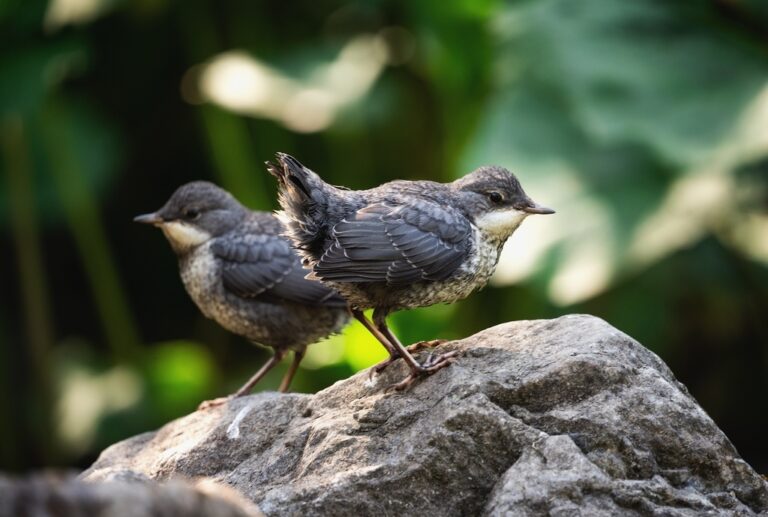
Cinclus cinclus
♥
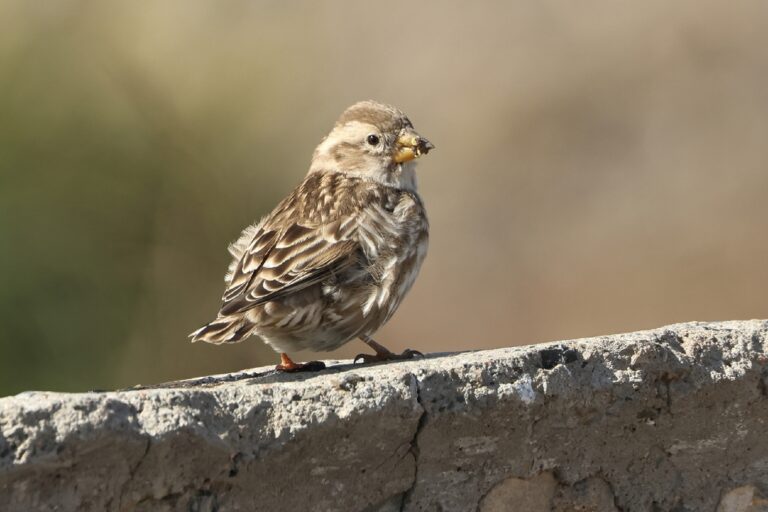
Petronia petronia
♥
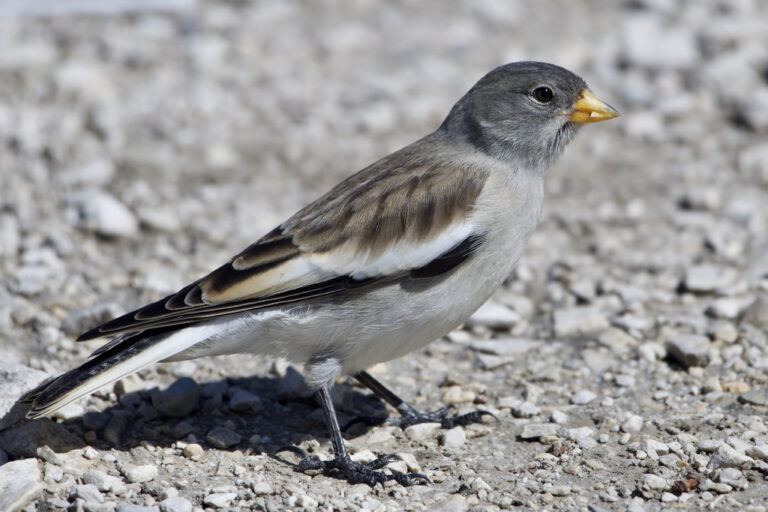
Montifringilla nivalis
♥
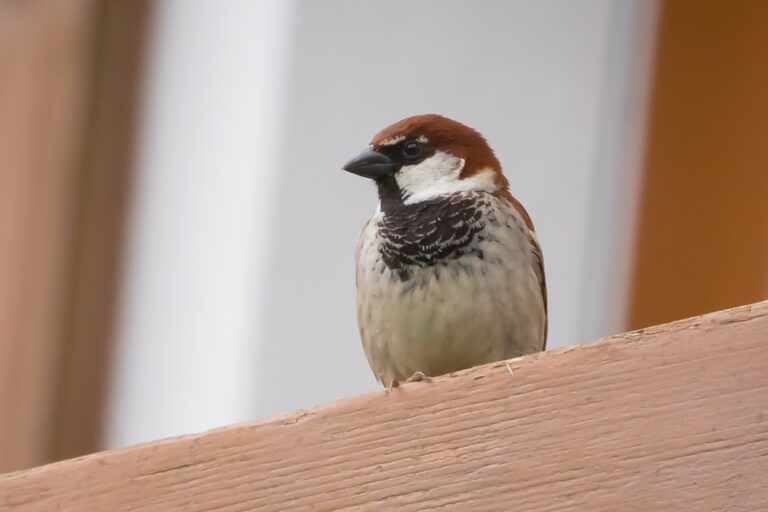
Passer italiae
♥
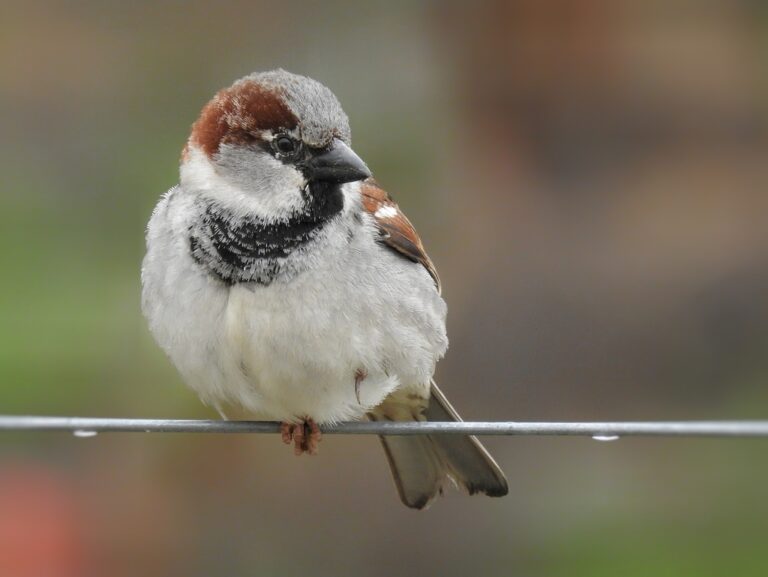
Passer domesticus
♥
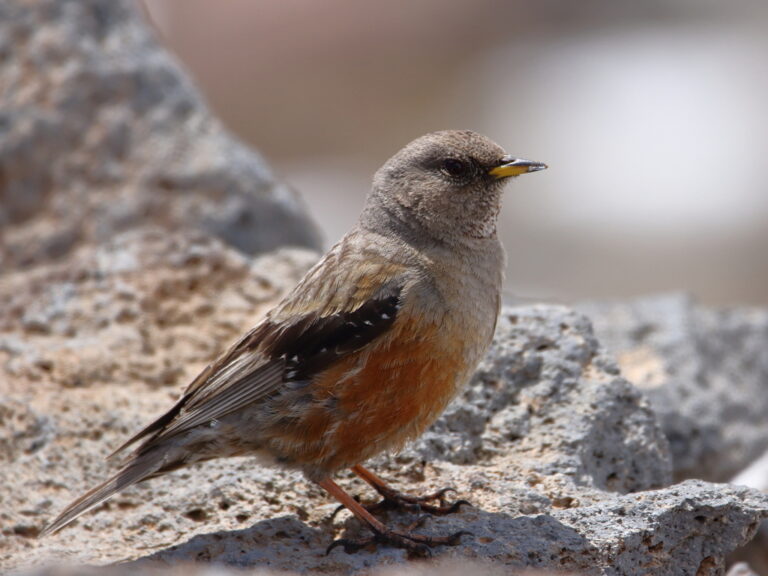
Prunella collaris
♥
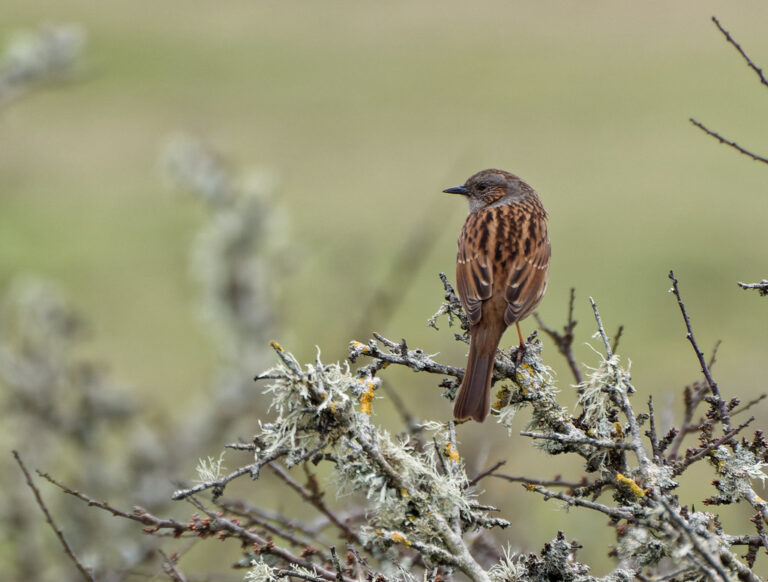
Prunella modularis
♥
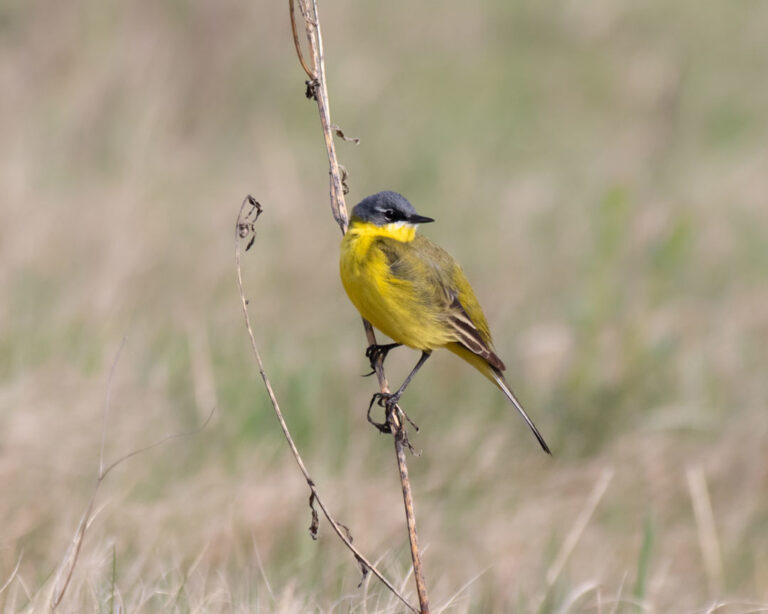
Motacilla flava
♥
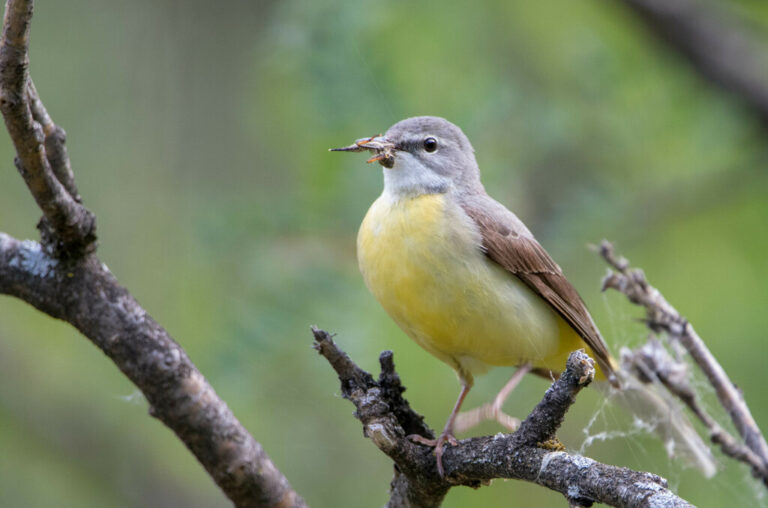
Motacilla cinerea
♥
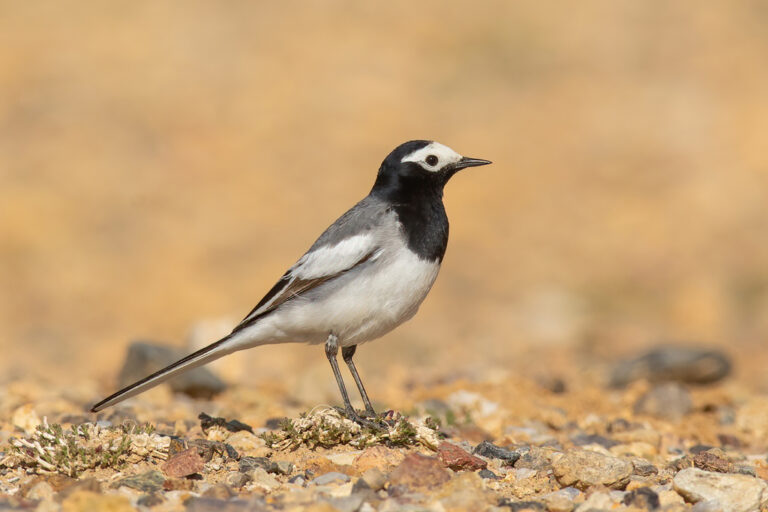
Motacilla alba
♥
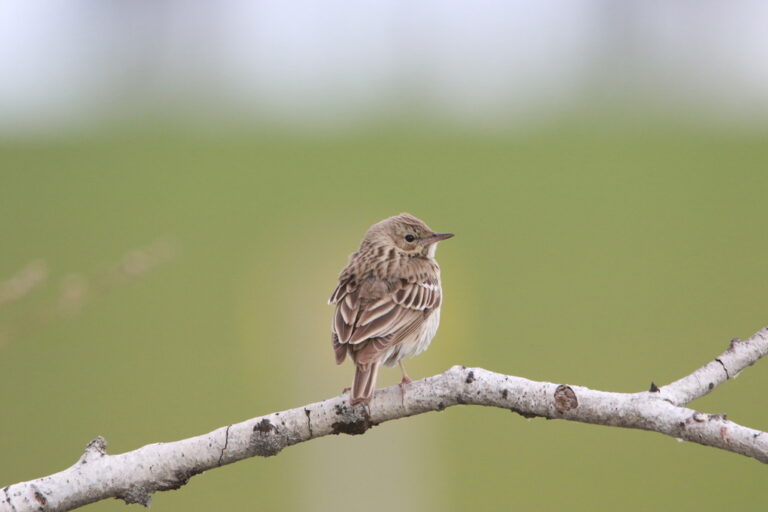
Anthus trivialis
♥
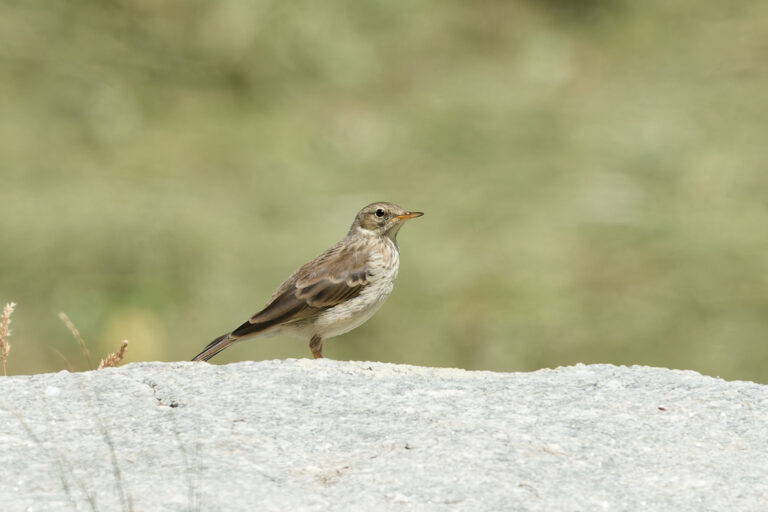
Anthus spinoletta
♥
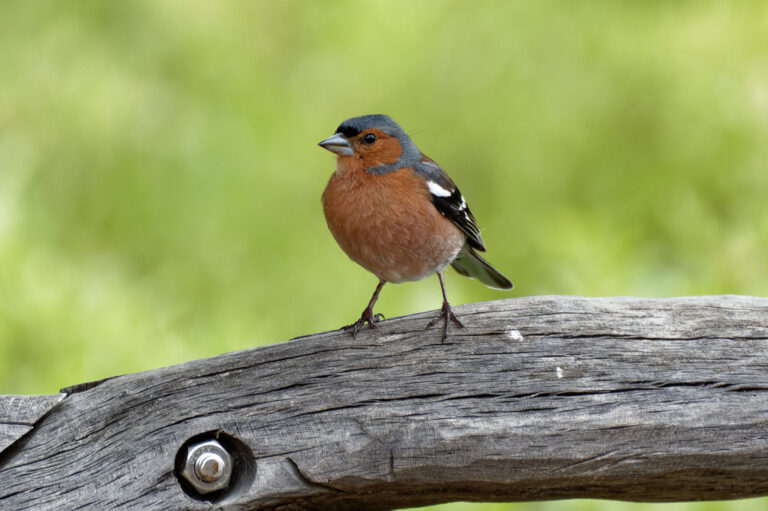
Fringilla coelebs
♥
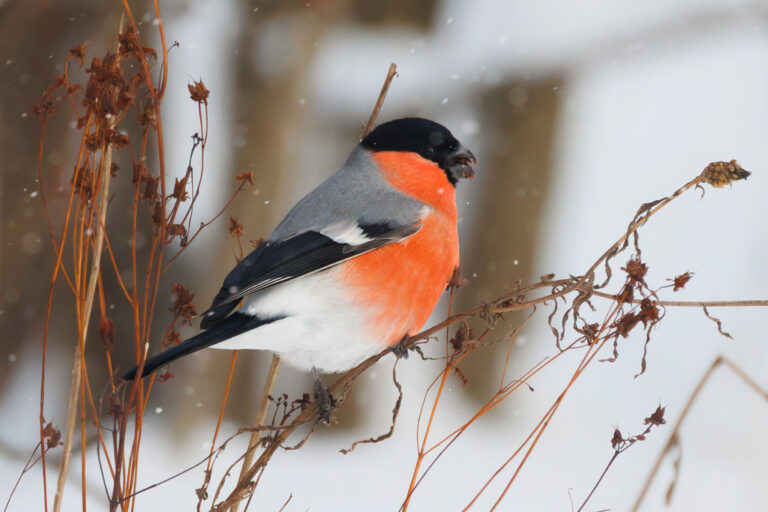
Pyrrhula pyrrhula
♥
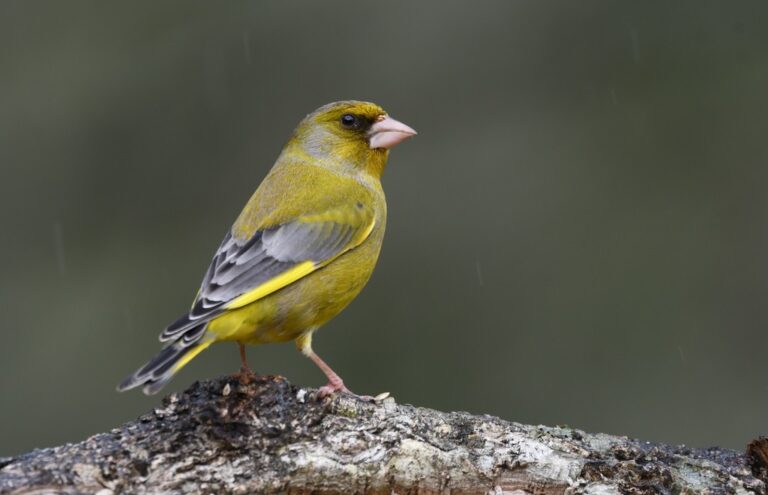
Chloris chloris
♥
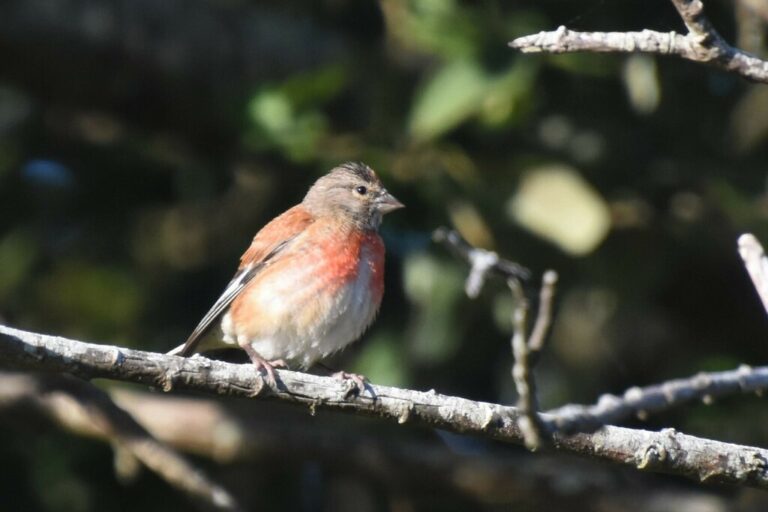
Linaria cannabina
♥
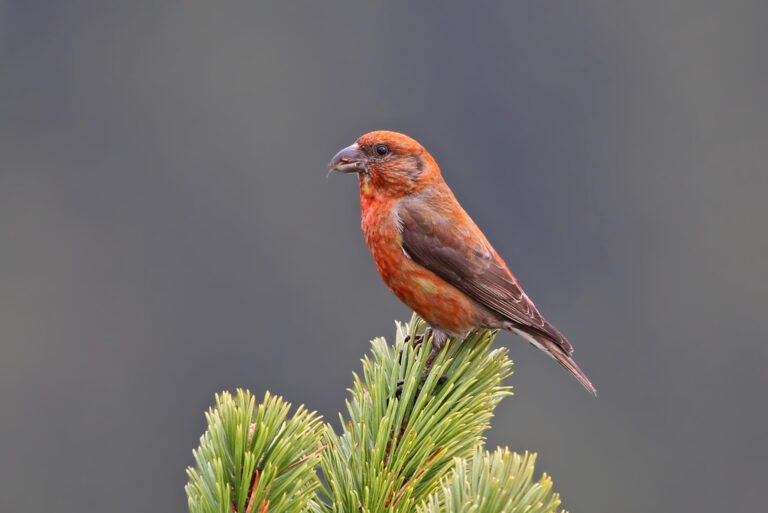
Loxia curvirostra
♥
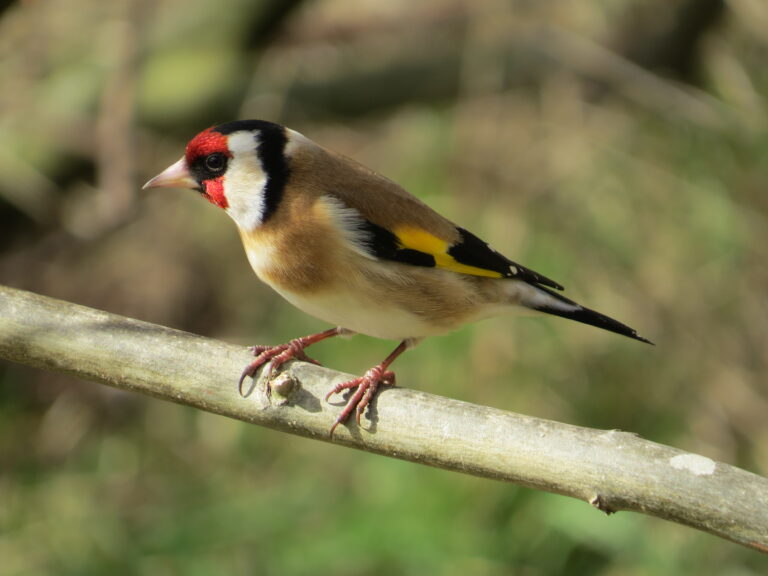
Carduelis carduelis
♥
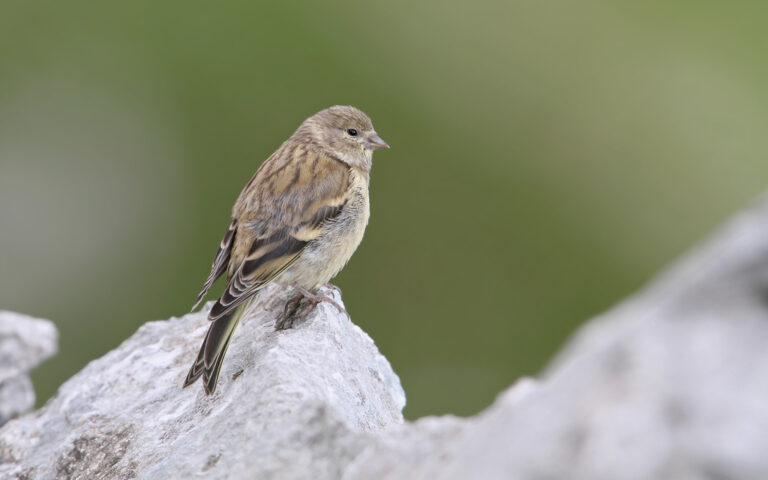
Carduelis citrinella
♥
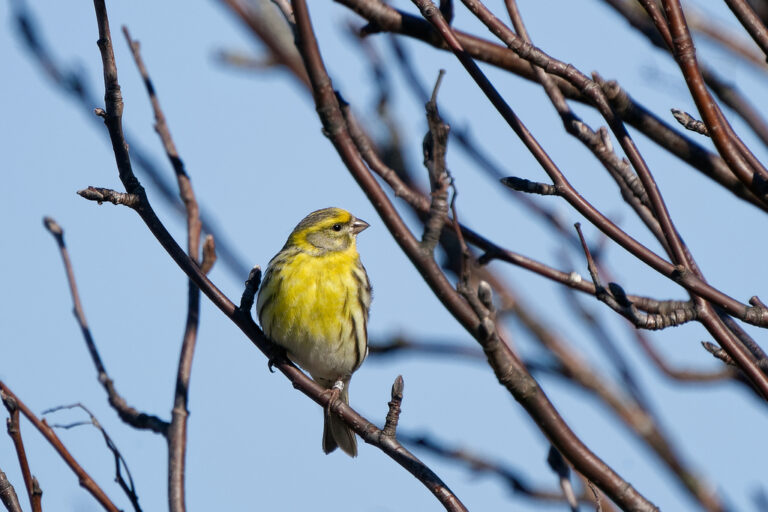
Serinus serinus
♥
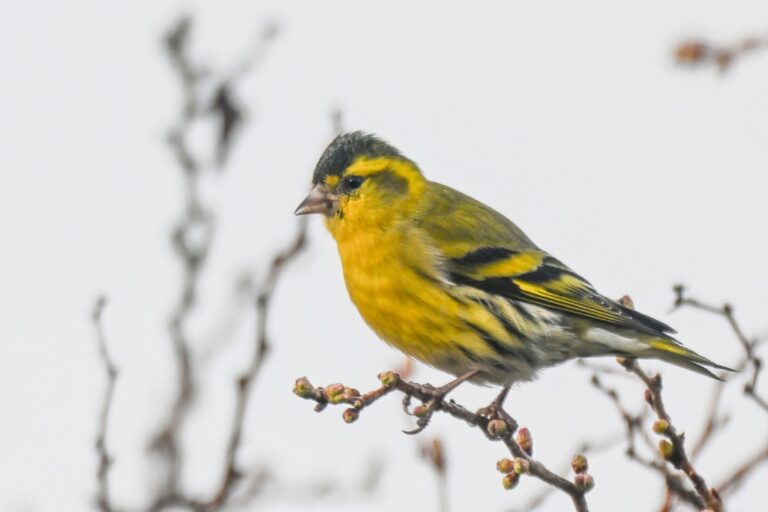
Spinus spinus
♥
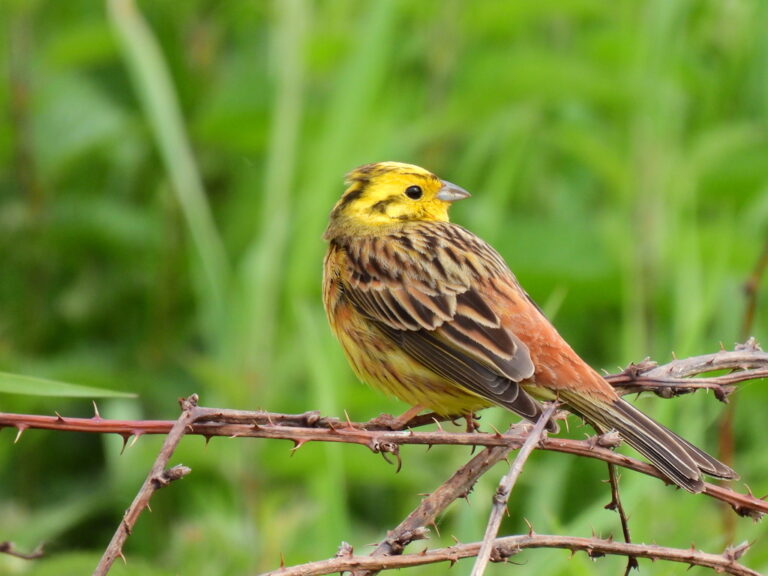
Emberiza citrinella
♥
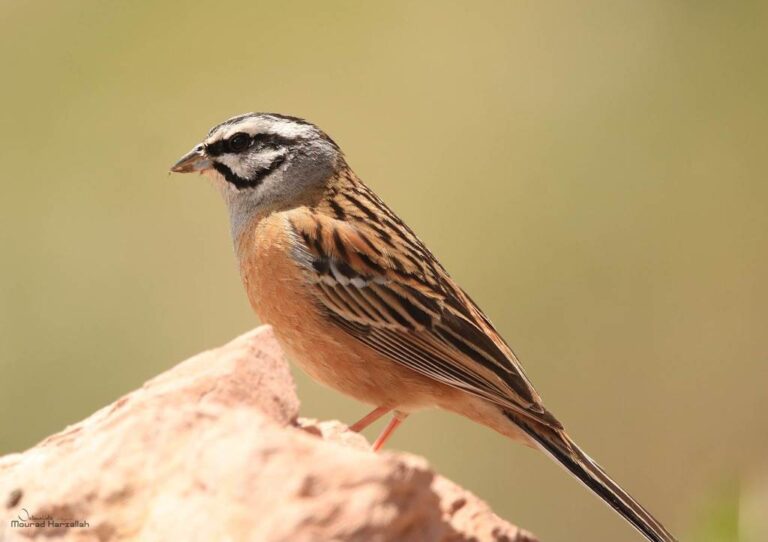
Emberiza cia
♥
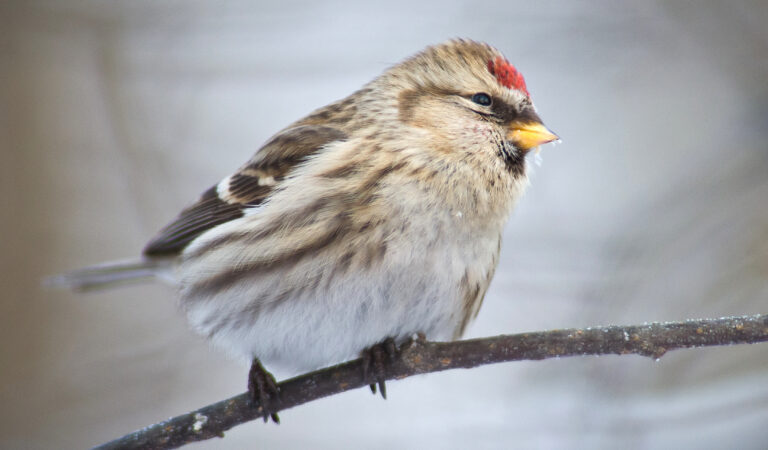
Acanthis flammea
♥
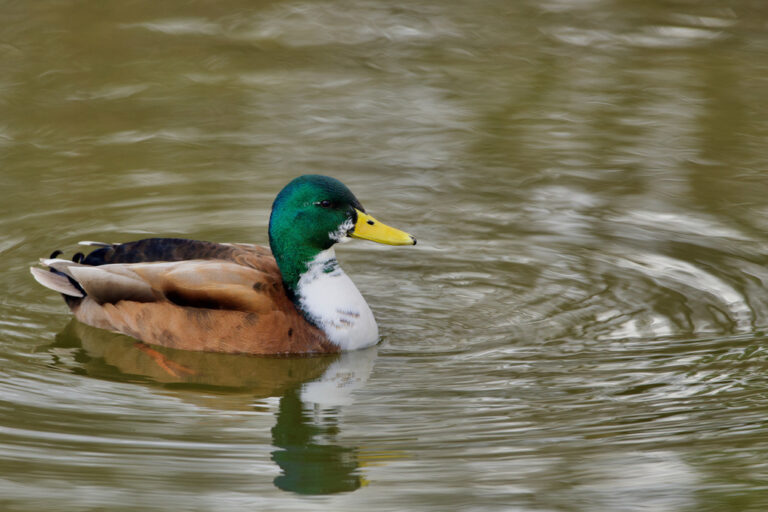
Anas platyrhynchos
♥
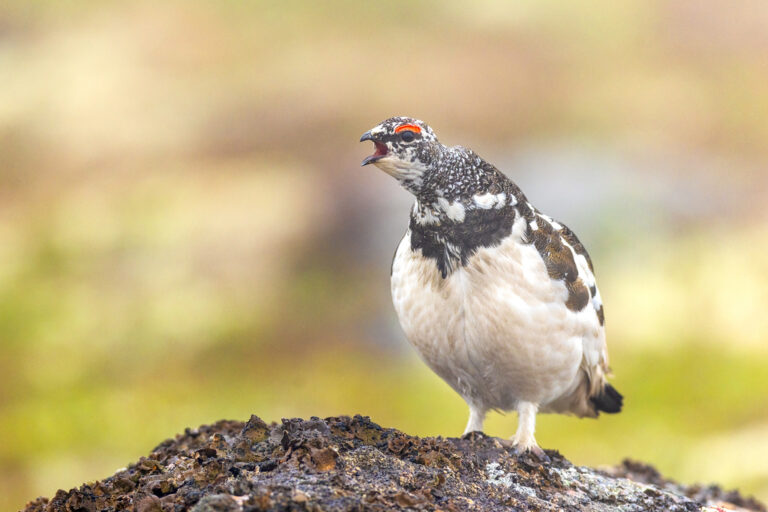
Lagopus muta
♥
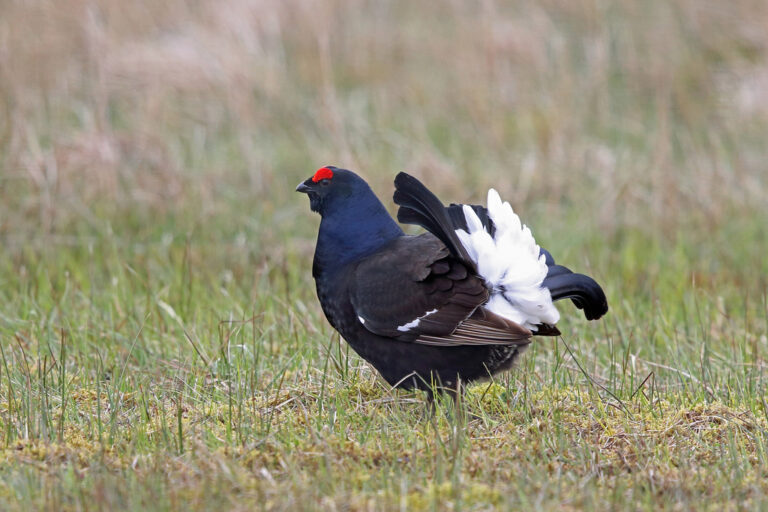
Lyrurus tetrix
♥
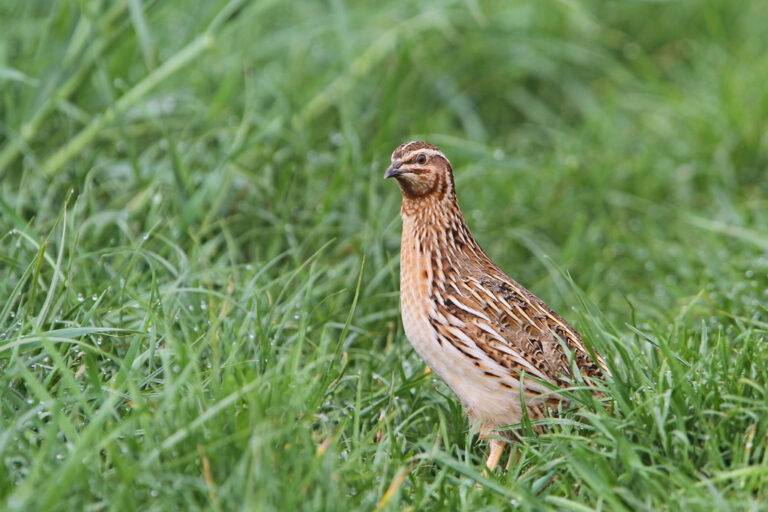
Coturnix coturnix
♥
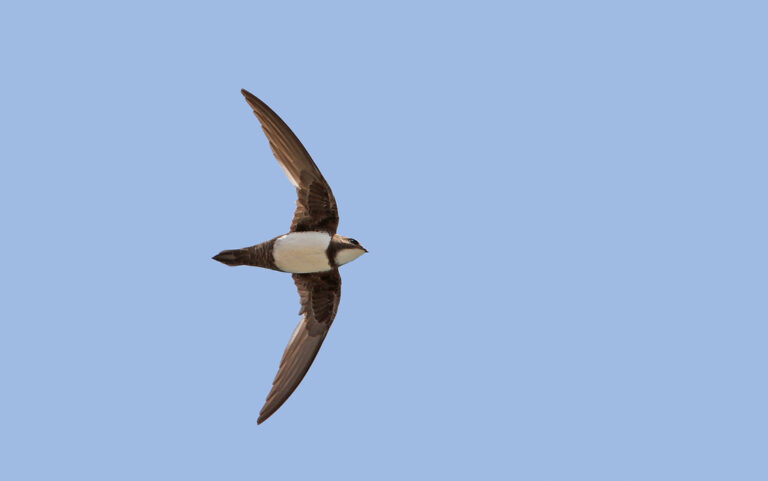
Tachymarptis melba
♥
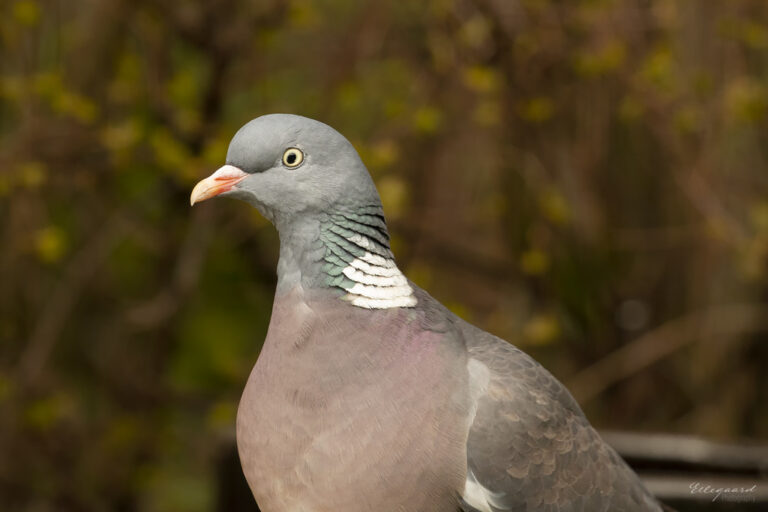
Columba palumbus
♥
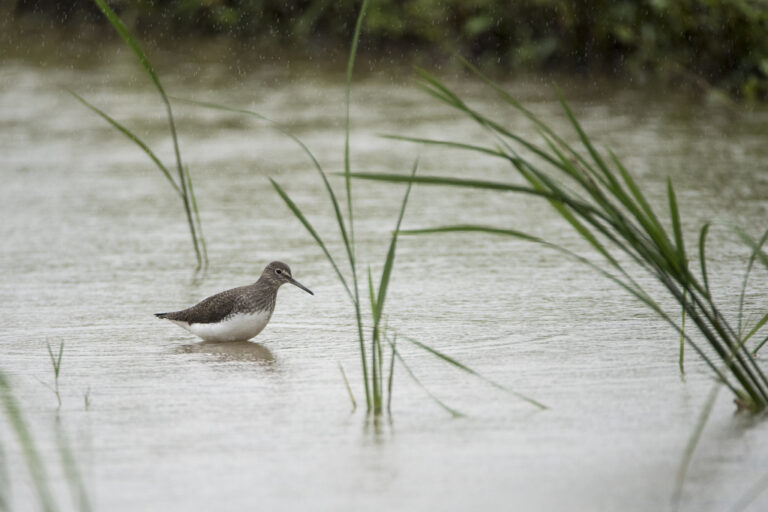
Tringa ochropus
♥
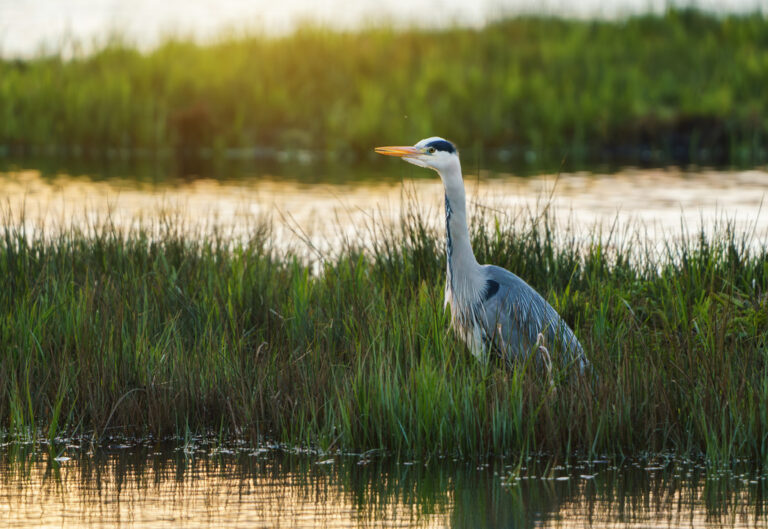
Ardea cinerea
♥
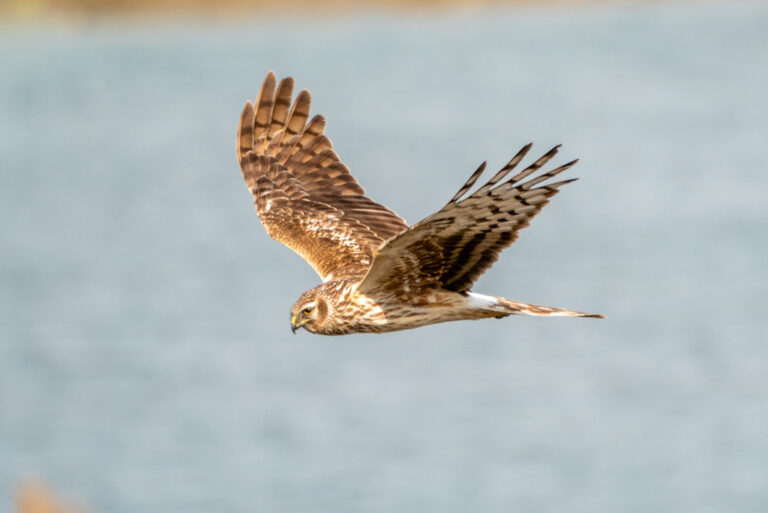
Circus cyaneus
♥
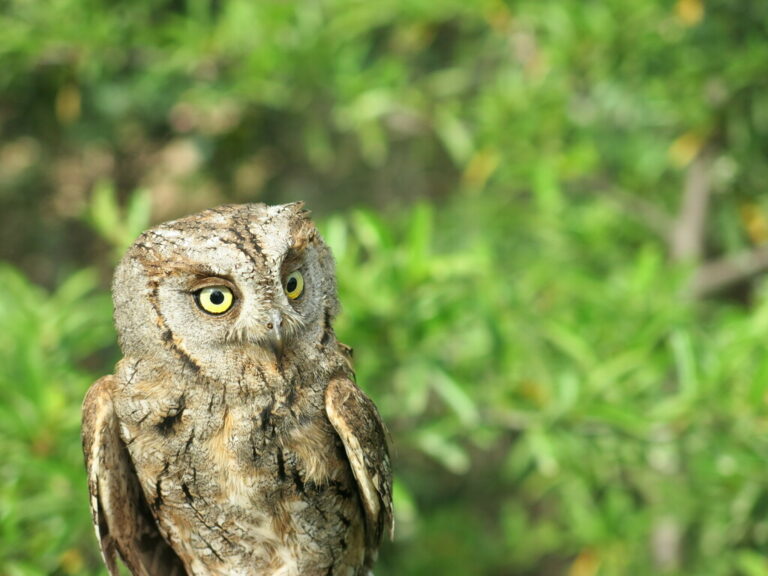
Otus scops
♥
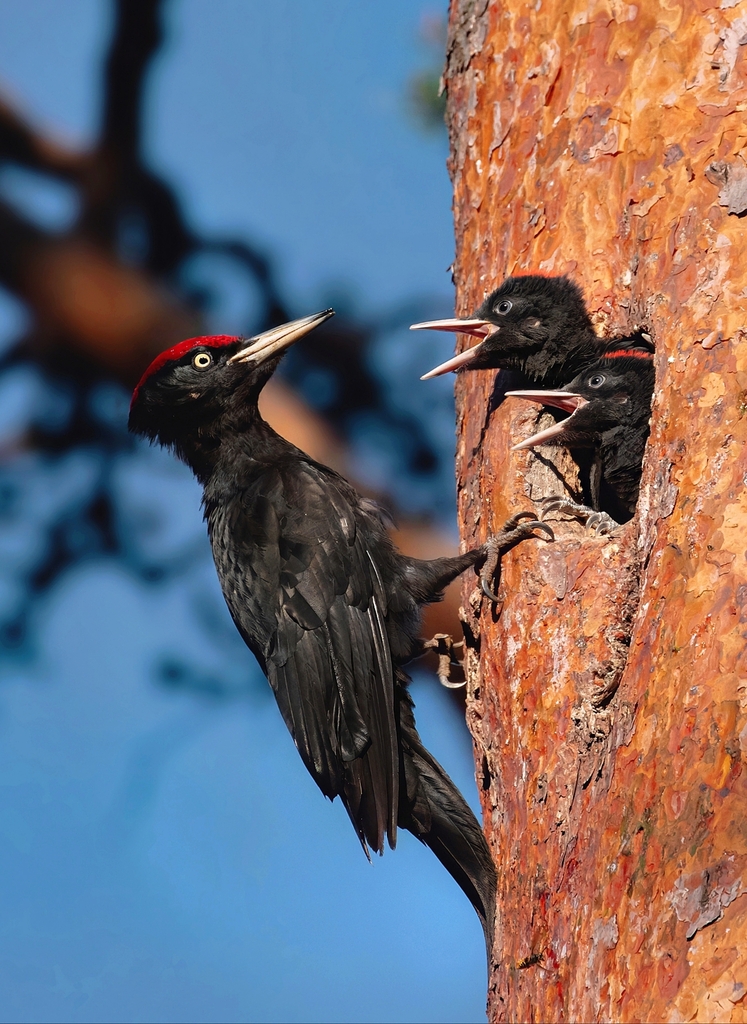
Dryocopus martius
♥
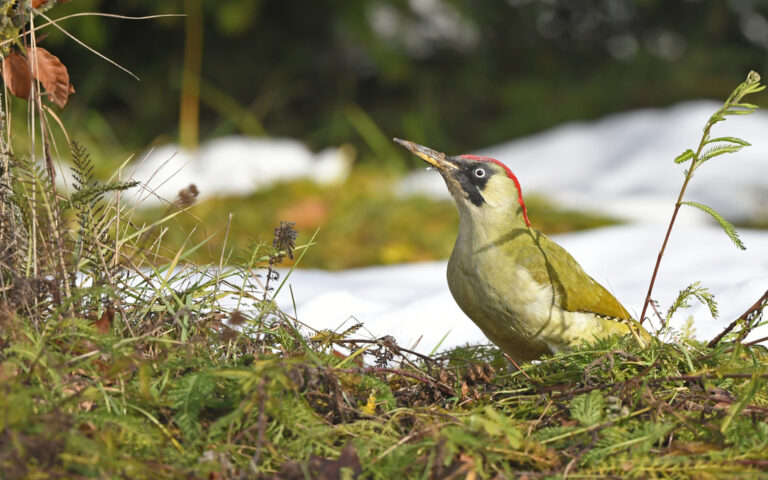
Picus viridis
♥
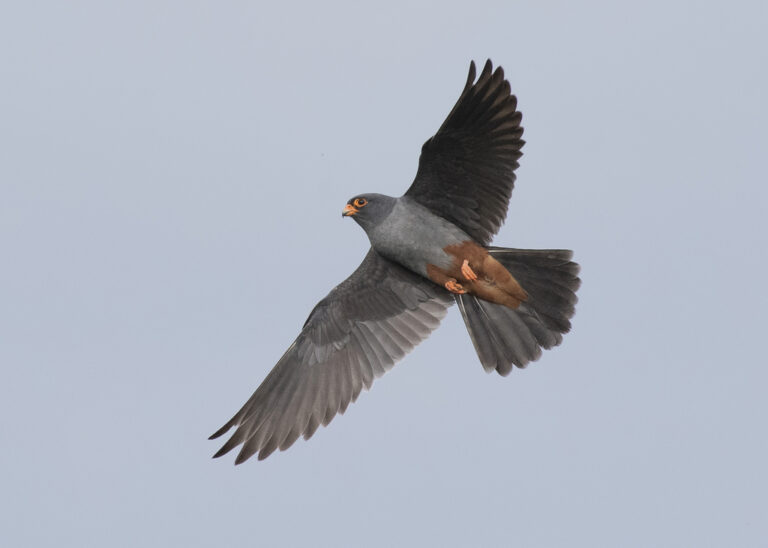
Falco vespertinus
♥
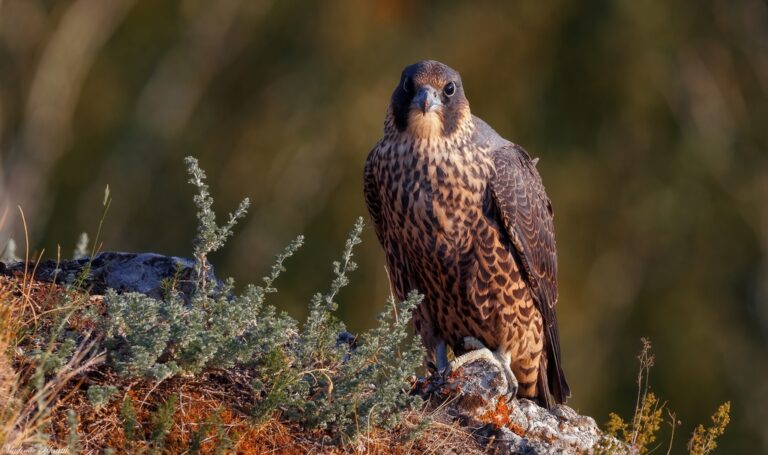
Falco peregrinus
♥
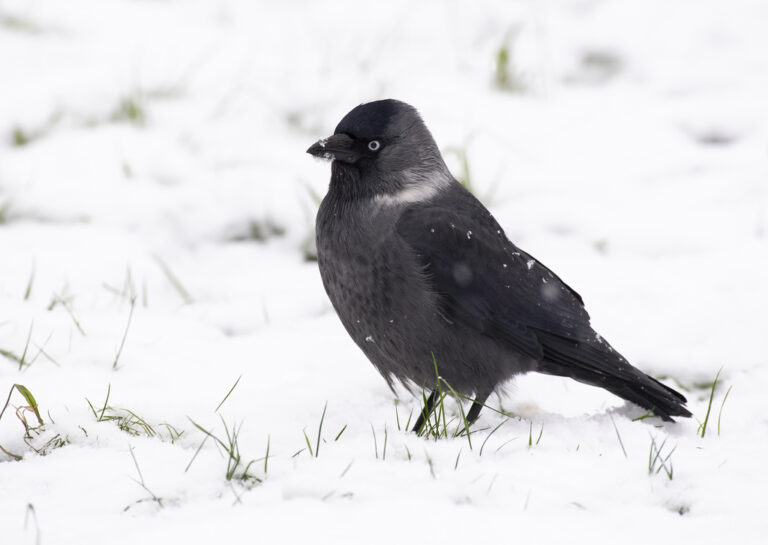
Coloeus monedula
♥
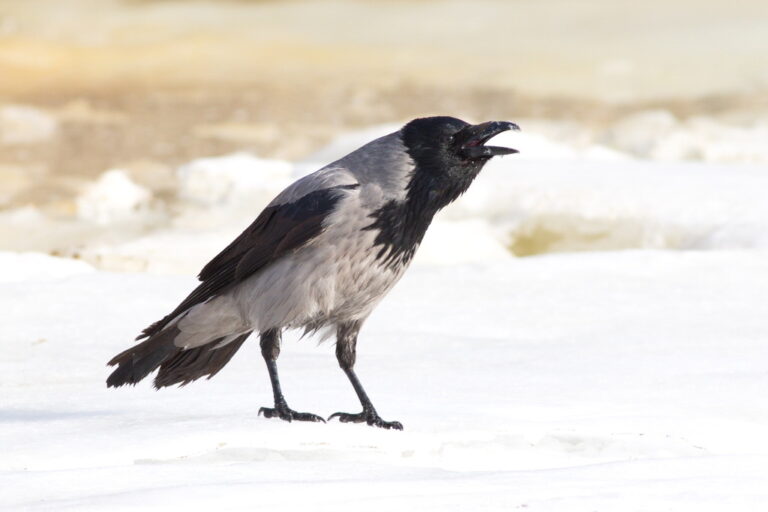
Corvus cornix
♥
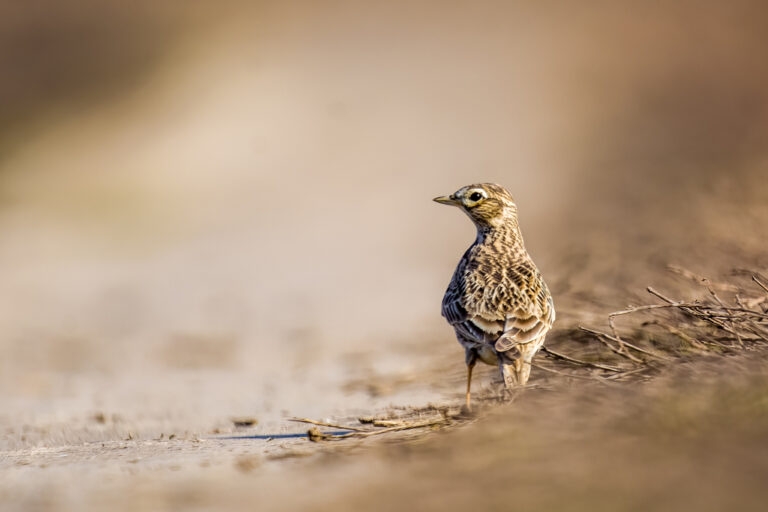
Alauda arvensis
♥
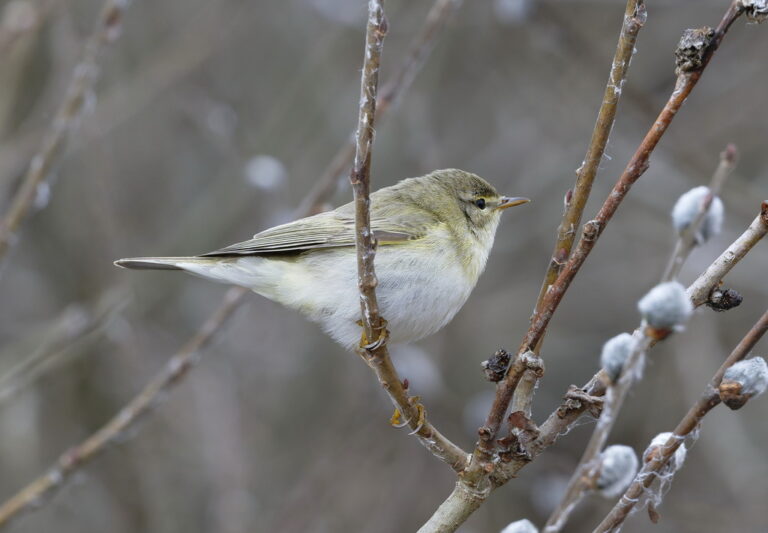
Phylloscopus trochilus
♥
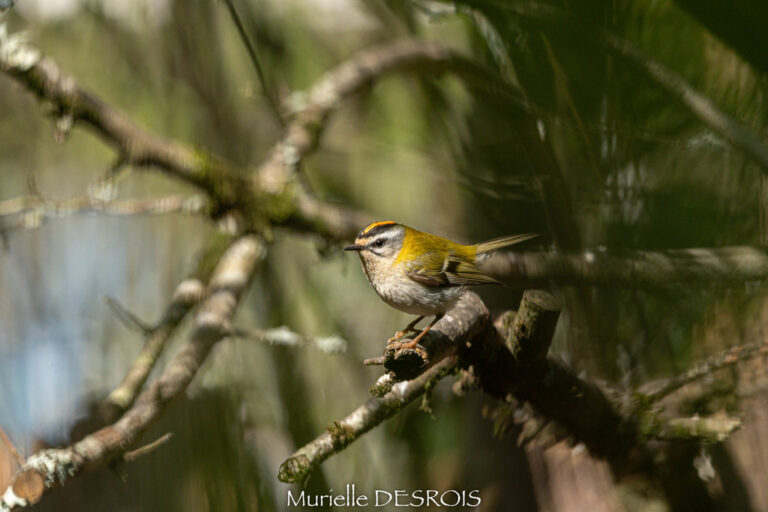
Regulus ignicapilla
♥
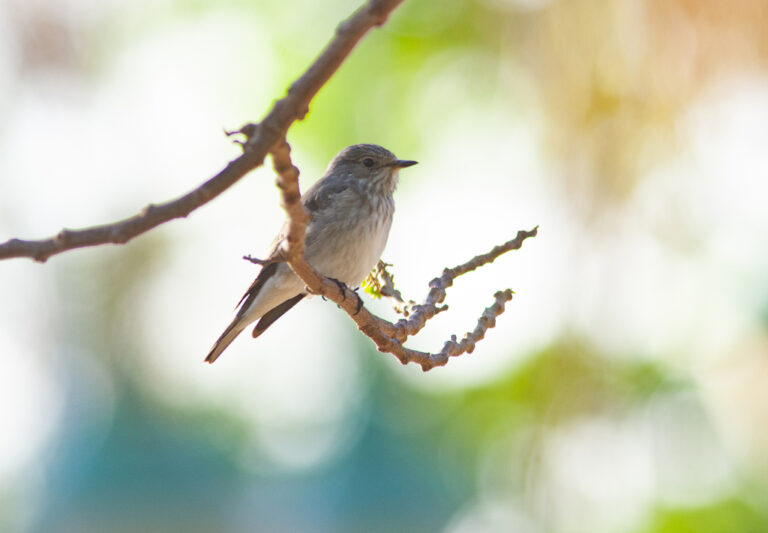
Muscicapa striata
♥
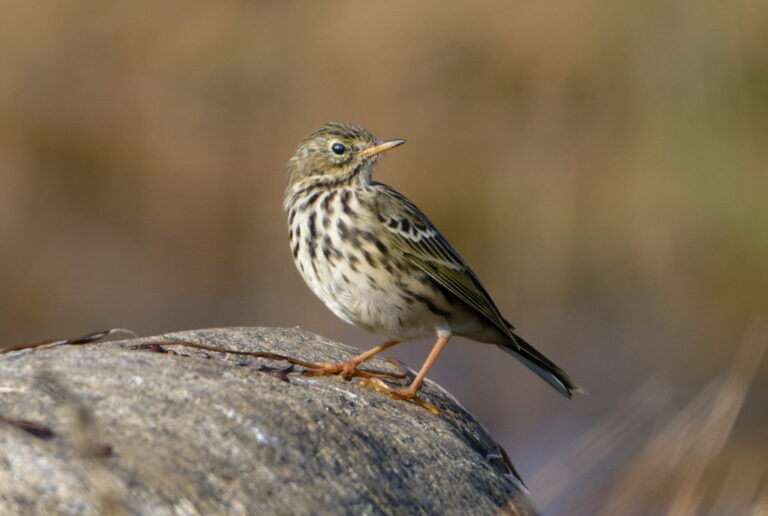
Anthus pratensis
♥
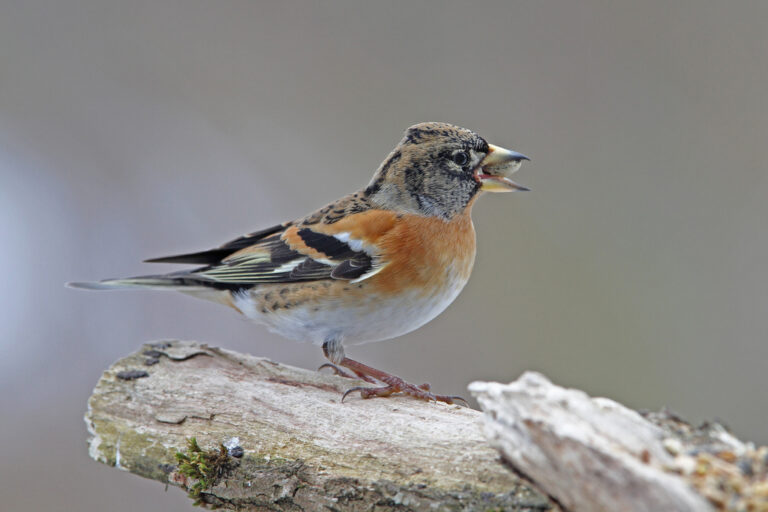
Fringilla montifringilla
♥
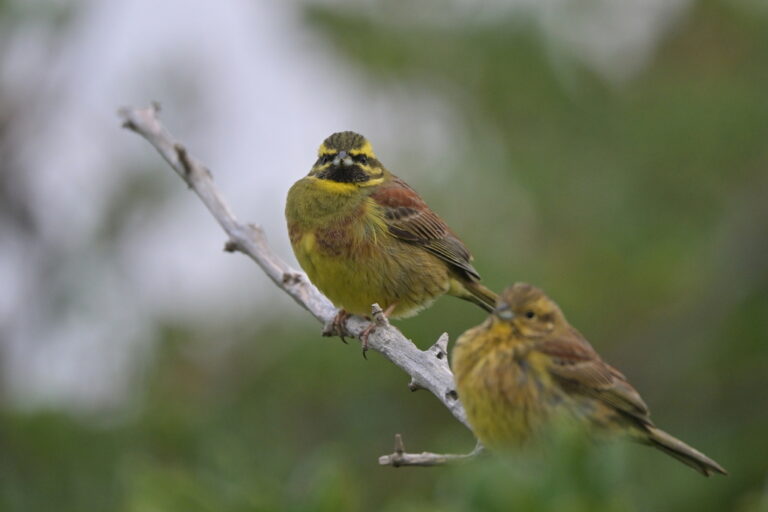
Emberiza cirlus
♥
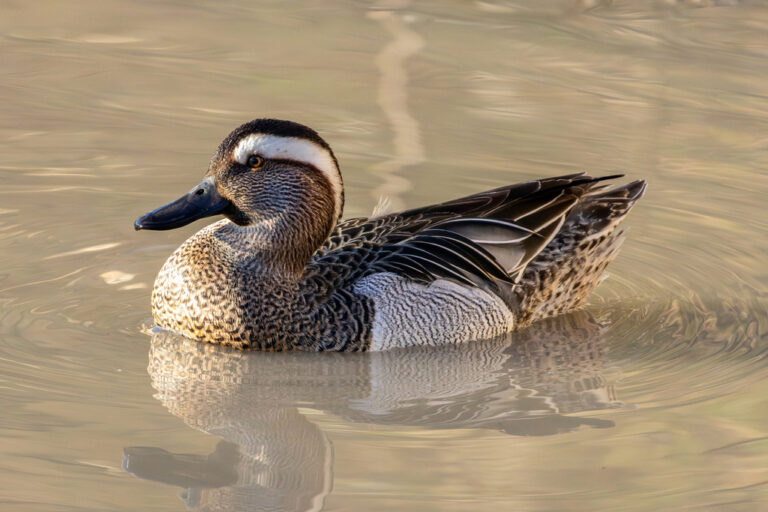
Spatula querquedula
♥
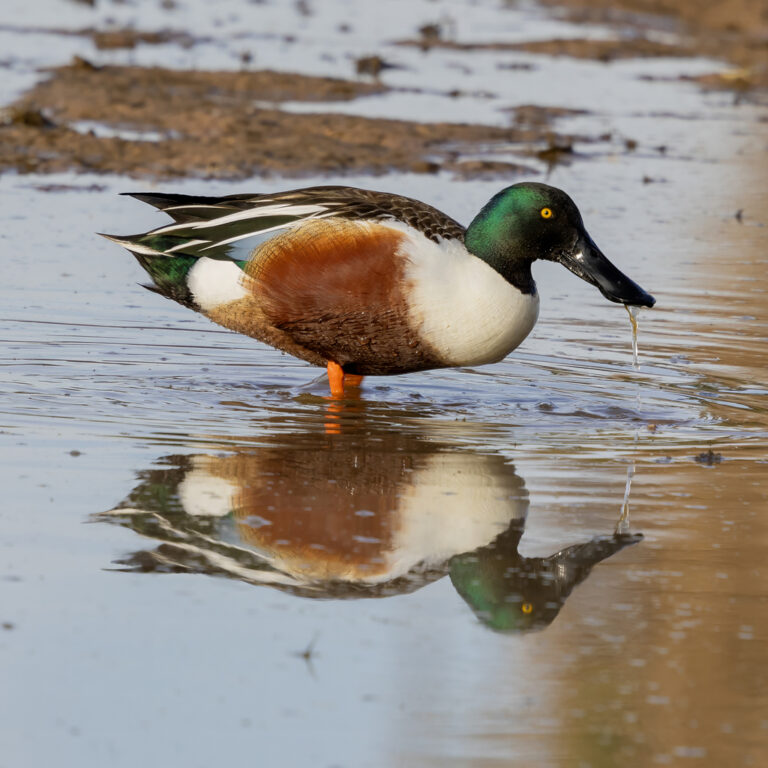
Spatula clypeata
♥
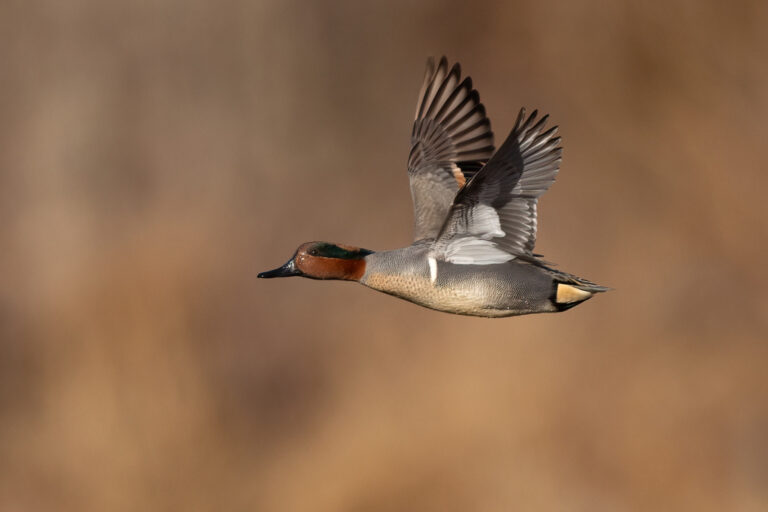
Anas crecca
♥
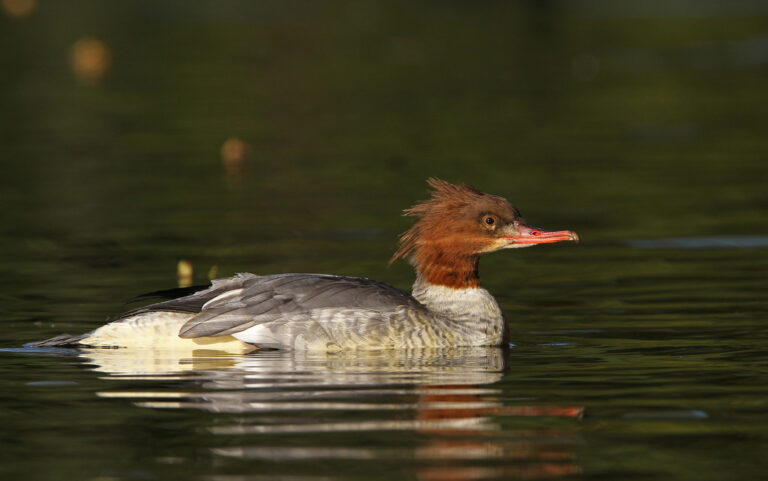
Mergus merganser
♥
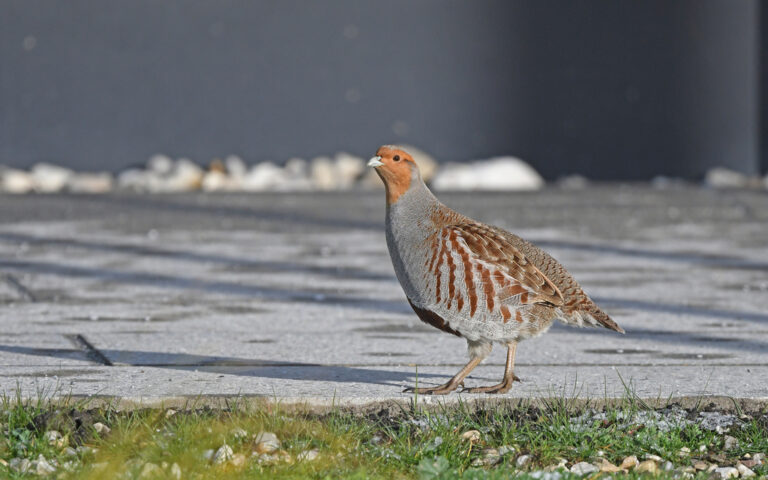
Perdix perdix
♥
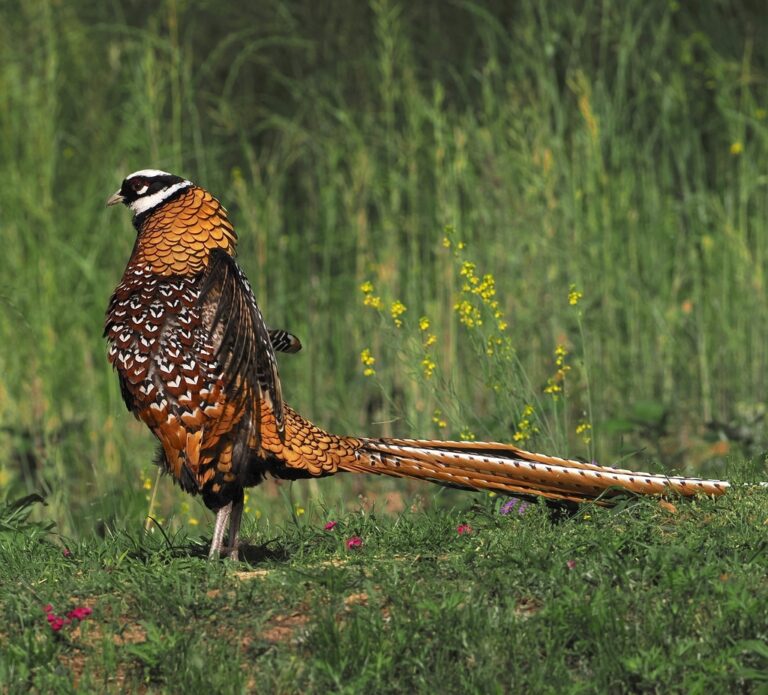
Syrmaticus reevesii
♥
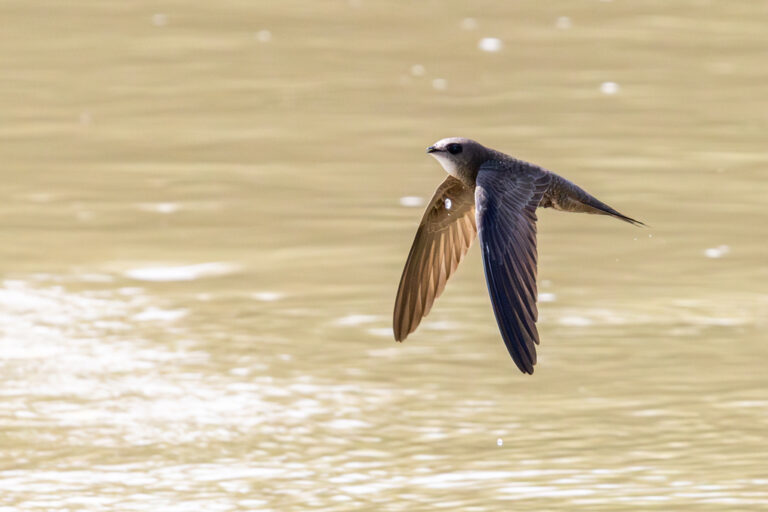
Apus pallidus
♥
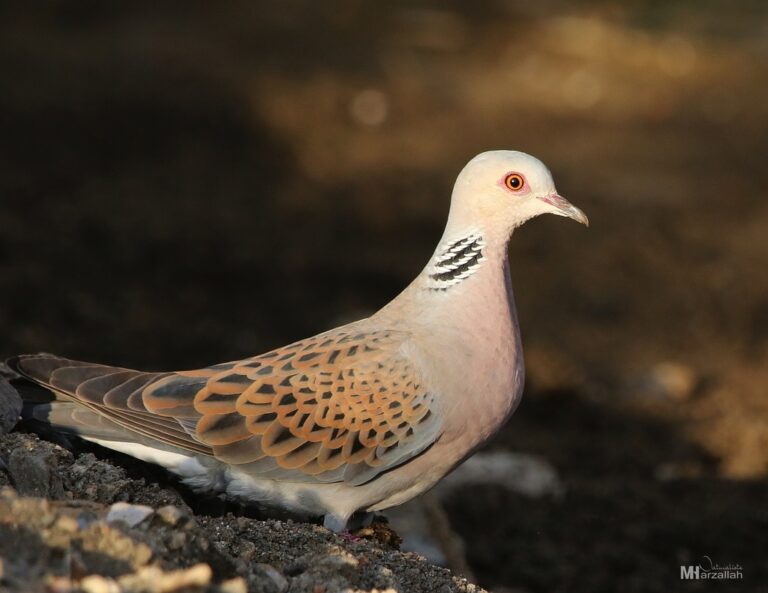
Streptopelia turtur
♥
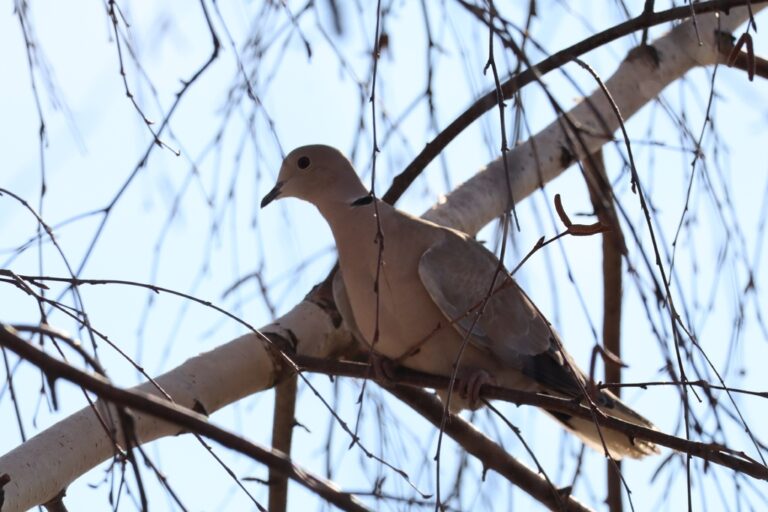
Streptopelia decaocto
♥
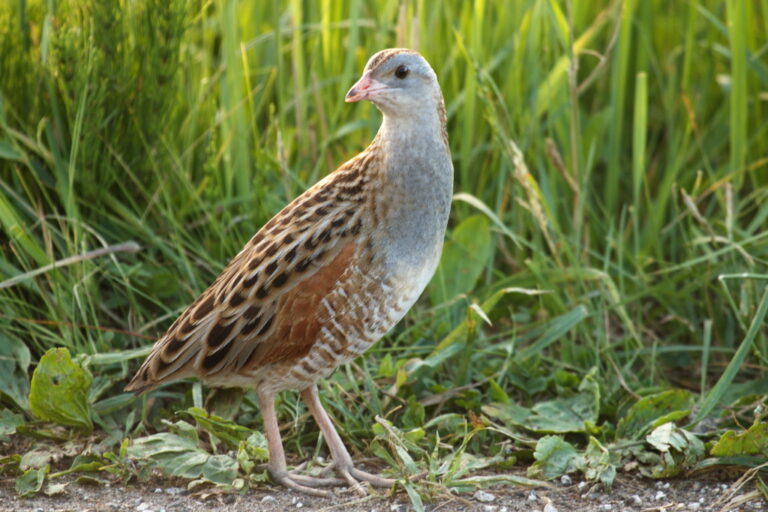
Crex crex
♥
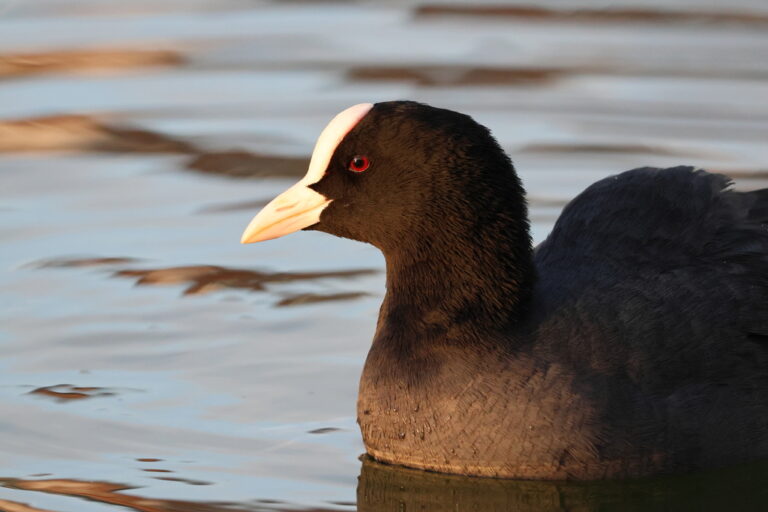
Fulica atra
♥
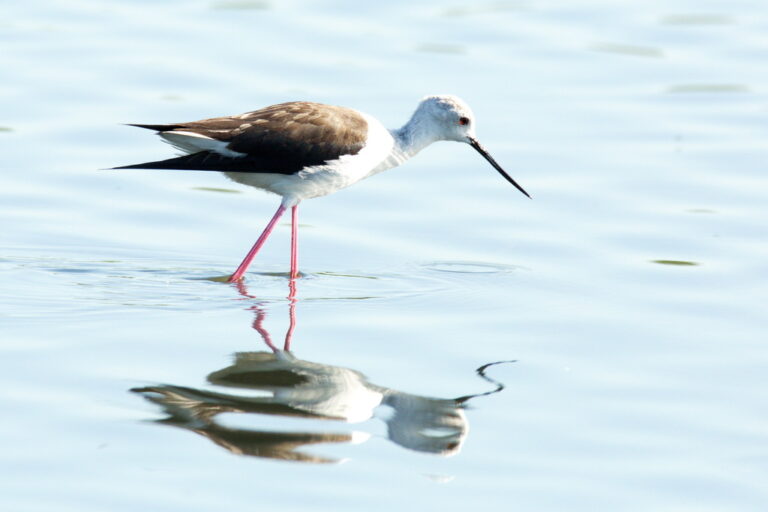
Himantopus himantopus
♥
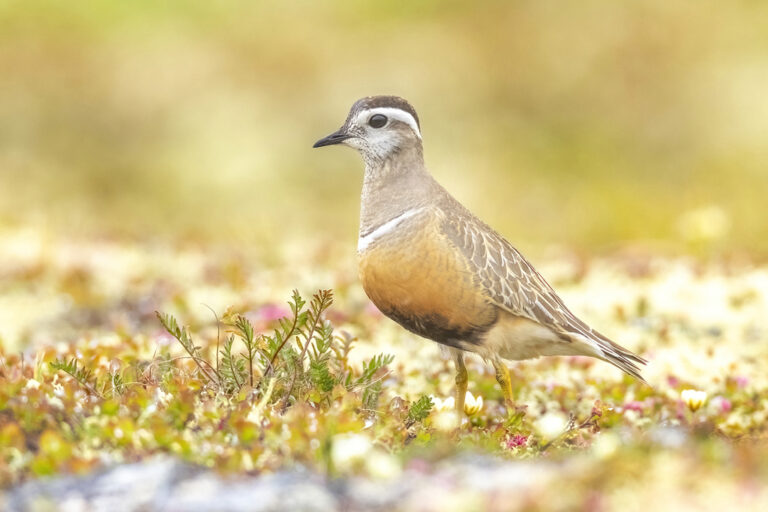
Eudromias morinellus
♥
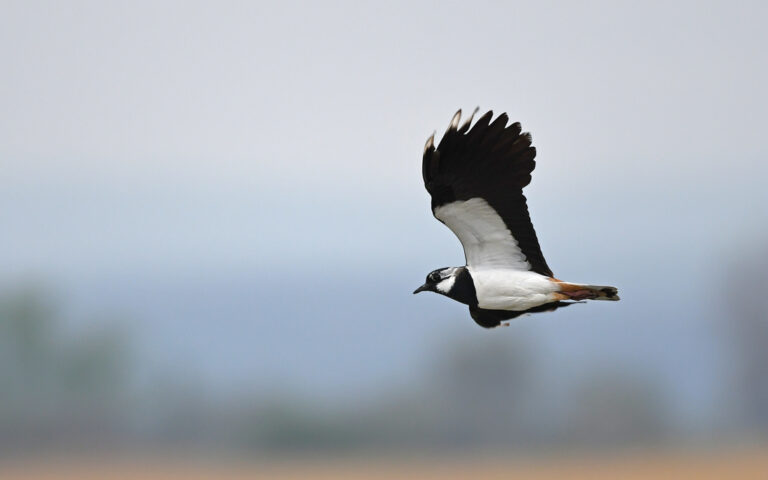
Vanellus vanellus
♥
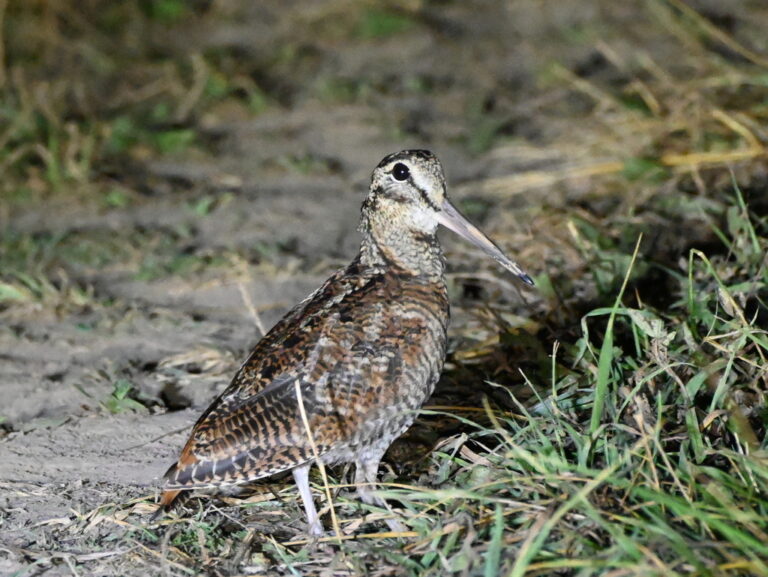
Scolopax rusticola
♥
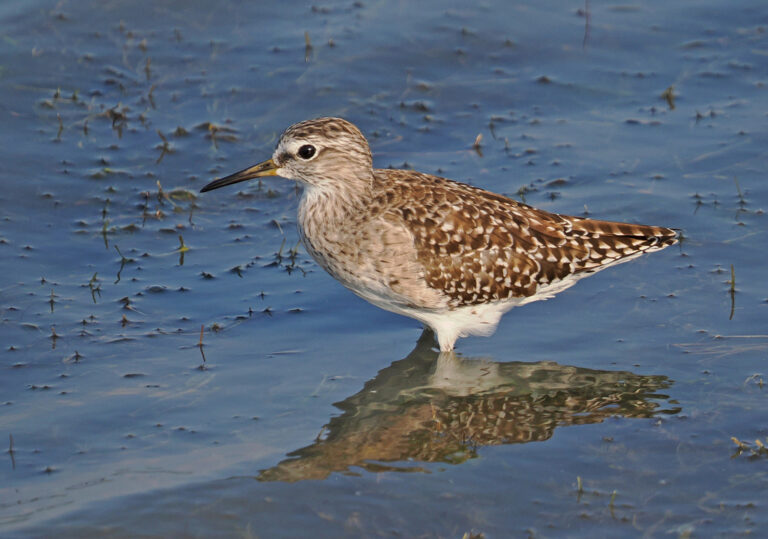
Tringa glareola
♥
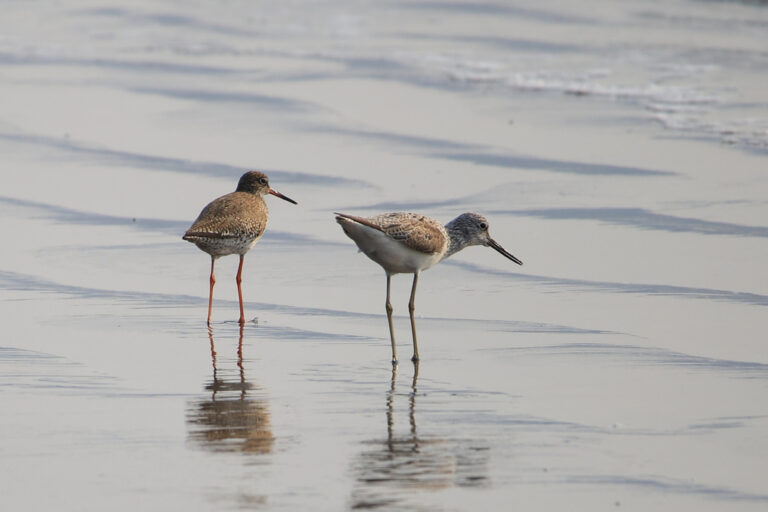
Tringa nebularia
♥
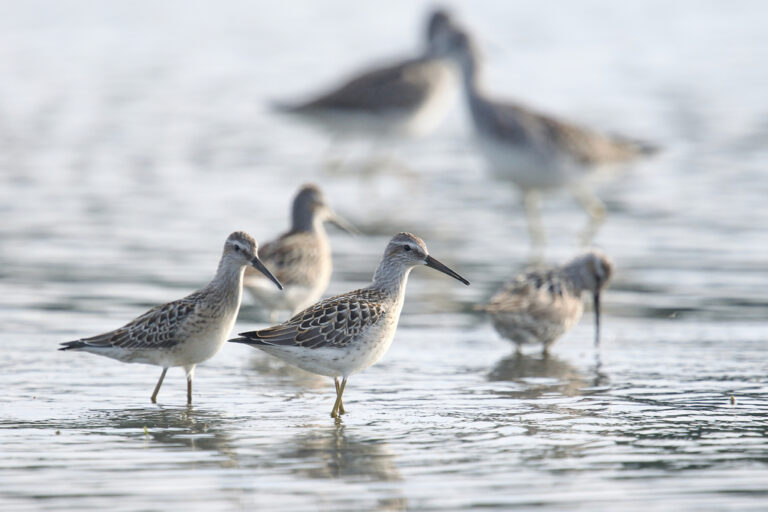
Calidris himantopus
♥
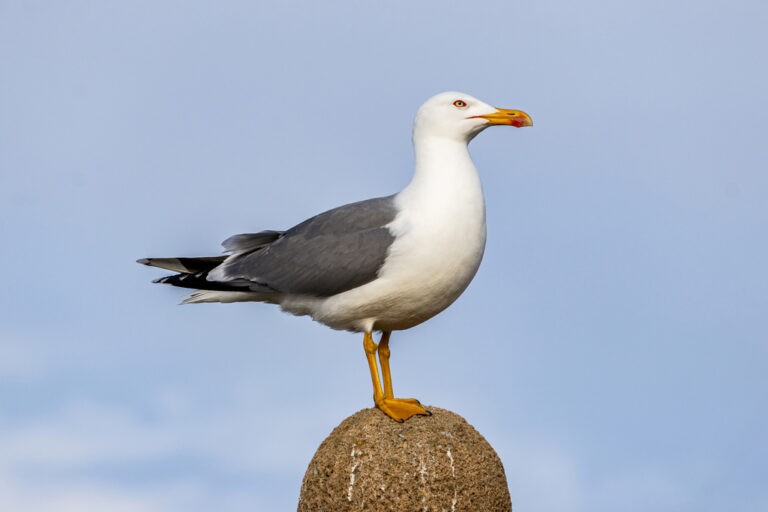
Larus michahellis
♥
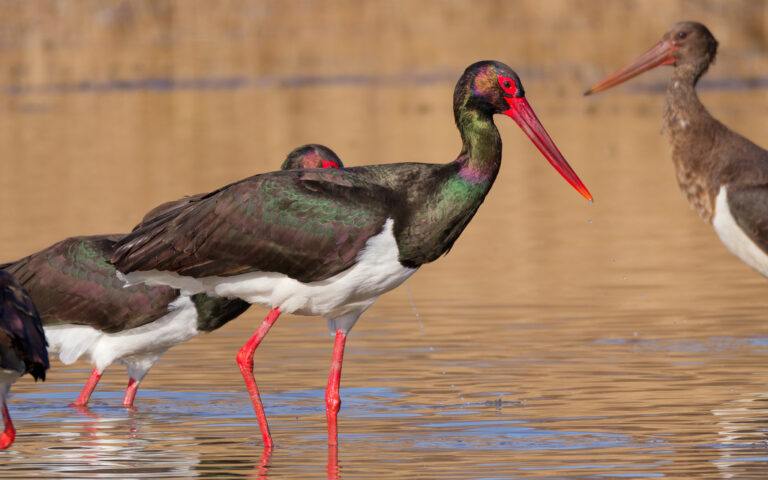
Ciconia nigra
♥
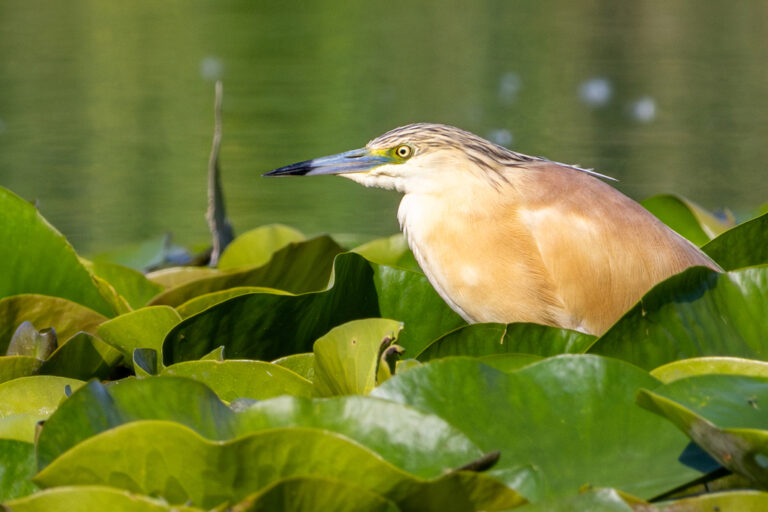
Ardeola ralloides
♥
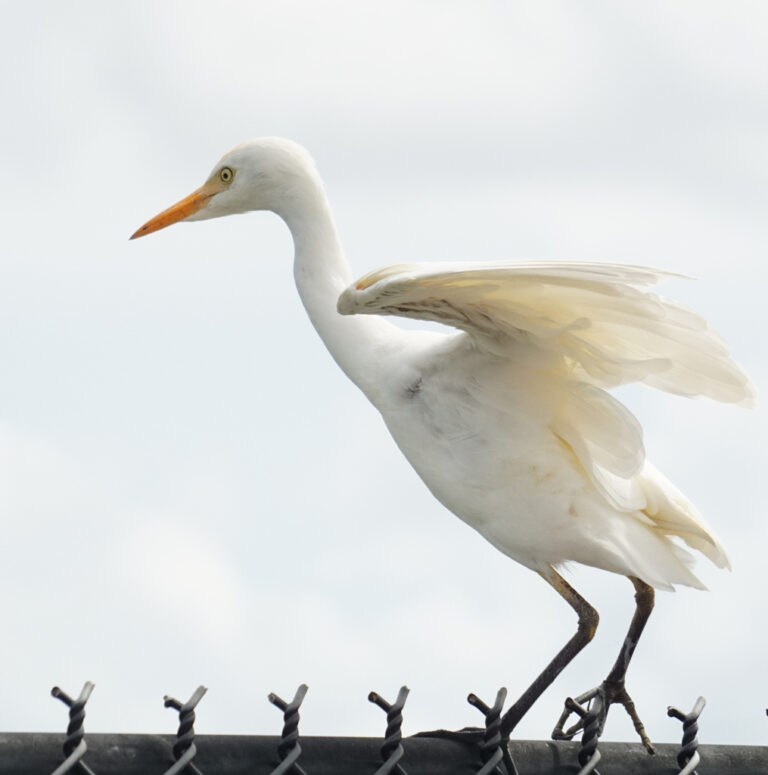
Ardea ibis
♥
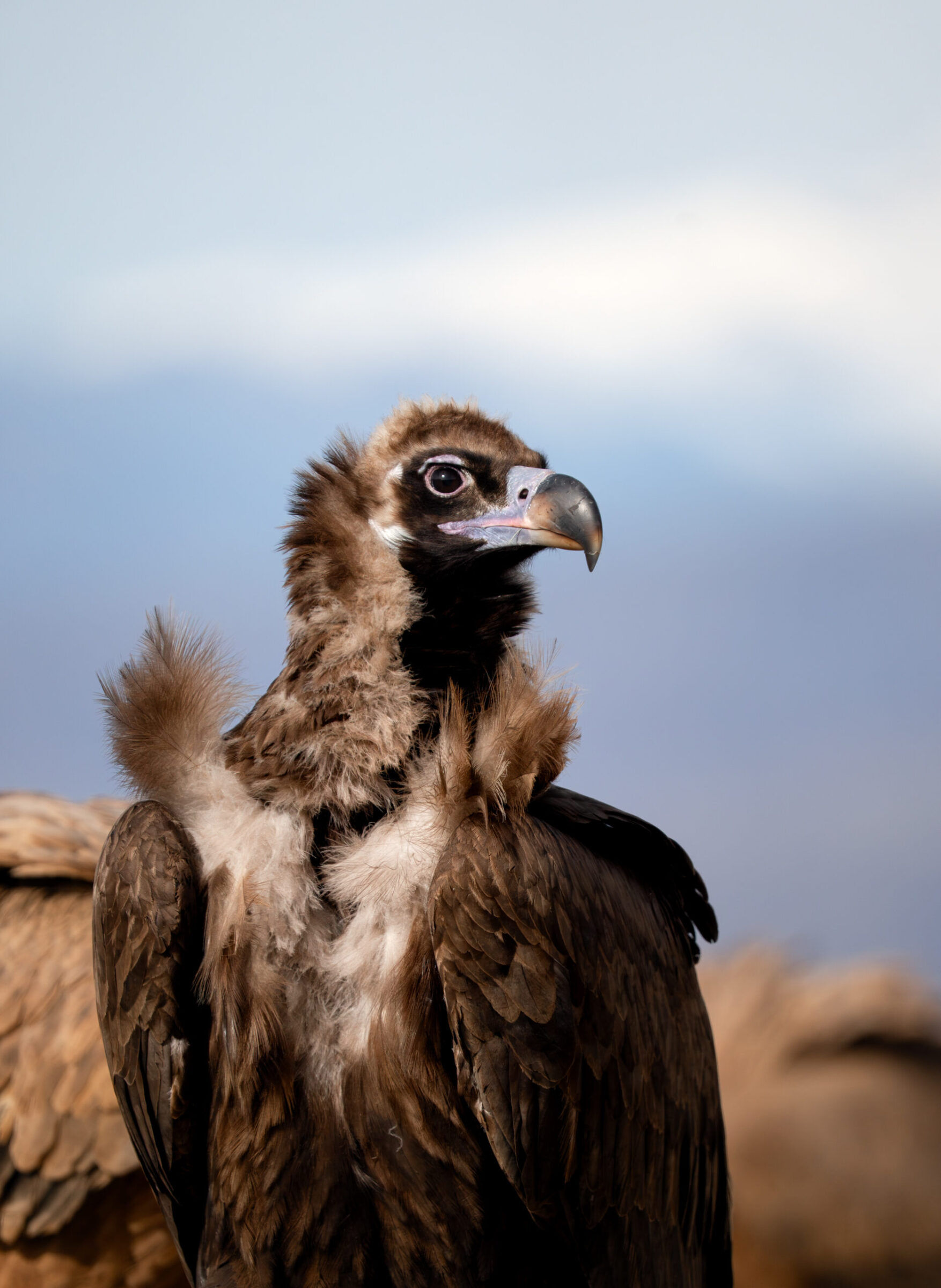
Aegypius monachus
♥
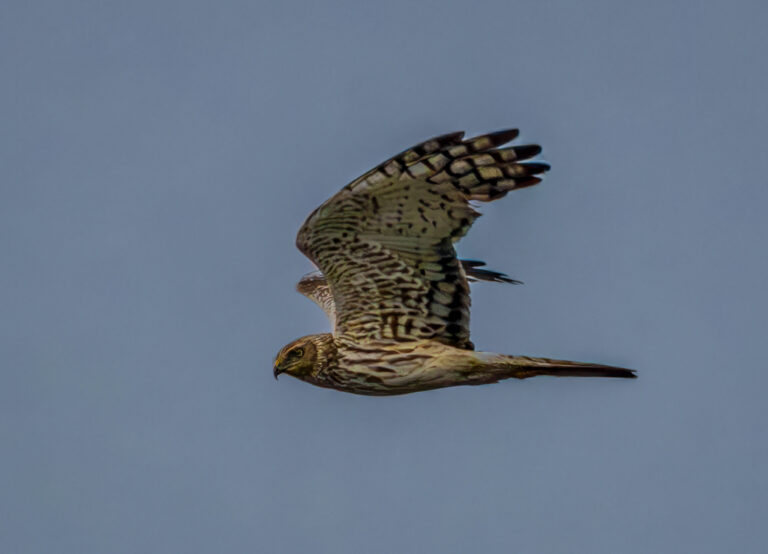
Circus pygargus
♥
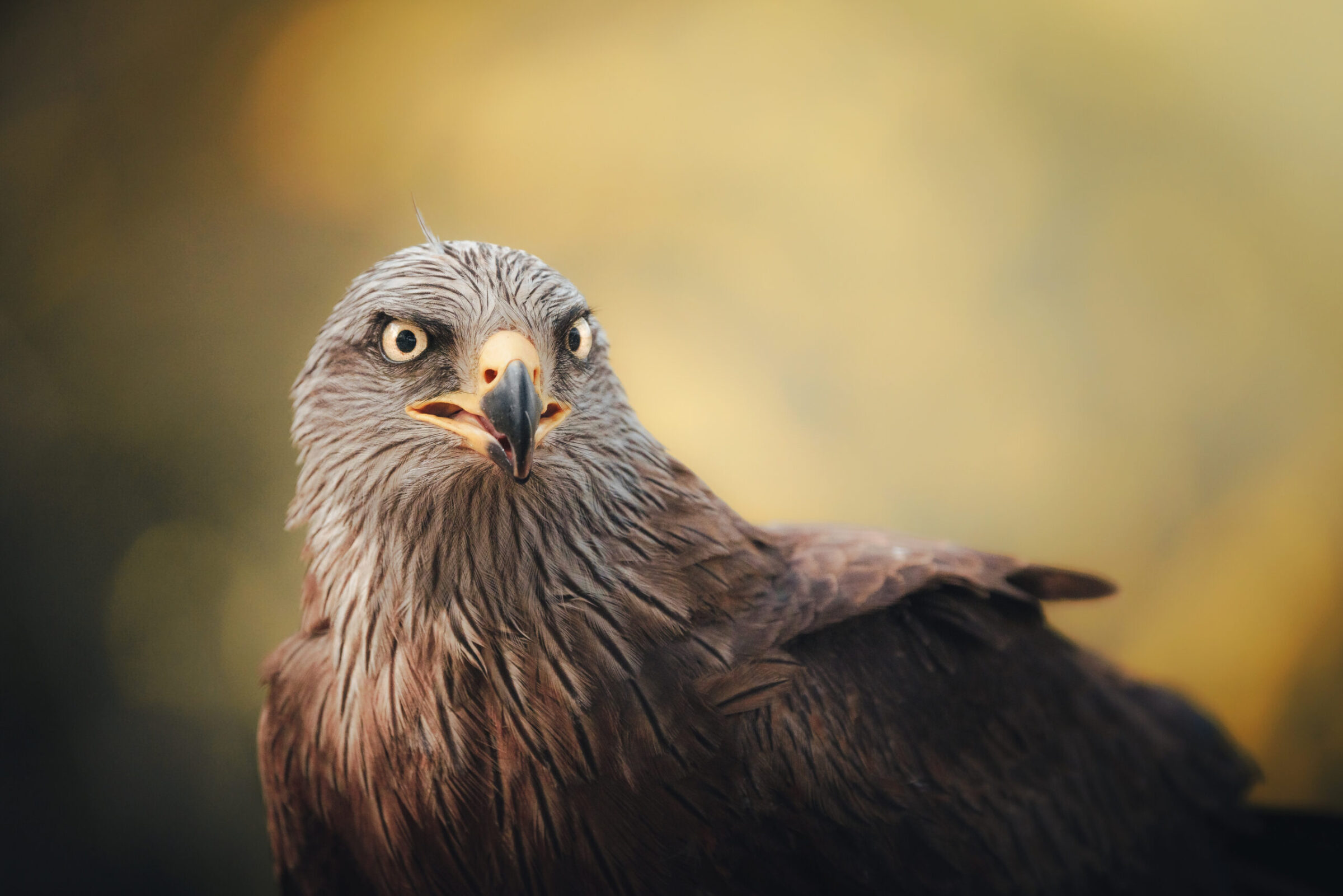
Milvus migrans
♥
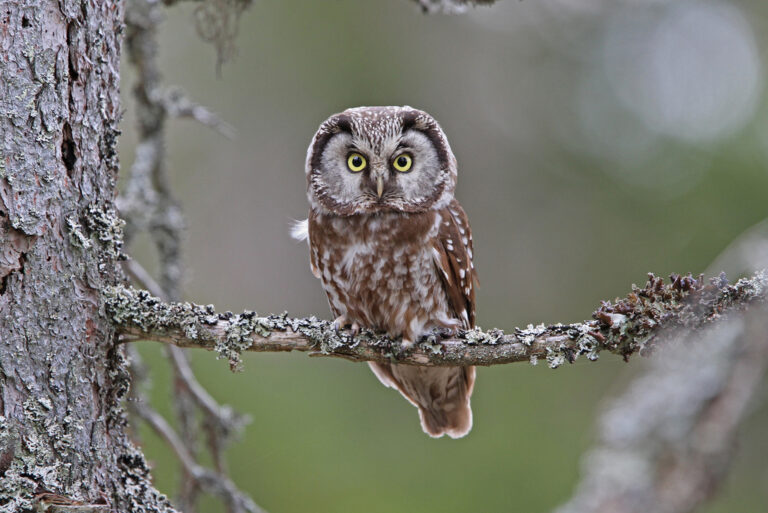
Aegolius funereus
♥
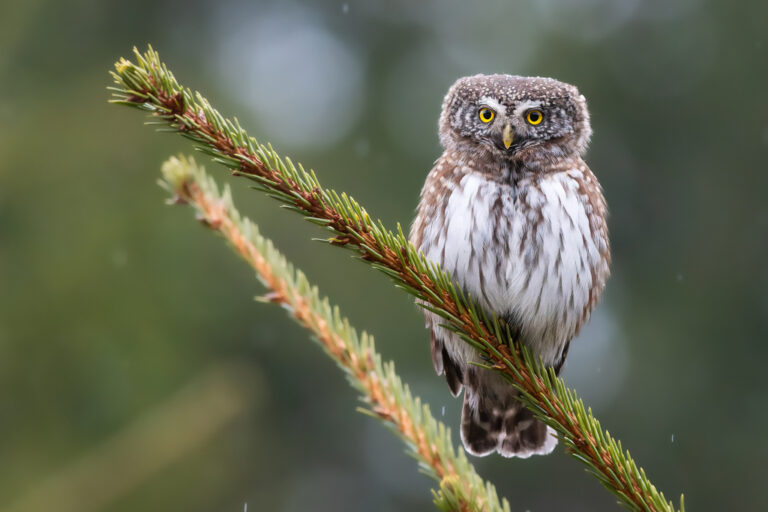
Glaucidium passerinum
♥
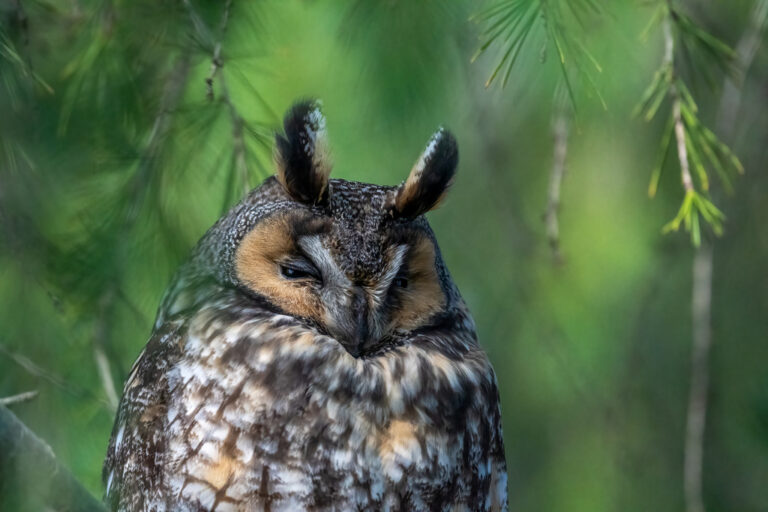
Asio otus
♥
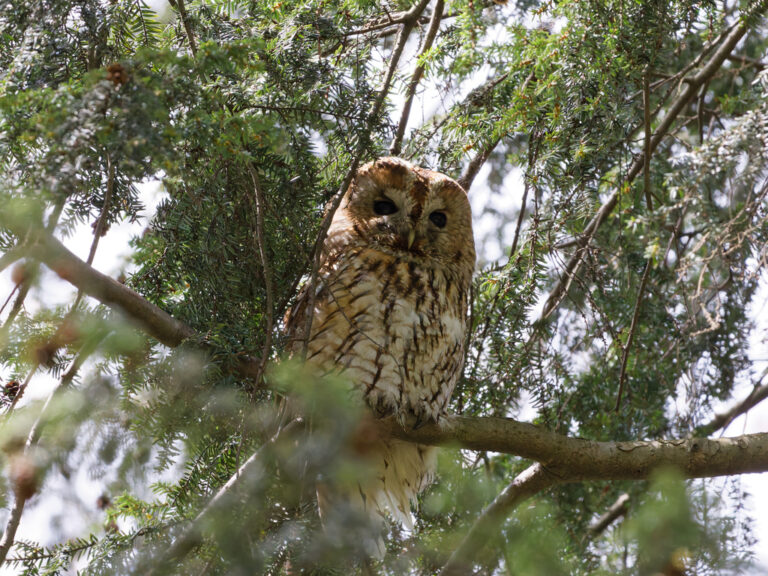
Strix aluco
♥
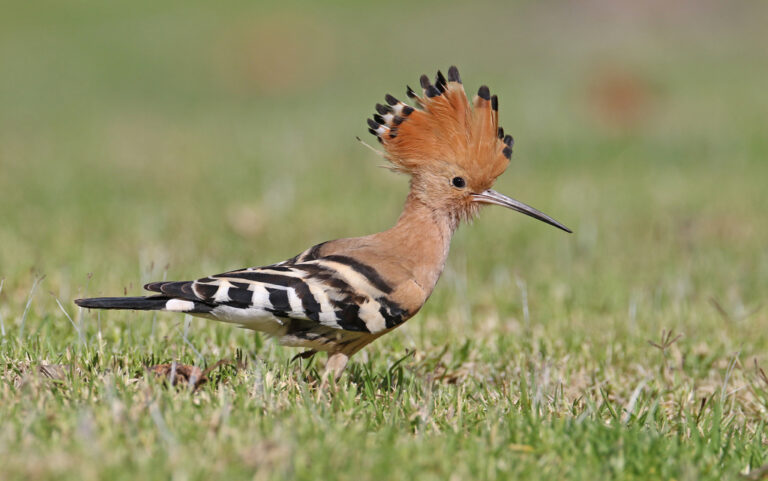
Upupa epops
♥
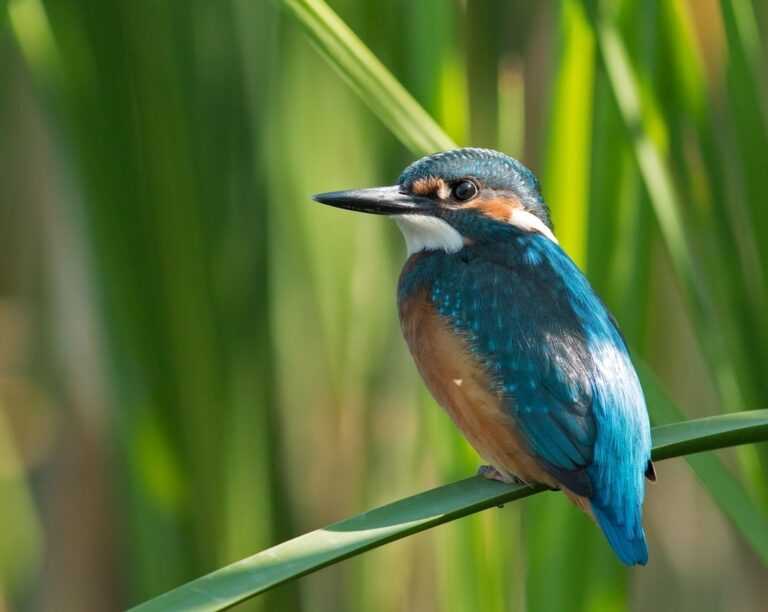
Alcedo atthis
♥
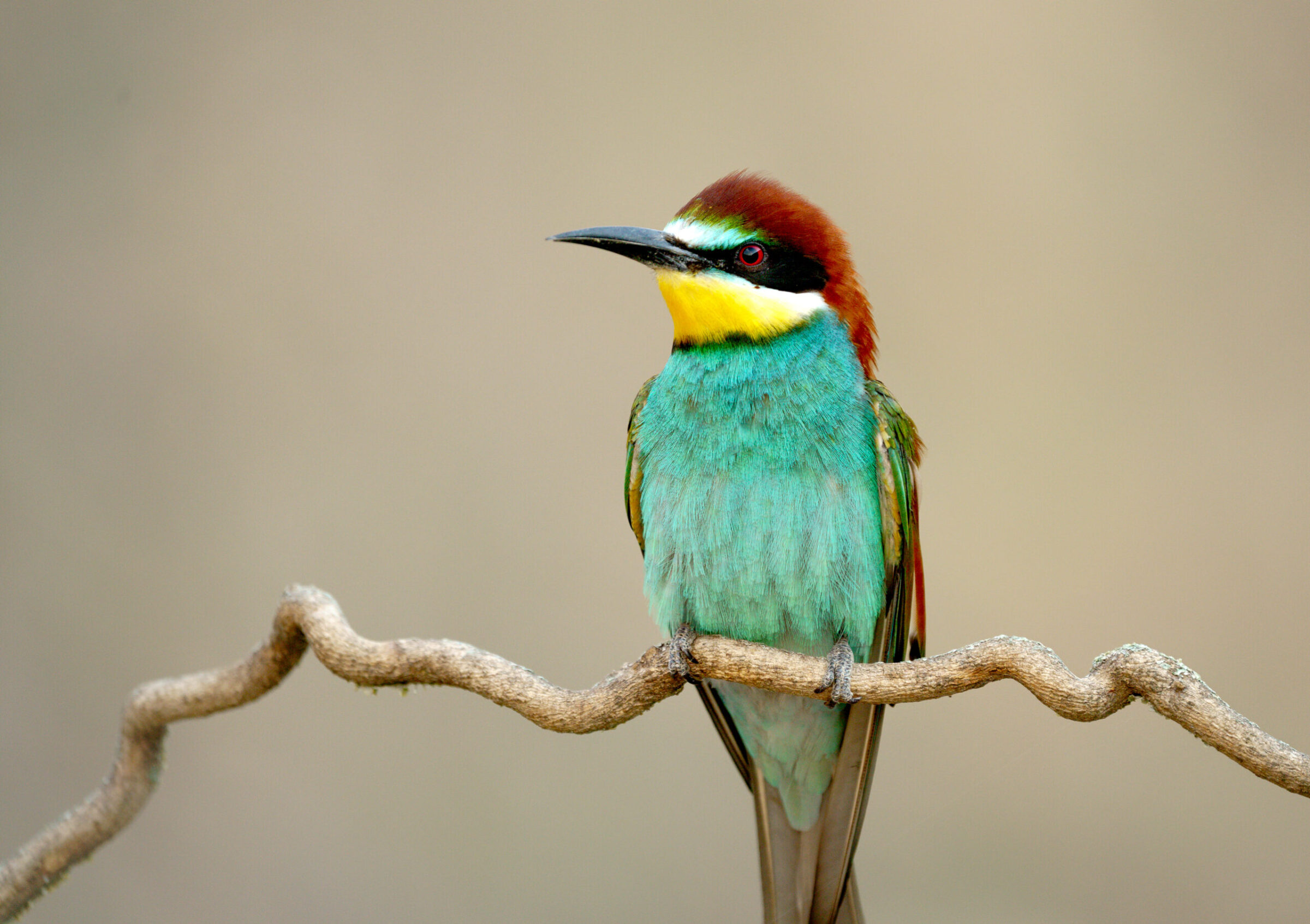
Merops apiaster
♥
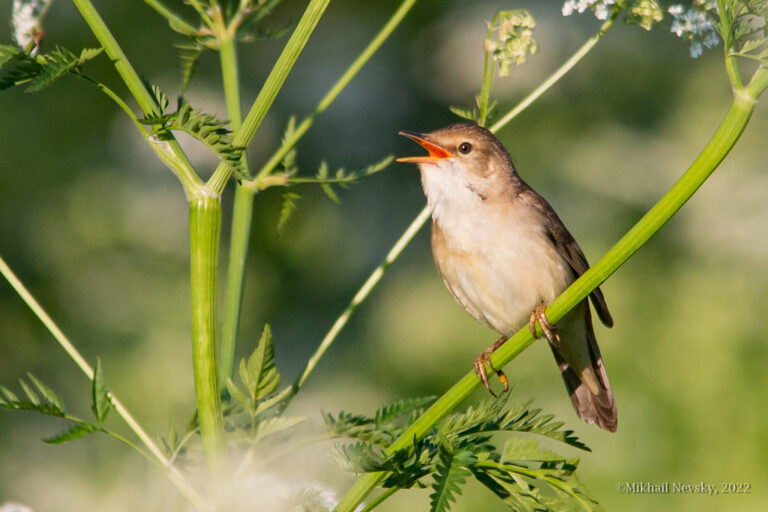
Acrocephalus palustris
♥
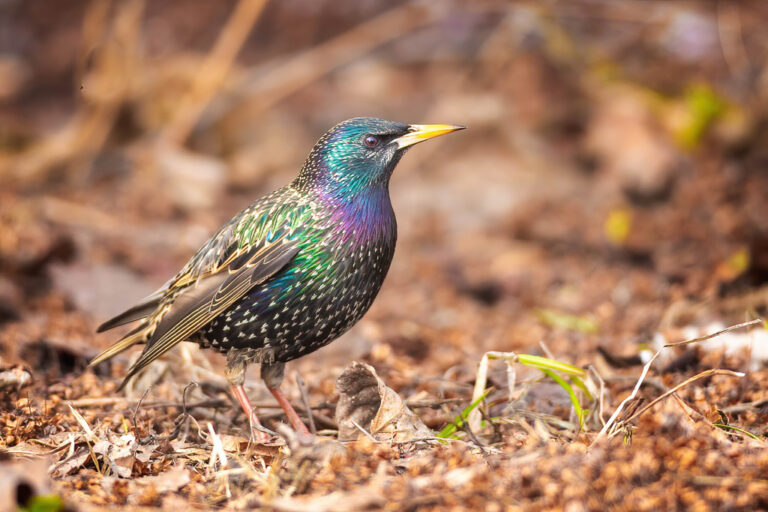
Sturnus vulgaris
♥
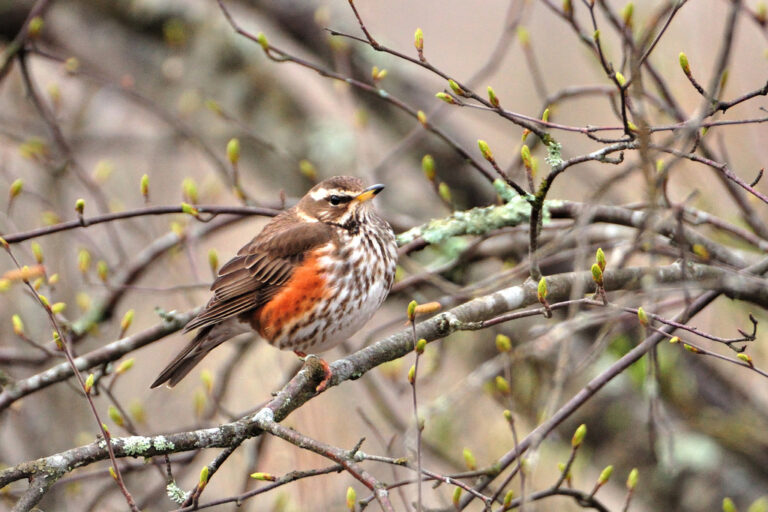
Turdus iliacus
♥
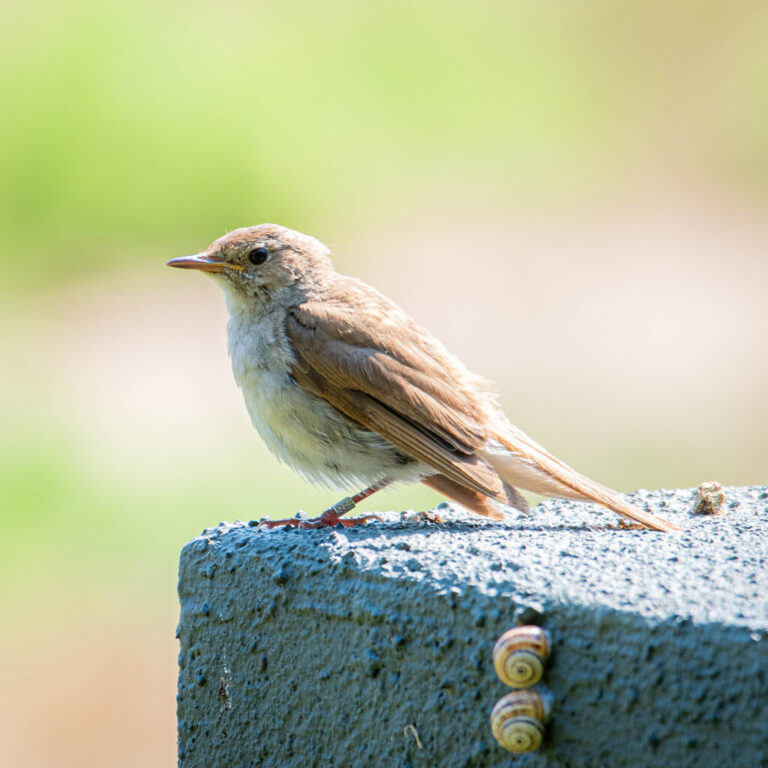
Luscinia megarhynchos
♥
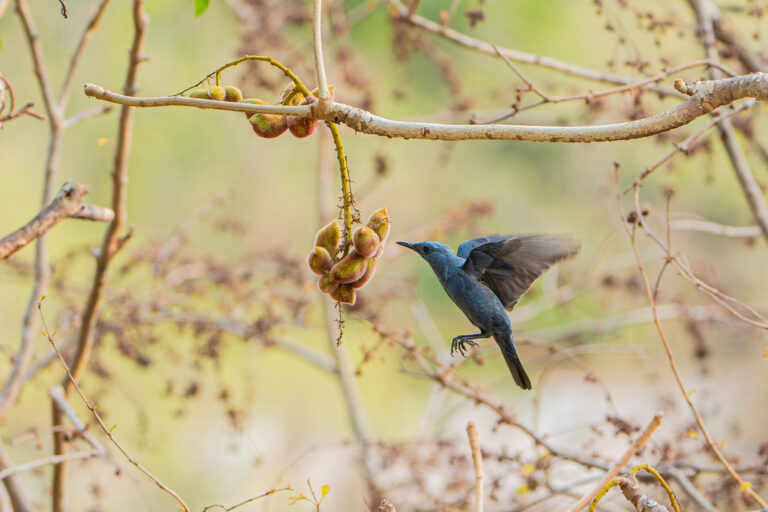
Monticola solitarius
♥
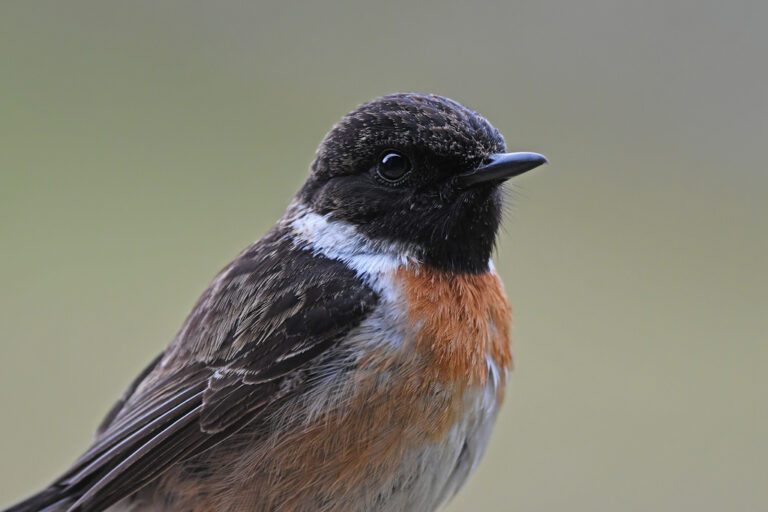
Saxicola rubicola
♥
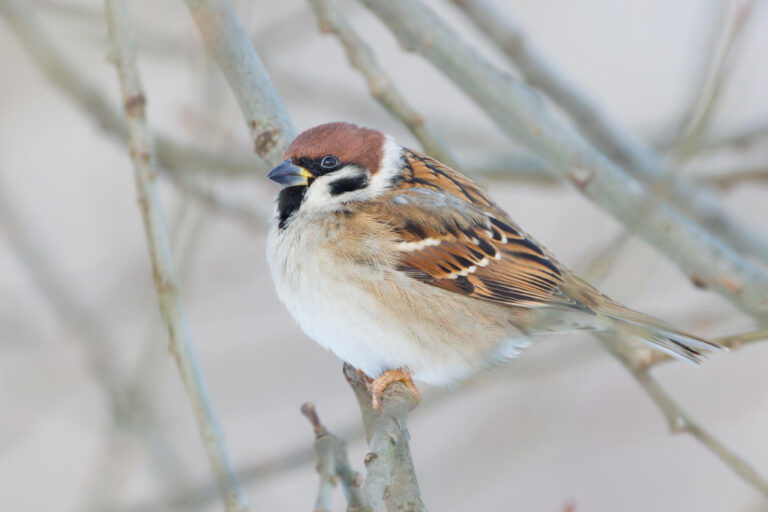
Passer montanus
♥
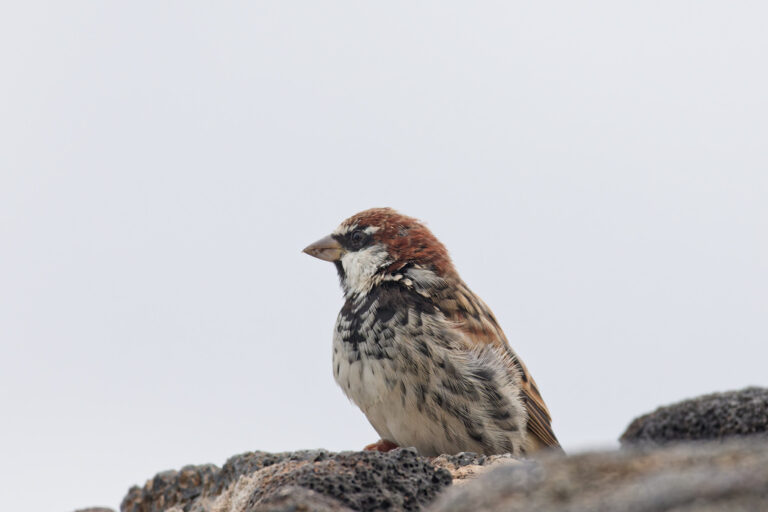
Passer hispaniolensis
♥
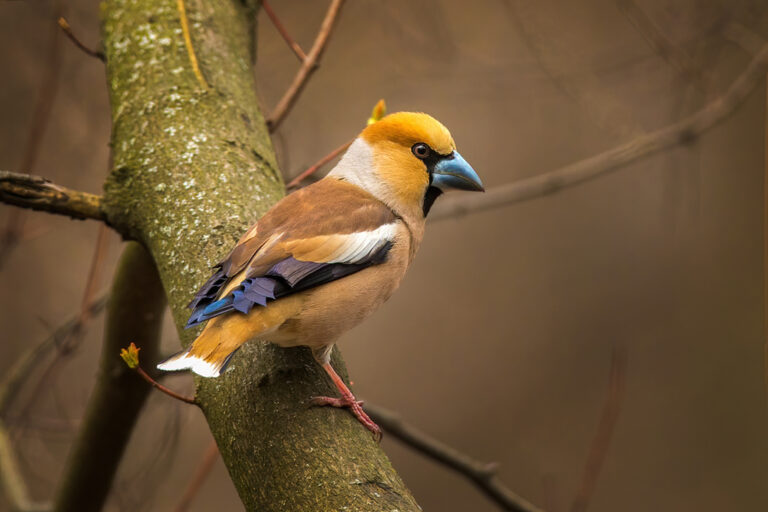
Coccothraustes coccothraustes
♥
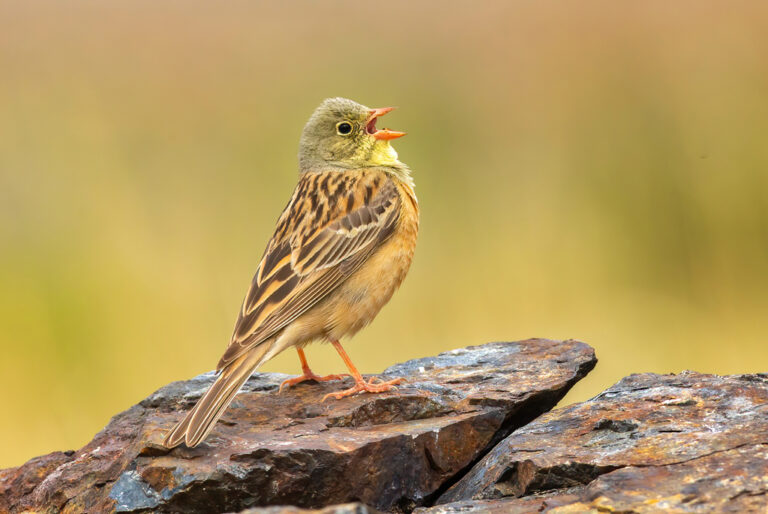
Emberiza hortulana
♥
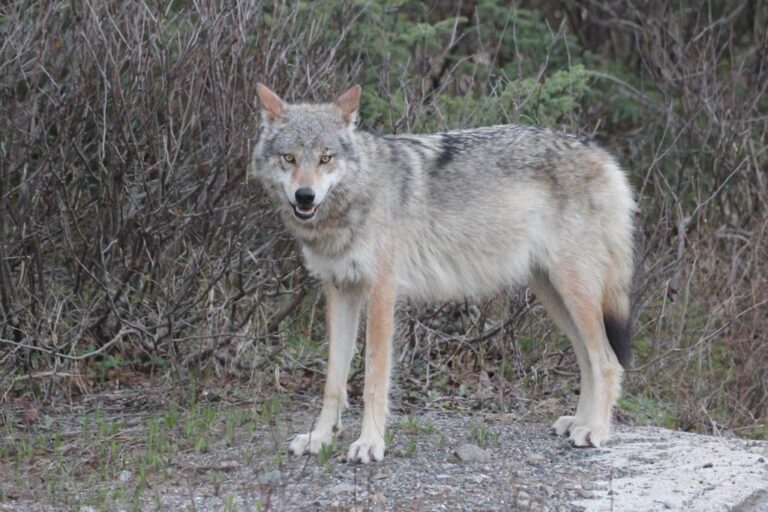
Canis lupus
♥
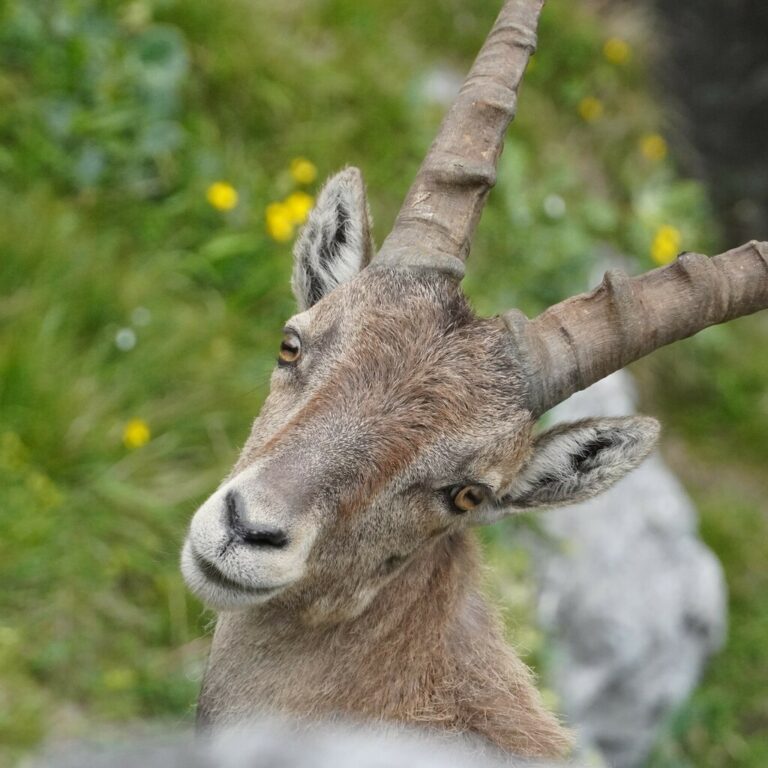
Capra ibex
♥
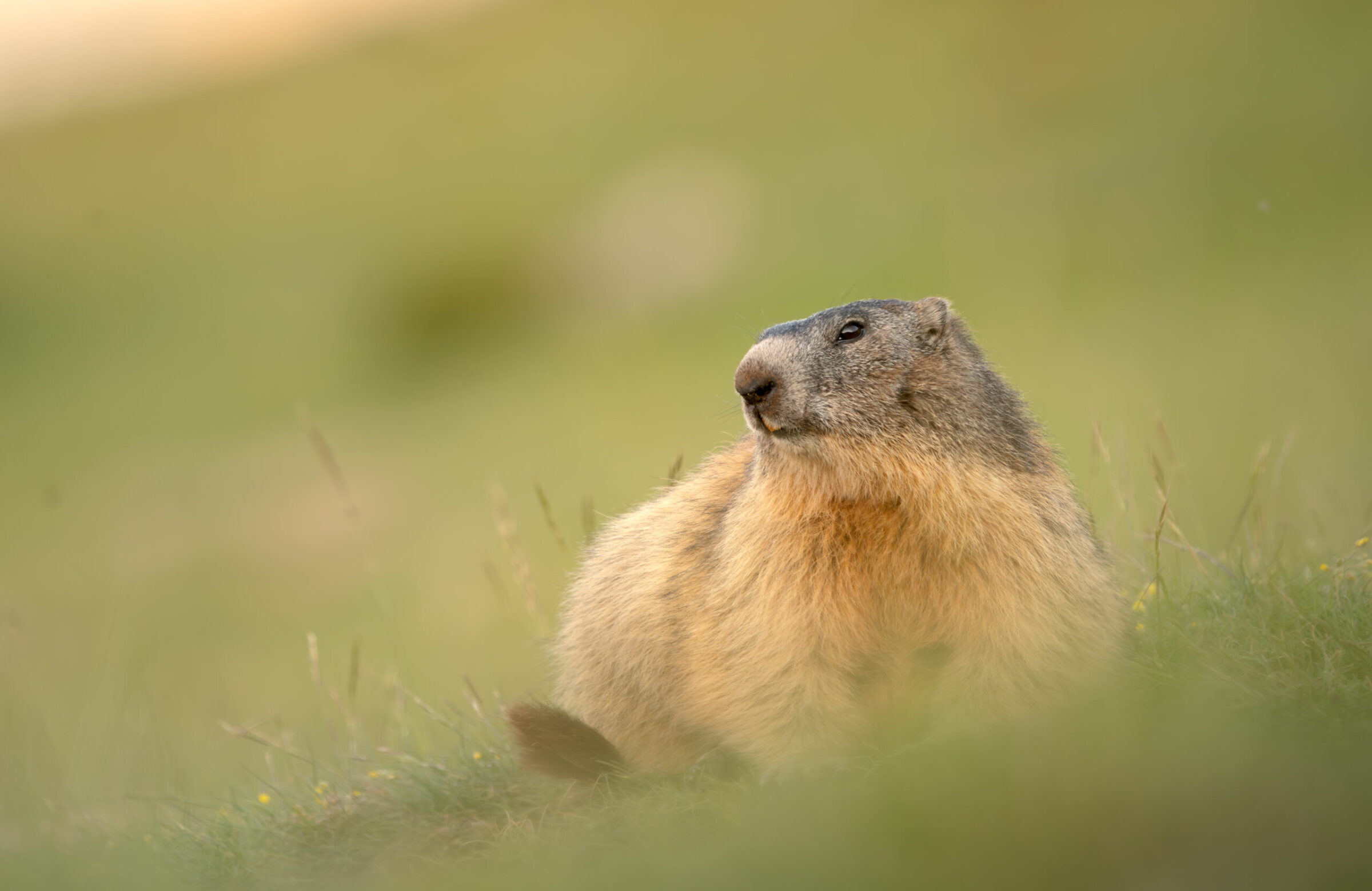
Marmota marmota
♥
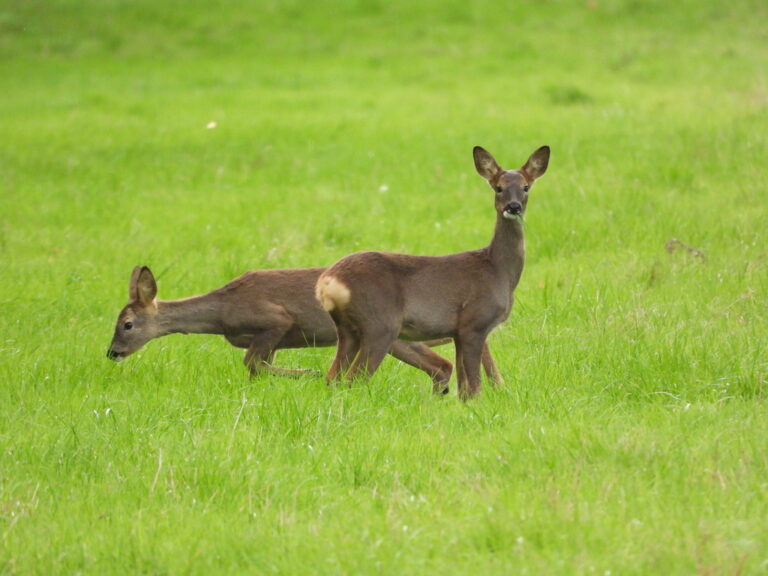
Capreolus capreolus
♥
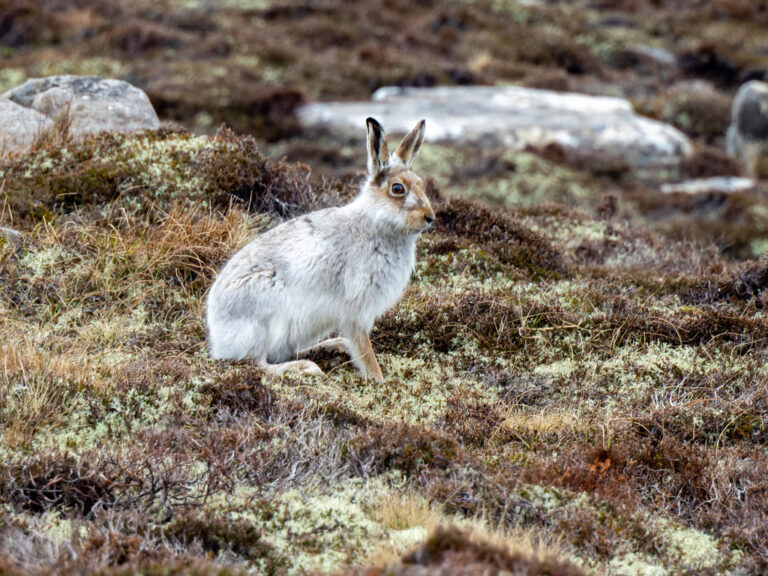
Lepus timidus
♥
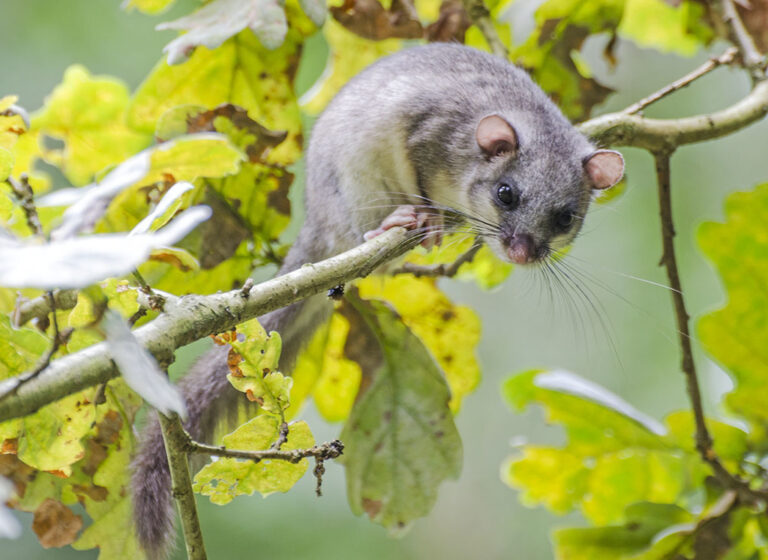
Glis glis
♥
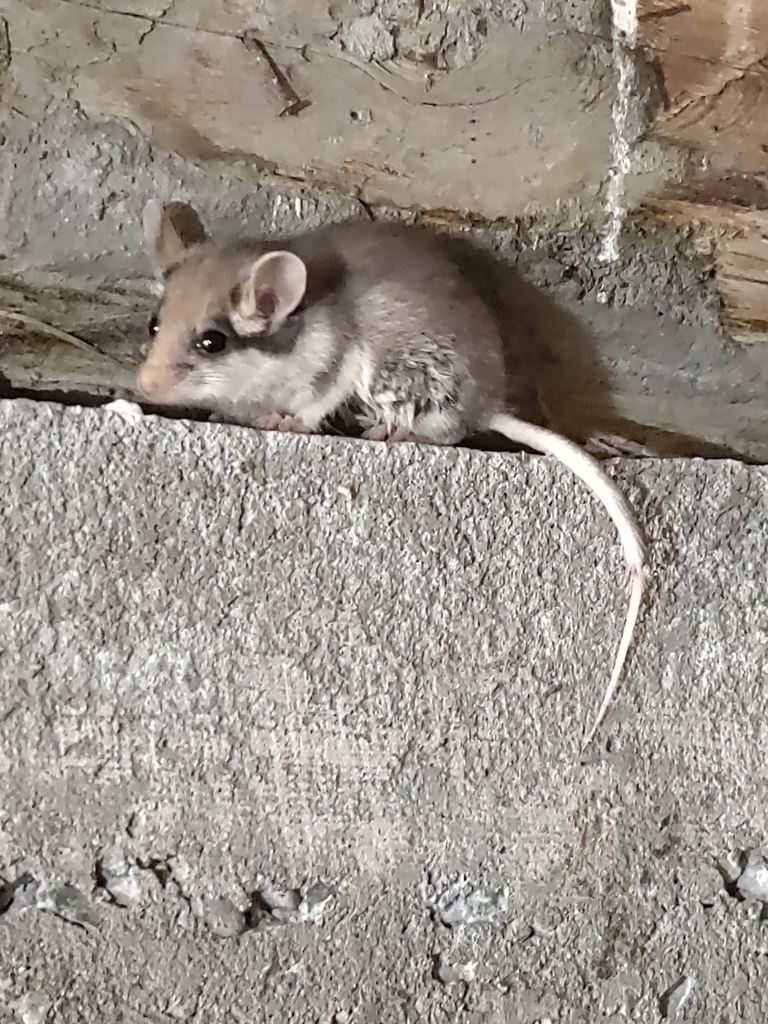
Eliomys quercinus
♥
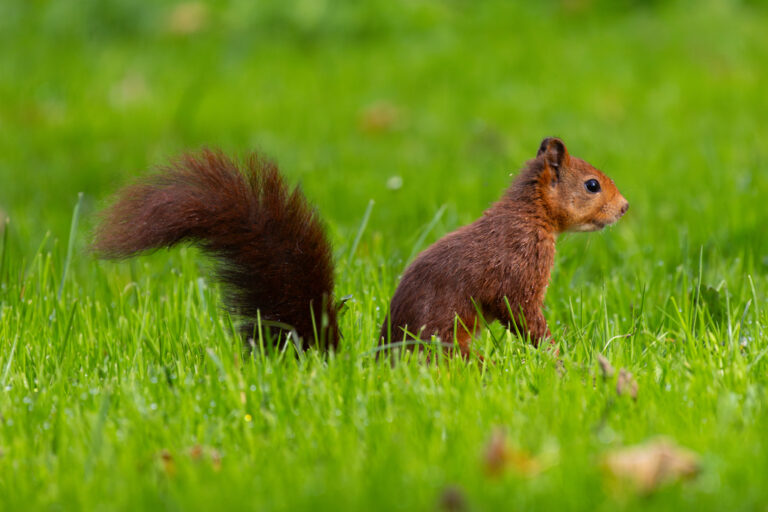
Sciurus vulgaris
♥
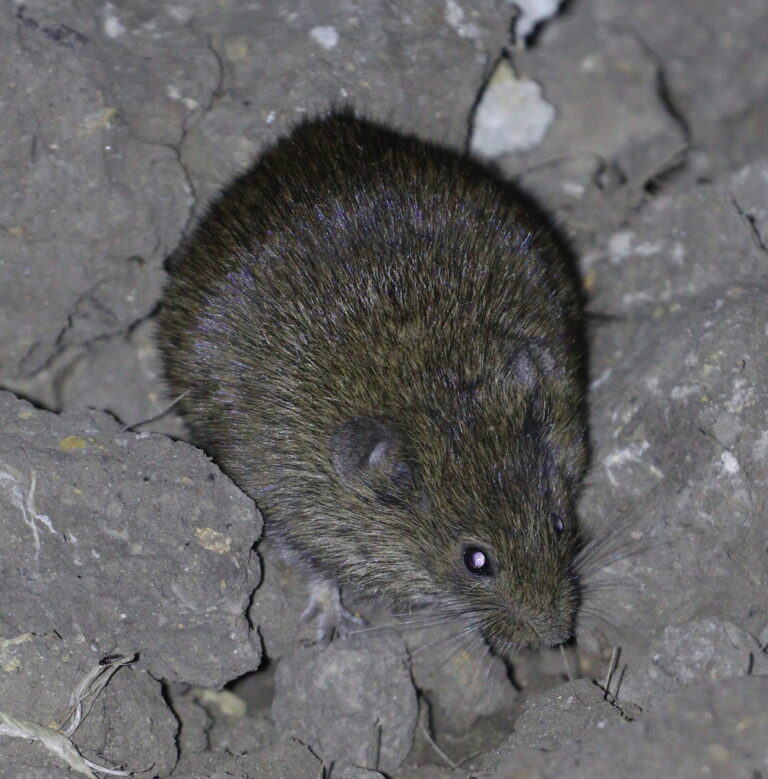
Microtus arvalis
♥
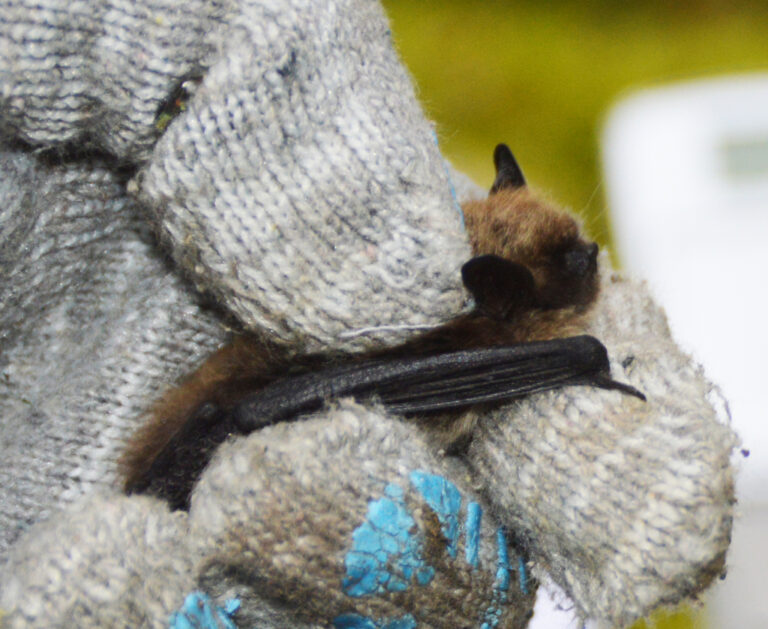
Myotis mystacinus
♥
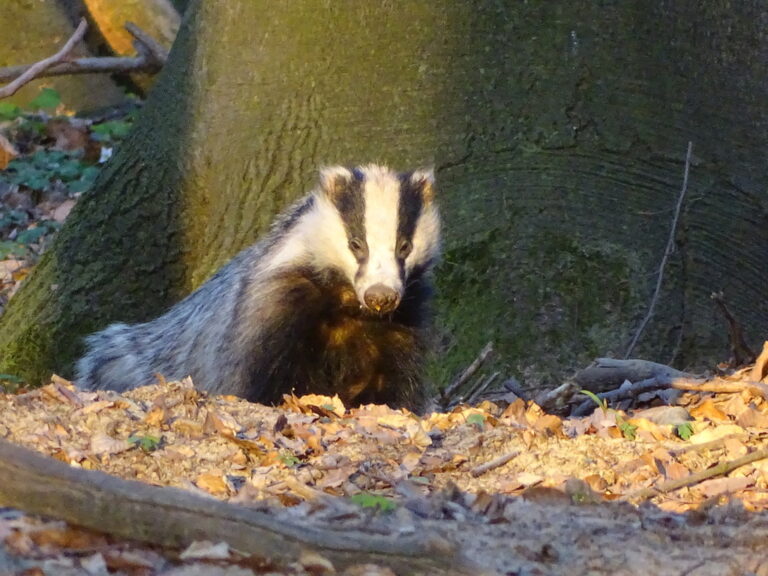
Meles meles
♥
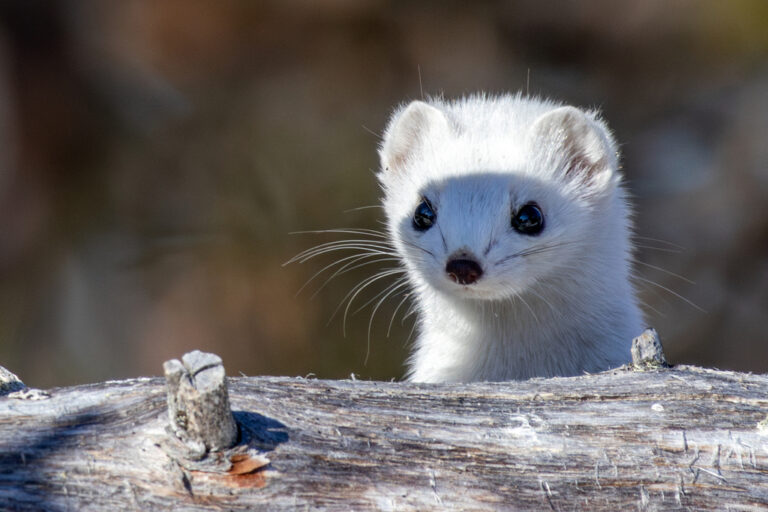
Mustela erminea
♥
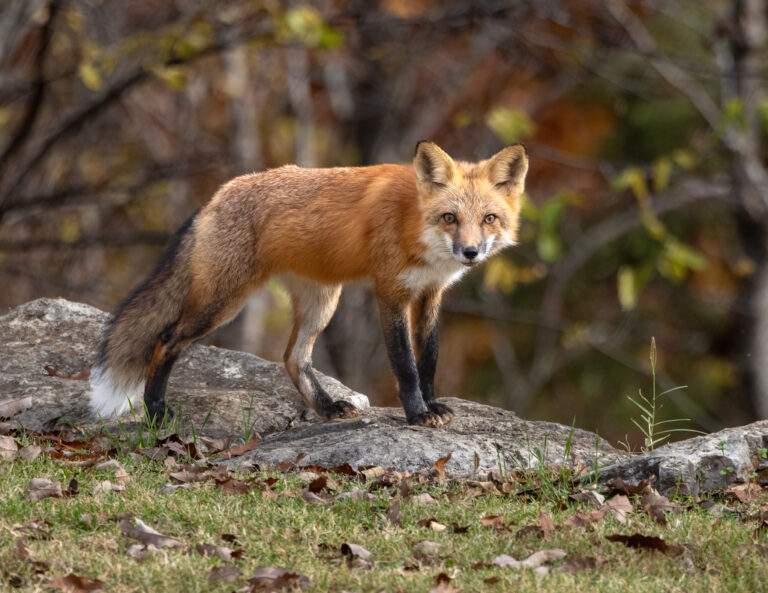
Vulpes vulpes
♥
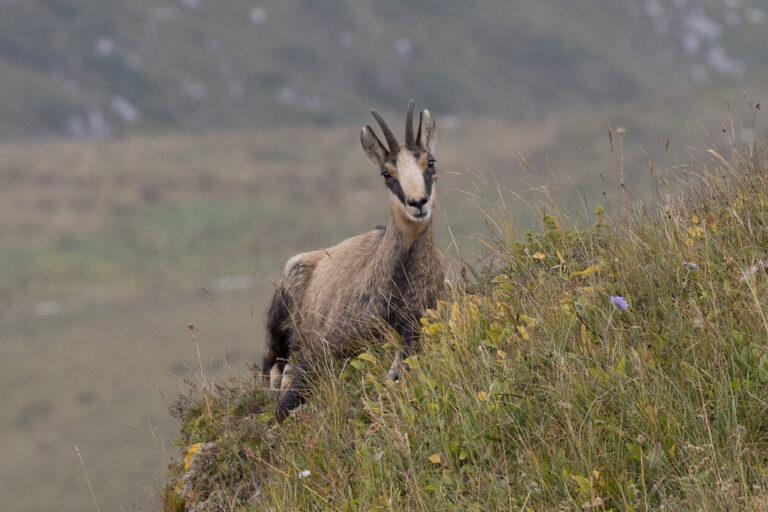
Rupicapra rupicapra
♥
Cervus elaphus
♥
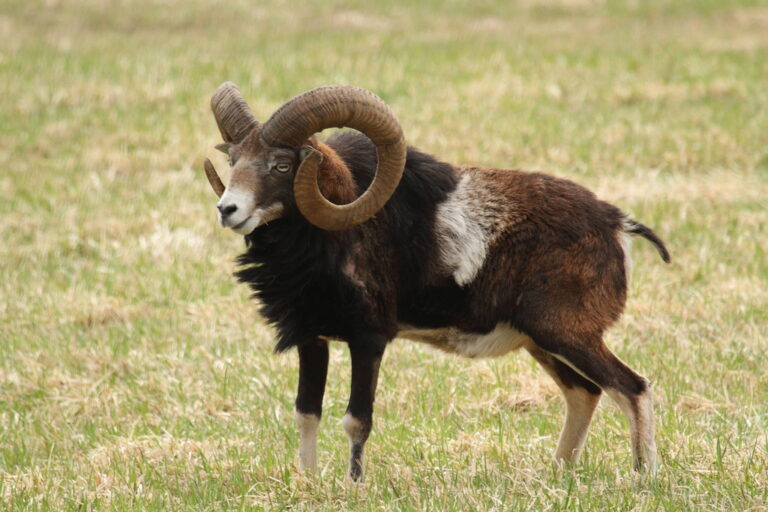
Ovis aries musimon
♥
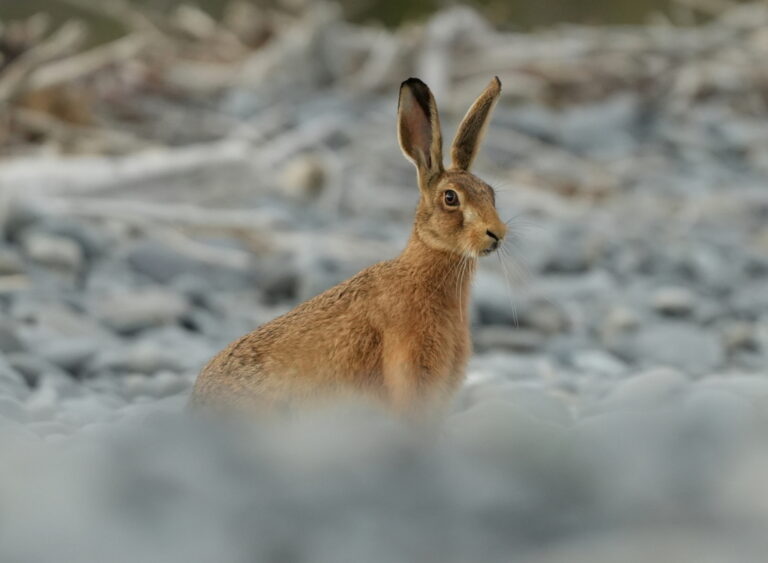
Lepus europaeus
♥
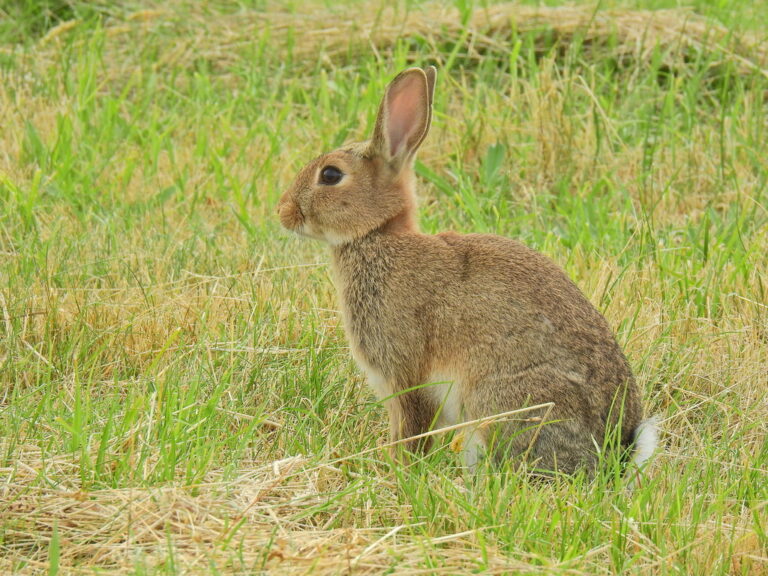
Oryctolagus cuniculus
♥
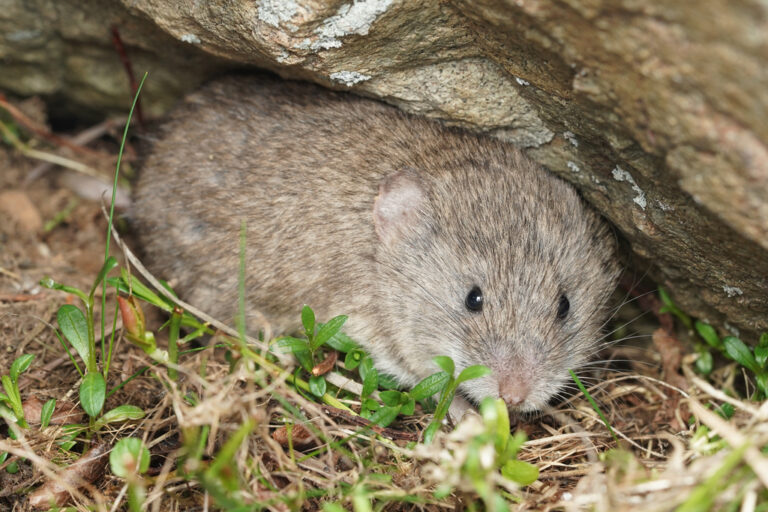
Chionomys nivalis
♥
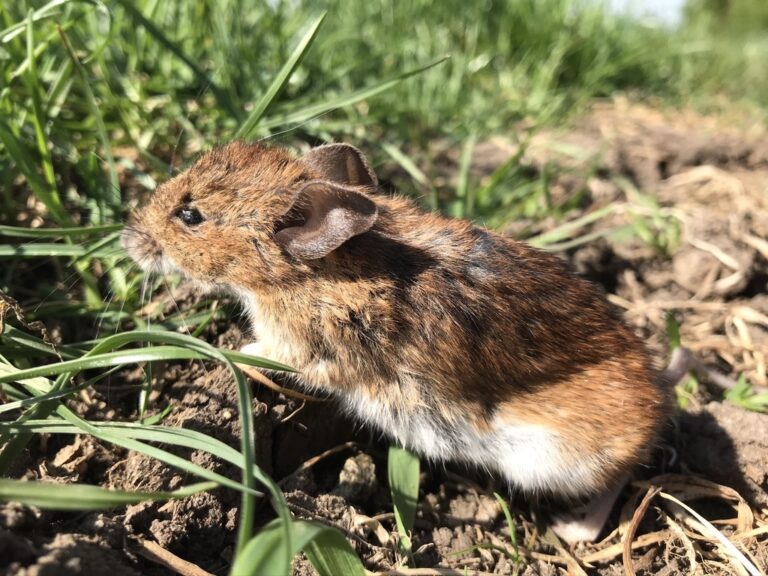
Apodemus sylvaticus
♥
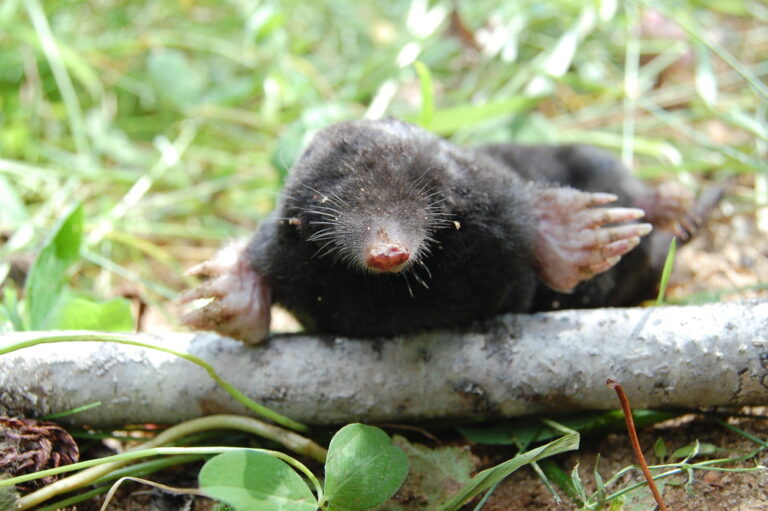
Talpa europaea
♥
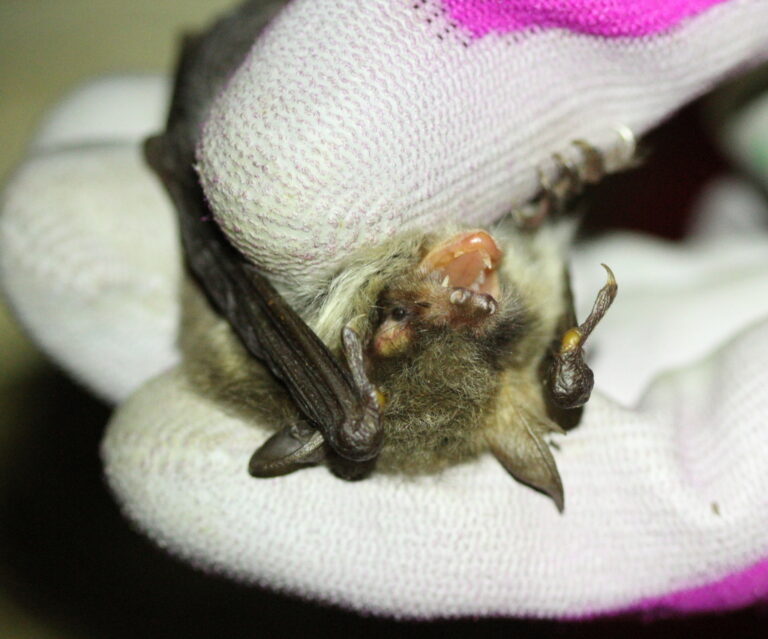
Myotis crypticus
♥
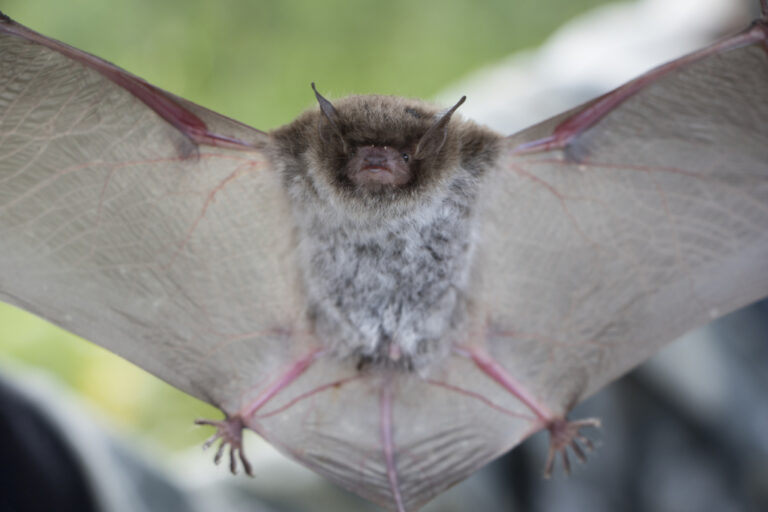
Myotis daubentonii
♥
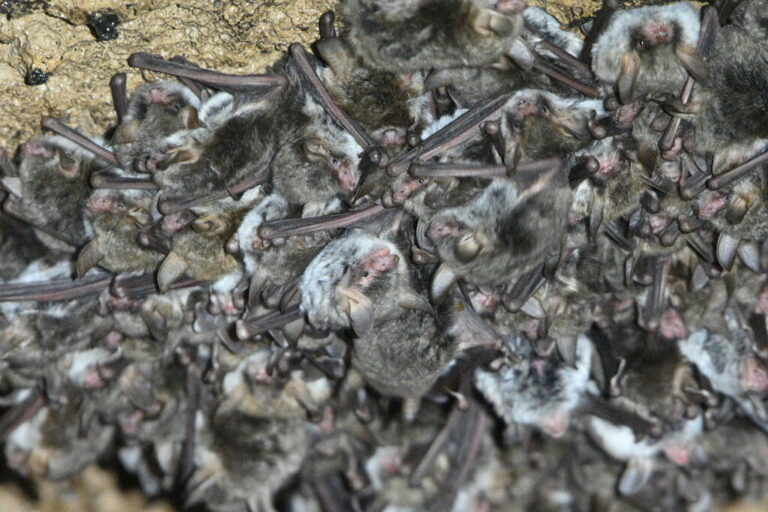
Myotis escalerai
♥
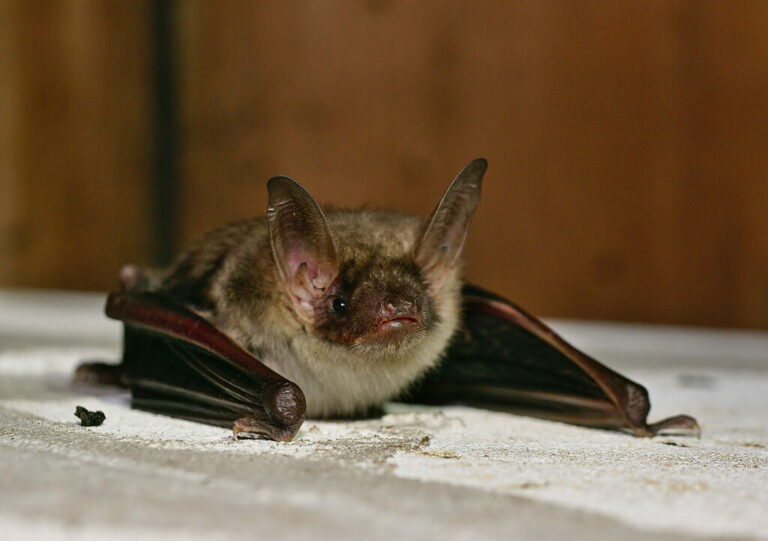
Myotis myotis
♥
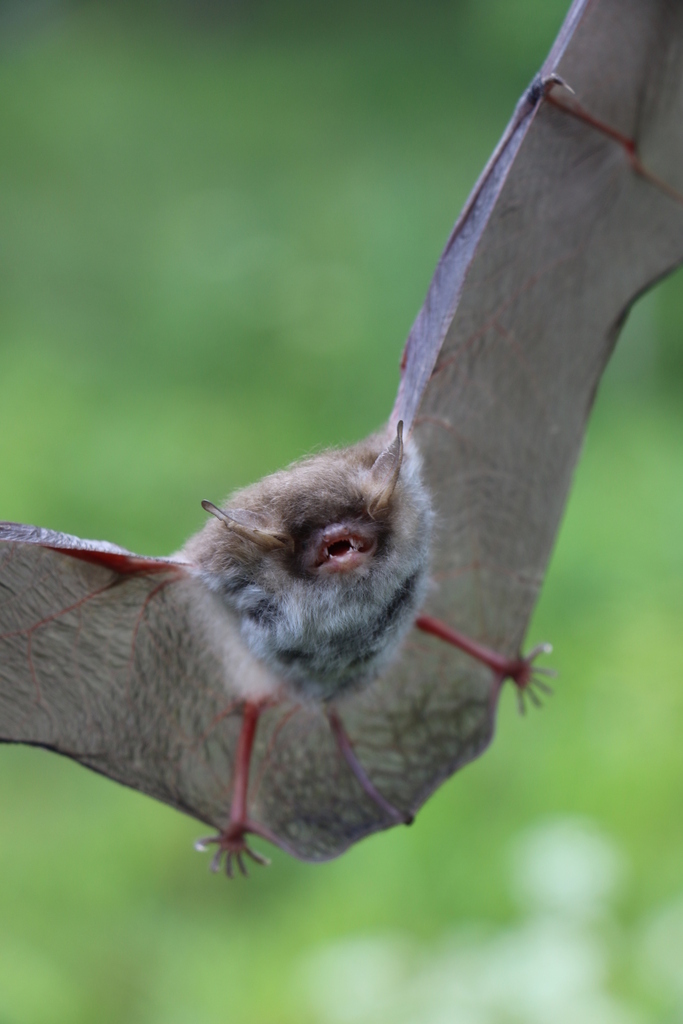
Myotis nattereri
♥
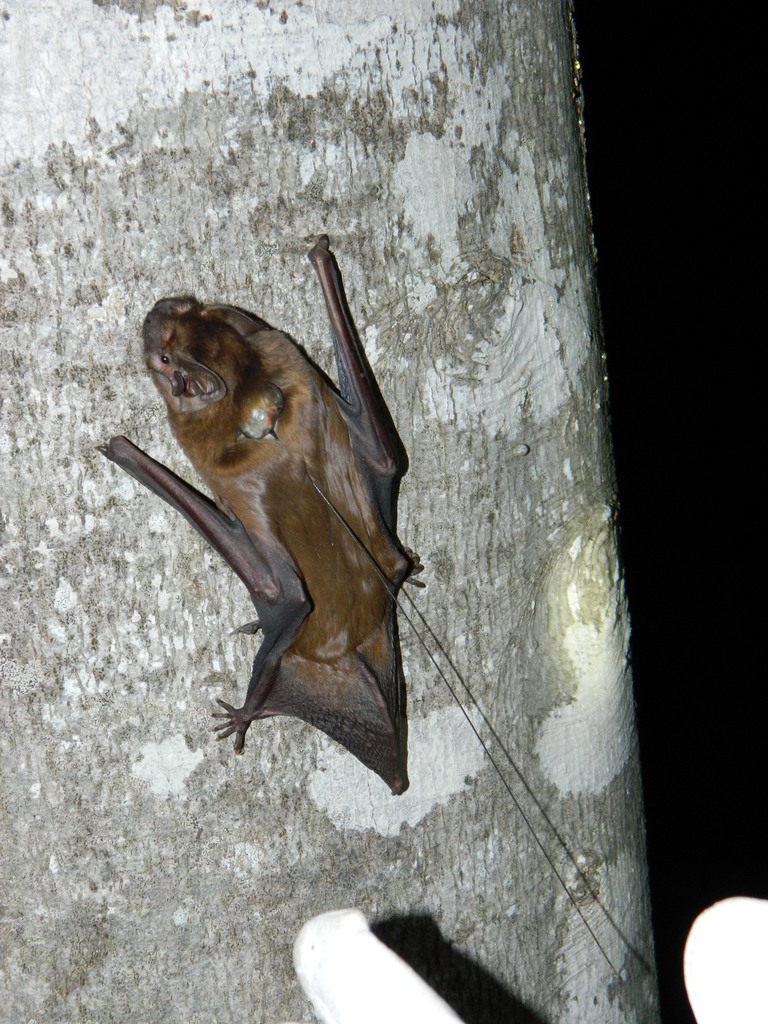
Nyctalus lasiopterus
♥
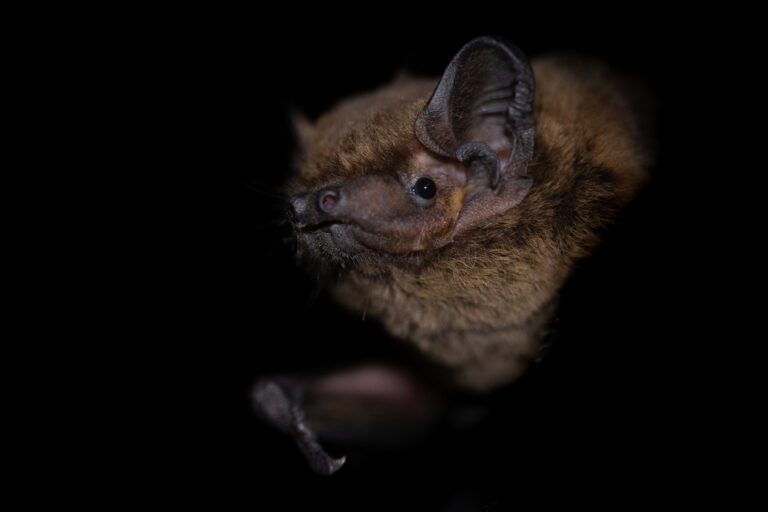
Nyctalus leisleri
♥
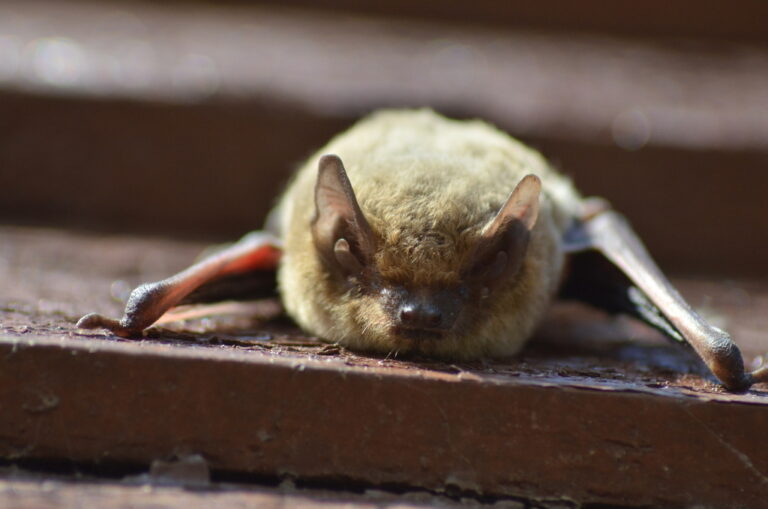
Pipistrellus kuhlii
♥
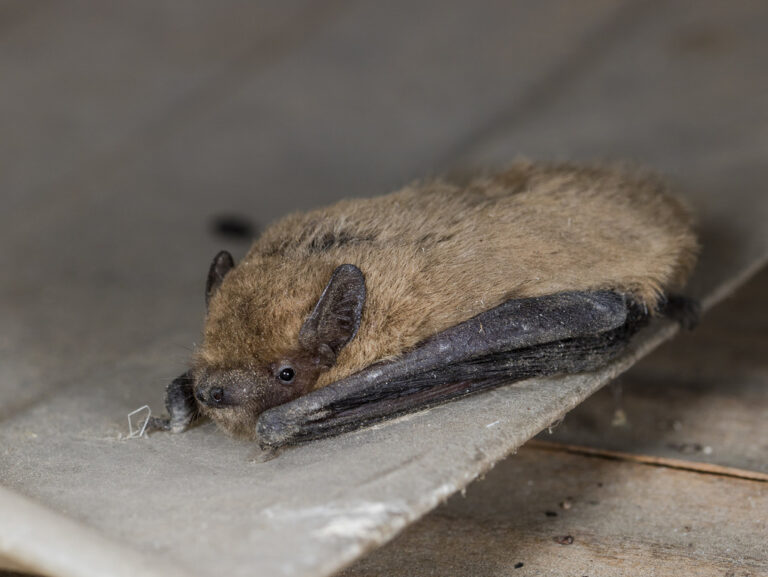
Pipistrellus pipistrellus
♥
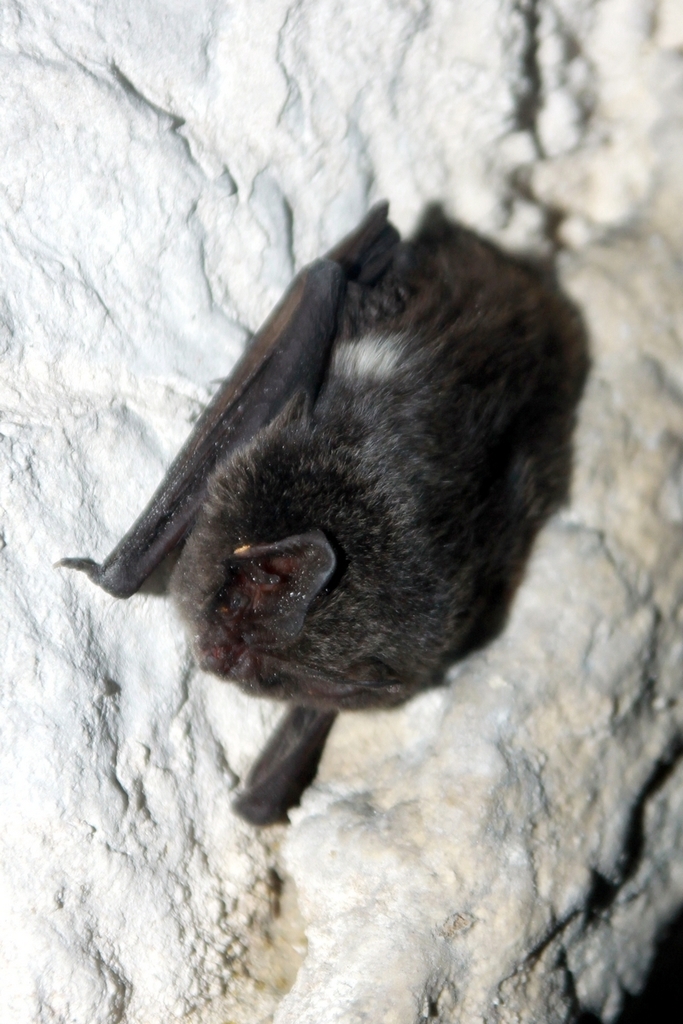
Barbastella barbastellus
♥
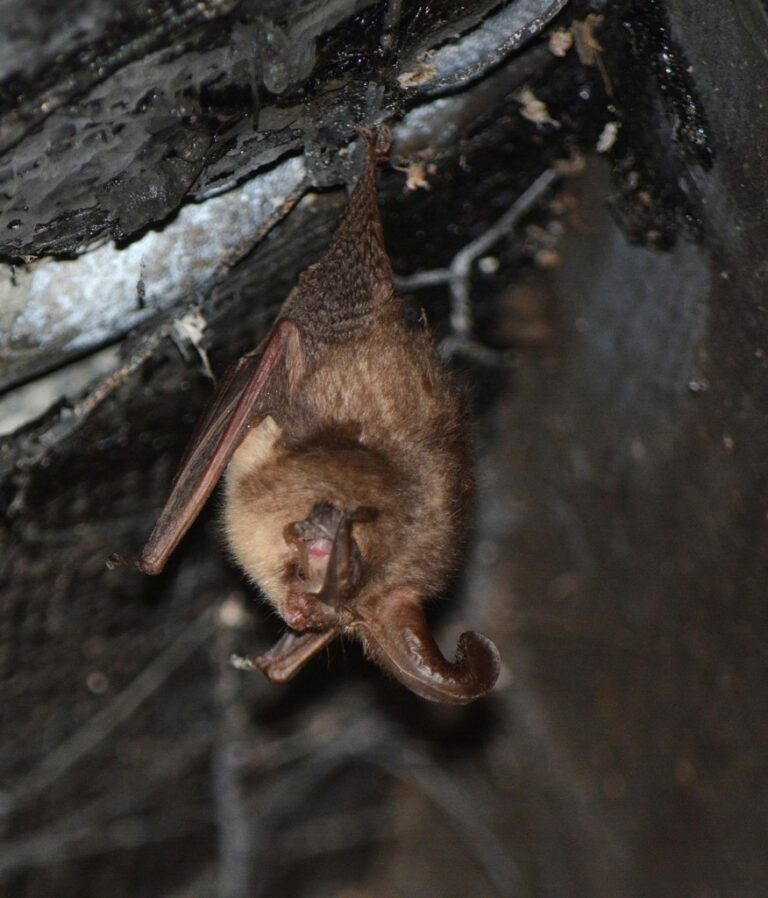
Plecotus auritus
♥
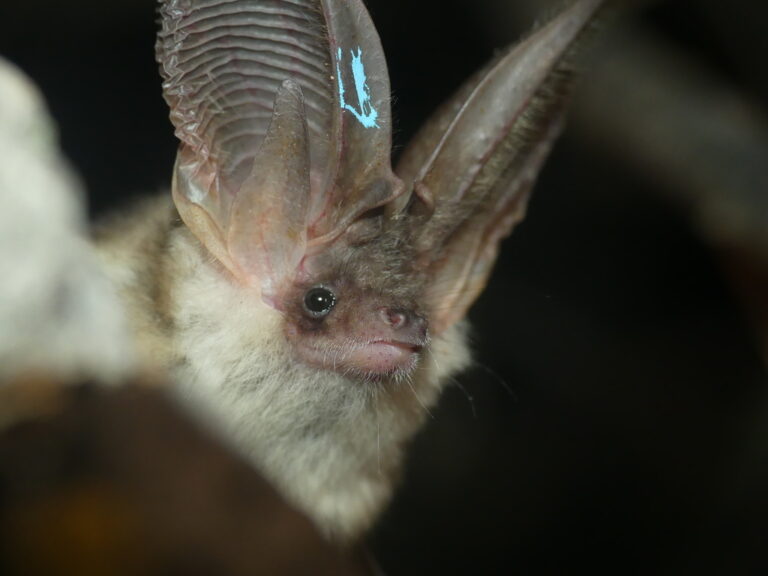
Plecotus macrobullaris
♥
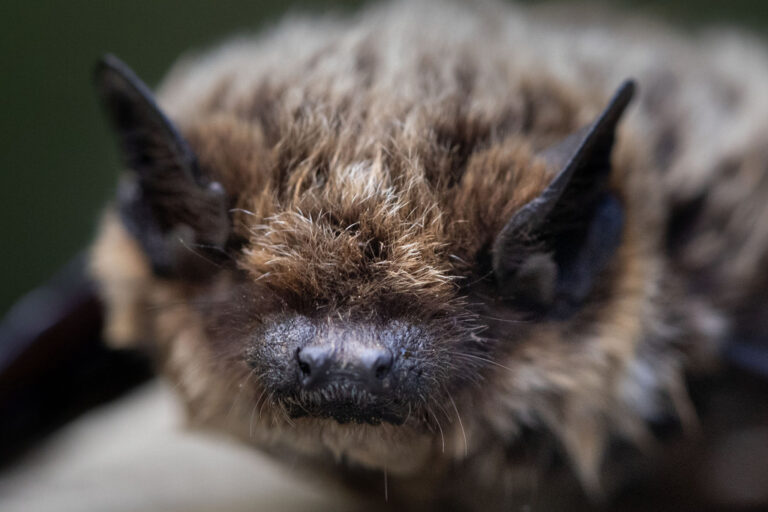
Hypsugo savii
♥
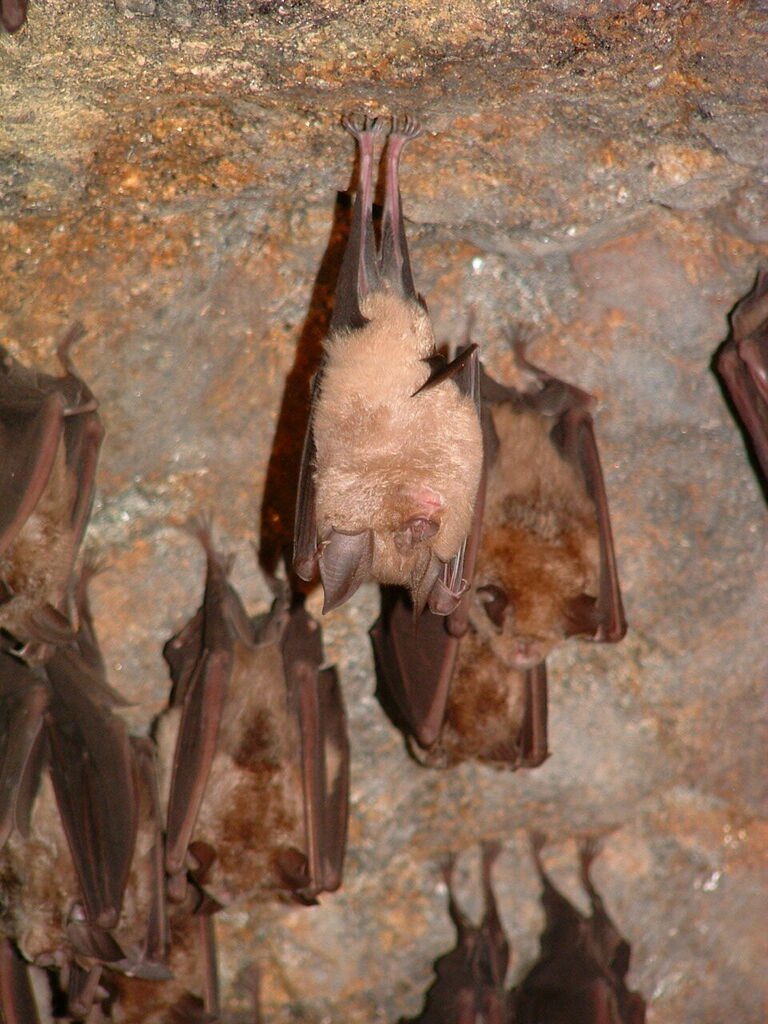
Rhinolophus ferrumequinum
♥
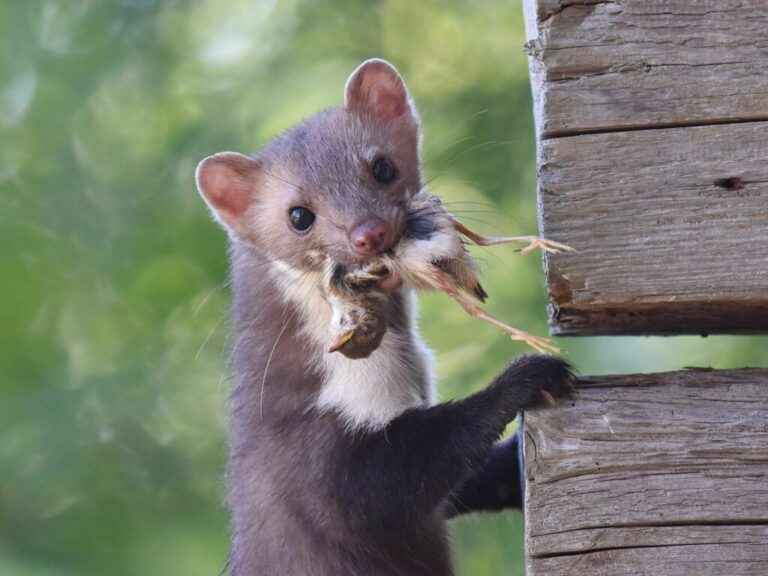
Martes foina
♥
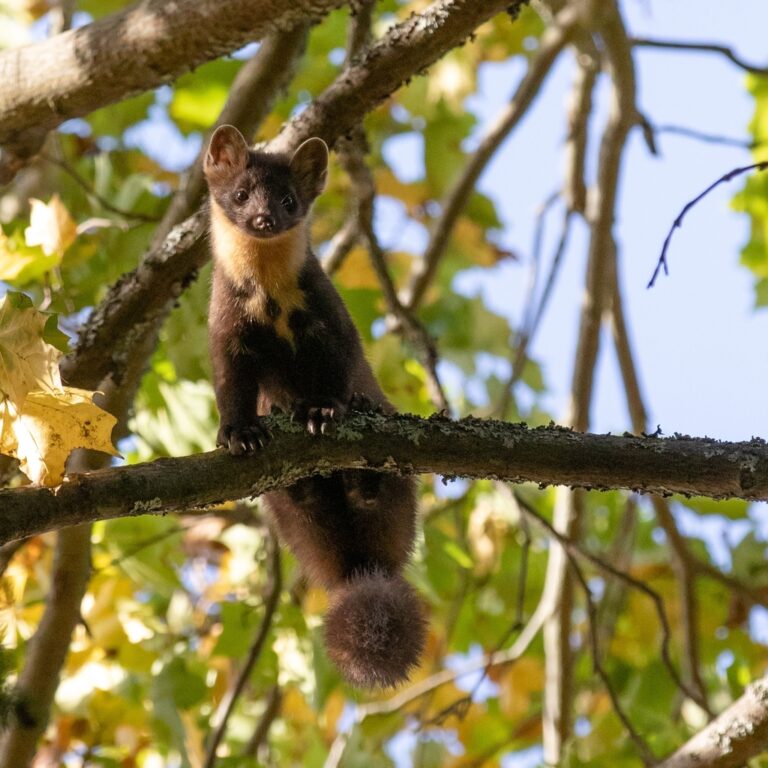
Martes martes
♥
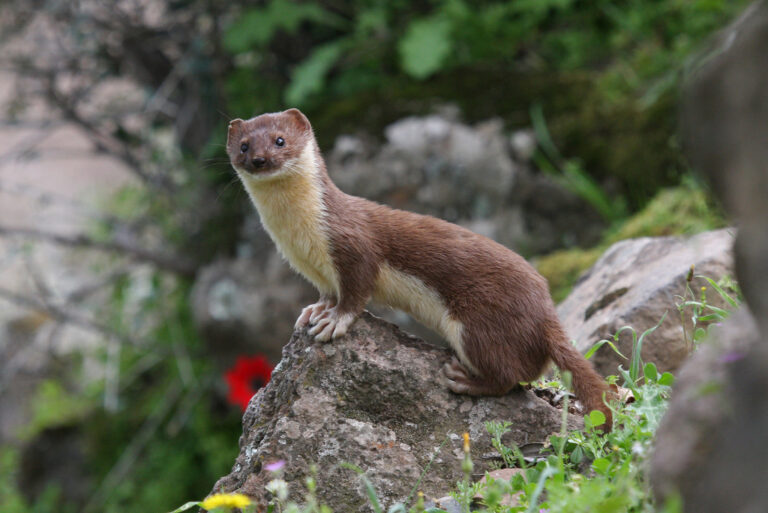
Mustela nivalis
♥
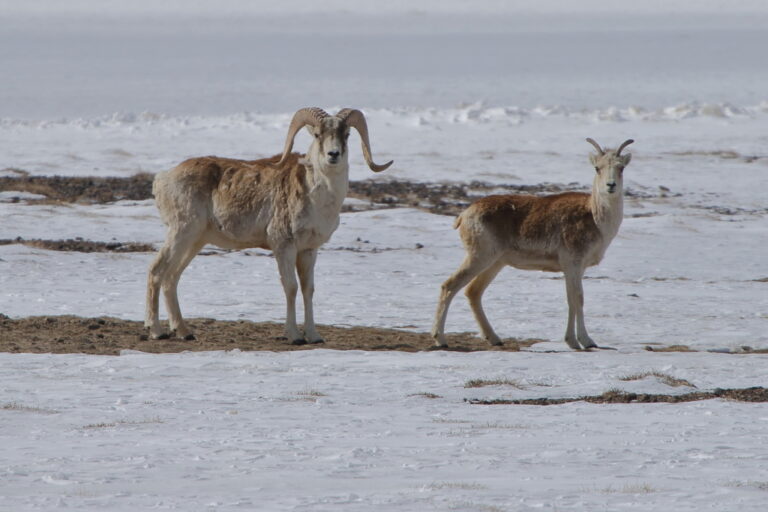
Ovis ammon
♥
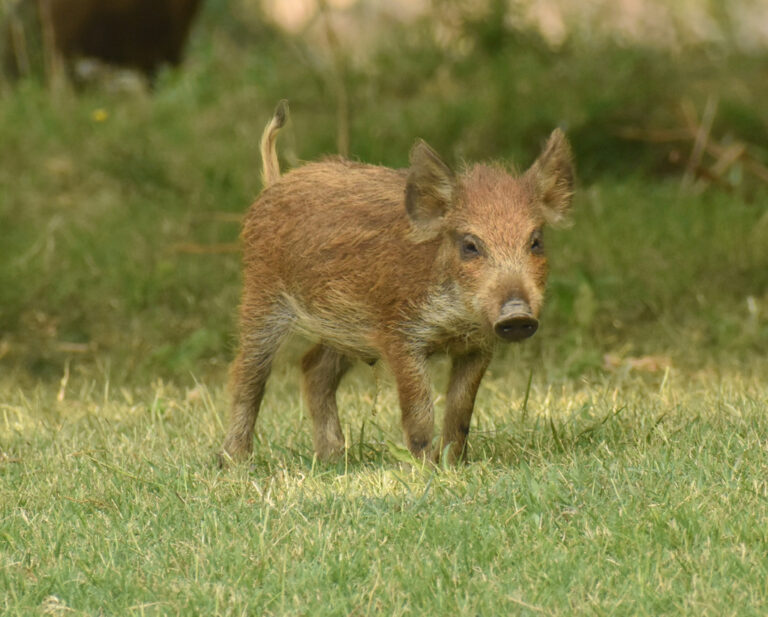
Sus scrofa
♥
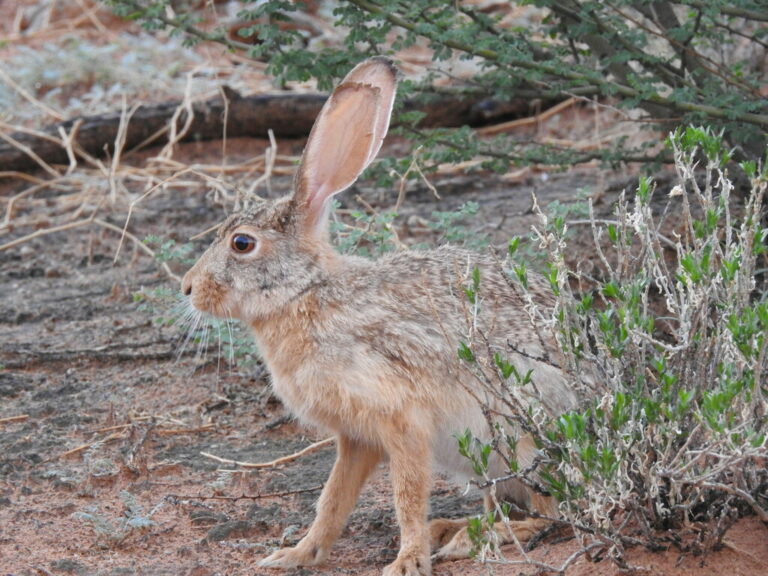
Lepus capensis
♥
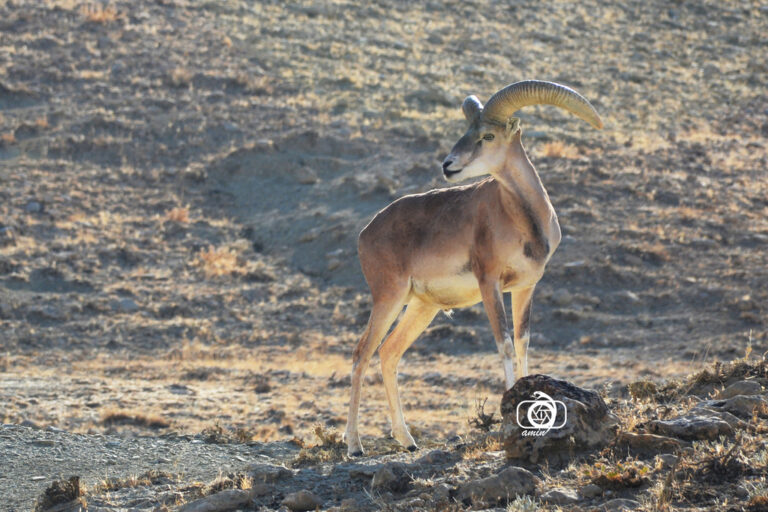
Ovis gmelinii
♥